Local
D.C. woman gets 6 ½ years for shooting gay man at IHOP
Prosecutors say case lacked evidence to classify as hate crime
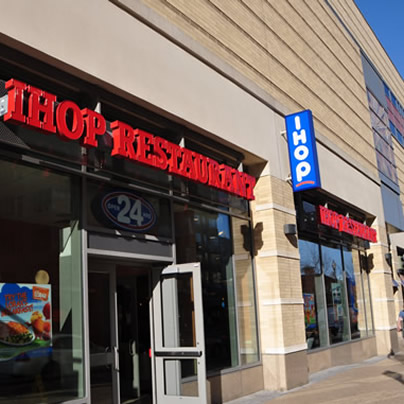
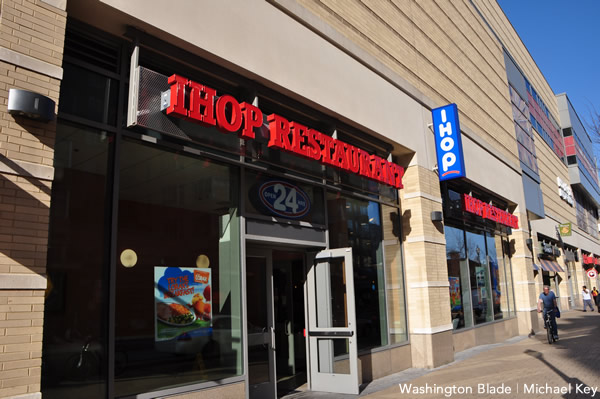
An altercation led to a shooting at the IHOP restaurant in Columbia Heights on March 11, 2012. (Washington Blade file photo by Michael Key)
A D.C. Superior Court judge on Thursday sentenced a 29-year-old woman to six-and-a-half years in prison for the March 2012 non-fatal shooting of a gay man inside an International House of Pancakes restaurant in the city’s Columbia Heights neighborhood.
The sentencing by Judge Michael Ryan came three months after a jury found Lashawn Yvonne Carson, a D.C. resident, guilty of aggravated assault while armed and six additional firearms-related charges.
During the four-day trial prosecutors played for the jury a video obtained from the restaurant’s security cameras that they said showed Carson, then 28, pull out a handgun and shoot Dante Thomas in the chest.
Thomas has since recovered from a gunshot wound to his liver that the lead prosecutor said could have been fatal if he had not received immediate medical treatment at a nearby hospital.
Police and prosecutors said an altercation leading to the shooting began when two groups of friends were eating at separate tables near one another at the IHOP restaurant about 5:30 a.m. on March 11, 2012.
According to a police affidavit and testimony by witnesses, one of Carson’s friends while sitting at her table used the word “faggot” to describe one or more of the men sitting at Thomas’s table. A short time later a physical altercation erupted between the two groups when Thomas attempted to walk to the cash register to pay his bill.
“Carson and a male friend inadvertently stood directly in his way,” a statement by the U.S. Attorney’s office says. “The victim attempted to squeeze by and accidently bumped into Carson. Words were exchanged and the defendant’s male friend used a homophobic slur,” the statement says.
Government witnesses at the trial said a fight then broke out between the opposing groups of friends and an off-duty D.C. police detective who was seated nearby stepped in to break it up.
“At that point, according to the government’s evidence, Carson walked over, adjusted her hair, pulled out a firearm and shot the victim once in the chest,” the U.S. Attorney’s statement says.
A police charging document says Carson and her male friend fled the restaurant.
Prior to her arrest about two weeks later, hundreds of LGBT activists and their supporters assembled outside the IHOP restaurant to begin a march through the streets from Columbia Heights to Dupont Circle to protest the IHOP shooting and other incidents of violence targeting LGBT people in the city.
Although police initially listed the shooting incident as an anti-gay hate crime, the U.S. Attorney’s office dropped that designation. Sources familiar with the case said the U.S. Attorney’s office believed there was insufficient evidence to obtain a conviction for a hate- or bias-related shooting.
During closing arguments, Carson’s lawyer argued that Carson testified at the trial that she is bisexual and expressed disapproval at the table where she and her friends were sitting when one of the friends used the anti-gay slur to describe the men sitting at the victim’s table.
Hundreds joined a hastily assembled March, 2012 demonstration organized after several instances of anti-gay violence in the Columbia Heights neighborhood. (Washington Blade file photo by Michael Key)
Carson denied she shot Thomas and testified she was drunk when police questioned her about the incident. She said detectives questioning her talked her into falsely admitting she shot Thomas. A video of her admission was played for the jury in which she told detectives she shot Thomas because he hit her and she became angry.
According to court records, Ryan sentenced Carson to additional time for several of the other charges on which she was convicted, including possession of a firearm during a crime of violence and carrying a pistol without a license. But he ordered that most of the additional time be served concurrently, resulting in a sentence to a total of 6-and-a-half years in prison.
The judge ordered that she be placed on three years of supervised release upon completion of her prison term.




Rehoboth Beach
CAMP Rehoboth hires new executive director
Dr. Robin Brennan’s background includes healthcare, fundraising roles
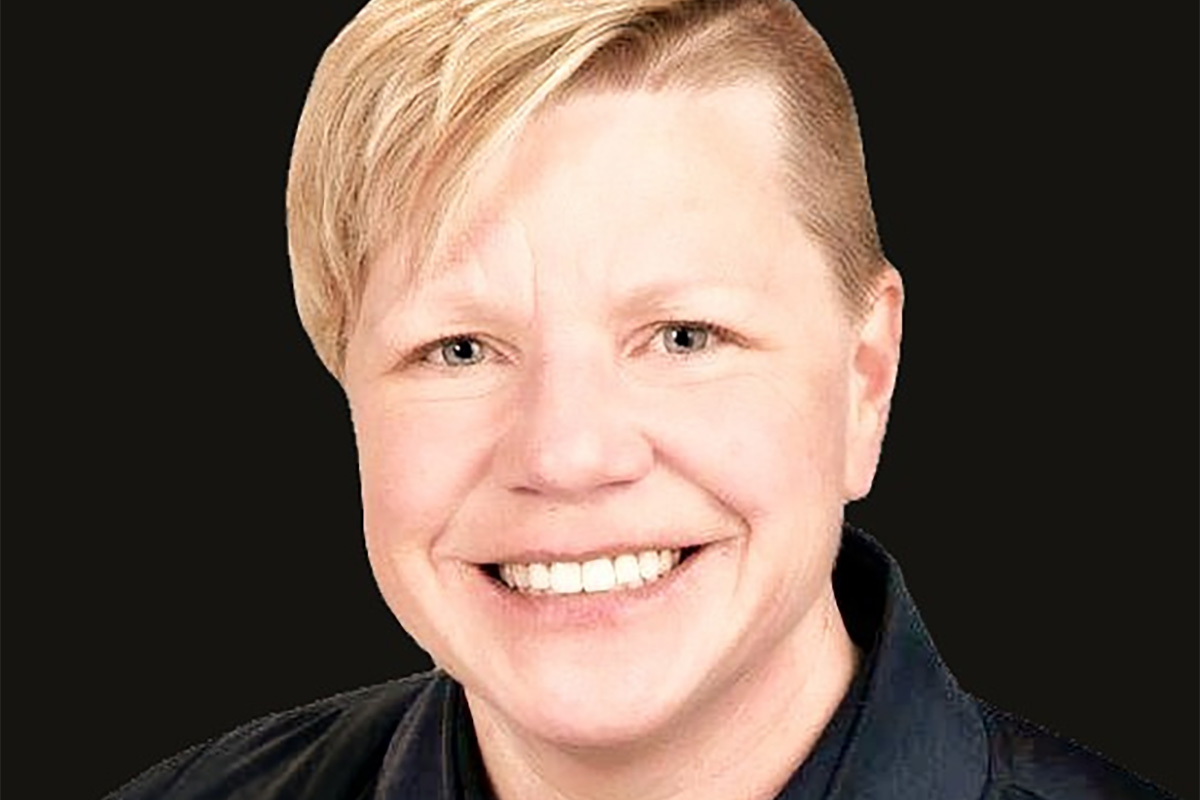
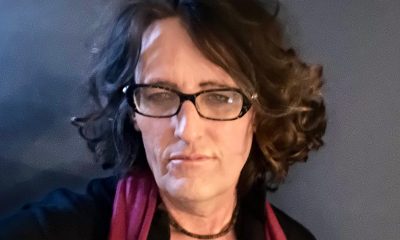
CAMP Rehoboth, the Delaware LGBTQ community center, on Monday announced Dr. Robin Brennan as the organization’s new executive director.
Brennan, who is relocating full time to Rehoboth Beach with her wife and daughter, will start on March 23. The position opened up following the retirement of Kim Leisey after more than two years in the role.
Brennan’s background is in health systems. At Nemours Children’s Health in Wilmington, Del., she held senior roles in evaluation, population health, and DEI education, according to a CAMP Rehoboth statement. Most recently, she served as vice president and Chief Diversity and Inclusion Officer at Redeemer Health. Brennan is an experienced fundraiser, according to the statement.
“After conducting a comprehensive national search, the Board of Directors selected Robin because of her depth of leadership experience, her fundraising acumen and her overall joyful, focused approach,” said Leslie Ledogar, president of the CAMP Rehoboth board of directors and chair of the Executive Director Search Committee. “The fact that core to her leadership is her belief that community well-being is inseparable from access to health, culture, education and the arts – an approach that mirrors CAMP Rehoboth’s holistic mission – makes Robin the exact next person to lead CAMP Rehoboth today and into the future.”
“I am deeply honored to serve as CAMP Rehoboth’s executive director as we enter an exciting new chapter,” said Brennan. “I was drawn to CAMP Rehoboth because of its unwavering mission, deep roots in the community, and the meaningful role it plays in bringing people together. I look forward to meeting members of the community, listening to their stories, and building meaningful relationships with the many people who make CAMP Rehoboth such a vital community anchor.”
The Comings & Goings column is about sharing the professional successes of our community. We want to recognize those landing new jobs, new clients for their business, joining boards of organizations and other achievements. Please share your successes with us at [email protected].
The Comings & Goings column also invites LGBTQ+ college students to share their successes with us. If you have been elected to a student government position, gotten an exciting internship, or are graduating and beginning your career with a great job, let us know so we can share your success.
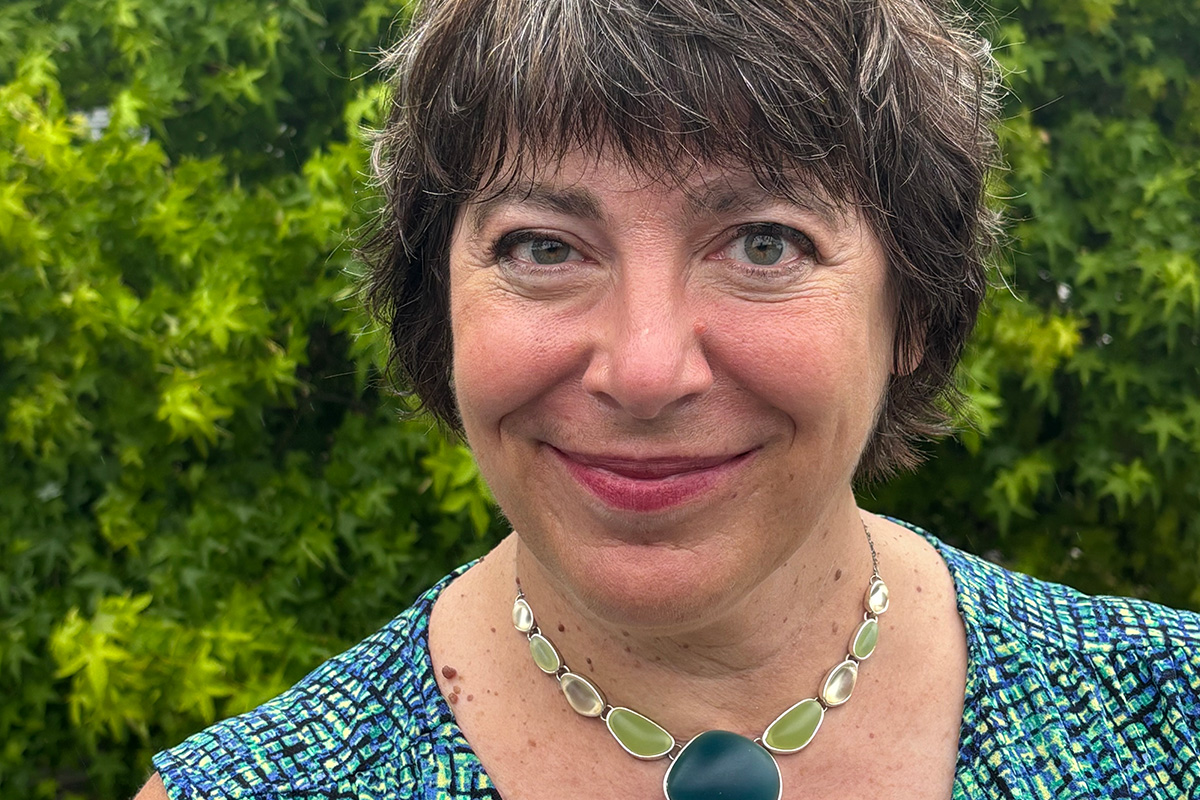
Congratulations to Susan Ferentinos, Ph.D., on her appointment to the Advisory Board of the Smithsonian’s National Museum of American History. On her appointment she said, “This is a moment when historians must stand up for accuracy, complexity, and the full breadth of the American story. I look forward to working with my fellow board members to ensure the National Museum of American History continues to fulfill its mission of serving all Americans with the highest standards of scholarship and integrity.”
Ferentinos operates her own national consulting business based in Port Townsend, Wash., with satellite operations based in Delaware County, Pa. Her business helps museums, historic sites, and government agencies expand and diversify the stories they tell about the American past. Her work focuses on interpreting LGBTQ history and women’s history, bringing overlooked narratives into mainstream historical interpretation. Her clients have included the National Park Service, the American Association for State and Local History, Baltimore Heritage, and numerous museums and historic sites across the country. Among her many accomplishments, Susan was part of the teams responsible for getting three LGBTQ sites designated as National Historic Landmarks. Two of those landmarks are in Washington, D.C. She authored the NHL nominations for the Furies Collective, in Capitol Hill, building on research performed by local historian Mark Meinke, and she authored the NHL nomination for the home of African-American educators Lucy Diggs Slowe and Mary Burrill, in Brookland, building on research by Eric Griffitts and Katherine Wallace, of EHT Traceries.
Ferentinos earned her bachelor’s degree from College of William and Mary in International Development and Philosophy; a master’s from Indiana University in United States History; and a Ph.D. from Indiana University in United States History.
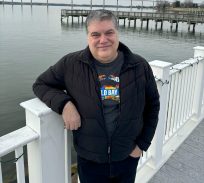
Congratulations also to Shawn Gaylord on joining a team at Berkshire Hathaway PenFed Reality in Solomons, Md. His focus will be Southern Maryland – Calvert, St. Mary’s, Charles, and Anne Arundel. Gaylord still leads the LGBTQ+ Strategies Team at The Raben Group and works part-time on federal policy for GLSEN.
Maryland
Md. Commission on LGBTQIA+ Affairs released updated student recommendations
LGBTQ students report higher rates of bullying, suicide
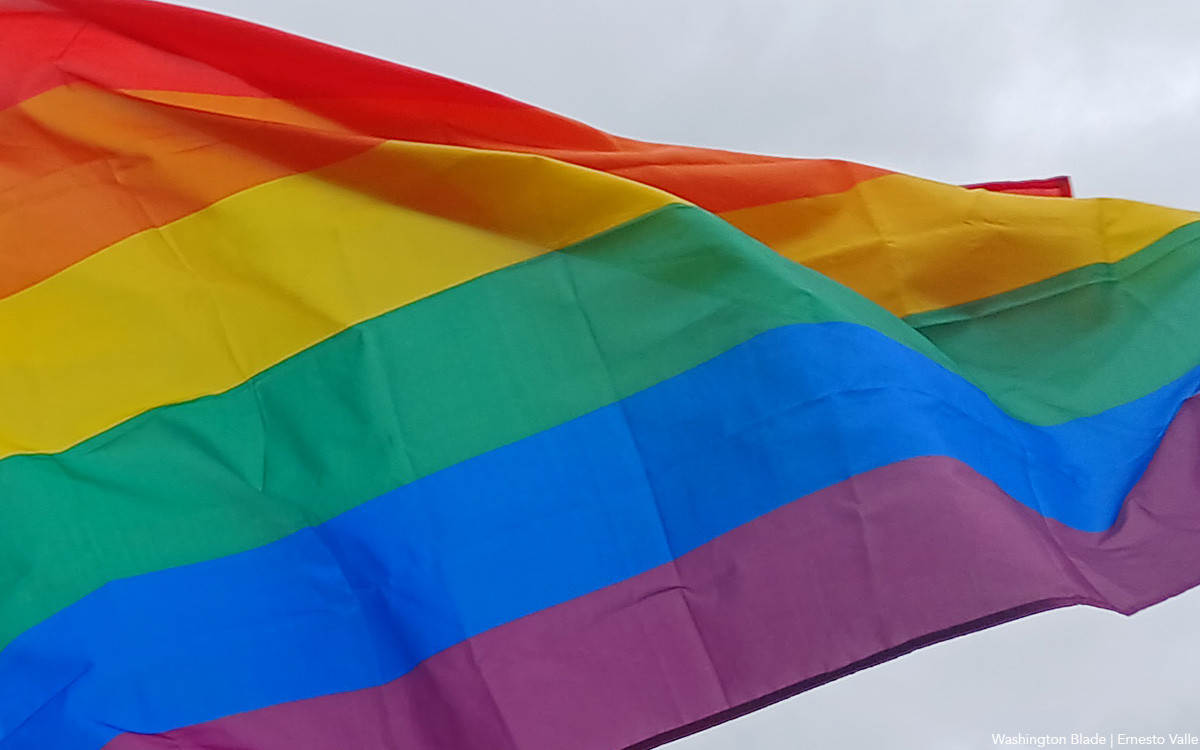
The Maryland Commission on LGBTQIA+ Affairs has released updated recommendations on how the state’s schools can support LGBTQ students.
The updated 16-page document outlines eight “actionable recommendations” for Maryland schools, supplemented with data and links to additional resources. The recommendations are:
- Developing and passing a uniform statewide and comprehensive policy aimed at protecting “transgender, nonbinary, and gender expansive students” against discrimination. The recommendation lists minimum requirements for the policy to address: name, pronoun usage, and restroom access.
- Requiring all educators to receive training about the specific needs of LGBTQ students, by trained facilitators. The training’s “core competencies” include instruction on terminology, data, and support for students.
- Implementing LGBTQ-inclusive curricula and preventing book bans. The report highlights a “comprehensive sexual education curriculum” as specifically important in the overall education curriculum. It also states the curriculum will “provide all students with life-saving information about how to protect themselves and others in sexual and romantic situations.”
- Establishing Gender Sexuality Alliances “at all schools and in all grade levels.” This recommendation includes measures on how to adequately establish effective GSAs, such as campaign advertising, and official state resources that outline how to establish and maintain a GSA.
- Providing resources to students’ family members and supporters. This recommendation proposes partnering with local education agencies to provide “culturally responsive, LGBTQIA+ affirming family engagement initiatives.”
- Collecting statewide data on LGBTQ youth. The data on Maryland’s LGBTQ youth population is sparse and non-exhaustive, and this recommendation seeks to collect information to inform policy and programming across the state for LGBTQ youth.
- Hiring a full-time team at the Maryland Department of Education that focuses on LGBTQ student achievement. These employees would have specific duties that include “advising on local and state, and federal policy” as well as developing the LGBTQ curriculum, and organizing the data and family resources.
- Promoting and ensuring awareness of the 2024 guidelines to support LGBTQ students.
The commission has 21 members, with elections every year, and open volunteer positions. It was created in 2021 and amended in 2023 to add more members.
The Governor’s Office of Communication says the commission’s goal is “to serve LGBTQIA+ Marylanders by galvanizing community voices, researching and addressing challenges, and advocating for policies to advance equity and inclusion.”
The commission is tasked with coming up with yearly recommendations. This year’s aim “to ensure that every child can learn in a safe, inclusive, and supportive environment.”
The Human Rights Campaign’s most recent report on LGBTQ youth revealed that 46.1 percent of LGBTQ youth felt unsafe in some school settings. Those numbers are higher for transgender students, with 54.9 percent of them saying they feel unsafe in school.
Maryland’s High School Youth Risk Behavior Survey reveals a disparity in mental health issues and concerns among students who identify as LGBTQ, compared to those who are heterosexual. LGBTQ students report higher rates of bullying, feelings of hopelessness, and suicidal thoughts. Nearly 36 percent of LGBTQ students report they have a suicide plan, and 26.7 percent of respondents say they have attempted to die by suicide.
The commission’s recommendations seek to combat the mental health crisis among the state’s LGBTQ students. They are also a call for local and state governments to work towards implementing them.

Man stuck in Lebanon as Iran war escalates

CAMP Rehoboth hires new executive director

Claudia López wins primary in Colombian presidential race

Too afraid to leave home: ICE’s toll on Latino HIV care

Intense doc offers transcendent treatment of queer fetish pioneer

13 HIV/AIDS activists arrested on Capitol Hill

PHOTOS: Sydney Gay and Lesbian Mardi Gras Parade

Fla. Senate passes ‘Anti-Diversity’ bill that could repeal local LGBTQ protections

Ugandan activist named Charles F. Kettering Foundation fellow

Liza Minnelli makes surprise appearance at GLAAD Media Awards
-

 National4 days ago
13 HIV/AIDS activists arrested on Capitol Hill
-
Photos5 days ago
PHOTOS: Sydney Gay and Lesbian Mardi Gras Parade
-
Florida3 days ago
Fla. Senate passes ‘Anti-Diversity’ bill that could repeal local LGBTQ protections
-
Uganda4 days ago
Ugandan activist named Charles F. Kettering Foundation fellow