Arts & Entertainment
Straight reporter uses Grindr to find gay Rio athletes for article
Nico Hines potentially endangers closeted competitors

The Daily Beast reporter Nico Hines used hook-up apps like Grindr to find gay Rio athletes.
The Daily Beast reporter Nico Hines examined the gay hook-up app culture in the Olympic Village in Rio in an investigative story posted on Thursday that some readers believe could be “incredibly dangerous.”
The story follows reports that 450,000 condoms have been supplied to the 10,500 athletes in Rio where dating and hook-up app usage is at an all-time high among athletes in general.
Hines, who is married to a woman and has a child, decided to investigate the phenomenon by looking for gay athletes on Bumble, Grindr, Jack’d and Tindr. He noted that he found the most success on Grindr and found three dates in an hour. His investigation reported that men asked him for naked pictures and were interested in meeting for sex “before 5:30 in the evening.”
He says he “confessed to being a journalist as soon as anyone asked who [he] was,” but never revealed he was a straight man. In the article, Hines insists he didn’t pretend to be someone he’s not “unless you count being on Grindr in the first place.”
Although Hines never identifies the athletes by name, he describes them by their height, weight and nationality. The descriptions have raised concerns for those athletes from countries where LGBT individuals have no legal protection against anti-LGBT violence. Brazil also has one of the highest LGBT murder rates in the world, according to OutRight National International.
Readers were not intrigued by Hines’s journalism and were instead alarmed and outraged.
Heaven forbid gay men have sex at the Olympics. Not like straight men are doing it too, but why dig into that when you can mock and demean.
— Ira Madison III (@ira) August 11, 2016
Can someone .@thedailybeast please explain why on Earth’s @NicoHines dangerous & homophobic article was commissioned let alone published?
— Nick Coveney (@nmjcoveney) August 11, 2016
ANY journo using gay hookup apps as a source of content – really think about whether it’s going to change the world, or merely titillate.
— The Guyliner (@theguyliner) August 11, 2016
The @NicoHines ‘story’ on Grindr and the olympics village is not journalism. It’s trashy at best and incredibly dangerous at worst.
— Stewart McDonald MP (@StewartMcDonald) August 11, 2016
The Daily Beast Editor-in-Chief John Avalon included an editor’s note at the end of the piece saying that due to a large number of complaints the story had been edited to protect the athletes’ identities. Avalon also apologized for the controversy.
“The concept for the piece was to see how dating and hook-up apps were being used in Rio by athletes. It just so happened that Nico had many more responses on Grindr than apps that cater mostly to straight people, and so he wrote about that,” Avalon writes. “Had he received straight invitations, he would have written about those. He never claimed to be anyone he was not, did not offer anything to anyone, and immediately admitted that he was a journalist whenever he was asked who he was.”
Despite the backlash, Avalon says The Daily Beast still stands by the story.
“Some readers have read Nico as mocking or sex-shaming those on Grindr. We do not feel he did this in any way. However, The Daily Beast understands that others may have interpreted the piece differently,” Avalon concluded.





Photos
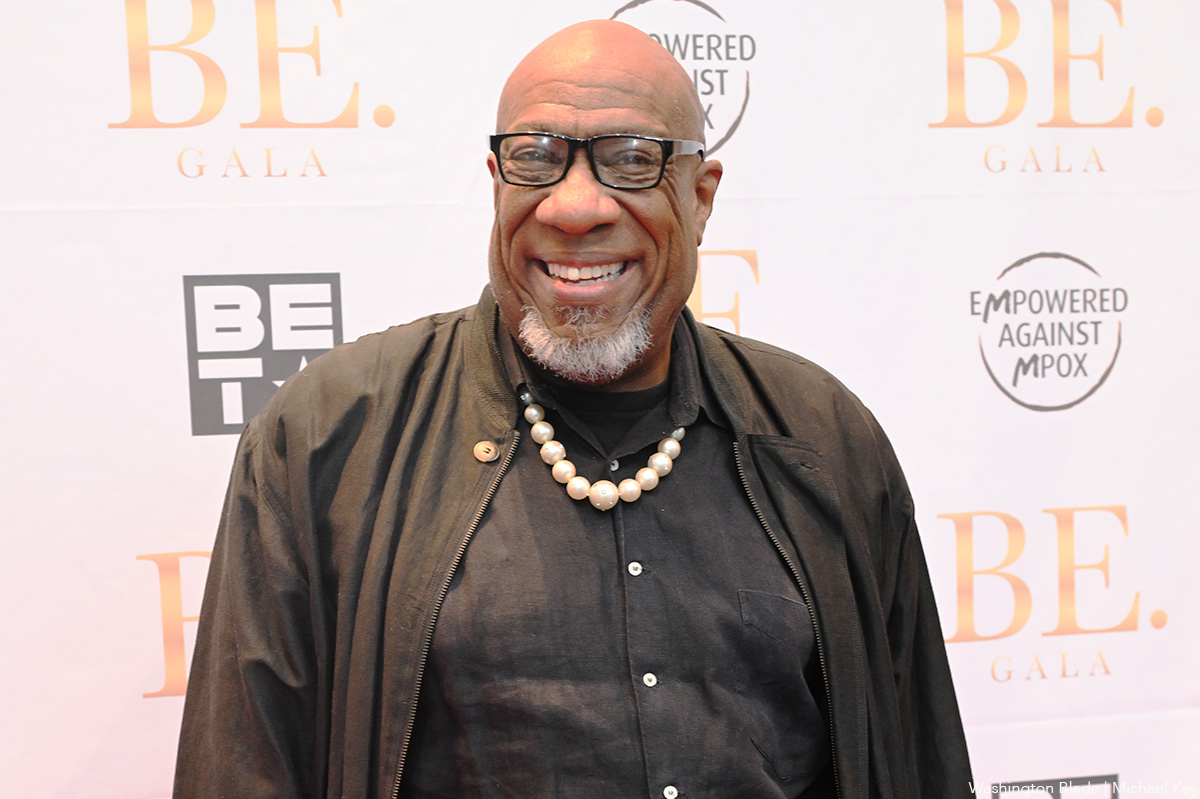
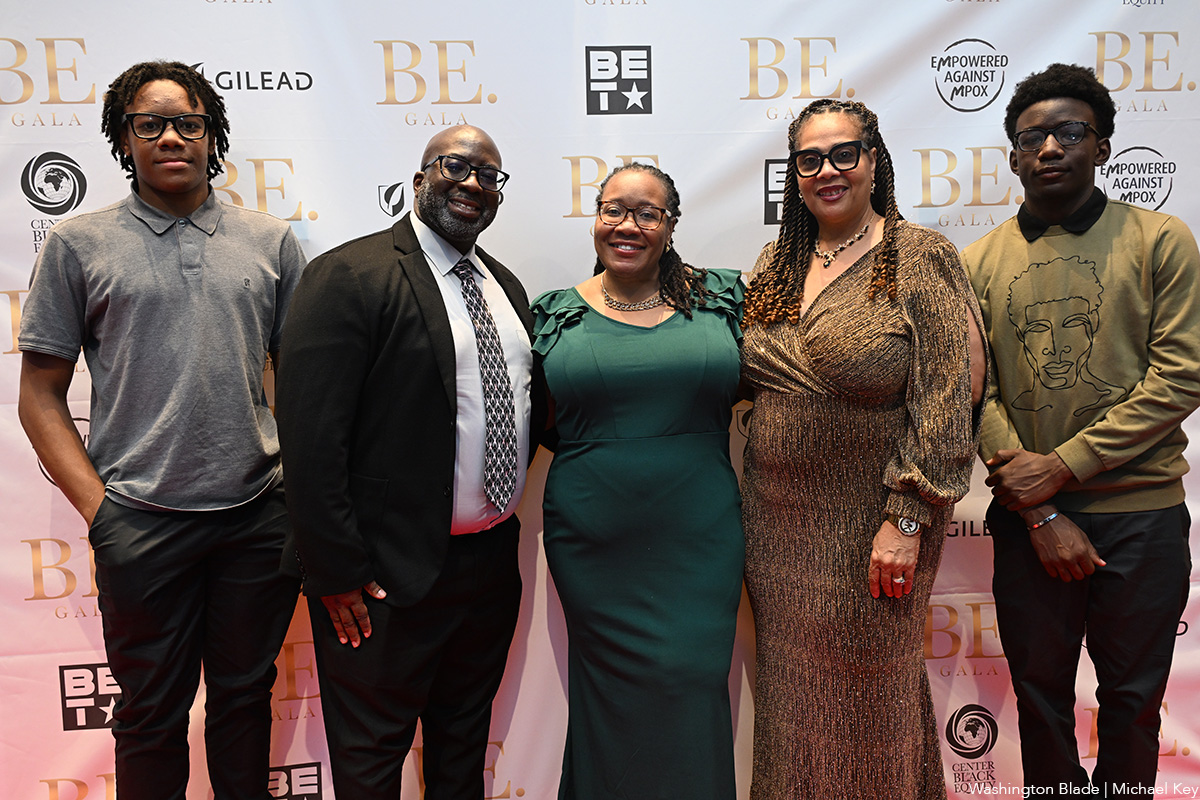
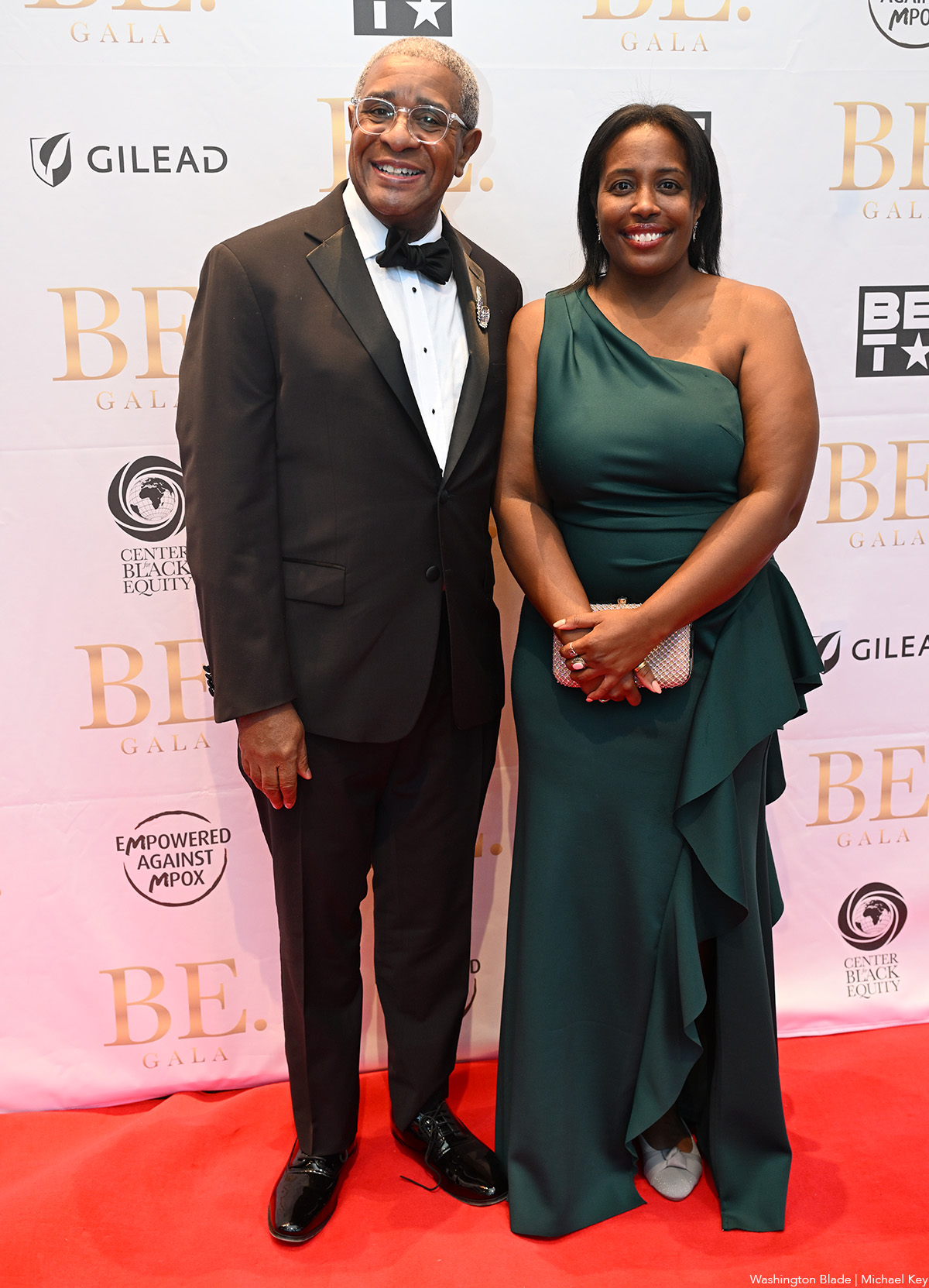
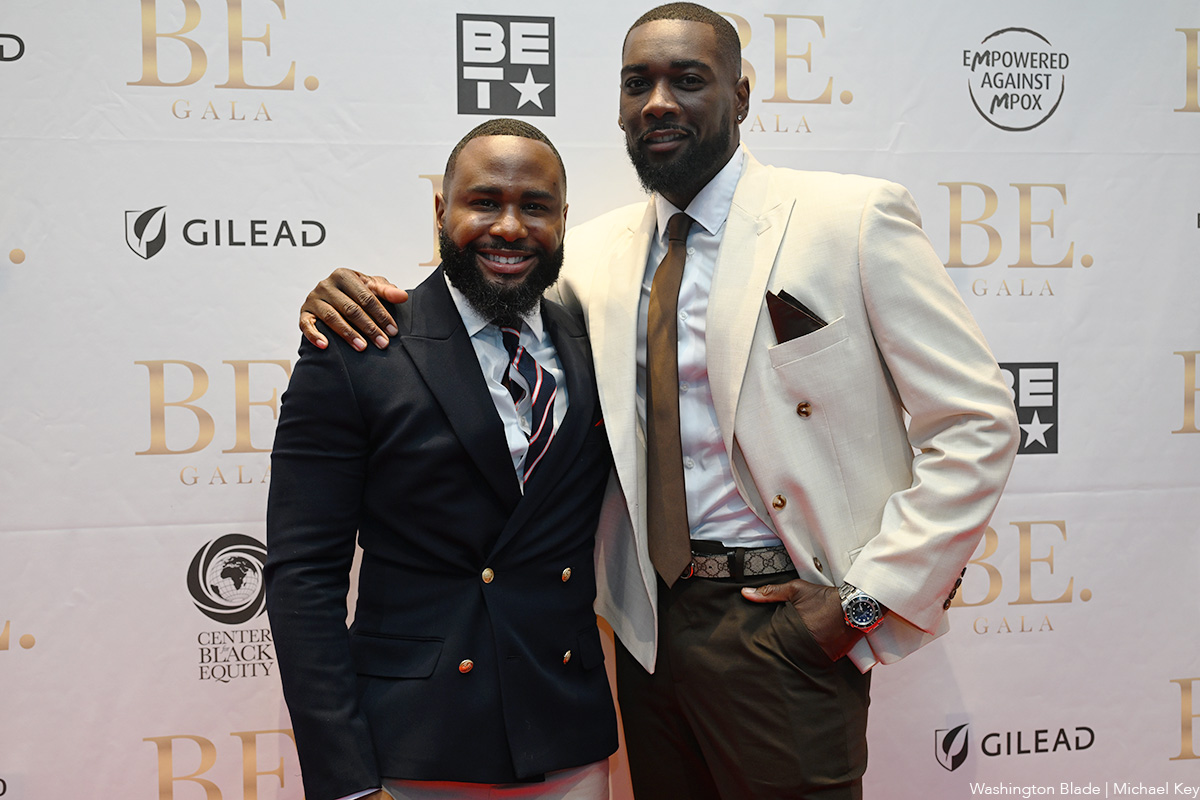
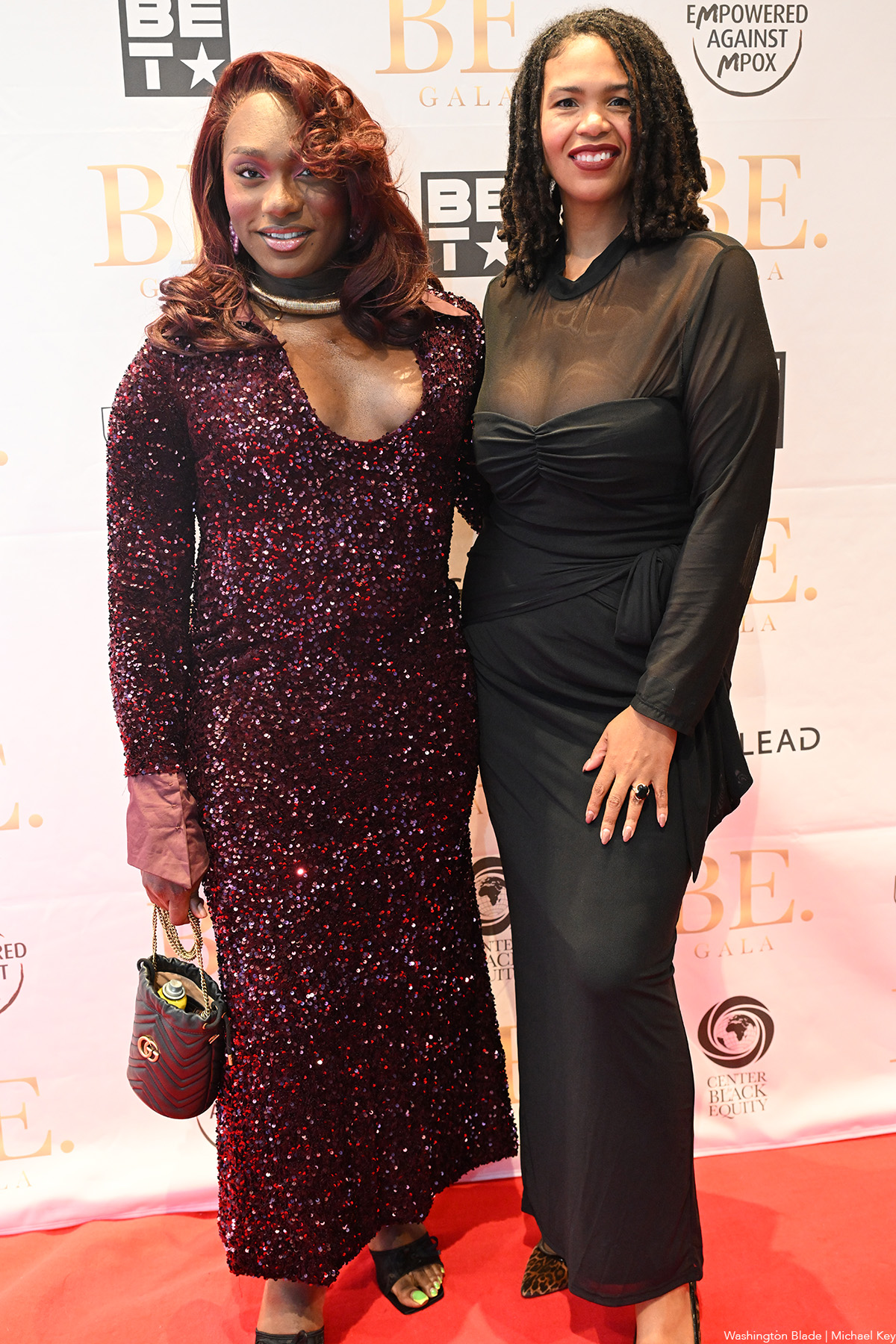
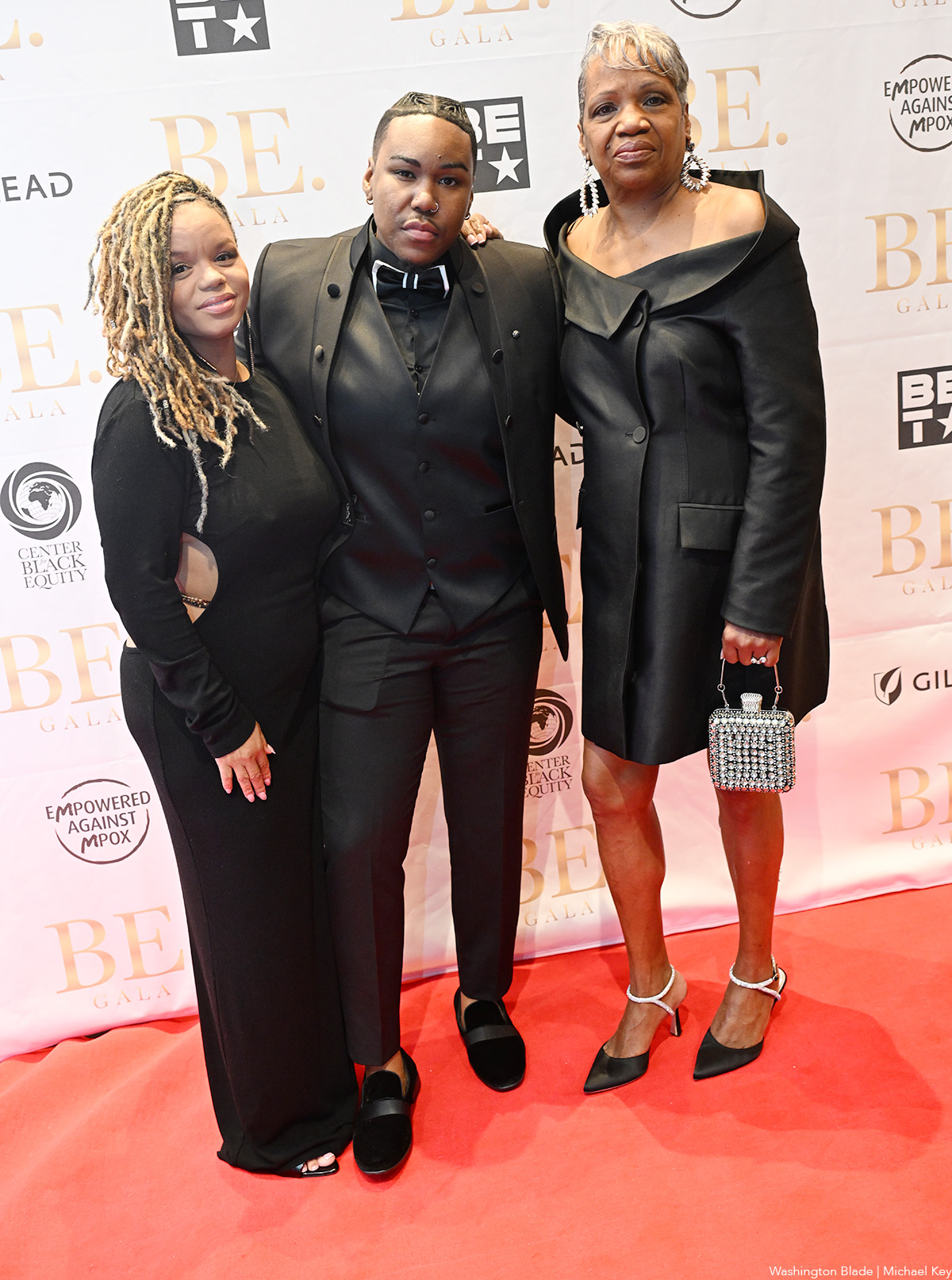
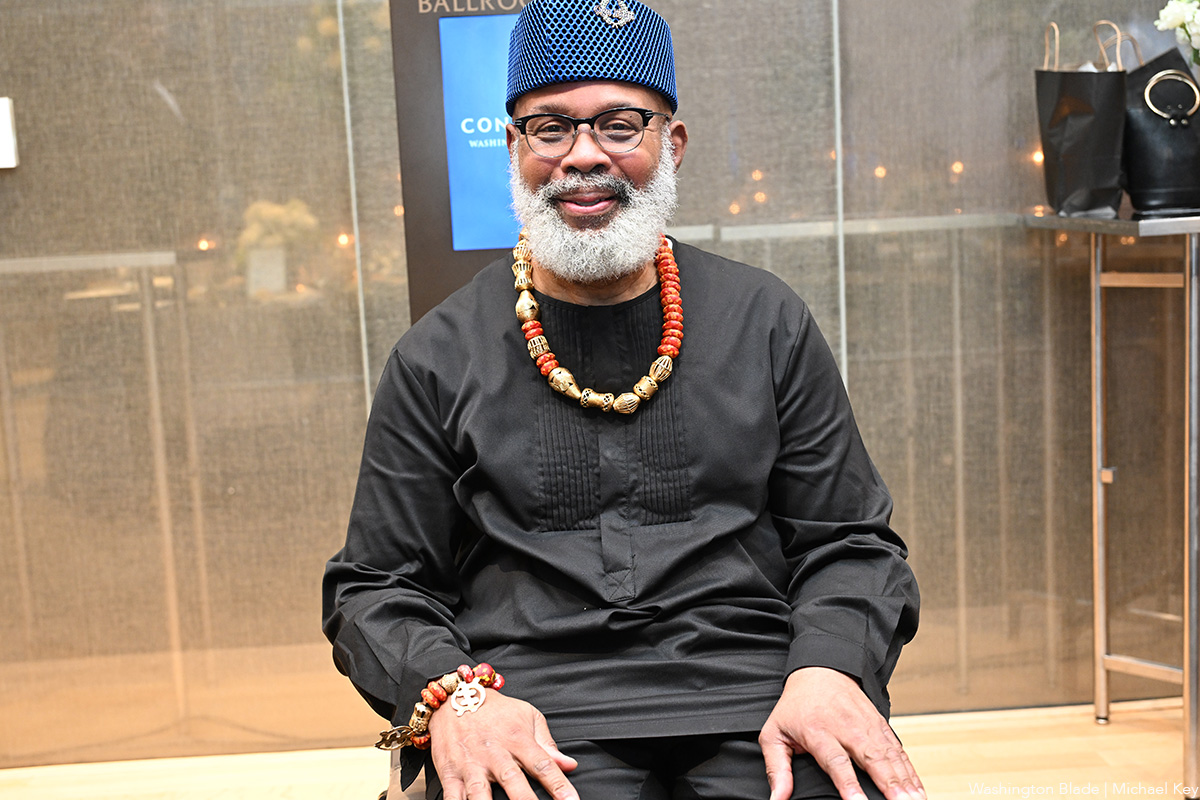
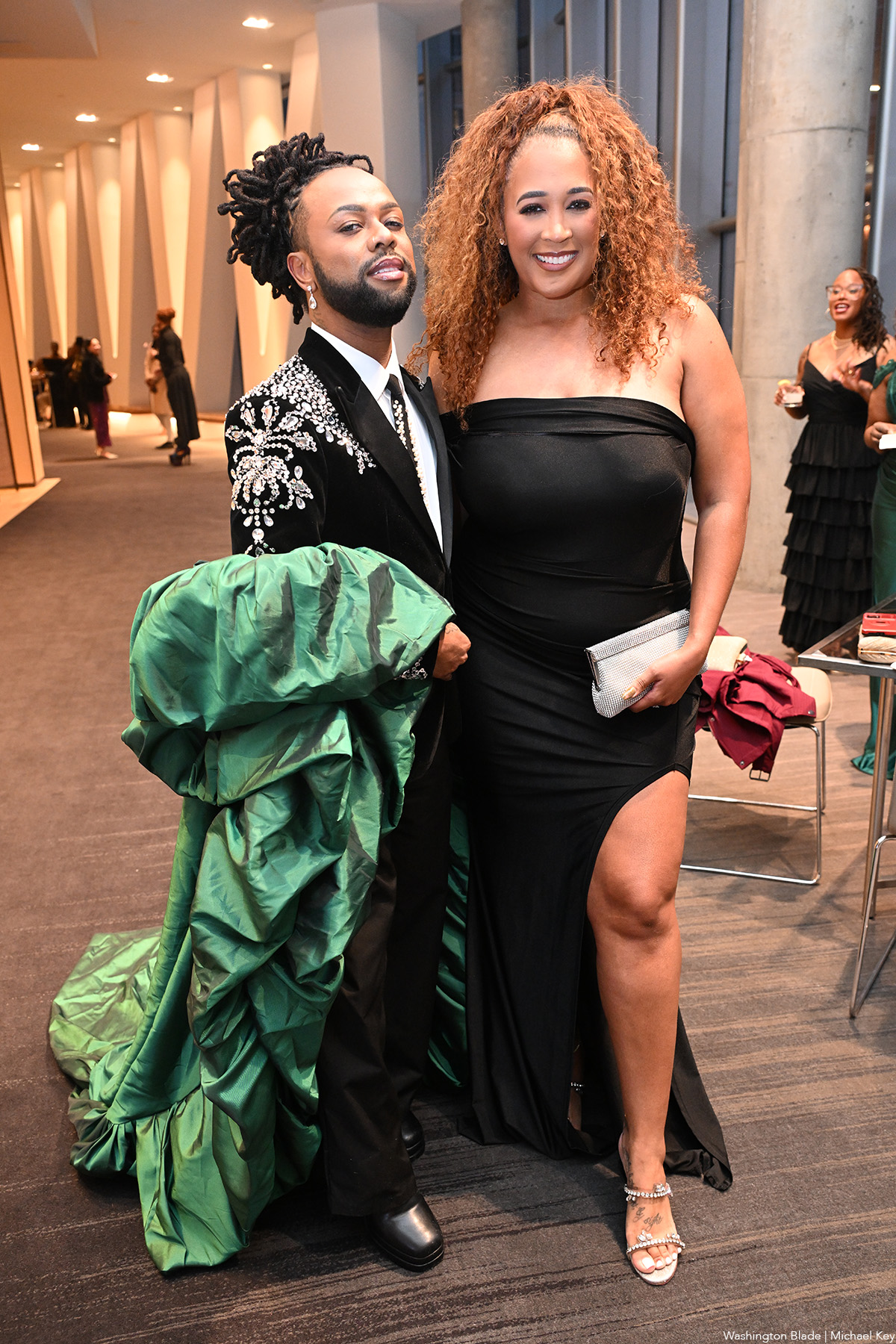
Center for Black Equity honors leaders, activists at BE. Gala
Miyake-Mugler, Oakes co-host annual awards ceremony

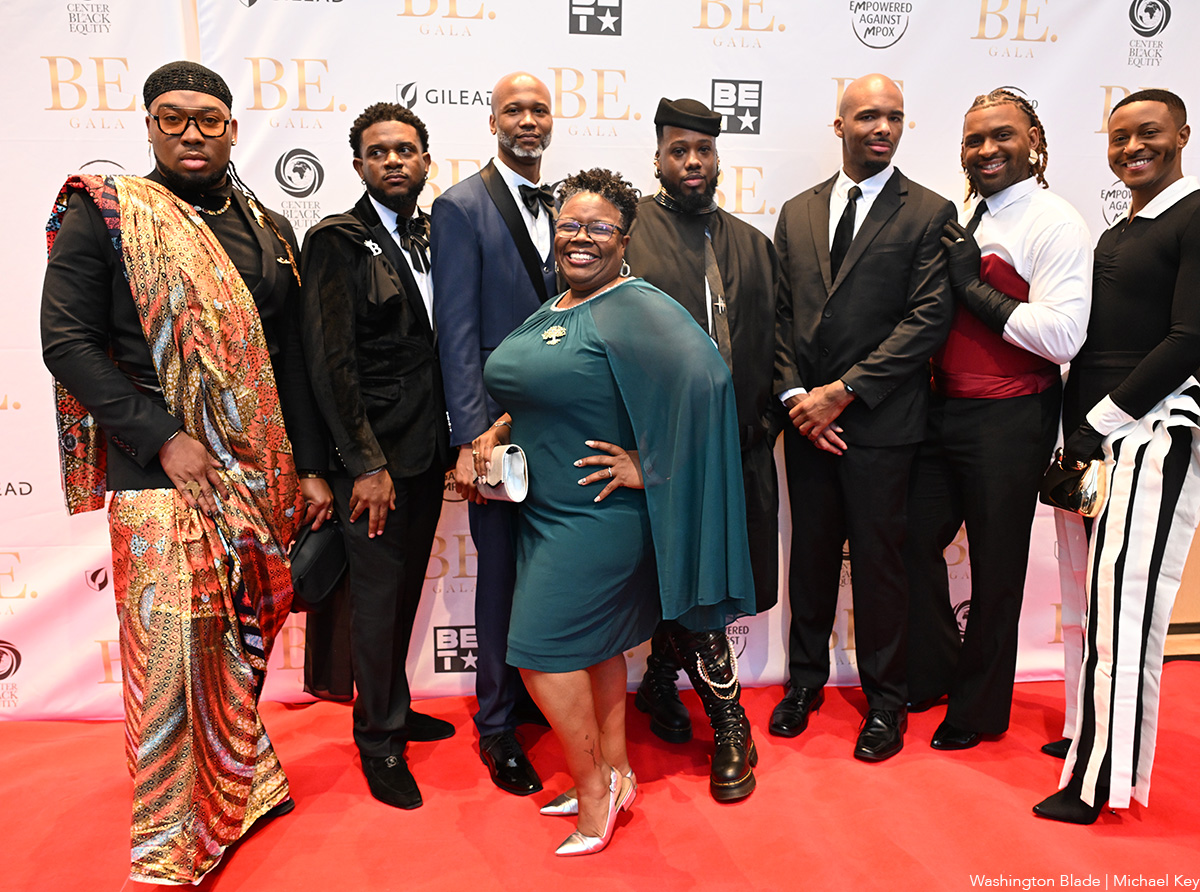
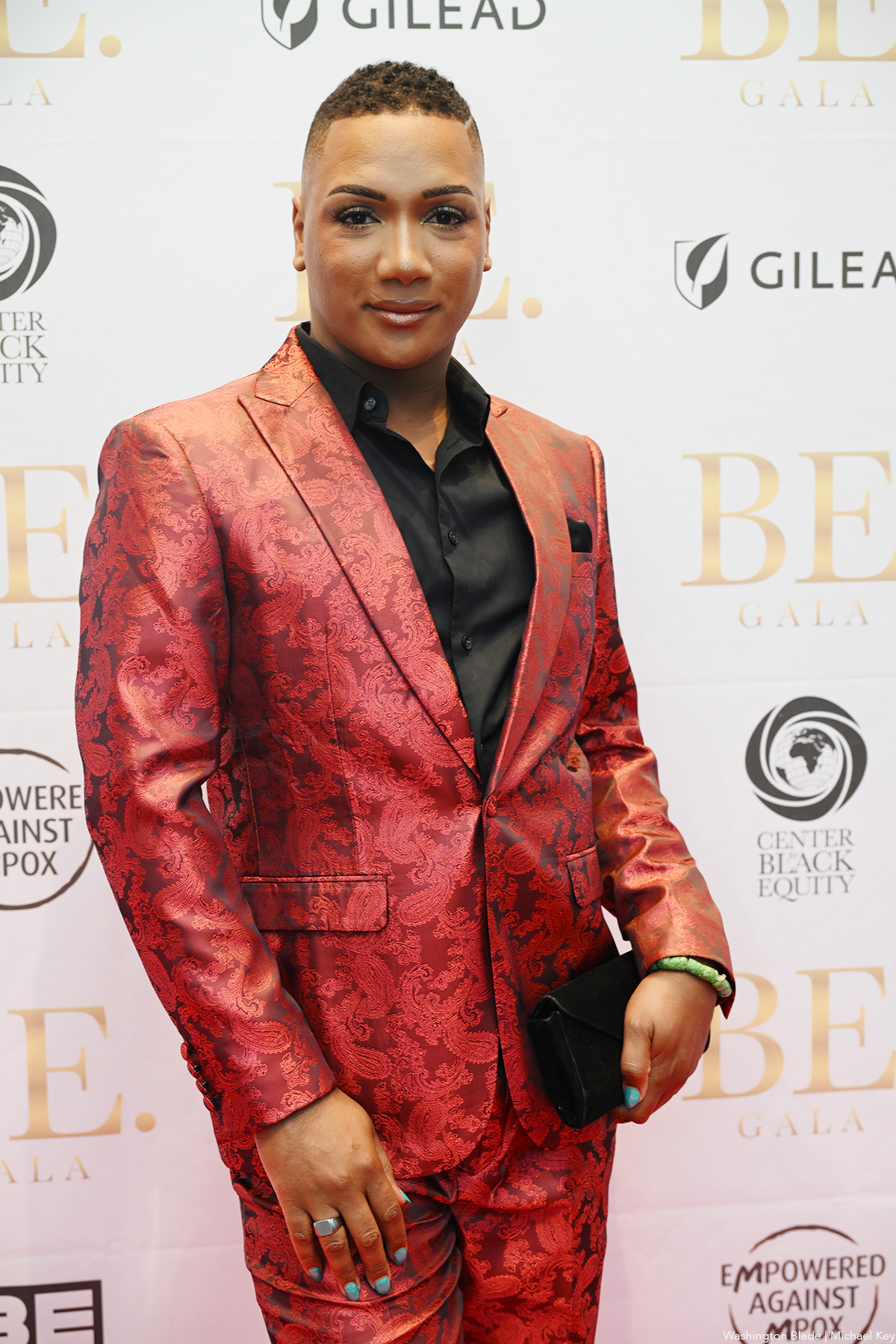
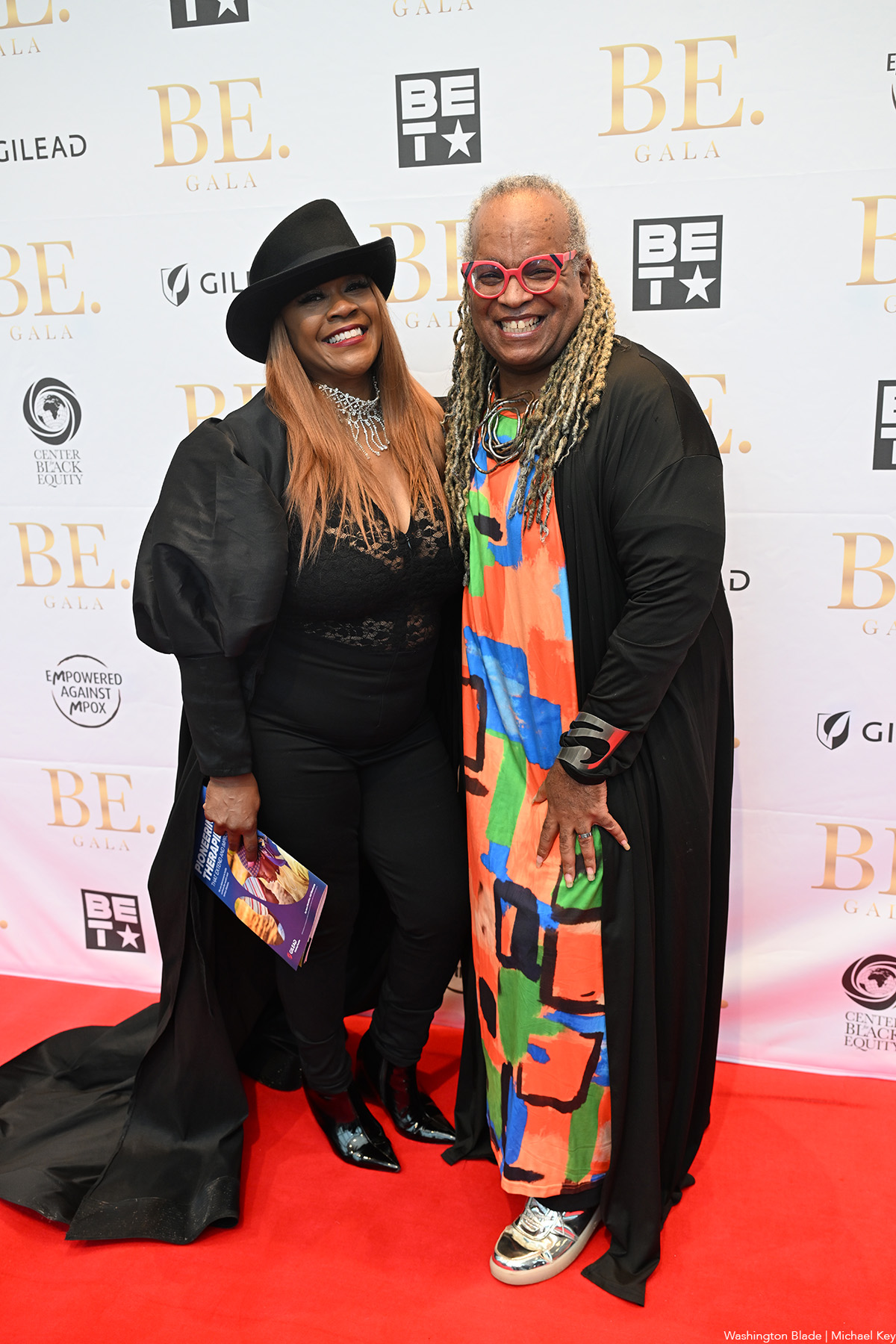
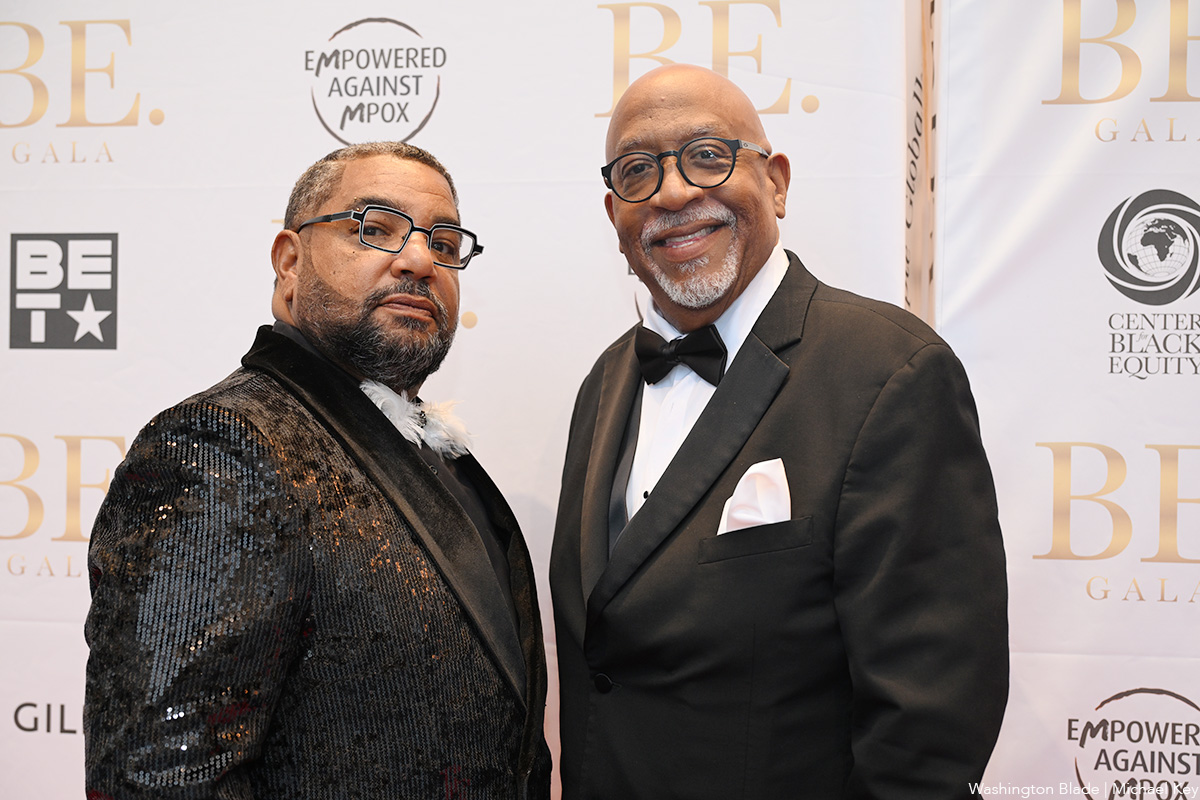
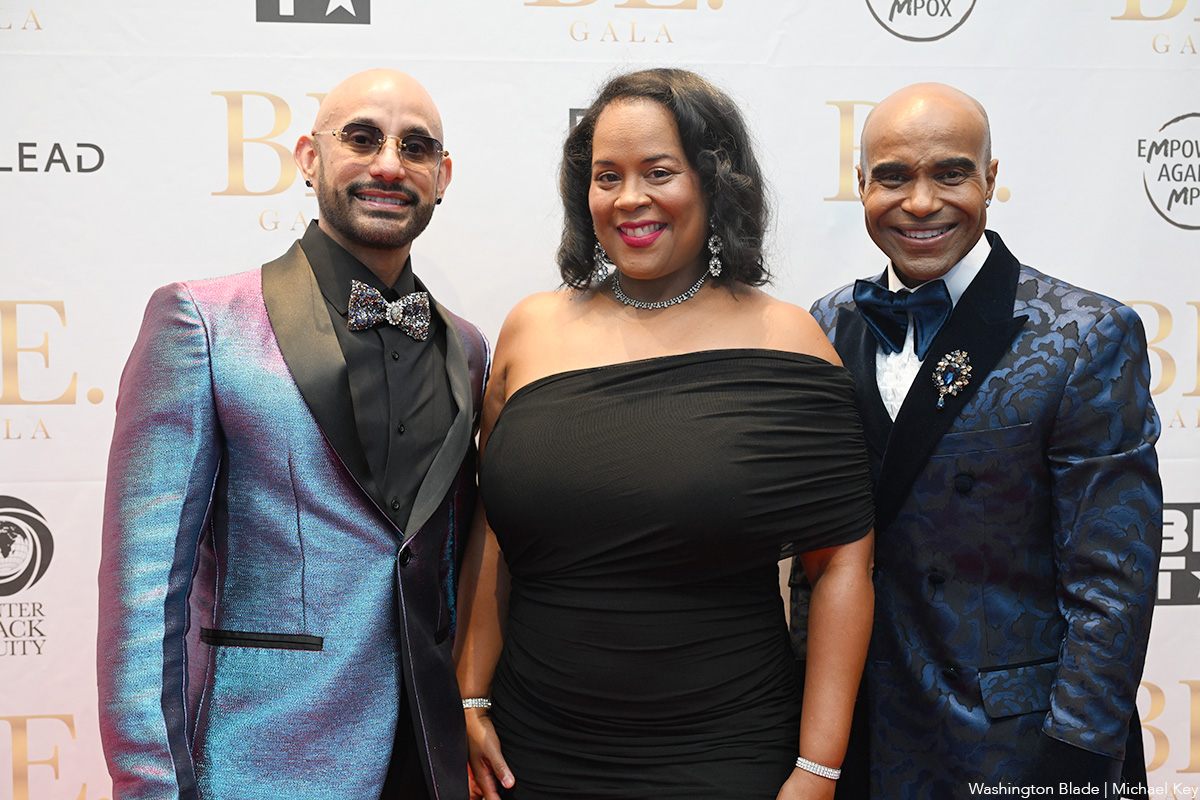
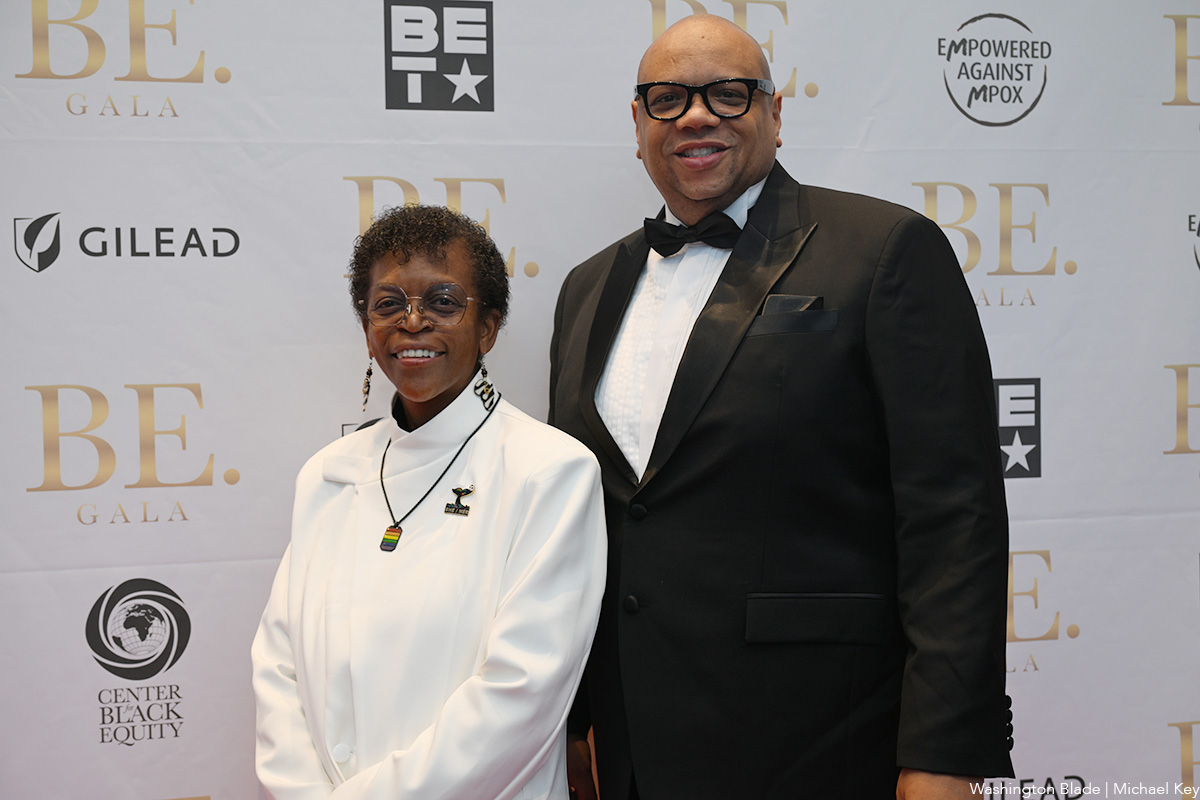
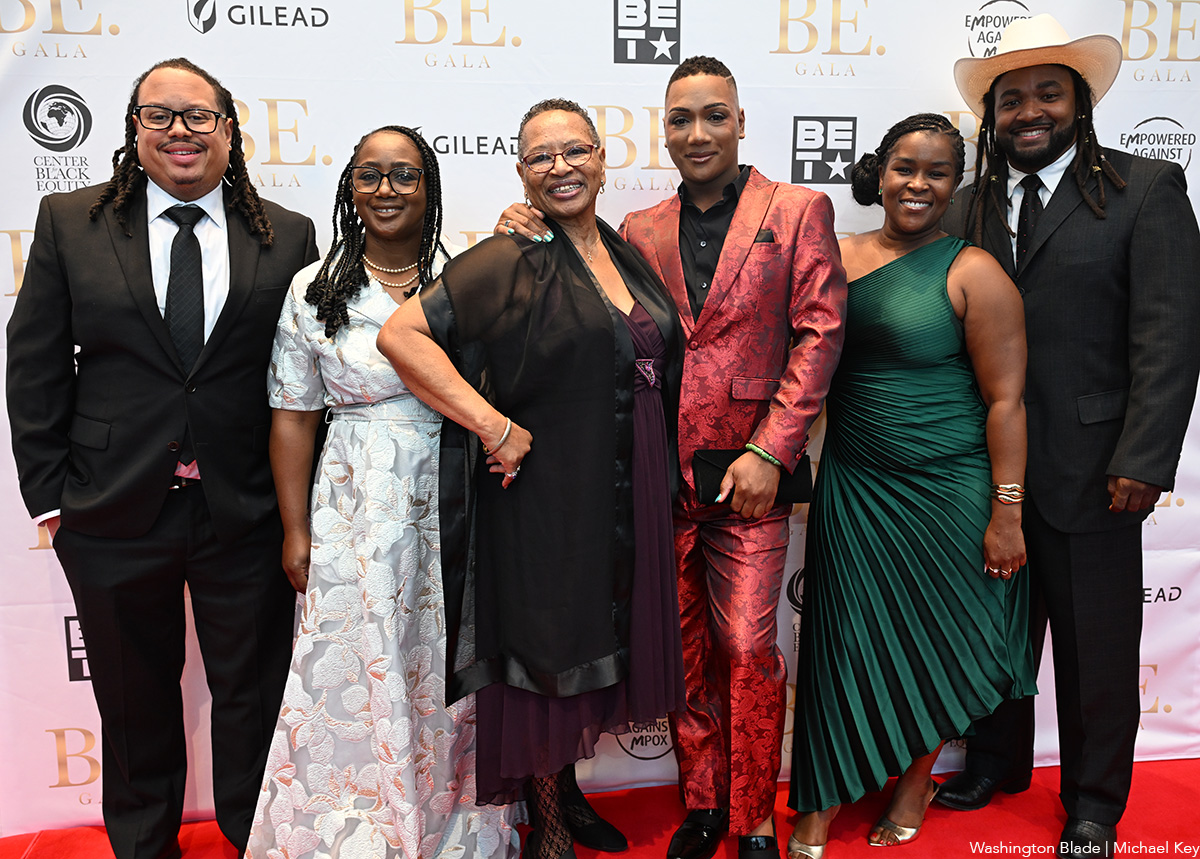
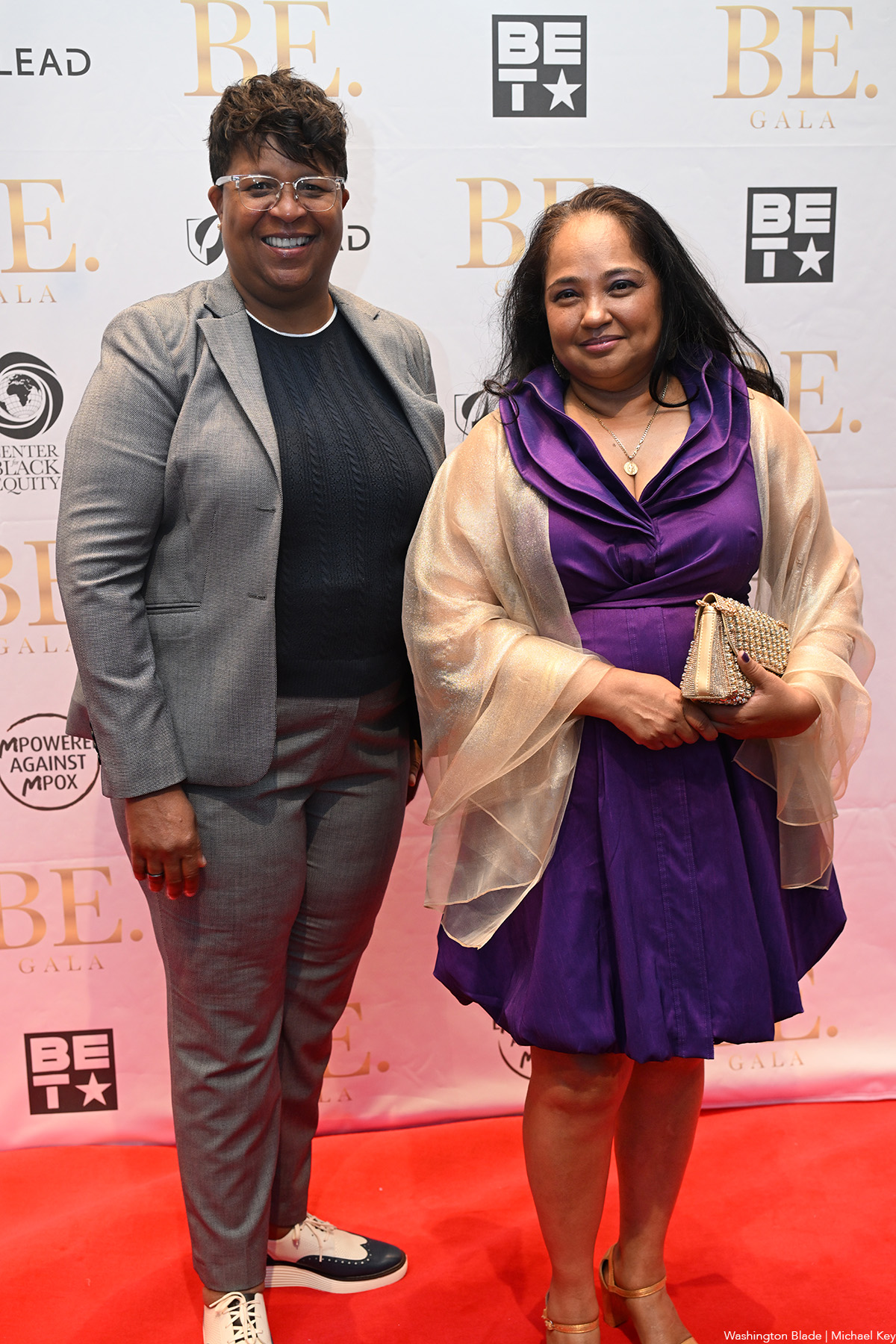
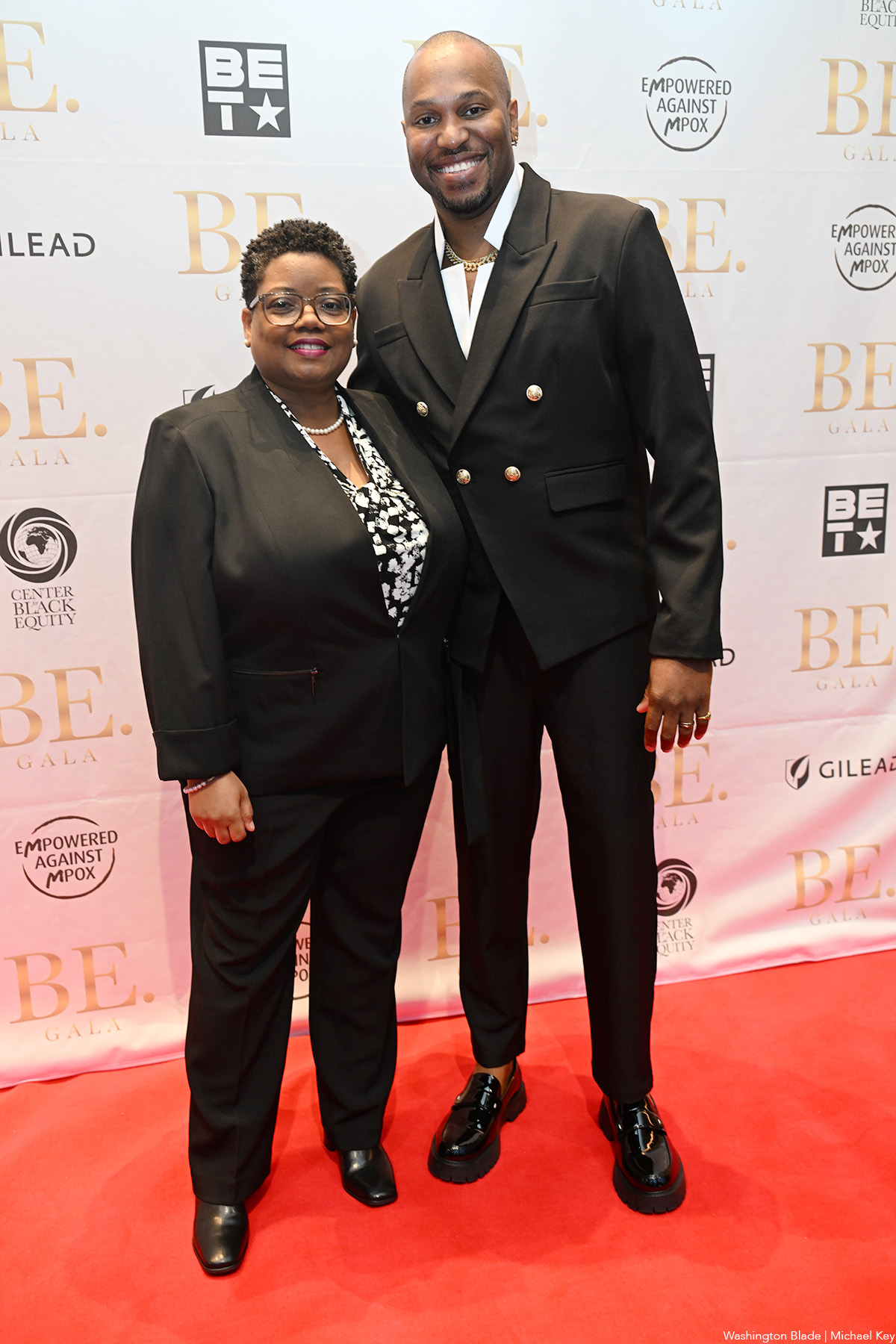
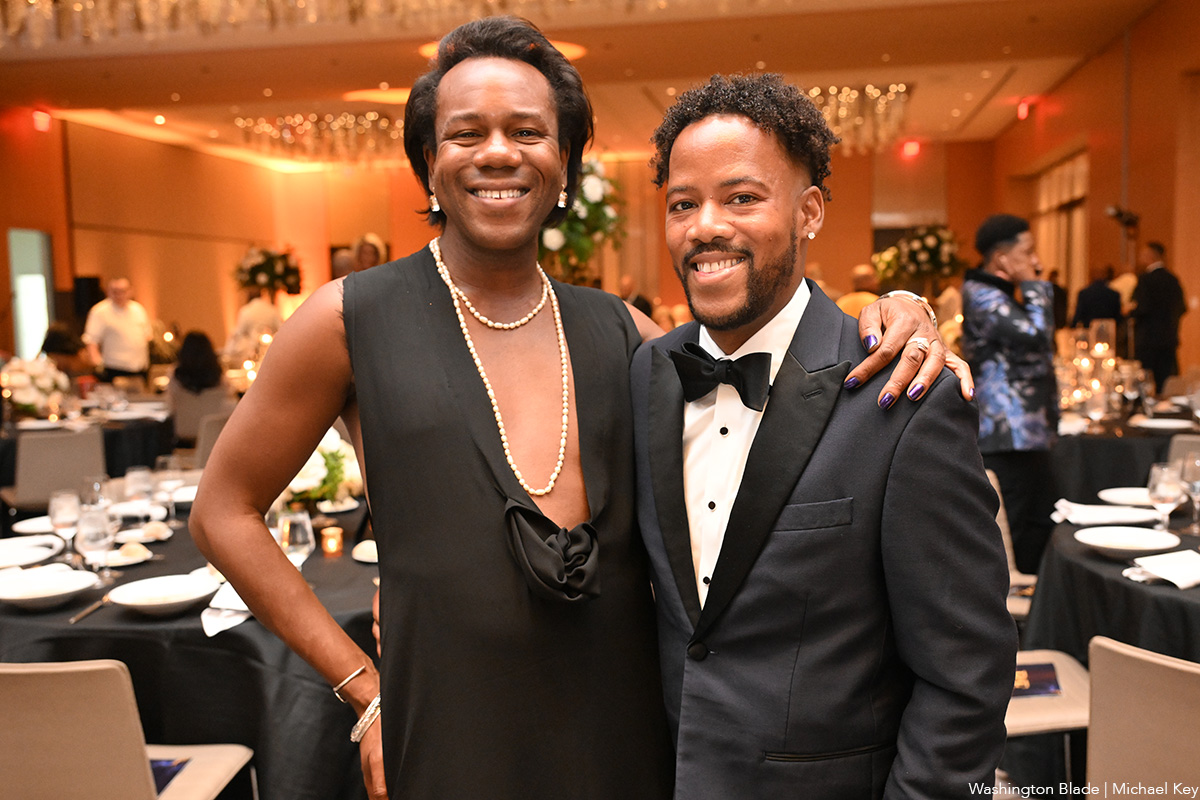
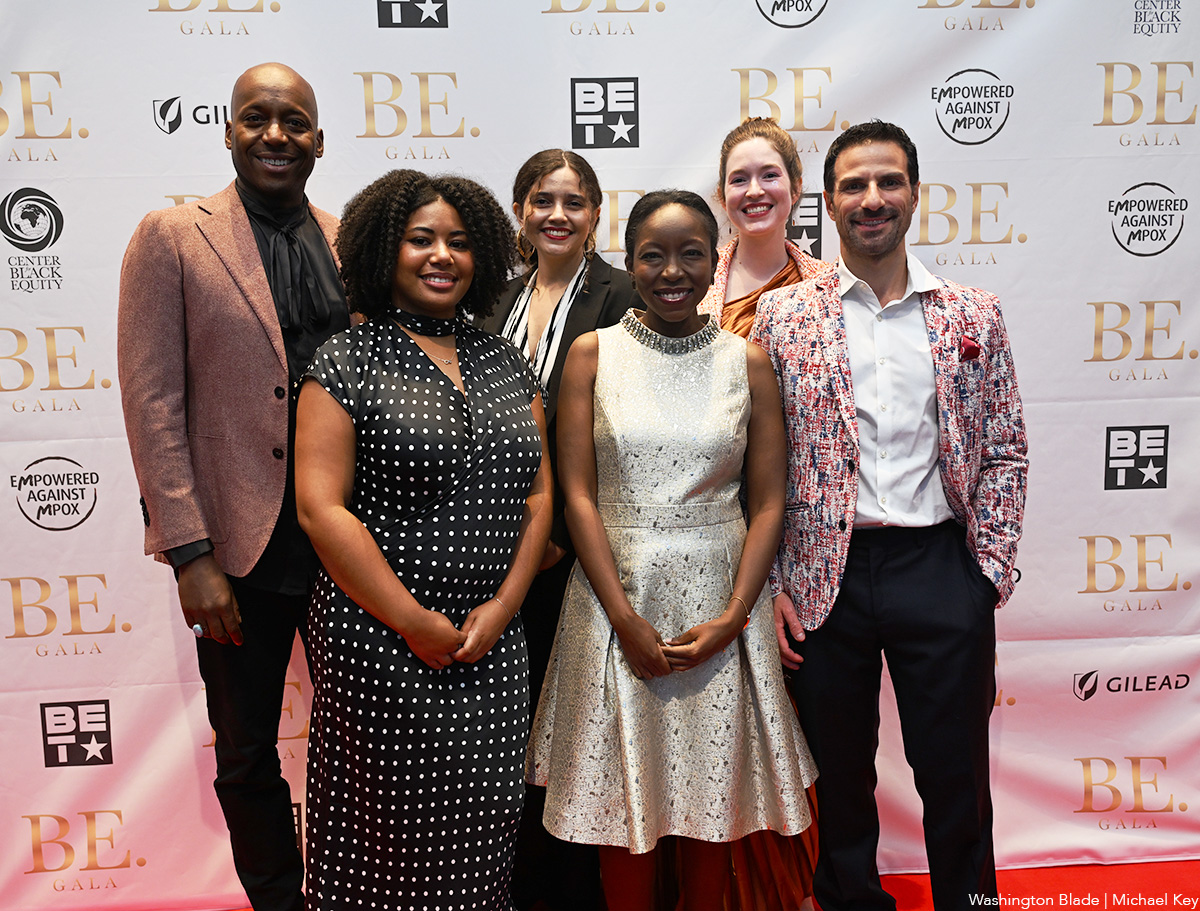
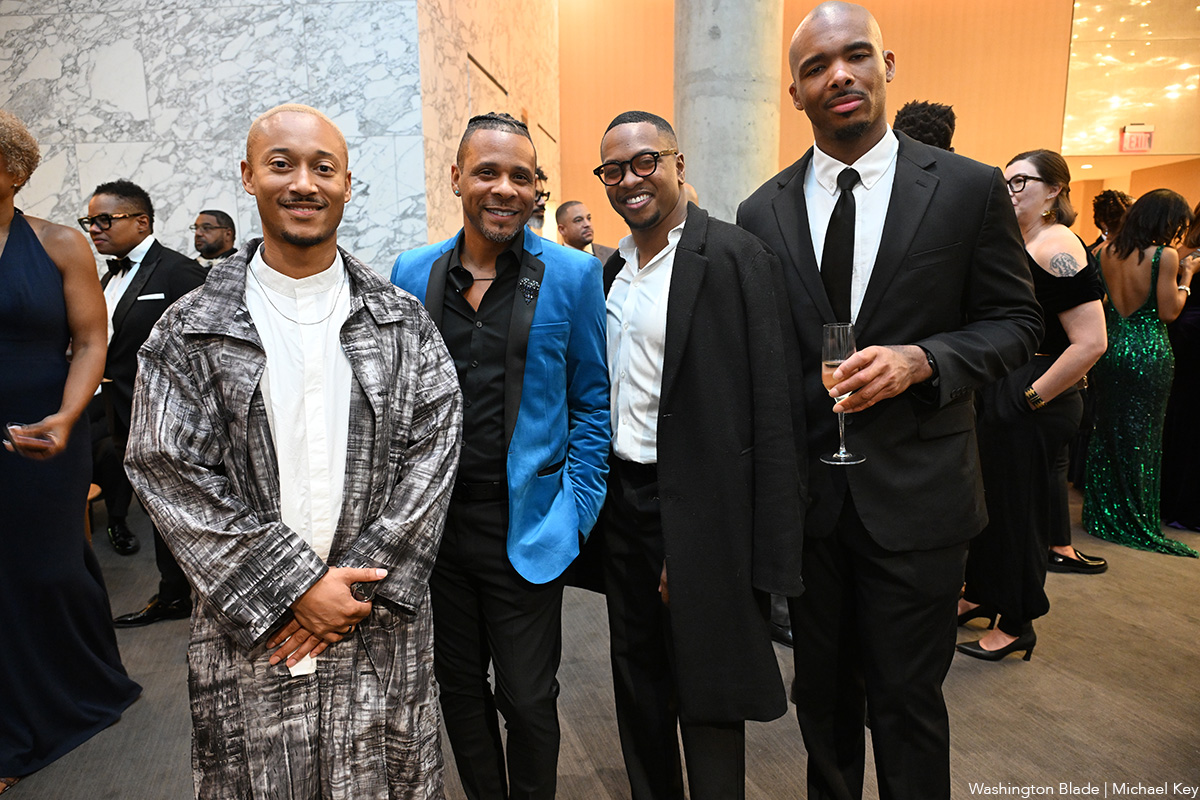
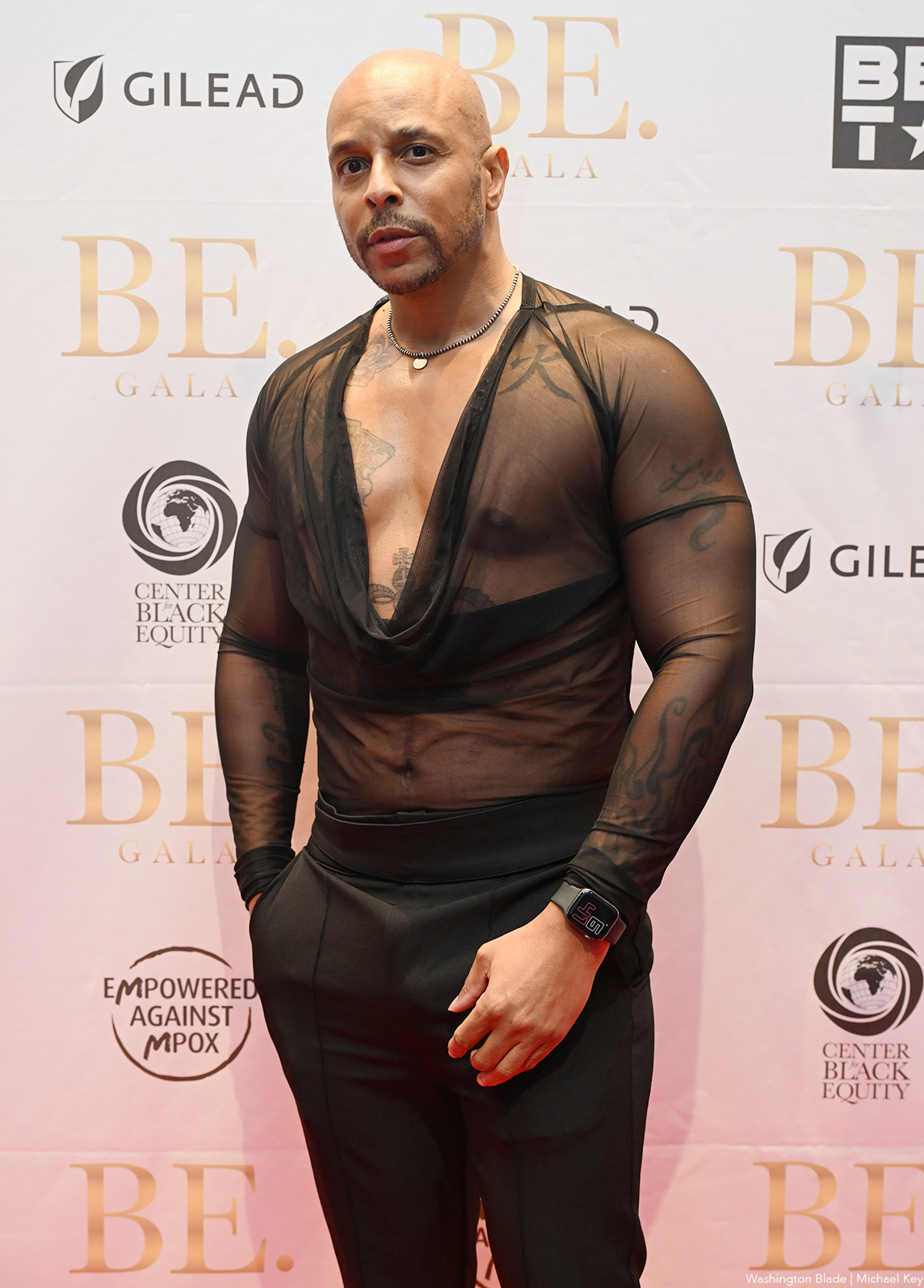
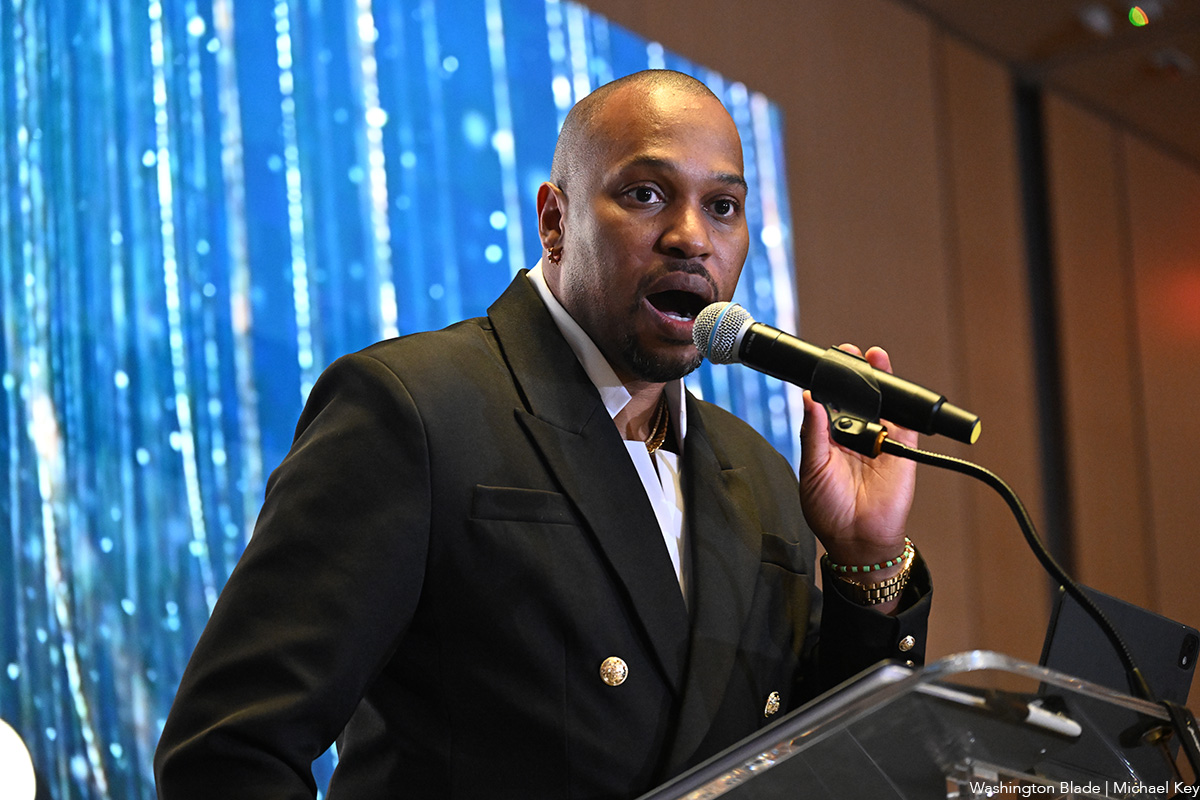
The Center for Black Equity held its annual BE. Gala at Conrad Washington, D.C. on Saturday, Oct. 5. Lolita Leopard Miyake-Mugler and Anthony Oakes co-hosted the awards ceremony.
Honorees included journalist and producer Justin Stewart; nonprofit leader Nikki Alexander; HIV advocate Marlene McNeese; the nonprofit organization FreeLux Project; actress Monroe Alise; public health advocate Tori Cooper; Manassas Park Vice Mayor Darryl G. Moore; Rev. Dr. Carmarion D. Anderson; Bishop Steven Sawyer; government relations professional Courtney Snowden; Senior Deputy Director of HAHSTA at D.C. Health, Clover Barnes; and Texas state Rep. Venton C. Jones.
The event was sponsored by Gilead.
(Washington Blade photos by Michael Key)








Books
In ‘The Lost Brontë,’ a complicated lie can lead to danger
New book features sweetly romantic girl-meets-girl twist
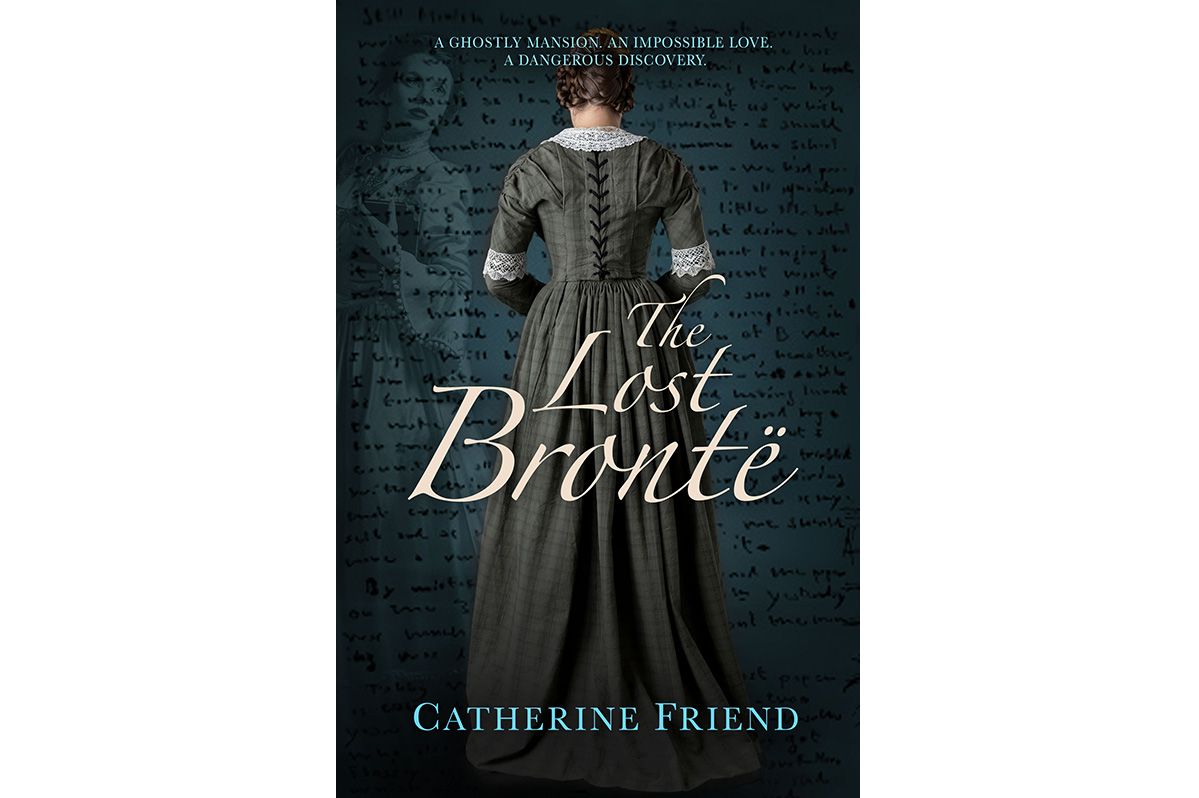
‘The Lost Brontë’
By Catherine Friend
c.2026, Bywater Books
$22.95/335 pages
Mom always said to tell the truth.
One lie leads to another and another and you have to remember them all until pretty soon, you’re caught. Fibs are hard, mistruths are messy, even little white social lies can destroy trust. Worst of all, as in the new novel, “The Lost Brontë” by Catherine Friend, a complicated lie can lead to danger.

Though Lilianne Loxley was very young when she lost her parents, she understood that her uncle didn’t really want her. As time passed, though, Lily made herself useful to Uncle, writing and signing letters for him and she became a good companion, helping him with his collection of Brontë memorabilia. Uncle was a keen enthusiast.
She had no idea that his obsession was out of control and he was deeply in arrears. The day Lily learned of his debt was the day she learned that he’d agreed to send her to his debtor’s home to work off the money owed.
It was so sudden. One minute, Lily was at Loxley House, happy and loved by Uncle’s staff … and five hours later, she was at Crag Thorn Manor, home of Lord Bexton, who informed her that she’d be working on his ledgers – work that seemed routine, but Lily tackled it.
Uncle always did say she was headstrong.
But would headstrong be enough to survive, when she was restricted from most of the Manor, when she was forced to dine with Brexton and his slimy friend, or – the worst! – when Brexton told Lily that her next task was to forge a letter from Emily Brontë? And then an entire manuscript?
Lily struggled to do what was right. She had to get Uncle out of debt but this last order horrified her. Did she dare refuse Brexton’s orders and commit a crime? It was unthinkable!
The only brightness in the whole situation was Wren, the ladies’ maid assigned to Lily’s room. Wren was adorable with freckles and the sweetest smile. But with everything else happening at Crag Thorn Manner, could Lily act upon her feelings?
This time of year, you may come to crave dark, spooky stories, and “The Last Brontë” fits those needs perfectly with its Gothic deliciousness. Think: Daphne du Maurier-type, stormy-night squirms with a dangerously chaste, sweetly romantic girl-meets-girl twist for fun.
If it’s been awhile since you’ve read a Gothic novel, you’re in for a nice reminder of why you love them here. You can almost tick off the must-haves: a novel like this is nothing without a foreboding stone manor with damp walls; stone steps to a dank basement; a mysterious portrait; and a nearby bog, and author Catherine Friend gives readers every one of them. You’d be disappointed if there was no ghost, wouldn’t you? Ha. You can practically feel the cold blow through the attic, right? Yeah, it’s that kind of book.
If you’re a fan of the Brontës, you’ll like this novel. If you love Gothic mysteries or Victorian romances, ditto. “The Lost Brontë” is good, no lie.
The Blade may receive commissions from qualifying purchases made via this post.
Out & About
CAMP Rehoboth Block Party returns Oct. 18
Expect performances, vendors and more at annual celebration

CAMP Rehoboth will host its annual Block Party celebration on Sunday, Oct.18 at 11 a.m. on the second block of Baltimore Avenue in downtown Rehoboth Beach.
CAMP Rehoboth invites all community members to join in the festivities and to expect magnificent performances and dozens of vendors, including artists, craftspeople, non-profits, businesses, and more.
The event started in 2015 in celebration of CAMP Rehoboth’s 25th anniversary. This year, attendees can expect to shop sea glass art, pottery, jewelry, Pride merch, body care, clothing, and learn more about local non-profit causes and businesses.
Attendance is free. For more details, visit CAMP Rehoboth’s website.

Center for Black Equity honors leaders, activists at BE. Gala

In ‘The Lost Brontë,’ a complicated lie can lead to danger

CAMP Rehoboth Block Party returns Oct. 18

Essential queer horror classics for Halloween

Solidarity beyond the parade: the actual cost of Pride

10 years later, we still can’t shake Barry Jenkins’s ‘Moonlight’

‘Some Like It Hot’ a wild ride at renovated Bernard Family Theatre

D.C.’s LGBTQ homeless facilities face possible hit from Trump funding cuts

Trump uses anti-trans slur against Democratic Senate candidate

U.S. int’l trade negotiator, consultant James Bedore dies at 82
-

 Movies5 days ago
10 years later, we still can’t shake Barry Jenkins’s ‘Moonlight’
-
Theater5 days ago
‘Some Like It Hot’ a wild ride at renovated Bernard Family Theatre
-
District of Columbia5 days ago
D.C.’s LGBTQ homeless facilities face possible hit from Trump funding cuts
-
2026 Midterm Elections5 days ago
Trump uses anti-trans slur against Democratic Senate candidate