Arts & Entertainment
Best of Gay D.C. 2017: DINING
Winners from the Washington Blade’s annual poll
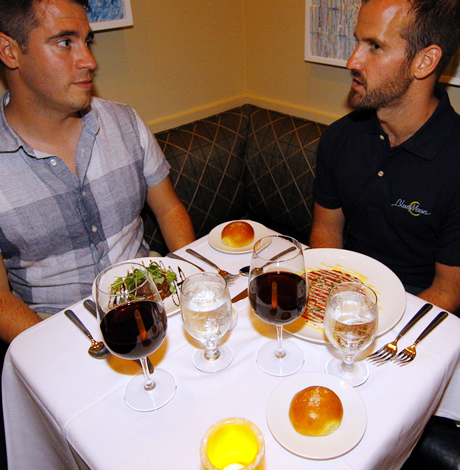
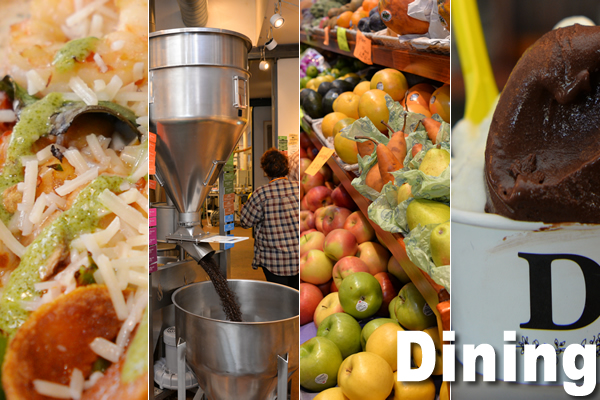
(Washington Blade photos by Michael Key)
Best Ethnic Restaurant
Rasika
Popular Indian restaurant in Penn Quarter. Also won in 2015.
633 D St., N.W.
Editor’s choice: Thai Tanic
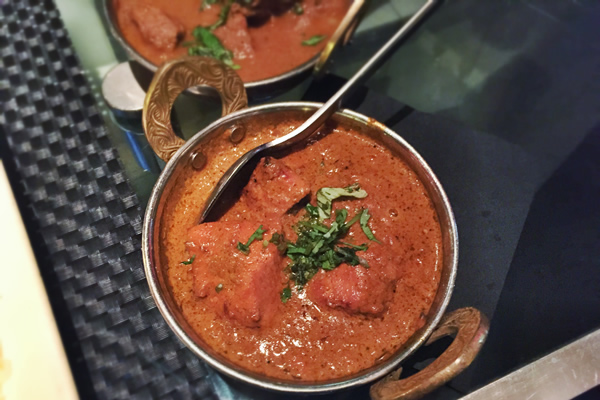
Rasika (Photo by T. Tseng; courtesy Flickr)
Best Bottomless Mimosa/Bloody Marys
Level One
Brunch is served a la carte every Sunday from 11 a.m.-4 p.m.
1639 R St., N.W.
Editor’s choice: Commissary
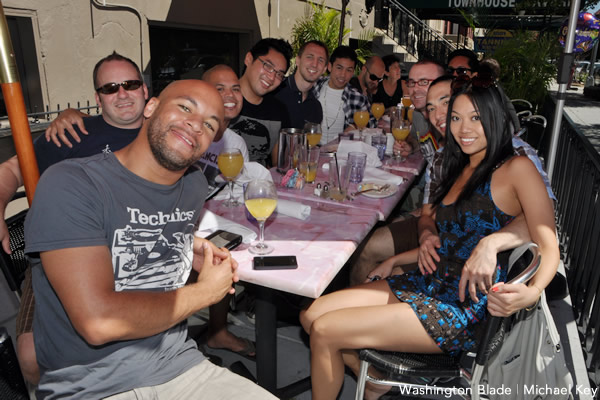
Level One (Washington Blade photo by Michael Key)
Best Place in Union Market
Salt & Sundry
Editor’s Choice: Mason Dixie Biscuit Co.
According to the store’s social media, food writer Amanda McClements is proud to bring her passion for stylish entertaining to life at Salt & Sundry in D.C.’s bustling Union Market. She opened the shop in November, 2012 to share her love of cooking, entertaining and design, and says that she and her team “are constantly on the hunt for new pieces that reflect the shop’s urban bohemian aesthetic.”
According to McClements, “our ever-changing collection of goods for good living features handcrafted furniture, dinnerware, linens, covetable vintage finds and a pantry stocked with small-batch foods and craft cocktail ingredients.” She is also proud to offer farm tables hand-made by her father, a North Carolina craftsman who creates furniture out of salvaged and locally milled wood. She brags that, “his pieces are one-of-a-kind and showcase the rustic beauty and patina of aged wood.”
The store also hosts special events and demonstrations with local chefs, mixologists and food personalities.
In addition to the Union Market location, Salt & Sundry has added stores in the Logan and Shaw neighborhoods and has been featured in such notable publications as “Better Homes and Gardens,” “The Best of Southern Style,” “Southern Living,” “House Beautiful, “Food & Wine,” “Washingtonian” and “Martha Stewart Living.” (BTC)
Salt & Sundry
1309 5th St., N.E.
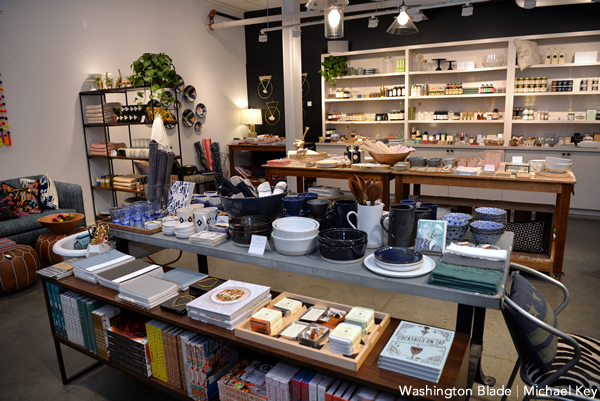
Salt & Sundry (Washington Blade photo by Michael Key)
Best Locally Made Product
Mason Dixie Biscuit Co.
Approachable, affordable and portable Southern staples.
2301 Bladensburg Rd., N.E.
Editor’s choice: Compass Coffee
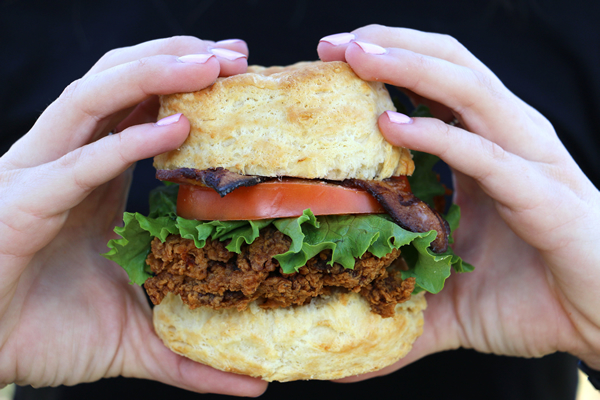
(Photo courtesy of Mason Dixie Biscuit Co.)
Best Michelin Star Restaurant: Pineapple and Pearls
Editor’s Choice: Inn at Little Washington
In a time when fast casual is king, Pineapple and Pearls chooses to reign supreme in the realm of special occasion restaurants — the kind of place where you go with the love of your life to celebrate a milestone.
The details are worthy of true fine dining, from fine china to edible parting gifts, and the acoustics are so good that you’ll even be able to hear your special someone cooing at you across the table. You’ll splurge, of course, but Chef Aaron Silverman and his stellar staff will make it worth every penny, with a sumptuous 11-course tasting menu that will absolutely live up to the hype.
Expect to pay $280 per person when seated in the dining room, which includes wine pairings, gratuity and tax, or $180 per person at the bar, where drinks can be ordered a la carte. Past menu highlights have included roasted potato ice cream with caviar and crispy potato threads, sweetbread tacos on handmade tortillas, and a playful PB&J made with foie gras butter and cherry preserves.
If the price tag is too rich for your blood, go ahead and reserve a spot on the patio, where you can order a few snacks and drinks at more modest prices of about $16 each. Because Pineapple and Pearls is usually not open on Saturday, it also means that weeknights just became cool again. (KH)
Pineapple and Pearls
715 8th St., S.E.
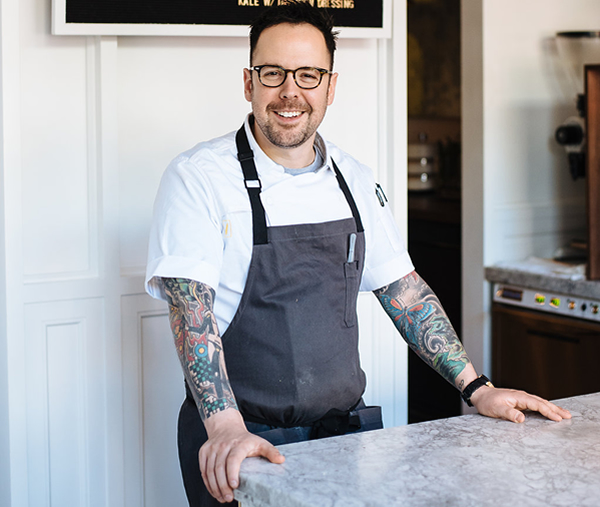
Chef Aaron Silverman (Photo by Kate Warren)
Best Food Festival or Event
Taste of D.C.
The largest culinary festival in the mid-Atlantic ran Oct. 7-8.
Editor’s choice: RAMW Restaurant Week
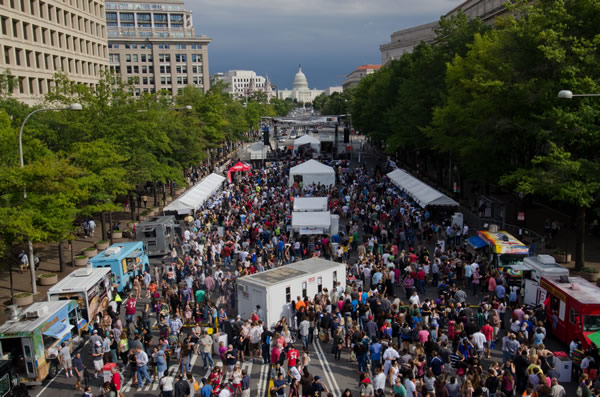
Taste of D.C. (Photo public domain)
Best Craft Cocktails
Columbia Room
Editor’s Choice: Five to One
The moment you enter the hushed environs of Columbia Room, you’ll immediately know that this is no ordinary bar. Recently named America’s best cocktail bar at the 2017 Spirited Awards, Columbia Room offers drinks that hover somewhere between intellect and fantasy — playful twists on classics, from a Manhattan crafted with “zombie vermouth” to a Sazerac spiced with roasted star anise.
The cozy Spirits Library is a perfect spot to curl up with a cocktail and a friend or two with a jazzy soundtrack, and there’s a fun punch garden out front for hanging with a crowd, but the gem is the elegant tasting room tucked away in the back. Go for either a three- or five-course tasting menu ($79 and $108, respectively, gratuity included) of cocktail and snack-sized food pairings — the themes change with the seasons, offering an interesting little flavor journey that turns an ordinary night at the bar into something a little more elevated. (KH)
Columbia Room
124 Blagden Alley, N.W.

Columbia Room (Photo by Whiskeywarrior; courtesy Wikimedia Commons)
Best Fast Casual Dining
CAVA
Editor’s Choice: Ted’s Bulletin
It’s no secret that fast casual dining has taken over the restaurant landscape, but few have done it better than CAVA, the offshoot of Cava Mezze, which got its start right here in the region.
If there’s a secret ingredient that accounts for the chain’s success, it’s that the flavors taste authentic, probably because they are a true reflection of the Greek roots of the company’s founders. The assembly line format so popular these days works well with the fresh ingredients, from grilled meatballs spiked with lemon and oregano to garlicky braised lamb, topped off with some of the standouts that originally appeared at Cava Mezze, like the spicy Crazy Feta and the roasted eggplant and bell peppers mixed with tangy Greek yogurt.
Garnishes like pickled banana peppers from locally owned Gordy’s Pickle Jar and fresh mint provide just that touch of brightness that makes lunch at your desk feel a little less sad. (KH)
CAVA
Various locations across DC, Maryland and Virginia
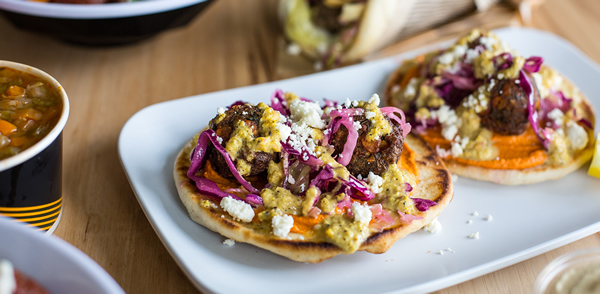
CAVA (Photo courtesy of CAVA)
Best Local Brewery
D.C. Brau
“Popular craft brewery offering free tours and tastings.” Third win in this category!
3178-B Bladensburg Rd., N.E.
Editor’s choice: Right Proper Brewing
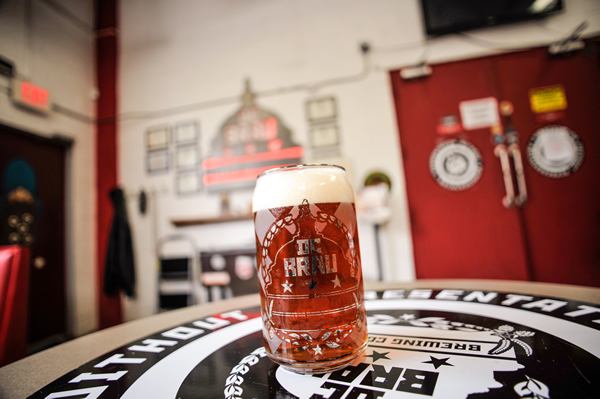
DC Brau (Photo by Steph Harding Photo)
Best Local Distillery
District Distilling Co.
Reclaimed barn doors and brick walls are the backdrop for American fare and drinks crafted from spirits made on-site.
1414 U St., N.W.
Editor’s choice: Republic Restoratives
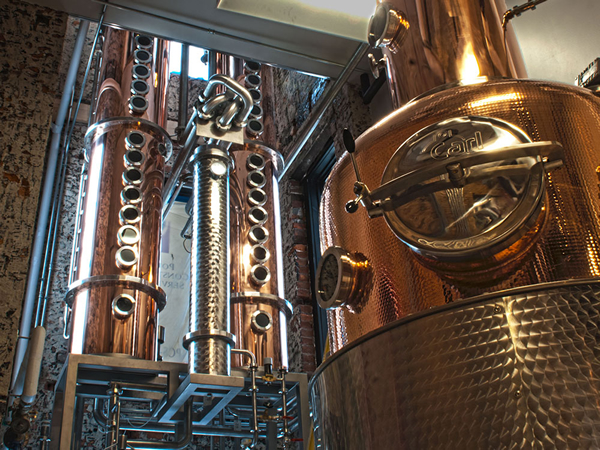
District Distilling Co. (Photo courtesy of District Distilling)
Best Burger
Shake Shack
Locations in Dupont Circle, F Street and Union Station.
Editor’s choice: Duke’s Grocery

Shake Shack (Photo by Shake Shack burger and fries; courtesy Wikimedia Commons)
Best Caterer
Rocklands Barbecue and Grilling Company
Editor’s Choice: Patrick Vanas Events
Craving something big and beefy for your next event? Look no further than Rocklands Barbecue, which dishes up stacks of wood-smoked baby-back ribs, brisket, chicken and leg of lamb, not to mention their Mason-Dixon macaroni salad, homemade apple compote and barbecued baked beans.
Their full-service catering operation offers everything from table rentals to ice cream sundae bars, and you can get as refined as you like with passed appetizers of brown sugar bacon skewers or avocado toast, or go whole hog and literally opt for a whole smoked pig to anchor your holiday table. (KH)
Locations in Washington, Arlington and Alexandria.
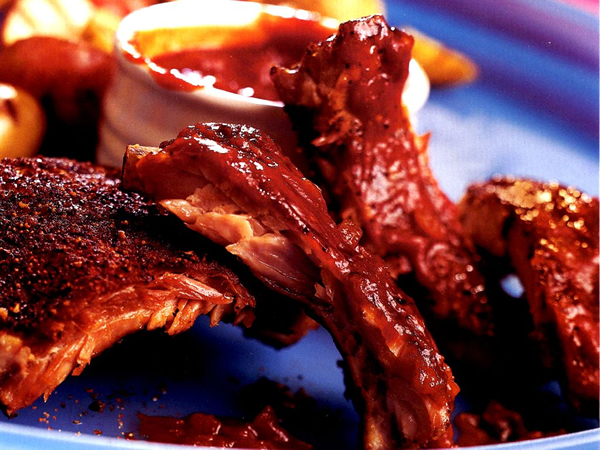
Rocklands BBQ and Grilling Company (Photo courtesy Facebook)
Beat Cheap Eats
&pizza
Third consecutive win in this category!
1215 Connecticut Ave., N.W.
1250 U St., N.W.
1400 K St., N.W.
Editor’s choice: Amsterdam Falafel
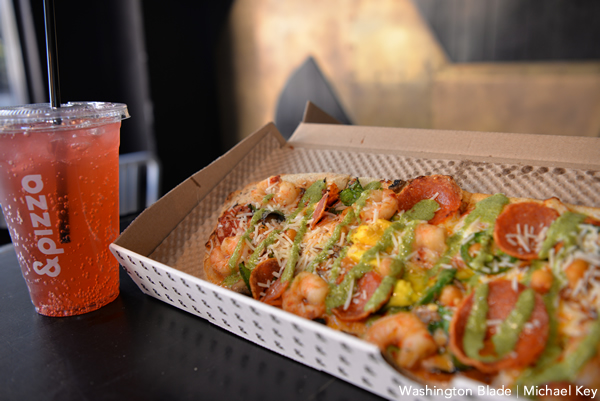
&pizza (Washington Blade photo by Michael Key)
Best Chef
Jose Andres
Spanish-American chef often credited for bringing small plates to the U.S. America Eats Tavern is coming soon to Georgetown. Other locations include Barmini (501 9th St., N.W.), China Chilcano (418 7th St., N.W.) and Jaleo D.C. (480 7th St., N.W.).
Editor’s choice: Jamie Leeds
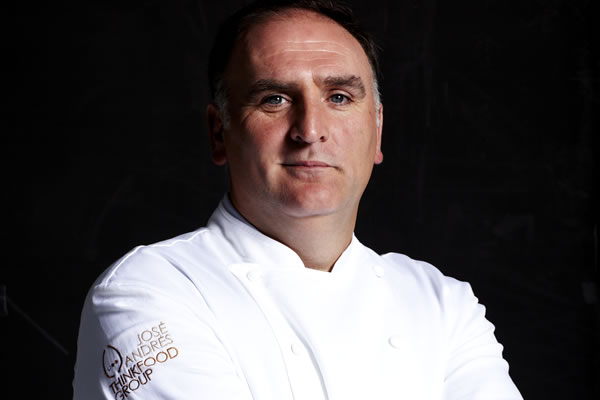
José Andrés (Photo by Blair Getz Mezibov)
Best Coffee Shop
Compass Coffee
Second consecutive win in this category!
1335 7th St., N.W.
Editor’s choice: Tryst
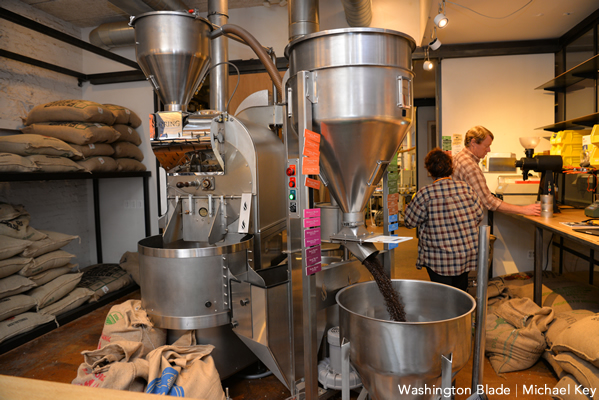
Compass Coffee (Washington Blade photo by Michael Key)
Best Date Restaurant
Floriana
“Intimate, white-tableclothed bistro offering lasagna and other Italian classics with weekly specials.” Second consecutive win in this category!
1602 17th St., N.W.
Runner-up: Busboys and Poets
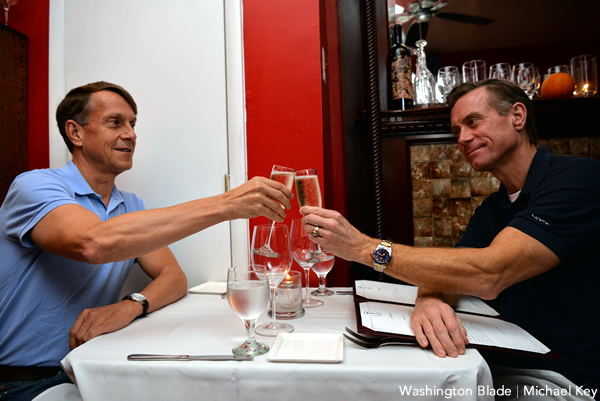
Floriana (Washington Blade photo by Michael Key)
Best Ice Cream/Gelato
Dolcezza
1418 14th St., N.W.
Editor’s choice: Ice Cream Jubilee
Best Farmer’s Market
Eastern Market
Second consecutive win in this category!
225 7th St., S.E.
Editor’s choice: FARMFRESH Dupont Circle Market
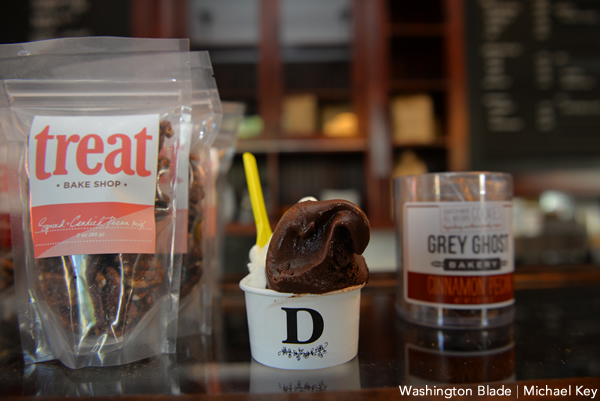
Dolcezza (Washington Blade photo by Michael Key)
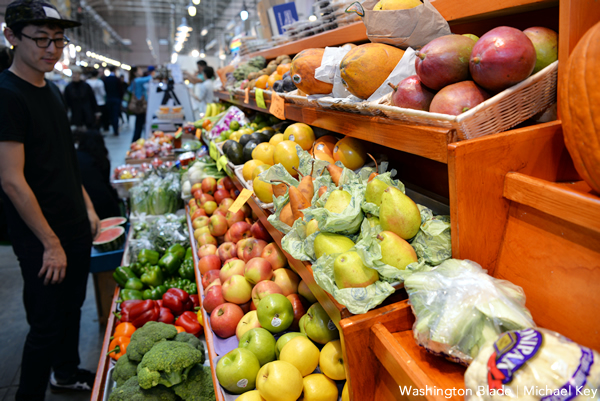
Eastern Market (Washington Blade photo by Michael Key)
Best Food Truck
Peruvian Brothers
Editor’s Choice: Far East Taco
Frequently landing at the top of favorite food truck lists, Peruvian Brothers offers up authentic homestyle flavors based on the dishes that brothers Mario and Giuseppe Lanzone grew up eating on the coast of Peru.
Pan con chicharrón, fried pork tenderloin and slices of grilled sweet potato on a French roll and topped off with the duo’s signature criolla sauce — made with vinegary thinly sliced red onions — is a perennial favorite, along with a baked tilapia filet sandwich and hearty empanadas stuffed with beef, chicken or spinach. Be sure to try the Peruvian wild rice, studded with bacon, raisins and walnuts, and save room for alfajores, a traditional sandwich cookie filled with dulce de leche. (KH)
Peruvian Brothers food truck
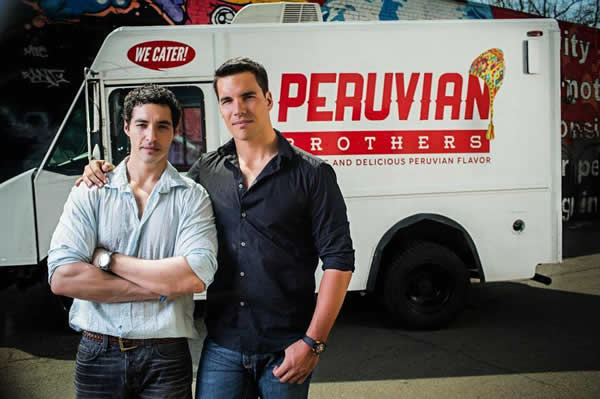
Peruvian Brothers (Photo courtesy Facebook)
Best Pizza
Comet Ping Pong
Hip crowd eats pizza and wings while playing ping pong and listening to bands in warehouse-chic digs.
5037 Connecticut Ave., N.W.
Editor’s choice: Matchbox
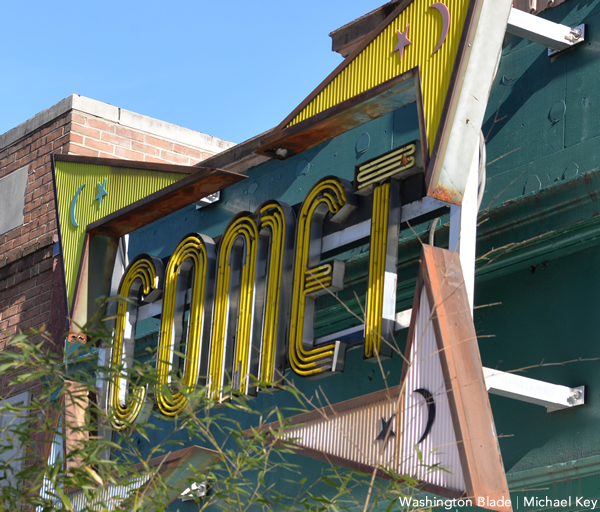
Comet Ping Pong (Washington Blade photo by Michael Key)
Best Rehoboth Restaurant
Blue Moon
Bright, remodeled Craftsman cottage serving upscale American fare with regular live entertainment.
35 Baltimore Ave., Rehoboth Beach, Del.
Editor’s choice: Fable
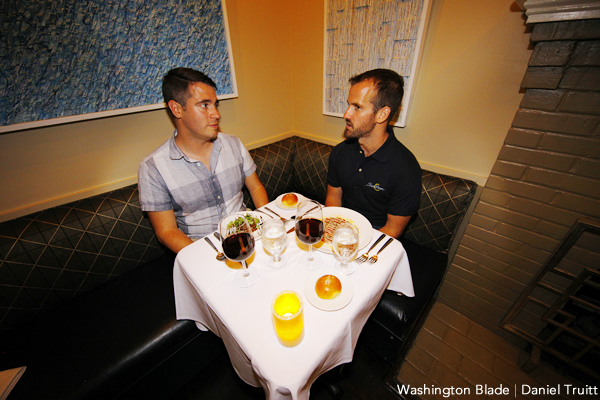
Blue Moon (Washington Blade photo by Daniel Truitt)
Best Local Winery
Breaux Vineyards
Second consecutive win in this category!
36888 Breaux Vineyards Lane, Purcellville, Va.
Editor’s choice: The Winery at Bull Run
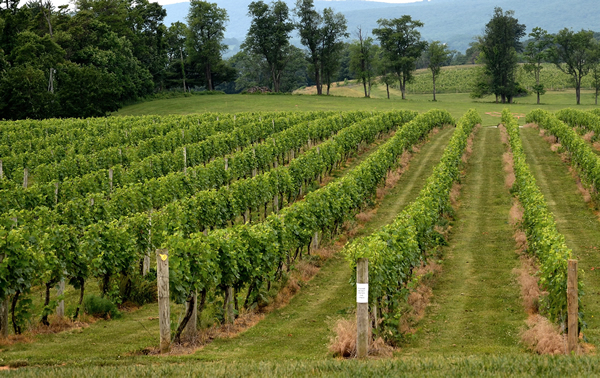
Breaux Vineyards (Photo courtesy of Breaux)
To see winners in other categories in the Washington Blade’s Best of Gay D.C. 2017 Awards, click here.




Photos
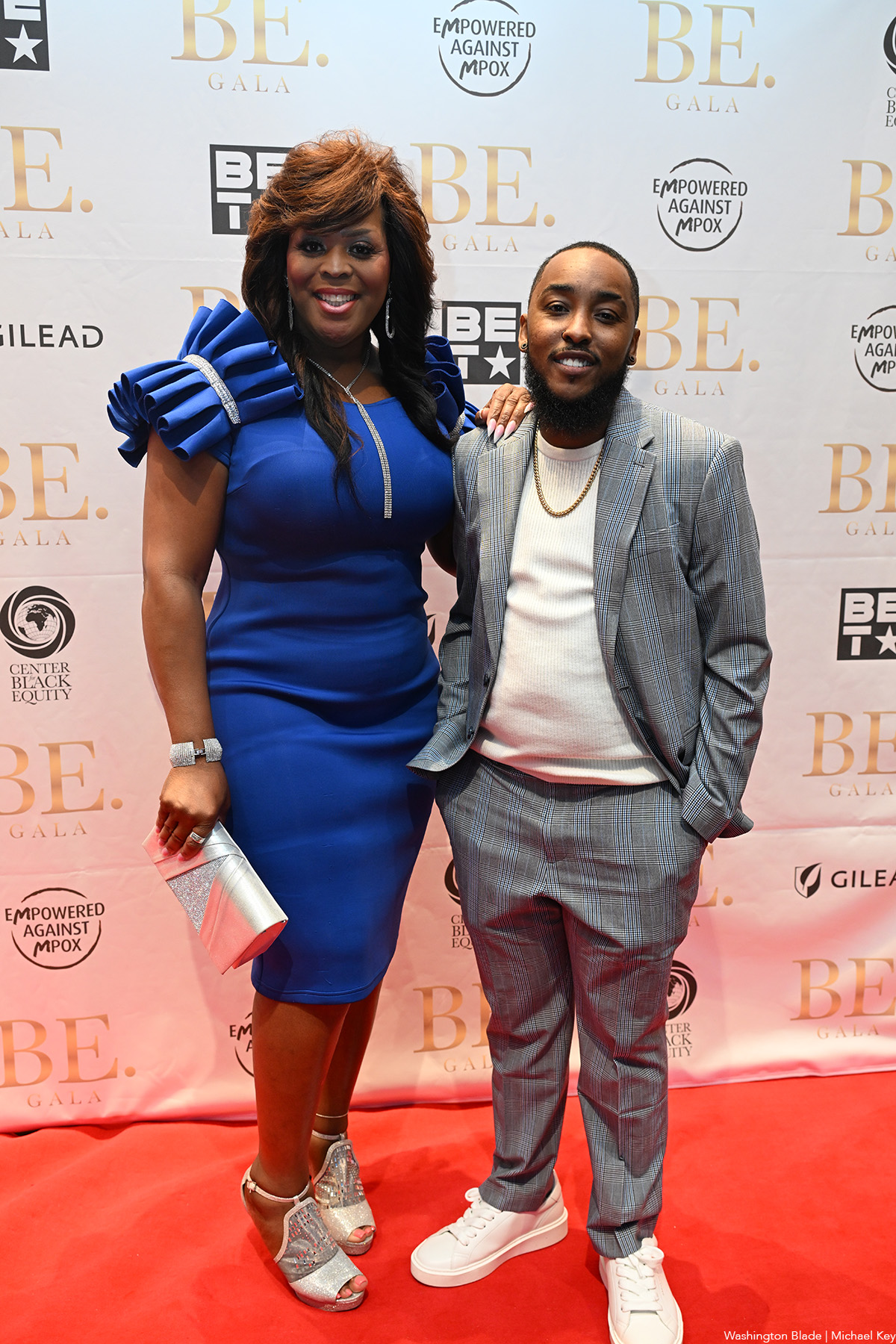
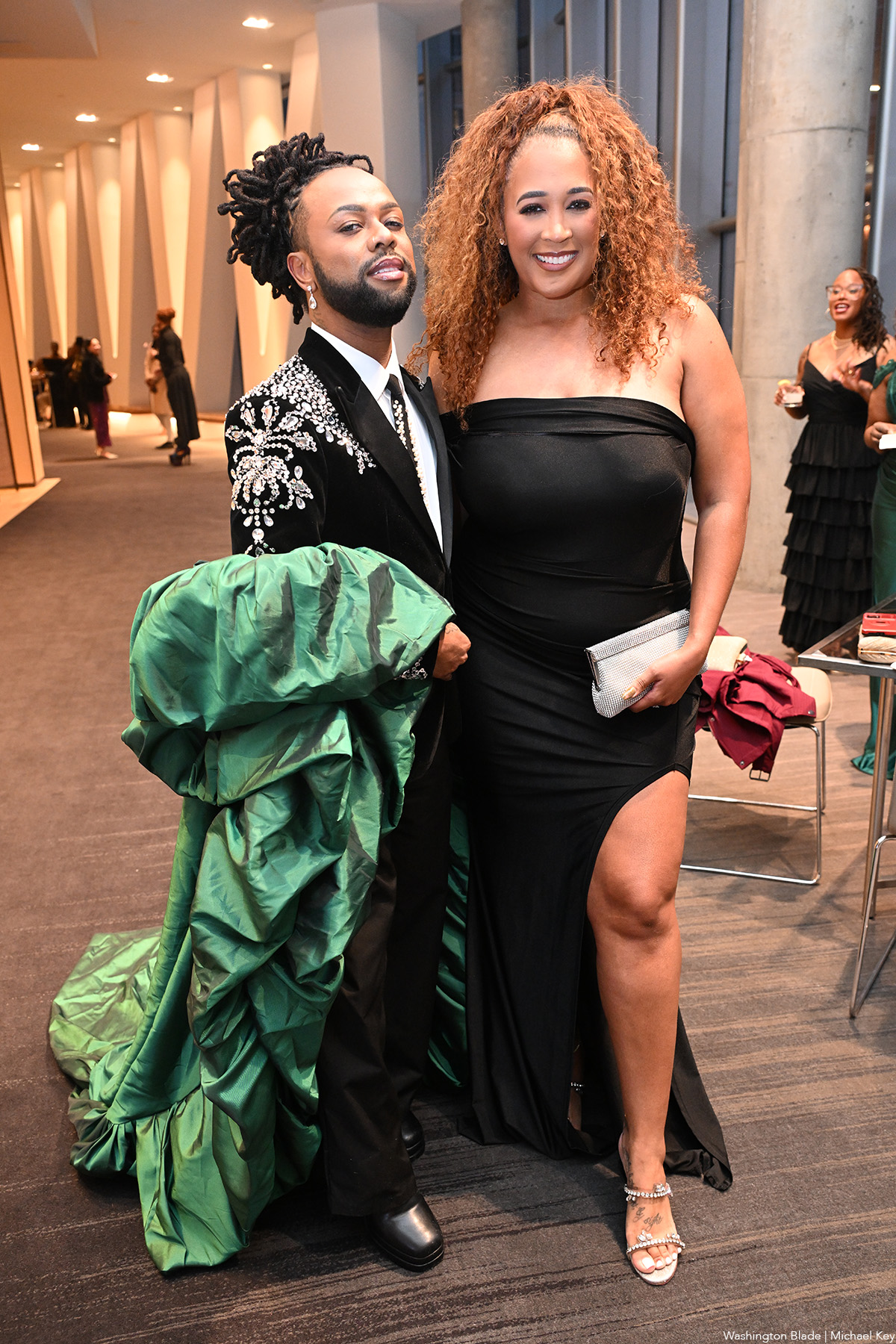
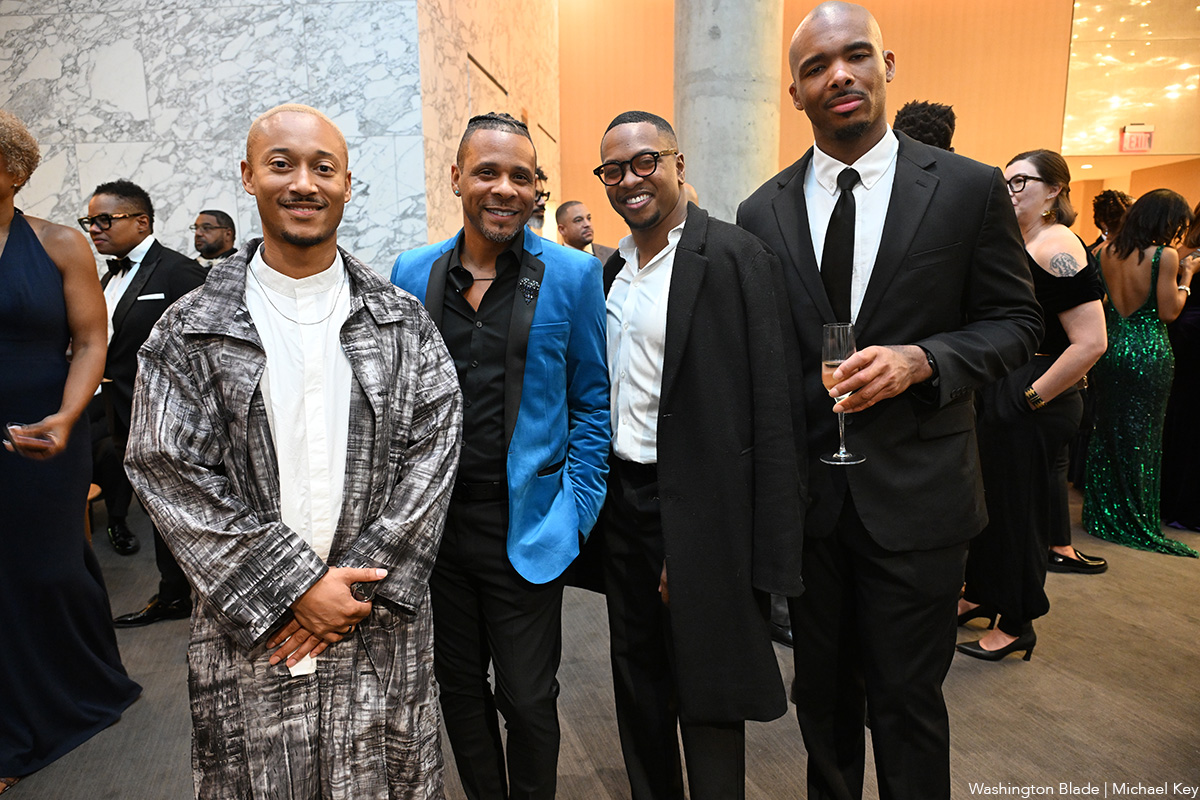
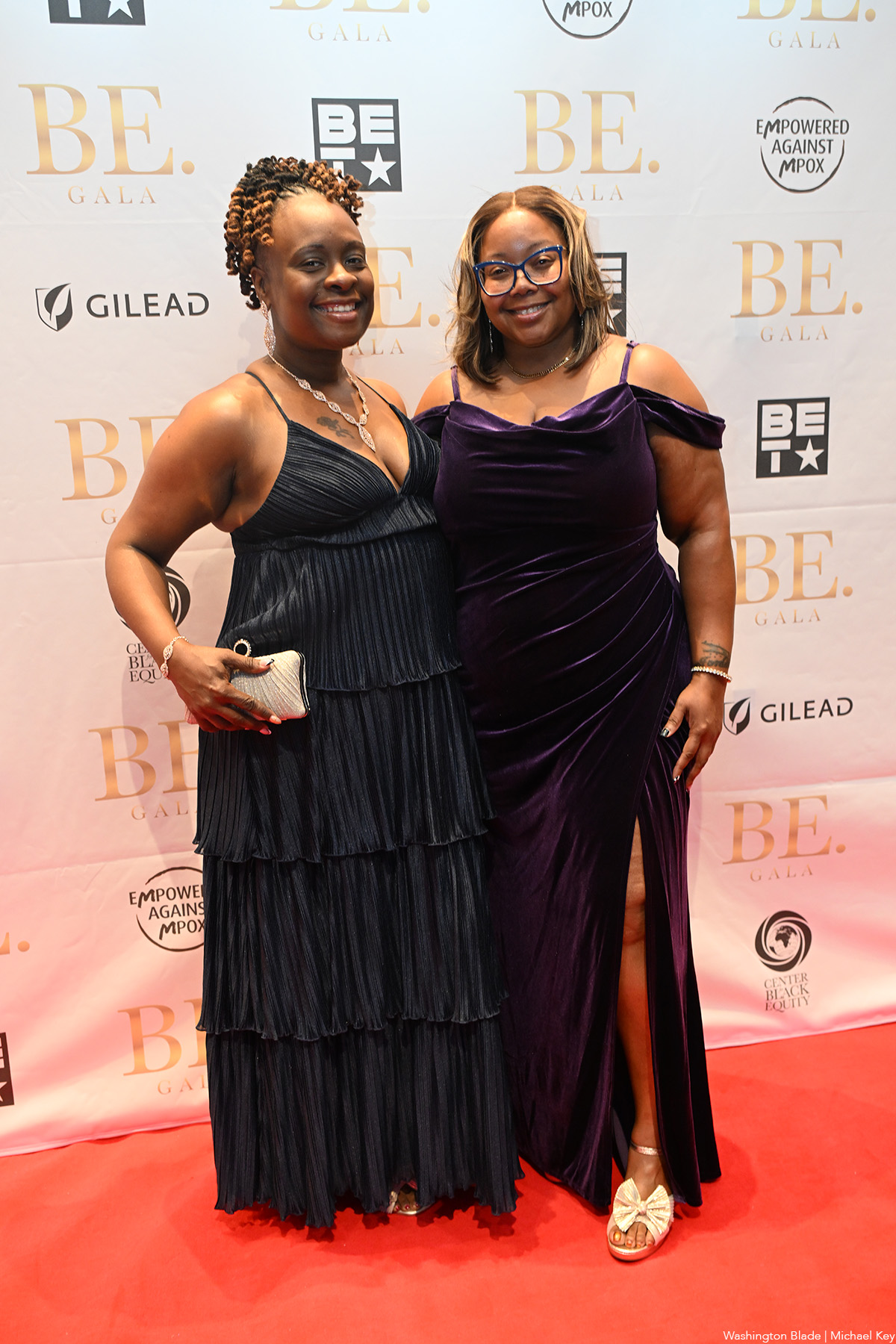
Center for Black Equity honors leaders, activists at BE. Gala
Miyake-Mugler, Oakes co-host annual awards ceremony

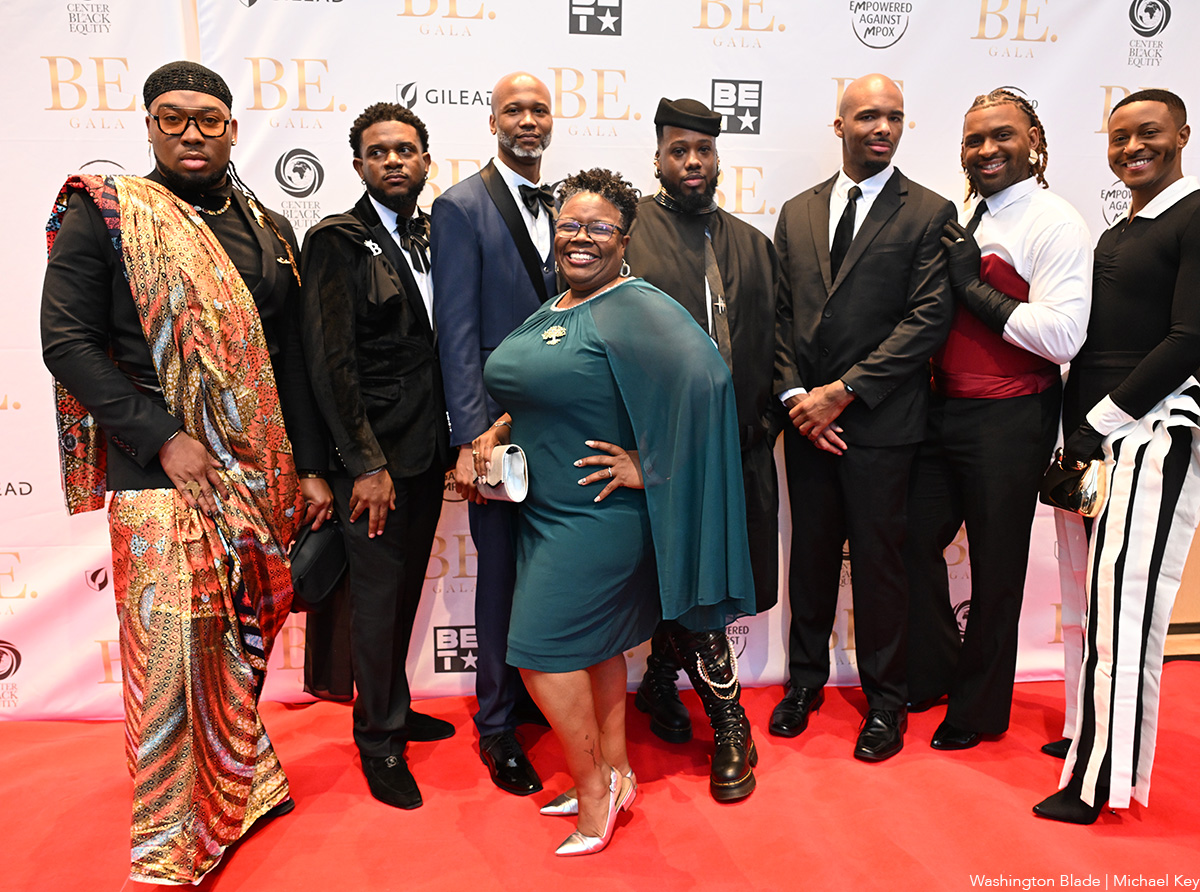
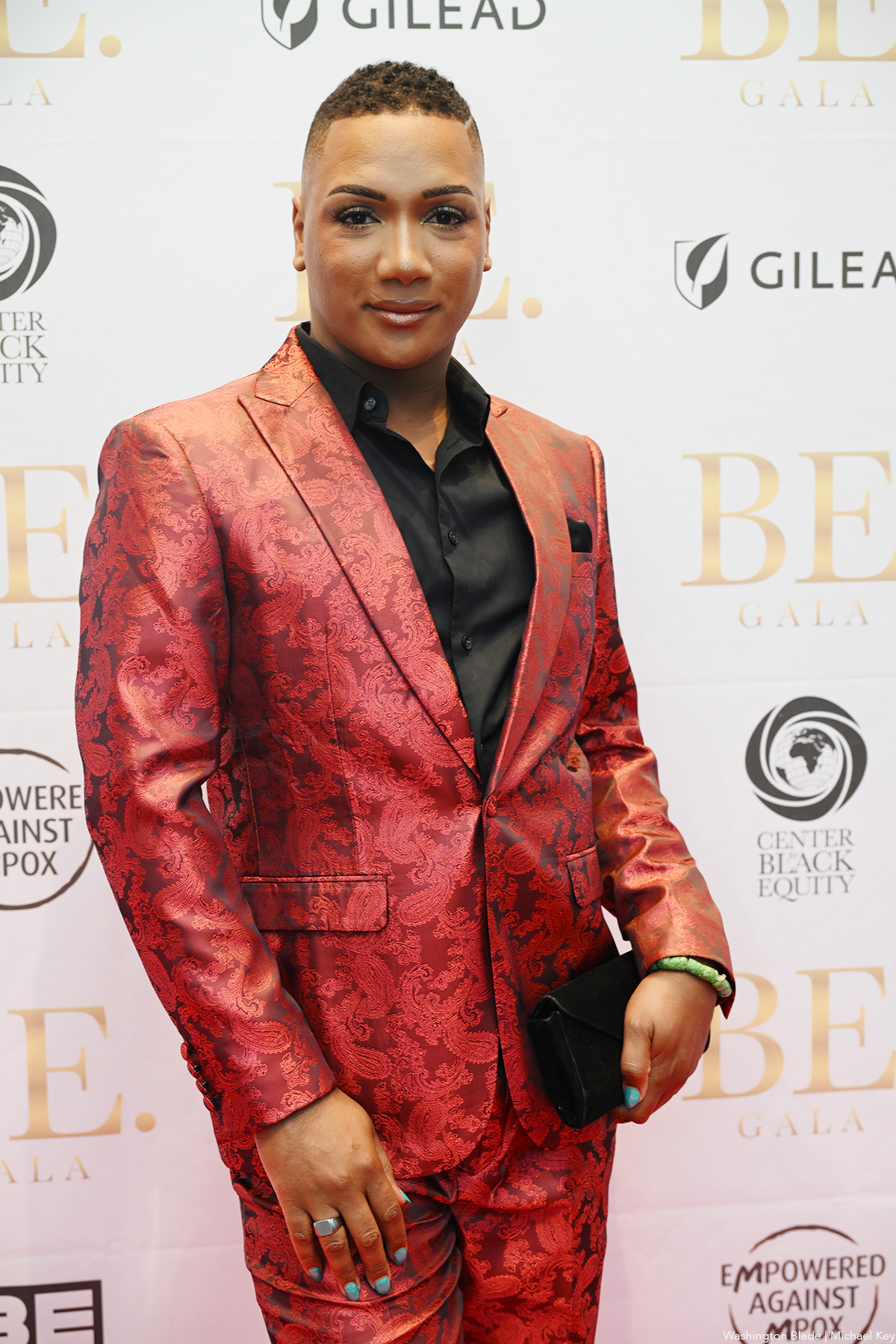
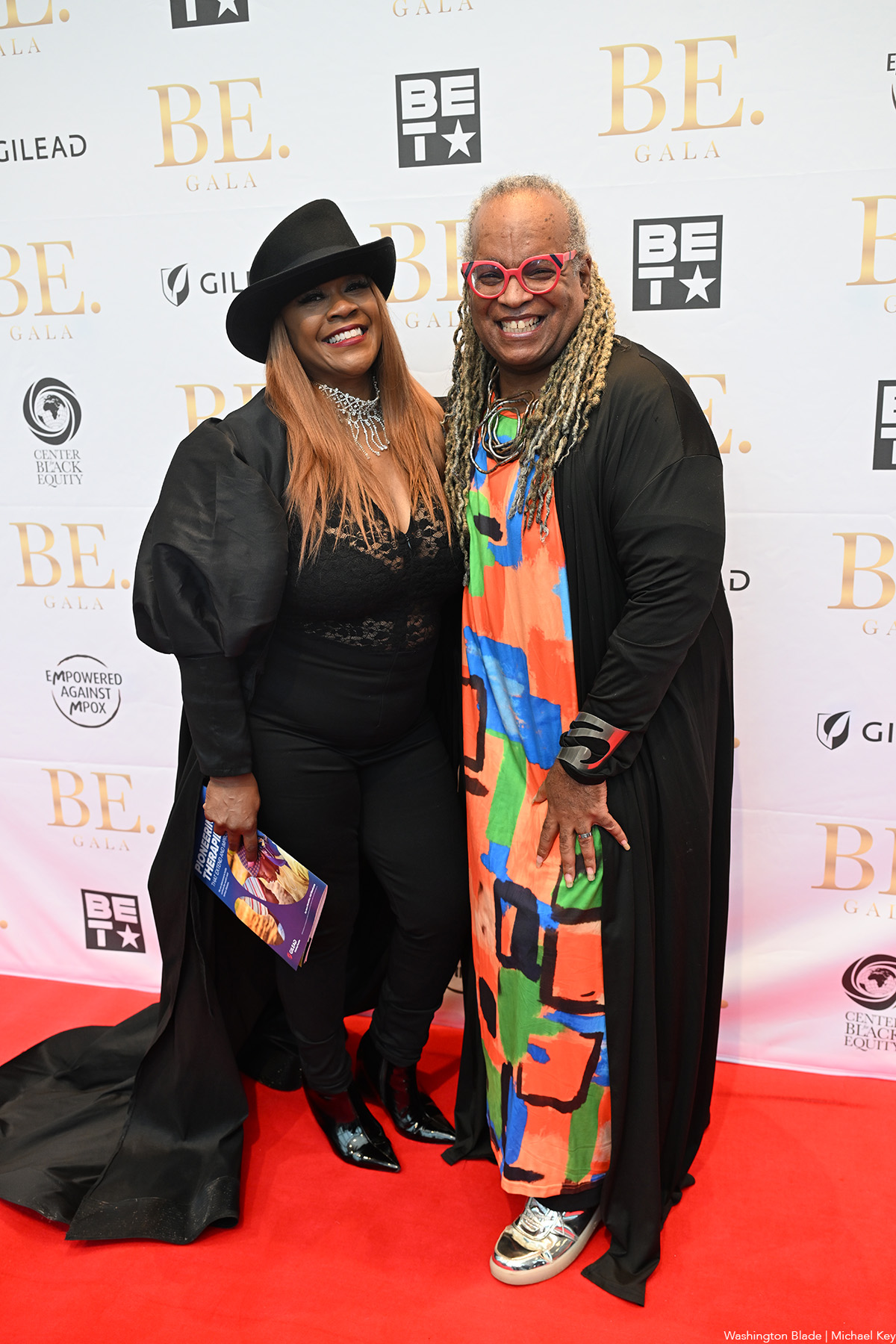
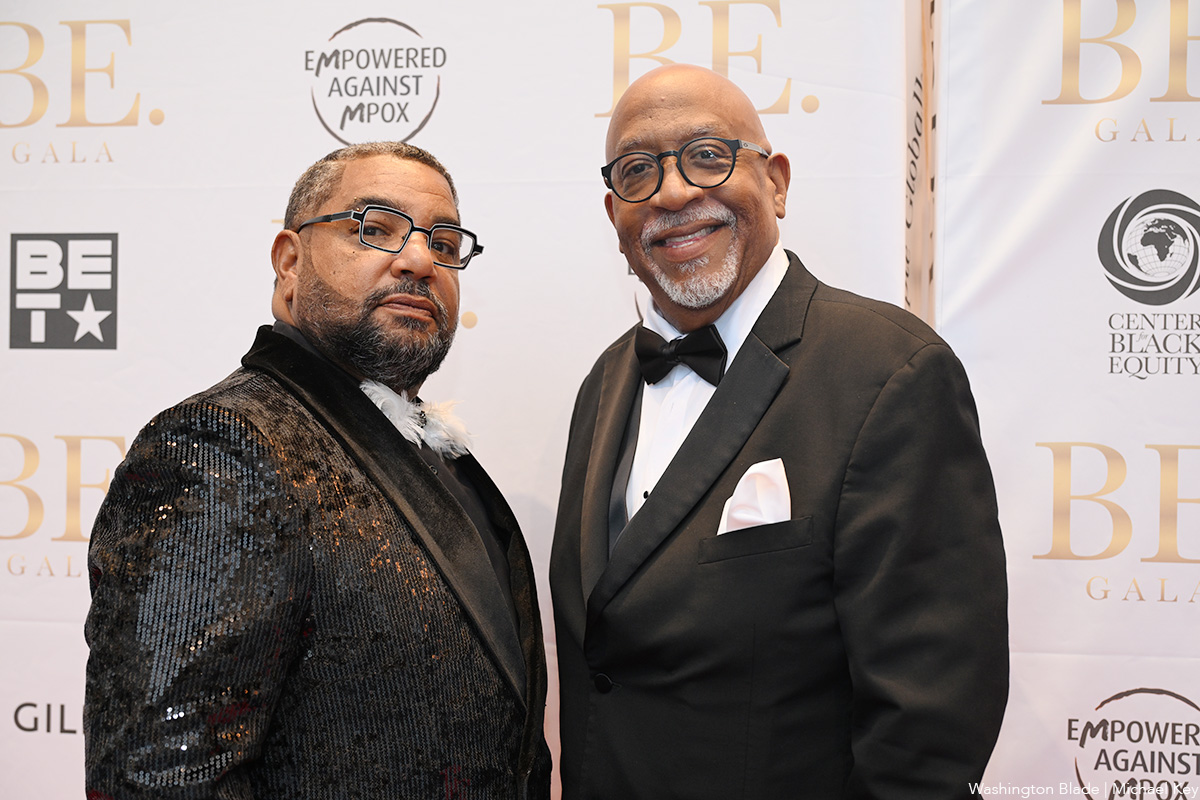
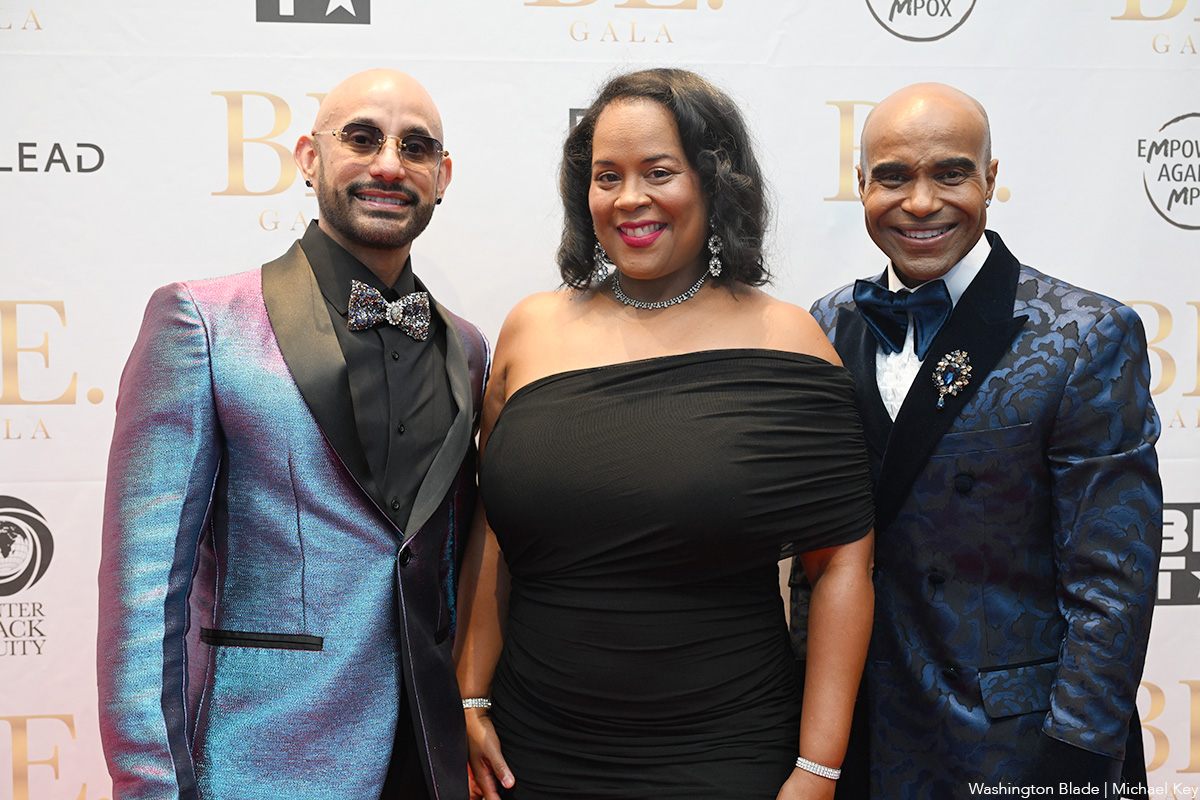
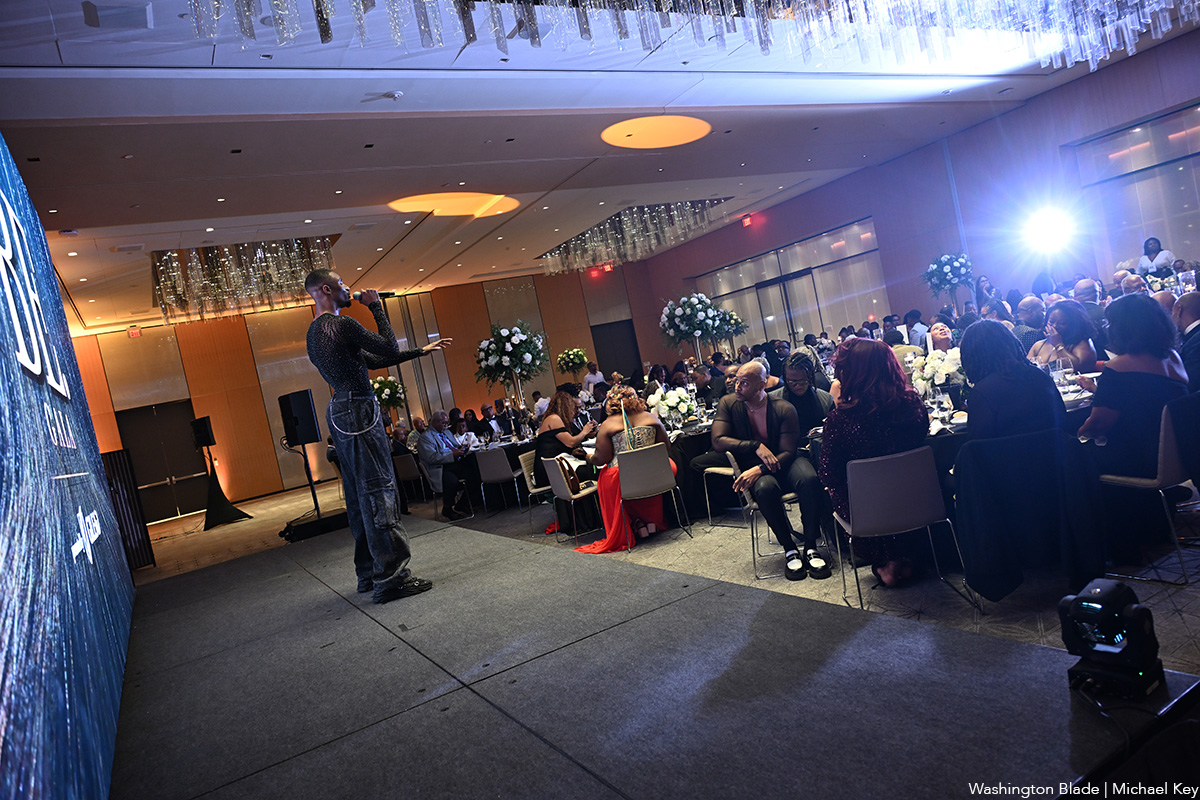
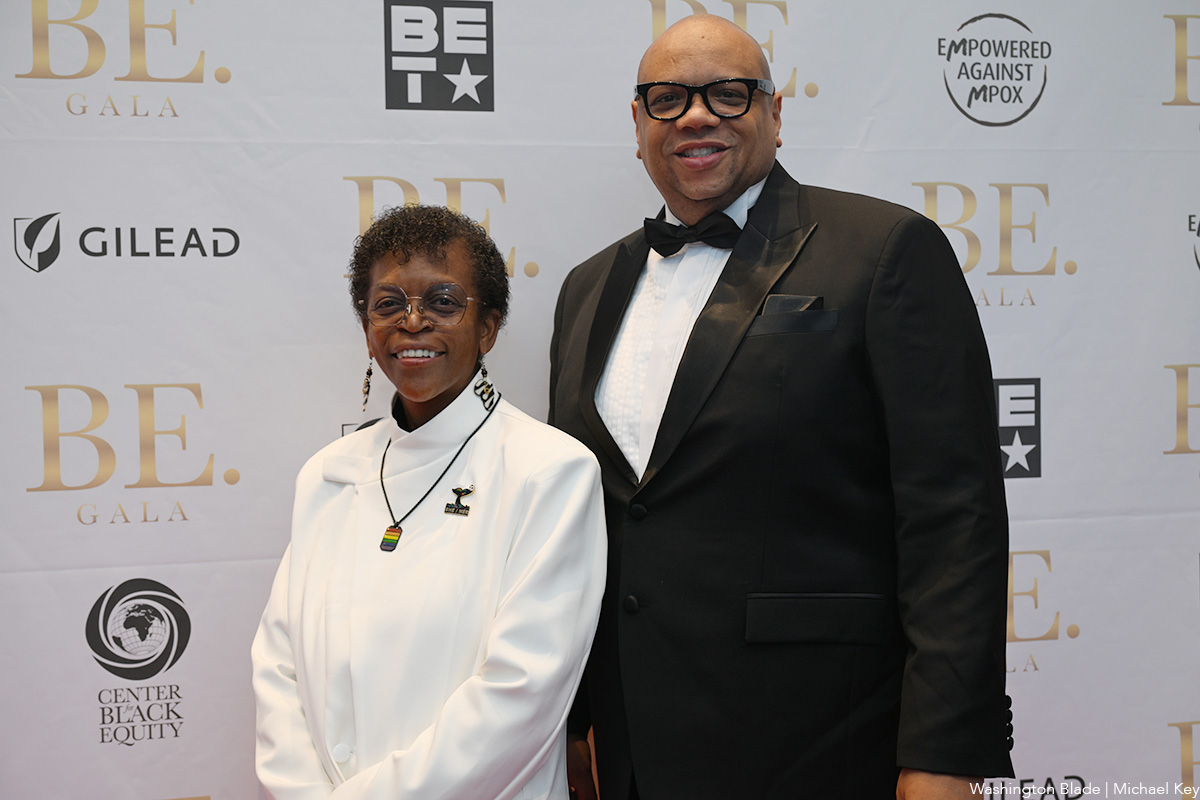
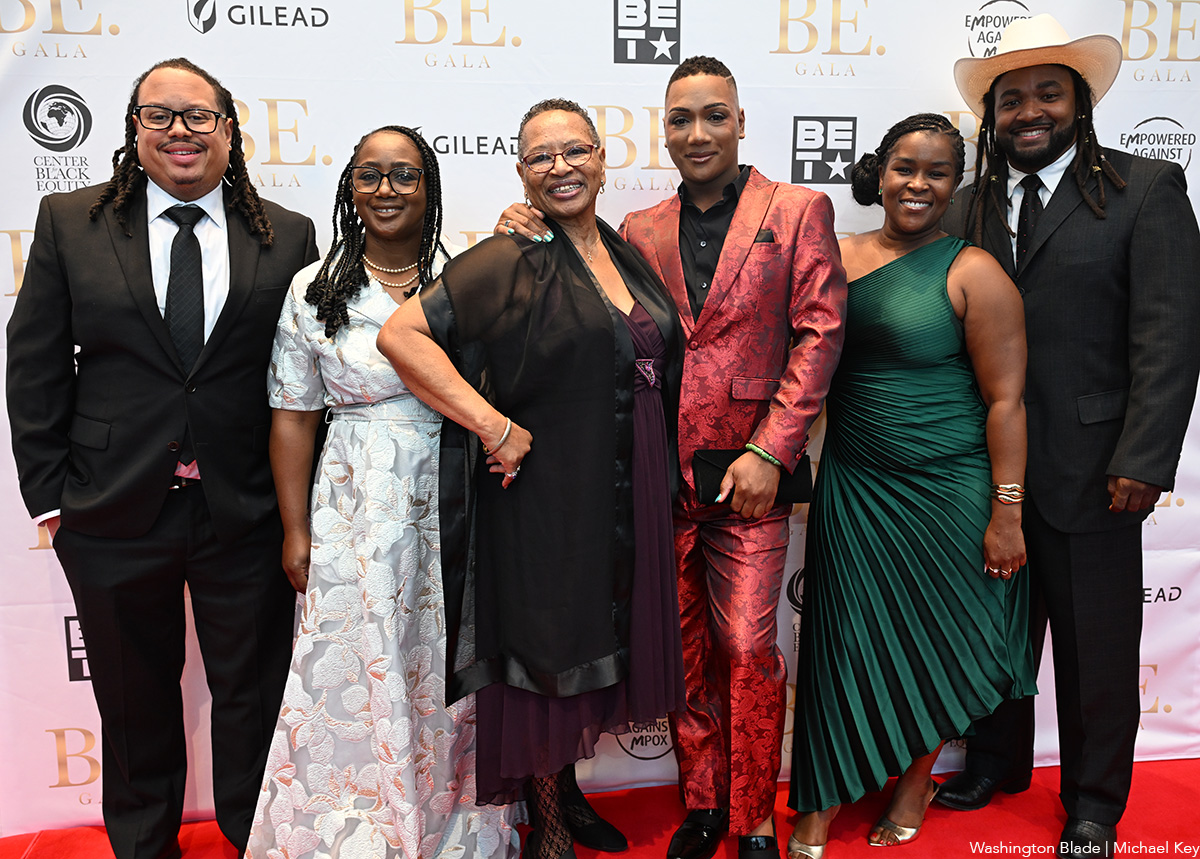
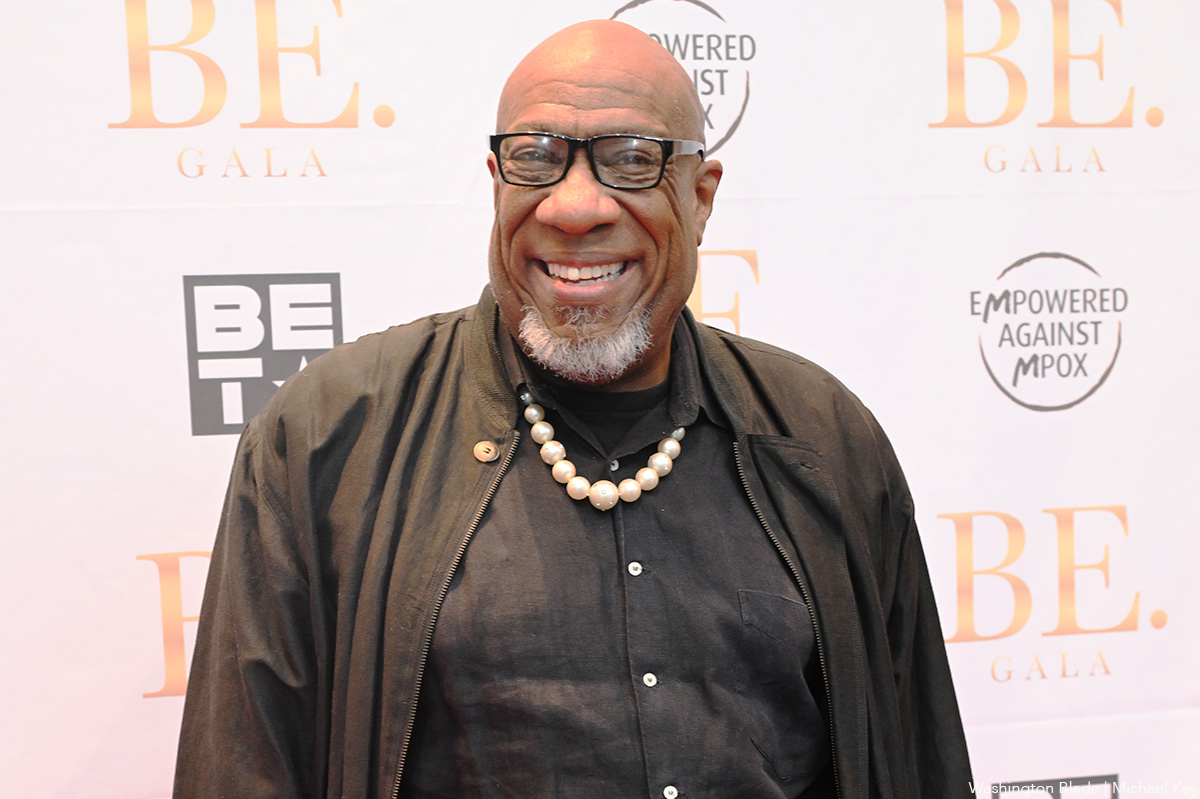
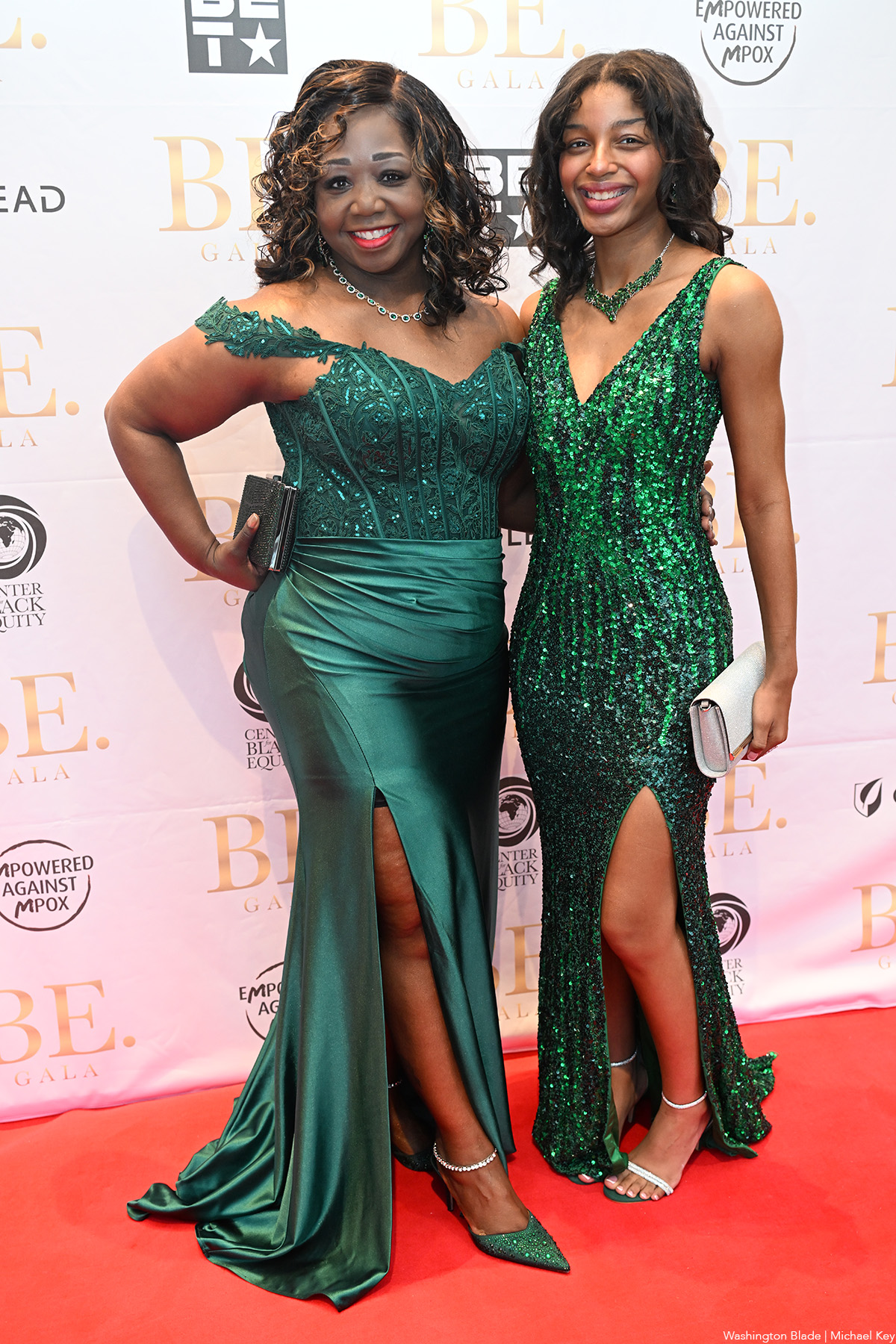
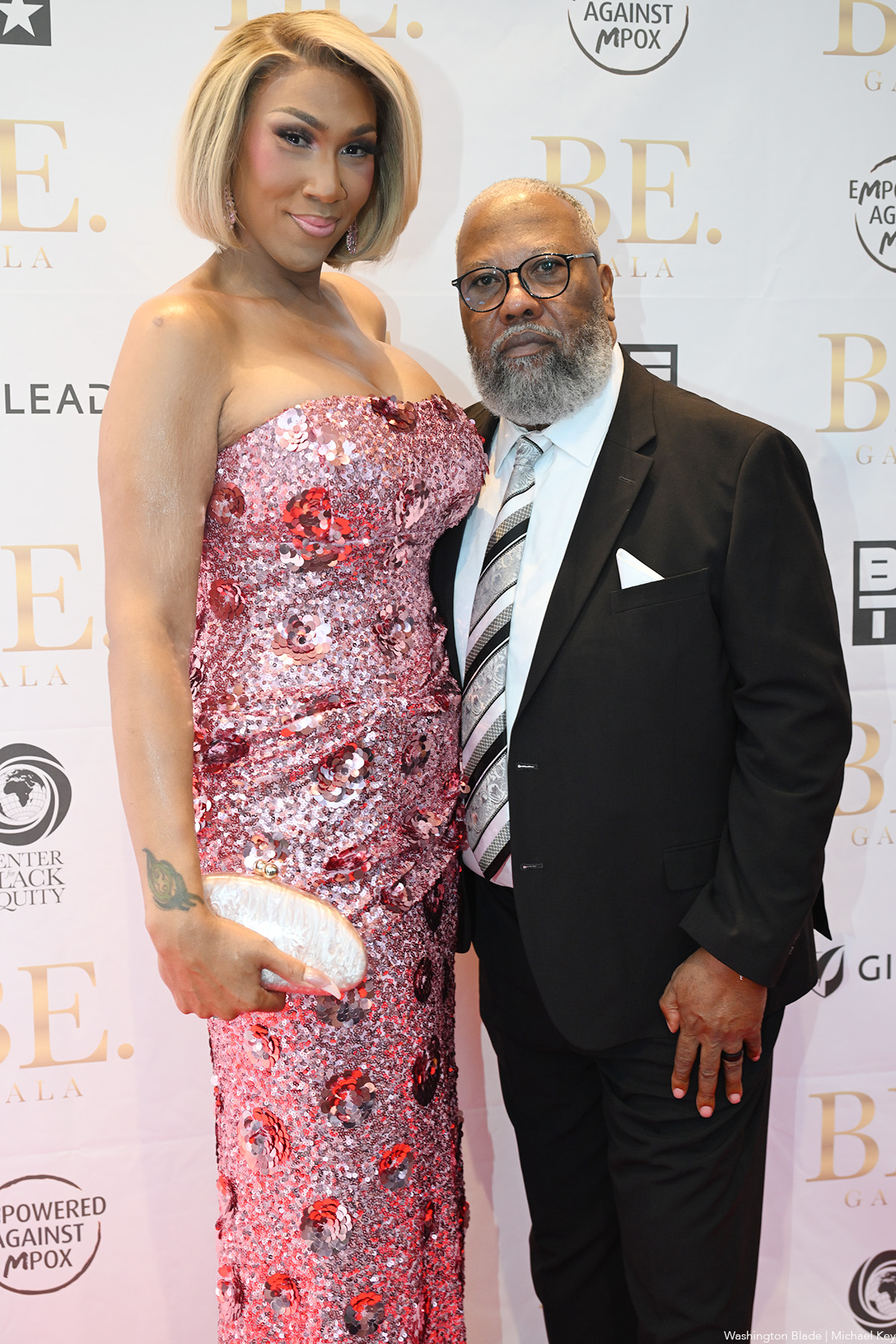
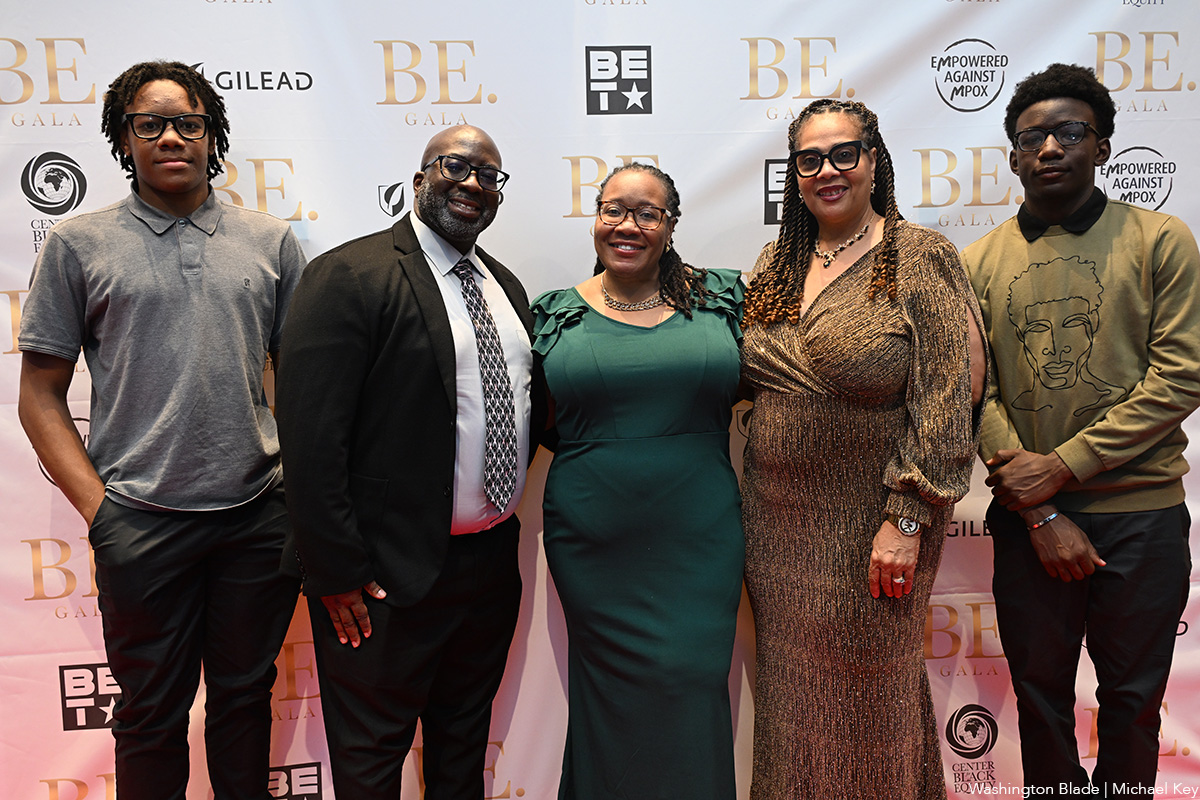
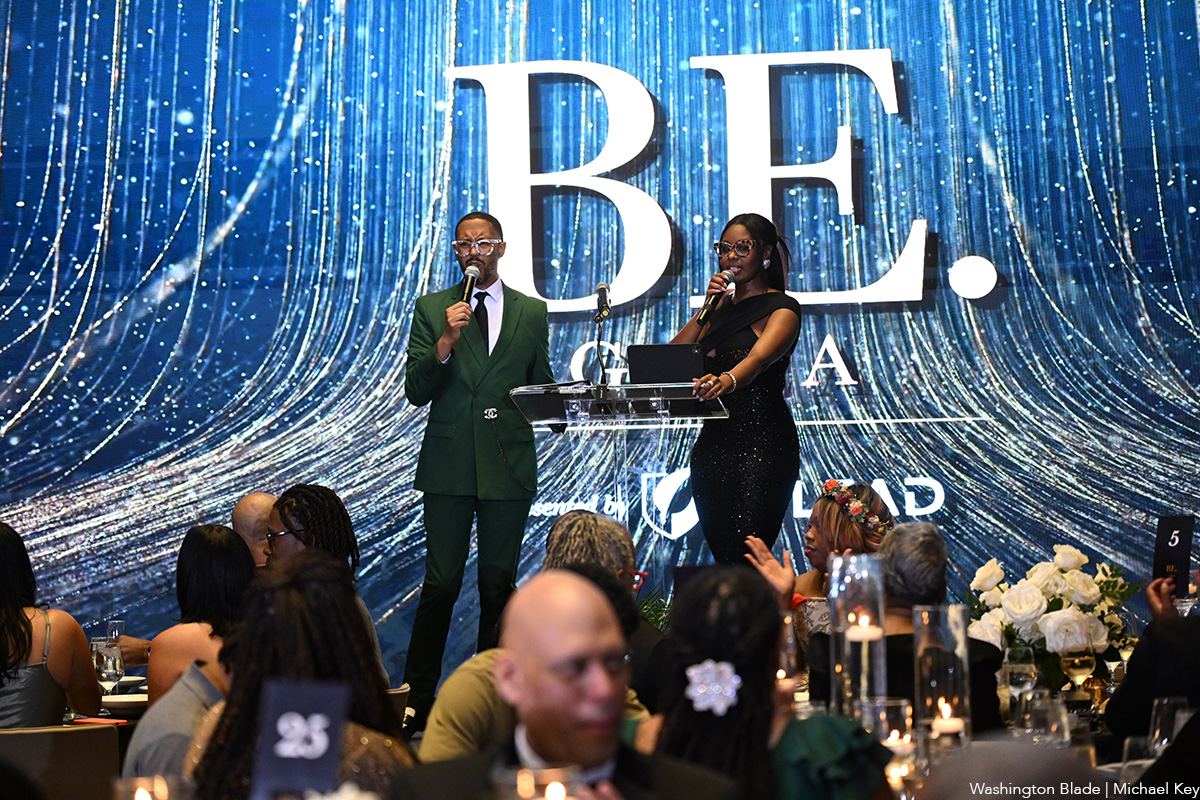
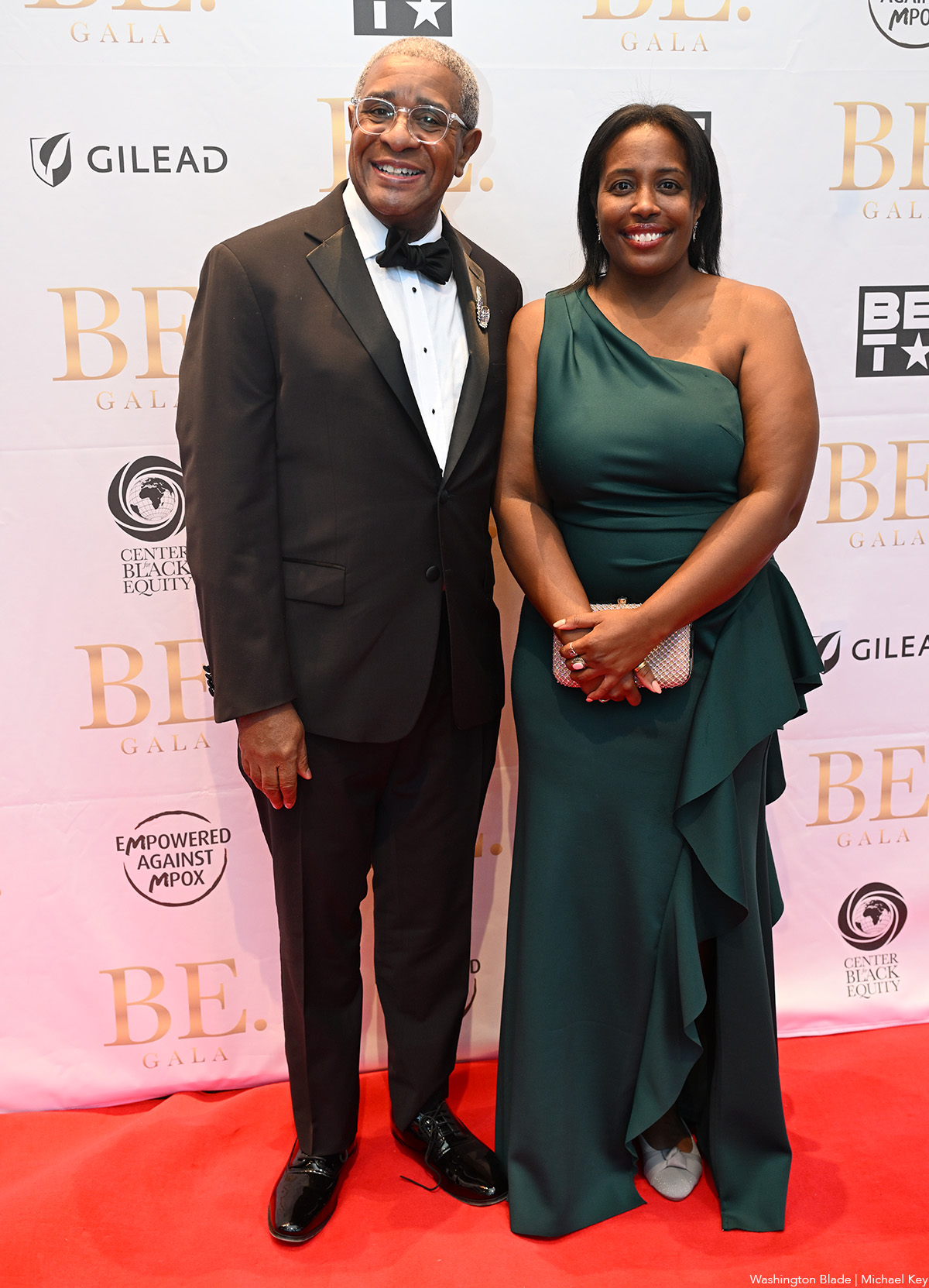
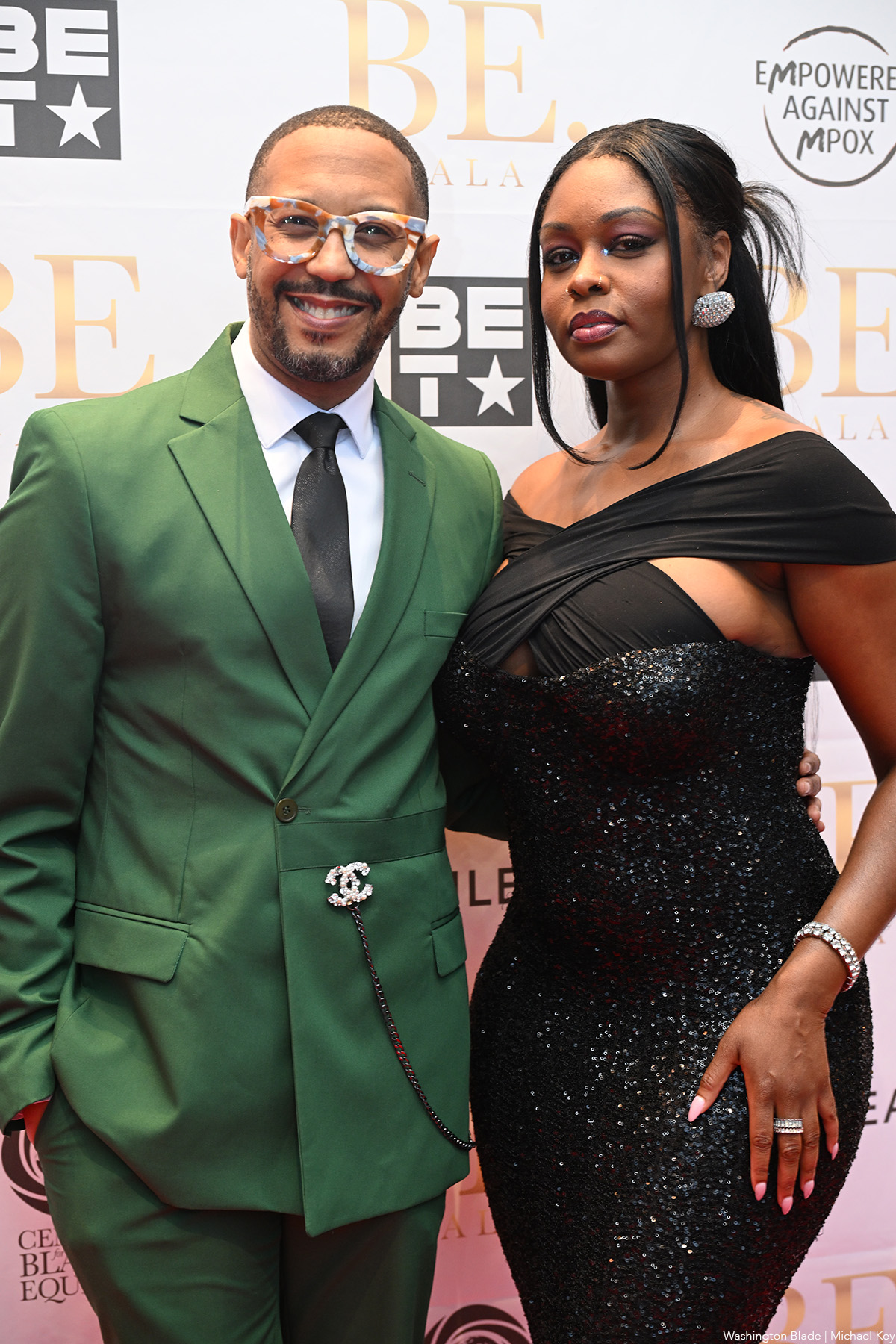
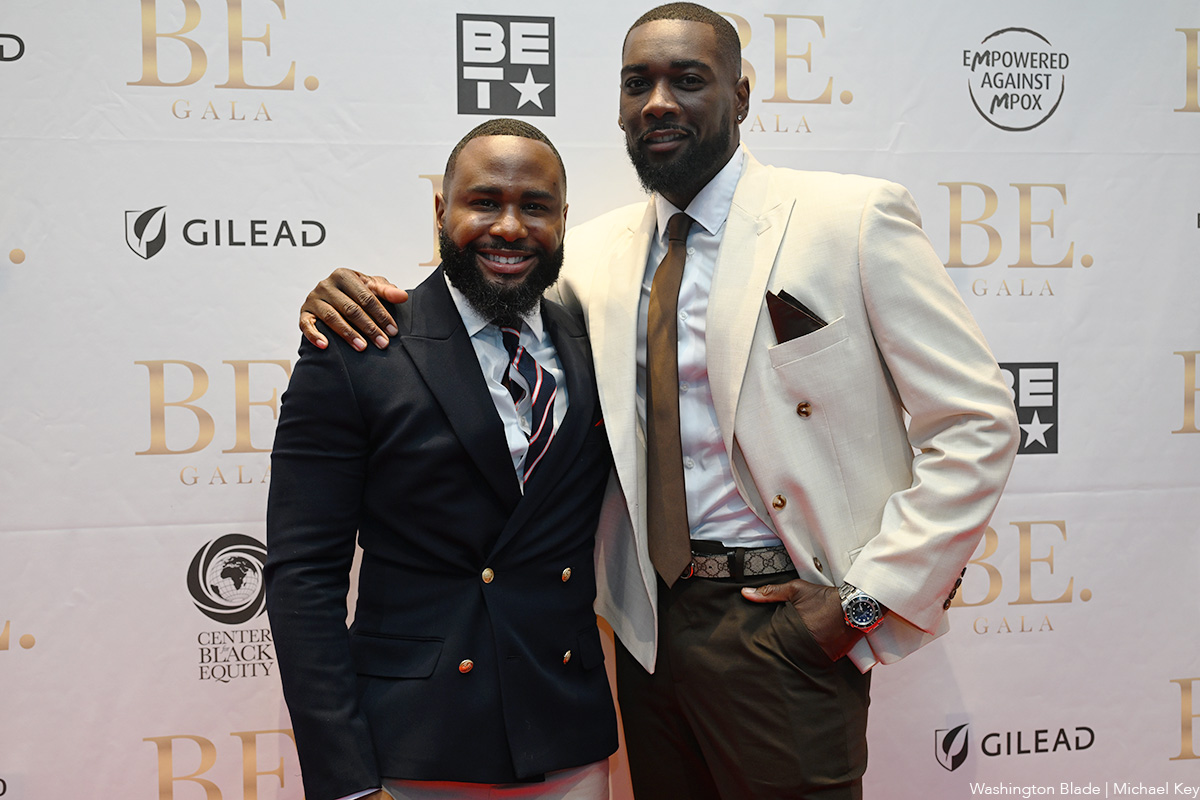
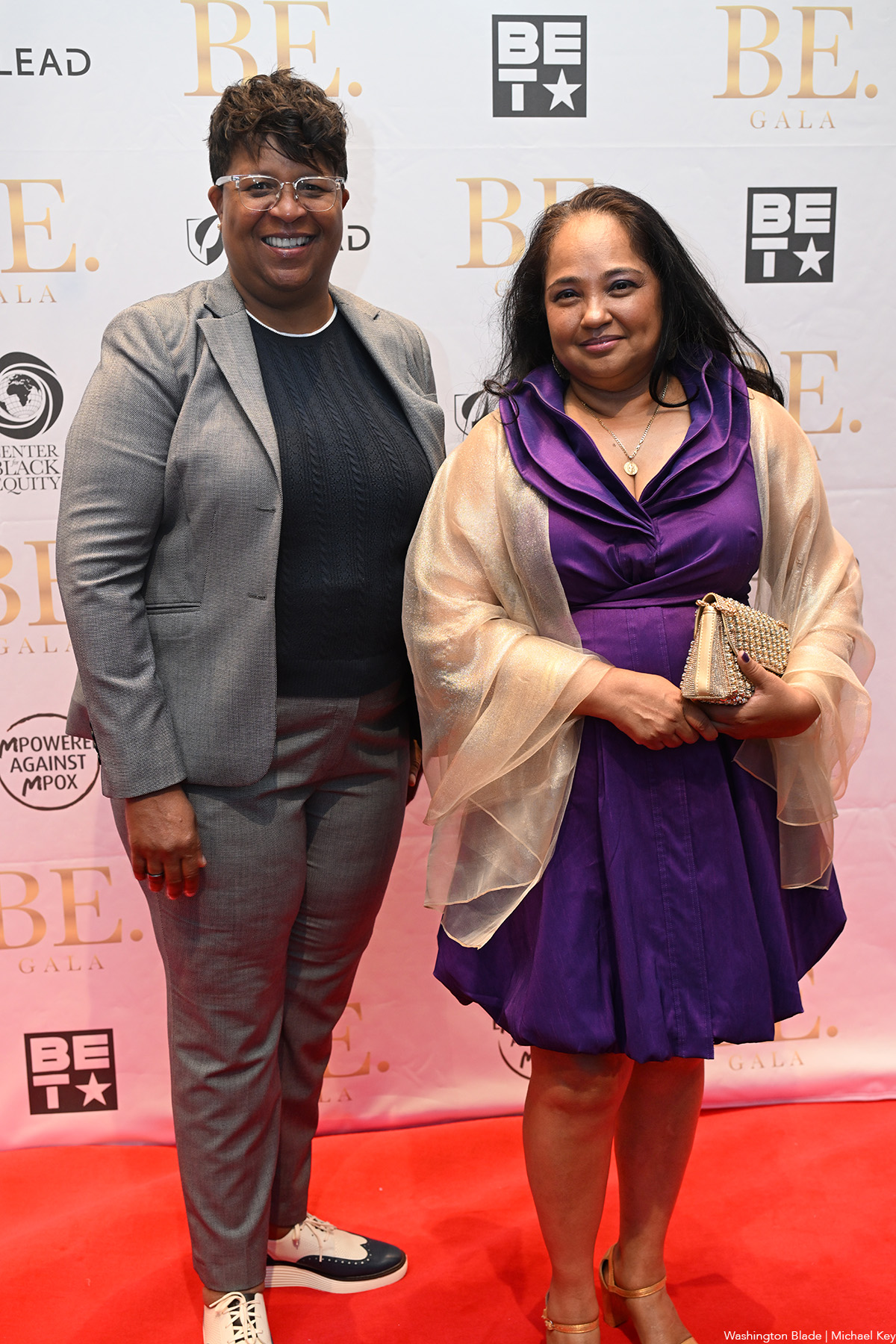
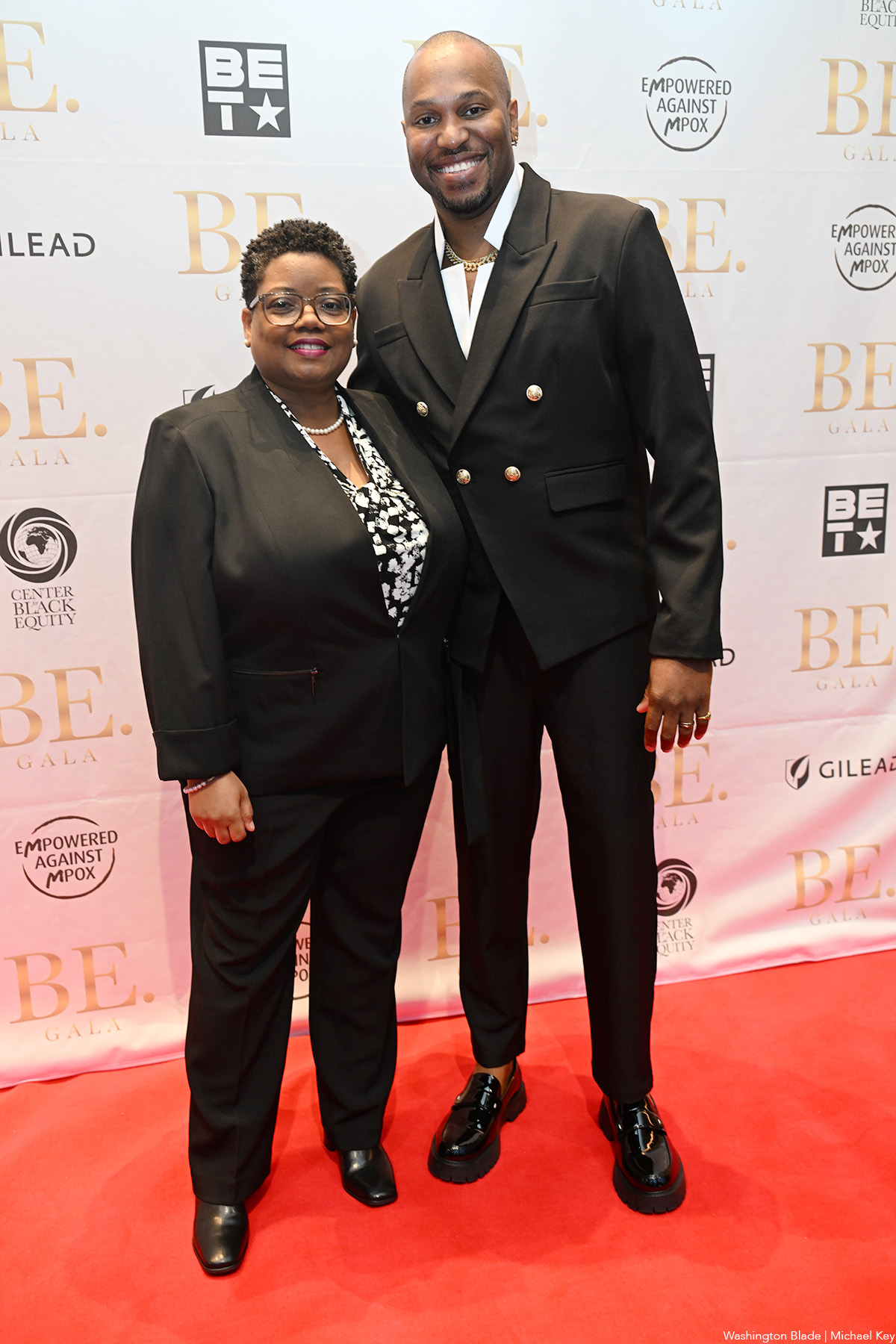
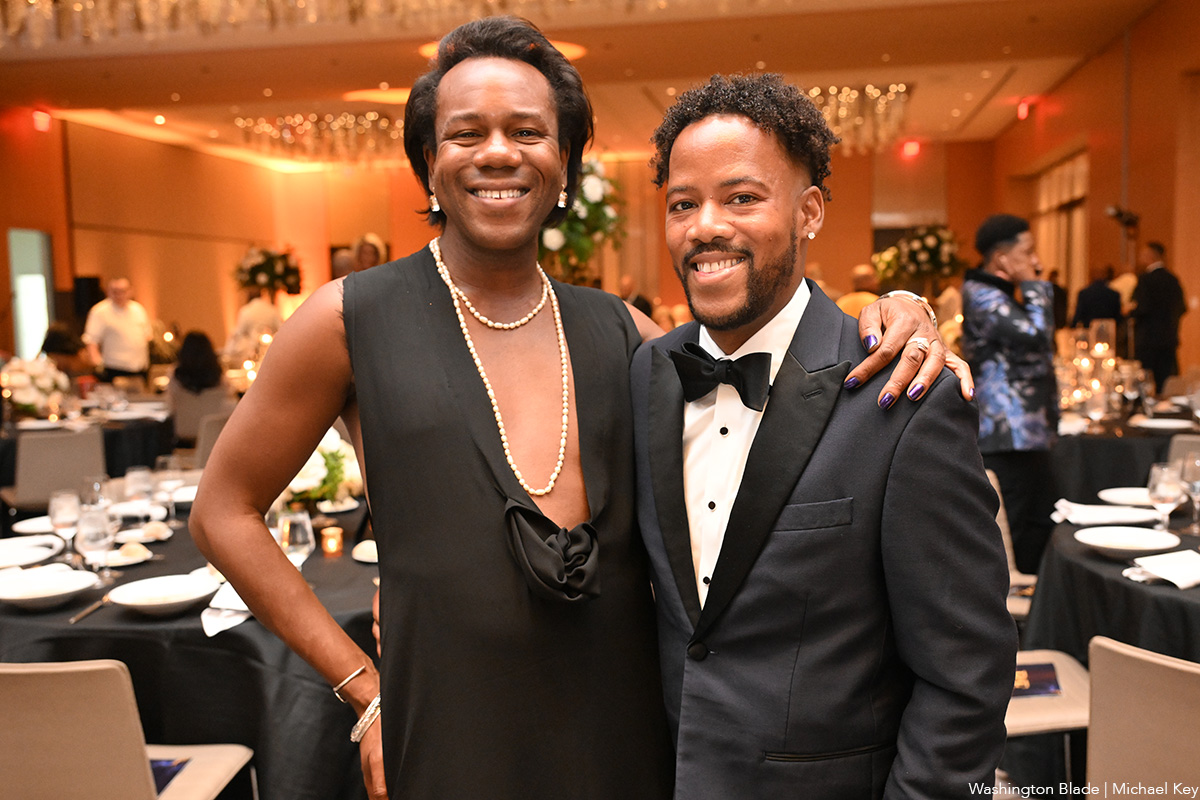
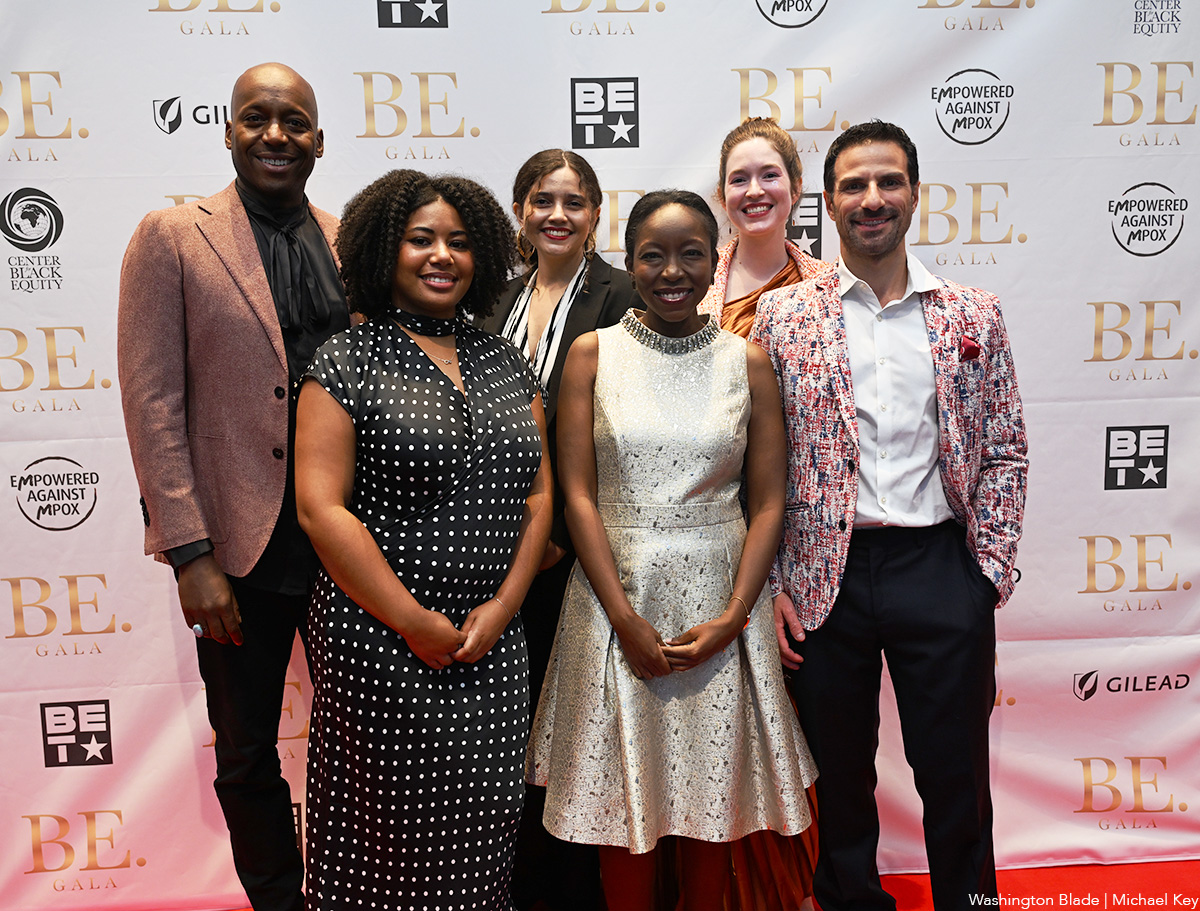
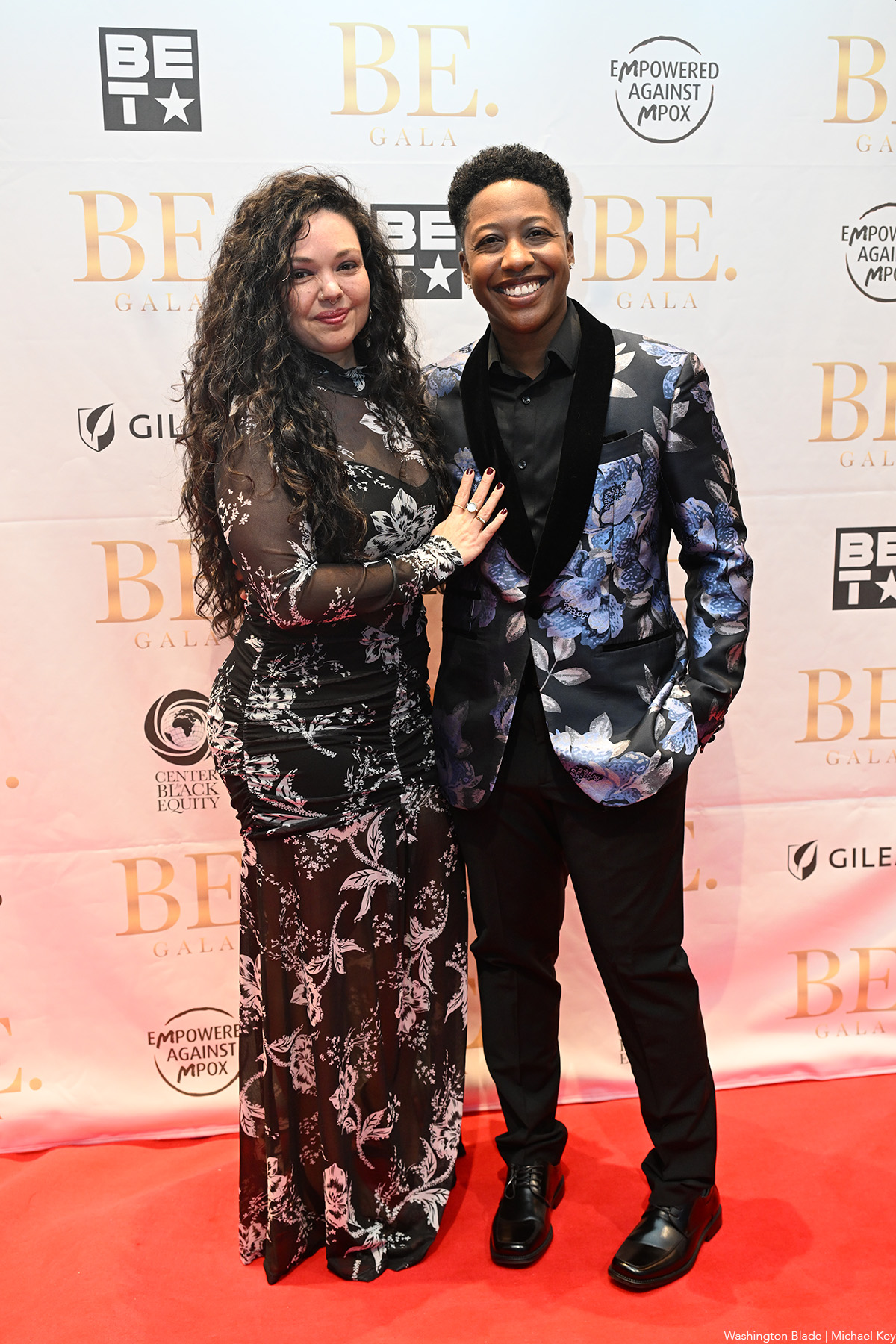
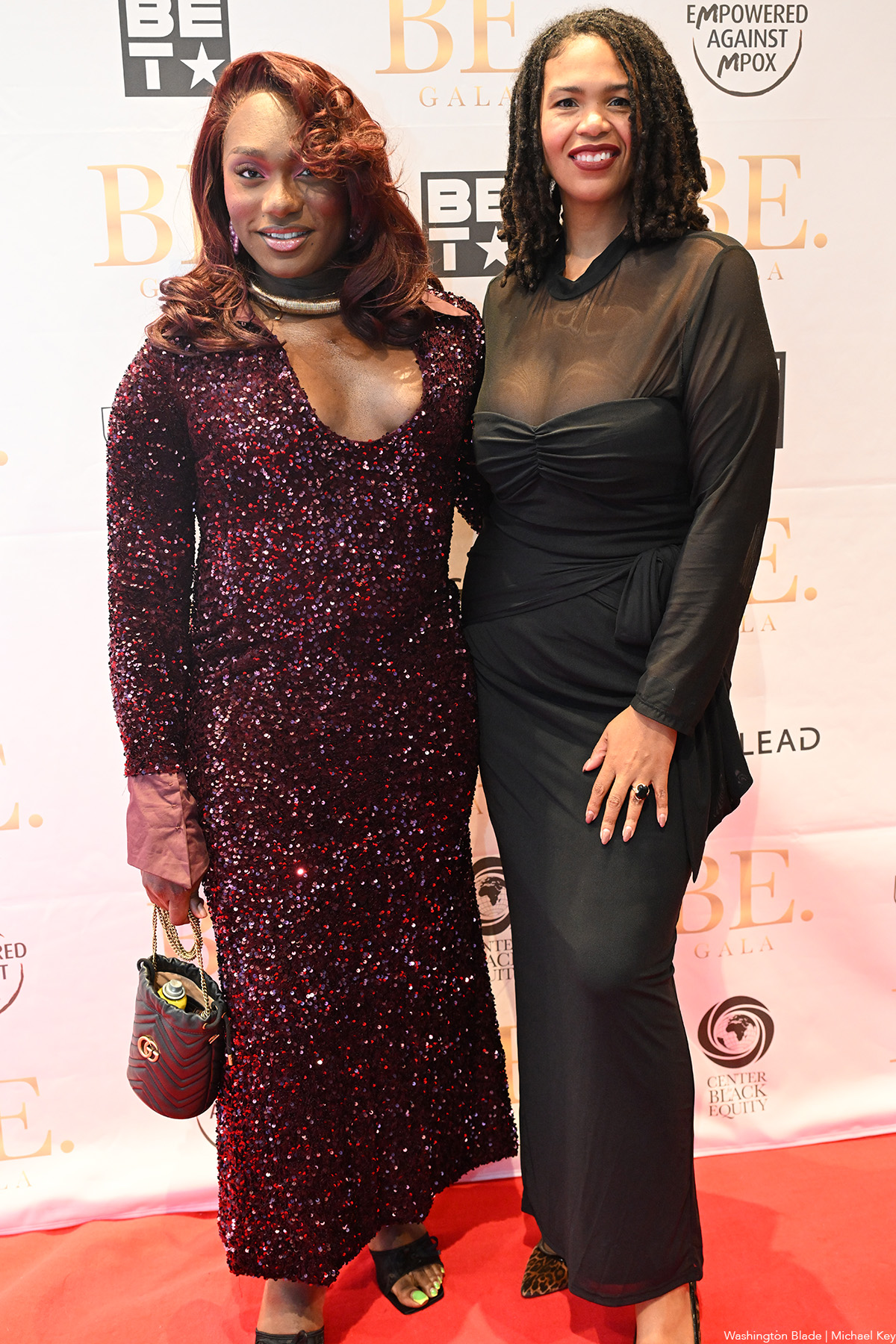
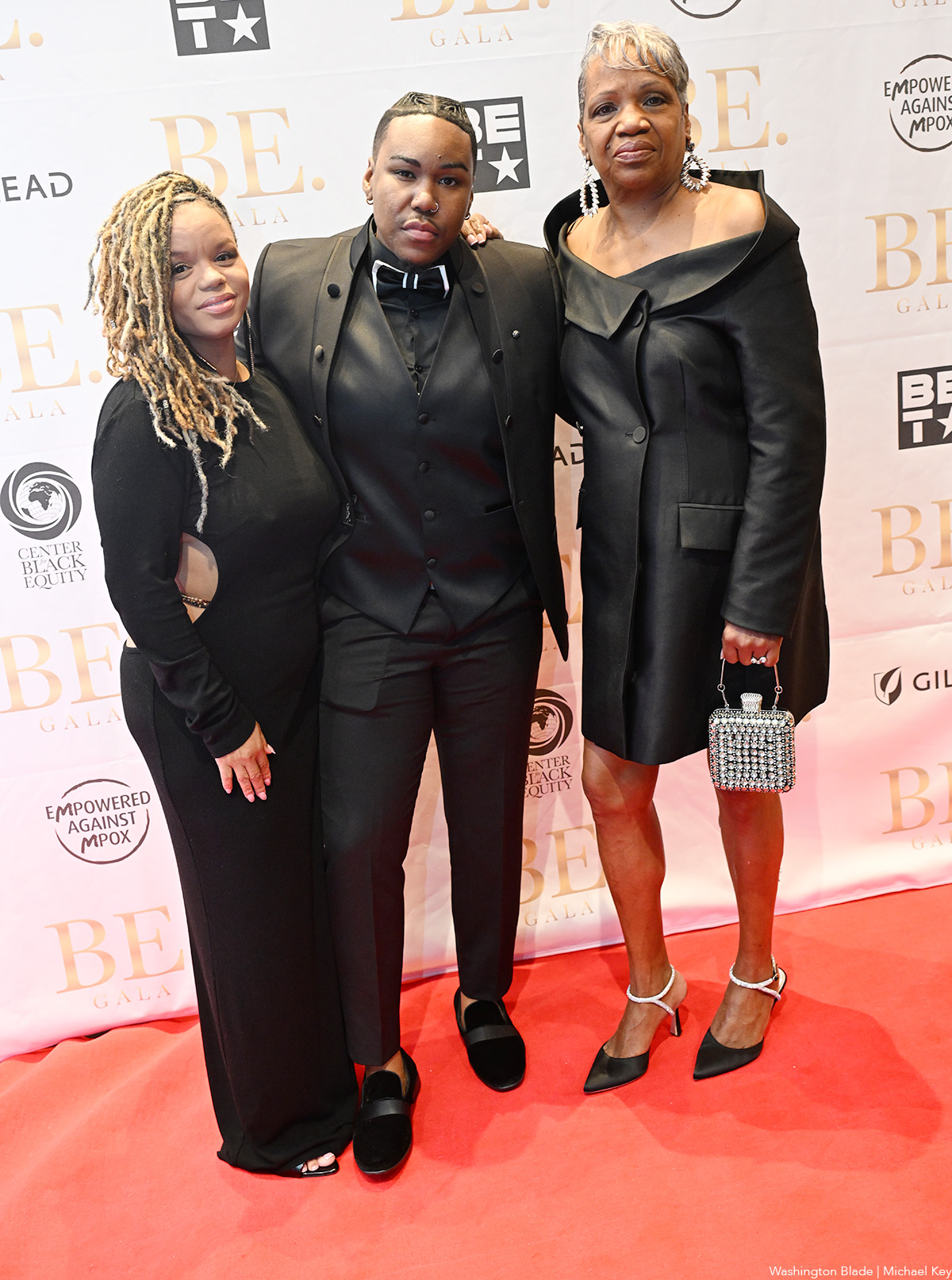
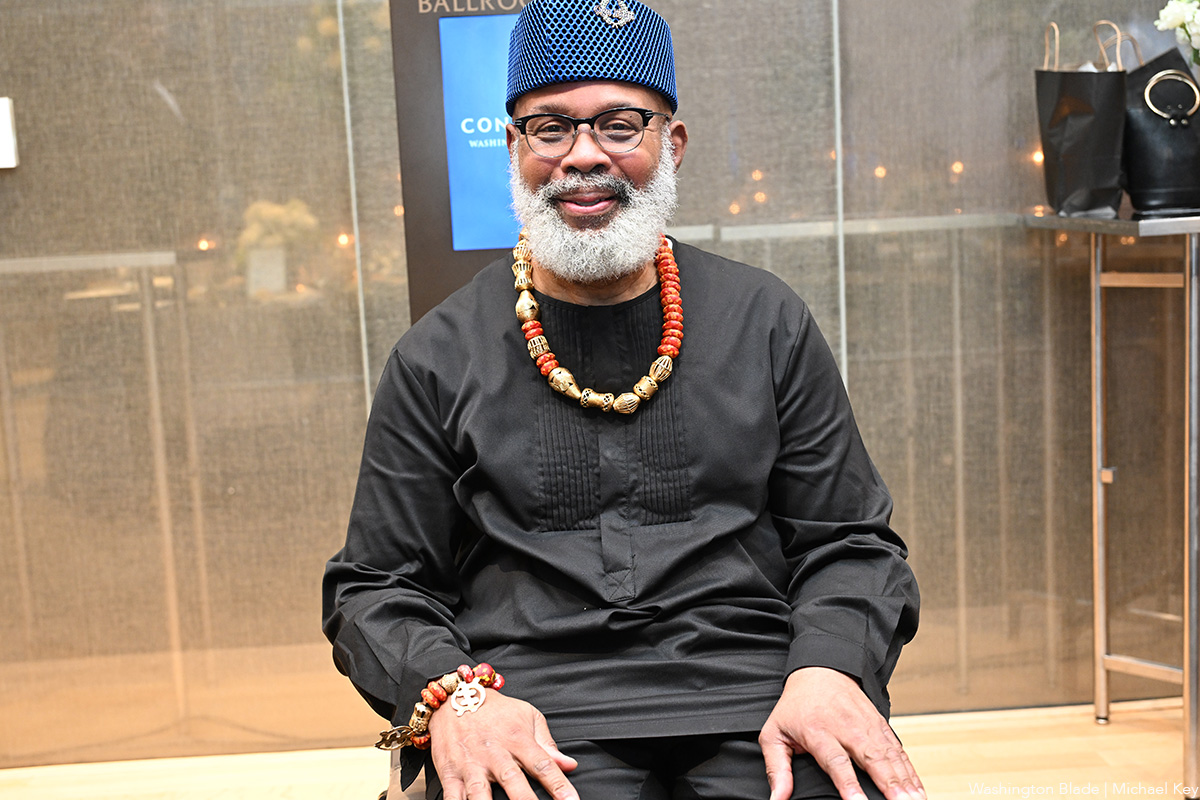
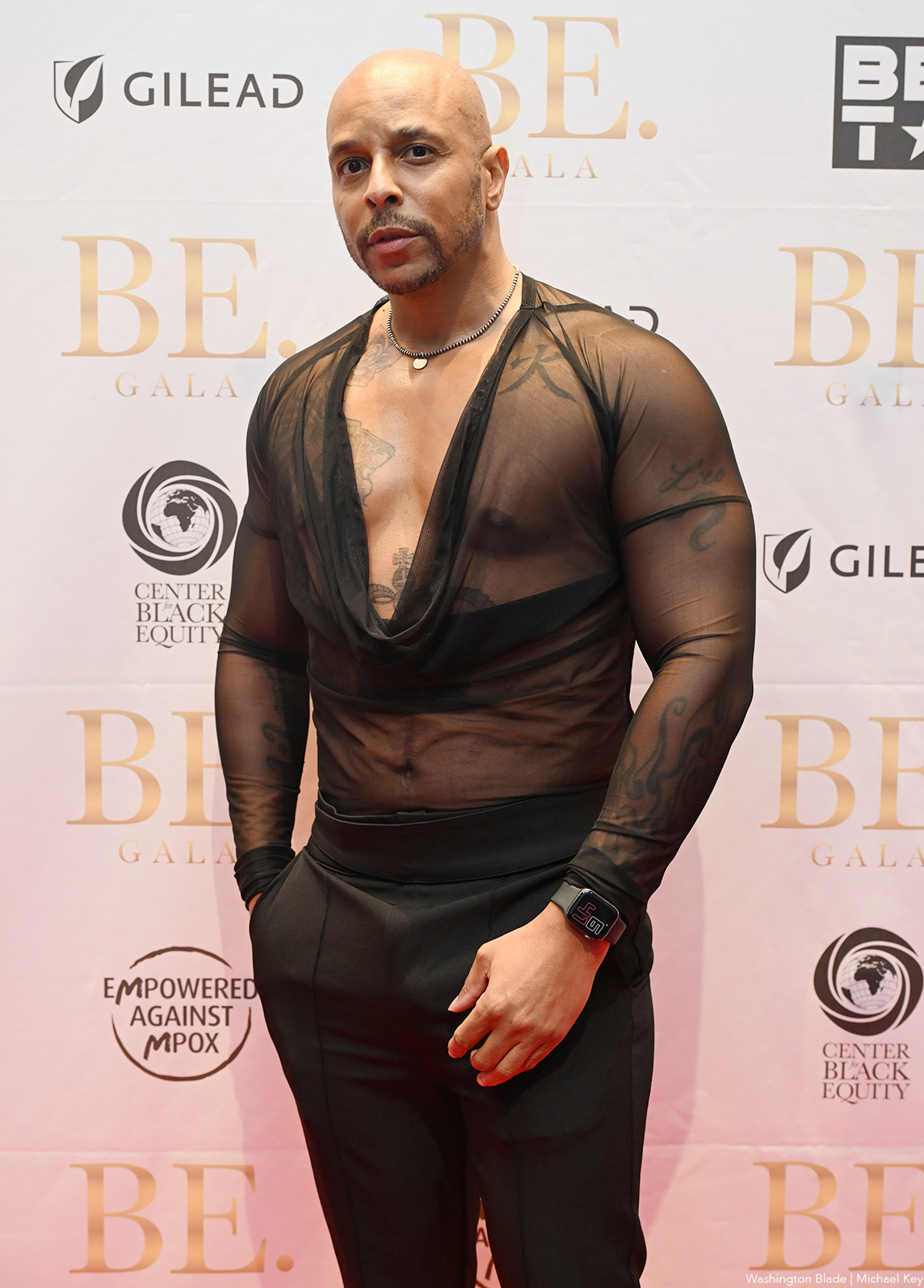
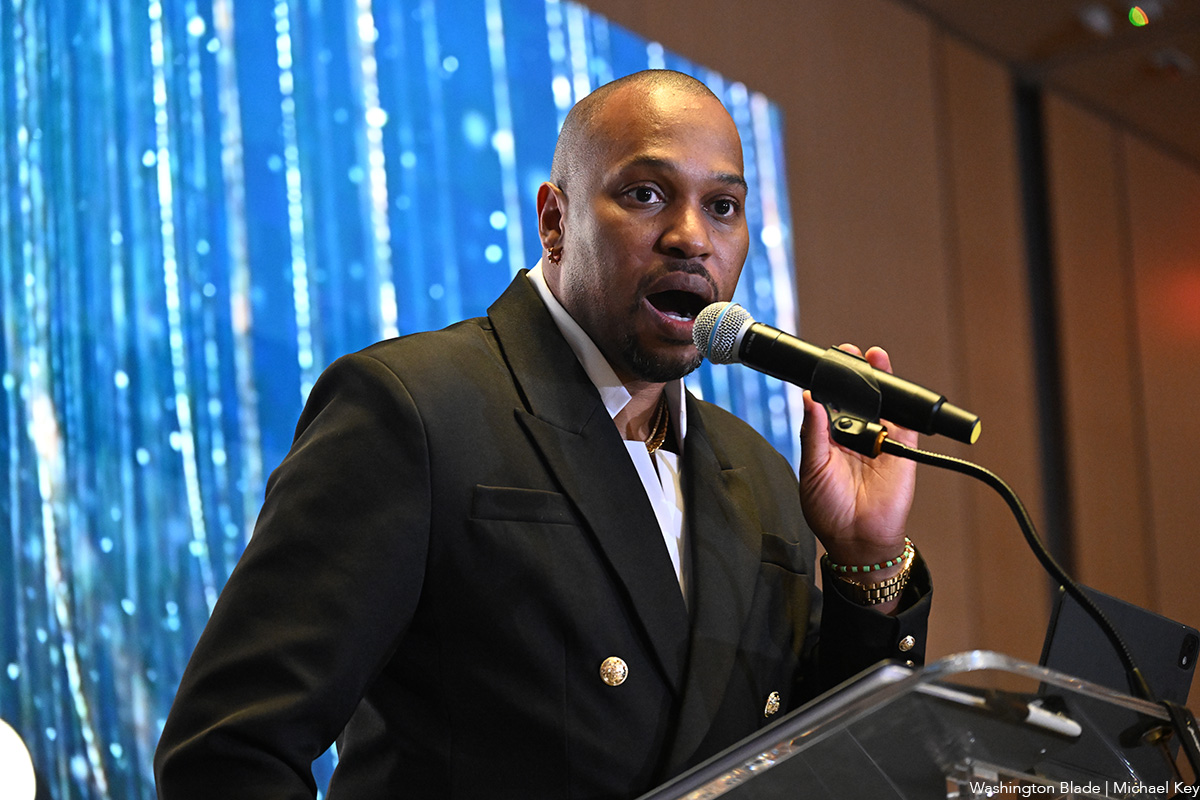
The Center for Black Equity held its annual BE. Gala at Conrad Washington, D.C. on Saturday, Oct. 5. Lolita Leopard Miyake-Mugler and Anthony Oakes co-hosted the awards ceremony.
Honorees included journalist and producer Justin Stewart; nonprofit leader Nikki Alexander; HIV advocate Marlene McNeese; the nonprofit organization FreeLux Project; actress Monroe Alise; public health advocate Tori Cooper; Manassas Park Vice Mayor Darryl G. Moore; Rev. Dr. Carmarion D. Anderson; Bishop Steven Sawyer; government relations professional Courtney Snowden; Senior Deputy Director of HAHSTA at D.C. Health, Clover Barnes; and Texas state Rep. Venton C. Jones.
The event was sponsored by Gilead.
(Washington Blade photos by Michael Key)
Books
In ‘The Lost Brontë,’ a complicated lie can lead to danger
New book features sweetly romantic girl-meets-girl twist
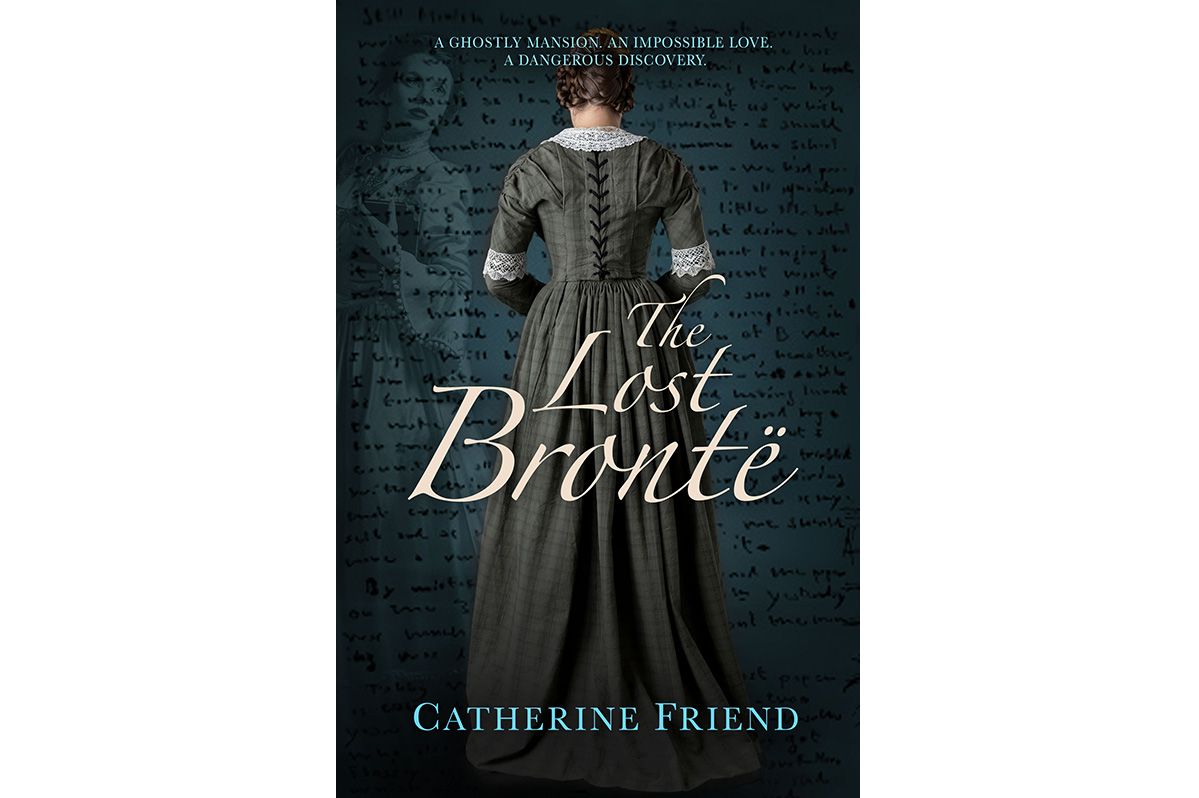
‘The Lost Brontë’
By Catherine Friend
c.2026, Bywater Books
$22.95/335 pages
Mom always said to tell the truth.
One lie leads to another and another and you have to remember them all until pretty soon, you’re caught. Fibs are hard, mistruths are messy, even little white social lies can destroy trust. Worst of all, as in the new novel, “The Lost Brontë” by Catherine Friend, a complicated lie can lead to danger.

Though Lilianne Loxley was very young when she lost her parents, she understood that her uncle didn’t really want her. As time passed, though, Lily made herself useful to Uncle, writing and signing letters for him and she became a good companion, helping him with his collection of Brontë memorabilia. Uncle was a keen enthusiast.
She had no idea that his obsession was out of control and he was deeply in arrears. The day Lily learned of his debt was the day she learned that he’d agreed to send her to his debtor’s home to work off the money owed.
It was so sudden. One minute, Lily was at Loxley House, happy and loved by Uncle’s staff … and five hours later, she was at Crag Thorn Manor, home of Lord Bexton, who informed her that she’d be working on his ledgers – work that seemed routine, but Lily tackled it.
Uncle always did say she was headstrong.
But would headstrong be enough to survive, when she was restricted from most of the Manor, when she was forced to dine with Brexton and his slimy friend, or – the worst! – when Brexton told Lily that her next task was to forge a letter from Emily Brontë? And then an entire manuscript?
Lily struggled to do what was right. She had to get Uncle out of debt but this last order horrified her. Did she dare refuse Brexton’s orders and commit a crime? It was unthinkable!
The only brightness in the whole situation was Wren, the ladies’ maid assigned to Lily’s room. Wren was adorable with freckles and the sweetest smile. But with everything else happening at Crag Thorn Manner, could Lily act upon her feelings?
This time of year, you may come to crave dark, spooky stories, and “The Last Brontë” fits those needs perfectly with its Gothic deliciousness. Think: Daphne du Maurier-type, stormy-night squirms with a dangerously chaste, sweetly romantic girl-meets-girl twist for fun.
If it’s been awhile since you’ve read a Gothic novel, you’re in for a nice reminder of why you love them here. You can almost tick off the must-haves: a novel like this is nothing without a foreboding stone manor with damp walls; stone steps to a dank basement; a mysterious portrait; and a nearby bog, and author Catherine Friend gives readers every one of them. You’d be disappointed if there was no ghost, wouldn’t you? Ha. You can practically feel the cold blow through the attic, right? Yeah, it’s that kind of book.
If you’re a fan of the Brontës, you’ll like this novel. If you love Gothic mysteries or Victorian romances, ditto. “The Lost Brontë” is good, no lie.
The Blade may receive commissions from qualifying purchases made via this post.
Out & About
CAMP Rehoboth Block Party returns Oct. 18
Expect performances, vendors and more at annual celebration

CAMP Rehoboth will host its annual Block Party celebration on Sunday, Oct.18 at 11 a.m. on the second block of Baltimore Avenue in downtown Rehoboth Beach.
CAMP Rehoboth invites all community members to join in the festivities and to expect magnificent performances and dozens of vendors, including artists, craftspeople, non-profits, businesses, and more.
The event started in 2015 in celebration of CAMP Rehoboth’s 25th anniversary. This year, attendees can expect to shop sea glass art, pottery, jewelry, Pride merch, body care, clothing, and learn more about local non-profit causes and businesses.
Attendance is free. For more details, visit CAMP Rehoboth’s website.

Center for Black Equity honors leaders, activists at BE. Gala

In ‘The Lost Brontë,’ a complicated lie can lead to danger

CAMP Rehoboth Block Party returns Oct. 18

Essential queer horror classics for Halloween

Solidarity beyond the parade: the actual cost of Pride

10 years later, we still can’t shake Barry Jenkins’s ‘Moonlight’

‘Some Like It Hot’ a wild ride at renovated Bernard Family Theatre

D.C.’s LGBTQ homeless facilities face possible hit from Trump funding cuts

Trump uses anti-trans slur against Democratic Senate candidate

Calif. GOP gubernatorial candidate ad ‘disgusting attempt to exploit lesbian intimacy’
-

 Movies5 days ago
10 years later, we still can’t shake Barry Jenkins’s ‘Moonlight’
-
Theater5 days ago
‘Some Like It Hot’ a wild ride at renovated Bernard Family Theatre
-
District of Columbia5 days ago
D.C.’s LGBTQ homeless facilities face possible hit from Trump funding cuts
-
2026 Midterm Elections4 days ago
Trump uses anti-trans slur against Democratic Senate candidate