Arts & Entertainment
Tony Awards: De Niro slams Trump, Parkland students perform
‘The Band’s Visit,’ ‘Harry Potter and the Cursed Child’ win big
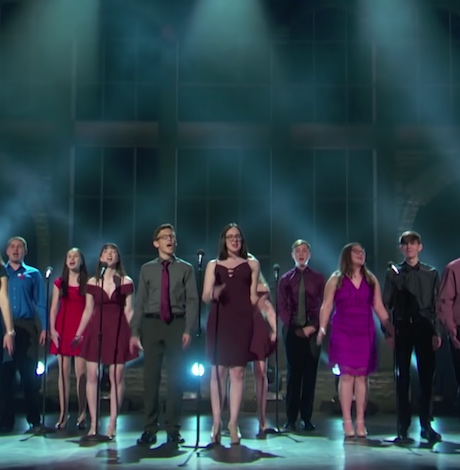
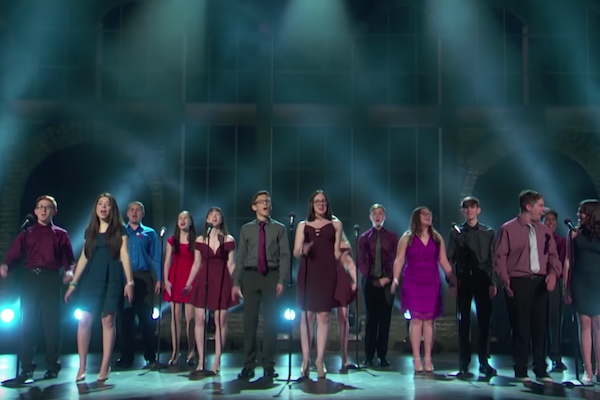
Students from Marjory Stoneman Douglas High School in Parkland, Florida, performing Rent’s ‘Seasons Of Love’ at the 2018 Tony Awards (Screenshot via Twitter)
The 72nd annual Tony Awards, hosted by Rachel Bloom, featured a clean sweep from “The Band’s Visit” and “Harry Potter and the Cursed Child, Parts One and Two” as well as plenty of onstage antics.
“The Band’s Visit” won 10 awards including Best Musical, Best Actor in a Leading Role in a Musical and Best Actress in a Leading Role in a Musical. “Harry Potter and the Cursed Child, Parts One and Two” won six awards including Best Play and Best Director. Another notable win was “Angels in America” for Best Revival of a Play. Andrew Garfield also won for Best Performance by an Actor in a Leading Role in a Play for “Angels in America.”
The ceremony included many memorable moments but Robert De Niro’s not so subtle dig at President Donald Trump appeared to be a crowd favorite.
“First, I wanna say, ‘f**k Trump,'” De Niro said before introducing Bruce Springsteen. “It’s no longer ‘Down with Trump,’ it’s ‘f**k Trump.”
His bleeped out statement was met with wild applause.
Robert De Niro’s popularity is suddenly rising in Canada. pic.twitter.com/30LPxiWg7f #TonyAwards
— David Beard (@dabeard) June 11, 2018
Parkland’s Marjory Stoneman Douglas High School Drama Club performed the classic song “Seasons of Love” from the musical “Rent.” Their rendition earned them a standing ovation from the crowd.
Nearly five months after tragedy struck their school, drama students from Parkland, Florida, took to the Tony’s stage with an emotional rendition of “Seasons of Love.” https://t.co/sAwQVVlwZL pic.twitter.com/wJEEWaIACn
— CBS News (@CBSNews) June 11, 2018
Also that night, their drama teacher Melody Herzfeld was honored with a Tony Award for excellence in theater education.
Herzfeld hid 65 of her students in her office for two hours during the Marjory Stoneman Douglas High School mass shooting.
“I’m overwhelmed. But I hope that this award will remind everyone of how vital and important arts education is to our kids. Drama, music, art, creative writing that’s how you make good citizens,” Herzfeld said in her acceptance speech.
Offstage, Neil Patrick Harris and Bloom got into an awkward Twitter interaction when Harris didn’t recognize the “My Crazy Ex-Girlfriend” star.
“Who is the woman in the top hat backstage at @TheTonyAwards? Gideon remarked that she says ‘like’ and ‘oh my god’ a lot. I’m confused,” Harris tweeted during the ceremony.
Who is the woman in the top hat backstage at @TheTonyAwards? Gideon remarked that she says ‘like’ and ‘oh my god’ a lot. I’m confused…
— Neil Patrick Harris (@ActuallyNPH) June 11, 2018
Bloom responded that she did, in fact, know Harris.
“I’m a big fan of yours,” Bloom replied. “We’ve met numerous times and my husband, Dan Gregor, wrote for ‘How I Met Your Mother’ for 5 years. Notably, he wrote the episode where your character finally meets his father.”
I’m a big fan of yours. We’ve met numerous times and my husband, Dan Gregor, wrote for “How I Met Your Mother” for 5 years. Notably, he wrote the episode where your character finally meets his father.
— Rachel Bloom (@Racheldoesstuff) June 11, 2018
Harris didn’t apologize for the slip but tweeted, “Indeed! Well said. Thanks for the reminder. How was backstage?”
Indeed! Well said. Thanks for the reminder. How was backstage?
— Neil Patrick Harris (@ActuallyNPH) June 11, 2018
See the complete list of winners below.
Best Book of a Musical
“The Band’s Visit”
“Frozen”
“Mean Girls”
“SpongeBob SquarePants: The Musical”
Best Original Score (Music and/or Lyrics) Written for the Theatre
“Angels in America”
“The Band’s Visit”
“Frozen”
“Mean Girls”
“SpongeBob SquarePants: The Musical”
Best Performance by an Actor in a Leading Role in a Play
Andrew Garfield, “Angels in America”
Tom Hollander, “Travesties”
Jamie Parker, “Harry Potter and the Cursed Child, Parts One and Two”
Mark Rylance, “Farinelli and The King”
Denzel Washington, “Eugene O’Neill’s The Iceman Cometh”
Best Performance by an Actress in a Leading Role in a Play
Glenda Jackson, “Edward Albee’s Three Tall Women”
Condola Rashad, “Saint Joan”
Lauren Ridloff, “Children of a Lesser God”
Amy Schumer, “Meteor Shower”
Best Performance by an Actor in a Leading Role in a Musical
Harry Hadden-Paton, “My Fair Lady”
Joshua Henry, “Rodgers & Hammerstein’s Carousel”
Tony Shalhoub, “The Band’s Visit”
Ethan Slater, “SpongeBob SquarePants: The Musical”
Best Performance by an Actress in a Leading Role in a Musical
Lauren Ambrose, “My Fair Lady”
Hailey Kilgore, “Once On This Island”
LaChanze, Summer: “The Donna Summer Musical”
Katrina Lenk, “The Band’s Visit”
Taylor Louderman, “Mean Girls”
Jessie Mueller, “Rodgers & Hammerstein’s Carousel”
Best Performance by an Actor in a Featured Role in a Play
Anthony Boyle, “Harry Potter and the Cursed Child, Parts One and Two”
Michael Cera, “Lobby Hero”
Brian Tyree Henry, “Lobby Hero”
Nathan Lane, “Angels in America”
David Morse, Eugene O’Neill’s “The Iceman Cometh”
Best Performance by an Actress in a Featured Role in a Play
Susan Brown, “Angels in America”
Noma Dumezweni, “Harry Potter and the Cursed Child, Parts One and Two”
Deborah Findlay, “The Children”
Denise Gough, “Angels in America”
Laurie Metcalf, Edward Albee’s “Three Tall Women”
Best Performance by an Actor in a Featured Role in a Musical
Norbert Leo Butz, “My Fair Lady”
Alexander Gemignani, “Rodgers & Hammerstein’s Carousel”
Grey Henson, “Mean Girls”
Gavin Lee, “SpongeBob SquarePants: The Musical”
Ari’el Stachel, “The Band’s Visit”
Best Performance by an Actress in a Featured Role in a Musical
Ariana DeBose, “Summer: The Donna Summer Musical”
Renée Fleming, “Rodgers & Hammerstein’s Carousel”
Lindsay Mendez, “Rodgers & Hammerstein’s Carousel”
Ashley Park, “Mean Girls Diana Rigg, My Fair Lady”
Best Direction of a Play
Angels in America
Edward Albee’s Three Tall Women
Travesties
Harry Potter and the Cursed Child, Parts One and Two
Eugene O’Neill’s The Iceman Cometh
Best Direction of a Musical
Once On This Island
The Band’s Visit
SpongeBob SquarePants: The Musical
Mean Girls
My Fair Lady
Best Play
“The Children”
“Farinelli and The King”
“Harry Potter and the Cursed Child, Parts One and Two”
“Junk”
“Latin History for Morons”
Best Revival of a Play
“Angels in America”
Edward Albee’s, “Three Tall Women”
Eugene O’Neill’s “The Iceman Cometh”
“Lobby Hero”
“Travesties”
Best Musical
“The Band’s Visit”
“Frozen”
“Mean Girls”
“SpongeBob SquarePants: The Musical”



Celebrity News
Debbie Allen shares on loss, love, and the power of speaking out
Actress directed groundbreaking ‘A Different World’ episode about HIV
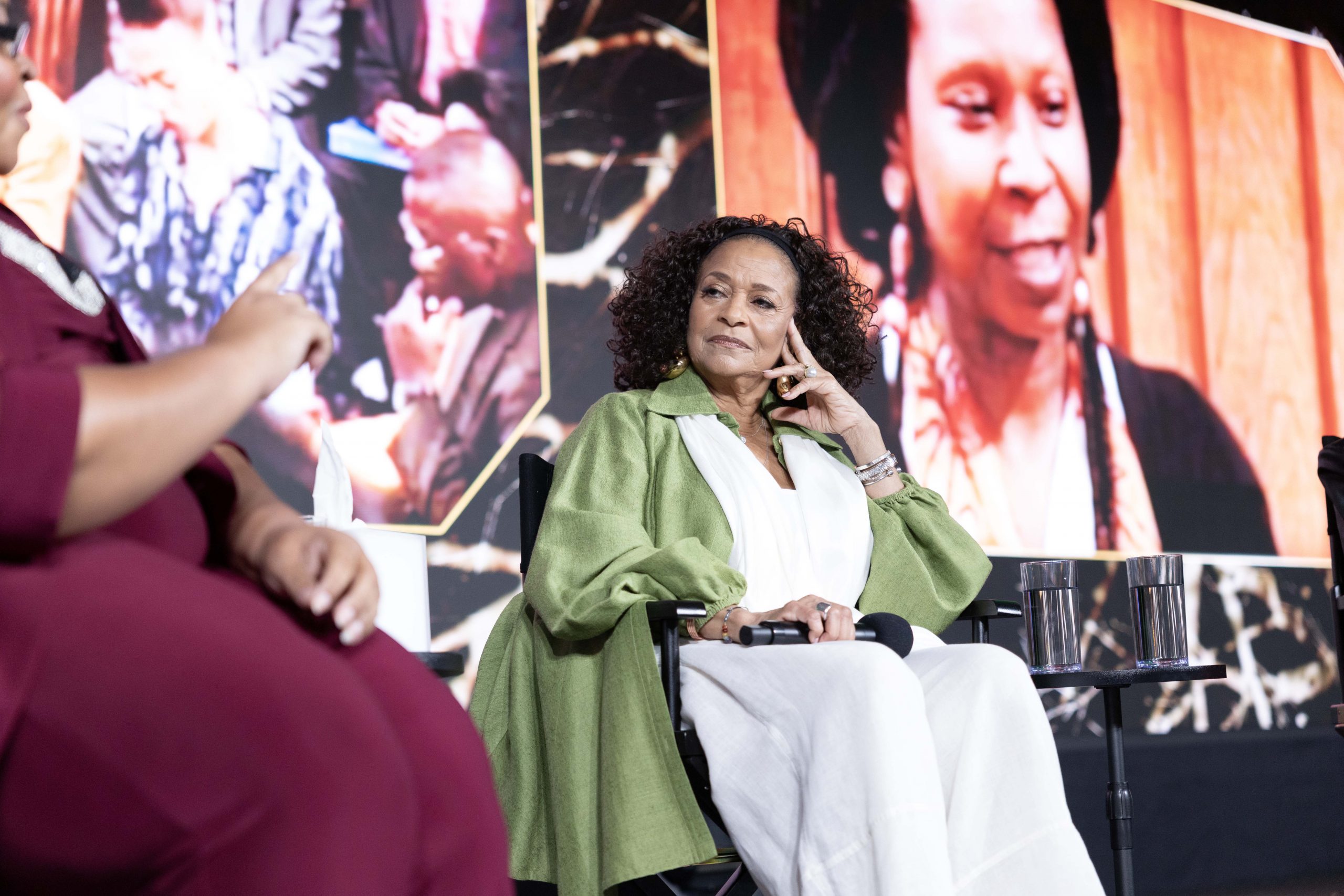
For somebody like Debbie Allen, HIV advocacy lies at the heart of their life and career. In the 1980s, at a time when HIV/AIDS devastated the performing arts community, Allen witnessed friends, performers, directors, and choreographers alike disappear. This experience turned her personal grief into a decades-long commitment to advocacy. From directing a landmark “A Different World” episode about HIV at a time when even just saying the word on television could make networks sweat, to continuing her work today, Allen has continuously utilized the biggest stage available to her to ensure that the conversation stays alive.
Now the conversation has changed from four decades ago, yet Allen believes it still needs to get louder. Medical advances have transformed HIV from the crisis it was into a manageable condition for many folks. Yet stigma, social challenges, and the significant need for mental, emotional, and community support still persist. In our conversation, Allen opens up about the losses that influenced her activism, the power of media and the arts to change public perceptions, and why “whole health” means looking beyond the virus to the full human person living with it. Her message is simple and solid — no one should have to navigate HIV alone.
You have stood alongside the HIV community for four decades, and counting. When you look back to the start of that journey, what first got you involved and what has kept you connected and dedicated for all of this time?
My fight against HIV began in the ‘80s, when the epidemic devastated the performing arts community, and I lost my entire world — my friends, dancers, directors, and choreographers. That profound grief fueled my mission to use my voice for advocacy — from directing the groundbreaking HIV episode on “A Different World” to fight stigma to standing on stages today to continue to raise awareness.
This is a mission that continues to stay near and dear to my heart so that all people impacted by HIV — whether they are living with HIV or supporting someone living with HIV — have the resources and support they deserve.
How have those experiences with your own personal losses due to HIV impacted the way you understand the virus?
If we look back to 40 years ago, HIV impacted an entire generation. We experienced incredible loss and heartache that I will never forget. This experience made me realize how vulnerable we are as humans and how much support we truly need in our healthcare journeys. And while incredible progress has been made, I also understand so much more needs to be done — from combating stigma, providing additional resources, and ensuring ongoing support for people who are living with HIV today.
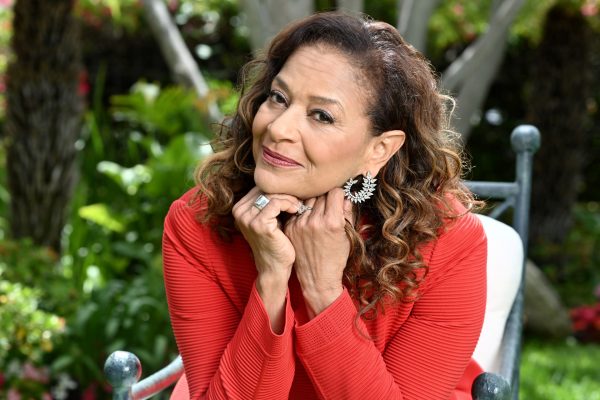
You’ve built an extraordinary career as a dancer, choreographer, director, producer, actor, educator, and advocate. How has each part of your career influenced the others? What have you learned about leadership from working with artists and performers?
Being a dancer, choreographer, director, producer, actor, and educator has helped shape the person I am today. Each experience has inspired another. What unifies each role is my ability to lead and learn from everyone I’m working with. It’s also these opportunities that have afforded me an incredible platform for my advocacy efforts. I strive to bring leadership approaches from my various stages — in a very literal sense — to a national stage as I support a variety of initiatives, such as HIV awareness.
The medical landscape around HIV has evolved dramatically since you first began your advocacy. What is one thing you wish younger folks understood about what the first years of the epidemic were really like?
Thanks to medical advancements, we can now look at so much more than HIV status and this is a tremendous step forward. As someone who has always believed in the power of mind, body, and spirit, I want today’s generation to understand that people living with HIV need integrated support for their mental, emotional, physical, and social well-being because all these elements are deeply connected.
We need to broaden the discussion around HIV management, and that’s why I’m proud to work with Merck on “Your Hive of Whole Health,” which addresses factors such as managing one’s mental wellness, co-occurring conditions, social drivers, and other life challenges.
Your Hive of Whole Health is built around the idea that health doesn’t happen in isolation. What does “whole health” mean to you in your own life?
Health doesn’t happen in isolation. People living with HIV need comprehensive support systems around them — whether that’s family, chosen family, neighbors, community or religious leaders, or care team members; they are a part of the whole health journey.
To me, whole health means looking beyond the virus to truly understand the unique challenges that people face so they have the full support they need. Having supported loved ones on their health journeys and managing my own well-being, I know that comprehensive support is key.
That’s the beauty of “Your Hive of Whole Health.” In fact, the idea behind the program is simple. Just as a hive depends on the strength of many bees working together, people living with HIV often rely on a network of support that includes healthcare providers, advocates, family, friends, and peers. “Your Hive of Whole Health” provides tools and resources to help individuals build and strengthen those connections.
For someone living with HIV, what kinds of support beyond medical treatment do you think can make the most significant difference in their lives?
As people are living longer with HIV and managing additional health conditions, like high blood pressure, high cholesterol, and diabetes, having the right support system in place can play an increasingly important role.
Understanding these other conditions, as well as navigating social challenges and other life challenges such as not having access to affordable or healthy food, not having support from family or friends, struggling with stable housing, or facing misconceptions about HIV is critical. It’s awareness, understanding, and a “Hive” of support that can make a difference.
People can go to HiveofWholeHealth.com to learn more, access resources, and build their own Hive.
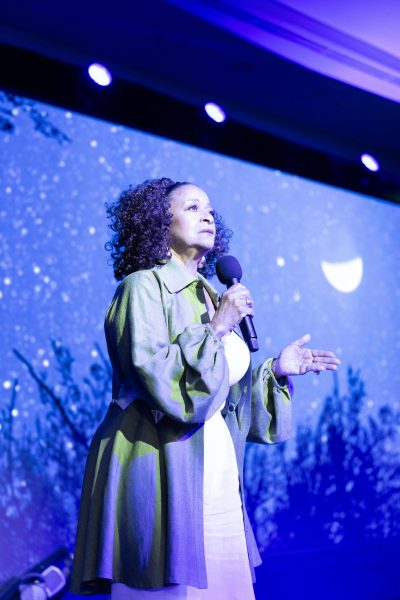
Many folks tend to talk about the HIV epidemic as if it is something of the past. What do you think we risk losing when we stop talking about HIV and the people whose lives have been affected by it?
This journey began for all of us in a time of intense fear, isolation, and crisis. As I reflect back to the early ‘90s, it was an honor to create the first network television show on “A Different World” to address the epidemic at a time when people were afraid to even say the word. The network and advertisers were very hesitant about talking about HIV on TV in this way at that time. It really hadn’t been done before. But I stood my ground and pushed forward. As a result, we were able to bring the epidemic into living rooms, confronting fear, stigma, and misinformation. It changed the conversation, especially in Black communities, where the impact was deeply felt. It also spotlighted how HIV impacted women, which was not formally recognized by health agencies until years later.
Today, we can truly celebrate the united and unbreakable spirit of 45 years of the HIV movement and champion a new era of whole health. But there is still so much more to be done. We must continue shining a light on issues that matter most. We must spotlight these across all forms of entertainment, media, and digital storytelling to drive awareness, understanding, and support. That’s why programs like Merck’s “Your Hive of Whole Health” are so important — we keep the community and their needs at the center and provide much-needed support.
If nothing else, what is one message you’d like for our readers to take away from this interview?
I want people living with HIV and the community around them to know they are not alone. There’s a whole community of support — a Hive — that can help them on their journeys with HIV.
Go to HiveofWholeHealth.com to learn more about the emotional, physical, social, and mental aspects of living with HIV. Build that Hive around you because whole health is better together.
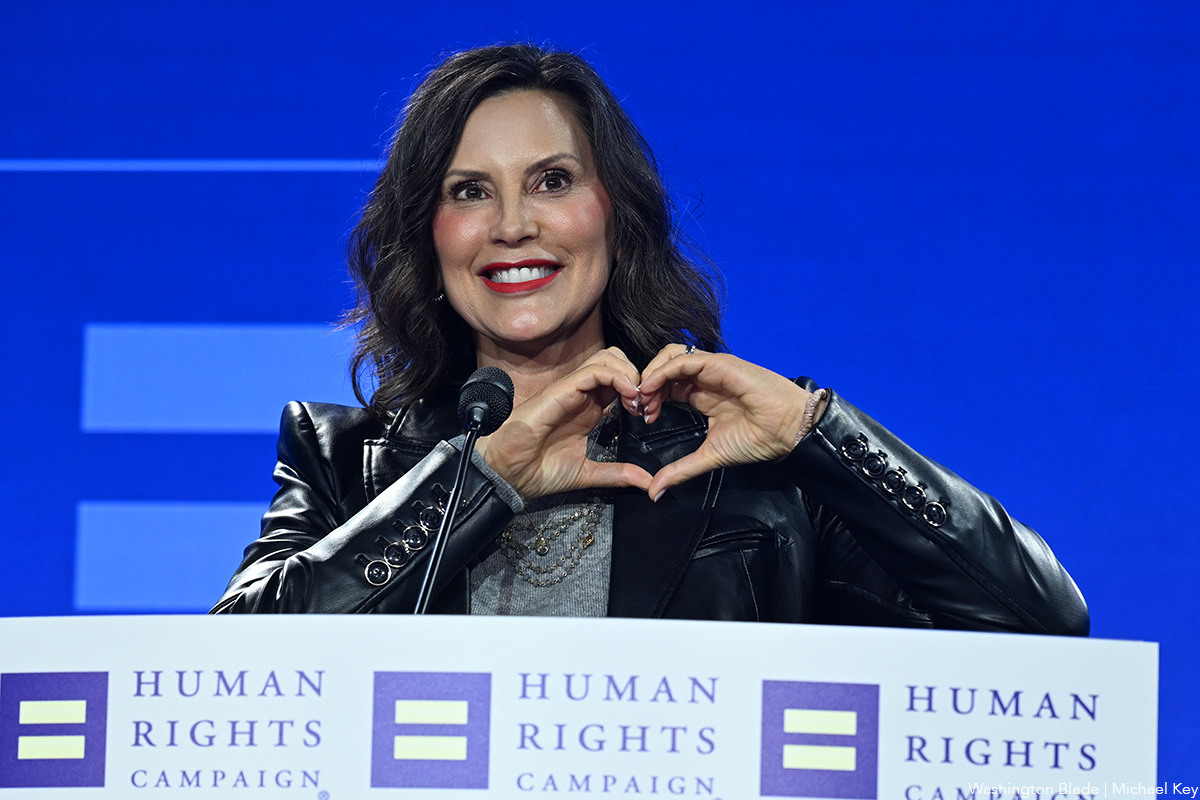
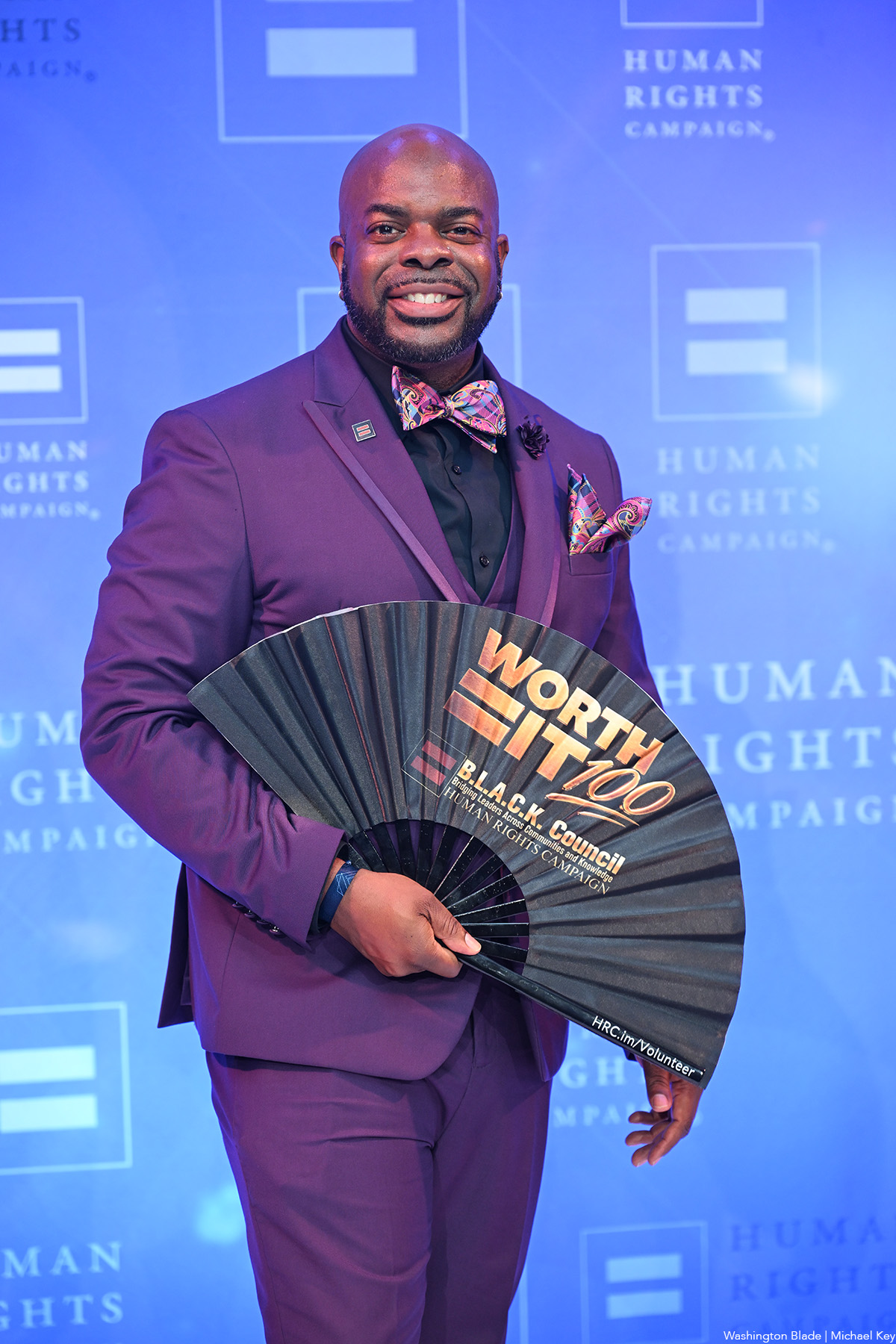
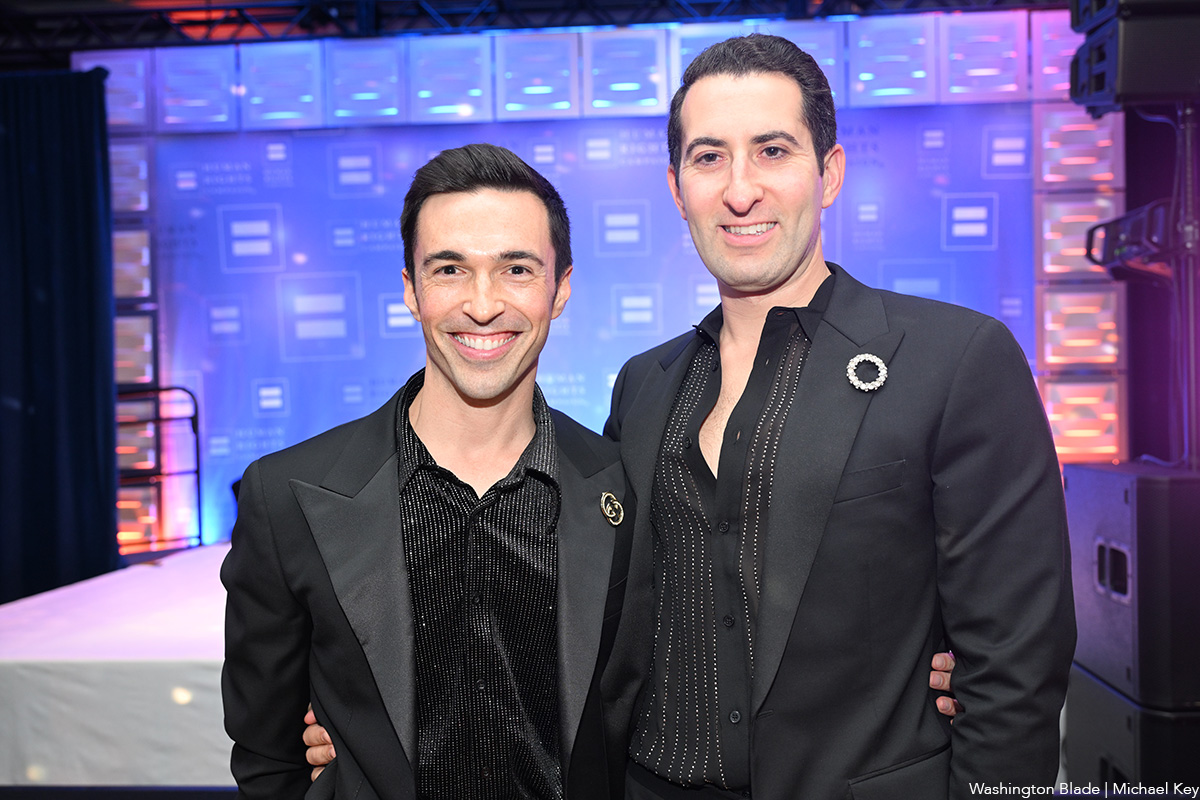
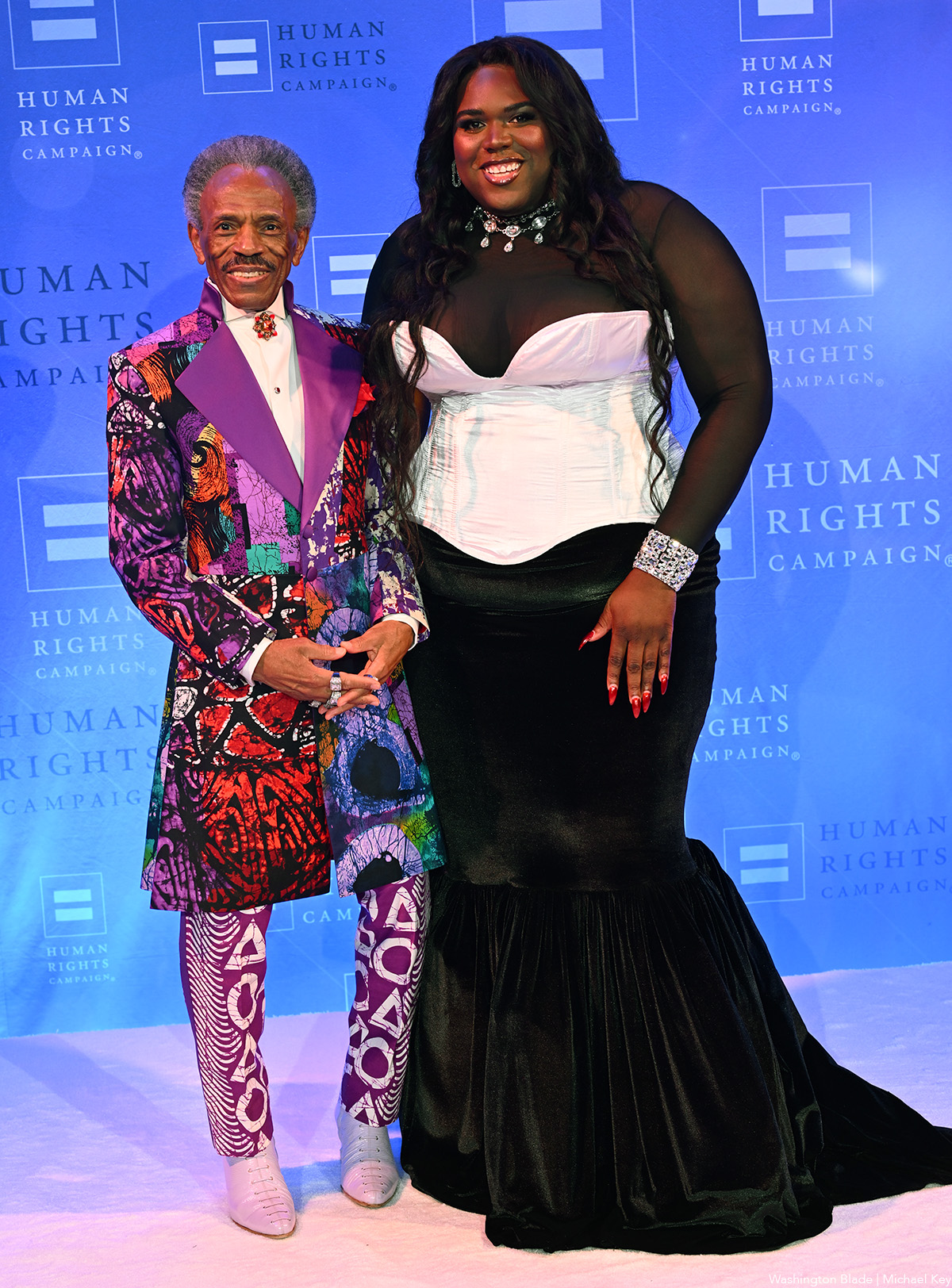
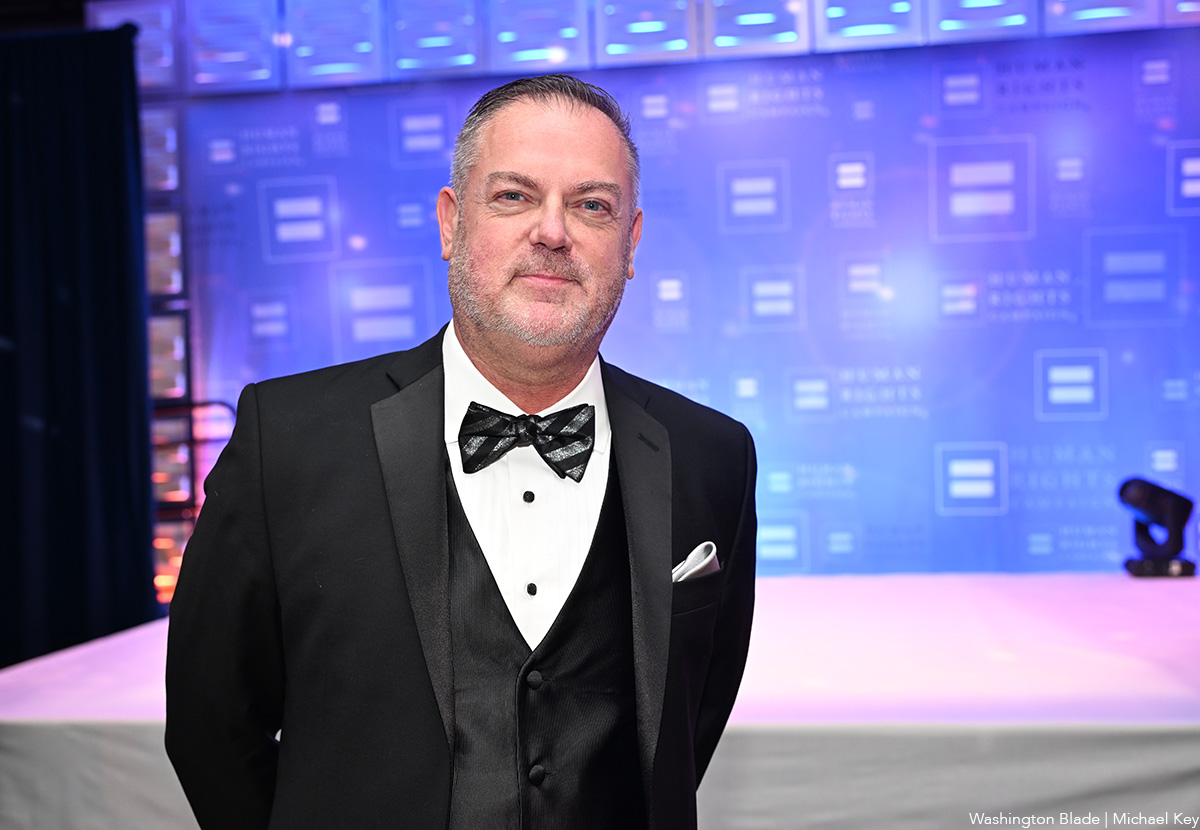
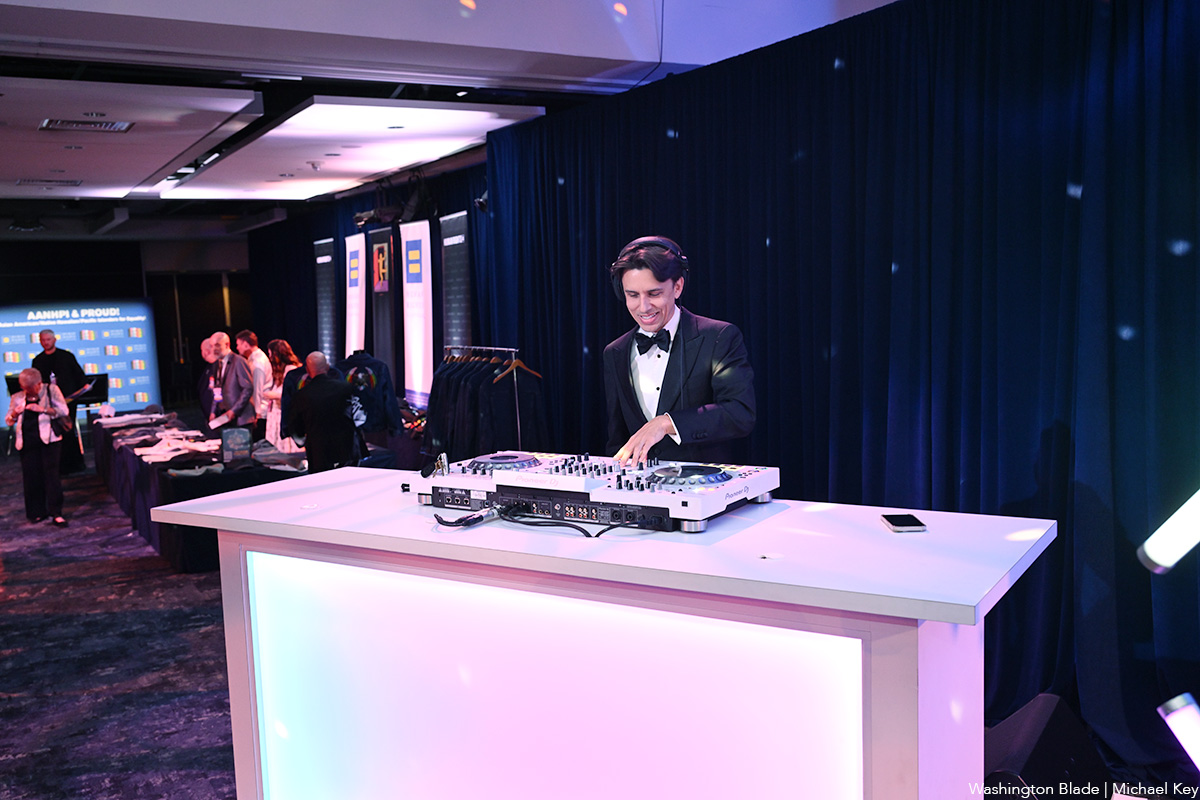
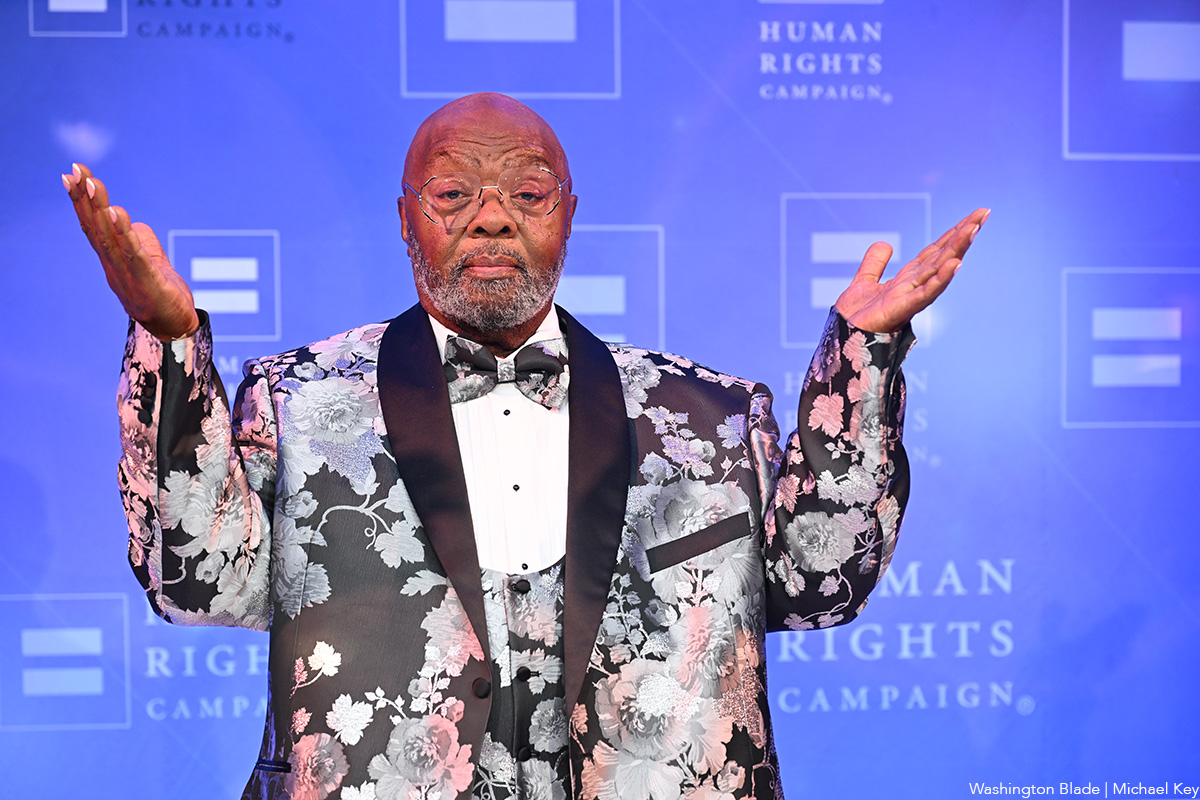
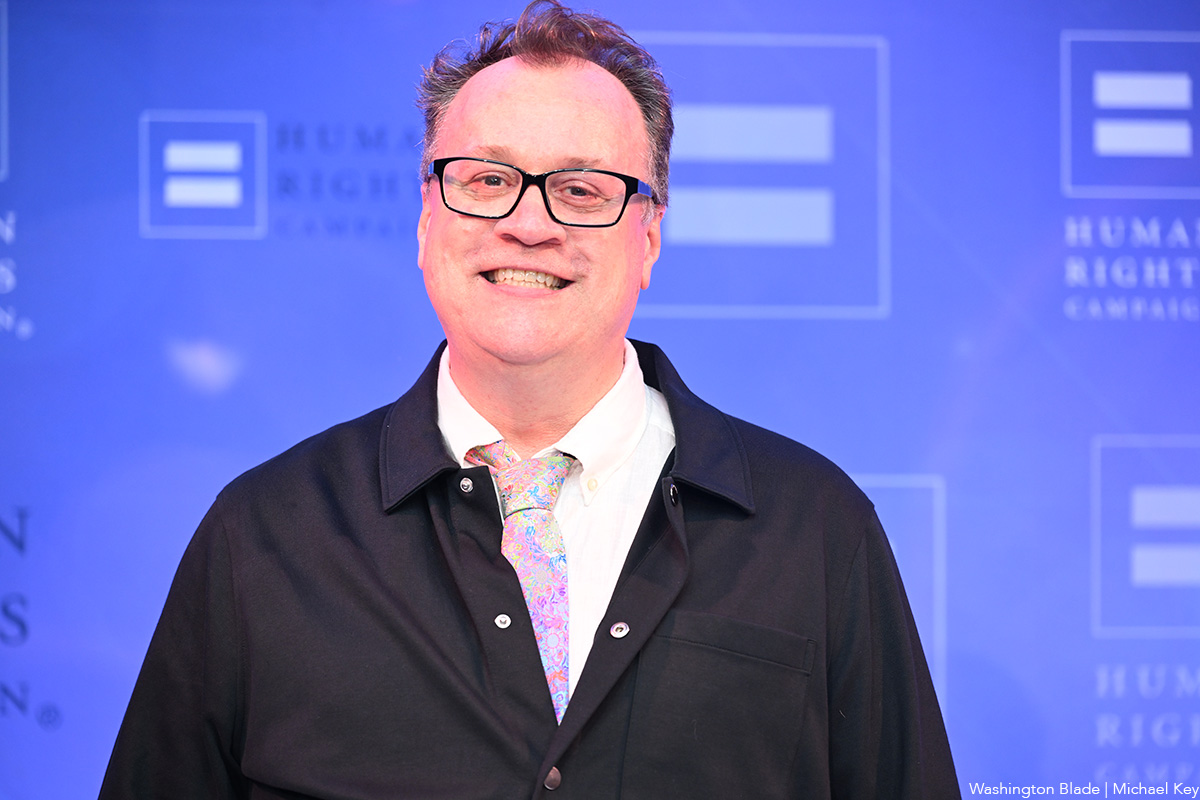
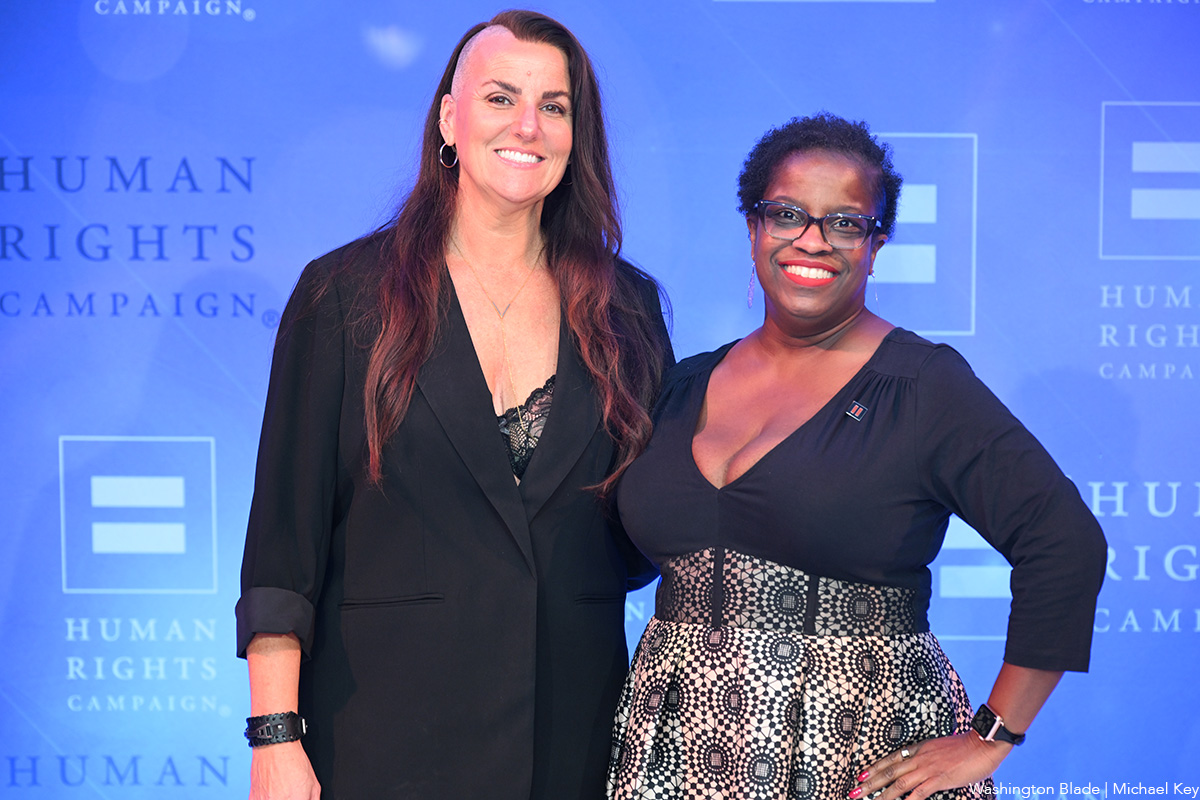
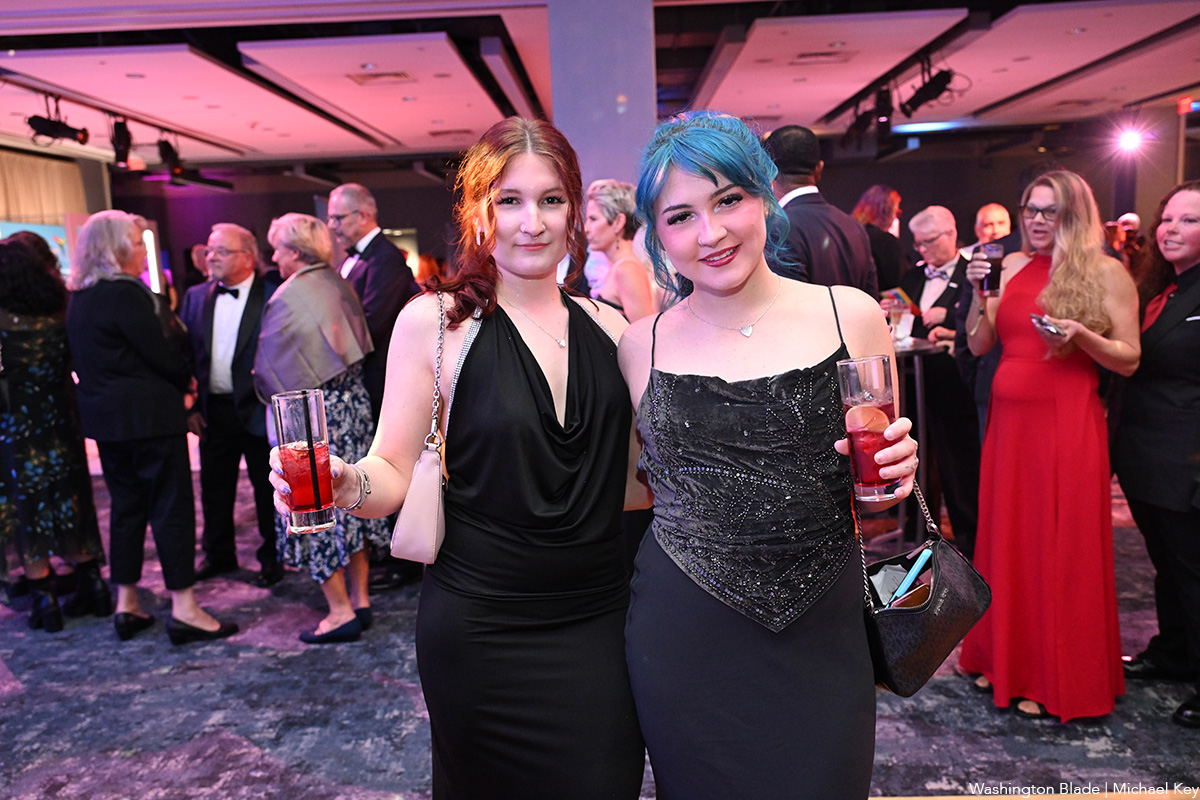
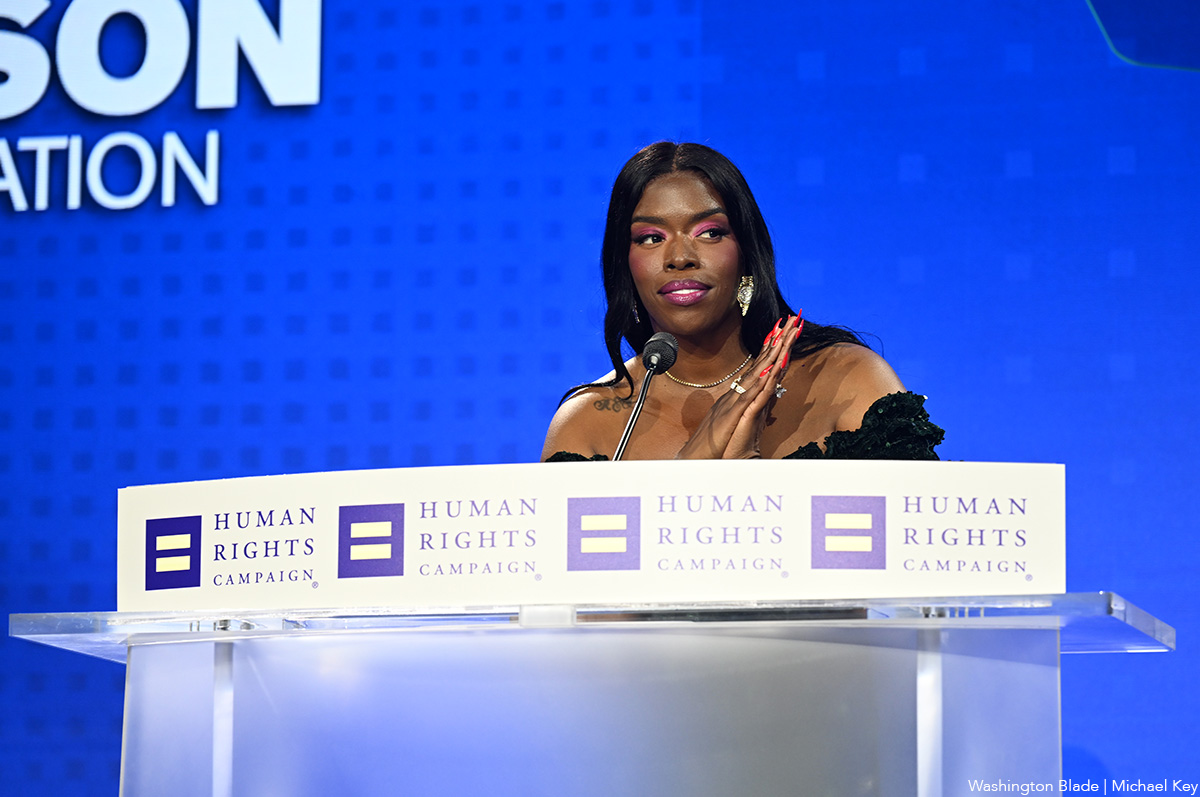
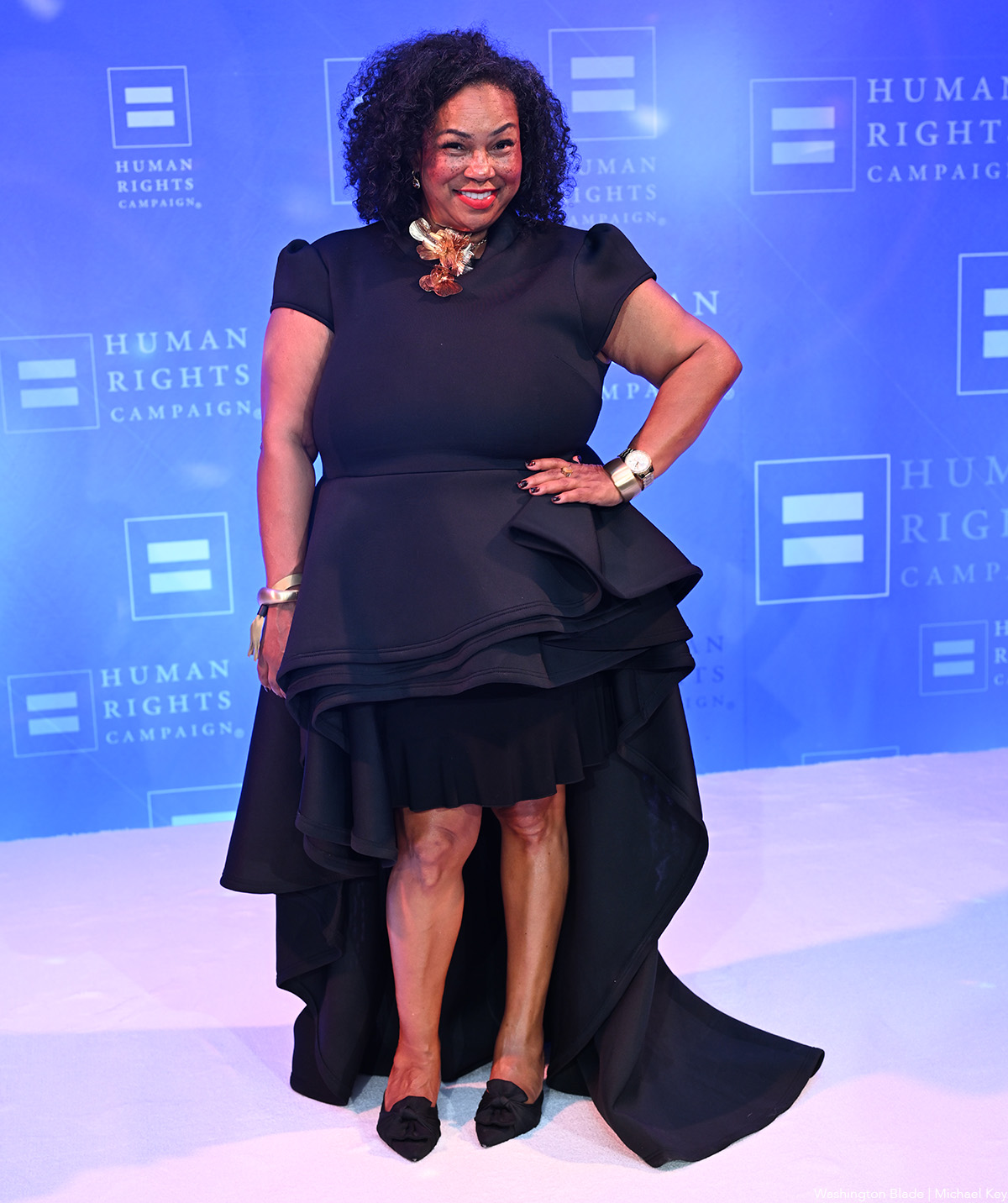
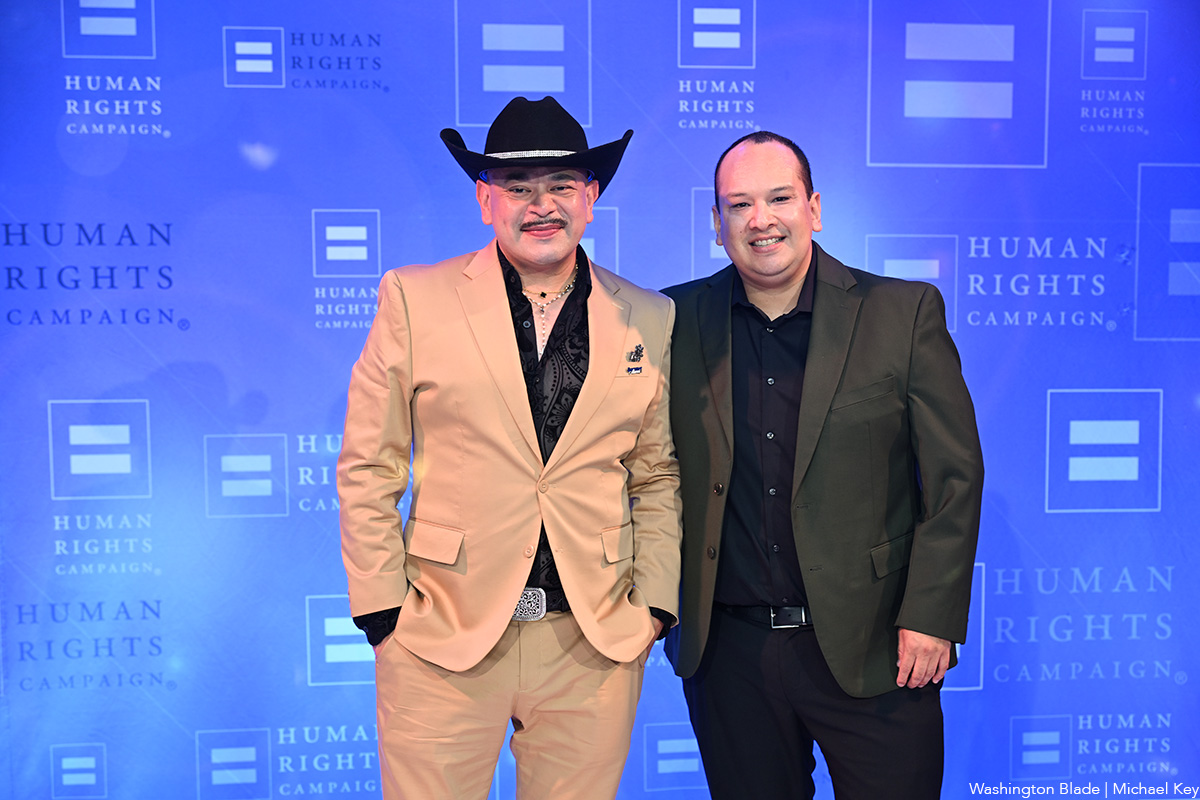
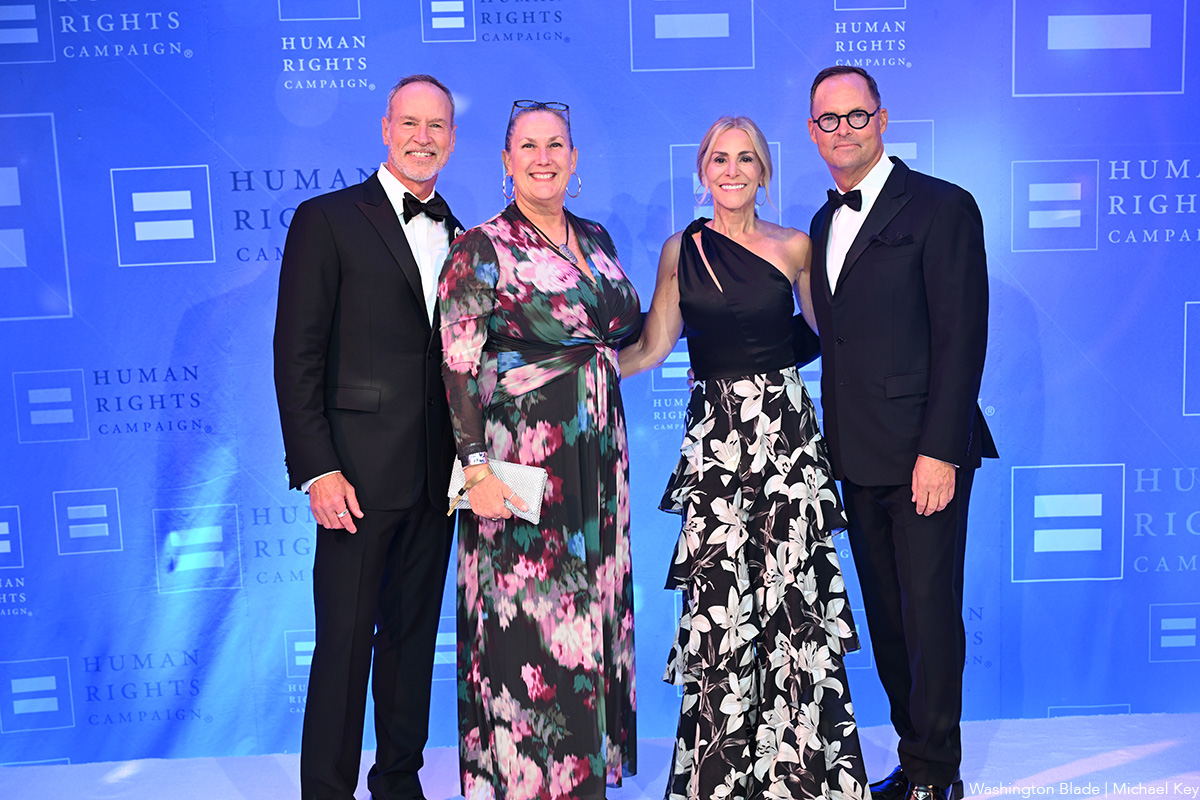
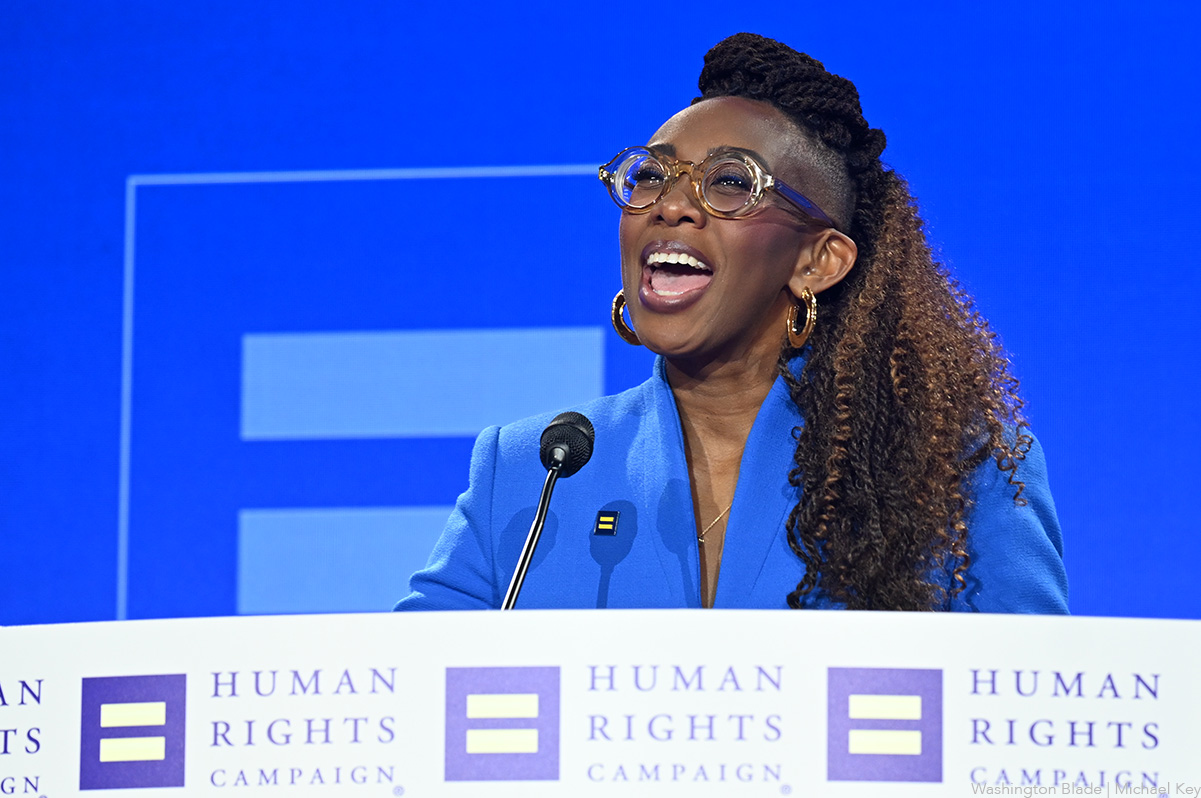
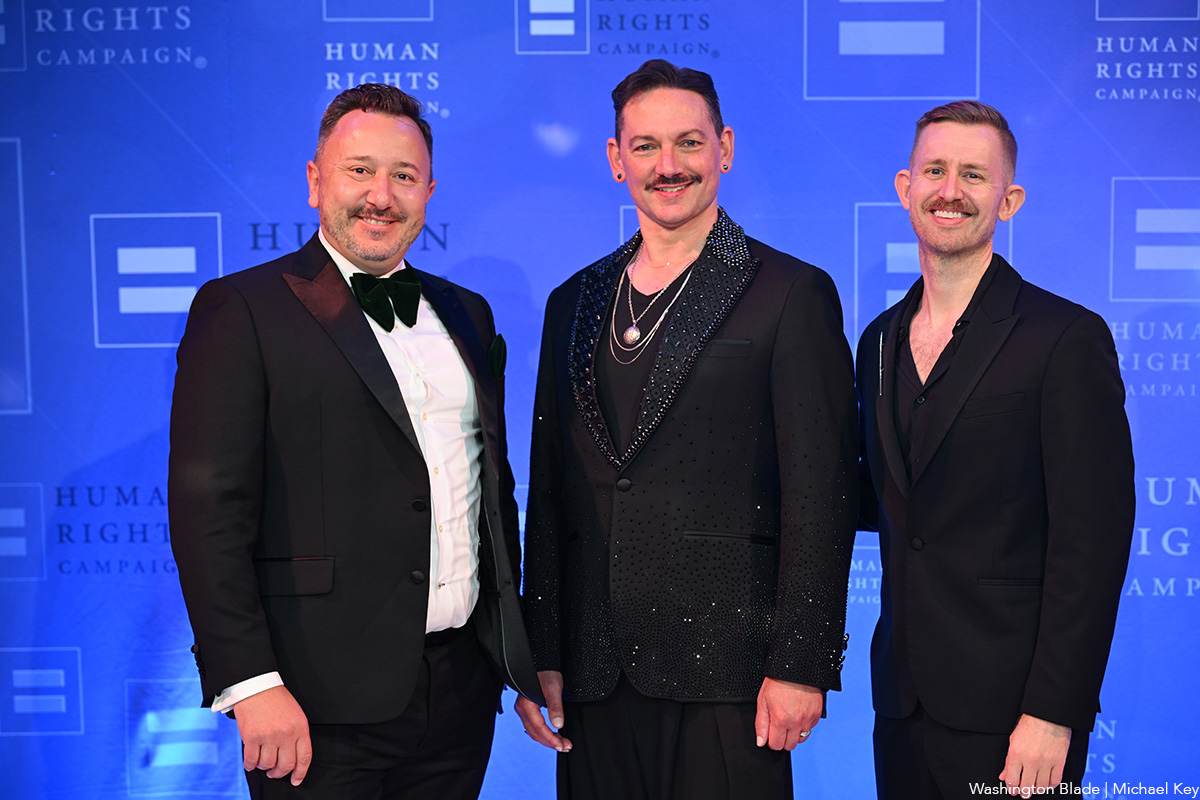
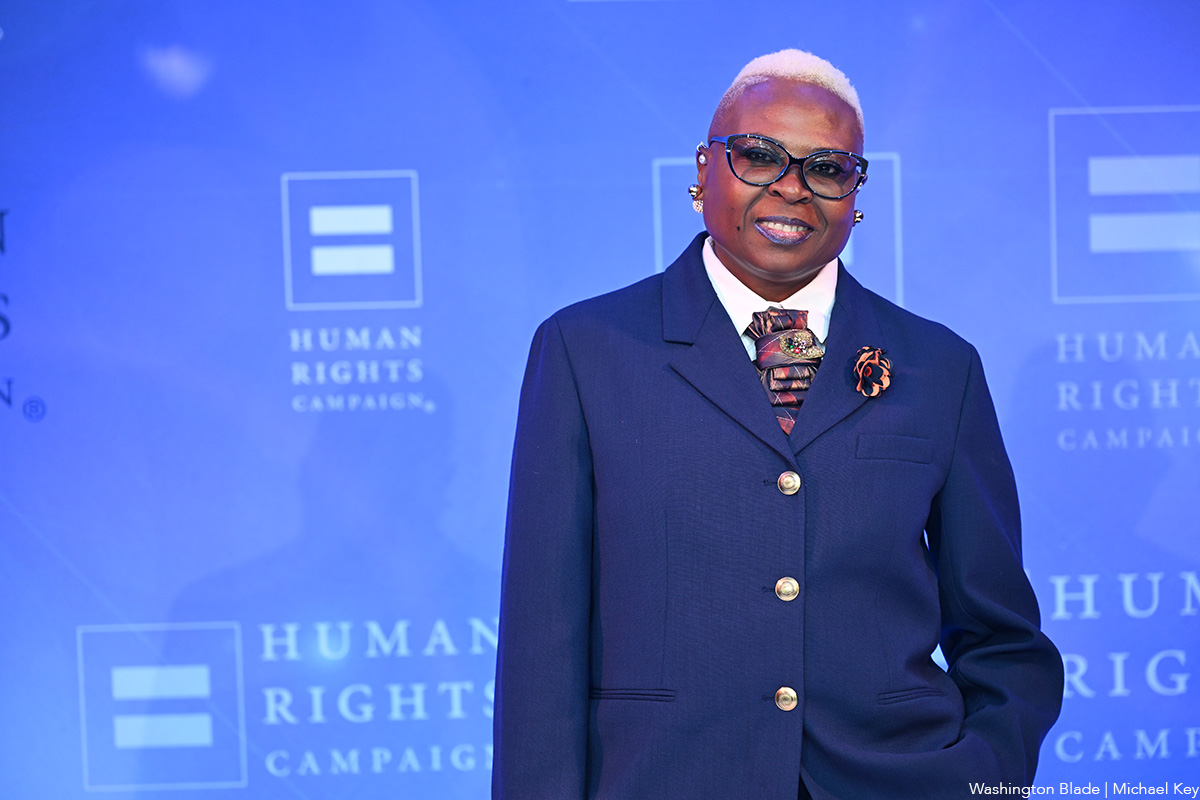
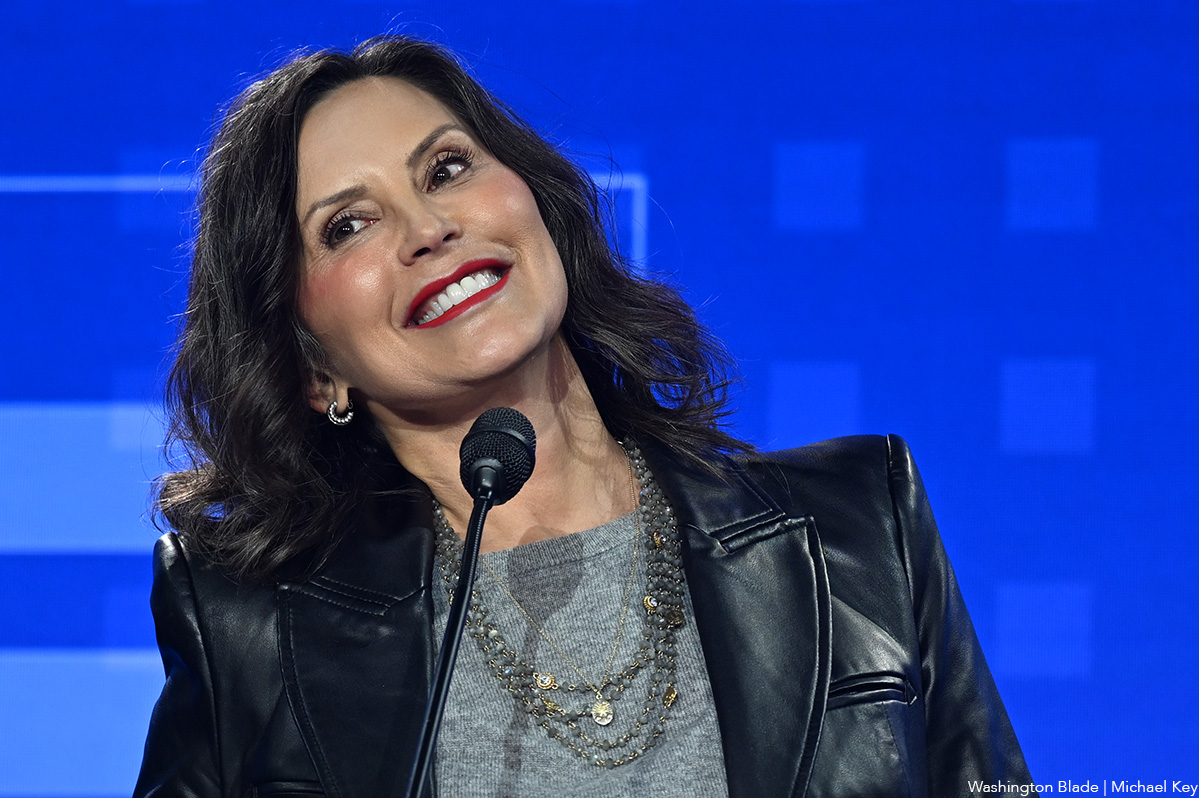
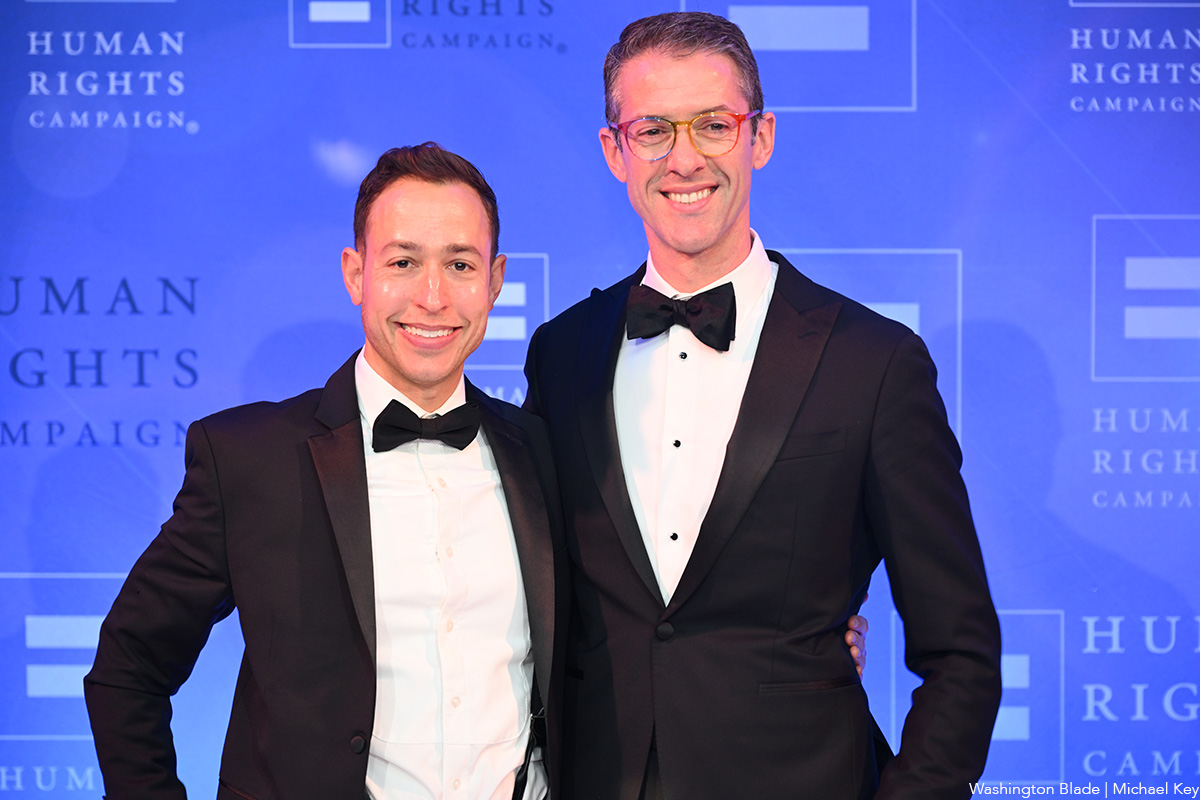
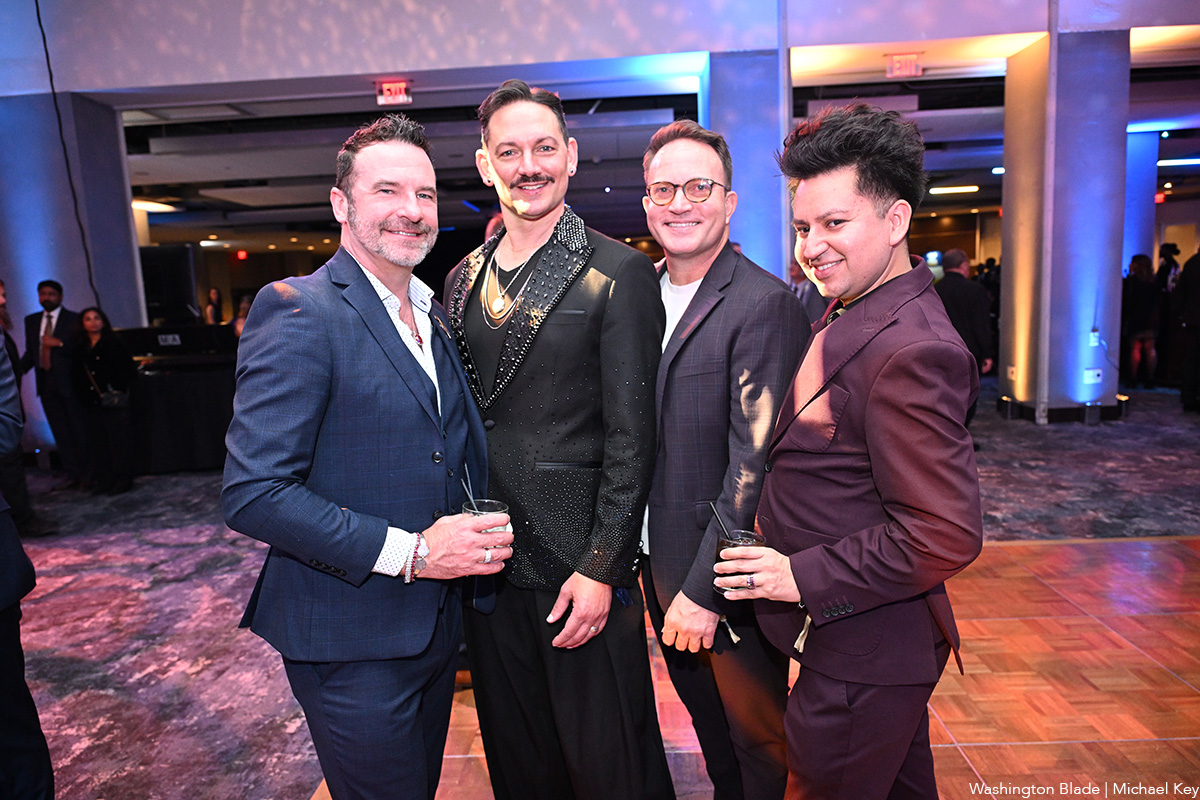
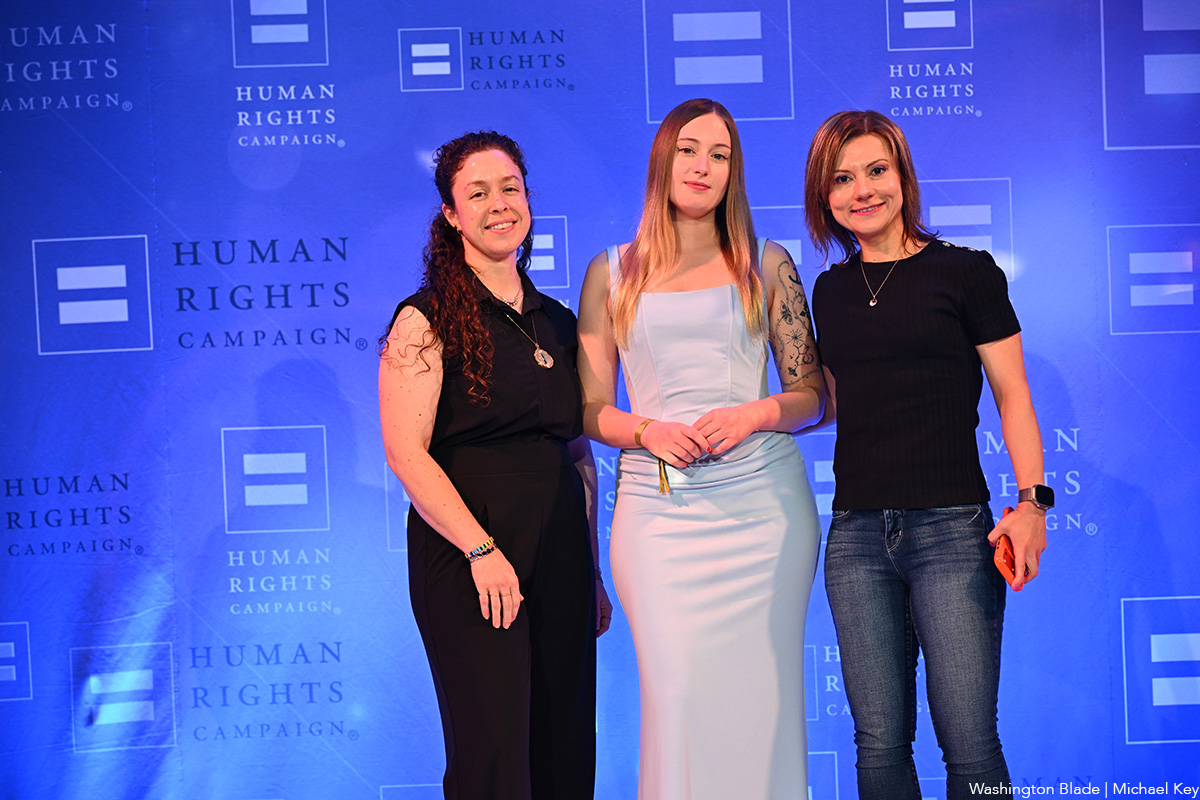
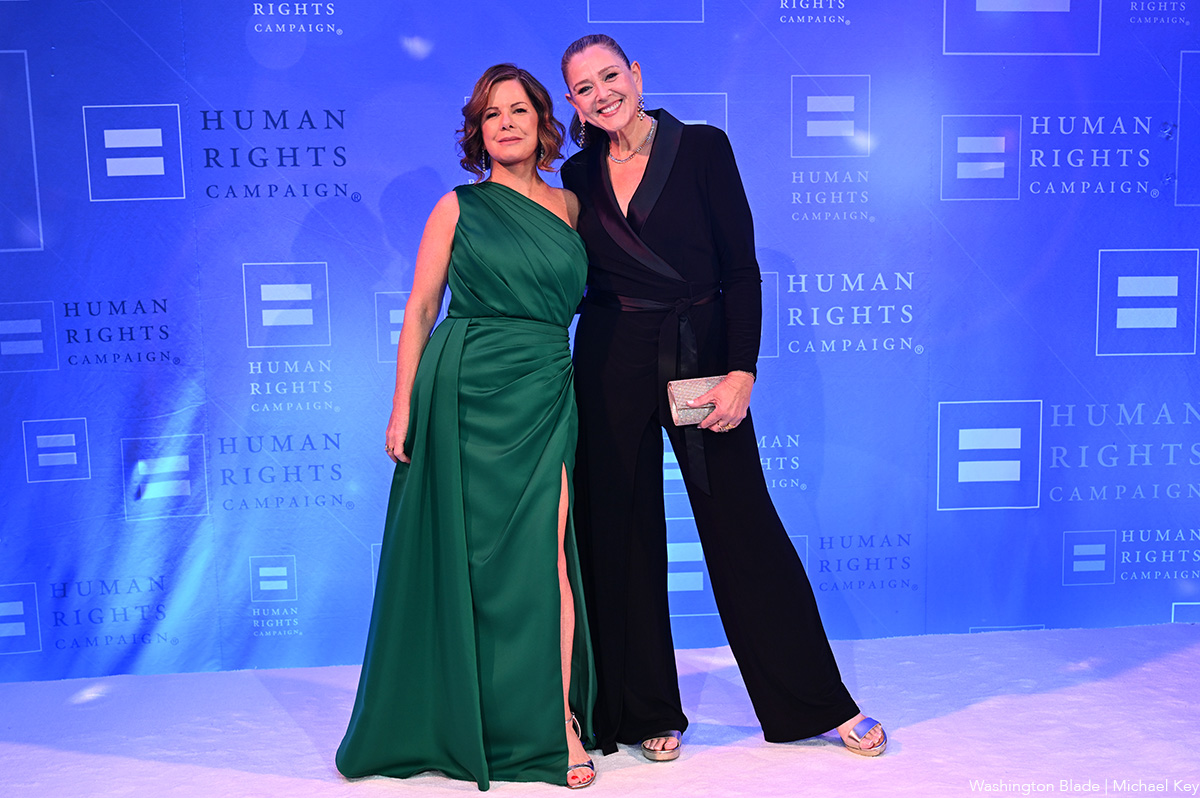
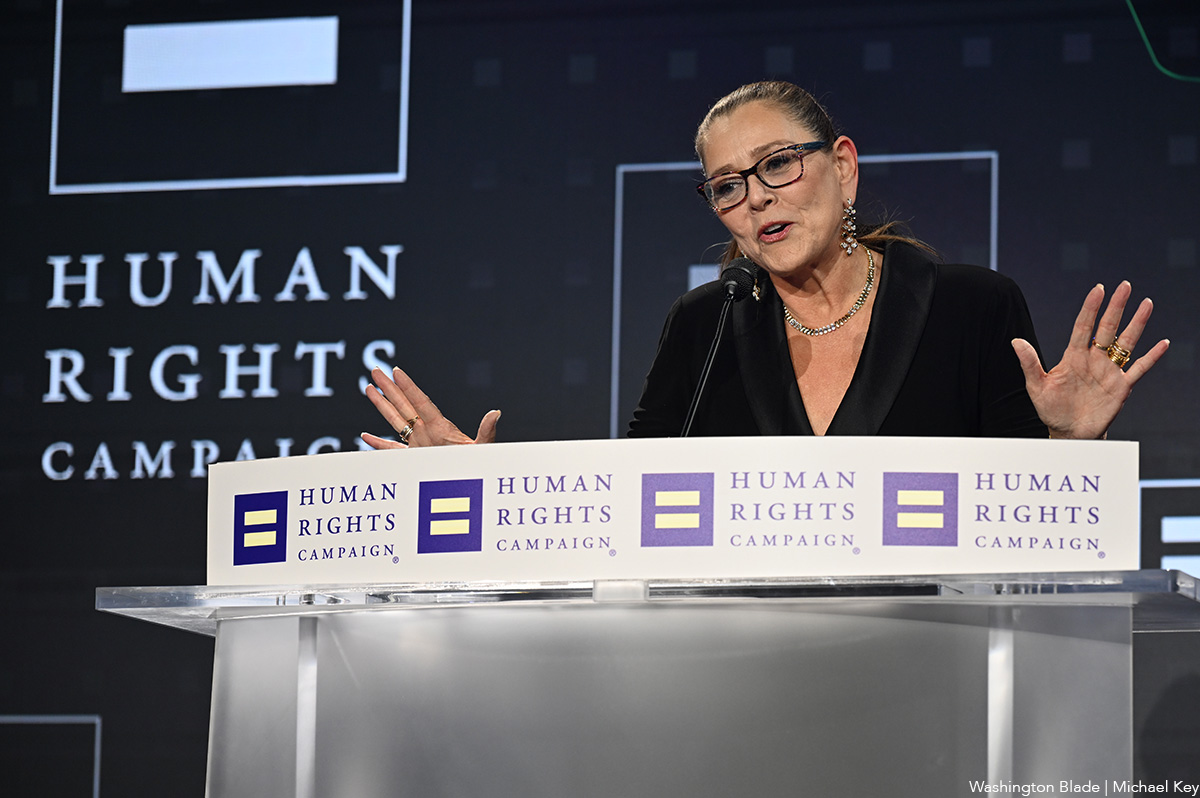
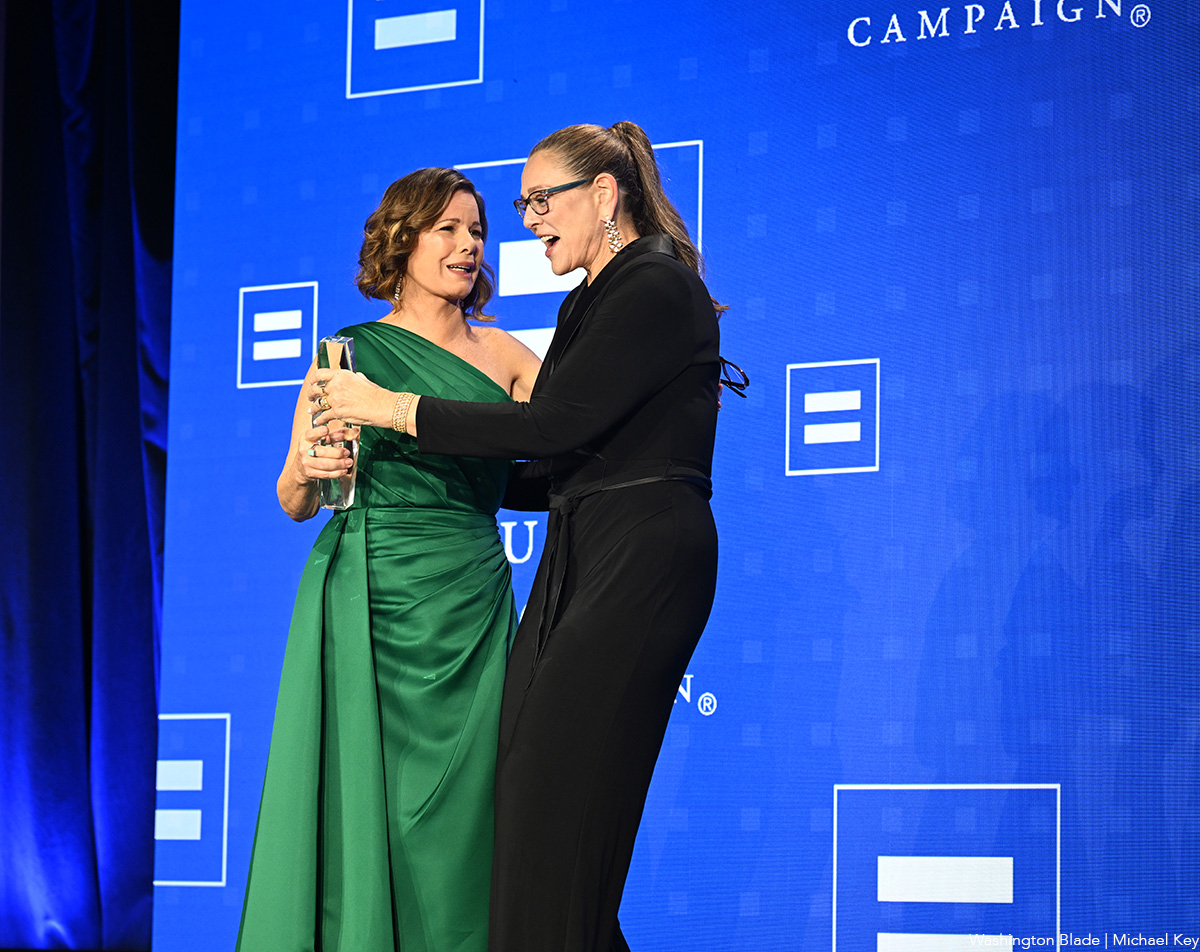
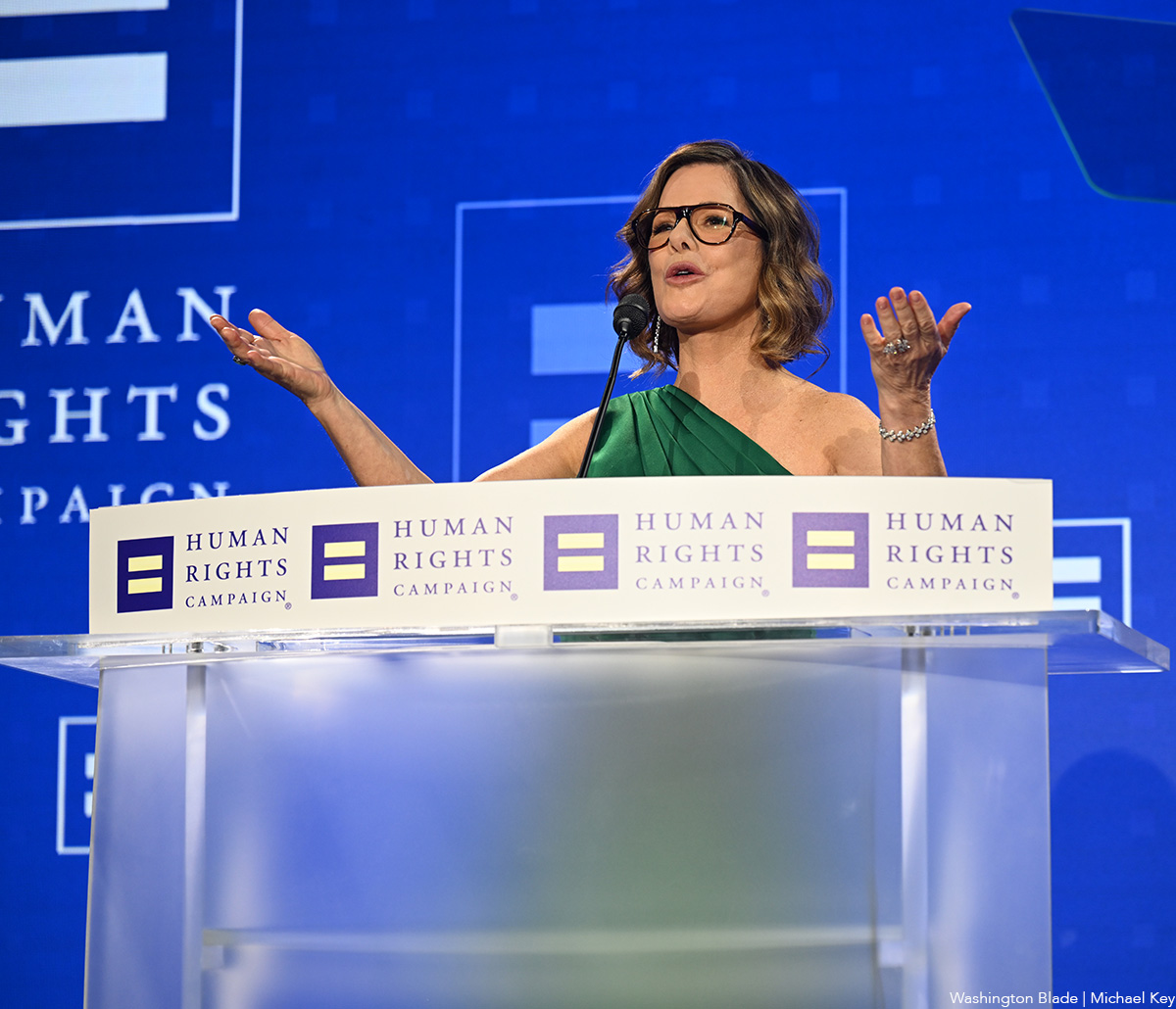
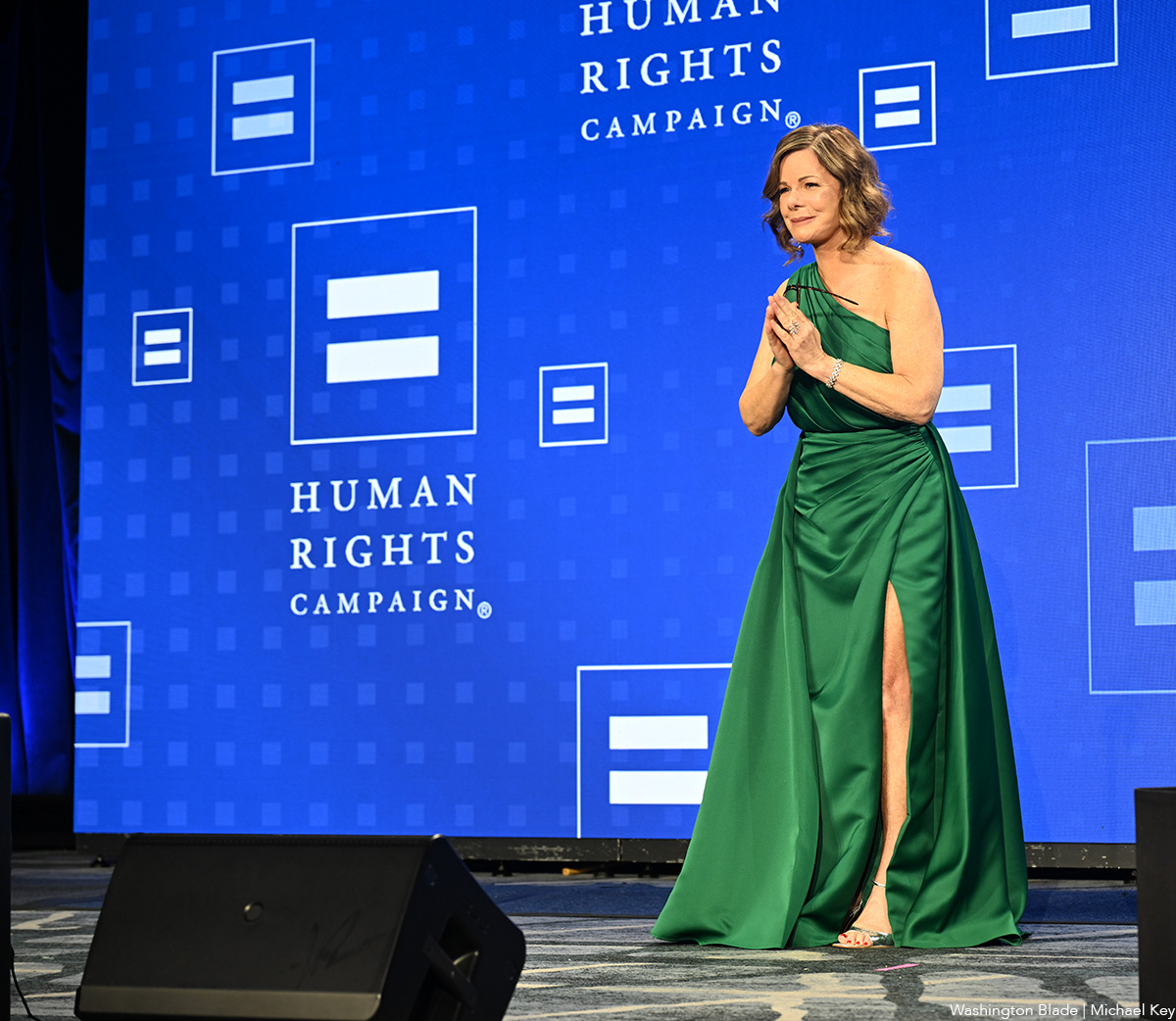
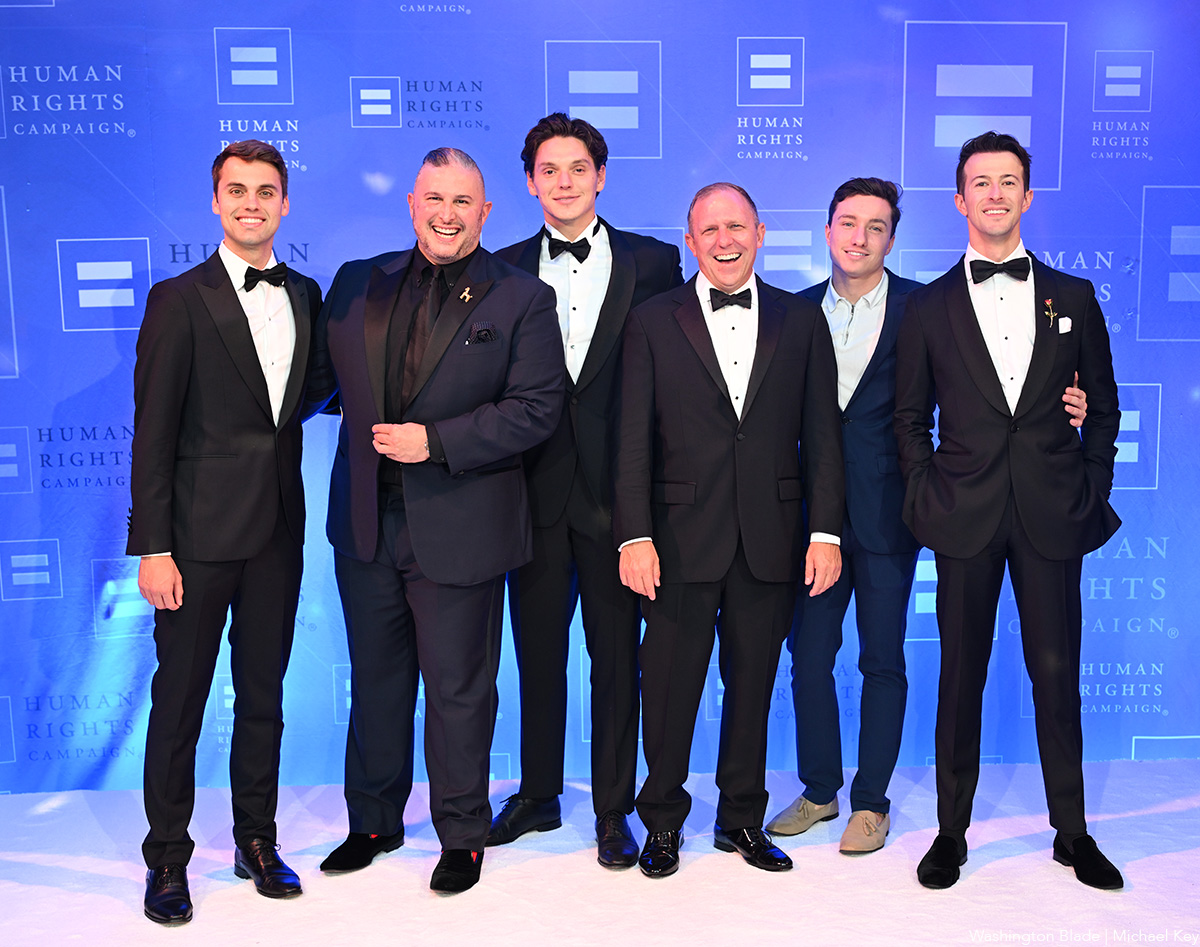
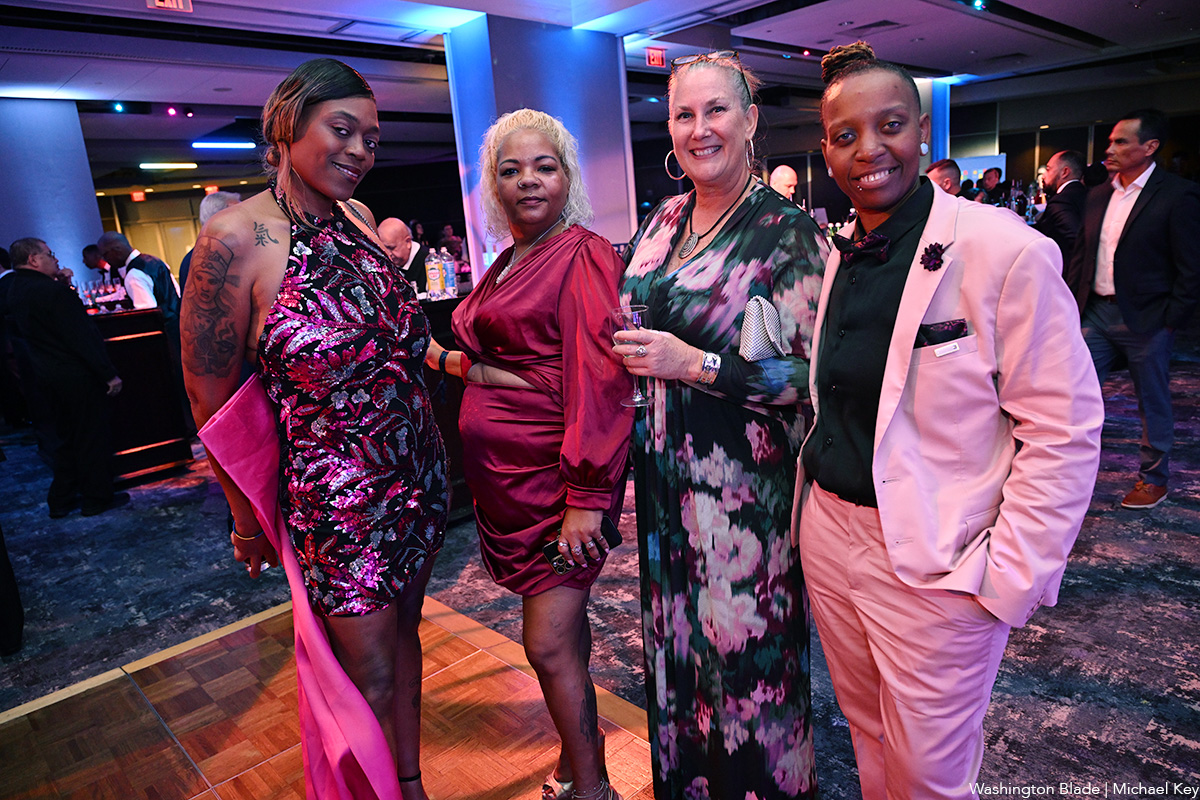
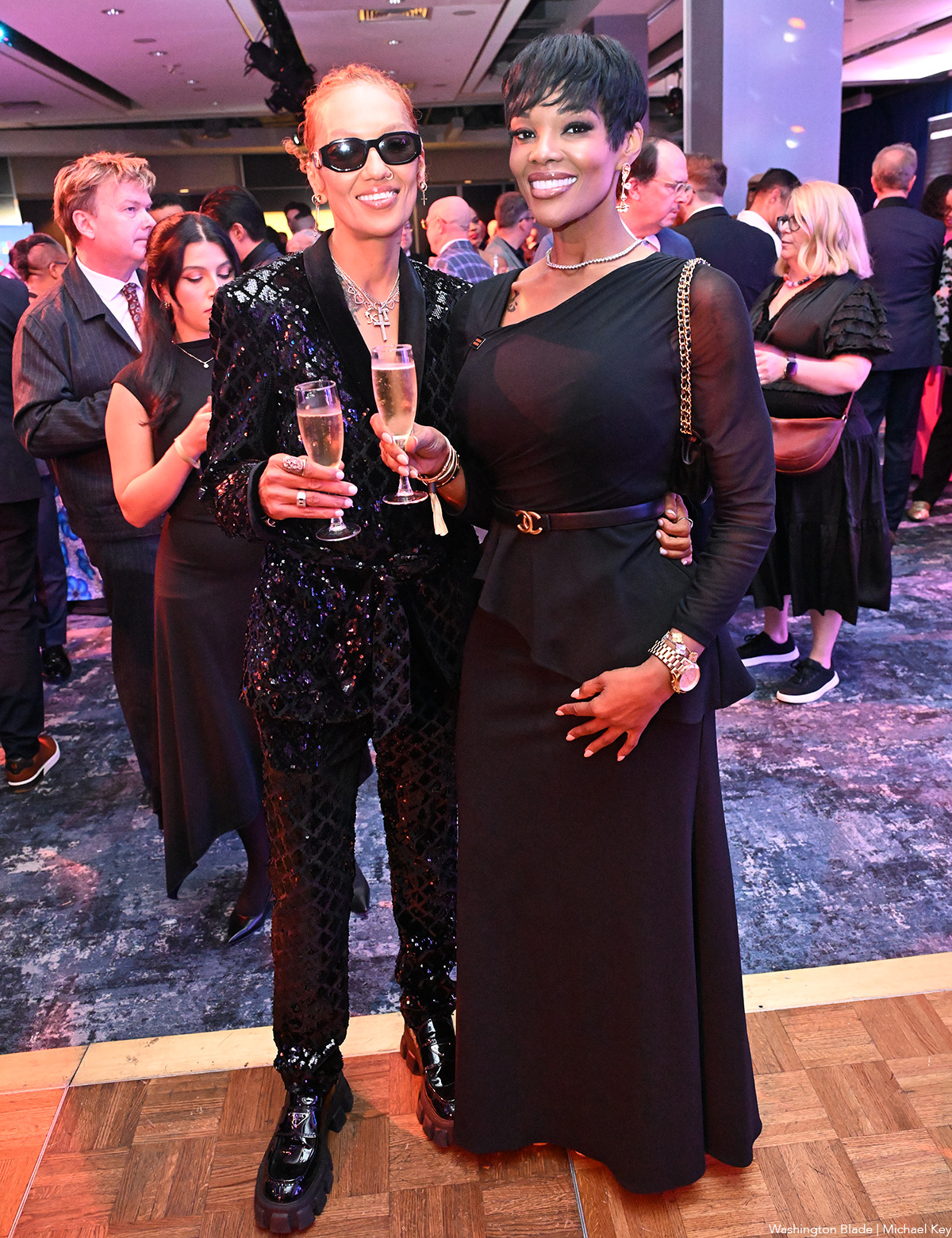
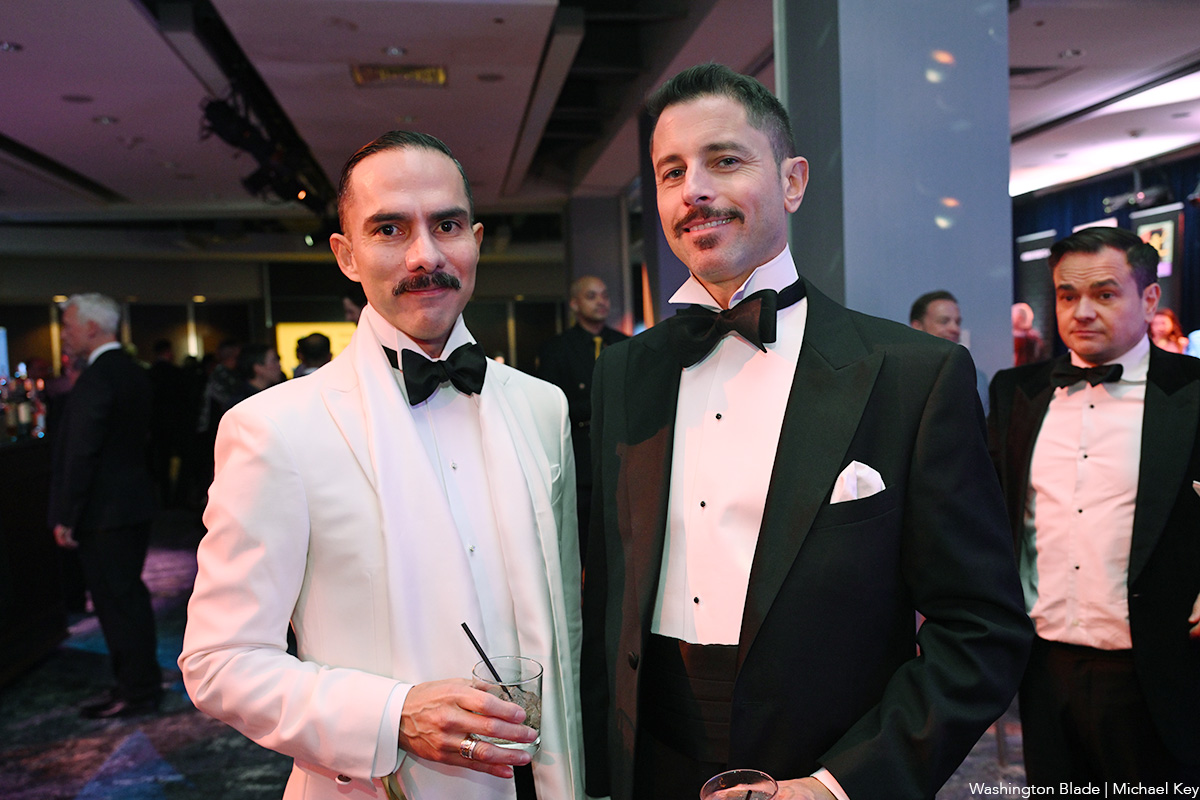
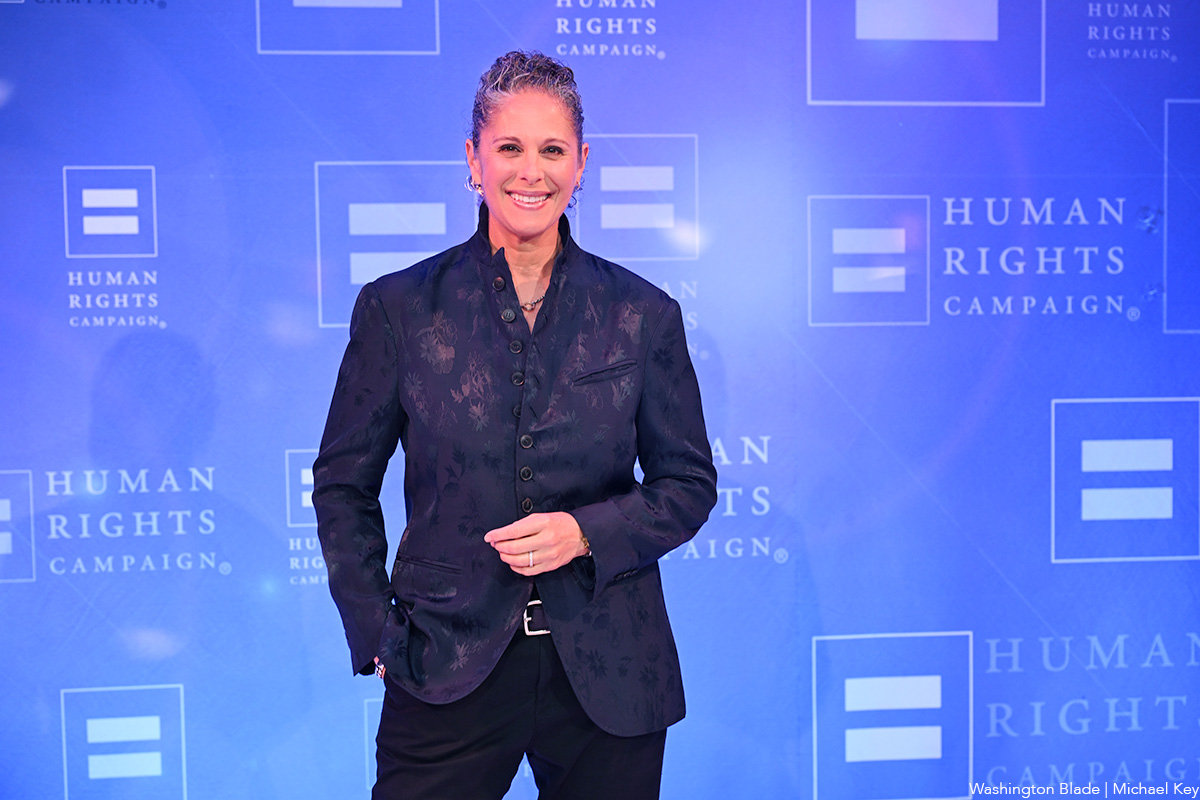
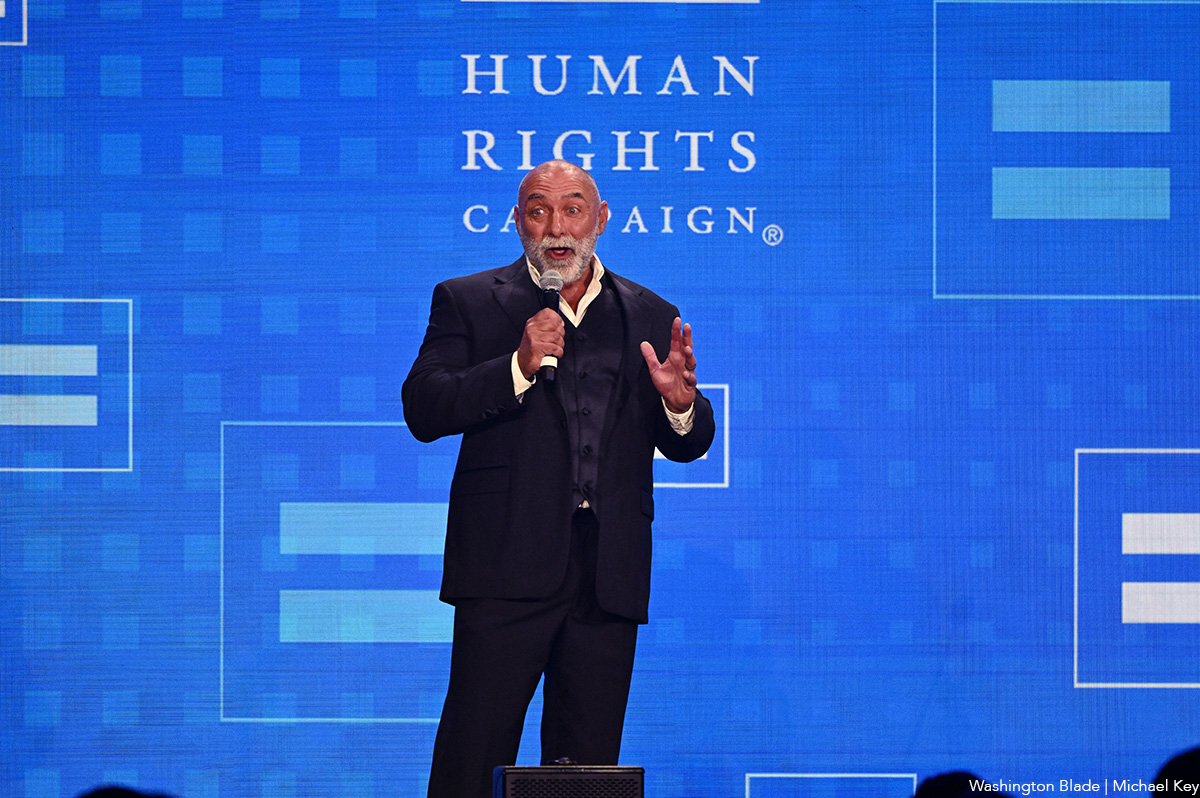
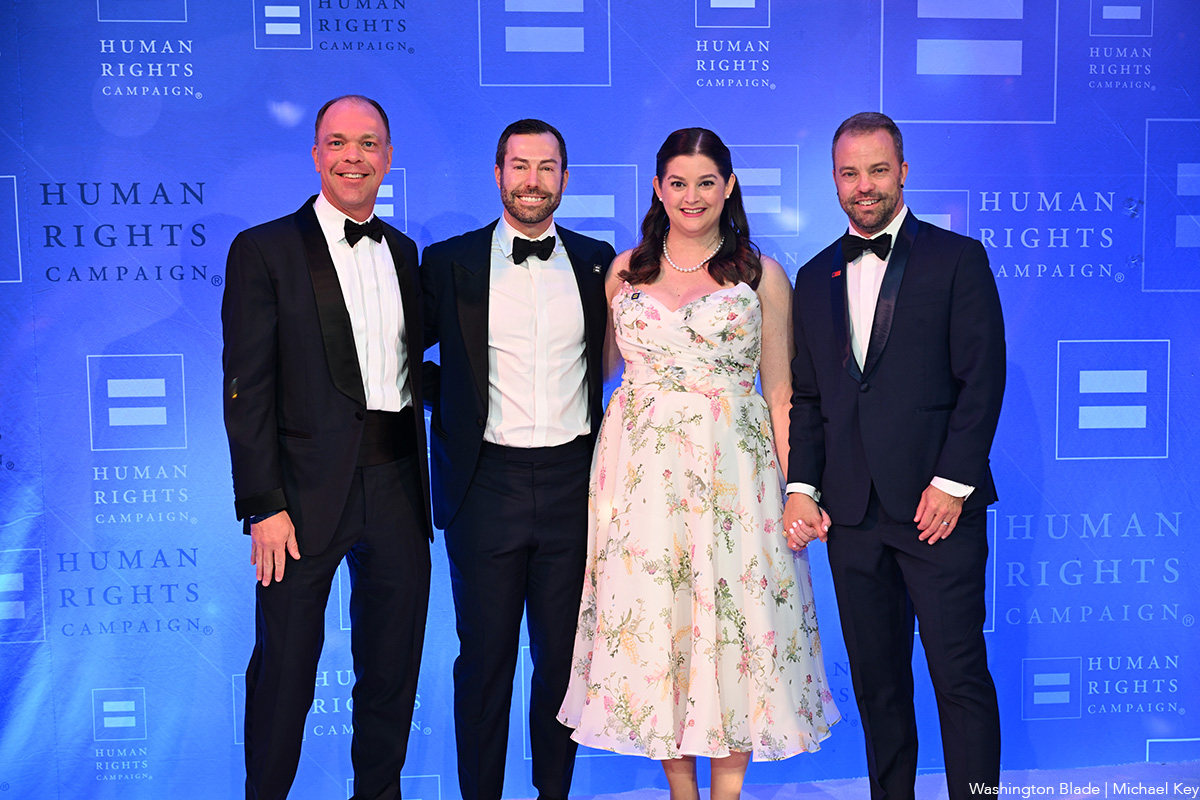
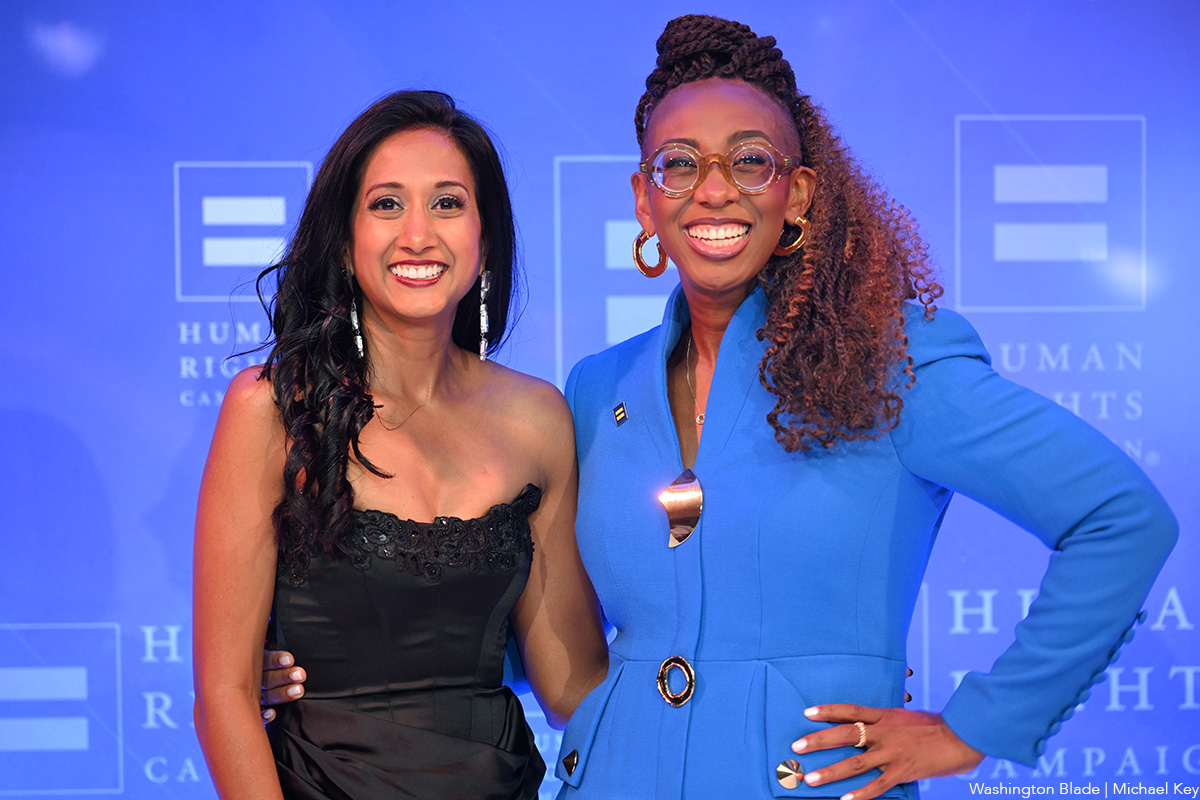
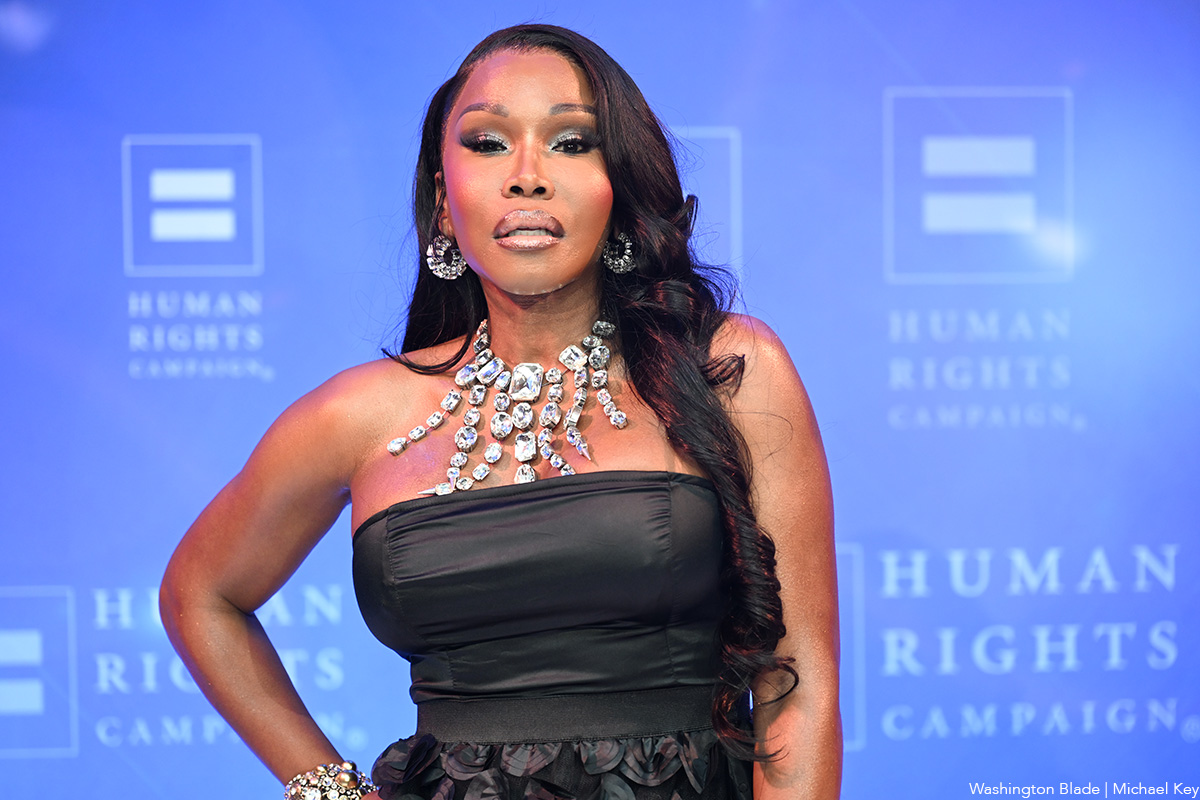
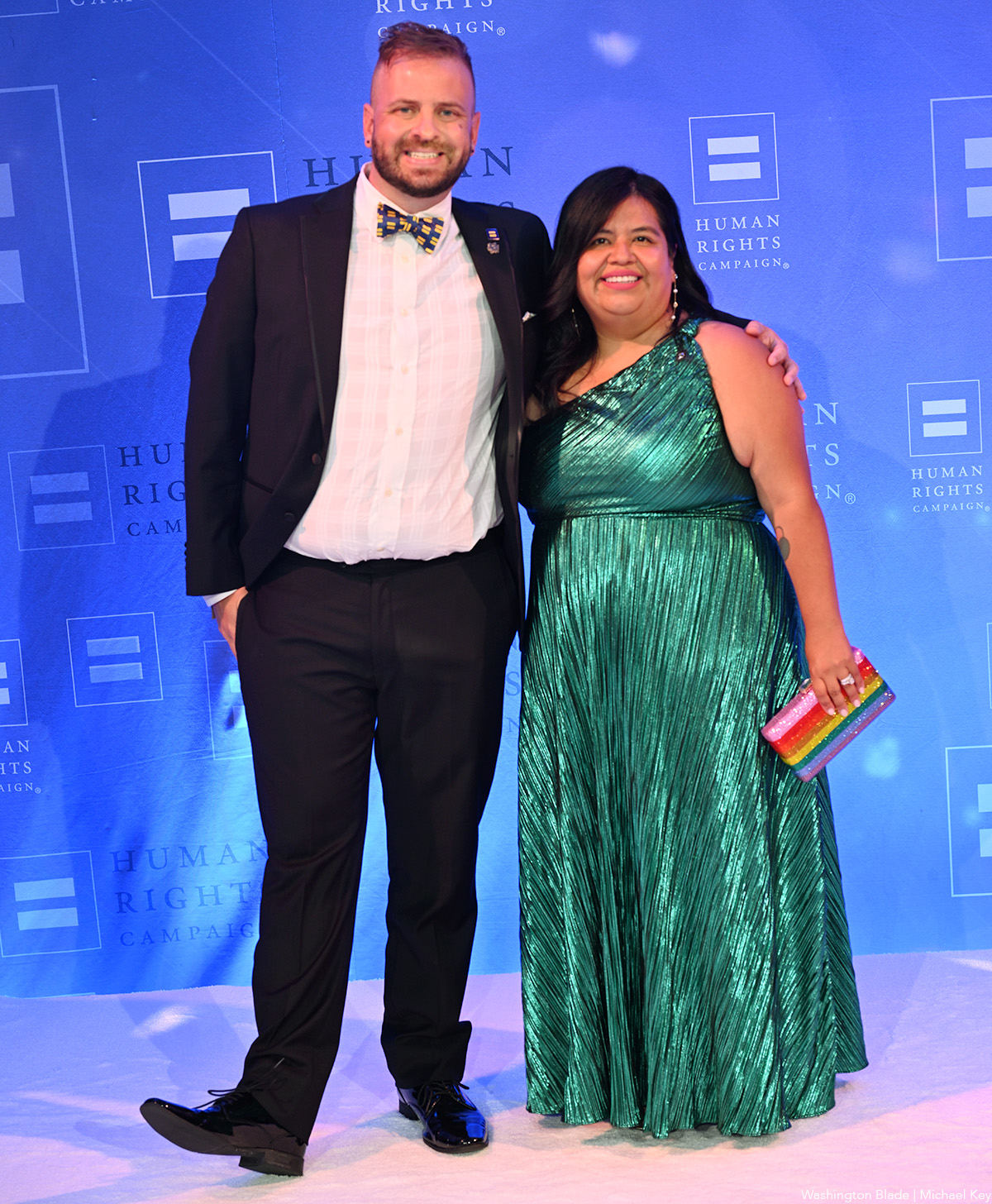
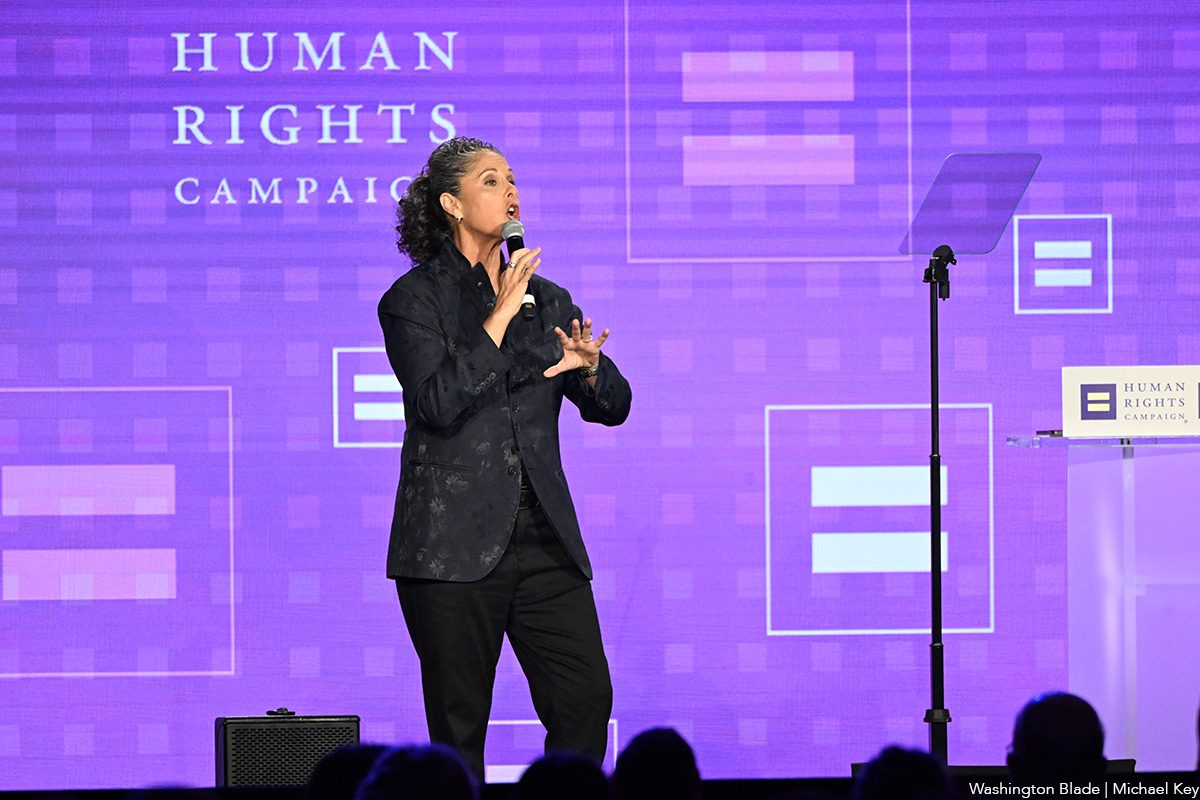
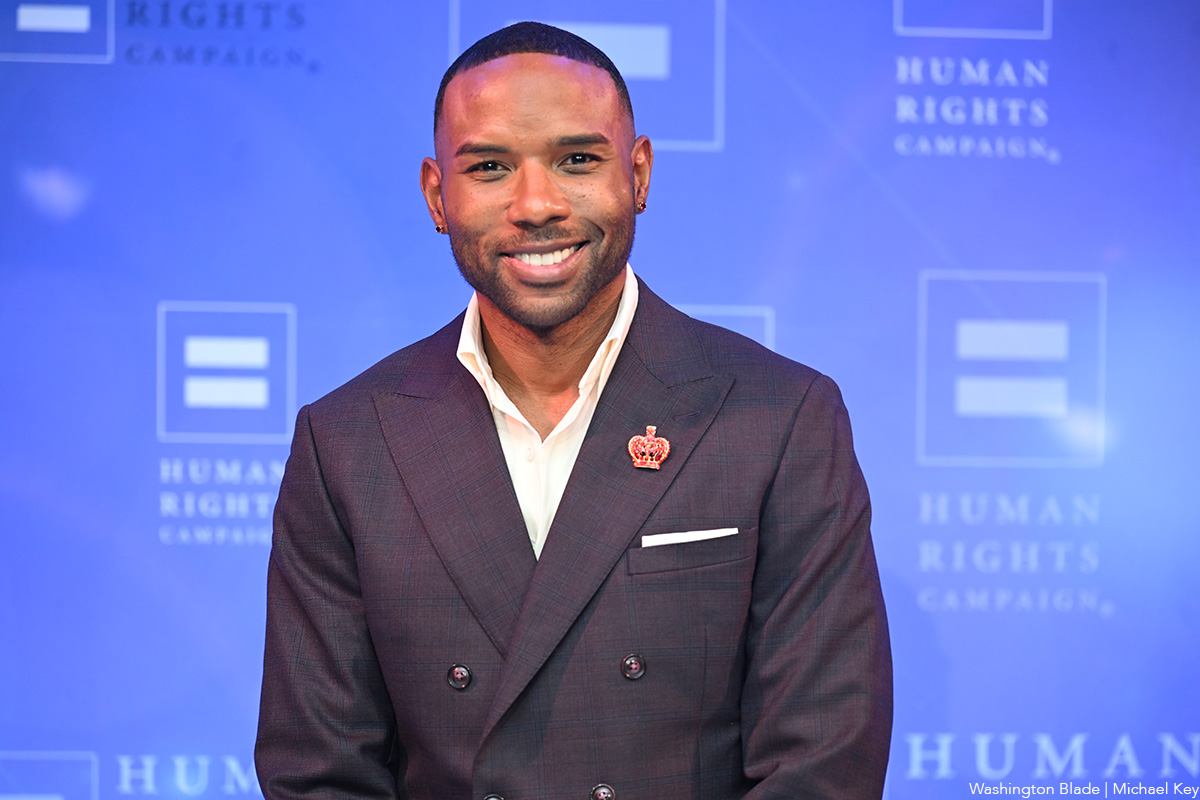
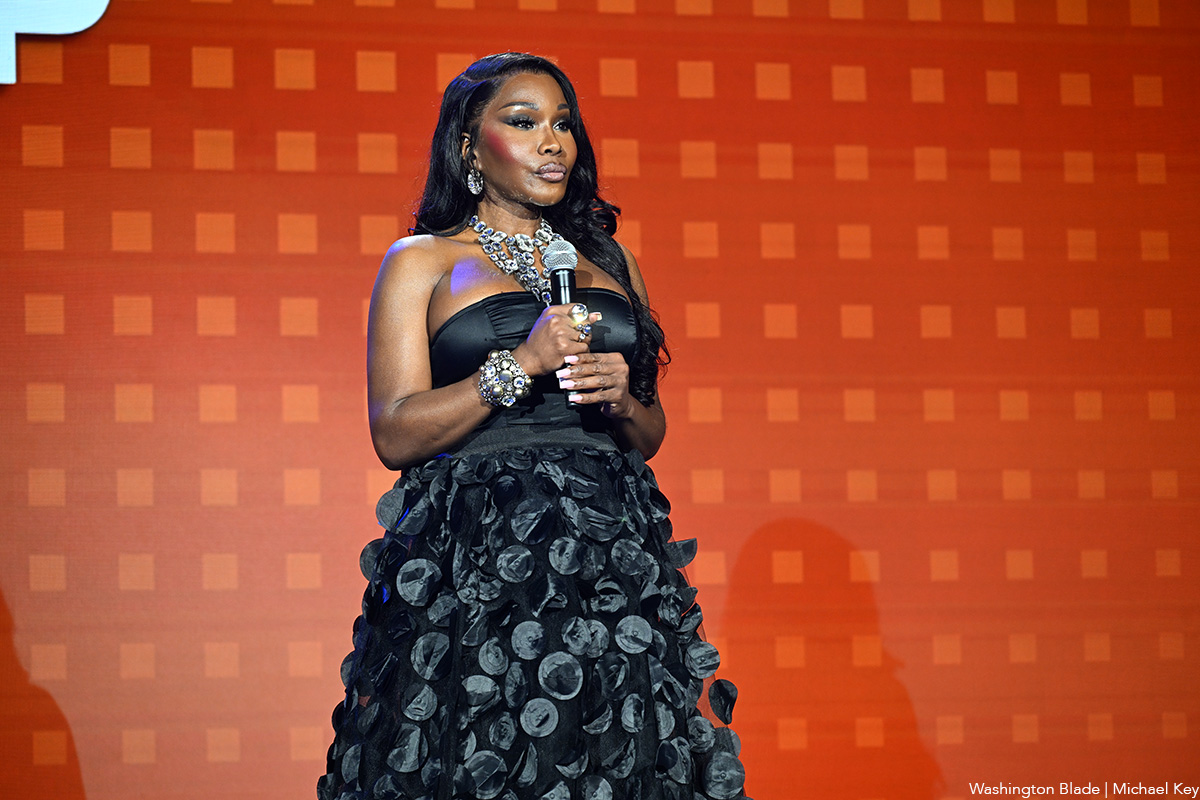
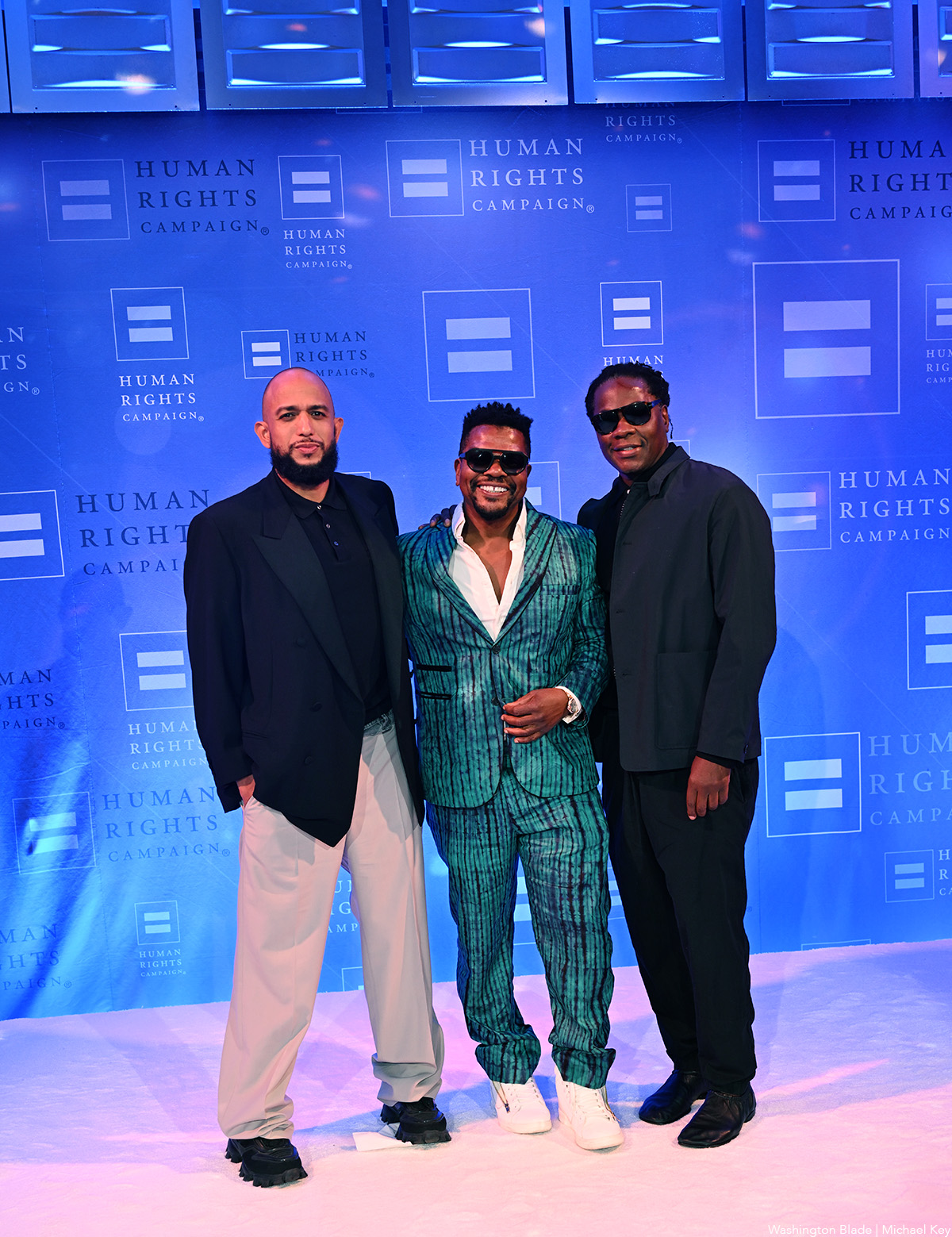
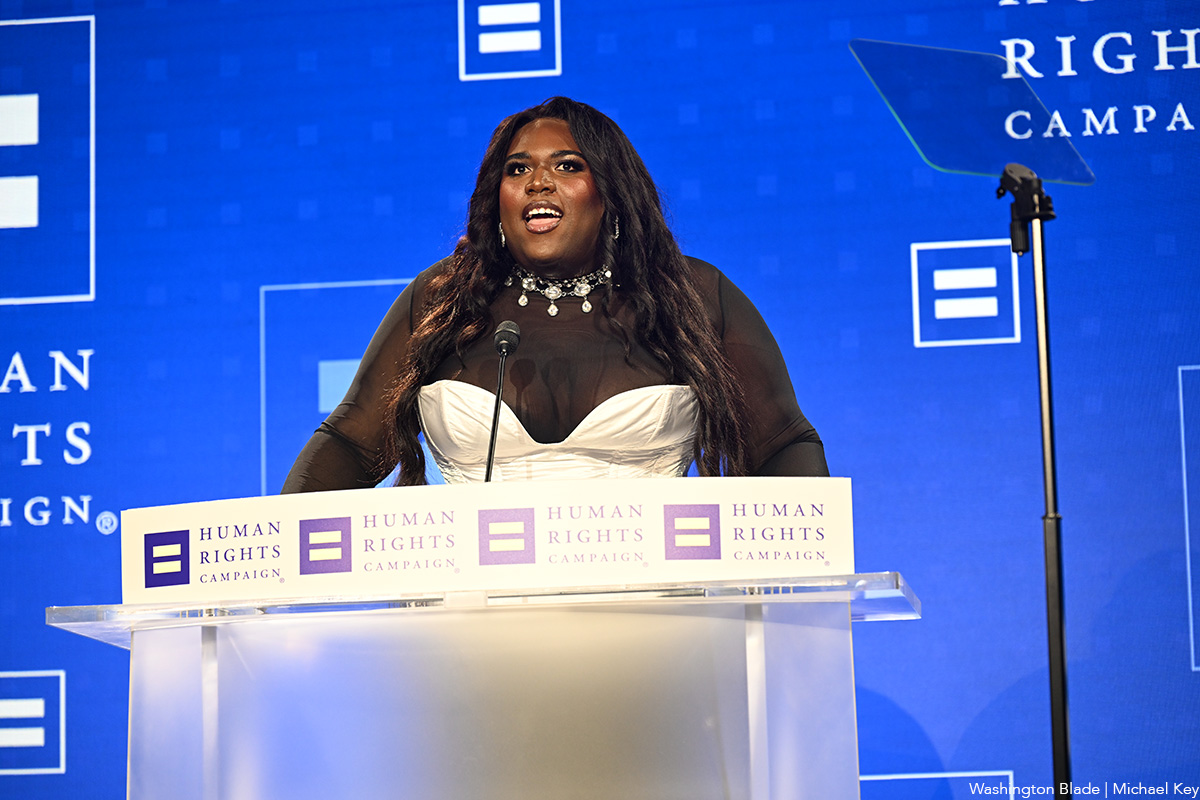
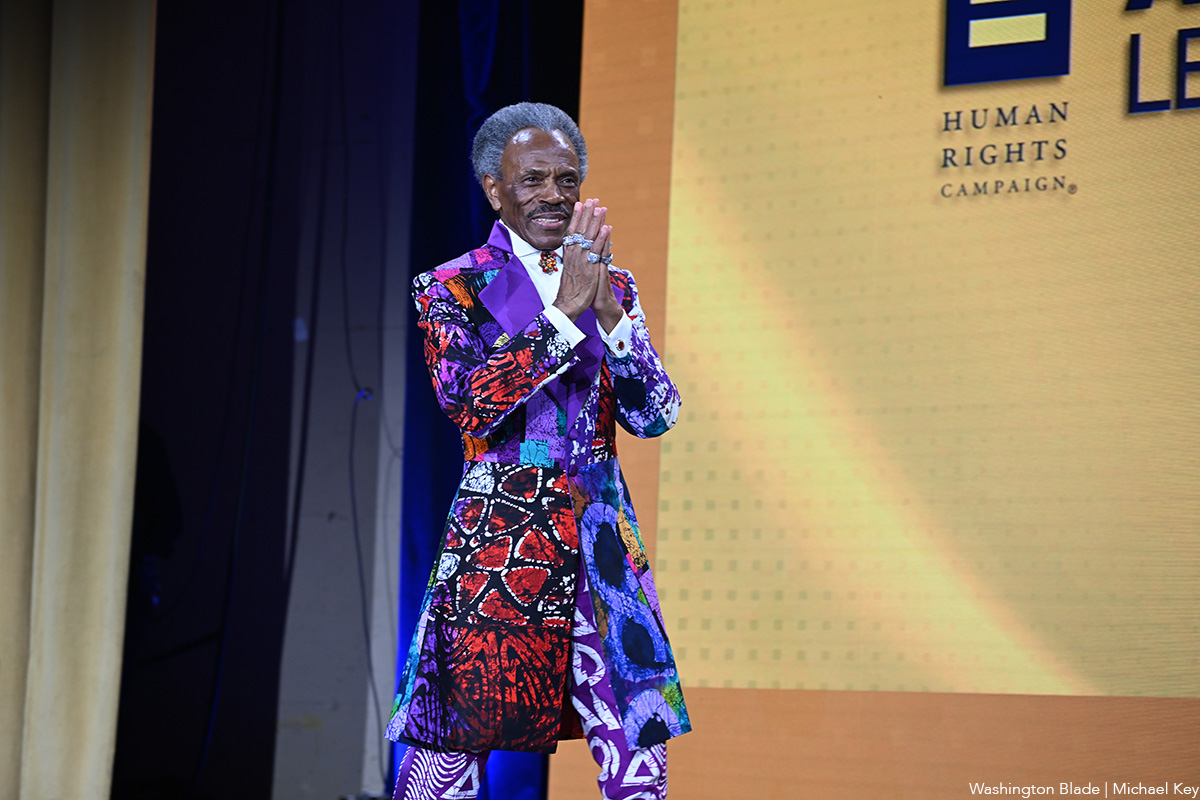
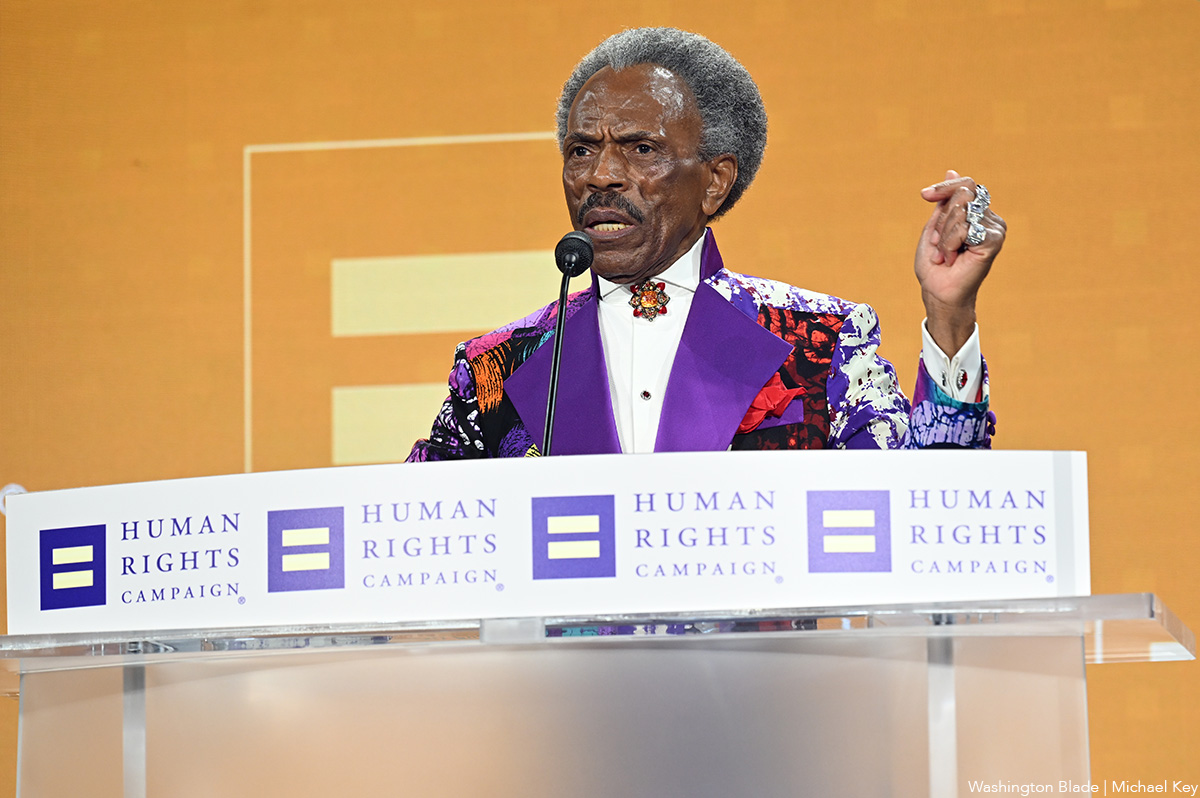
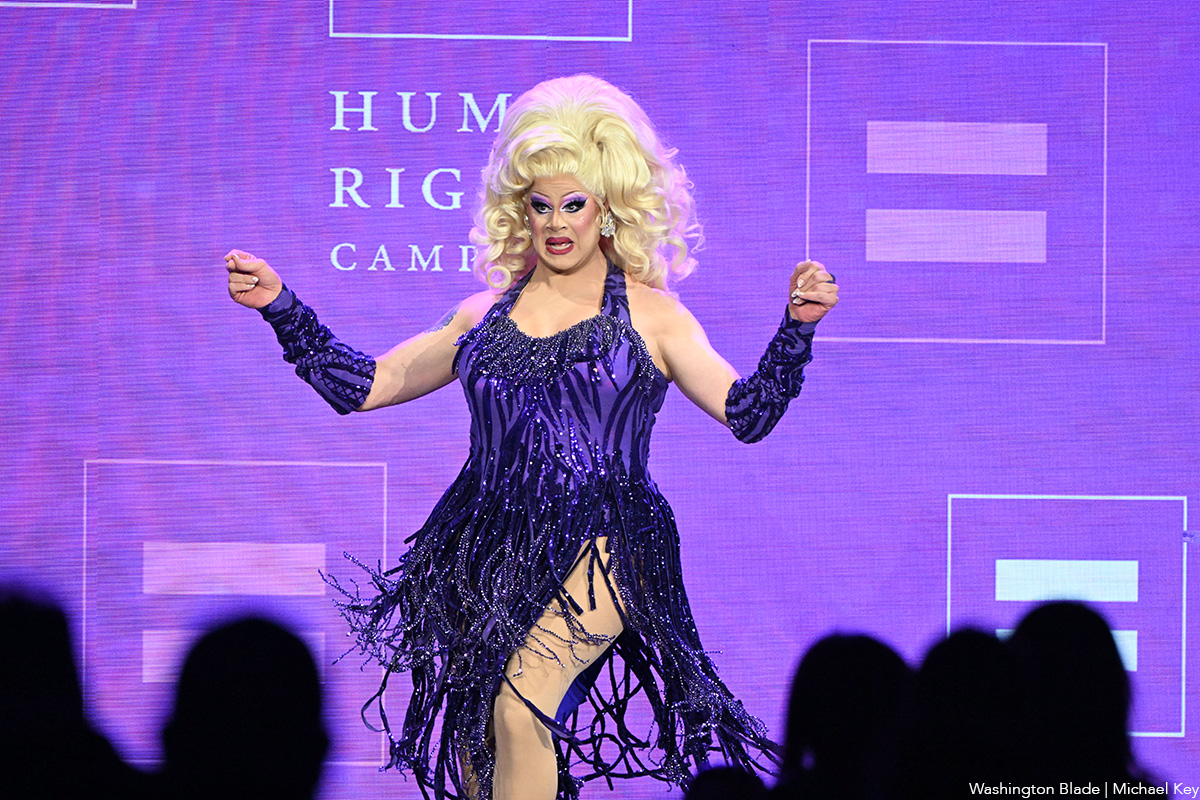
The Human Rights Campaign National Dinner was held at the Washington Hilton on Saturday, Sept. 26. Gov. Gretchen Whitmer (D-Mich.) was the keynote speaker. Awards were presented to Marcia Gay Hardin, Junior LaBeija and André De Shields. Nina West of ‘RuPaul’s Drag Race’ performed.
(Washington Blade photos by Michael Key)
View on Threads
View on Threads
View on Threads
Theater
What’s frightening is also funny in ‘Venus’
Don’t miss spectacular Woolly Mammoth production from out director
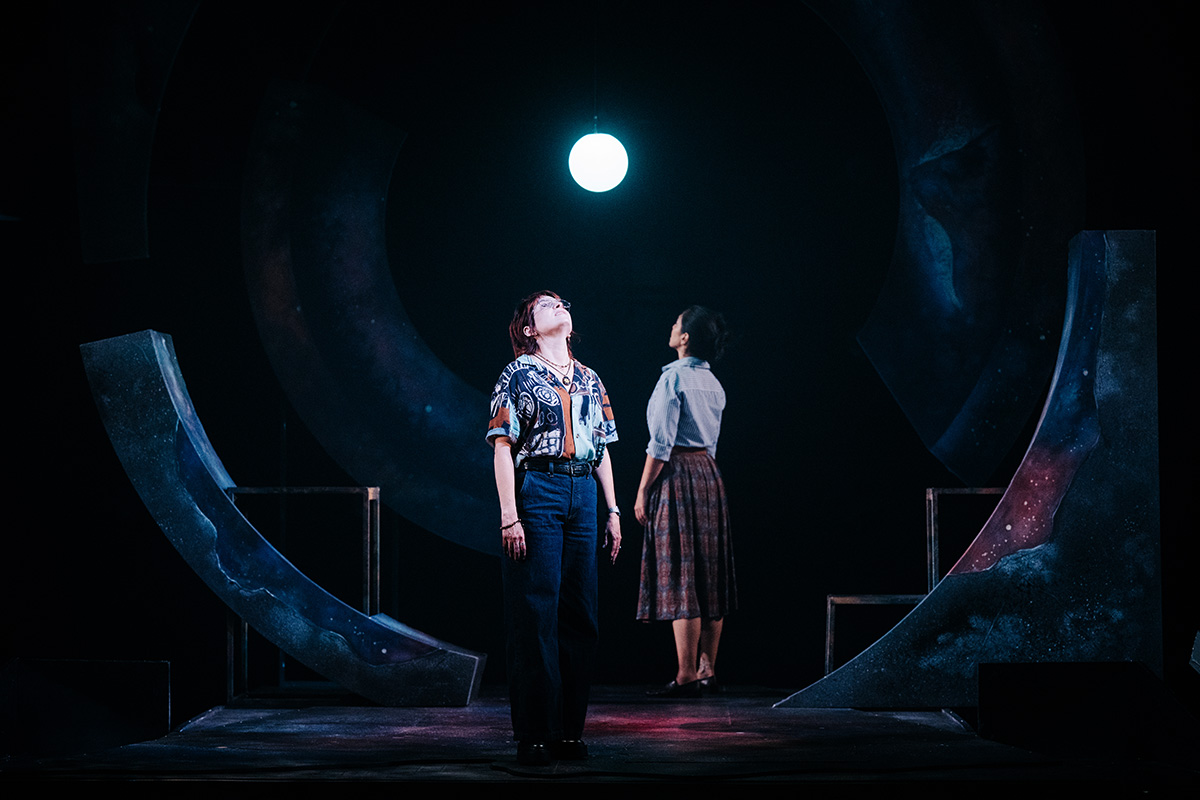
‘Venus’
Through Oct. 4
Woolly Mammoth Theatre Company
641 D St., NW
$20– $105
Woollymommoth.net
Meet Beth. She’s an art-house film projectionist. Cocky yet awkward, and a bit of a player, she’s exceedingly fond of international cinema and women. Her current interest is Nicole, a pretty librarian with an obsession for order and safety. Romance seems unlikely.
Written by Los Angeles-based playwright Steve Yockey, “Venus” pits odd against odder, and similar to some of his past works, what’s frightening is also funny.
When Beth (Kimberly Gilbert) crashes a “not fun” book club (currently reading Faulkner’s “As I Lay Dying”), she succeeds in bagging a date with the group’s poised, and –according to Beth – “imminently fuckable” member Nicole (Regina Aquino).
The pair climbs into Beth’s beloved vintage gold Mercedes (or “sort of rust colored,” says Nicole) and head into the night. They reach an isolated hilltop to star gaze and share a Thermos of spiced rum. Charmed by the surprise outing, Nicole warms up to her new friend, but that soon changes when Beth corrects Nicole on some planetary specifics, and lets it slip that she’s taken other women on this same exact date.
Away from age (40 or so), the pair couldn’t be more ill matched. Whether it’s personal style, temperament, approach to dating, they’re chalk and cheese. Beth’s romantic M.O. is spontaneous, whereas Nicole’s dating app profile is “always clean, organized, and up to date with recent pictures and current information.” And she never makes the first move.
“Venus” is perceptively staged by out director Reggie D. White who specifically selected Yockey’s newest play for his directorial debut as Woolly’s new artistic director, and it’s a spectacular launch. The out playwright and director, and the terrific two-person cast, successfully lean into the work’s dark comedy without denying past heartbreaks.
The actors play off each other compellingly, capturing precisely what’s both disturbing and funny about Yockey’s creations. Nicole (Aquino) isn’t particularly concerned about the horrors she visits upon her date, and while Gilbert’s Beth might fall into the most dreadful situations, she handles them with detached wit. It’s hilarious.
The dialogue is spoken to each other, to us, to themselves. Words might switch from conversational to rapidly delivered monologues about varied things like well-meant instructions that Nicole once received from her father on how to box and bury things that upset her.
Costume designer Danielle Preston captures the women’s carefully chosen attire. Nicole is dressed boho prep with a conservative silhouette, flat shoes, and interesting artisanal jewelry. Beth is a bit hit or miss: wide-legged pants, black thick-soled, black boots, and on trend frames– all the sort of things that might look cool.
After the date, Beth drops Nicole at her immaculate, meticulously mid-century curated house. Beth tells us that she’s not averse to a clean home, but other than Susanna, a goldfish in the kitchen, this house with its collection of precisely placed handstitched pillows, looks entirely unlived in; other than the alarming contents of a mysterious drawer, it might be a show home.
And while Beth has made a few moves that her date didn’t entirely dodge, the evening has come to an end. Nicole has a Scholastic book fair in the morning, so she gives Beth the old heave-ho. Nicole likes a clean exit.
What ensues is a one-sided obsession with grand floral gestures, incessant texts, and some stalking. Just when you think one couldn’t grow any madder and that the other is the voice of reason, the script flips. They take turns at being the most neurotic or easily triggered.
Also, each in turn encounters an unseen woman wearing a red raincoat, a sort of physical manifestation of fear. How said interactions work differently for each of the daters, explains a lot.
But to say more would be a spoiler. With its myriad twists and turns, there are so many possible spoilers, scores of them, that might ruin the experience of an absolutely glorious 90-minute uninterrupted traipse through the madly unexpected.
So ably written and acted, you’ll leave believing that you’ve seen the vintage car, been inside a pristine house, and visited a hilltop. But you didn’t.
Giselda Esstrada’s scenic design includes a raised black platform backed by a dark circle broken into segments, above hang lanterns, globes, pendant lights, and lamps raised and lowered to great effect by lighting designer Nic Vincent. One of the more significant orbs is singled out as a green-hued celestial body. The ground is a blanket of clunky gray gravel.
Even with its two, or maybe three, particularly (and personally) dreaded scenarios, it’s unstoppably pleasing. There’s nothing not to like about “Venus.”

Debbie Allen shares on loss, love, and the power of speaking out

Baltimore’s oldest gay bar to reopen this week

Dr. Fauci ‘honored to be part of’ LGBTQ history

Factors to consider when hiring an interior designer

PHOTOS: HRC National Dinner

Colombia withdraws from Equal Rights Coalition

Trump-appointed judge restores White House TV pool access

Writing a play about Lincoln leads down a rabbit hole to a closet

Philadelphia event to launch 2026 LGBT History Month

Being a female firefighter comes with unique risks, and rewards
-

 Colombia4 days ago
Colombia withdraws from Equal Rights Coalition
-
White House4 days ago
Trump-appointed judge restores White House TV pool access
-
a&e features4 days ago
Writing a play about Lincoln leads down a rabbit hole to a closet
-
National4 days ago
Philadelphia event to launch 2026 LGBT History Month