News
Migrantes LGBTI+ llegaron a la frontera de EEUU
Grupo de casi 80 personas están en Tijuana
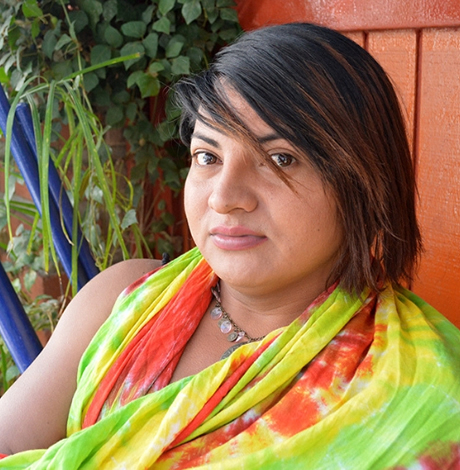
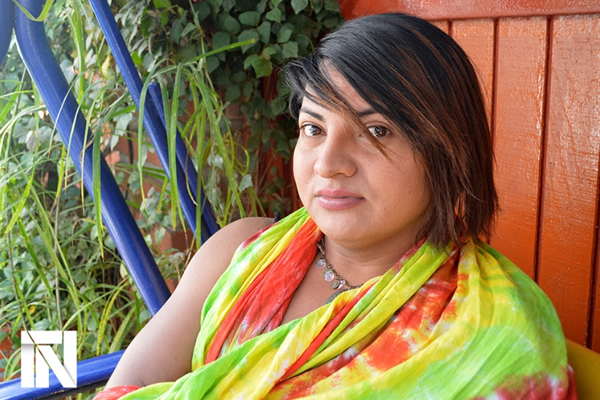
Dentro de poco se cumplirá un mes desde que Loly Méndez salió de El Salvador. (Foto por Yariel Valdés González/Tremenda Nota)
Nota del editor: Yariel Valdés es reportero de Tremenda Nota, una revista electrónica independiente en Cuba que reporta sobre la comunidad LGBT y otros grupos minoritarios en el país. Tremenda Nota es la pareja de contenido del Washington Blade en Cuba.
Yariel Valdés está actualmente en Tijuana, México. Su nota salió originalmente en el sitio web de Tremenda Nota el martes.
TIJUANA, México — Un grupo de migrantes LGBTI+ espera en Tijuana, México, para alcanzar la frontera estadounidense. Decenas de personas dejaron la caravana de al menos 5.000 centroamericanos para evitar el acoso de sus propios compañeros de viaje.
Hace más de 22 días, Loly Méndez emprendió el viaje más largo de su vida. Cerca de 4.400 kilómetros separan por tierra a El Salvador de Estados Unidos. Aun así, Loly decidió unirse a uno de los grupos de migrantes centroamericanos que huyen de la violencia en sus países natales, y avanzan hacia la frontera de Estados Unidos.
Loly, mujer transgénero, cosmetóloga, no vio solo la meta del “sueño americano,” sino la oportunidad de huir de la violencia y la transfobia. Una pandilla la había asaltado y robado en su propio país.
“Doy gracias a Dios porque no me quitaron la vida, ni me violaron,” dice.
En su adolescencia, Loly ya sabía que era una mujer. Sin embargo, el clima de intolerancia que vive en su país de origen le impidió completar el cambio de imagen que deseaba.
“Nunca sabes si vas a amanecer (viva) — dice —. Yo no dejo de pensar en mi amiga, cómo la asesinaron, la estrangularon y la tiraron de un puente. Teníamos planes de salir de allá juntas (de El Salvador), pero la gente le puso odio porque ella ya lucía como una mujer.”
Cruz Torres, director de Diversidad Sexual de la Secretaría de Inclusión Social de El Salvador, estima que 600 personas LGBTI+ han sido asesinadas en los últimos 24 años en ese país centroamericano. Al menos 145 de los crímenes ocurrieron en solo tres años, desde 2015 a 2017.
La frontera, a un paso
“Todas las personas homosexuales que viajamos en esta caravana venimos con el propósito de ser libres, de trabajar, de no ser delincuentes,” explica Loly a Tremenda Nota. “Yo jamás me he prostituido y no voy a otro país a eso.”
La salvadoreña llegó a la localidad Playas de Tijuana el pasado domingo como parte de una avanzada de casi 80 personas de la comunidad LGBTI+, integrantes de la primera caravana de más de 5.000 migrantes centroamericanos.
El grupo llegó escoltado por oficiales del Instituto Nacional de Migración de México y por observadores de varias comisiones de derechos humanos del país azteca. Arribaron a la ciudad fronteriza después de pasar por San Luis Río Colorado (Sonora) y Mexicali, la capital del estado de Baja California.
César Mejías, uno de los migrantes y portavoz no oficial del grupo, declaró que esta primera caravana alcanzó el norte de México antes de lo previsto porque recibieron apoyo de “una organización de Estados Unidos, que también pertenece a la comunidad LGBTI+.” Mejías prefirió no mencionar el nombre de sus patrocinadores.
En Tijuana aumentó la incertidumbre de los migrantes. “Duele saber que ahora nos vayan a deportar para nuestros países,” comenta Kecha Cataleya, una transgénero hondureña de 24 años.
“En 2015 me aventaron gas y me prendieron fuego, aún se me miran las marcas,” cuenta. La joven también asegura que las maras (pandillas) obligan a las personas trans a vender drogas y prostituirse.
Según la organización no gubernamental Transgender Europe, Latinoamérica tiene las tasas mundiales más altas de violencia contra la comunidad LGBTI+.
El Salvador, por ejemplo, ha registrado “aterradores crímenes de odio hacia las personas LGBTI” en los últimos años, según un reporte del grupo COMCAVIS Trans (Comunicacndo y Capacitando a Mujeres Trans). Se trata de “actos que se producen con mayor crueldad de lo usual: mutilaciones, excesos de violencia llegando al extremo de múltiples disparos, cuerpos atados, desmembramiento de partes genitales y acciones de tortura sistemática.”
Cuando Kecha Cataleya y sus compañeros llegaron a la calle Olas Altas, en la sección Coronado, varios vecinos protestaron. “Gracias a Dios — cuenta César Mejías — ellos ya comprendieron quiénes somos, qué es lo que vamos a hacer y cuánto tiempo vamos a estar aquí.”
Mejías y el resto del grupo, en el cual viajan varios menores de edad, esperan por sus “apoderados legales” para iniciar el proceso de asilo político en los Estados Unidos. “Queremos hacer las cosas bien,” añadió.
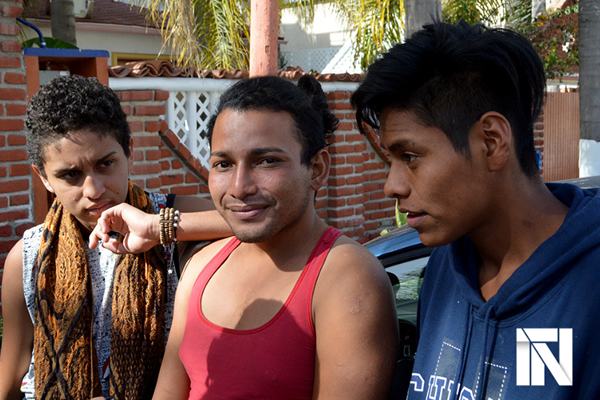
La caravana LGBTI+ arribó el pasado domingo 11 de noviembre a Tijuana, México. (Foto de Yariel Valdés González/Tremenda Nota)
Sin embargo, el presidente norteamericano Donald Trump ha intentado cerrar todas las puertas de Estados Unidos a los migrantes centroamericanos. El pasado 9 de noviembre el mandatario firmó una orden ejecutiva que prohíbe la entrada al país de forma ilegal por la frontera con México. Si los migrantes centroamericanos accedieran a la nación del norte a través puntos de entrada no autorizados, serían arrestados y perderían el derecho de permanecer en el país o solicitar asilo.
A finales de octubre el gobierno norteamericano anunció el despliegue de 5.200 militares en la frontera con México. Aunque Trump no mostró ninguna prueba aseguró en la red social Twitter que las caravanas “también están formadas por algunos matones y pandilleros muy malos.” En otro de sus tweets amenazó a los migrantes: “¡Esta es una invasión de nuestro país y nuestro ejército te está esperando!”
Unos son más iguales que otros
Durante el trayecto, los integrantes LGBTI+ de la caravana caminaron a la par de sus compatriotas hondureños, salvadoreños y guatemaltecos. Cruzaron a nado los mismos ríos, atravesaron las mismas cercas fronterizas, durmieron bajo la intemperie común, padecieron el mismo frío y la misma hambre. Sin embargo, su condición de personas LGBTI+ provocó que fueran discriminados por sus propios compañeros.
“No me esperaba eso de ellos porque todos somos migrantes y veníamos juntos. Pensé que teníamos que apoyarnos,” denunció la salvadoreña Noe Alvarenga.
“Como somos la comunidad más vulnerable — acota Loly — hemos sufrido la violencia, el machismo que viene dentro de esa caravana. Hemos sido mal vistos, nos gritan cosas.”
La antropóloga social Marta García Ortega, investigadora del Colegio de la Frontera Sur de México, coincide en que dentro del conjunto de migrantes, la comunidad LGBTI+ es particularmente vulnerable, “porque no solo están solicitando un derecho al asilo, también están en mayor riesgo, y requieren atención especial, como las mujeres.”
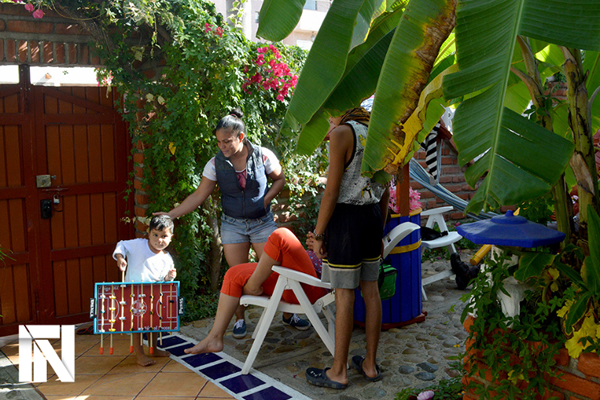
Varios niños se cuentan en la caravana que alcanzó la localidad Playas de Tijuana, a orillas de la frontera norteamericana. (Foto de Yariel Valdés González/Tremenda Nota)
En efecto, la discriminación, la homofobia, la violencia y los crímenes de odio lanzaron a Loly Méndez, Kecha Cataleya, Noe Alvarenga y César Mejías a un camino de miles de kilómetros, desde sus países natales hasta la frontera norteamericana.
“Vivir como yo deseo vivir, siendo lo que soy, sin que nadie me discrimine, sin necesidad de ocultarme, sin que vengan unos maleantes a la vuelta de la esquina y me golpeen…Eso es lo que quiero,” confiesa Mejías.
El recorrido, sin embargo, no termina en la frontera estadounidense. Ahí deberán emprender otra “caminata” por el sistema legal norteamericano.
Las caravanas que en pocos días tocarán las puertas de Estados Unidos han inaugurado un proceso sin precedentes en la historia reciente de las migraciones forzadas, cree la investigadora Marta García Ortega. “Esto ya no es solo un movimiento de éxodo, es un movimiento por los derechos sociales, por los derechos civiles, por el derecho a migrar.”
District of Columbia
D.C.’s LGBTQ homeless facilities face possible hit from Trump funding cuts
38 percent of homeless youth identify as LGBTQ, up from 2025
(Editor’s note: This article is part of our 2026 contribution to the D.C. Homeless Crisis Reporting Project in collaboration with other local newsrooms. The collective works will be published throughout the week at bit.ly/DCHCRP.)
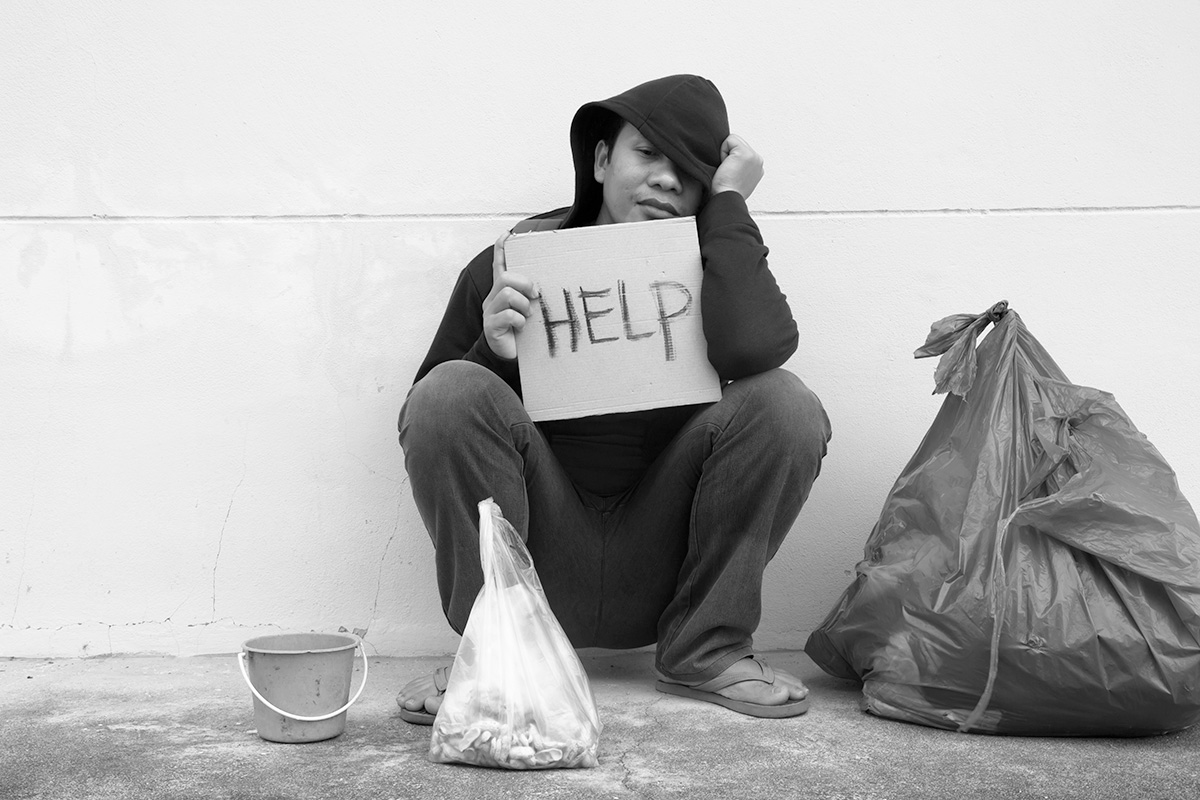
A decision by President Trump’s administration to eliminate most federal funding for community-based programs to place homeless people in permanent subsidized housing could have a severe adverse impact on LGBTQ people facing homelessness in D.C., according to local advocates.
Officials with organizations that provide services for homeless people in the D.C. area and nationally have pointed to an executive order issued by Trump last year that calls for ending federal support for so-called “Housing First” programs that arrange for permanent subsidized housing for homeless people. The officials note that Trump’s proposed fiscal year 2027 budget calls for eliminating funding for the Housing First programs.
Advocates for programs providing support for homeless people note that ending federal funding for permanent housing for homeless people will — and in some cases already has — resulted in occupants of homeless shelters and short-term transitional housing facilities remaining in those facilities far longer than in the past, preventing openings for others who need housing.
A lawsuit filed by several states and homeless advocacy organizations, including the D.C.-based National Alliance To End Homelessness, to block the Trump efforts to cut off those funds has temporarily delayed some of the funding cuts. A decision in August by a federal judge in Rhode Island declared the Trump action a violation of a federal law for failing to open the proposal for the funding cuts to public comment before putting it in place.
Court records show the U.S. Department of Housing and Urban Development (HUD), which provides the federal funding for homeless related programs, appealed the lower court ruling and an appeals court reversed the ruling pending further appeal by the parties that filed the lawsuit.
At least two of the five D.C. organizations that provide housing for homeless LGBTQ youth have said their funding so far has not been cut due to the Trump actions.
Cesar Toledo, executive director of the Wanda Alston Foundation, which currently provides transitional housing for 20 LGBTQ homeless youth, said his organization receives local D.C. government funding but no federal funding so his group has so far not been impacted by the Trump action.
Debby Shore, executive director of the Sasha Bruce Youthwork organization that provides housing for young people ages 18-24, including some LGBTQ youth, said her organization also had not yet been impacted but it could be impacted soon.
“We have not had that funding cut,” she told the Washington Blade. “What we understand is if HUD is allowed to go through with those changes, then we will,” she said. “Because we have one of our programs that’s funded directly by HUD,” which she said could be considered the type of “long term” housing that HUD wants to cut.
A spokesperson for the local LGBTQ youth advocacy organization SMYAL, which currently provides housing for 55 homeless LGBTQ youth according to its website, didn’t immediately respond to a Blade inquiry into whether they have been impacted by the Trump actions. Toledo of the Alston Foundation said he understood that SMYAL has received federal funding for its homeless program.
At least two other D.C. organizations that provide housing for homeless youth, including some LGBTQ youth – Covenant House and the Latin American Youth Center – also couldn’t immediately be reached for comment on whether they have been impacted by the Trump funding cuts.
The city’s only shelter for homeless LGBTQ adults, which is operated by the D.C. Department of Human Services and is D.C. funded, has not been immediately impacted by the Trump funding cuts, according to a DHS statement sent to the Washington Blade in response to a Blade inquiry. Called Living Life Alternative, the low-barrier shelter accommodates 40 individuals, the statement says.
It says DHS receives federal funding for its homeless services programs, and it was awaiting HUD approval for its annual federal funding grant for the city’s Permanent Supportive Housing program for homeless residents. It says the current funding for that program expires Jan. 31, 2027.
According to the statement, a separate federal grant DHS receives from HUD for homeless assistance services was approved for next year but included “a slight reduction in funding of $22,808.”
The annual 2026 Point-In-Time (PIT) count of homeless people in D.C., conducted in January, recorded a total of 5,363 people who were homeless, a 4 percent increase over the previous year.
The PIT count report shows 424 adults, or 12 percent of the adults counted, identified as members of the LGBTQ community, a slight increase over the 11.7 percent of homeless LGBTQ people counted in 2025. It shows that 38 percent of “Transition Age Youth” ages 18-24 identified as LGBTQ, an increase of one percent over the 37 percent of LGBTQ youth counted in 2025.
The Trump administration through HUD has said it supports housing for homeless people that lasts no more than two years and participants should be required to get treatment for the mental illness and substance use disorders such as drug addiction and alcoholism that many homeless people suffer from.
The Washington Post has cited studies showing that up to two-thirds of homeless people have a mental illness and two in five have a substance use disorder.
“Housing First has failed our most vulnerable and enabled addiction,” the Post quoted HUD saying in an email message. “HUD’s proposed reforms seek to address the root cause of homelessness and advance recovery, self-sufficiency, and competition that drives accountability,” the Post quoted the HUD statement as saying.
Shore, director of Sasha Bruce Youthwork, disputes that assessment, saying treatment for disorders should not be a replacement for longer term housing programs, which she said improves the outcome of treatments for disorders.
“I think the idea of putting more services in place – I don’t have any problem with that,” she said. “But suggesting that you do that in exchange for longer term supports for people does not seem to be the right way to go.”
Federal Government
Bessent says Trump chose him for his qualifications, not his sexuality
Treasury Secretary Scott Bessent talked with Axios about his sexuality — and how it played no role in his nomination for the position.
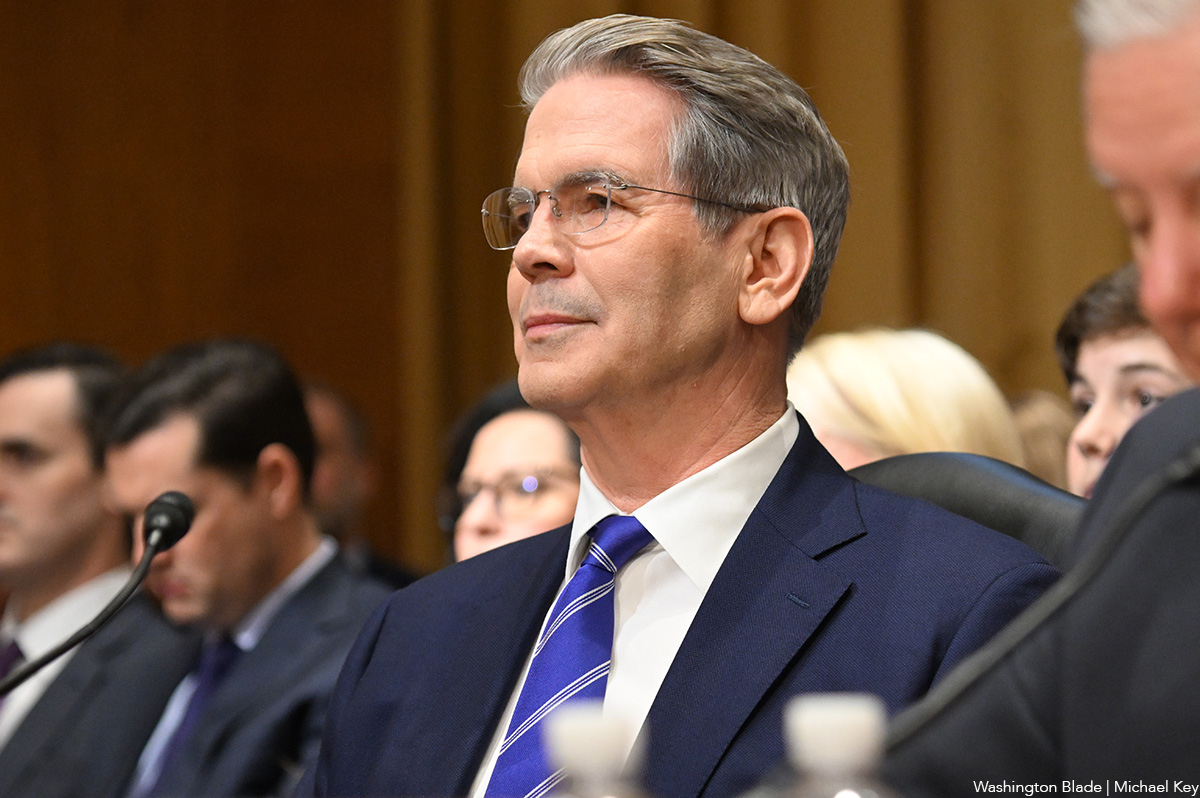
Treasury Secretary Scott Bessent participated in an interview in which he said his sexuality had no impact on the president’s selection of him.
On Sunday, Axios co-founder Mike Allen interviewed Secretary Bessent, the 79th person to lead the Treasury Department, in the “Cash Room” in the Treasury building. The two talked for more than 40 minutes about issues related to the current administration’s efforts for Axios’s YouTube channel.
Bessent has been something of an anomaly during this administration, breaking what many consider the “gay glass ceiling.” He is the first openly gay person to lead the U.S. Treasury Department, the first openly gay Senate-confirmed Cabinet member in a Republican administration, and the highest-ranking LGBTQ government official in U.S. history.
The two covered various ground — about the state of the U.S. economy, the various AI approaches by the Trump administration, and the war in Iran. All things that have made President Trump’s constant appraisal of the U.S. economy difficult to sell to the American people as the affordability crisis has worsened.
Toward the end of the interview, Allen asked Bessent about deciding not to attend the U.S. Naval Academy, knowing his sexuality would be a hindrance, and instead attending Yale University. Allen asked if his choice to attend the Ivy League school held him back in life.
“I don’t think it did at all, and it’s very difficult to talk about the counterfactual… but I don’t think going to Yale held me back,” Bessent said. “Maybe some people at other schools would think it might. But I think it makes you aware, and I’ve openly spoken about it before, too. I think maybe some of my career choices were influenced by it.”
The U.S. Naval Academy only began allowing openly LGBTQ students to apply — and be open about their sexuality — following the 2011 repeal of “Don’t Ask, Don’t Tell.” Prior to the policy’s removal, students could be removed from the school for violating the rules, including rules related to their sexuality.
“You said President Trump chose me because he believes I’m the best candidate, not because of my sexual preference or your green eyes…,” Allen said.
“Exactly,” Bessent replied. “And I think that’s one of the reasons we have such a great team. The president makes his decisions all the time. You know, he’ll occasionally tell me, ‘You’re breaking my friends’ hearts.’ They see you on TV and they want an intro, and we have to break the news to them.”
Bessent has been married to former New York prosecutor John Freeman since 2011, and they have lived together in South Carolina. There, they had two children through surrogacy.
Despite being a member of the LGBTQ community, Bessent has publicly supported Trump’s policies, including some that have drawn criticism from LGBTQ advocates and organizations. These include reductions to PEPFAR funding, policies removing transgender service members from the military, recognizing only two sexes, removing LGBTQ protections from Title IX, and other policies that LGBTQ advocates argue come at the cost of LGBTQ safety and protections.
The Washington Blade has reached out to the Treasury Department and Secretary Bessent’s team for comment and responses to these questions, including questions about how he views his identity and sexuality in relation to — and potentially at odds with — the policies and mission of the current administration. The Blade did not receive a response by publication time.
Central America
Alianza para la Inclusión fortalece la defensa de derechos LGBTQ en Centroamérica
Se implementa el proyecto en Guatemala, El Salvador y Honduras
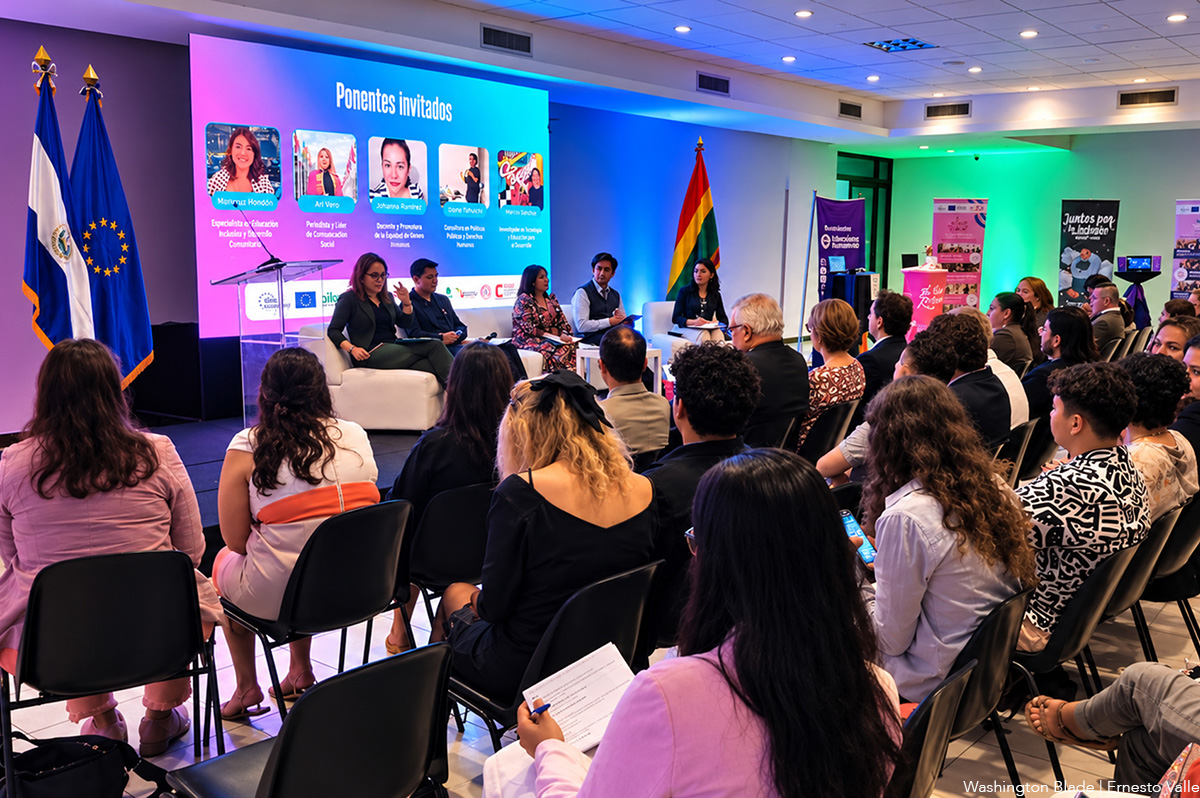
Promover, proteger y defender los derechos humanos de las personas LGBTQ en Centroamérica es el propósito del proyecto “Alianza para la Inclusión: hacia la promoción de derechos LGBTIQ+ en Centroamérica”, una iniciativa subvencionada por la Unión Europea, Global Gateway, Oikos Cooperação e Desenvolvimento y Camões — Instituto da Cooperação e da Língua, que articula esfuerzos en Guatemala, El Salvador y Honduras.
El proyecto, cuya implementación se desarrolla entre 2025 y 2028, busca fortalecer a organizaciones, liderazgos comunitarios y redes regionales frente a contextos marcados por la discriminación, la violencia y la reducción del espacio cívico.
A través de procesos de formación, atención integral, protección, fortalecimiento organizativo, incidencia y articulación regional, la iniciativa procura generar condiciones más seguras y dignas para que las personas LGBTQ puedan ejercer plenamente sus derechos.
Formación y fortalecimiento de liderazgos
Durante los primeros 18 meses de ejecución, el proyecto ha desarrollado acciones de formación y acompañamiento, otorgado subvenciones a colectivos comunitarios, impulsado estrategias de seguridad integral y respaldado procesos regionales de articulación e incidencia.
Uno de los resultados reportados es la participación de 489 personas LGBTQ de Guatemala, El Salvador y Honduras en procesos formativos relacionados con la desnaturalización de la violencia, organización e incidencia. Asimismo, 41 personas líderes LGBTQ de El Salvador y Guatemala fortalecieron sus capacidades para la formulación de proyectos.
Para Pedro Campos, coordinador de Oikos — Cooperação e Desenvolvimento en El Salvador, estos procesos tienen una dimensión que trasciende lo técnico.
“Desde hoy estamos cada día más convencidas y convencidos de que la gestión de proyectos más que técnica o administrativa es esencialmente humana. Nunca debemos olvidar que la persona en toda su diversidad es el centro de nuestro quehacer. Y si un día la empatía y el amor nos abandonan, habremos perdido la esencia de nuestro trabajo”.
La formación también ha significado una oportunidad para fortalecer liderazgos comunitarios. Josh Hernández, persona no binaria y codirectore de Espacios Seguros El Salvador, destaca el impacto que tuvo su participación.
“Esta experiencia me ha fortalecido como activista y como parte de una organización comunitaria, y me ha permitido ampliar mi visión y soñar con nuevas actividades que contribuyan a construir una cultura de paz en nuestra sociedad salvadoreña”, comenta Hernández.
Atención integral para personas LGBTQ en situación de vulnerabilidad
En El Salvador, uno de los componentes del proyecto se ha enfocado en brindar atención integral a personas que enfrentan situaciones de violencia, discriminación o vulnerabilidad.
A través de COMCAVIS TRANS, el proyecto permitió atender a 128 personas, mediante servicios psicosociales, legales y de resguardo temporal en su albergue.
La atención incluyó orientación para activar mecanismos de denuncia y medidas de protección, además de contención emocional, manejo de crisis y acompañamiento para la estabilización de condiciones básicas.
La experiencia también se ha extendido a Honduras. Loren López, directora ejecutiva de la Asociación de Mujeres Lesbianas y Bisexuales LITOS, resaltó el valor de generar espacios seguros para mujeres lesbianas, bisexuales y personas LTBQ (lesbianas, trans, bisexuales y queer).
“Me quedo con la satisfacción de haber contribuido a crear espacios donde una mujer LTBQ+ pueda sentirse segura, escuchada y reconocida, sin tener que esconder quién es. Esta experiencia fortaleció a LITOS y nos dejó nuevas herramientas y posibilidades para seguir trabajando por los derechos y la eliminación de la discriminación”, agrega López.
La seguridad integral como herramienta de protección
En contextos donde quienes defienden derechos pueden enfrentar diferentes tipos de riesgos, el proyecto ha incorporado la seguridad integral como un componente fundamental.
Durante 2026, 140 personas LGBTQ pertenecientes a seis organizaciones participaron en procesos de formación sobre seguridad integral, abordando dimensiones físicas, digitales y emocionales.
Como resultado, seis organizaciones elaboraron y consolidaron sus propios planes de seguridad integral, incorporando medidas de prevención y respuesta ante riesgos físicos y digitales, con especial énfasis en la protección de información sensible, el uso seguro de plataformas digitales y la gestión de incidentes en entornos virtuales.
Incidencia para transformar políticas y garantizar derechos
La iniciativa también ha acompañado procesos de incidencia y litigio estratégico en Guatemala.
La Asociación LAMBDA, junto con la Comisión Presidencial por la Paz y los Derechos Humanos (COPADEH), acompañó una consulta nacional con personas LGBTQ para contribuir a la elaboración de una Estrategia Nacional para las personas LGBTQ, cuyo proceso se encontraba en elaboración y cuya aprobación se esperaba para finales de 2026.
Asimismo, en julio de 2026 fue presentada ante la Corte Constitucional de Guatemala una acción de inconstitucionalidad como parte de una estrategia nacional de litigio estratégico orientada a la aprobación del matrimonio igualitario. Al cierre de la actualización de resultados de este año, el proceso permanecía pendiente de resolución.
El acompañamiento jurídico también ha permitido apoyar procesos individuales relacionados con el reconocimiento de la identidad.
Uno de estos casos es el de Paula Escobar, mujer trans guatemalteca acompañada por LAMBDA en el proceso de cambio de nombre en sus documentos de identidad.
“Ha sido el paso más grande de mi vida, pues me libró de momentos incómodos y de dar explicaciones para ser reconocida como la mujer que soy”.
De acuerdo con el testimonio, la organización se encargó de la gestión legal y aproximadamente seis meses después obtuvo una respuesta favorable.
Redes regionales para ampliar el alcance de la defensa de derechos
La articulación regional constituye otro de los componentes del proyecto. La iniciativa ha apoyado a redes latinoamericanas que buscan fortalecer y posicionar el trabajo de organizaciones LGBTQ.
Entre ellas se encuentra la Alianza Centroamericana y del Caribe de Hombres Trans, que articula organizaciones y personas transmasculinas de Guatemala, El Salvador, Honduras, Costa Rica y Panamá.
Durante su primer año, ALICAHT desarrolló su Plan Estratégico y Reglamento Interno 2025-2030, además de su identidad gráfica y sitio web.
Otro proceso regional respaldado fue el III Congreso Regional de CORPORA en Libertad, realizado en Guatemala en diciembre de 2025. El encuentro reunió esfuerzos orientados a fortalecer la defensa, promoción y garantía de los derechos humanos de las personas LGBTQ privadas y exprivadas de libertad en América Latina y el Caribe.
El espacio permitió fortalecer la articulación regional y compartir experiencias y estrategias frente a los desafíos que enfrentan las personas LGBTQ dentro y fuera de los sistemas penitenciarios.
Ari Vera, fundadora de CORPORA, ha destacado la importancia del trabajo en red como una herramienta para generar transformaciones y fortalecer las capacidades colectivas.
Inclusión más allá de las palabras
Durante el Foro “El Impacto de Incluir”, uno de los planteamientos centrales fue que la inclusión requiere transformaciones concretas y no únicamente el uso de conceptos o siglas.
Jason García, técnico PMA de Monitoreo, Evaluación y Aprendizaje para Oikos El Salvador, señaló una de las barreras que persisten en los proyectos. “Una de las barreras en los proyectos es que son binarios y no se reconocen las otras identidades”.
Desde esta perspectiva, un proyecto inclusivo no se limita a utilizar la palabra inclusión o incorporar las siglas LGBTQ, sino que requiere revisar prácticas, metodologías, mecanismos de participación y formas de reconocer la diversidad.
Como parte de este proceso también se preparó una guía práctica que sistematiza instrumentos y mecanismos del Sistema Internacional de Derechos Humanos, destacando su importancia histórica en la ampliación y protección de derechos.
La compilación fue presentada en la X Conferencia de la Red ILGA LAC y en el 18º Encuentro de la Red Centroamericana de Intercambio Académico en Derechos Internacionales, realizado en la Universidad de El Salvador.
Cooperación centrada en las personas
Los resultados alcanzados durante los primeros 18 meses reflejan una estrategia que combina formación, atención directa, protección, fortalecimiento institucional, incidencia y construcción de redes.
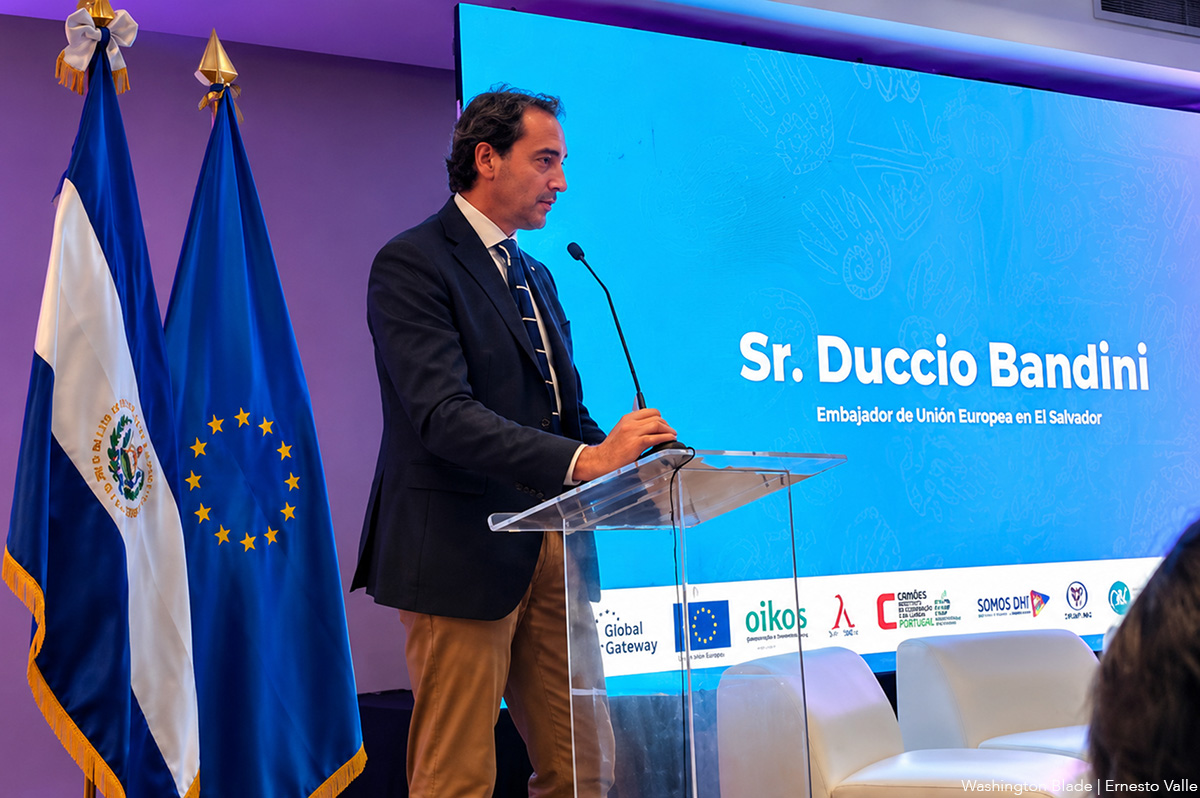
Para la Unión Europea, colocar a las personas en el centro constituye un elemento fundamental de la cooperación. Duccio Bandini, embajador de la Unión Europea en El Salvador, expresó “Desde la Unión Europea seguiremos apostando para una cooperación que pone en el centro a las personas. Porque el verdadero impacto de influir se mide en vidas transformadas, en derechos conquistados y en sociedades que celebran con orgullo su diversidad”.
Con una implementación prevista hasta 2028, la Alianza para la Inclusión continúa articulando organizaciones nacionales y redes latinoamericanas para fortalecer capacidades y generar herramientas que permitan a las personas y organizaciones LGBTQ enfrentar los desafíos de sus contextos y avanzar en la promoción, protección y defensa de los derechos humanos.
Más allá de las cifras y los productos alcanzados, el proyecto coloca en el centro una premisa: la inclusión se construye cuando las personas pueden participar, organizarse, defender sus derechos y vivir su identidad con dignidad y seguridad.

D.C.’s LGBTQ homeless facilities face possible hit from Trump funding cuts

10 years later, we still can’t shake Barry Jenkins’s ‘Moonlight’

‘Some Like It Hot’ a wild ride at renovated Bernard Family Theatre

Bessent says Trump chose him for his qualifications, not his sexuality

Alianza para la Inclusión fortalece la defensa de derechos LGBTQ en Centroamérica

Eliot Glazer’s new book an engaging collection of essays

Learn more about Virginia’s queer history

Equality Chamber hosts Pride in Business Expo and Profits & Pours

Lula, Flávio Bolsonaro to face off in second round of Brazilian presidential election

Engrossing ‘Tip Toe’ delivers tension and an ominous warning
-

 Books3 days ago
Eliot Glazer’s new book an engaging collection of essays
-
Out & About3 days ago
Equality Chamber hosts Pride in Business Expo and Profits & Pours
-
Out & About3 days ago
Learn more about Virginia’s queer history
-
Brazil3 days ago
Lula, Flávio Bolsonaro to face off in second round of Brazilian presidential election