Arts & Entertainment
‘Mary Poppins Returns’ director wants to include LGBT rights movement in new film
Rob Marshall says he’d be ‘all for it’
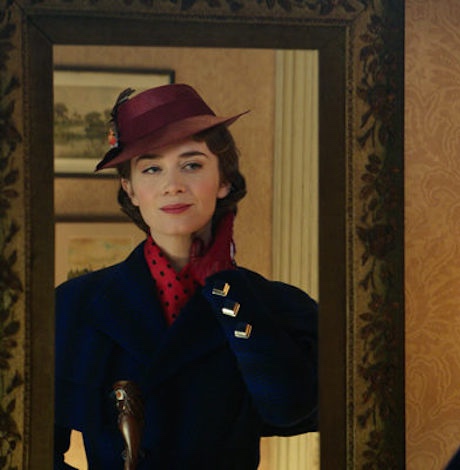
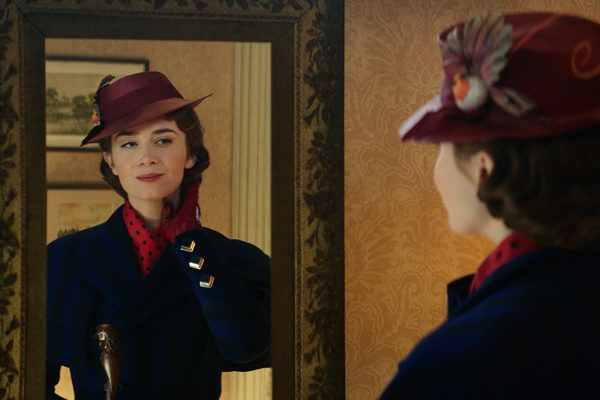
“Mary Poppins Returns” director Rob Marshall would love to include the LGBT rights movement in the third “Mary Poppins” film.
Marshall, who is gay, told the Advocate if he had his way the next “Mary Poppins” film would tackle LGBT rights.
“Wouldn’t that be great?” Marshall says. “Please, Lord. That’s exactly what should be happening. I’m always so aware of that, being a gay man myself. I mean, our movie takes place in the ’30s. But if it were to take place now, that’s exactly what it should be. I understand so deeply what it’s like to be on the outskirts and not feel like you are worthy. And I will say that kind of passion to explore acceptance in life is something that’s so important. And so, yes, I’d be all for that, for sure.”
In “Mary Poppins Returns,” the film featured Jane Banks (Emily Blunt) as a labor organizer. It followed the 1964 original film which included Winifred Banks fighting for women’s voting rights.
“My intention was to create a profound film that deals with loss, that deals with




Photos
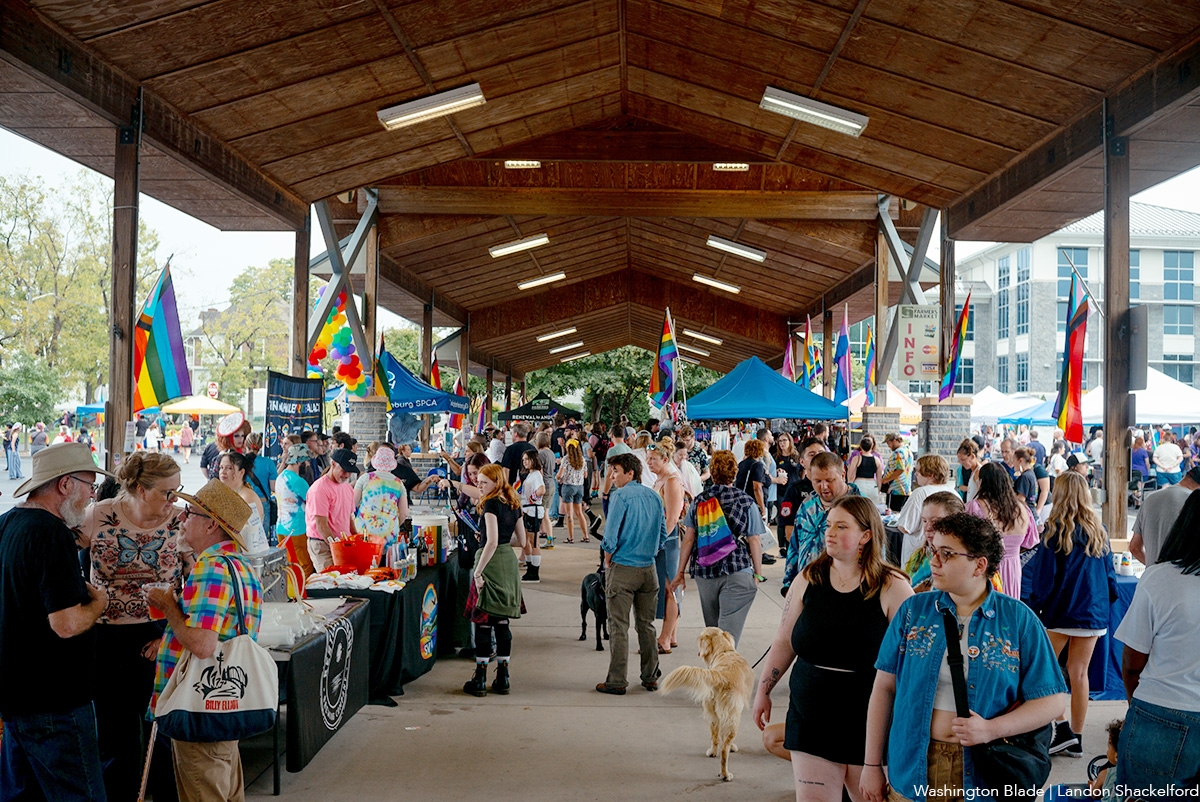
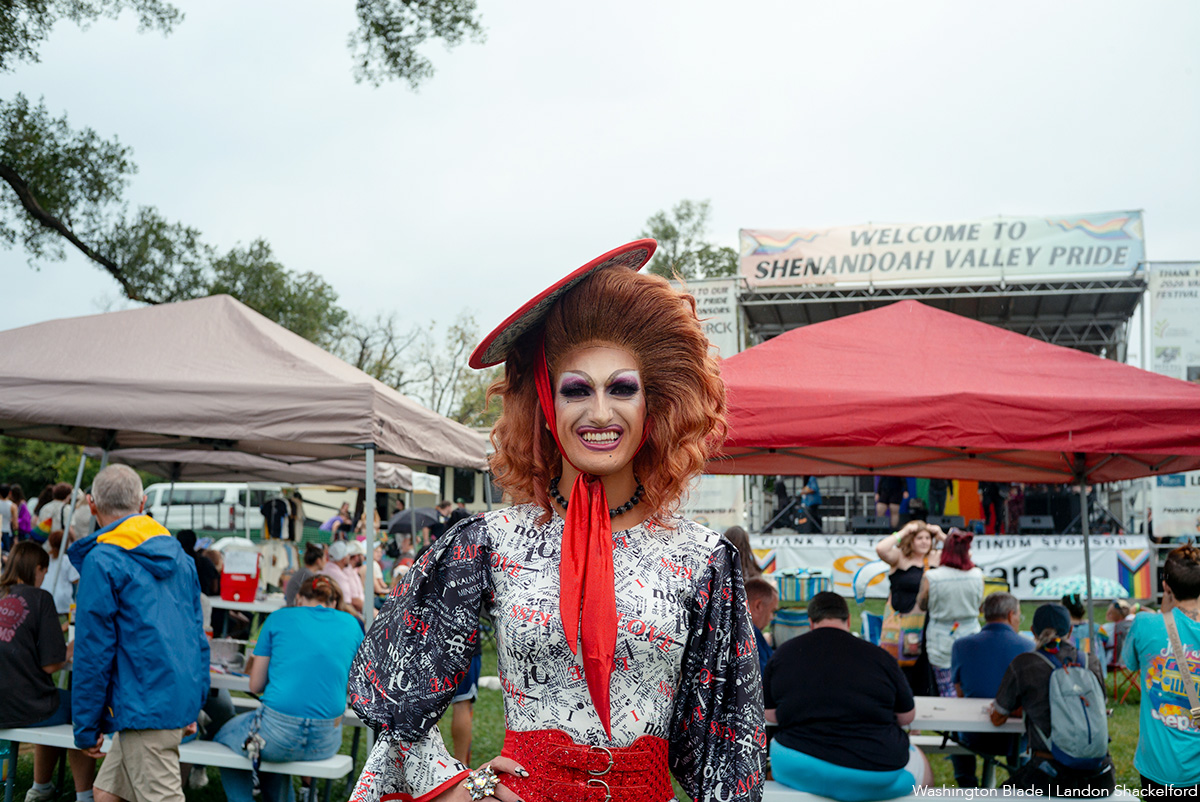
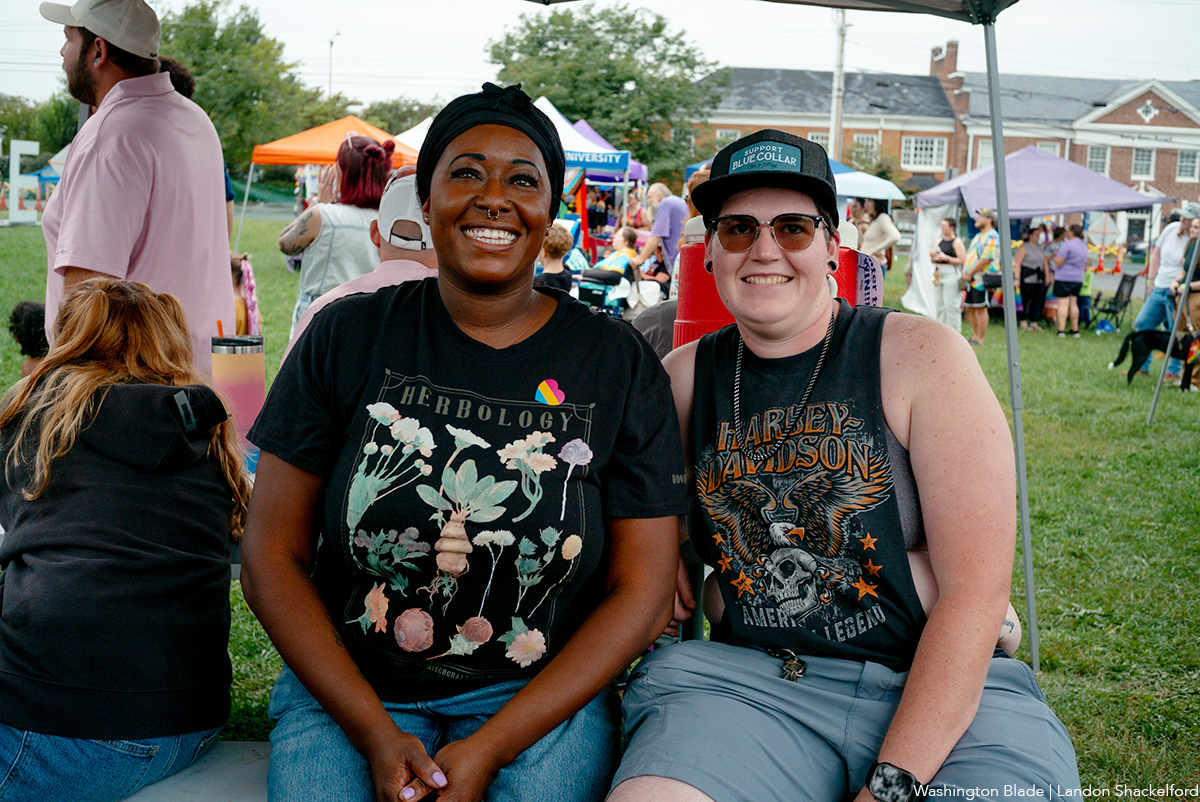
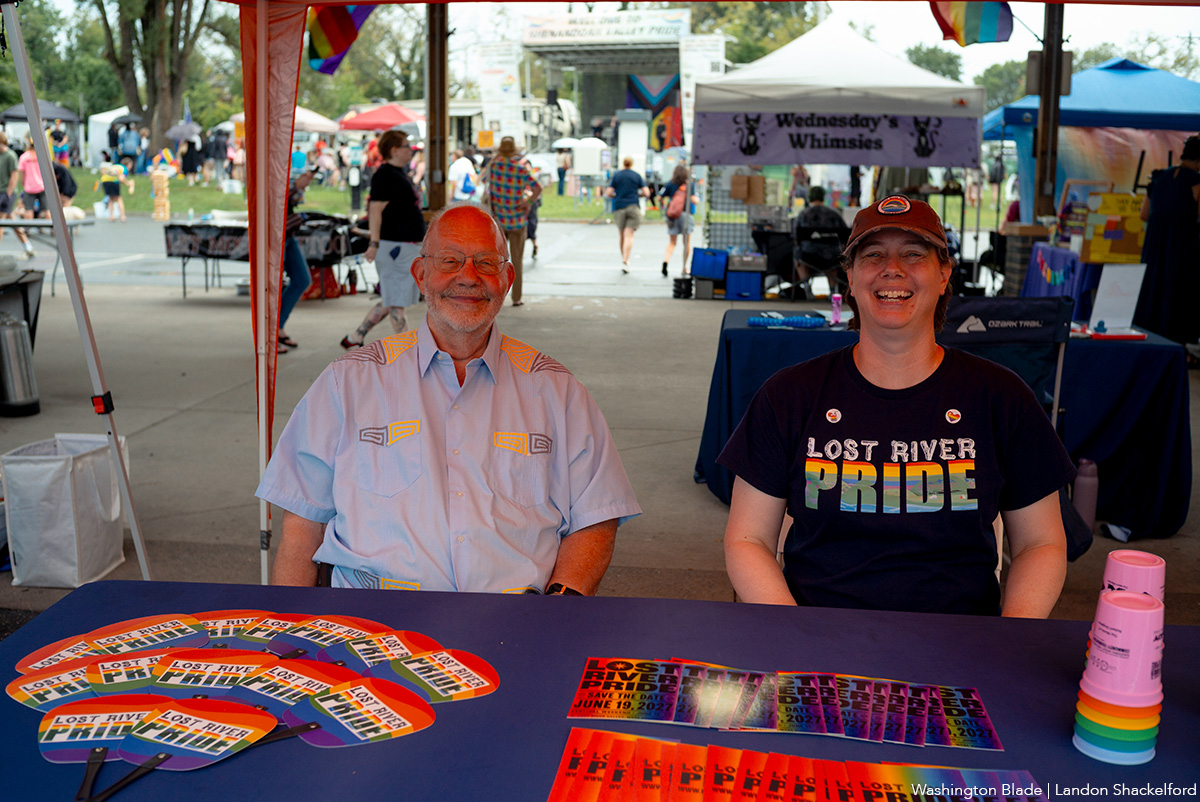
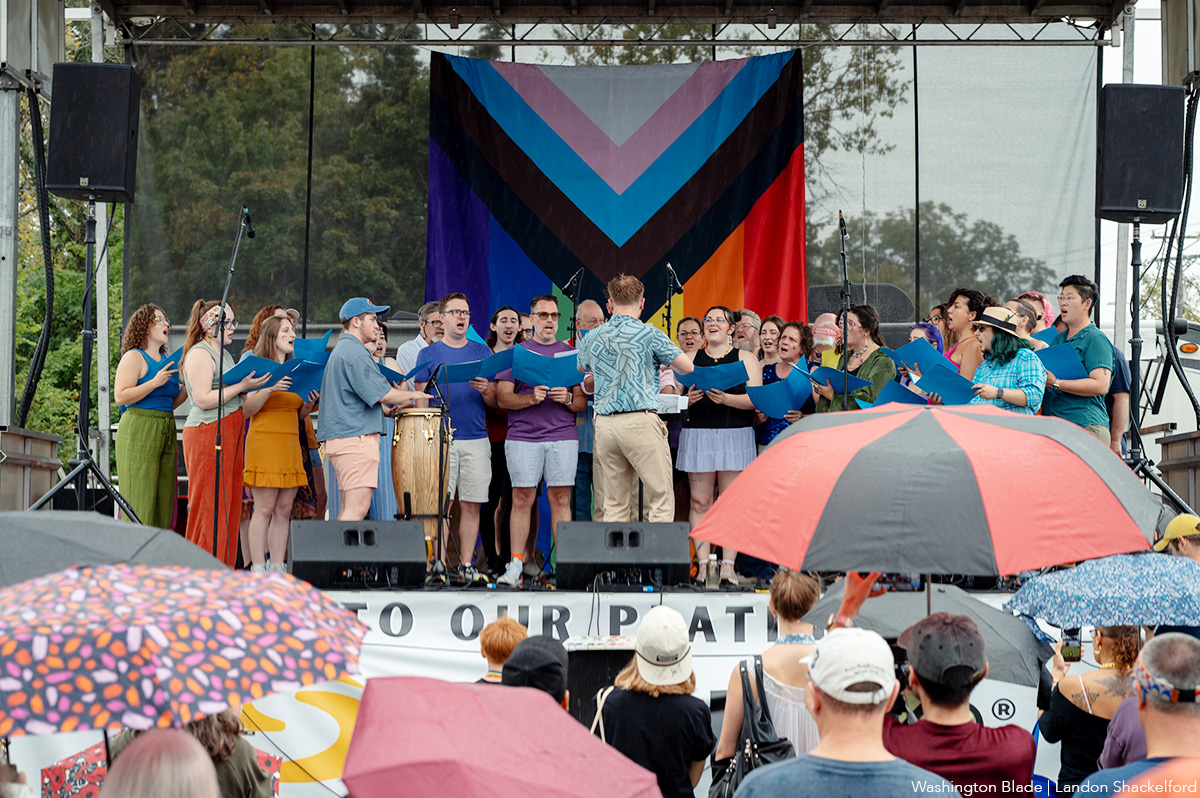
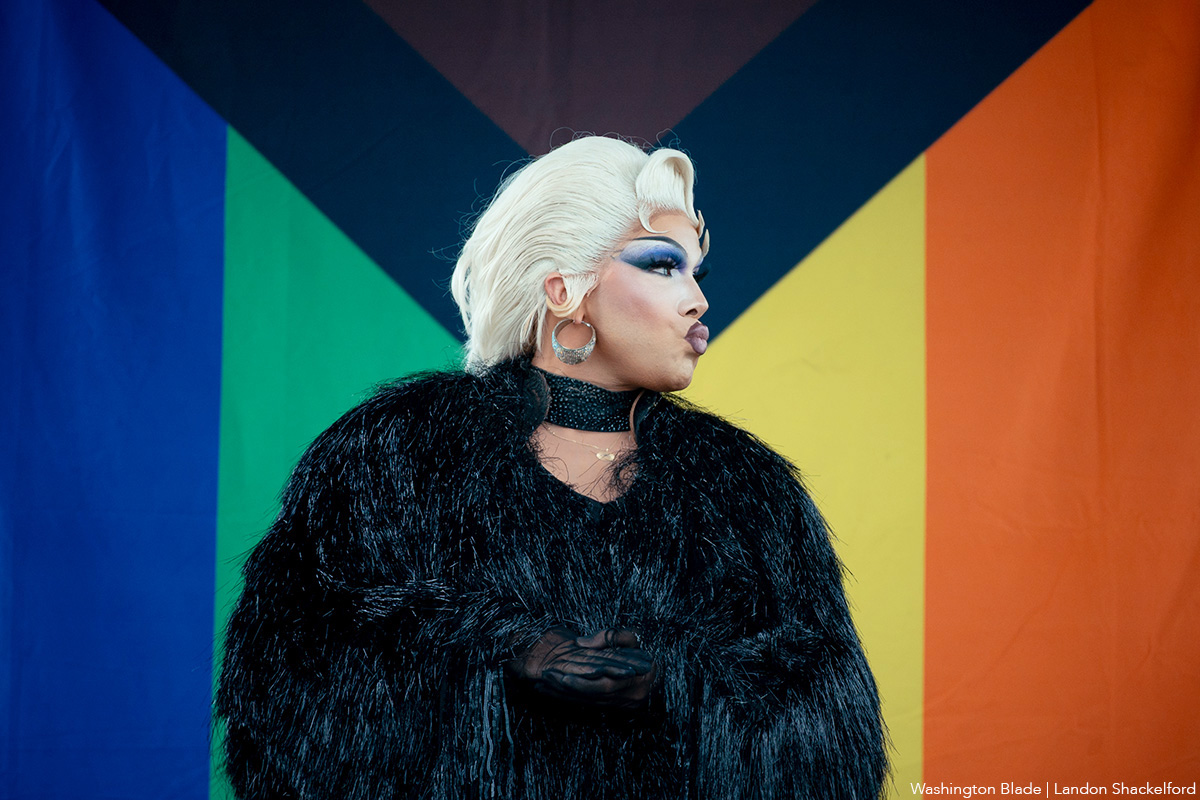
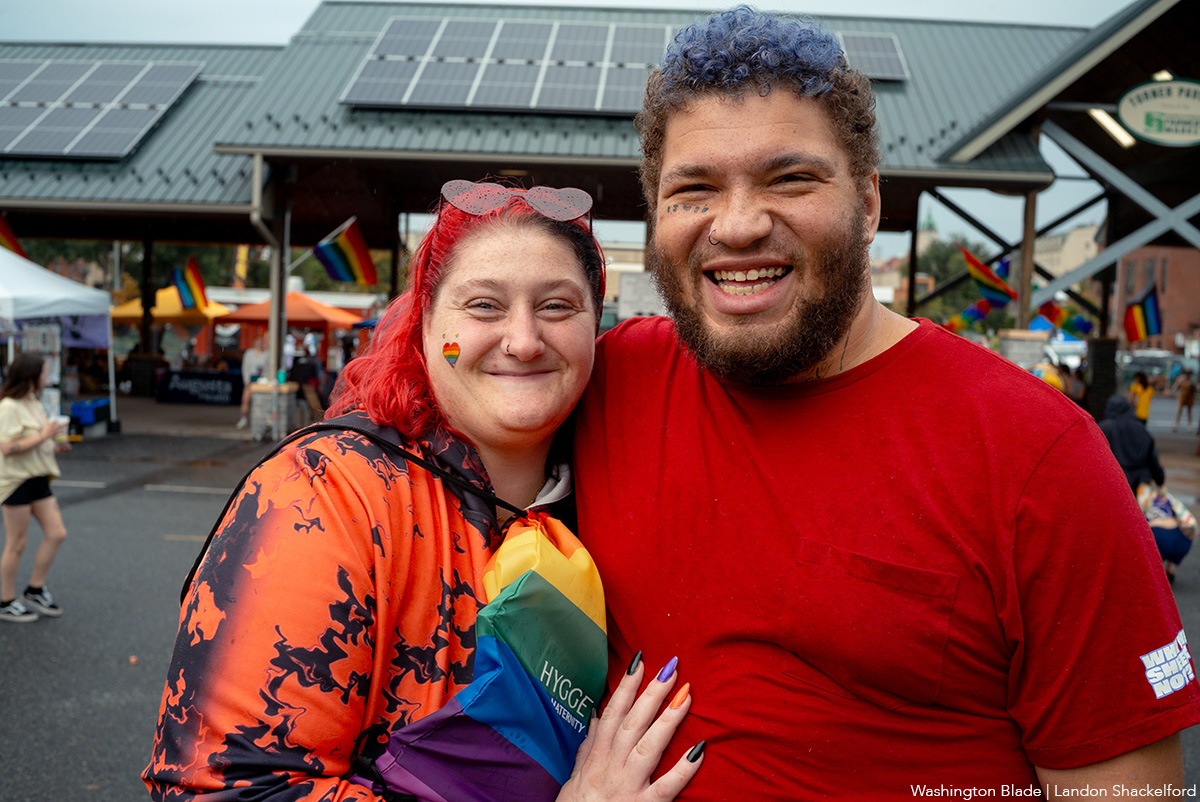
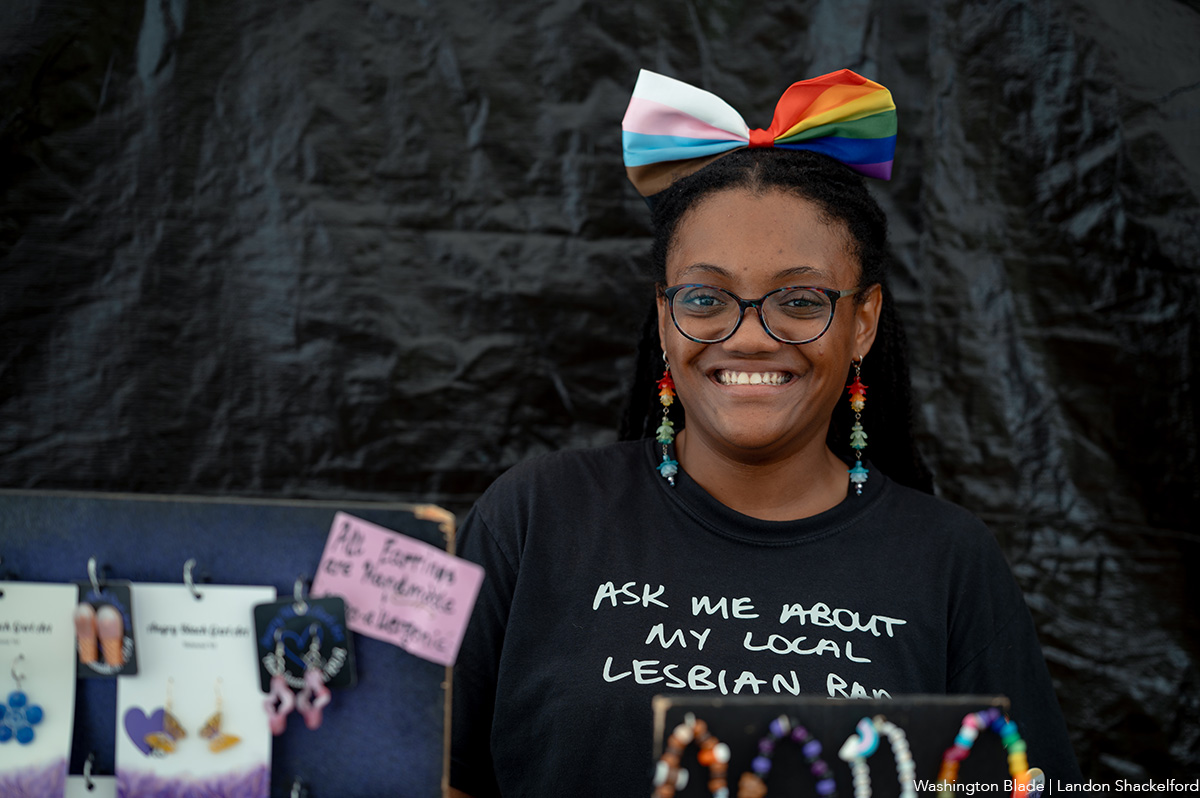
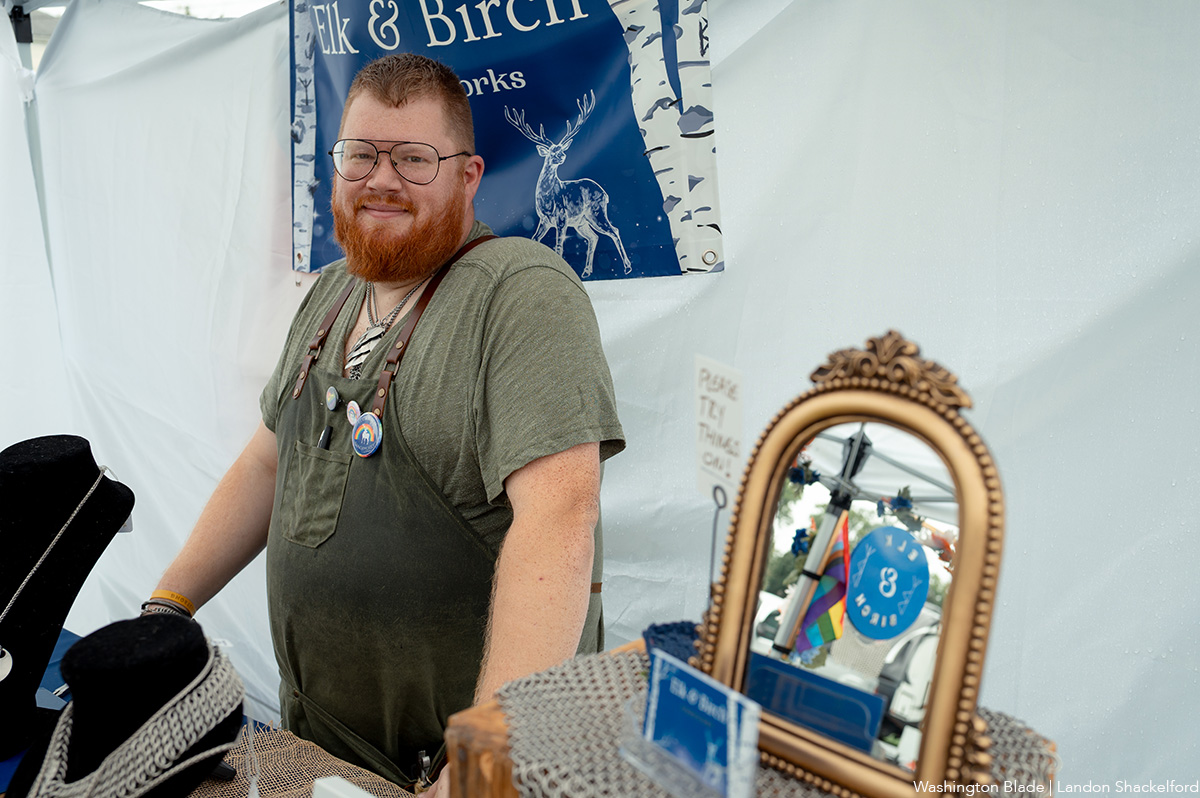
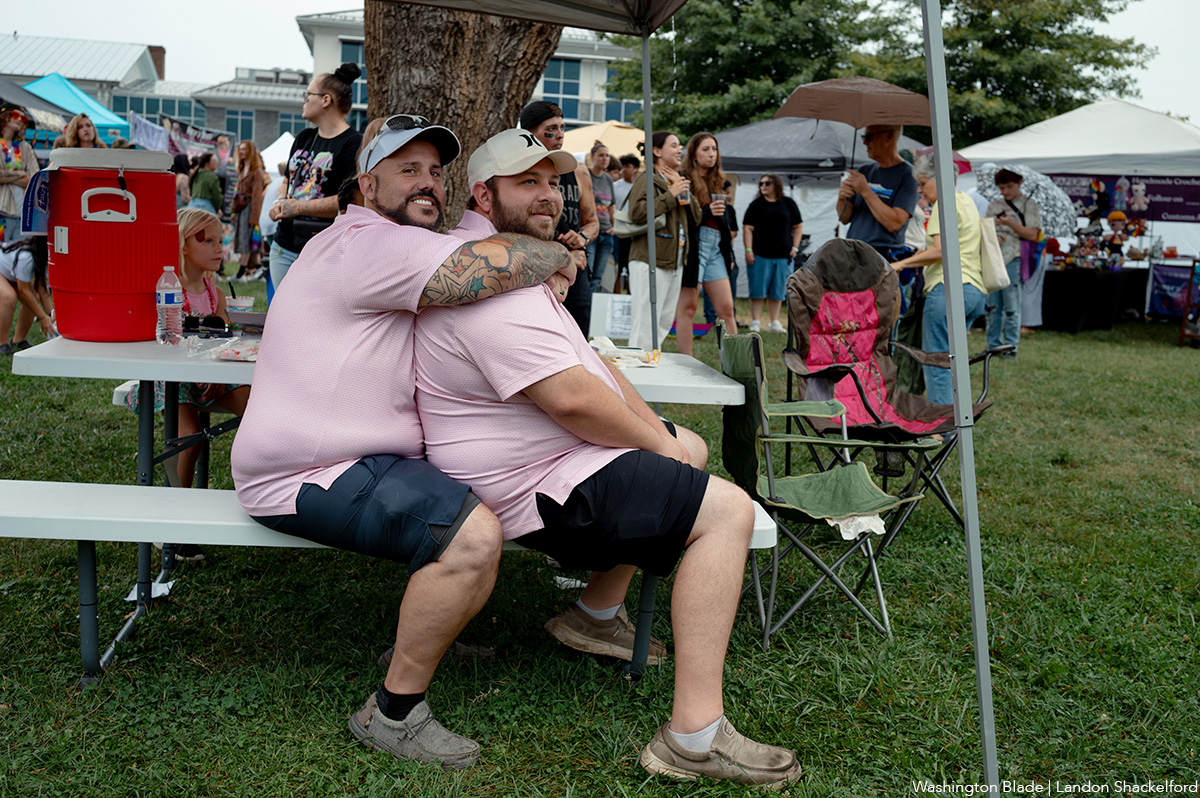
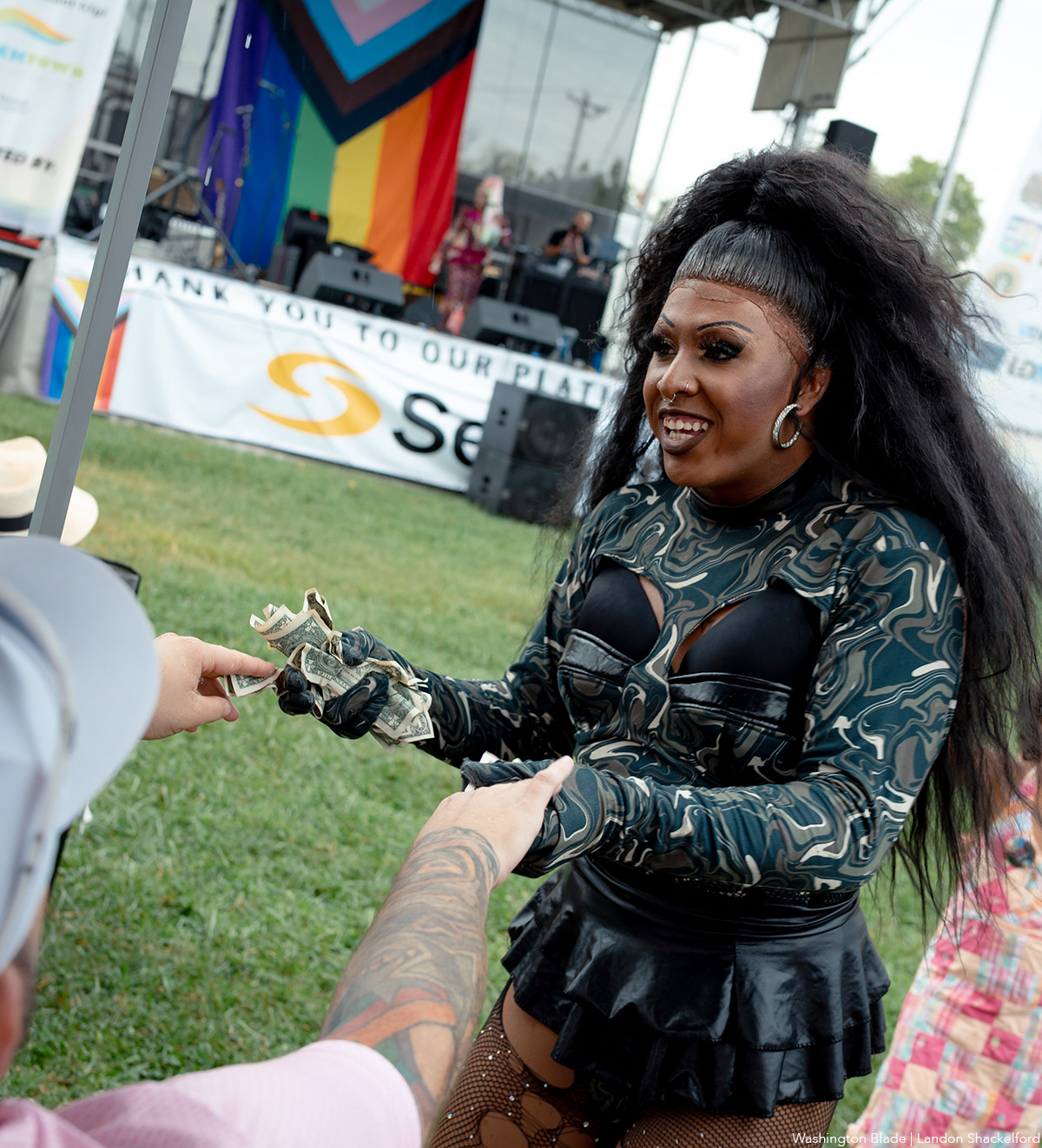
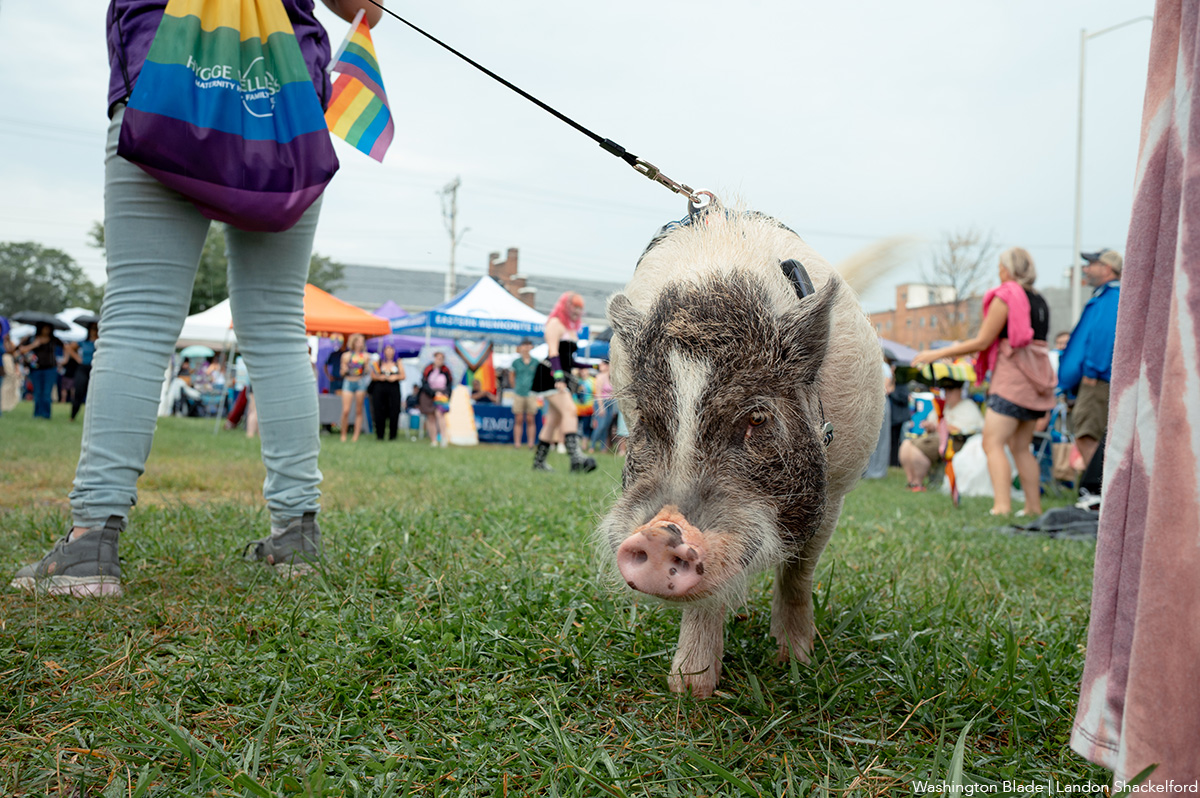
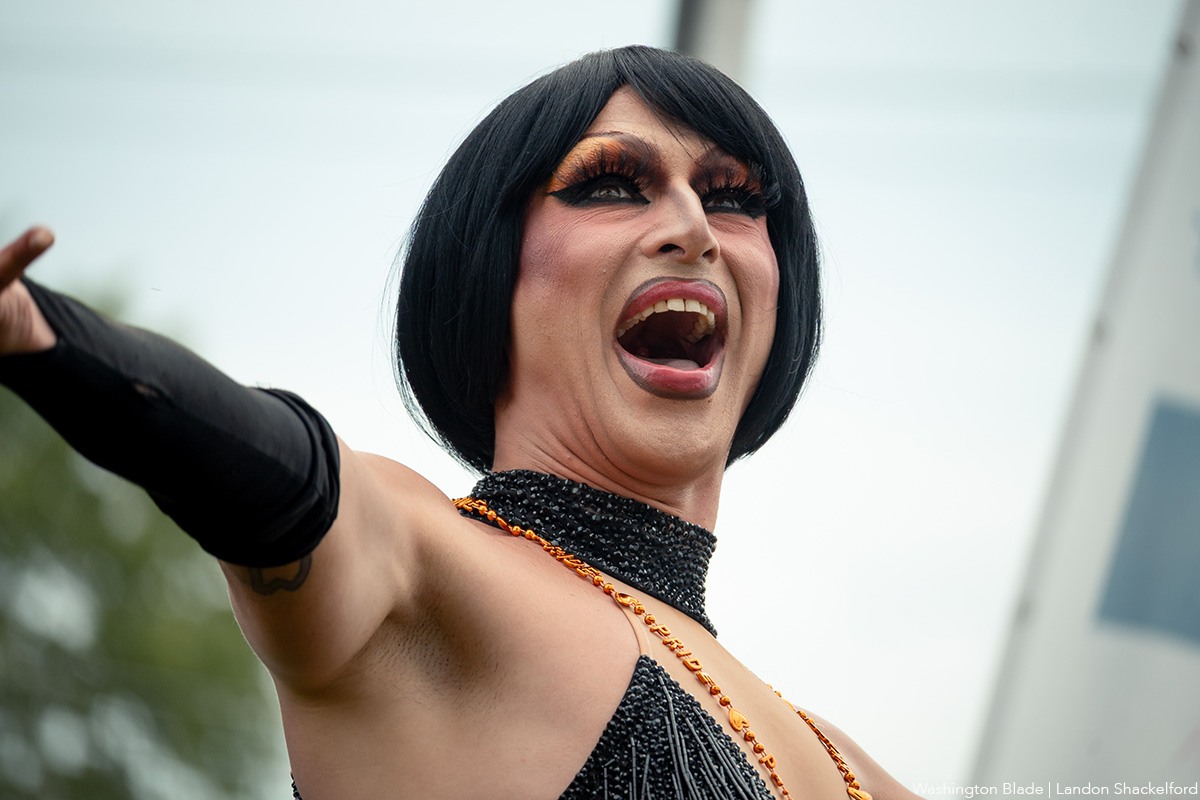
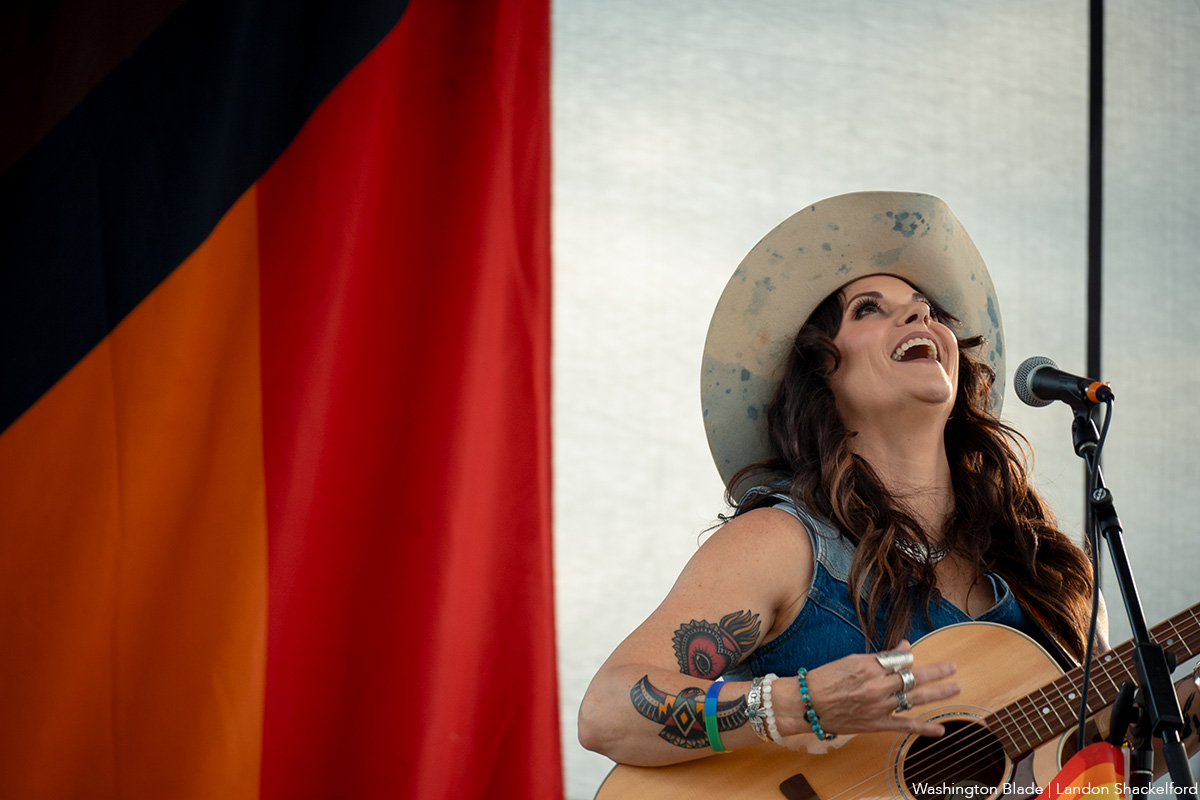
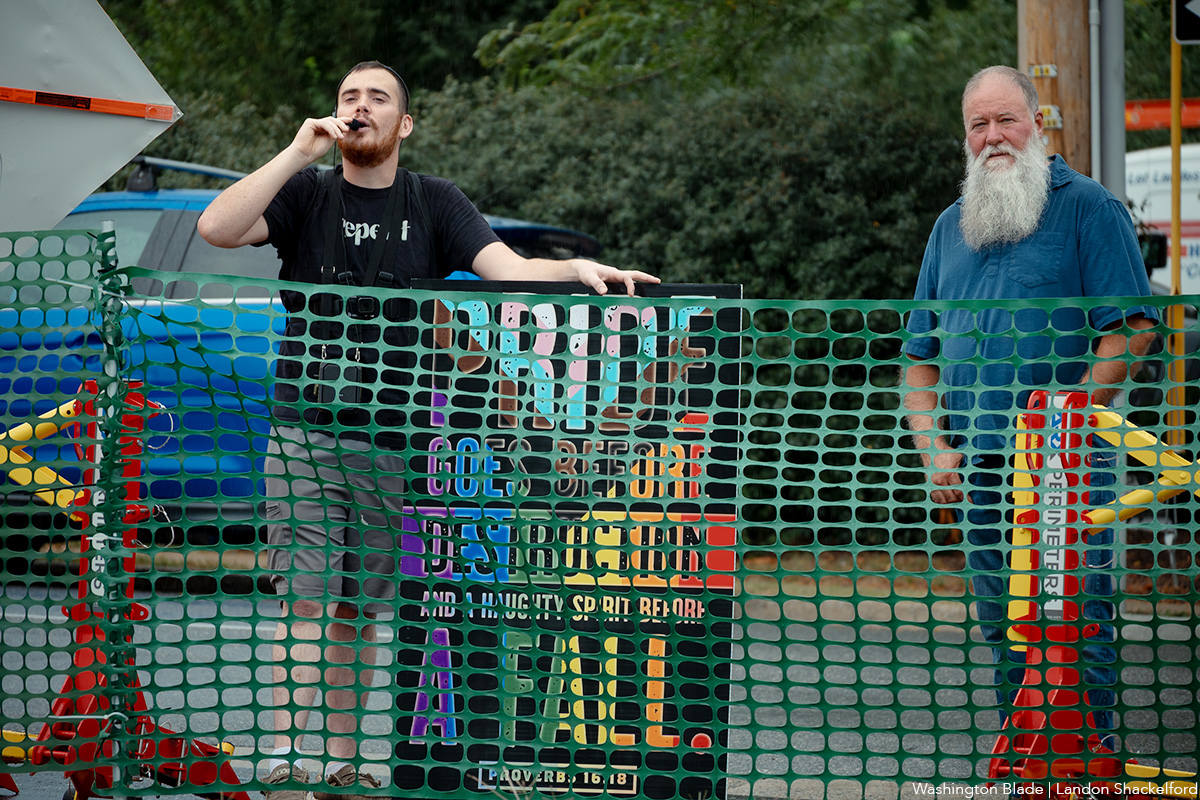
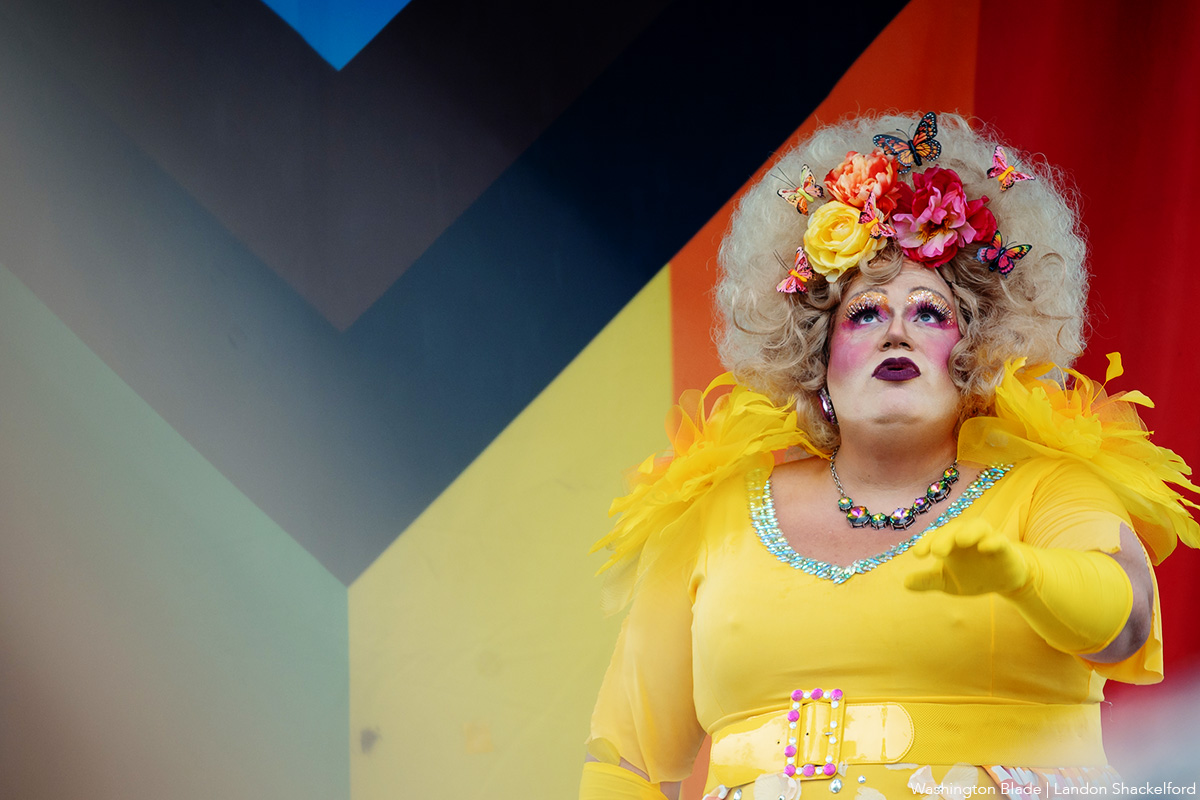
PHOTOS: Shenandoah Valley Pride
LGBTQ celebration held at Turner Pavilion in Harrisonburg, Va.
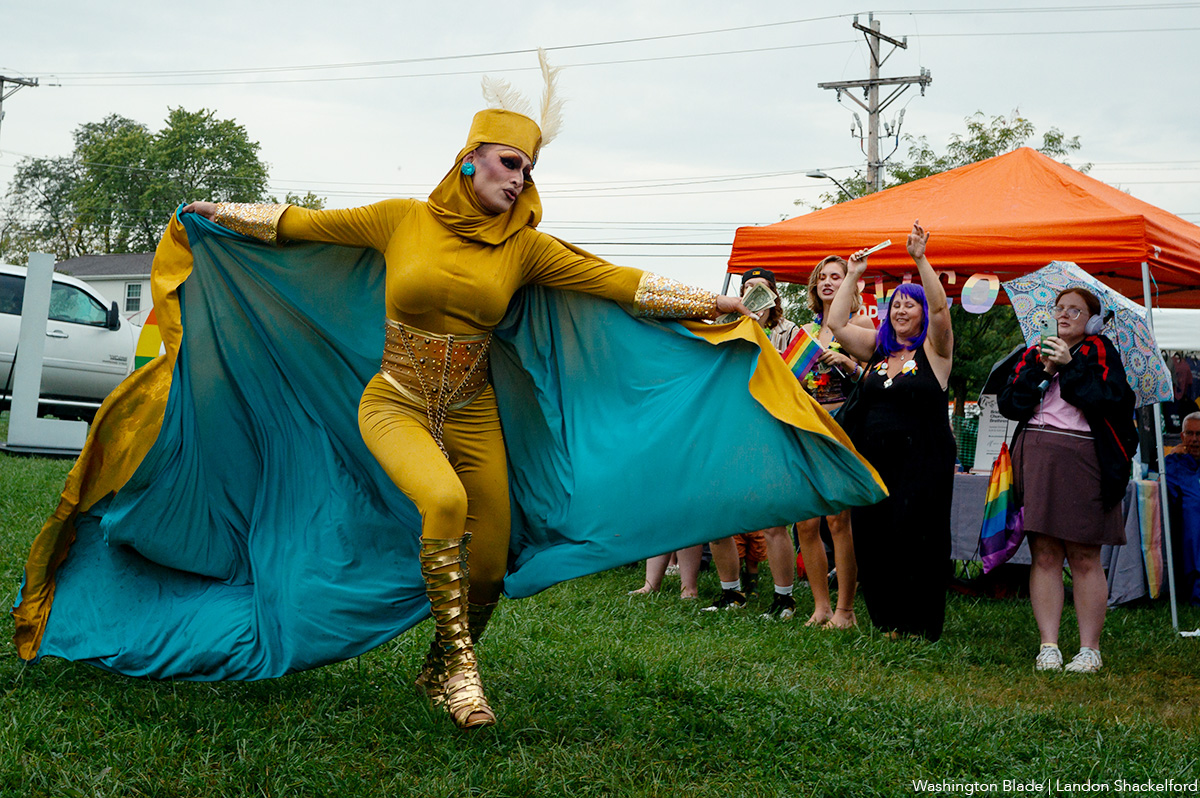
The 2026 Shenandoah Valley Pride Festival was held at Turner Pavilion in Harrisonburg, Va. on Sunday, Sept. 20.
(Washington Blade photos by Landon Shackelford)

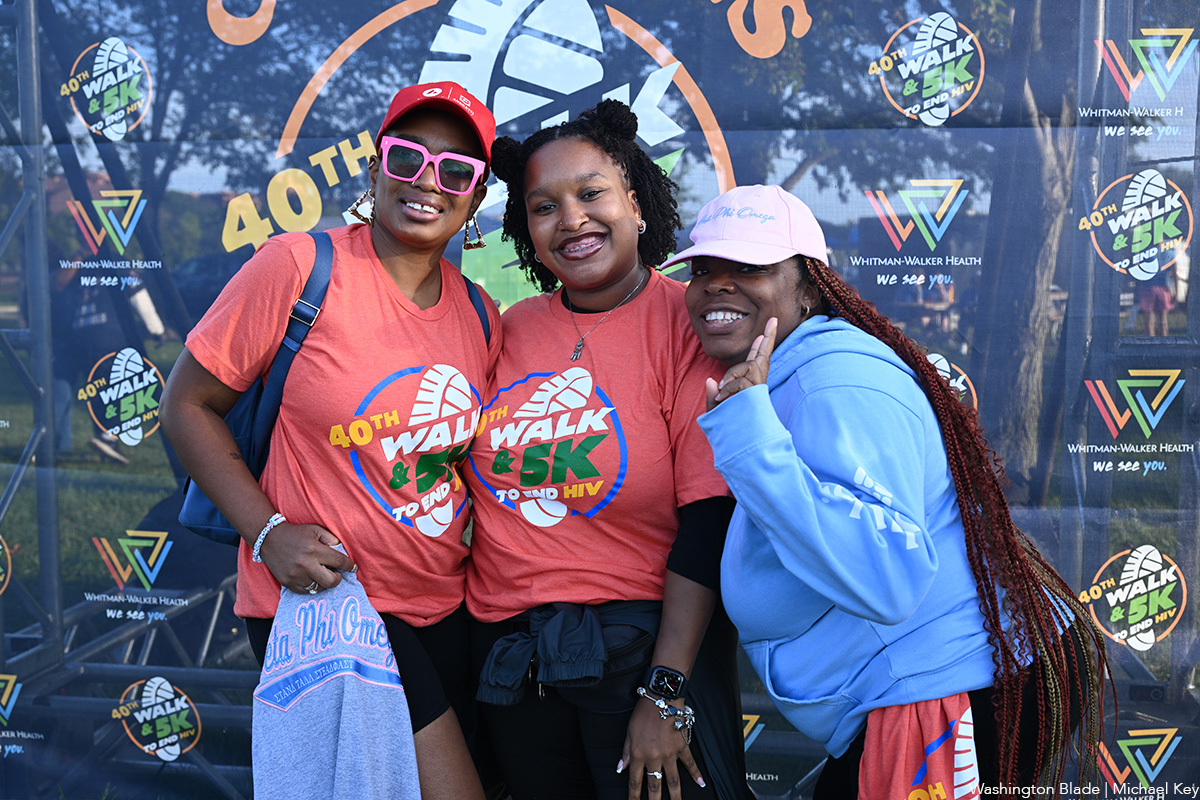
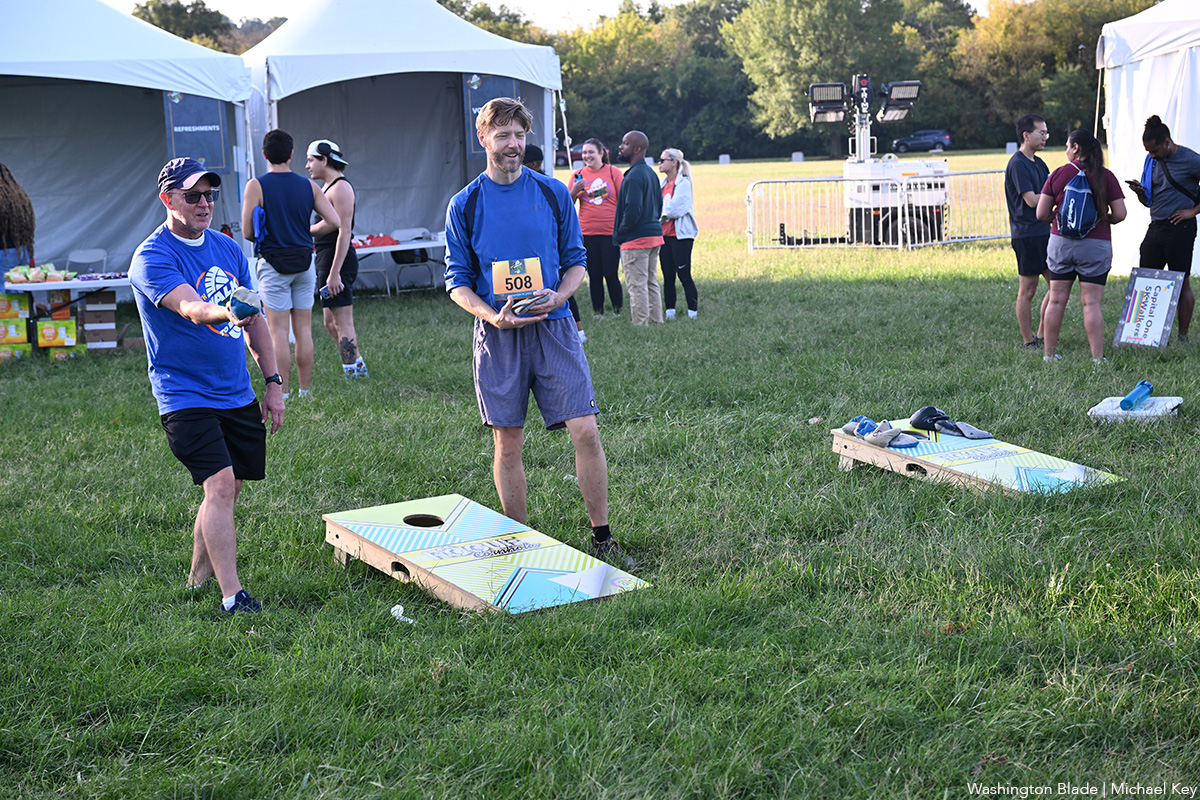
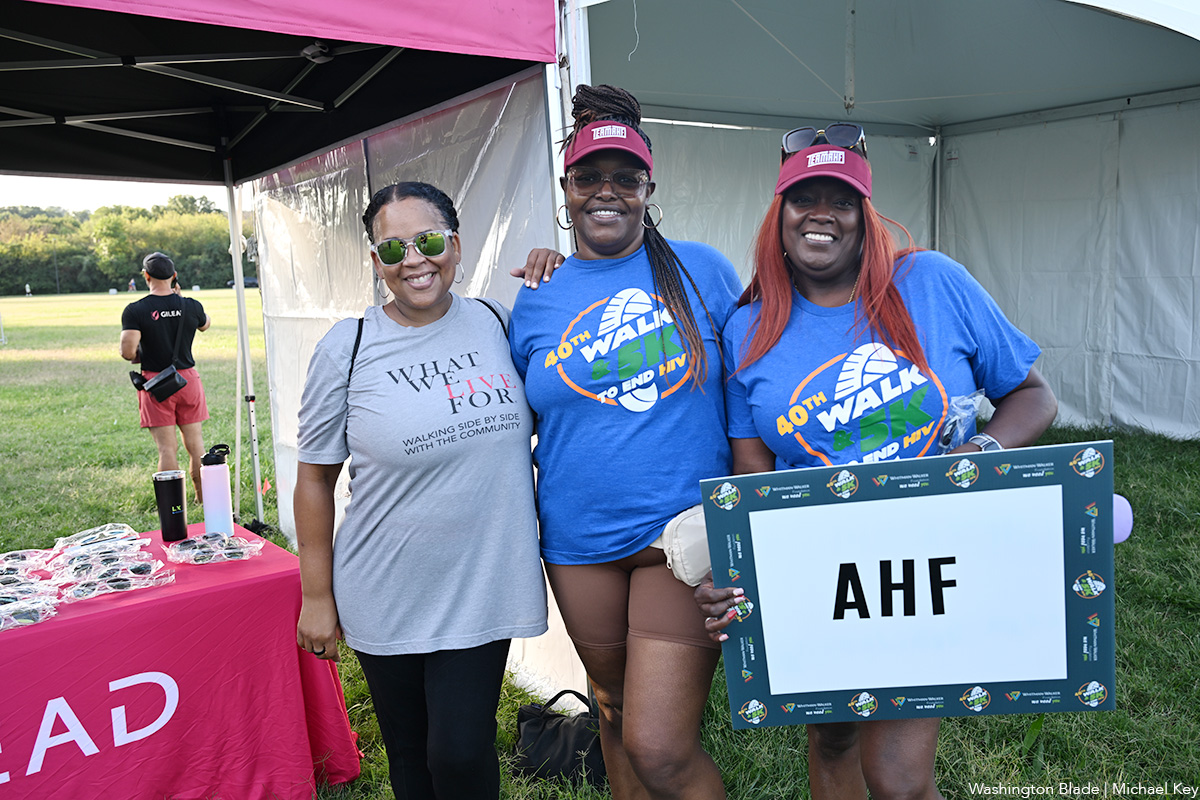
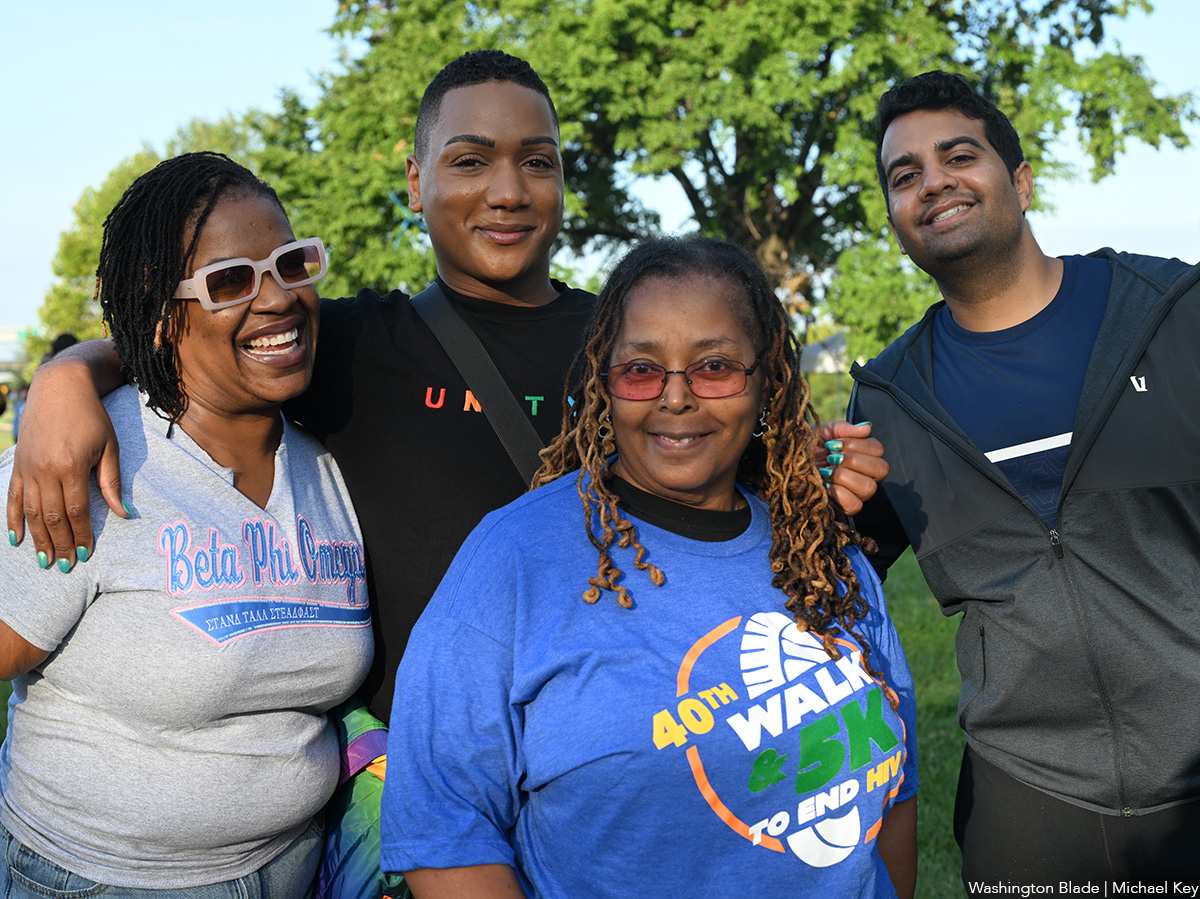
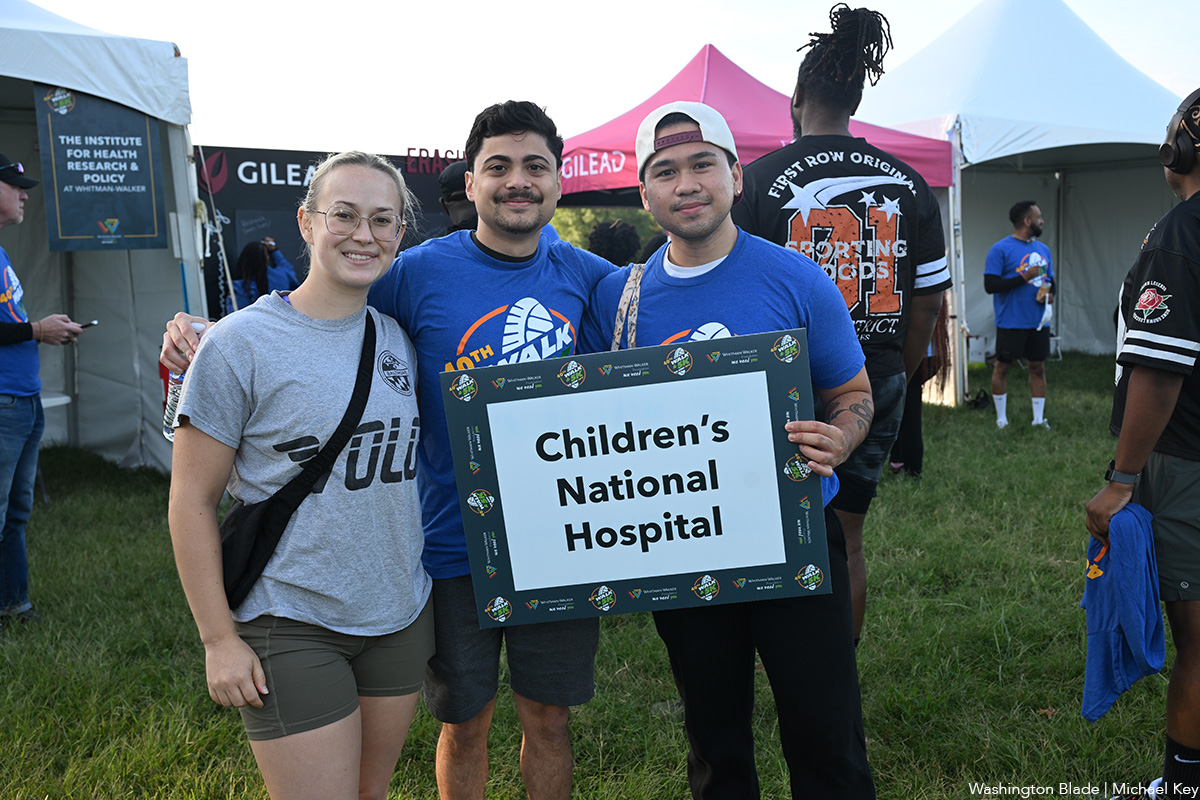
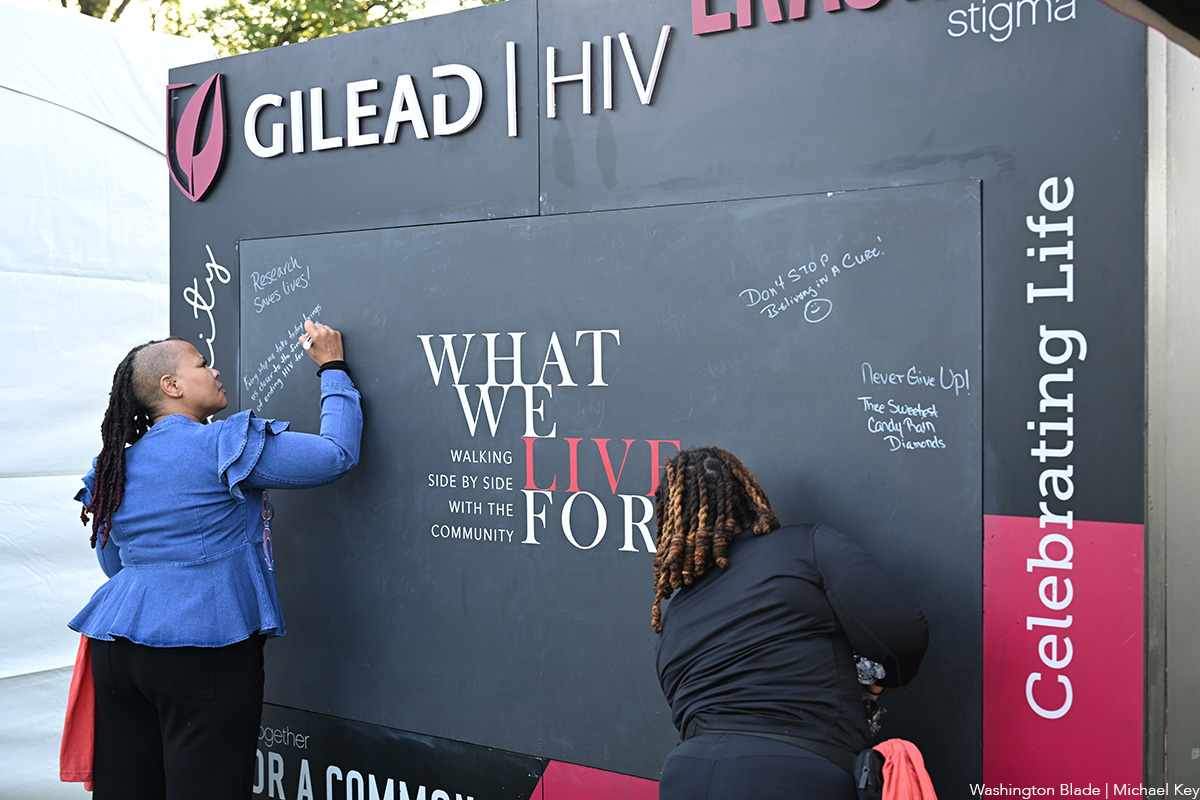
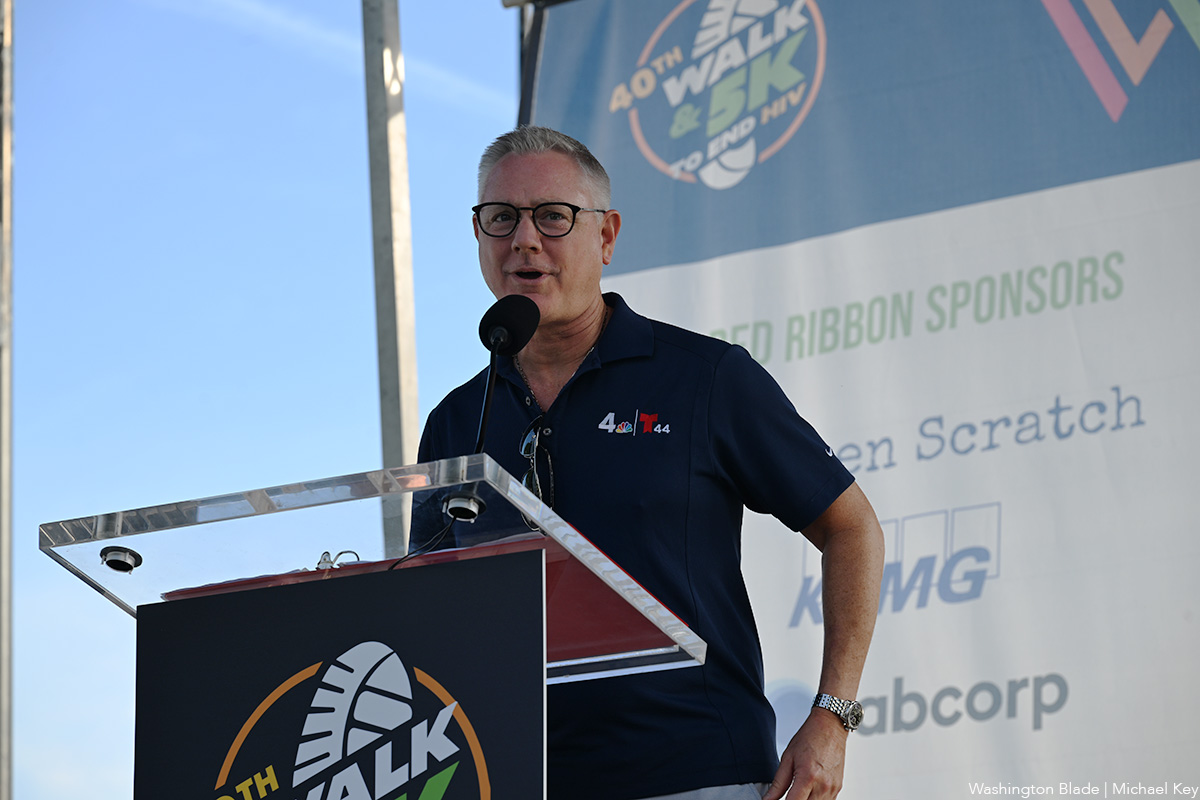
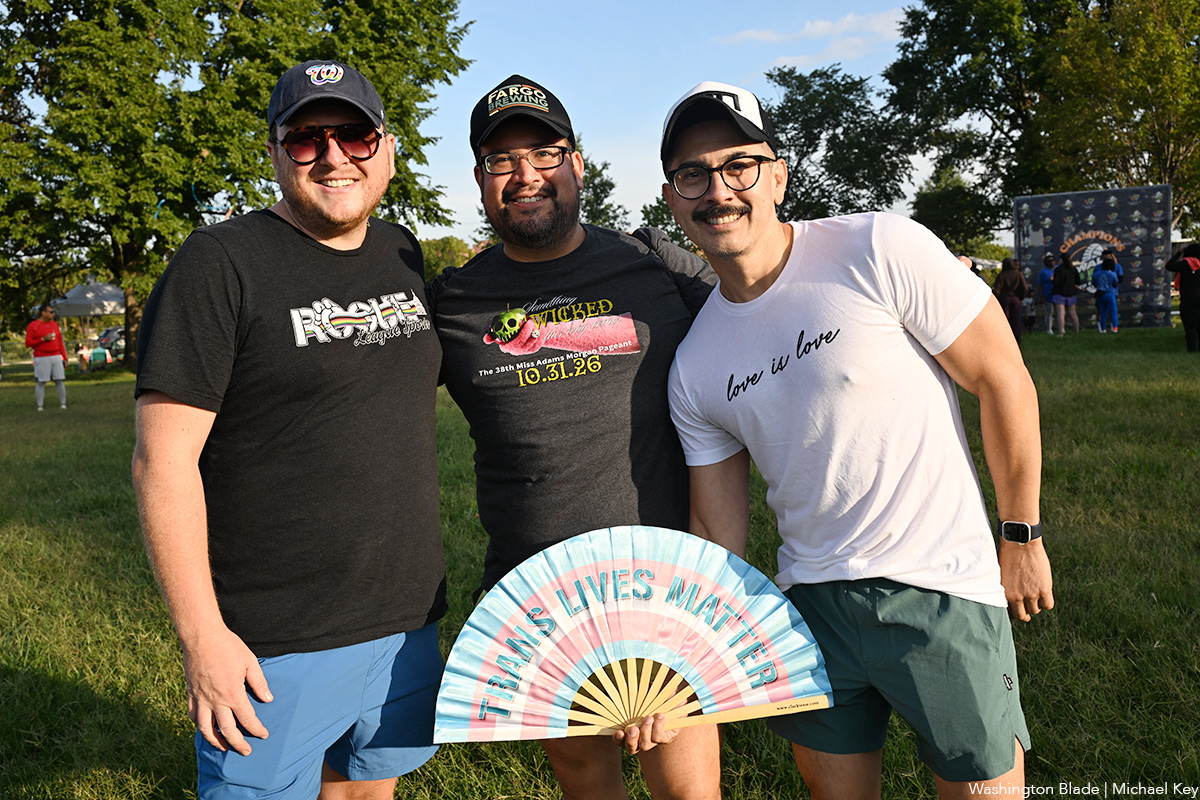
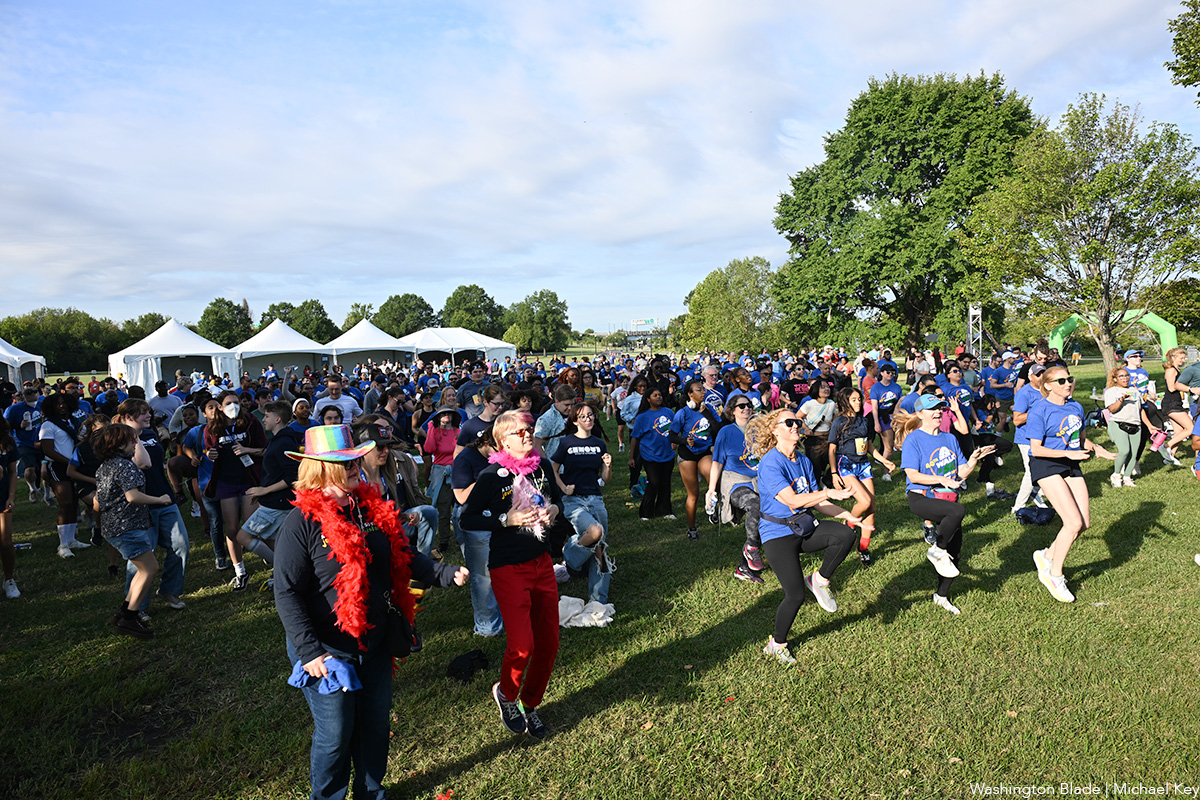
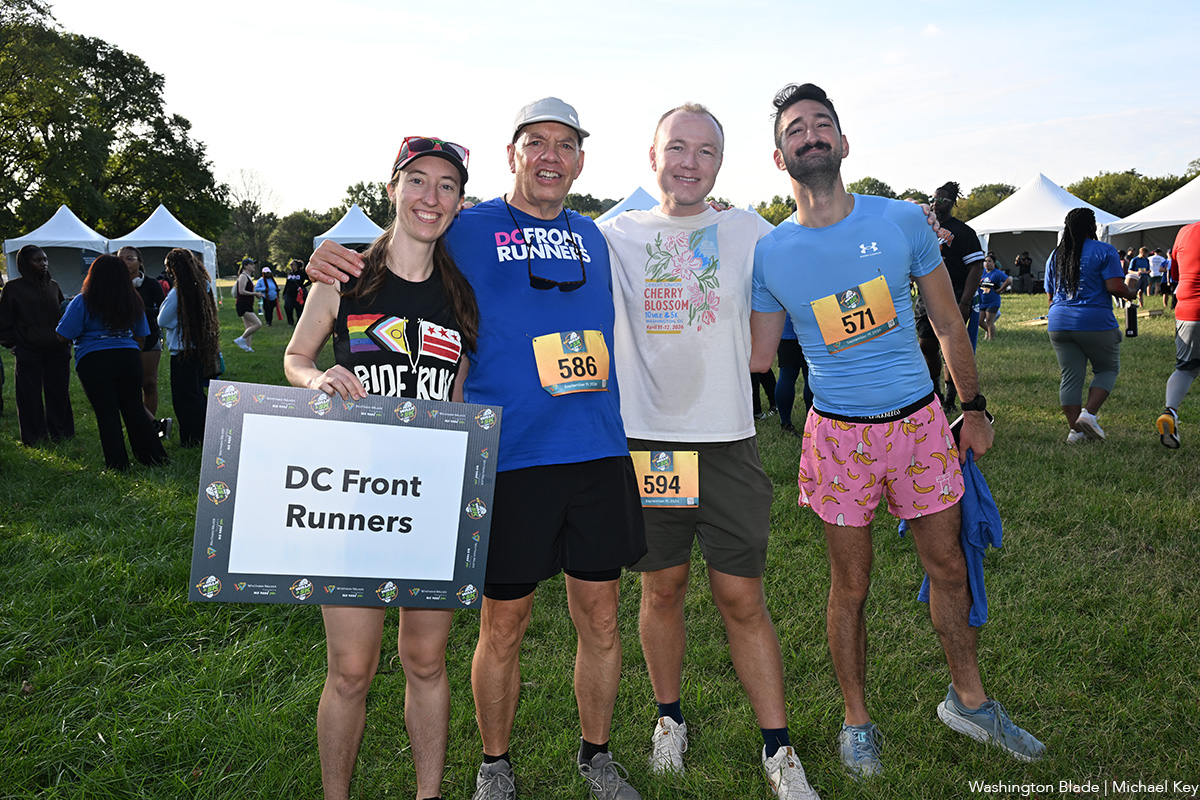
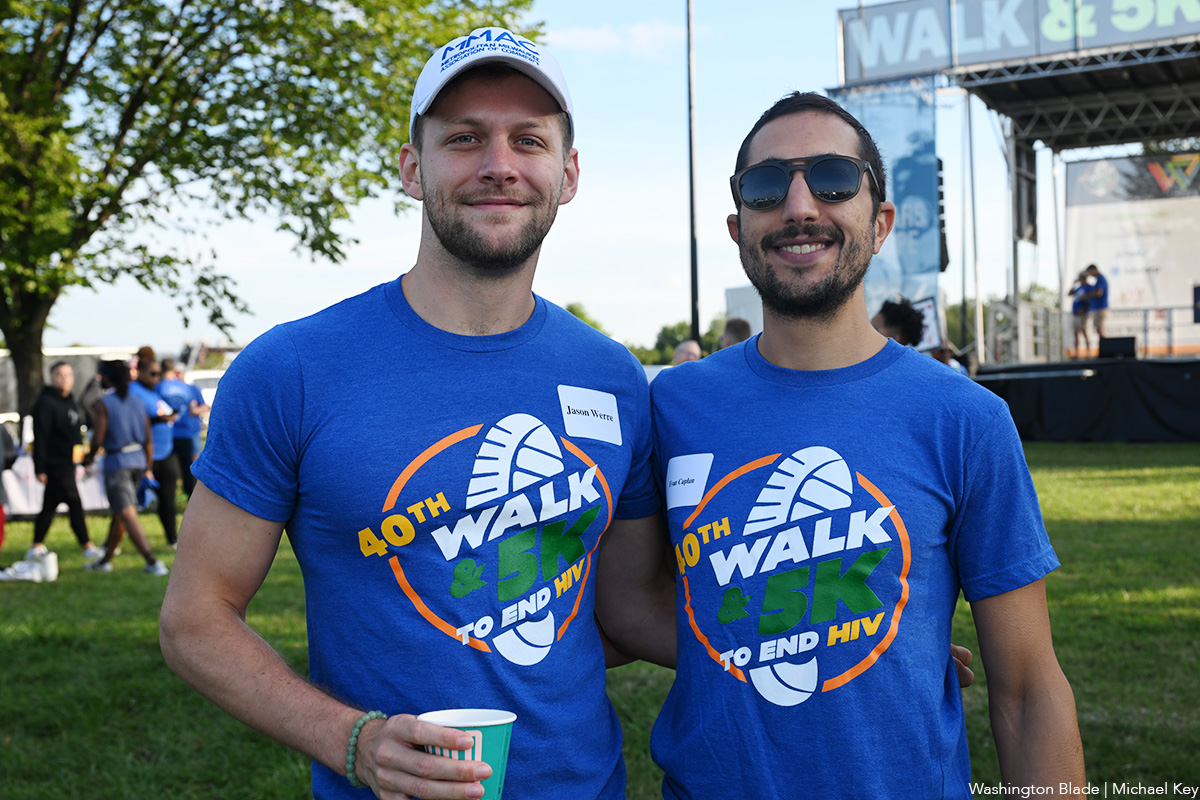
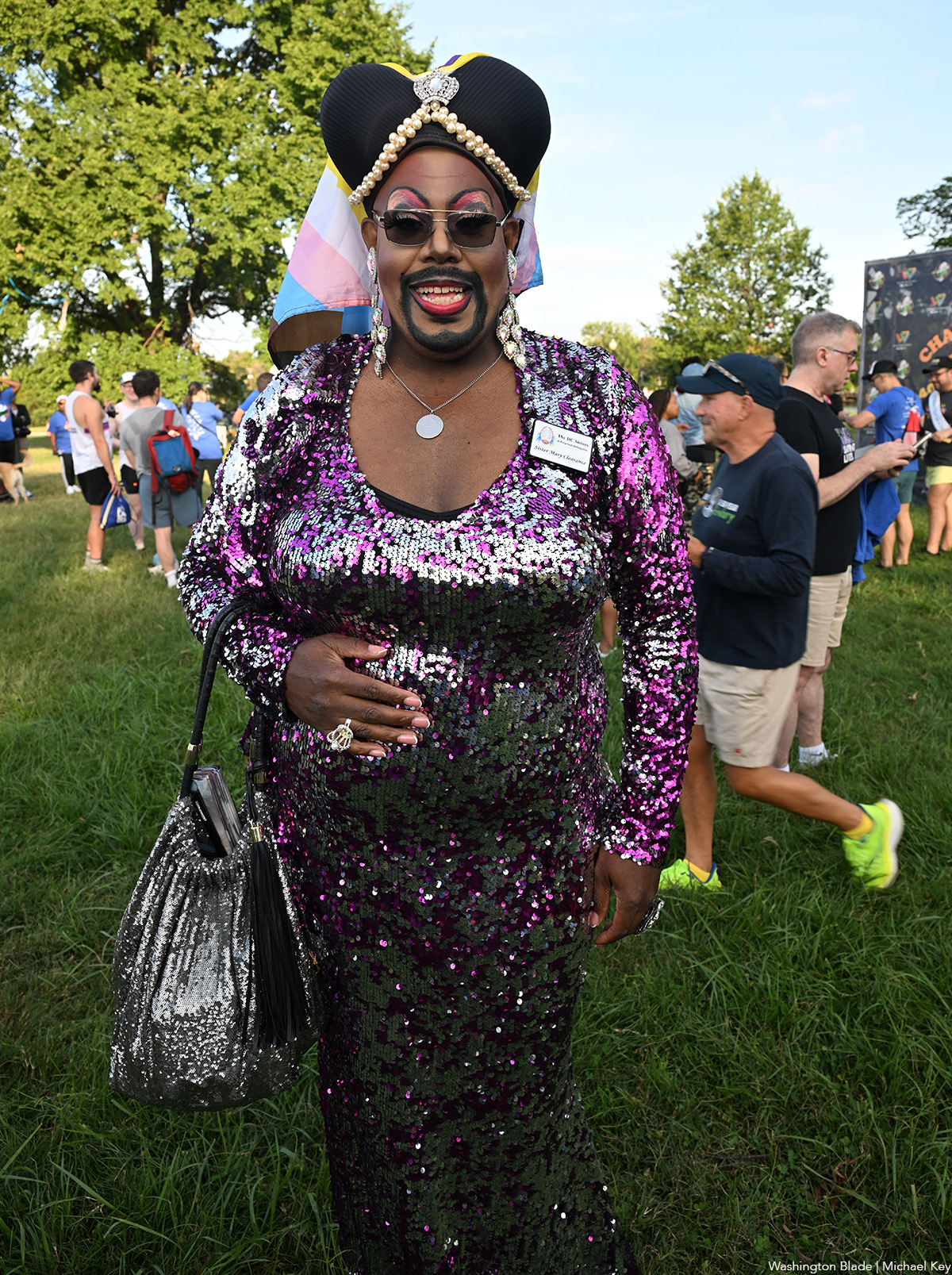
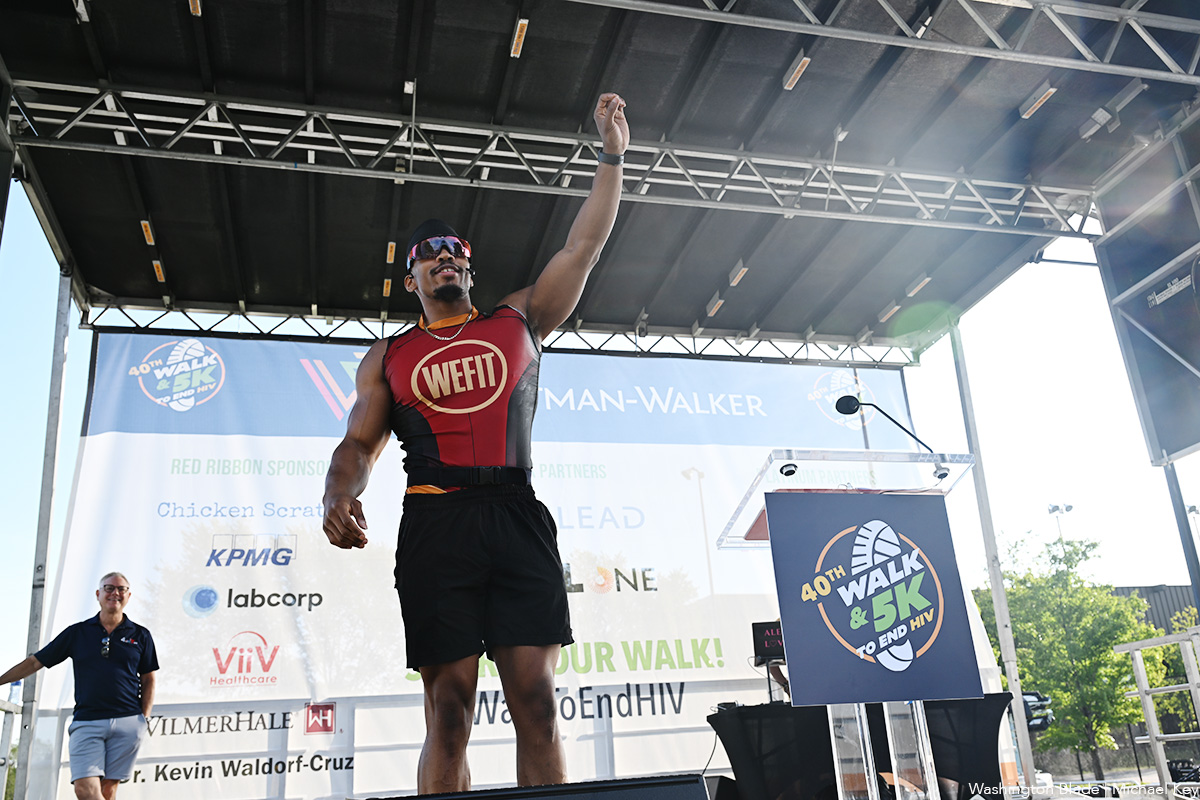
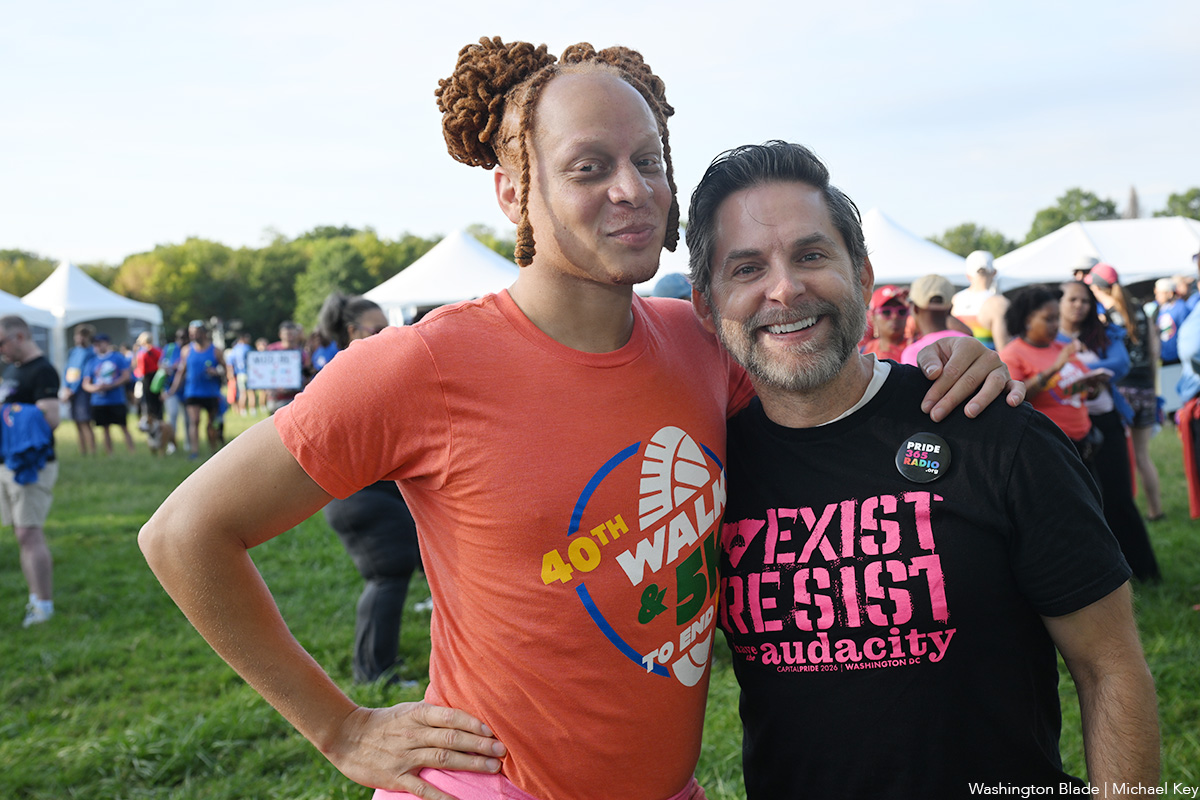
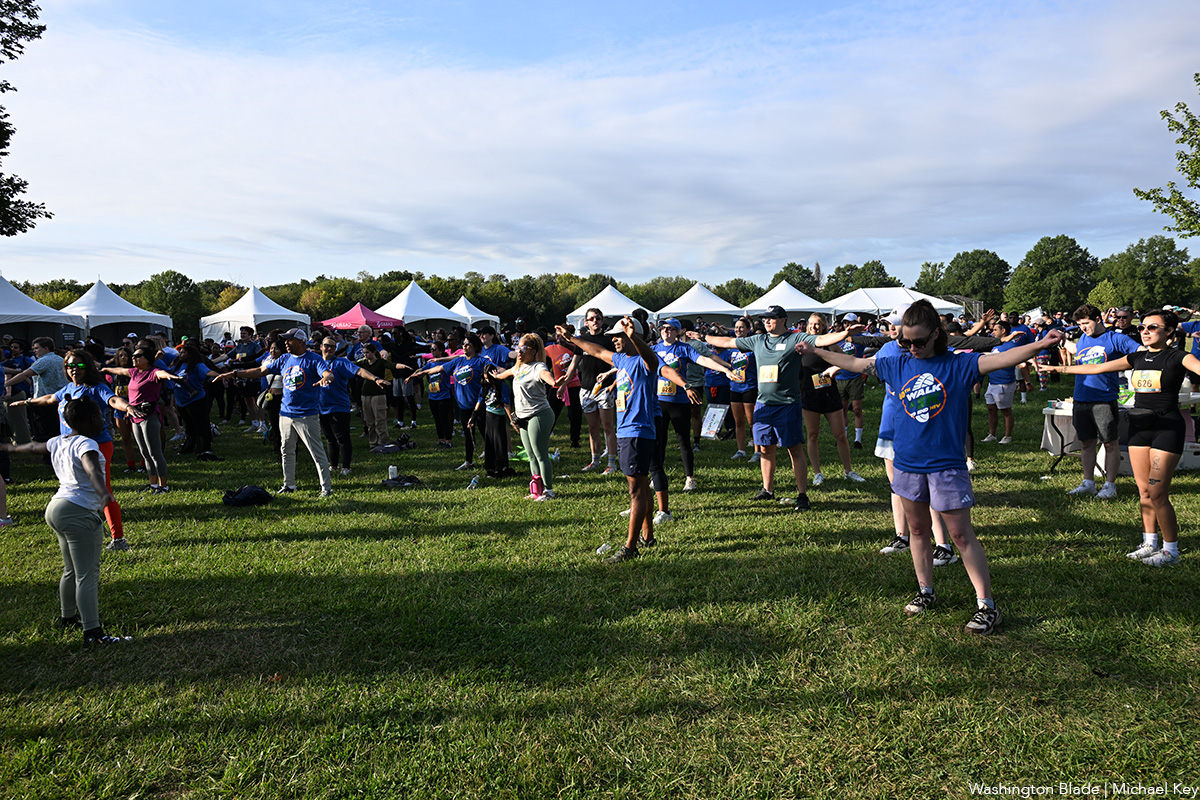
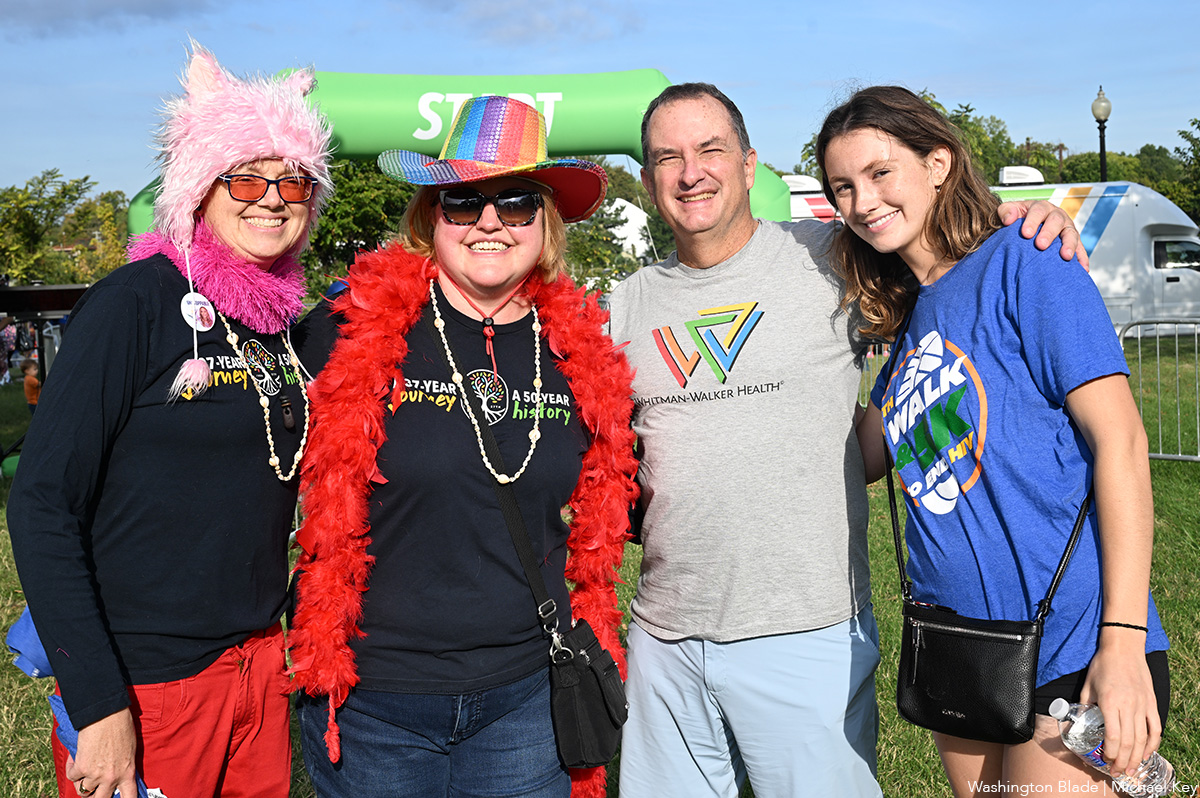
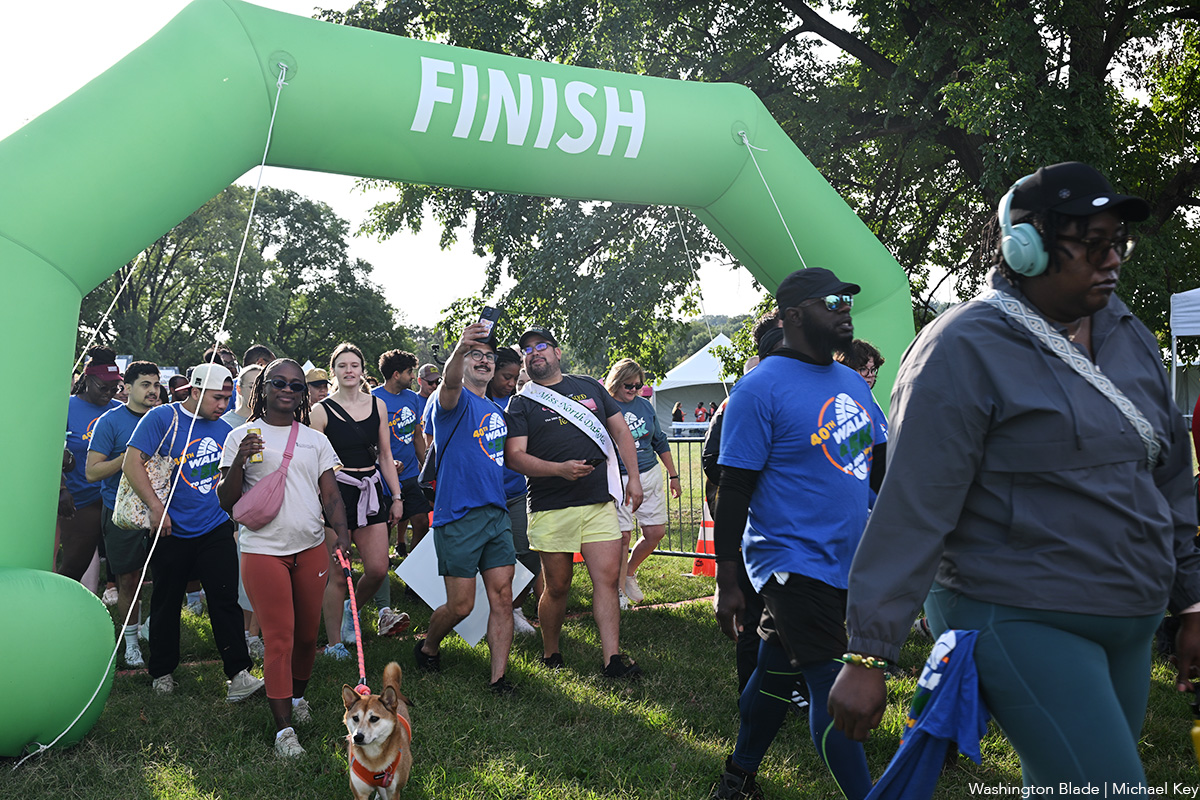
Whitman-Walker Health held the 40th annual Walk and 5K to End HIV at Anacostia Park on Saturday, Sept. 19.
(Washington Blade photos by Michael Key)


Photos
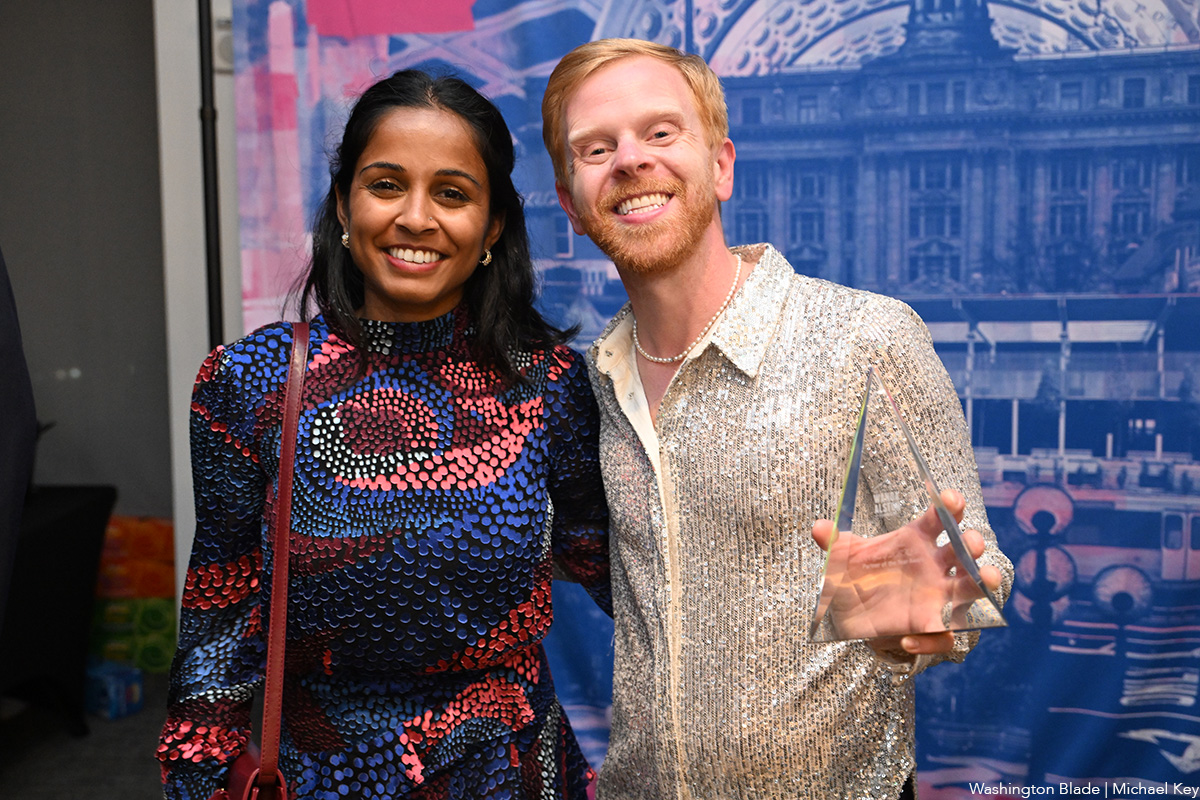
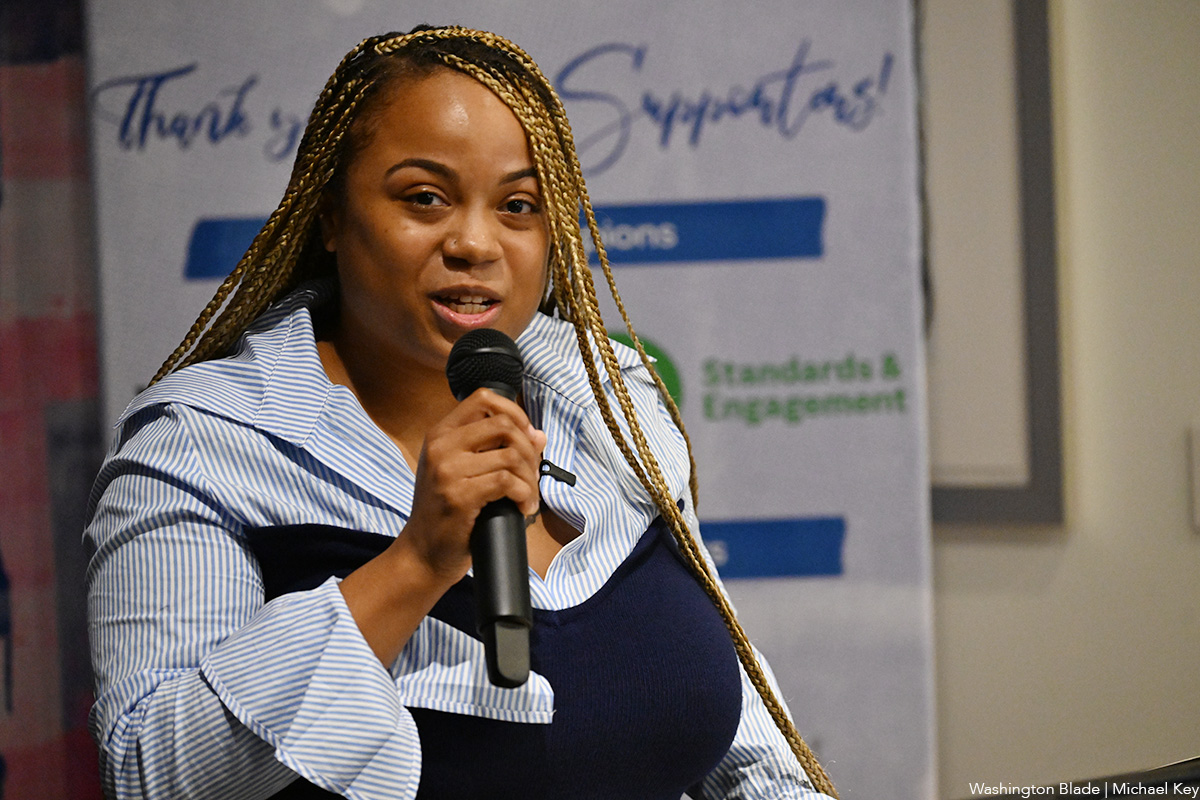
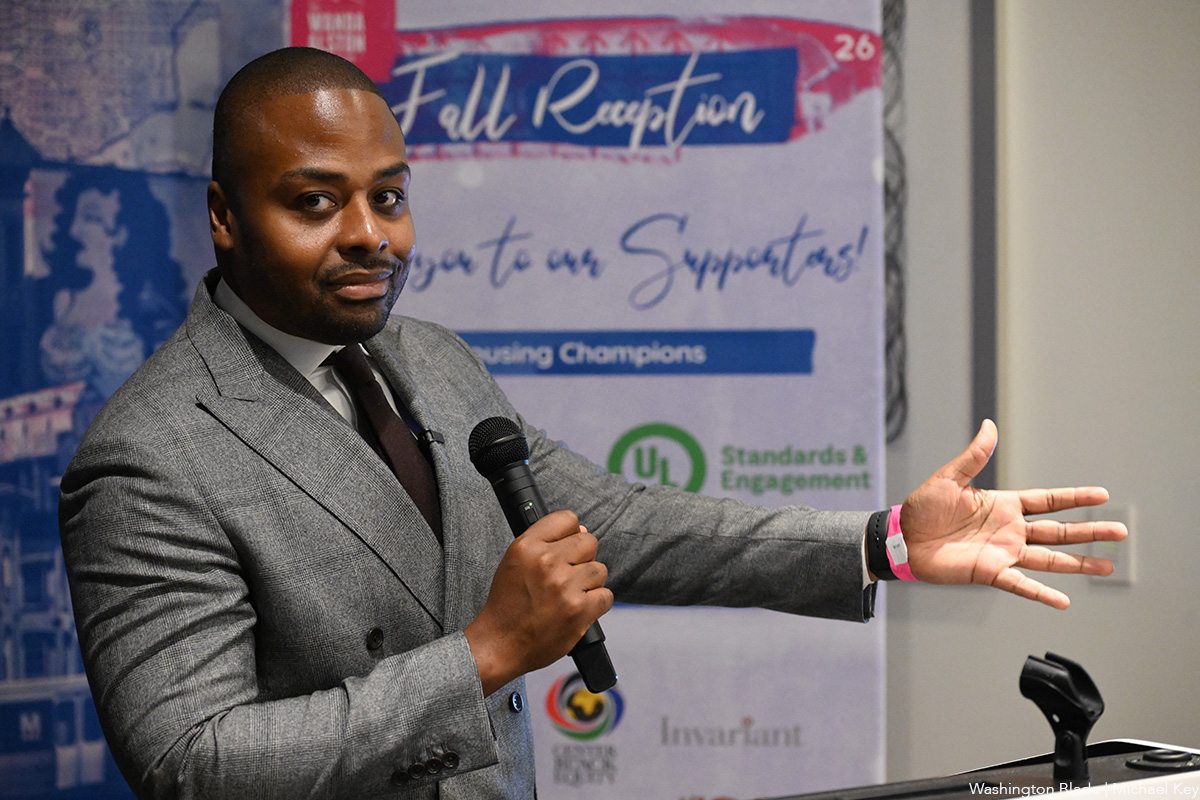
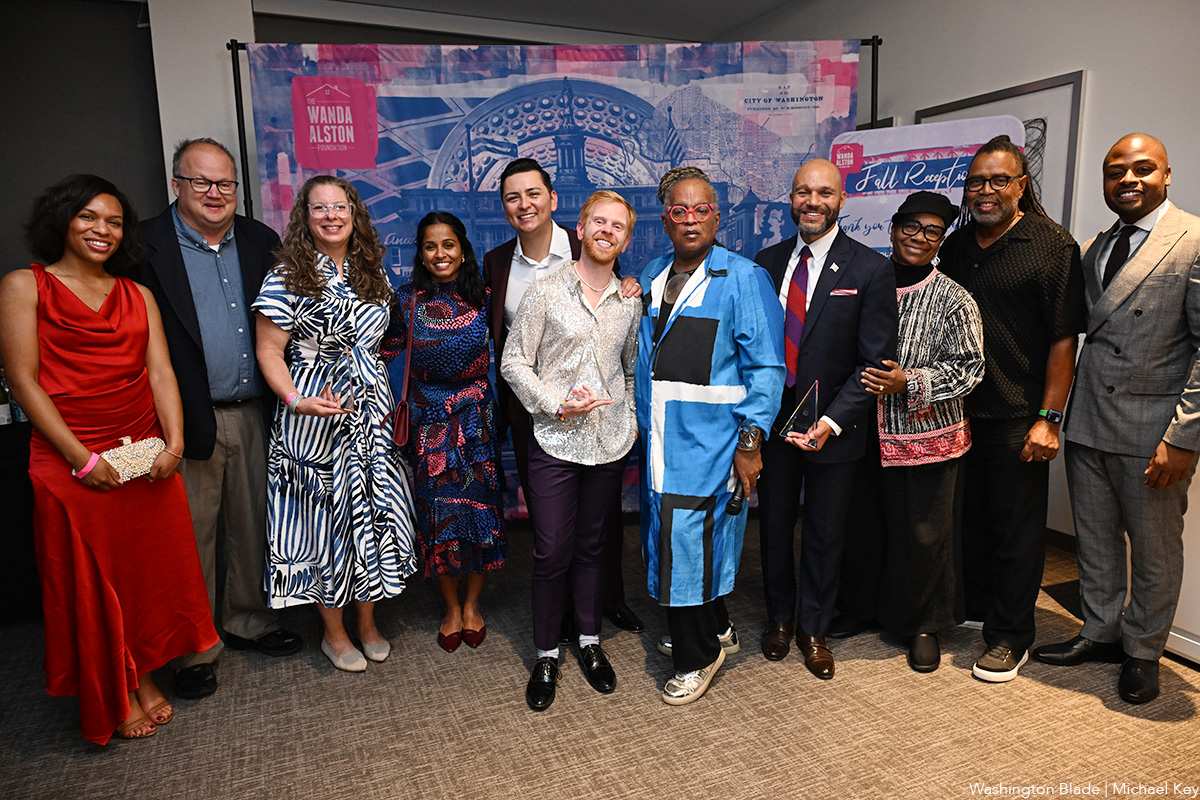
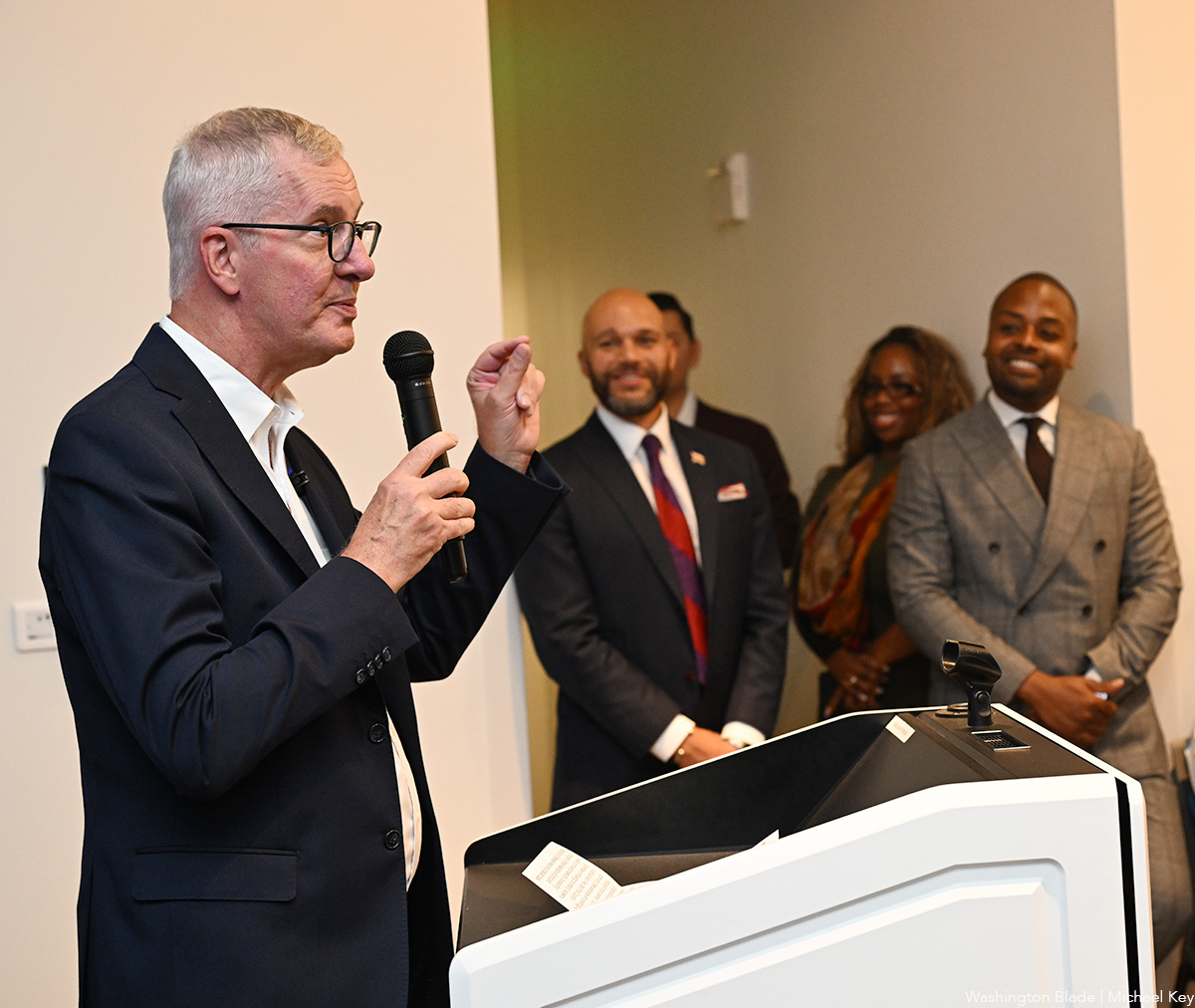
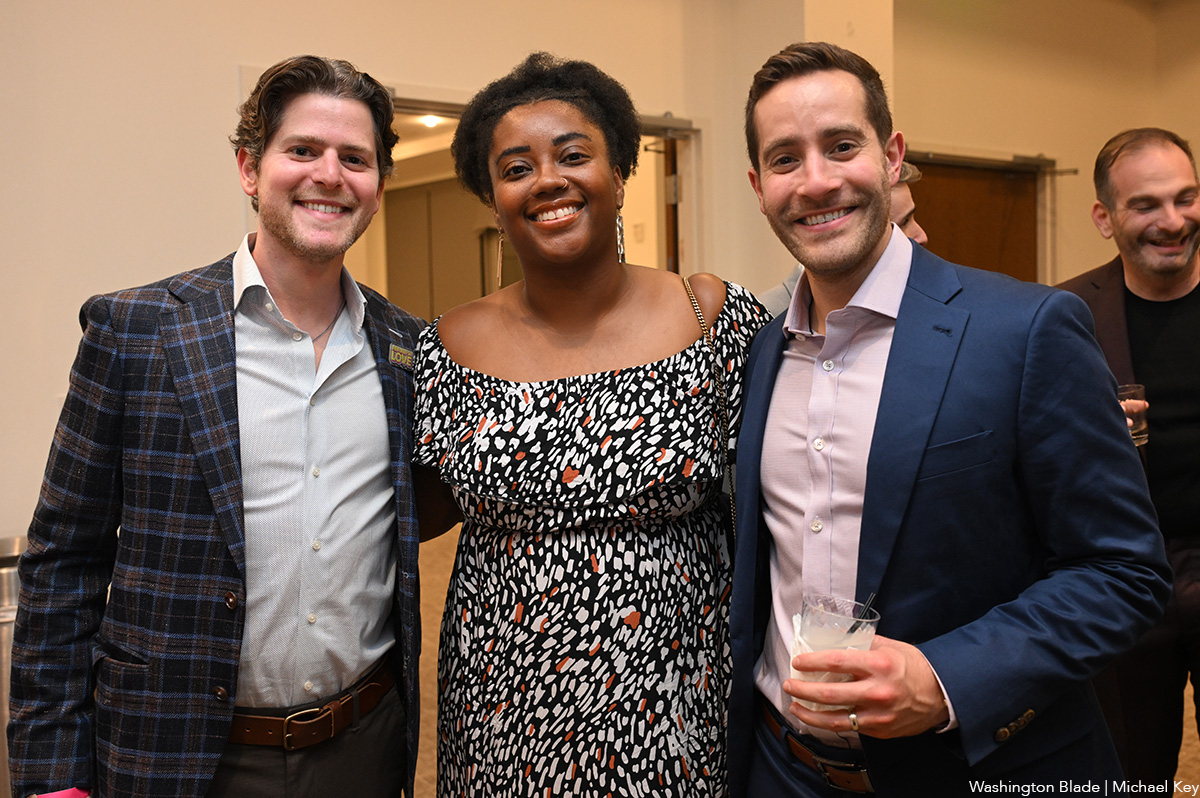
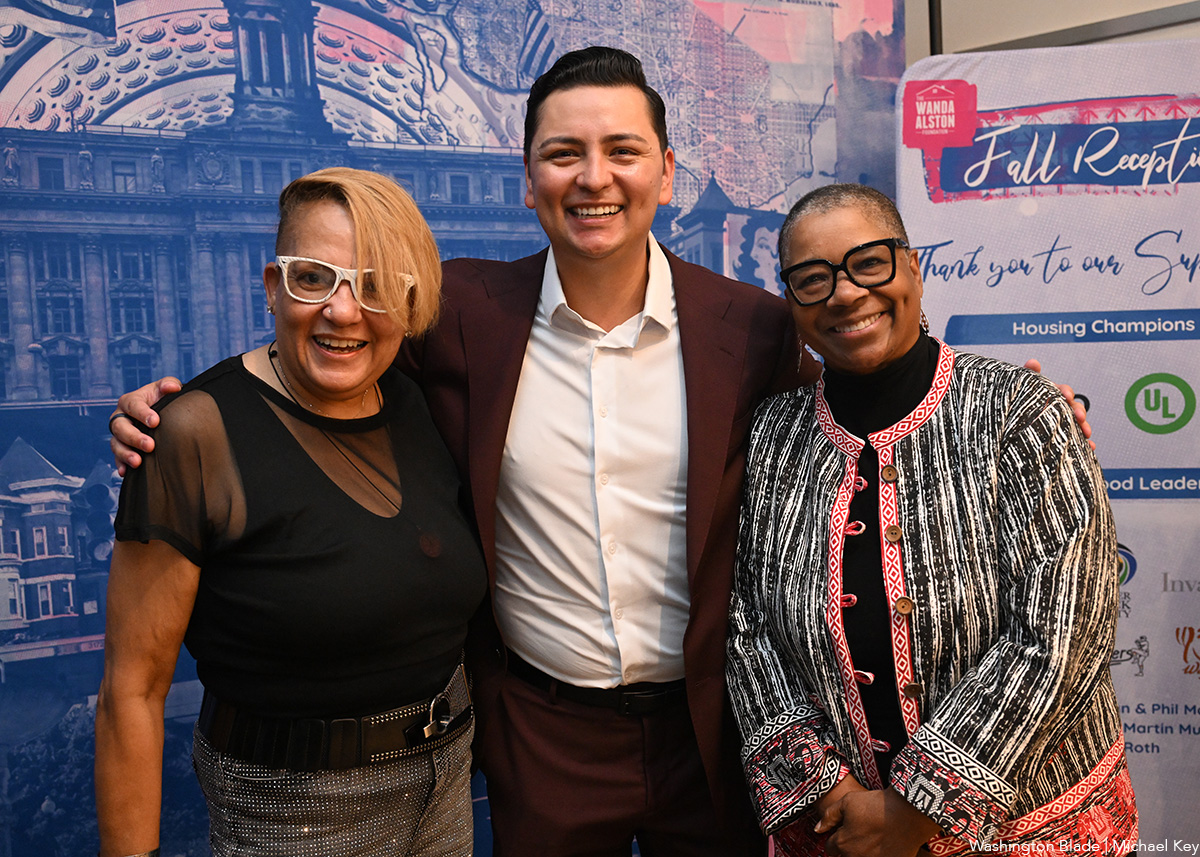
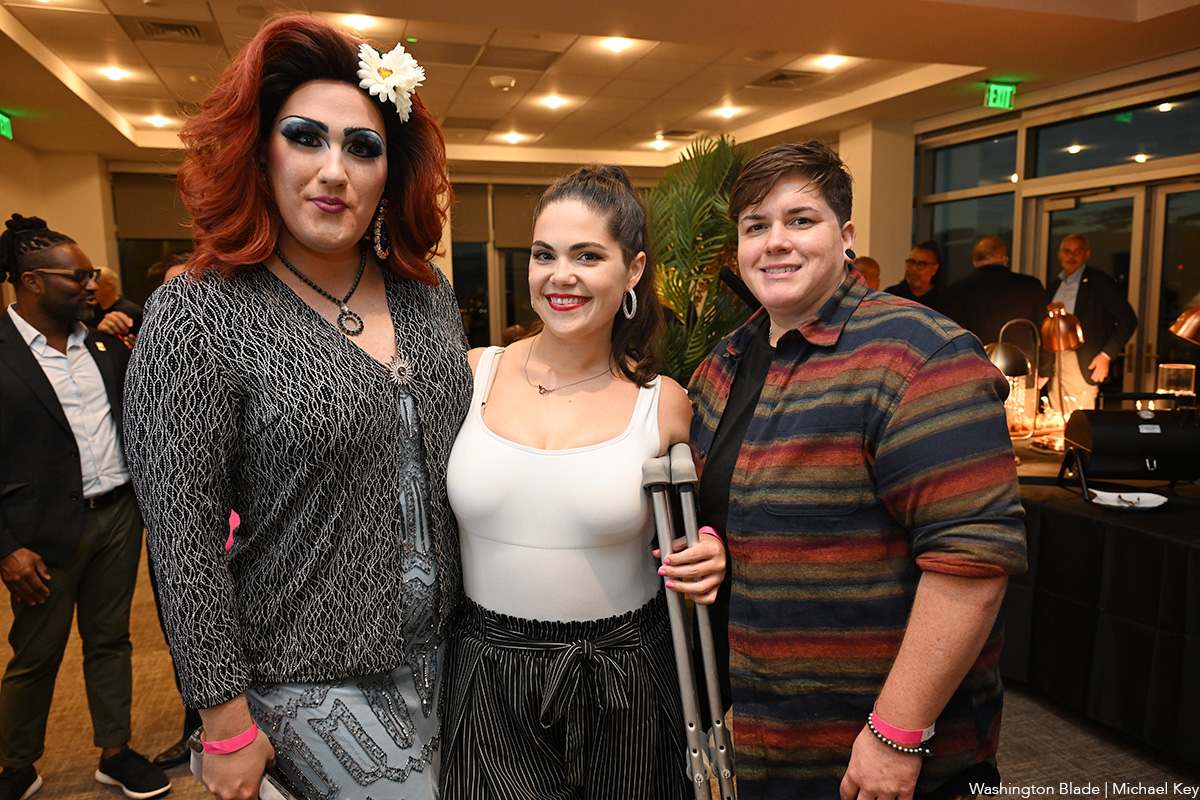
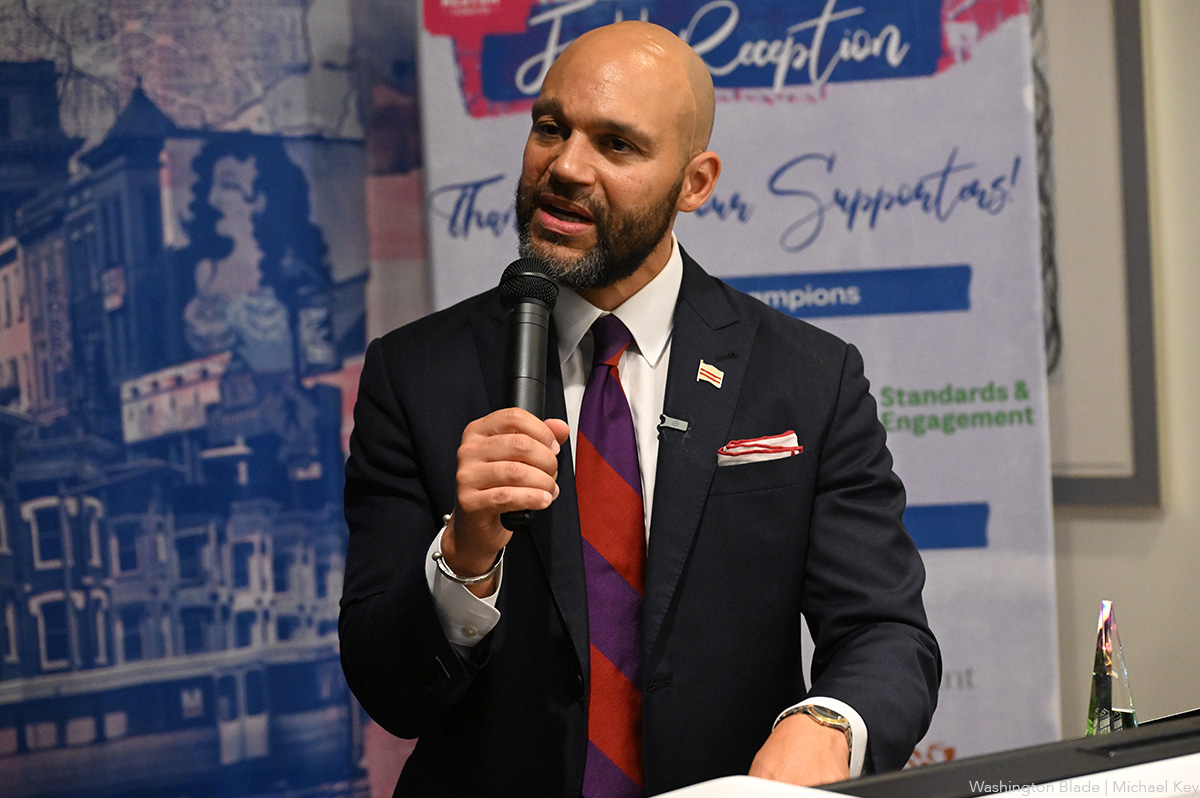
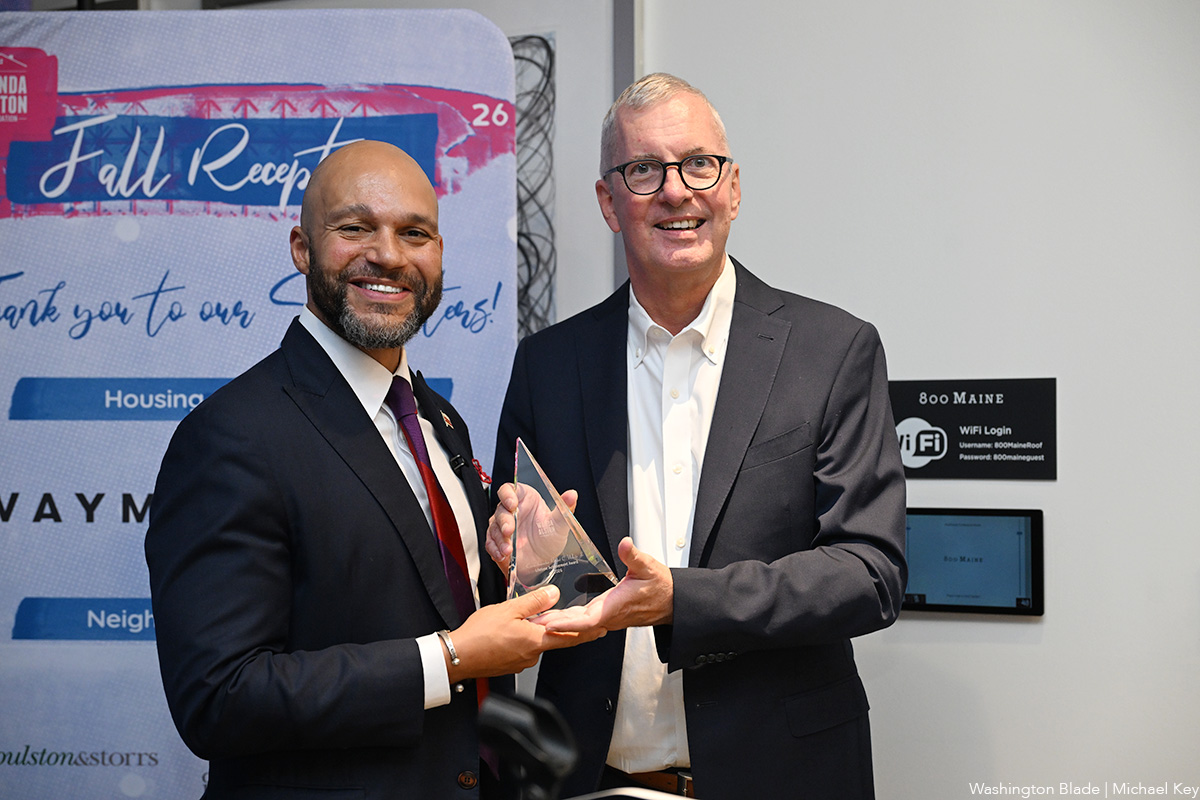
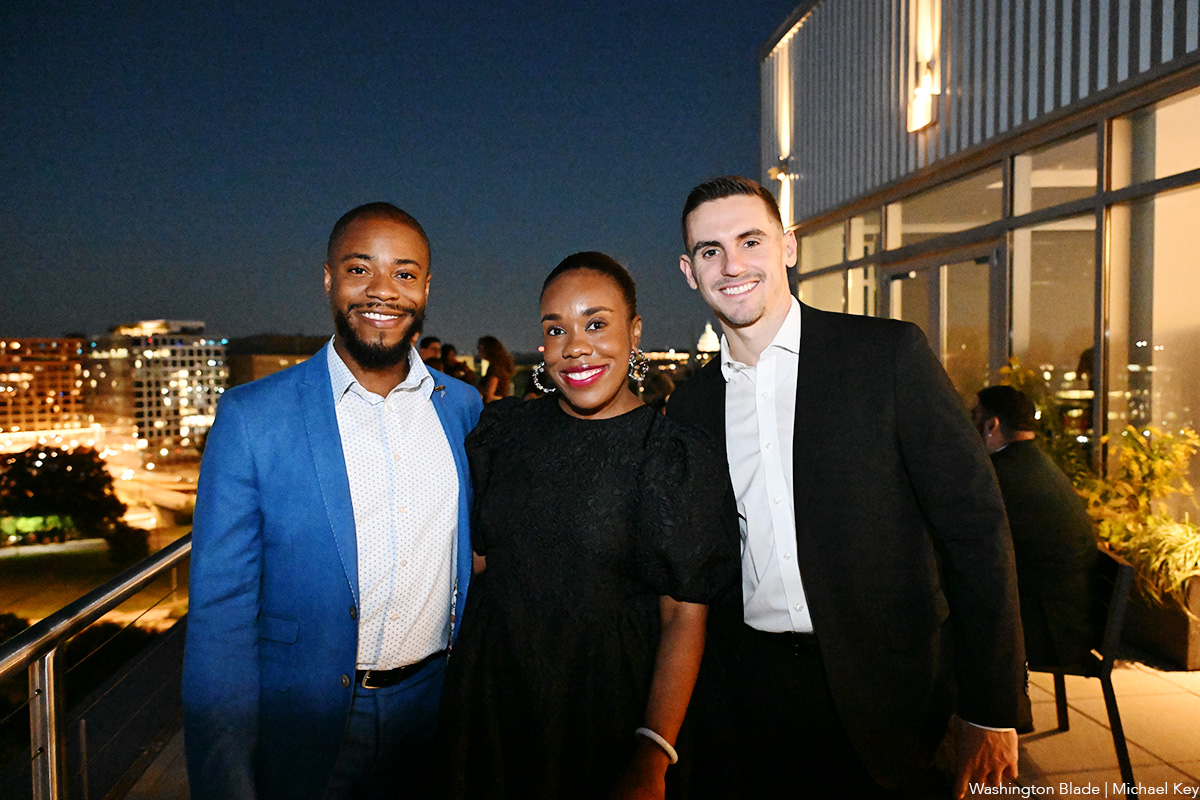
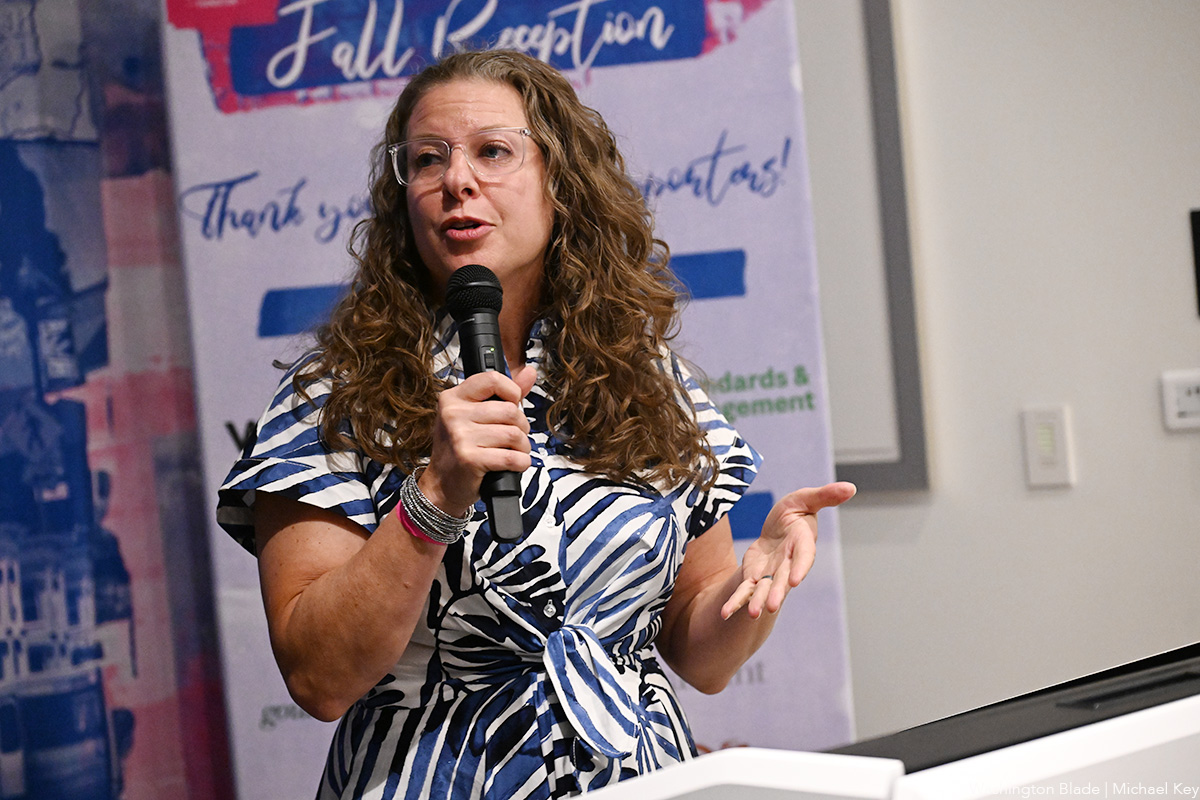
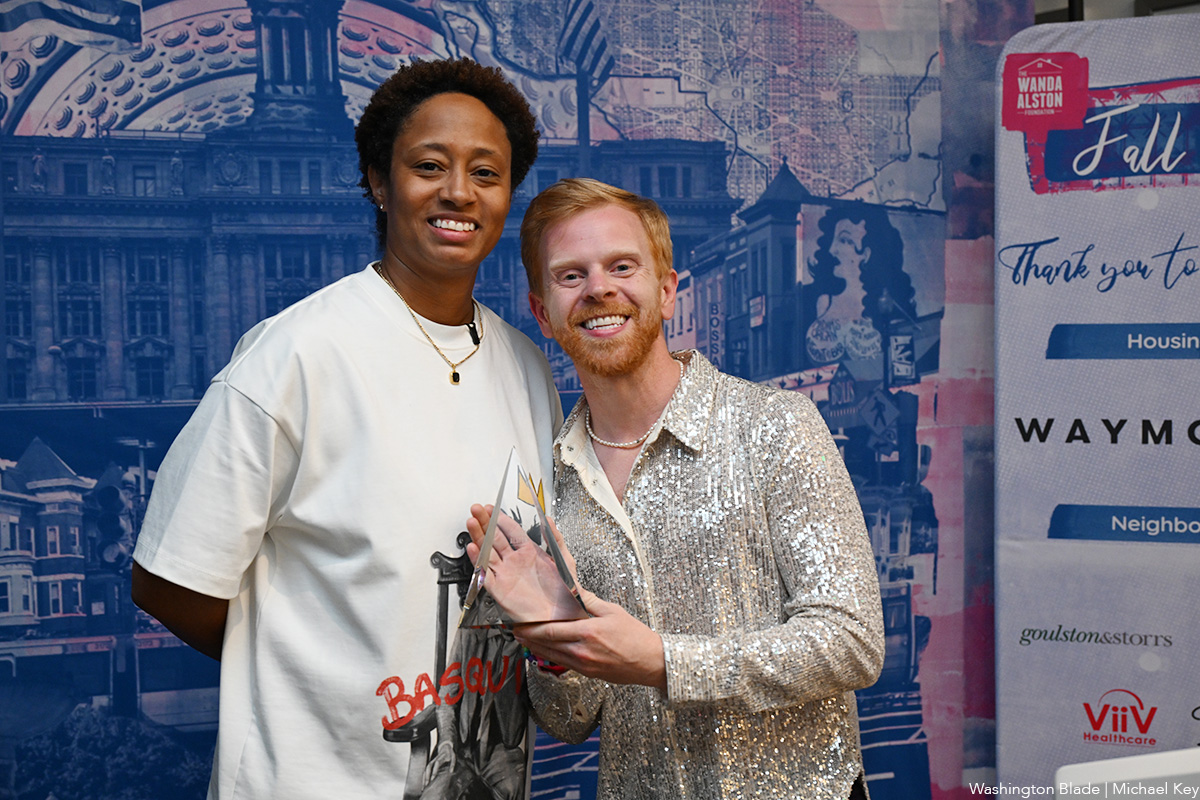
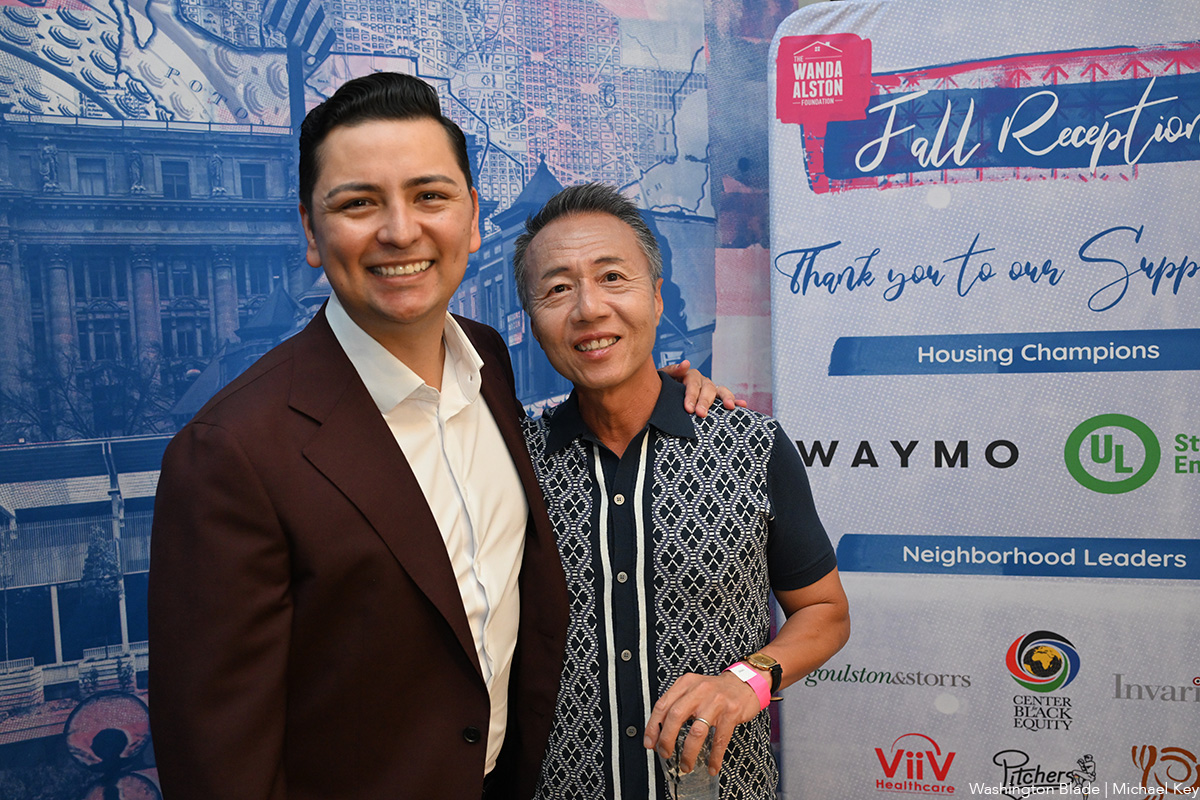
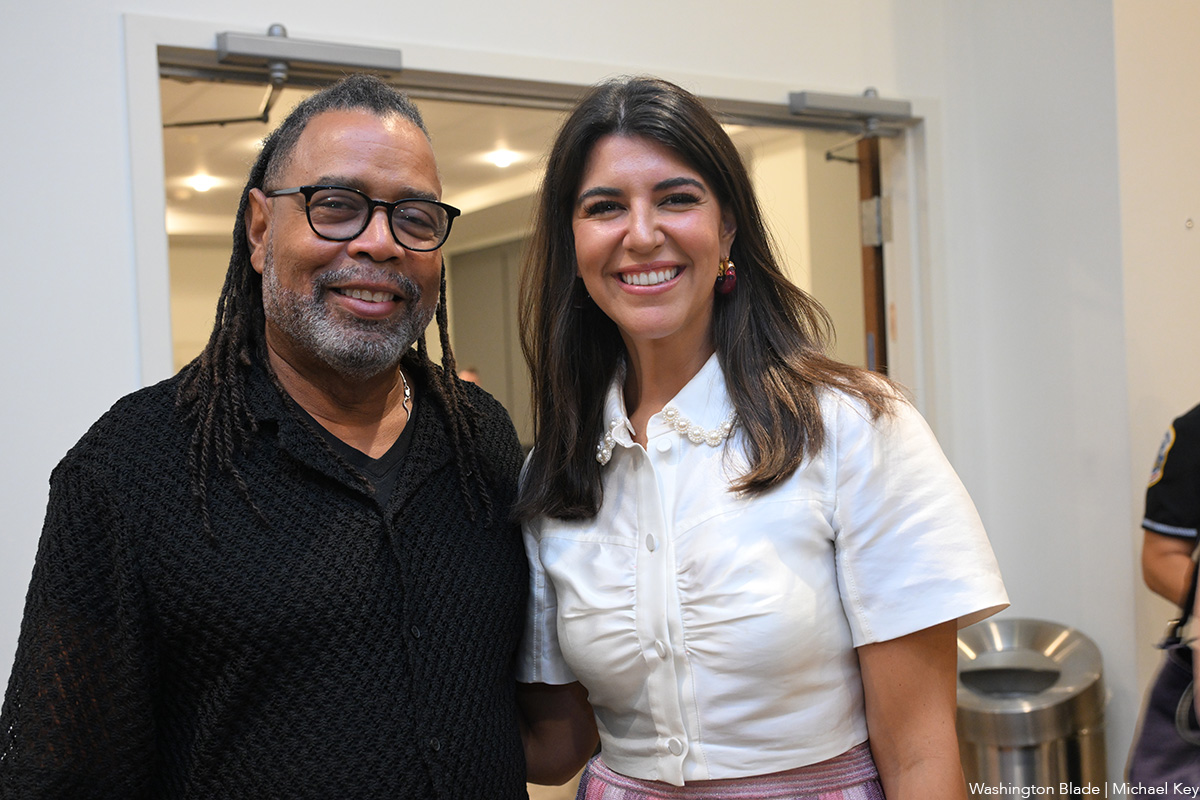
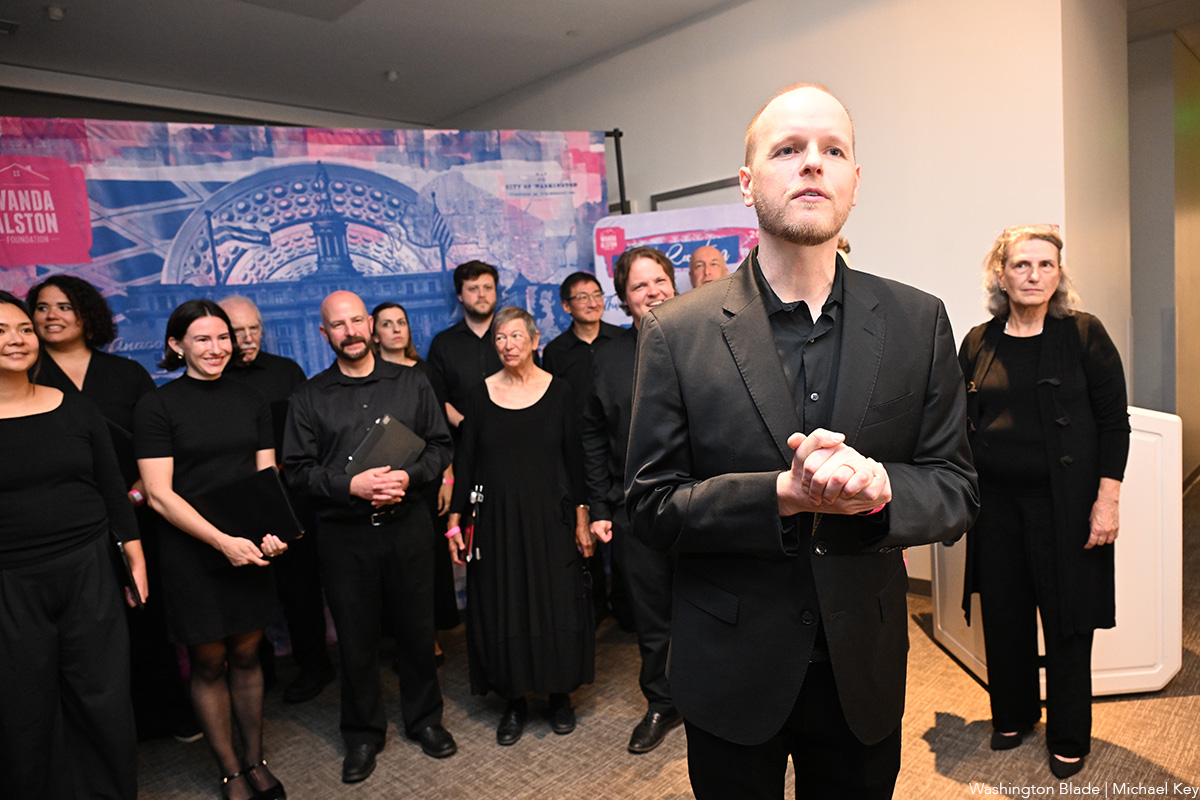
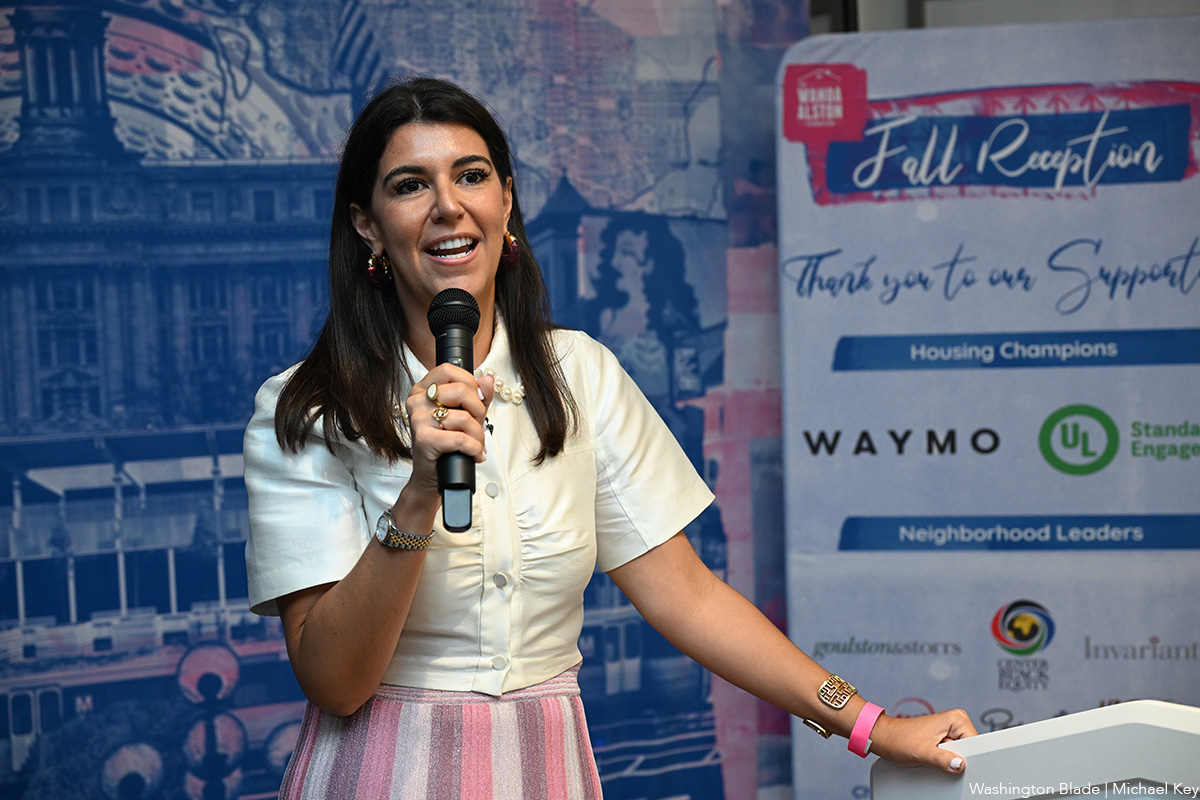
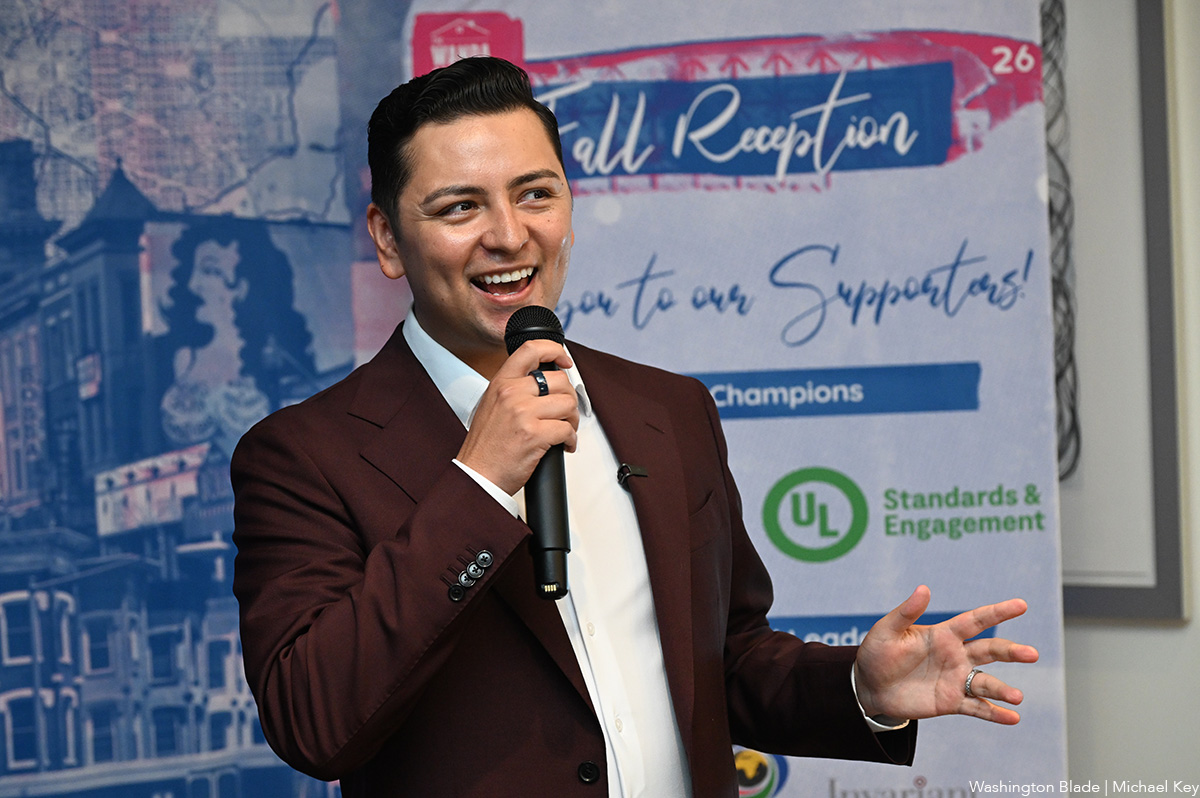
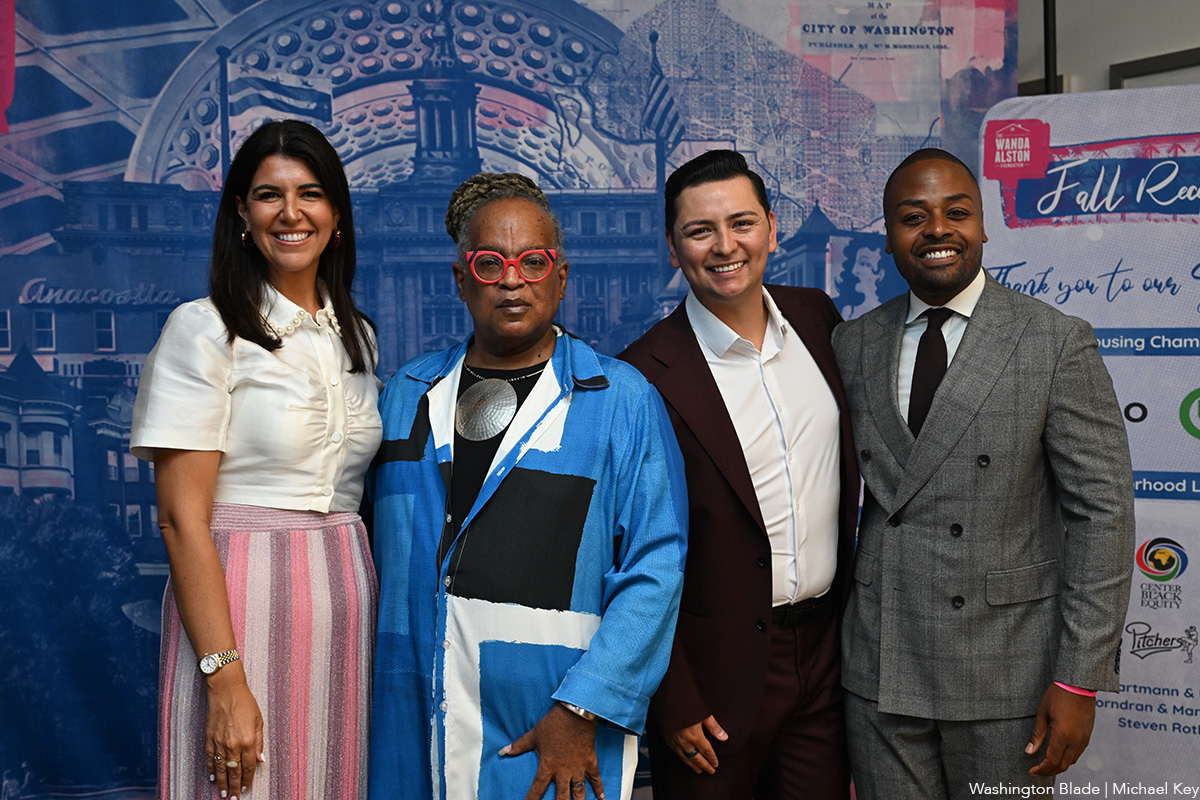
PHOTOS: Wanda Alston Foundation Fall Reception
LGBTQ youth services organization honors Robert White, Japer Bowles, Washington Capitals
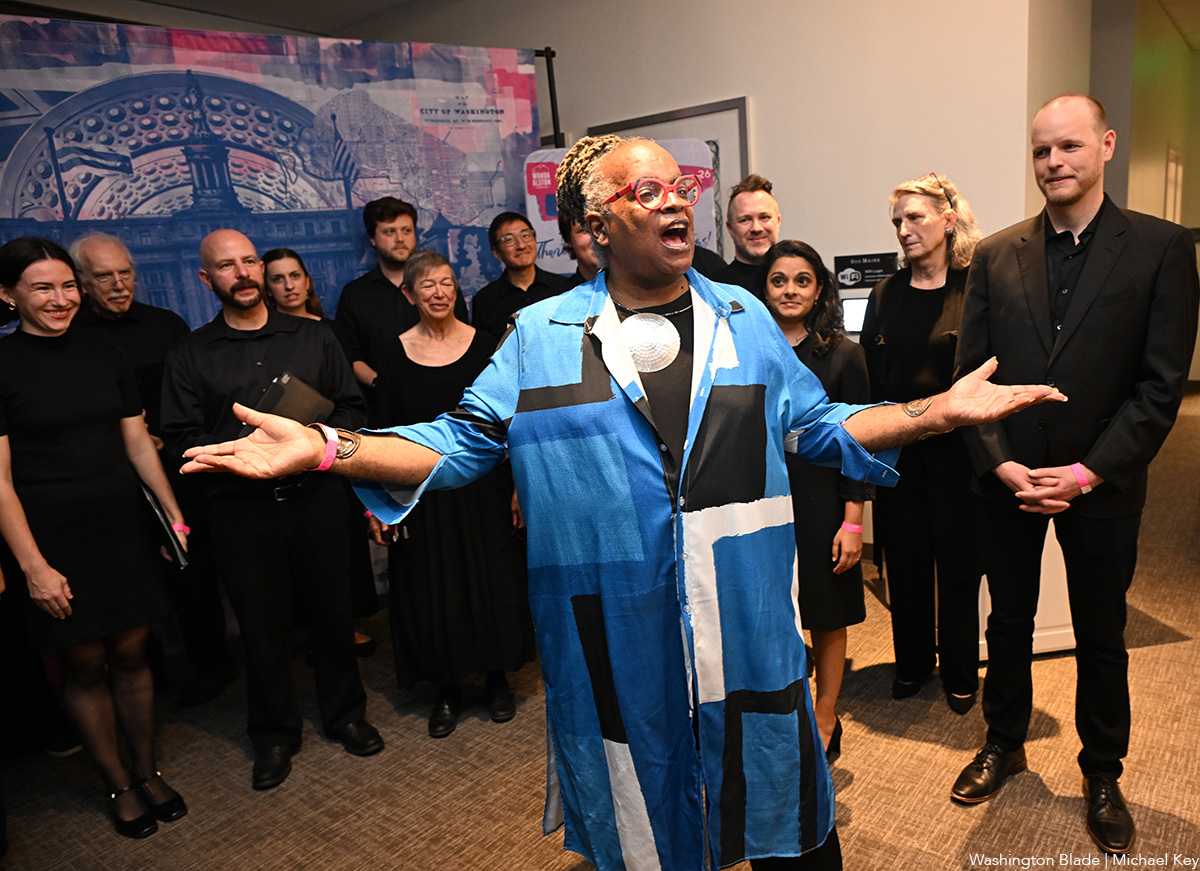
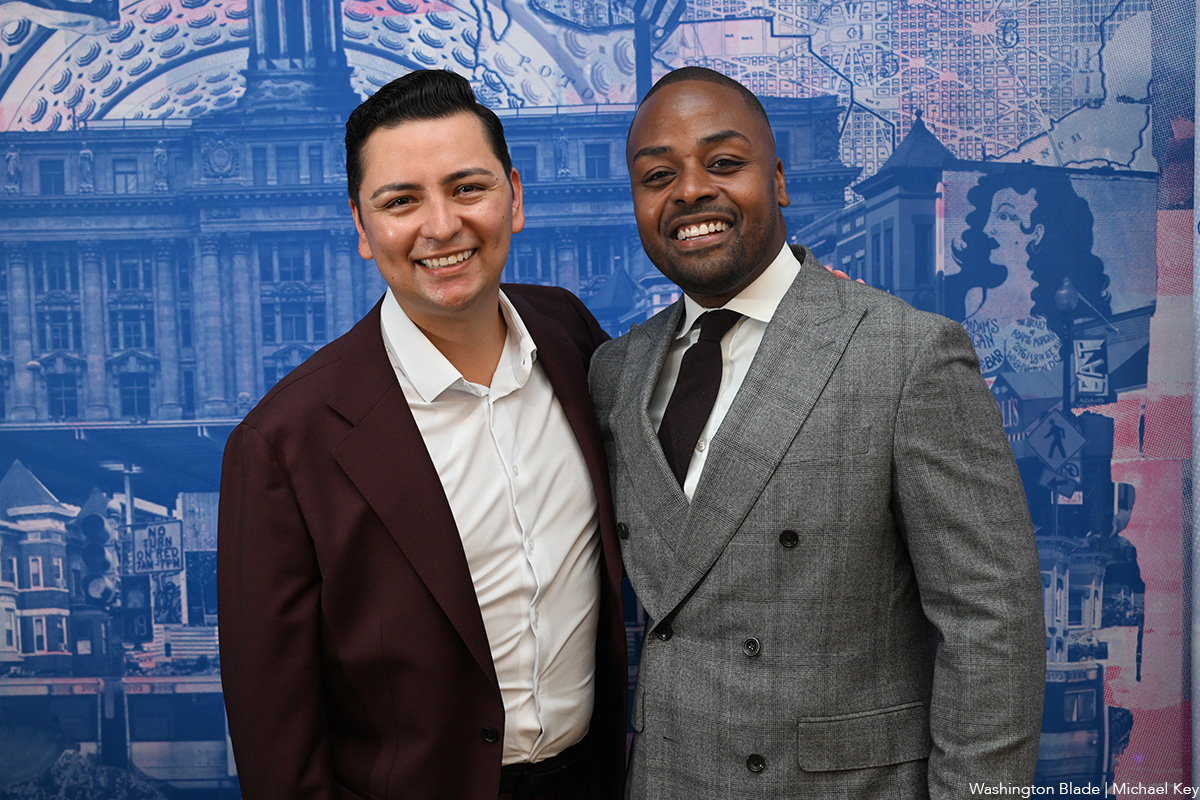
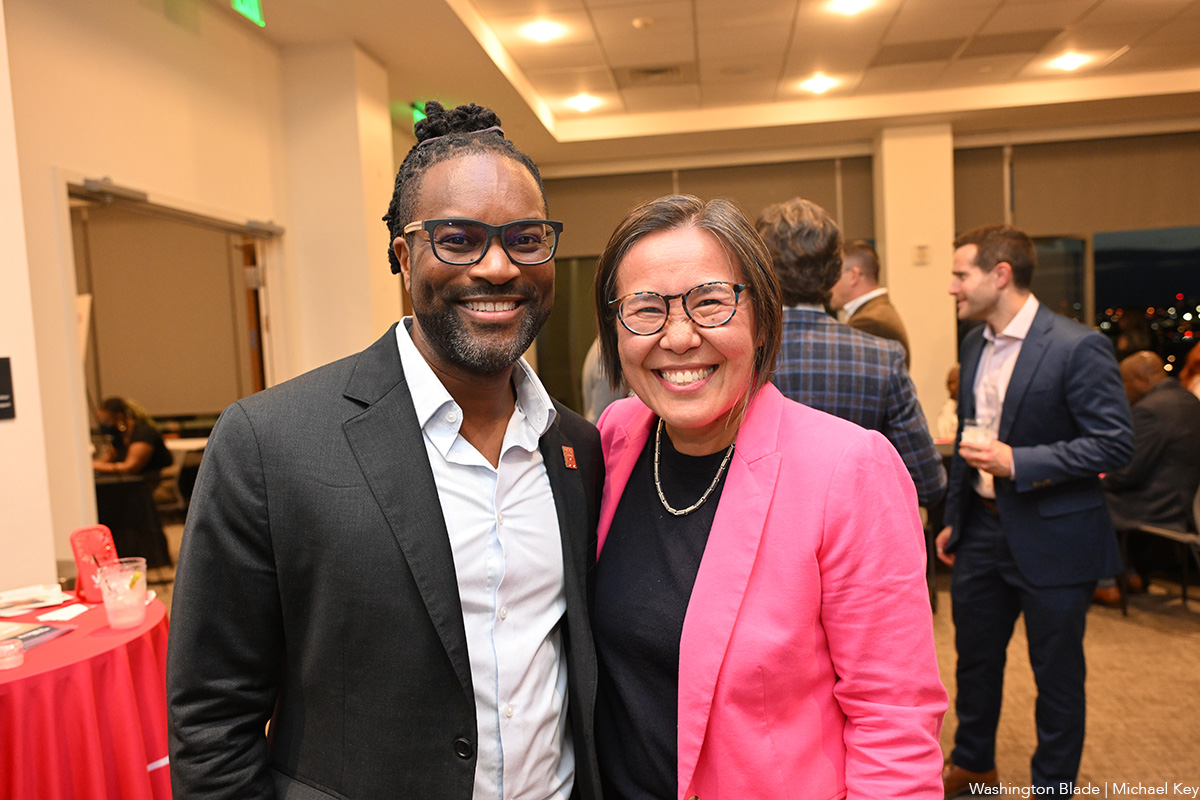
The Wanda Alston Foundation held its Fall Reception at the Penthouse Rooftop at The Wharf on Friday, Sept. 18. Honorees included D.C. Councilmember Robert White, Director of the Mayor’s Office of LGBTQ+ Affairs Japer Bowles, and the Washington Capitals. Rayceen Pendarvis served as the emcee and entertainment was provided by the Thomas Circle Singers.
(Washington Blade photos by Michael Key)

White House press pool pushes back after Trump bars three outlets

PHOTOS: Shenandoah Valley Pride

Long-time DignityUSA executive director announces retirement

PHOTOS: Walk and 5K to End HIV

PHOTOS: Wanda Alston Foundation Fall Reception

Gun reform is an LGBTQ rights issue

All the queer things to watch this fall

Parties, dinners, concerts and more on tap for fall nightlife

Jeremy Moss looks to bring LGBTQ advocacy from Lansing to Capitol Hill