a&e features
Ross Mathews shares ‘rossipes,’ cocktails, celeb gossip and more
New book ‘Name Drop’ is collection of his favorite happy hour tales
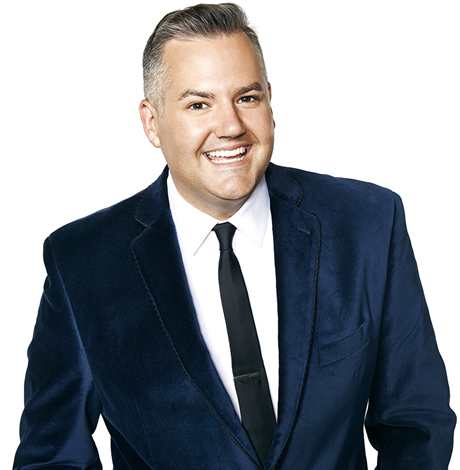
Ross Mathews ‘Name Drop’ Tour
Sunday, Feb. 9
7:30 p.m.
Miracle Theatre
535 8th St., S.E.
GA: $35
VIP (w/M&G): $100
Ross Mathews got his start on “The Tonight Show with Jay Leno” where he was known as “Ross the intern.”
The fabulously out gay guru has since been seen on many shows such as “Celebrity Fit Club,” “The Insider,” “Celebrity Big Brother” and, of course, “RuPaul’s Drag Race” where he’s been a staple at the judge’s table since season seven in 2015.
He launched his book tour for “Name Drop: the Really Good Celebrity Stories I Usually Only Tell at Happy Hour” (out Feb. 4) this week in New York and plays Washington Sunday night. Mathews, 40, dished on all that and more while driving to his second home (he lives mostly in Los Angeles) in Palm Springs last week.
WASHINGTON BLADE: How are things?
ROSS MATHEWS: Good. I feel like everyone has this sense of optimism this year that has been lacking the last couple years. People were like, “Ugh, God — this year can’t end soon enough,” but now, I don’t know, everyone I’ve talked to feels great about 2020 and so far so good. Also I’m driving to my place in Palm Springs, so I’m like in heaven.
BLADE: How were your holidays?
MATHEWS: It was really nice. I got to be with my family in Washington state and it was super nice, then I got to be back here in California and I went to Puerto Vallarta, which is another one of my happy places.
BLADE: Tell us about your book. How did it come about?
MATHEWS: The idea came to me in the shower. I was just like, “Oh my gosh, I wish I could tell everybody the stories I tell my friends at happy hour,” but then I thought, “But that’s so name-droppy.” Then I thought, “Screw it, just lean in — those are the stories people want to hear.” So “Name Drop” really is filled with celeb stories I usually only tell at happy hour and since it’s all about happy hour and I do cook every day, I thought why don’t I include some of my original rossipes in there so people can actually have happy hour while they’re reading the book, ‘cause that’s what the book feels like. It feels like you’re sitting down with me, ordering a drink and a bite and we’re just gushing over celebrities.
BLADE: So it’s cocktail and food recipes?
MATHEWS: Yes, there’s cocktails and rossipes for every single one and I pair them up with a chapter so for instance, I give Celine Dion “My Artichoke Heart Will Go On.” For Faye Dunaway, I give you my rossipe for “Endamame Dearest,” and it goes on from there.
BLADE: You had an encounter with Faye? Is she as scary as I fear she might be?
MATHEWS: I was too scared to ask her what I really wanted to ask her, but I thought it was so fascinating that I got to meet her, so I included it in the book. You know, some of these stories are when I had my dreams come true from people I’d loved forever, and some of these stories are about people who really disappointed me when I met them but I always say no celebrities were harmed in the making of this book. I tell the reader exactly what happened but I’m not out to hurt anybody.
BLADE: And these are all your own creations?
MATHEWS: Yes
BLADE: How did you get into that?
MATHEWS: So the cocktails are all sort of like my spin on cocktails that already exist and I make them original to me. The rossipes are all things I actually make. I’ve always loved cooking. I learned from my mom and I loved watching her. I love going to a restaurant and trying something and thinking, “Oh, I’d do it this way,” and then going home and cooking. I do that with Food Network too. I watch and go, “Huh — I would make it with this,” then I try it. Cooking is art — just another way to create.
BLADE: Do you have a favorite?
MATHEWS: Oh my gosh, I love them all. I make “Baked Ziti with a Z” for the Liza Minnelli story and that one’s really delicious.
BLADE: Please tell me there’s a chapter on Omarosa (she and Mathews were on “Celebrity Big Brother” together in 2018).
MATHEWS: Absolutely! We do an Omarosa Mimosa and then just a TV dinner because that chapter’s all about reality TV. Which by the way, an Omarosa Mimosa is made with blood orange juice.
BLADE: What was going through your head in real time when she was telling you all that stuff during your little tete-a-tete on “Big Brother”?
MATHEWS: Listen, I write all about that in the book. It was so surreal being locked away from the outside world for 30 days with cameras following us 24-7 and then Omarosa walks in and this was right after she had left the White House. I was fascinated by her and knew we had to talk about it or people wouldn’t think we were being real in that house. It’s impossible not to be real when they’re filming you 24 hours a day. So that conversation, to sit there and ask her those questions and what I was thinking and also what happened afterwards, which nobody knows about, that’s all in the book.
BLADE: Do you get a clothing allowance on “Drag Race”?
MATHEWS: No. I have to get my own wardrobe and of course, you have to step it up because you’re sitting next to RuPaul. I partner with Mr. Turk and I’m sucking up to friends who are designers. I’ve worked with Mr. Turk and Trina Turk for a long time and I’ve worn Tallia Orange before, so I try to find people who can partner with me so I’m not spending mazillions of dollars on these clothes.
BLADE: Is the stuff you wear on “Drag Race” the kind of stuff you wear in your private life or do you glam it up for the show?
MATHEWS: Well you have to wear something noticeable on that set. What am I going to do? Show up in corduroy or khakis? In real life, I love clothes but I’m not always in a suit. Usually I’m in like a jacket with a leopard scarf and a Gucci slide. When I go to Palm Springs, it’s elastic head to toe (laughs).
BLADE: Do you do your own shopping?
MATHEWS: I’ve had stylists in the past. My partner all those years, Salvador (Camerna), was my stylist but lately I’m not using a stylist. It’s just me partnering with various designers and trying to express myself however I feel that day. The other day I had on ripped jeans and boots and I was feeling all butch, like green Army Surplus jacket and right now I’m wearing Gucci fur slides and a leopard scarf, so I’m feeling more Nellie today. It’s fun to express fashion, always a joy.
BLADE: Was there ever a “Drag Race” contestant you thought went home too early?
MATHEWS: Yes. I’ve never disagreed with the winner, but I have opinions on who should stay and who should go. That’s part of my job, I get to argue my point to Ru who makes the ultimate decision. So I have of course thought somebody should have stayed who went home at a certain point, but the cream always rises to the top and I agree with every winner who’s been chosen.
BLADE: Did you ever feel somebody who sashayed away should have won the lip sync?
MATHEWS: (long pause) Yes (laughs). But I don’t want to give specific cases. Ru is the Supreme Court and I defer to Ru all the time. But there’ve been a couple times when someone won and I go, “Huh — I didn’t see that one coming.” But that’s not my job to decide that. I’m just there to give my two cents.
BLADE: Do you hang out with Michelle (Visage) and Carson (Kressley) outside the show?
MATHEWS: Absolutely. Michelle and I just went to lunch in Calabasas the other day. She got gluten-free grilled cheese. She’s like a sister to me and Carson’s like a brother. I love them all. And we really just make each other laugh all day long.
BLADE: You’re all so chummy now but Michelle had a rather prickly relationship with (former judge) Santino (Rice). Does a little tension there help the show?
MATHEWS: Well, I can’t really speak to her relationship with Santino, but Michelle and I are like brother and sister. If we disagree, we’re not gonna keep it in. I’ll tell her she’s nuts, but we laugh about it later. We have absolutely had strong disagreements where we each draw a line in the sand and we’ll never agree on something but then we go to lunch afterwards. I’m not afraid of her.
BLADE: Who’s been your all-time favorite “Drag Race” guest judge?
MATHEWS: Oh my gosh, there are so many. I can’t believe the people we get to sit next to. I’ll come home and say, “I just sat next to Lady Gaga for like 12 hours,” or Miley Cyrus. I have to be careful not to say some of the names coming up ‘cause they’ll blow you away, but I’ll get in so much trouble. It’s one of the greatest gifts of the show the artists that Ru and World of Wonder allow me access to. It blows me away.
BLADE: Who would be your dream judges?
MATHEWS: Liza, Cher, Bette, Madonna — you know, the icons.
BLADE: Do you guys write all your own puns for the runway commentary or do you have help?
MATHEWS: No, we come up with it as it’s happening. As we see it, we say it.
BLADE: They’re pretty clever most of the time. I’ve always thought, “They must get some help with this.”
MATHEWS: No, we just try to make each other laugh. There’s no better feeling than making really funny people laugh. There are some stinkers from time to time and the editors help us out.
BLADE: About how long does it take to tape a full “Drag Race” season?
MATHEWS: Well, there’s a lot going on. I don’t want to ruin it for people but of course, it takes longer than just what you see. There are outfit changes and you have to stop for production and sometimes there’s a lighting cue that goes wrong you have to redo. There’s a lot that goes into a production of this size but as someone who loves showmanship, I don’t want to give too much away.
BLADE: What’s the biggest thing being behind the scenes on these kinds of shows that stands out to you that you’d never have thought about as a viewer at home?
MATHEWS: Well, like the first time I went to the Oscars, I was staring at all the stars on the red carpet then you turn to the left and see 12 portapotties. I was like, “Wow, I didn’t know those were there,” they cut those out of the shots for TV. Or being in the “Big Brother” house and hearing the camera operators in the wall saying, “I’ve got a close up on Ross’s face, he’s going to bed.” I was like, “Oh my god, I didn’t think about that.” Or there’s a microphone hanging over the toilet, the one toilet you share with 11 other celebrities. It’s not all glamorous but it’s all a piece of the puzzle.
BLADE: Have you seen Ru’s new Netflix show?
MATHEWS: I have! Michelle and I went to the premiere. We were basically wearing the same red suit, it’s on my Instagram. It’s so great, I’m so proud of Ru. You know, Ru refuses to be put in any box. You think you know what Ru can do, then Ru goes, “Oh, I can also do this.”
BLADE: When Ru was on the cover of Vanity Fair in December, the article suggested he’s only knowable to a point, down to earth and candid in some ways — I’m paraphrasing — but also with a bit of aloofness, like he only lets you get so close or never totally lets his hair down. Is that your impression?
MATHEWS: Um, I can’t really speak for other people’s impressions of Ru, but I can tell you what Ru has been for me. Ru has been so kind and so supportive and so welcoming and you know, there’s one quote on the cover of my book and it’s a quote from Ru and that’s on purpose because for this phase of my career, Ru’s been the one who has sort of given me a platform and said, “Hey, look at this guy, he’s really funny.” ‘Cause Ru could have picked anybody for that seat next to him and so for me, he’s a mentor and a friend.
BLADE: You’ve made self-deprecating cracks about your sex life on “Drag Race.” You gettin’ any these days? Or dating anyone?
MATHEWS: (laughs) I am dating a lot actually. I never did this before. I didn’t really date in my 20s because I was figuring out how to be a famous person and I felt like a clown a little bit, so I felt like I had to choose between being funny or sexual. Then I got in a relationship and we were together for 10 years and now I found myself out dating again and I’m really confident now in who I am and I’ve never been single and confident at the same time, so I’m having a really good time dating. I find people fascinating. I like meeting people and I like learning from people and I think if you’re inquisitive and confident, you’re a really good dater.
BLADE: Reality TV and media can be rather soul sapping. And Ru is always spouting great spiritual wisdom. How do you refuel spiritually yourself?
MATHEWS: Not to sound cheesy, but I’m really fueled by living my dream. I don’t need anything else.
BLADE: Good luck with your book and tour.
MATHEWS: Thanks! Please come out. It’s just an hour and a half where we shut the door on the world, ‘cause everything’s fucked right now …
BLADE: Yeah, especially in Washington!
MATHEWS: I know, right? We just shut all that out and have some laughs.




a&e features
Rainbows in Revolt on a mission to make LGBTQ artists’ voices heard
Rainbows in Revolt on a mission to make LGBTQ artists’ voices heard
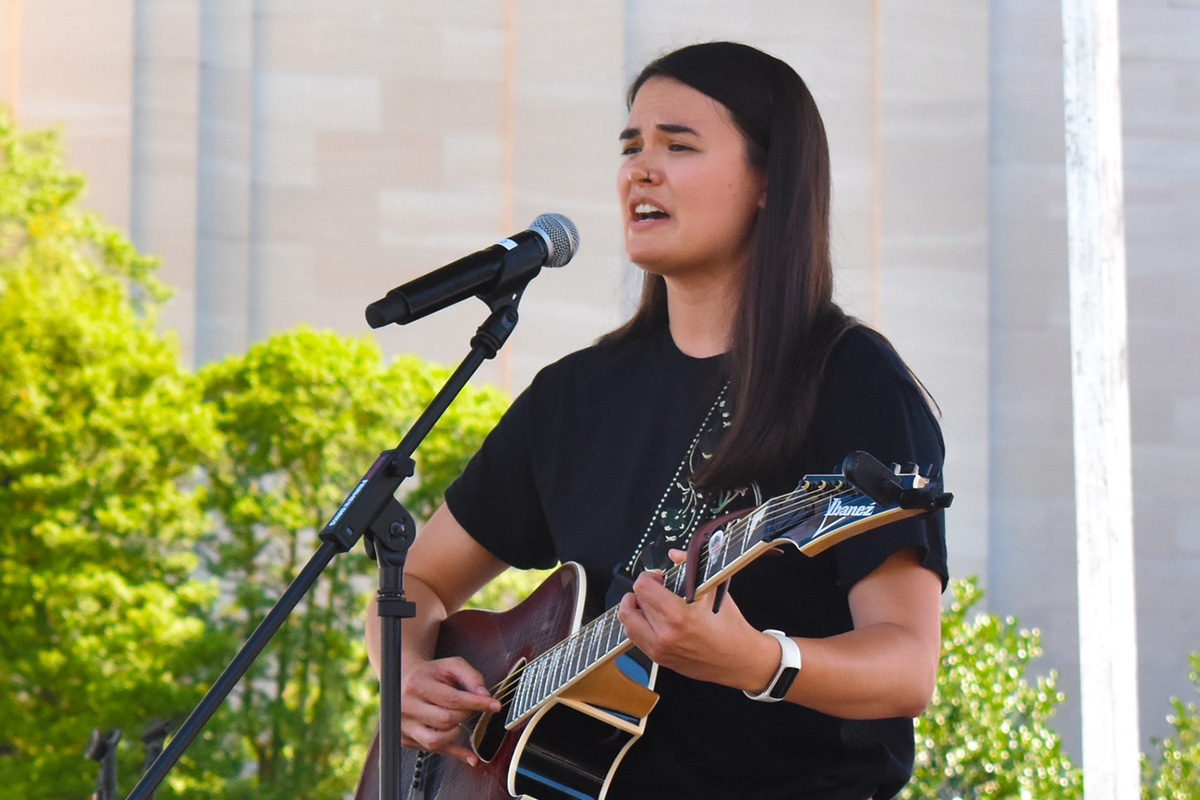
Last month’s Pride celebration in D.C. was so fun. Walking around my first Capital Pride with a $15 lemonade I was loving the madness and the color. Artists and small businesses battling banks you’ve never heard of collecting your personal information so you can spin a wheel to snag free merch. Great music blaring, people actually smiling and enjoying themselves, the “Great” American State Fair could never!
The Monument Stage was on Pennsylvania Avenue, directly in front of the National Gallery of Art and I can’t think of a better venue to see live music. How does someone get on the lineup for Pride? How do we accelerate the visibility of the most talented voices in our community to perform in places like this?
There is certainly not a talent gap, but there is a visibility gap. Chappell Roan went from playing for two people in a parking lot to owning the main stage at Coachella in one year. Whether it is shadowbanning or bias in AI, algorithms have been shown to suppress queer artists. In a digital age, how can queer people break through and show the world how talented they are?
Allison and Matt of Rainbows in Revolt are on a mission to make openly LGBTQ+ artists’ voices heard. Their goal is to find “musicians whose queerness is central to their identity as an artist,” and accelerate them to a place where they can actually reach fans.
The only time queer events seem to be in the spotlight is June, but this should be year round, according to Allison and Matt. Rainbows in Revolt wants to act as a “nucleus” for different sub-communities, finding common ground in the universal language of music.
Matt and Allison founded Rainbows as a way to make cheaper, higher quality merchandise for queer artists. While Rainbows has already pledged 20% of their profits to the LGBTQ+ community, with 10% to Whitman-Walker Health and 10% to LGBTQ+ organizations in need, this is just the beginning of the work that they do.
Rainbows “does the dirty work” that artists normally struggle to do on their own with limited resources. Interviews, artist profiles, social promotion, playlist discovery, radio outreach, and merch-funded support. This work is normally expensive, time consuming, and requires lots of different skills. Musicians don’t want to be editing clips to post online. Standup comedians don’t want to make graphics for their tour dates. They want to write more. They want to focus on their craft.
In addition to helping artists find their audience, Rainbows has built other digital tools to help queer people connect, including an interactive Safe Space Map for most major cities. It is hard to know which places are truly safe and supportive just from a simple Google search. Attitudes and actions change, and there should be a simple way for queer people to find other places that align with them. The Safe Spaces Maps are all up to date, and are tagged and filterable. Instead of relying on forums and word of mouth, Rainbows has created a centralized way to find authentic community quickly.
I had a chance to talk with Allison and Matt at Pride where Lily Erin, one of their signature artists, was performing on the Monument stage. Lily Erin is a folk singer who is familiar and forging her own path. Her bittersweet sound echoes through Acadia, and her garb mirrors the New England athletes I grew up with. Gorp Core meets streetwear. A graphic tee, hiking shorts, and creamsicle Jordans.
Her debut single, “Bus Stop,” tells a sad story about unconditional love, and the conditions that still seem to come with it. Graduating into lockdown, Erin needed a new way to connect with herself and others. Lily made “Bus Stop” without an intention to share it, but doing so was a liberation. People have been responding to her honesty around queer-ness, family, and the “ghosts which haunt us” even in the daytime.
Rainbows in Revolt has helped Lily Erin go from bars and backyards to The Monument Stage at Pride. This is a meteoric rise, and a testament to both Erin’s talent and the work of Rainbows to promote her. “A little encouragement goes a long way with early artists,” and by “planting a seed” Rainbows is already seeing their artist garden grow. Community is power, and Erin is a perfect example of how effective simple modern techniques of promotion can be.
A next step for Rainbows is putting on shows themselves. On Oct. 3, Rainbows in Revolt will host an Evening with Ray Boltz at the National City Christian Church. Boltz grew up in the Catholic Church and for many years was the soundtrack to many services, youth camps, and church groups. He was celebrated by millions until he came out in 2008. Allison remembers her community “never playing his music again.”
Rainbows in Revolt is helping him to return to the church, and proving that identity does not need to be exclusive. We live in a complicated world with complicated lines being drawn. Boltz proves that these lines don’t exist, and will be breaking down barriers to bring together communities. To Allison, “a trans woman standing next to a straight white man in church is a powerful teacher.”
The Safe Space maps bridge all types of spaces, and one of the unlikely ones is, perhaps, churches. Matt said that “BYU has only nine safe spaces around their campus and seven of them are churches.” Not all churches are anti-gay, and many times they are the only place for people to find community.
Rainbows in Revolt is just getting started bridging gaps and building community.
a&e features
Summer in the City: Free exhibits, movies, more fill D.C.’s calendar
America 250 celebrations continue
From late-night museum visits and outdoor jazz concerts to free movie screenings and America250 exhibitions, Washington’s summer calendar is packed with events that don’t charge admission. Here’s a look at some of the free activities happening across the District through September and beyond.
Museum exhibitions
The Renwick Gallery is presenting State Fairs: Growing American Craft, an exhibition that looks at unique and unconventional crafts from the 19th century to the present. It will run until Sept. 7, and admission is free.
The Arts and Industries Building, located next to the Smithsonian Castle, is presenting the exhibition Voices and Votes: Exploring Democracy Across America. The exhibition features the development of American independence and what that has meant over time, beginning with the Revolutionary War. Admission to the museum is free, and the exhibition runs until Sept. 7.
The National Gallery of Art presents Dear America, an exhibit featuring more than 100 pieces of work, including letters, photographs, and drawings that depict American landscapes and depictions of freedom. The exhibition will run until Sept. 20.
The National Museum of Women in the Arts is exhibiting Burnished: Pueblo Pottery until Sept. 27. The exhibit features pottery from the Southwest, and while most of the pottery belongs to women artists, a few also reflect those who have advocated for women.
Extending past this summer, the exhibition ¡Puro Ritmo! The Musical Journey of Salsa will be at the National Museum of the American Latino until July 2028. The exhibition shows how Afro-Cuban music has become a staple in the U.S. Admission is free.
The Martin Luther King Jr. Memorial Library will feature the exhibition District Vibes / American Pride: How DC Changed American Culture, which will highlight all of the ways D.C. has impacted American life. The exhibit will run until Sept. 27.
At the Folger Shakespeare Library, the exhibit Imagining Shakespeare: Mythmaking and Storytelling in the Regency Era will be on view through Aug. 2. All the portraits on display come from the Boydell Shakespeare Gallery in London.
The United States Botanic Garden will be open until 8 p.m. on Aug. 20 and Sept. 17, as part of America’s State Flowers: An America250 Celebration. The evenings will include live music, mocktails, ice cream, and snacks.
The National Gallery of Art Sculpture Garden will have extended hours, staying open until 8 p.m. Wednesday to Saturday until Sept. 3.
Live performances
On Aug. 7, the postgame Nationals concert series will continue with Jordan Davis performing. To see the concert, guests just need to buy tickets to the Nationals game.
Jazz in the Garden will run each Friday until Aug. 14. The event has free admission, but those interested have to enter a lottery due to the high demand for the event.
From May to October, Capital Harvest Market occurs every Wednesday from 10 a.m.-2 p.m. at the Ronald Reagan Building and International Trade Center. The market features fresh foods, crafts, and recipes for unique dishes. A full list of vendors is available on Capital Harvest’s website.
Live! Concert Series on the Plaza will feature live performances at Woodrow Wilson Plaza until Sept. 25. The performances run Monday to Friday from 12-1 p.m. Admission is free to the performances.
DowntownDC Live! at Anthem Row is running until July 30, with free performances every Thursday from 5:30 p.m. to 9:00 p.m. The final performance will feature HUE and a vintage flea market hosted by Get Flee Marketplace.
Located in Adams Morgan, AdMo Vibe will present live performances every Thursday at 6 p.m. in Kalorama Park. Guests are encouraged to check out Adams Morgan before and after shows, and it is an event for all ages.
Other events
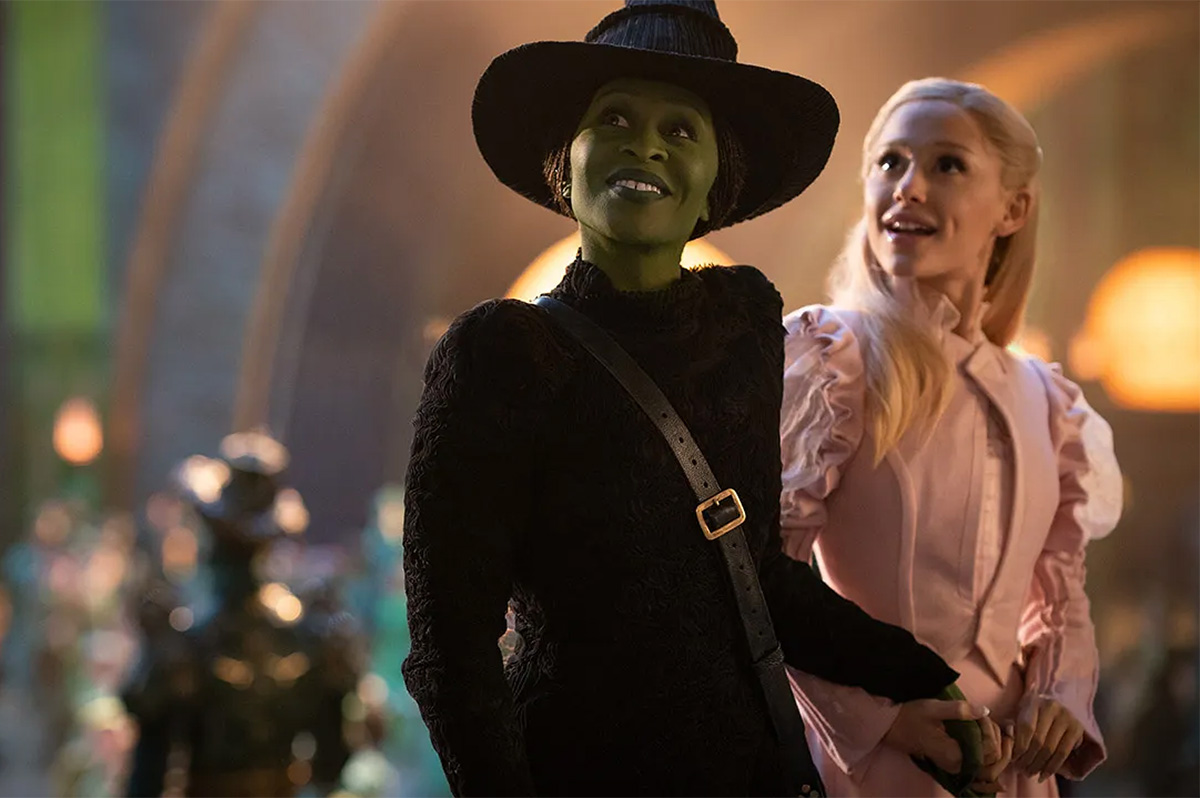
Union Market is hosting drive-in movies on Aug. 8, featuring “Monsters, Inc.”, and Sept. 12, featuring “Wicked.” On Aug. 8, the parking lot will open at 7:30 p.m., with the movie starting at 8:25 p.m. On Sept. 12, the parking lot will open at 6:35 p.m., and the movie will start at 7:30 p.m.
Sunset Cinema at the Wharf will also be available one day a month. On Aug. 12, “10 Things I Hate About You” will premiere, and on Aug. 26, “Project Hail Mary.” No tickets are necessary.
The Library of Congress will also show movies. On Aug. 6, guests are invited to watch “Apollo 13.” The movie will be shown at 8 p.m., with additional live performances beginning at 7 p.m.
For fans of Asian media, the Okaton convention will be at Walter E. Washington Convention Center from July 31-Aug. 2. Festivities will include cosplay contests, skits, live music, and panel discussions.
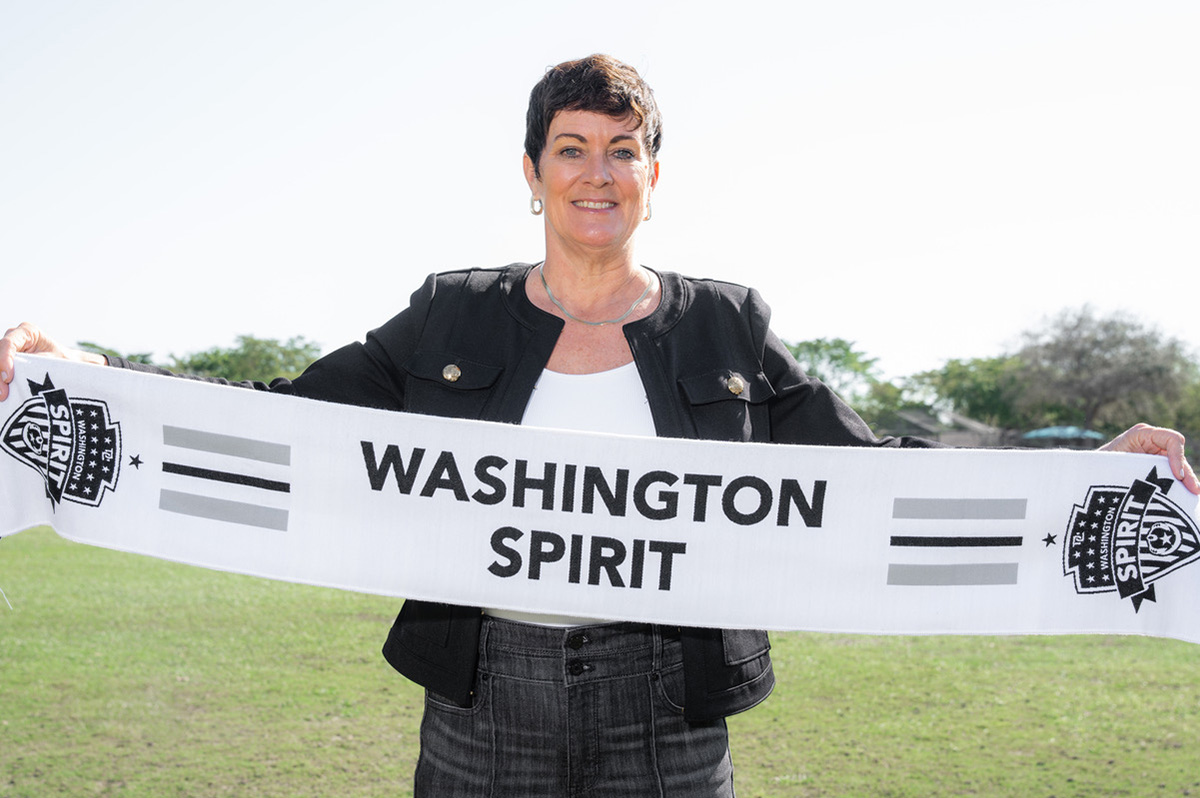
Washington Spirit’s season also begins in August. The Spirit is Washington’s National Women’s League, with matchups occurring between the San Diego Wave, the North Carolina Courage, the Orlando Pride, and the Bay FC.
a&e features
Summer in D.C. brings sports, Restaurant Week, festivals, and more
Summer in D.C. just hits different. Congress is out, school is out, the sun is out, thighs are out. With the skies clearing from Canadian smoke, here are a few ways to stay entertained.
Dining
Summer restaurant week: The Restaurant Association of Metropolitan Washington (RAMW) is once again hosting Summer Restaurant Week, Aug. 18-24. This weeklong dining experience showcases the dynamic dining scene of the DMV, including 2026 RAMMY Award-winning favorites (the annual D.C. food awards show that took place June 29). Participating restaurants will offer three-course brunch and lunch selections for $25 or $35 per person, and three-course dinners for $40, $55 and $65 per person.
New Restaurants: A handful of new spots have opened, so the summer is a great time to check them out:
- Oribu: A new Mediterranean-Japanese restaurant in the Grand Hyatt hotel, which just underwent a remodeling effort. The sleek restaurant brings upscale charm, with dishes like Wagyu beef tartare with potato pavé and caviar.
- The Oak Room: A snazzy old-school American grill has just opened in Georgetown, alongside its sister upstairs supper club (Bernadette’s) restaurant, in the old El Centro space.
- Uchi: This showy Japanese sushi-forward chain has landed in Dupont with a chef’s tasting menu of favorites like fatty tuna.
- Kathmandu: Recalling the capital of Nepal, this warm, buzzy subterranean restaurant right in the heart of U Street brings spice, flair, and rare ingredients to its dishes (see: buffalo burgers) and drinks.
Sports
- Washington Spirit Pride Night OUT: On Sunday, Aug. 23, head to Audi Field for a massive, high-energy game following the exciting month of World Cup. The designated Pride Night OUT game promises boisterous crowds plus pre- and post-game community engagements.
- Washington Tennis Open – Now called the Mubadala DC Open, this annual tournament is only combined mens’ and womens’ 500-level tennis tournament in the world. The open is one of D.C.’s longest-standing sports traditions, and will take place at the Rock Creek Park Tennis Center July 25-Aug. 2. Naomi Osaka, Venus Williams, Ben Shelton, Frances Tiafoe, and others are expected to play.
Festivals
- Afro Plus Fest: This huge, three-day Afro-Caribbean Hip-Hop Festival brings together headliners Davido, Alkaline, and Wizkid, plus Tems and Ayra Starr. The event moves from RFK to the Northwest Stadium Complex for three days, Sept. 4-6.
- Capital Fringe Festival: Running from July 11-21, this massive celebration features dozens of live theater, comedy, dance, and boundary-pushing nighttime performances across multiple DC neighborhoods.
- The National Book Festival returns, with headliners like Cynthia Erivo, and Martin Scorsese. The one-day festival, Saturday, Aug. 22, brings together bookworms and word nerds under the theme “America 250: It’s Your Story.” There are talks, workshops, musical sessions and more.
- All Things Go: A three-day festival Sept. 25-27 at Merriweather Post Pavilion featuring Mitski, Hayley Williams, Brandi Carlile, MUNA, Zara Larsson, Ethel Cain, and many, many more artists. There are single-day and three-day tickets. Featuring and highlighting female artists, the festival has turned into a must-see for many LGBTQ audience members.
- Fuchsia Fest: The inaugural Fuchsia Fest is a new multi-day celebration created to celebrate LGBTQ community and expression, bringing together a mix of community gatherings, entertainment, and nightlife. The event takes place Sept. 18-20 and is hosted by Capital Pride.
Art and Music
- United We Dance: A high-energy rave with house, techno, bass, and festival music, on Aug. 1 at the 9:30 Club.
- The Fray. On Aug. 14, this American rock band famous for How To Save A Life is at Merriweather Post Pavilion.
- Kesha: Kesha’s high-energy The Freedom Tour comes to the D.C. area on Aug. 14 at Jiffy Lube Live.
- ALOK: On Sept. 3 at Lincoln Theater, ALOK (they/them) performs. The poet, comedian, and actor is putting on a new comedy show.
- 2charm, the emerging Australian electronic club-pop duo popular with the queer community, which blends hyperpop and dance music, comes to the Atlantis.
- Sapphic Dance Party: a vibrant, inclusive nightlife and social event designed specifically for queer women, lesbians, bisexuals, trans individuals, and nonbinary folks, at Atlantis on Aug. 21.
- Jazz in the Garden: The most quintessential of D.C. activities returns Friday evenings through Aug. 14. This season’s theme, “American Sounds,” is a nod to the nation’s 250th anniversary. Tunes themes range from Appalachian and Americana to Creole jazz, Hill Country blues, contemporary jazz, and more. Tickets are available through a lottery system a week before each event.

PHOTOS: World Pride March

Tens of thousands take part in World Pride March

PHOTOS: Daddy Issues at Kiki

Something’s off about Dad. When is it time to step in?

New book chronicles gay man’s life in hippie commune

My evening with Madonna

Buttigieg indicates he may run for president in 2028

Remembering Elliot Leonard, generous visionary who helped LGBTQ communities thrive

Dutch prime minister opens World Pride Human Rights Conference

Progressives score victory as El-Sayed wins Mich. Senate primary
-

 Celebrity News5 days ago
My evening with Madonna
-
Politics5 days ago
Buttigieg indicates he may run for president in 2028
-
Obituary5 days ago
Remembering Elliot Leonard, generous visionary who helped LGBTQ communities thrive
-
Netherlands4 days ago
Dutch prime minister opens World Pride Human Rights Conference