a&e features
Meet D.C.’s Most Eligible Queer Singles
Our annual report, just in time for Valentine’s Day

Just in time for Valentine’s Day, the Blade is happy to present our annual Most Eligible Singles issue. The Singles were chosen by you, our readers, in an online nominations process.
John Marsh
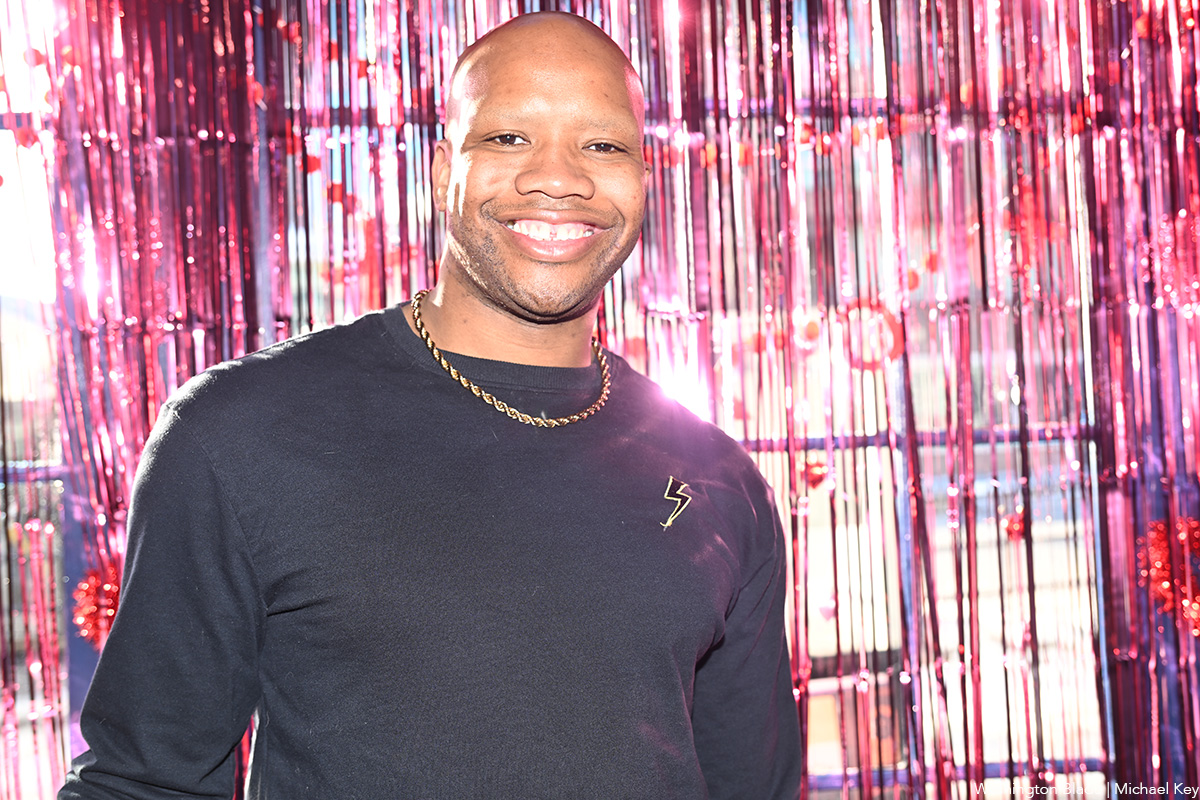
Age: 35
Occupation: DJ and Drag Entertainer
How do you identify? Male
What are you looking for in a mate? I’m looking for someone who’s ready to dive into life’s adventures with me. someone independent and building their own successes, but equally open to supporting each other’s dreams along the way. I know that probably sounds simple because, honestly, who isn’t looking for that? But my life and career keep me very social and busy, so it’s important to me to build trust with someone who understands that. I want a partner who knows that even when life gets hectic or I’m getting a lot of attention through my work in the community, it doesn’t take away from my desire to build something real, intentional, and meaningful with the right person.
Biggest turn off: My biggest turnoff is arrogance or judgment toward others. I’m most drawn to people who are comfortable being themselves and who treat everyone with the same level of respect and care. I’ve worked hard for the success I’ve found, but I believe in staying humble and leading with kindness, and I’m attracted to people who live the same way. I’m also turned off by exclusionary mindsets, especially the idea that sapphic folks don’t belong in gay spaces. Our community is vibrant, diverse, and strongest when it’s shared with everyone who shows up with respect and love
Biggest turn on: I’m drawn to people who can confidently walk into new spaces and create connection. Being able to read a room and make others feel comfortable shows emotional intelligence and empathy, which I find incredibly attractive. I also come from a very social, open, and welcoming family environment, so being with someone who embraces community and enjoys bringing people together is really important to me.
Hobbies: I have a lot of hobbies and love staying creative and curious. I’m a great cook, so you’ll never have to worry about going hungry around me. In my downtime, I watch a lot of anime and I will absolutely talk your ear off about my favorites if you let me. I’m also a huge music fan and K-pop lover (listen to XG!), and I’m a musician who plays the cello. I spend a lot of time sewing as well, which is a big part of my creative expression. My hobbies can be a little all over the place, but I just genuinely love learning new skills and trying new things whenever I can.
What is your biggest goal for 2026? This year feels like a huge milestone for me. I’m getting ready to join a tour this summer and want to represent myself well while building meaningful connections in every city I perform in. I’m also focused on growing as a DJ, sharing more mixes and content online, and reaching a big creative goal of releasing original music that I’m producing.
Pets, Kids or Neither? I have a lovely Akita named Grady that I’ve had for 10 years and always want pets in my life. I’m open to kids when/if the time is right with the right person.
Would you date someone whose political views differ from yours? Hell no. I don’t see political differences as just policy disagreements anymore – they often reflect deeper values about how we treat people and support our communities. I’m very progressive in my beliefs, and I’m looking for a partner who shares that mindset. For me, alignment in values like equity, compassion, and social responsibility is non-negotiable in a relationship. To be very clear about my beliefs, I’m outspoken about my opposition to immigration enforcement systems like ICE and believe both political parties have contributed to policies that have caused real harm to vulnerable communities. I’m also deeply disturbed by the ongoing violence in Palestine and believe we need to seriously examine our support of military actions that have resulted in the loss of countless innocent lives. These aren’t abstract political opinions for me, they are moral issues that directly inform who I am and what I stand for.
Celebrity crush: Cocona
Name one obscure fact about yourself: I used to own a catering business in college that paid for my school — I also went to a Christian college, lol.
Jackie Zais
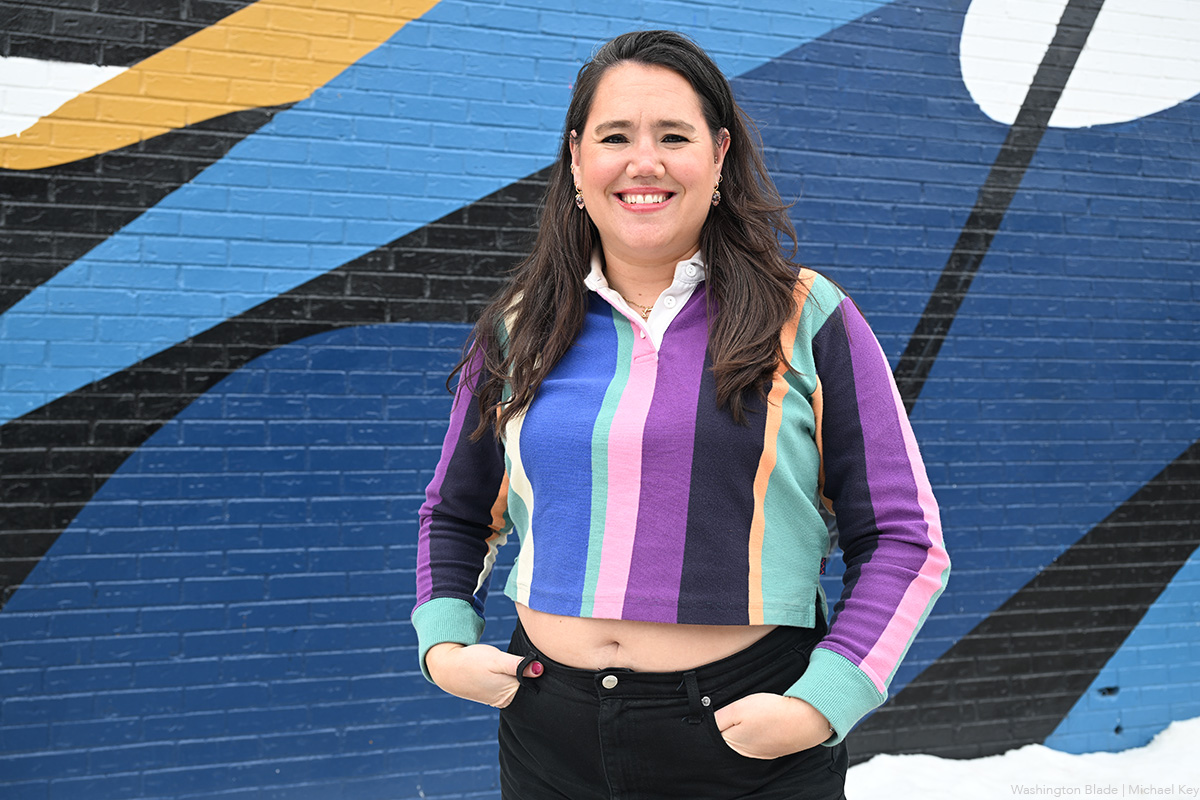
Age: 35
Occupation: Senior director at nonprofit
How do you identify? Lesbian woman
What are you looking for in a mate? Looking for someone who’s curious about the world and the people in it — the kind of person who’s down to explore a new spot one night and stay in with takeout the next. Confident in who they are, social without being exhausting, adventurous but grounded, thoughtful but not pretentious. Someone who can be funny while still taking life (and relationships) seriously.
Biggest turn off: Doesn’t have strong opinions. I love hearing a wild hot take.
Biggest turn on: When someone can make me belly laugh.
Hobbies: Number one will always be yapping with friends over food, but I also love collecting new hobbies. Currently, I crochet (and have some dapper sweater vests as a result), listen to audiobooks on what I personally think is a normal speed (2x) and play soccer and pickleball. But I’ve tried embroidery, papier-mâché, collaging, collecting plants, scrap booking, and mosaic.
What is your biggest goal for 2026? I’ve recently started swimming and I want to look less like a flailing fish and more like someone who knows what they’re doing.
Pets, Kids or Neither? I have neither but open to kids
Would you date someone whose political views differ from yours? My best friend is a moderate Democrat and that’s as far right as I’m willing to go.
Celebrity crush: Tobin Heath
Name one obscure fact about yourself: I’m the daughter of Little Miss North Quincy 1967.
Kevin Schultz
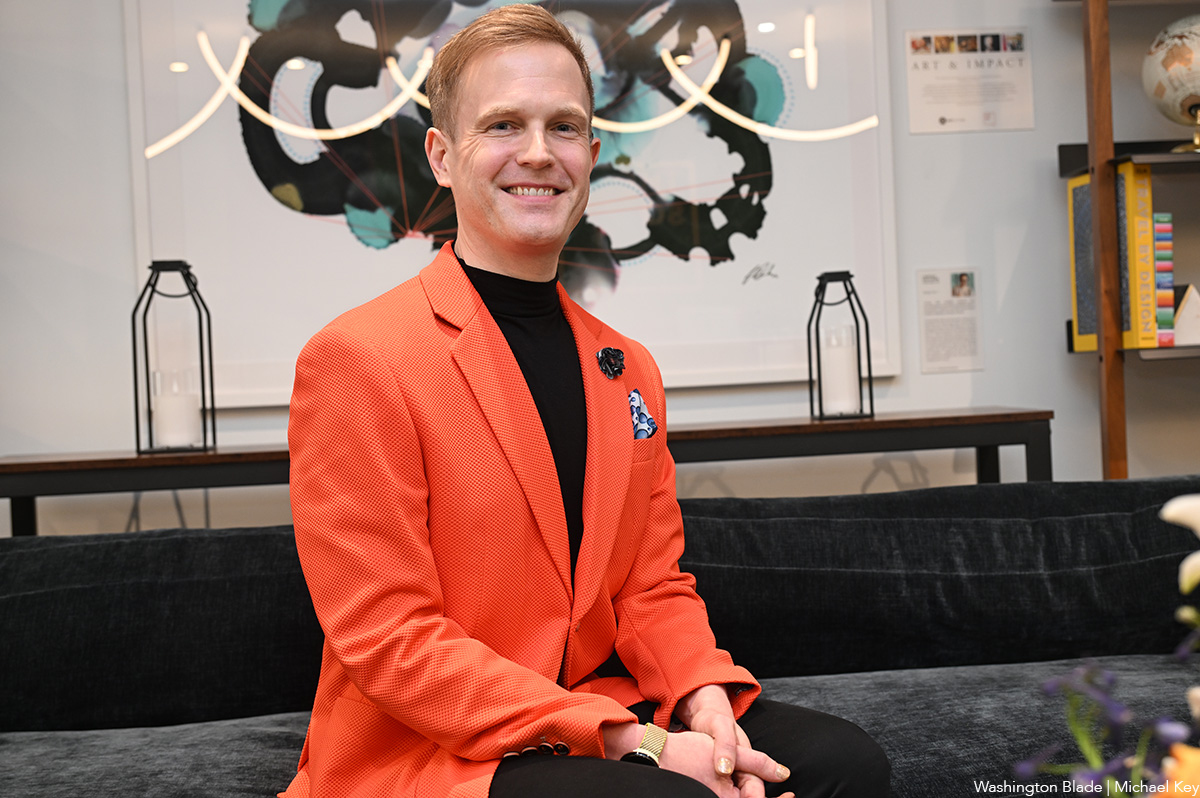
Age: 39
Occupation: Product manager
How do you identify? Gay
What are you looking for in a mate? You know 2001’s hottest Janet Jackson single, “Someone to Call My Lover?” To quote Janet, “Maybe, we’ll meet at a bar, He’ll drive a funky car; Maybe, we’ll meet at a club, And fall so deeply in love.”
Realistically though, I’d love to find someone who loves to walk everywhere and who avoids the club because it’s too loud and crowded. Later in the song, our songstress opines “My, my, looking for a guy, guy, I don’t want him too shy; But he’s gotta have the qualities, That I like in a man: Strong, smart, affectionate” and I’m quite aligned there – I’m an introvert looking for someone more extroverted.
I’m looking for someone who is different from me. When the math works, one plus one should equal two. Two becoming one is more art, and my relational approach is more science, or, I guess, math.
Biggest turn off: I’m turned off by a lot of superficially small things — chewing with one’s mouth open, dirty or untrimmed fingernails, oh, and also, lack of self awareness. My personal brand of anxiety is hyper self-aware, so I’m very turned off by someone who doesn’t realize that they exist in the world with others.
Biggest turn on: Competency. Or maybe…eyes? So perhaps, you see my conundrum — I’m very engaged by people who are deeply engaged by something, but I’d be lying if I said a sharp gaze and a wink didn’t get me. And, you know, some stamina in all avenues, mental and physical doesn’t hurt either.
Hobbies: Fixing everyone’s WiFi (this did actually get me a date once), and just generally fixing everyone’s everything. If it’s got a plug, screen, or buttons I can probably help you with it. On my own, I’m really into smart home devices and automation, and just to be timely, my latest thing is setting up and tuning my own instance of OpenClaw. (No one should actually do this, which is why I’m trying.) Together, we could also explore such hobbies as visiting every Metro station, visiting and exploring a new airport, and exploring why there are so many gay transit nerds. There’s no non-fake sounding way to say this but I also just love knowledge seeking, so I’d also love to go on an adventure with you where we learn something brand new.
What is your biggest goal for 2026? My biggest goal is to arrive to 2027 just a little better than I arrived to 2026. A few gym goals, a few personal goals, a few work goals; I hope to get a few of them across the finish line. At the risk of holding myself accountable, one of those goals is to be able to flawlessly side plank for over a minute. Please don’t mistake me for a huge gym rat; I just have a questionable relationship with balance and I’m really working on it.
Pets, Kids or Neither? I’ll just be blunt: no pets. Stating this on my Hinge profile resulted in an exponential loss of matches, so it’s very fun to trot out the idea. Primarily, I’m allergic to cats and dogs so my aversion is mostly biological. I’m not, however, allergic to kids — big fan of my various nieces and nephews — but I’d really only consider kids of my own if my chosen companion and I could financially afford them without compromise, and at this age I’ve become opinionated about the life I want to live.
Would you date someone whose political views differ from yours? No. This becomes a simpler answer with each passing day, unfortunately.
Celebrity crush: If I’m being of the moment, of course, it’s going to be one of the gentlemen on “Heated Rivalry,” but if I were to really dig into the archives it would be pre-Star Trek Chris Pine. I first saw him in an absolute train wreck of a movie called “Blind Dating” where he plays a blind guy who tries to pretend to be sighted in order to date. The movie was terrible, but I found him irresistible.
Name one obscure fact about yourself: I went suddenly deaf on one side only (my left) just before my 33rd birthday. After a bit of time in the wilderness (metaphorically) I got a cochlear implant a few years later, and it really changed my life. I will talk until someone stops me about hearing, sound, and the amazing arena of hearing loss technology. A lot of people, when they see my implant, assume I was born with hearing loss, so it’s always a bit odd (obscure even!) when I tell people I lost it as an adult. But, I also got my hearing back as an adult and am an eager advocate for assistive technology and visibility for people with disabilities that are not always immediately visible. I also work with prospective adult implant candidates to determine if an implant is right for them, because losing hearing suddenly as an adult is isolating and it’s helpful to talk to someone who’s been there.
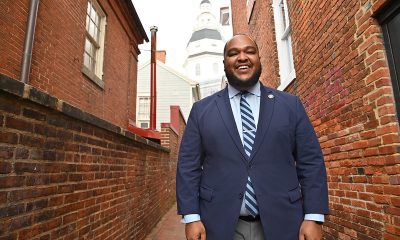
Gabriel Acevero
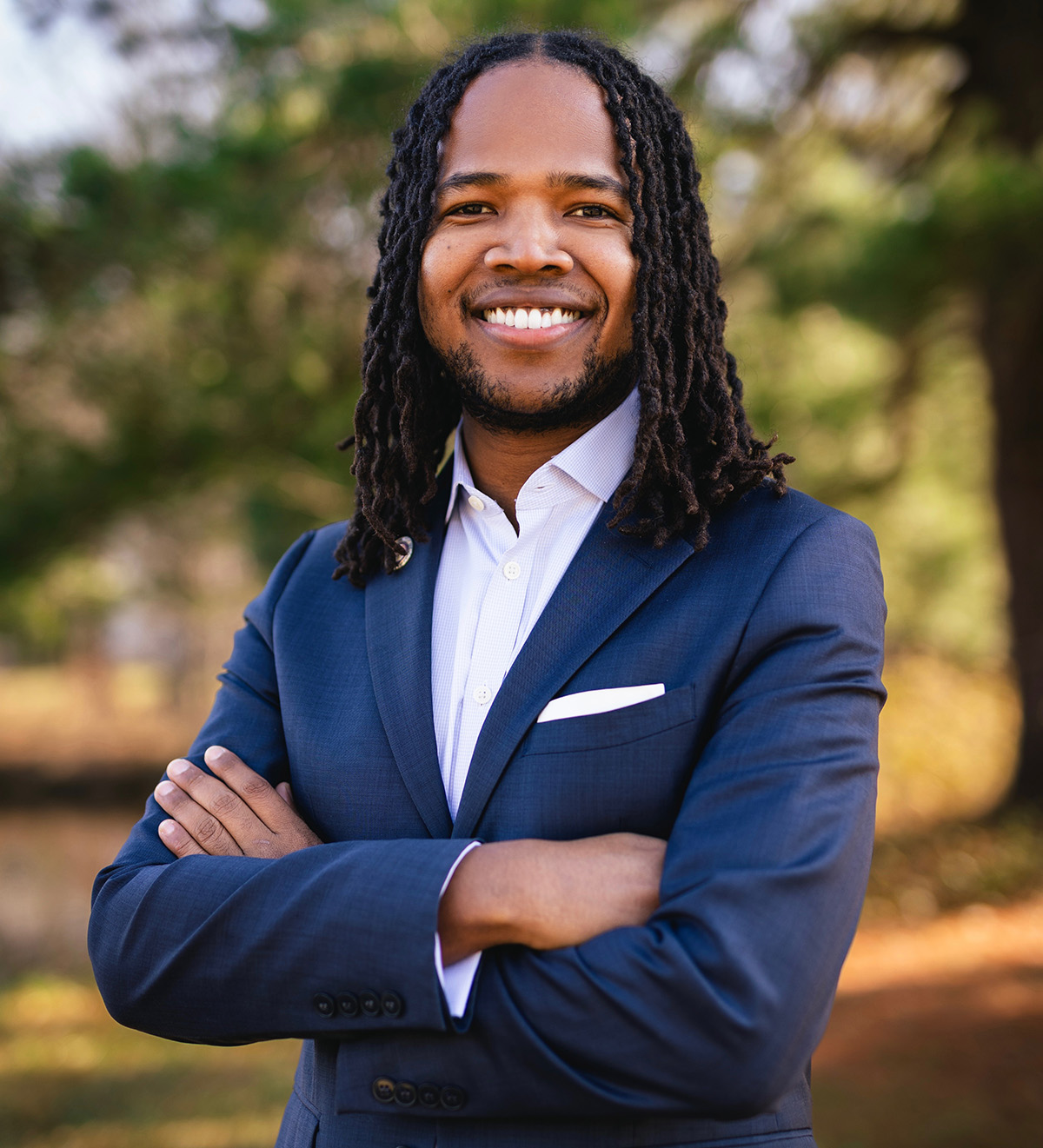
Age: 35
Occupation: Maryland State Delegate
How do you identify? Gay
What are you looking for in a mate? Emotional intelligence and a sense of humor.
Biggest turn off: Fetishization.
Biggest turn on: Kindness and emotional intelligence.
Hobbies: Traveling and reading (I love books).
What is your biggest goal for 2026? More self care. I love what I do but it can also be physically taxing. In 2026, I’m prioritizing more self care.
Pets, Kids or Neither? I have neither but I’m open to both.
Would you date someone whose political views differ from yours? No.
Celebrity crush: Kofi Siriboe
Name one obscure fact about yourself: I’m a Scorpio who was raised by a Scorpio and I have many Scorpios in my life.
Vida Rangel
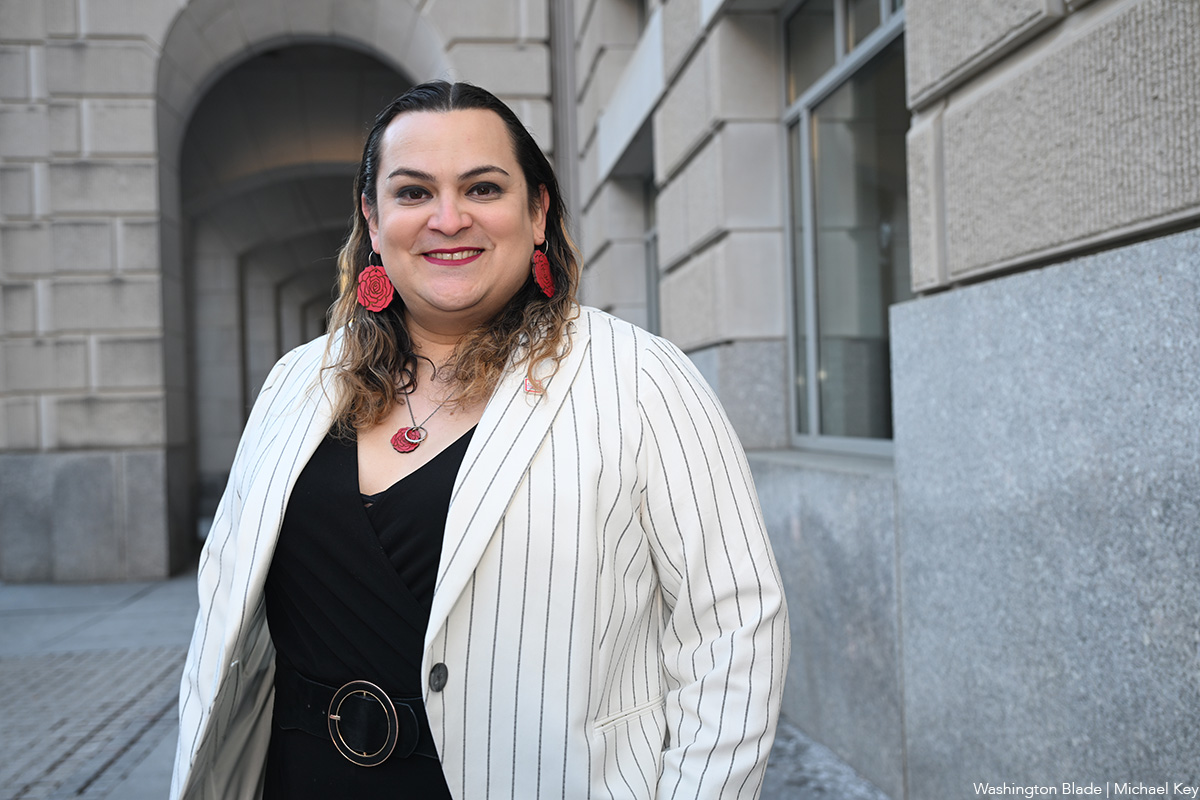
Age: 36
Occupation: Public Servant, Community Organizer
How do you identify? I am a queer transLatina
What are you looking for in a mate? I’m looking for a partner who is caring, socially aware, and passionate about meaningfully improving some part of this world we all live in. Ideally someone playful who can match my mischievous energy, will sing and dance with me whenever joy finds us, and will meet me at protests and community meetings when the moment calls for bold collective action.
Biggest turn off: Ego. Confidence can be cute, but humility is sexy.
Biggest turn on: Drive. Seeing someone put their heart into pursuing their goals is captivating. Let’s chase our dreams together!
Hobbies: Music in all its forms (karaoke, playing guitar, concerts, musicals…), finding reasons to travel to new places, and making (Mexican) tamales for friends and coworkers.
What is your biggest goal for 2026? My biggest goal for 2026 is to organize and a celebratory kiss on election night wouldn’t hurt.
Pets, Kids or Neither? An adorable black cat named Rio (short for Misterio)
Would you date someone whose political views differ from yours? Ma’am? If you feel the need to ask…
Celebrity crush: Mi amor, Benito Bad Bunny. Zohran Mamdani, too. I have lots of love to give.
Name one obscure fact about yourself: I worked at Chick-fil-A when I was in high school and was fired after just three months. At the time it was still legal to fire someone for being trans, but I’m pretty sure it was because I called out to go to a Halloween party.
Em Moses
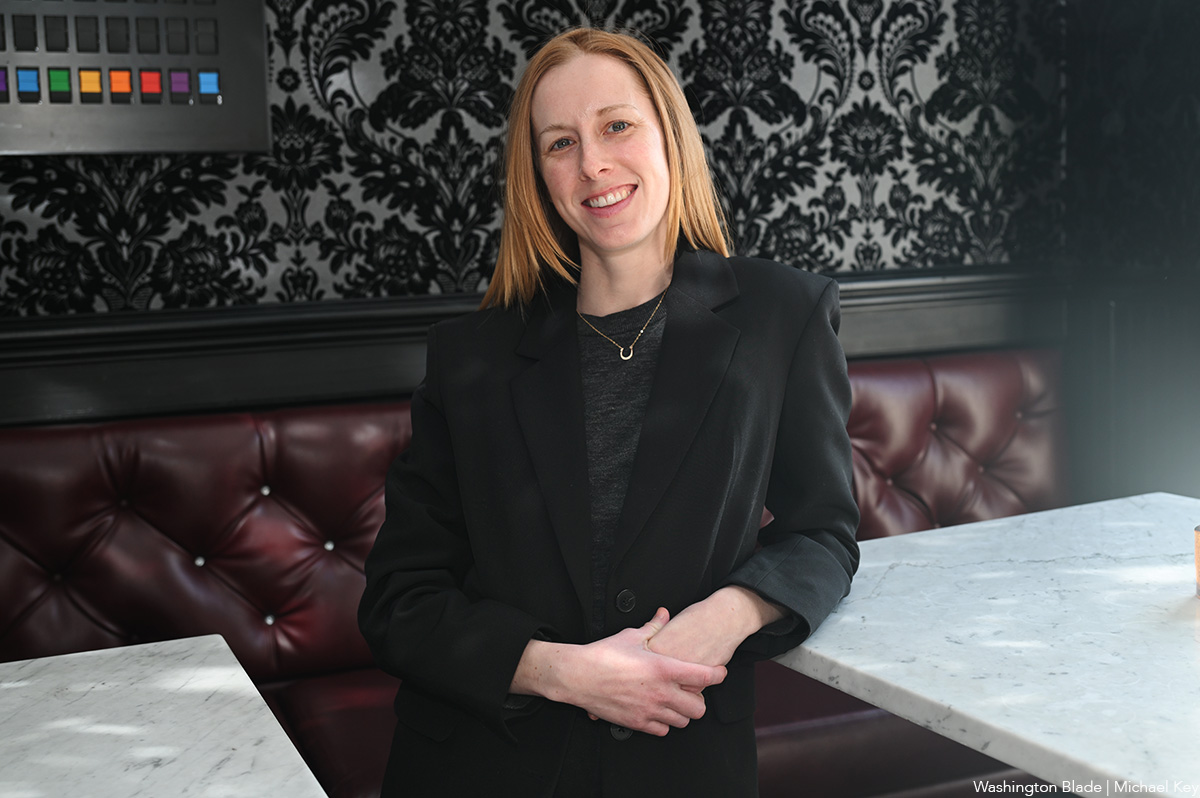
Age: 34
Occupation: Publishing
How do you identify? Queer
What are you looking for in a mate? Companionship, passion, fun. I seek a confident partner who inspires me, someone to laugh and dance with, someone with a rich internal universe of interests and experiences to build upon. A lifelong friend.
Biggest turn off: Dishonesty.
Biggest turn on: I love when someone is exactly themselves, nurturing their passions and skills and showing up uniquely in this world as only they can.
Hobbies: I love to read. I create art with my hands. When the weather is nice I’m outside, walking around the District looking at flowers and trees.
What is your biggest goal for 2026? My main goal this year is to spend more time with my nieces and nephews.
Pets, Kids or Neither? No pets or children in my life currently.
Would you date someone whose political views differ from yours? While I consider myself quite openminded and genuinely enjoy learning from perspectives different from my own, I have clear boundaries around my morals and those pillars do not fall.
Celebrity crush: Luigi Mangione
Name one obscure fact about yourself: My first job was at a donut shop.
Nate Wong
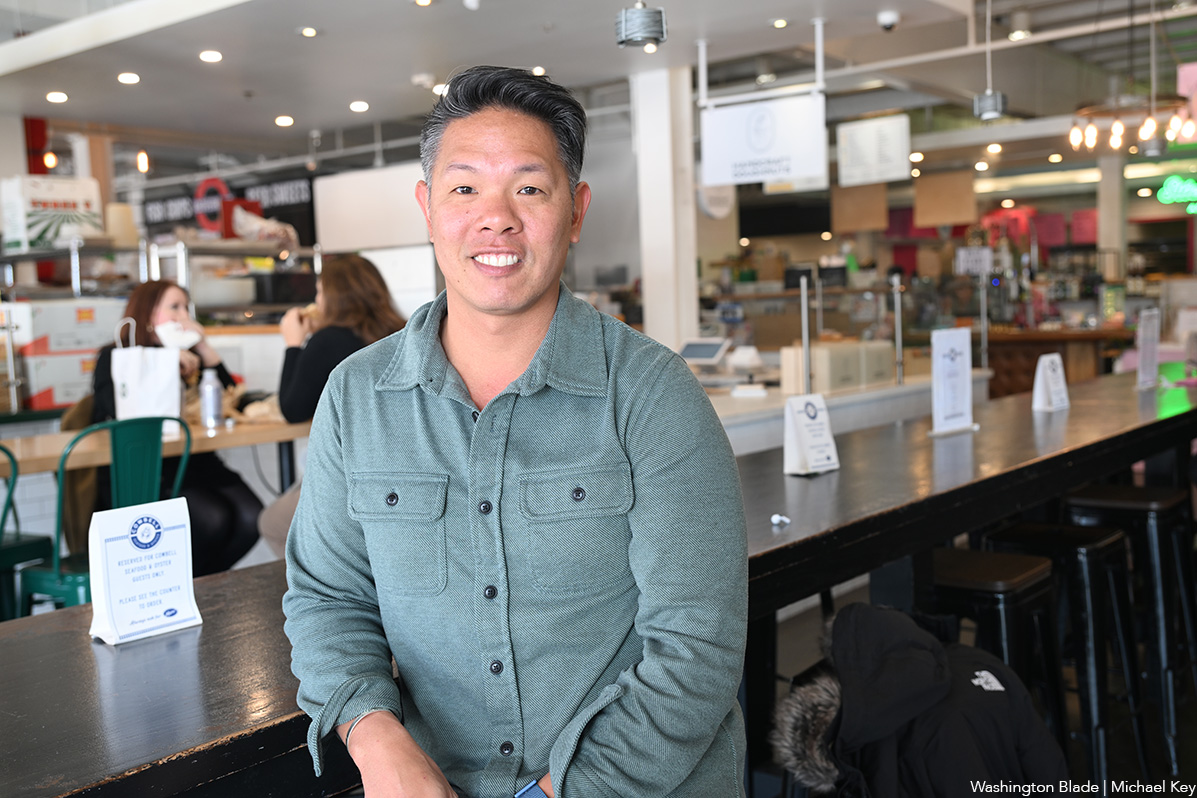
Age: 41
Occupation: Strategy adviser to nonprofits and philanthropists to help ambitious ideas turn into meaningful, positive societal impact.
How do you identify? Gay (he/him)
What are you looking for in a mate? An additive partner: sociable, adventurous, and curious about the world. I’m drawn to warmth, openness, and people who show up fully — one-on-one and in community. If you enjoy a good dinner party, make eye contact, and actually talk to strangers (I know a D.C. no-no), we’ll get along just fine.
Biggest turn off: Not being present. Active listening matters to me; attention is a form of respect (and honestly, very attractive). And a picky food eater (how will we some day be joint food-critics?).
Biggest turn on: Curiosity, adventuresome spirit, and someone who can hold their own in a room — and still make others feel at ease. Confidence is best when it’s generous.
Hobbies: Splitting my time between the ceramics studio (District Clay), planning the next trip, and finding great food spots. I box to balance it all out, and I love curating small, adventurous gatherings that bring interesting people together — the kind where you stay later than planned.
What is your biggest goal for 2026? The last few years threw some curve balls. So 2026 is all about moving forward more freely and passionately, trusting what feels right and following it with intention (and joy).
Pets, Kids or Neither? Open to kids (in a variety of forms — already have some adorable god kids). A hypoallergenic dog would absolutely raise the cuddle quotient; cats are best admired from a respectful, allergy-safe distance.
Would you date someone whose political views differ from yours? I value thoughtful listening and sincere debate; shared values around the honoring of everyone’s humanity, equity, and justice matter to me and aren’t up for debate.
Celebrity crush: Bad Bunny style with Jason Momoa humble confidence (harking to my Hawaiian roots) and Idris Elba charm — range matters.
Name one obscure fact about yourself: I celebrated medical clearance by going surfing in El Salvador. I’ve also nearly been arrested in Mozambique and somehow walked away unscathed (and without complying with a bribe) — happy to explain over an excursion.
Diane D’Costa
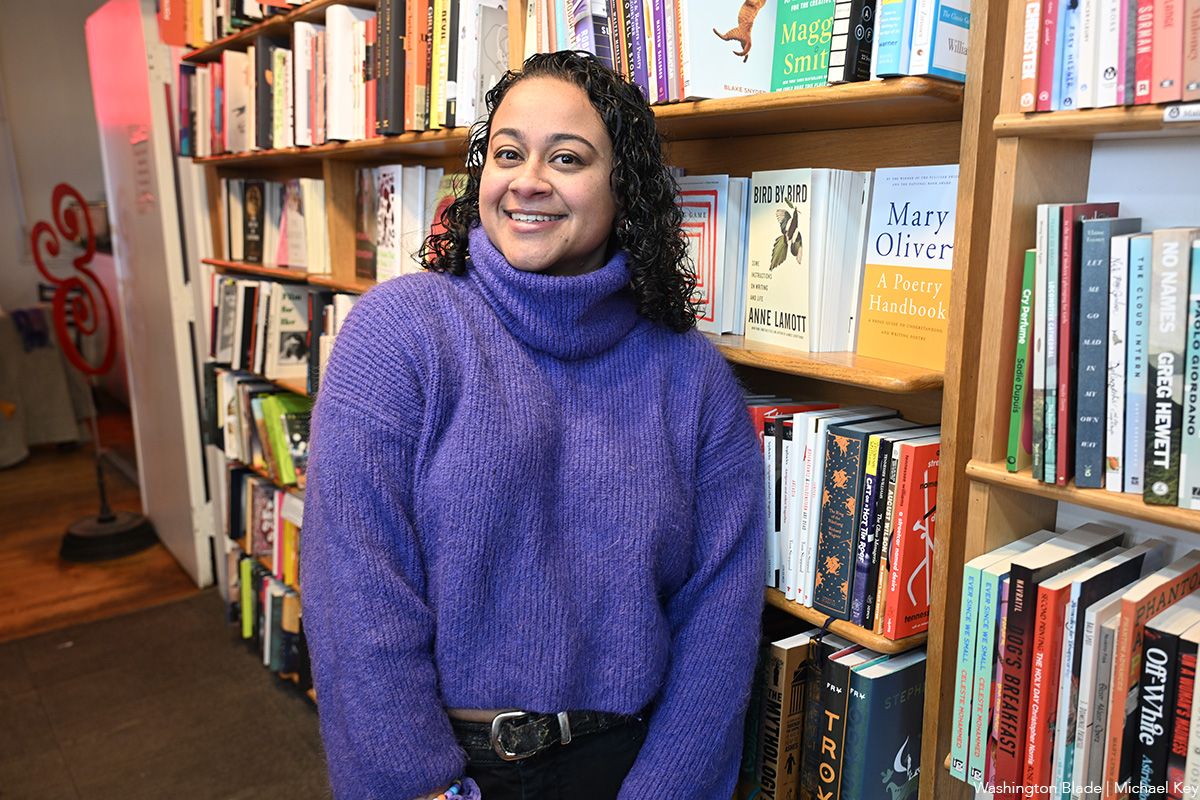
Age: 29
Occupation: Artist + Designer
How do you identify? Queer/lesbian
What are you looking for in a mate? A cuddle buddy, a fellow jet setter, a muse! Someone to light my soul on fire (in a good way).
Biggest turn off: Apathy. I care deeply about a lot of things and need someone with a similar curiosity and zest for life.
Biggest turn on: Mutuality really does it for me — a push and pull, someone who will throw it back and also catch it. I love someone who takes initiative, shows care and compassion, and expresses fluidity and confidence.
Hobbies: You can find me throwing pottery, painting, sipping natural wine, supporting local coffee shops, and most definitely tearing up a QTBIPOC dance floor.
What is your biggest goal for 2026? Producing my first solo art show. This year I’m really leaning into actualizing all my visions and dreams and putting them out into the world.
Pets, Kids or Neither? I’ve got a Black Lab named Lennox after the one and only D.C. icon, Ari Lennox. I love supporting the youth and (made a career out of it), but don’t necessarily need to have little ones of my own.
Would you date someone whose political views differ from yours? No. Values alignment is key, but if you wanna get into the nuances of how we actualize collective liberation let’s get into it.
Celebrity crush: Queen Latifah
Name one obscure fact about yourself: I’m in the “Renaissance” movie. I know, I know slight flex… but “Crazy In Love” bottom left corner for a split second and a harsh crop, but I’m in there. “You are the visuals, baby” really hit home for me.
Donna Marie Alexander
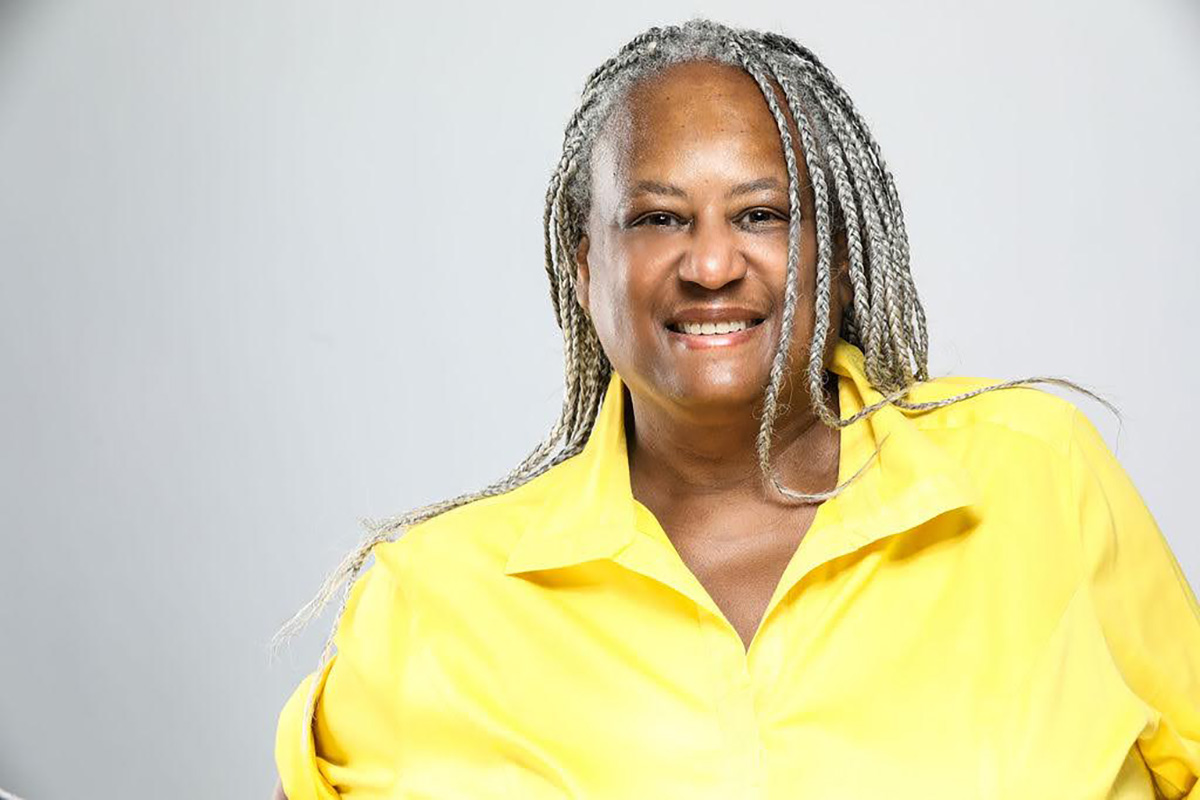
Age: 67
Occupation: Social Worker
How do you identify? Lesbian
What are you looking for in a mate? Looking for a smart, kind, emotionally grown woman who knows who she is and is ready for real companionship. Also, great discernment and a good lesbian processor. Bonus points if you’ll watch a game with me— or at least cheer when I do. Extra bonus if you already know that women’s sports matter.
Ideal first date: Out for tea or a Lemon Drop that turns into dinner, great conversation, and a few laughs. Low drama, high warmth.
Must haves: A sense of humor, curiosity about the self, curiosity about me, and curiosity about the world. An independence, and an appreciation for loyalty—on and off the field. Dealbreaker: Anyone who thinks “it’s just a game.”
Biggest turn off: Self-centered and a lack of discernment.
Biggest turn on: Great conversation and a sense of humor.
Hobbies: Watching the Commanders game
What is your biggest goal for 2026? Self-growth and meeting an amazing friend.
Pets, Kids or Neither? I have two kids and grandkids.
Would you date someone whose political views differ from yours? No
Celebrity crush: Pam Grier
Name one obscure fact about yourself: She’s way more superstitious about game-day routines than she lets on
Joe Reberkenny
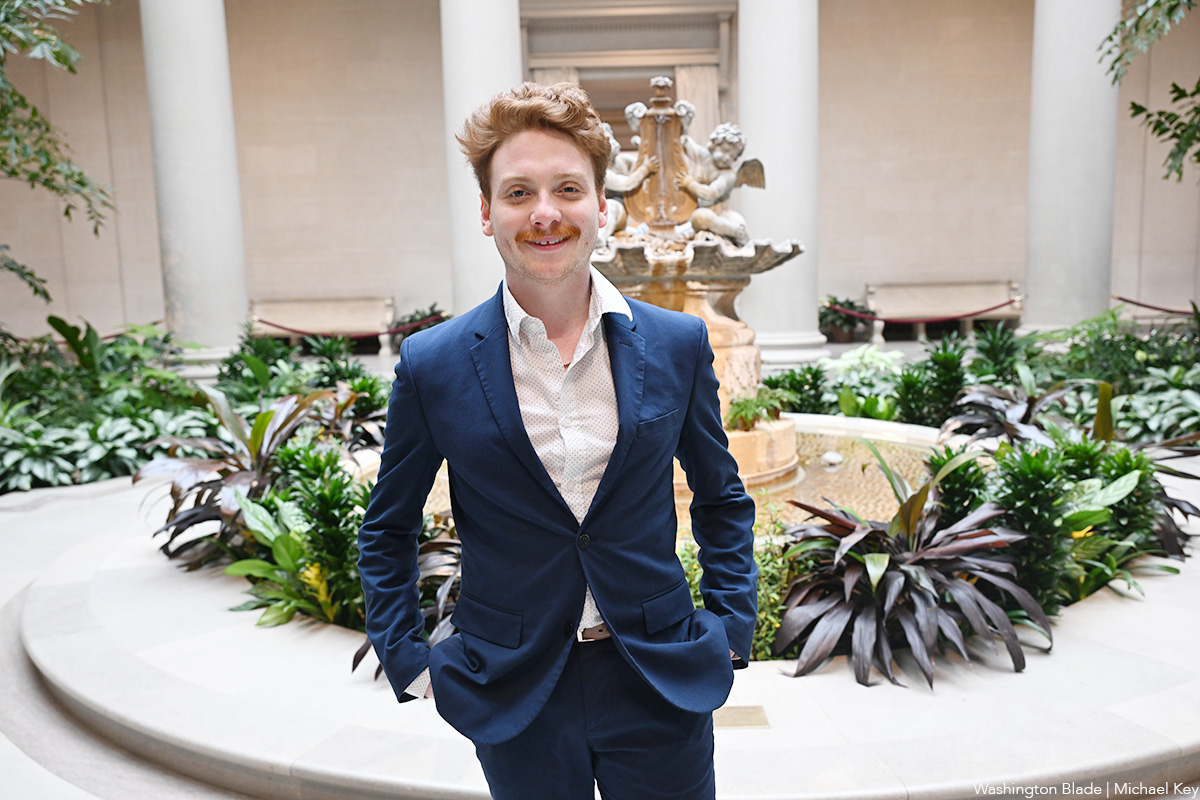
Age: 24
Occupation: Journalist
How do you identify? Gay
What are you looking for in a mate? Someone who’s driven, flexible, and independent. I’m a full-time journalist so if there’s news happening, I’ve gotta be ready to cover breaking stories. I’m looking for someone who also has drive in their respective career and is always looking to the future. I need someone who gets along with my friends. My friends and community here are so important to me and I’m looking for someone who can join me in my adventures and enjoys social situations.
Biggest turn off: Insecurity and cocky men. Guys who can’t kiki with the girls. Early bedtimes.
Biggest turn on: Traits: Emotional stability and reliability. A certain sense of safety and trust. Someone organized and open to trying new things. Physical: Taller than I am (not hard to do at 5’7″) but also a preference for hairy men (lol). Someone who can cook (I am a vegetarian/occasional pescatarian and while it’s not a requirement for me in a partner it would need to be something they can accommodate).
Hobbies: Exploring D.C. — from museums to nightlife, reading (particularly interested in queer history), dancing, frolicking, playing bartender, listening to music (preferably pop), classic movie connoisseur (TCM all the way).
What is your biggest goal for 2026? Continue my work covering LGBTQ issues related to the federal government, uplift queer voices, see mother monster (Lady Gaga) in concert.
Pets, Kids or Neither? I’ve got neither but I love a pet.
Would you date someone whose political views differ from yours? No
Celebrity crush: Pedro Pascal
Name one obscure fact about yourself: I’ve been hit by multiple cars and I have a twin sister.




a&e features
Ryan Murphy’s ‘Monster’ vilifies the lesbian
Netflix show promotes stereotype that queer women are dangerous
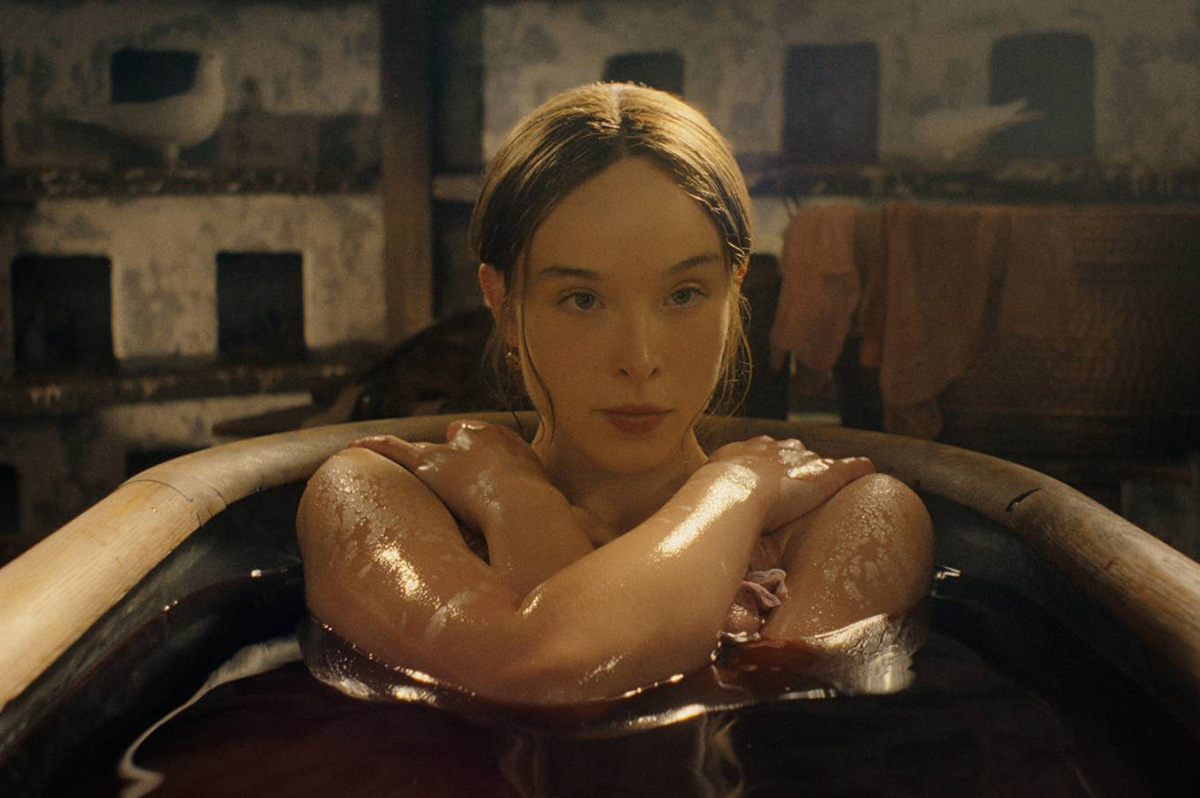
Ryan Murphy’s “Monster: The Lizzie Borden Story” just premiered on Netflix and became the most watched show on the platform. Murphy and his series are deeply controversial. The past three seasons have focused on convicted killers Jeffrey Dahmer, Lyle and Erik Menendez, and Ed Gein, and have garnered considerable criticism for sensationalizing real-life trauma, exploiting victims for entertainment, and glorifying the perpetrators.
But his newest season centers on Lizzie Borden, the white, affluent Massachusetts woman still referenced today in nursery rhymes who was never convicted of killing her parents Andrew and Abby Borden. As with Murphy’s other seasons, the show plays fast-and-loose with real-life history, instead turning a real-life crime into a psychosexual spectacle.
In real life, Lizzie was found not guilty by an all-male jury in the highly publicized 1892 trial, largely due to a lack of evidence including blood on her clothing and a murder weapon. Her initial statement contradicted her later testimony but her defense team argued that the morphine a doctor repeatedly gave her likely caused her confusion. But despite the fact that Lizzie was acquitted in court, she was ostracized by her community during her life and has been branded a murderer ever since.
Murphy’s highly fictionalized retelling of Lizzie’s story leans into this accusation not only that Lizzie murdered her father and stepmother with an axe but that she was successful in covering it up with the help of the maid Bridget Sullivan. Murphy not only concocts a sapphic relationship between Lizzie and Bridget, pinning the idea of killing Lizzie’s parents on the widely traveled woman who dyes her hair and is repeatedly called a lesbophobic slur by Lizzie’s stepmother, but also portrays Lizzie as an inspiration to Aileen Carol Wuornos, a woman who killed seven men who solicited sex and was also in a relationship with a woman.
Further, Murphy’s retelling creates a false ending to Lizzie’s story. While in real life, Lizzie and her sister Emma buy a house called “Maplecroft” and live there for the rest of their lives, Murphy instead imagines Bridget returning sporadically for romantic rendezvous with Lizzie and eventually moving back in with her and marching together for women’s right to vote. In real life, Bridget left town immediately after providing testimony and lived in Montana until she died.
Lesbophobia is at the heart of this retelling of Borden’s story. Despite the fact that Murphy depicts Lizzie and Bridget having sex and possibly getting married or at least promising themselves to one another wearing flower crowns, there is no evidence that Lizzie and Bridget had any romantic or sexual relationship. If they did have a relationship, it would likely have been hidden and any evidence destroyed, but records show that Lizzie herself refused to call Bridget by her real name, instead referring to her as “Maggie,” the name of their previous maid. It was only Lizzie’s stepmother Abby who called Bridget her real name. In Murphy’s retelling, it’s Lizzie’s stepmother Abby who refuses to learn or use Bridget’s actual name and treats her with disdain along with her stepdaughter.
Some people online argue that we are witnessing Lizzie’s story retold through Wuornos’s perspective, so adding in elements of child abuse and sapphic relationships would make sense, but there is no record that Wuornos ever visited Lizzie Borden’s home, or that she was inspired by Borden throughout her life. Instead, Murphy and his co-creator Ian Brennan use (or I would say exploit) Wuornos as a thematic device to make broad stereotypes about female rage across generations. In doing so, they conflate two real-life examples of violence to sapphic individuals.
Depicting a lesbian relationship in this way is not progress, nor is it fruitful representation today. As sapphic shows are increasingly cut and cancelled, Murphy’s inclusion just reinforces the lesbophobic and sexist stereotype that lesbians and queer women are “dangerous” to straight women and abet or incite violence against men and a family unit. At a time when anti-LGBTQ+ legislation and real-world violence and murder of LGBTQ+ people, especially queer and trans people of color, is exploding, stories that frame murder of a family unit as germinating from a sapphic relationship feed into far right narratives.
They further the myth popularized by far right leaders (including those in the highest echelons of government) that LGBTQ+ people are dangerous, a threat to heterosexual norms and family life, despite the data showing that children of same-sex parents have above average health and well-being according to research by the University of Melbourne.
Today, many LGBTQ+ people feel they have to be (or are forced to be) idealized versions of themselves in order to stave off anti-LGBTQ+ stigma, policing and violence. These “acceptable” behaviors and appearances are rooted not only in cisgender, heterosexual norms but also white supremacy, colonialism, xenophobia, and ableism. It is respectability politics that tell us how we can and should behave (including those perpetuating in the wider LGBTQ+ community) and push LGBTQ+ people to assimilate into a society governed by queerphobic normativity.
I hope it’s clear that I’m not trying to argue that we cannot and should not have shows that depict queer women who kill, or at the very least queer women who are unethical or morally complex. We need these depictions because they ask difficult questions and they reference how some LGBTQ+ people can be and are unethical. In fact, several public LGBTQ+ figures are associated with employee abuse and exploitation, ableism, and fat phobia.
But when Lizzie’s sapphic identity is invented to drive the story along, arguably to generate interest (especially straight men’s interest) in this spectacle of historical slop, it’s not a story that invites discourse and dimensionality, it’s one that collapses Lizzie, Wuornos, and queer women’s identities and relationships to plot devices. It objectifies and fetishizes queer women, arguably committing violence against not only Lizzie but also Wuornos.
And when there is so little representation of sapphic relationships on mainstream television or streaming platforms, it makes this the vast majority of representation that queer girls and women will see of themselves first, and that the straight public will see. Historians will know that Murphy’s depiction of Lizzie’s life is wrong, but many viewers will not and may not go digging for the truth.
Why not focus on the stories of bisexual, lesbian, and queer women who really existed, shared their identities (sometimes covertly, sometimes not), and had long-term partners? In fact, “Boston marriages” were common in this time period and referred to women living together when sexual and romantic relationships between women were illegal, partially because penal systems didn’t know how women could have sex with one another and didn’t want to put the idea in “impressionable” women’s minds. Why not focus on these stories instead of creating a fictionalized account? We have always existed; we do not need to invent relationships.
Murphy’s depiction of Lizzie Borden is deeply problematic. Lesbophobia is not the only issue at the heart of Murphy’s drama, but it merits a broader discussion about how mainstream media routinely hurt queer women and is part of perpetuating queerphobic violence, and what we all lose in the process.
a&e features
Writing a play about Lincoln leads down a rabbit hole to a closet
As LGBT History Month arrives, new hints that our greatest president was gay
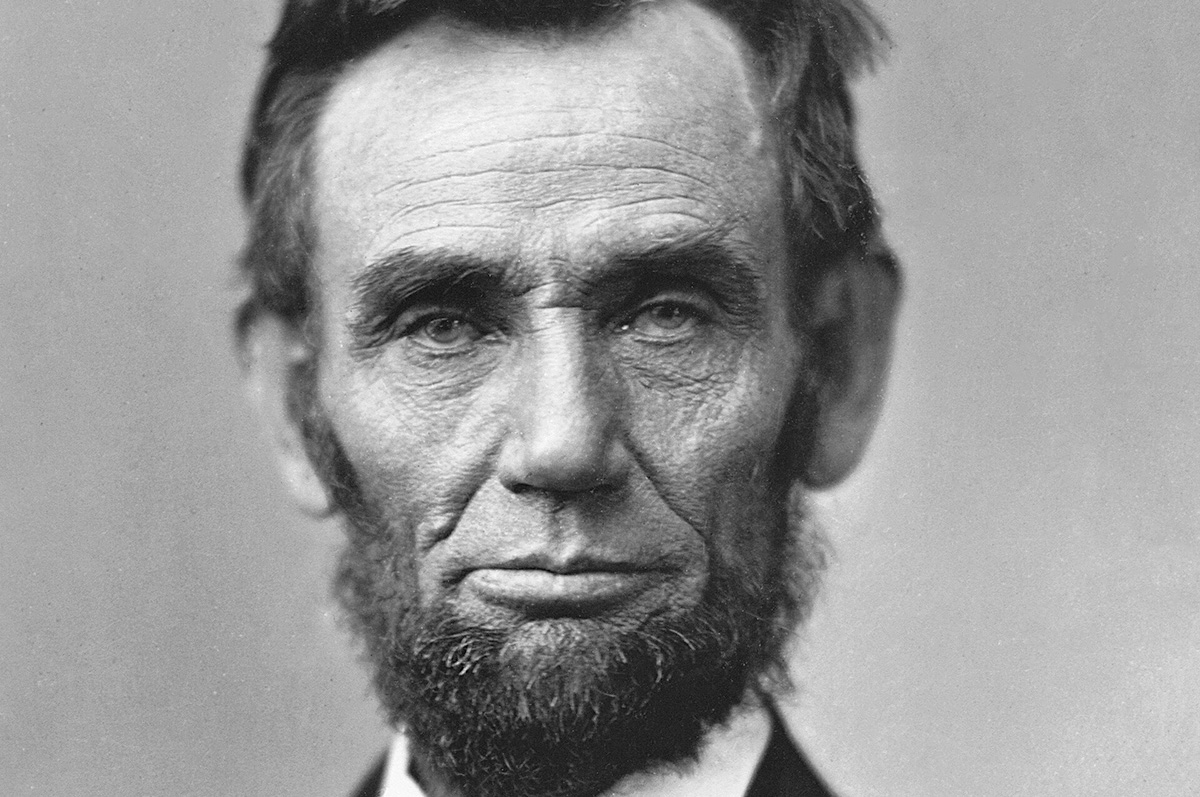
Abraham Lincoln treasured poetry and it turns out his particular favorites were pretty queer, but I never would have detected that if I hadn’t decided to write a stage comedy about his sex life. In my research for the play, I stumbled across what I believe is new evidence that Lincoln and Joshua Speed were lovers. The remarkable thing is that the evidence has been sitting in plain sight for more than 150 years.
The rabbit hole swallowed me in 2019, when C.A. Tripp’s revolutionary biography “The Intimate World of Abraham Lincoln” somehow fell into my hands. I was embarrassingly late to the Lincoln-was-gay party—Tripp’s book had come out 14 years earlier—and the wonderful-to-me news that Lincoln played for my team started me plotting out a play, because I was pretty sure if I didn’t know this, lots of people didn’t and inquiring minds want to know, and the young queers of America should be told that they have yet another genius over whom to kvell.
Historians and myth makers alike—often it’s hard to tell the difference—have always painted Abe straight, and now that it’s in question they’ve gotten peevish and insistent because, c’mon, bro, everybody knows that in the 19th century all the guys were writing each other gushingly romantic letters and sharing a bed every night for four years. Meanwhile, the Queer Studies crowd assures us that they, the inventors of homosexuality, had not yet invented it, so it couldn’t be that.
But what kind of play to write? I wanted to put at least two of his lovers into it, and no playwright with any sense of drama would omit Abe’s mad, physically abusive, spendthrift wife Mary. To get all of them in the same place at the same time meant bedroom farce. Keeping one’s lovers from knowing about each other is the keystone of bedroom farce and why the sets have so many doors. Speed, the great love of Lincoln’s life, who often visited the White House during the Civil War, would arrive while Lincoln’s wartime lover Army Captain David Derickson was there, too, and Abe would conceal them from each other and from Mary, who is suspicious and dangerous and prone to striking her husband. I also folded in Lincoln’s writing of the Emancipation Proclamation, which in the play is helped along by an invented Black housekeeper, who has suspiciously 20th-century opinions and a shiny new invention: the animatronic steampunk Lincoln robot. “The Loves of Lincoln” finally had its world premiere on June 19 of this year in Memphis, Tenn., where it was nominated for the best new original play of the 2025–26 season, and lost. Now we’re getting to the part about Lord Byron. Wait for it. It’s coming. We’re still setting the scene.
A cute, redheaded, gay Broadway producer told me the play would be stronger with a different kind of ending and for once a producer’s note was spot on—the play needed a final confrontation between Lincoln and Speed over love and slavery. The Speeds had dozens of slaves—lots more than Mary Todd Lincoln’s family, who had a few themselves. To write the scene I needed to know more than I did about the Speed-Lincoln relationship during the war. Speed was helping Lincoln keep the border state of Kentucky in line, but on the other hand his great wealth depended on slavery.
Time for some research. Enter “Your Friend Forever, A. Lincoln: The Enduring Friendship of Abraham Lincoln and Joshua Speed” (2016, Columbia University Press) by Charles B. Strozier, a “psychobiographer” who does the usual somersaults to explain away Lincoln’s behavior as straight because writing gushingly romantic letters to other guys and sleeping in the same bed for four years was absolutely not gay in the 19th century, which is proved by the fact that all the guys were doing it. Which kind of made me want to build a time machine and stop off in 19th-century Illinois on my way to ancient Greece. And then, suddenly, sitting there quietly on page 45, like a dangling thread on a cardigan begging to be pulled, was the interesting datum that Joshua lent his gangly, athletic bedmate books, among them Joshua’s “favorite”: Lord Byron.
The same Lord Byron who cut a swath a kilometer wide across the comely young men of Greece? The notorious libertine and sodomite—that Lord Byron? Well, yes, and it’s not hard to draw a line straight from there to Lincoln’s closet (coincidentally, one of the doors in The Loves of Lincoln leads into a closet—“Why is my husband always in the closet?”), but for some reason, up to now, no one I know of has drawn that line.
Understand, just reading Byron does not make Josh and Abe homosexuals. Byron was a big seller and lots of straight men read him, though perhaps not while gazing dreamily into each other’s eyes (Joshua’s wide and blue, Abe’s a melancholy gray), and OK we don’t know that’s exactly how it went down, but we do know other interesting things thanks to William Herndon.
Bill was a clerk in Speed’s general store, the store Speed and Lincoln slept above, and later the junior partner in Lincoln’s Springfield law practice. Herndon worshipped Lincoln. After the assassination he interviewed pretty much every significant person in Lincoln’s life, in what Strozier called one of the first oral history projects in America. Naturally, he interviewed Speed, who reported Lincoln’s passion for the poetry of Byron. The sexual significance of the connection between Speed, Byron, and Lincoln has up to now been ignored by all biographers—even the queer ones, like Tripp, who tried and did make the case for Lincoln’s homosexuality. Speed told Herndon he had introduced Lincoln to Byron: “I don’t think he had ever read much of Byron previous to my acquaintance with him.” Lord Byron’s poetry was a stew of intense male friendship, forbidden sexuality, secrecy, alienation, and erotic misbehavior, and in the wake of his scandalous divorce his name had for years been a transatlantic byword for transgressive sexuality. Byron also became, alongside Burns, Milton and Shakespeare, one of Lincoln’s four favorite writers.
Here’s where things get juicy. Speed said that, in particular, “Lincoln loved The Bride of Abydos.” Byron wrote the poem in the wake of his travels through the Ottoman Empire, which was partly what we today would call sex tourism. The poem’s beautiful young hero Selim is extremely feminized, conceals his true identity from his girlfriend (whom everyone thinks is his sister but they’re cousins), and only later reveals that he has a secret double life—in the case of the poem, as the leader of a band of pirates. Now there’s a secret life with an All-Male Cast. We’ll let you supply the pirate joke that goes right here.
It gets better. Herndon’s admittedly fragmentary notes from the Speed interview also specifically bring up Byron’s “To Inez,” the extraordinary lyric in “Childe Harold” in which a man tells a woman that her beauty gives him no pleasure, that her eyes scarcely charm him, and that she must not attempt to discover his “secret woe” or “unmask” his heart. The subtext that leaps off the page, given that Byron was, as the actor Michael Redgrave described himself to his son, “to say the least of it, bisexual,” is that the speaker is in the closet. In the last stanza, he begs her not to pry:
What is that worst? Nay, do not ask—
In pity from the search forbear:
Smile on—nor venture to unmask Man’s heart,
and view the Hell that’s there.
So, queer-coded Byronic poetry formed an important part of Lincoln’s imaginative world, and Speed remembered that fact nearly 30 years later, and told it to Herndon almost as if leaving literary breadcrumbs for posterity. As far as I have been able to determine, no previous Lincoln biographer or scholar of Lincoln’s sexuality has examined the queer implications of the Byron poems Speed specifically remembered Lincoln reading. Why has this been missed?
All of this would be meaningless if Speed and Lincoln didn’t understand that Byron was a lover of men, but I assert that they would have. Lincoln was a discerning reader with a famously penetrating, tenacious mind that wouldn’t let go of a thing until he understood it thoroughly—and a huge fund of worldly knowledge. He was by this time in the Illinois Legislature, had campaigned all over the state, and lawyers often encounter the seamy side of life, whether they seek it out or not. Furthermore, although Byron’s indisputable affairs with men weren’t explicitly documented in 19th century biographies and periodicals as they are today (the conventions and laws of the time all but guaranteed euphemism), rumors of Byron’s “unnatural” conduct crossed the Atlantic even during his lifetime. Articles repeatedly referred to an unnamed, horrifying, or “unnatural” offense, a “peculiar enormity,” and conduct violating the “ban of nature.” In 19th century usage, “unnatural crime” was a familiar euphemism for sodomy, while phrases like “peculiar enormity” and “ban of nature” invited readers to imagine sexual offenses too scandalous to name. Why use the words at all if readers weren’t going to get the point? American readers had easy access to Byron biographies and memoirs, including Thomas Medwin’s “Conversations of Lord Byron” and Thomas Moore’s enormously influential “Letters and Journals of Lord Byron,” while American periodicals discussed the Byron memoir burned by his friends and the salacious suspicions around its contents. Lincoln and Speed would certainly have understood that one of the unmentionable sexual accusations surrounding Byron was man-on-man action.
Lincoln’s love of Byron’s queer-coded writings, fostered by Speed, “proves” little on its own, but a lot when added to the rest of the evidence. And it’s part of an even bigger story: reversing the erasure of queerness from history and documenting that many of humankind’s greatest achievements are thanks to queer individuals. Both Lincoln and Speed had beards, literal and metaphorical—they didn’t want their secret spilled while they were alive. But then again, I like to think that when Joshua Speed told William Herndon of Lincoln’s love for those poems, he imagined a day when their love could be decoded and celebrated. Come to think of it, that day is today.
a&e features
Acclaimed Chef Patrick O’Connell’s memoir reveals the arc of a life well lived
Overcoming obstacles to serve everyone from Jerry Falwell to Queen Elizabeth
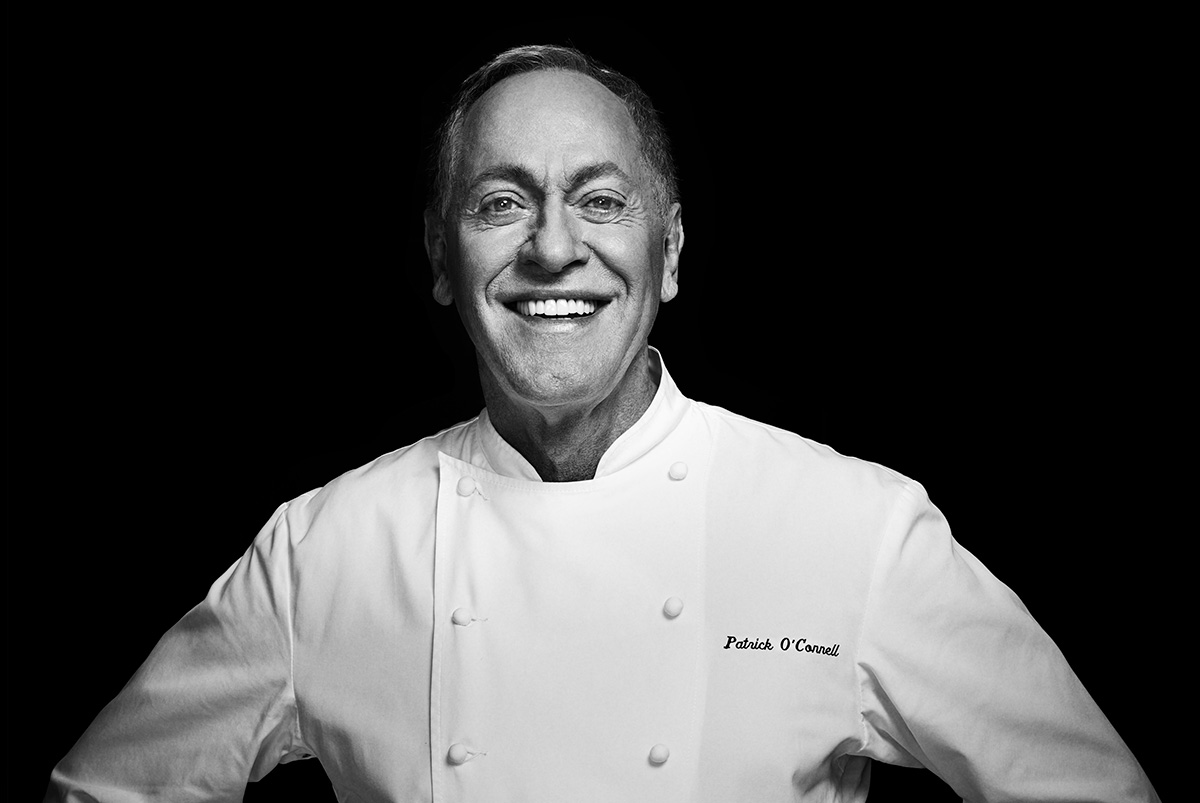
Renowned three-Michelin-star Chef Patrick O’Connell says food and wine hold a unique ability to bring people together. Indeed, he has served everyone from right-wing zealot Jerry Falwell to Britain’s Queen Elizabeth during his decades at the beloved Inn at Little Washington in rural Virginia.
O’Connell’s compelling new memoir, “Main, Middle & Gay” is out Sept. 15 from Celadon Books and offers a deeply personal account of how he transformed his love of food and affinity for the finer things into an iconic inn and restaurant that draws diners from around the world nearly 50 years after it opened in 1978.

O’Connell is launching the book with an event on Sept. 18 at Lisner Auditorium featuring Chef José Andrés and former Washington Post food critic Tom Sietsema. He met Andrés just after Andrés began to work in D.C. and was “on fire with ideas.”
“We sat next to each other at Charlie Trotter’s restaurant and the meal went on for hours and we had a natural rapport,” O’Connell told the Blade in a recent interview. “The chemistry will be fun and lively and unpredictable and exciting. I think we’re all different personalities and we’ll compliment each other.”
O’Connell said he’s excited to hold the event at Lisner.
“I studied theater at Catholic University and transferred to GWU so it’s a coming home party and Lisner has been there since I was a kid and it was always like D.C.’s Carnegie Hall. It feels like going home to my old stomping grounds.”
O’Connell hopes to bring the book to life visually at the event and he has produced a short film that will be screened.
The book traces the self-taught O’Connell’s remarkable journey from rural paperboy and short-order cook to proprietor of one of the world’s most celebrated restaurants and Relais & Châteaux hotels. Along the way we learn about the many challenges he faced — from distrustful and homophobic local residents in Washington, Va., to an expensive, public “divorce” from his longtime romantic and business partner, Reinhardt Lynch.
“It parallels the evolution of American cuisine over 50 years,” he said. “It’s a rare perspective to be in the trenches for that long.”
O’Connell writes candidly about his relationship with Lynch. The two opened the restaurant together — O’Connell running the kitchen and Lynch handling the business. But O’Connell’s accolades and growing notoriety led to jealousy that triggered a protracted falling out and dissolution of both their personal relationship and business partnership. Lynch, as recalled by O’Connell, attempted to secretly sell his 50 percent of the business but ultimately agreed to sell his stake back to O’Connell for a reported $17.5 million. “The Washington Post ran with it as a salacious celebrity divorce story and included all the financial details,” he writes.
After taking full control of the Inn just as the recession of 2008 hit, O’Connell writes of the scrutiny of guests who assumed Lynch’s absence would lead to a slip in quality. “The place couldn’t be just as good as ever. It would have to be better.”
What happened next proved a royal opportunity as Queen Elizabeth visited Virginia to commemorate the 400th anniversary of the founding of the state and O’Connell was asked to cater a reception. This chapter is filled with juicy details and behind-the-scenes anecdotes about the pressures of cooking for the Queen. The subsequent media attention proved lucrative for the Inn and photos of the Queen’s visit still hang in the Inn.
There are references to O’Connell’s sexual orientation throughout the book and he doesn’t shy from addressing his long relationship with Lynch or the resistance the couple encountered when they settled in sleepy Washington, Va.
“I didn’t realize that I was walking into a prejudiced hornet’s nest that I wasn’t fully prepared for and there was a great deal of hostility in part because they didn’t understand anything about what we were attempting to do here so everything about us and our desire to run a fine restaurant was foreign to them,” O’Connell told the Blade. “The irony of a place opening in the center of town of 150 people and at that time the word ‘gay’ wasn’t used here. It was as if they didn’t have space in their consciousness for such a thing. We were regarded as counter culture people.
“The restaurant became a success almost overnight and the locals couldn’t understand what the buzz was about,” O’Connell continued. “They thought food is food and why would anyone drive 60 miles out here for food. They became resentful of the ‘outsiders’ who came. Two outsiders were opening a restaurant and drawing other outsiders out here to a place where there weren’t many jobs. There was resentment on many levels by some — not all. They thought it would go away.”
But O’Connell said he never made his sexuality the focus of his work. Rather, he wanted to use food to bring people of all backgrounds together.
“I never made a point or attempted to make that a central focus on my work,” he said. “I felt that I had found my spot in the universe where I belonged, I loved living here, it was a sanctuary.”
O’Connell’s insistence that everyone is welcome has sometimes created tension and negative press, as when President Trump presented him with a National Humanities Medal that brought criticism from some progressives.
“We see a fascinating clientele here; we don’t judge and we’re not political,” he said. “When people come they are entitled to our hospitality.”
One of those people was televangelist and notorious homophobe Jerry Falwell, who made a reservation at the Inn years ago. O’Connell’s instruction to the staff was to treat Falwell like any other guest.
“We have an image of someone who maybe we would think would be hostile or judgmental and they often surprise us,” O’Connell said. “We held our breath and here’s Falwell working the tables and saying this is the best meal I’ve ever had, aren’t these two guys great and we thought he’s doing PR for us and he’s supposed to be the devil.”
O’Connell said he sees that dynamic play out night after night at the Inn. One of the most conservative national Republican figures, he said, is a regular and Vice President JD Vance dined at the Inn recently. Focusing on the food and hospitality for all constitutes O’Connell’s brand of activism.
“Food does bring people together,” he said. “And you’re doing your part in erasing preconceived judgements.”
He said he and his team did more to advance understanding and acceptance by focusing on hospitality than if “we were out marching.”
As evidence, he said, there are more and more gay couples moving to the area and the town’s mayor, Joe Whited, is gay.
“We’re the biggest employer in the county and largest taxpayer,” he added. “The Inn pays the town almost $1 million per year and property values are getting to be like Palm Beach. And that wasn’t a goal it was a byproduct of doing something as well as it could be done.”
But the book isn’t hagiography. O’Connell revisits traumatic events, like childhood bullies who attacked him for wearing a Little Red Riding Hood costume for Halloween and a sexual assault he endured as a young teenager aboard a bus.
“I don’t know why I couldn’t call out for help or try to make the man stop,” O’Connell writes of the incident. “I didn’t want to call attention to the situation and felt completely implicated. Once it began there was no stopping it.”
Interestingly, O’Connell told the Blade that one of the things he learned in writing the book is how little he’s changed since childhood.
“People tend to lock away a lot of childhood memories for good reason and in a book you’re reliving them and bringing them to life,” he said. “And my revelation is that I don’t think I’ve changed much since I was six and I think most people’s identity is pretty developed in their very early years and their personality is clear. What amused me most is I’m doing the same things now that I did in miniature as a five and six year old.”
As for popular TV shows about the restaurant business, O’Connell says he doesn’t watch them.
“It’s fake,” he said. “There are much more colorful characters and it’s much more exciting in real life. Nobody seems capable of capturing that. So maybe this [book] will have the effect of doing that and showing what it takes.”
O’Connell said the books and stories he most enjoys reading are those that start in childhood and carry through until late in life. He has certainly delivered that in “Main, Middle & Gay,” a moving, fearless memoir filled with the unexpected and natural drama that revisits a uniquely American life.
The Blade may receive commissions from qualifying purchases made via this post.

Lula, Flávio Bolsonaro to face off in second round of Brazilian presidential election

The financial realities facing LGBTQ+ first-time buyers

‘Merrily’ is for Sondheim super fans, the uninitiated, and anyone in between

Engrossing ‘Tip Toe’ delivers tension and an ominous warning

Eliot Glazer’s new book an engaging collection of essays

Meet the LGBTQ candidates running for U.S. House, Senate

Ana Brnabić becomes world’s first openly lesbian head of state

Vote now! Best Of LGBTQ DC readers’ choice awards

Gay Va. couple hopeful voters will enshrine marriage equality in state constitution

Victory Fund board investigates former staffers’ allegations against CEO Evan Low
-

 2026 Midterm Elections5 days ago
Meet the LGBTQ candidates running for U.S. House, Senate
-
Serbia5 days ago
Ana Brnabić becomes world’s first openly lesbian head of state
-
Arts & Entertainment5 days ago
Vote now! Best Of LGBTQ DC readers’ choice awards
-
Virginia4 days ago
Gay Va. couple hopeful voters will enshrine marriage equality in state constitution