Arts & Entertainment
Oscars 2020 surprises with diversity, a queer opening
From Monae and Porter, Judy and Elton
The 92nd annual Academy Awards started off with a bang, with gender fluid, pansexual singer/actress Janelle Monae and the illustrious gay actor/singer Billy Porter killing it in their opening duet. Amid performers dressed as characters from snubbed films, she sang: “It’s time to come alive, because the Oscars is so white!”
Watching the extraordinary Monae perform, the influence of Prince on her music is evident. “I’m so proud to stand here as a black, queer artist, telling stories,” she noted.
Another highlight during the evening was the eloquent Joaquin Phoenix, accepting his award for Best Actor in “The Joker.”
“I’ve been thinking a lot about some of the distressing issues that we are facing, collectively, and I think at times we feel or are made the feel that we champion different causes,” he asserted. “But for me, I see commonality,”
Phoenix continued: “I think whether we’re talking about gender inequality, or racism or queer rights or indigenous rights or animal rights, we’re talking about the fight against injustice. We’re talking about the fight against the belief that one nation, one people, one race, one gender or one species has the right to dominate, control and use and exploit another with impunity.”
Renee Zellweger, who won Best Actress for her portrayal of Judy Garland in the film Judy, was circumspect in her acceptance about Judy’s iconic stature in the gay community, mentioning only that Judy was accepting of people. It was evident though she had intended a more full inclusion.
“Judy Garland did not receive this honor in her time,” the actress continued. “I am certain that this moment is an extension of the celebration of her legacy that began on our film set and is also representative of the fact that her legacy of unique exceptionalism and inclusivity and generosity of spirit, it transcends any one artistic achievement. Ms. Garland, you are certainly among the heroes who unite and define us and this is certainly for you. I am so grateful.”
GLAAD live-tweeted the awards
“@TaikaWaititi, who won adapted screenplay tonight at #Oscars, is next going into an adaptation of the documentary “Next Goal Wins” about the Samoan soccer team who made history. And then into “Thor: Love and Thunder” where Valkyrie will “find her queen.”
Elton John Wins!
Elton John was excited to win Best Song for “Rocketman,” the film that’s based on his life.
“This is for my partner of 53 years,” he said in the pressroom. “Without him, I wouldn’t be here. He starts the process. He gives me the lyrics, and then I go ahead. Without the lyrics, I’m nobody. This is the man who started the journey, and we are still together after 53 years. I have one of these already, but I so wanted to get one for everybody involved in the film.”
He added: This film has taken 12 years together. David, my husband, has been on and on about 12 years trying to get this made. In the end, we got it made the right way, the way we wanted to. I’m so thrilled for him, because I love him so much. And Taron Egerton especially — he should have been in the the nominated category, as one of the best actors. For me, his was the best performance this year.”
At Elton John’s annual AIDS fundraiser for his foundation, celebrity chef Wayne Elias, one-half of the team behind Crumble Catering and Rockwell Table & Stage in Los Feliz, was hard at work creating amazing, unique dishes for party attendees.
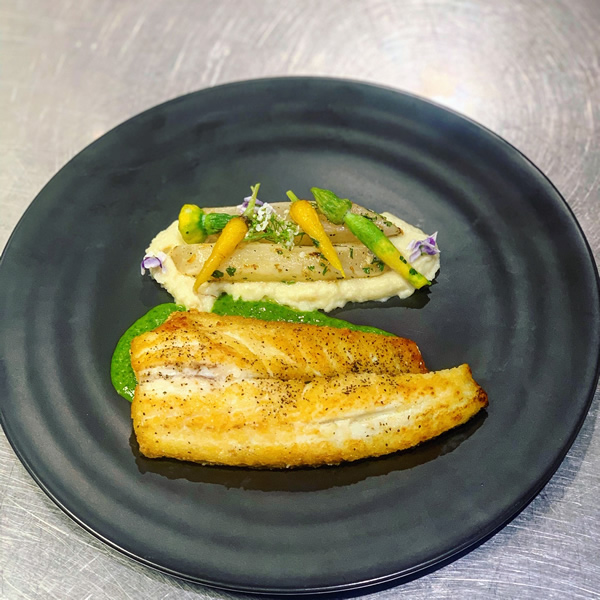
“We keep the menu current to healthy trends; I like to include Asian and French Cuisines and consider them classic meals that will also exist,” Chef Elias told Los Angeles Blade.
“In order to create a menu that encompasses every guest, I do not use any nuts in any of the dishes, in case of an allergy and source the best ingredients and produce from local farmers in California,” Elias said.
There were some fun items for the party menu, like zucchini fritters with tahini yogurt and espellette oil for starters, following with a parsnip and Granny Smith apple soup, a vegan option.
“We served a soup that is topped off with kale chips and lemon zest oil,”said Elias. “Guests could choose between a roasted branzino with cauliflower puree and watercress emulsion entree or short rib with caramelized yams, celery root mash, beech mushrooms and dijon shallot sauce.”
An arugula salad served with manchego cheese and citrus vinaigrette, while a pear raspberry tart with pear mousse, raspberry cream and matcha ice cream finishes off the dinner.
Elias knows he must serve Elton John’s very favorite dishes . “Top of the list is the beloved Grilled Cheese, a favorite throughout the years. It’s what I call an Adult Grilled Cheese, as it’s prepared on raisin bread and served with mascarpone cheese, crumble blue cheese and Asian pears. Simply rich and delicious!”
On The Carpet
Gay celebrity stylist Michael O’Connor talked with Los Angeles Blade about all the Oscar red carpet excitement. “I am loving the richness of color; the jewel tones are always the most flattering to skin tones and striking to see. Examples of this are in Sigourney Weaver wearing emerald green, America Ferrera in garnet and Idina Menzel in fuchsia. Christy Metz also looked incredible in ruby red.”
O’Connor loved how glamorous the red carpet was. “I loved Salma Hayek with her Grecian Goddess inspired look, complete with a bejeweled laurel hair ornament. Rebel Wilson looked SO exquisite. I really enjoyed her swept over hair with jeweled clip. Jason Woo gown and Vintage Pomellato jewelry.”
Many of the male celebrities at the Oscars were a fantastic sight to see too. “I thought Spike Lee looked great wearing his amethyst and golden tux. We are starting to see more jewelry on men, lapel pins being a very popular trend on the red carpet. Antonio Banderas is wearing a really nice ‘man brooch,’ O’Connor enthused.
The veteran stylist is thrilled that Hollywood in embracing more jewelry. “I love the bling; it adds so much glamor and completes a look. We are also seeing a lot more necklaces, which I really like. Julia Louis Dreyfus is wearing a lovely statement necklace. And Janelle Monae was so amazingly sparkly with her bejeweled dress and choker necklace. I LOVED the look!”
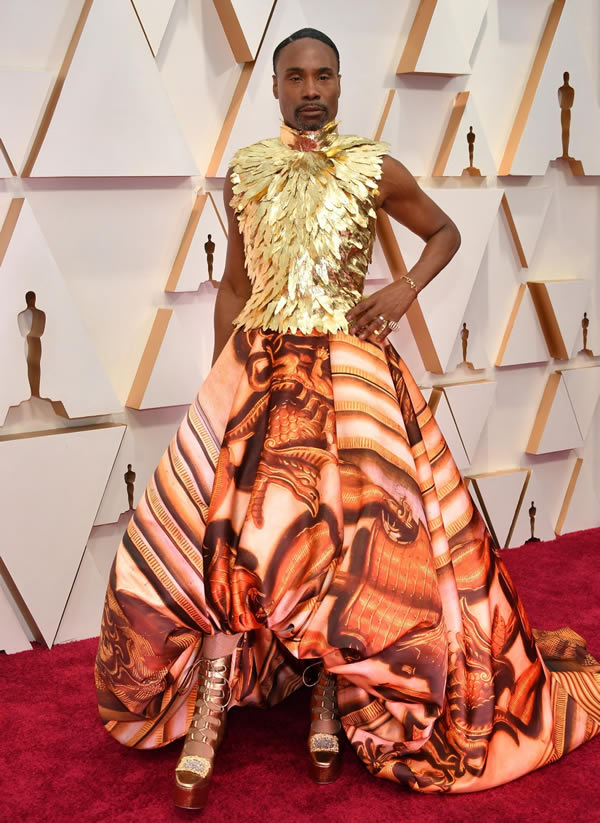
Still, O’Connor did see a few fashion faux pas. “I have to say, that as a gay man, Billy Porter’s outfit is so over the top that it makes me nervous. I realize that the pendulum sometimes needs to be pushed hard to get it into a right place, but I feel that his golden bird feather top and patterned skirt is just too contrived and over the top.
“I know that men’s fashion needs a push, but don’t push it off the cliff!” O’Connor quipped.
Gift Bags
Distinctive Assets indulged the major Oscar® nominees with the annual “Everyone Wins” Nominee Gift Bags, which have become the most buzzed about swag in history. This year’s gift bonanza features Soma’s Sensuous Silk Kimono Robes along with SOMAINNOFIT™ smart-fit bra; a one-of-a-kind private in-home cannabis-infused chocolate culinary experience by Coda Signature; gold and silver signature Moon bead bracelets from Officina Bernardi; health, nutrition and longevity programs from ProLon; and a discovery voyage aboard the ultra-luxury Scenic Eclipse expedition yacht.
“One of the greatest joys in life is to do something you love,” said Lash Fary, the company’s gay owner. “I have been so fortunate to do just that for 21 years now. In recent years, I have been able to use my access to talent and brand relationships to help organizations doing good in the world to amplify their messages.”
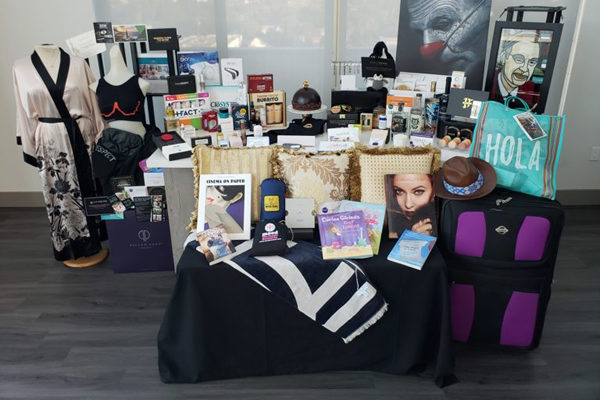
Fary loves to have gifts for celebrities that give back in meaningful ways. “I am able to publicize PETA’s incredible efforts to increase awareness about the connection between animal agriculture and climate change, through partnerships with DIFF Charitable Eyewear and Veestro Plant-Based Meals.”
So much detail goes into creating these gift bags, Fary said. “I often feel like a kid in my own candy store, as i go through the gift bags my team creates. I genuinely use and love so many of the items I share …like the ProLon fasting mimicking meal program, Instytutum Result Driven Skincare, Flora Farms field to table restaurant in Cabo, and Soma’s Sensuous Silk Kimono Robe.”
One of the exciting items in Fary’s gift bag is Origin Stretch Spa, which is owned by a gay couple, and are gifting a day of pampering.
“I’m excited to participate in the ‘Everyone Wins” Nominee Gift Bags because it gives me the opportunity to educate even more people about the benefits of IV Therapy,” said owner Garrett BellRios.
“Actors – much like athletes and performers – are always on the go and their systems get run down, BellRios noted. “They’re not getting enough sleep, working too much, always on airplanes and breathing recycled air. Through IV Therapy and vitamin injections, I can customize their protocol using European homeopathic remedies and treat their specific symptoms. So many of my clients now tell me, ‘I haven’t been sick in ages.’ And my treatment is mobile, can be done anywhere and they often feel better immediately.”
Oscar Gifting Lounges
Doris Bergman’s 12th Annual Valentine Oscar Luxury Lounge & Party was held at Weho hotspot, Fig & Olive. There were lots of great gifts to choose from BeautyStat Cosmetics, Precious Vodka, BuyWine.com, Pachamama, My Saint My Hero, Twisted Silver and Appletinis.
In the spirit of giving back, guests and sponsors made monetary donations and/or donated unwrapped gifts for young adults (ages 13-18) for a Gift Drive benefiting ‘Wednesday’s Child’ — a weekly segment airing on KTTV FOX 11 News with anchor Christine Devine. Bergman always invites beloved foster children to join in on the festivities and experience what it feels like to be treated as a VIP.
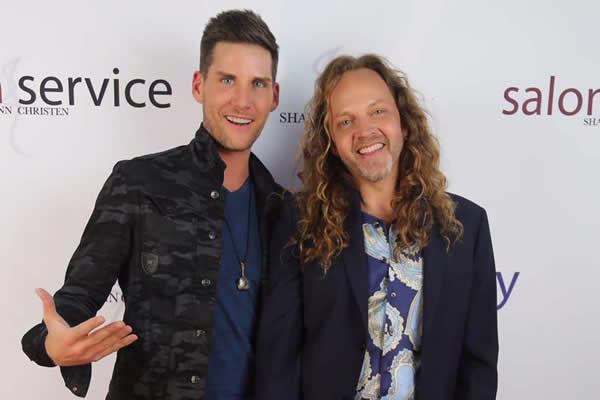
Shann Christen, celebrity stylist and owner of a hair loss clinic and full service salon and ColorBar on Westwood Blvd, gifted his biology based, dual shampoo system, BioMethod.
“It was exciting to meet all the celebrities at this years event. Any day is a good day when you get your photo taken with Richard Grieco! Miles Tagtmeyer never fails to be charming and it was fun to do ‘boomerangs with the Social Media Guru.”
Business and lifestyle influencer and ambassador in the LGBTQ space, Chad Brittian, was happy to meet all the vendors attending. “I was quite impressed with the diversity and overall inclusion of brands. There were quite a few companies that I could see myself aligning with on an influencer branding basis.”
True Gold Honey’s line of all/natural honey was delicious and packaged in a beautifully designed and well-branded wooden box, Brittian noted. “No attention to detail was missed which I can really appreciate from a branding and marketing perspective. I also received a warm welcome from Bio Method and can appreciate the time, energy and passion Shann has for his products. I am thoroughly looking forward to a collaboration with his brand in the future.”
At GBK Productions, Brittian met Dapper & Dashing custom clothing for men and women. “They had a beautifully designed area that was welcoming and really showcased their brand. I am hopeful to partner with them for future events and I definitely can see a lot if potential and look forward to seeing how this brand grows.”
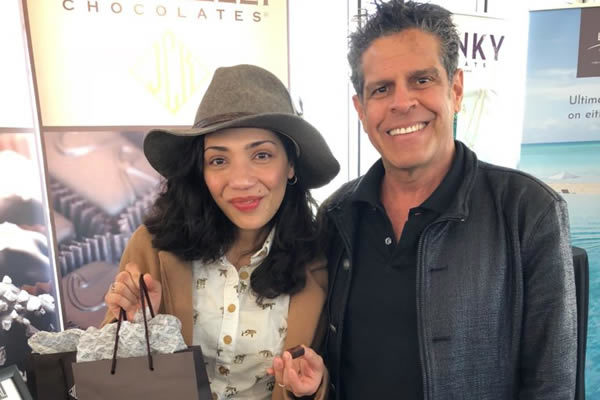
Owned by a gay couple, John Kelly Chocolates also had a great time at the GBK gifting suite. “We have a fairly large celebrity clientele, being located in Hollywood, and it was nice to see some people who already know about us as well as make some new friends,” Kelly said.
At the suite, they gifted the 8-pc assortment box filled with their most popular flavors, inviting celebs to come visit them at their chocolate factory. “Our chocolate really is unique and has something special, and it was fun seeing celebrities have that visceral reaction when they tasted it.”
She Phillips, who owns Scenterprises, gifted numerous celebrities her unique perfumes. “Marcus Gay Harden chose a Woodsy and Spicy perfume and was excited by the combination of these lovely scents. I love this one as it has a hint of exotic spices.. soft…alluring and proactive”!



a&e features
Summer in D.C. brings sports, Restaurant Week, festivals, and more
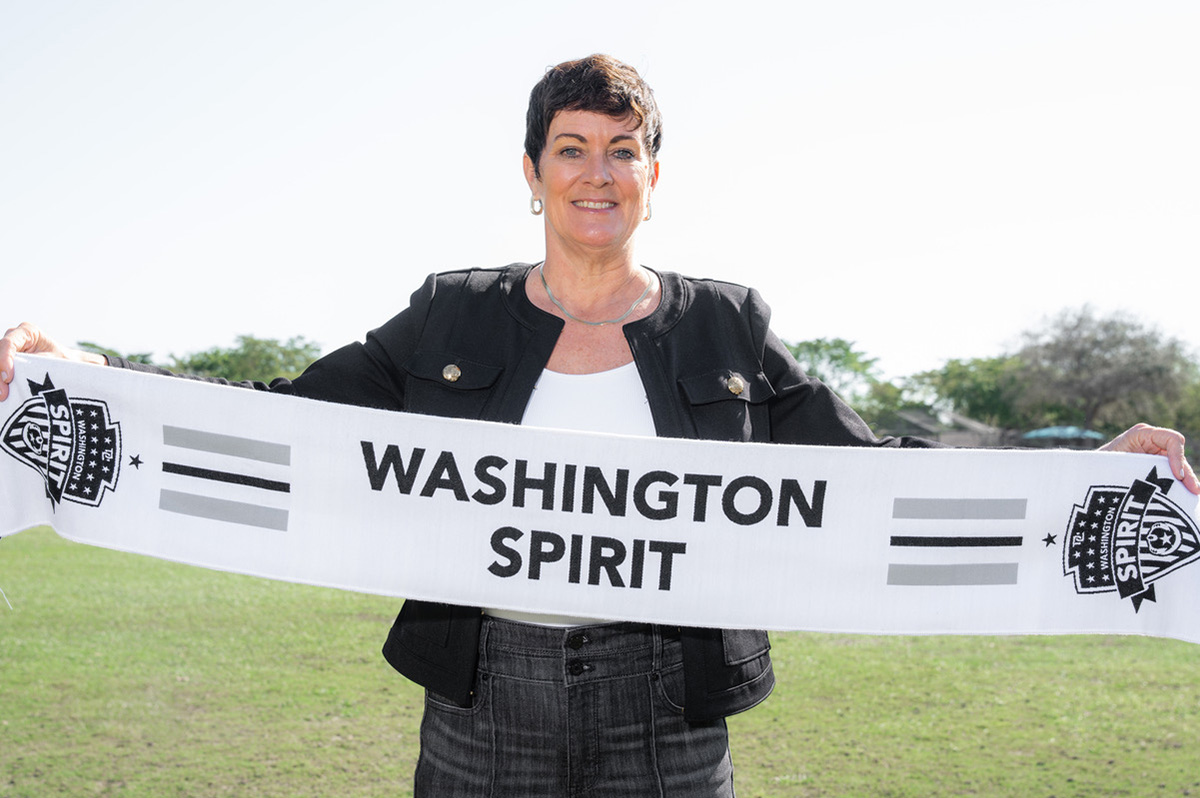
Summer in D.C. just hits different. Congress is out, school is out, the sun is out, thighs are out. With the skies clearing from Canadian smoke, here are a few ways to stay entertained.
Dining
Summer restaurant week: The Restaurant Association of Metropolitan Washington (RAMW) is once again hosting Summer Restaurant Week, Aug. 18-24. This weeklong dining experience showcases the dynamic dining scene of the DMV, including 2026 RAMMY Award-winning favorites (the annual D.C. food awards show that took place June 29). Participating restaurants will offer three-course brunch and lunch selections for $25 or $35 per person, and three-course dinners for $40, $55 and $65 per person.
New Restaurants: A handful of new spots have opened, so the summer is a great time to check them out:
- Oribu: A new Mediterranean-Japanese restaurant in the Grand Hyatt hotel, which just underwent a remodeling effort. The sleek restaurant brings upscale charm, with dishes like Wagyu beef tartare with potato pavé and caviar.
- The Oak Room: A snazzy old-school American grill has just opened in Georgetown, alongside its sister upstairs supper club (Bernadette’s) restaurant, in the old El Centro space.
- Uchi: This showy Japanese sushi-forward chain has landed in Dupont with a chef’s tasting menu of favorites like fatty tuna.
- Kathmandu: Recalling the capital of Nepal, this warm, buzzy subterranean restaurant right in the heart of U Street brings spice, flair, and rare ingredients to its dishes (see: buffalo burgers) and drinks.
Sports
- Washington Spirit Pride Night OUT: On Sunday, Aug. 23, head to Audi Field for a massive, high-energy game following the exciting month of World Cup. The designated Pride Night OUT game promises boisterous crowds plus pre- and post-game community engagements.
- Washington Tennis Open – Now called the Mubadala DC Open, this annual tournament is only combined mens’ and womens’ 500-level tennis tournament in the world. The open is one of D.C.’s longest-standing sports traditions, and will take place at the Rock Creek Park Tennis Center July 25-Aug. 2. Naomi Osaka, Venus Williams, Ben Shelton, Frances Tiafoe, and others are expected to play.
Festivals
- Afro Plus Fest: This huge, three-day Afro-Caribbean Hip-Hop Festival brings together headliners Davido, Alkaline, and Wizkid, plus Tems and Ayra Starr. The event moves from RFK to the Northwest Stadium Complex for three days, Sept. 4-6.
- Capital Fringe Festival: Running from July 11-21, this massive celebration features dozens of live theater, comedy, dance, and boundary-pushing nighttime performances across multiple DC neighborhoods.
- The National Book Festival returns, with headliners like Cynthia Erivo, and Martin Scorsese. The one-day festival, Saturday, Aug. 22, brings together bookworms and word nerds under the theme “America 250: It’s Your Story.” There are talks, workshops, musical sessions and more.
- All Things Go: A three-day festival Sept. 25-27 at Merriweather Post Pavilion featuring Mitski, Hayley Williams, Brandi Carlile, MUNA, Zara Larsson, Ethel Cain, and many, many more artists. There are single-day and three-day tickets. Featuring and highlighting female artists, the festival has turned into a must-see for many LGBTQ audience members.
- Fuchsia Fest: The inaugural Fuchsia Fest is a new multi-day celebration created to celebrate LGBTQ community and expression, bringing together a mix of community gatherings, entertainment, and nightlife. The event takes place Sept. 18-20 and is hosted by Capital Pride.
Art and Music
- United We Dance: A high-energy rave with house, techno, bass, and festival music, on Aug. 1 at the 9:30 Club.
- The Fray. On Aug. 14, this American rock band famous for How To Save A Life is at Merriweather Post Pavilion.
- Kesha: Kesha’s high-energy The Freedom Tour comes to the D.C. area on Aug. 14 at Jiffy Lube Live.
- ALOK: On Sept. 3 at Lincoln Theater, ALOK (they/them) performs. The poet, comedian, and actor is putting on a new comedy show.
- 2charm, the emerging Australian electronic club-pop duo popular with the queer community, which blends hyperpop and dance music, comes to the Atlantis.
- Sapphic Dance Party: a vibrant, inclusive nightlife and social event designed specifically for queer women, lesbians, bisexuals, trans individuals, and nonbinary folks, at Atlantis on Aug. 21.
- Jazz in the Garden: The most quintessential of D.C. activities returns Friday evenings through Aug. 14. This season’s theme, “American Sounds,” is a nod to the nation’s 250th anniversary. Tunes themes range from Appalachian and Americana to Creole jazz, Hill Country blues, contemporary jazz, and more. Tickets are available through a lottery system a week before each event.
a&e features
Tickets on sale for chef Patrick O’Connell’s book launch event
Sept. 18 kickoff to feature José Andrés, Tom Sietsema

Acclaimed chef Patrick O’Connell is preparing to publish his new memoir, “Main, Middle & Gay” in September and he’s launching the book with an event on Sept. 18 at 6 p.m. at Lisner Auditorium featuring Chef José Andrés and former Washington Post food critic Tom Sietsema.
Tickets for the event go on sale Tuesday, July 21 at Ticketmaster; prices start at $55.
O’Connell, who’s gay, is the pioneering Michelin-starred chef and longtime proprietor of the Inn at Little Washington. He spoke with the Blade about the September event and the launch of his first memoir.
“I’ve known [Andrés and Sietsema] for more than 25 years and I have great respect for them,” O’Connell said. “I felt that it would allow us to add a different dimension rather than just have an interviewer. The chemistry will be fun and lively and unpredictable and exciting. I think we’re all different personalities and we’ll compliment each other.”
O’Connell has published cookbooks but this is his first memoir. The event will feature a short film that will highlight his work and the Inn.
“What I hope to do with the event is bring the book to life visually,” he said. “So we’re producing a short film that will be part of it. Most of the audience will not have read the book so it’ll give them a visual flavor of the book. It parallels the evolution of American cuisine over 50 years. It’s a rare perspective to be in the trenches for that long.”
The book’s title refers to the location of the garage on the corner of Main, Middle, and Gay streets in Washington, Va., where he launched his restaurant that became an international culinary destination.
The Blade will publish the rest of its wide-ranging interview with O’Connell in September in conjunction with the book’s release.
Arts & Entertainment
Sci-fi has long been at vanguard of LGBTQ representation
Story lines now criticized as ‘woke’ is weird
Since I was a teenager, I have liked sci-fi because of the depth with which it explores social issues. At the time, I didn’t know that I was autistic and queer, so I couldn’t see myself in other autistic and queer people. Instead, I saw myself in androids, mutants, telepaths, and sometimes aliens who were portrayed as minorities persecuted by the human majority. It was a universal language for talking about alienation, systemic discrimination, conversion therapy, segregation, and internalized self-hatred.
Now, when so many sci-fi stories are being criticized online as “woke,” it seems weird for me. This is especially true when we are talking about franchises, such as the British TV series “Doctor Who” and American franchise “Star Trek,” both of which have always been remarkably progressive by the standards of their own time.
Let’s take a closer look at “Doctor Who.”
In June 2026, the BBC cancelled the planned Christmas special, saying that viewers would have to wait longer for the next season after internal studio issues, and now the BBC is looking for new production partners. “Doctor Who” is the longest-running science fiction television series in the world, originally airing from 1963 to 1989 before returning in 2005. The future of the franchise is currently unclear, and many people online immediately began blaming “wokeness” for what had happened to their favorite show.
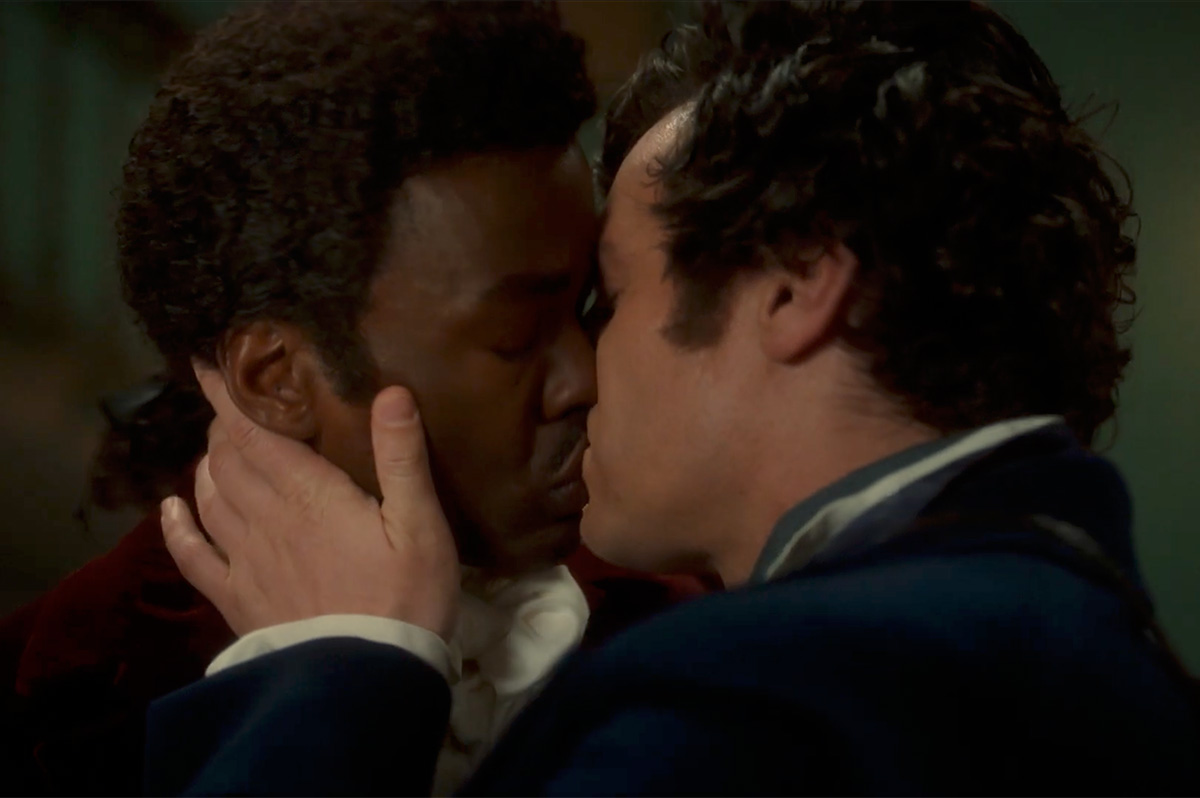
After all, the Doctor, an alien Time Lord who can regenerate and literally change faces, had traditionally been played by white men. But the last, Fifteenth Doctor was played by Ncuti Gatwa, a Black Scottish-Rwandan actor who has publicly identified as queer (and the doctor himself was first presented as queer character after a queer romantic episode where he kissed a man), while the Thirteenth Doctor was played for three seasons by Jodie Whittaker, the first woman to portray the Doctor. In 2023, the series also introduced Rose Noble, a trans feminine nonbinary teenager and supportive character played by transgender English actress Yasmin Finney.
But despite popular stereotypes online, “Doctor Who” did not suddenly “go woke.” The program has existed in two main eras: the classic series, which aired from 1963 to1989, and the modern revival, which has been broadcast on BBC One since 2005.
Even in the 1960s, one of the program’s earliest stories, “The Daleks” (1963–64), presented an obvious allegory for fascism, racial purity, bigotry and the horrors of war. Throughout the classic era, the Doctor frequently opposed militarism, authoritarian governments, and dictatorships. Many fans have also pointed to moments of queer coding and subtext throughout the classic series.
However, openly queer characters appeared as soon as the modern revival began.
The 2005 revival introduced Captain Jack Harkness, played by John Barrowman, one of the first openly queer recurring characters in the “Doctor Who” universe. He openly flirted with people regardless of their gender and later became the lead character of the spin-off series “Torchwood.” “Torchwood” went even further with LGBTQ representation, featuring multiple queer characters, including trans and nonbinary characters whose identities were treated as a normal part of the story.
“Doctor Who” has always been remarkably progressive for its time. The franchise doesn’t suddenly change its values, it’s always been “woke.”
The same happened with the American franchise “Star Trek.”
It is widely known as one of the most openly left-wing and progressive television franchises ever broadcast. The original series, which aired from 1966-1969, was created during the Cold War and featured the utopian United Federation of Planets, a society without poverty or money that can be characterised as socialist or even communist. It also featured Lt. Uhura, played by Nichelle Nichols, a Black woman serving as a highly respected bridge officer at a time when Black women weren’t portrayed in positions of authority on American television. The series also included one of the first interracial kisses in modern American television, between Capt. James T. Kirk (William Shatner) and Uhura in the 1968 episode “Plato’s Stepchildren,” a moment that had a significant cultural impact.
Gene Roddenberry, the creator of the franchise, said that he had wanted to include openly queer characters as well, but believed it would have been impossible to keep the show on the air because it had already pushed social boundaries in so many other ways.
Today, many viewers — including Elon Musk — claim that “Star Trek” has only recently become “woke.” In reality, I think it actually became less radical than the original series. Even queer characters are not a recent addition to the franchise. One of the earliest major queer characters appeared in “Star Trek: Deep Space Nine” (1993–1999): the Trill officer Jadzia Dax, played by Terry Farrell. In the 1995 episode “Rejoined,” she shared one of the first same-sex kisses in the history of the franchise.
However, for some reason, it was the openly gay couple Paul Stamets (Anthony Rapp) and Hugh Culber (Wilson Cruz) in “Star Trek: Discovery” (2017–2024), together with the trans Trill character Gray Tal, played by trans actor Ian Alexander, that triggered a major backlash among conservative parts of the fandom. That backlash reached another peak with “Star Trek: Starfleet Academy,” which features the canonically gay Klingon cadet Jay-Den Kraag. The actor has spoken about receiving abuse and threats because of the role, despite the fact that there was nothing especially ideological about his character. He was simply a gay character whose sexuality was only one aspect of who he was. In fact, considering the ideals of the original “Star Trek,” I was more surprised that the franchise still includes relatively few trans or polyamorous characters, and that they are not part of the lead cast. After all, the franchise was created to imagine a future that was ahead of its time.
So why do conservatives and anti-LGBTQ people continue to watch franchises that have always been deliberately progressive? And why do they keep claiming that these shows have only recently “gone woke”?
A more logical explanation is that parts of the audience have become less willing to accept the same kinds of progressive ideas that these franchises have embraced for decades. In other words, it is not the shows that fundamentally changed. Some long-time viewers have become more conservative than they were in their youth, while newer conservative audiences have joined them and begun criticizing franchises without knowing their real history.
In many ways, geeks have changed more than these shows have. Sci-fi hasn’t “gone woke.” Some of its fans have simply become less comfortable with the same progressive values these franchises have promoted for decades.

Summer in D.C. brings sports, Restaurant Week, festivals, and more

Trump tries to scare Americans into not voting

No Pride without Disability Pride

House blocks effort to codify transgender servicemember ban into law

D.C. Council approves increased funding for Mayor’s Office of LGBTQ Affairs

DOJ seeks to dismiss some claims in gay FBI employee’s bias lawsuit

PHOTOS: Vitamin C at JR.’s

PHOTOS: Rehoboth Beach Pride Festival

Hot hatchbacks: Honda Civic, Subaru Impreza