Mexico
Baja California governor vetoes bill banning conversion therapy
Measure overwhelmingly passed in Mexico state’s Congress on April 21
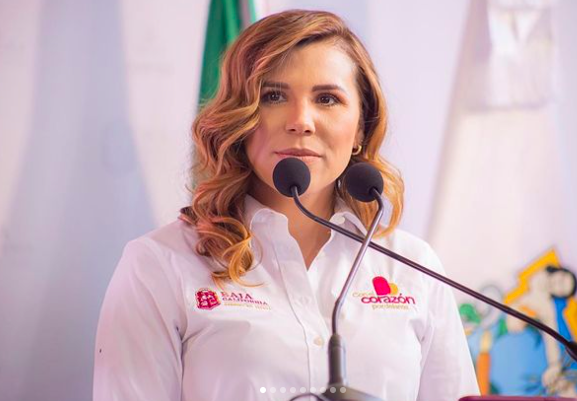
The governor of Mexico’s Baja California state has vetoed a bill that would ban so-called conversion therapy.
The bill, which passed in the Baja California Congress on April 21 by a 20-4 vote margin, would specifically amend the state’s Penal Code and non-discrimination law to ban the discredited practice. Anyone convicted of conversion therapy would be fined and receive a sentence of between 2-6 years in prison.
Media reports indicate Gov. Marina del Pilar Ávila Olmeda vetoed the bill in order to send it back to lawmakers “to be able to strengthen this initiative from our points of view.” Eduardo Arredondo, an activist and member of the Congress’ Youth Parliament who pushed for the measure, on Tuesday told the Los Angeles Blade that Ávila made her decision in response “to the pressure that conservative groups put on her.”
“They maintain that each person is free to profess the religion that they want and can therefore act in accordance to their beliefs,” said Arredondo. “This includes seeking ‘help’ or an ‘advisory opinion’ in a situation in which their son or daughter is a member of the LGBT+ community. They also maintain that they, as parents, have the right to seek help to educate their child in the best way.”
Arredondo in a statement further defended the bill.
“The approval of the (conversion therapy) bill in Baja California represents a big step forward in the recognition of the rights of the LGBT+ community in the state,” he said. “The delay in the publication of the law on the part of the governor represents a setback in the guarantee of these rights. As long as this law is not published, therapies will continue to take place and many young people and children will continue to be subjected to these practices.”
Altagracia Tamayo is the president of Centro Comunitario de Bienestar Social (COBINA), a group in the state capital of Mexicali that serves LGBTQ+ people and other vulnerable groups.
Tamayo on Monday at a press conference that Comité Orgullo Mexicali, another local LGBTQ+ rights group, organized in response to Ávila’s veto said she survived conversion therapy.
“Conversion therapy damages the most intimate part of what makes children and young people a human being,” said Tamayo.
Seven other jurisdictions in Mexico have banned conversion therapy.





Mexico
Mexico’s first openly gay mayor killed
Benjamín Medrano shot to death inside Guadalajara ice cream store on July 7
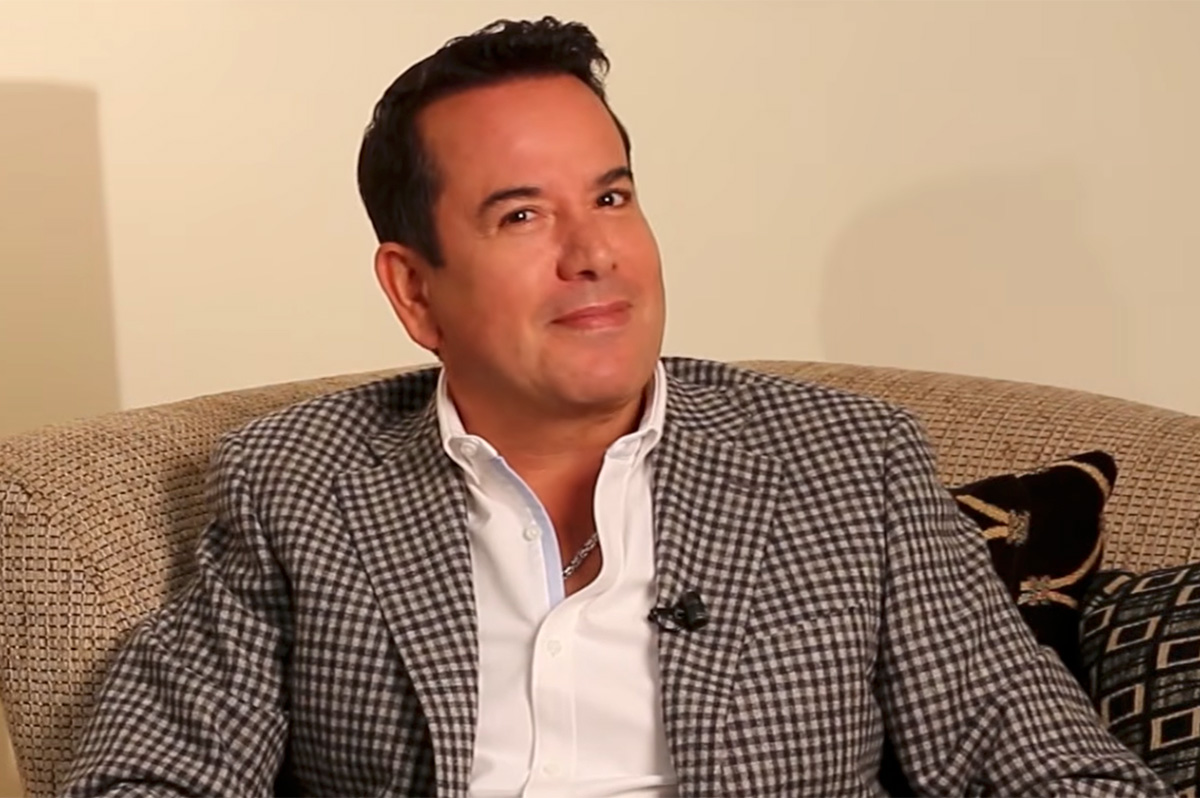
Mexico’s first openly gay mayor was killed last week.
Media reports indicate former Fresnillo Mayor Benjamín Medrano was shot to death on July 7 inside an ice cream store in Guadalajara, the country’s second-largest city that is located in Jalisco state.
Fresnillo is a city in Zacatecas state.
Medrano, 59, in 2013 became Mexico’s first openly gay mayor. He represented Zacatecas’s First Federal Electoral District in the Chamber of Deputies, the lower house of the Mexican Congress, from 2015-2018.
Medrano in 2017 was among the elected officials from across Latin America and the Caribbean who attended a conference in the Dominican Republic that focused on bolstering LGBTQ and intersex political engagement in the region. The LGBTQ+ Victory Institute is among the groups that organized the gathering.
Medrano after he left office faced accusations that he embezzled more than 60 million pesos ($3,443,101.20) in public funds when he was president of the Zacatecas National Fair’s Board of Trustees.
La Voz de Fresnillo, a Fresnillo newspaper, reported Medrano did not have any identification with him when he was shot. A relative identified him two days later.
State and federal authorities have not announced a potential motive. They have also not made any arrests in connection with Medrano’s murder.
Anti-LGBTQ violence and kidnappings are commonplace in Mexico.
A gay couple from the U.S. were among four people found dead in a mass grave outside Mexico City last month.
Members of the Jalisco New Generation Cartel in February set fire to cars and buses in Puerto Vallarta, a resort city in Jalisco state that is a popular destination for LGBTQ tourists from the U.S., after Mexican forces killed its powerful leader.
Puerto Vallarta is roughly 180 miles west of Guadalajara.
Mexico
Gay US couple among four people found dead in Mexico mass grave
Zafar Mawani and Guillermo Hidalgo Ortiz disappeared May 20

A gay couple from the U.S. is among the four people found dead in a mass grave in Mexico last month.
The Associated Press reported Zafar Mawani and Guillermo Hidalgo Ortiz disappeared on May 20. The couple was last seen in Mexico City’s Isidro Fabela neighborhood.
Media reports indicate Mawani and Hidalgo lived in Mexico and Chicago. They note the couple had traveled to Mexico City to care for Mawani’s sick mother. NBC Chicago reported investigators found “unusual withdrawals from the couple’s bank accounts” after they disappeared.
The AP notes Mexican authorities on June 25 confirmed Mawani and Hidalgo were among the four people found in the mass grave in La Marquesa National Park, which is roughly 20 miles southwest of Mexico City, on June 17.
Mexican media reports indicate a female former police officer who allegedly led a kidnapping and robbery gang is among the five people who have been arrested in connection with the couple’s murder.
“We are grateful beyond words to everyone who tried to help bring Zafar home to us — investigators on the ground, our core strategy and support team, authorities in both countries, generous volunteer organizations, as well as friends and loved ones who stepped forward to help without being asked,” said Mawani’s family in a statement.
Kidnappings are common in Mexico.
The AP notes more than 135,000 people are currently missing in the country “as a product of criminal violence,” with 977 people reported to have disappeared in May. Members of the Jalisco New Generation Cartel in February set fire to cars and buses in Puerto Vallarta, a resort city in Jalisco state that is a popular destination for LGBTQ tourists from the U.S., after Mexican forces killed its powerful leader.
It is not clear whether Mawani and Hidalgo were specifically targeted because of their sexual orientation.
Mexico
US Embassy in Mexico issues shelter in place order for Puerto Vallarta
Mexican soldiers killed powerful cartel leader on Sunday.
Editor’s note: This article has been updated.
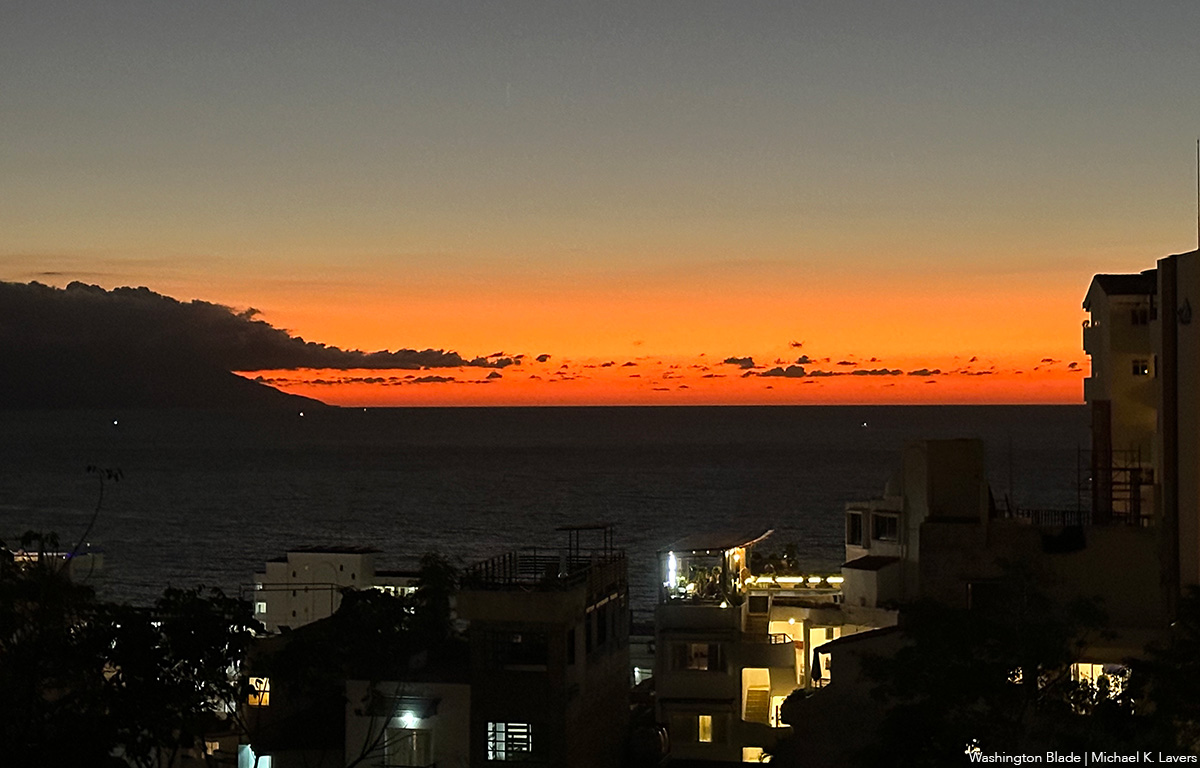
The U.S. Embassy in Mexico on Sunday urged Americans in the resort city of Puerto Vallarta to shelter in place after Mexican authorities killed a powerful cartel leader.
The Washington Post reported Mexican soldiers on Sunday killed Nemesio Rubén Oseguera Cervantes, the head of the Jalisco New Generation Cartel known as “El Mencho,” in Tapalpa, a town south of Guadalajara, the capital of Mexico’s Jalisco state.
Puerto Vallarta is in Jalisco, but is roughly five hours away from Tapalpa.
Local media reports indicate cartel members in response to Oseguera’s killing have set fire to cars and buses in Puerto Vallarta and elsewhere in Jalisco and in other cities across Mexico. The U.S. Embassy’s shelter in place directive also includes Baja California and Quintana Roo states and parts of Guanajuato, Guerrero, Michoacán, Oaxaca, Nuevo León, and Tamaulipas states.
The Mexican border cities of Tijuana and Tecate are in Baja California. The resort cities of Cancún, Playa del Carmen, Tulum, and Cozumel are located in Quintana Roo in the Yucatán Peninsula.
Security Alert – Update: Ongoing Security Operations – U.S. Mission Mexico (February 22, 2026)
Locations: Widespread, including Jalisco State (including Puerto Vallarta, Chapala, and Guadalajara), Baja California State (including Tijuana, Tecate, and Ensenada), Quintana Roo… pic.twitter.com/vwxfOSF6iJ
— Embajada de EE.UU. en México (@USEmbassyMEX) February 22, 2026
“While no airports have been closed, roadblocks have impacted airline operations, with some domestic and international flights cancelled in both Guadalajara and Puerto Vallarta,” reads the advisory. “All taxis and ride shares are suspended in Puerto Vallarta. Some businesses have suspended operations.”
Mantamar Beach Club in Puerto Vallarta’s Zona Romántica, an area in which several gay bars, hotels, and nightclubs are located, is among the businesses that closed on Sunday.
“Due to circumstances beyond our control and road blockages currently affecting the city of Puerto Vallarta, Mantamar Beach Club will remain closed today,” said Mantamar Beach Club on its Facebook page. “This decision has been made in order to prioritize the safety and mobility of our guests, staff, and visitors.”
Giovanni Rocco, a member of the Capital Pride Alliance board of directors, and his partner were in their Airbnb near Zona Romántica at around 10:30 a.m. local time (11:30 a.m. ET) when a friend texted them and asked if they were “okay.” They went up to the roof of their building and saw “fires all across the city.”
“The day’s been pretty wild,” Rocco told the Washington Blade during a FaceTime interview that took place shortly after 7 p.m. local time (8 p.m. ET.) “[We] did not expect to wake up to fires and explosions and gunfire across the city.”
Rocco said he and his partner saw fires from cars that had been set ablaze from their building. Rocco said at one point he saw one of the “big pharmacies here that was set on fire,” but he was uncertain whether someone deliberately set it on fire or whether a car in flames did.
Here’s a look at Puerto Vallarta today. We woke up to find smoke rising from different parts of Zona Romántica. As the afternoon went on, we started to hear more explosions and gunfire. About an hour and a half ago, a Navy helicopter circled the area for a few minutes. pic.twitter.com/T9vwlzdnq3
— Giovanni Rocco (@GRoccooo) February 23, 2026
“We’ve been in our building the entire day — entire in our unit or up on the rooftop to check things out, but we’ve been following that local and State Department guidance and sheltering in place,” Rocco told the Blade.
He said it was “a beautiful week, wonderful weather, sunny. It’s been in the 70s all week. It’s just perfect weather.” Rocco told the Blade that he and his partner on Saturday had dinner on the beach before they went to a couple of bars.
“Everything was fine and normal and great,” he said. “To wake up to this reality, it (definitely) shook (us) up a bit.”
Rocco and his partner had been scheduled to fly back to D.C. on Monday, but their fight was cancelled. The embassy on Tuesday lifted its shelter in place order.
“Public transportation and businesses continue to return to normal operations following a law enforcement operation that took place on Feb. 22,” said the embassy on X. “U.S. citizens are no longer urged to shelter in place.”

Physician: addiction doesn’t always look the way you think it does

Calendar: October 9-15

ICC unseals arrest warrants for Taliban officials accused of persecuting LGBTQ people, women

Bet Mishpachah participates in D.C. Oct. 7 commemoration ceremony

Man charged in Mall of America shooting plot inspired by Pulse massacre: report

PHOTOS: Winchester Pride

Evan Low is not the leader the Victory Fund needs at this moment

Transgender woman elected to Brazilian Chamber of Deputies

Bowser, Office of LGBTQ Affairs announce LGBTQ+ History Month events

Alianza para la Inclusión fortalece la defensa de derechos LGBTQ en Centroamérica
-

 Photos5 days ago
PHOTOS: Winchester Pride
-
Opinions5 days ago
Evan Low is not the leader the Victory Fund needs at this moment
-
Brazil5 days ago
Transgender woman elected to Brazilian Chamber of Deputies
-
District of Columbia5 days ago
Bowser, Office of LGBTQ Affairs announce LGBTQ+ History Month events