Illinois
Aurora, Illinois revokes Pride parade permit
“We’re not giving up. Our position has been misrepresented, and we’re making every effort to keep the parade as scheduled”
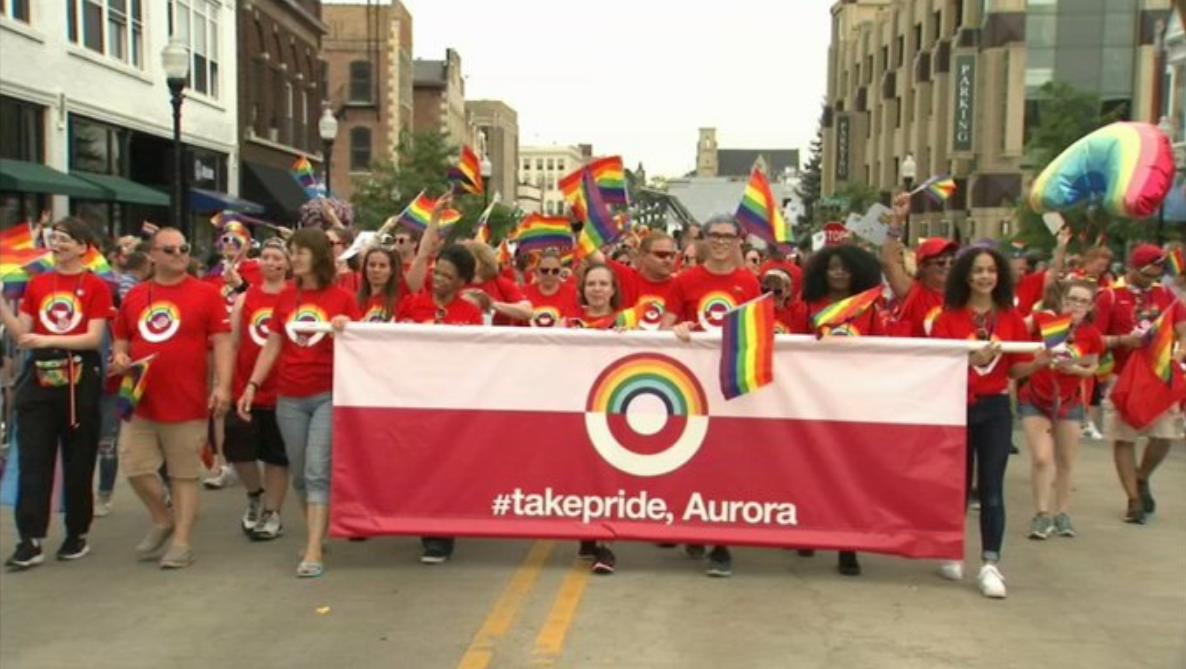
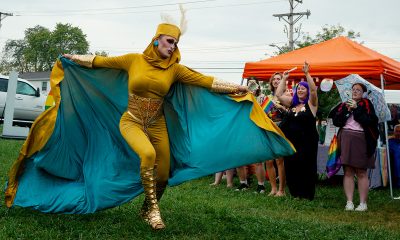
The 2022 Aurora Pride Parade in the City of Aurora, Illinois has been scrapped after the City revoked the permit issued for the event claiming Aurora Pride organizers failed to retain the number of law enforcement officers for the parade.
The decision to revoke the permit comes after an uproar last month when Aurora Pride announced they would not allow police officers to march in the parade in full uniform or bring police vehicles which sparked serious controversy in this fairly liberal suburban Chicago city of 200,000 situated next to the conservative right-leaning city of Naperville, Ill.
Since Pride is considered a private event versus being municipally backed, the city said officers have to volunteer their time to work security, and that required number fell short.
#APDNews: Aurora Police issue statement regarding Aurora Pride Parade staffing: https://t.co/vgl9JsB7Y3 pic.twitter.com/3FhtOOjSjI
— Aurora Police Department (@AuroraPoliceIL) June 7, 2022
In a written statement issued Wednesday, June 8, Aurora Pride wrote: “We have not been able to close the gap, despite the tireless efforts of our Safety team lead and many supporters offering their assistance. As a result, our permit is now revoked. However, we’re not giving up. Our position has been misrepresented, and we’re making every effort to keep the parade as scheduled.”
Chicago’s ABC News affiliate WLS, ABC 7 reported that some restaurant and shop owners in downtown Aurora are planning to increase their staffing for the pride parade. But now they’re playing it by ear as organizers scramble to find a way to keep the parade as scheduled.
Tecalitlan Restaurant’s owner Marissa Valencia is a supporter of the LGBTQ community. The restaurant is decorated in honor of Pride Month.
“Just so they know that we support them and we are here from them,” Valencia said.
She said parade spectators usually stop in to grab food.
“We have extra help because it gets a little crazy for orders to go,” Valencia said. “So we try to bring somebody else to help us take orders to go.”
Aurora Pride is appealing the city’s decision. The hearing is scheduled for Thursday.



Illinois
Chicago’s LGBTQ+ youth: Why their zip code still matters
South and West side residents face longer commutes to access affirming services
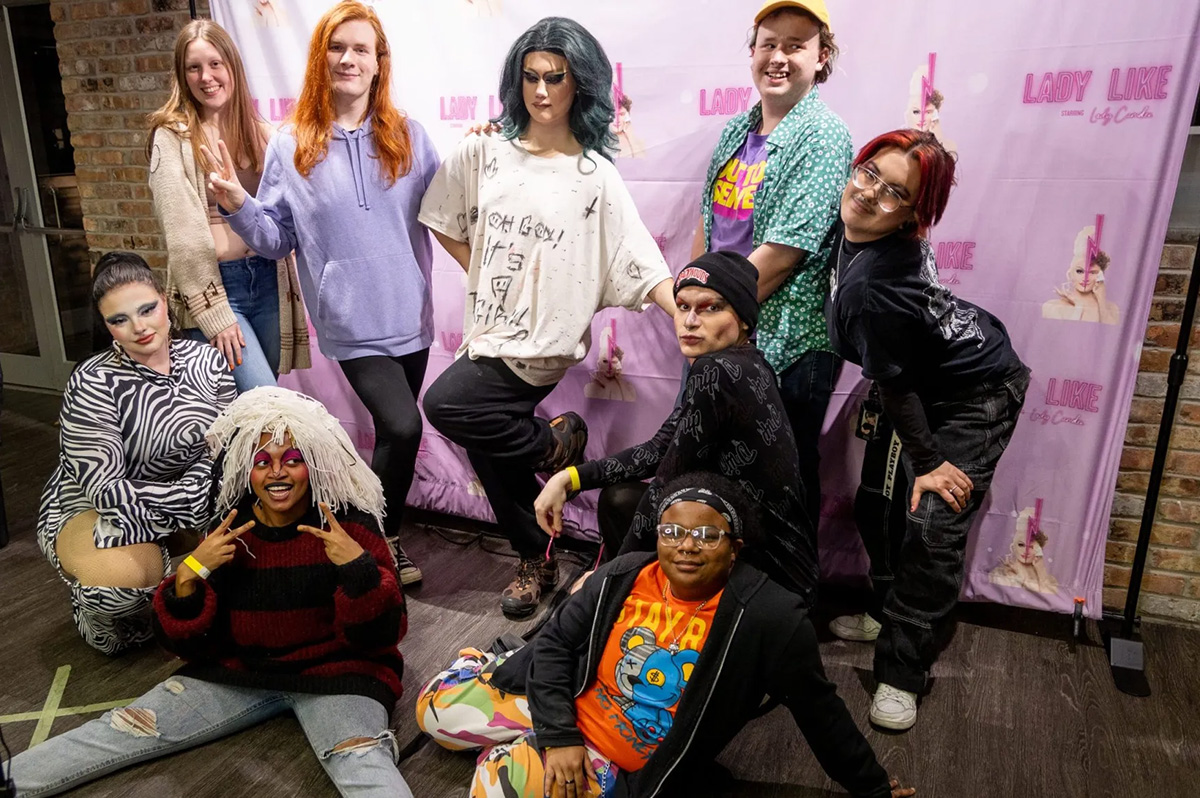
On Chicago’s West Side, the ballroom scene doubles as a lifeline for LGBTQ+ youth.
Every week, teens are drawn into TaskForce Prevention & Community Services for its popular Vogue School. Once there, they then have access to a variety of resources like housing support, a food pantry, fresh produce, and mental health services.
For many, it’s the only affirming environment in their neighborhood.
“We’re located here in Austin, and there isn’t really any other LGBTQ+ youth program like us on the West Side,” said Reyna Ortiz, program director at the nonprofit. “It’s special because young people don’t have to go Downtown or to the North side to feel like they belong here.”
Ortiz’s perspective underscores a long-standing reality that access to LGBTQ+ youth resources often depends on your zip code.
The city’s largest LGBTQ+ institutions have a prominence on the North Side, which is home to LGBTQ+ enclaves like Northalsted and Andersonville. This can leave queer youth on the South and West sides having to face longer commutes and other barriers when trying to access affirming services.
And when queer youth don’t have these kinds of resources nearby, it can create gaps that shape their health, education and economic futures. But North Side-based institutions—as well as smaller LGBTQ+ orgs on the South and West sides and some citywide organizations—are working to fill these gaps.
Two of Chicago’s largest LGBTQ+ organizations, the Center on Halsted and Howard Brown Health’s Broadway Youth Center, are both situated on the North Side.
At Center on Halsted, 3656 N. Halsted St., youth and family programming spans drop-in spaces, leadership and mentoring opportunities and support groups for LGBTQ+ youth. statewide LGBTQ+ hotline provides additional access for young people beyond its Lakeview base.
CEO Joli Robinson said the Center has been intentional about expanding youth programming beyond the North Side through partnerships with other LGBTQ+ organizations and by introducing programs to its South Side location, the Center on Cottage Grove, 6323 S. Cottage Grove Ave.
“A week or so ago, we started our first drop-in space at the Center on Cottage Grove, which has been a priority for us over the past year and a half that I’ve been with the organization,” Robinson said. “We also partner with organizations like Chicago House and Life is Work, … and work to strengthen relationships with the GSAs in schools and PFLAG organizations that exist on the South and West sides.”
These kinds of collaborations are crucial to reaching LGBTQ+ youth in all neighborhoods of Chicago, Robinson said.
“These are organizations that they may already have a strong relationship with, and by deepening our partnerships with them, we’re leveraging the expertise of people who are in these neighborhoods to make sure we’re working in collaboration,” Robinson said.
The Broadway Youth Center, 1023 W. Irving Park Road, serves LGBTQ+ youth ages 12 to 24, particularly those experiencing homelessness or housing instability. It provides integrated medical and mental health care, sexual and reproductive health services, case management and mental wellness support.
The Broadway Youth Center’s drop-in space also offers meals, clothing, showers and other essentials, while cultural programming like art and dance provides additional affirming outets.
Both organizations state their programs are open to youth citywide and emphasize outreach through hotlines, housing services and broader support networks.
Still, their physical bases on the North Side mean that young people in other parts of the city often face barriers to access them.
“And we don’t want transportation to be a barrier for individuals,” Robinson said. “We don’t want location to be a barrier for individuals to participate in some of our programming, so it really is incumbent upon us to be very strategic and think creatively about how we engage the full city.”
TaskForce is among the organizations working to fill these gaps.
Based in Austin on the West Side, the nonprofit offers youth services that are culturally specific, including housing support, food access, and sexual health testing.
Equally as important is TaskForce’s Vogue School, which uses voguing and ballroom culture to strengthen community and encourage self expression.
“Ballroom is important because it’s the one place where they can showcase their talents, where they can showcase who they are without any type of restrictions, without any type of judgment,” Ortiz said. “Ballroom and vogue are how our kids see themselves celebrated. It’s culture, it’s community, and it’s also leadership development.”
Ortiz said TaskForce also provides a steady presence in a neighborhood where resources are limited.
“We are consistent, we are here, we are present and we are open,” Ortiz said.
TaskForce is also home to PrEP 4 Teens, a citywide program focused on HIV prevention and sexual health among youth. While it’s open to teens across Chicago, staff said they are especially focused on reaching those on the South and West Sides who often face the steepest barriers to access.
“We’re looking to collaborate more with agencies, both in the south and west side of Chicago,” said program lead David Gauna. “We know those are the young people who need us most.”
That focus reflects the larger imbalance in the city.
“It’s about equitable access,” said Jim Pickett, one of the program’s organizers. “And so there’s a real lack of equity throughout Chicago, and we could certainly have a much more equitable distribution of opportunities.”
PrEP4Teens was shaped by youth themselves, Gauna added.
“Young people created this,” Gauna said. “They decided the colors, the imagery, the language. They said, ‘We don’t want this to be medical. We want this to be something fun. We want this to be engaging.’”
That youth-driven design is what makes it resonate, said Skai Underwood, who also runs PrEP4Teens.
“We try to meet youth where they are, and culture is part of that,” Underwood said.
Schools can also play a part in filling these gaps on the South and West sides.
“I think that there’s a great opportunity for schools to be like the glue that brings everything together,” said Julio Flores, program director for the Alliance, which promotes school safety for LGBTQ+ youth through advocacy, education, youth programming and research.
For some students, he said, school-based GSAs are the only affirming space they have.
“A GSA can be the only affirming space a young person has,” Flores said.
And those spaces can change a student’s trajectory, he added.
“When young people can lead a GSA, they’re not just building community, they’re building the skills they’ll use in college, in jobs and in life,” Flores said.
The gaps in geography don’t just shape whether young queer people can find community. They also shape whether they’re set up to succeed.
At TaskForce, Ortiz said success often begins with visibility. Young people who first came in for the Vogue School or drop-in services have gone on to train as medical assistants and phlebotomists.
“Some of our youth that frequent the Vogue School start to volunteer. Then we hire and train them, and now they’re building careers,” Ortiz said.
For youth involved with PrEP 4 Teens, growth is just as tangible.
Gauna said teens were engaged in a program that empowered them to build the look, feel and voice of a PrEP awareness campaign. By the end of the cohort, youth who had once been too shy to speak were leading workshops, presenting artwork and giving speeches.
“They started off super shy… and by the end they were showcasing what this program had done for them — not just to take charge of their sexual health, but to feel a lot more confident in themselves,” Gauna said.
Pickett tied those individual transformations back to the bigger picture.
“So many queer young people of color don’t necessarily have many safe spaces throughout the day in their lives,” he said. “Providing these opportunities to engage with other young people and develop their skills and have fun and be fully who they are is so empowering. It sets them up for success.”
Robinson of Center on Halsted said the link between geography and opportunity often comes down to whether young people have their most immediate needs met close to home. Without food, shelter or a safe place to connect, long-term success could remain out of reach.
“For people to really have the safety and security they need to think about economic development or to be provided with a stronger footing and foundation to focus on maybe college or career, they need to have some of their most basic needs met,” Robinson said.
This article was originally published by the Windy City Times and is part of a national initiative exploring how geography, policy, and local conditions influence access to opportunity. Find more stories at economicopportunitylab.com/
Illinois
Obama Center opens with tributes to marriage equality, LGBTQ progress
19.3 acre campus honors 44th president’s legacy

The Barack Obama Presidential Center held media previews on Thursday ahead of its official Juneteenth opening, marking the debut of the first presidential center dedicated to the 44th and only Black U.S. president.
The 19.3-acre campus, located on Chicago’s South Side within historic Jackson Park, features a museum, garden, basketball court, and a new branch of the Chicago Public Library.
Multiple artifacts related to the LGBTQ rights movement appear in the presidential museum’s collection, though none appeared to be on display at the time of publication, according to the center’s website.
Among the objects in the collection are the pen Obama used to sign the repeal of the “Don’t Ask, Don’t Tell” policy that prohibited gay, lesbian, and bisexual individuals from serving openly in the military; a set of Harvey Milk commemorative stamps honoring the first openly gay elected official in San Francisco; and an Out2Enroll rainbow sweat wristband used to connect communities — specifically LGBTQ people and their families, friends, and allies — with health insurance coverage options available under the Affordable Care Act.
The artifacts reflect a broader LGBTQ legacy associated with the Obama presidency.
During the televised opening ceremony, former first lady Michelle Obama thanked her husband for “standing up for marriage equality.”
During his presidency, Obama took a number of actions affecting LGBTQ Americans, including repealing “Don’t Ask, Don’t Tell,” signing the Matthew Shepard Hate Crimes Act, directing the Justice Department to stop defending the Defense of Marriage Act in court, expanding federal benefits and leave to same-sex domestic partners of federal and Foreign Service employees, broadening Affordable Care Act coverage for LGBTQ health issues, including HIV/AIDS prevention and treatment, and signing a 2014 executive order prohibiting federal contractors from discriminating based on sexual orientation or gender identity.
The opening event drew numerous celebrities, including Stevie Wonder, Christina Aguilera, Oprah Winfrey, and Tom Hanks.
It also attracted political figures from both sides of the aisle. One notable exception was President Donald Trump, who was not invited to the ceremony. All other living former presidents were invited and attended.
The Obama Presidential Center will open to the public on June 19, with tickets available on its website.
Illinois
Lori Lightfoot loses re-election bid in Chicago
City’s first Black lesbian mayor struggled to control crime
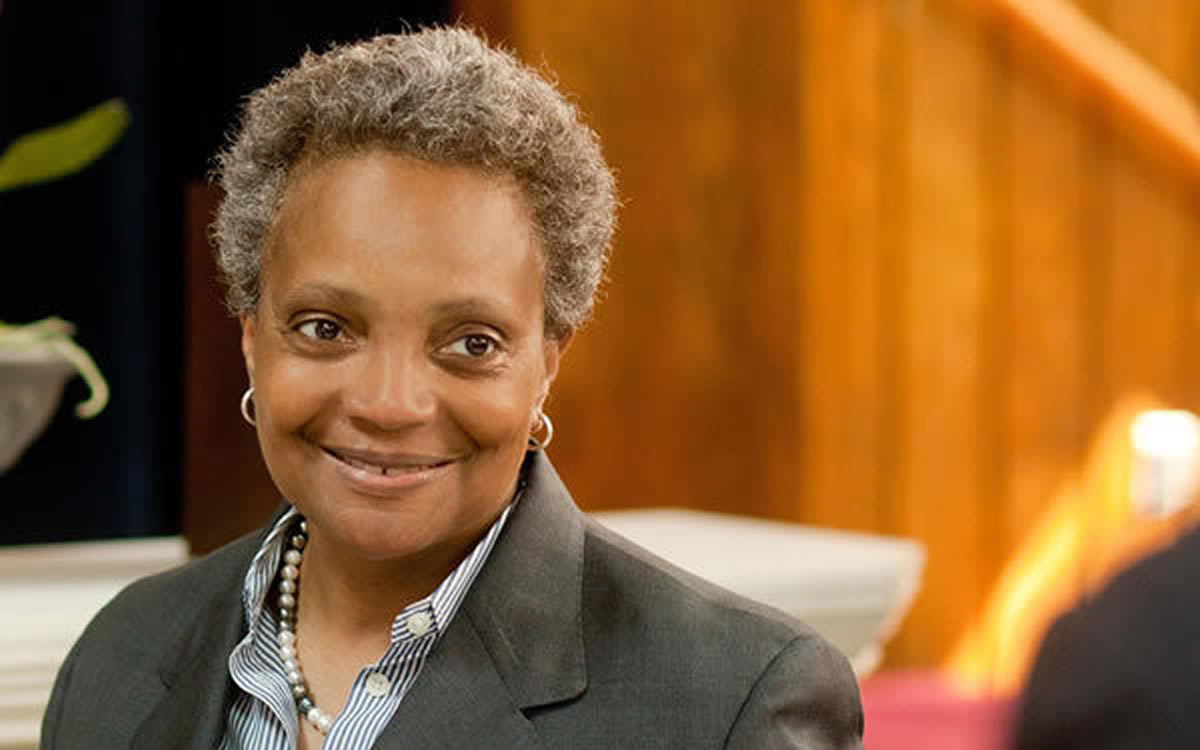
Embattled Chicago Mayor Lori Lightfoot on Tuesday became the first city chief executive in four decades to lose a bid for reelection. Lightfoot’s term in office has been plagued by persistent crime in the city, including a high murder rate and unceasing gun violence.
The Associated Press projections in the nine person race showed the incumbent mayor failing to secure enough votes to move on to an April 4 runoff election.
NBC News reported that Paul Vallas, a former CEO of Chicago schools, will face Brandon Johnson, a Cook County commissioner endorsed by the Chicago Teachers Union.
NBC noted that Lightfoot’s unfavorable ratings have soared with Chicagoans fed up with gun violence, as well as carjackings and robberies. And despite being the sitting mayor, she routinely failed to lead in recent polling, falling behind Vallas.
On the issue of crime, Chicago, under Lightfoot, in 2021 reached the highest number of killings in a quarter century, with 797 and more than 3,500 shootings — which was 1,400 more shooting incidents than were recorded in 2019 when Lightfoot first took office.
Lightfoot became the first openly lesbian, Black woman elected Chicago mayor four years ago claiming more than 70 percent of the vote. Lightfoot’s election made Chicago the largest city in the United States with an openly gay mayor.
During an exclusive interview with Washington Blade after the U.S. Supreme Court ruling that overturned Roe v. Wade last June, Lightfoot said in response to a question about how she feels about being the first Black lesbian mayor of a major U.S. city that there are now “so many more of us who are living our authentic lives.”
She added that she “didn’t see any role models that looked like me” and “didn’t see a lot of gay and lesbian leaders on a national level or even at the local level” when she was younger.
“One of the greatest gifts that we can give is to say to those young people, you’re going to be great,” she said. “Be who you are, embrace, embrace your authentic life. Because there’s always going to be a home for you. There’s going to be a village, a community that’s going to be supportive. That’s one of the things I think the most powerful statement that I can make as mayor, using my platform as mayor of the third largest city, to say to our young people, you’re always going to have a home here.”
Lightfoot lives in Chicago’s Logan Square neighborhood with her wife, Amy Eshleman, and their daughter.

529 openly LGBTQ candidates running in Brazilian election

Lesbian Bar Project co-founder: purity politics could destroy our remaining spaces

HRC report: LGBTQ students face ‘far greater challenges’ in non-supportive states

HRC National Dinner 2026: A night of music, activism, LGBTQ history

Trump asks Supreme Court to allow restrictions on gender-affirming care in prisons

‘Star Trek: Strange New Worlds’ star Celia Rose Gooding breaks down that finale time travel twist

Center for Black Equity’s annual gala to take place Oct. 3

Grace Meng sharply criticizes DOJ over hospital settlements

Former Capital Pride board member reiterates sexual harassment allegation

Tyler Clementi Foundation to host fundraiser in Rehoboth
-

 Television5 days ago
‘Star Trek: Strange New Worlds’ star Celia Rose Gooding breaks down that finale time travel twist
-
 District of Columbia5 days ago
Center for Black Equity’s annual gala to take place Oct. 3
-
New York5 days ago
Grace Meng sharply criticizes DOJ over hospital settlements
-
District of Columbia5 days ago
Former Capital Pride board member reiterates sexual harassment allegation