Maryland
FreeState Justice files lawsuit against former executive director
Jeremy LaMaster allegedly launched ‘coordinated attack’ on organization’s operations
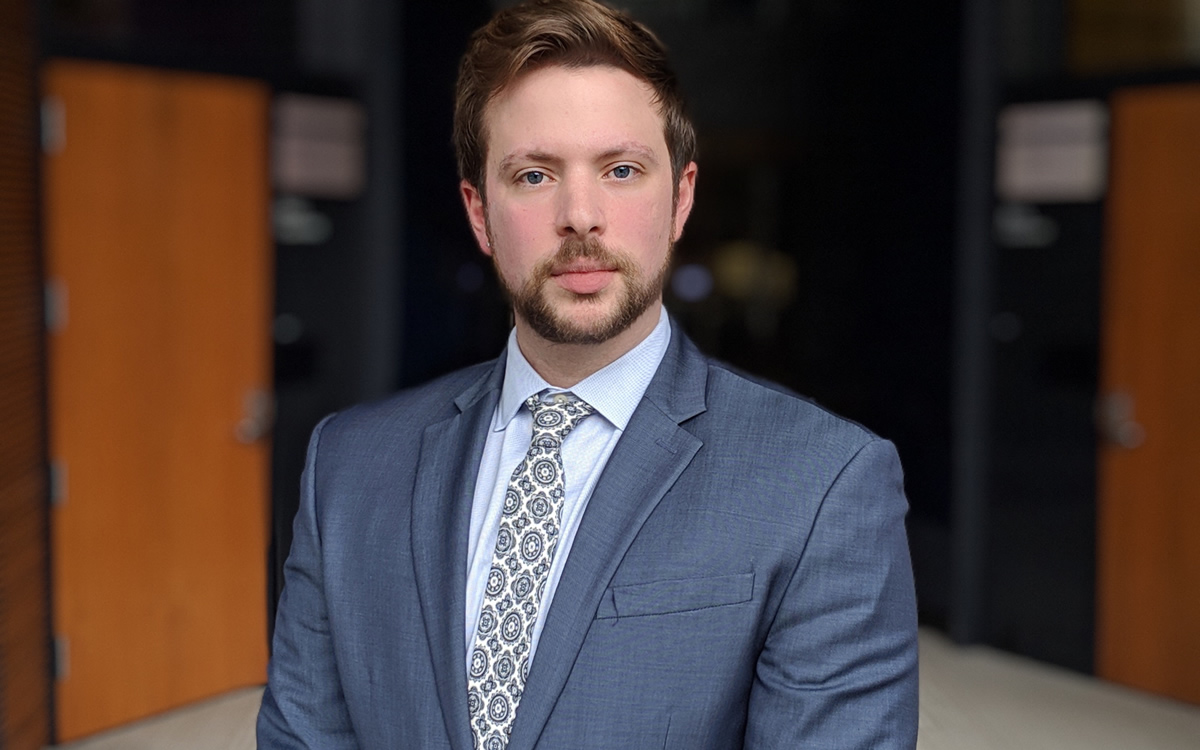
FreeState Justice on Wednesday filed a federal lawsuit against its former executive director who has accused its board of directors of having a “white supremacist culture.”
The lawsuit, which FreeState Justice filed in U.S. District Court for the District of Maryland, notes the board on Sept. 16 informed Jeremy LaMaster that “they were relieved of their duties, and the final two weeks of their employment were to be spent cooperating in the transition of FreeState’s operations.”
“LaMaster abruptly left the meeting early and immediately began a coordinated attack on FreeState’s operations; in particular, its IT assets,” reads the lawsuit. “When FreeState discovered LaMaster’s improper interference, it terminated their employment effective immediately, ordered them to cease and desist and to rectify their actions. LaMaster did not abide and continued to hijack and misappropriate FreeState’s IT infrastructure and documents.”
The lawsuit alleges that LaMaster “unilaterally and without authorization changed user permissions and shared login information so only they had access to numerous systems and accounts.”
“They also removed employees’ administrative access to numerous systems and accounts, leaving such access to only themself,” reads the lawsuit. “In doing so, LaMaster has left FreeState’s employees with little to no access to client files, case files, dashboard reports,and case notes. LaMaster also changed the password to FreeState’s WordPress account, leaving LaMaster in sole control of FreeState’s website.”
LaMaster, who uses nonbinary and binary pronouns, in a message they sent from his FreeState Justice email account on Monday announced their resignation after they said the board declined to step down.
“This morning, I requested the FreeState Justice board of directors to submit their immediate resignations due to persistent violations of our board handbook, consistent failures in their fiduciary responsibilities, and using positions of power to engage in partisan lobbying within FreeState Justice and their repeated refusal to add new members and leadership to the board,” wrote LaMaster.
LaMaster in their email noted they “exhausted every avenue over the past two years to get our board fully staffed and running, and I made good faith efforts to work with the board to ensure that our clients and low-income LGBTQ Marylanders remained at our center.”
“Instead, the board has refused to accept any new board members since 2021 and refused to staff and run core board activities as per our handbook,” wrote LaMaster. “Instead, they have worked to consolidate power and amend the board handbook in secret to lower the minimum number of board members required and ensure that our policy positions prioritize relationships with legislators, not the best interests of our clients and community. I have provided clear warnings and consistent concerns over these issues that were repeatedly ignored.”
“These are the hallmarks of white supremacist culture: The concentration of power, power hoarding, defensiveness, right to comfort, fear of open conflict, hyper-individualism, and a false sense of urgency,” added LaMaster.
FreeState Justice in response to LaMaster’s allegations said it fired them on Sept. 16 “after prolonged and thoughtful deliberation” and further noted their statement “does not reflect the views or ideals of FreeState Justice’s board and staff.” FreeState Justice has named Phillip Westry as LaMaster’s successor.
The lawsuit alleges LaMaster “has commandeered” Westry’s Google account, “rendering him unable to access his emails, internal work calendars, and collaborative documents shared and worked on via Google Drive.”
“LaMaster also now has unfettered and improper access to employee lists, donor lists, volunteer lists, mailing lists, client lists, and pro bono attorney lists,” reads the lawsuit.
“Despite FreeState’s insistence that they cease their unlawful activities and restore operations immediately, LaMaster proceeded to upload a defamatory post to FreeState’s website and disseminated it to approximately 43,000 recipients on FreeState’s mailing list, which they accessed without authorization,” it notes. “The post, titled, ‘Whistleblowing: Public Call for the Resignation of the FreeState Board of Directors’ falsely depicts the circumstances surrounding their departure from FreeState by stating that they resigned, without basis alleged that the Board engaged in ethical violations, and likened FreeState’s Board to White Supremacists, claiming they supported white supremacist culture and practices, and were not ‘anti-racist.’ This is false, defamatory, and denigrating of FreeState and its board members, and extraordinarily damaging for a social justice organization.”
The lawsuit further notes that because “LaMaster did not comply with FreeState’s cease and desist letter, because LaMaster continues to infiltrate FreeState’s systems and accounts, and because LaMaster, after receiving FreeState’s cease and desist letter published a post defaming FreeState, and without authorization, posted it to FreeState’s website, and disseminated it to its mailing list of approximately 43,000 people with his FreeState email address, FreeState has no choice but to seek judicial intervention to prevent further unlawful conduct, and irreparable harm to FreeState.”
“FreeState requests an immediate hearing on this matter,” reads the lawsuit. “It can be reasonably presumed that LaMaster will continue to use FreeState’s proprietary information to interfere with FreeState’s business relations and continue to interfere with FreeState’s possessory interests in its systems and accounts, depriving FreeState personnel of access to the accounts, documents, and files they need to perform their work.”
The Washington Blade has reached out to LaMaster for comment on the lawsuit.





Maryland
Md. groups receive state grants to fight hate crimes
Pride Center of Maryland among recipients
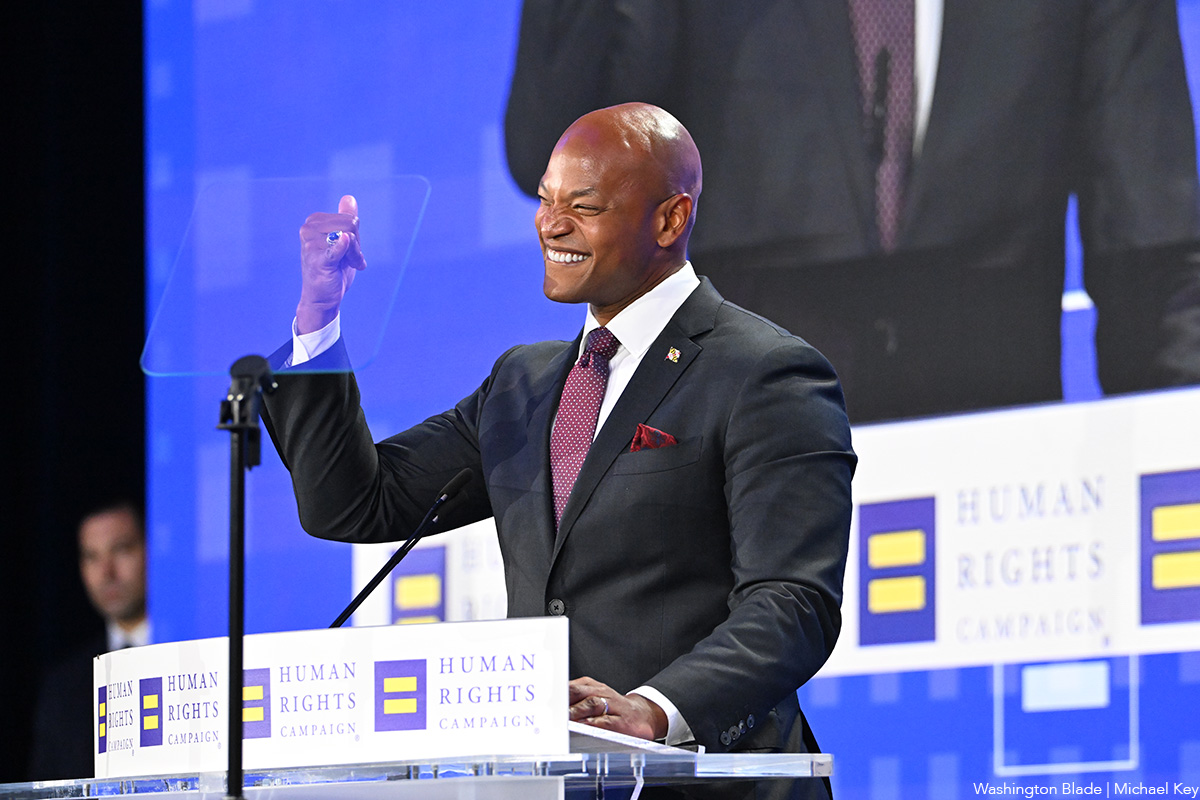
Maryland Gov. Wes Moore and the Governor’s Office of Crime Prevention and Policy are awarding a total of $10 million in grants in the 2027 fiscal year to nonprofit organizations that work to prevent hate crimes in the state.
The funds will be used to support those who feel targeted or discriminated against because of their race, religion, sexual orientation, gender identity, or disability status.
The Pride Center of Maryland is among the recipients. Churches, synagogues, mosques, and LGBTQ organizations are all eligible to receive grants
“The safety and security of all Marylanders is my top priority, so we are drawing a hard line because we have no tolerance for hate,” said Moore, according to media reports. “We are committed to protecting and ensuring safe and sacred spaces stay that way by investing in non-profit organizations, houses of worship, and community centers to protect and honor every community that makes our state so diverse and special.”
“Protection Against Hate Crime funding has strengthened the Pride Center of Maryland’s ability to protect, educate, and support the communities we serve … at a time of heightened concern associated with the Trump administration’s anti-LGBTQ/SGL (same-gender-loving) policies and pressures,” Pride Center of Maryland CEO Cleo Manago said. “PAHC funding helps us do more than improve physical security — it strengthens our community’s knowledge, preparedness, connection to resources, and ability to respond to hate with greater awareness and support.”
Maryland’s hate crimes law includes both sexual orientation and gender identity. The state’s nondiscrimination statute is also LGBTQ-inclusive.
Maryland
Anne Arundel schools now need parent permission to call trans students by preferred names
Conservative groups challenged system’s policy
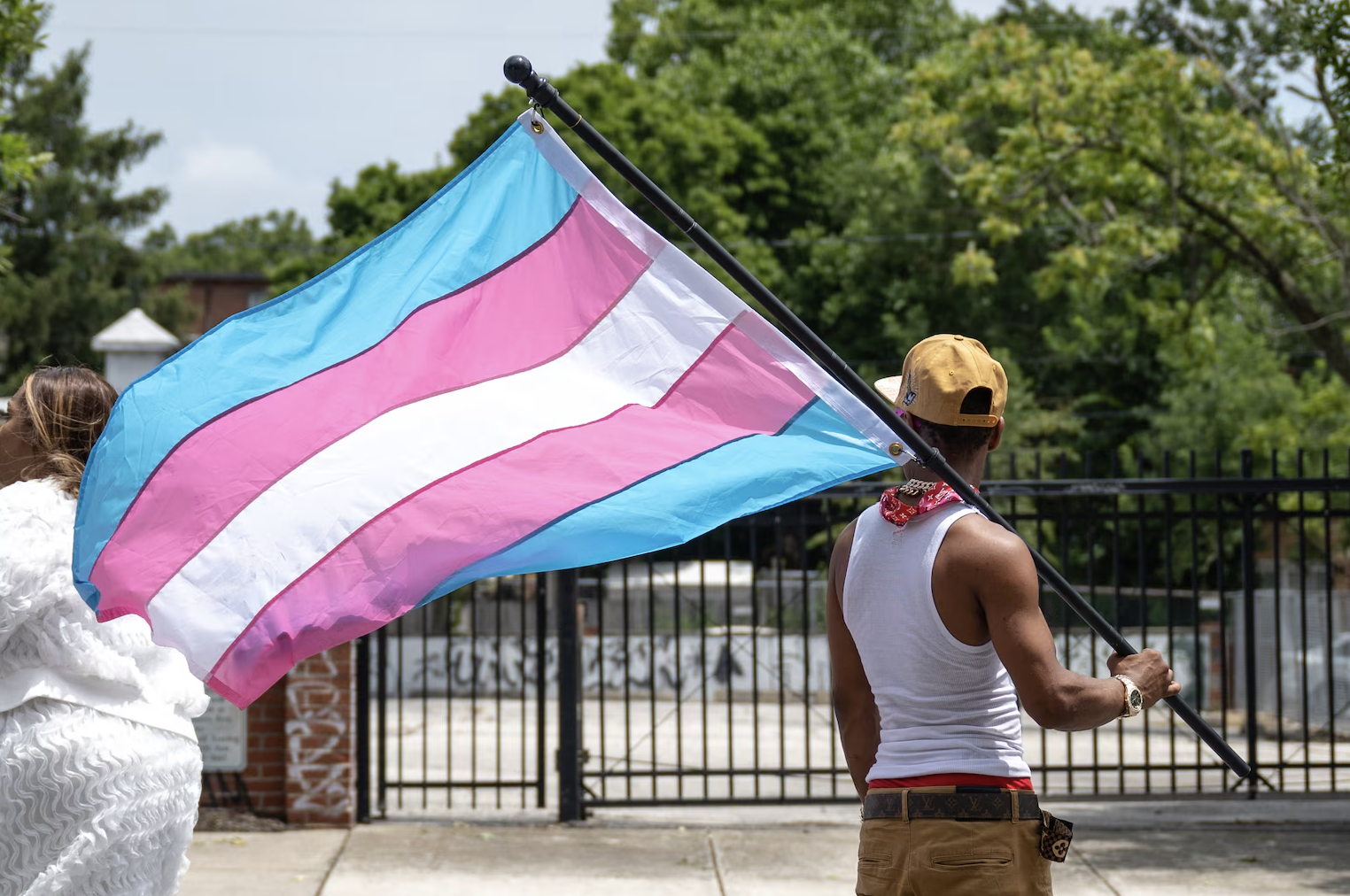
By JESSICA CALEFATI | Anne Arundel County Public Schools staff cannot use transgender students’ preferred names if their parents oppose it, according to an internal document reviewed by the Banner, a change that comes after conservative groups challenged the school system’s approach to gender identity.
Teachers union president Kristina Korona told members in an Aug. 20 email that the new guidance undermines district policy on acceptance and inclusivity and “will begin harming affected students immediately.”
Previously, the district didn’t require parental permission to use a high school student’s chosen name and pronouns corresponding to their gender identity, the internal document says. Now it does. The change comes as parents challenge the suburban school system’s gender identity policy and regulation in court and the Trump-Vance administration threatens the district’s funding.
The rest of this article can be found on the Baltimore Banner’s website.
Maryland
Girlfriends charged with Silver Spring murder to go on trial in 2027
Prosecutors charged both women with killing mother of one of them

Two women identified as a couple who are charged with the May 22, 2026, murder of the mother one of them in her Silver Spring home and who were arrested three weeks later in Ohio are scheduled to go on trial for murder April 19, 2027.
According to online records filed with Montgomery County Circuit Court in Rockville, Vanessa Tjongarero-Henderson, 29, of Clarksburg, Md., and Samantha Raebel, 36, of Phoenix are being held without bond in the Montgomery County Correctional Facility until the time of their trial.
Statements from Montgomery County police show the two women were arrested June 10 in Genoa, Ohio, after fleeing from the scene of the murder in Silver Spring. Police statements and court records show they were extradited back to Maryland in July, where prosecutors with the Montgomery County State’s Attorney’s Office obtained indictments against them for murder.
Earlier statements from Montgomery County police say their investigation into the murder led to their decision to initially charge the two women with first-degree murder for the death of Hilde Henderson, 67, who was Tjongarero-Henderson’s mother.
“Through the course of the investigation, detectives identified Henderson’s daughter, Vanessa Tjongarero-Henderson, and Vanessa’s girlfriend, Raebel, as the suspects,” one of the police statements says. It says police obtained arrest warrants for both women and launched a nationwide search seeking help from the public in in locating them.
One of the police statements says an autopsy determined the cause of Hilde Henderson’s death was blunt-force trauma injuries brought about by a murder. Police and the State’s Attorney’s Office, which is prosecuting the case, have yet to disclose whether they have determined a motive for the murder.
Court records show that prior to the start of the April 19, 2027, trial a “motion” hearing was scheduled for Oct. 30, 2026, a pre-trail conference was scheduled for Feb. 12, 2027, and another motion hearing and a status hearing were scheduled for March 12, 2027.
Court records also show that Tjongarero-Henderson is being represented by attorneys with the Montgomery County court system’s public defender service. The records show that Raebel initially had been represented by a public defender service attorney, but updated records show Aug. 14 is listed as the “removal date” for that attorney.
The docket shows that on Aug. 20, two new attorneys with the prominent D.C. law firm of Covington & Burling made their official appearance as her attorneys in the murder case. One of them, Daniel Solomon, told the Washington Blade in response to an inquiry that the defense has no comment at this time on the case.
He confirmed that Covington & Burling is representing Raebel on a no-cost, pro bono bass.
The office of the Montgomery County public defender service didn’t immediately respond to a phone message from the Blade asking for a comment on the Tjongarero-Henderson case.

Bowser, Office of LGBTQ Affairs announce LGBTQ+ History Month events

PHOTOS: Winchester Pride

Evan Low is not the leader the Victory Fund needs at this moment

Transgender woman elected to Brazilian Chamber of Deputies

Lula, Flávio Bolsonaro to face off in second round of Brazilian presidential election

Gay Va. couple hopeful voters will enshrine marriage equality in state constitution

Victory Fund board investigates former staffers’ allegations against CEO Evan Low

LGBTQ community must vote in big numbers

The right to be an ordinary transgender man

Calif. governor signs 6 pro-LGBTQ bills, vetoes 1
-

 Virginia4 days ago
Gay Va. couple hopeful voters will enshrine marriage equality in state constitution
-
LGBTQ Non-Profit Organizations4 days ago
Victory Fund board investigates former staffers’ allegations against CEO Evan Low
-
Opinions4 days ago
LGBTQ community must vote in big numbers
-
Opinions4 days ago
The right to be an ordinary transgender man