Books
Florida’s war on Black, queer lives hidden no more
New book ‘American Scare’ exposes truth of decades of erasure, attacks
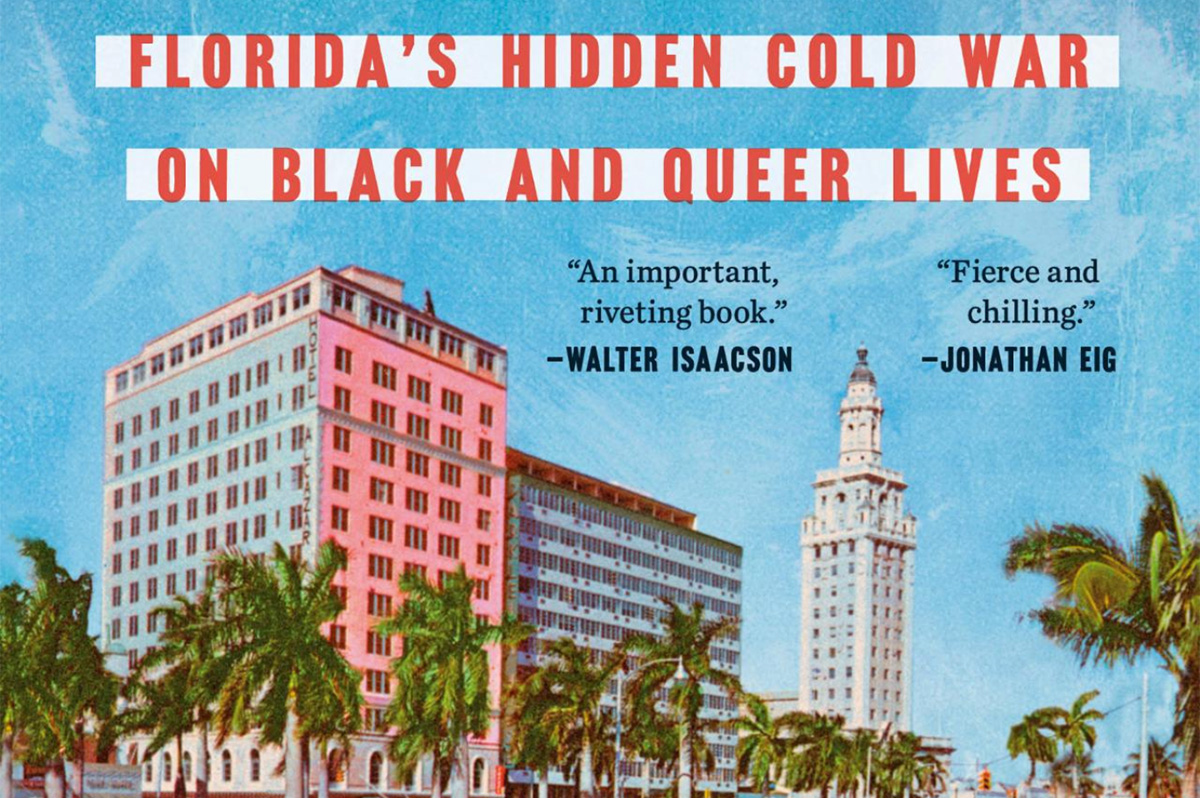
‘American Scare: Florida’s Hidden Cold War on Black and Queer Lives’
By Robert W. Fieseler
“What’s with Florida?,” Bobby Fieseler, disgusted, asked after completing his initial research into the vicious investigation of suspected homosexual teachers by the Florida Legislative Investigation Committee (FLIC) in the 1950s. How did the official animus toward all things queer happen in Florida, Fieseler pitched his publisher. We can be grateful Dutton gave him the green light for “American Scare, Florida’s Hidden Cold War on Black and Queer Lives.”

Fieseler’s book is a masterpiece of archive activism that begins in a rental van escaping Florida with some 20 boxes of historical documents meant to be seen by no one. The cartons contained a secret second copy of materials that had been held back from the jaws of the Florida State Archives in Tallahassee. Soon, more folders would surface with unredacted materials. “There are friends of Dorothy in any system,” he explains his archival detective work with a wink.
What’s with Florida? In the 1950s, it was all about legislators exposing politically helpless homosexuals to justify the committee’s investigations and budgets. The FLIC documents reveal the names of the accused “perverts,” the cops who raided the restrooms, the terrified queer informants and the professional interview techniques that would extract confessions from the victims. On another level, this was about old-school Southern racists determined to stop integration at all costs with intention to weave lies about Communist infiltration of the NAACP. Finally, Fieseler encountered first-hand an official determination to erase and lock-up this history. The statewide obsession with erasing history continues to this day. The Florida Department of Transportation this year painted over the community rainbow crosswalk memorial to the Pulse nightclub massacre victims in Orlando.
“American Scare” is such a fully documented investigation of what unfolded, it will be impossible to paint over the magnitude of this assault. The book bears witness in gory detail to the ruination of private people that exceeds in pure perniciousness the more famous “Lavender Scare.” Although the “Lavender Scare” purged many more individuals, it was about the U.S. Department of State firing public officials slimed as “pinstripe twerps.” The Florida investigations were a statewide purge using a dark politics of exposure of schoolteachers leading private lives. Fieseler quotes Remus Strickland, the head homo-hunter and executive director of the Southern Association of Intelligence Agents formed in response to the Supreme Court’s Brown v. Board of Education desegregation decision (1954), “If the Committee’s first pursuit (race and Communism) was a mandate, its second pursuit (homosexuals) was an opportunity.” Remus (that’s really this Southerner’s name) explained years later without remorse, “We first looked at the University of Florida for Communists….then we came back and did the homosexual purge.” Fieseler’s archival research reveals how far-right politicians and investigators like Strickland characterized Communists, African Americans (through the NAACP) and homosexuals as aligned “treasonously in a subversive societal infestation.”
The whole show was the creation of a wily, populist politician — a Florida “Pork Chopper” — Charley Johns, president of the Florida Senate. “Pork Choppers,” the rural, white Northern Florida wing of the old Democratic Party, controlled the state legislature from the 1930s to the 1960s. They were strongly opposed to integration, Communists, homosexuals, reapportionment and government reform. Johns owned the Charley E. Johns Insurance Agency, which insured state agencies. Fieseler’s history brings these North Florida politicians into grotesque focus. Their “power had lynched history,” he writes about his passion to excavate how they sealed and redacted the records so they would never face responsibility for their actions.
“American Scare” reveals how these Pork Choppers were willing to crush homosexuals as an instrument to maintain power. Their victims were isolated gay and lesbian teachers who could only plead for mercy, vanish or inform on one another. They were entrapped by the system itself. Fieseler tells the story of how Remus Strickland pulled Miss Poston, a physical education teacher out of her classroom surprising her with a tape recorder and a request to give a misdirecting statement about the prevention of child molestation. Suddenly Remus changed the subject: “Miss Poston, in your acts with Miss Bradshaw whom you referred to on this record, would she play the part of the aggressor…..She was known as the butch is that true?….Was there any occasion of any oral copulation?” He closed in for the kill, “Could there have been more than one time”? Miss Poston caved, “Possibly but if so only one more time.” The reel-to-reel tape is turning.
Concert pianist and music teacher William James Neal received the same taped grilling. Remus begins the interview, “You’re an educated Nigra,” confronting Neal with testimony he was a homosexual “nigra.” Years later, Neal remembered, “He told me I would never teach within the continental limits of the United States. He said he had proof I was a homosexual.” An African-American concert pianist, Neal had extensively toured the U.S. playing with major orchestras and hosting his own radio program in Florida. Neal had the self-respect and courage to take his illegal termination to the Florida Supreme Court. In 1962, the court ruled in his favor (Neal v. Bryant) handing Remus Strickland a devastating defeat, writing “The statements accused teachers allegedly made were obviously extracted under a threat of publicity.” Vindicated, William Neal nonetheless left Florida never to return.
There have been resolutions for an acknowledgment and apology. None have advanced through the Republican-controlled legislature occupied with a slew of “Don’t Say Gay” bills. “American Scare’ is larger than a small-bore history of investigations. It is the story of a Great Florida Teacher’s Purge launched to stop integration. Fieseler is done with redactions. He names names. If there is anything redemptive in this Southern hot mess, it is this: Bobby Fieseler, a queer historian, rescued the boxes and delivers readers their contents with history’s gale force.
The Blade may receive commissions from qualifying purchases made via this post.






Books
In ‘The Lost Brontë,’ a complicated lie can lead to danger
New book features sweetly romantic girl-meets-girl twist
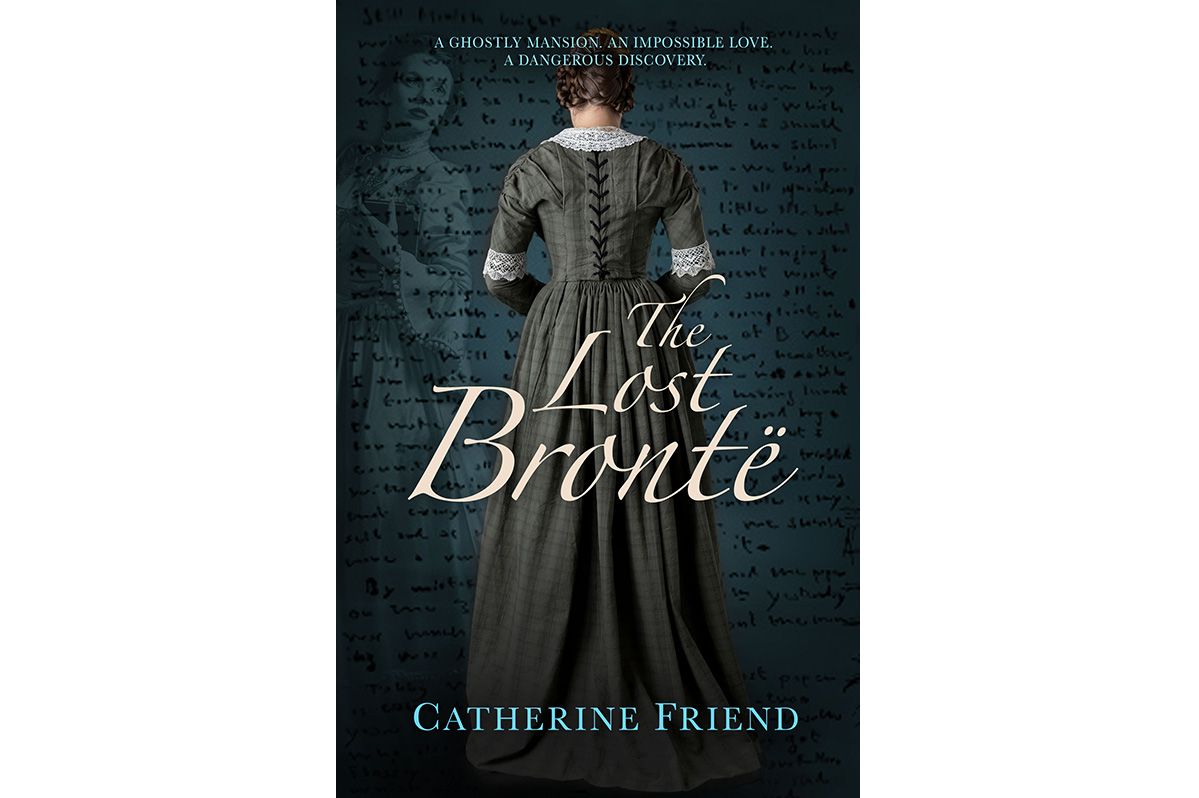
‘The Lost Brontë’
By Catherine Friend
c.2026, Bywater Books
$22.95/335 pages
Mom always said to tell the truth.
One lie leads to another and another and you have to remember them all until pretty soon, you’re caught. Fibs are hard, mistruths are messy, even little white social lies can destroy trust. Worst of all, as in the new novel, “The Lost Brontë” by Catherine Friend, a complicated lie can lead to danger.
Though Lilianne Loxley was very young when she lost her parents, she understood that her uncle didn’t really want her. As time passed, though, Lily made herself useful to Uncle, writing and signing letters for him and she became a good companion, helping him with his collection of Brontë memorabilia. Uncle was a keen enthusiast.
She had no idea that his obsession was out of control and he was deeply in arrears. The day Lily learned of his debt was the day she learned that he’d agreed to send her to his debtor’s home to work off the money owed.
It was so sudden. One minute, Lily was at Loxley House, happy and loved by Uncle’s staff … and five hours later, she was at Crag Thorn Manor, home of Lord Bexton, who informed her that she’d be working on his ledgers – work that seemed routine, but Lily tackled it.
Uncle always did say she was headstrong.
But would headstrong be enough to survive, when she was restricted from most of the Manor, when she was forced to dine with Brexton and his slimy friend, or – the worst! – when Brexton told Lily that her next task was to forge a letter from Emily Brontë? And then an entire manuscript?
Lily struggled to do what was right. She had to get Uncle out of debt but this last order horrified her. Did she dare refuse Brexton’s orders and commit a crime? It was unthinkable!
The only brightness in the whole situation was Wren, the ladies’ maid assigned to Lily’s room. Wren was adorable with freckles and the sweetest smile. But with everything else happening at Crag Thorn Manner, could Lily act upon her feelings?
This time of year, you may come to crave dark, spooky stories, and “The Last Brontë” fits those needs perfectly with its Gothic deliciousness. Think: Daphne du Maurier-type, stormy-night squirms with a dangerously chaste, sweetly romantic girl-meets-girl twist for fun.
If it’s been awhile since you’ve read a Gothic novel, you’re in for a nice reminder of why you love them here. You can almost tick off the must-haves: a novel like this is nothing without a foreboding stone manor with damp walls; stone steps to a dank basement; a mysterious portrait; and a nearby bog, and author Catherine Friend gives readers every one of them. You’d be disappointed if there was no ghost, wouldn’t you? Ha. You can practically feel the cold blow through the attic, right? Yeah, it’s that kind of book.
If you’re a fan of the Brontës, you’ll like this novel. If you love Gothic mysteries or Victorian romances, ditto. “The Lost Brontë” is good, no lie.
The Blade may receive commissions from qualifying purchases made via this post.
Books
Eliot Glazer’s new book an engaging collection of essays
From growing up gay to turning down ‘Queer Eye’
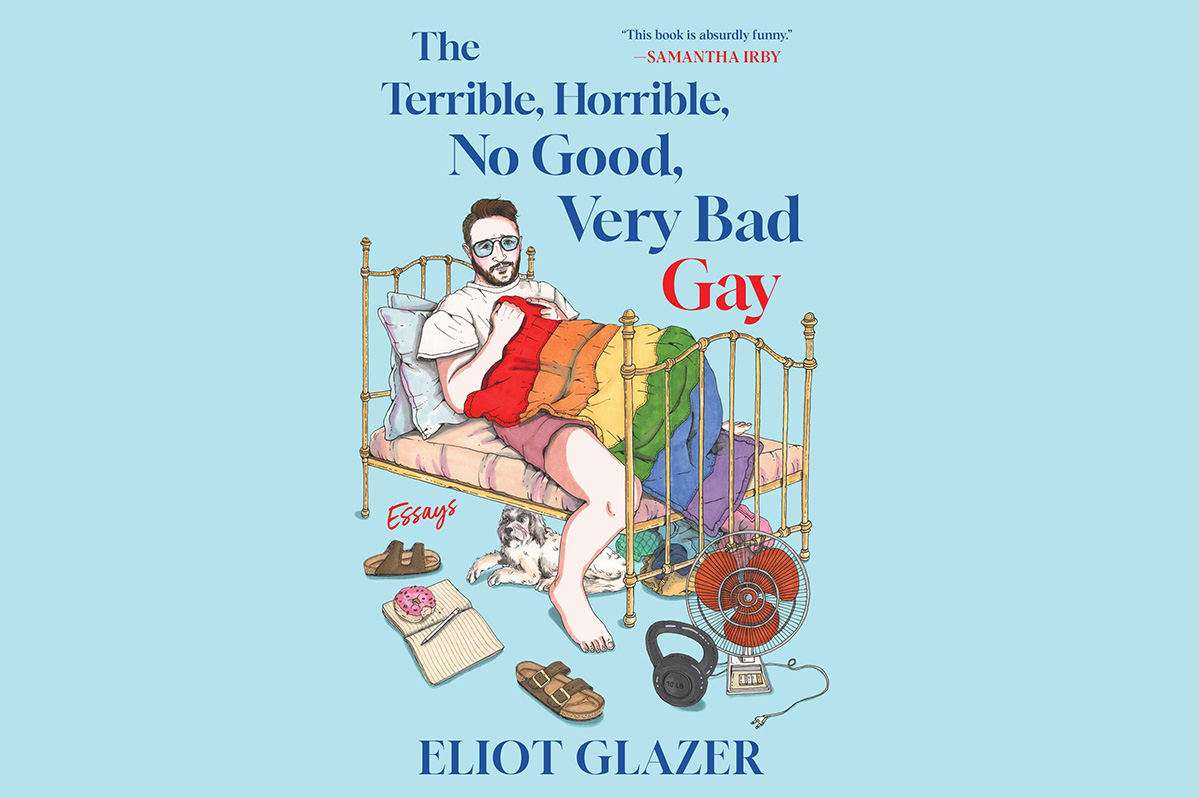
“The Terrible, Horrible, No Good, Very Bad Gay: Essays”
By Eliot Glazer
c.2026, Gallery Books
$28.99/240 pages
You try and you try.
Once, twice, you go back at that thorny issue, the dream you have, the punchline that’s not hitting quite right. Sometimes, time is all you need to make it better, or a new approach, or a second look. And then there are days when you actually get things right, as in “The Terrible, Horrible, No Good, Very Bad Gay” by Eliot Glazer, and it’s all good.
Throughout his life, Eliot Glazer has made mistakes. And it’s OK, everybody trips and falls now and then. In his case, though, he’s perfectly willing to document his failures, foibles, and whoopsies in this book.
He writes of his mother, Sandi, “a Queens-born balabosta” who wouldn’t tolerate laziness in herself or Glazer. He found work as soon as he was legally able to do so, and he had many jobs throughout high school. He was a gardener, ice cream scooper, camp counselor, golf caddy, chocolatier, telemarketer, and video store clerk. The one that fit him best, however, was working at Talbots, a department store for older women, where he found his people.
Even with all those jobs, he was a theater kid in his time off, little though it was. Back then, he was just a boy growing up on Long Island but swagger was important, so swagger he did. He still appreciates a good Broadway show, even the silliest ones.
Glazer says that he had just recently come out when gayness exploded on TV with “Will & Grace” and “Queer Eye for the Straight Guy,” with which he was obsessed. It helped him feel not othered, he says. Producers of the reboot asked him to be a second-generation Eye, but Glazer turned them down, though he thinks he’d have been good at it.
The show helped him with love of décor. His unexpected advisory skills came naturally, through age and wisdom and learning that wild partying isn’t really so much fun.
As for finding love, well, that’s a long, boy-meets-boy-meets-boy story…
So you’re looking for something to easily pick up and put down, something that speaks to your inner impatience? You’ll find that in “The Terrible, Horrible, No Good, Very Bad Gay,” a book that’s practically meant for you to skip around and you don’t have to read everything.
Essays can be like that, which is nice, even refreshing. Author Eliot Glazer is entertaining enough to make things work, engaging enough to keep it moving, and funny enough to make you want more of what he has to say. He’s open with his life and, despite his fame, his writing isn’t lofty; you can expect stories that’ll make you snort and ones with spice, but also some surprisingly tender moments that soften this book in a way that’s just right.
Readers who want a quick, mostly light book to finish will find something appealing in this collection of essays. If you don’t mind a bit of non-linearity and you need a laugh, “The Terrible, Horrible, No Good, Very Bad Gay.” is worth a try.
The Blade may receive commissions from qualifying purchases made via this post.
Books
Curl up with a good book this fall
New releases include mysteries, biographies, religion, and more
The fall books season offers lots of options so curl up and get ready to read.
FICTION
For the mystery fan who likes a sprinkle of thriller, look for “The Longest Death” by Kevin Jagernauth (Soho Crime, December). Richard Cobson hates his small town, he’s bored and desperate to get away. Stealing from his employer is the only thing that makes life bearable. That all changes when Marlon Montgomery comes to town and the two fall in love because if one guy can steal so easily, what can two do?
If you like graphic novels, try the “Tripping Over You” trilogy by Suzana Harcum and Owena White. Milo and Liam are finally able to be open about their relationship, no more hiding their love. They’re living together now, but can it last? “Tripping Over You Book 3” (First Second Books) is in stores in early November.
Also try “Diana: The Punk Singer Who Ripped Through Time” by Nate Powell (Abrams ComicArts, October). It’s about a young woman who’s trying desperately to escape her past, until a mysterious murder sidetracks her plans.
So you say you’re a romantic at heart? Then look for “Unspeakable Things: A Novel” by Elizabeth Hand (Little, Brown & Company, October). It’s a story set in the 1920s, when two young women arrive in the English Countryside to a dark and ancient manor. But, of course, nothing in a Gothic novel is easy, right? And you’ll love this tale.
NONFICTION
So this upcoming year is going to be one of exploration, right? Then look for “Free Love: Adventures in Marriage and Polyamory” by Michelle Tea (HarperOne, November). It’s a well-researched, personal, and interesting look at the lives of polyamorous couples and what it’s like to live what used to be called an “alternative” lifestyle.
If “fall” says “biography” to you, then look for “Showbiz! My Life as a Middle-Aged Man” by Murray Hill (Gallery Books, October). For decades, Hill has been making audiences laugh with his signature humor, but getting laughs hides his past all too well. He grew up in an abusive family and learning to hone his talents took some ingenuity. If you’re not a Hill fan yet, you will be, once you read this book.
For the reader who’s searching for a spiritual place, “Reading the Bible Through Queer Eyes: Good News for LGBTQ+ People from Genesis to Revelation” by podcasters Brian G. Murphy and Shannon T.L. Kearns (HarperOne, December) might help. Here, the authors look deeply at Scripture to find the queerness that’s there, proving to readers that the Word is not always what it seems.
Young readers may want to check out “Bitter Pill: Randy Shilts and the Dawn of the HIV/AIDS Epidemic” by Clement Xavier, illustrated by Heloise Cochois, foreword by Michael Lee (Abrams ComicArts, November). It’s a highly researched true story of activist Shilts, but also of Harvey Milk, and the earliest days of the AIDS crisis, when gay men needed a loud voice to advocate for them.
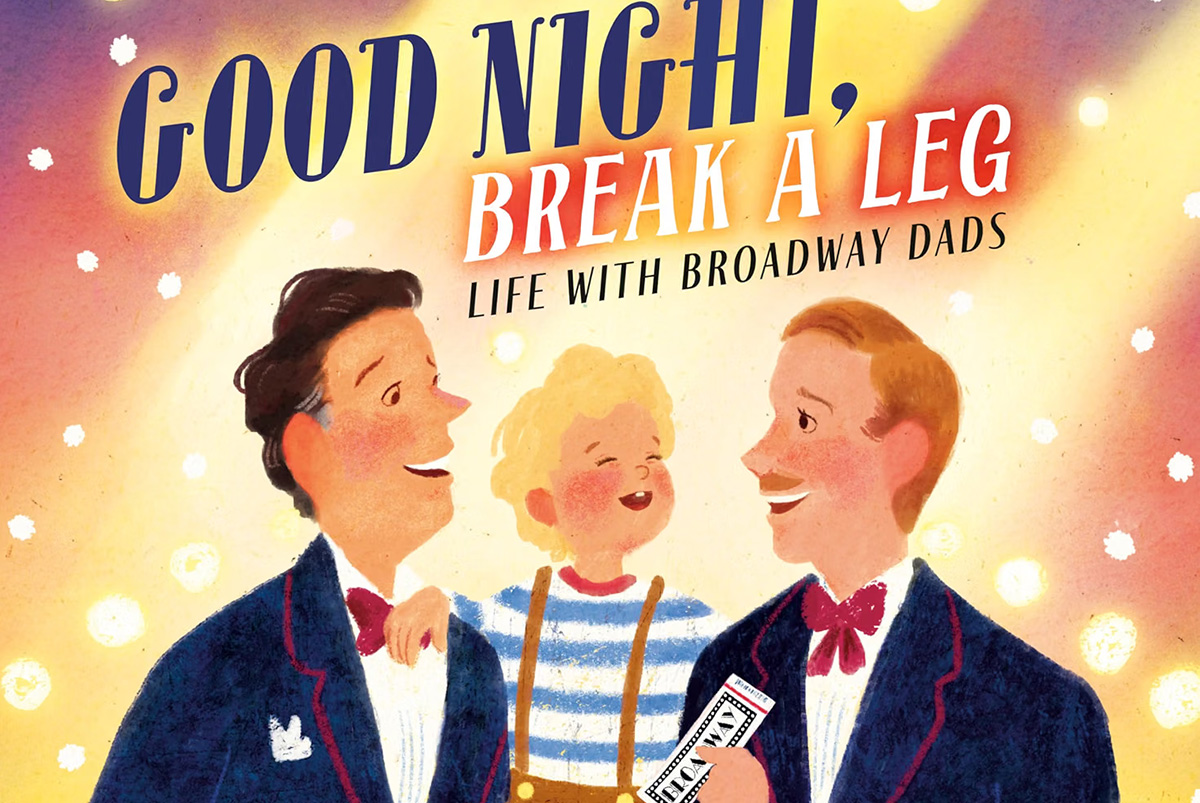
And finally, if you want a fun book for your kids or a child you love, look for “Good Night, Break a Leg: Life with Broadway Dads” by Bret Shuford, illustrated by Elena Hager (Penguin Workshop). What do parents do when they go to work? A little boy learns that his dads have very special jobs by day – and by night! It’s a cute book for kids, but a special tale for lovers of Broadway.
Be aware that publication dates change, titles change, books can be canceled, and your librarian or favorite bookseller can help you find what you need. Season’s readings!

Center for Black Equity honors leaders, activists at BE. Gala

In ‘The Lost Brontë,’ a complicated lie can lead to danger

CAMP Rehoboth Block Party returns Oct. 18

Essential queer horror classics for Halloween

Solidarity beyond the parade: the actual cost of Pride

10 years later, we still can’t shake Barry Jenkins’s ‘Moonlight’

‘Some Like It Hot’ a wild ride at renovated Bernard Family Theatre

D.C.’s LGBTQ homeless facilities face possible hit from Trump funding cuts

Trump uses anti-trans slur against Democratic Senate candidate

U.S. int’l trade negotiator, consultant James Bedore dies at 82
-

 Movies5 days ago
10 years later, we still can’t shake Barry Jenkins’s ‘Moonlight’
-
Theater5 days ago
‘Some Like It Hot’ a wild ride at renovated Bernard Family Theatre
-
District of Columbia5 days ago
D.C.’s LGBTQ homeless facilities face possible hit from Trump funding cuts
-
2026 Midterm Elections5 days ago
Trump uses anti-trans slur against Democratic Senate candidate