Arts & Entertainment
Tony Awards: De Niro slams Trump, Parkland students perform
‘The Band’s Visit,’ ‘Harry Potter and the Cursed Child’ win big
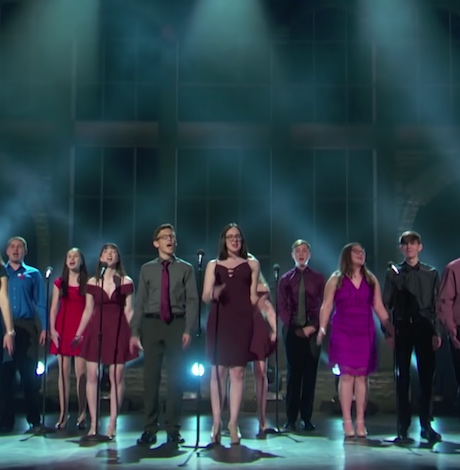
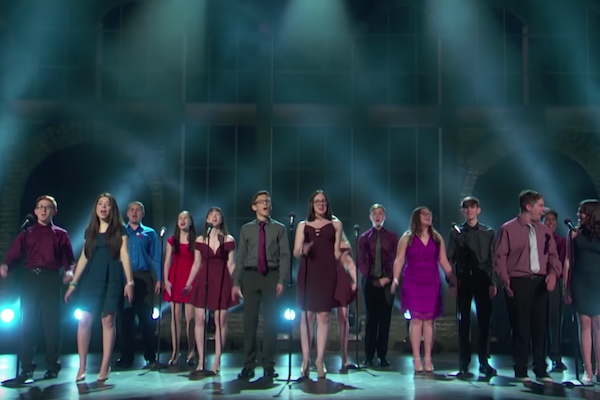
Students from Marjory Stoneman Douglas High School in Parkland, Florida, performing Rent’s ‘Seasons Of Love’ at the 2018 Tony Awards (Screenshot via Twitter)
The 72nd annual Tony Awards, hosted by Rachel Bloom, featured a clean sweep from “The Band’s Visit” and “Harry Potter and the Cursed Child, Parts One and Two” as well as plenty of onstage antics.
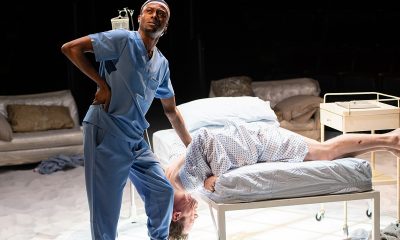
“The Band’s Visit” won 10 awards including Best Musical, Best Actor in a Leading Role in a Musical and Best Actress in a Leading Role in a Musical. “Harry Potter and the Cursed Child, Parts One and Two” won six awards including Best Play and Best Director. Another notable win was “Angels in America” for Best Revival of a Play. Andrew Garfield also won for Best Performance by an Actor in a Leading Role in a Play for “Angels in America.”
The ceremony included many memorable moments but Robert De Niro’s not so subtle dig at President Donald Trump appeared to be a crowd favorite.
“First, I wanna say, ‘f**k Trump,'” De Niro said before introducing Bruce Springsteen. “It’s no longer ‘Down with Trump,’ it’s ‘f**k Trump.”
His bleeped out statement was met with wild applause.
Robert De Niro’s popularity is suddenly rising in Canada. pic.twitter.com/30LPxiWg7f #TonyAwards
— David Beard (@dabeard) June 11, 2018
Parkland’s Marjory Stoneman Douglas High School Drama Club performed the classic song “Seasons of Love” from the musical “Rent.” Their rendition earned them a standing ovation from the crowd.
Nearly five months after tragedy struck their school, drama students from Parkland, Florida, took to the Tony’s stage with an emotional rendition of “Seasons of Love.” https://t.co/sAwQVVlwZL pic.twitter.com/wJEEWaIACn
— CBS News (@CBSNews) June 11, 2018
Also that night, their drama teacher Melody Herzfeld was honored with a Tony Award for excellence in theater education.
Herzfeld hid 65 of her students in her office for two hours during the Marjory Stoneman Douglas High School mass shooting.
“I’m overwhelmed. But I hope that this award will remind everyone of how vital and important arts education is to our kids. Drama, music, art, creative writing that’s how you make good citizens,” Herzfeld said in her acceptance speech.
Offstage, Neil Patrick Harris and Bloom got into an awkward Twitter interaction when Harris didn’t recognize the “My Crazy Ex-Girlfriend” star.
“Who is the woman in the top hat backstage at @TheTonyAwards? Gideon remarked that she says ‘like’ and ‘oh my god’ a lot. I’m confused,” Harris tweeted during the ceremony.
Who is the woman in the top hat backstage at @TheTonyAwards? Gideon remarked that she says ‘like’ and ‘oh my god’ a lot. I’m confused…
— Neil Patrick Harris (@ActuallyNPH) June 11, 2018
Bloom responded that she did, in fact, know Harris.
“I’m a big fan of yours,” Bloom replied. “We’ve met numerous times and my husband, Dan Gregor, wrote for ‘How I Met Your Mother’ for 5 years. Notably, he wrote the episode where your character finally meets his father.”
I’m a big fan of yours. We’ve met numerous times and my husband, Dan Gregor, wrote for “How I Met Your Mother” for 5 years. Notably, he wrote the episode where your character finally meets his father.
— Rachel Bloom (@Racheldoesstuff) June 11, 2018
Harris didn’t apologize for the slip but tweeted, “Indeed! Well said. Thanks for the reminder. How was backstage?”
Indeed! Well said. Thanks for the reminder. How was backstage?
— Neil Patrick Harris (@ActuallyNPH) June 11, 2018
See the complete list of winners below.
Best Book of a Musical
“The Band’s Visit”
“Frozen”
“Mean Girls”
“SpongeBob SquarePants: The Musical”
Best Original Score (Music and/or Lyrics) Written for the Theatre
“Angels in America”
“The Band’s Visit”
“Frozen”
“Mean Girls”
“SpongeBob SquarePants: The Musical”
Best Performance by an Actor in a Leading Role in a Play
Andrew Garfield, “Angels in America”
Tom Hollander, “Travesties”
Jamie Parker, “Harry Potter and the Cursed Child, Parts One and Two”
Mark Rylance, “Farinelli and The King”
Denzel Washington, “Eugene O’Neill’s The Iceman Cometh”
Best Performance by an Actress in a Leading Role in a Play
Glenda Jackson, “Edward Albee’s Three Tall Women”
Condola Rashad, “Saint Joan”
Lauren Ridloff, “Children of a Lesser God”
Amy Schumer, “Meteor Shower”
Best Performance by an Actor in a Leading Role in a Musical
Harry Hadden-Paton, “My Fair Lady”
Joshua Henry, “Rodgers & Hammerstein’s Carousel”
Tony Shalhoub, “The Band’s Visit”
Ethan Slater, “SpongeBob SquarePants: The Musical”
Best Performance by an Actress in a Leading Role in a Musical
Lauren Ambrose, “My Fair Lady”
Hailey Kilgore, “Once On This Island”
LaChanze, Summer: “The Donna Summer Musical”
Katrina Lenk, “The Band’s Visit”
Taylor Louderman, “Mean Girls”
Jessie Mueller, “Rodgers & Hammerstein’s Carousel”
Best Performance by an Actor in a Featured Role in a Play
Anthony Boyle, “Harry Potter and the Cursed Child, Parts One and Two”
Michael Cera, “Lobby Hero”
Brian Tyree Henry, “Lobby Hero”
Nathan Lane, “Angels in America”
David Morse, Eugene O’Neill’s “The Iceman Cometh”
Best Performance by an Actress in a Featured Role in a Play
Susan Brown, “Angels in America”
Noma Dumezweni, “Harry Potter and the Cursed Child, Parts One and Two”
Deborah Findlay, “The Children”
Denise Gough, “Angels in America”
Laurie Metcalf, Edward Albee’s “Three Tall Women”
Best Performance by an Actor in a Featured Role in a Musical
Norbert Leo Butz, “My Fair Lady”
Alexander Gemignani, “Rodgers & Hammerstein’s Carousel”
Grey Henson, “Mean Girls”
Gavin Lee, “SpongeBob SquarePants: The Musical”
Ari’el Stachel, “The Band’s Visit”
Best Performance by an Actress in a Featured Role in a Musical
Ariana DeBose, “Summer: The Donna Summer Musical”
Renée Fleming, “Rodgers & Hammerstein’s Carousel”
Lindsay Mendez, “Rodgers & Hammerstein’s Carousel”
Ashley Park, “Mean Girls Diana Rigg, My Fair Lady”
Best Direction of a Play
Angels in America
Edward Albee’s Three Tall Women
Travesties
Harry Potter and the Cursed Child, Parts One and Two
Eugene O’Neill’s The Iceman Cometh
Best Direction of a Musical
Once On This Island
The Band’s Visit
SpongeBob SquarePants: The Musical
Mean Girls
My Fair Lady
Best Play
“The Children”
“Farinelli and The King”
“Harry Potter and the Cursed Child, Parts One and Two”
“Junk”
“Latin History for Morons”
Best Revival of a Play
“Angels in America”
Edward Albee’s, “Three Tall Women”
Eugene O’Neill’s “The Iceman Cometh”
“Lobby Hero”
“Travesties”
Best Musical
“The Band’s Visit”
“Frozen”
“Mean Girls”
“SpongeBob SquarePants: The Musical”



Online Culture
Clavicular charged in alleged rape of teenage influencer
Online personality’s real name is Braden Peters
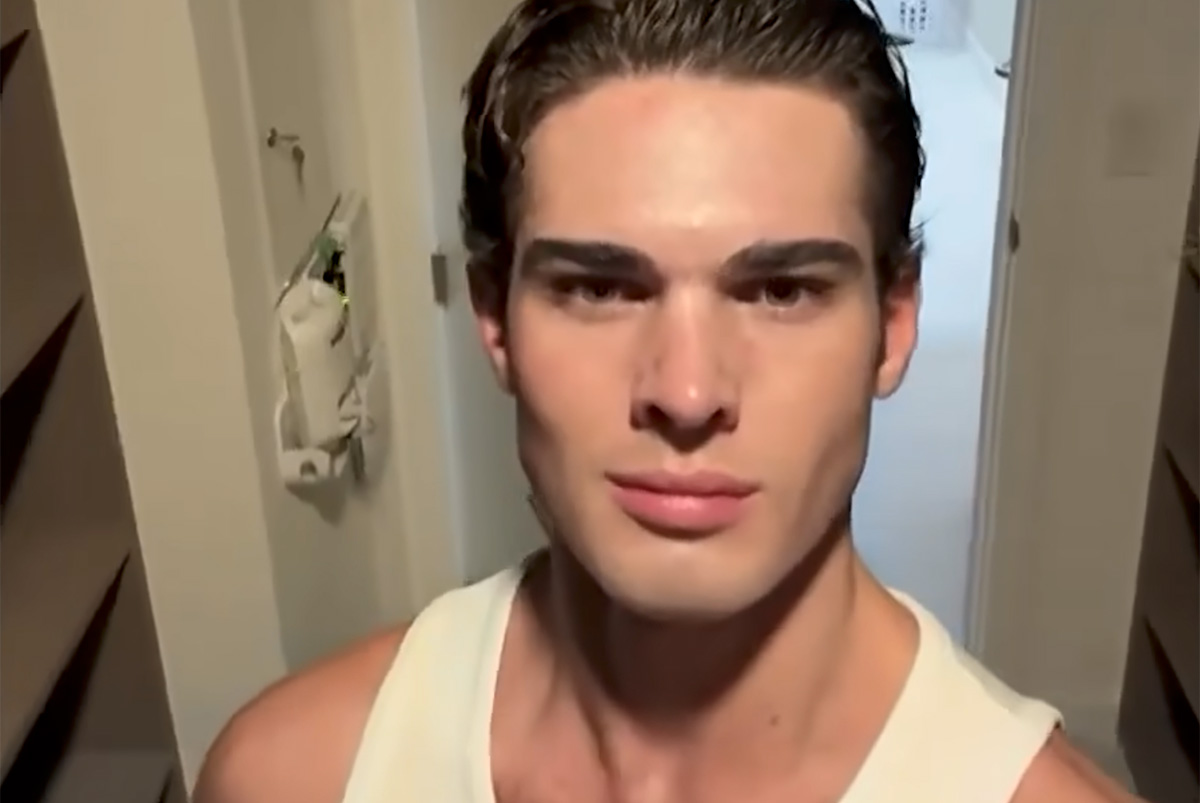
Online personality Clavicular, whose real name is Braden Peters, has been accused of rape.
According to NBC, Aleksandra Vasilevna Mendoza, an 18-year-old influencer known online as Alorah or Alorah Ziva, accused Peters of sexual assault, and the case is making its way through the court system.
The alleged incident occurred on May 23, 2025, when Mendoza was 17.
According to a criminal complaint from the Chatham (Mass.) Police Department, Peters called her an Uber to his family’s home. Once there, he allegedly got her drunk on vodka while they livestreamed on Twitch and then raped her. His mother and grandmother were allegedly in the house.
The documents allege Clavicular committed rape, drugging a person for sexual intercourse, and procuring and providing liquor to a person under 21.
According to court documents acquired by NPR, Mendoza began communicating with Peters on Instagram, where he paid her to appear on his livestreams to help her “make her name known on social media.”
According to those documents, Peters arranged for the minor to come to Cape Cod home to participate in a videostream for his 437,000 followers on Kick, 1.2 million followers on TikTok, and more than 1 million followers on Instagram.
At his home, Peters allegedly instructed Mendoza to say she was 18 on his videostream and to claim the alcohol on camera was water instead of vodka. Mendoza said she felt peer-pressured to drink the spirit and that she became noticeably intoxicated after a couple of drinks.
The allegations go on to state that after stopping the stream, Peters and Mendoza kissed on a couch and then had sex in his bed without her consent. Mendoza said she did not receive a sexual assault forensic exam after the incident. NPR does not name alleged victims of sexual assault.
The charges come months after Mendoza sued Peters in Miami, accusing him of sexual battery in connection with the events of May 2025. The civil lawsuit also separately alleges that he injected her face with a non-FDA-approved fat-dissolving substance during a November livestream in Florida.
Peters is known for his “looksmaxxing” concept of vanity, which is at the core of his online presence. The “looksmaxxing” culture he has helped cultivate combines elements of incel culture and heterosexuality, with the stated goal of attracting the opposite sex. He has gone as far as to say he has undergone “bonesmashing,” or hitting his own face with a hammer; taken anabolic steroids to more rapidly grow muscle; and used crystal meth as an appetite suppressant.
At the same time, looksmaxxing has been described as having elements of homoeroticism, with “looksmaxxers” appearing more concerned with impressing other men than women. Peters has multiple times pointed to openly gay actor Matt Bomer as the gold standard for male facial aesthetics.
Peters’s arraignment is scheduled for Oct. 14.
Photos
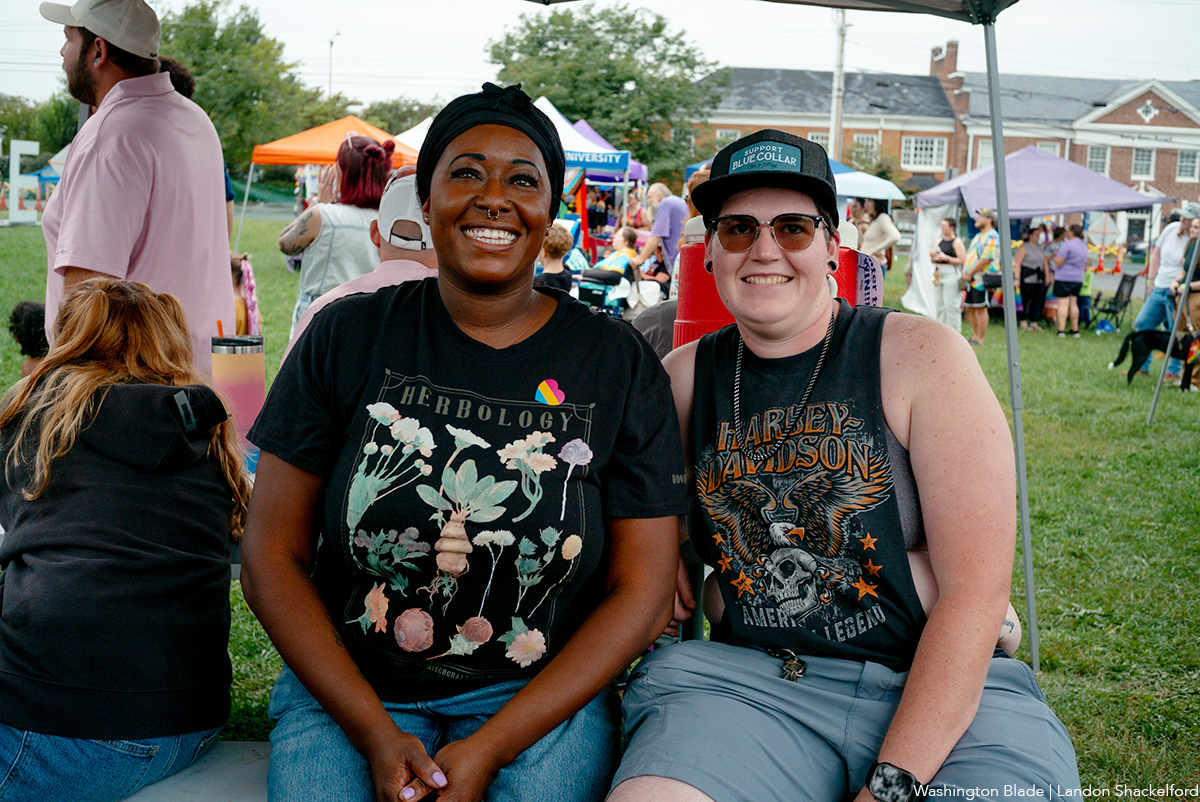
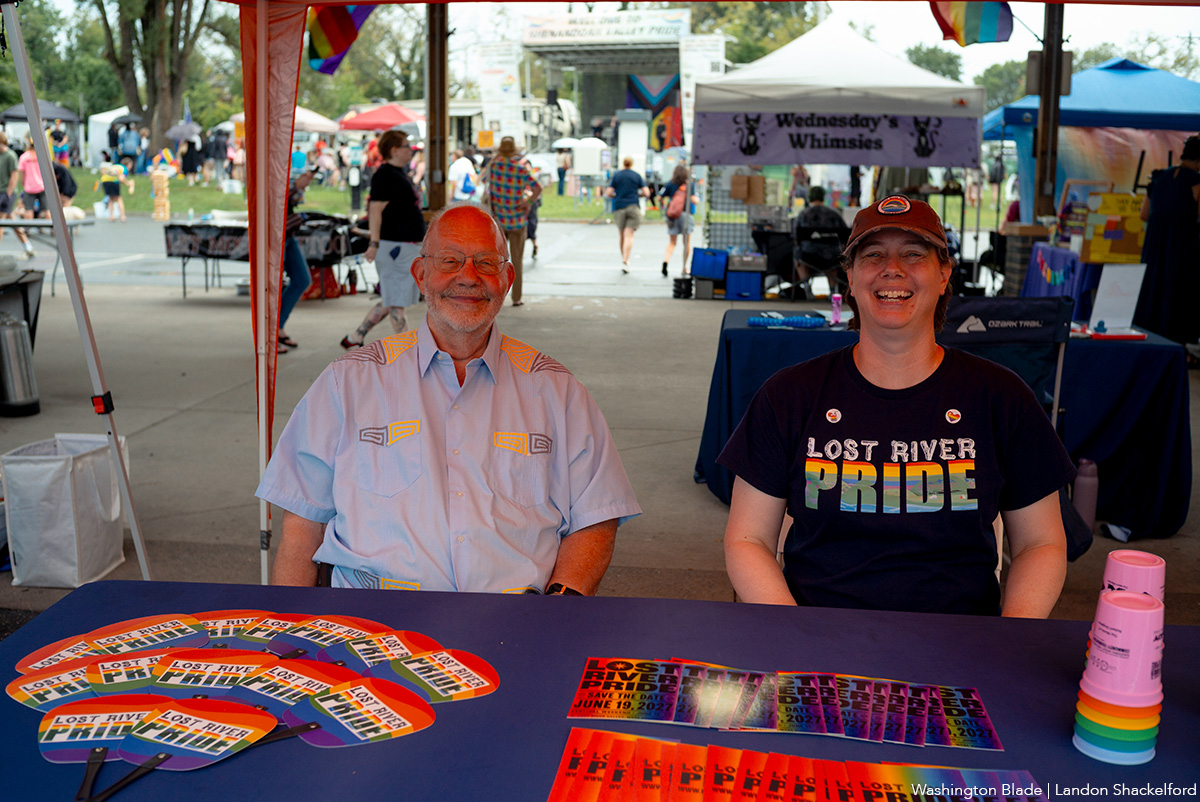
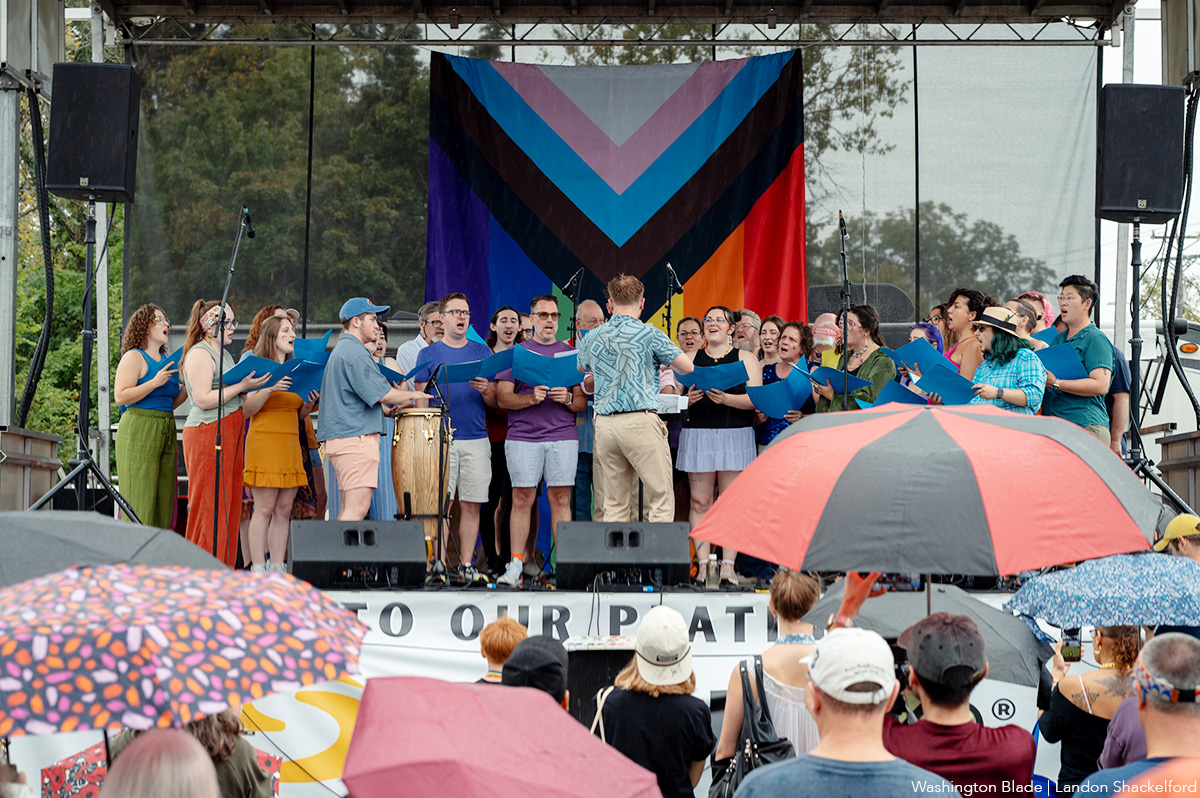
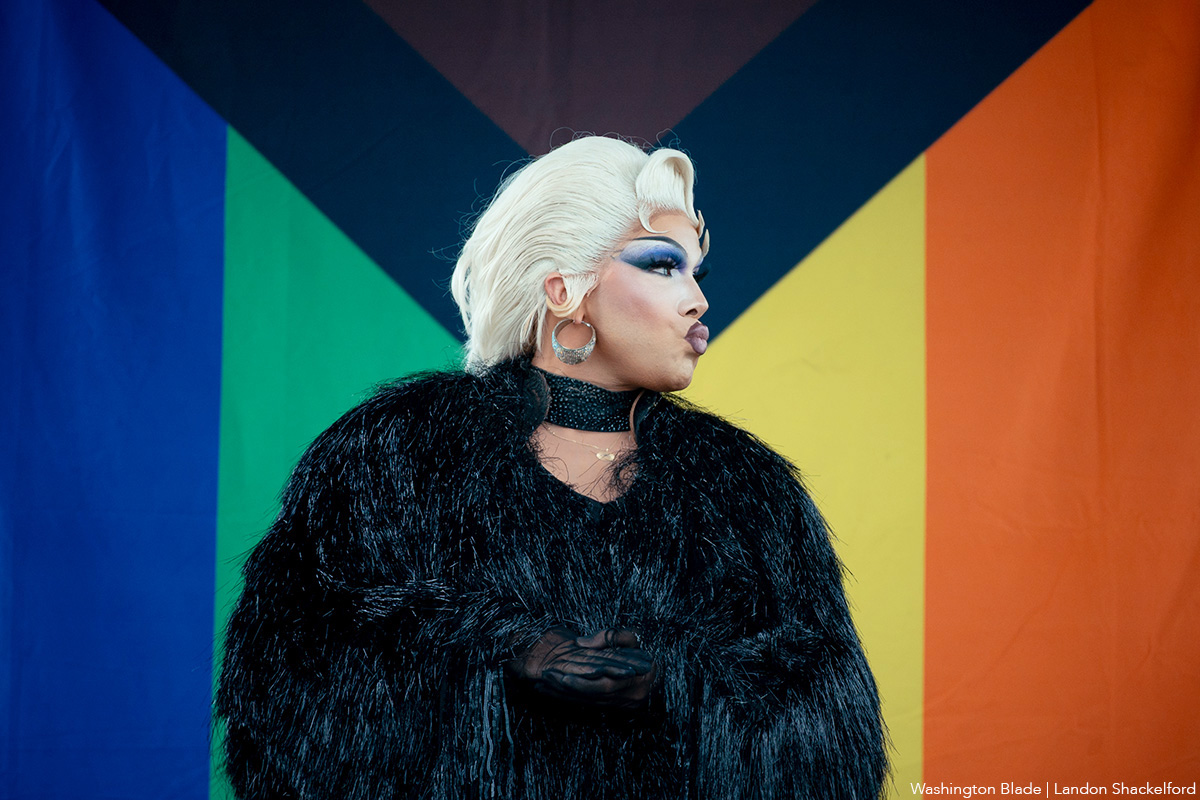
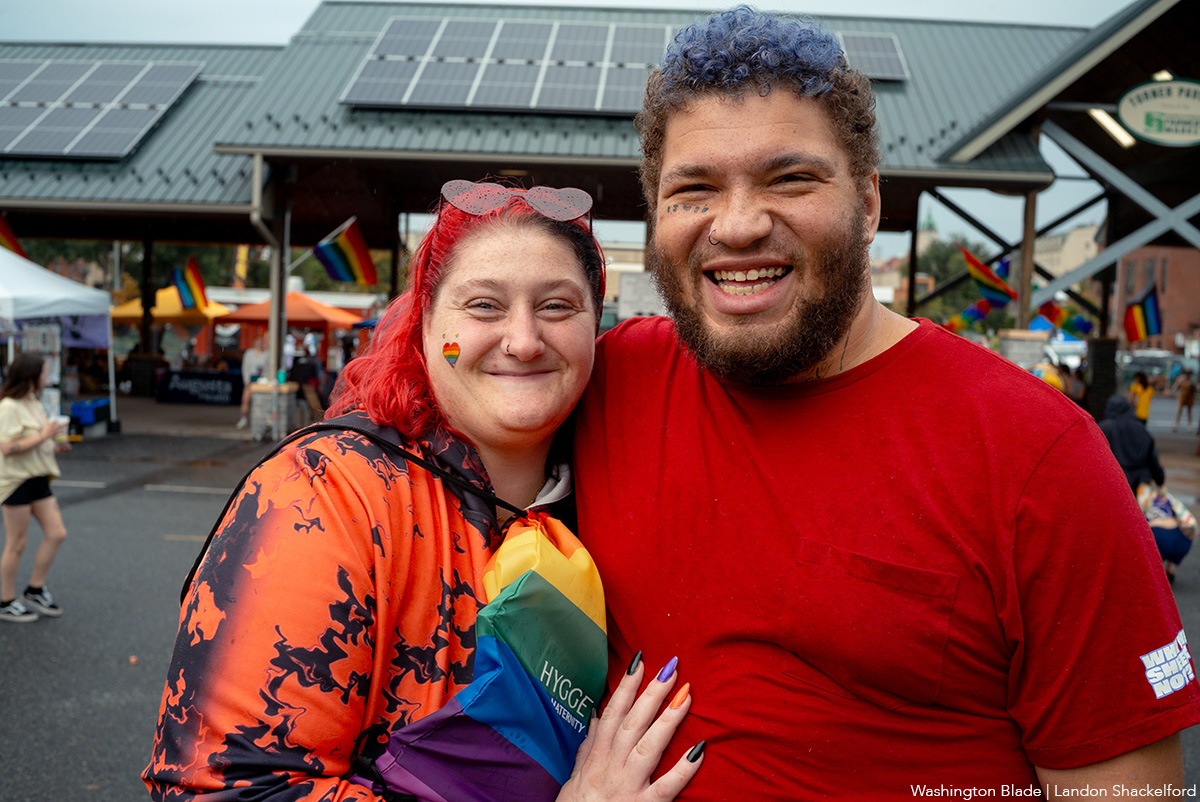
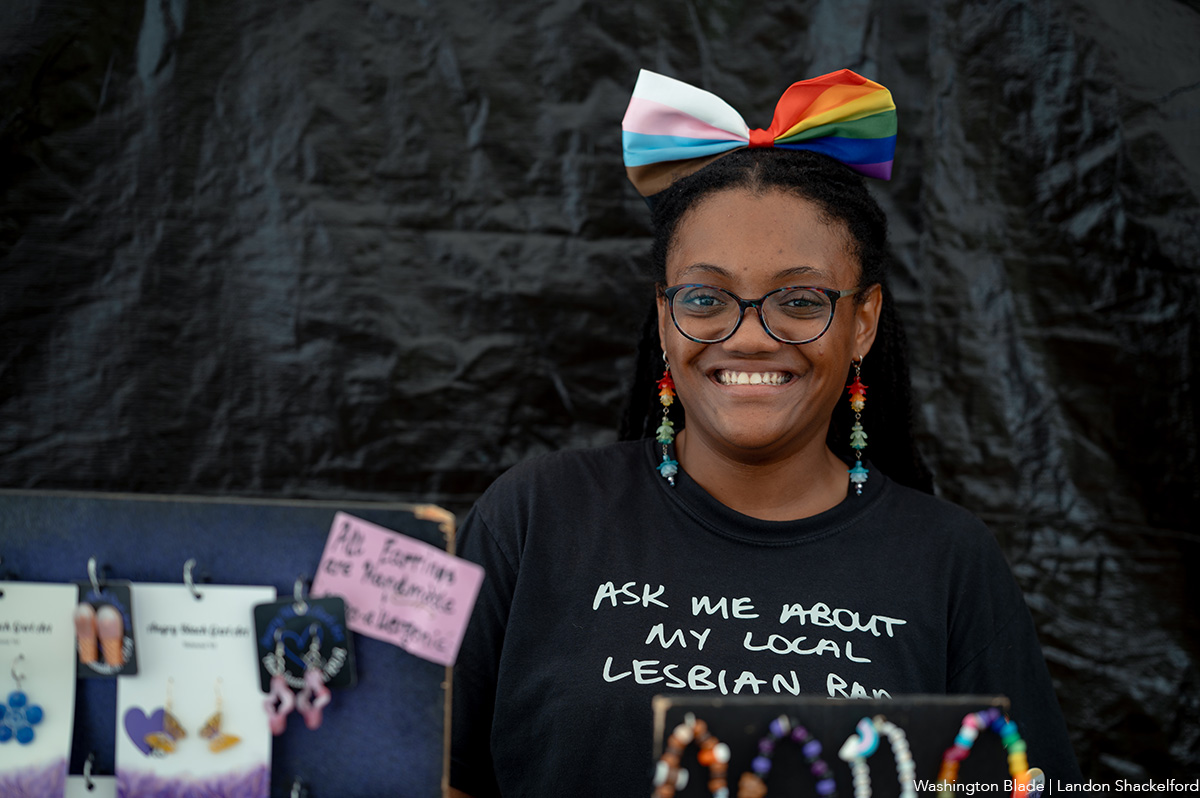
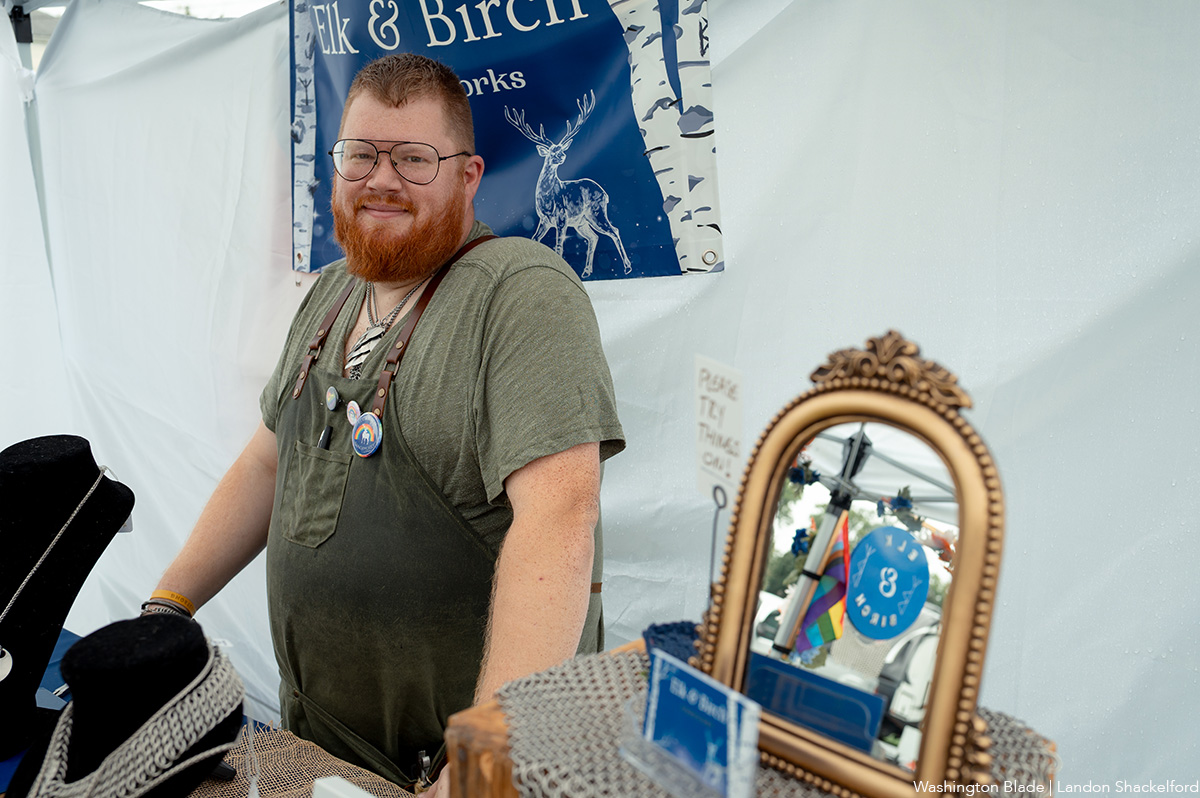
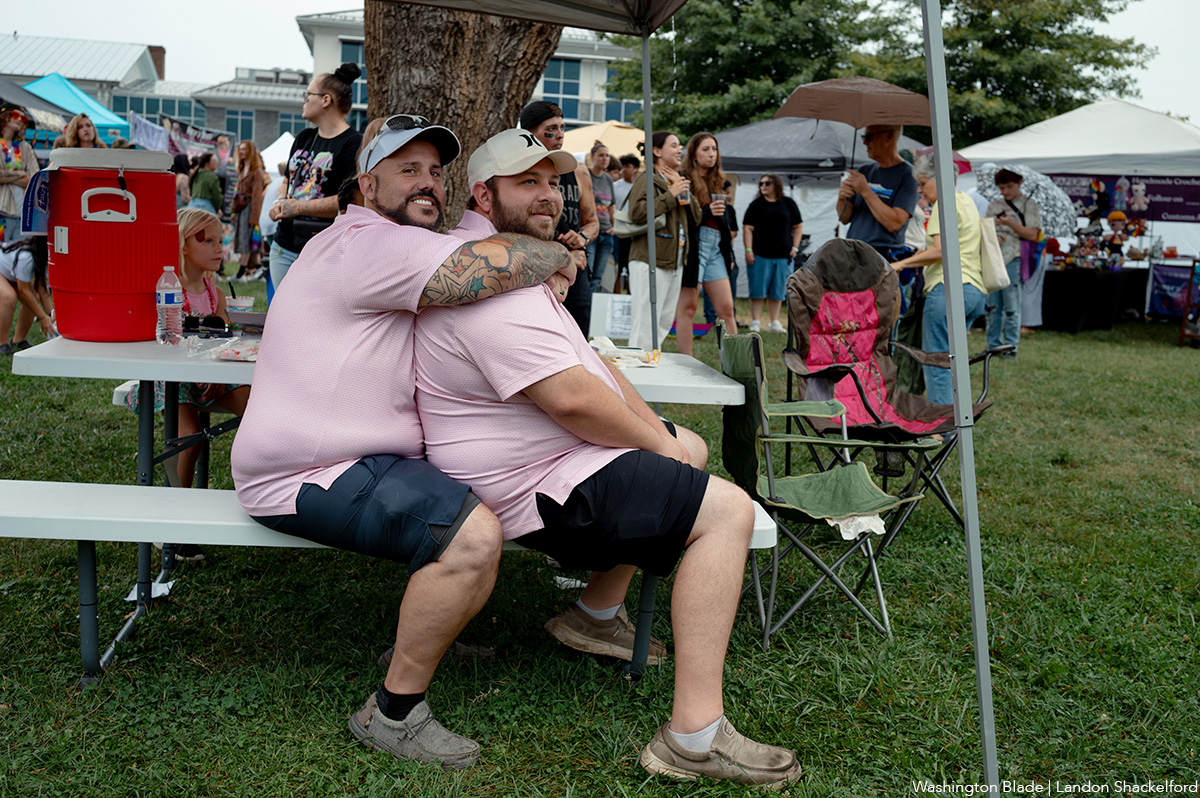
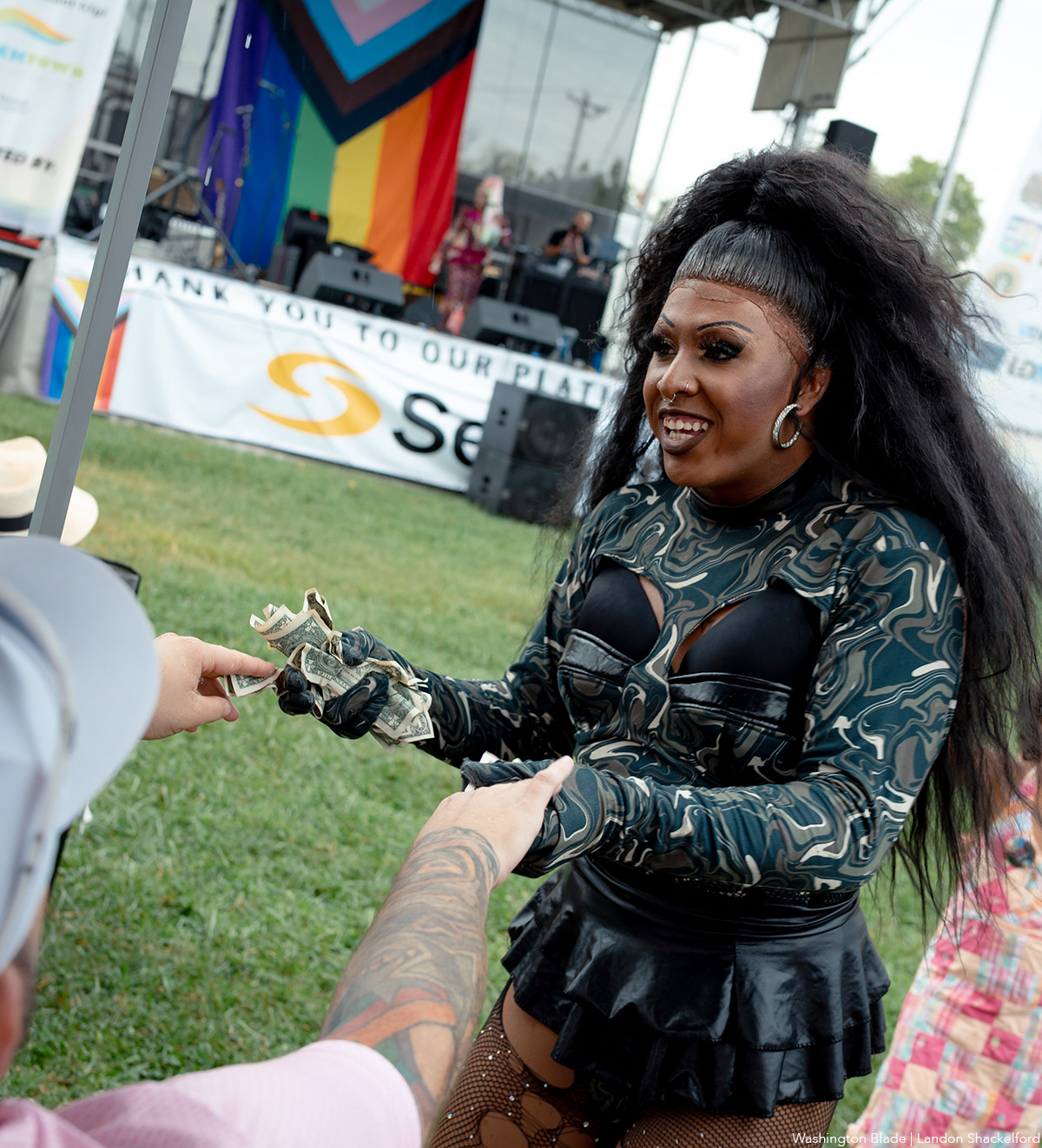
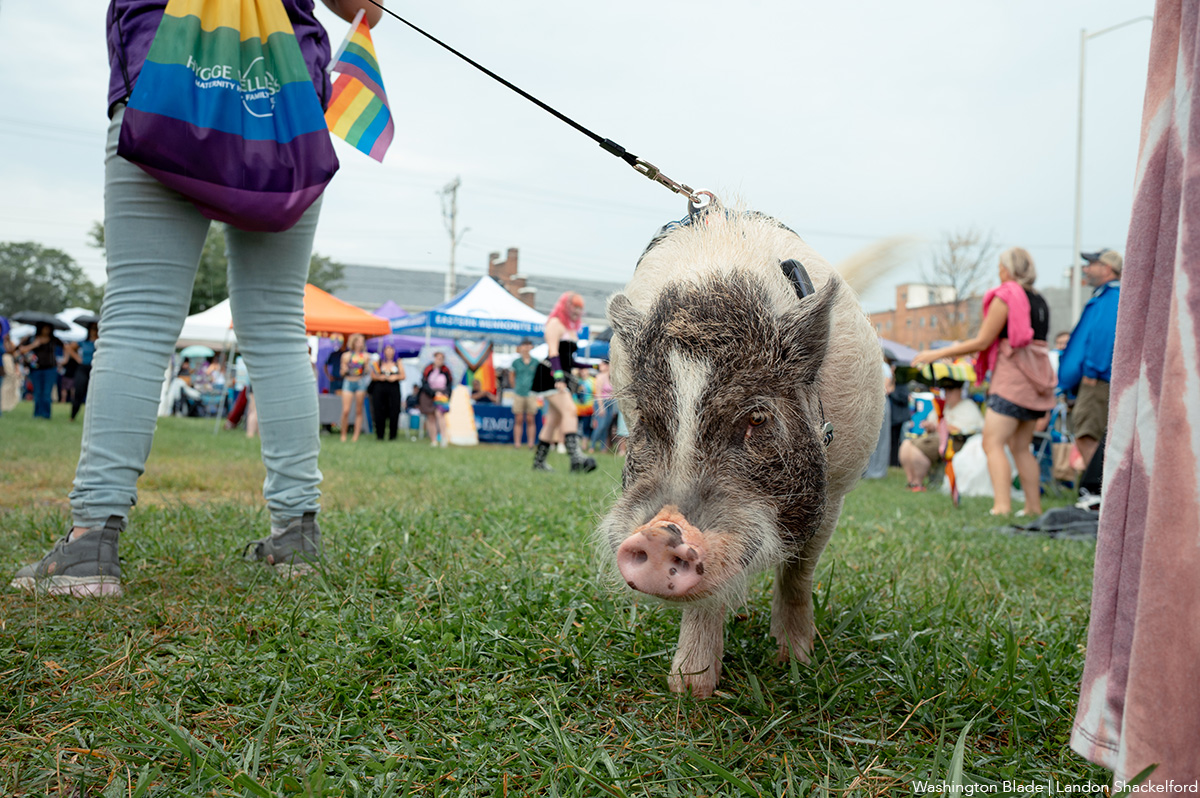
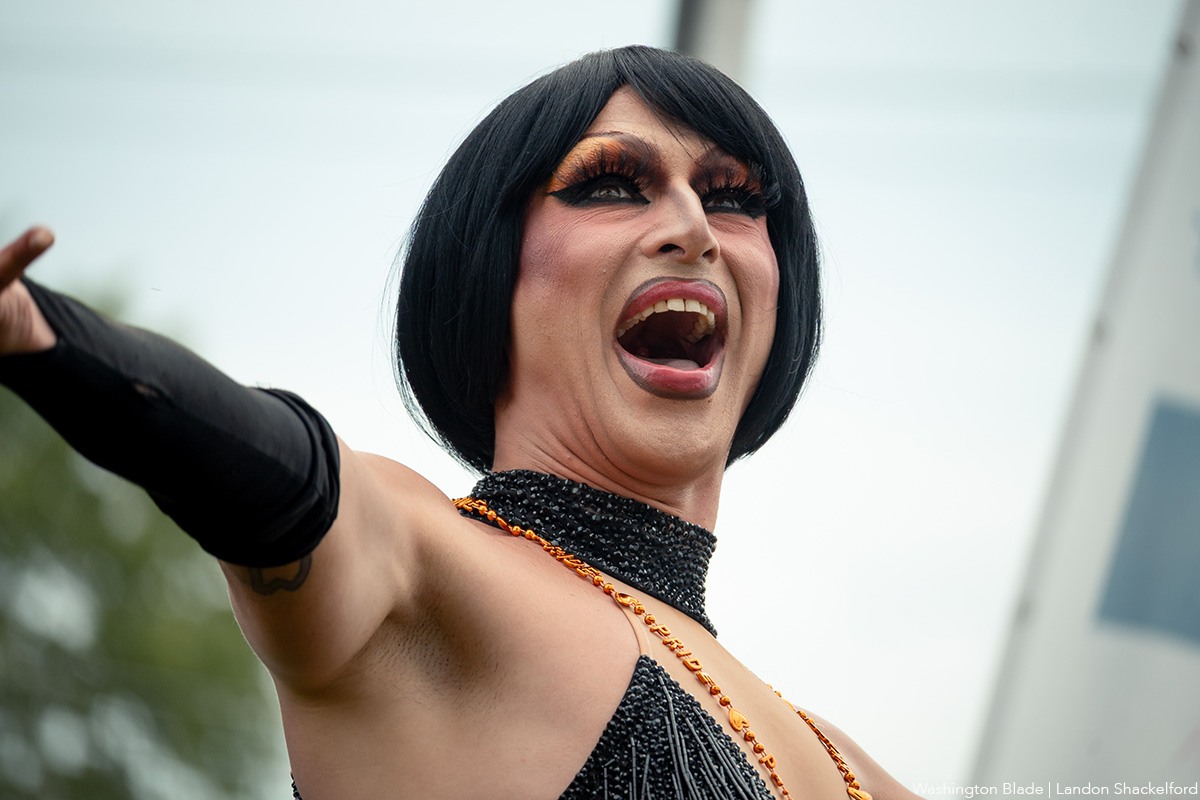
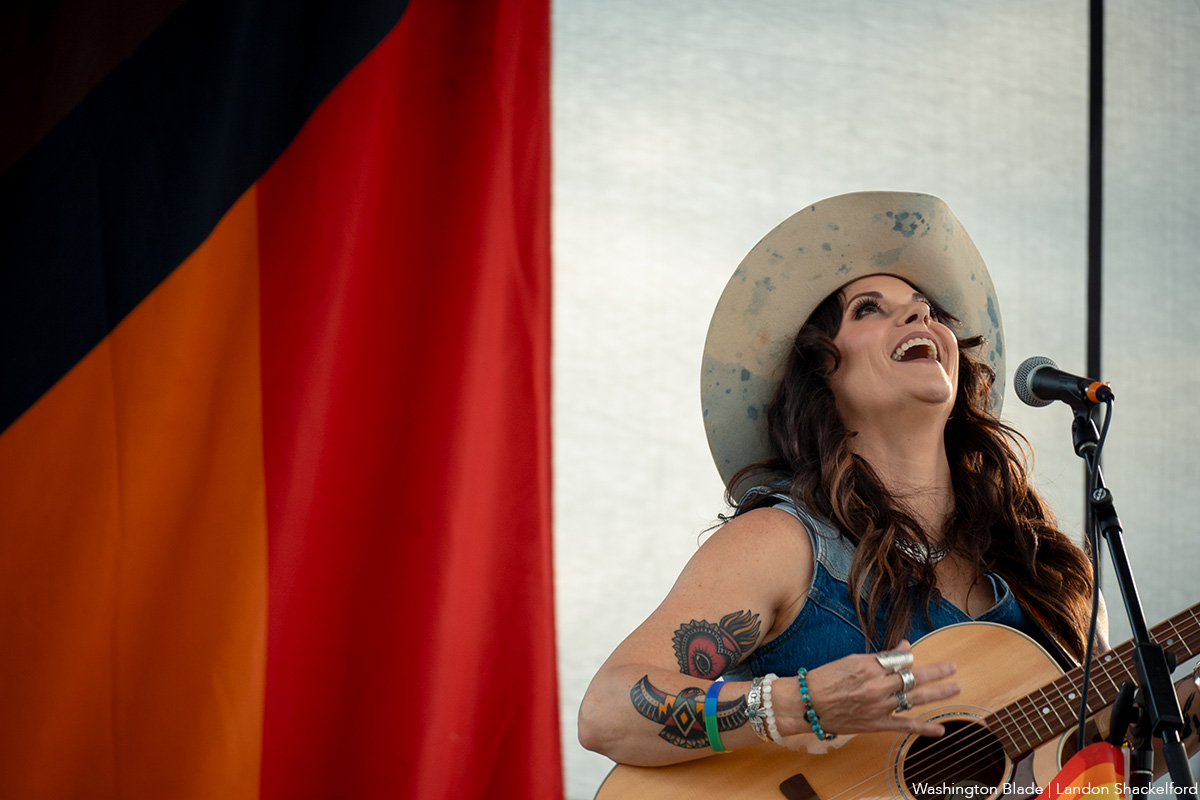
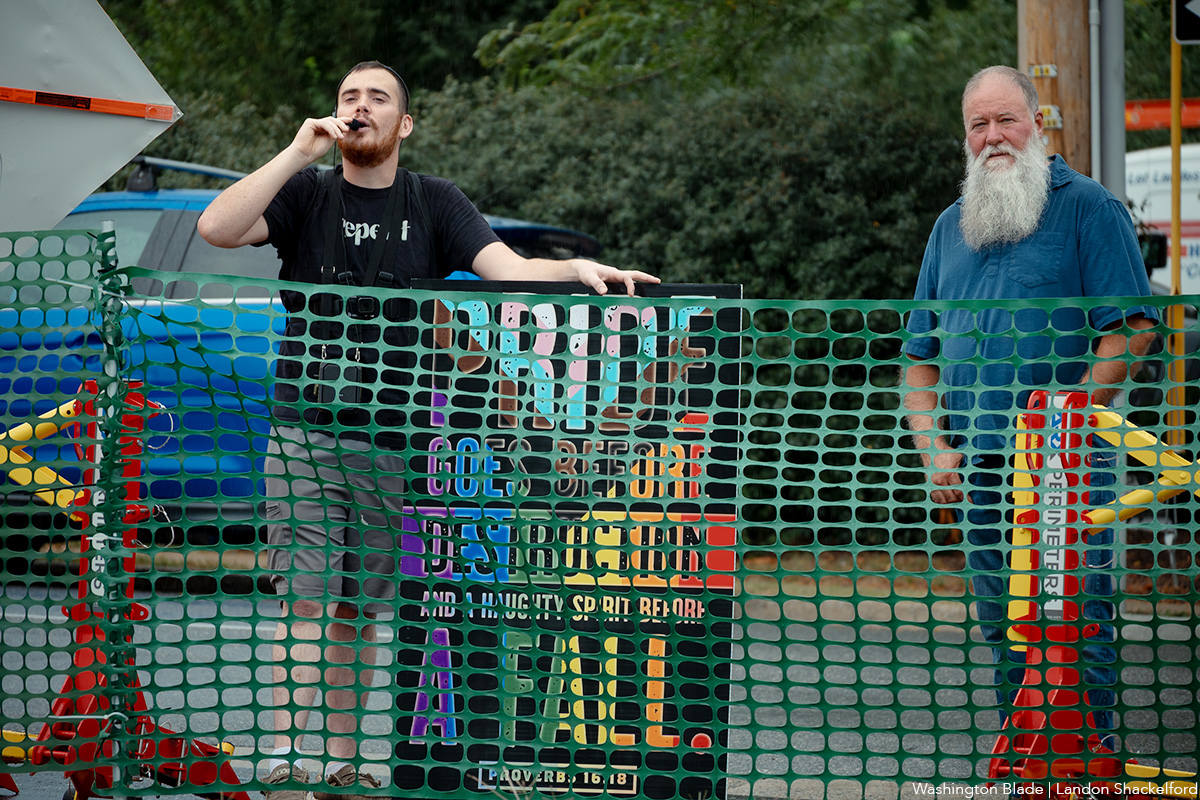
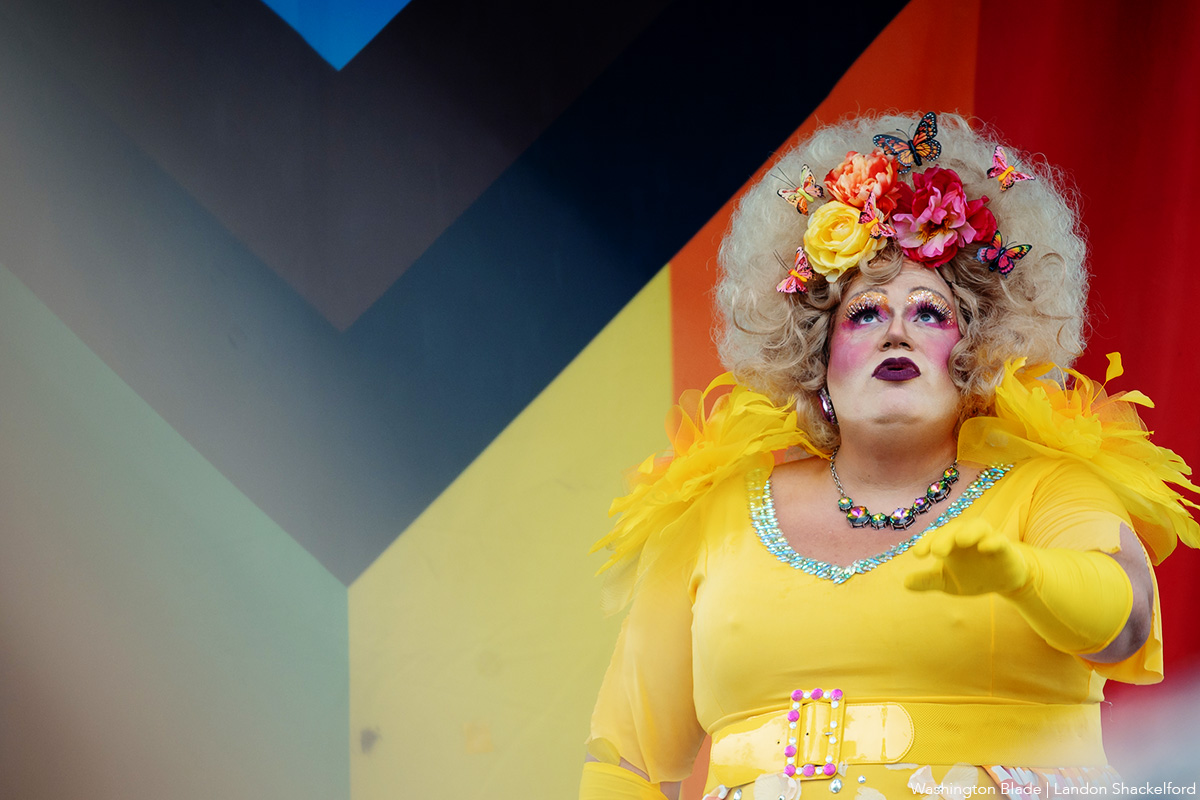
PHOTOS: Shenandoah Valley Pride
LGBTQ celebration held at Turner Pavilion in Harrisonburg, Va.
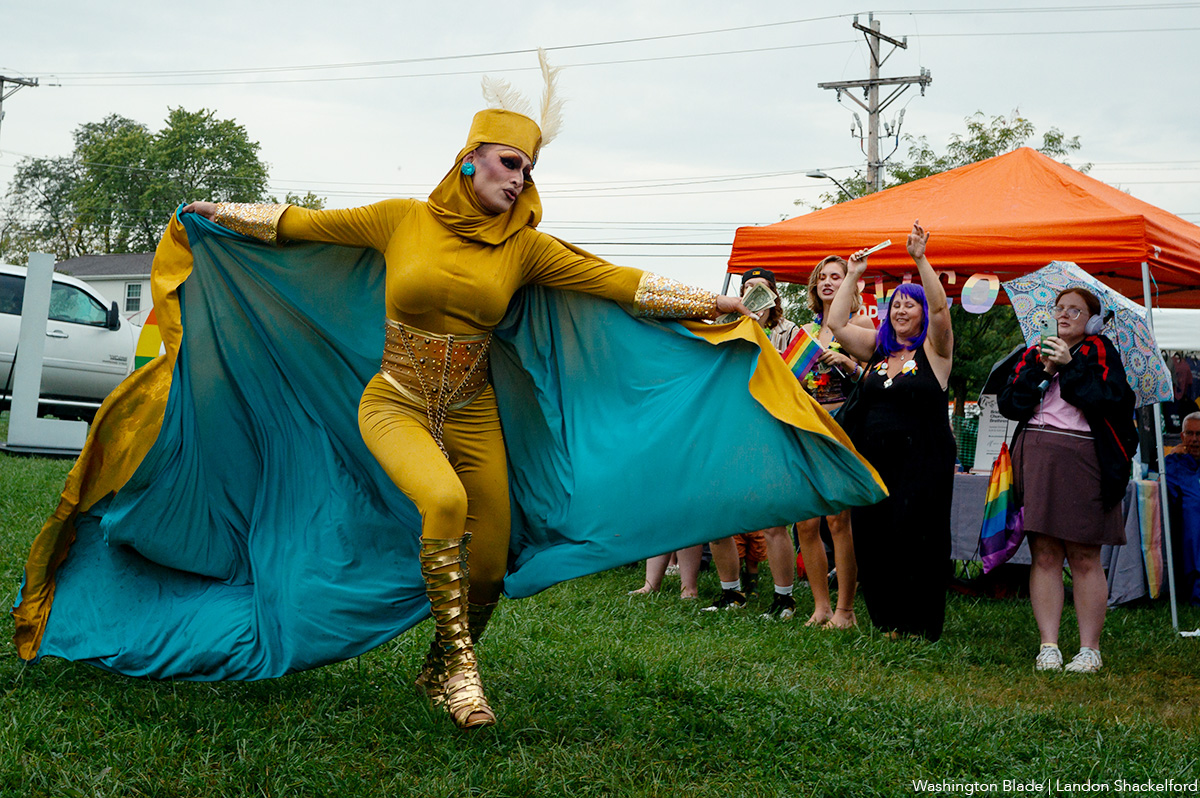
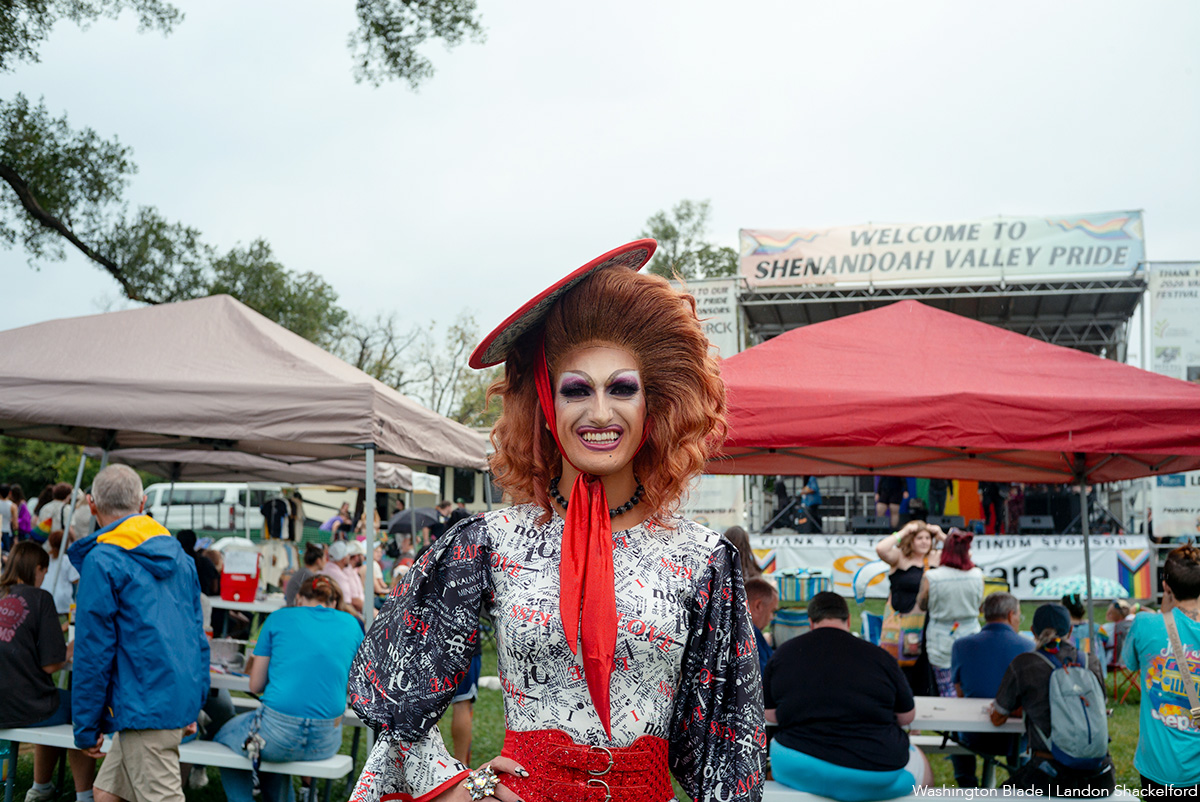
The 2026 Shenandoah Valley Pride Festival was held at Turner Pavilion in Harrisonburg, Va. on Sunday, Sept. 20.
(Washington Blade photos by Landon Shackelford)


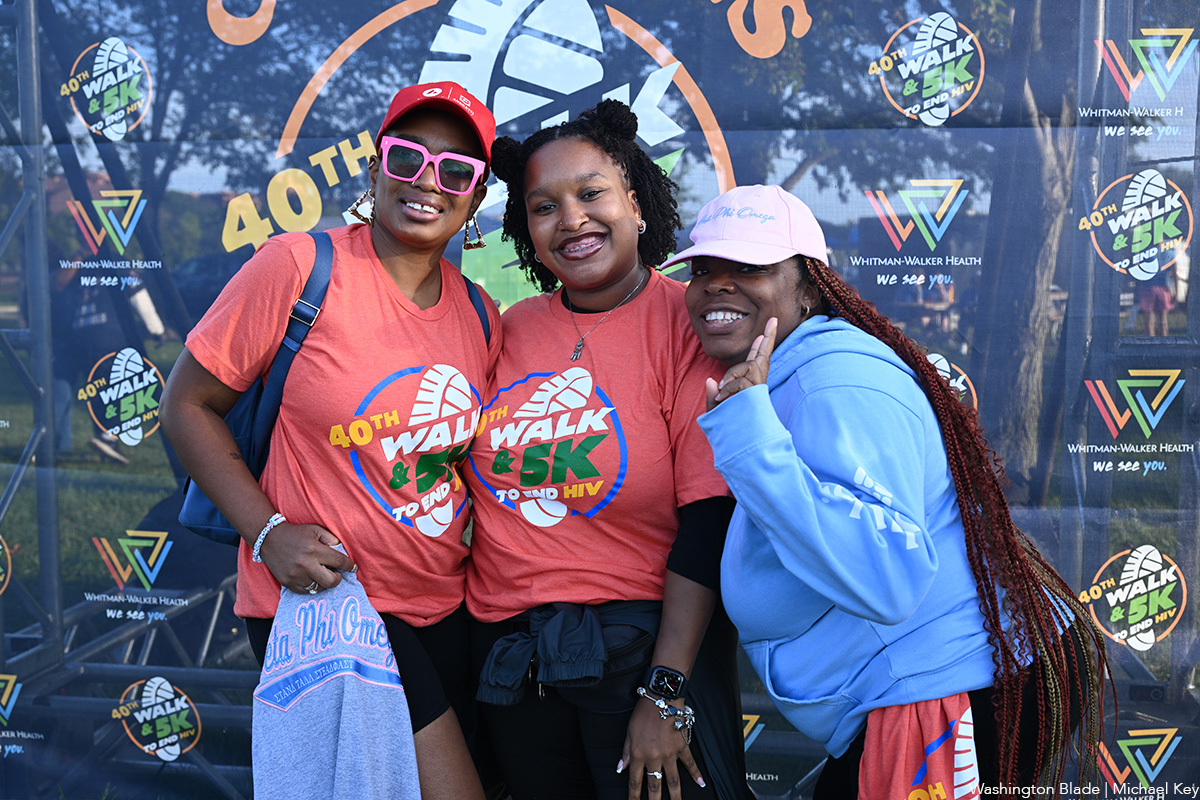
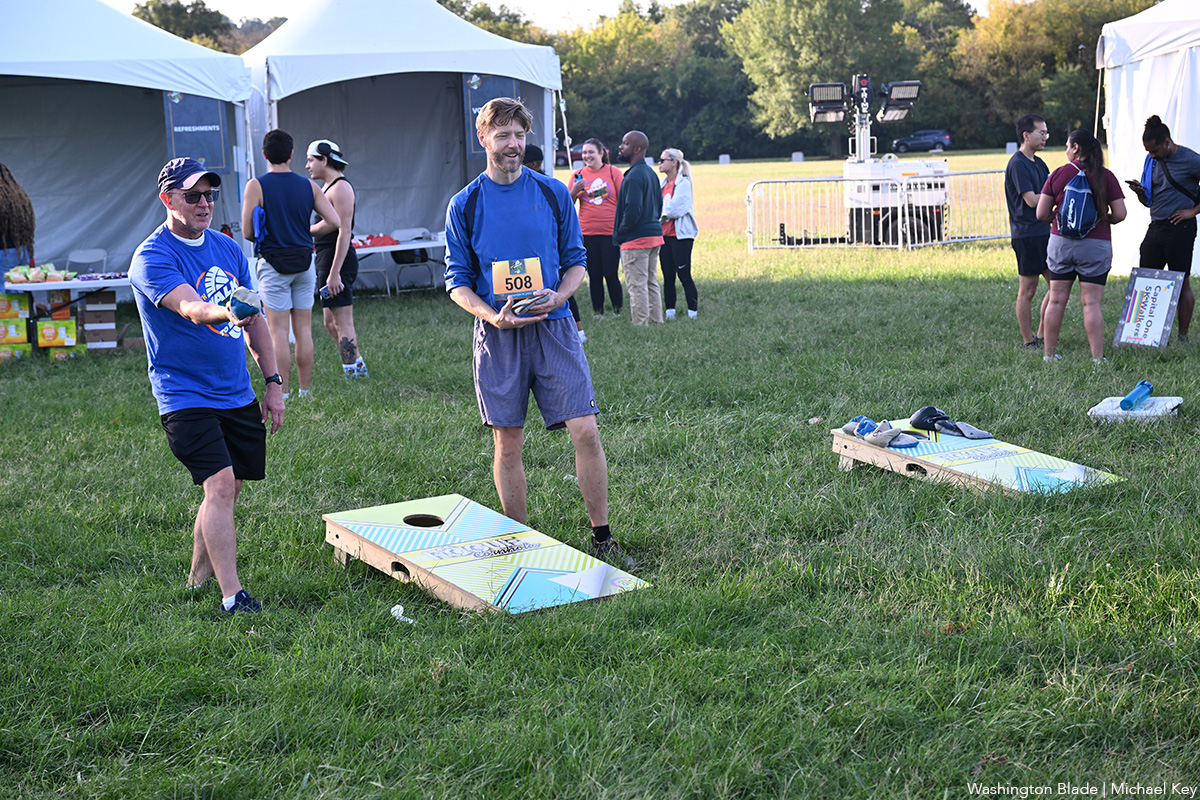
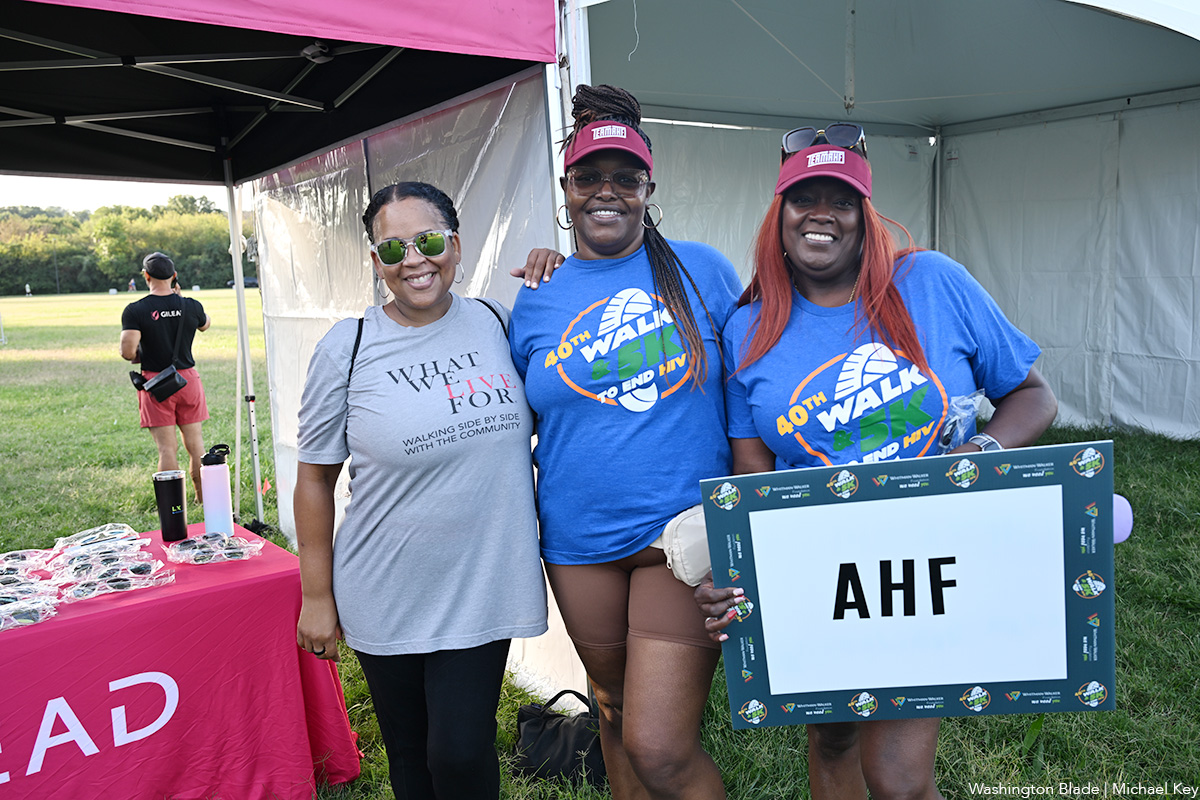
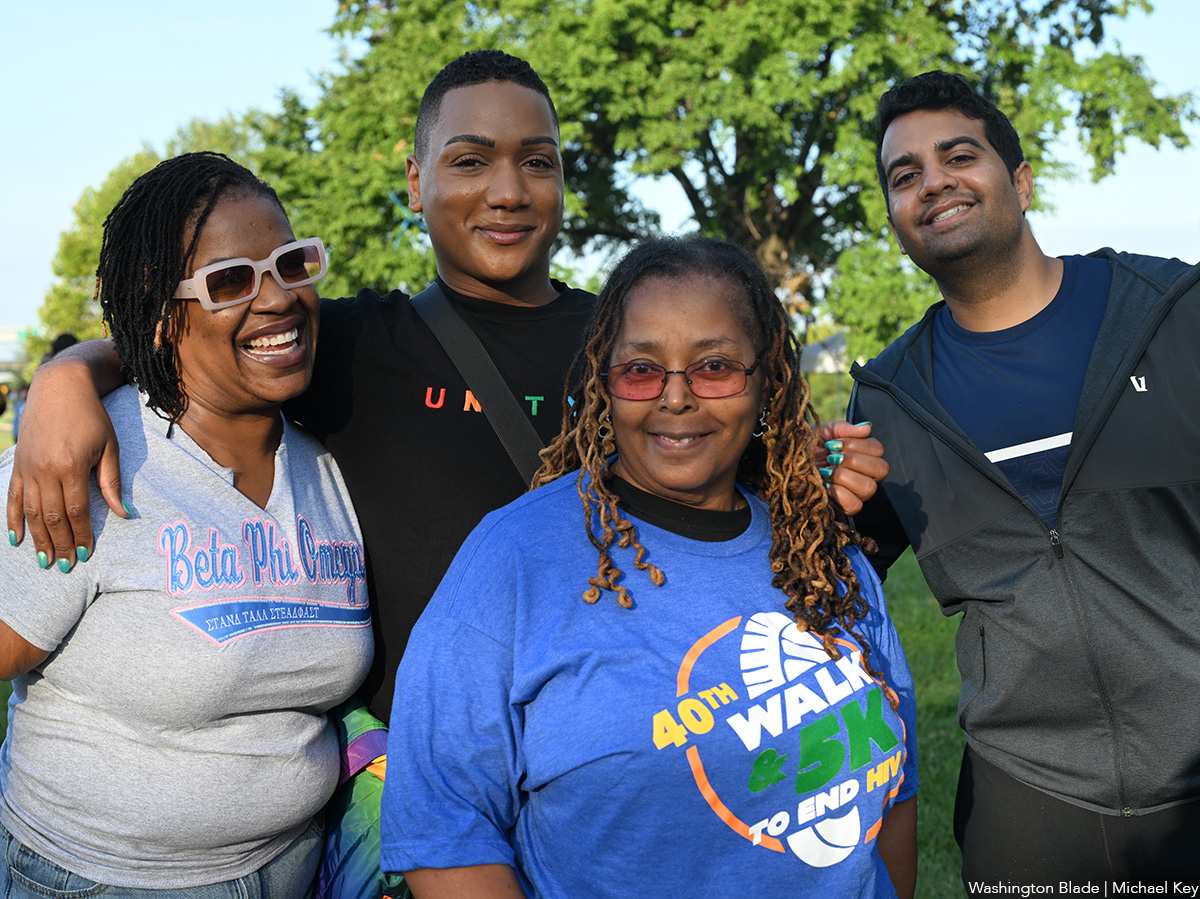
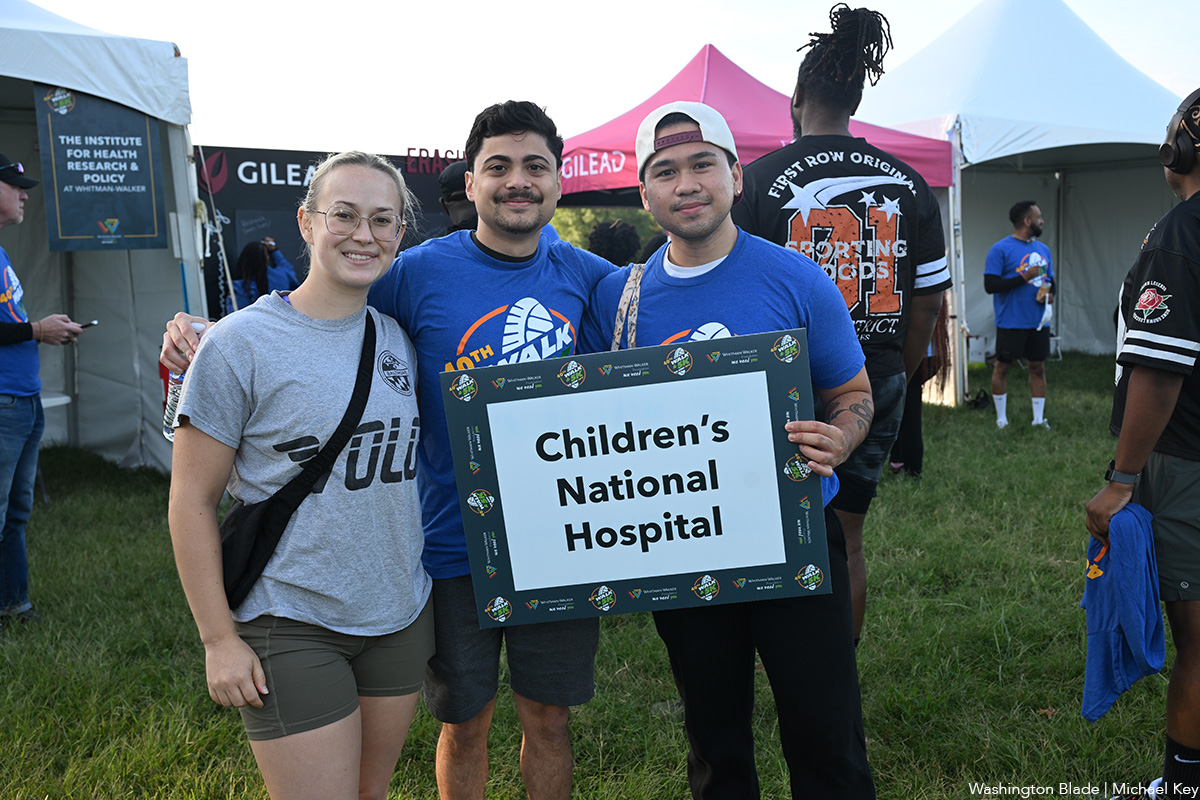
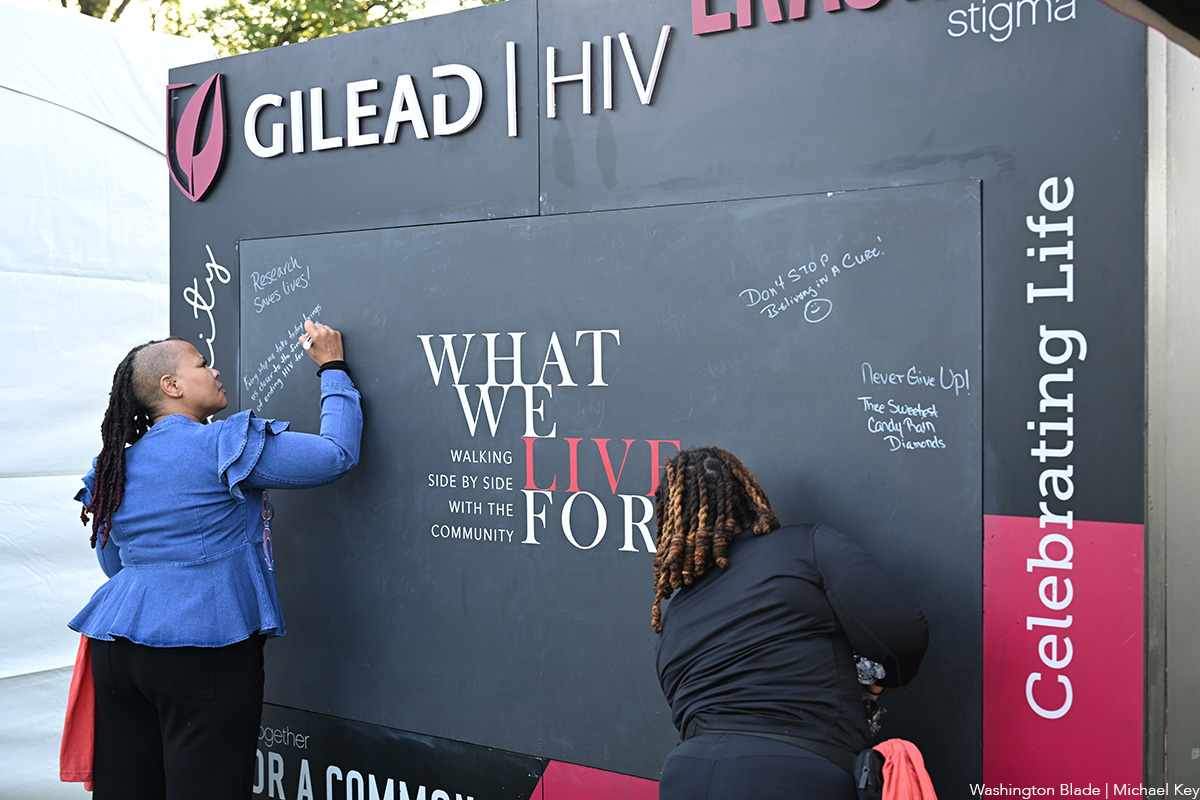
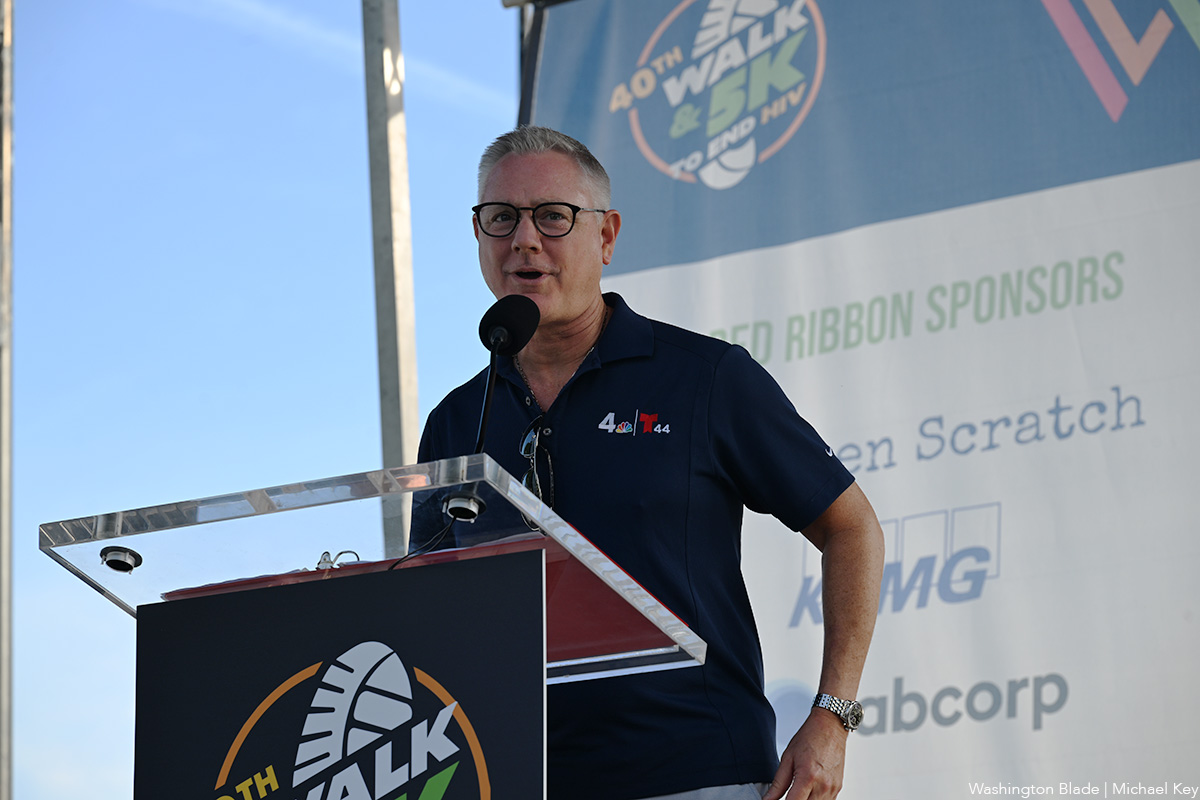
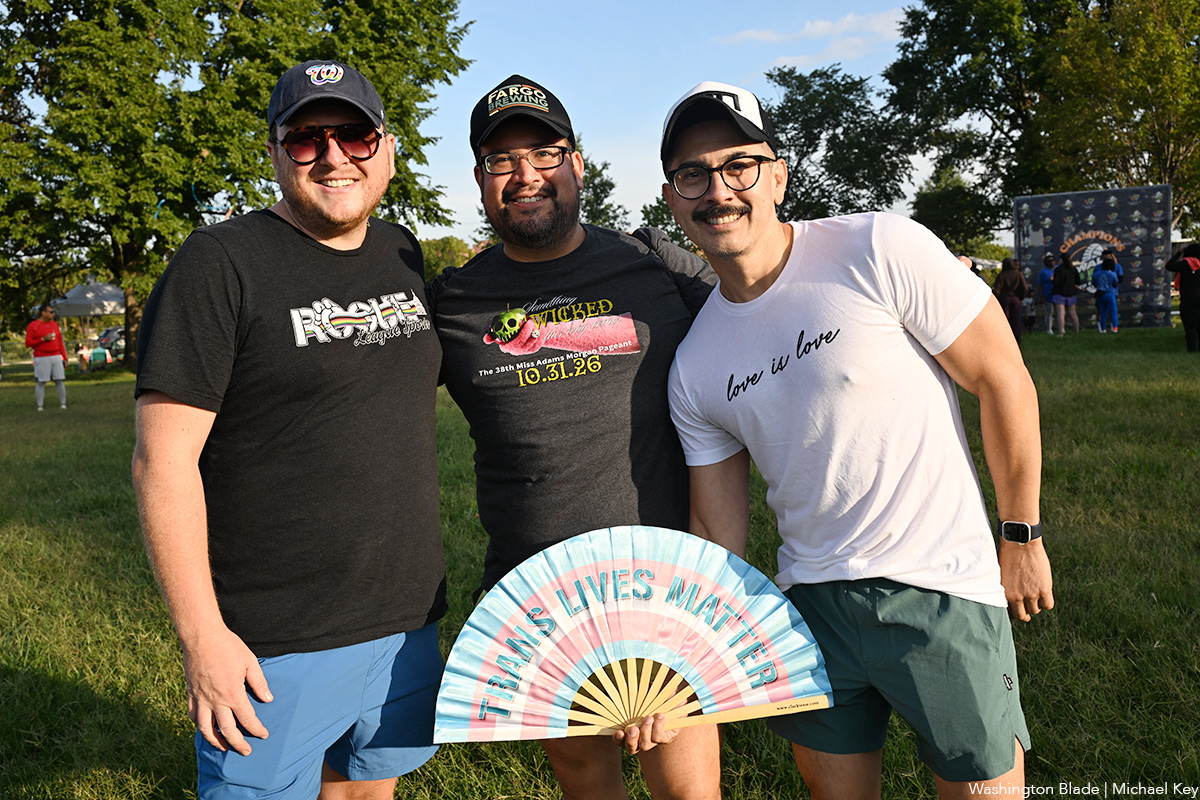
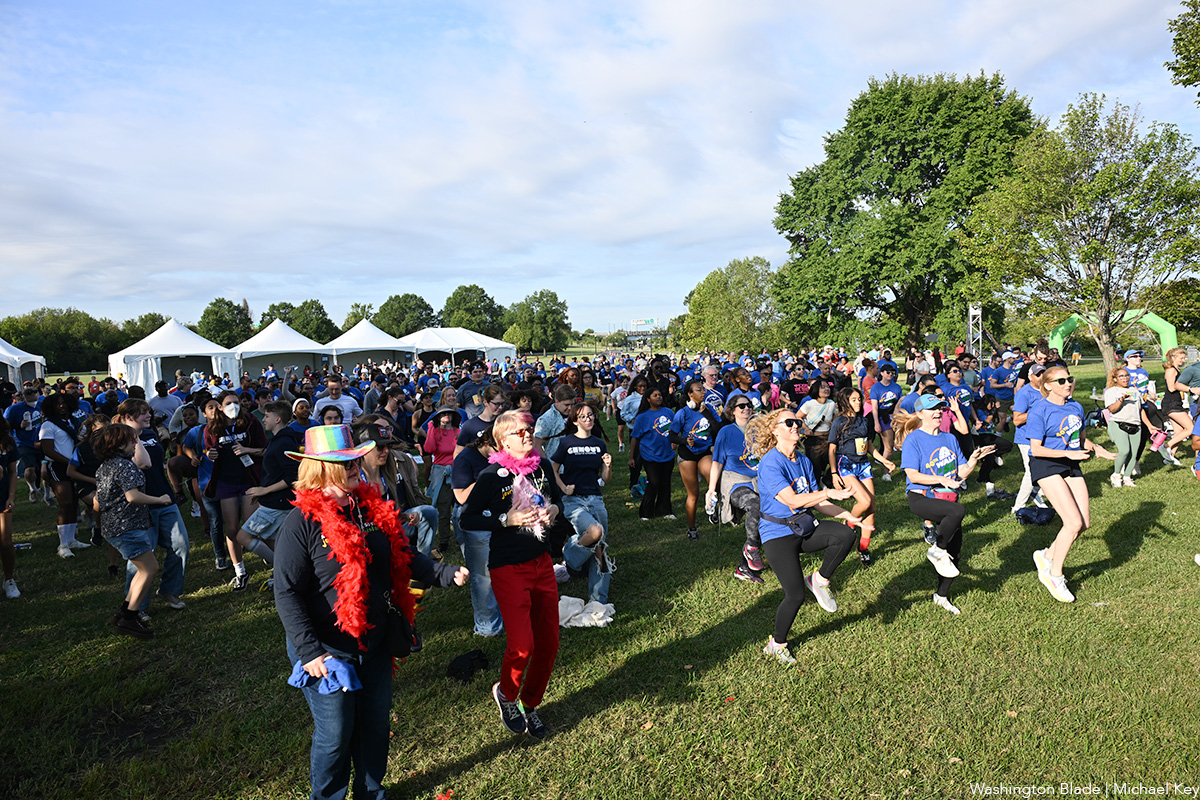
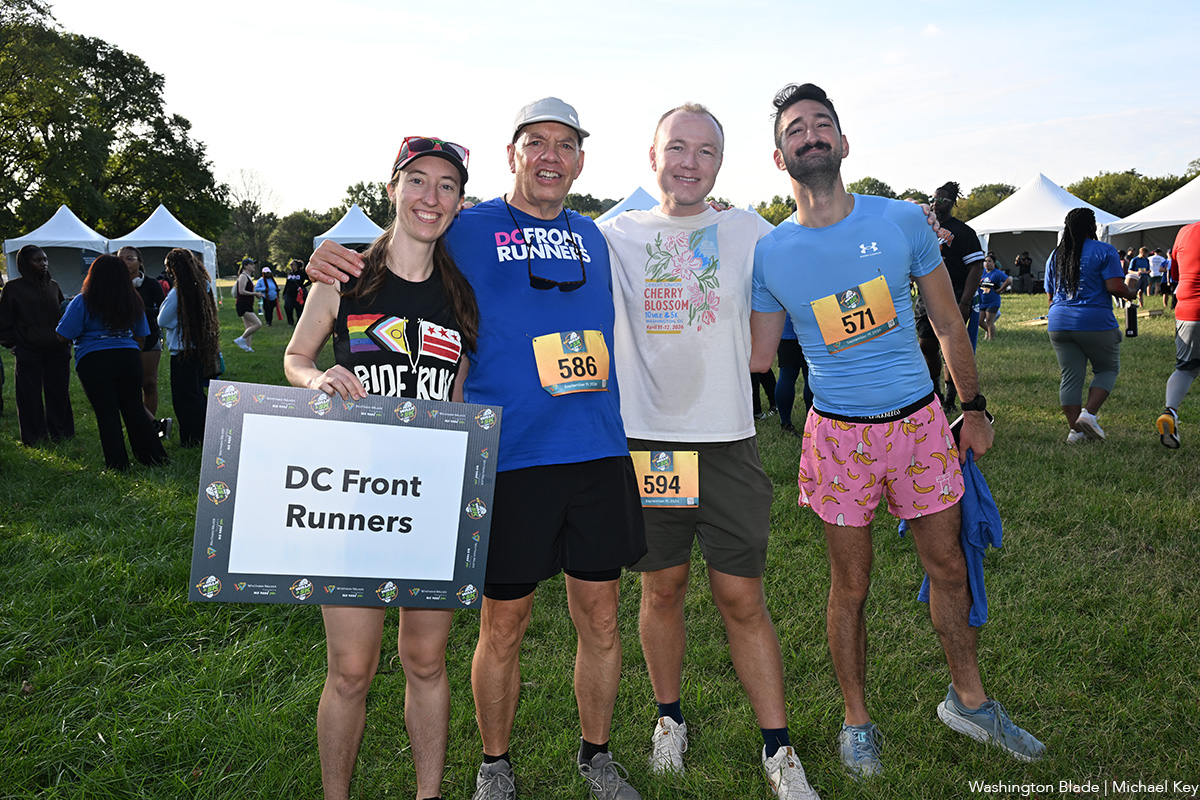
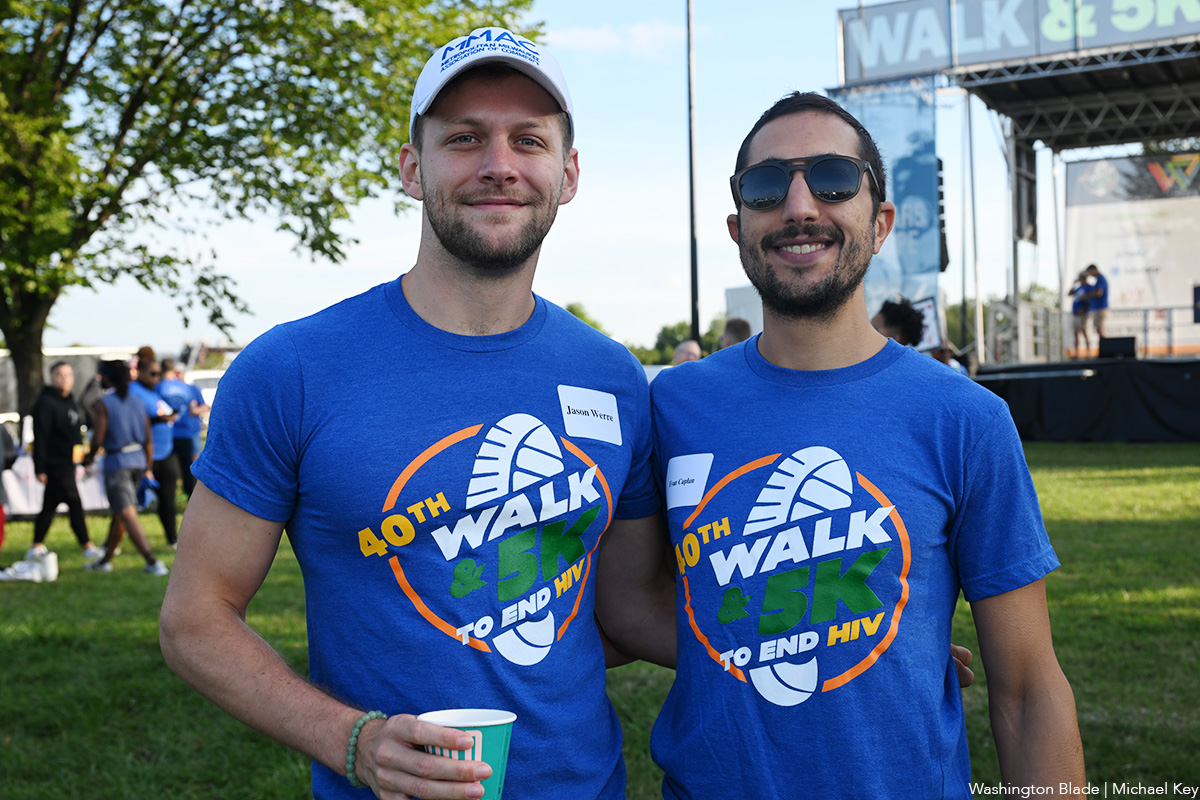
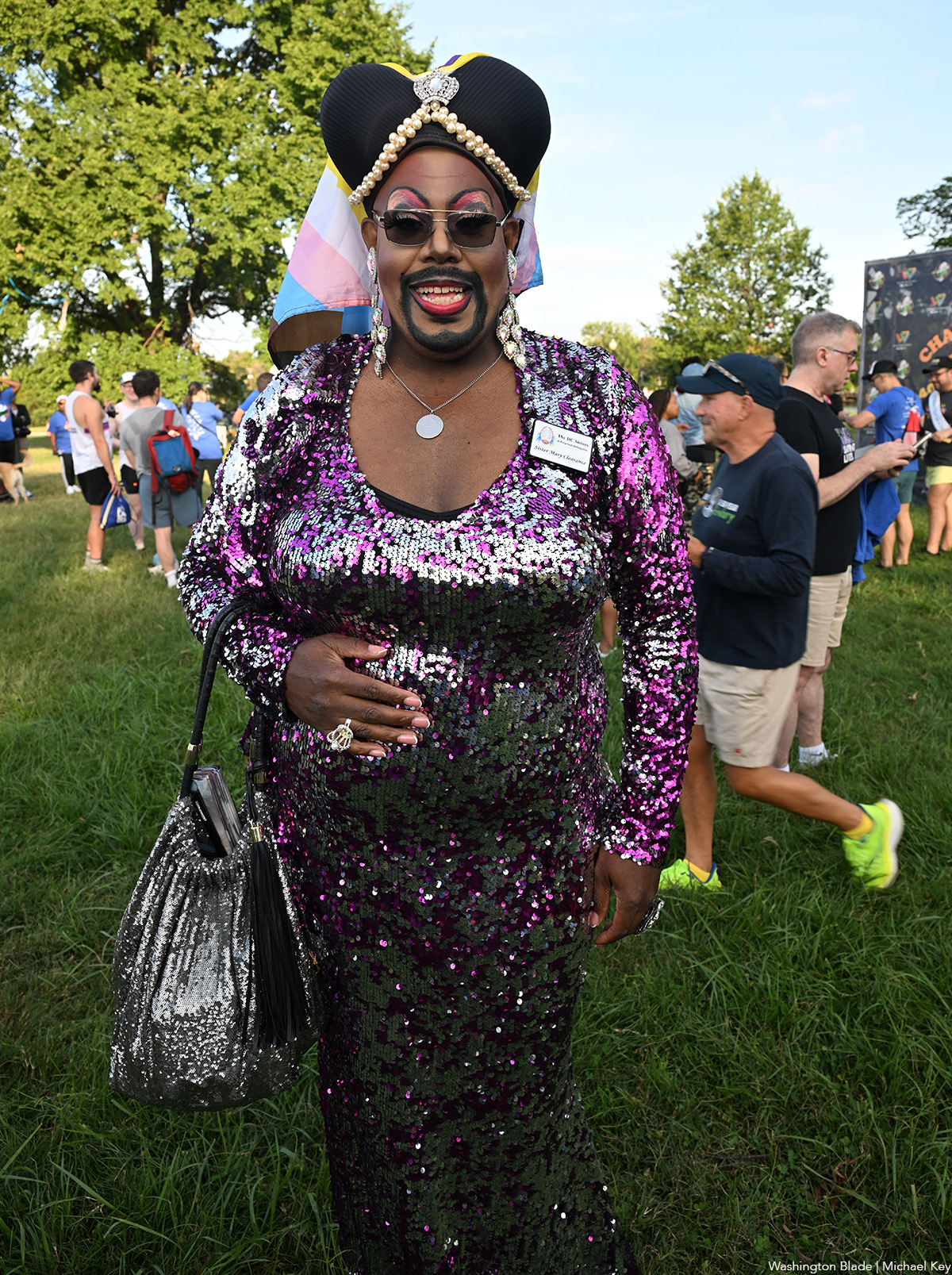
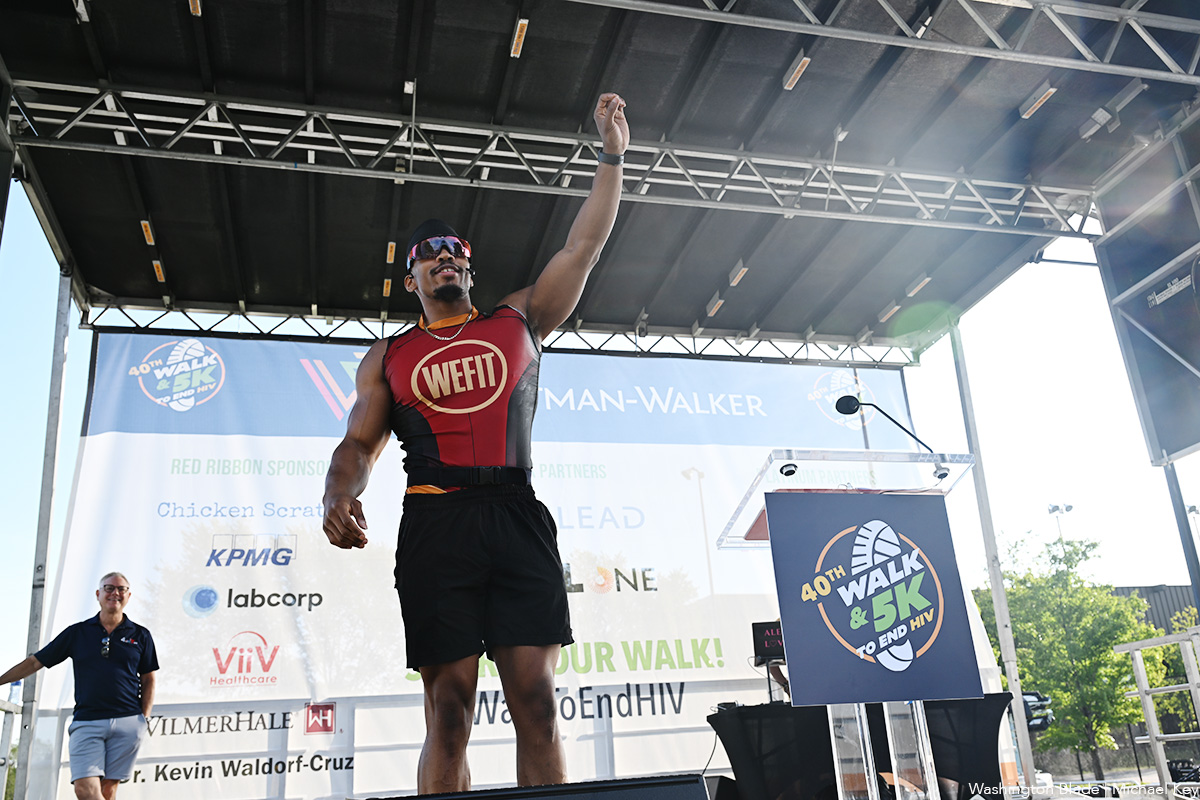
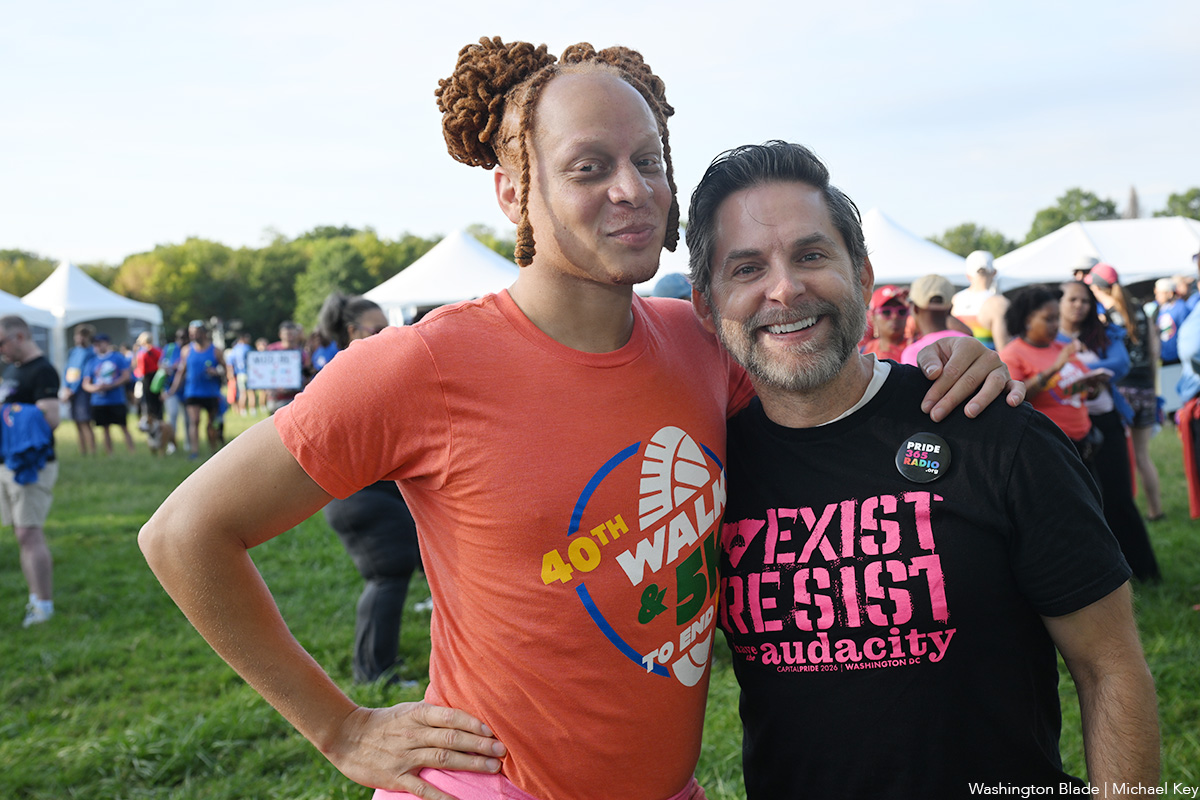
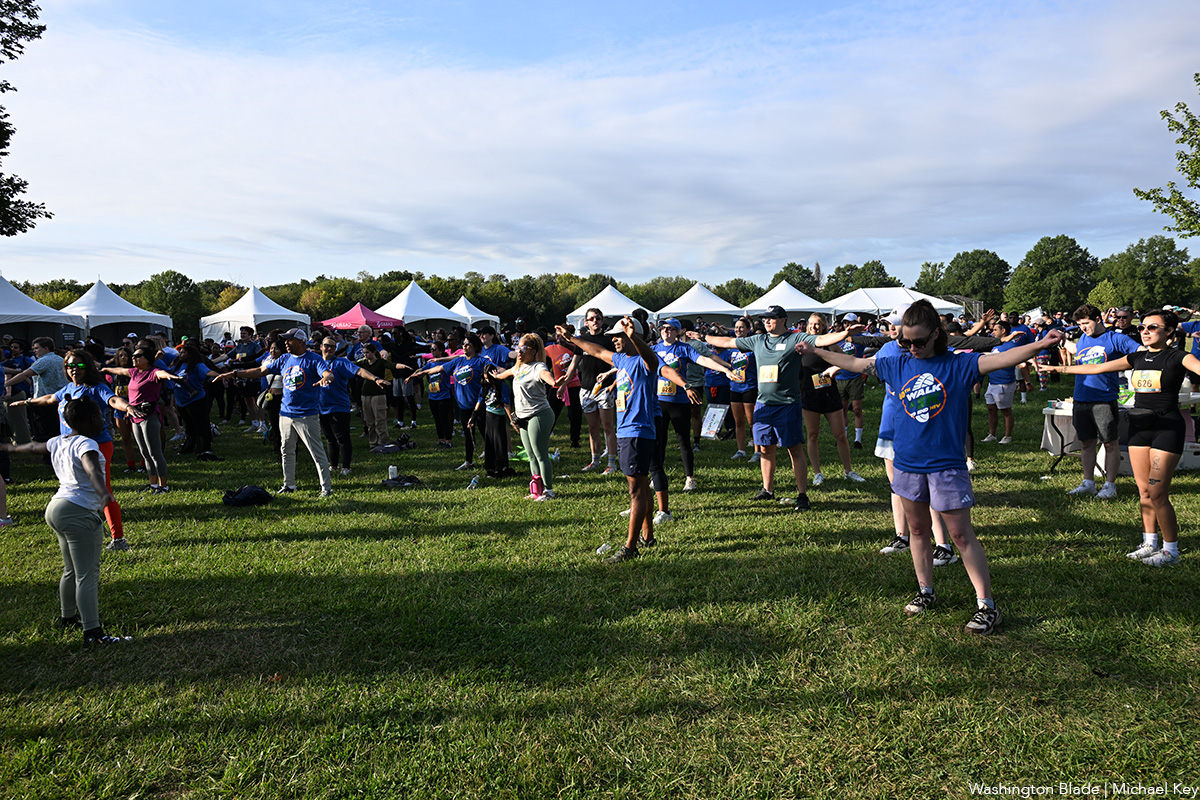
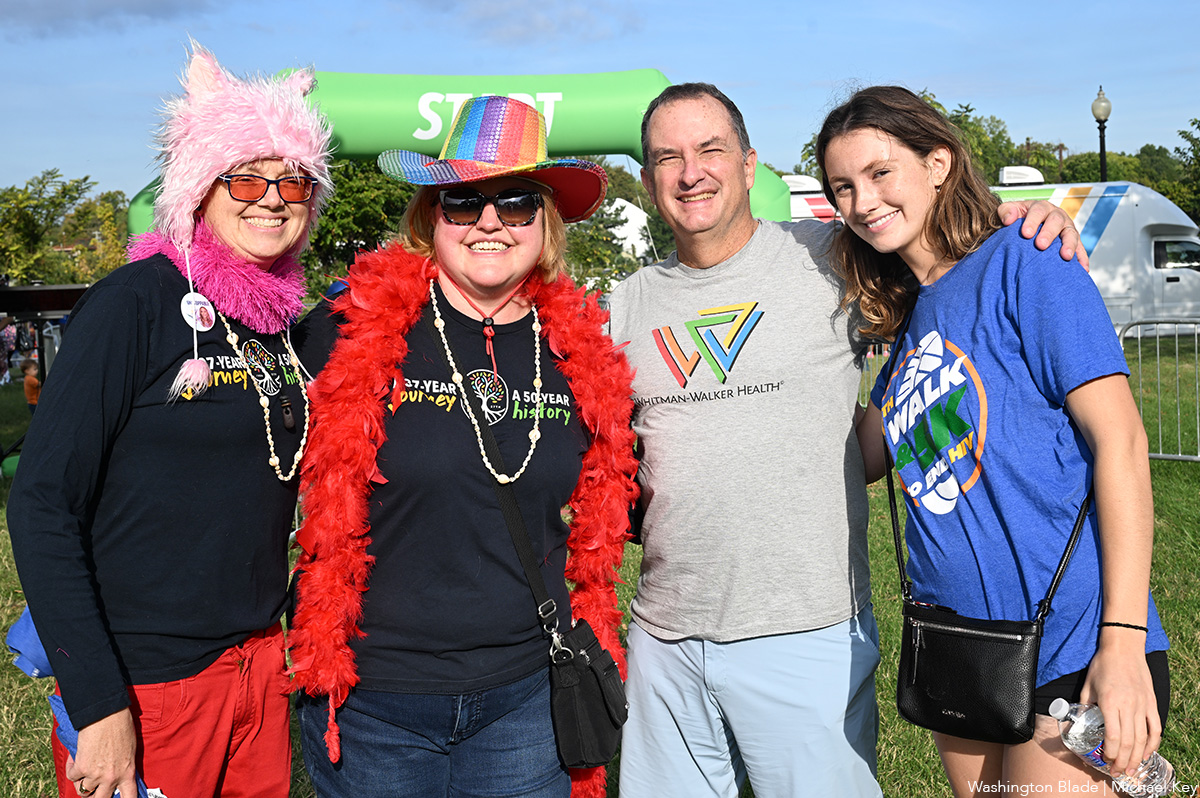
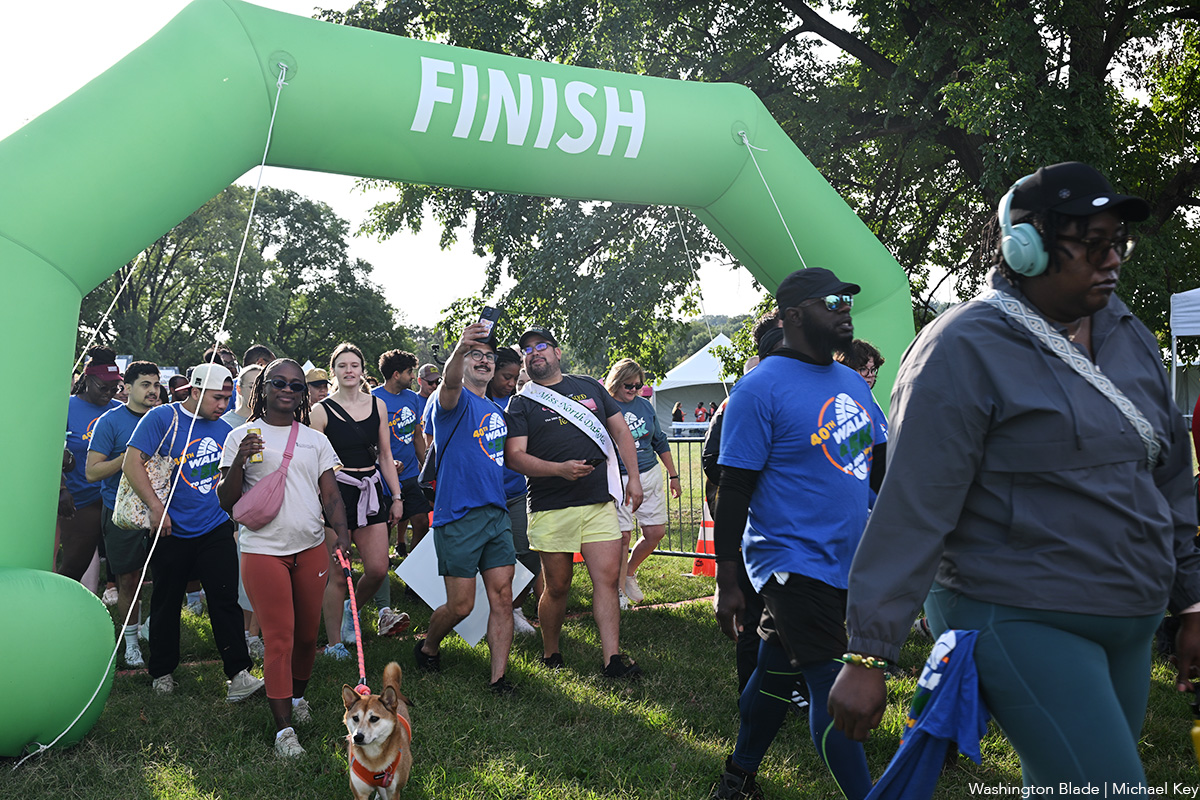
Whitman-Walker Health held the 40th annual Walk and 5K to End HIV at Anacostia Park on Saturday, Sept. 19.
(Washington Blade photos by Michael Key)



Caso Karlina: Una sentencia histórica contra las terapias de «conversión»

Washington Blade responds to concerns over White House pool duties

Young people should know history of the fight for human rights

Dutch prime minister visits Stonewall Inn

Clavicular charged in alleged rape of teenage influencer

Over 2,000 turn out for Hands Around the Kennedy Center protest

PHOTOS: Wanda Alston Foundation Fall Reception

PHOTOS: Walk and 5K to End HIV

What LGBTQ veterans are building after ‘Don’t Ask, Don’t Tell’