Arts & Entertainment
Outspoken: The year in quotes
The best celeb quips and barbs from 2011 with Cher, Betty White, k.d. lang, Sean Maher, Wanda Sykes and more

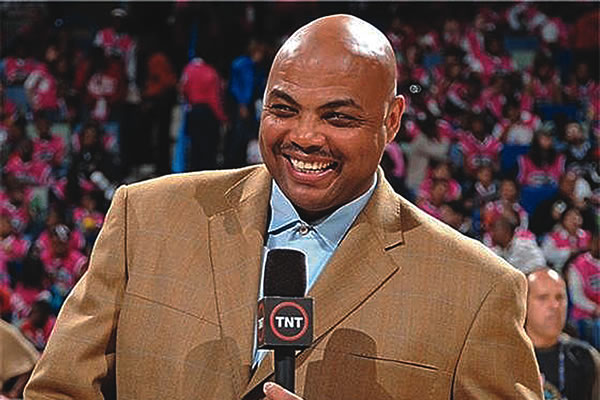
Charles Barkley
CHARLES BARKLEY
“It bothers me when I hear these reporters and jocks get on TV and say: ‘Oh, no guy can come out in a team sport. These guys would go crazy.’ First of all, quit telling me what I think. I’d rather have a gay guy who can play than a straight guy who can’t play.”
NBA Hall of Famer and now sports analyst Charles Barkley (Washington Post, May 17)
CHER
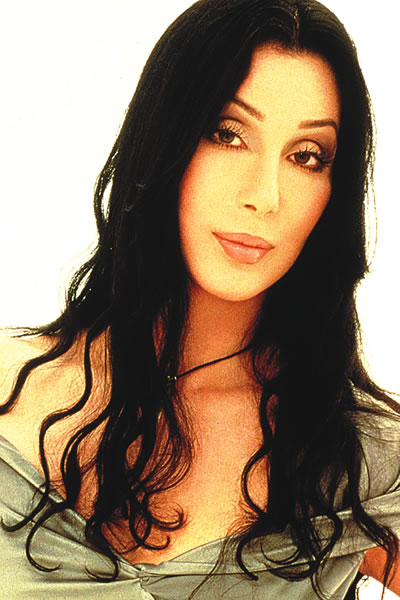
Cher
“Just got spam letter from M. Bachmann! My reply! Woman go back 2 school take history! & if I was on my deathbed & your best friend was JESUS!!! I WOULDN’T VOTE 4 YOUR GAY HATING, BULLY LOVING, POSER CHRISTIAN ASS!”
Music icon Cher, mom to transgender son Chaz Bono, on Twitter, explaining why she will not vote for U.S. Rep. Michele Bachmann for president. (On Top Magazine, Aug. 1)
WANDA SYKES
“Should I talk about [having breast cancer]? Because how many things could I have? You know black, lesbian — I’m like, I can’t be the poster child for everything. At least with the LGBT issues we get a parade and a float and it’s a party.”
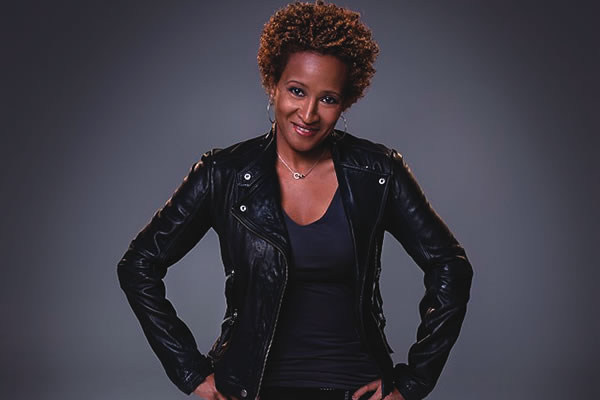
Wanda Sykes
Comedian and actress Wanda Sykes, discussing her battle with breast cancer for the first time in an interview with out talk show host Ellen DeGeneres. (“The Ellen DeGeneres Show,” Sept. 26)
SEAN MAHER
“I’ve just never talked about it. But it’s so liberating. It was interesting to be coming to have a conversation that I was always afraid to have. This is my coming out ball. I’ve been dying to do this.”
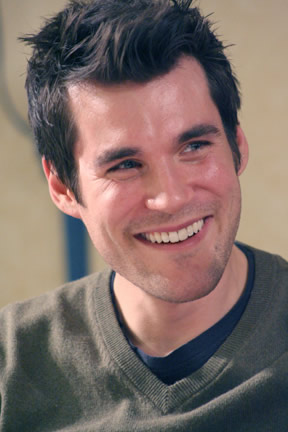
Sean Maher
Actor Sean Maher, star of the short-lived NBC series “Playboy Club,” where he played a closted gay man married to a lesbian Bunny, coming out in an interview with Entertainment Weekly. (EW.com, Sept. 26)
KD LANG
“Justin Bieber looks just like a lesbian, so I’m gonna say hot as shit.”
Lesbian singer k.d. lang, asked on an Australian talk show to answer the random question, “Justin Bieber: hot or not?” (SheWired.com, Nov. 7)
“I’ve never been turned down for a role because I’m gay. I’m a character actor, and that’s probably why. I don’t find Hollywood, in my own experience, to be homophobic. … But I do think the straight folks will continue to play the straight roles.”
Actress Jane Lynch, who plays cheerleading coach Sue Sylvester on “Glee,” explaining that studios still want straight actors in straight romantic leads. (AfterElton.com, Jan. 12)
“I have lived my life very openly and have never hidden the fact that I am gay. Apparently the prerequisite to being a gay public figure is to appear on the cover of a magazine with the caption ‘I am gay.’ I apologize for not doing so if this is what was expected.”
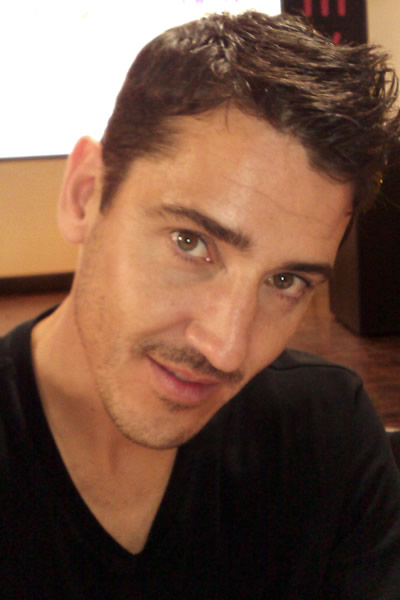
Jonathan Knight
Jonathan Knight of the now-reunited boy band New Kids on the Block, responding to questions after ‘80s pop star Tiffany, whom he once dated, discussed his sexual orientation in a recent television interview. (MSNBC.com, Jan. 31)
“He became gay later. I didn’t do it. I had issues with that. I was thinking maybe I did. Now looking back when we were dating, he was so much fun. We used to do facials together. He was so easy to talk to.”
‘80s pop singer Tiffany, discussing former boyfriend Jonathan Knight from boy band New Kids on the Block, on Bravo’s “Watch What Happens Live.” (MSNBC.com, Jan. 31)
“You know just because you don’t like the way it sounds when I say it or you don’t like my haircut or you don’t like that I’m gay, it does not mean that what we say is not true. If you squint a little bit, it is true I do sometimes look like a dude, and I am definitely gay.”
Rachel Maddow, host of “The Rachel Maddow Show” on MSNBC, denying claims that she erred in reporting on the Wisconsin labor union controversy. (On Top Magazine, Feb. 27)
“My family knew I was gay when I was 15, long before I got famous. But it’s a very different thing coming out to your family and coming out to the universe. That’s a big step. Maybe without me, there wouldn’t be Adam Lambert. Without Bowie, there wouldn’t be me. Without Quentin Crisp, there wouldn’t have been Bowie. So everything is part of a big daisy chain.”
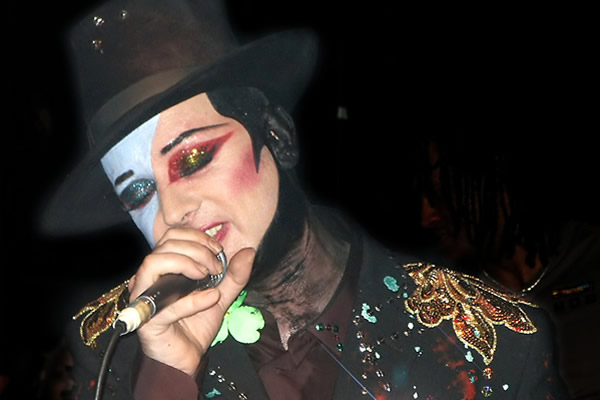
Boy George
Culture Club singer Boy George, known for his androgynous style in the ‘80s band, in an interview promoting the band’s reunion (Hollywood Reporter, Feb. 23)
“Why shouldn’t gay people be allowed to be able to marry? Those against gay marriages say marriage should only be between a man and a woman. God, I of all people know that doesn’t always work!”
Actress Elizabeth Taylor in a speech accepting the 2000 Vanguard Award from the Gay & Lesbian Alliance Against Defamation. Taylor, who was married eight times, was an early HIV advocate. She died March 23 at age 79. (E! Online, March 25)
“Well, obviously, I’m not allowed to speak about the legal battles, but I love lesbians.”
Jennifer Nettles of Atlanta superstar country group Sugarland, responding to this question: “Let’s talk about the legal battles that you had with ex-member Kristen Hall [who is gay], who sued you last year for profits she said she was owed. Did it leave a bad taste in your mouth for lesbians?” (South Florida Gay News, April 11)
“I guess you could say that I’m coming out tonight!”
Country music icon Dolly Parton, who has at times been rumored to be gay despite her marriage to a man, presenting the GLAAD Award to NBC’s Robert Greenblatt, with whom she worked on “9 to 5.” (GLAAD.org, April 11)
“I’m very gay, but I love women. I’m not attracted to men in any way. … But yes I am gay, I’m so happy. I’m a gay, heterosexual male. … I got major love for the gay and lesbian community, and I just want to push less separation.”
Rapper Lil B on why he is titling his next album “I’m Gay,” despite negative reaction and even threats from fans. (MTV News, April 21)
“We all agree that marriage is a fundamental right. And in our country, and in our society, there are no second-class citizens.”
Dancer and choreographer Bill T. Jones in a video for the Human Rights Campaign’s New Yorkers for Marriage Equality effort. (On Top Magazine, April 26)
“So when I was about 13 or 14, I realized I was attracted to women and then made the assumption that I was a lesbian, and didn’t realize that that wasn’t the case. It was the fact that I was a man and a heterosexual man. The issue wasn’t my sexual orientation, but rather my gender identity.”
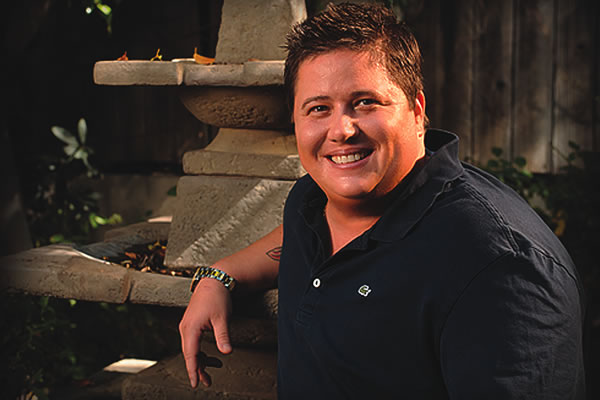
Chaz Bono
Chaz Bono, the child of entertainers Cher and Sonny Bono, on coming out first as a lesbian and then as a transgender man. His book about the experience, “Transition: The Story of How I Became a Man,” was released May 10. (Time, May 9)
“I was like, ‘Oh, my God, girls are so pretty and soft. No stubble burn! What am I doing with guys?’ I haven’t dipped back since, but I was very appreciative of the experience.”
Actress Rashida Jones on kissing Zooey Deschanel in the upcoming film “Our Idiot Brother,” which she says was her first lesbian kiss both on screen and off. (The Advocate, June-July 2011)
“I mean, really: He called me 33 percent lesbian, which was a gross underestimation of my lesbian-ness.”
Actress Reese Witherspoon, responding to ‘Twilight’ actor Robert Pattinson’s comments as she received the Generation Award at the 2011 MTV Movie Awards. Witherspoon rated herself as “at least” 55 percent. (MTV News, June 6)
“The truth is if I had a gay son, I would love him just as much as if he was straight. I might have to try to love even more because I know of the difficulty that he would have in society.”
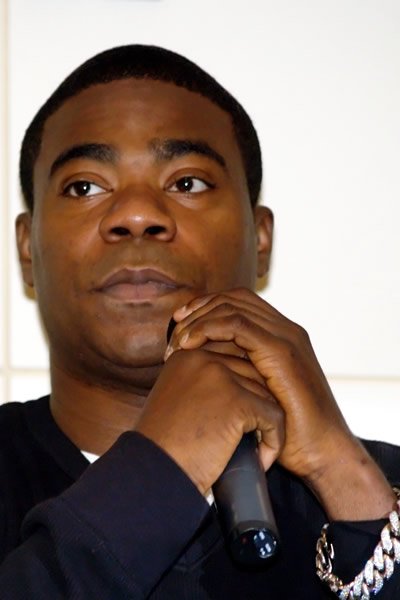
Tracy Morgan
Comedian Tracy Morgan in one of his many apologies since going on an anti-gay tirade at a June 3 show in Nashville including saying he would stab his son if he were gay. (ABC News, June 21)
“NEW YORK! I [love] U! You’re OFFICIALLY the coolest place on the planet!”
Pop star Katy Perry, via Twitter, reacting to the New York Senate vote to legalize same-sex marriage. (MTV News, June 25)
“Being gay is fabulous…I have six new Facebook fan pages. And for every sponsor that falls out, I’ve gotten two more.”
Fictional news anchor Shannon Love, a character played by Queen Latifah on the July 11 episode of the VH1 show “Single Ladies,” discussing the impact of coming out in the media. Queen Latifah, who is also executive producer of the show, which is set in Atlanta, has long been the subject of speculation about her own sexual orientation. (BET.com, July 13)
“The Republican Party would be well advised to get the heck out of people’s bedrooms.”
Former GOP presidential candidate and former New York Mayor Rudy Giuliani, discussing gay marriage on CNN. Giuliani said he believes New York legalizing gay marriage is wrong, but “the reality is that this is something that New York decided by a democratic vote.” (New York Post, July 18)
“Why must she dress that way? I think she’s confused about her gender.”
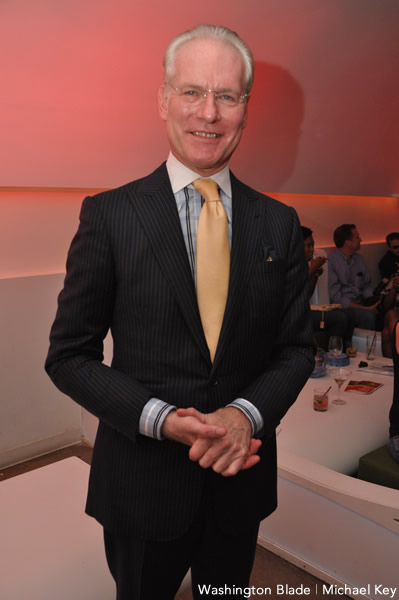
Tim Gunn (Blade file photo)
Gay “Project Runway” host Tim Gunn, describing Secretary of State Hillary Clinton’s penchant for pant suits, in an interview on “Lopez Tonight.” (Huffington Post, July 27)
“If your Bible tells you that gay people ought not be married in your church, don’t tell them they can’t be married at city hall. Marriage is a civil rite as well a civil right, and we can’t let religious bigotry close the door to justice to anyone.”
Civil rights icon Julian Bond, speaking at the first ever NAACP town hall meeting on LGBT issues, held late last month in Los Angeles. (Florida Independent, Aug. 1)
“Most gay people are very tasty people — they like beautiful stuff in their lives. If they like me, it means they have taste. They don’t follow me for my butt shots.”
Actor Jean-Claude Van Damme in a recent interview with Sabotage Times (Towleroad.com, Aug. 14)
“I’m attracted to girls and that’s what’s going to make me happy. … I’ve actually had two boyfriends but I know at the end of the day who I want to come home to and it’s going to be a girl. That’s what I like.”
“So You Think You Can Dance” runner-up Sasha Mallory, in a recent interview about the Fox reality show, where she said she is “not afraid to tell people I’m gay,” but viewers “didn’t really need to know if I was gay or straight.” (AfterEllen.com, Aug. 25)
“You’ve got audiences cheering at the prospect of somebody dying because they don’t have health care and booing a service member in Iraq because they’re gay. That’s not reflective of who we are.“
President Barack Obama, criticizing recent GOP presidential debates, speaking at a Sept. 25 campaign fundraiser. (Americablog.com, Sept. 26)
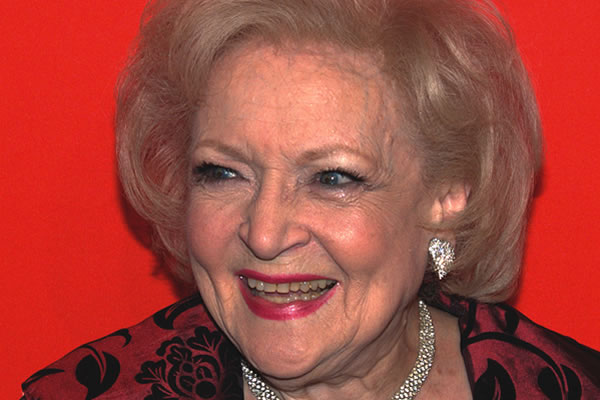
Betty White
“Throughout my career, I’ve always portrayed characters that were humorous, but also weren’t afraid to speak their minds, especially when it came to racy or controversial topics. I think this struck a chord with the LGBT community. We both also share a very strong love for animals. When you combine the two, it’s a very strong match.”
Actress Betty White, asked in a recent interview why “the LGBT community embraces and loves you so much.” (Frontiers LA, Sept. 23)
“By the power invested in me by the state of New York and the Universal Life Church, I now pronounce you husband and husband. You can kiss the groom.”
Talk show host Conan O’Brien after officiating the televised Nov. 3 wedding of Scott Cronick, O’Brien’s costume designer, and David Gorshein. (LA Times, Nov. 4)
“Gay and lesbian couples believe in commitment, family and love. If you don’t believe me, did you happen to notice that all that is being asked for is the right to be married, which ironically promotes commitment, family and love?”
Actress Mo’Nique in a video released late last month for the Human Rights Campaign’s Americans for Marriage Equality campaign (HRC, Oct. 26)
“I consider myself a lower-case gay, not screaming like my good friend [porn director and drag queen] Chi Chi LaRue. I love all my friends in the community, and if the moment came [for induction into the Hall Of Fame], it would be a tremendous moment, not just for the band and our fans, but for the whole LGBT community.”
Rob Halford, vocalist of heavy metal band Judas Priest, when asked whether his being gay may be why the band hasn’t been inducted into the Rock and Roll Hall of Fame. (Xtra!, Nov. 21)
“I’m for gay marriage. I don’t want to do it, but I certainly think people should be allowed to, and I wouldn’t vote for anybody that would be against it. But at the same time, why do we have to be good now? Why can’t we be villains in movies?”
Gay cult film director John Waters (“Hairspray, “Cry-Baby”) on the mainstreaming of gay culture. (Slate.com, Nov. 20)
“This means more to me than any Grammy I could ever win … It will take a village and an army, [some] countries and continents to make bullying a hate crime.”
Lady Gaga, accepting the Hero Award from the Trevor Project, which fights suicide among LGBT youth. It was presented by the family of Jamey Rodemeyer, a teen fan who killed himself earlier this year. (Eonline.com, Dec. 5)
“I basically took something that was extremely erotic and very intentional, and I reduced it to a simple kiss. I got a lot of criticism for that.”
Director Stephen Spielberg on his treatment of “the more sexually honest encounters between Shug and Celie” in his 1985 film adaption of “The Color Purple,” the novel by Alice Walker that included an explicitly sexual relationship between the two women. (Entertainment Weekly, Dec. 5)



Photos
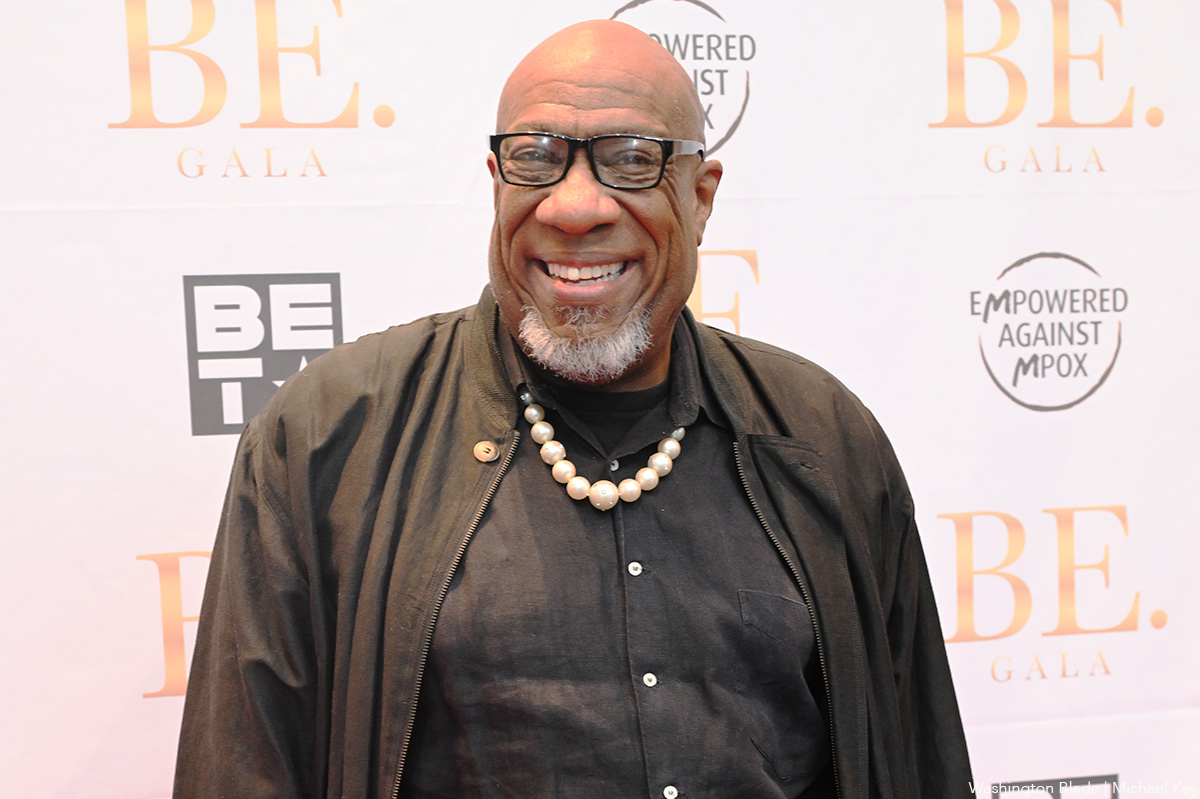
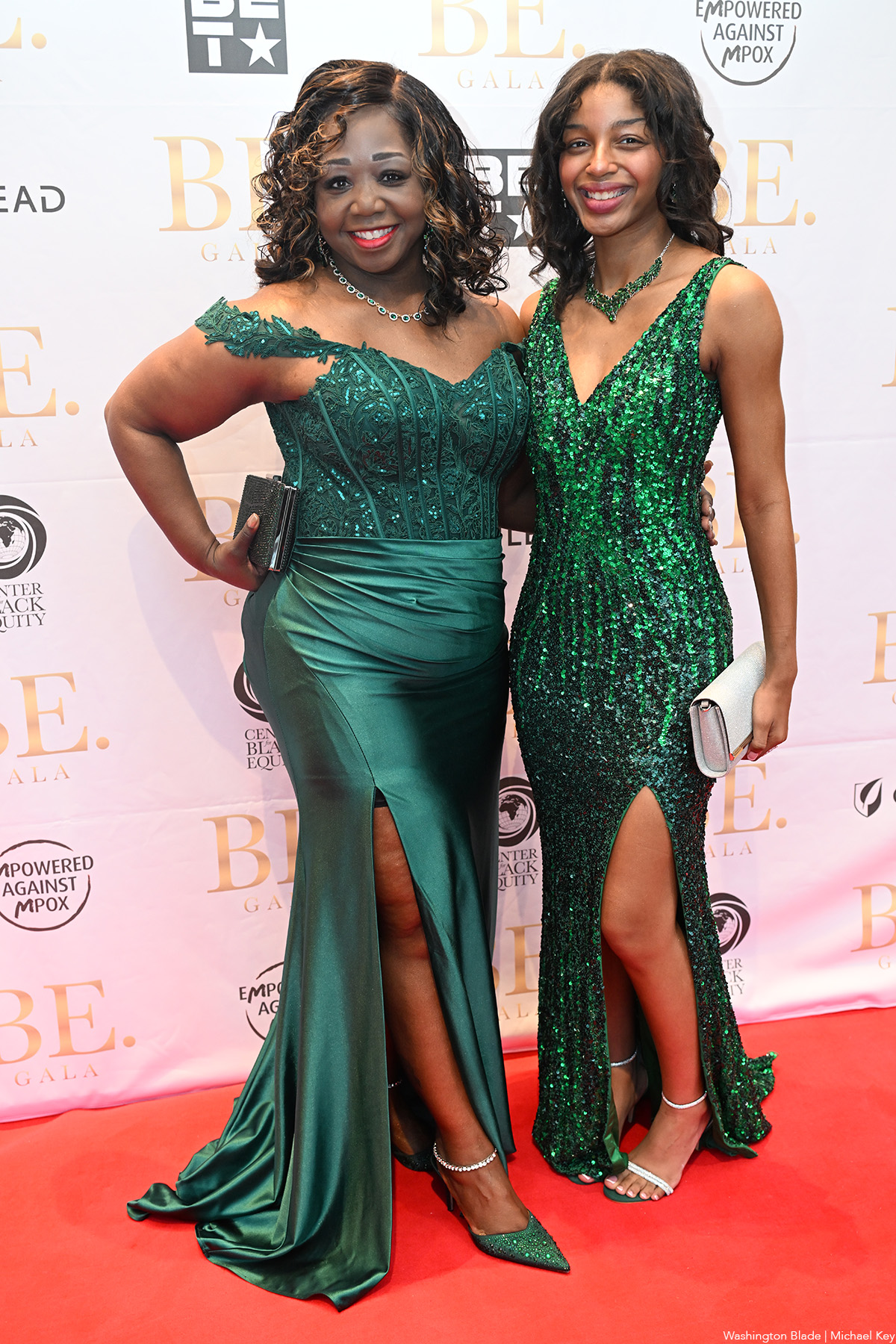
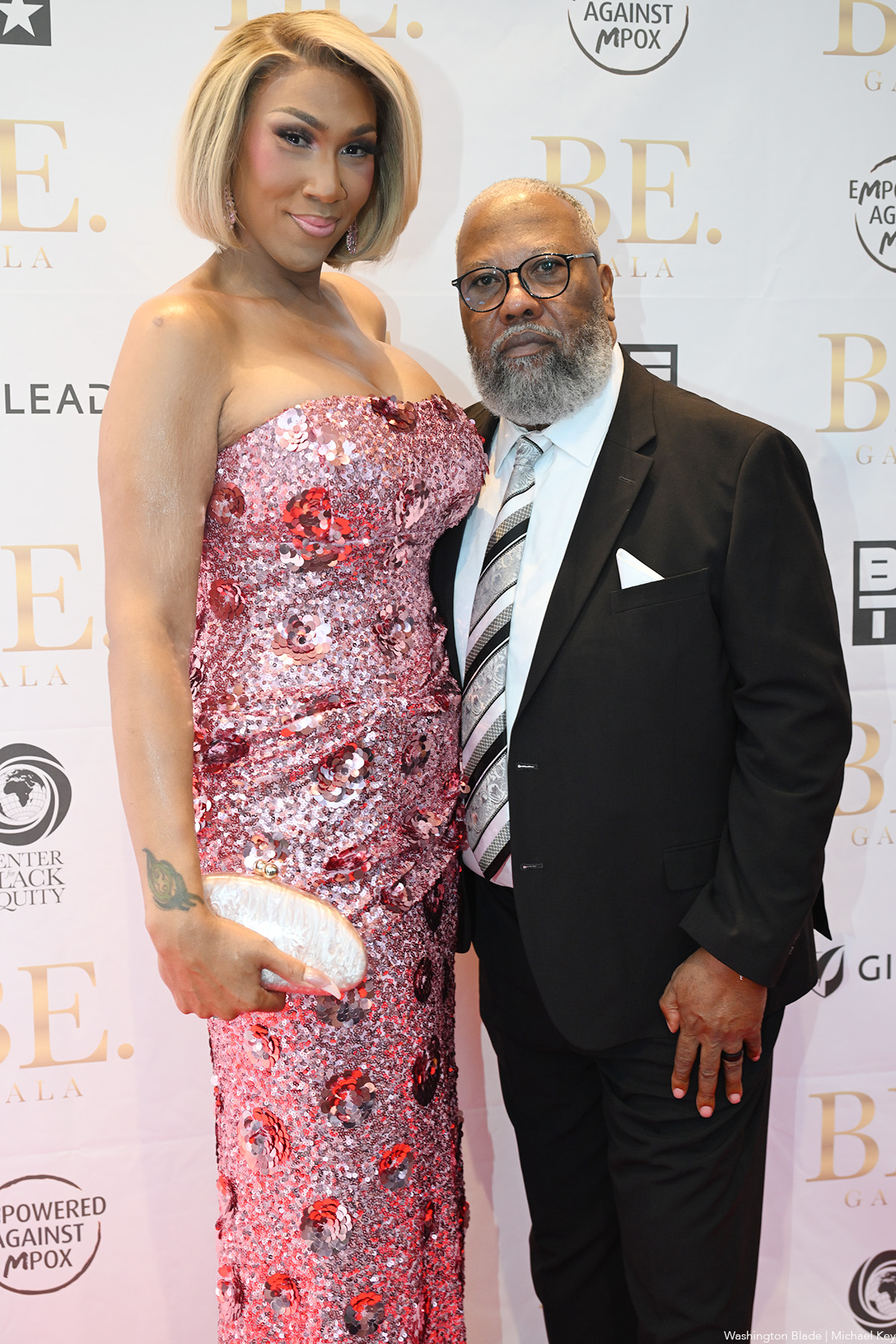
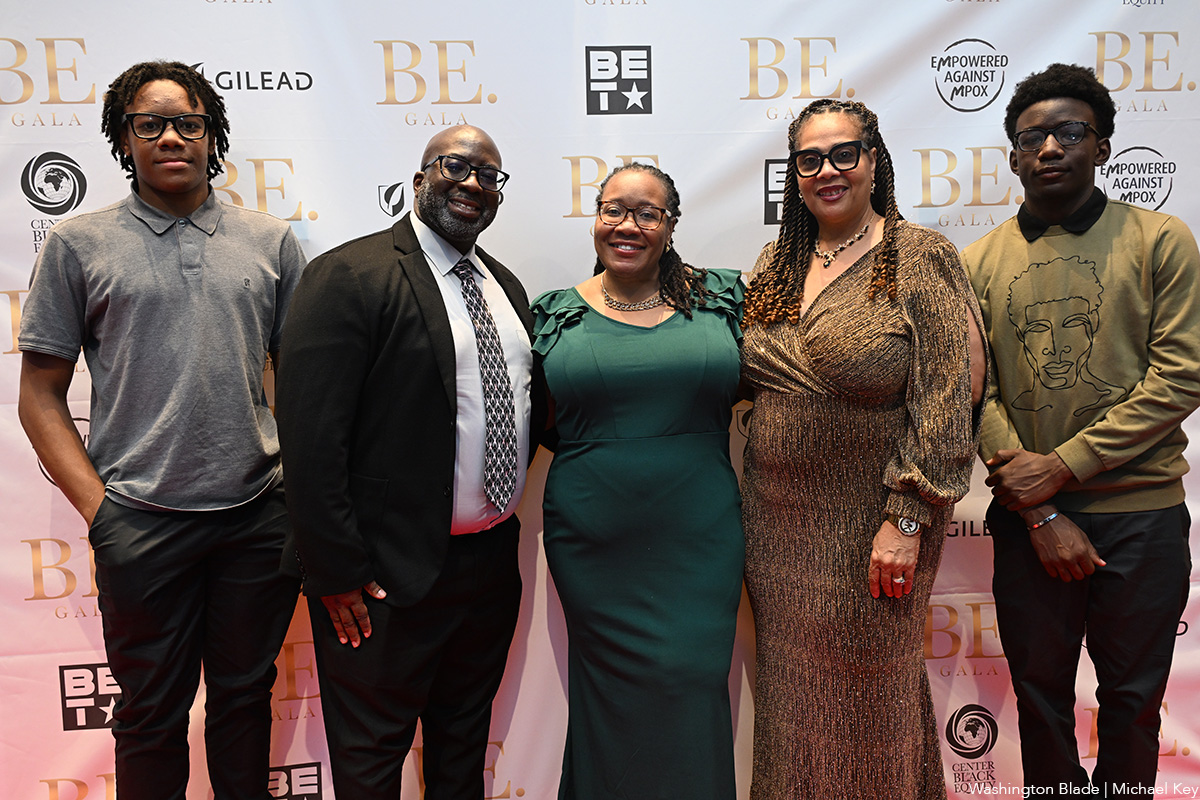
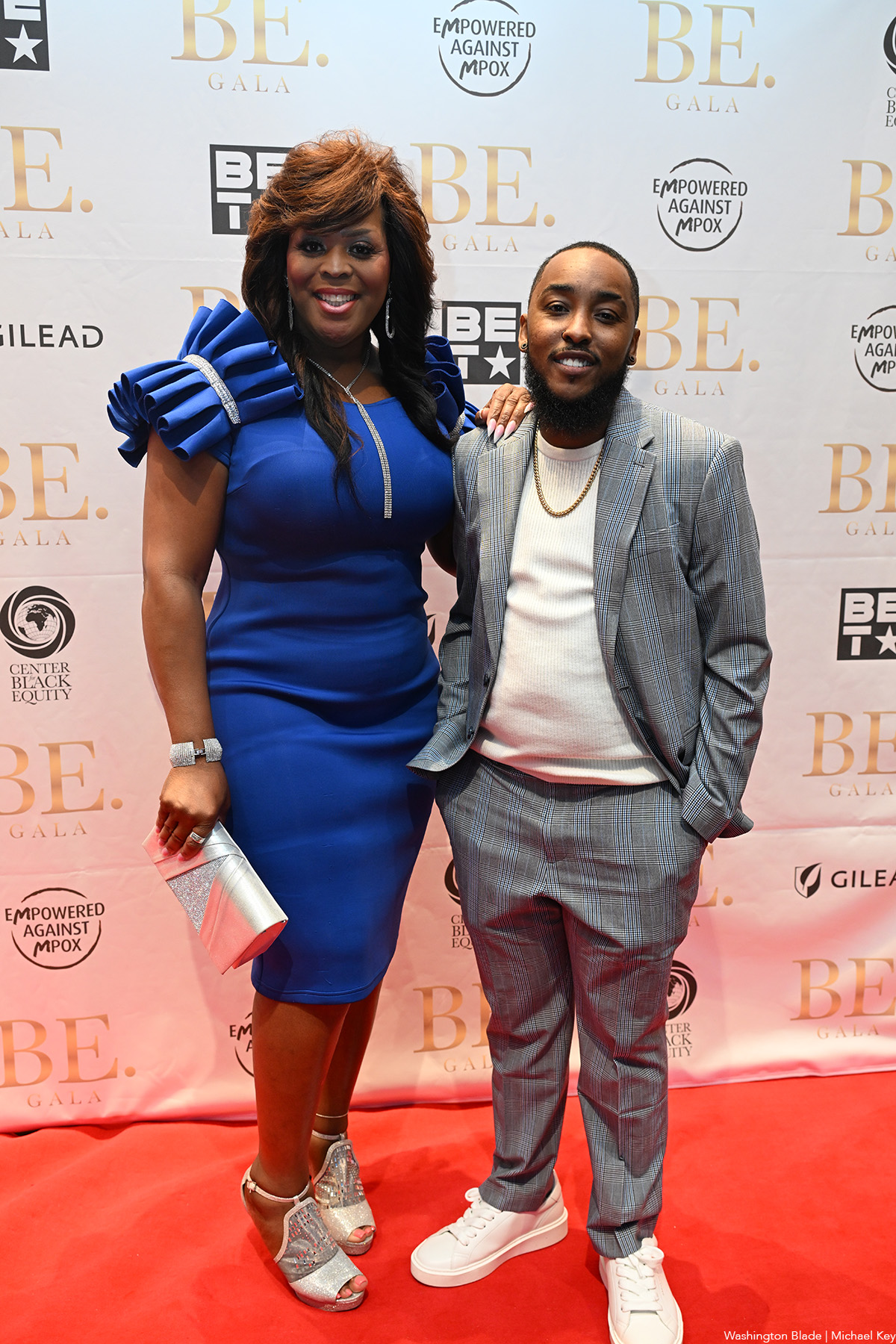
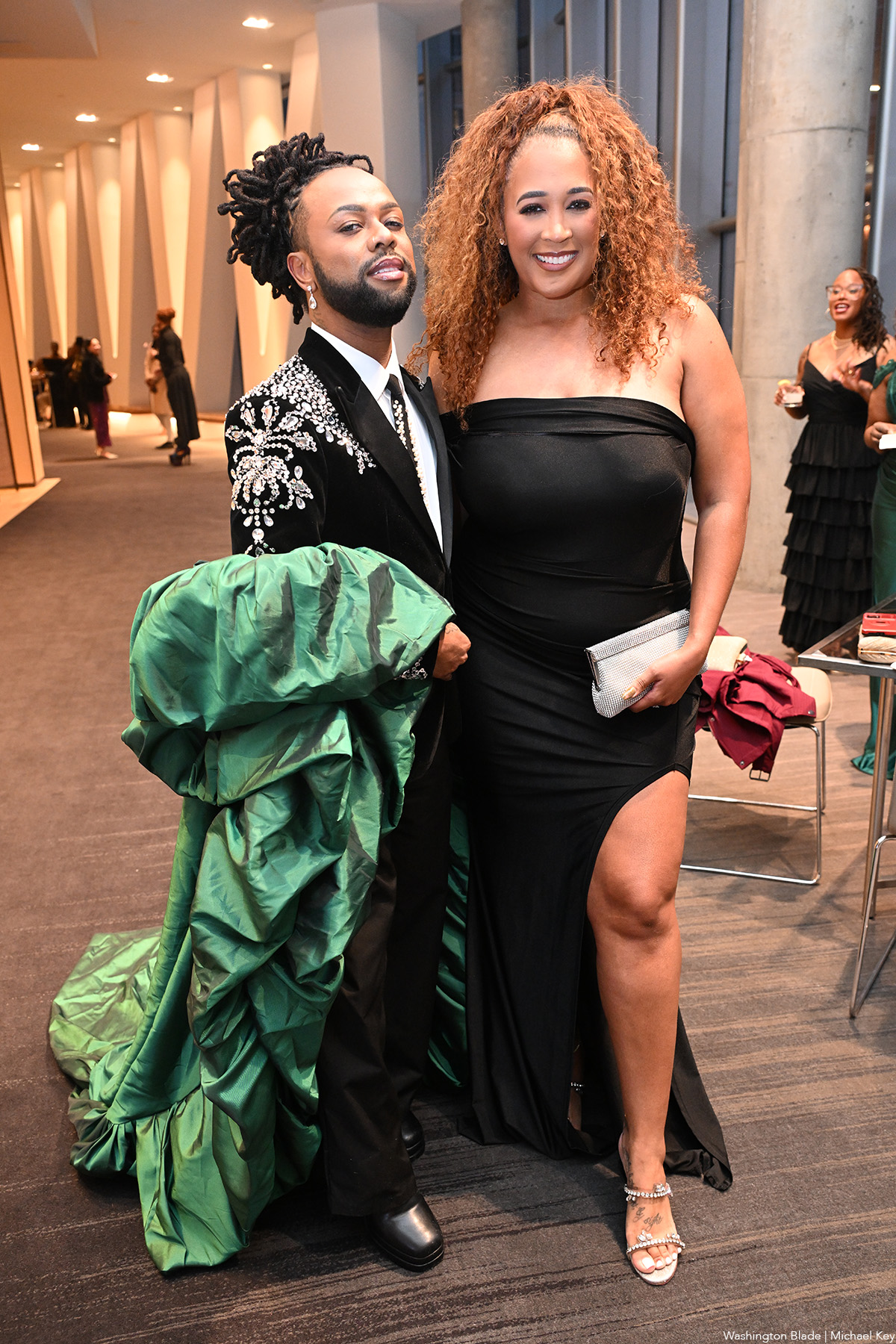
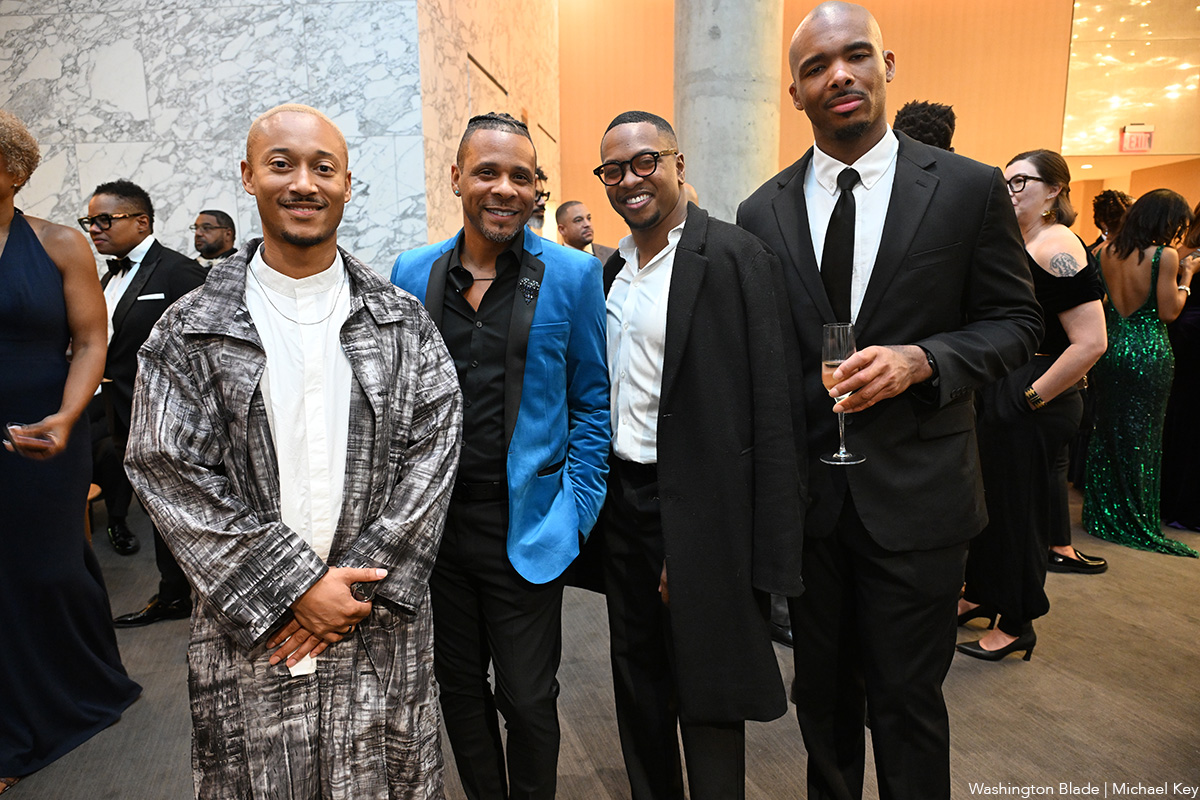
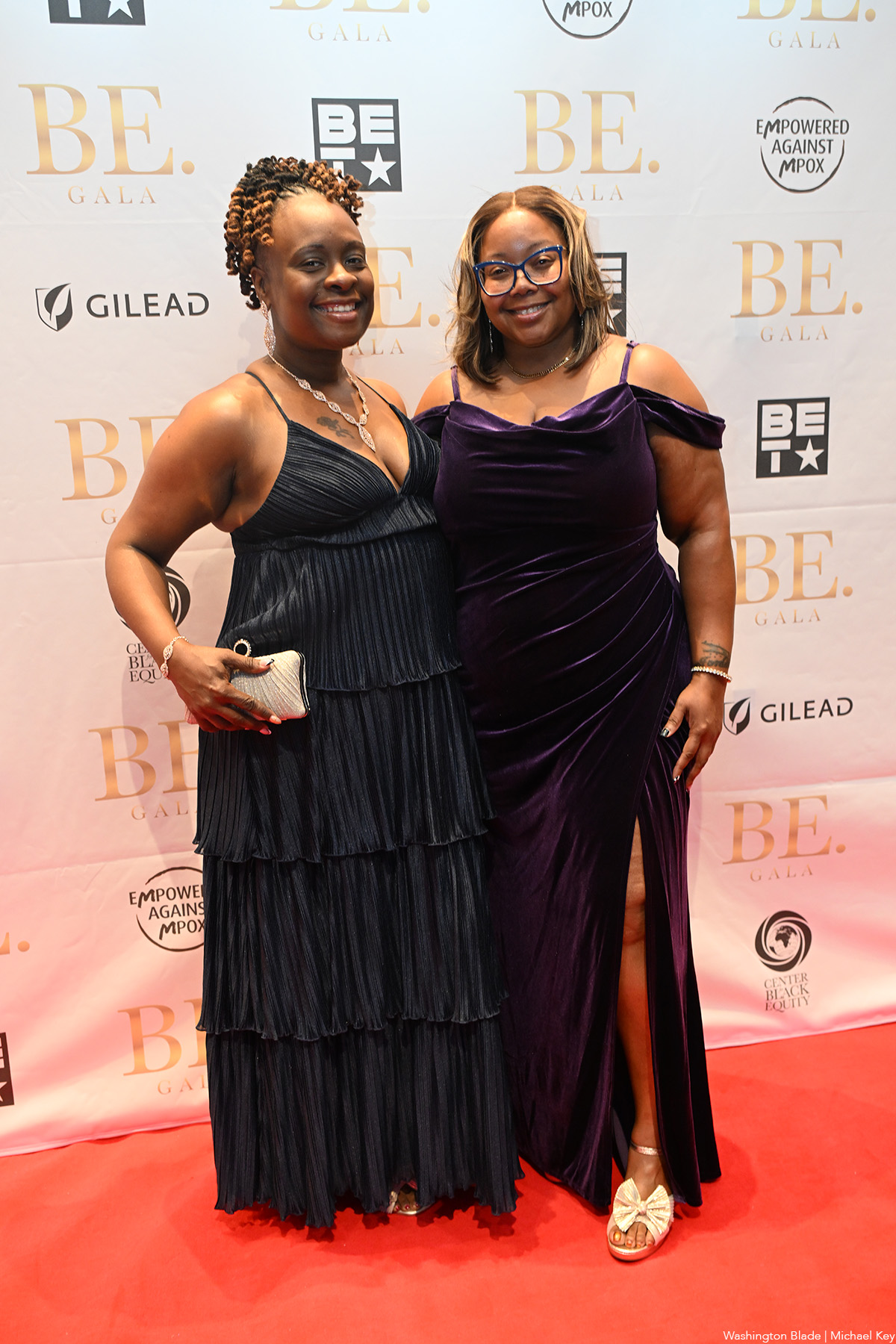
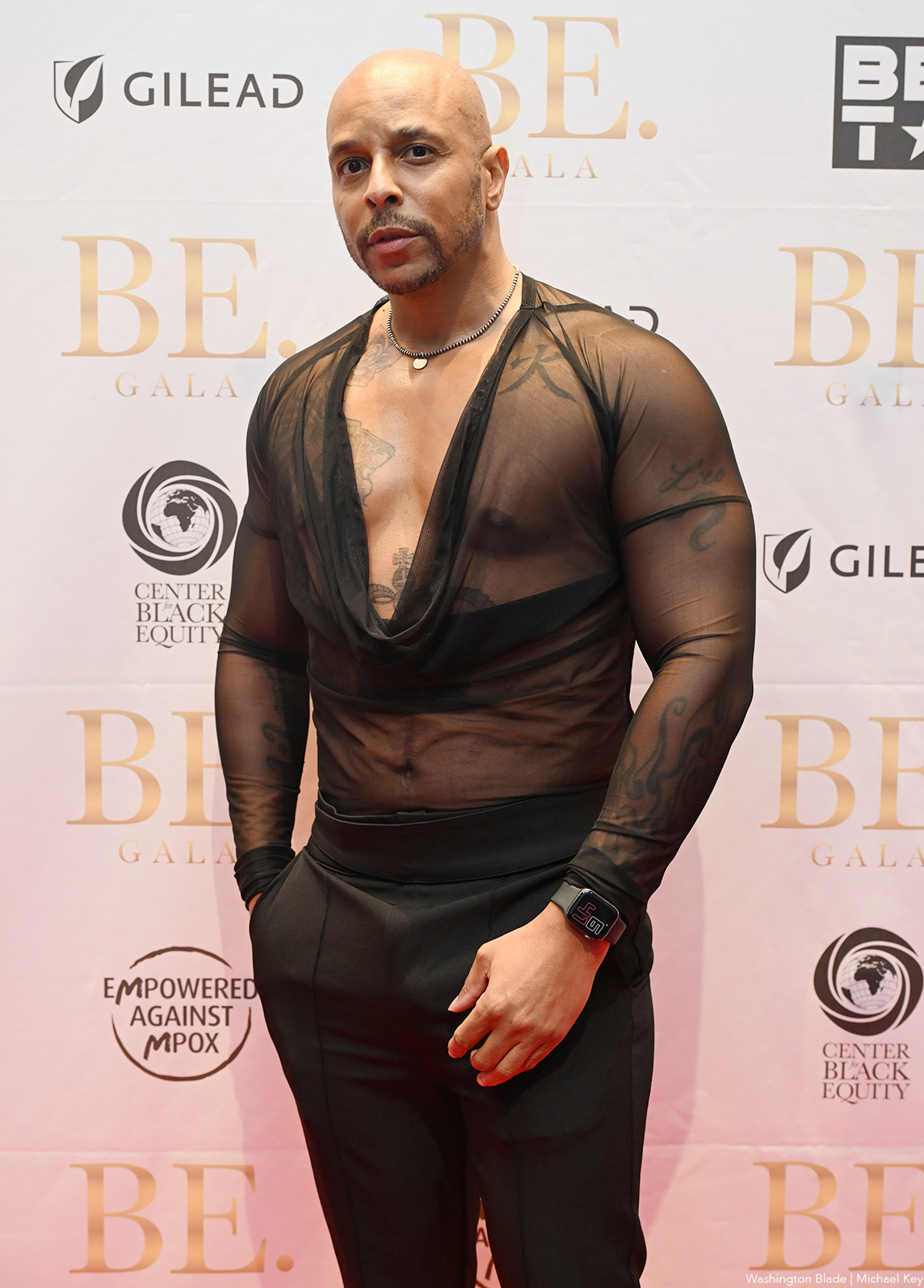
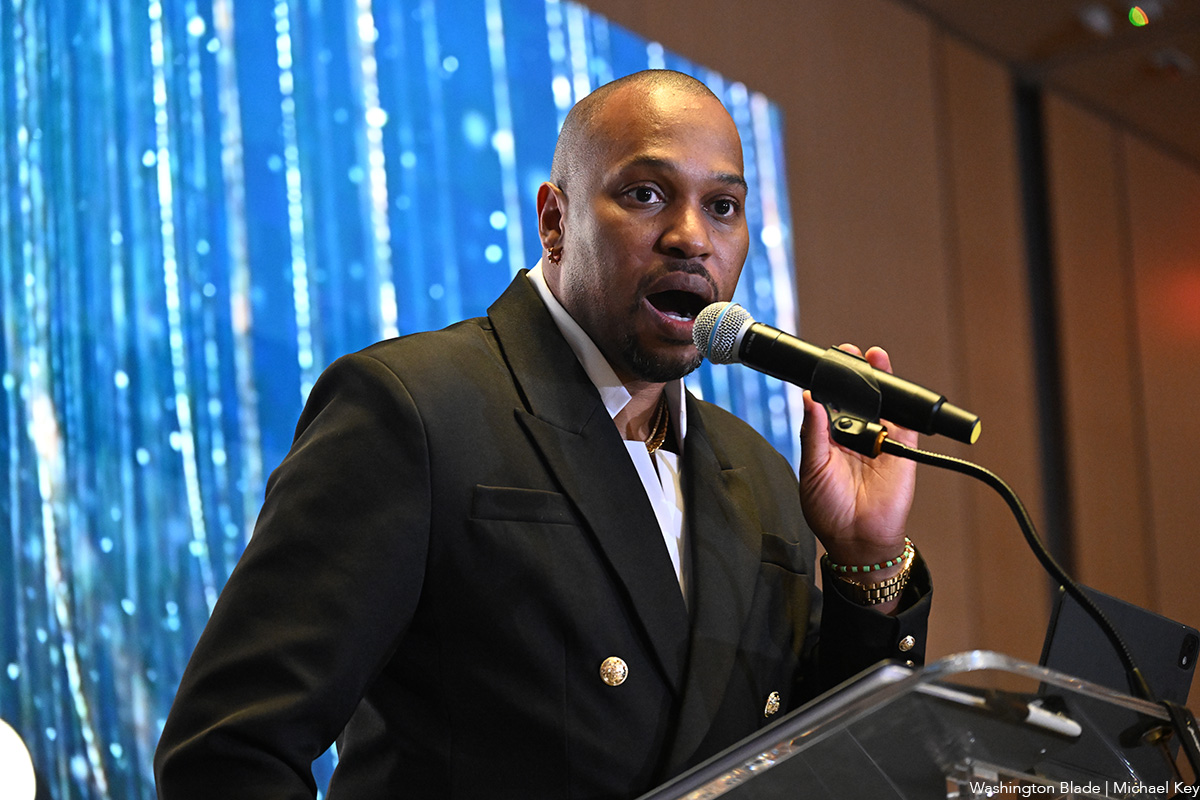
Center for Black Equity honors leaders, activists at BE. Gala
Miyake-Mugler, Oakes co-host annual awards ceremony
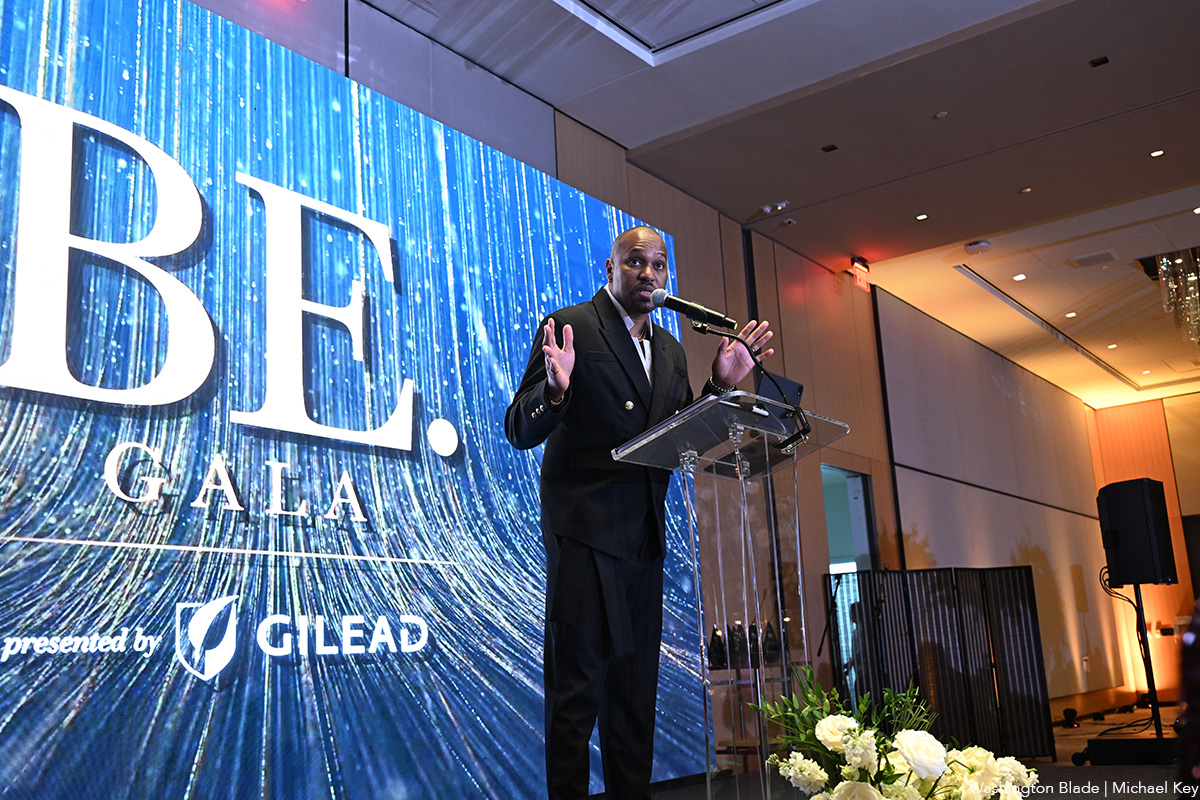
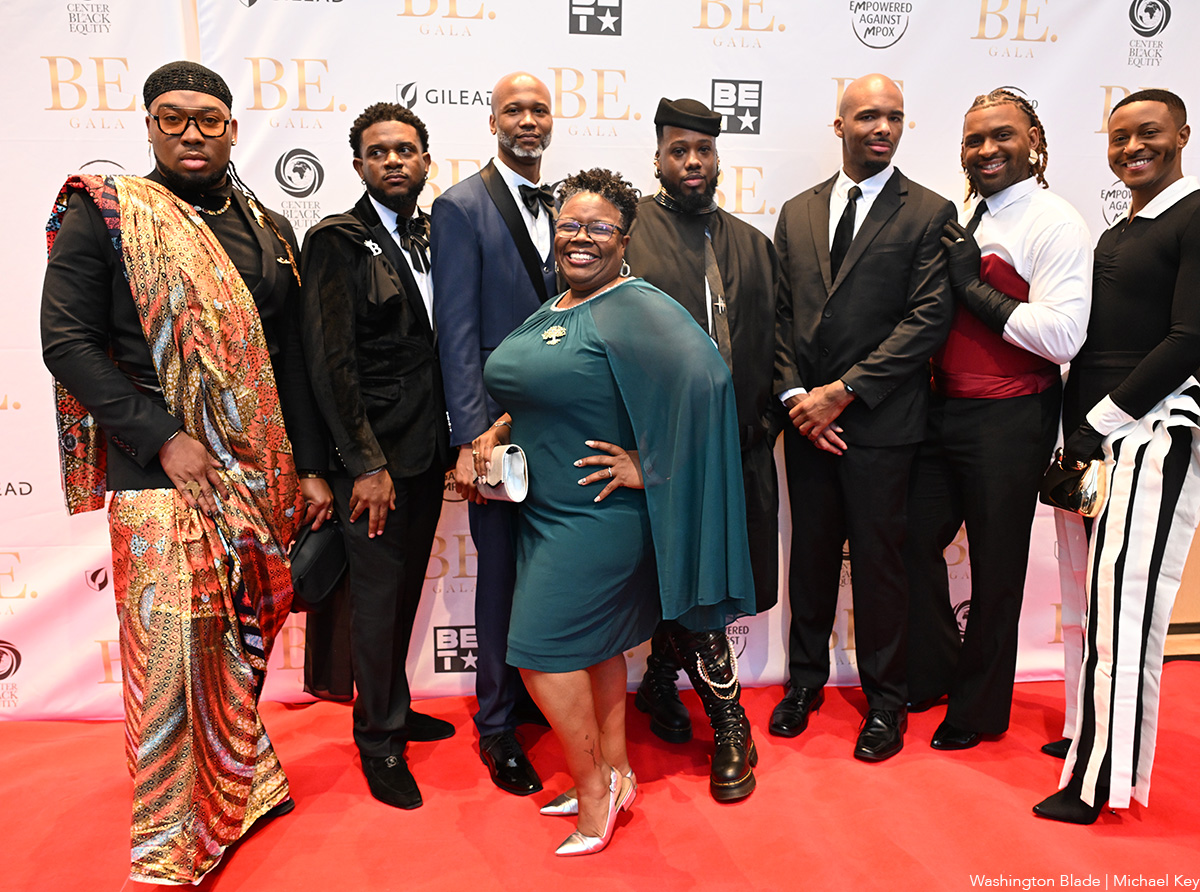
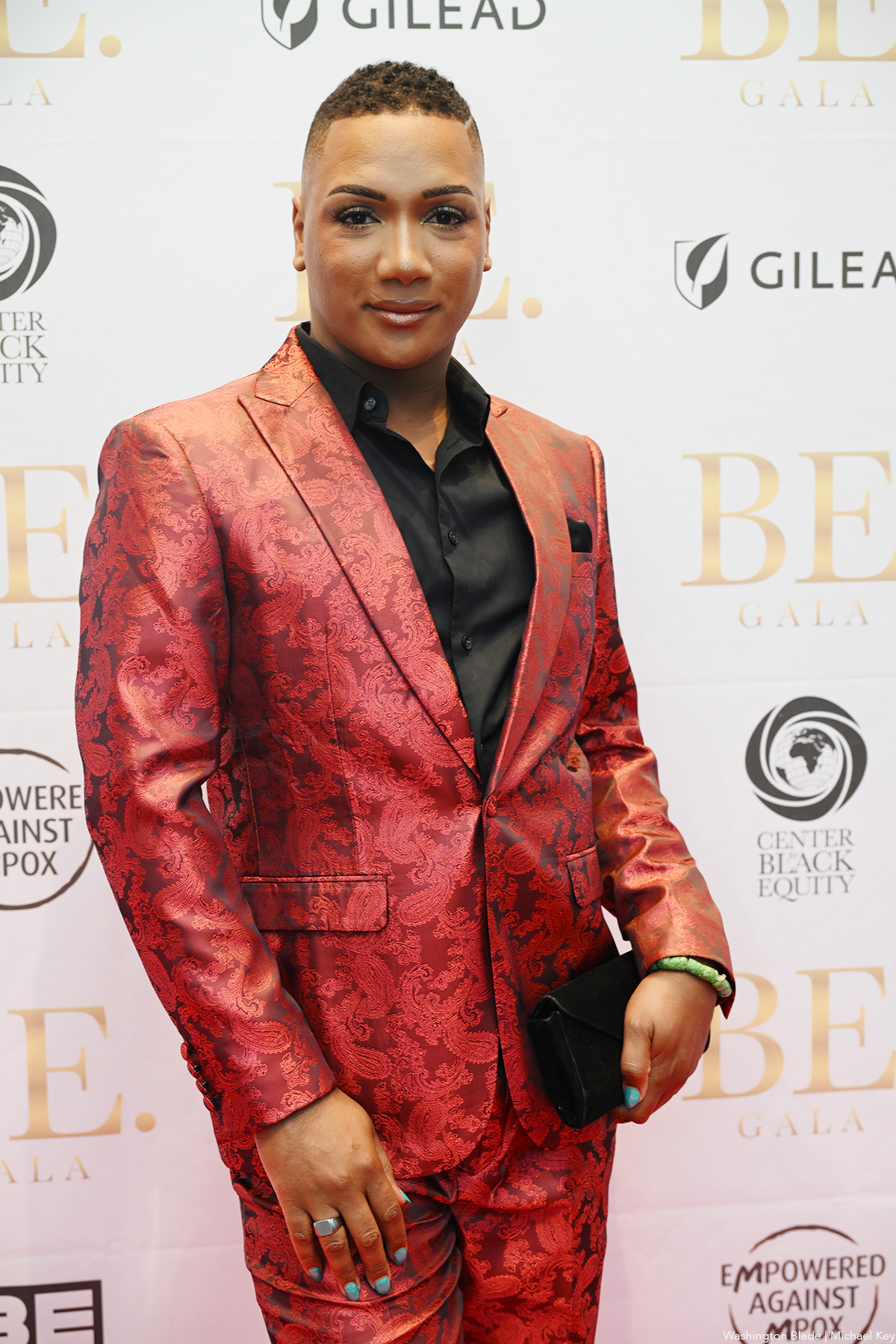
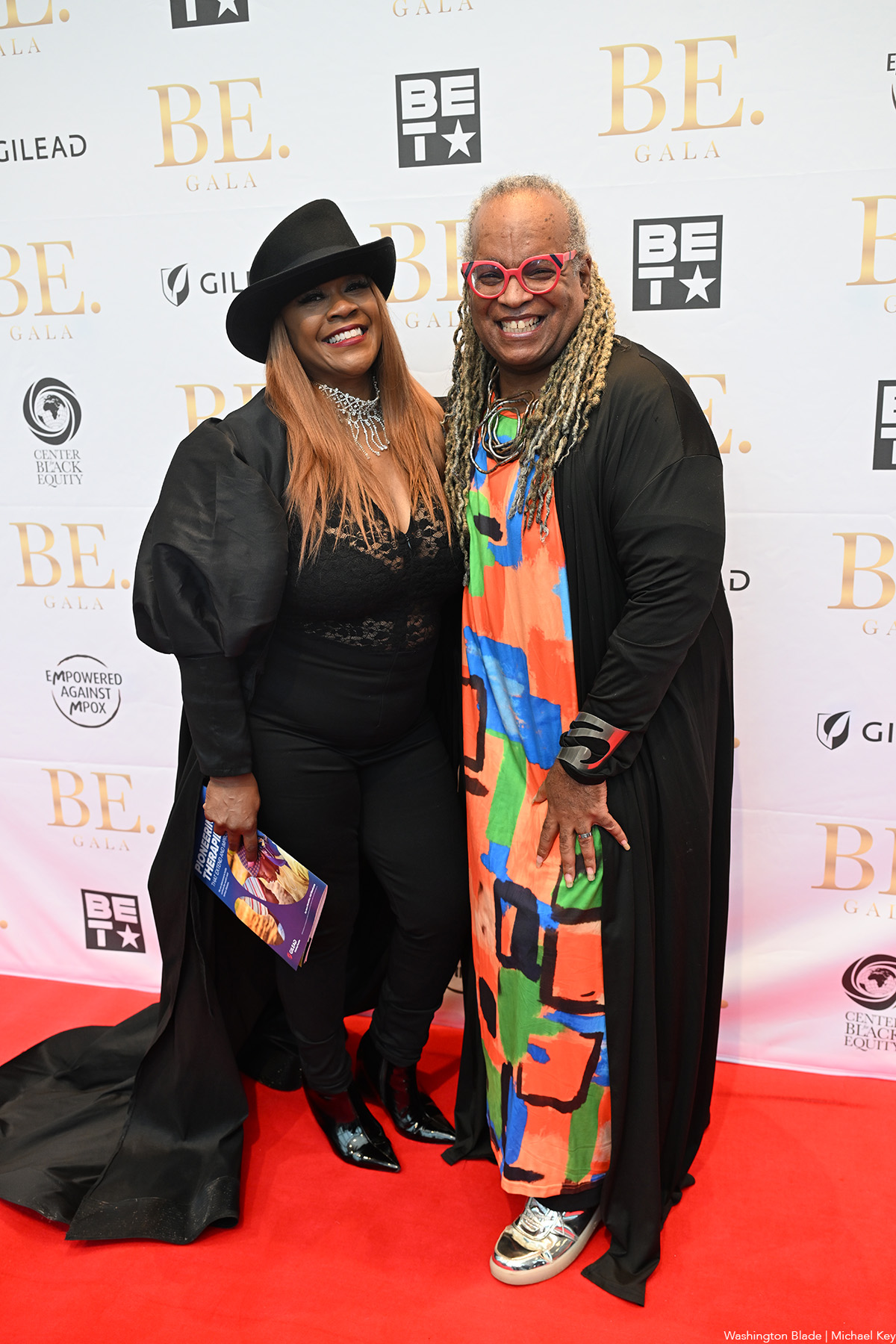
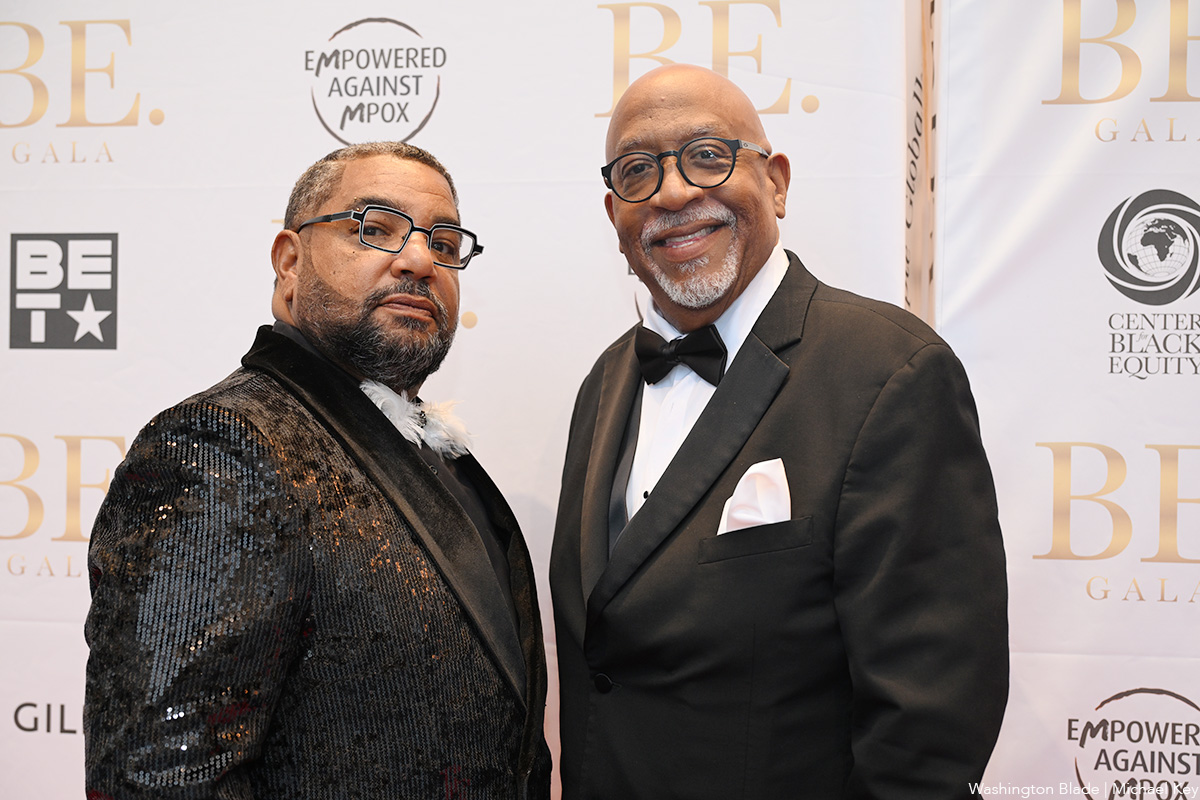
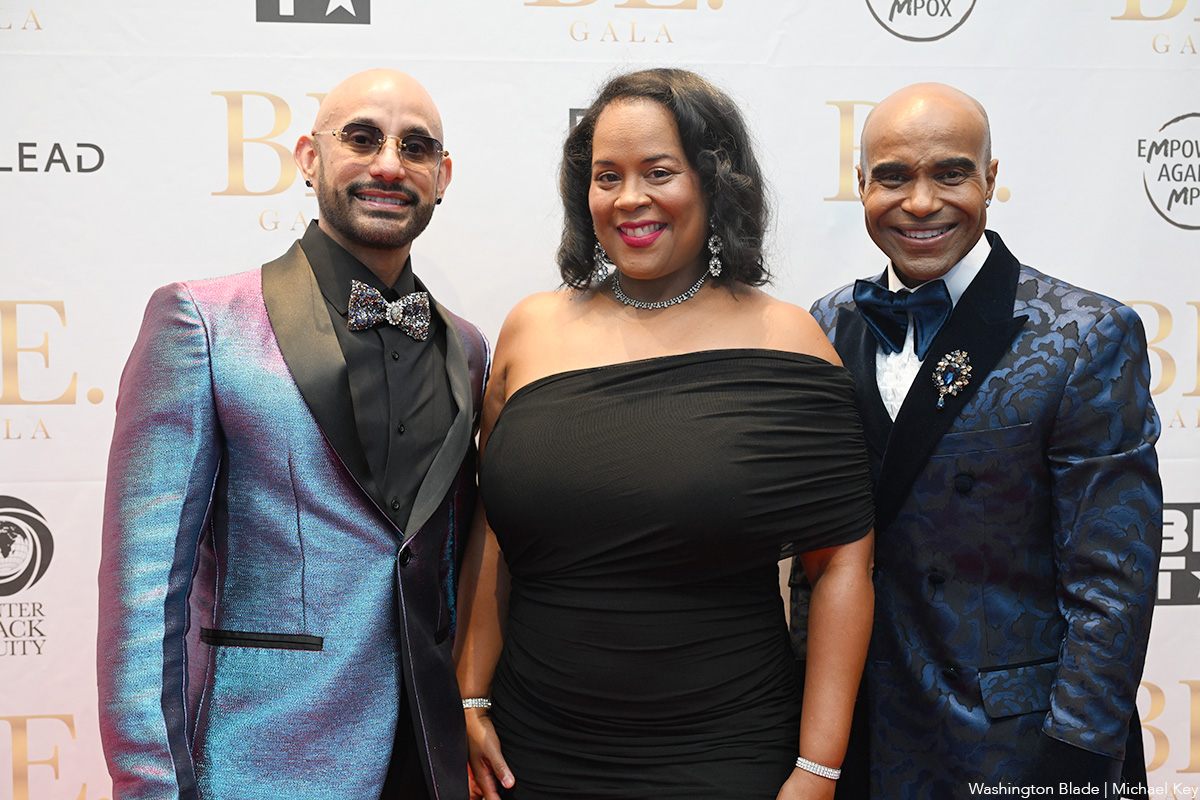
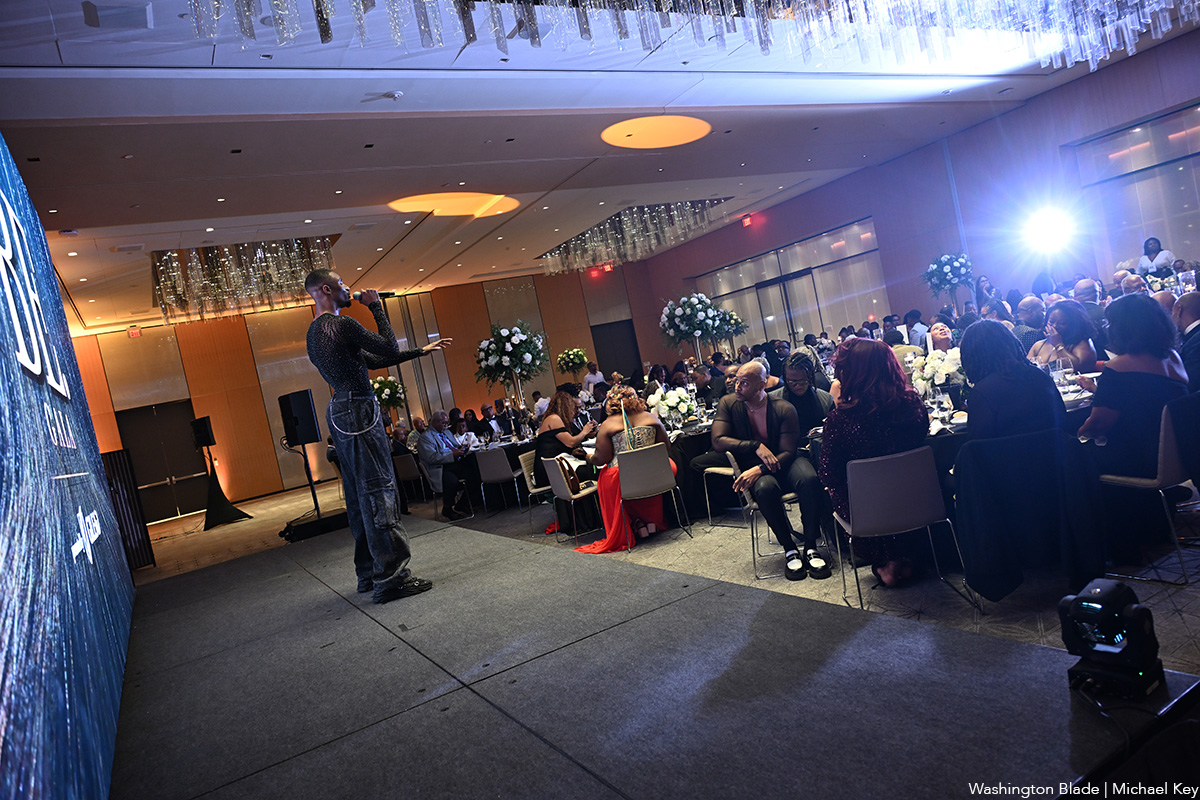
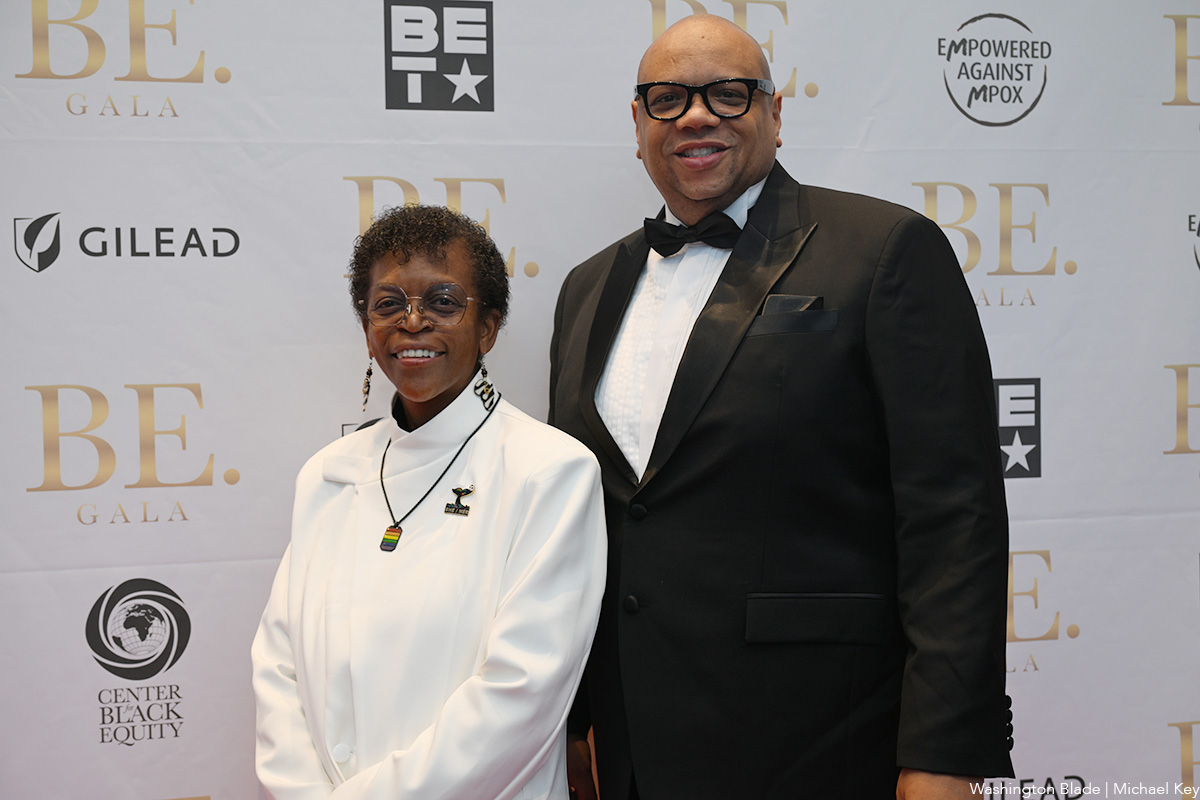
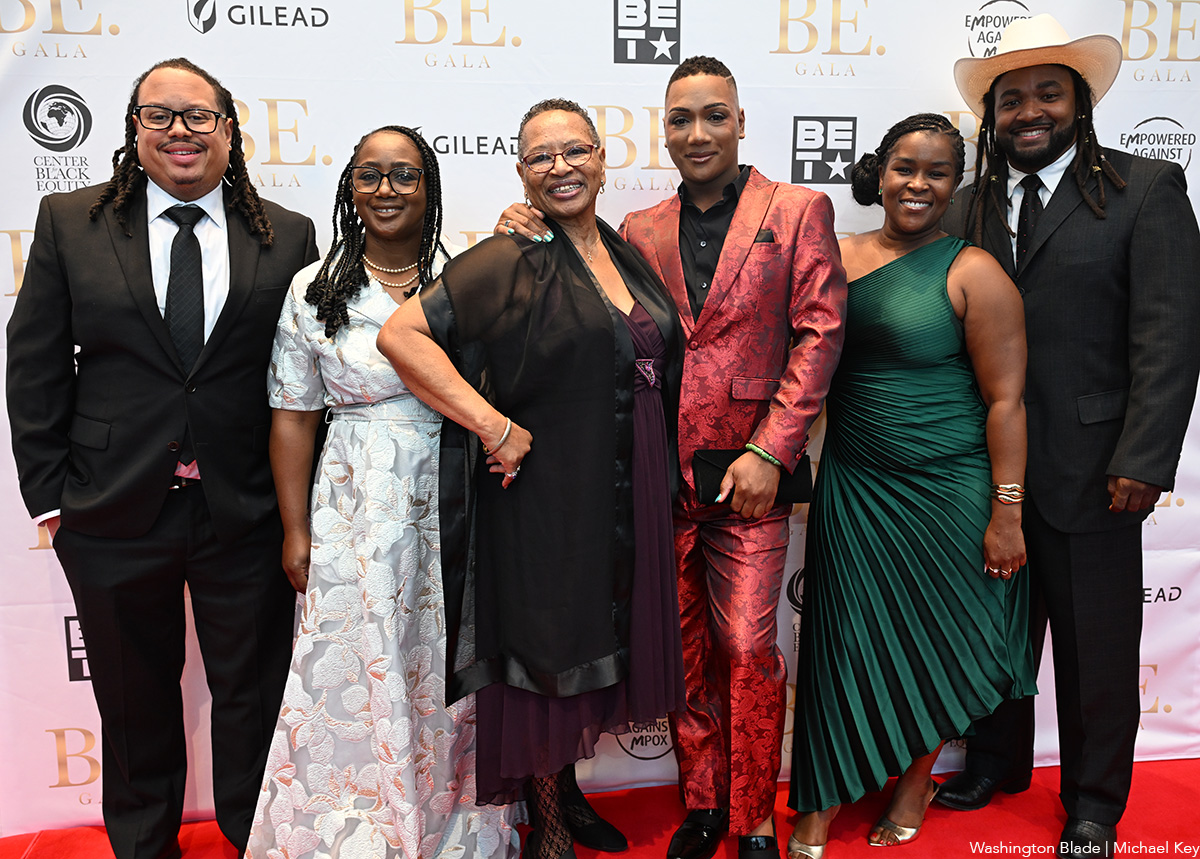
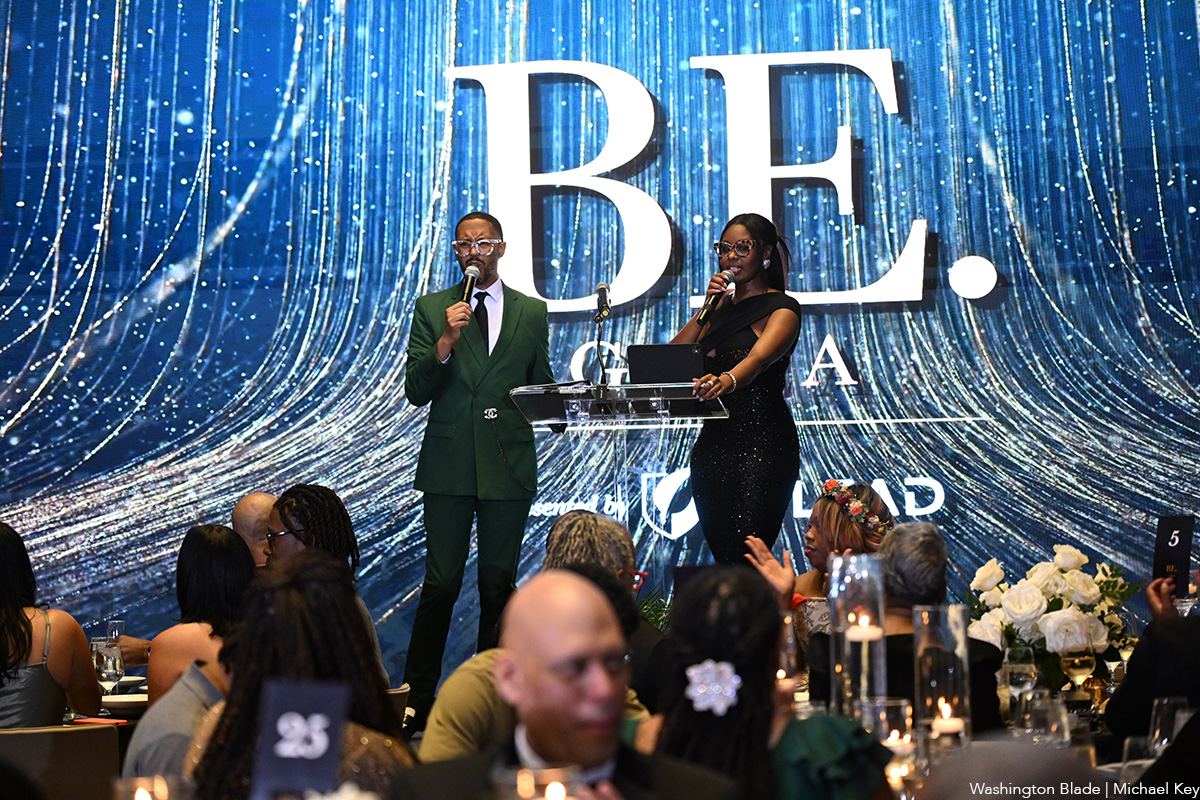
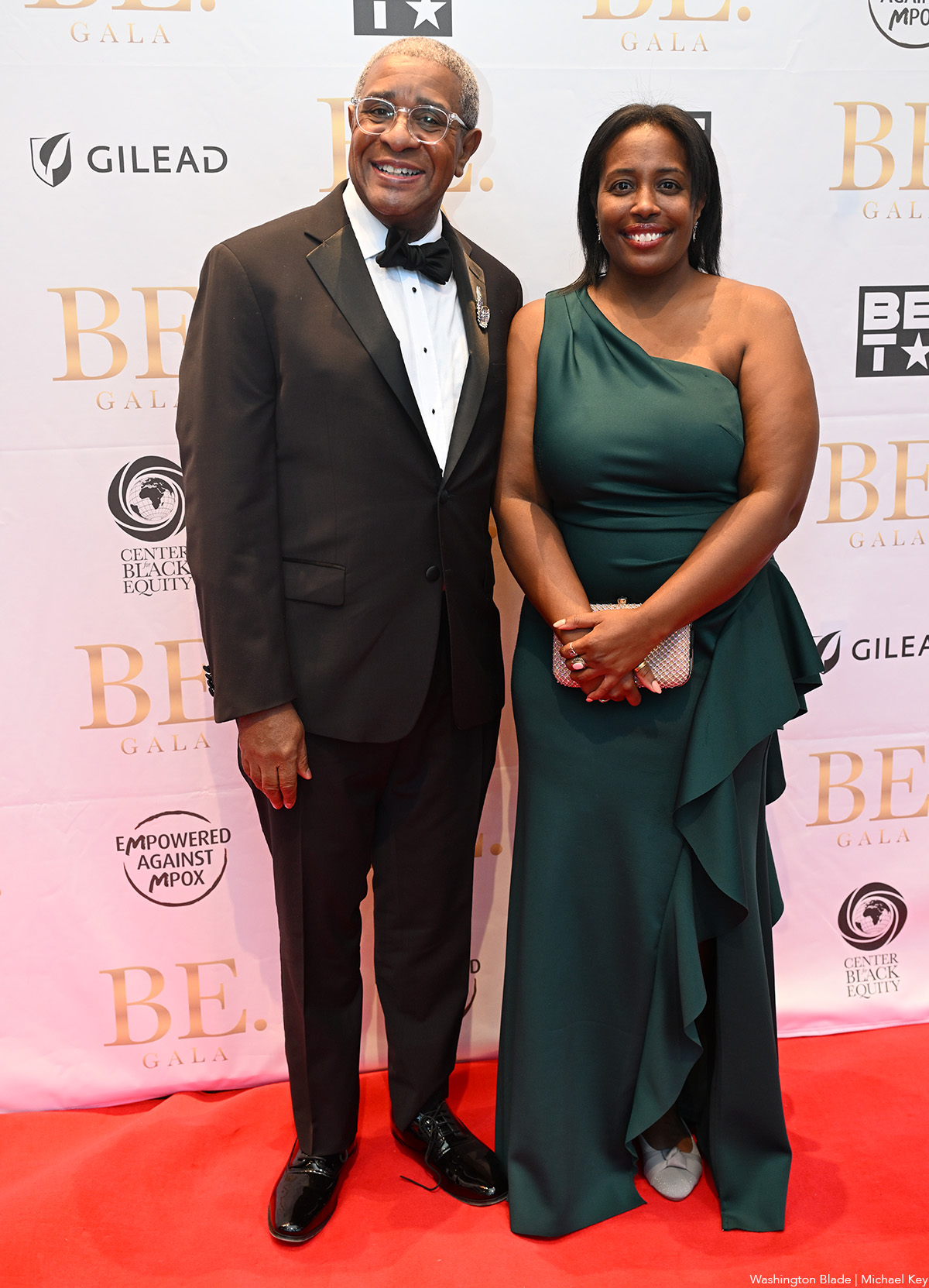
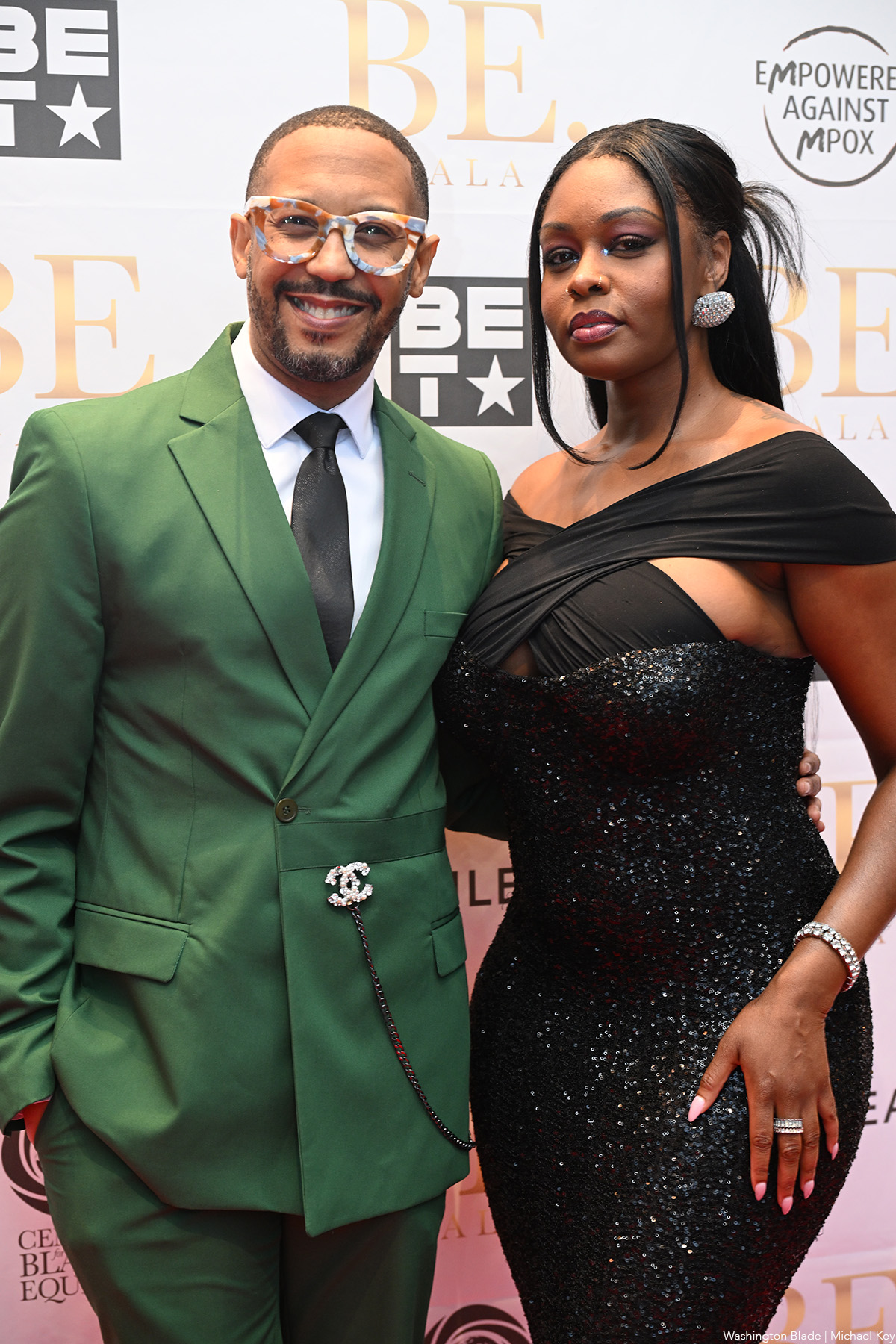
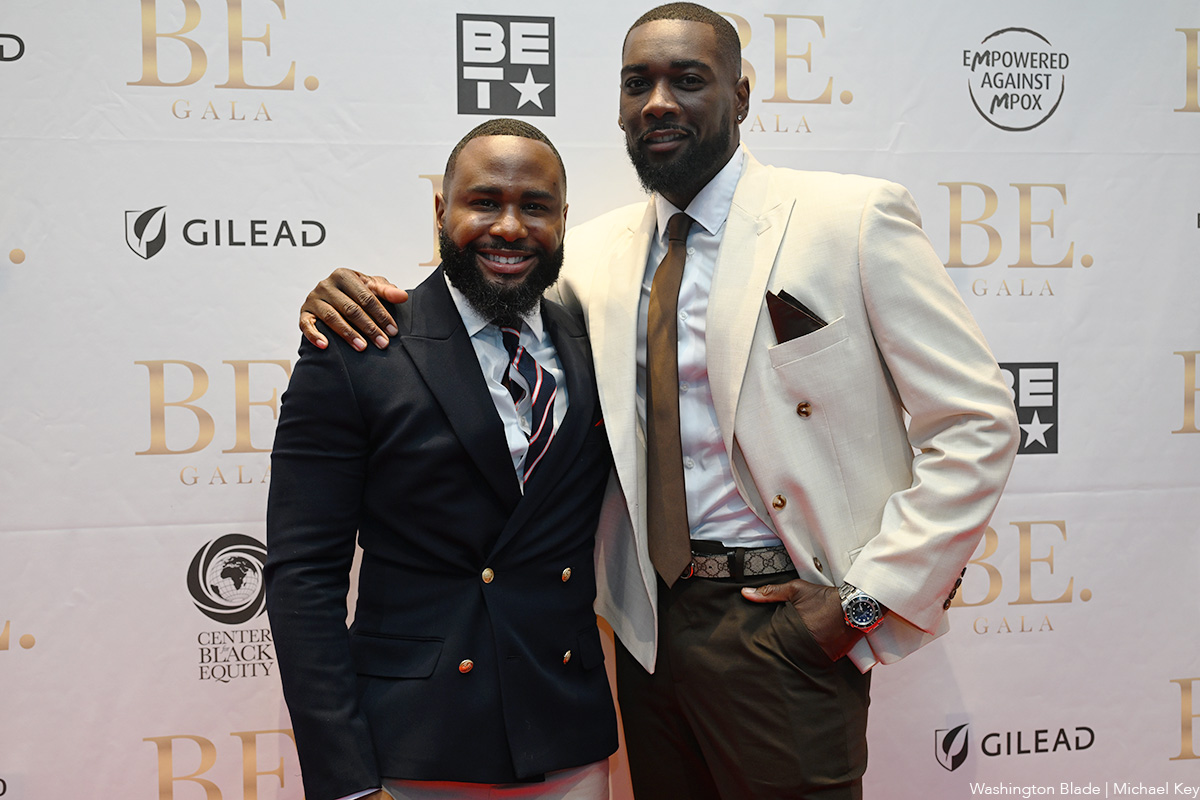
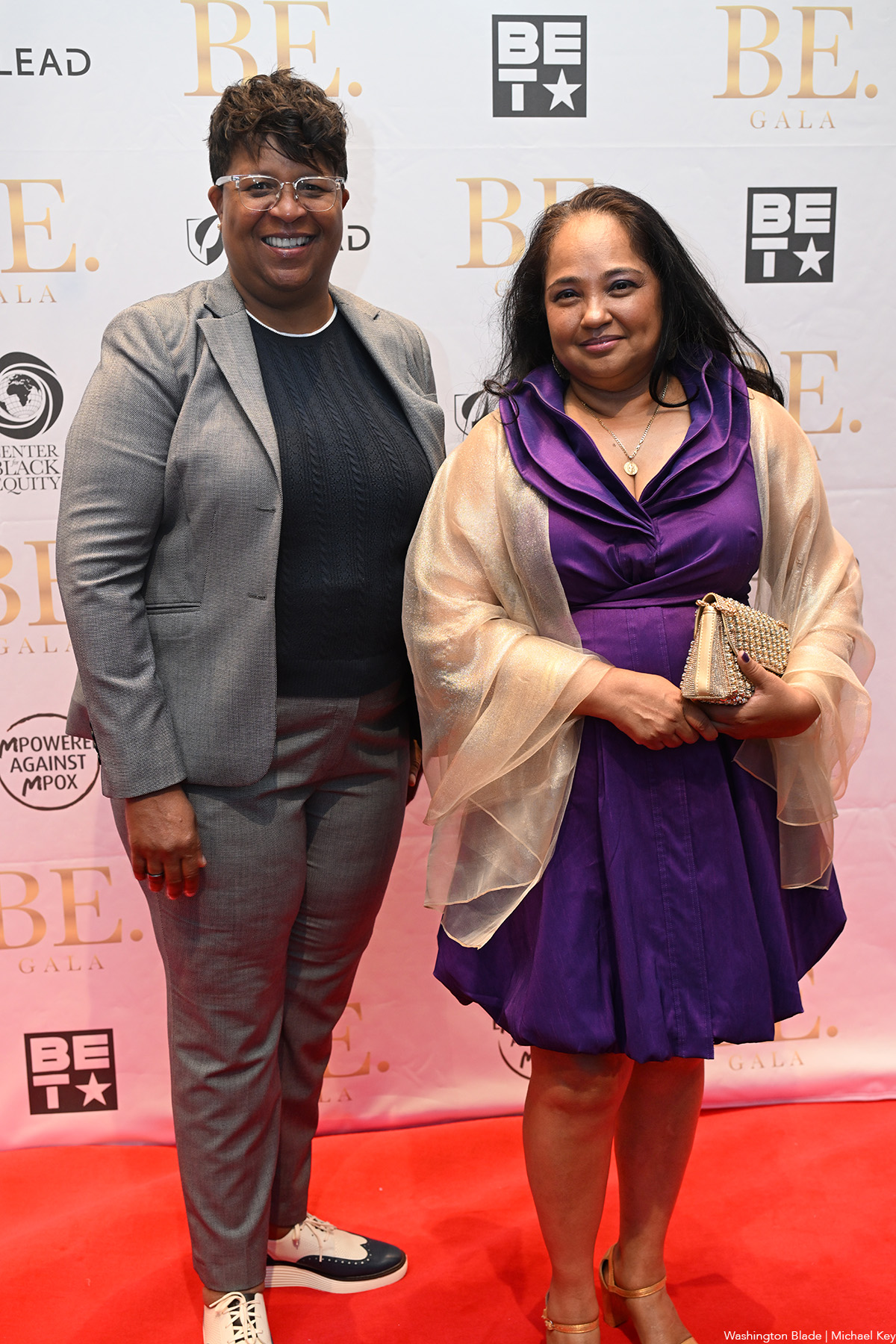
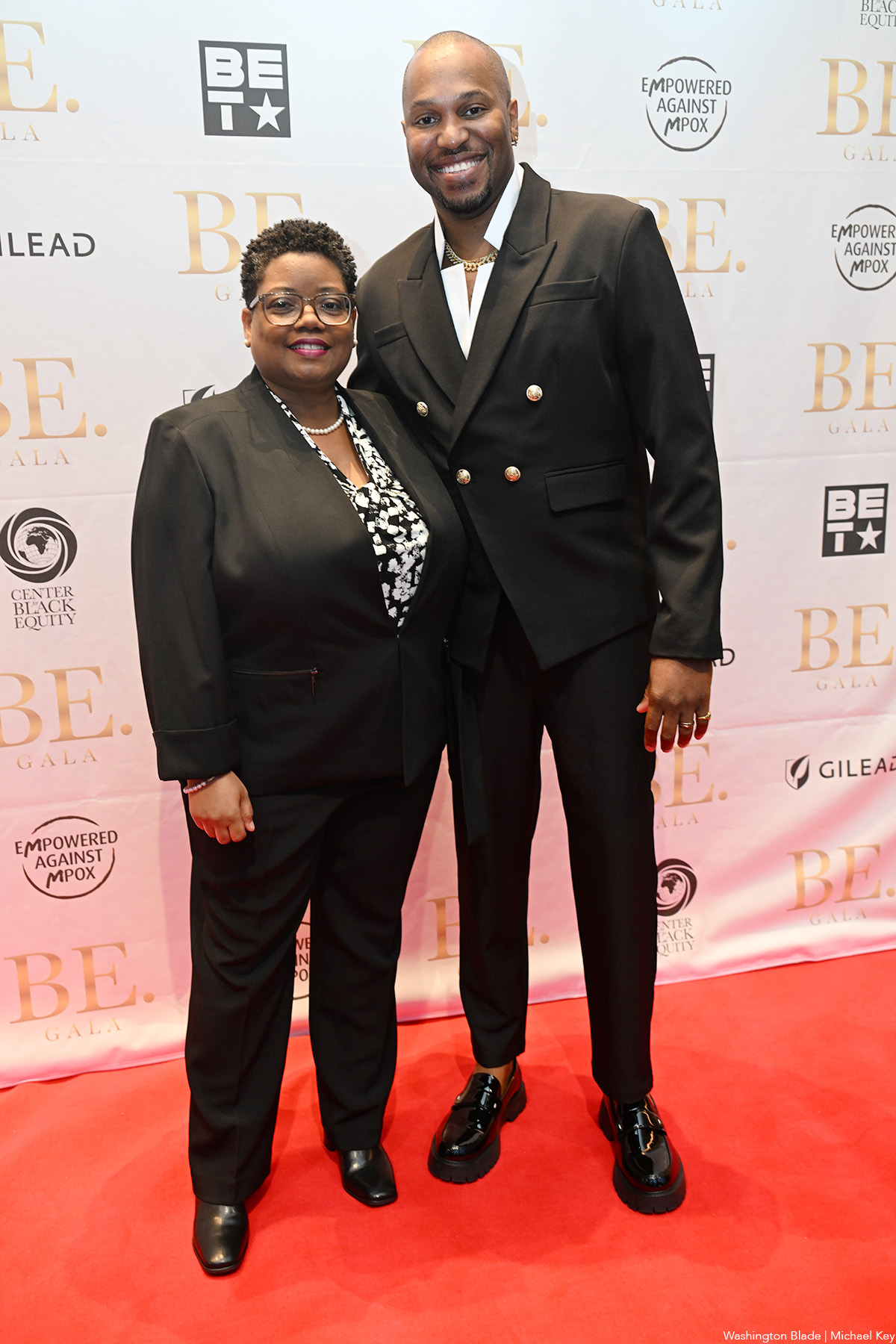
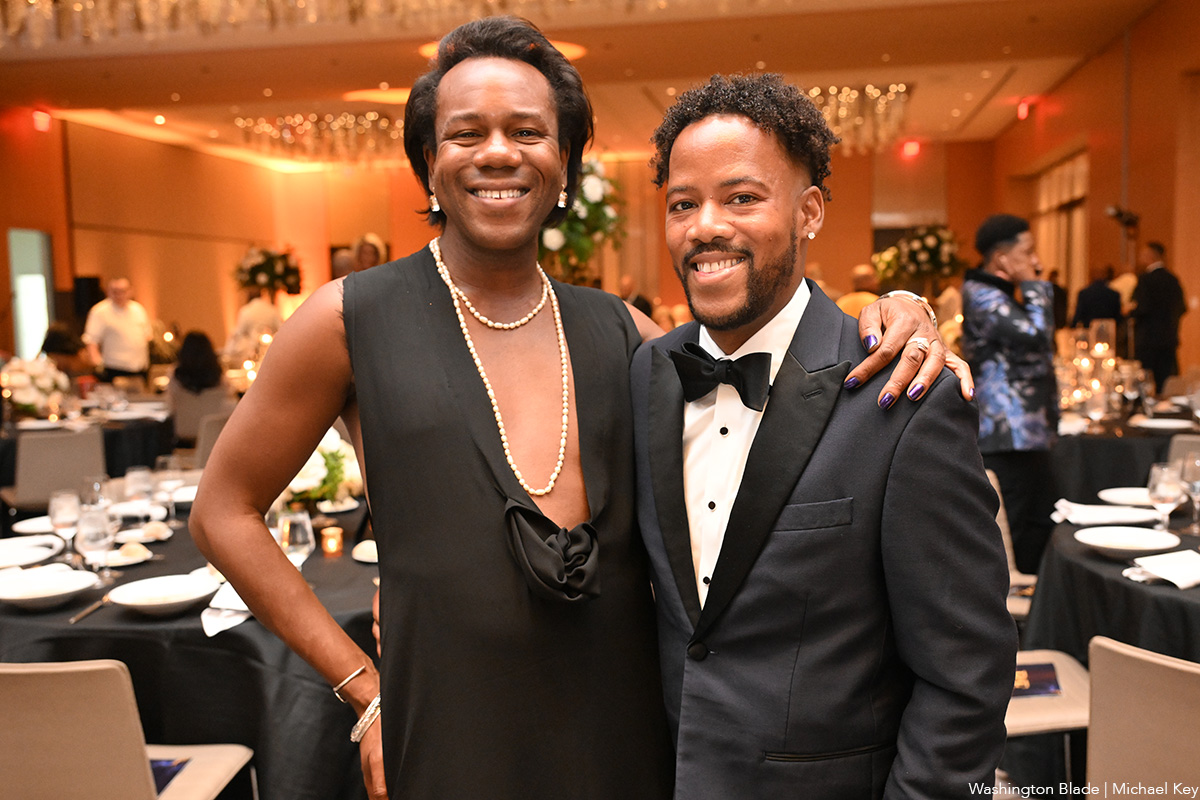
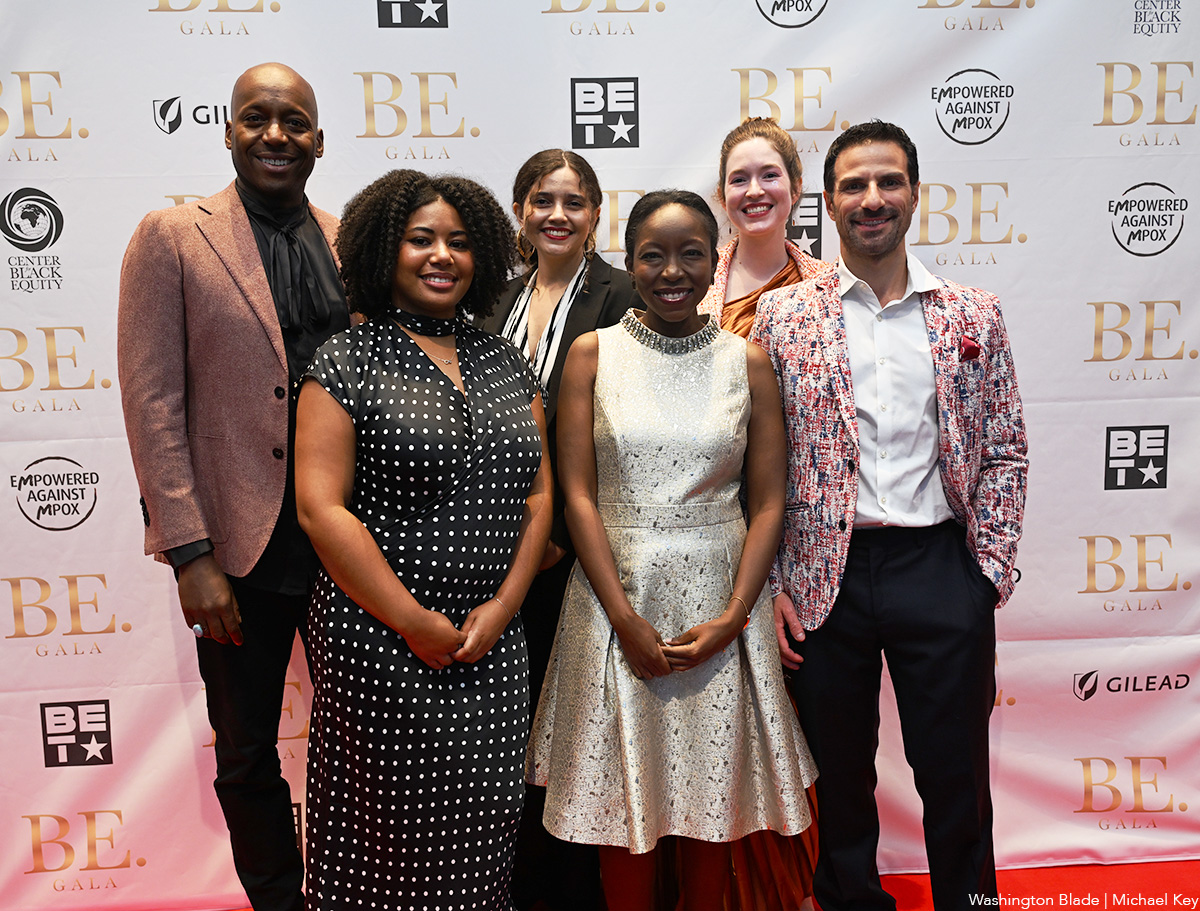
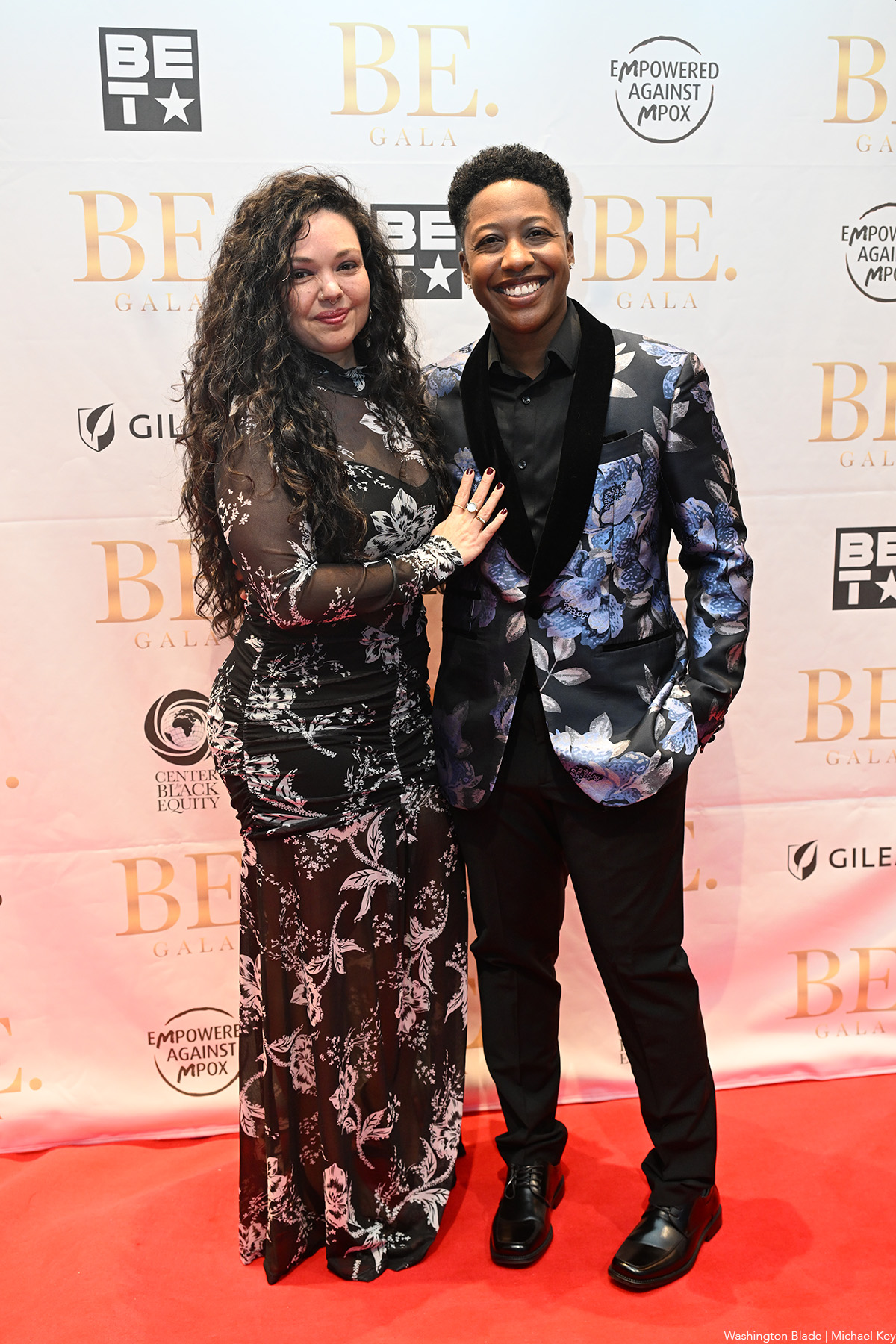
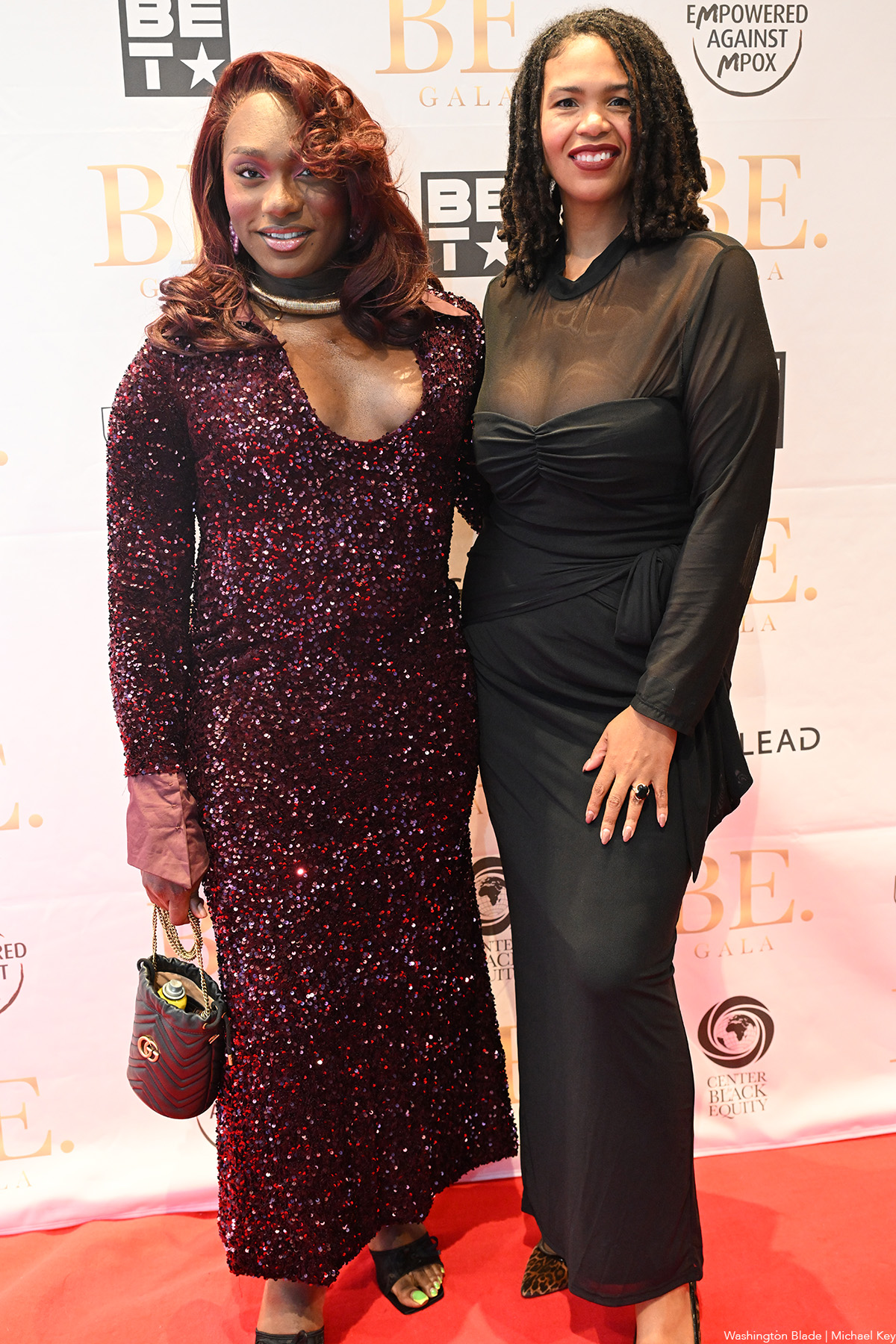
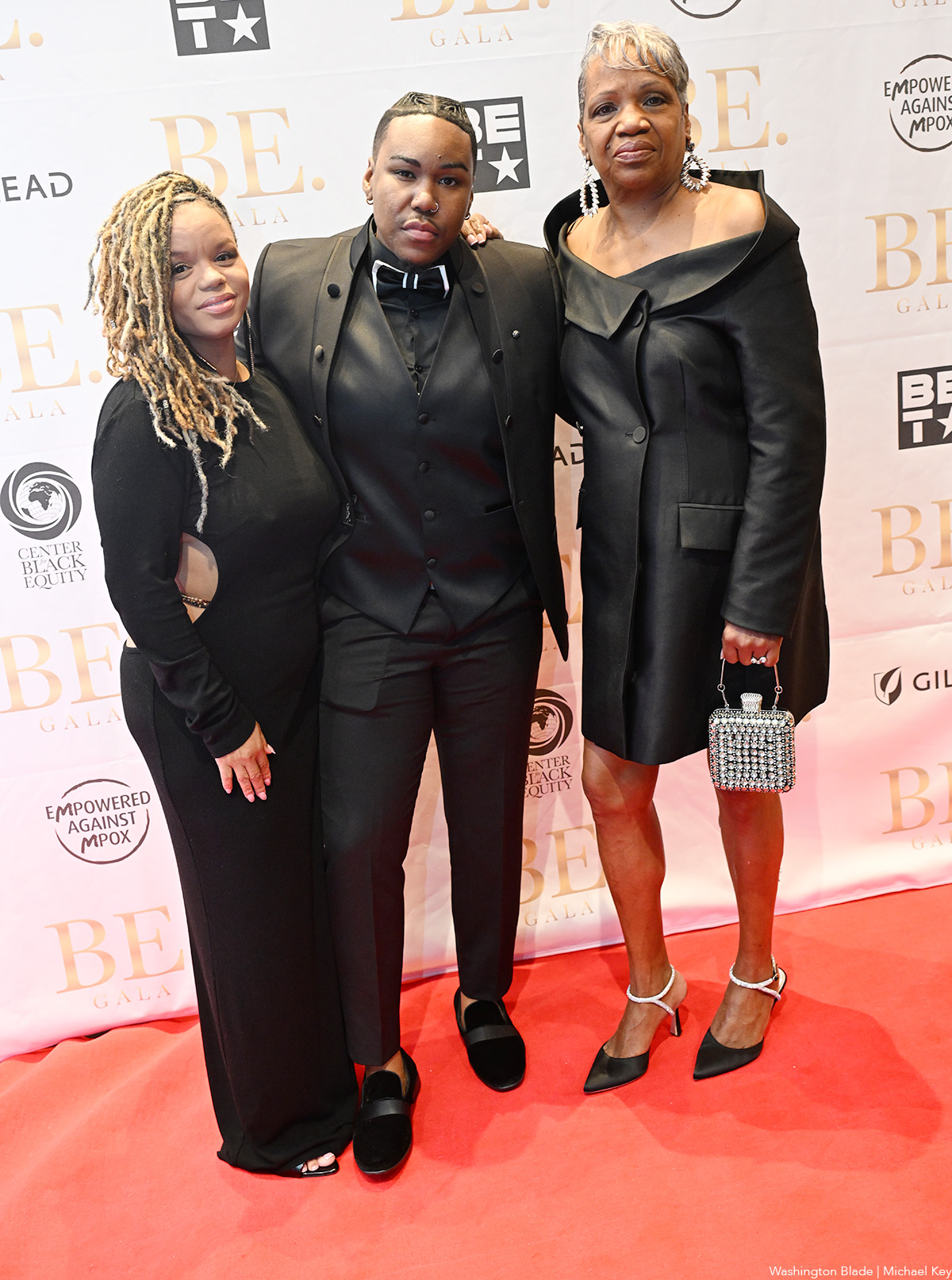
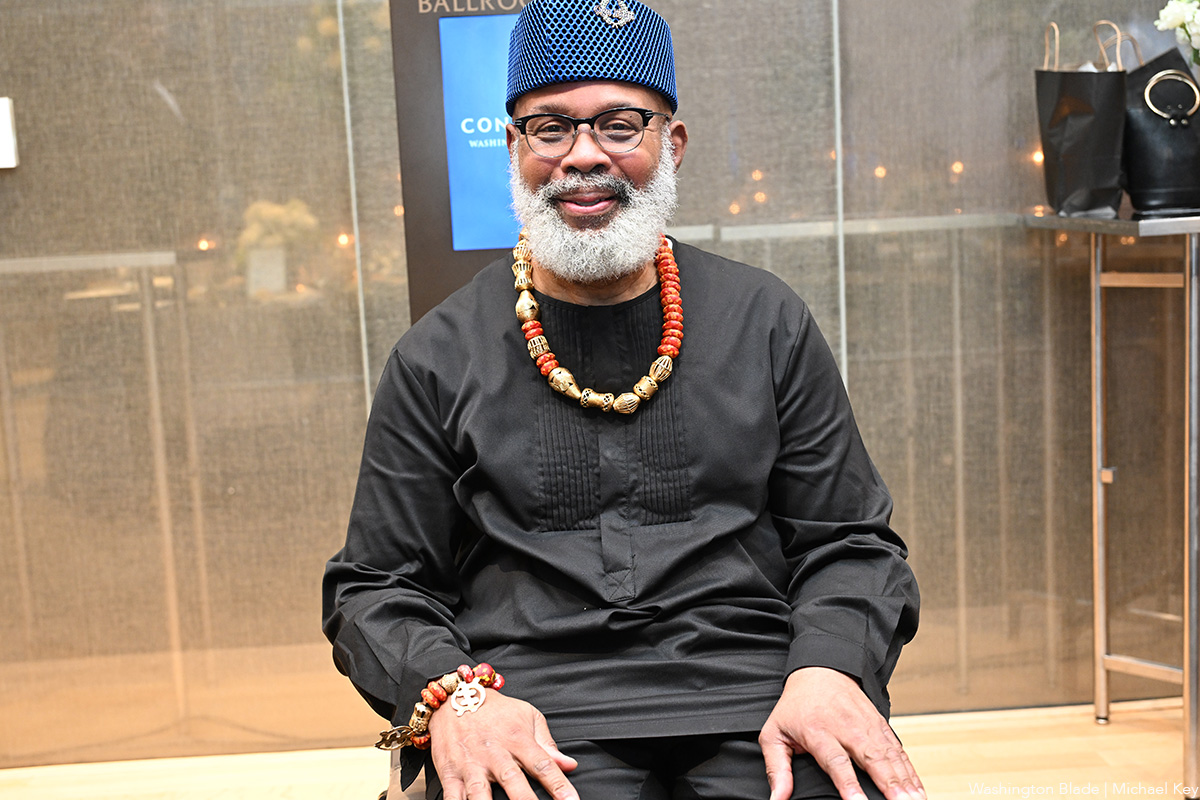
The Center for Black Equity held its annual BE. Gala at Conrad Washington, D.C. on Saturday, Oct. 5. Lolita Leopard Miyake-Mugler and Anthony Oakes co-hosted the awards ceremony.
Honorees included journalist and producer Justin Stewart; nonprofit leader Nikki Alexander; HIV advocate Marlene McNeese; the nonprofit organization FreeLux Project; actress Monroe Alise; public health advocate Tori Cooper; Manassas Park Vice Mayor Darryl G. Moore; Rev. Dr. Carmarion D. Anderson; Bishop Steven Sawyer; government relations professional Courtney Snowden; Senior Deputy Director of HAHSTA at D.C. Health, Clover Barnes; and Texas state Rep. Venton C. Jones.
The event was sponsored by Gilead.
(Washington Blade photos by Michael Key)
Books
In ‘The Lost Brontë,’ a complicated lie can lead to danger
New book features sweetly romantic girl-meets-girl twist
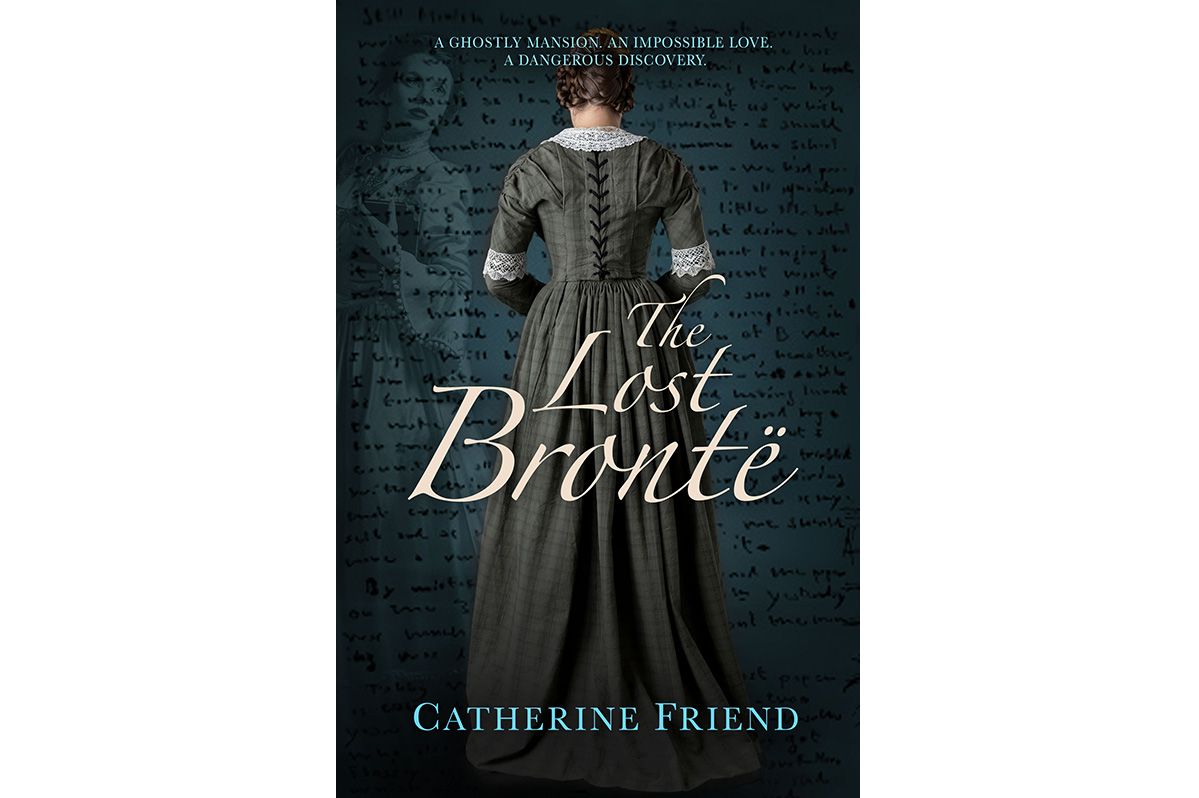
‘The Lost Brontë’
By Catherine Friend
c.2026, Bywater Books
$22.95/335 pages
Mom always said to tell the truth.
One lie leads to another and another and you have to remember them all until pretty soon, you’re caught. Fibs are hard, mistruths are messy, even little white social lies can destroy trust. Worst of all, as in the new novel, “The Lost Brontë” by Catherine Friend, a complicated lie can lead to danger.

Though Lilianne Loxley was very young when she lost her parents, she understood that her uncle didn’t really want her. As time passed, though, Lily made herself useful to Uncle, writing and signing letters for him and she became a good companion, helping him with his collection of Brontë memorabilia. Uncle was a keen enthusiast.
She had no idea that his obsession was out of control and he was deeply in arrears. The day Lily learned of his debt was the day she learned that he’d agreed to send her to his debtor’s home to work off the money owed.
It was so sudden. One minute, Lily was at Loxley House, happy and loved by Uncle’s staff … and five hours later, she was at Crag Thorn Manor, home of Lord Bexton, who informed her that she’d be working on his ledgers – work that seemed routine, but Lily tackled it.
Uncle always did say she was headstrong.
But would headstrong be enough to survive, when she was restricted from most of the Manor, when she was forced to dine with Brexton and his slimy friend, or – the worst! – when Brexton told Lily that her next task was to forge a letter from Emily Brontë? And then an entire manuscript?
Lily struggled to do what was right. She had to get Uncle out of debt but this last order horrified her. Did she dare refuse Brexton’s orders and commit a crime? It was unthinkable!
The only brightness in the whole situation was Wren, the ladies’ maid assigned to Lily’s room. Wren was adorable with freckles and the sweetest smile. But with everything else happening at Crag Thorn Manner, could Lily act upon her feelings?
This time of year, you may come to crave dark, spooky stories, and “The Last Brontë” fits those needs perfectly with its Gothic deliciousness. Think: Daphne du Maurier-type, stormy-night squirms with a dangerously chaste, sweetly romantic girl-meets-girl twist for fun.
If it’s been awhile since you’ve read a Gothic novel, you’re in for a nice reminder of why you love them here. You can almost tick off the must-haves: a novel like this is nothing without a foreboding stone manor with damp walls; stone steps to a dank basement; a mysterious portrait; and a nearby bog, and author Catherine Friend gives readers every one of them. You’d be disappointed if there was no ghost, wouldn’t you? Ha. You can practically feel the cold blow through the attic, right? Yeah, it’s that kind of book.
If you’re a fan of the Brontës, you’ll like this novel. If you love Gothic mysteries or Victorian romances, ditto. “The Lost Brontë” is good, no lie.
The Blade may receive commissions from qualifying purchases made via this post.
Out & About
CAMP Rehoboth Block Party returns Oct. 18
Expect performances, vendors and more at annual celebration

CAMP Rehoboth will host its annual Block Party celebration on Sunday, Oct.18 at 11 a.m. on the second block of Baltimore Avenue in downtown Rehoboth Beach.
CAMP Rehoboth invites all community members to join in the festivities and to expect magnificent performances and dozens of vendors, including artists, craftspeople, non-profits, businesses, and more.
The event started in 2015 in celebration of CAMP Rehoboth’s 25th anniversary. This year, attendees can expect to shop sea glass art, pottery, jewelry, Pride merch, body care, clothing, and learn more about local non-profit causes and businesses.
Attendance is free. For more details, visit CAMP Rehoboth’s website.

Center for Black Equity honors leaders, activists at BE. Gala

In ‘The Lost Brontë,’ a complicated lie can lead to danger

CAMP Rehoboth Block Party returns Oct. 18

Essential queer horror classics for Halloween

Solidarity beyond the parade: the actual cost of Pride

10 years later, we still can’t shake Barry Jenkins’s ‘Moonlight’

‘Some Like It Hot’ a wild ride at renovated Bernard Family Theatre

D.C.’s LGBTQ homeless facilities face possible hit from Trump funding cuts

Trump uses anti-trans slur against Democratic Senate candidate

U.S. int’l trade negotiator, consultant James Bedore dies at 82
-

 Movies5 days ago
10 years later, we still can’t shake Barry Jenkins’s ‘Moonlight’
-
Theater5 days ago
‘Some Like It Hot’ a wild ride at renovated Bernard Family Theatre
-
District of Columbia5 days ago
D.C.’s LGBTQ homeless facilities face possible hit from Trump funding cuts
-
2026 Midterm Elections4 days ago
Trump uses anti-trans slur against Democratic Senate candidate