Arts & Entertainment
Logo broadens programming
MTV-owned brand keeps Ru shows but gets less LGBT specific
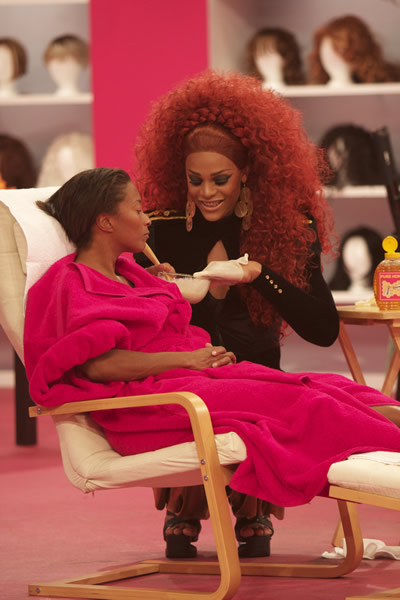
Drag ‘professor’ Tyra Sanchez gives a facial on Logo’s ‘Drag U’ in episode 209 with guest star Raven-Symone. (Photo by Aaron Young, courtesy Logo)
Logo, the gay and lesbian-themed cable channel launched by MTV in 2005, has announced a new programming slate that is already causing some controversy.
A February press release said “Logo is evolving its programming focus with new series and development deals that reflect gays and lesbians’ increasing integration into mainstream culture today and their desire for shows that appeal to their multiple interests. In the six years since Logo launched, there has been a seismic shift in culture and the network’s new programming slate reflects that.”
Logo has worked with the Starcom Mediavest Group to study the programming interests of the LGBT community. “The gay community continues to evolve in size, influence and identity,” said Esther Franklin, head of SMG Americas Experience Strategy. She notes that their research allows them “to understand the needs of this critical community as they emerge and to paint a clearer, more specific picture of what’s meaningful and relevant in their lives.”
Based on that research, Logo executives have concluded that while most gays and lesbians do not hide their sexuality (52 percent), most also do not prefer living and socializing in exclusively gay and lesbian communities. “Culturally, we’re past the tipping point. For gays and lesbians, it’s part of who they are, but they don’t lead with it, because many are leading fully integrated, mainstream lives,” said Lisa Sherman, executive vice president of Logo. “Our goal at Logo has always been to honestly reflect our viewers’ lives. We’re now reinforcing our commitment to them with programming that truly mirrors how many of them are living and want to be entertained today.”
The evolution of Logo programming starts with a tweaking of one of the network’s flagship shows, “RuPaul’s Drag U” which will be back for an even “draggier” third season. The show currently features RuPaul and her drag queen assistants giving “diva makeovers” to “fashion-challenged” women. Just like the popular “RuPaul’s Drag Race,” these makeovers include sequins, wigs and coaching for the lip-synch performance of a lifetime (“Lip Synch for your life!”). The new season will also include practical tips on hair, makeup and wardrobe so that the “draguates” can apply their new-found style and confidence to their everyday lives.
The evolution continues with the other shows on Logo’s development slate. “Eden Wood’s World” (already in production) will feature even more sequins and tiaras than “RuPaul’s Drag U.” At the age of 6, Eden, who was featured on TLC’s “Toddlers and Tiaras,” has already retired from the junior competition pageant circuit after winning more than 300 crowns. Now she will travel the country with her mother, her manager and her publicist to help other girls achieve their dreams of stardom while she pursues her own dream of becoming an actress/singer/model/
Another show already in production is “The Baby Wait.” Developed by the ream behind such hit shows as “Teen Mom” and “Pregnant at Sixteen,” the series will chronicle the process of open adoption and the real “modern family” that’s formed. The show will follow not only the adoptive parents, but also the biological mother after her child is adopted, and will include straight couples, gay and lesbian couples and single parents.
Other shows on Logo’s development slate include:
“Scandalicious,” a countdown show with flair.
“Wiseguys,” a screwball comedy about Michel Verdi and her crazy Italian family: her long-suffering husband Jay, her Mafioso father (newly released from prison), her mother and new step-father, her gay brother and her zany, boy-crazy cousin.
“Design My Dog,” where teams of dog owners and fashion designers compete for prizes for the finest in doggie couture.
“Love Lockdown,” which features an unorthodox therapist who leads a variety of couples through an intensive 24-hour therapy session.
And, “Outrageous,” a fresh look at the most intriguing and shocking stories in pop culture (like gay Republicans and Kim Kardashian’s expensive wedding and brief marriage).
Not surprisingly, LGBT critics are already looking askance at the shift in Logo’s programming. For starters, the network is belatedly following the broader trend in favor of reality shows and against scripted shows. More seriously, however, none of the new shows has an LGBT lead or are even strictly LGBT themed.
Writing in The Bilerico Project, television critic Victor Kerney expresses his confusion about the programming shift. He writes, “I can’t understand why the execs would take this route. If they wanted to reach a broader audience, they could start with a few scripted shows that showcase different aspects of our community, reality shows that go beyond gossip and sex and a serious news show … It feels like Logo is selling us out. Everything they stood for is being replaced to fit a more mainstream format. Yes, we want more diverse views of our community, but instead of giving us any positive images of LGBT people, we get ‘Design My Dog’?”




Online Culture
Clavicular charged in alleged rape of teenage influencer
Online personality’s real name is Braden Peters
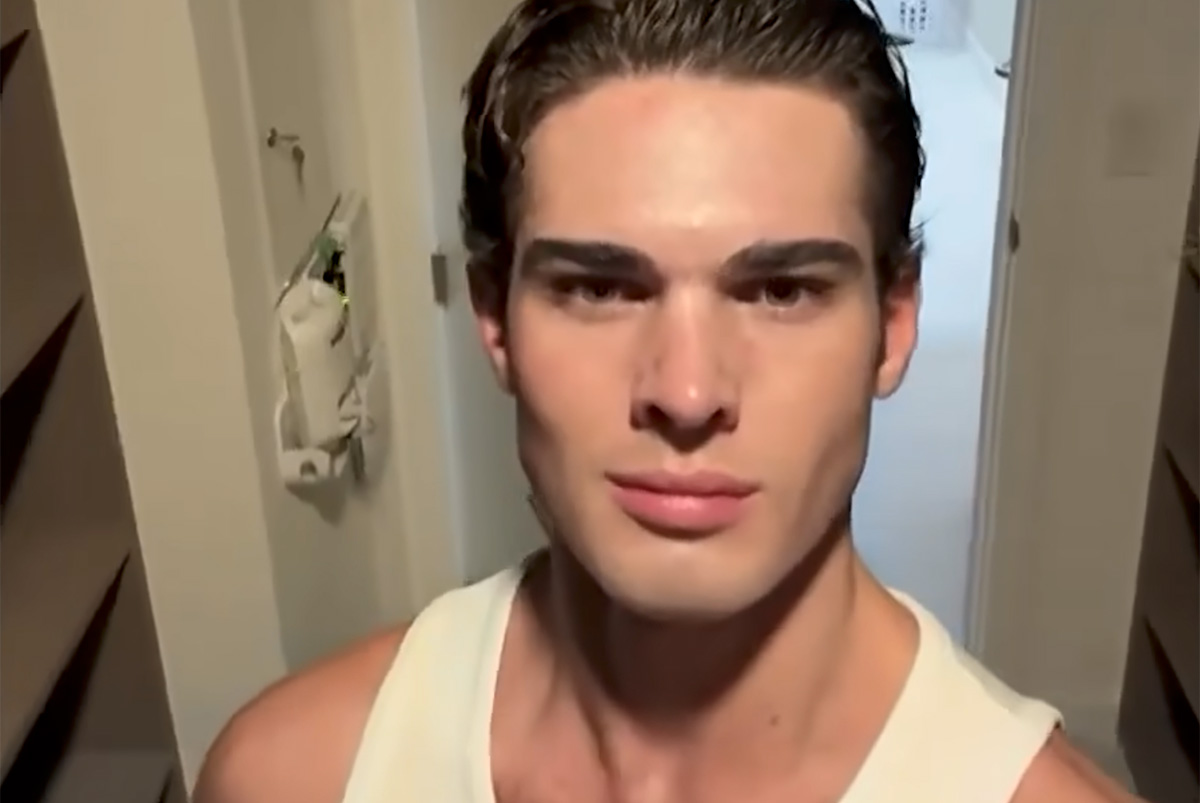
Online personality Clavicular, whose real name is Braden Peters, has been accused of rape.
According to NBC, Aleksandra Vasilevna Mendoza, an 18-year-old influencer known online as Alorah or Alorah Ziva, accused Peters of sexual assault, and the case is making its way through the court system.
The alleged incident occurred on May 23, 2025, when Mendoza was 17.
According to a criminal complaint from the Chatham (Mass.) Police Department, Peters called her an Uber to his family’s home. Once there, he allegedly got her drunk on vodka while they livestreamed on Twitch and then raped her. His mother and grandmother were allegedly in the house.
The documents allege Clavicular committed rape, drugging a person for sexual intercourse, and procuring and providing liquor to a person under 21.
According to court documents acquired by NPR, Mendoza began communicating with Peters on Instagram, where he paid her to appear on his livestreams to help her “make her name known on social media.”
According to those documents, Peters arranged for the minor to come to Cape Cod home to participate in a videostream for his 437,000 followers on Kick, 1.2 million followers on TikTok, and more than 1 million followers on Instagram.
At his home, Peters allegedly instructed Mendoza to say she was 18 on his videostream and to claim the alcohol on camera was water instead of vodka. Mendoza said she felt peer-pressured to drink the spirit and that she became noticeably intoxicated after a couple of drinks.
The allegations go on to state that after stopping the stream, Peters and Mendoza kissed on a couch and then had sex in his bed without her consent. Mendoza said she did not receive a sexual assault forensic exam after the incident. NPR does not name alleged victims of sexual assault.
The charges come months after Mendoza sued Peters in Miami, accusing him of sexual battery in connection with the events of May 2025. The civil lawsuit also separately alleges that he injected her face with a non-FDA-approved fat-dissolving substance during a November livestream in Florida.
Peters is known for his “looksmaxxing” concept of vanity, which is at the core of his online presence. The “looksmaxxing” culture he has helped cultivate combines elements of incel culture and heterosexuality, with the stated goal of attracting the opposite sex. He has gone as far as to say he has undergone “bonesmashing,” or hitting his own face with a hammer; taken anabolic steroids to more rapidly grow muscle; and used crystal meth as an appetite suppressant.
At the same time, looksmaxxing has been described as having elements of homoeroticism, with “looksmaxxers” appearing more concerned with impressing other men than women. Peters has multiple times pointed to openly gay actor Matt Bomer as the gold standard for male facial aesthetics.
Peters’s arraignment is scheduled for Oct. 14.
Photos
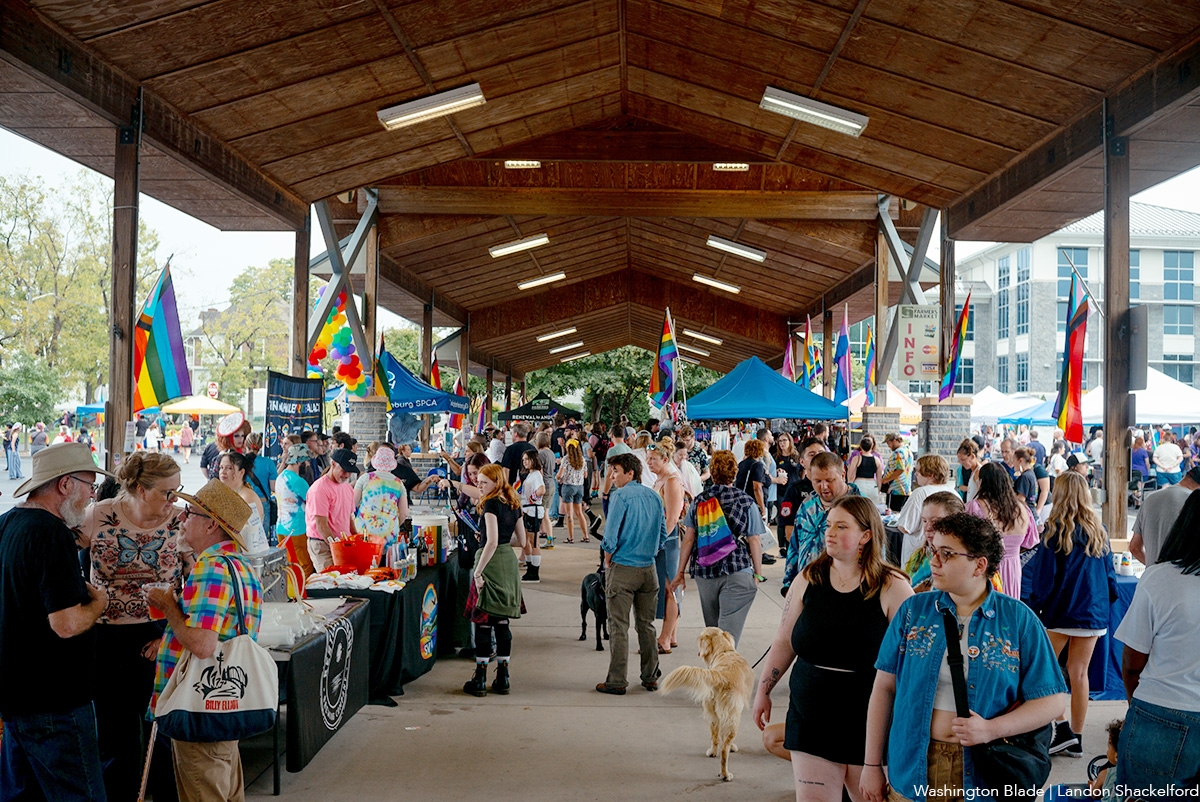
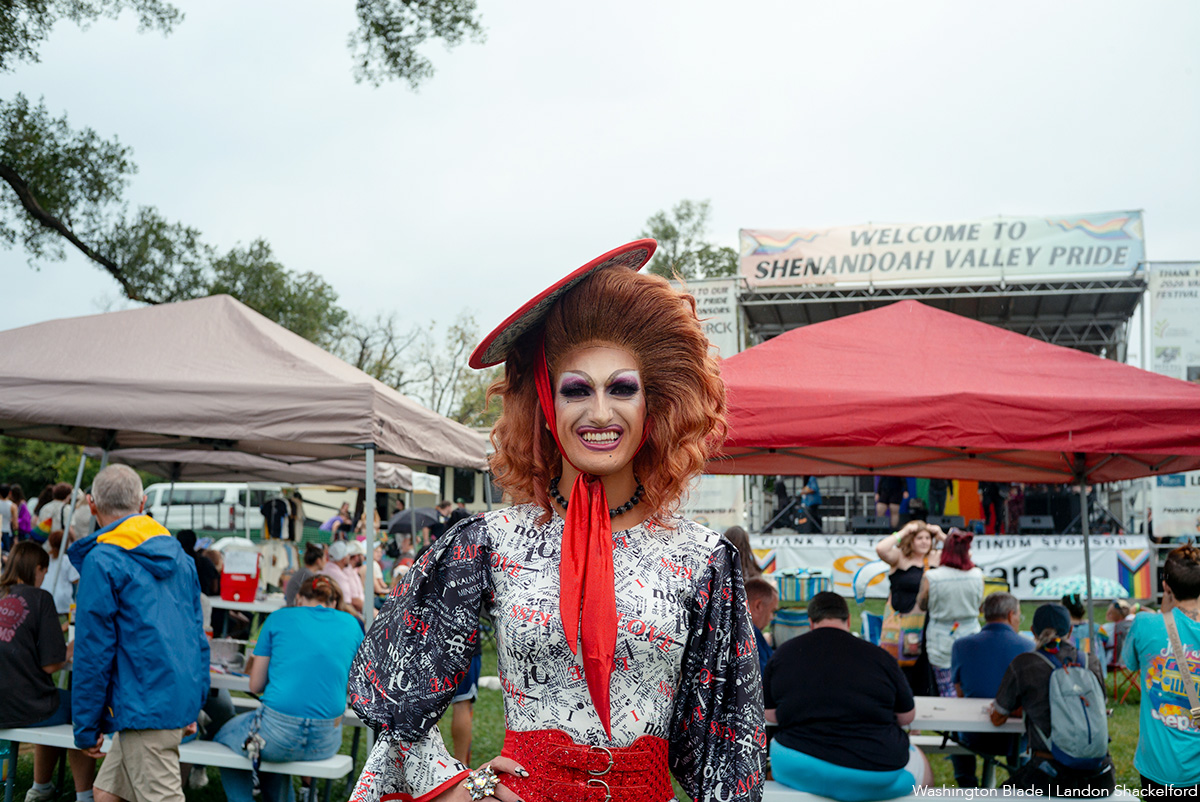
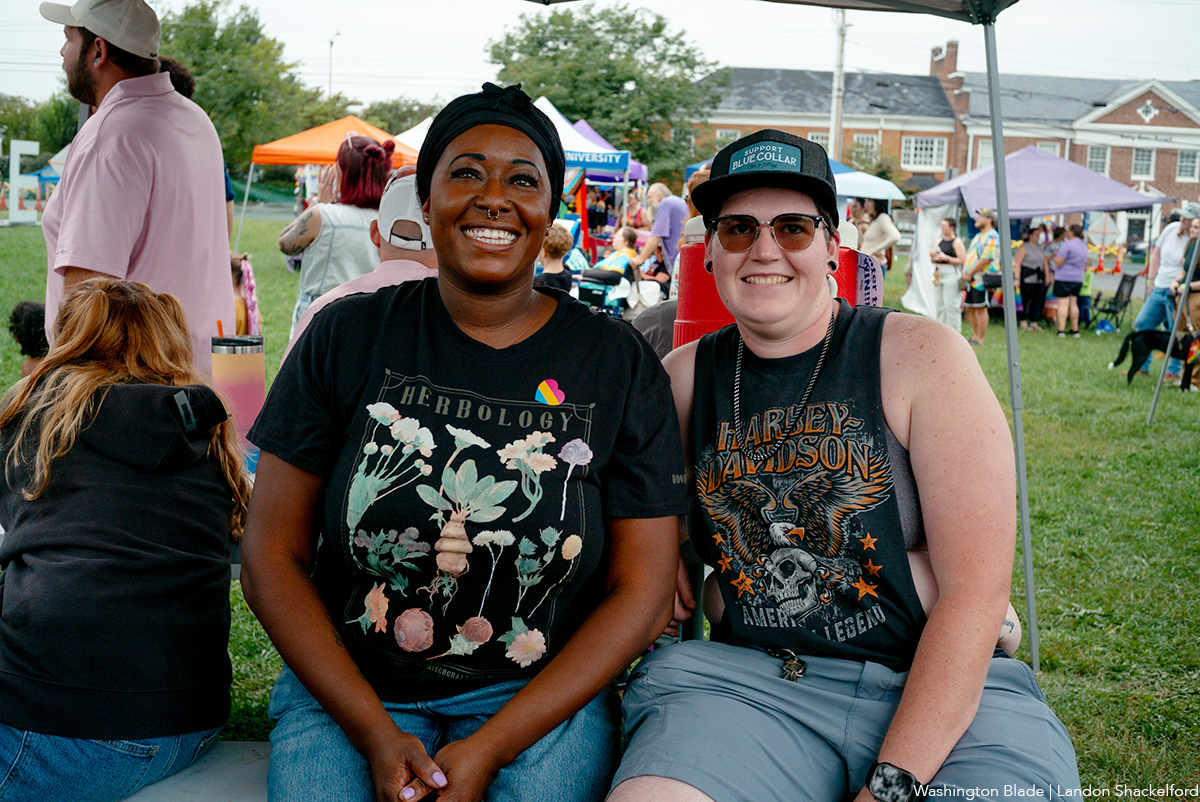
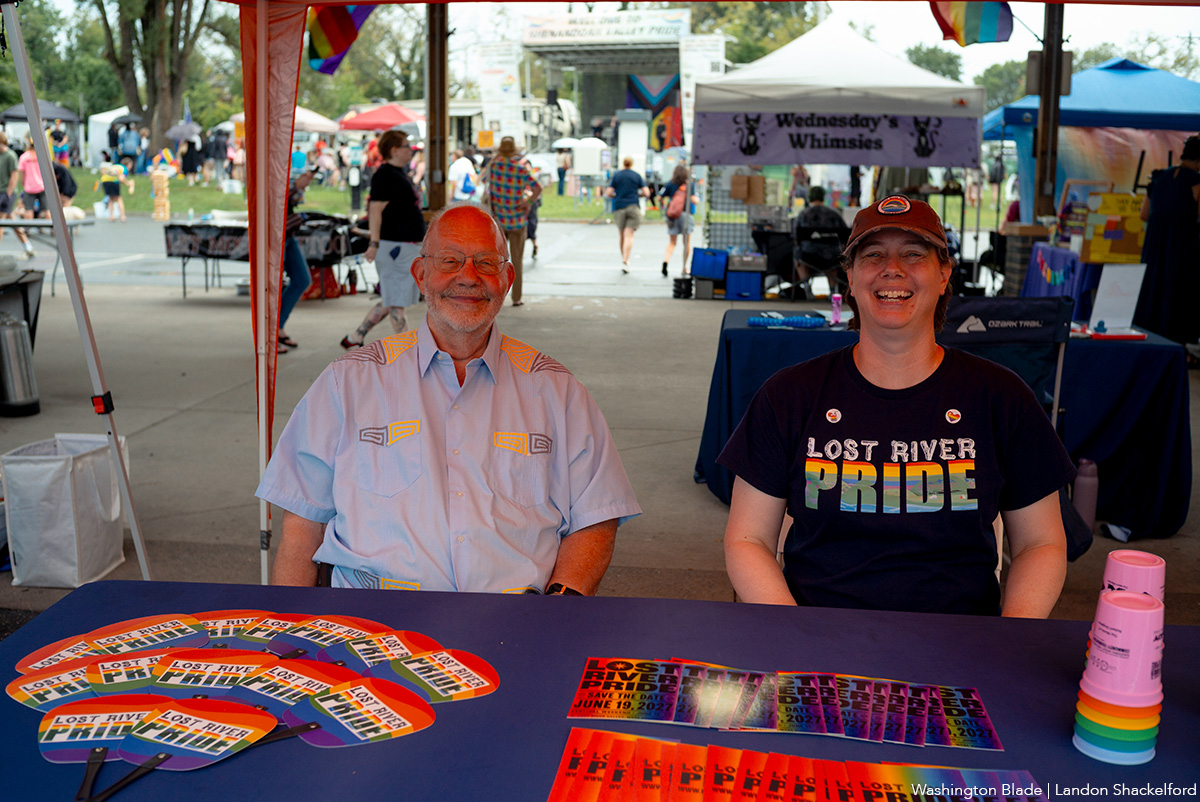
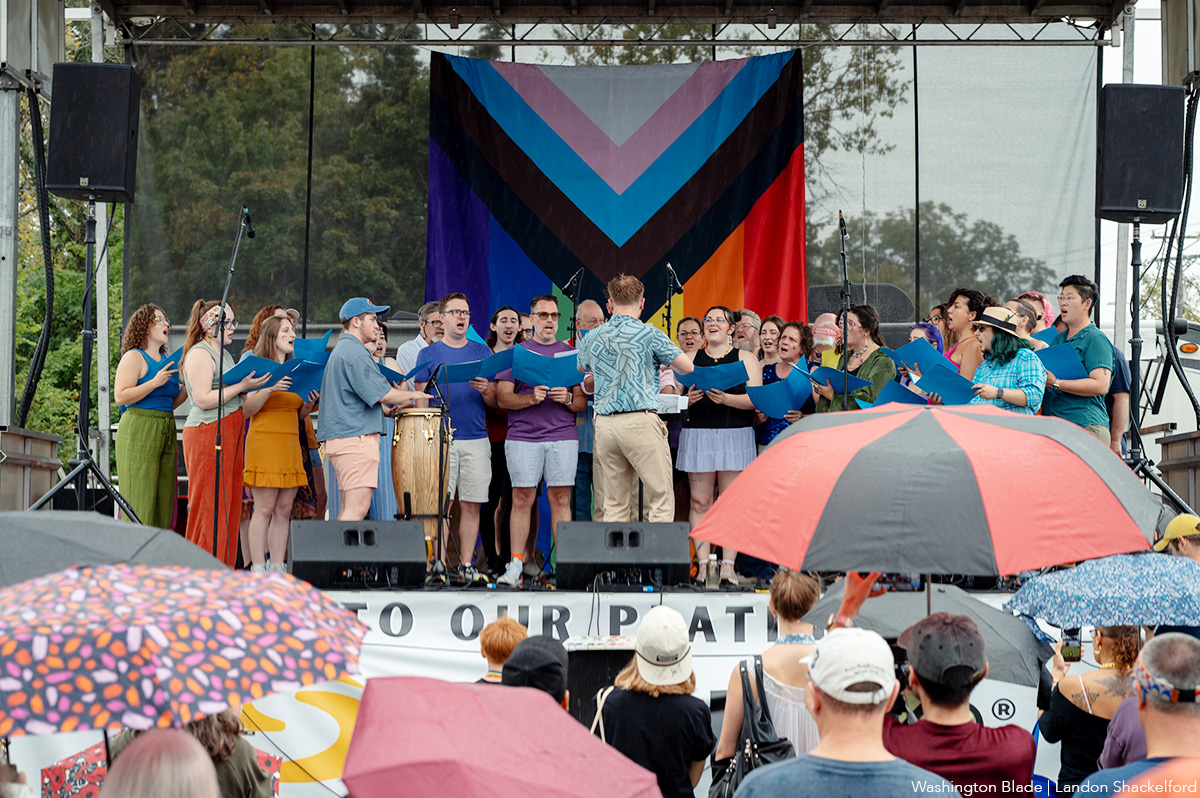
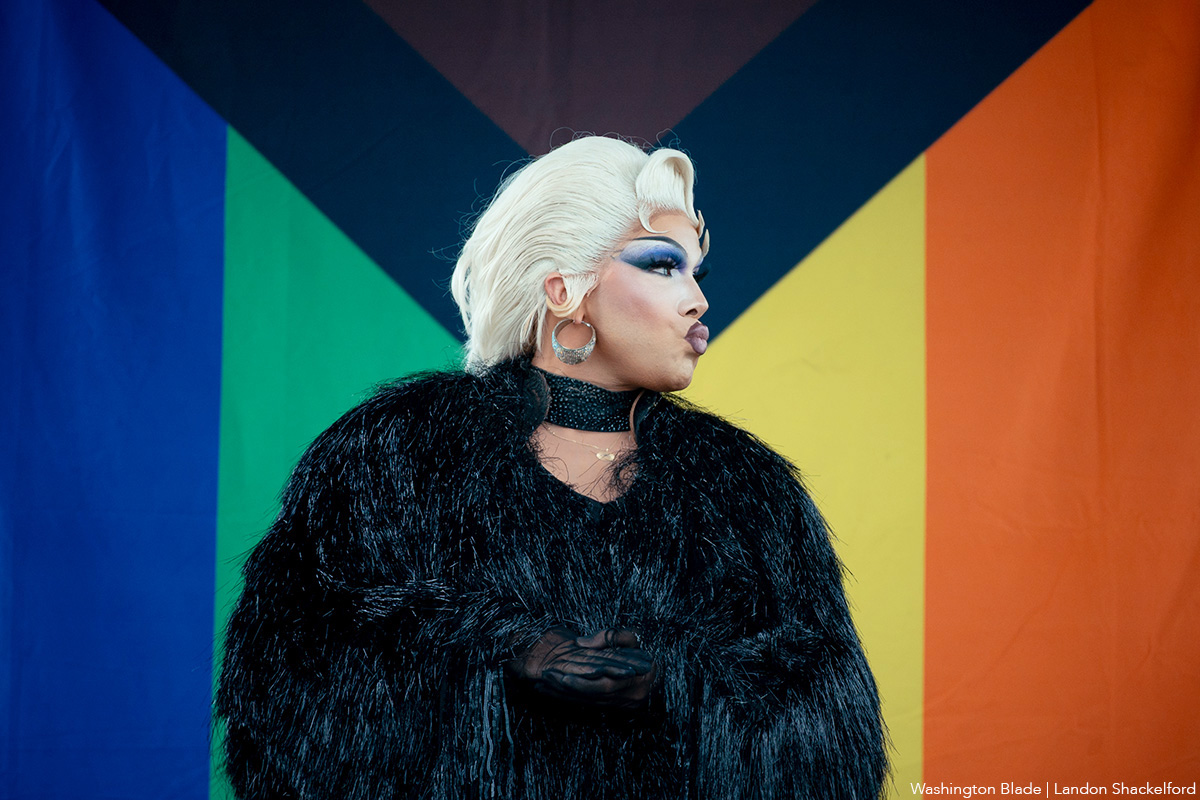
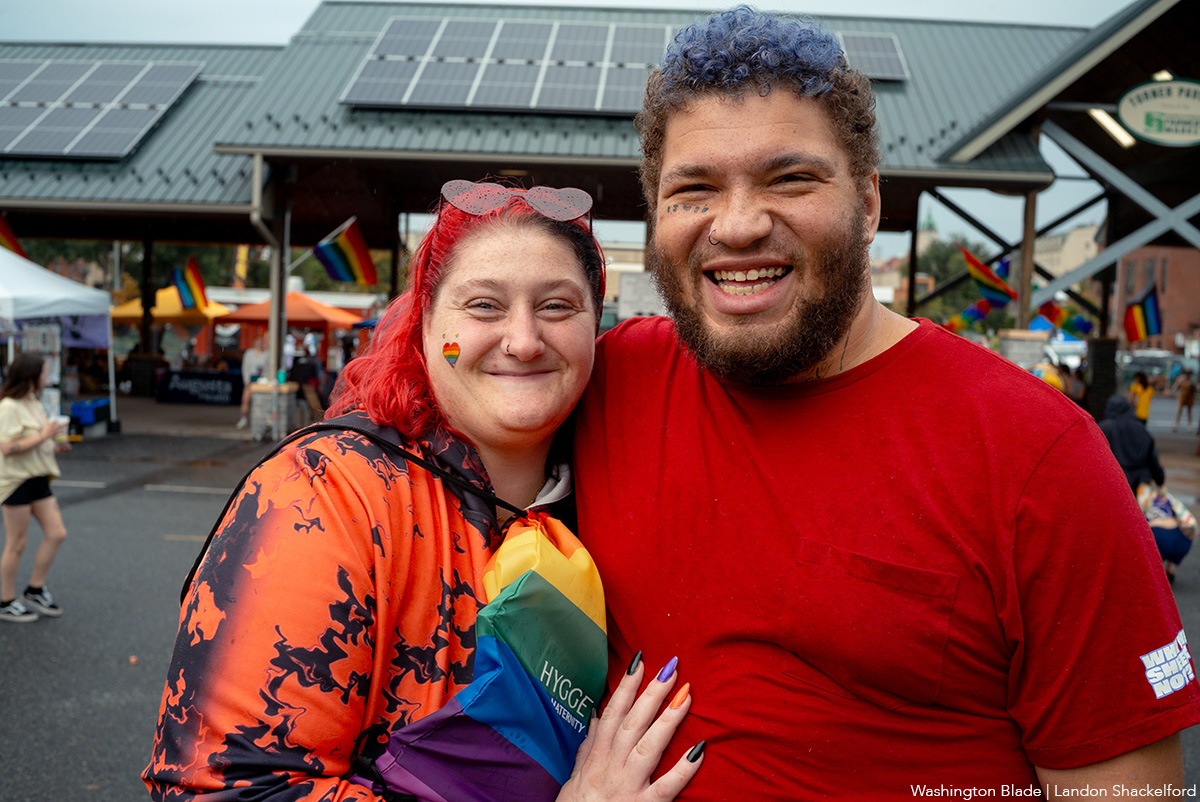
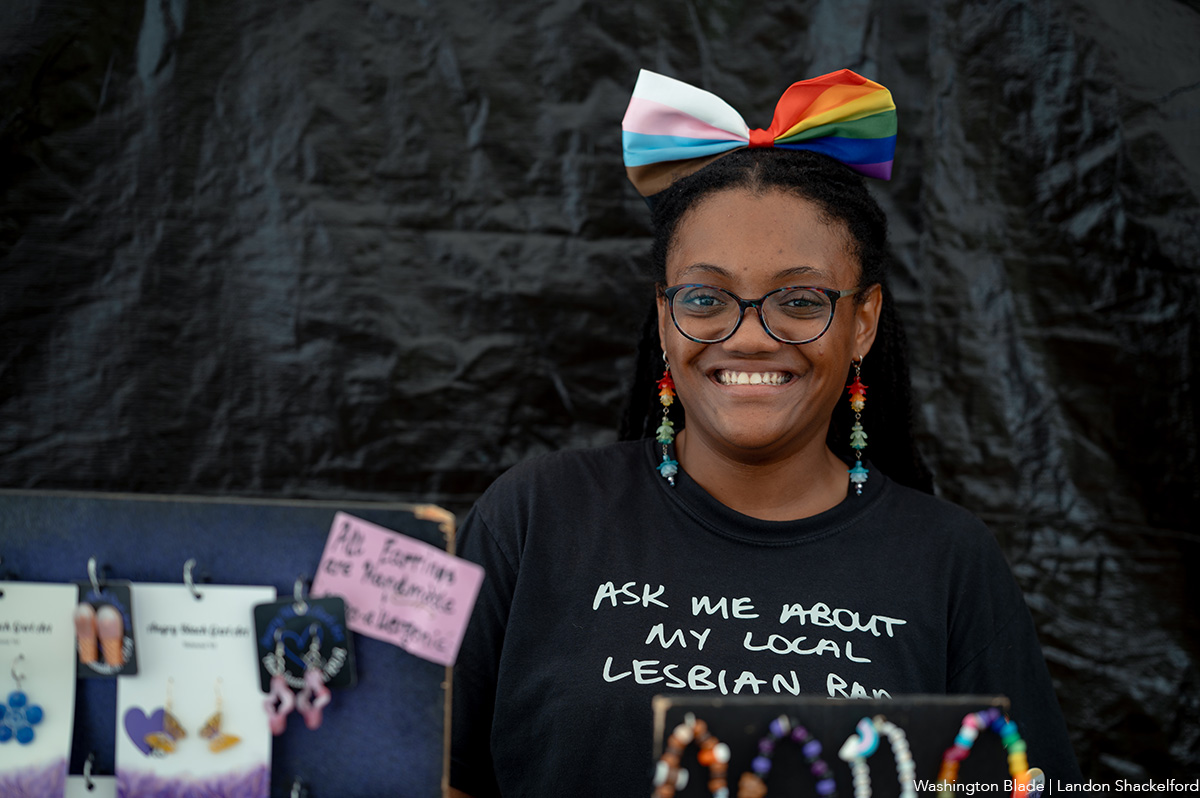
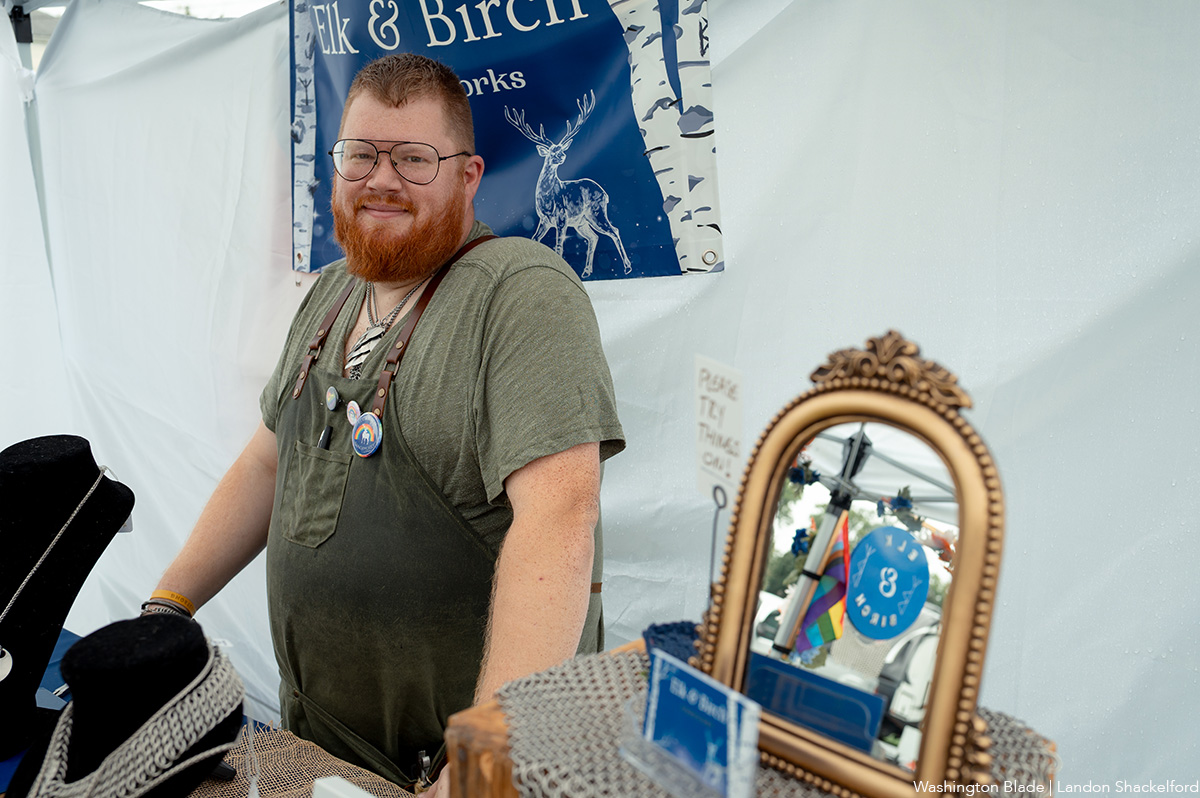
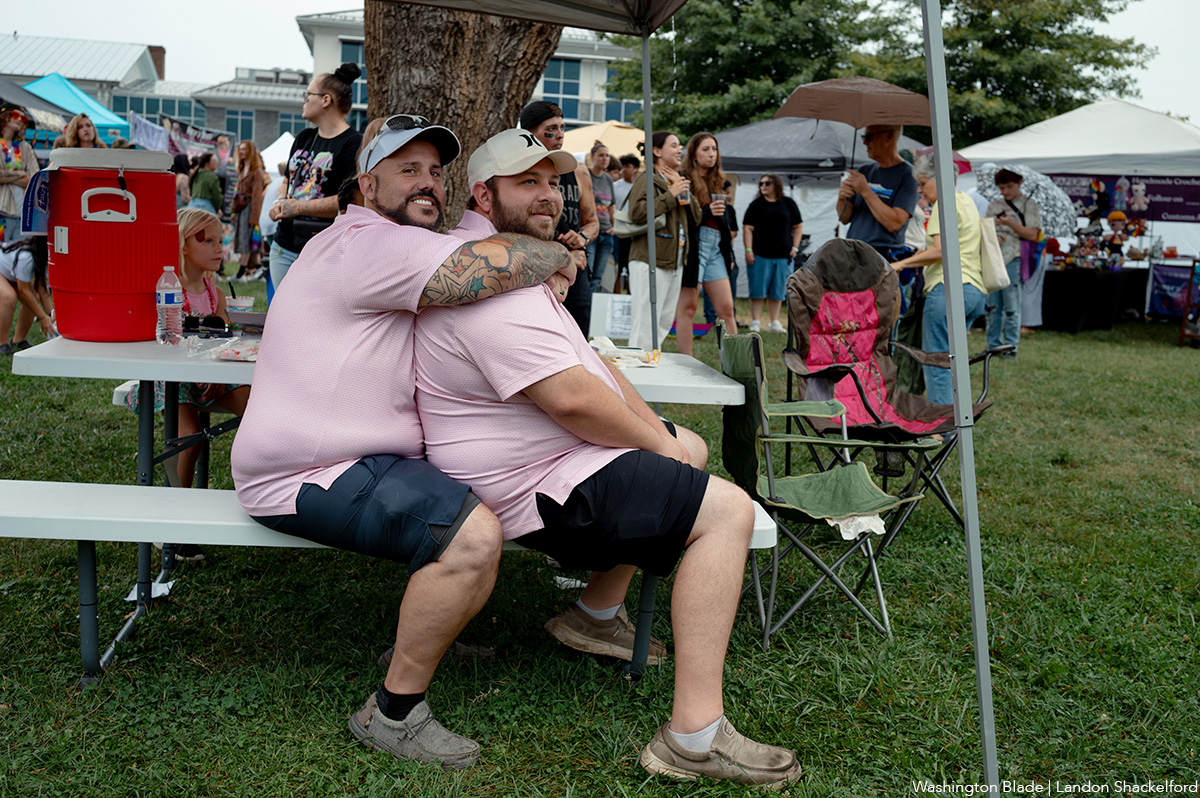
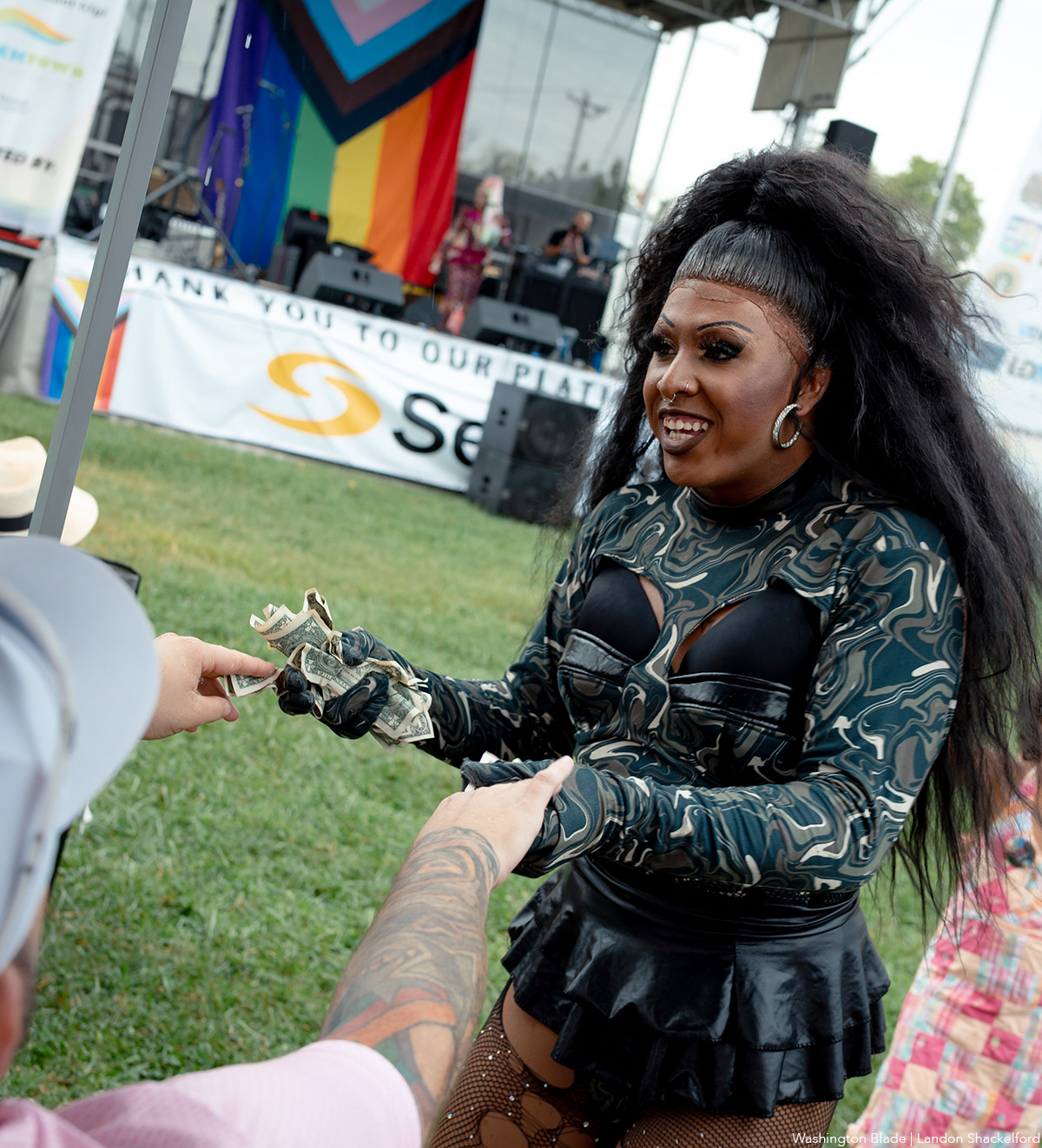
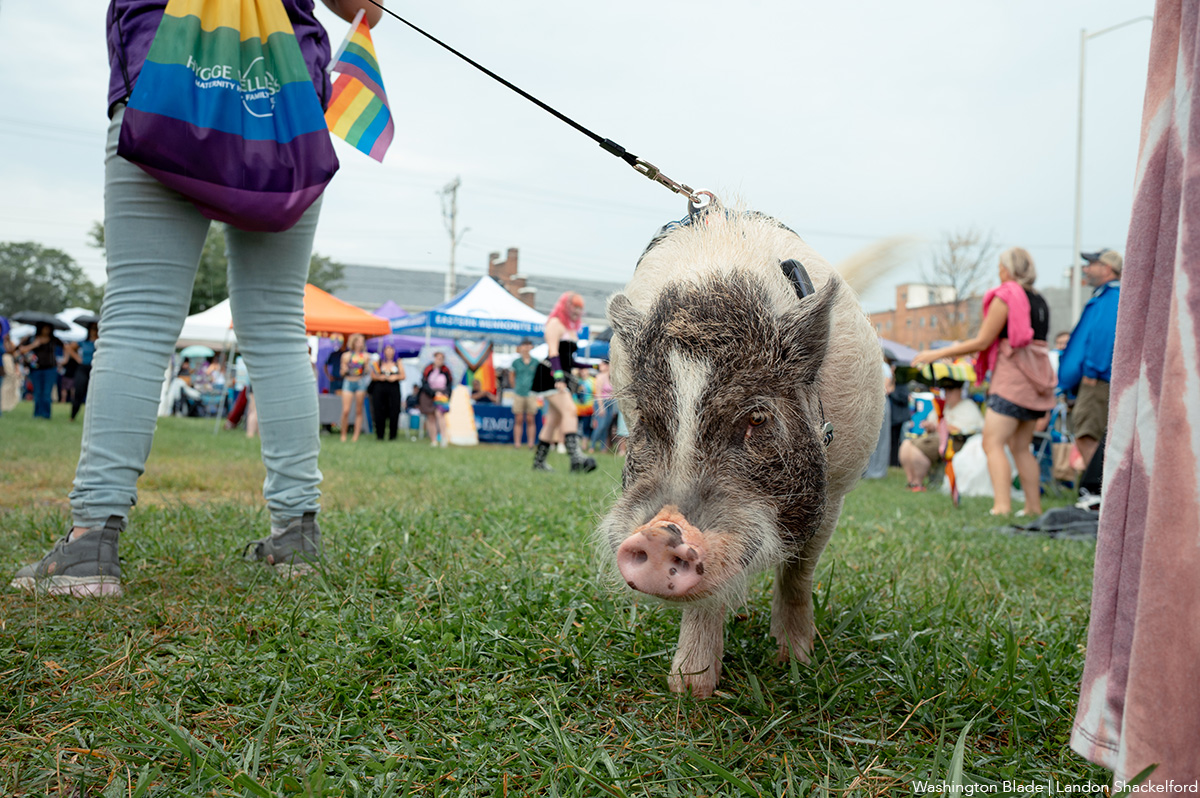
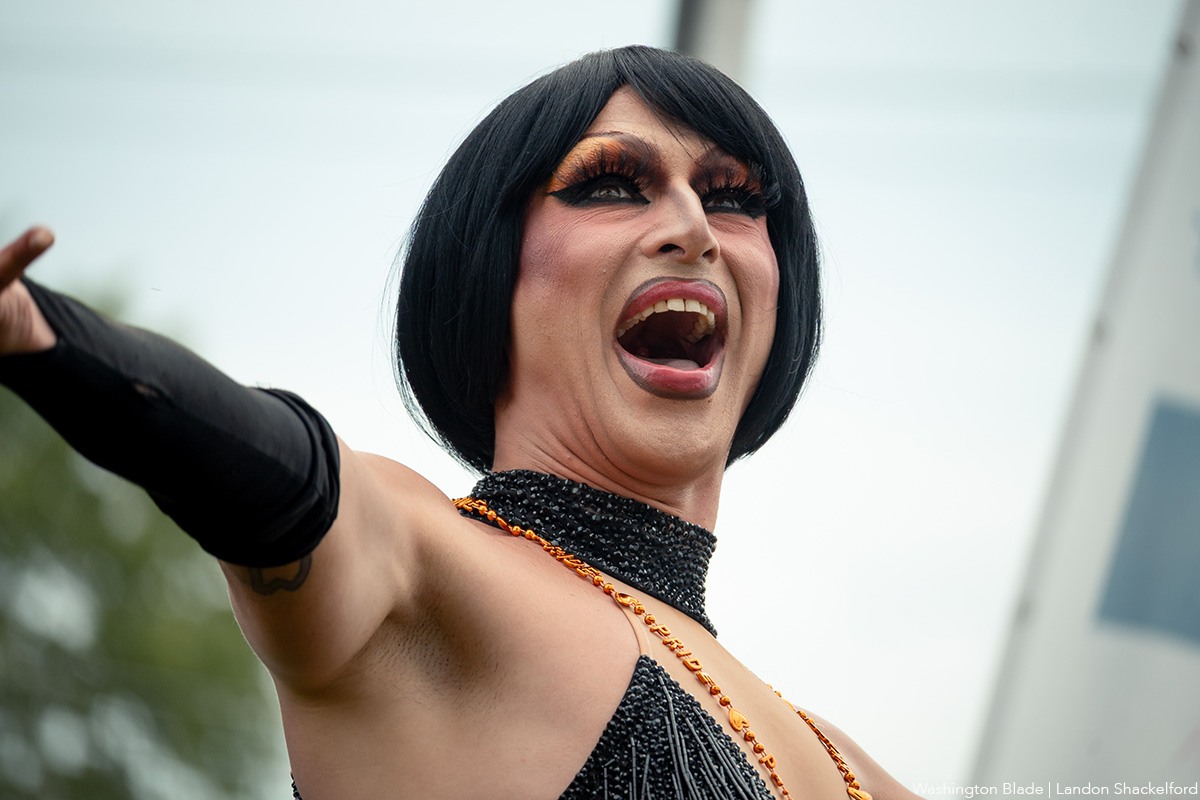
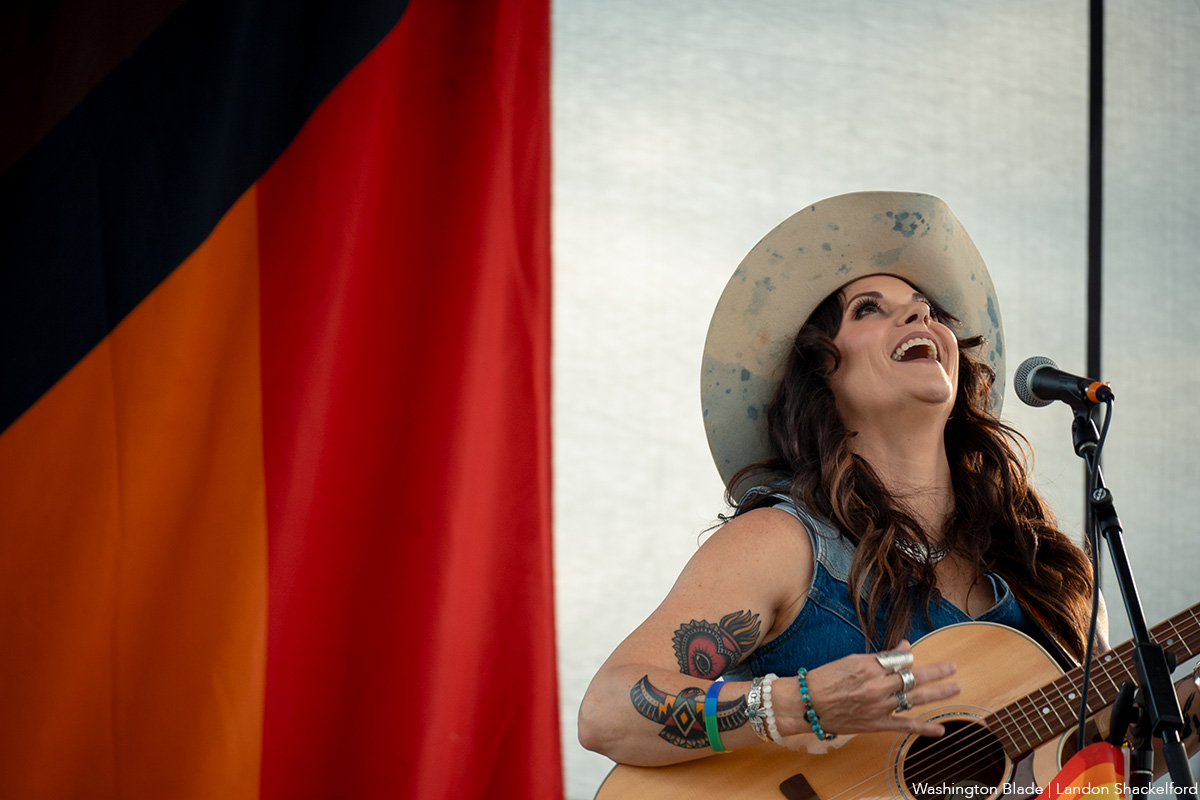
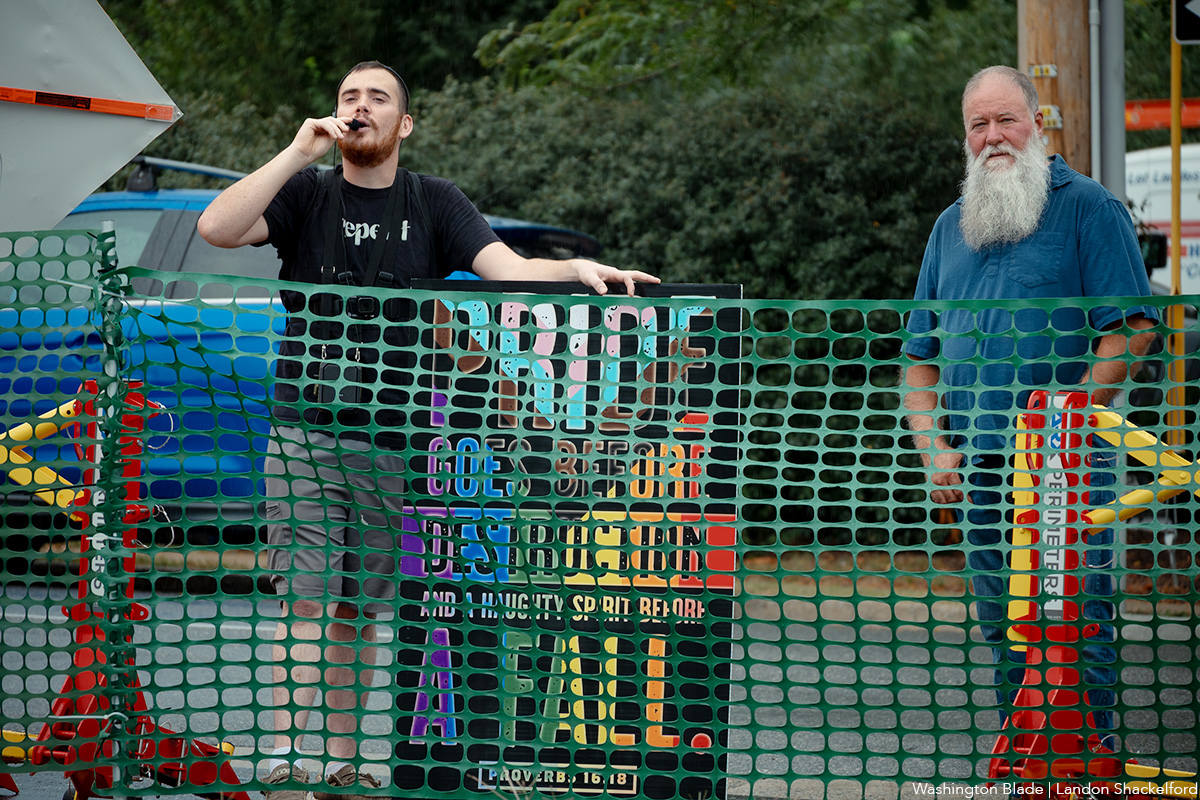
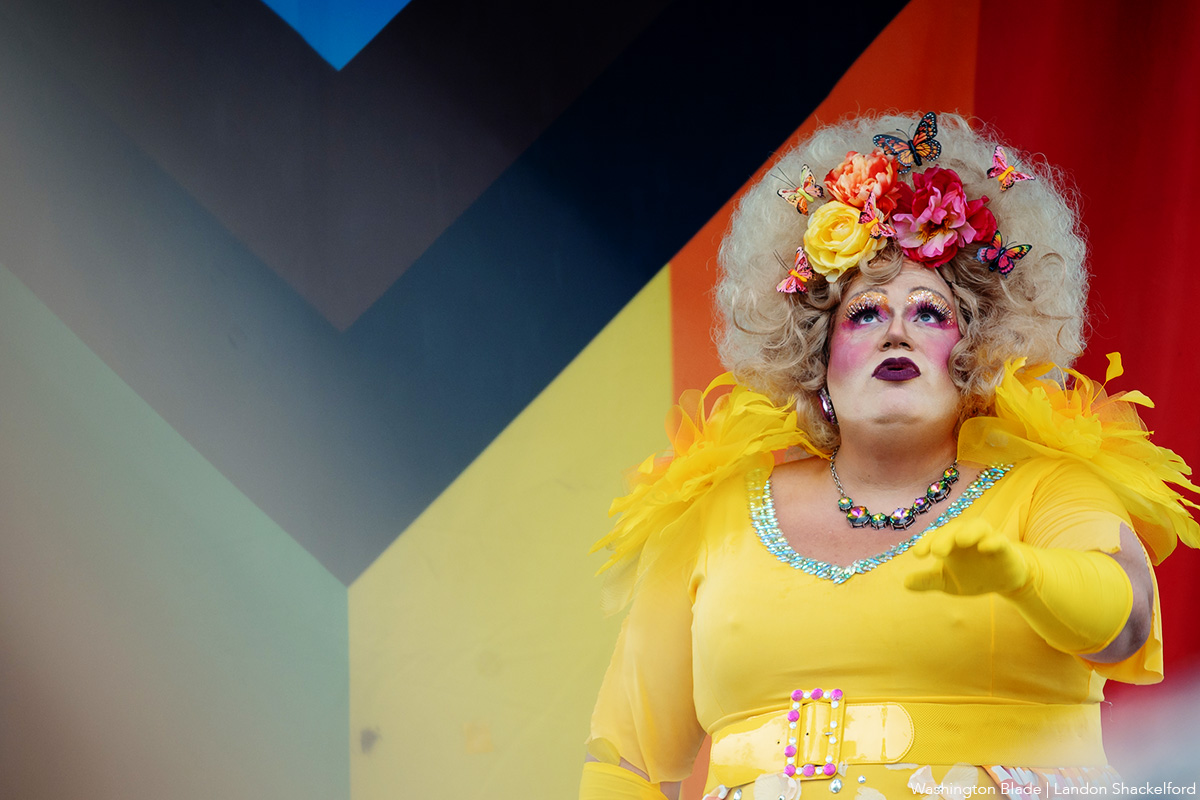
PHOTOS: Shenandoah Valley Pride
LGBTQ celebration held at Turner Pavilion in Harrisonburg, Va.
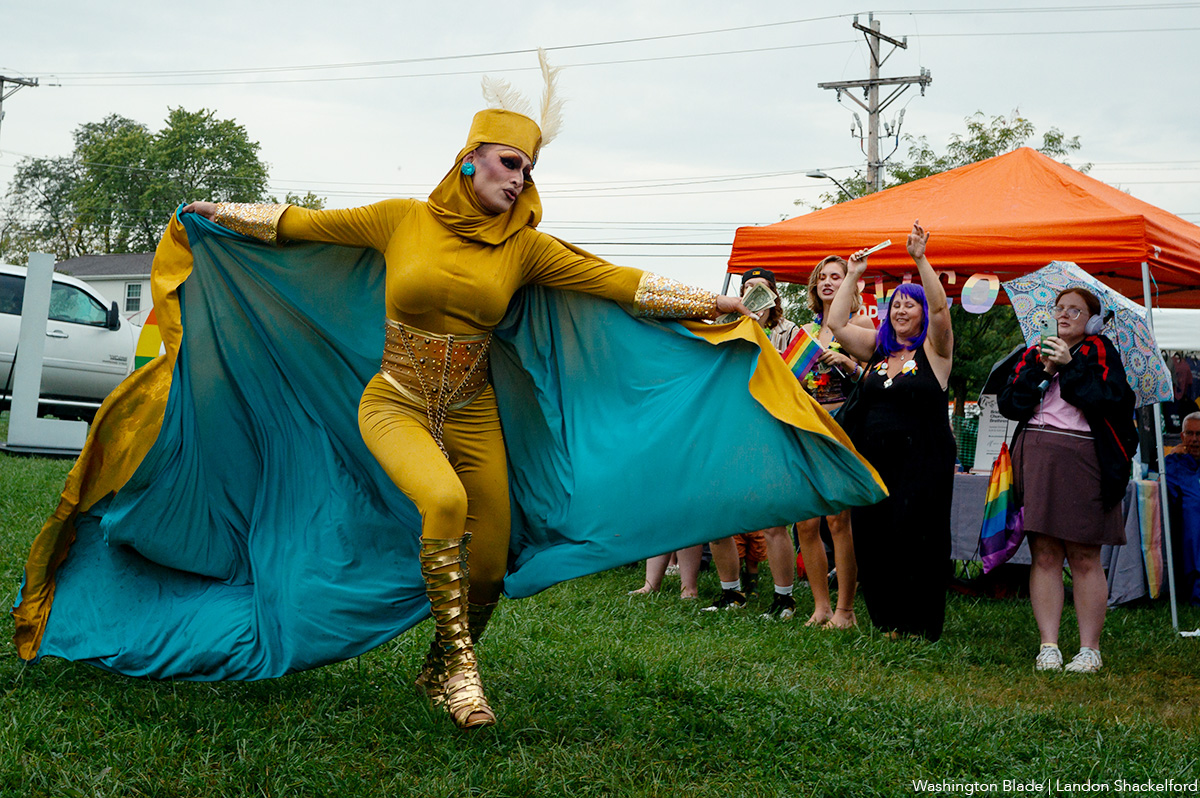
The 2026 Shenandoah Valley Pride Festival was held at Turner Pavilion in Harrisonburg, Va. on Sunday, Sept. 20.
(Washington Blade photos by Landon Shackelford)
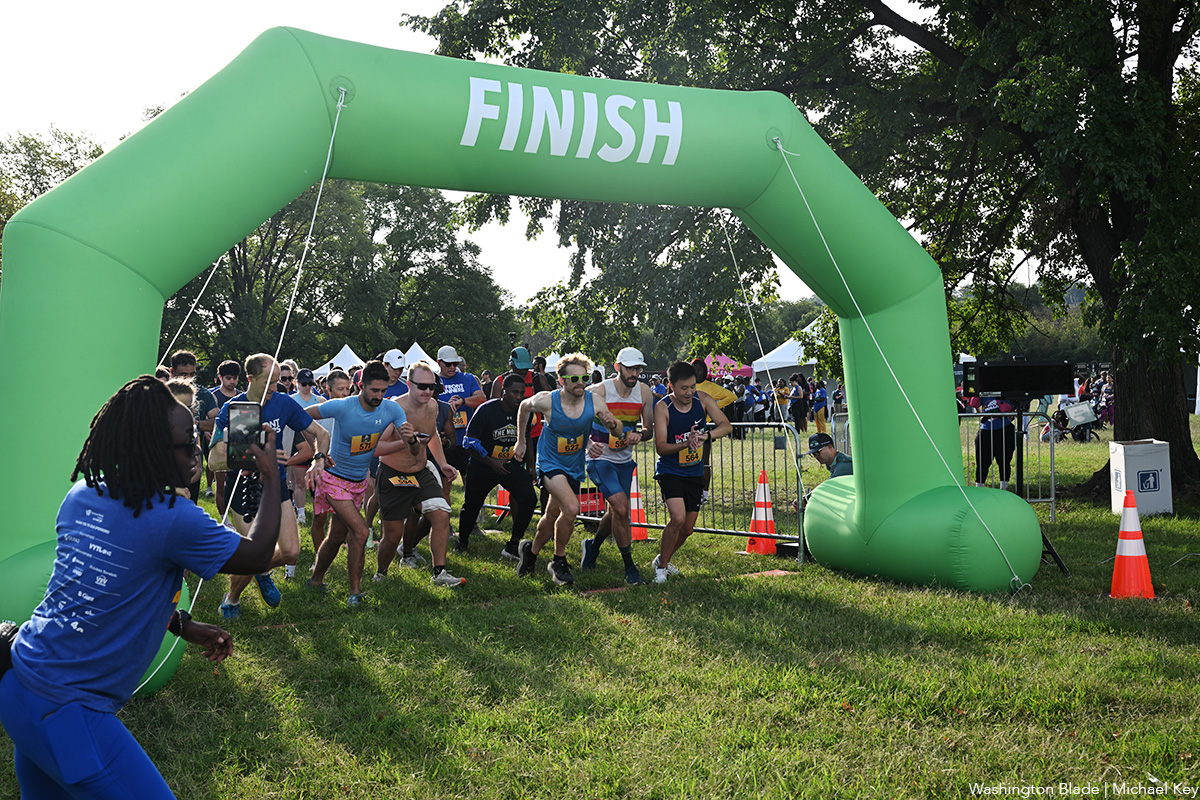
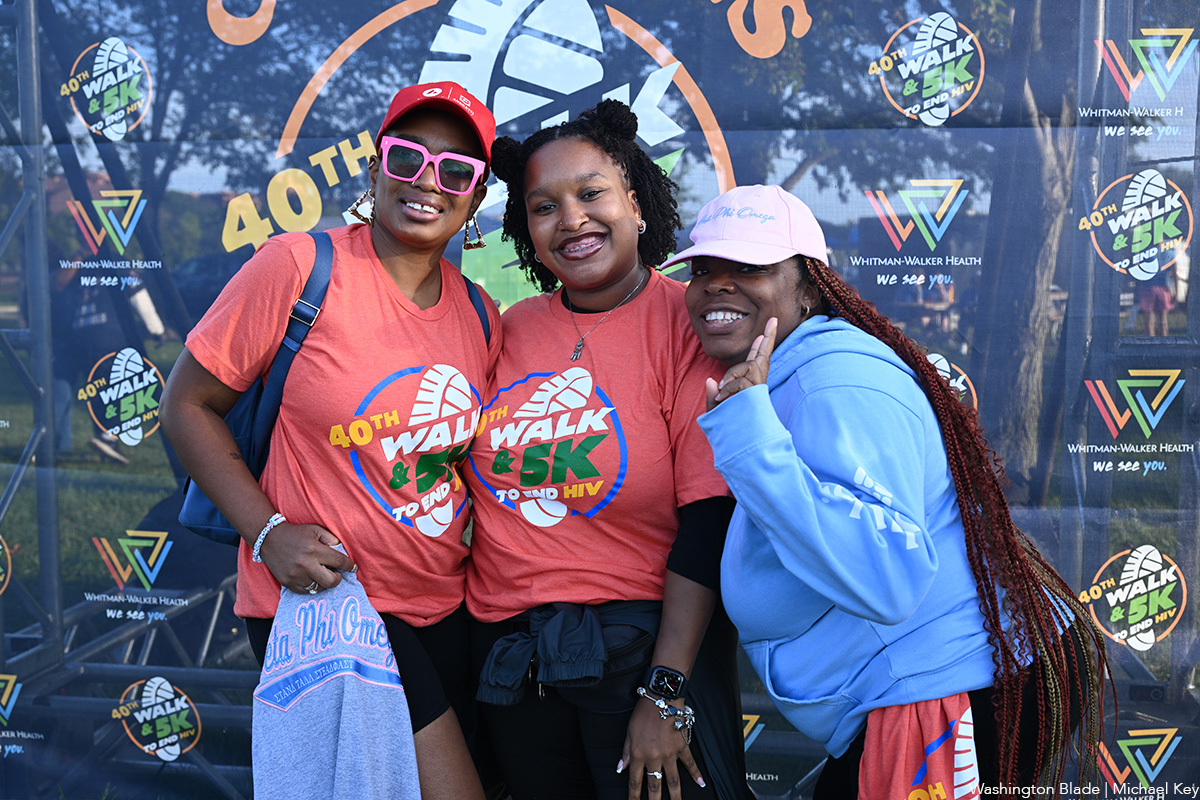
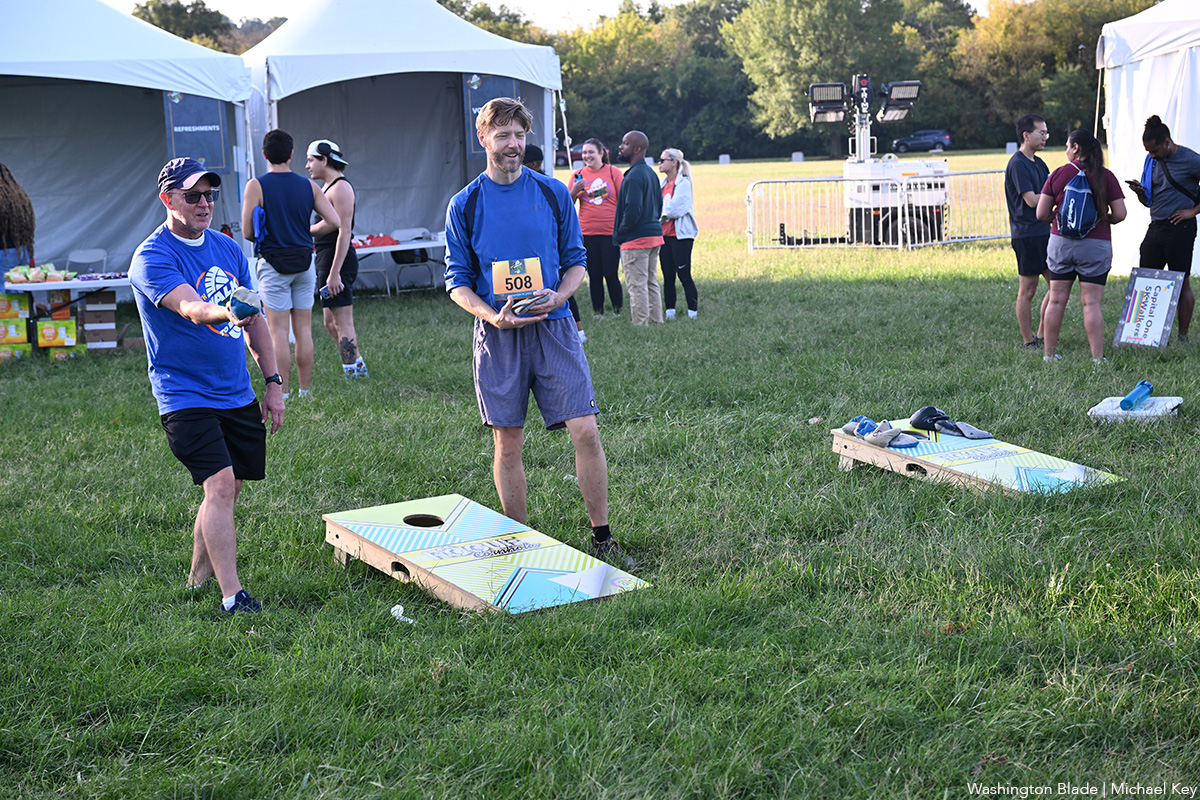
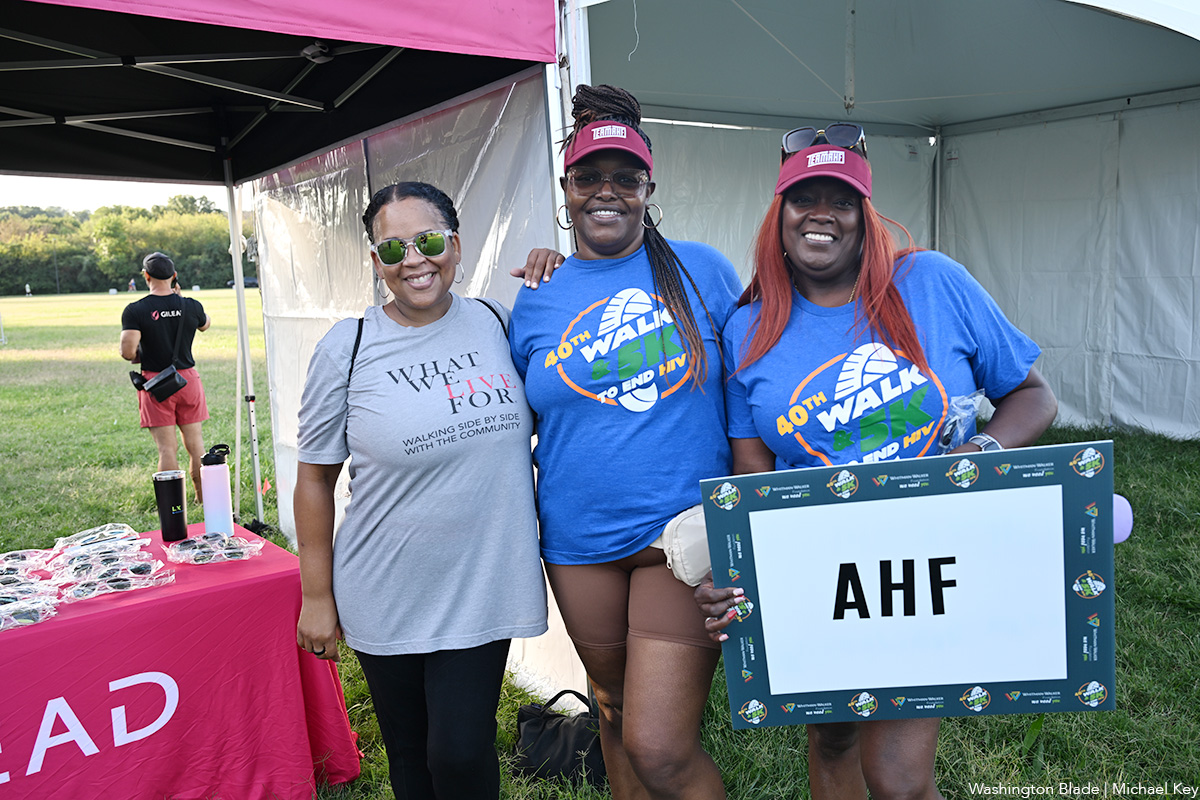
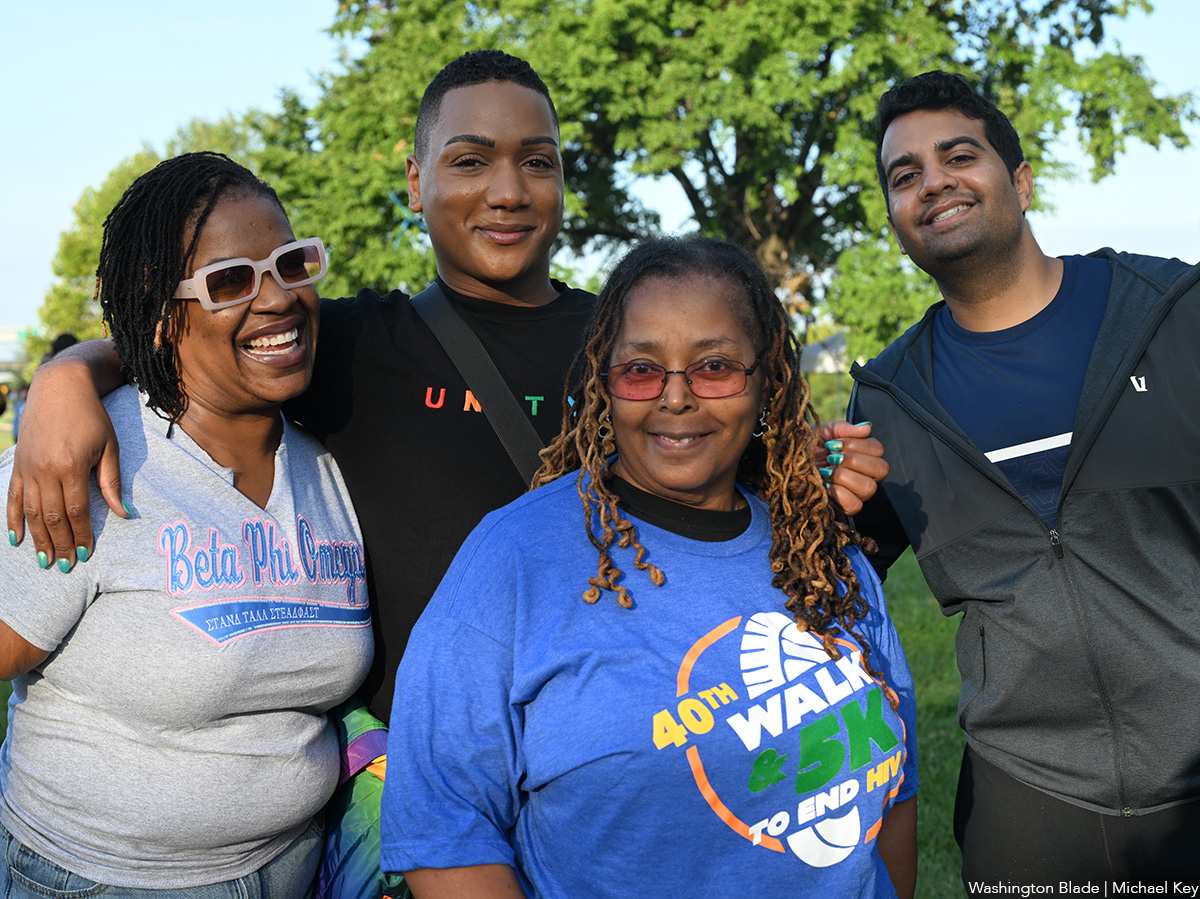
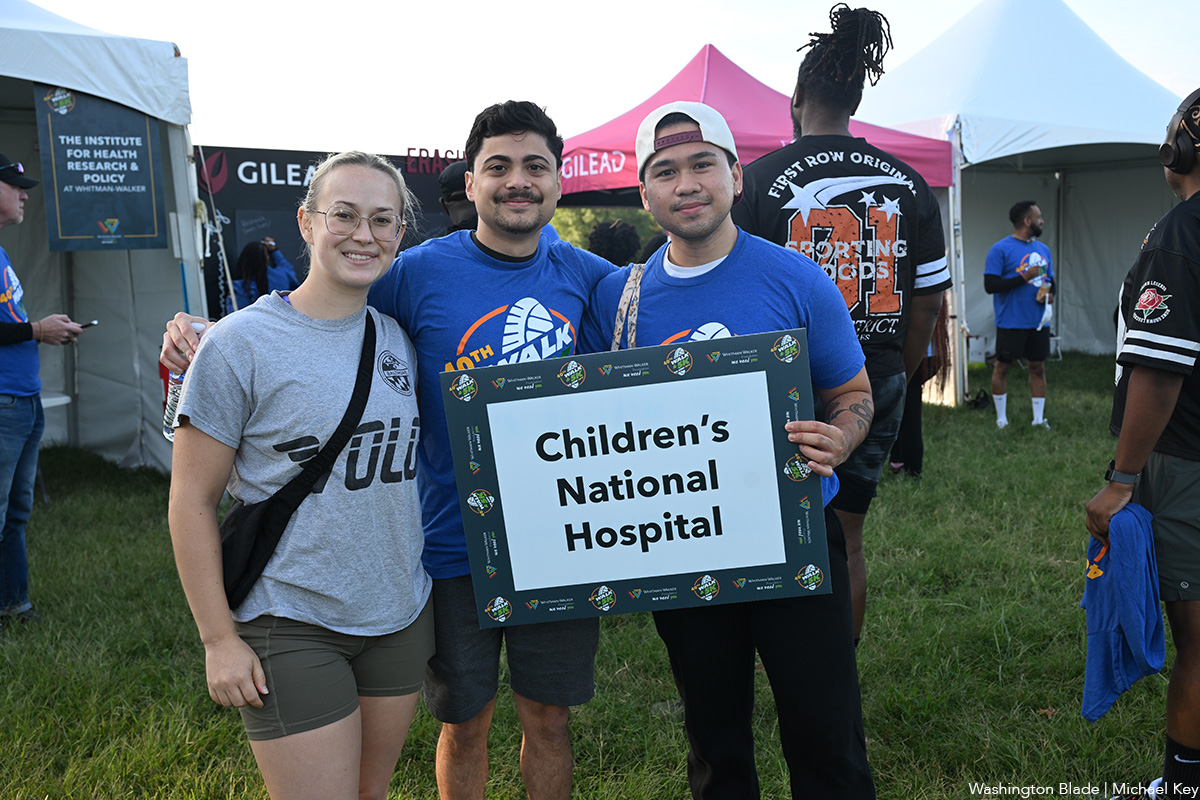
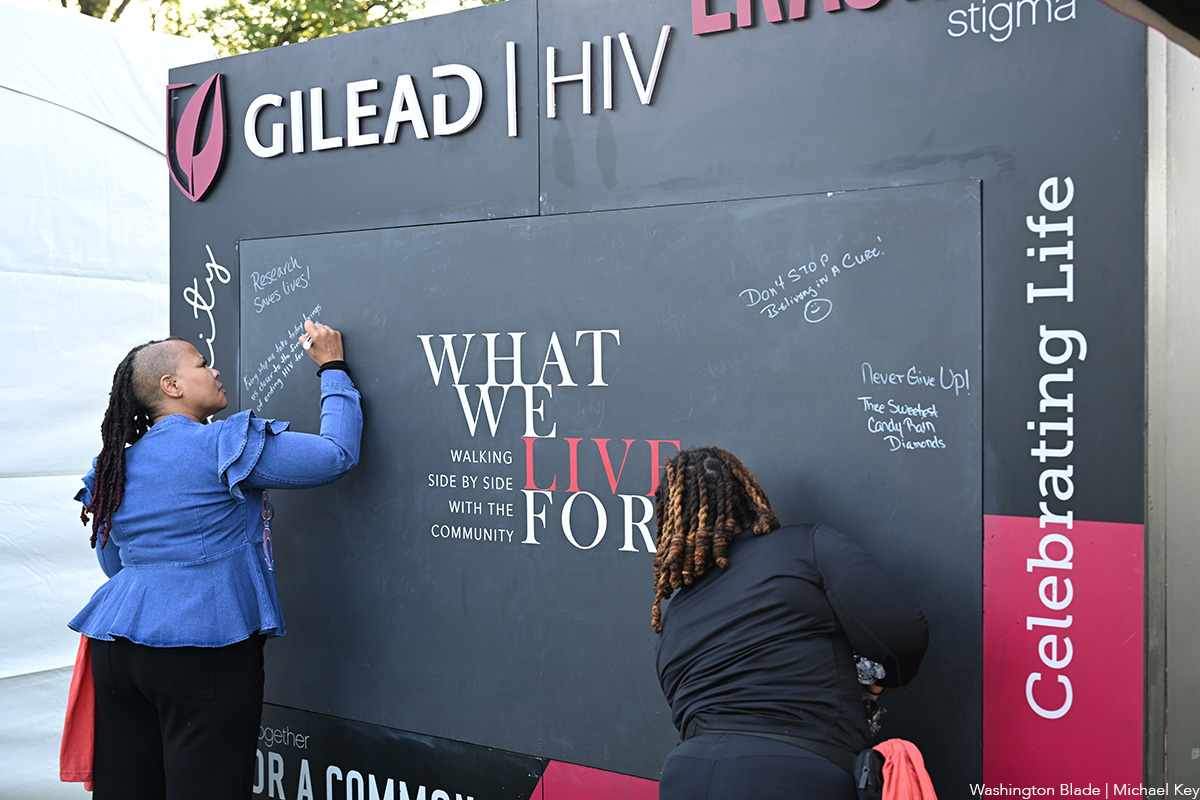
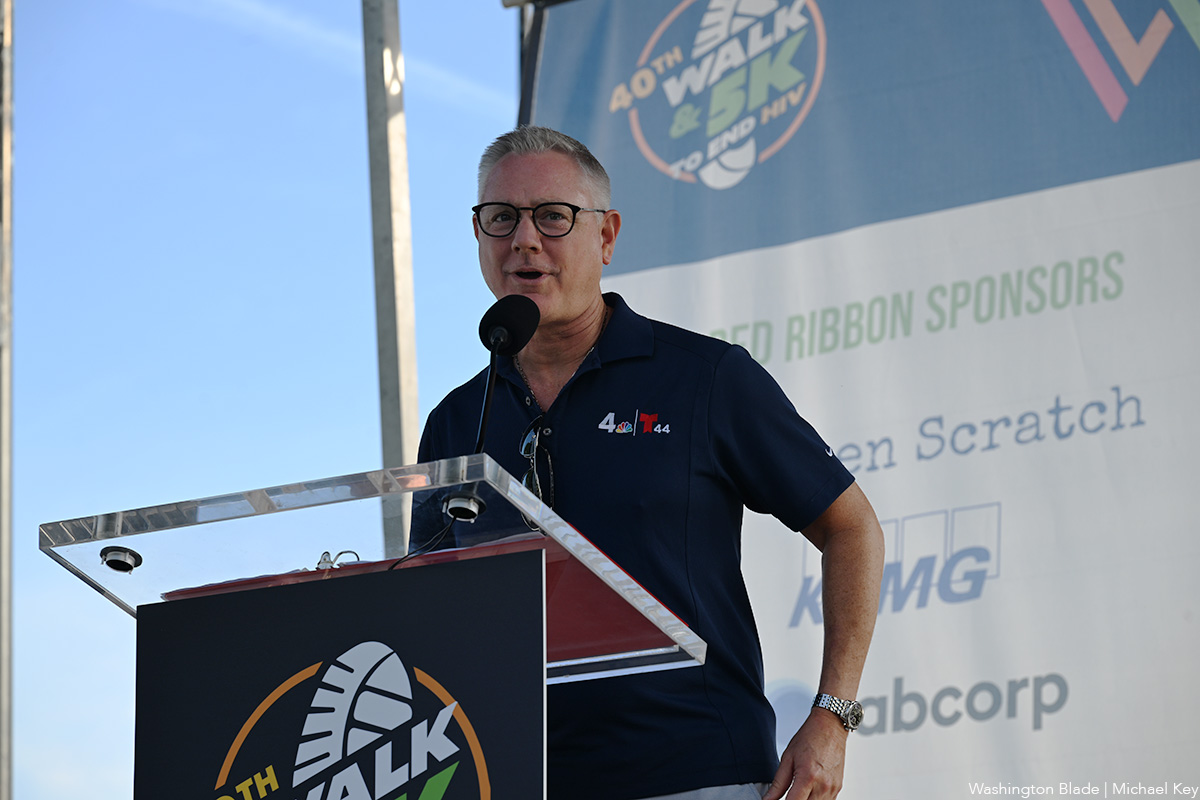
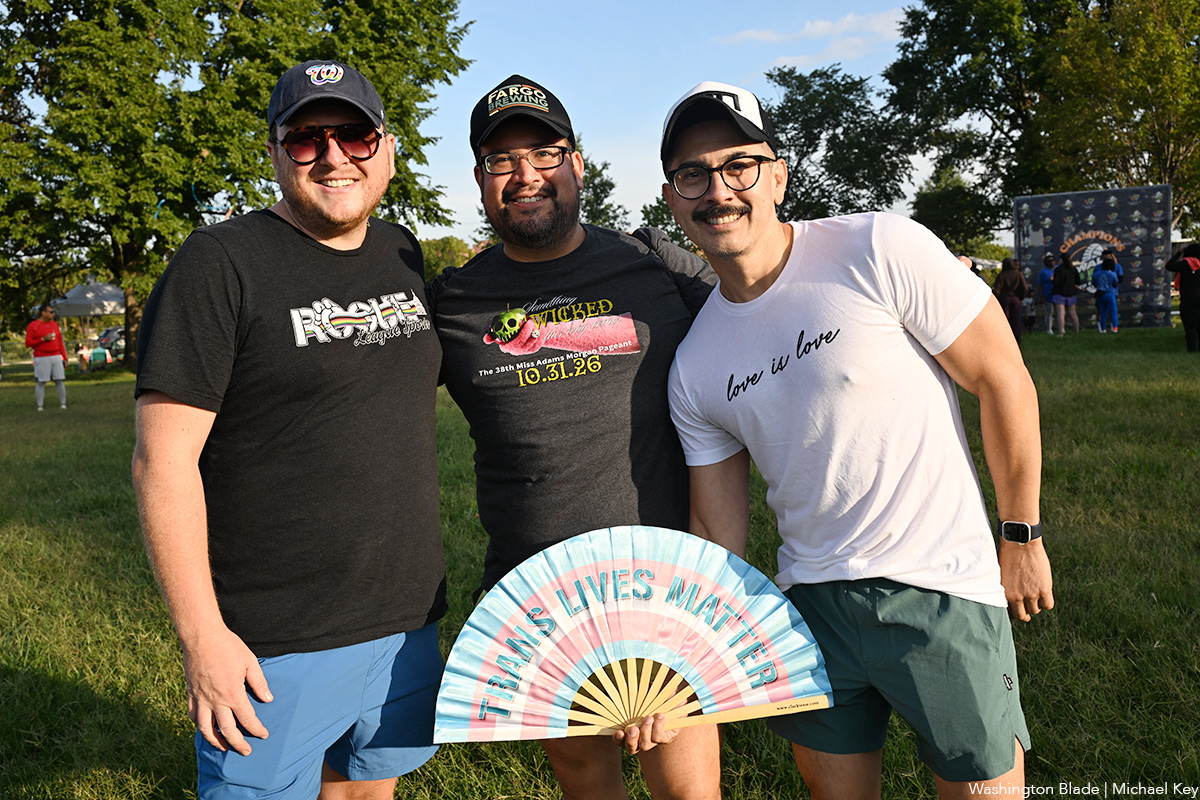
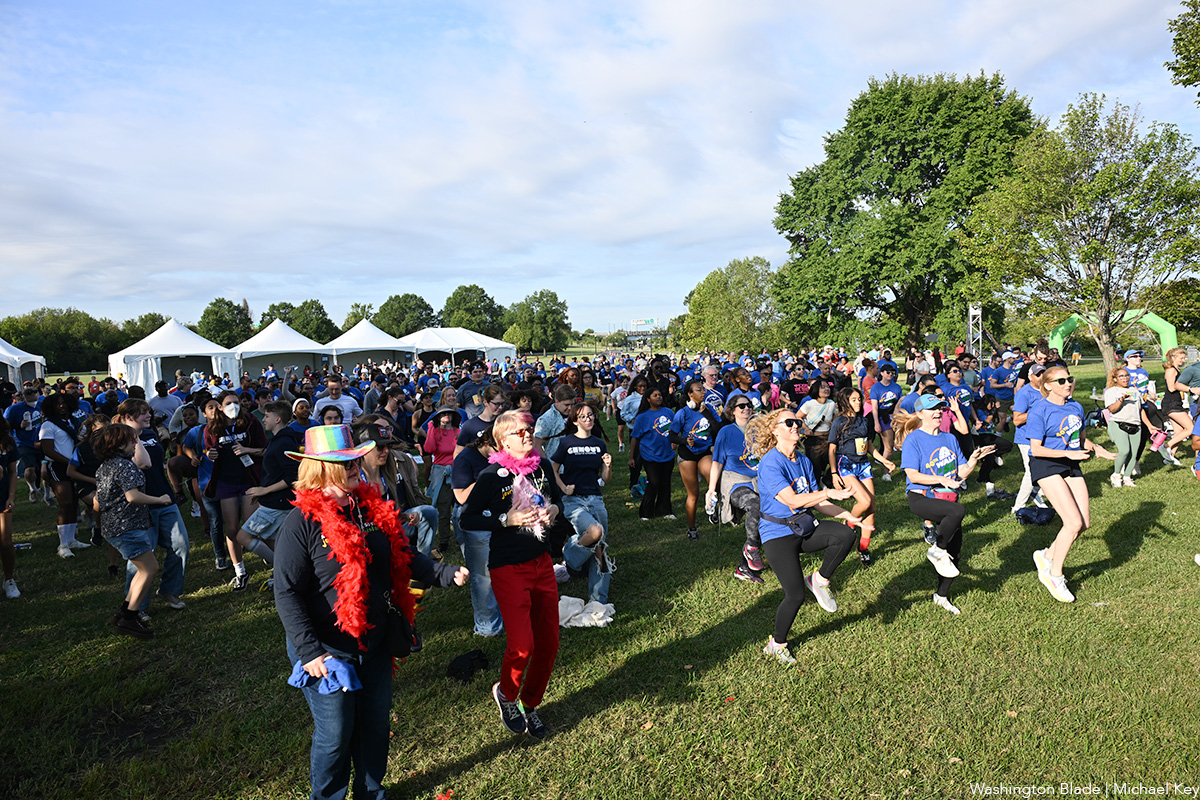
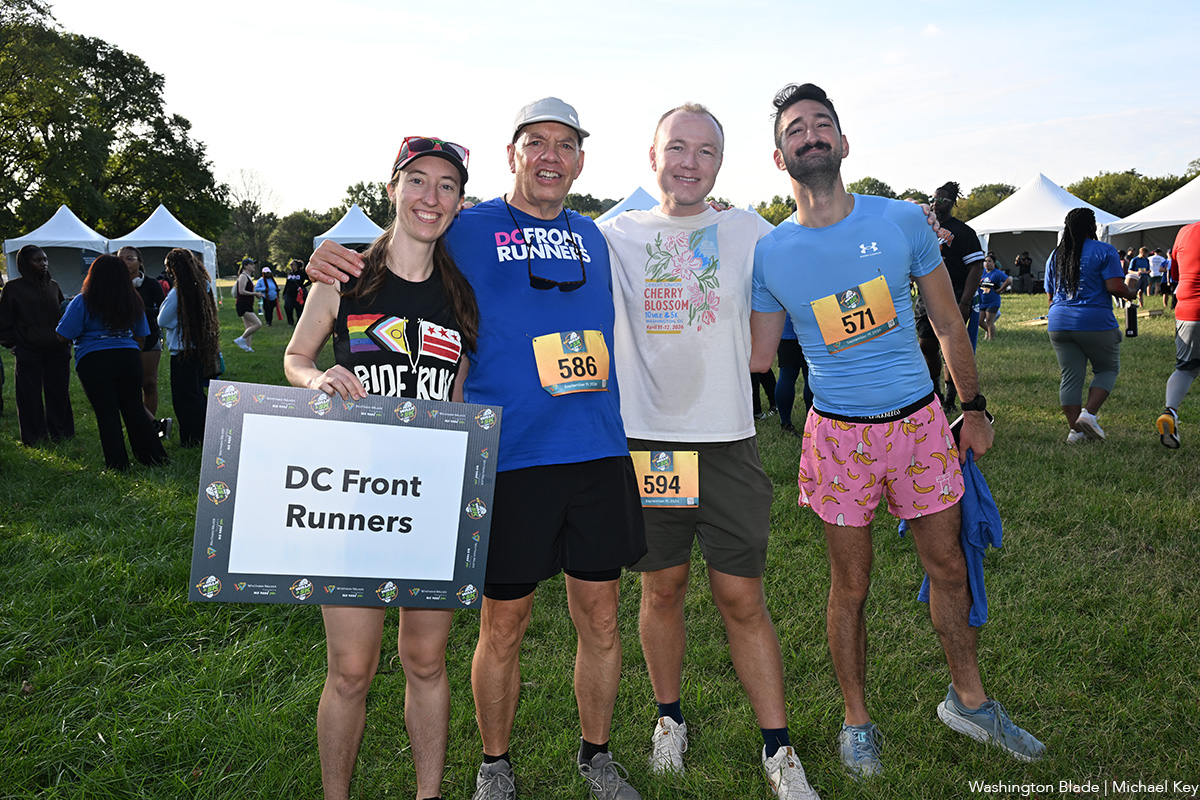
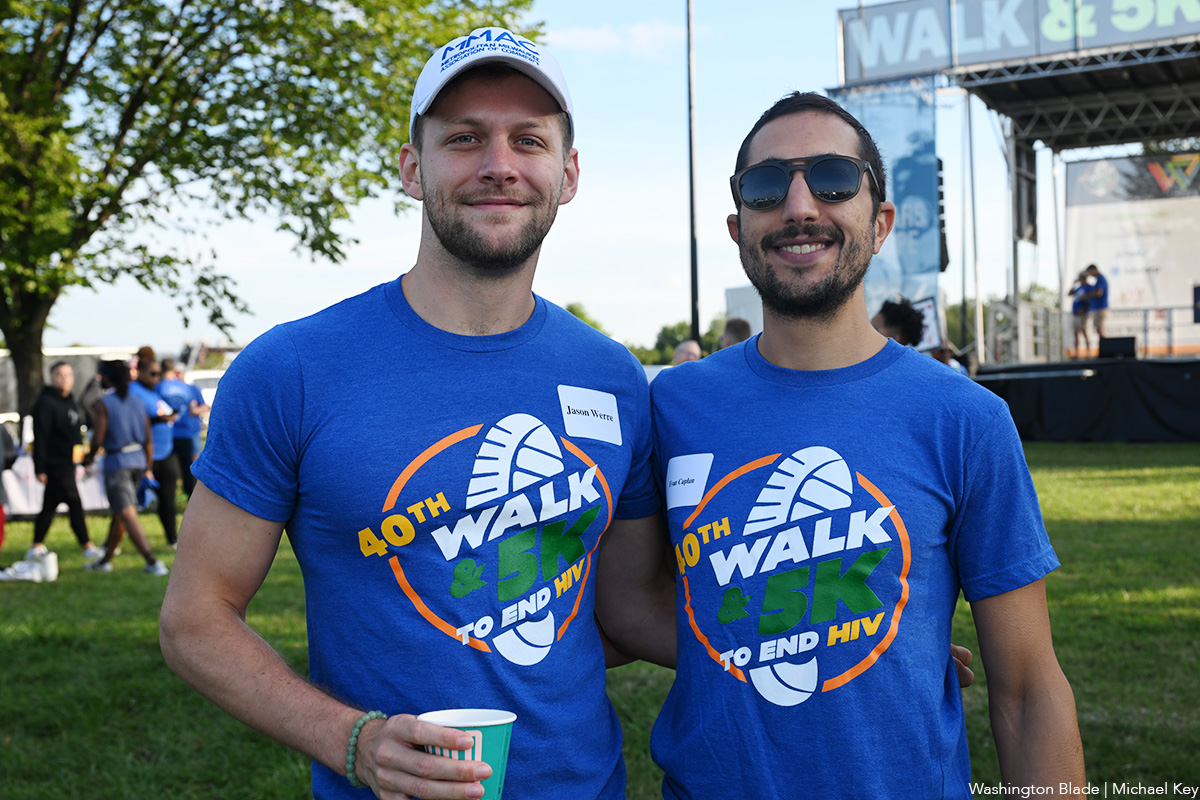
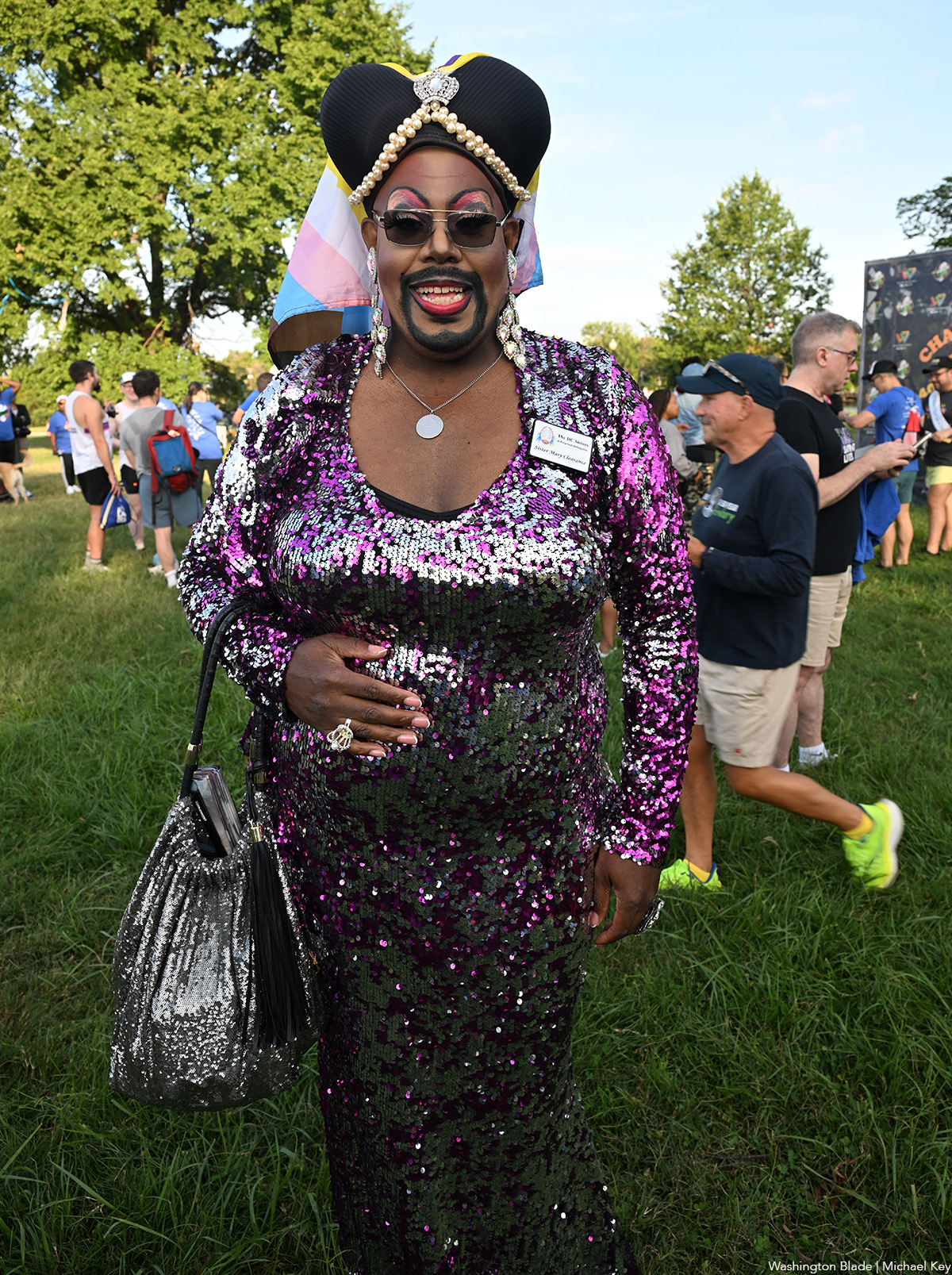
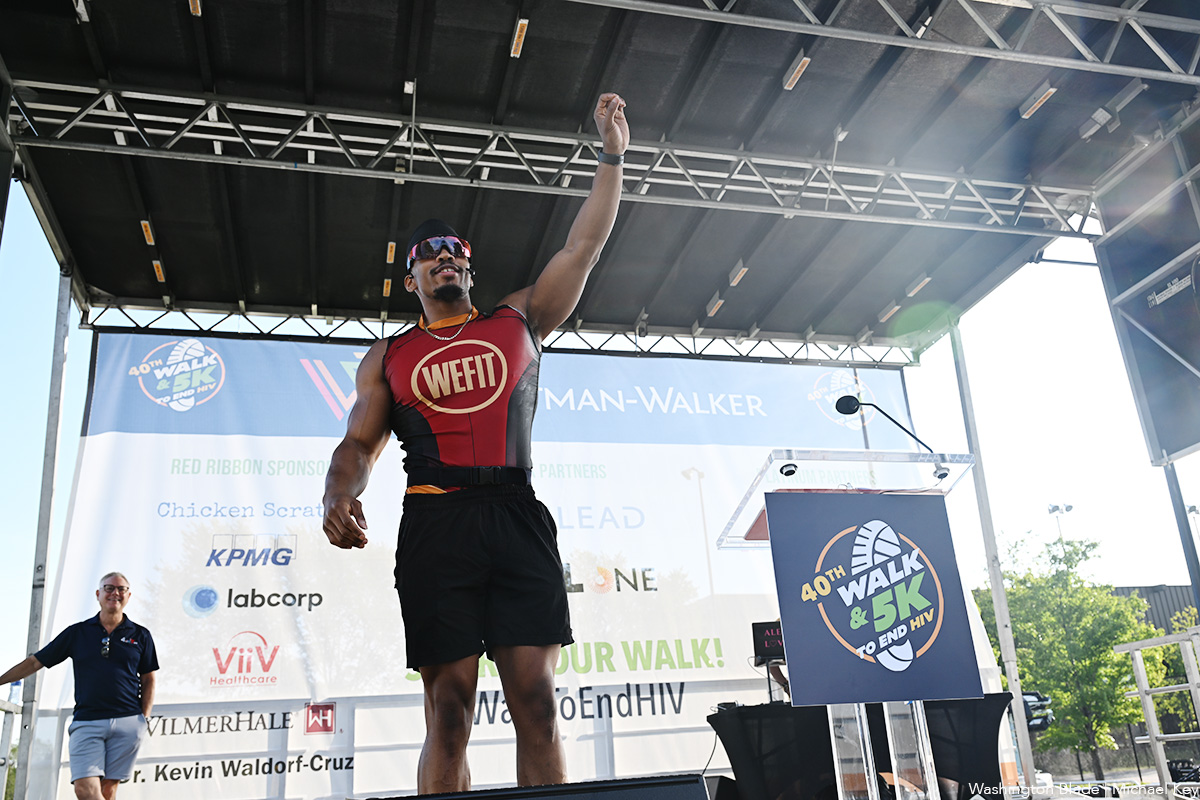
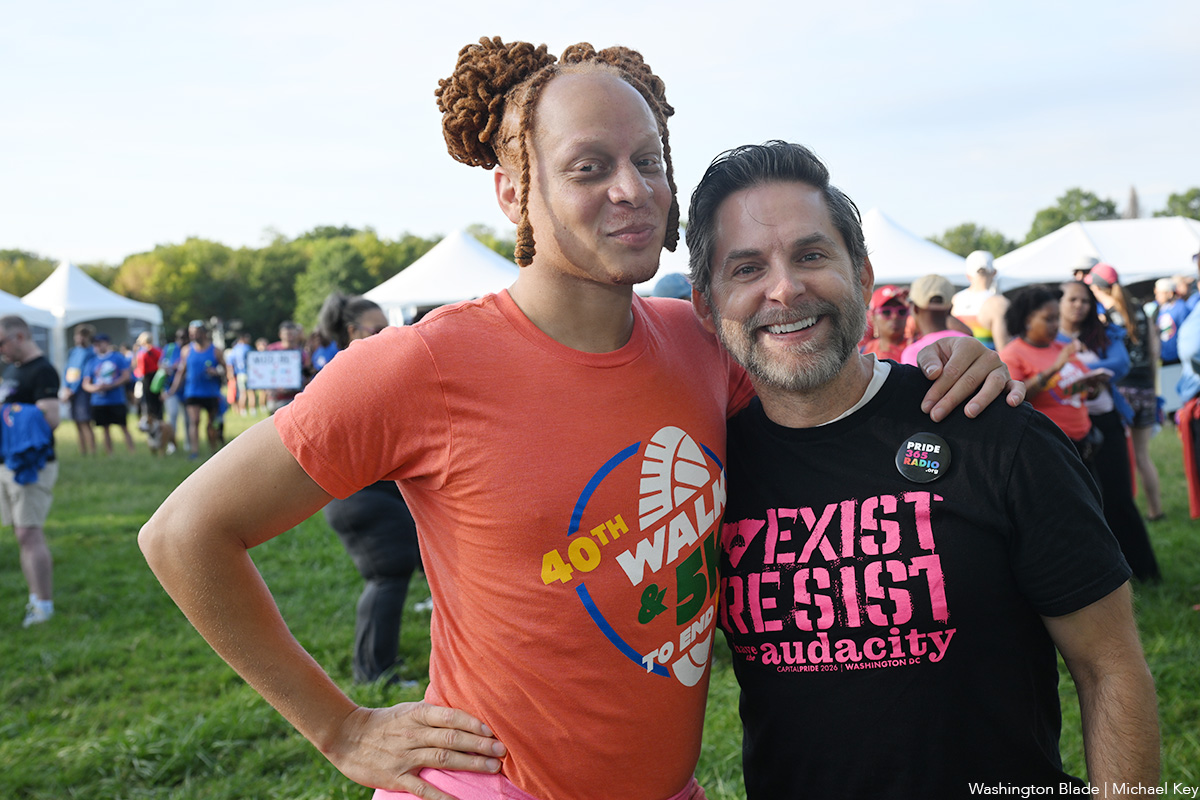
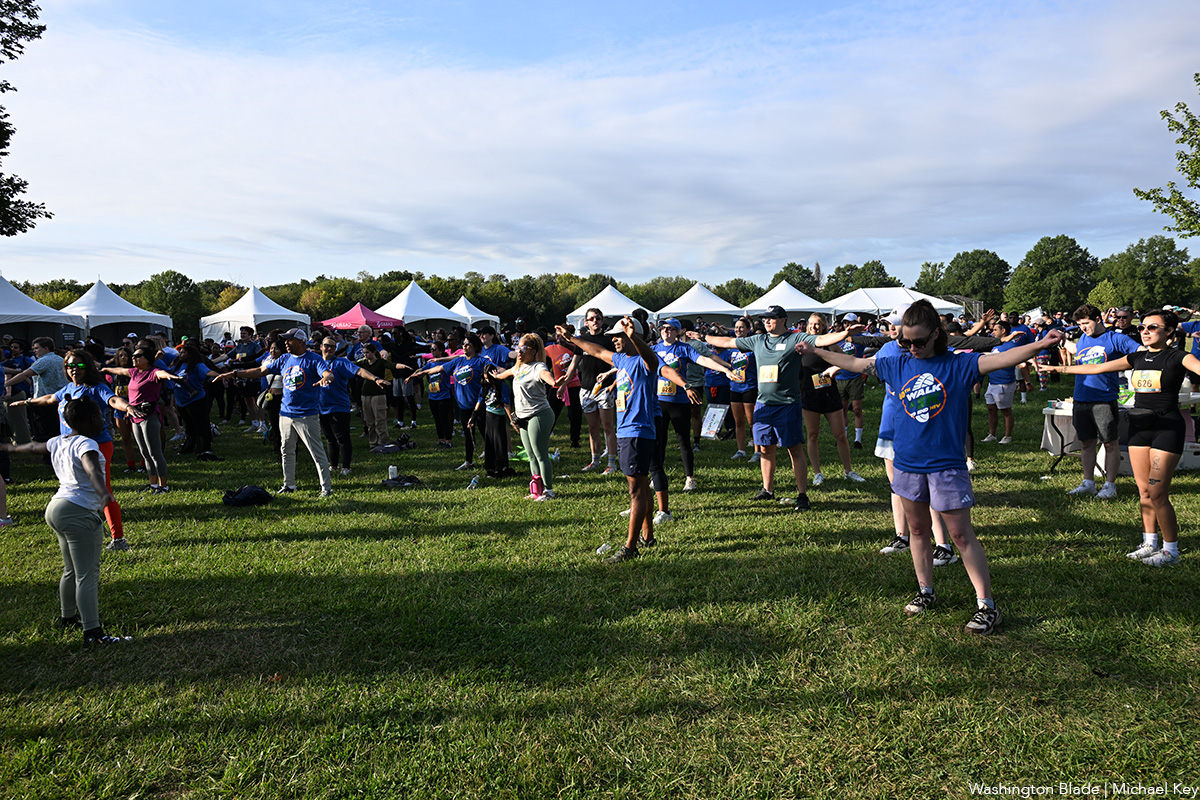
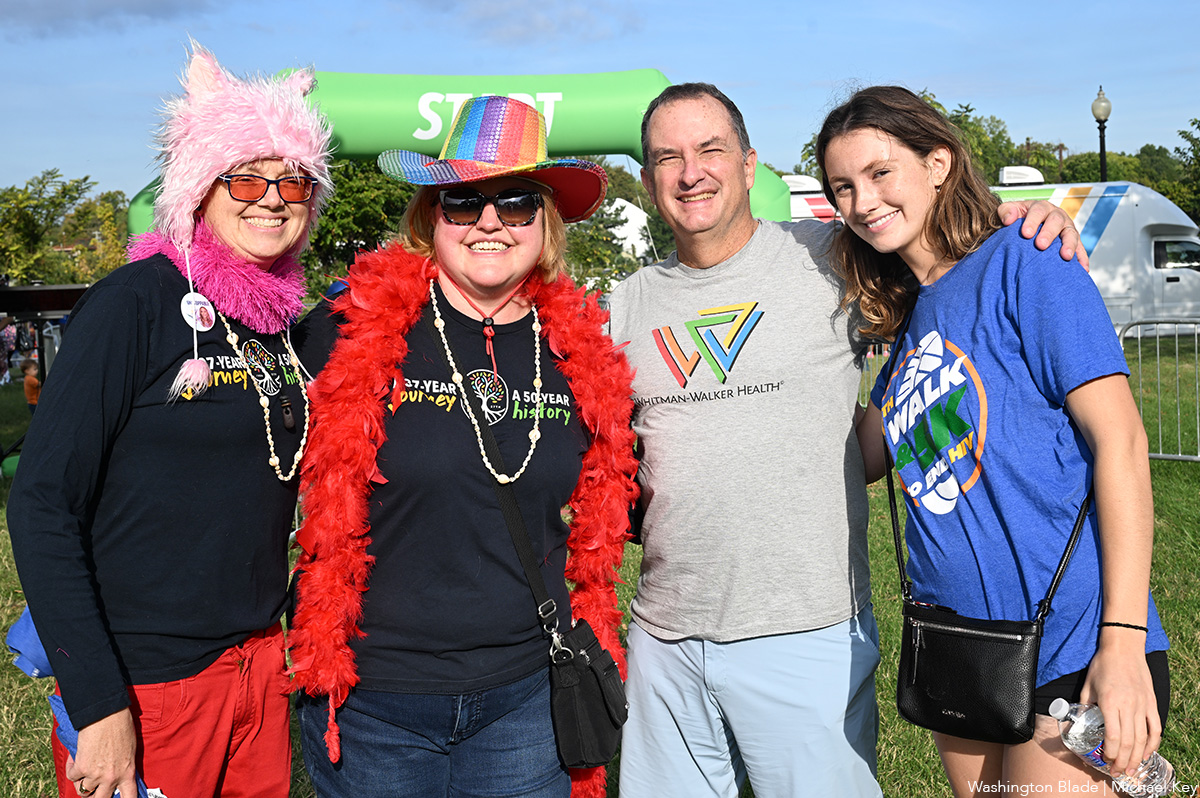
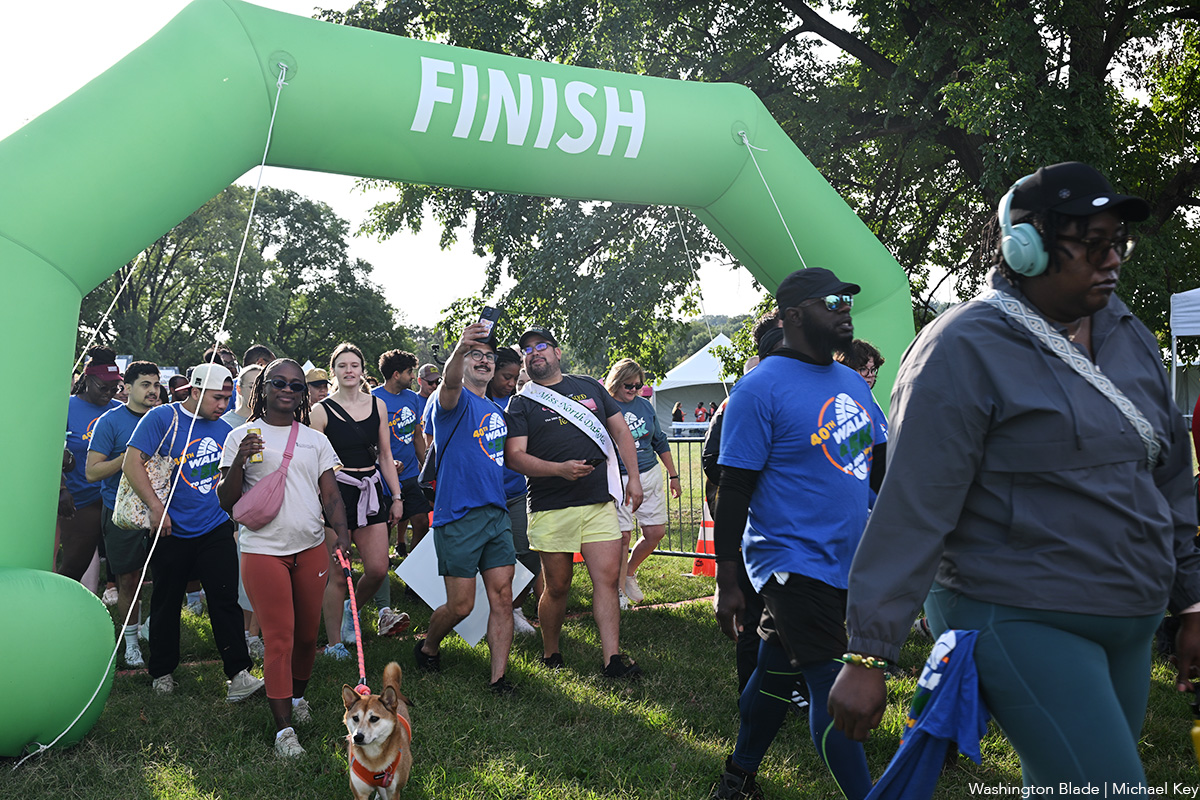
Whitman-Walker Health held the 40th annual Walk and 5K to End HIV at Anacostia Park on Saturday, Sept. 19.
(Washington Blade photos by Michael Key)



Colombia withdraws from Equal Rights Coalition

Caso Karlina: Una sentencia histórica contra las terapias de «conversión»

Washington Blade responds to concerns over White House pool duties

Young people should know history of the fight for human rights

Dutch prime minister visits Stonewall Inn

Over 2,000 turn out for Hands Around the Kennedy Center protest

PHOTOS: Wanda Alston Foundation Fall Reception

PHOTOS: Walk and 5K to End HIV

What LGBTQ veterans are building after ‘Don’t Ask, Don’t Tell’