Arts & Entertainment
Best of Gay D.C. XIII: Lifetime Achievement Award
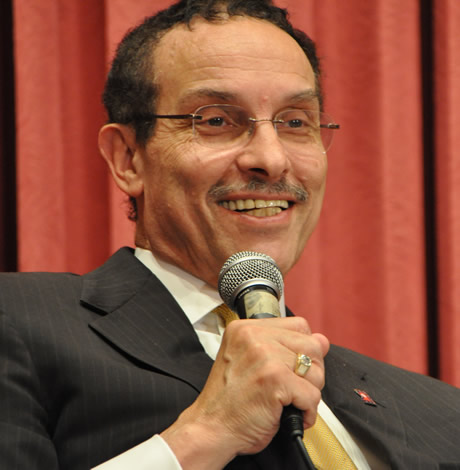
The Washington Blade honors D.C. Mayor Vincent Gray
To see the winners of the Washington Blade’s Best of Gay D.C. readers poll in other categories, click here.
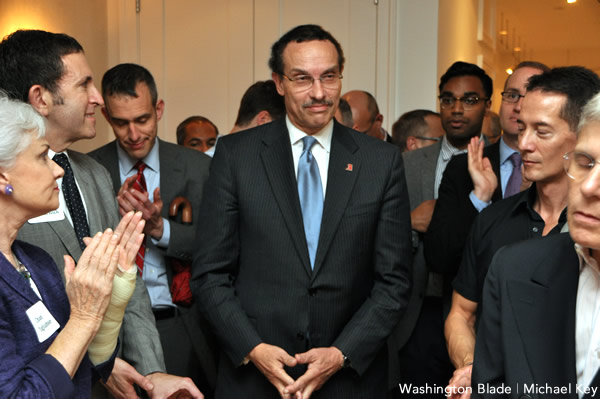
D.C. Mayor Vincent Gray (Washington Blade photo by Michael Key)
The LGBT community was divided in the city’s hotly contested Democratic primary in April when Council member Muriel Bowser (D-Ward 4) finished ahead of Mayor Vincent Gray to capture the Democratic Party nomination for mayor for the Nov. 4 general election.
But virtually all of the city’s prominent LGBT activists agree — regardless of whom they supported in the primary — Mayor Gray’s record and accomplishments on LGBT issues in his more than three-and-a-half years in office are unprecedented and even historic in their breadth and scope.
“For those of us working in the trenches, it is all too easy to focus on the latest flap and forget that Vince is, by the evidence, the best mayor on LGBT issues our city has ever had,” said Rick Rosendall, president of the non-partisan Gay and Lesbian Activists Alliance.
Rosendall made that comment when he presented Gray with GLAA’s Distinguished Service Award on April 30.
Gray’s LGBT-related initiatives and actions as mayor are so numerous that his supporters lamented during the primary campaign that people were having a hard time keeping track of them. Among the highlights:
• He directed his Office of GLBT Affairs to embark on a first-of-its-kind LGBT cultural competency or “sensitivity” training program that called for every D.C. government employee to undergo such training to better familiarize them with LGBT-related issues that could surface in their city agency.
• He made numerous appointments of LGBT people to important city government jobs and commissions, including the appointment of transgender advocates Earline Budd and Alexandra Beninda to the D.C. Commission on Human Rights.
• In response to concerns raised by transgender rights advocates, Gray directed the city’s Department of Employment Services to launch another first — a transgender employment initiative called Project Empowerment that reaches out to transgender residents in need of job training and related skills.
• The Office of Human Rights, in keeping with Gray’s interest in addressing discrimination faced by the transgender community, put in place a public relations and advertising campaign to promote respect and understanding for trans residents. It’s called the Transgender and Gender Identity Respect Campaign.
• In yet another first for the city, Gray directed the city’s Department of Insurance, Securities and Banking to require that health insurance companies doing business in the city, including companies providing health coverage for D.C. government employees, cover medical treatment such as hormone therapy for transgender people transitioning from one gender to the other.
• Gray also initiated an LGBTQ Youth Task Force and Bullying Prevention Task Force aimed, among other things, at curtailing bullying targeting LGBT youth. He convened and presided over the first city government sponsored LGBTQ Youth Summit.
• He became the first D.C. mayor to perform a City Hall wedding ceremony for a gay male couple shortly after legislation approved by the City Council giving the mayor and Council members authority to perform marriages took effect.
• In an action that angered some of the city’s conservative clergy, Gray disinvited controversial gospel singer Donnie McClurkin as a performer in a city-sponsored concert in August 2013 at the Martin Luther King Memorial. McClurkin, an outspoken “ex-gay,” has denounced homosexuality as a sin and a sickness. Gray said he was unaware that the city’s Commission on the Arts and Humanities had invited McClurkin to perform and directed the commission to cancel the invitation.
Prior to becoming mayor, Gray was an outspoken supporter of the city’s marriage equality law in his role as City Council Chair when the law came before Council for a vote.




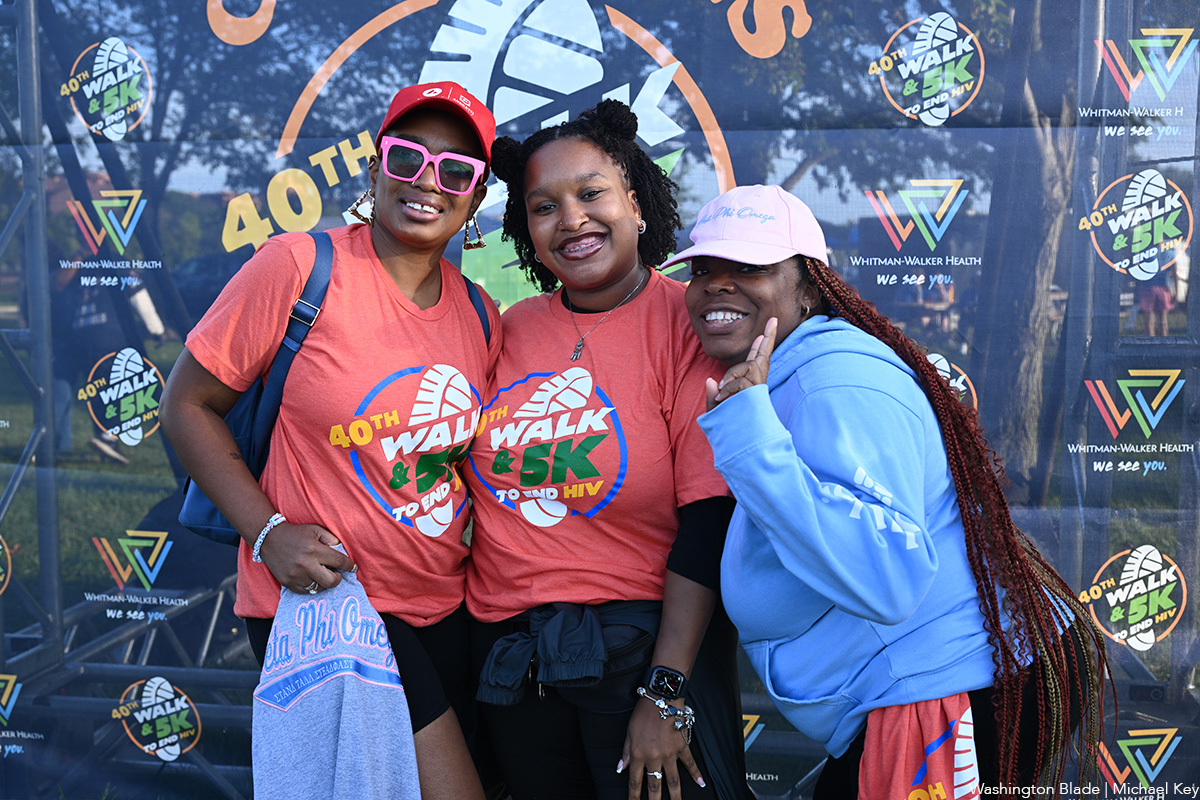
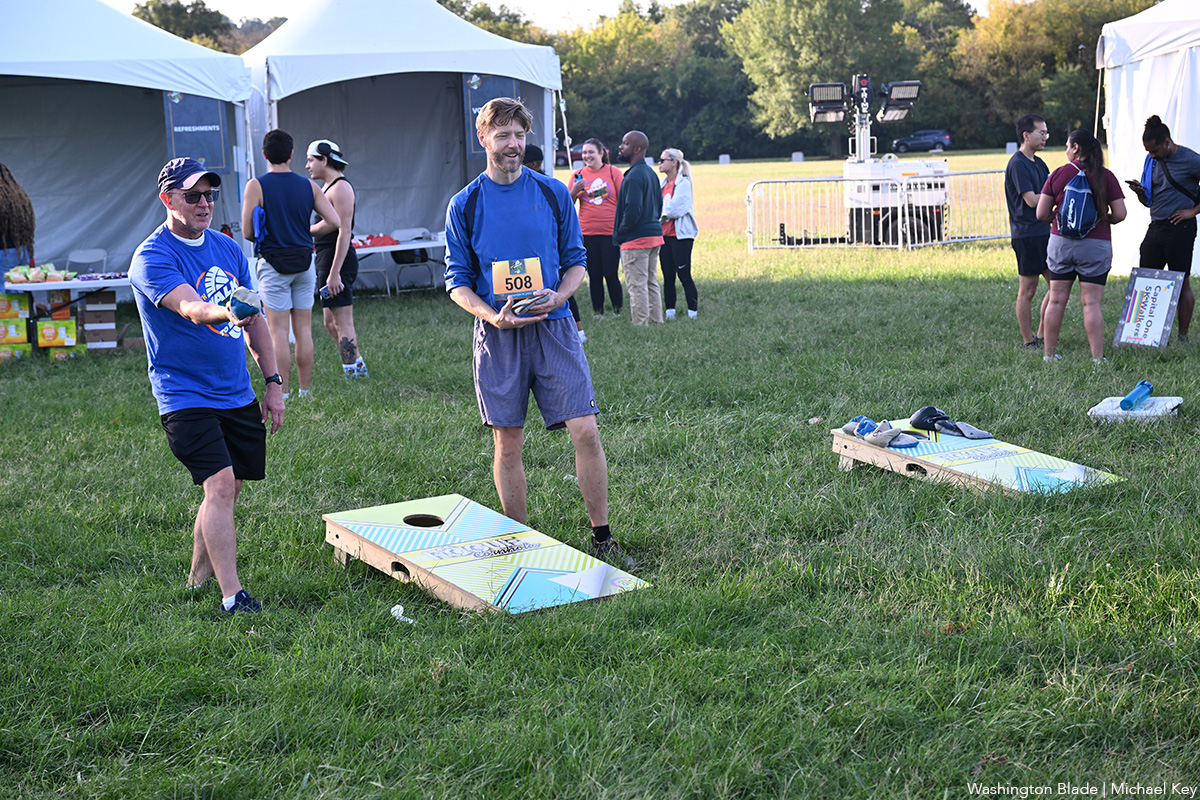
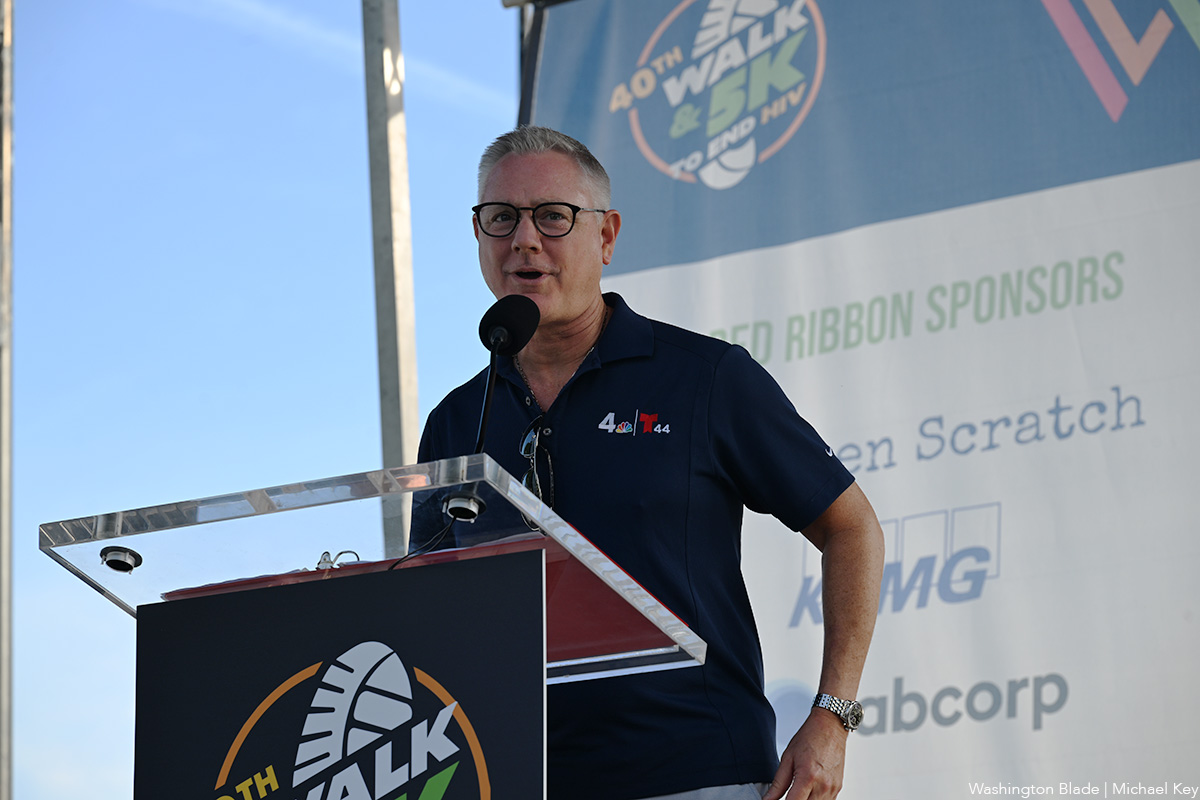
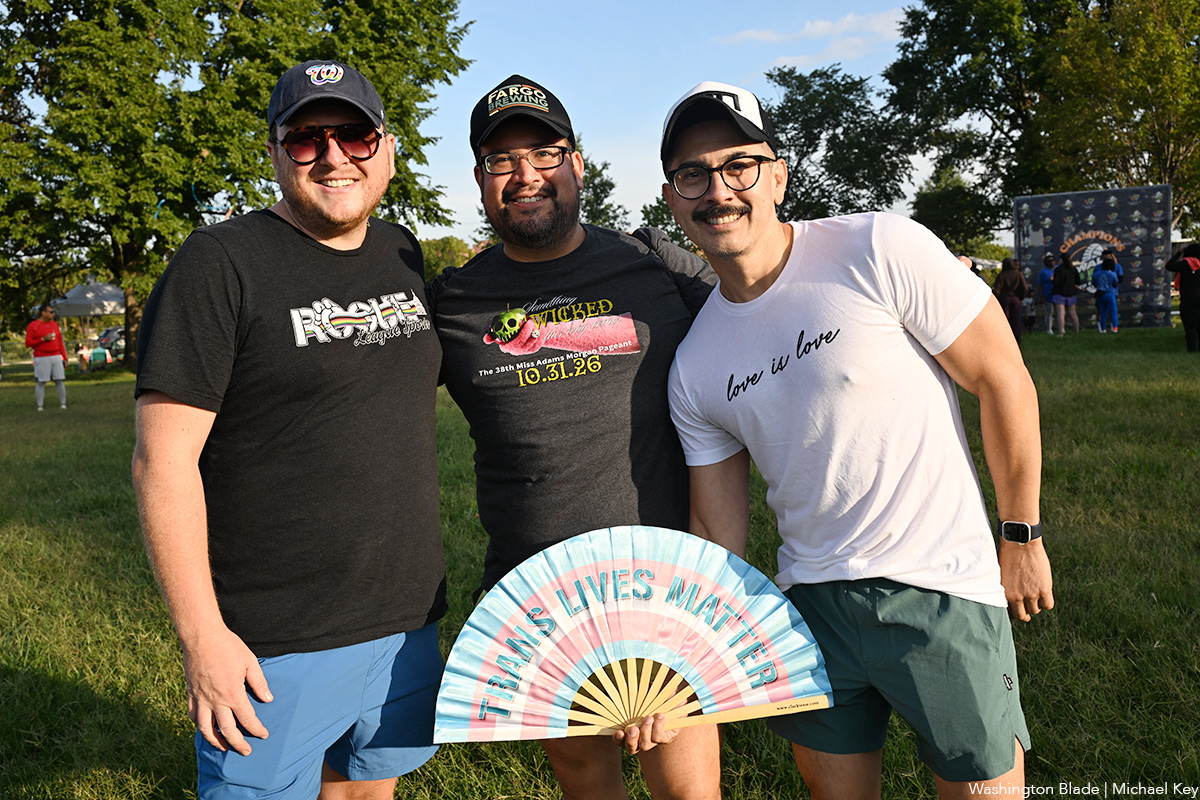
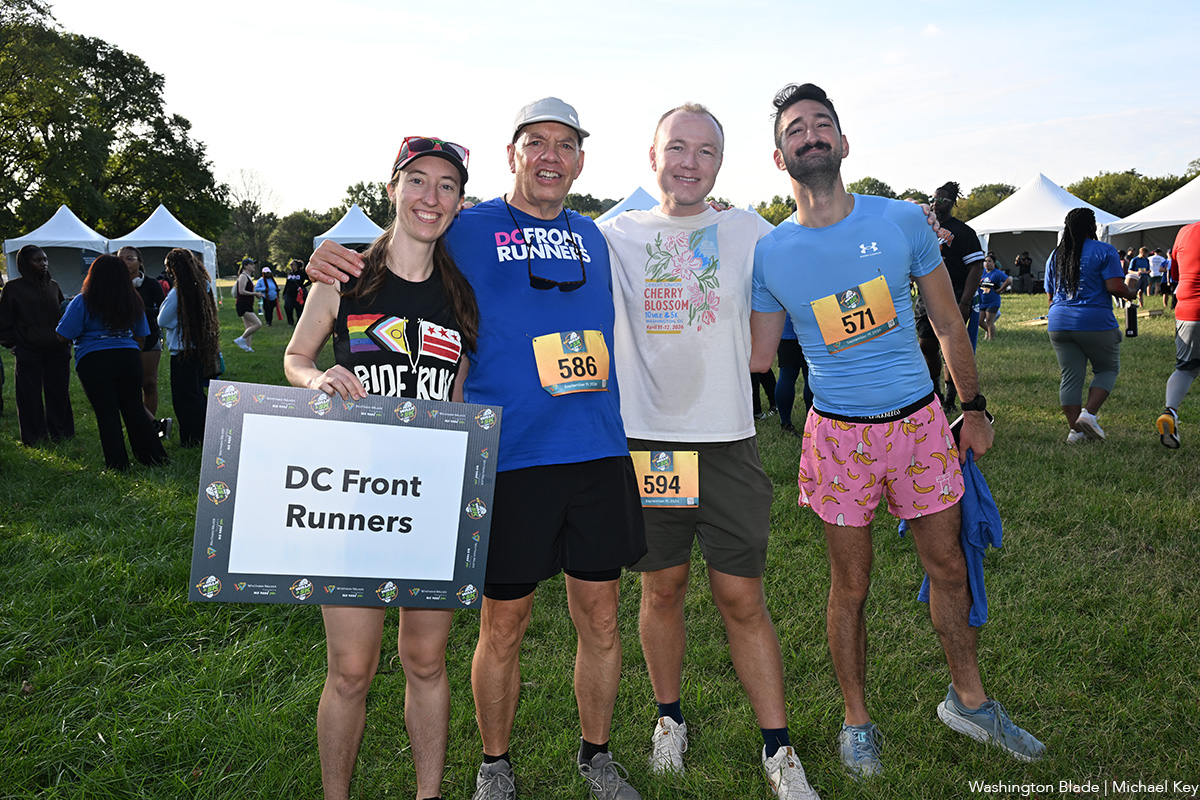
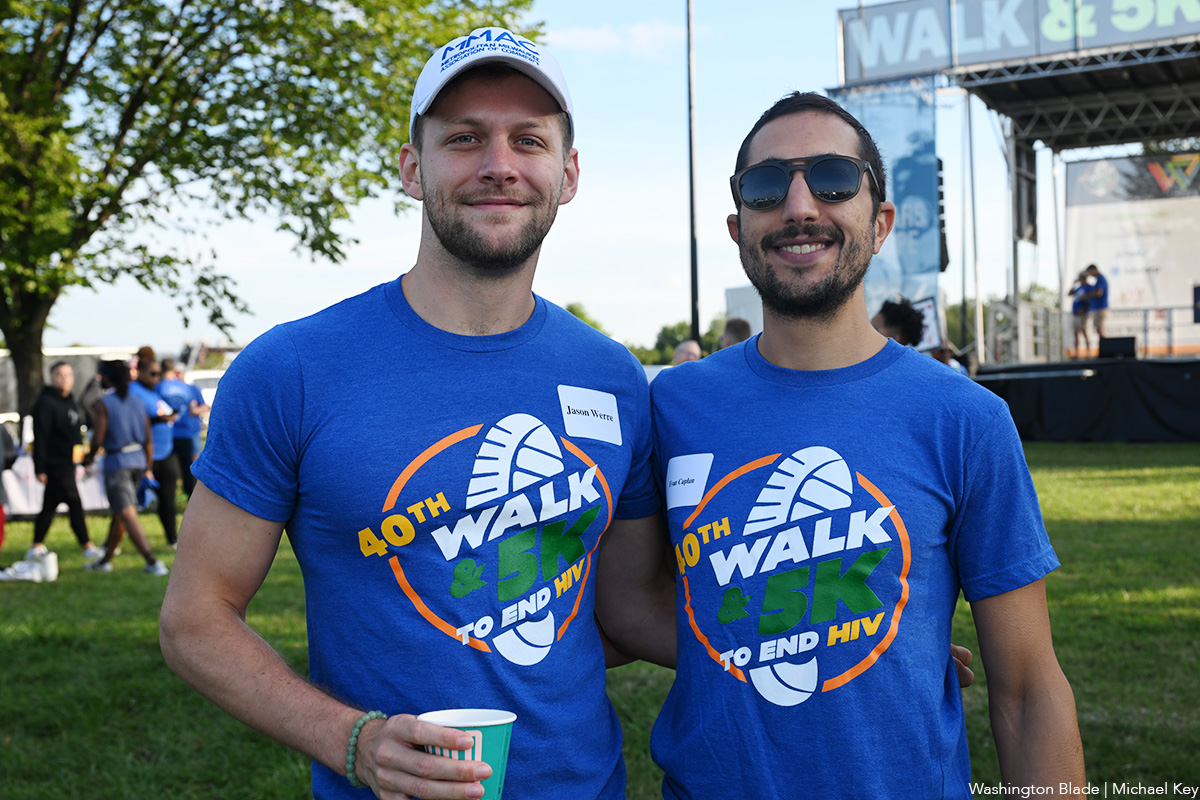
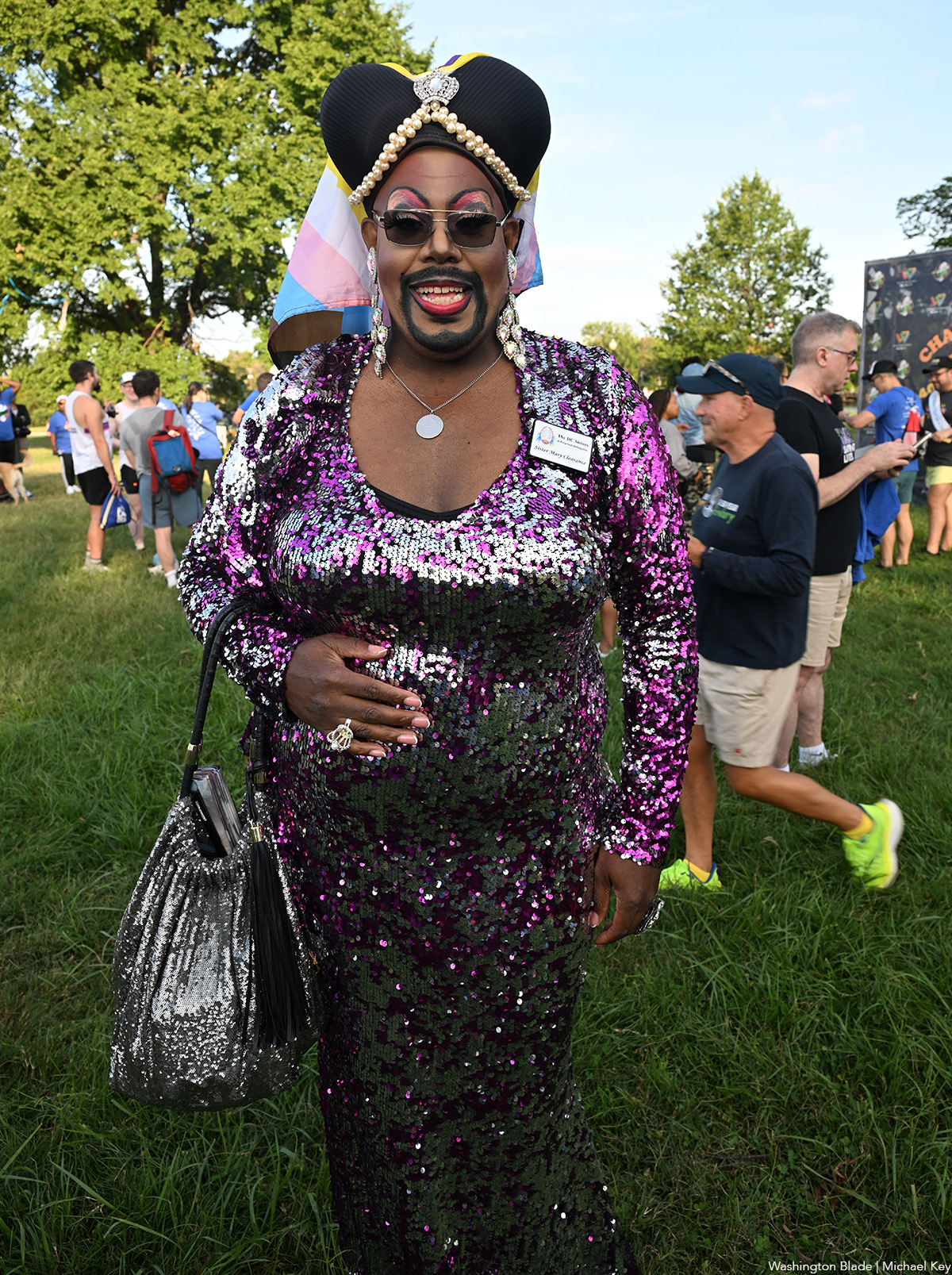
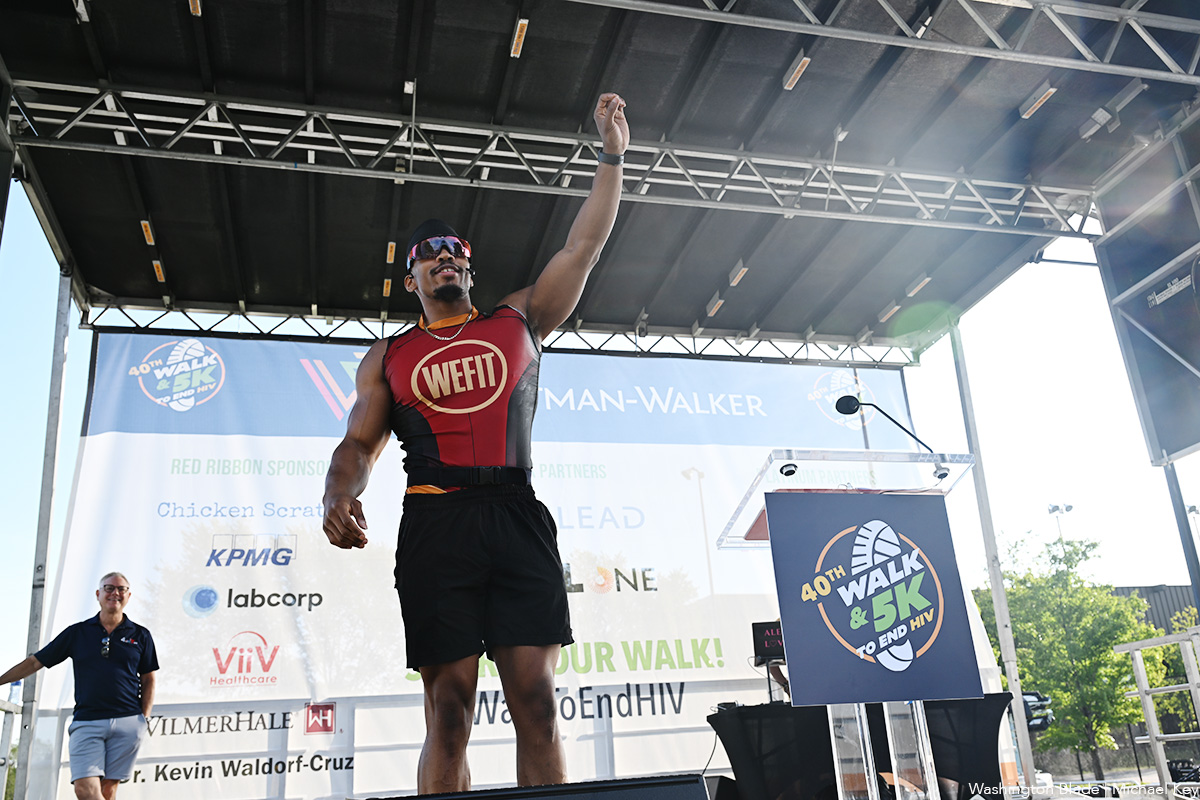
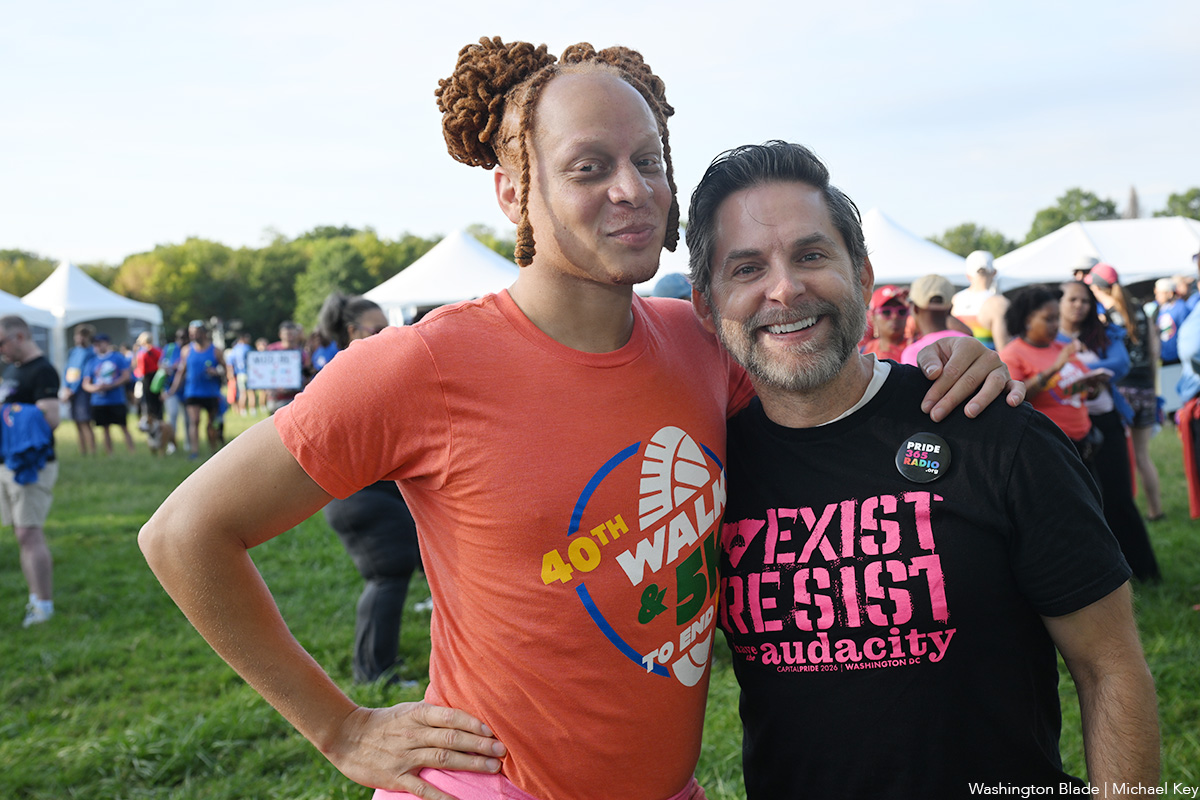
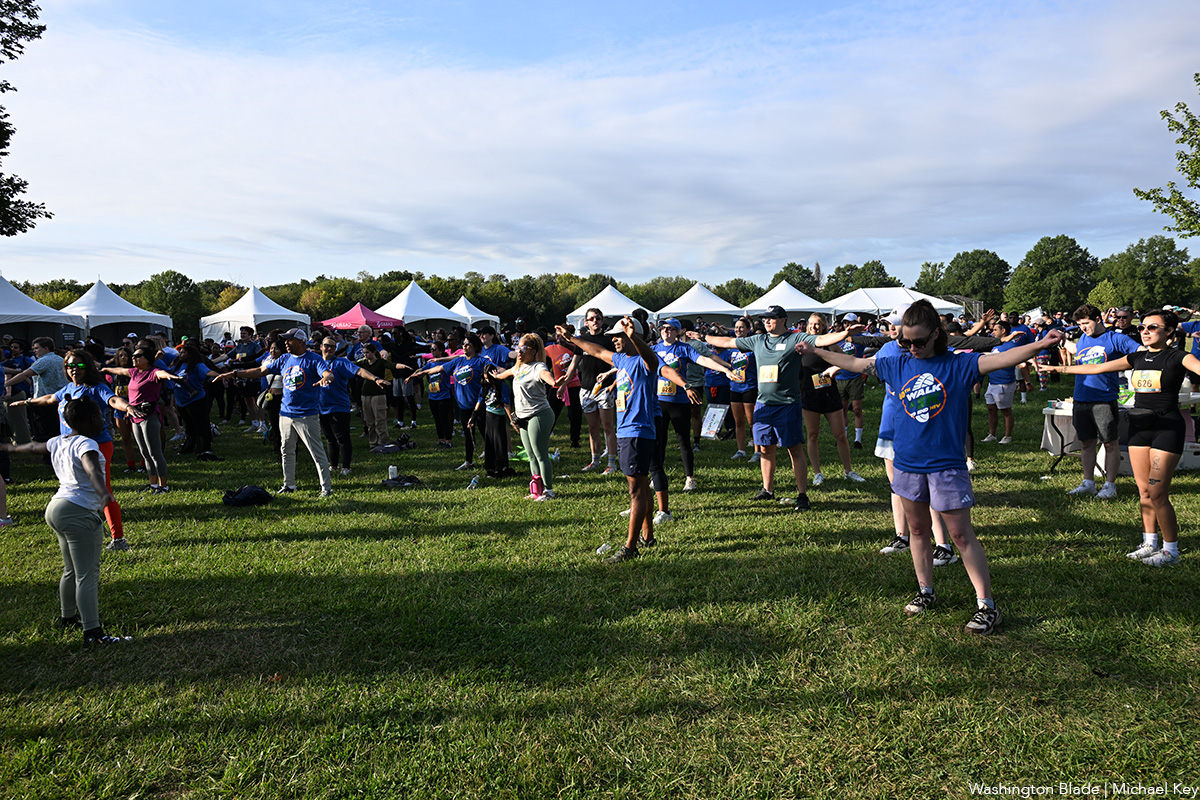
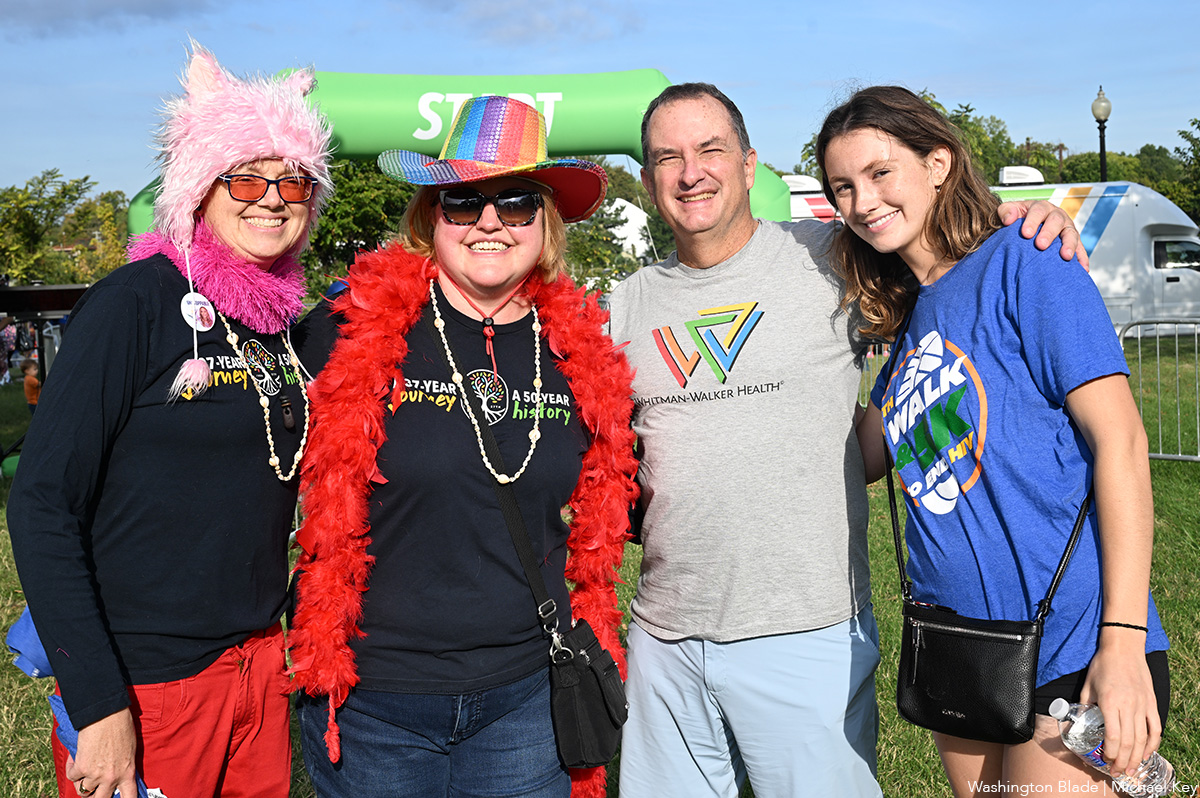
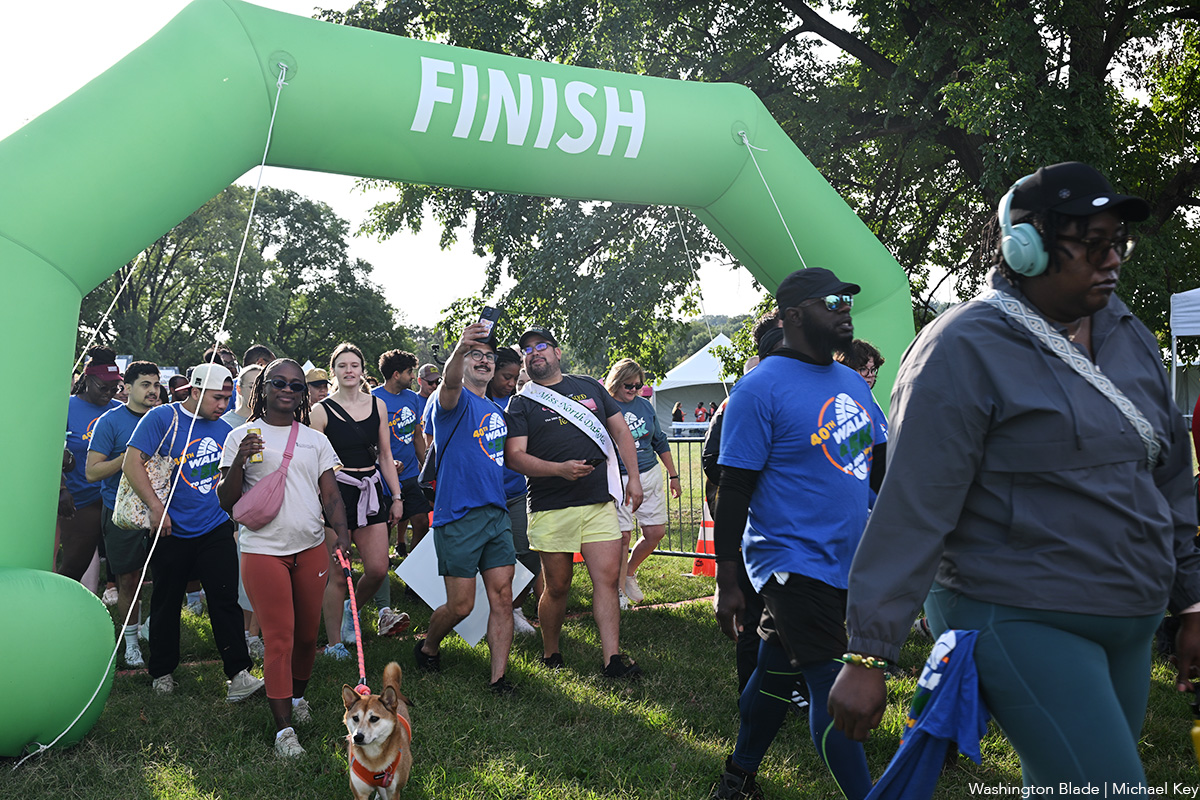
Whitman-Walker Health held the 40th annual Walk and 5K to End HIV at Anacostia Park on Saturday, Sept. 19.
(Washington Blade photos by Michael Key)

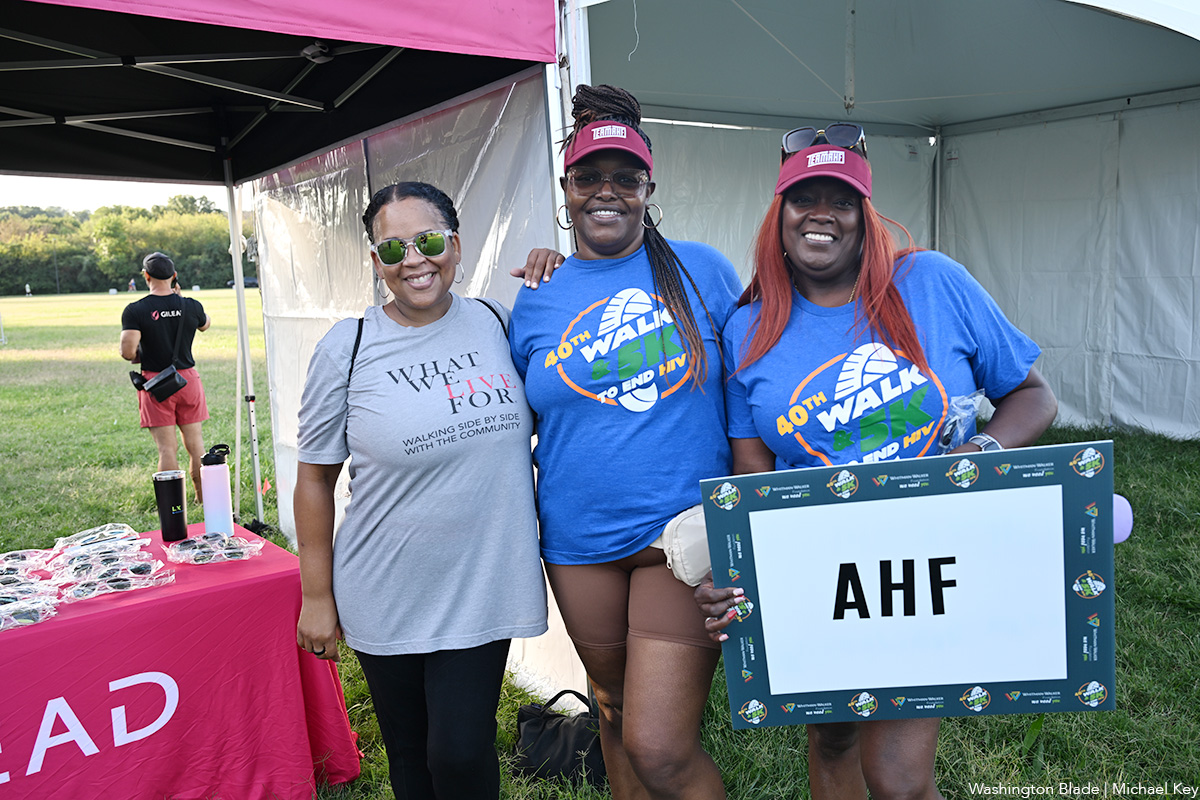
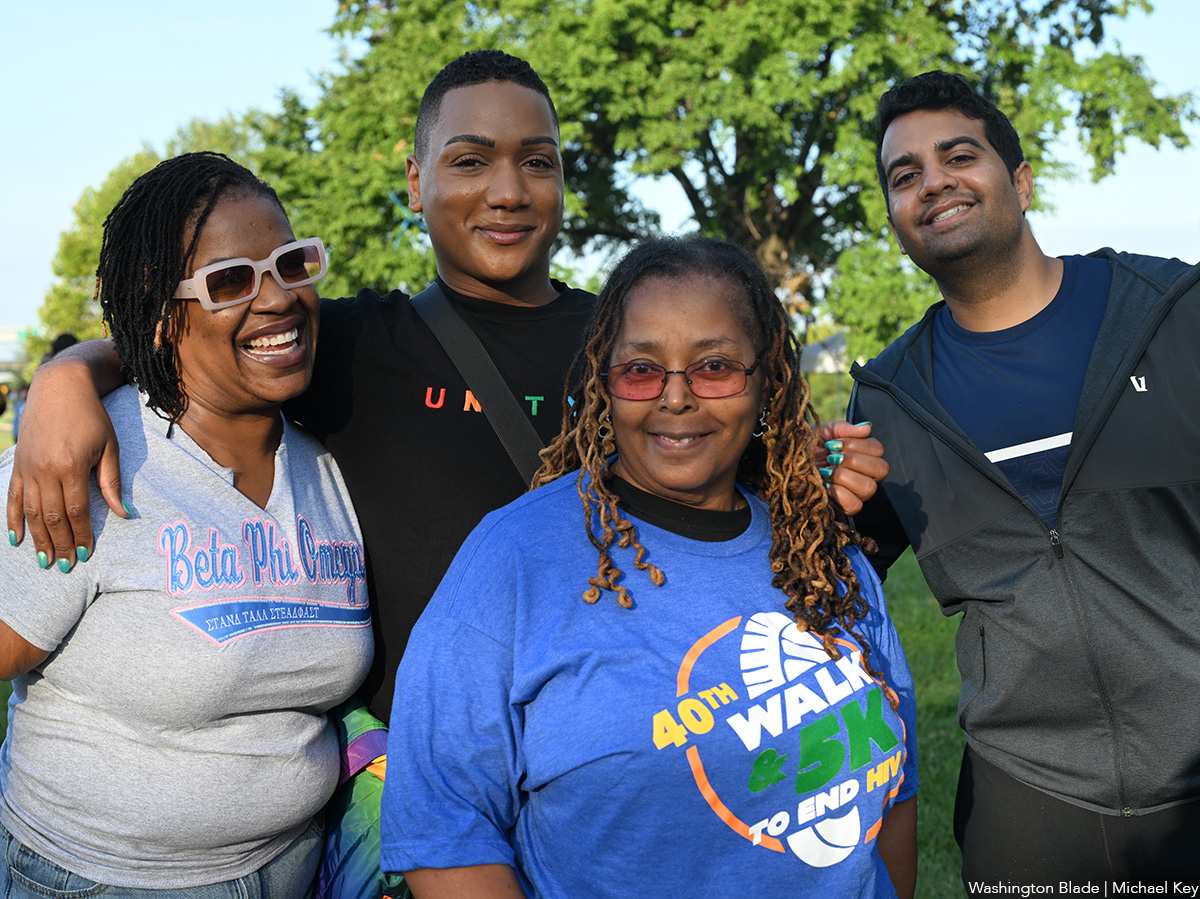
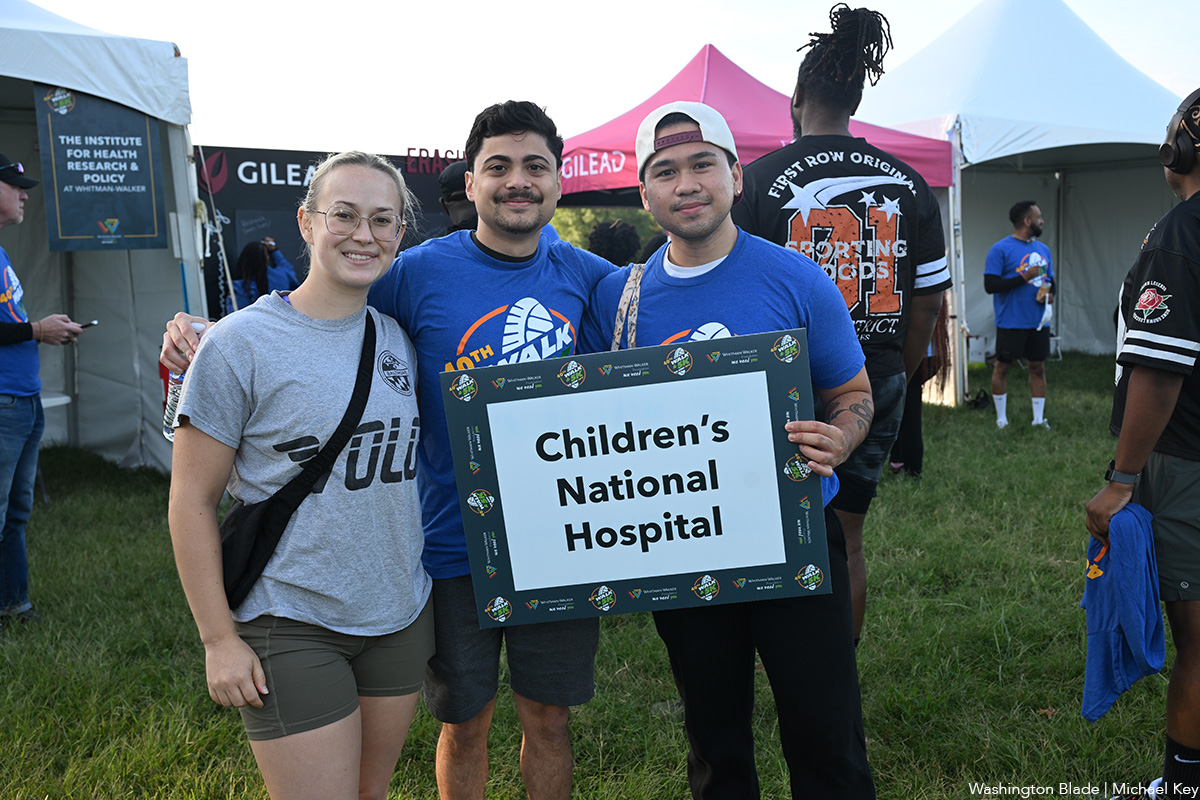
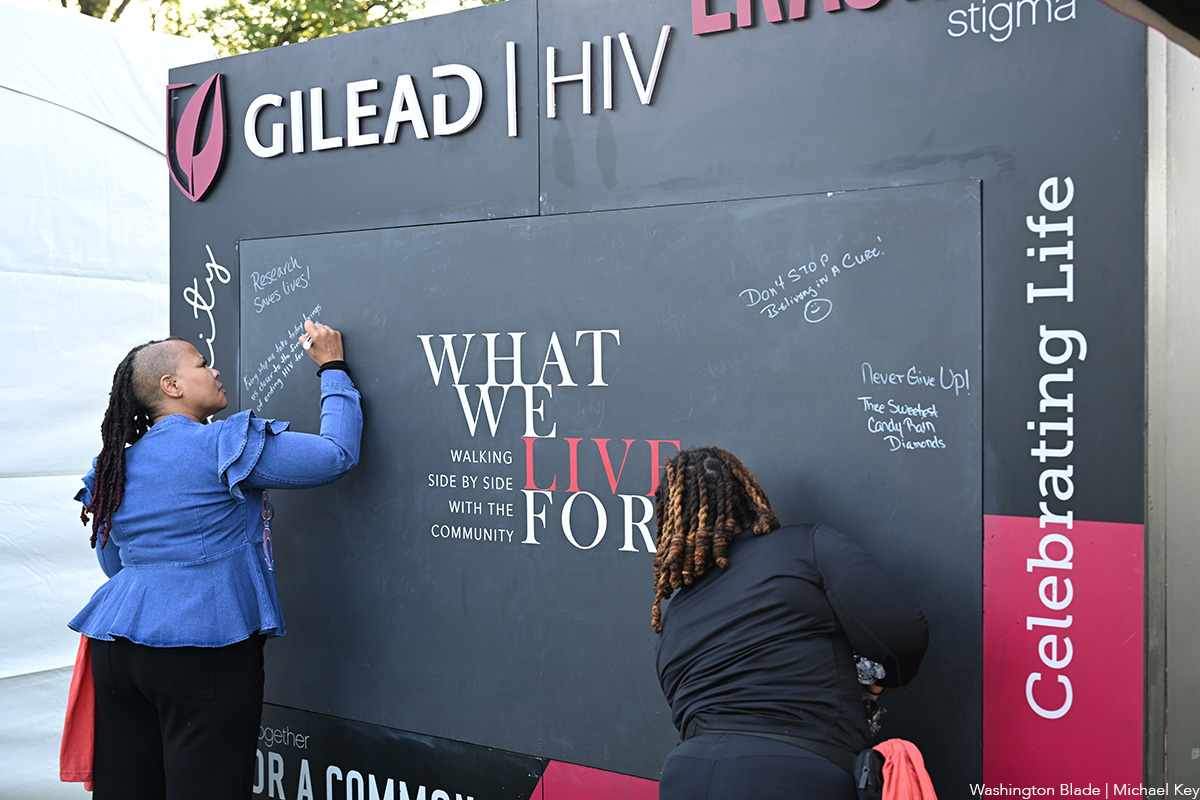


Photos
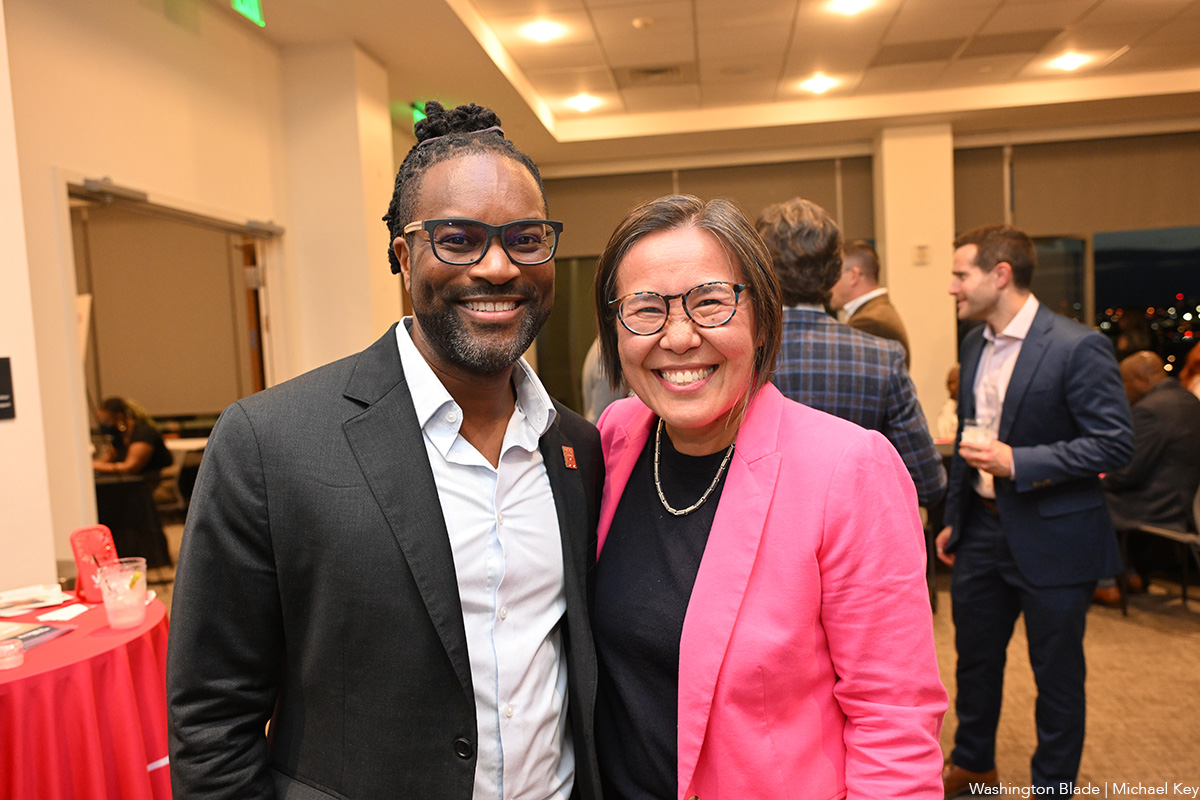
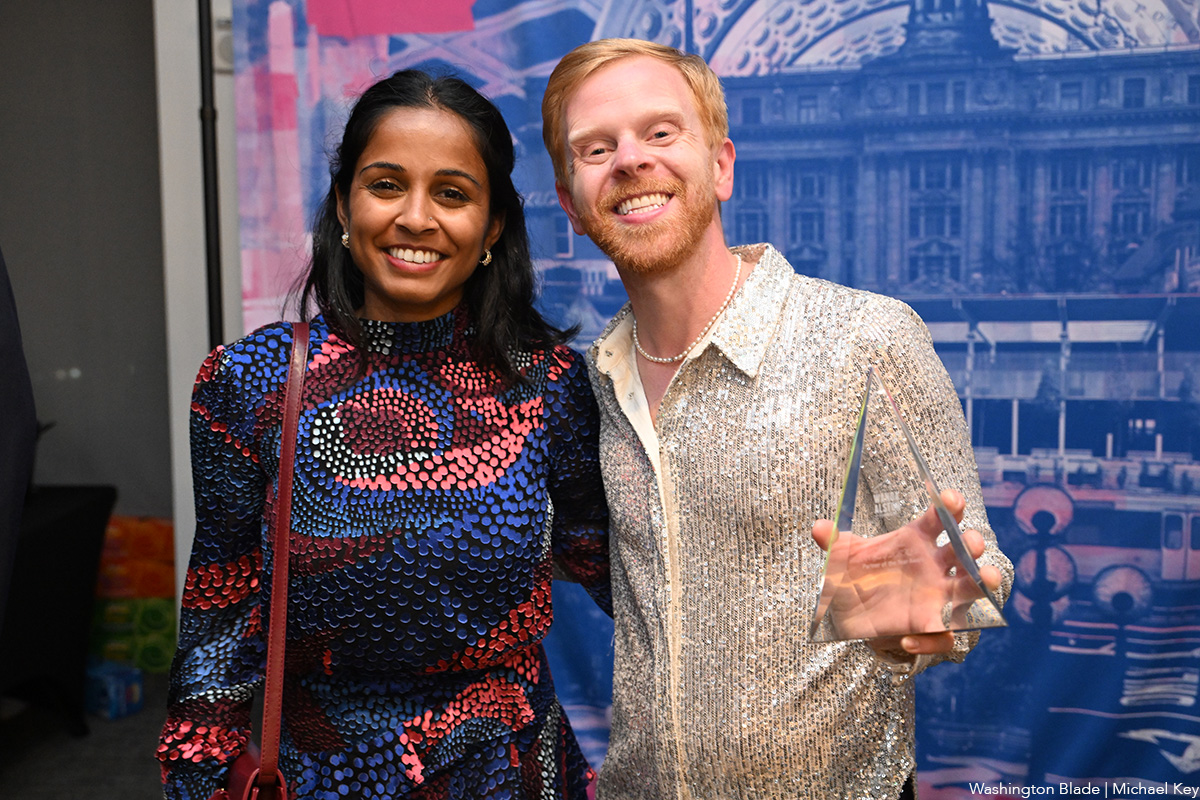
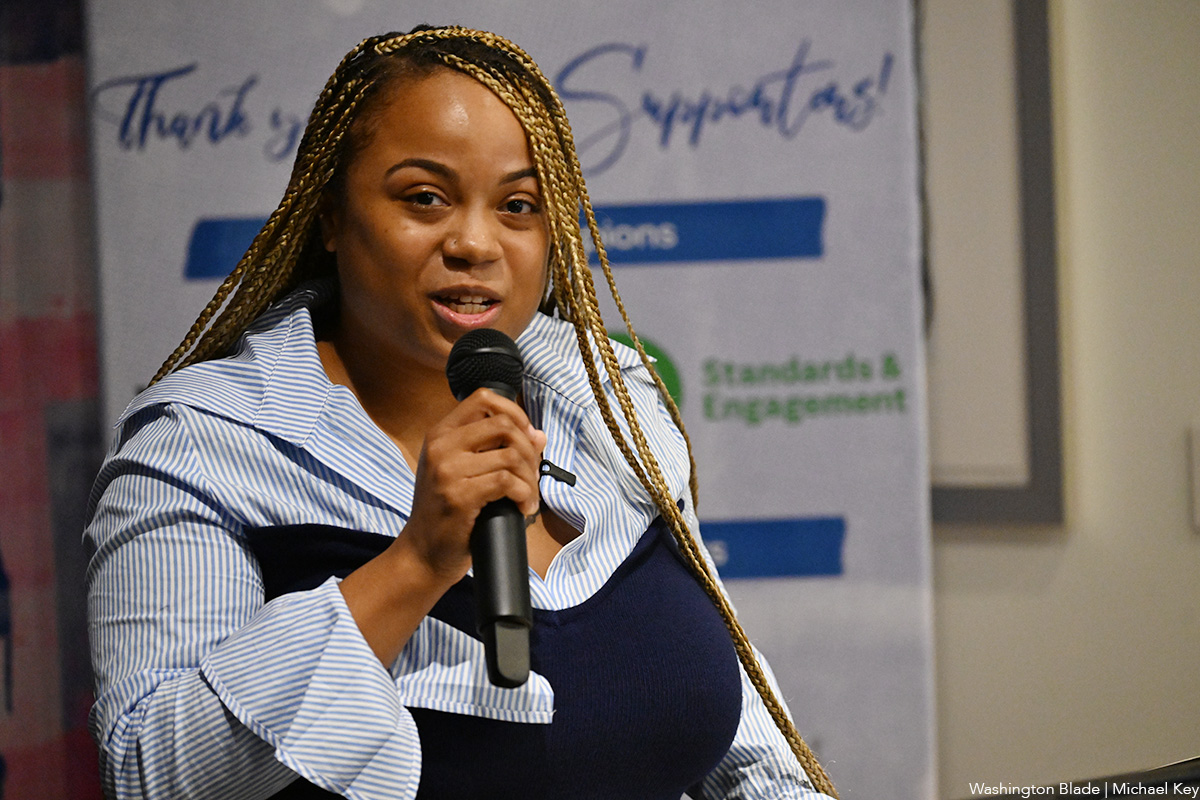
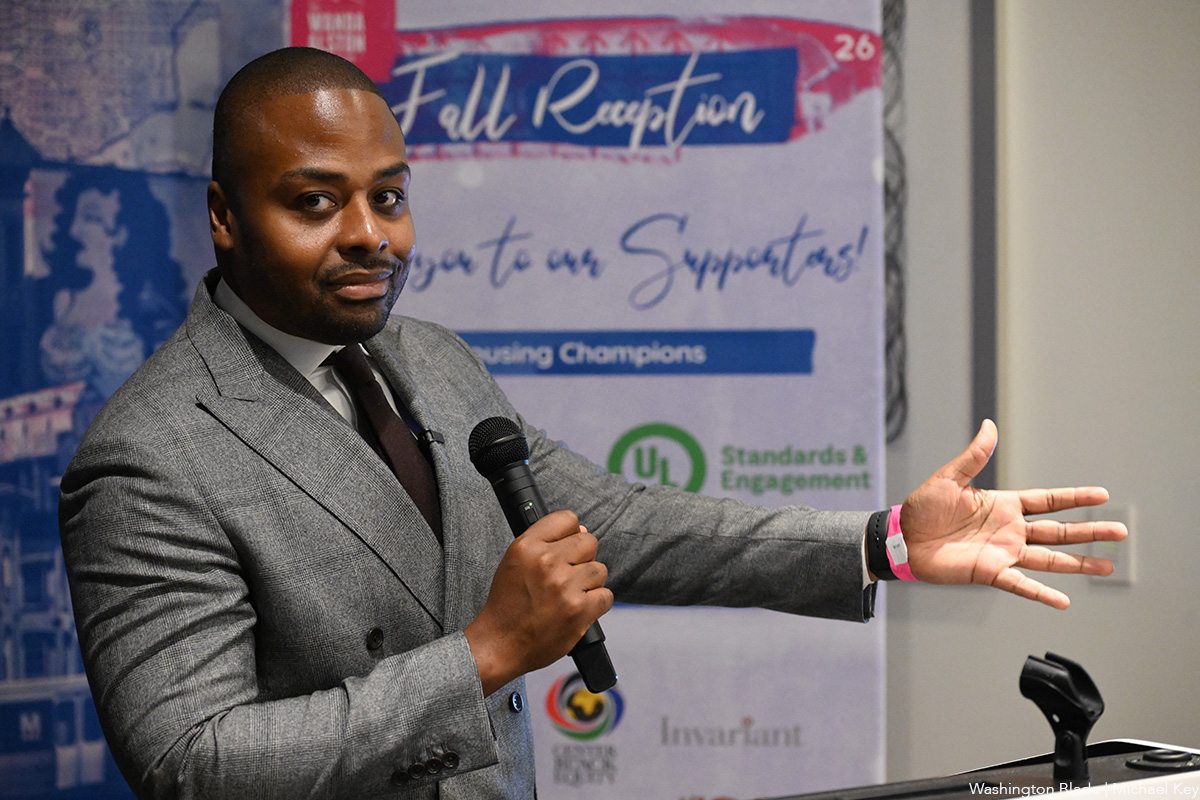
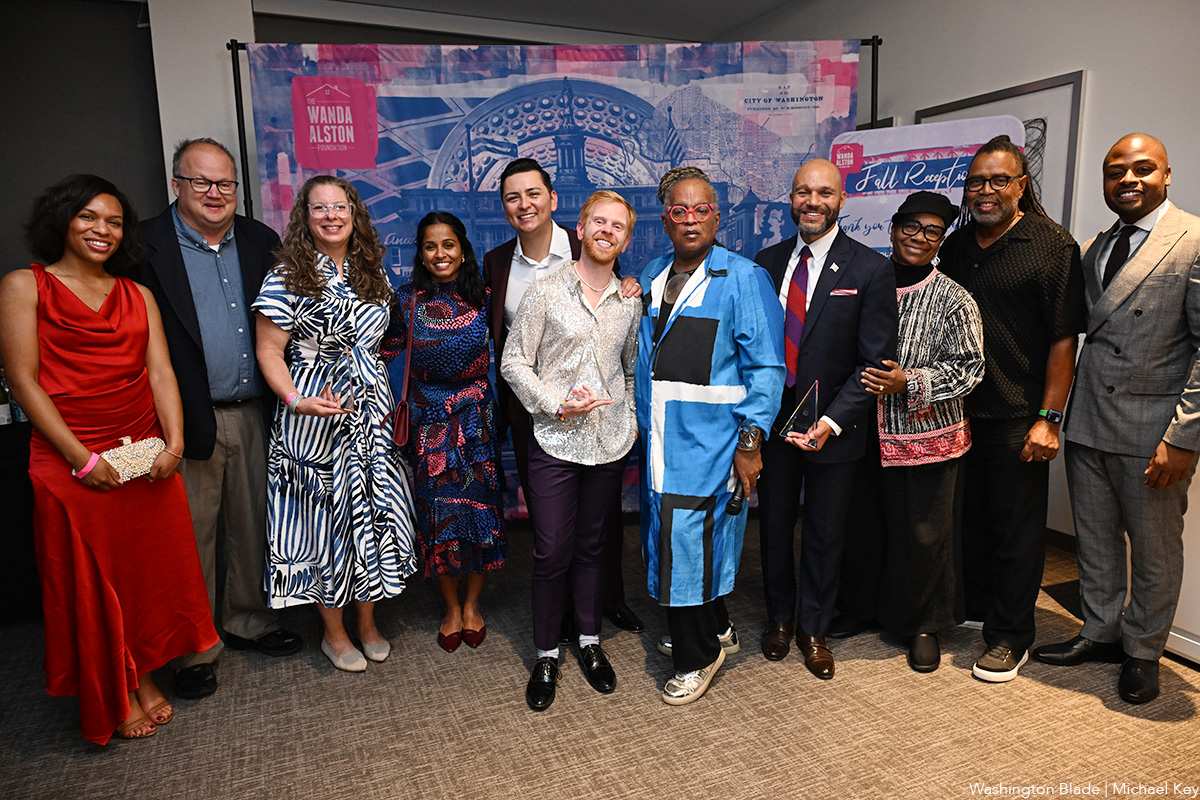
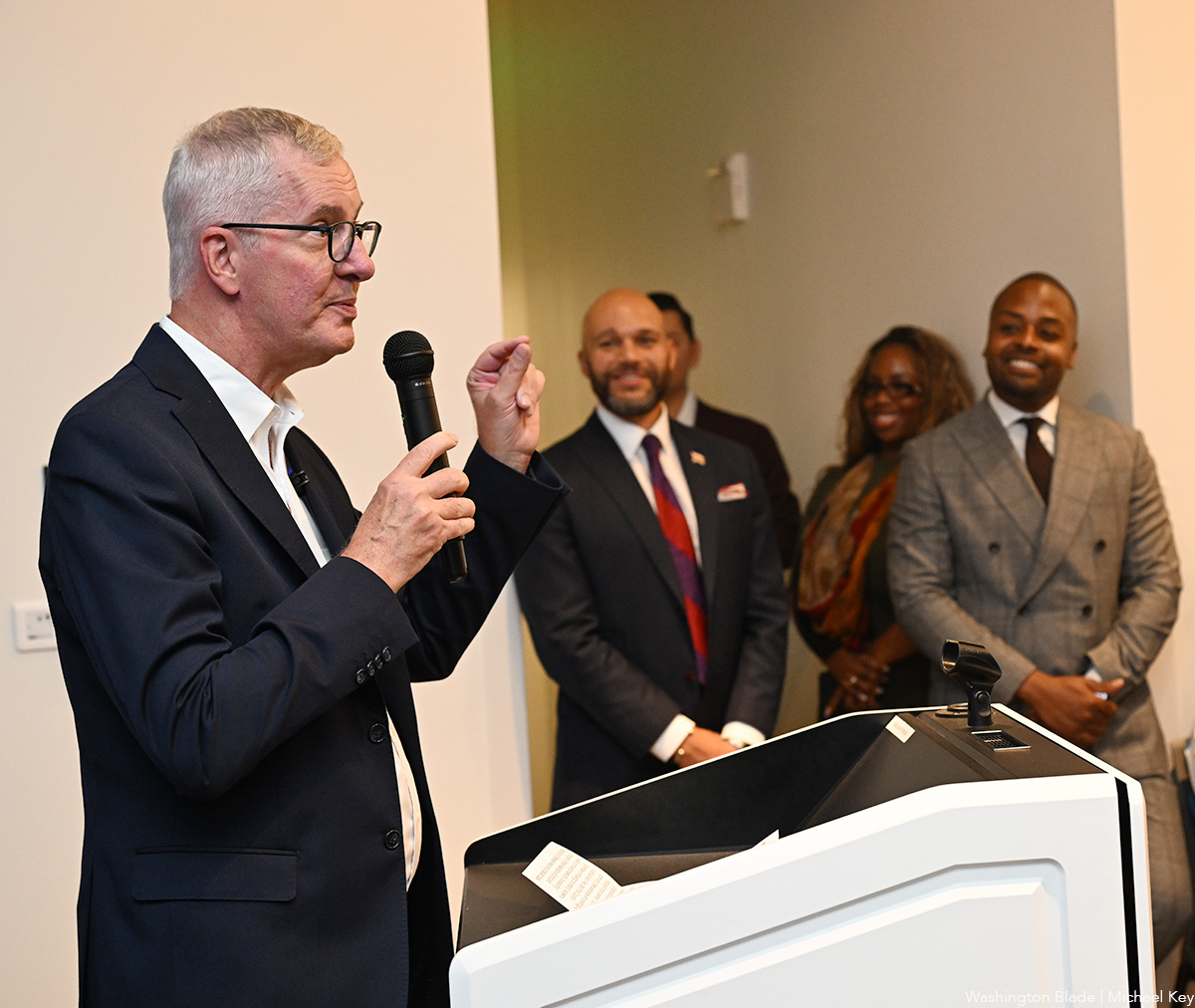
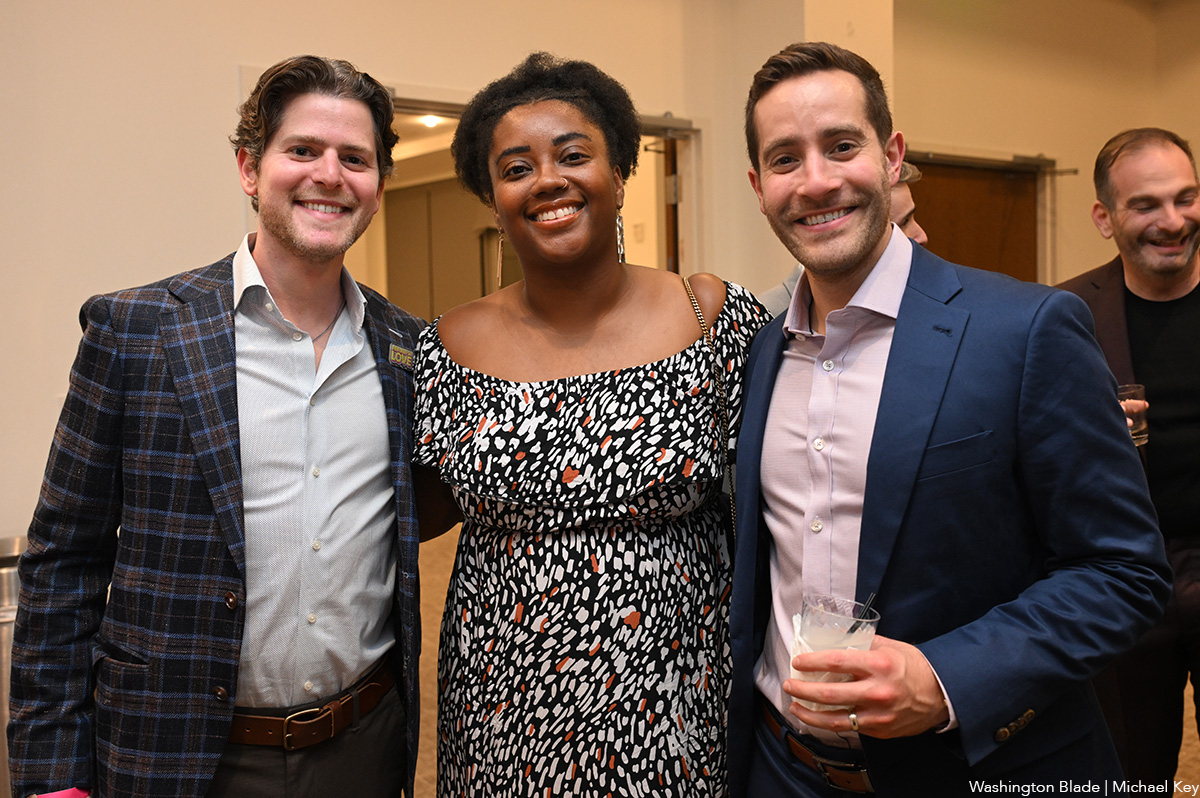
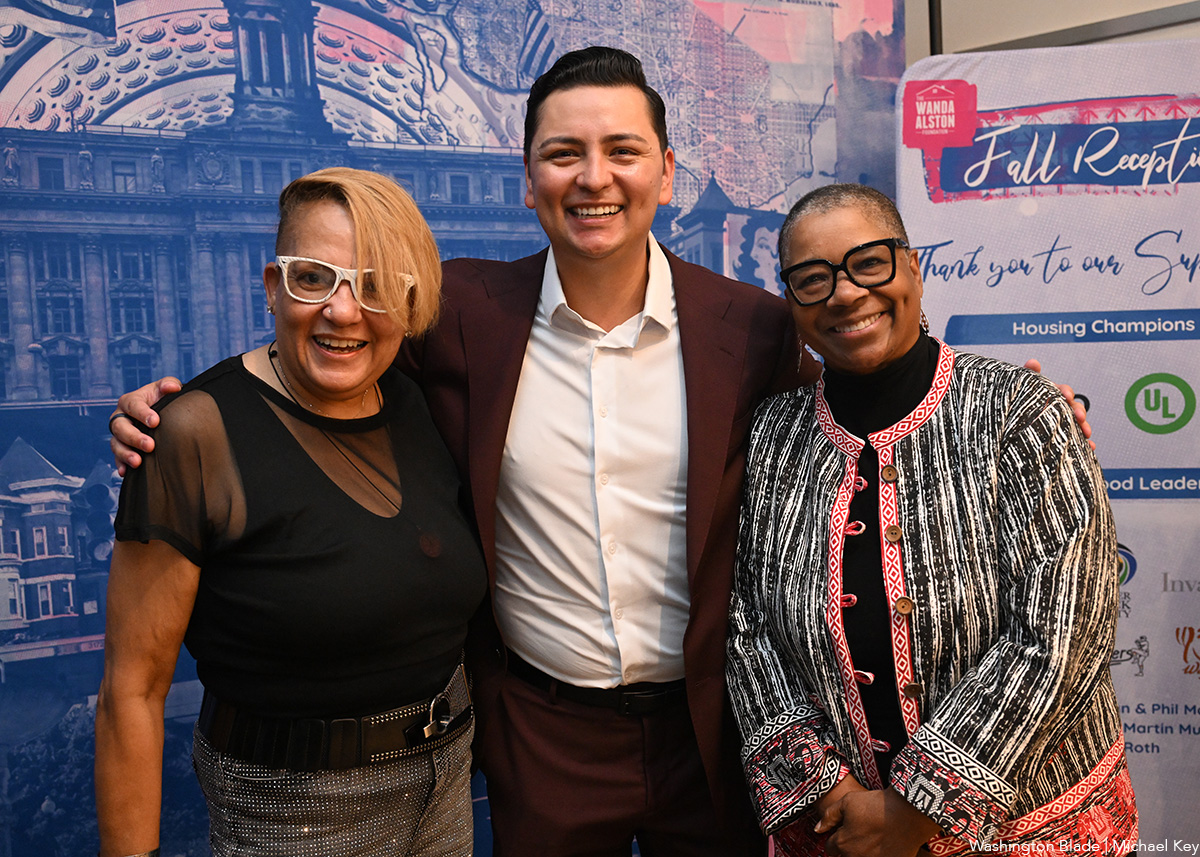
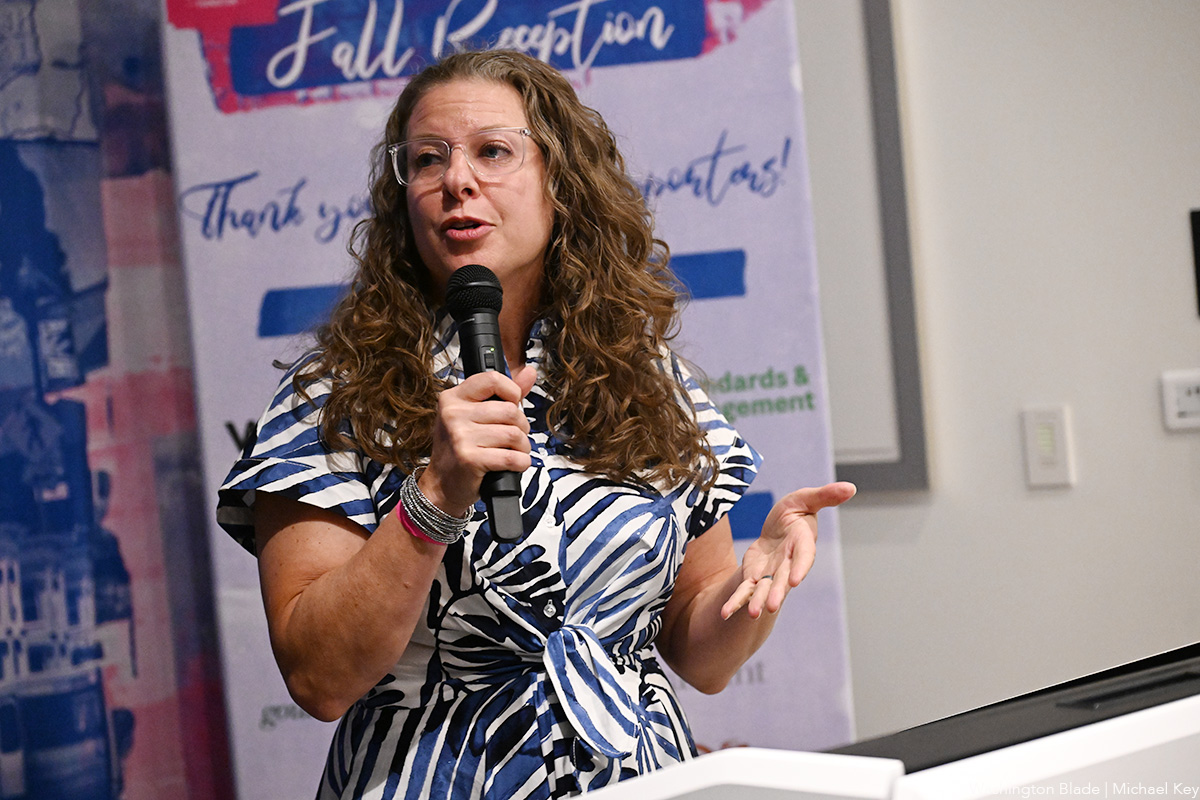
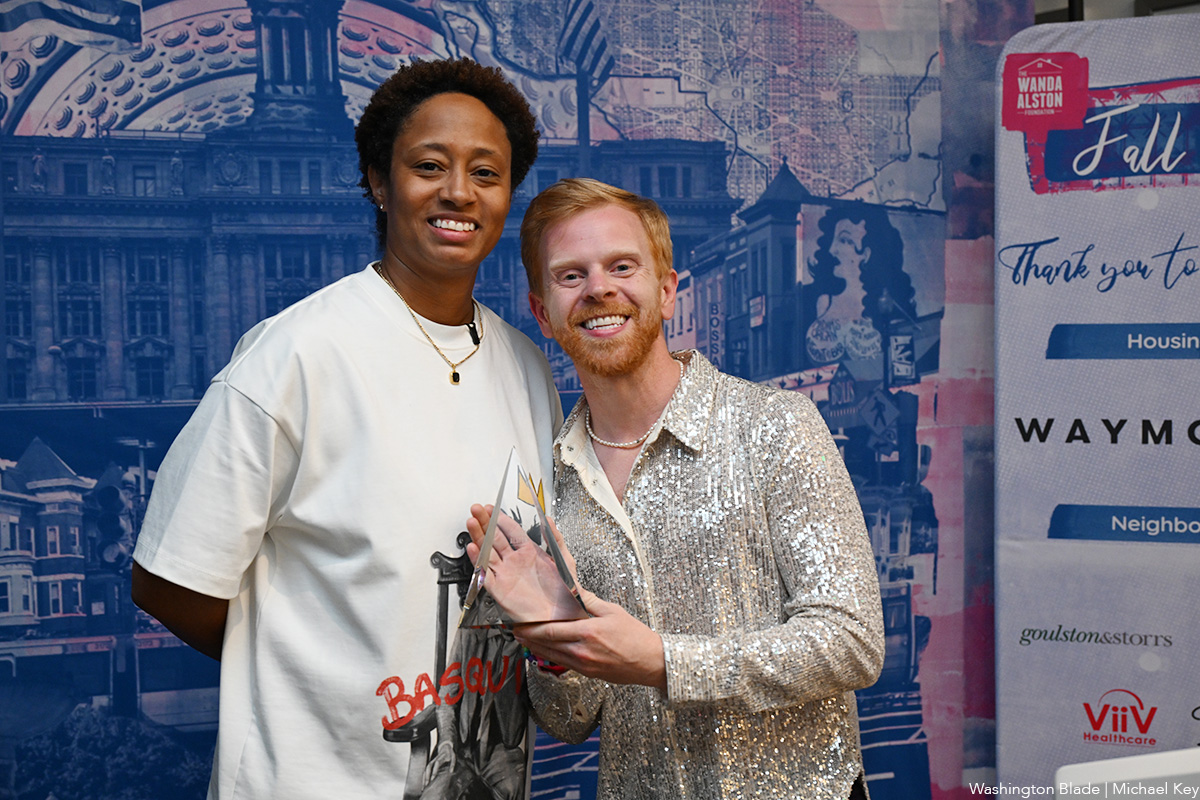
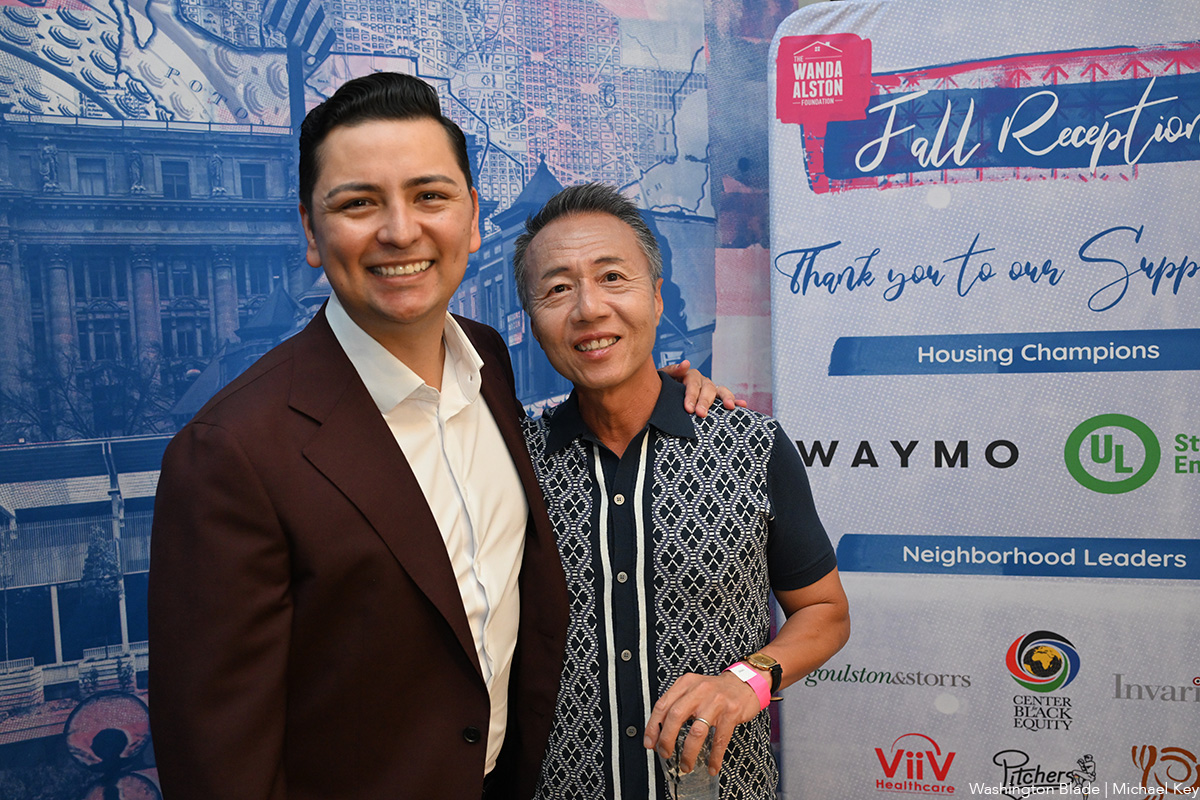
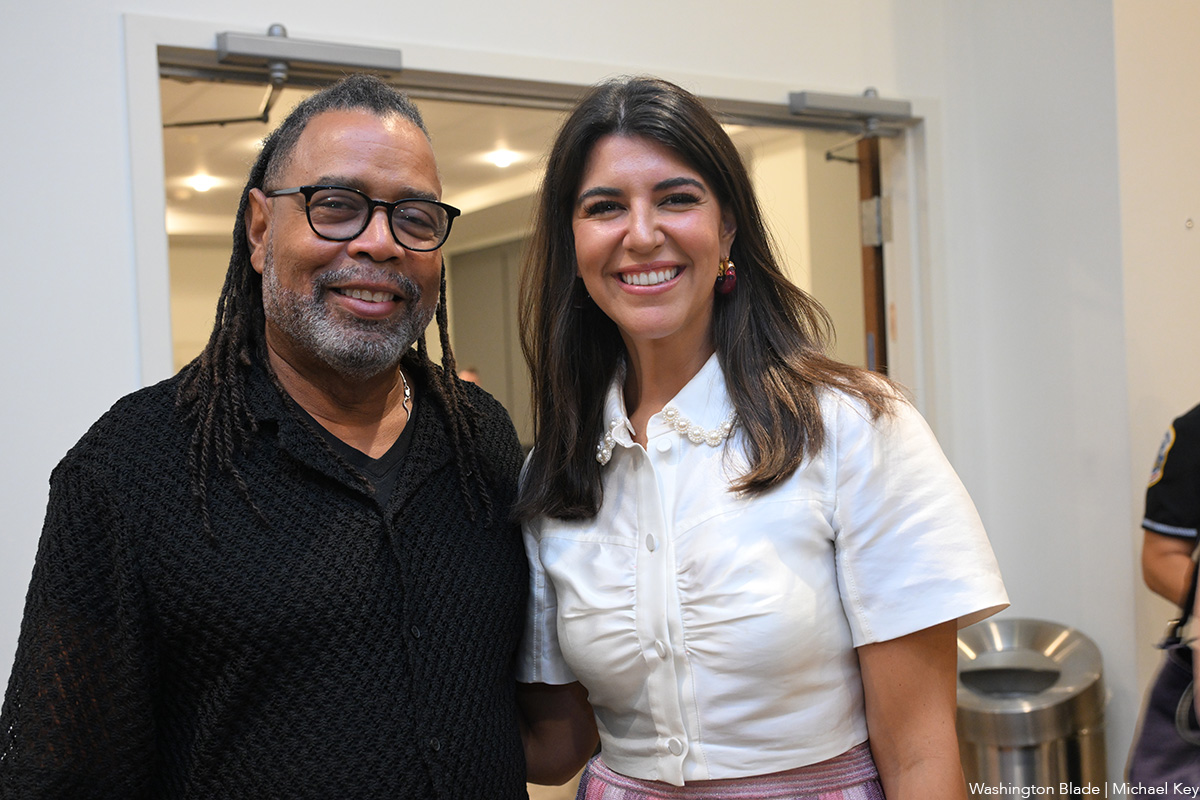
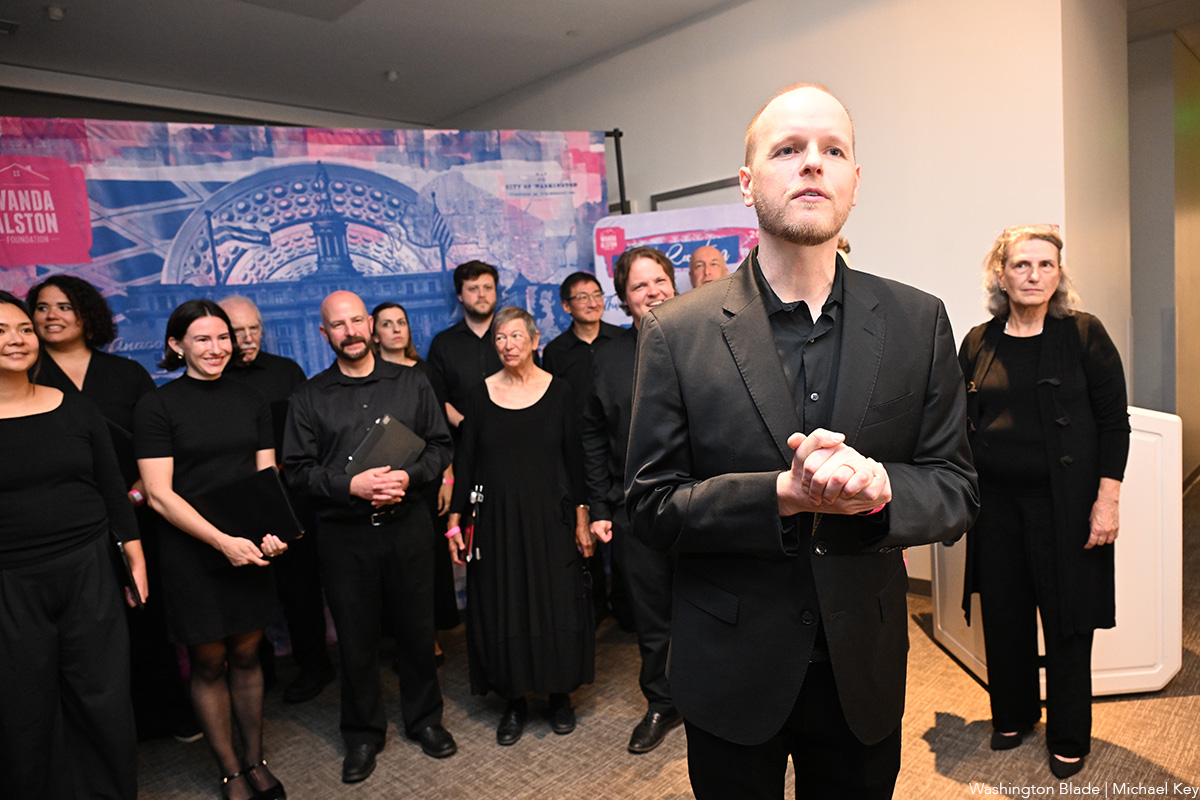
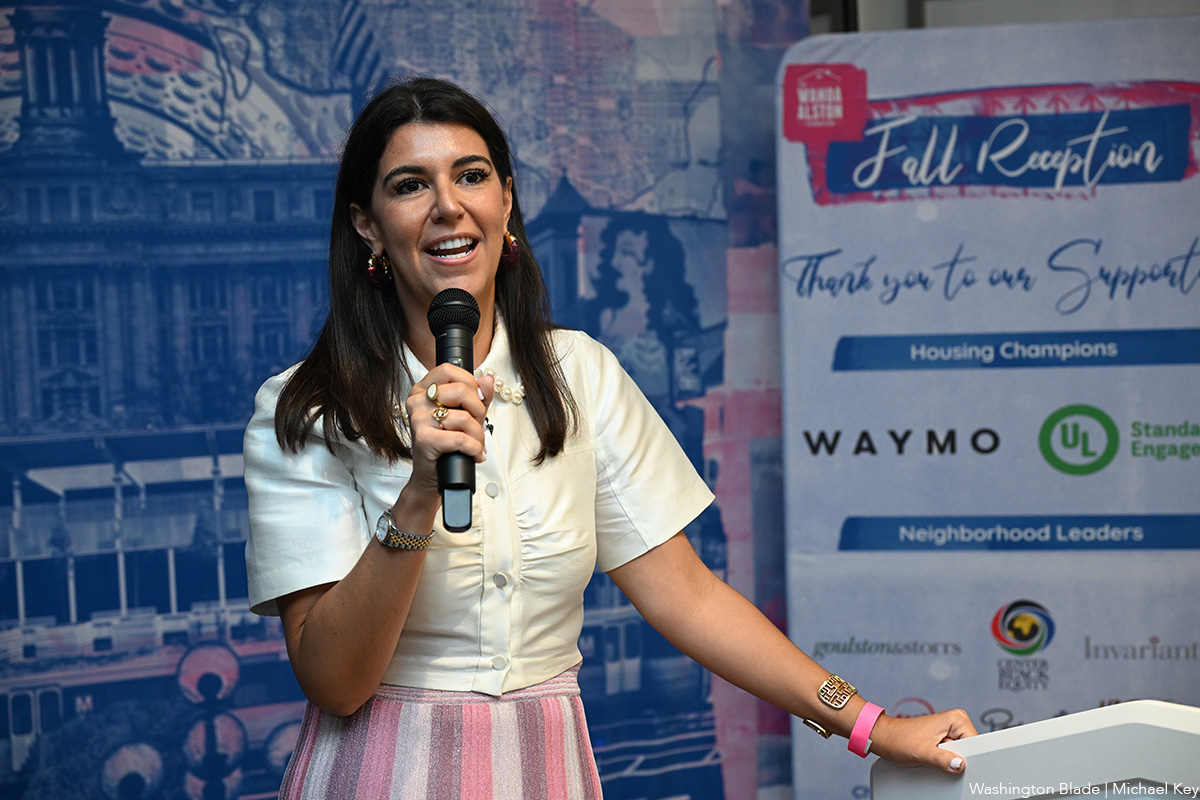
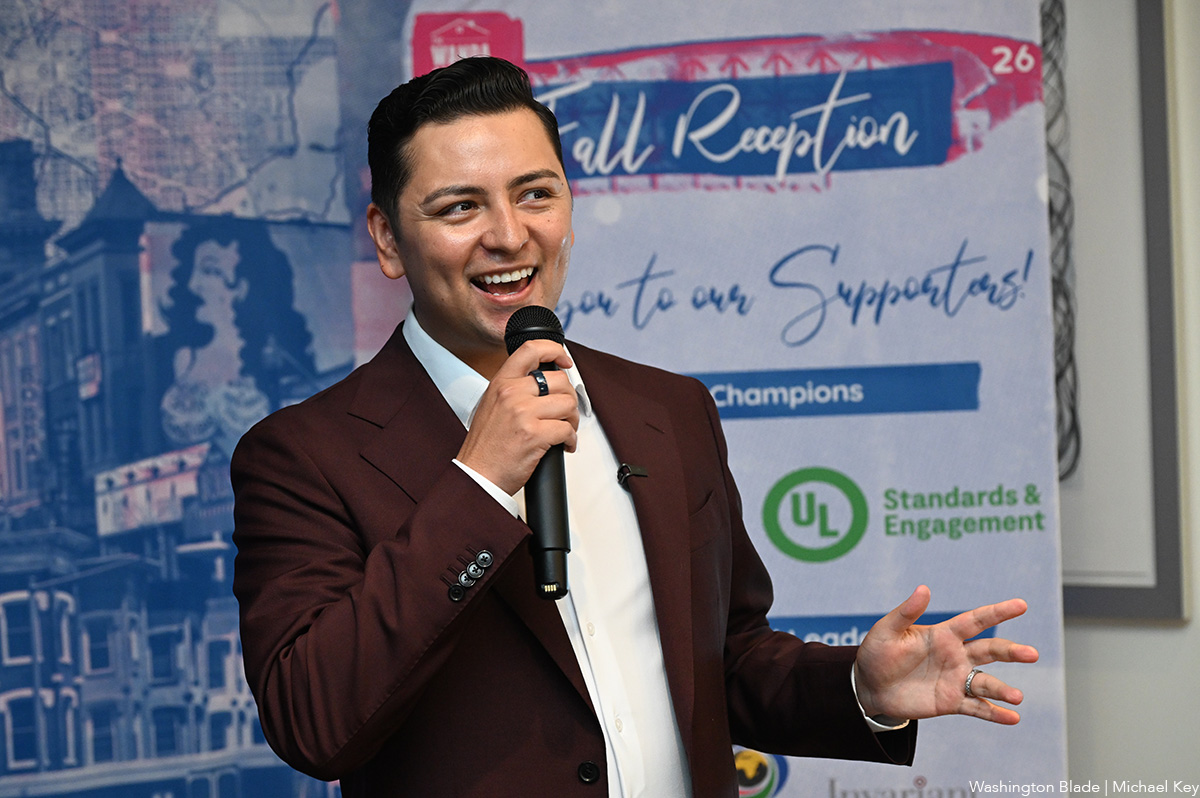
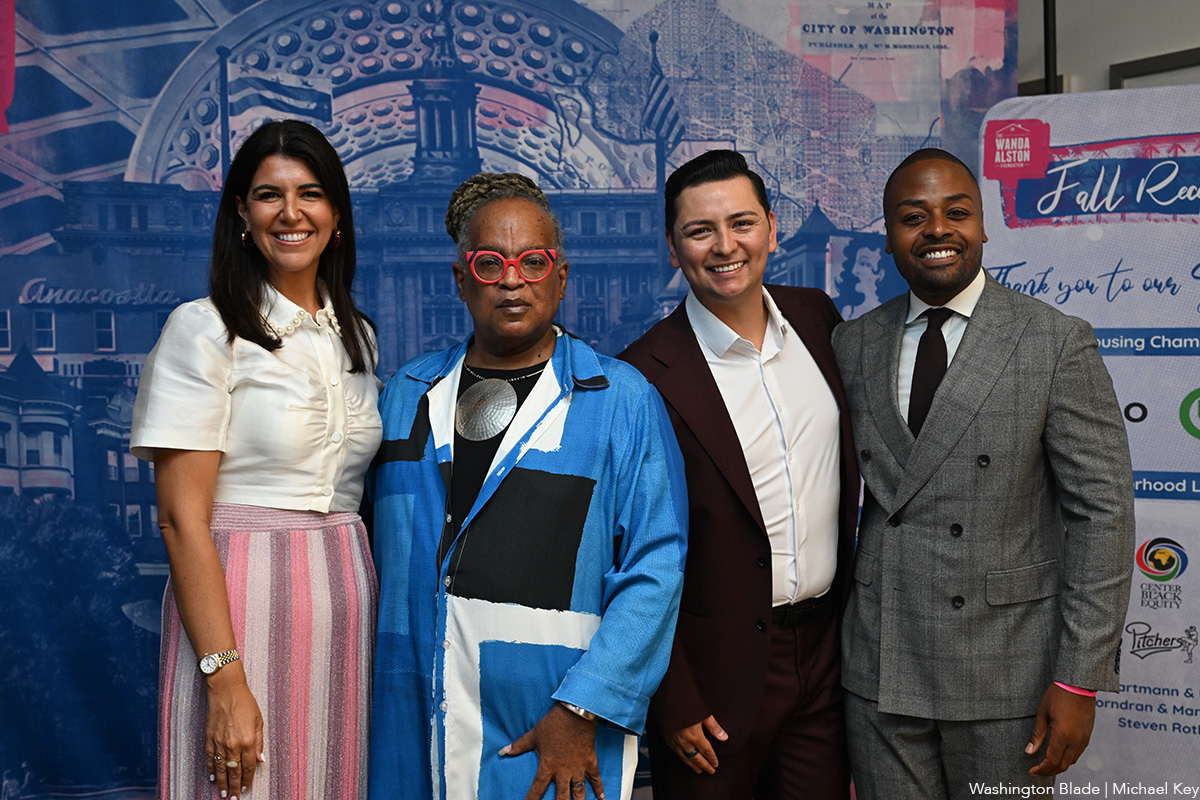
PHOTOS: Wanda Alston Foundation Fall Reception
LGBTQ youth services organization honors Robert White, Japer Bowles, Washington Capitals
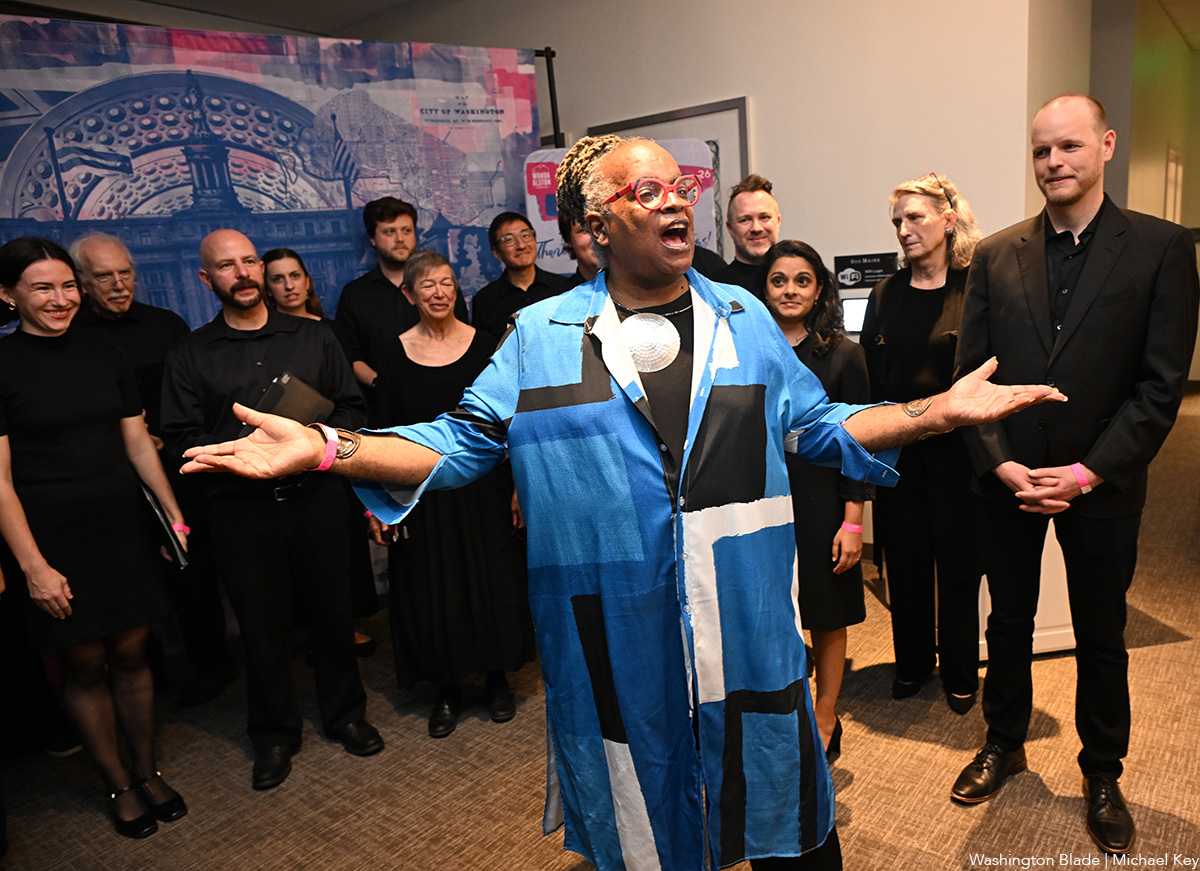
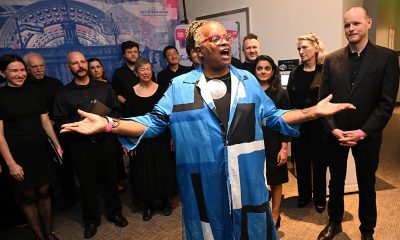
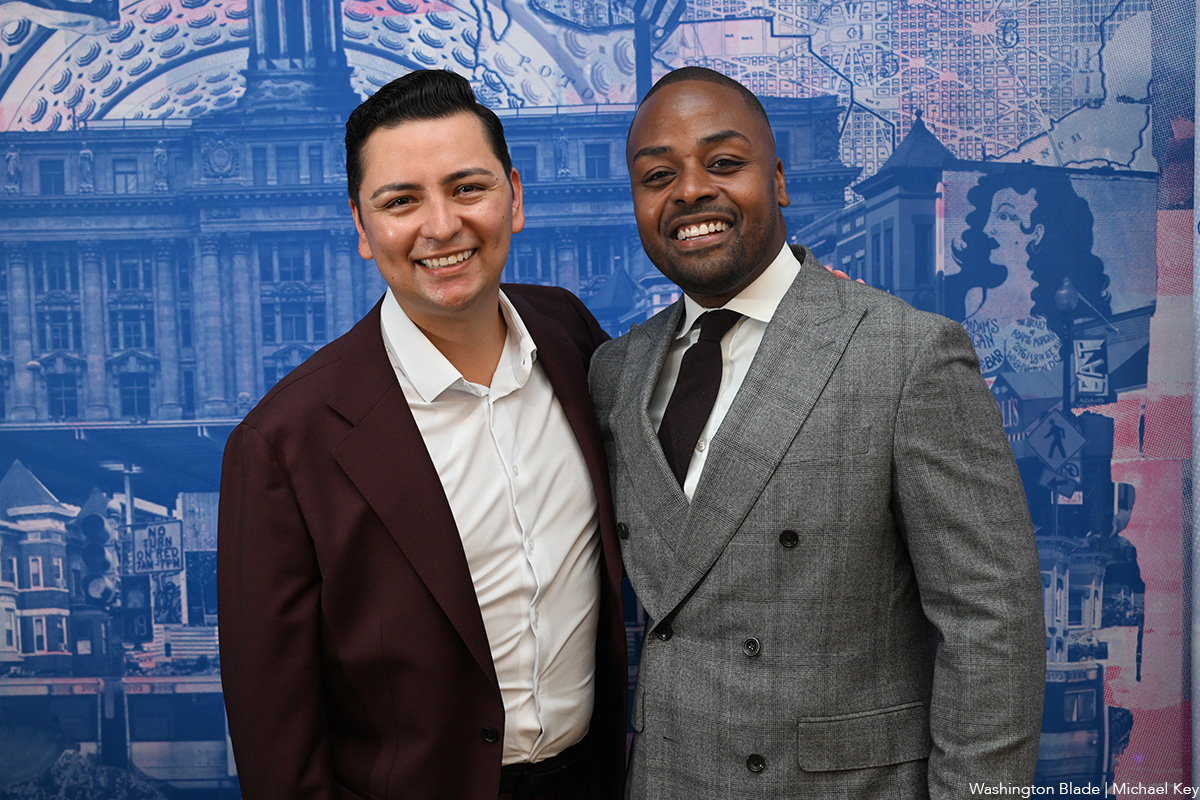
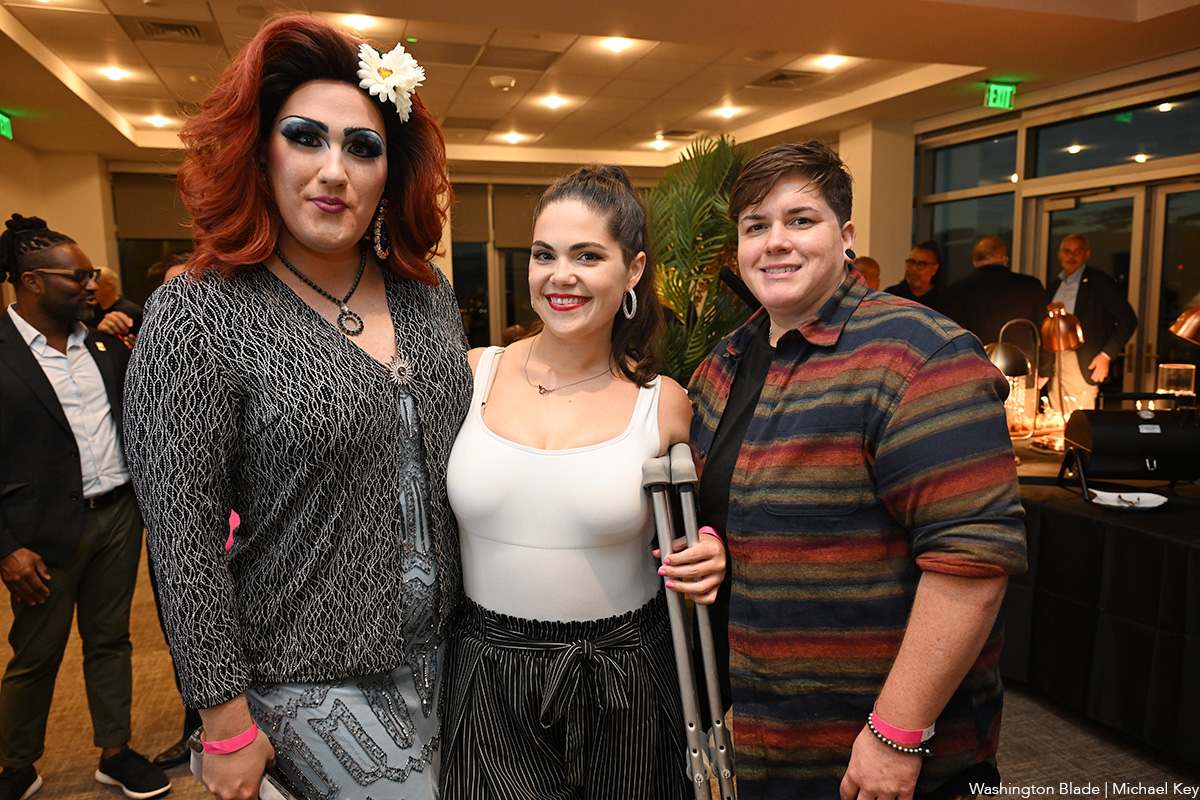
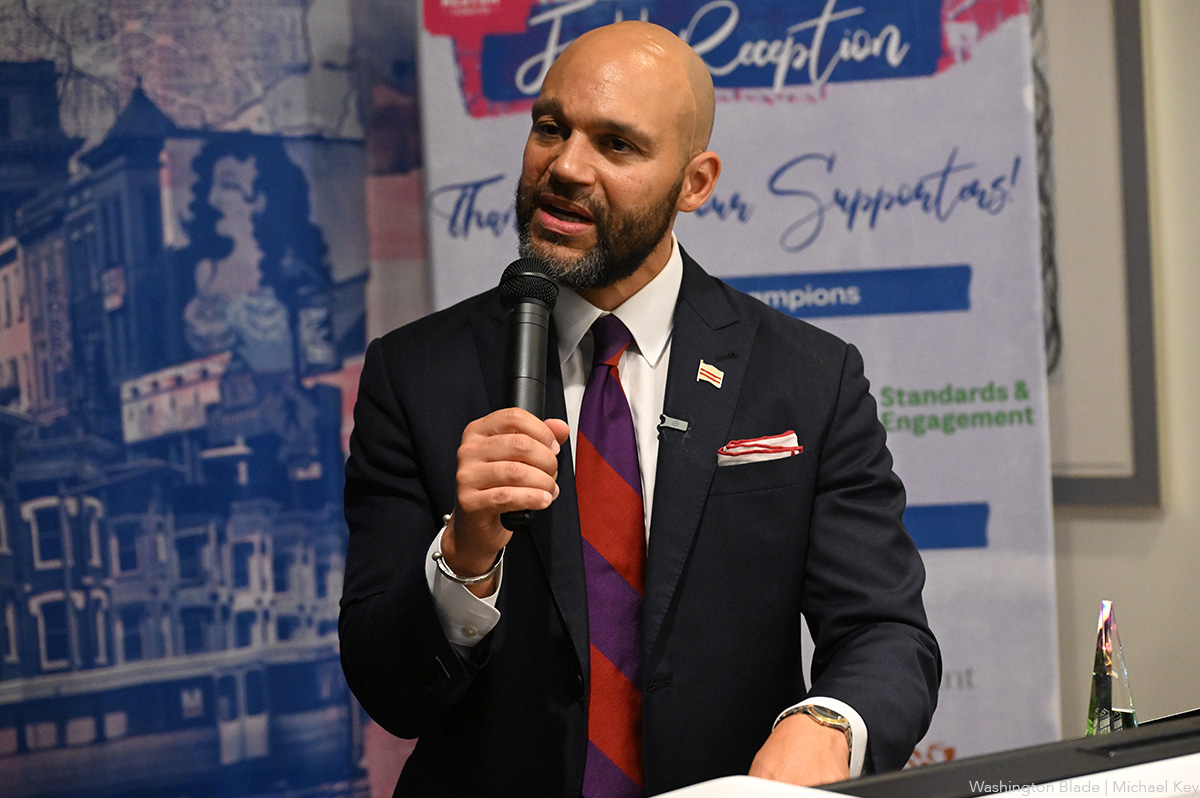
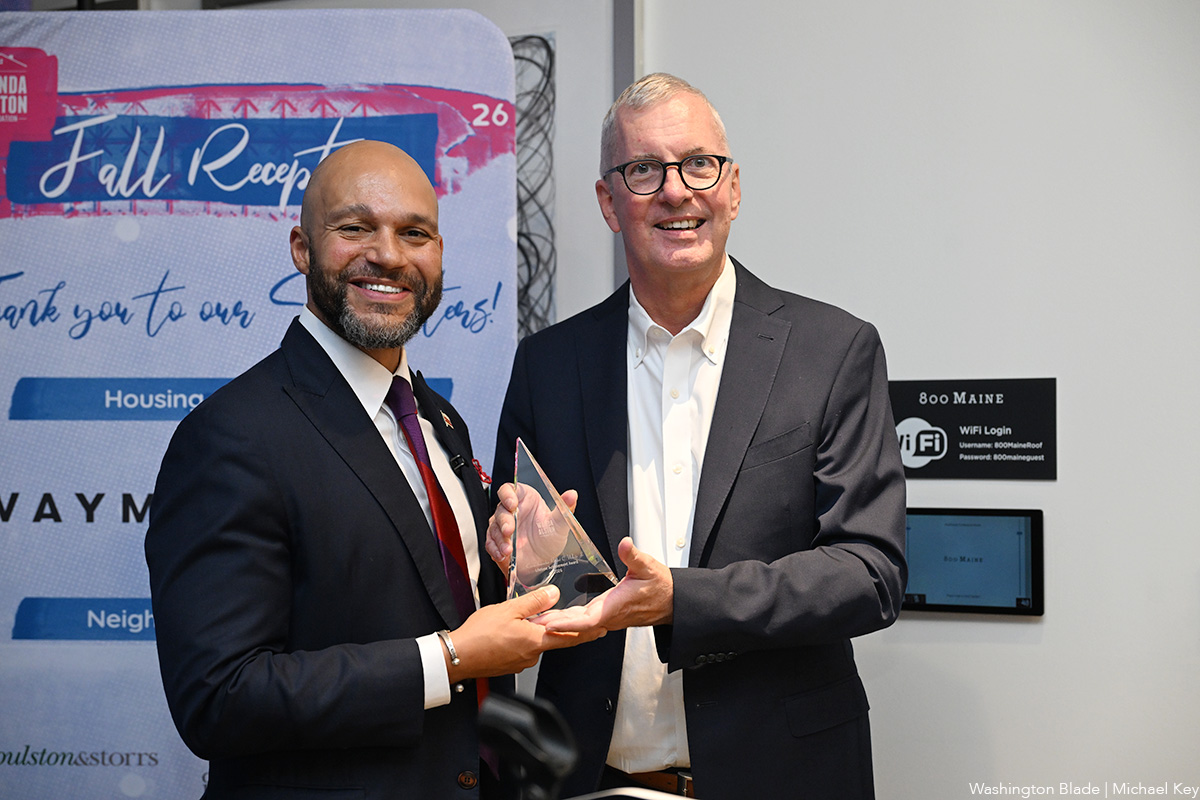
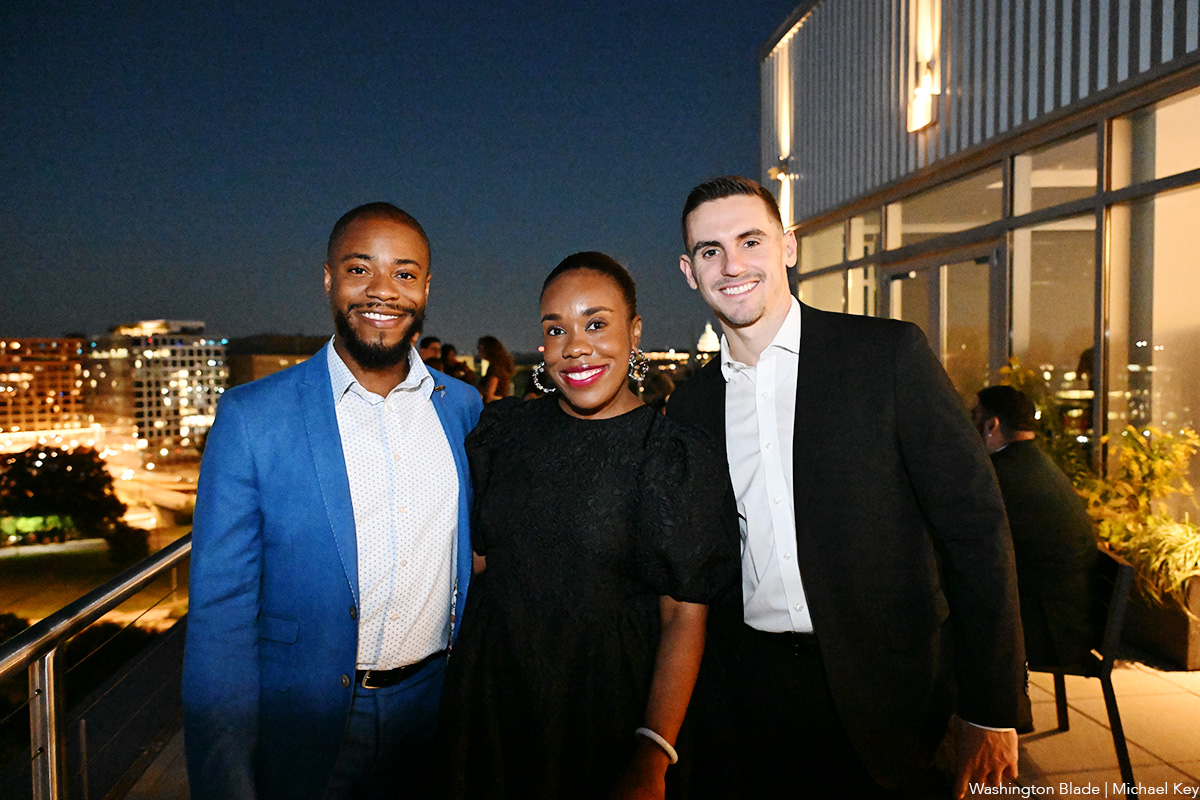
The Wanda Alston Foundation held its Fall Reception at the Penthouse Rooftop at The Wharf on Friday, Sept. 18. Honorees included D.C. Councilmember Robert White, Director of the Mayor’s Office of LGBTQ+ Affairs Japer Bowles, and the Washington Capitals. Rayceen Pendarvis served as the emcee and entertainment was provided by the Thomas Circle Singers.
(Washington Blade photos by Michael Key)
Books
Curl up with a good book this fall
New releases include mysteries, biographies, religion, and more
The fall books season offers lots of options so curl up and get ready to read.
FICTION
For the mystery fan who likes a sprinkle of thriller, look for “The Longest Death” by Kevin Jagernauth (Soho Crime, December). Richard Cobson hates his small town, he’s bored and desperate to get away. Stealing from his employer is the only thing that makes life bearable. That all changes when Marlon Montgomery comes to town and the two fall in love because if one guy can steal so easily, what can two do?
If you like graphic novels, try the “Tripping Over You” trilogy by Suzana Harcum and Owena White. Milo and Liam are finally able to be open about their relationship, no more hiding their love. They’re living together now, but can it last? “Tripping Over You Book 3” (First Second Books) is in stores in early November.
Also try “Diana: The Punk Singer Who Ripped Through Time” by Nate Powell (Abrams ComicArts, October). It’s about a young woman who’s trying desperately to escape her past, until a mysterious murder sidetracks her plans.
So you say you’re a romantic at heart? Then look for “Unspeakable Things: A Novel” by Elizabeth Hand (Little, Brown & Company, October). It’s a story set in the 1920s, when two young women arrive in the English Countryside to a dark and ancient manor. But, of course, nothing in a Gothic novel is easy, right? And you’ll love this tale.
NONFICTION
So this upcoming year is going to be one of exploration, right? Then look for “Free Love: Adventures in Marriage and Polyamory” by Michelle Tea (HarperOne, November). It’s a well-researched, personal, and interesting look at the lives of polyamorous couples and what it’s like to live what used to be called an “alternative” lifestyle.
If “fall” says “biography” to you, then look for “Showbiz! My Life as a Middle-Aged Man” by Murray Hill (Gallery Books, October). For decades, Hill has been making audiences laugh with his signature humor, but getting laughs hides his past all too well. He grew up in an abusive family and learning to hone his talents took some ingenuity. If you’re not a Hill fan yet, you will be, once you read this book.
For the reader who’s searching for a spiritual place, “Reading the Bible Through Queer Eyes: Good News for LGBTQ+ People from Genesis to Revelation” by podcasters Brian G. Murphy and Shannon T.L. Kearns (HarperOne, December) might help. Here, the authors look deeply at Scripture to find the queerness that’s there, proving to readers that the Word is not always what it seems.
Young readers may want to check out “Bitter Pill: Randy Shilts and the Dawn of the HIV/AIDS Epidemic” by Clement Xavier, illustrated by Heloise Cochois, foreword by Michael Lee (Abrams ComicArts, November). It’s a highly researched true story of activist Shilts, but also of Harvey Milk, and the earliest days of the AIDS crisis, when gay men needed a loud voice to advocate for them.
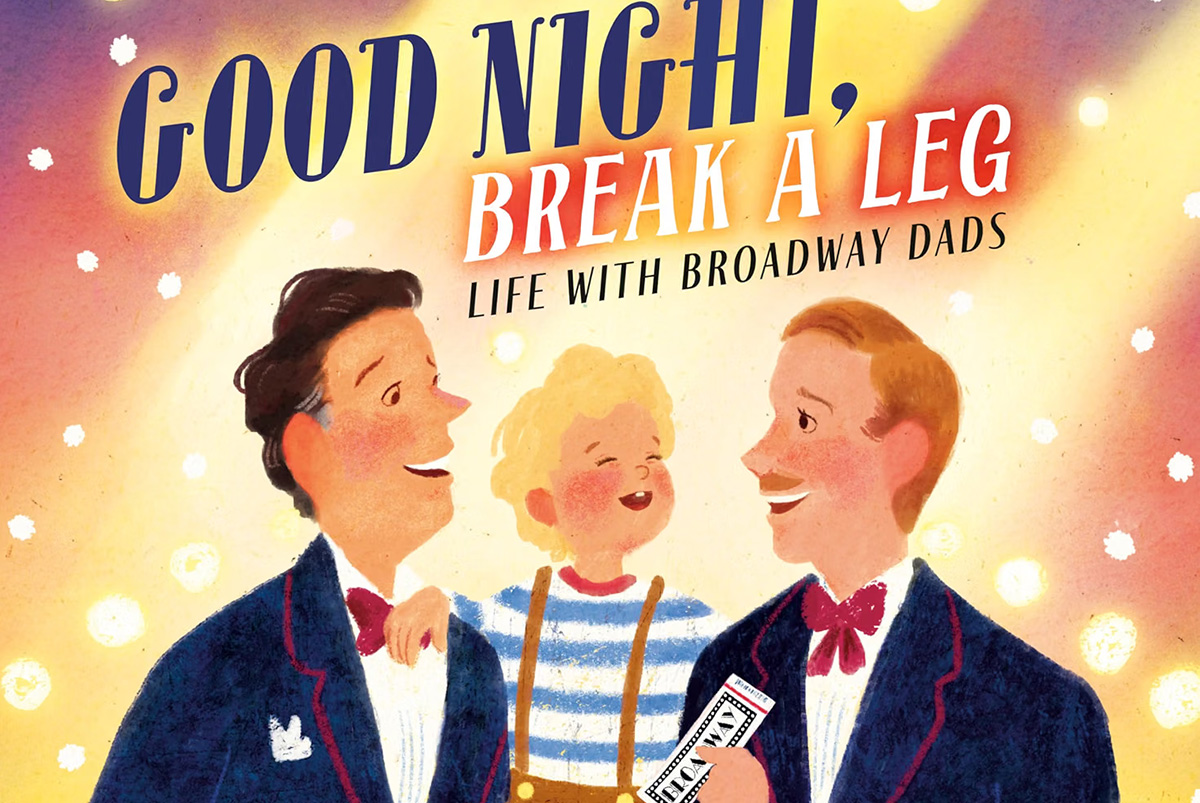
And finally, if you want a fun book for your kids or a child you love, look for “Good Night, Break a Leg: Life with Broadway Dads” by Bret Shuford, illustrated by Elena Hager (Penguin Workshop). What do parents do when they go to work? A little boy learns that his dads have very special jobs by day – and by night! It’s a cute book for kids, but a special tale for lovers of Broadway.
Be aware that publication dates change, titles change, books can be canceled, and your librarian or favorite bookseller can help you find what you need. Season’s readings!

Long-time DignityUSA executive director announces retirement

PHOTOS: Walk and 5K to End HIV

PHOTOS: Wanda Alston Foundation Fall Reception

Moving presents a chance to ‘clean house’

EV ecstacy: BMW iX3, Rivian R2

Trump’s Cabinet: Dumb, dumber, dumbest, and evil

More than 150 people detained outside Istanbul courthouse

D.C.’s fall theater season is already well underway

Gun reform is an LGBTQ rights issue