Arts & Entertainment
Baltimore arts preview: John Waters, Tina Turner, and more
Busy season in Charm City with ‘Hamilton,’ Randy Rainbow among standouts
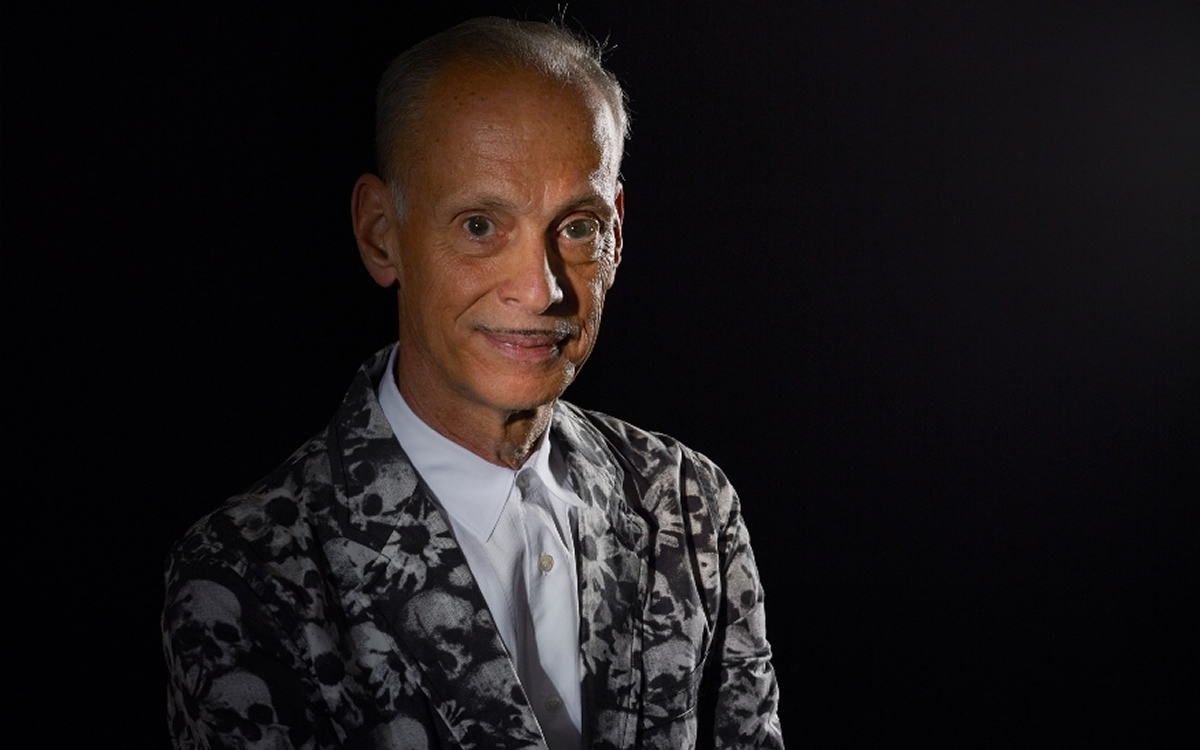
What sort of art does gay writer and filmmaker John Waters collect? Does it reflect his subversive sense of humor and empathy for outsiders? How did he get to be such a savvy art collector?
Fans will get some answers from “Coming Attractions: The John Waters Collection,” an exhibit opening Nov. 20 at the Baltimore Museum of Art. It’s one of many shows and exhibits coming to Baltimore this fall, including the national touring productions of “Hamilton,” “Jagged Little Pill” and “Tina: The Tina Turner Musical,” and appearances by Randy Rainbow, Trixie Mattel, Chelsea Handler and others.
“Coming Attractions” will feature about 90 works of art selected from 372 works that Waters, a BMA trustee, plans to leave to the museum upon his death. When his donation was announced in 2020, representatives promised the museum would have a preview of what’s to come while Waters was still alive, and this show is it.
Although Waters’s donation to the museum includes works by himself and others, “Coming Attractions” will focus on art he has collected and displayed at his homes in Baltimore, New York City, and San Francisco.
The guest curators are photographer Catherine Opie and artist Jack Pierson, both of whom have been friends with Waters for years and are represented in his collection. The exhibit is organized by Leila Grothe, the museum’s Associate Curator of Contemporary Art.
Among the featured works are paintings, sculptures, photographs, and prints by Diane Arbus; Nan Goldin; Mike Kelley; Richard Prince; Cindy Sherman; Gary Simmons; Cy Twombly; Andy Warhol; Christopher Wool and others.
Part of the exhibit is a grouping of works that represent Waters’s relationships with people in the art and film worlds, such as Brigid Berlin; Colin de Land; Cookie Mueller and Warhol. There’s also the first work of art by a non-human that the BMA has ever agreed to display (or add to its collection) – a painting by Betsy the Chimpanzee, who lived and painted at the Maryland Zoo in Baltimore in the 1950s.
“We have both known John Waters for years as an auteur filmmaker, a writer, an artist, an art collector, and a friend. We are honored to have the opportunity to curate a presentation of his collection, which so richly reflects his personality and imagination,” Opie and Pierson, who both identify as queer, said in a statement.
“Our hope is to share with audiences another aspect of John’s creative vision by offering a glimpse into what he values: artists who are unafraid to take risks, who do not compromise, and who create their art on the margins.”
Waters’s last major show at the BMA was “John Waters: Indecent Exposure,” a retrospective of his own work as a visual artist, which ran from Oct. 7, 2018 to Jan. 6, 2019. “Coming Attractions” will be on view until April 16, 2023.
Other major shows opening this fall at the Baltimore Museum of Art, 10 Art Museum Drive, include:
“Darrell Ellis: Regeneration,” from Nov. 20, 2022 to April 23, 2023. This is the first comprehensive museum exhibition devoted to the work of a multi-faceted artist who died of AIDS-related causes in 1992 at the age of 33. The show is co-organized with The Bronx Museum of the Arts.
“A Movement in Every Direction: Legacies of the Great Migration,” from Oct. 30, 2022 to Jan. 23, 2023. For this exhibition about Black Americans moving from the South to other parts of the United States starting around 1900 and continuing into the 1970s, the BMA and the Mississippi Museum of Art co-commissioned 12 artists to create works that examine the impact of the Great Migration on the social and cultural life in the United States. Participating artists include: Akea Brionne; Mark Bradford; Zoe Charlton; Larry W. Cook; Torkwase Dyson; Theaster Gates Jr.; Allison Janae Hamilton; Leslie Hewitt; Steffani Jemison; Robert Pruitt; James Richmond Edwards and Carrie Mae Weems.
“Baltimore, Addressed: Baker Artist Awards,” from Nov. 13, 2022 to March 12, 2023. Five past winners of the coveted Baker Artist Award — Laura Amussen; David Page; Ernest Shaw; Susan Waters-Eller and Pamela Woolford — respond to “the past, present and imagined future of the city.”
“Omar Ba: Political Animals,” from Nov. 20, 2022 to April 2, 2023. This is the first U.S. museum exhibition of the work of painter Omar Ba, a leading contemporary African artist.
“Stanley Whitney: Dance with Me Henri,” from Nov. 20, 2022 to April 23, 2023. Works on paper by a Philadelphia-born artist whose compositions and use of color and light have strong parallels to the work of Henri Matisse.
More visual arts events:
American Visionary Art Museum: The next “mega exhibit” at the American Visionary Art Museum, 800 Key Highway, is “ABUNDANCE: Too Much, Too Little, Just Right (Championing good, honest work from the hand and the heart),” from Oct. 8, 2022 to Sept. 2023. The curator is AVAM curatorial and development curator Gage Branda. It’s the first major exhibit at AVAM under new director Jenenne Whitfield, who this month succeeded founding director Rebecca Alban Hoffberger, who retired in April.
Walters Art Museum, 600 North Charles St. After cancelling its fall gala last year, the Walters has scheduled its 2022 celebration and fundraiser, An Evening at the Walters, for Oct. 15 from 6 p.m. to midnight. More information about that event and others is on the museum’s website, thewalters.org. Its current blockbuster, “Activating the Renaissance,” opened in April and continues until February 26, 2023.
The Peale, 225 Holliday St. After a five-year, $5.5 million renovation, Baltimore’s historic Peale Museum reopened in August as The Peale, Baltimore’s Community Museum. Inaugural exhibits include “Spark: New Light,” a collaboration between Towson University and the University of Maryland Baltimore County, featuring the work of more than 20 faculty members and MFA student artists celebrating the building’s reopening with “illuminated and illuminating works of art, until Sept. 25, and Peale Faces, until Aug. 13, 2023, featuring artist and “participatory history specialist” Lauren Muney’s hand-cut silhouette portraits of city residents. More information about Peale events is at ThePealeCenter.org.
Maryland Center for History and Culture: 610 Park Ave. On Nov. 5, the Mount Vernon history center will open “Claire/McCardell,” a yearlong exhibit about Claire McCardell, an influential designer of women’s clothing from the 1930s to the 1950s and beyond. More information about the history center and its collections is on its website, mdhistory.org.
Performing arts events:
Hippodrome Theatre, 12 S. Eutaw St.: Fall shows include Hamilton, October 11 to 30; State Ballet of Ukraine – Swan Lake, November 5; Randy Rainbow: The Pink Glasses Tour, November 11; Tina: The Tina Turner Musical, November 15 to 20; Nutcracker! Magic of Christmas Ballet, December 7 and 8; Paw Patrol Live! The Great Pirate Adventure, December 10 and 11; Little Jagged Pill, December 13 to 18.
Lyric Baltimore, 140 West Mount Royal Avenue: CoComelon Live!, September 16; Trixie and Katya Live, featuring drag stars Trixie Mattel and Katya Zamolodchikova, September 19; Michael Blackson and Jess Hilarious, September 24; The Price is Right Live, October 7; Baltimore Soul Jam; October 15; Disney Junior Live on Tour, October 21; and Whose Live Anyway?, featuring Ryan Stiles, Greg Proops, Jeff B. Davis and Joel Murray, October 29.
Also Joe Gatto Night of Comedy, November 4; Taylor Tomlinson, The Have It All Tour, November 5; New Jack City Live On Stage, November 6; Spy Ninjas Live, November 18; Alton Brown Live: Beyond the Eats – the Holiday Variant, November 19; Disney Princess Concert, November 25; Cameo Featuring the Rolex Band, November 26; Steve-O (from Jackass) The Bucket List Tour, November 30; Steven Crowder and Dave Landau’s Rebel with a Cause Tour, December 3; Mannheim Steamroller Christmas by Chip Davis, December 4, Chelsea Handler, December 15; Eddie B. Teachers Only Comedy Tour, December 16.
Creative Alliance, 3134 Eastern Avenue: On October 6, drag performer Betty O’Hellno and friends will host two singalong presentations of a 1975 cult classic, The Rocky Horror Picture Show, at 7 p.m. and 10 p.m. Costumes are encouraged. The following two nights, October 7 and 8, Creative Alliance will present “Chocolate Covered Rocky Horror,” a musical performance that promises to take the Rocky Horror experience to “a whole different dimension.” A full calendar of events, including Sidewalk Serenades, Dr. Sketchy’s classes in “life drawing with a twist,” and the popular Art to Dine For series, is at creativealliance.org.
Baltimore Center Stage, 700 North Calvert Street: Our Town, September 15 to October 9; Kulu Mele African Dance and Drum Ensemble and the Osagyefo Dance Company, September 17; Baltimore Butterfly Sessions, September 19, November 7 and December 5; BCS Sound Check with Michelle J. Rodriquez in Concert, October 21; Ain’t No Mo’ (in association with Woolly Mammoth Theatre Company), October 27 to November 20; The Rocky Horror Picture Show, featuring EarlOrrin Productions’ Chocolate Covered Rocky Horror, in partnership with Creative Alliance, October 28 and 29; and BCS Sound Check with Eze Jackson in Concert, November 18.
Everyman Theatre, 315 West Fayette Street: Dinner and Cake, September 6 to October 2; The Lion in Winter, October 18 to November 13; Ken Ludwig’s Baskerville: A Sherlock Holmes Mystery, December 6 to January 1, 2023.
Doors Open Baltimore: A popular annual program that allows participants to tour places that aren’t usually open to the public returns on October 1 and 2, with more than 40 sites open this year. Examples include the Arabber Preservation Society; the Bromo Seltzer Arts Tower; Chesapeake Shakespeare Theater; the H. L. Mencken House and Humanim at American Brewery. The complete list is at doorsopenbaltimore.org.
Baltimore Symphony Orchestra: One highlight of the BSO’s fall series is a celebration of the 40th anniversary of the opening of the Joseph Meyerhoff Symphony Hall in Baltimore on September 16, 1982. To mark the occasion, the BSO has planned a 40th Anniversary Season Opening Celebration for September 17, with Jack Everly as conductor and Ledisi as vocalist. More information about the symphony’s fall schedule is on its website at bsomusic.org.
Baltimore Soundstage, 124 Market Place: Madonna Gaga Britney Dance Party!, September 16; Shrek Rave, September 17; Old 97’s with Vandoliers, September 18; Pusha T, September 20; Wednesday 13, Bag of Humans, Space Lumberjacks, September 22; Dead Like Disco with Brothers Clair, September 23; Maddie & Tae with Sacha and Abbey Cone, September 24; The Get Up Kids, September 27; Nine Inch Naans Tour with Bloodywood, A Killer’s Confession and Iris Divine, September 29; and Japanese Breakfast, September 30.



Arts & Entertainment
Vote now! Best Of LGBTQ DC readers’ choice awards
Halloween party set for Oct. 22 to celebrate the winners
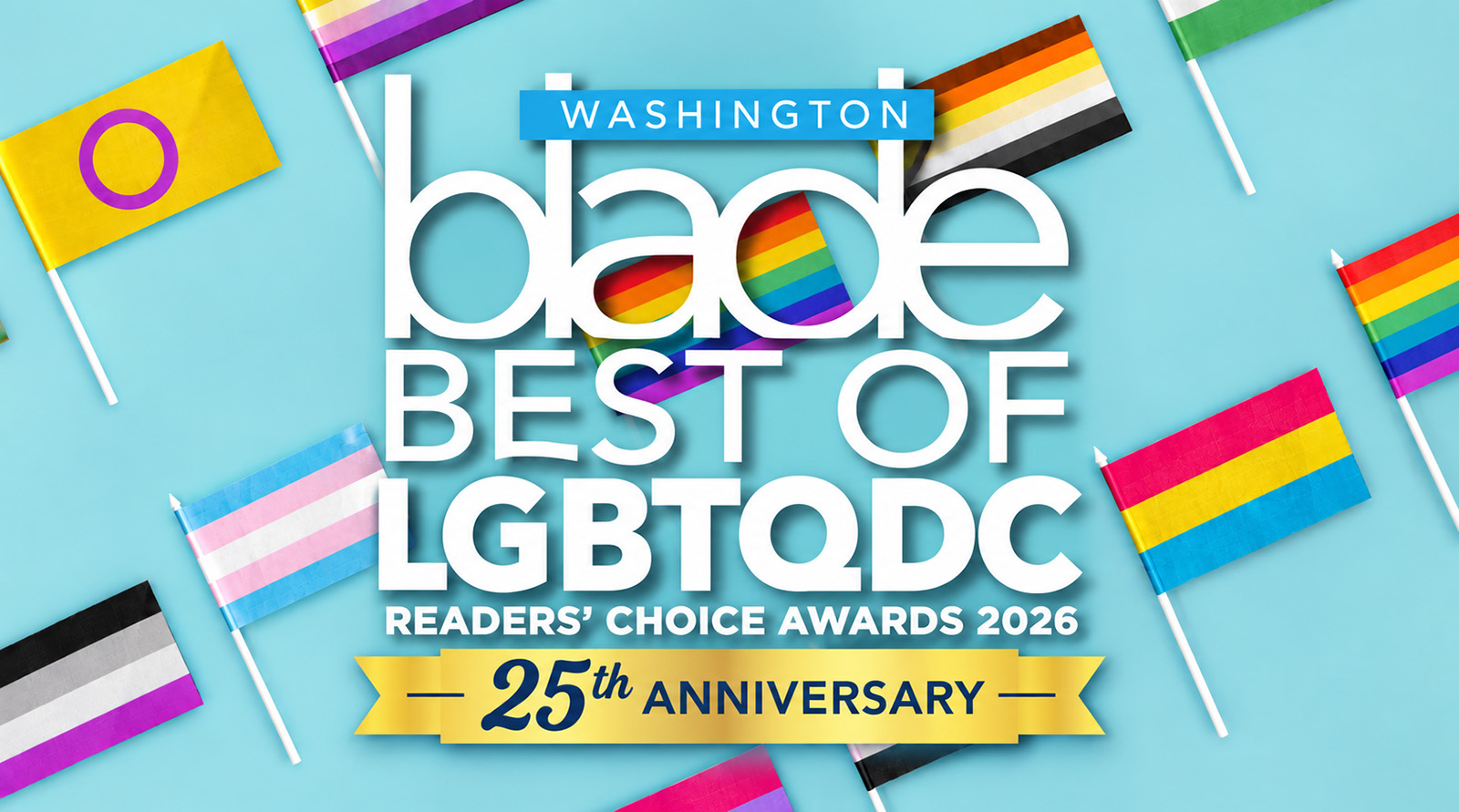
The Blade is excited to celebrate the 25th anniversary of our Best Of LGBTQ DC awards this year. We’re pulling out all the stops for our annual party with celebrity emcee Ashley Darby and acclaimed DJ Michael Navarro. The party is set for Oct. 22 at Longview Gallery with pop-up performances, cocktail and food tastings, open bar, and a Halloween costume contest with the theme, “Murder on the Dancefloor.”
But first, you have to vote. You nominated and now we have our finalists for the 2026 Best of LGBTQ DC Awards.
Vote for your favorites through Oct. 8.
We’ll honor the winners at the Best of LGBTQ DC Awards Party on Thursday, Oct. 22, and showcase them in our special issue released Friday, Oct. 23.
Bars & Parties
Lesbian Bar Project co-founder: purity politics could destroy our remaining spaces
Last Ditch’s decision to lift its mask requirement for one night a week has sparked intra-queer controversy
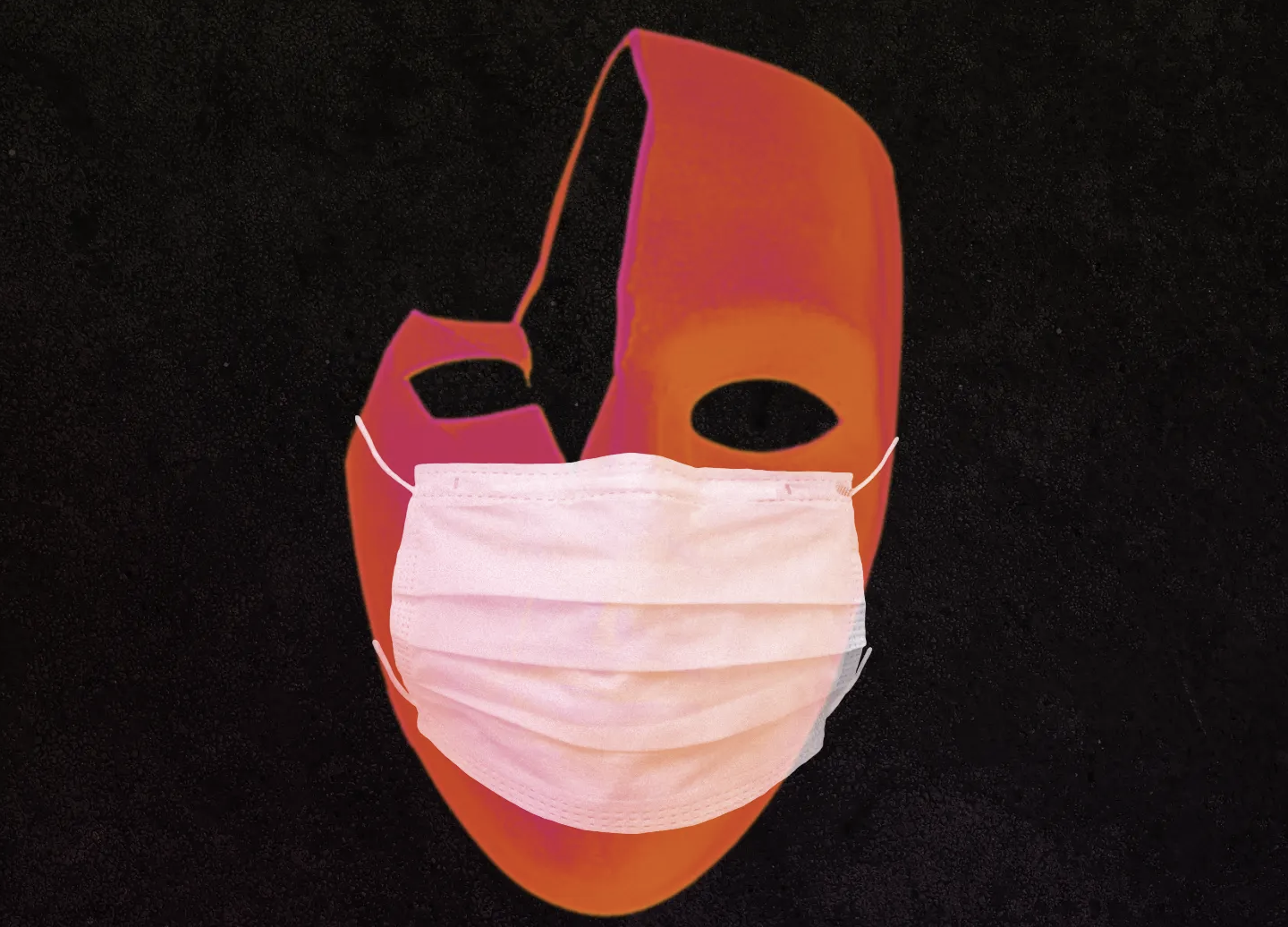
Uncloseted Media published this story on Sept. 29
By ERICA ROSE and THE LESBIAN BAR PROJECT | As a professional lesbian and Massachusetts native, I’ve recently been asked by a lot of folks what I think about the saga unfolding at Last Ditch. The now-viral story, first reported by the Boston Globe, centers on a Western Massachusetts lesbian bar that lifted its mask requirement for one night a week to help drum up business.
The decision ignited an intra-queer controversy that has been feasted on by media outlets across the political spectrum — from the New York Post to LGBTQ Nation — and is even reportedly being eyed for a Hollywood adaptation. Apparently nothing is more entertaining than a bunch of lesbians and queers fighting with each other over KN-95s.
What has been lost in all of the chatter and media coverage is the very real possibility that Last Ditch, which just opened in April 2025, will have to close its doors. The venue’s one remaining founder, Jackie Matellian, revealed in a community Zoom meeting that she’s working four jobs, is now solely responsible for the bar’s $50,000 business loan and is struggling to keep up with the bills. So as we laugh about the controversy’s similarity to a “Portlandia” skit and how one of the bar’s founders left to enroll in clown school, we forget that yet another lesbian bar is facing an existential crisis — and this time the call is coming from inside the house.
In 2020, my friend Elina Street and I created The Lesbian Bar Project, an Emmy-, Webby- and GLAAD Media Award-winning docuseries and initiative that tells the stories of lesbian queer bars around the world. We were moved to act because at the time there were only an estimated 16 lesbian bars in the United States, and the pandemic threatened to bring that number down even further.
There are now more sapphic bars than there were just before the pandemic — about 36 of them in total — but this is down from approximately 200 in 1980. Maybe that doesn’t mean much to you, but for the millions of sapphics living in the U.S., this number is calamitous.
As the world laughs at lesbians and sapphics, I want to take a second and tell you what I feel when I walk into one of these bars, which are all unique and irreplaceable in their own way: I feel seen.
Sometimes I think Cubbyhole in New York City’s West Village neighborhood knew I was gay before I did. When I walked in there for the first time, before I was even out, I was transfixed by the colorful array of tchotchkes hanging from the ceiling and how the women standing next to me were completely unafraid to express their desire for one another. I knew the minute I was ready to come out, I had a home. I also felt the joy of a new couple falling in love at Seattle’s Wildrose, the quiet confidence of a short king lining up her shot at the pool table at Ginger’s in Brooklyn and the kick of cayenne pepper in Julie Mabry’s crawfish at Houston’s Pearl Bar.
Lesbian bars don’t just serve lesbians; they serve queer folks across the spectrum, including bisexual, pansexual and trans people. As Elina and I traveled across the U.S. and Europe and to parts of Latin America to document the bar owners, staff and patrons that make up the ecosystems of these spaces, we also became uniquely acquainted with the factors that threaten their existence: gentrification, wage gaps, sexism, environmental disasters, gun violence, rising insurance premiums and political administrations working to annihilate queer people and their families.
Lesbian bar owners, like all leaders and entrepreneurs, are imperfect. There have been significant issues over the years at lesbian bars: employee harassment, racism, lack of accessibility, sexual assault and transphobia. All bar owners should be held accountable and should listen to their communities to evolve into safer and more equitable spaces. I also acknowledge my privilege: I am able-bodied, white, cis and from a family system that loves me for who I am. Not everyone has that.
Queer people, especially trans and bisexual people, are suffering from disproportionately high levels of depression, and our mental health system isn’t equipped to support them. Immunocompromised people and long COVID are real, and many of my friends are suffering to this day. The people with the least safety net are often the ones for whom a bar closing costs the most. And yet, as we’re seeing with Last Ditch, the queer community often lashes out at each other. It’s also the mainstream media taking the internal conflict and making a mockery out of it, distracting from the real possibility that this bar could close due to financial pressures. A bar that many people loved and needed is facing extinction. Perhaps it’s safer to dissent with one another than with the larger forces trying to eradicate us, but in doing so, we risk destroying the few spaces we have left.
Due to the constraints of purity politics — some in good faith, some not so much — lesbian bar owners, almost all of whom are queer women themselves, are forced to be everything for everyone, similarly to how women are forced to be everything for everyone. By asking these bars to uphold impossible standards — standards very few other third spaces are asked to consider — we all end up losing.
I want to move as a community toward dialogue, compassionate dissent and collaboration to make our spaces better with the goal of keeping them OPEN and thriving, rather than destroying them from the inside with expectations that are arguably unattainable.
While I have your attention — for this fleeting second of the news cycle — may I urge us to spearhead a way to keep these small businesses afloat without attacking our own community along the way? Bar owners are left with an impasse: They want to be community-centered, but they also have to make money to keep their doors open. Sometimes they might make business decisions that don’t work for everyone — and that’s partly because different patrons have different priorities and want different things — but these owners deserve the opportunity for productive dialogue. We have to work with them and with each other to keep our spaces open, to keep them growing.
Lesbian bars raised me into the queer woman I am today. One thing I think about as I reflect on the six years of work we’ve done to document these spaces is that shared, unspoken language I have with a stranger the moment we both walk into one of these bars: the nod, the ease, the not having to explain ourselves. I don’t want to lose that, and neither should you.
Celebrity News
Debbie Allen shares on loss, love, and the power of speaking out
Actress directed groundbreaking ‘A Different World’ episode about HIV
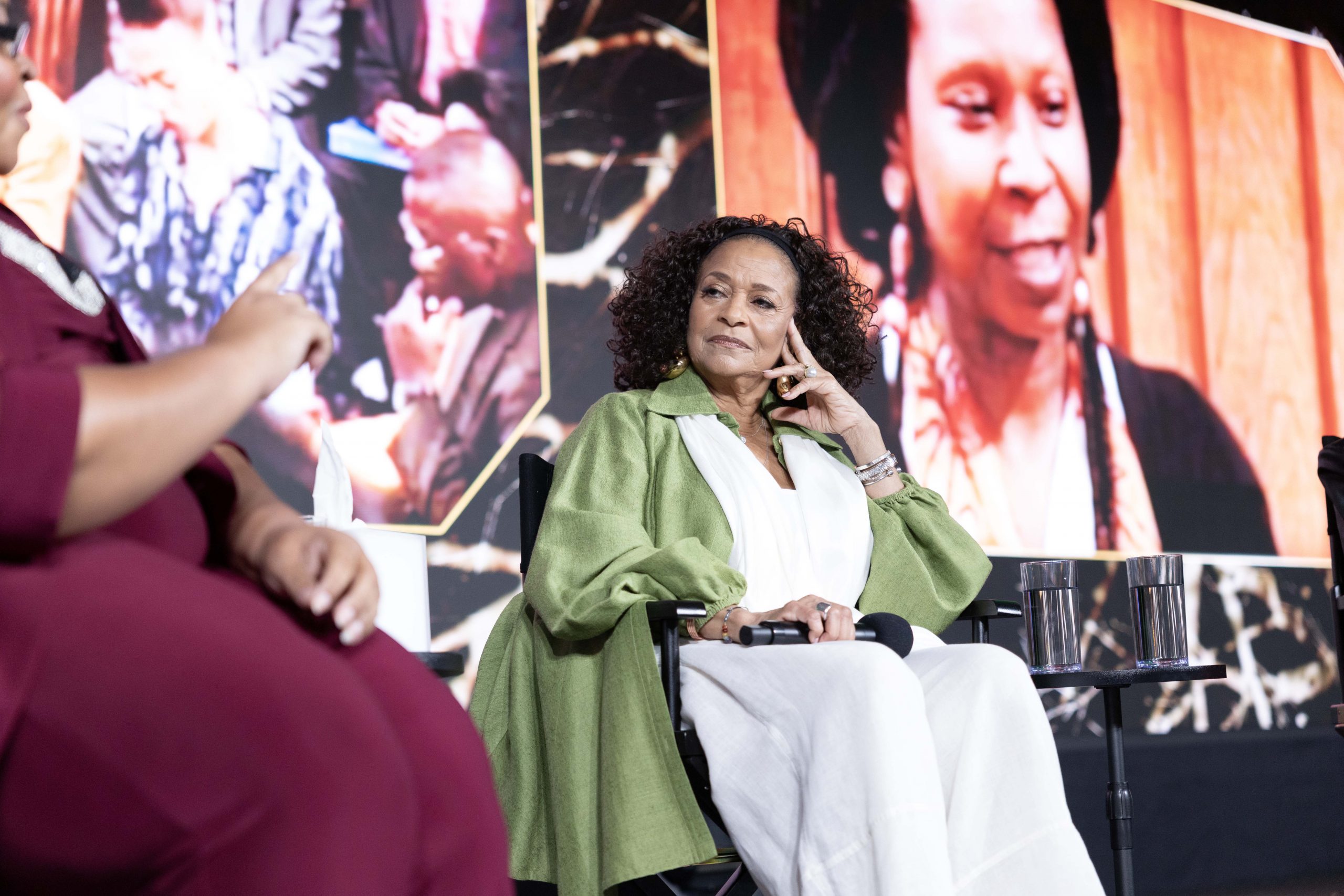
For somebody like Debbie Allen, HIV advocacy lies at the heart of their life and career. In the 1980s, at a time when HIV/AIDS devastated the performing arts community, Allen witnessed friends, performers, directors, and choreographers alike disappear. This experience turned her personal grief into a decades-long commitment to advocacy. From directing a landmark “A Different World” episode about HIV at a time when even just saying the word on television could make networks sweat, to continuing her work today, Allen has continuously utilized the biggest stage available to her to ensure that the conversation stays alive.
Now the conversation has changed from four decades ago, yet Allen believes it still needs to get louder. Medical advances have transformed HIV from the crisis it was into a manageable condition for many folks. Yet stigma, social challenges, and the significant need for mental, emotional, and community support still persist. In our conversation, Allen opens up about the losses that influenced her activism, the power of media and the arts to change public perceptions, and why “whole health” means looking beyond the virus to the full human person living with it. Her message is simple and solid — no one should have to navigate HIV alone.
You have stood alongside the HIV community for four decades, and counting. When you look back to the start of that journey, what first got you involved and what has kept you connected and dedicated for all of this time?
My fight against HIV began in the ‘80s, when the epidemic devastated the performing arts community, and I lost my entire world — my friends, dancers, directors, and choreographers. That profound grief fueled my mission to use my voice for advocacy — from directing the groundbreaking HIV episode on “A Different World” to fight stigma to standing on stages today to continue to raise awareness.
This is a mission that continues to stay near and dear to my heart so that all people impacted by HIV — whether they are living with HIV or supporting someone living with HIV — have the resources and support they deserve.
How have those experiences with your own personal losses due to HIV impacted the way you understand the virus?
If we look back to 40 years ago, HIV impacted an entire generation. We experienced incredible loss and heartache that I will never forget. This experience made me realize how vulnerable we are as humans and how much support we truly need in our healthcare journeys. And while incredible progress has been made, I also understand so much more needs to be done — from combating stigma, providing additional resources, and ensuring ongoing support for people who are living with HIV today.
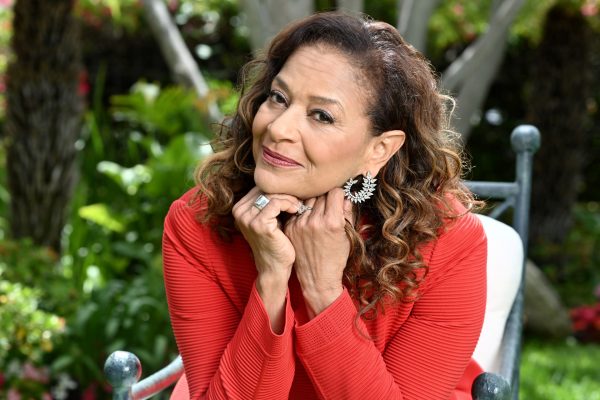
You’ve built an extraordinary career as a dancer, choreographer, director, producer, actor, educator, and advocate. How has each part of your career influenced the others? What have you learned about leadership from working with artists and performers?
Being a dancer, choreographer, director, producer, actor, and educator has helped shape the person I am today. Each experience has inspired another. What unifies each role is my ability to lead and learn from everyone I’m working with. It’s also these opportunities that have afforded me an incredible platform for my advocacy efforts. I strive to bring leadership approaches from my various stages — in a very literal sense — to a national stage as I support a variety of initiatives, such as HIV awareness.
The medical landscape around HIV has evolved dramatically since you first began your advocacy. What is one thing you wish younger folks understood about what the first years of the epidemic were really like?
Thanks to medical advancements, we can now look at so much more than HIV status and this is a tremendous step forward. As someone who has always believed in the power of mind, body, and spirit, I want today’s generation to understand that people living with HIV need integrated support for their mental, emotional, physical, and social well-being because all these elements are deeply connected.
We need to broaden the discussion around HIV management, and that’s why I’m proud to work with Merck on “Your Hive of Whole Health,” which addresses factors such as managing one’s mental wellness, co-occurring conditions, social drivers, and other life challenges.
Your Hive of Whole Health is built around the idea that health doesn’t happen in isolation. What does “whole health” mean to you in your own life?
Health doesn’t happen in isolation. People living with HIV need comprehensive support systems around them — whether that’s family, chosen family, neighbors, community or religious leaders, or care team members; they are a part of the whole health journey.
To me, whole health means looking beyond the virus to truly understand the unique challenges that people face so they have the full support they need. Having supported loved ones on their health journeys and managing my own well-being, I know that comprehensive support is key.
That’s the beauty of “Your Hive of Whole Health.” In fact, the idea behind the program is simple. Just as a hive depends on the strength of many bees working together, people living with HIV often rely on a network of support that includes healthcare providers, advocates, family, friends, and peers. “Your Hive of Whole Health” provides tools and resources to help individuals build and strengthen those connections.
For someone living with HIV, what kinds of support beyond medical treatment do you think can make the most significant difference in their lives?
As people are living longer with HIV and managing additional health conditions, like high blood pressure, high cholesterol, and diabetes, having the right support system in place can play an increasingly important role.
Understanding these other conditions, as well as navigating social challenges and other life challenges such as not having access to affordable or healthy food, not having support from family or friends, struggling with stable housing, or facing misconceptions about HIV is critical. It’s awareness, understanding, and a “Hive” of support that can make a difference.
People can go to HiveofWholeHealth.com to learn more, access resources, and build their own Hive.
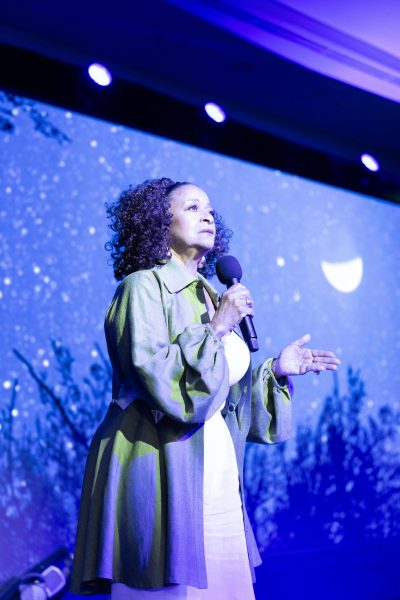
Many folks tend to talk about the HIV epidemic as if it is something of the past. What do you think we risk losing when we stop talking about HIV and the people whose lives have been affected by it?
This journey began for all of us in a time of intense fear, isolation, and crisis. As I reflect back to the early ‘90s, it was an honor to create the first network television show on “A Different World” to address the epidemic at a time when people were afraid to even say the word. The network and advertisers were very hesitant about talking about HIV on TV in this way at that time. It really hadn’t been done before. But I stood my ground and pushed forward. As a result, we were able to bring the epidemic into living rooms, confronting fear, stigma, and misinformation. It changed the conversation, especially in Black communities, where the impact was deeply felt. It also spotlighted how HIV impacted women, which was not formally recognized by health agencies until years later.
Today, we can truly celebrate the united and unbreakable spirit of 45 years of the HIV movement and champion a new era of whole health. But there is still so much more to be done. We must continue shining a light on issues that matter most. We must spotlight these across all forms of entertainment, media, and digital storytelling to drive awareness, understanding, and support. That’s why programs like Merck’s “Your Hive of Whole Health” are so important — we keep the community and their needs at the center and provide much-needed support.
If nothing else, what is one message you’d like for our readers to take away from this interview?
I want people living with HIV and the community around them to know they are not alone. There’s a whole community of support — a Hive — that can help them on their journeys with HIV.
Go to HiveofWholeHealth.com to learn more about the emotional, physical, social, and mental aspects of living with HIV. Build that Hive around you because whole health is better together.

Vote now! Best Of LGBTQ DC readers’ choice awards

Meet the LGBTQ candidates running for U.S. House, Senate

Ana Brnabić becomes world’s first openly lesbian head of state

529 openly LGBTQ candidates running in Brazilian election