World
Out in the World: LGBTQ news from Europe and Asia
Liechtenstein lawmakers approved a marriage equality bill on May 15
ILGA-Europe
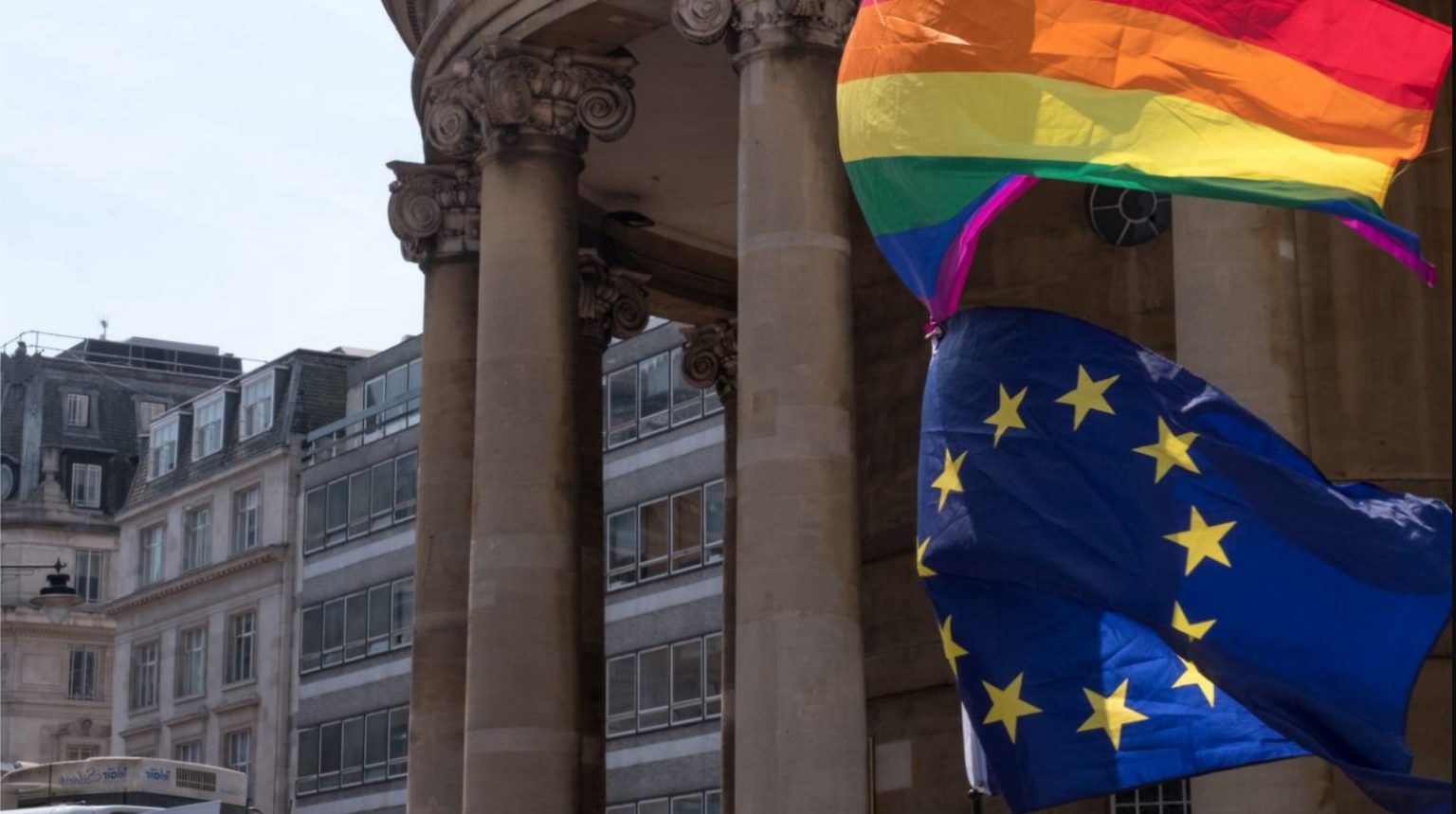
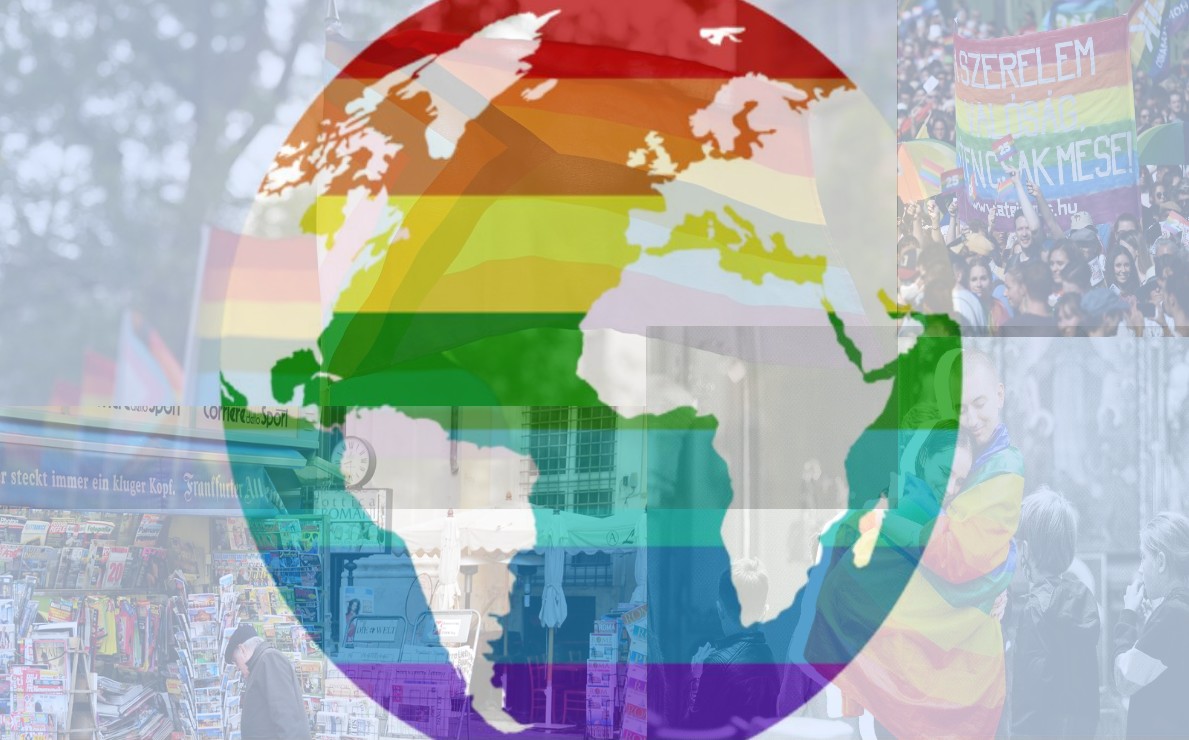
ILGA-Europe released its annual Rainbow Europe Map module ranking countries across the continent on the status of LGBTQ rights, revealing that many countries are falling behind as political pressure from far-right politicians grows.
The report was released May 15, just a day after the EU’s Fundamental Rights Agency released its own report detailing a shocking growth in violence experienced by LGBTQ people across member states over the past year.
“Across Europe, LGBTI people are being targeted by hate speech and violence and their human rights are being actively undermined, yet we still see too many countries across the region stalling in moving legal protection forward and not renewing their commitments through national strategies and action plans,” says ILGA-Europe Advocacy Director Katrin Hugendubel.
“This non-action is dangerous, as without proper legislation in place to protect minorities, including LGBTI people, it will be much too easy for newly elected governments to quickly undermine human rights and democracy.”
Once again, Malta held the lead in the country rankings, as it has for the past nine years, scoring 88 percent across ILGA-Europe’s categories of equality and nondiscrimination law, family recognition, hate crime and hate speech laws, legal gender recognition, intersex bodily integrity, civil society space, and asylum policies.
Iceland jumped to second place with 83 percent after passing new laws banning conversion therapy and facilitating legal gender recognition. Belgium reached third place with 78 percent after banning conversion therapy.
At the other end of the spectrum, Russia (2 percent), Azerbaijan (2 percent), and Turkey (5 percent) hold the bottom rankings amid ongoing crackdowns on LGBTQ rights and expression in all three countries. Last year, Russia banned “the LGBT movement” as an “extremist organization.”
Several countries jumped up the rankings in this year’s report, including Greece and Estonia, which both legalized same-sex marriage. Liechtenstein collected points for extending adoption rights to same-sex couples, although it did not collect points for legalizing same-sex marriage, which happened the day after the report was released.
Germany, Bulgaria, Iceland, and Slovenia all collected points for passing legislation on hate crimes and hate speech, while Belgium, Cyprus, Iceland, Norway, and Portugal all collected points for banning conversion therapy.
But the changes haven’t all been positive. Several countries tumbled down the rankings as progress stalled on LGBTQ rights. Montenegro, Finland, Spain, Sweden, and Slovenia all lost points because their governments failed to renew action plans to promote LGBTQ rights. The report also noted the looming threat of right-wing governments across Europe, including in Italy where the national government has restricted the recognition of same-sex parents, and in several countries which are eying restrictions on legal gender recognition and trans health care, including France, UK, Slovakia, and Croatia.
The UK once occupied the top spot on ILGA-Europe’s rankings, but has fallen to 15th place as other countries press ahead on LGBTQ rights while the UK’s Conservative government has increasingly come under the sway of an anti-transgender moral panic.
LIECHTENSTEIN
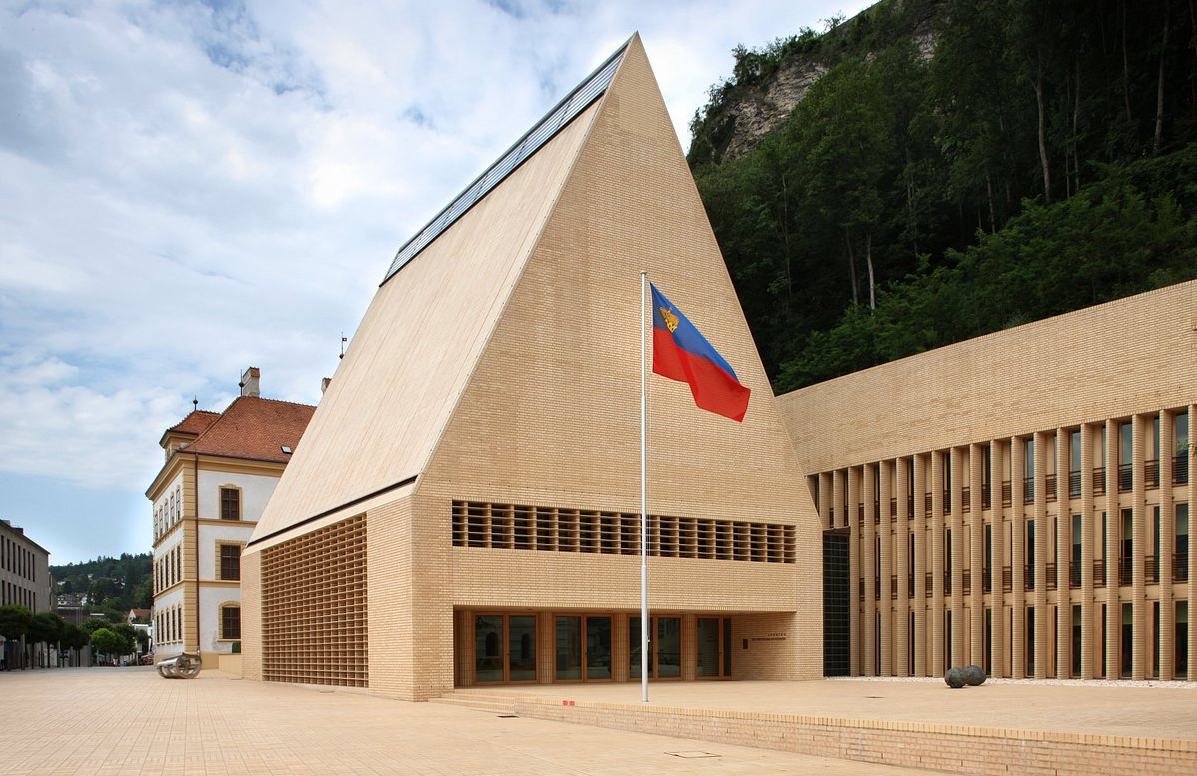
The Alpine microstate Liechtenstein saw its parliament give final approval to legalizing same-sex marriage in a near-unanimous vote on May 15.
By a vote of 24-1, parliament approved a series of bills that would amend marriage law to allow same-sex couples to marry in the country of about 30,000 people nestled between Switzerland and Austria. The only “no” vote came from an MP from the right-wing populist Democrats for Liechtenstein party.
The new law will come into effect on Jan 1, 2025, as long as it is not vetoed by the prince or challenged in a citizen-initiated referendum. The prince is not expected to veto the bill, as he has previously expressed support for same-sex marriage.
Under the new law, no new civil unions will be registered, although same-sex couples already in same-sex unions will be allowed to continue their unions.
Liechtenstein’s parliament had already amended the law to allow same-sex couples to adopt last year, following an order from the Constitutional Court.
The tiny, conservative-leaning and mostly Catholic country has been slow to adopt LGBTQ rights. It lacks any legal protections from employment discrimination or anti-LGBTQ hate crimes.
ILGA-Europe ranked Liechtenstein 33rd out of 48 states in Europe, with a score of 28 percent on its latest Rainbow Europe Map. This decision on marriage will likely see it rise somewhat in the rankings next year.
The Catholic Church has previously strongly rejected same-sex marriage. Last year, the country’s archbishop, Wolfgang Haas had called same-sex marriage a “diabolical attack against the Creator’s will to salvation,” and cancelled a planned service for opening of Parliament in protest of the law. Haas has since retired.
The decision makes Liechtenstein the last German-speaking country to legalize same-sex marriage.
In a state posted to its Facebook group, the Liechtenstein LGBTQ advocacy group FLay thanked the lawmakers and other supporters who helped get same-sex marriage legalized in the country.
“We are looking forward to introducing marriage for all per 1 January 2025 and thank you to all who have fought for it,” the statement said.
Liechtenstein is the 22nd European country to introduce same-sex marriage, bringing the global total to 38 countries. A bill before the Thai Senate is expected to pass before the summer, which would make it the 39th.
GEORGIA
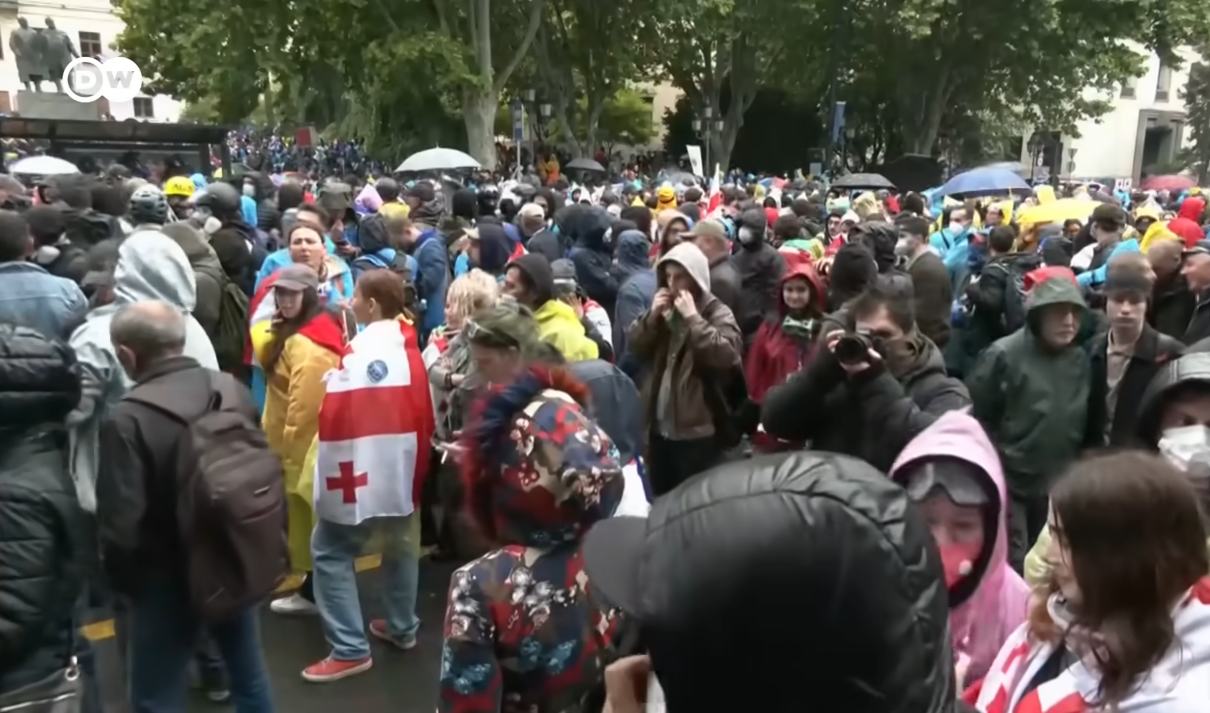
The government of the former Soviet republic of Georgia says it is close to finalizing a new law against so-called LGBTQ propaganda inspired by similar laws passed in Russia and Belarus in recent years, in what critics say is an attempt to maintain power by stoking divisions on a culturally sensitive issue.
The Georgian capital of Tbilisi has been rocked by protests for weeks as the ruling Georgian Dream party reintroduced a controversial “foreign agents” bill inspired by a similar Russian law, which requires any organization that receives funding from out of the country to register with the government as “organizations serving the interests of a foreign power.”
Critics say the bill is intended to silence and discredit media and civil society that is critical of the government.
May 17 saw intense protests marked by anti-government and pro-European demonstrators marking the International Day Against Homophobia, Biphobia, and Transphobia while anti-LGBTQ protesters, including Prime Minister Irakli Kobakhidze and church leaders took to the streets to mark the government’s competing “Family Purity Day,” Reuters reported.
The party had first introduced the foreign agents bill last year, but withdrew it after months of protests and condemnation from EU countries. The government reintroduced the bill this spring, with some observers suggesting it’s an attempt to tip this October’s national elections in their favor. For weeks, protesters have attempted to halt passage of the law, but parliament gave it final approval May 14. It was vetoed by President Salome Zurabishvili on Saturday, but the government has enough votes in parliament to override the veto.
The proposed anti-LGBTQ law would amend article 30 of the Georgian Constitution to include a host of regulations restricting LGBTQ rights. It would ban recognition of same-sex relationships, ban adoption by gay people or same-sex couples, ban medical interventions to facilitate gender change, restrict recognition of gender to that of biological sex, and ban advocacy for recognition of same-sex couples or trans people.
To pass, the bill would require at least a 3/4 vote of parliament (113 votes), or a 2/3 vote (100 votes) in each of two successive parliaments. The government currently controls 84 of the 150 seats in parliament, but likely believes it can pull enough votes from the opposition to pass the constitutional law.
Critics have noted that both laws put Georgia’s application to join the EU in jeopardy as they clearly attack the fundamental rights at the heart of the union. But while the EU has been sharply critical of the foreign agents law, its criticism of the anti-LGBTQ law has been far more muted.
Local activists say that the EU’s silence has been strategic, as any criticism would play into the hands of Georgian Dream, who claim that LGBTQ rights are a “pseudo-liberal ideology” advanced by a decadent West.
The timing of the bill is likely meant to further divide the opposition as protests mount against the foreign agents law. Georgian Dream has been sliding in the polls since it was returned to power in 2020, but still commands a plurality of support compared to the highly fractured opposition according to most polls.
Georgian Dream politicians have deep ties to Russia, and have increasingly sided with Russia in international and cultural disputes, including by refusing to impose sanction against Russia for the invasion of Ukraine. The support is ironic, considering that Russian forces invaded Georgia in 2008 and continues to support two unrecognized breakaway republics that resulted from that war.
On May 17, U.S. Rep. Joe Wilson (R-S.C.) of the House Foreign Affairs Committee announced that he plans to introduce legislation to sanction Georgian leaders over their assault on democracy and introduce incentives for the government to reverse course.
ILGA-Europe ranked Georgia 36th out of 48 countries, with a score of just 25 percent on its most recent Rainbow Europe Map this week.
UNITED KINGDOM
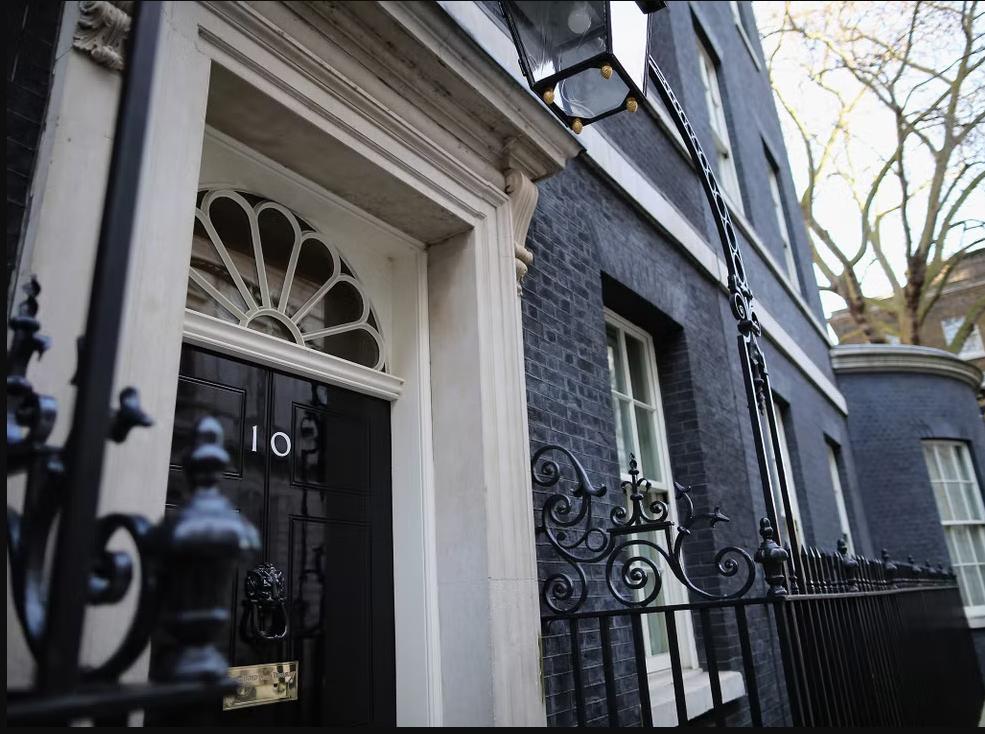
The Conservative government of the UK has directed schools in England to ban discussion of gender identity in schools and restrict sex education for children under age nine, in an update to statutory guidance issued to schools that is currently under review.
Although the guidance has not yet been released or put into effect, LGBTQ activists and government critics are already comparing the guidance to the notorious Thatcher-era Section 28, which banned discussion of homosexuality in all schools across the UK from 1988 until it was repealed in England and Wales in 2003 and in Scotland in 2000.
The UK has long been in the grip of an anti-trans moral panic, fostered by segments of the ruling Conservative Party that are hostile to trans people and influential British celebrities like “Harry Potter” creator JK Rowling who has long campaigned against trans people’s rights.
Last week, Prime Minister Rishi Sunak appeared on ITV’s daytime talk show “Loose Women,” where he complained that “gender ideology” was infiltrating UK schools.
“Children were being exposed to lots of different things,” Sunak said. “You know, we’ve got lots of people talking to kids, they were talking about [how] you can have 72 different gender identities.”
There is no evidence that children in UK schools are being taught that there are 72 different gender identities or are being taught to engage in inappropriate behavior.
London Mayor Sadiq Khan, who was recently reelected to a third term, blasted the government’s new policy as being harmful to the children the government claims to want to protect.
“We’ve just got to be a bit aware when we have these conversations that we’re conscious about the impact that this has on trans young people,” he said.
“Many of these people — young people — learn about these things through social media. You know, the proliferation of porn, and also the proliferation of misogynists like Andrew Tate. If we’re delaying proper, responsible teaching until later on, I worry about who’s going to be rebutting some of the nonsense on social media.”
Education Secretary Gillian Keegan tried to mollify critics by claiming that the new policy will not restrict discussion of adults who have undergone gender reassignment.
“Gender reassignment” is listed as protected characteristic under the 2010 Equality Act, but the act does not list “gender identity” or “gender expression” as protected characteristics.
“Let me be clear on gender ideology in schools,” Keegan said on BBC Radio 4’s “Today.” “The thing that we’re trying to stop is not gender reassignment. Gender reassignment is something that is a protected characteristic — that adults are allowed to reassign their gender, there’s a process that they go through for that. That is a protected characteristic, and that can be taught.
Gender identity and ideology is something different, and this is part of probably similar campaign groups that have been building this set of materials and this ideology,” she said.
Jo Morgan, the chief executive of Engendering Change, an organization that provides sex education workshops in schools, disputed the idea that schools are teaching children to be trans.
“They are concerned that schools are becoming breeding grounds for transgenderism. There’s no evidence to support that. What we are doing as educators is saying, this is in the news, in social media, it’s everywhere — let’s unpack it together and look at what sources of information you are being exposed to, let’s talk about how this relates to the Equality Act,” Morgan told the Guardian.
ILGA-Europe ranked the UK 15th out of 48 countries with a score of just 52 percent on its most recent Rainbow Europe report, citing a lack of legal protections for trans people and outdated procedures for legal gender recognition.
TAIWAN
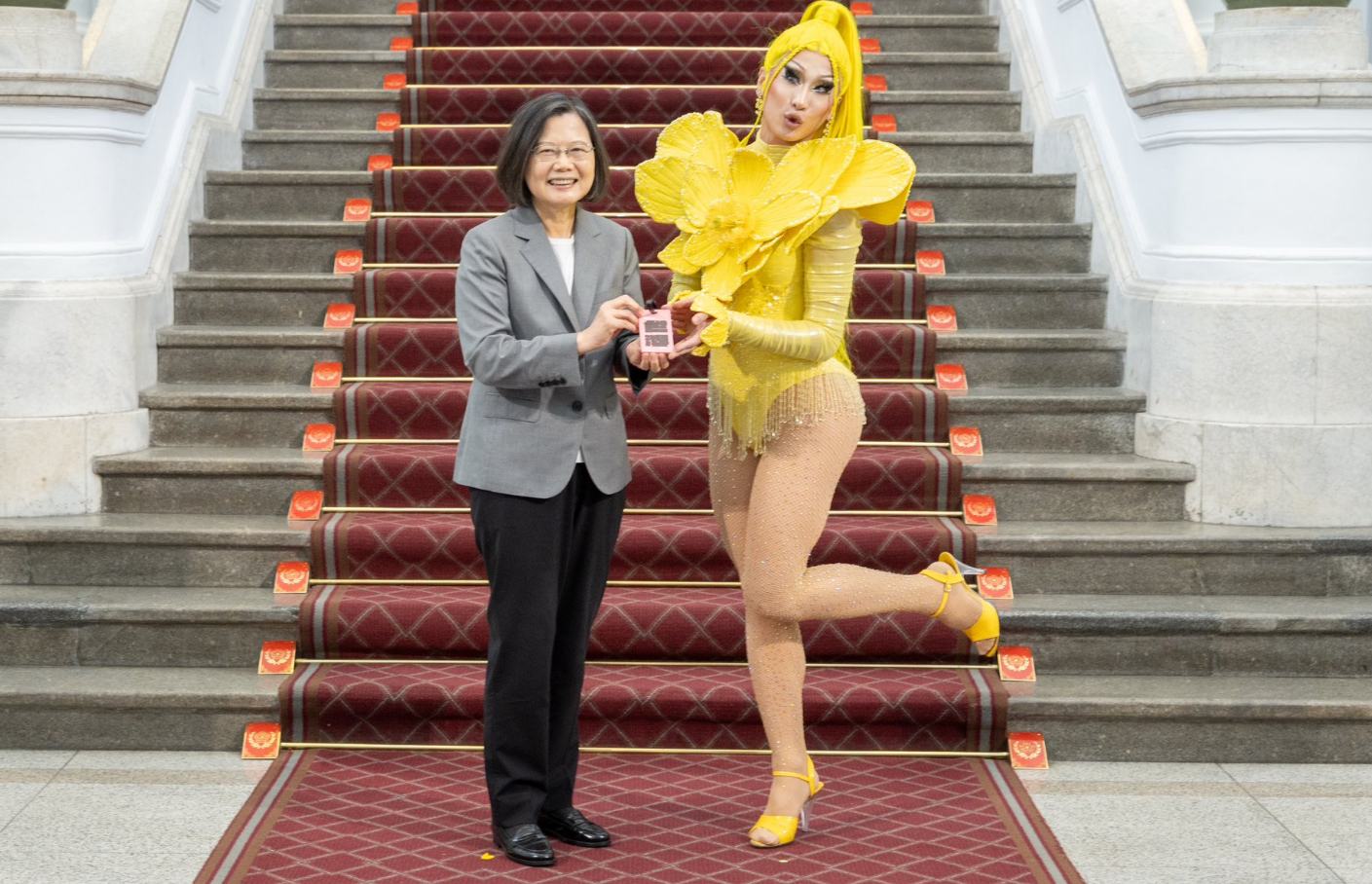
Outgoing Taiwanese President Tsai Ing-Wen hosted “RuPaul’s Drag Race” winner Nymphia Wind at a ceremony at her presidential office May 15, in a sign of the growing acceptance of LGBTQ people in the Asian island nation.
The Taiwanese-American performer Nymphia Wind was crowned the winner of season 16 of “RuPaul’s Drag Race” in an episode that aired April 19, taking home the crown and scepter and a cash prize of $200,000. She is the first person of East Asian descent to win the long-running reality competition series. American drag artist Raja, who is of Dutch-Indonesian ancestry, was the first “Drag Race” winner of Asian descent after taking the crown in season three.
Tsai had been quick to offer her congratulations to Wind, posting a message on Instagram just days after her victory. Less than a month later, Wind was in her office, where she performed a trio of songs in full drag — Lady Gaga’s “Marry the Night,” Taiwanese singer Huang Fei’s “Chase, Chase, Chase,” and Jolin Tsai’s gender equality hit “Womxnly,” which she performed with a quintet of backup dancers in drag.
“I want to thank you for demonstrating your fearless beauty, standing up and breaking down barriers,” Tsai said to Wind after her performance, noting that her win “will bring courage to many young people in Taiwan, so they stay fearless and stay true to their hearts.”
Under Tsai’s leadership, Taiwan has become a bastion of liberal values, including progressive attitudes toward LGBTQ people. Among recent landmarks, Taiwan legalized same-sex marriage and adoption, and it banned conversion therapy, and the capital Taipei hosts East Asia’s largest Pride festival.
“Thank you for your contributions to this country, so that I could grow up to be like this today,” Wind told Tsai after her performance. “Thank you for your eight years of dedication, becoming our Taiwan mother.”
Tsai stepped down May 20. Her successor, Vice President Lai Ching-te, last year became the most senior government official to march in Taipei’s Pride parade.
NEW ZEALAND
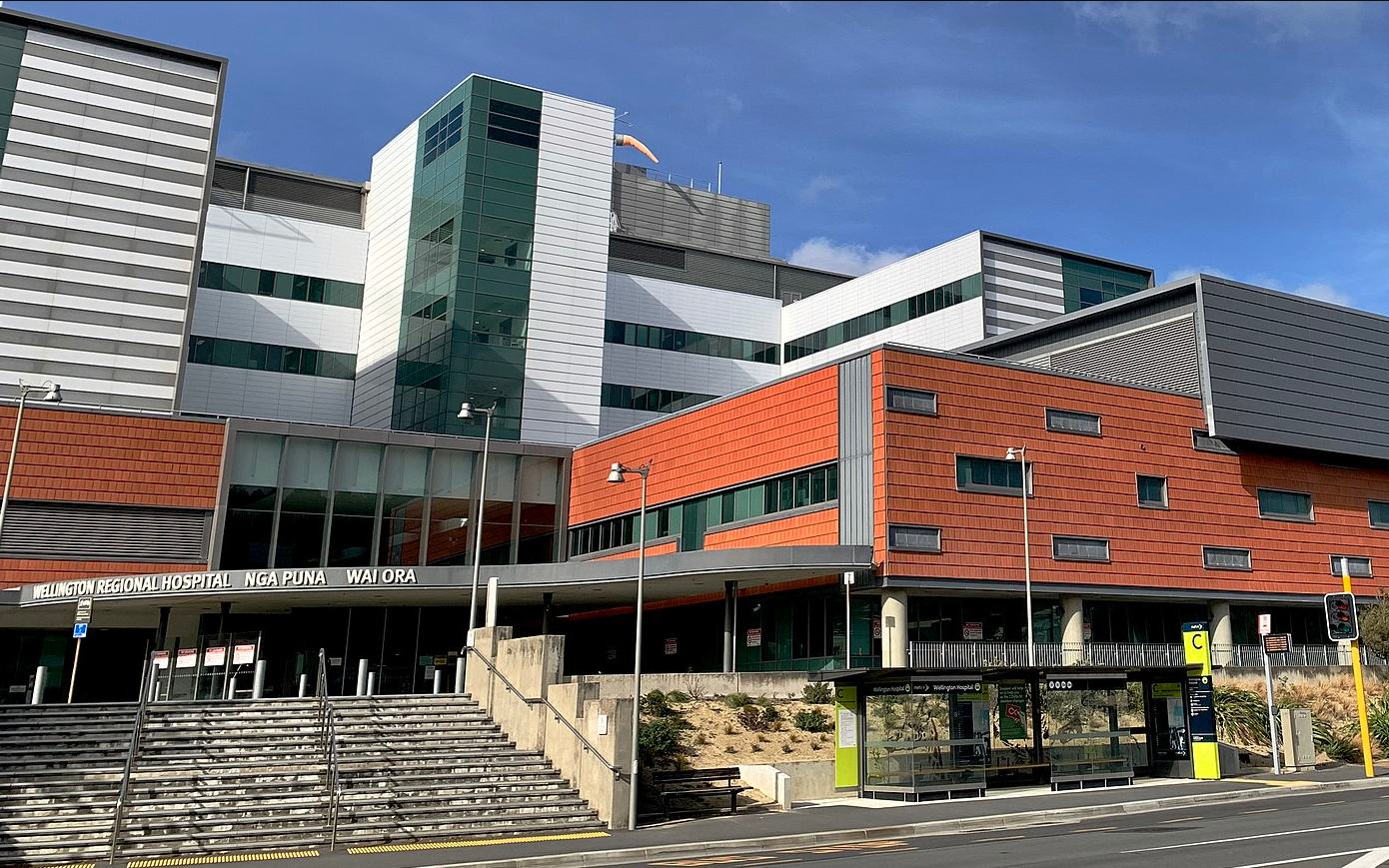
Activists are calling for greater access to gender-affirming surgeries after the “New Zealand Medical Journal” published a report of a trans teenager who attempted a self-mastectomy at home and had to be treated at hospital.
The teenager, an 18-year-old high school student, had reportedly watched a “how to” video on YouTube and prepared instruments for the surgery himself. He went to the hospital hours into the surgery after he became concerned that he had damaged a nerve while attempting to remove his left breast.
Surgeons at the hospital then removed both breasts, and he was discharged a day later. The report notes that the boy reported higher confidence and self-esteem at a post-operation interview a month later. The hospital’s mental health team assessed that he did not have a psychiatric disorder and was not suicidal, but that he had attempted the surgery as an act of desperation.
“Due to the long wait times of referral in the public healthcare system, an inability to afford a private consultation and the significant psychological stress of having breasts at an upcoming pool party he planned to complete a bilateral (double) self-mastectomy at home,” wrote the report’s authors, Wellington Regional Hospital doctors Mairarangi Haimona, Sue Hui Ong, and Scott Diamond.
Gender-affirming surgeries are covered by New Zealand’s healthcare system, but wait times for surgeries can be lengthy – 10 years or longer for “bottom surgery” by the only doctor in the country who performs it.
Top surgery can be accessed in the parallel private system for around NZ $15,000 (approximately $9,200) and is generally not covered by private health insurance, putting it out of reach for many.
“Transgender people often need to self-advocate for care in the public health system, but with increasing demand and associated psychological and possible physical harm it’s crucial for public services to be more accessible to an under-served population,” the report’s authors concluded.
Self-surgery is an incredibly risky option for trans people — complications can range from scarring to infection to death. And the surgeries may not even work if the patient is taken to the hospital and patched up due to complications.
Te Ahi Wi-Hongi, executive director of the advocacy group Gender Minorities Aotearoa, urges any trans person considering home surgery to avoid it and “hang in there.”
“It might seem right now it’s completely hopeless, but we went from a 40-year waiting list for genital reconstruction surgery to 10 years or less when in 2019 the government made changes [announcing $3 million funding for genital gender-affirming surgery],” Wi-Hongi told the New Zealand Herald.





Turkey
Activists protest outside Turkish Embassy in D.C.
Dozens detained during anti-LGBTQ ‘My Family Is Safe’ campaign raids
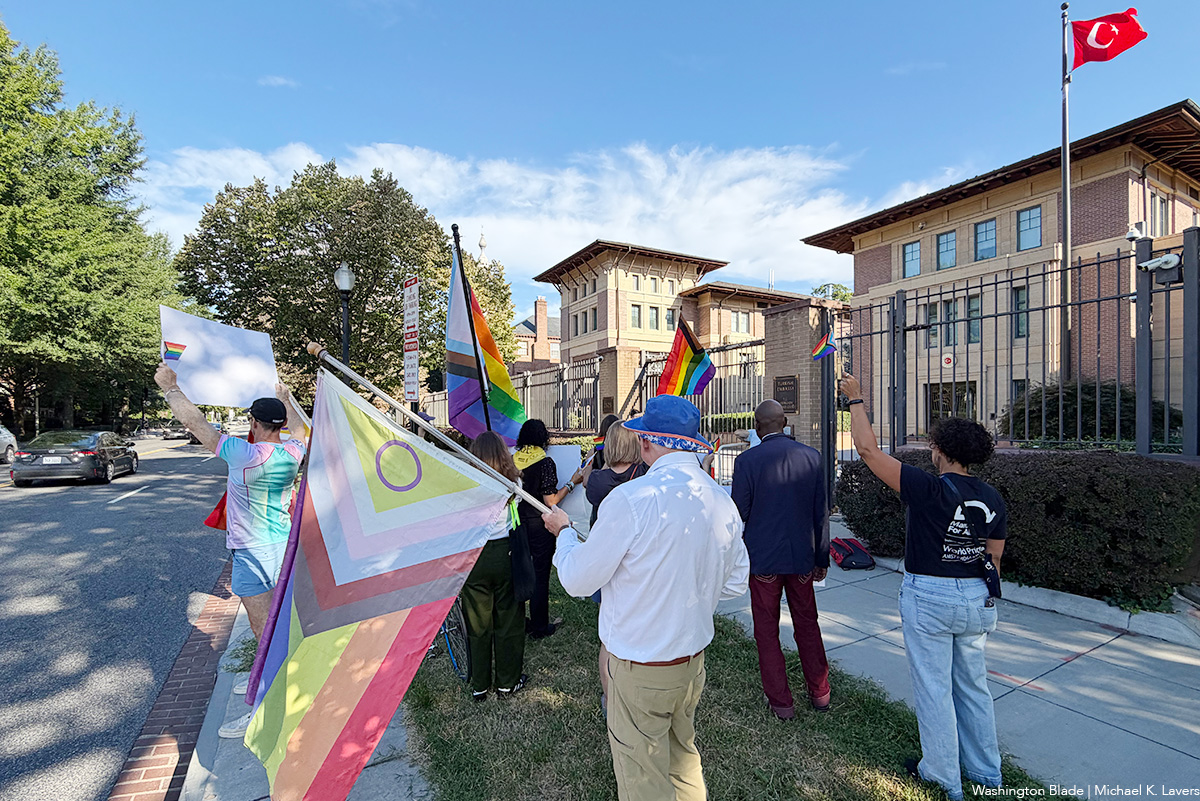
A group of activists on Friday gathered in front of the Turkish Embassy in D.C. to protest the country’s anti-LGBTQ crackdown.
The protest — which the Council for Global Equality, Amnesty International USA, Outright International, and Health GAP organized — took place less than a week after Turkish authorities detained dozens of people during raids that targeted the country’s LGBTQ community and advocacy groups and HIV/AIDS service organizations.
Authorities in Istanbul on Sept. 15 detained more than 150 people who gathered outside a courthouse to protest the raids that are part of the government’s “My Family Is Safe” campaign. Journalists are among those who were taken into custody.
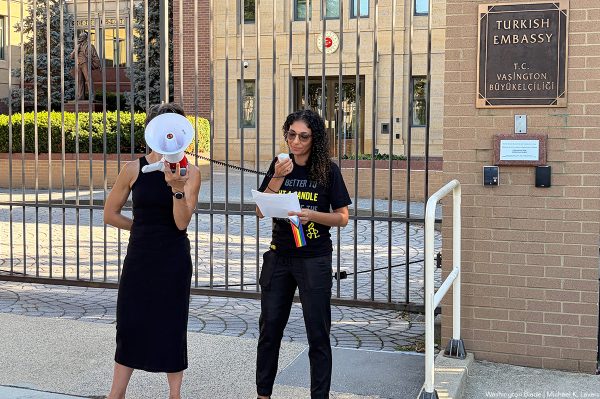
“This crackdown is not making families safer,” said Amnesty International USA Executive Director Nadia Daar, speaking in front of the Turkish Embassy.
Council for Global Equality Managing Director Keifer Buckingham stressed that “homosexuality is not a crime in Turkey.” Health GAP Executive Director Asia Russell and Outright International Senior Director of Law, Policy, and Research Neela Ghoshal also spoke.
View on Threads
Activists in Madrid and in other cities around the world held similar protests on Friday.
Turkey
More than 150 people detained outside Istanbul courthouse
Protesters gathered after raids targeted Turkey’s LGBTQ community
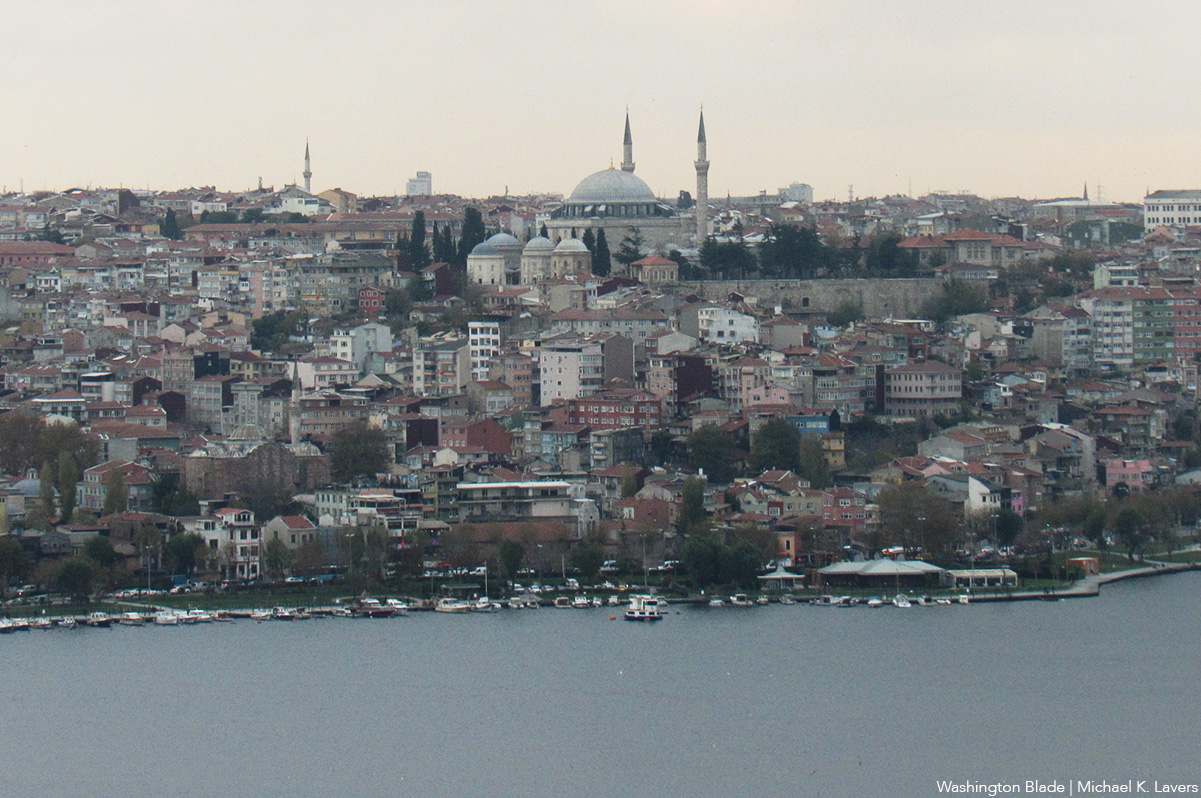
Turkish authorities on Tuesday detained more than 150 people who gathered outside an Istanbul courthouse to protest raids that targeted the country’s LGBTQ community.
CNN reported the protesters had planned to speak with reporters outside the city’s Caglayan courthouse, but authorities prevented them from doing so.
Turkish authorities over the weekend detained dozens of people in Istanbul and in other cities during raids that were part of the government’s “My Family is Safe” campaign.
A statement from a group of Turkish advocacy groups the Washington Blade received on Tuesday notes “at least 112 people have been detained in connection with the operations.” The organizations said 43 of those taken into custody are “LGBTI+ rights defenders,” and “at least” 62 of those detained “have been arrested, while judicial proceedings remain ongoing in Istanbul.”
“Among those arrested, at least 16 are LGBTI+ activists or individuals connected to LGBTI+ associations, including founders and members of association bodies,” reads the statement. “Per press statements by the prosecutor’s offices, dissolution cases will also be launched against associations.”
“The majority of those arrested are trans women who are charged with prostitution-related offences,” it adds. “While authorities have framed the operations as part of investigations into alleged crimes such as obscenity, prostitution and child exploitation, human rights defenders and civil society organizations have raised serious concerns regarding the use of criminal law mechanisms and public morality narratives to target legitimate LGBTI+ rights activities. Civil society views the ‘My Family is Safe’ narrative as a smokescreen to distract the public from deep economic crises and actual domestic violence, weaponizing moral panic to scapegoat LGBTI+ rights defenders, who have long been targeted by the government.”
The raids have sparked outrage among LGBTQ activists in Europe and elsewhere around the world.
The Congressional Equality Caucus and U.S. Rep. Carlos Giménez (R-Fla.) are among those who have publicly condemned them in the U.S. The Council for Global Equality on Friday is scheduled to hold a rally in support of Turkey’s LGBTQ community in front of the Turkish Embassy in Northwest D.C.
Indonesia
Indonesia’s top Muslim clerical body proposes criminalizing LGBTQ people, advocacy
Proposal underscores increased pressure against community
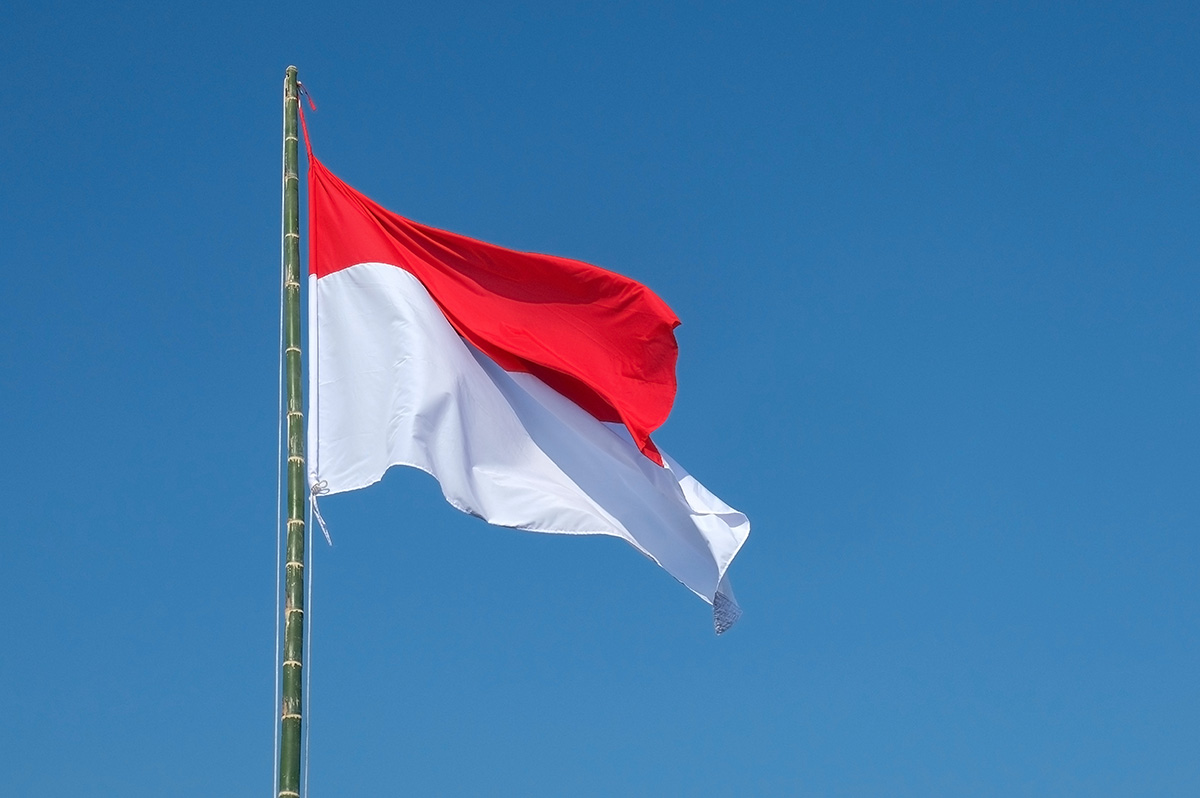
Indonesia’s top Muslim clerical body has proposed replacing the term “LGBT” with “LGSP,” grouping lesbian and gay people with sodomy and sexual abuse, as it prepares a proposed law that would criminalize conduct and advocacy it consideres prohibited.
Asrorun Niam Sholeh, head of the Indonesian Ulema Council’s Fatwa Commission, announced the proposal in Jakarta in late July, saying the council was preparing an academic paper and draft bill to submit to the government and MPs
The council in August also warned men against wearing women’s clothing during Independence Day festivities, despite a long-standing tradition in some Indonesian communities of men dressing in dresses and hijabs to play football as part of the annual celebrations. In a statement issued Aug. 7, the Fatwa Commission said such cross-dressing was “haram,” or forbidden under Islamic law, and linked the practice to what it described as a covert campaign by the “Lesbian, Gay, Sodomy and Obscenity (or LGSP) movement.
Indonesia on Aug. 17 marks its 1945 declaration of independence from the Netherlands with flag ceremonies, neighborhood gatherings, and a lively tradition of community competitions known as “lomba tujuhbelasan.” Children and adults take part in games ranging from sack races and cracker-eating contests to tug-of-war and “panjat pinang” — teams climb a greased pole to reach prizes at the top. Some communities also hold football matches in sarongs or “daster,” a loose-fitting house dress traditionally associated with women, turning the celebrations into an occasion for communal play and laughter.
The pressure extends beyond religious authorities.
In a report published in July, Human Rights Watch said attacks against LGBTQ university students had escalated during June’s Pride Month, while at least 10 public universities had recently adopted discriminatory regulations and curbed student media coverage and social media discussions about gender and sexual diversity. The rights group said the measures undermine freedom of expression and academic freedom.
Reacting to Pride Month celebrations, the Ulema Council called for “sexual deviation” to carry criminal penalties heavier than those for adultery and said it was preparing a draft law to criminalize LGBTQ conduct and campaigning.
President Prabowo Subianto in October 2025 signed Presidential Regulation No. 111 of 2025, which sets Indonesia’s General National Defense Policy for 2025–2029 and classifies the spread of LGBTQ culture as a non-military threat to the state. The provision places it among other perceived threats that include terrorism, radicalism, separatism, and the spread of prohibited ideologies.
The regulation drew public attention in July after Indonesian media reported on the provision, prompting Amnesty International Indonesia Executive Director Usman Hamid to warn that it could institutionalize discrimination against LGBTQ people.
“Amnesty International Indonesia unequivocally condemns these attacks and intimidation by both state and non-state actors based on perceived sexual orientation or gender identity,” said Amnesty International Indonesia. “We urgently call upon the Indonesian government to repeal this regulation and uphold its constitutional mandates and the international human rights treaties it has ratified.”
Indonesia on Jan. 2 began enforcing a new national criminal code, replacing the Dutch-era penal code that had governed the country for more than eight decades.
MPs had approved the 345-page code in December 2022 after years of debate and public protests over provisions concerning morality, religion, and individual rights. Among its new provisions is Article 411, which makes sexual intercourse outside marriage a criminal offense punishable by up to one year in prison.
Article 412 makes living together as husband and wife outside a legally recognized marriage punishable by up to six months in prison. The offenses can be prosecuted only after a complaint by a spouse, parent or child, but rights groups have warned that the provisions can disproportionately affect same-sex couples, whose relationships are not legally recognized in Indonesia.
Purba Widnyana, chairman of GAYa Nusantara, an Indonesian LGBTQ rights organization, told the Washington Blade that the situation for LGBTQ people in Indonesia has become increasingly worrying.
Widnyana told the Blade that the concern extends beyond increasing violence, pointing to stronger anti-LGBTQ sentiment in public spaces, on social media and within educational institutions, as well as in politics, including Presidential Regulation No. 111 of 2025.
“The impact is not always in the form of physical violence. Many LGBT+ people, especially trans women, that mostly work in entertainment or other informal jobs, beginning to lose job opportunities because they are considered to pose a ‘risk’ to the event organizers,” Widnyana said. “There are also concerns that the rising stigma and fear could deter people from accessing health services, including HIV test and STI, due to the fear that their identity or sexual orientation might be revealed.”
Widnyana said the changing environment has placed an additional burden on LGBTQ organizations; making spaces for gatherings, educational activities, and public information campaigns increasingly sensitive.
“We are constantly in alert mode,” he said, adding that since the previous wave of anti-LGBTQ sentiment in 2016, organizations have developed security and risk-mitigation plans before holding events. Previously, he said, the primary concerns were physical attacks, raids and threats that could force venues to cancel events. Now, organizations also have to account for online attacks, including WhatsApp hijacking and social media account hacking, as well as the possibility of an event or organization being targeted after going viral.
“It’s been limiting our movements,” he said.
Asked about the proposed LGSP framework and its decision to replace the term LGBTQ with a classification combining sexual orientation with sexual conduct, Widnyana said the council was conflating fundamentally different concepts.
“I really don’t know where to begin. They are definitely confused by mixing identities, in this case sexual orientation, with sexual behavior and actions that are understood as violations or offenses, that are sodomy and sexual indecencies,” he said.
Widnyana said the change should not be viewed as merely a change in terminology.
“The change shifts how Indonesians understand or perceive LGBT+ issues, moving from identities, rights and existence to behavior, morality, and criminality,” he told the Blade. “We also see it in the context of narrative that has been for so long evolving that frames LGBT+ as the ‘product of the West’ or ‘Western propaganda’,” he said. “In this framework, LGSP can be interpreted as their effort in rejecting how LGBT+ people define themselves and changing it with a category that is defined by those who oppose the existence of LGBT+ people.”
Widnyana also pointed to Indonesia’s long history of diverse gender identities and expressions, citing traditions such as the “bissu,” “calalai,” “calabai,” and “waria,” as well as artistic traditions in which men perform female characters. He cautioned against imposing modern LGBTQ categories on those traditions, but said gender and sexual diversity are not foreign to Indonesian history.
Widnyana said his main concern was the lack of clarity around terms such as “campaigning,” “promoting,” and “spreading LGBT+ culture,” which he said could be interpreted broadly enough to affect legitimate work in education, health care, human rights, and community services. He cited HIV and sexual health information, legal assistance for victims of violence, discrimination research, training on sexual orientation, gender identity and expression, and sex characteristics, and academic discussion as examples. Widnyana also questioned whether a gay man publicly saying he is gay and demanding to live safely, or a transgender woman speaking about discrimination she has experienced, could be deemed “campaigning” or “spreading LGBT+ culture.” Such legislation, he warned, could turn existing social stigma into a tool for systematically limiting the lives, expression, services and LGBTQ organizations.
“For me, the situation is becoming more difficult. And I think we need to look beyond just what the law says. Because sometimes, when we talk about Indonesia, people say, ‘Well, being LGBTQ+ is not generally criminalized under the national criminal law,’” said Arisdo, outreach representative of Pelangi Nusantara, an LGBTQ community group in Indonesia advocating for love, equality, and the right to live with dignity. “technically, that’s an important distinction. But that’s not really what people on the ground are experiencing. What we’re seeing is more pressure. More harassment. More public shaming. More people being targeted simply because they are perceived to be LGBTQ+.”
Arisdo told the Blade that transgender women are facing escalating violence, citing Pelangi Nusantara’s documentation of 10 attacks in Bogor between March and July 2026 involving 45 victim-survivors. He said the emergence of “Boti Hunter” groups was particularly alarming, reflecting a shift from anti-LGBTQ rhetoric toward actively targeting people. He added that fear of being outed or attacked prevents many victims from reporting violence, while doxxing and online harassment are increasingly forcing LGBTQ organizations to limit their visibility.

What LGBTQ veterans are building after ‘Don’t Ask, Don’t Tell’

Over 2,000 turn out for Hands Around the Kennedy Center protest

Furries take over the Metro

A roundup of fall events not to be missed

Activists protest outside Turkish Embassy in D.C.

78th annual Emmy Awards recapped

Hands Off the Arts to form ‘human chain’ around Kennedy Center

Advocate, Out parent company adds Trump supporter to board, prompting outrage

Indonesia’s top Muslim clerical body proposes criminalizing LGBTQ people, advocacy

Trump’s Cabinet: Dumb, dumber, dumbest, and evil
-

 Arts & Entertainment5 days ago
78th annual Emmy Awards recapped
-
District of Columbia5 days ago
Hands Off the Arts to form ‘human chain’ around Kennedy Center
-
News5 days ago
Advocate, Out parent company adds Trump supporter to board, prompting outrage
-
Indonesia5 days ago
Indonesia’s top Muslim clerical body proposes criminalizing LGBTQ people, advocacy