Arts & Entertainment
Maps and memories
‘Planet’ production explores fear and isolation among gay men
‘Lonely Planet’
Through June 17
MetroStage
1201 N. Royal St., Alexandria
$45-$50 (military and student discounts available)
703-548-9044
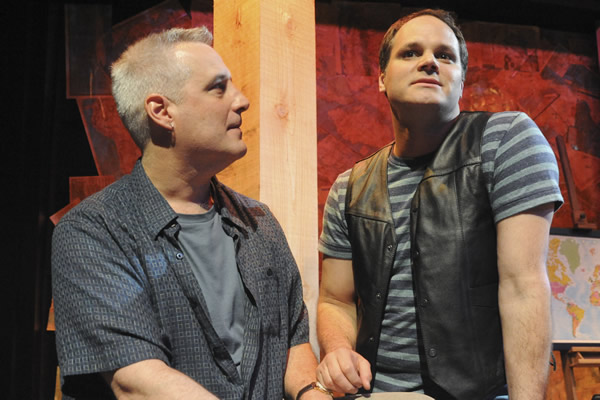
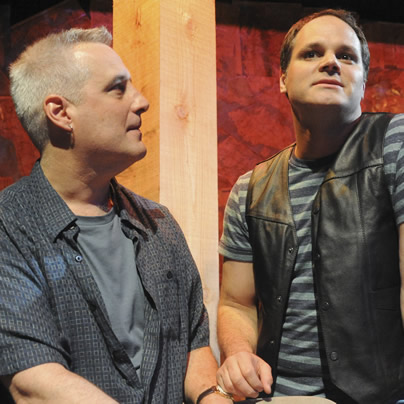
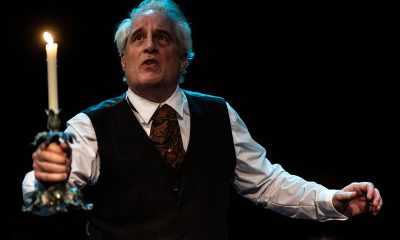
Michael Russotto, left, and Eric Sutton in ‘Lonely Planet’ by playwright Steven Dietz. (Photo by Christopher Banks; courtesy MetroStage)
Tucked away inside his tidy map shop, Jody does his best to keep the uncertainties of the turbulent outside world at bay. But his is an unwinnable strategy. Sooner or later, he must confront what terrifies him most.
In Steven Dietz’s 1994 play “Lonely Planet” — currently playing at MetroStage in Alexandria — the playwright describes a plague that’s affecting men in an American city, and though he doesn’t refer to the disease by name, it’s never for a moment in doubt that the culprit is AIDS. Inspired by maps and Ionesco’s absurdist play “The Chairs,” Dietz explores death and friendship during the most harrowing time of the crisis.
The action is restricted to one space: a small, carefully appointed shop. Here, gay middle-aged Jody (Michael Russotto) has constructed an orderly sanctuary where he deals exclusively with the exactness of latitude and longitude, a place where sales are occasionally referred to, but customers are never seen. We do, however, see Carl (Eric Sutton), a gay younger friend who frequently visits bearing irony and chairs (ladder back, rocker, Windsor) which he persuades Jody to store for him because his apartment is too small. After spinning a tale or two and delivering a pep talk on getting out and about, Carl dashes off to one of his invented jobs (tabloid reporter, art conservator, auto glazier) only to return minutes later with more chairs and chatter.
Soon we learn that Carl’s ever-increasing hoard of chairs once belonged to his and Jody’s friends who have died in the frighteningly lethal epidemic. Carl keeps one chair belonging to each victim as a remembrance. It’s also revealed that Carl’s true employment involves clearing out the homes of these recently deceased friends. And those made-up jobs? They also belonged to the dearly departed.
After intermission, the stage is lit to reveal even more chairs (straw bottomed, barber, Breuer). The image gets a chuckle from the audience, but they’re a terrifying reminder to Jody of death, disease and the uncertainty of his HIV status (Jody has yet to be tested). His fear is palpable. It’s up to Carl to coax Jody to venture beyond the store.
Set designer Jane Fink has imagined a shop filled with globes and scrolled maps. Its heavy dark furniture and transom door feel entirely resistant to time. The stage is backed by a wall of collaged maps. At the top of a simple proscenium is the earth as photographed from outer space. By the show’s end, dozens of chairs are piled on the stage, creating a tall and odd monument. Sounds questionable, but it proves exceedingly poignant.
As Jody and Carl, Russotto and Sutton, respectively (both actors are gay), are believable as longtime, caring friends and each do their best to elevate sometimes plodding monologues. Russotto’s performance is deceptive — it’s quiet but packs an emotional wallop. And Sutton is delightful as the vexing, leather vest-wearing Carl whose sarcasm can belie his good heartedness.
Despite the sad subject matter, much of “Lonely Planet” is playful and fun. And while the allegorical and symbolic aspects of the show can get a little heavy handed, skilled director John Vreeke (also gay) guides the actors in creating some glowing, touching moments. And Vreeke (with the help of lighting designer Jessica Lee Winfield) stages the unexpected and very memorable ending just right.
At a recent performance, the audience was comprised mostly of midshipmen from the Naval Academy’s drama group, the Masqueraders. It struck others present that these young men and women were toddlers when the play was penned almost 20 years ago. Through “Lonely Planet,” they traveled to a time when testing positive was a death sentence, but they were also shown a glimpse of the gay community at its very best and the enduring value of friendship.



Photos
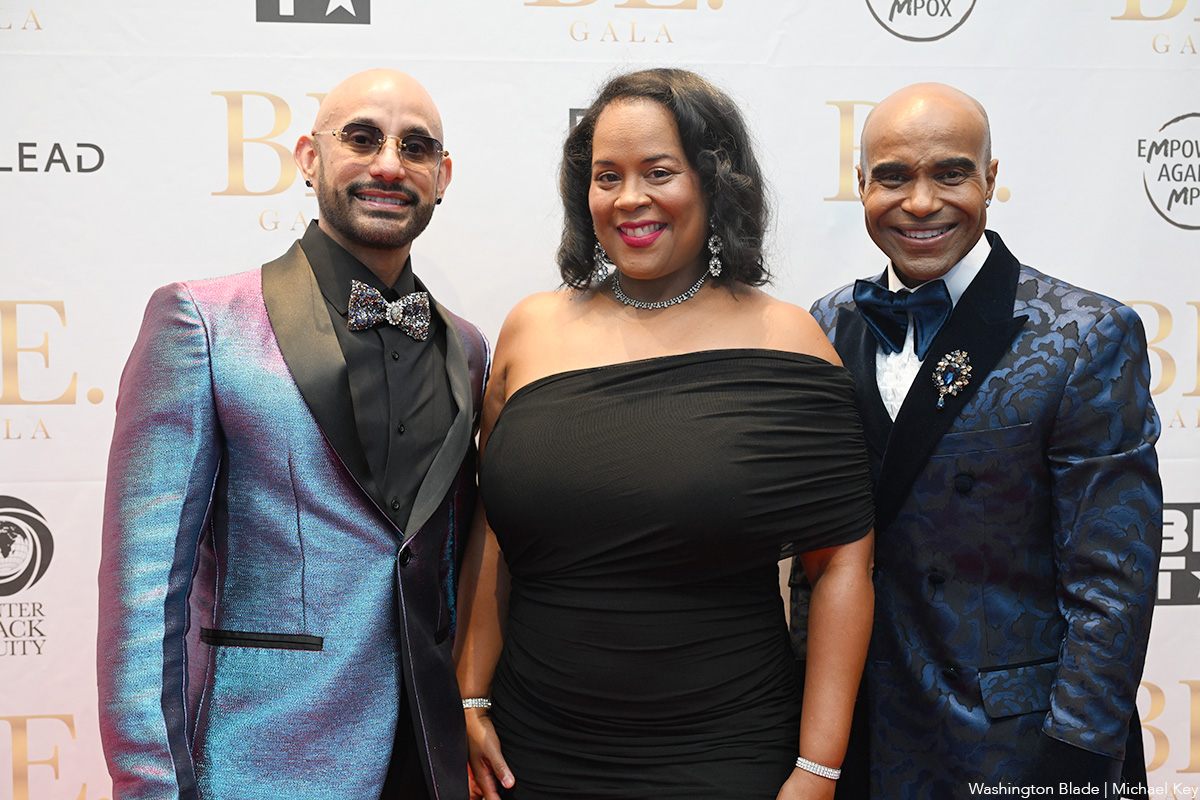
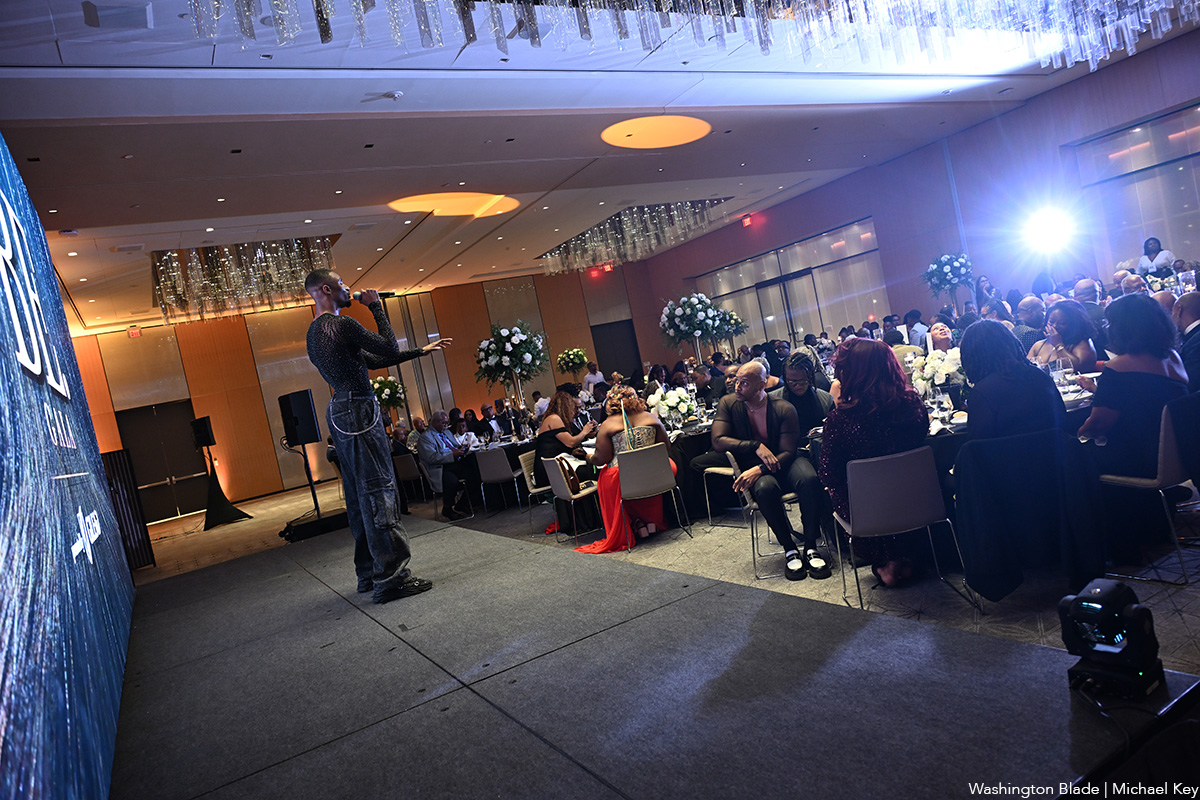
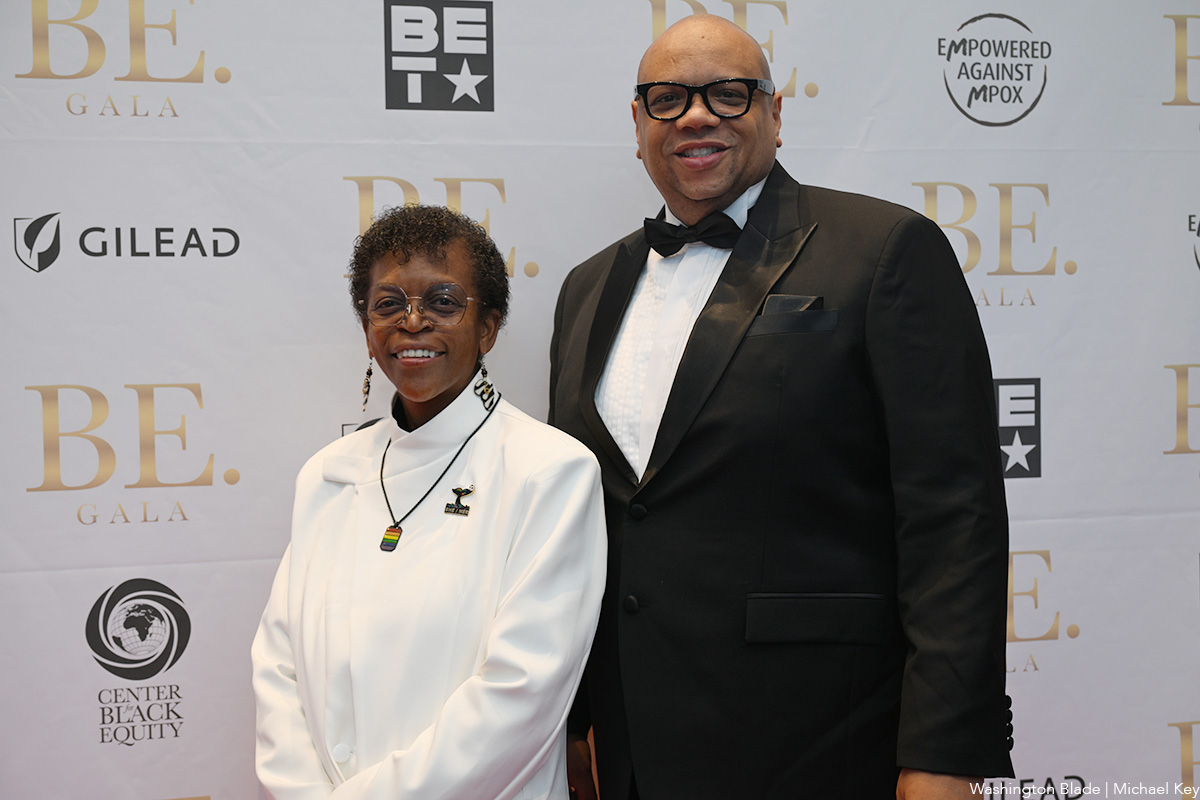
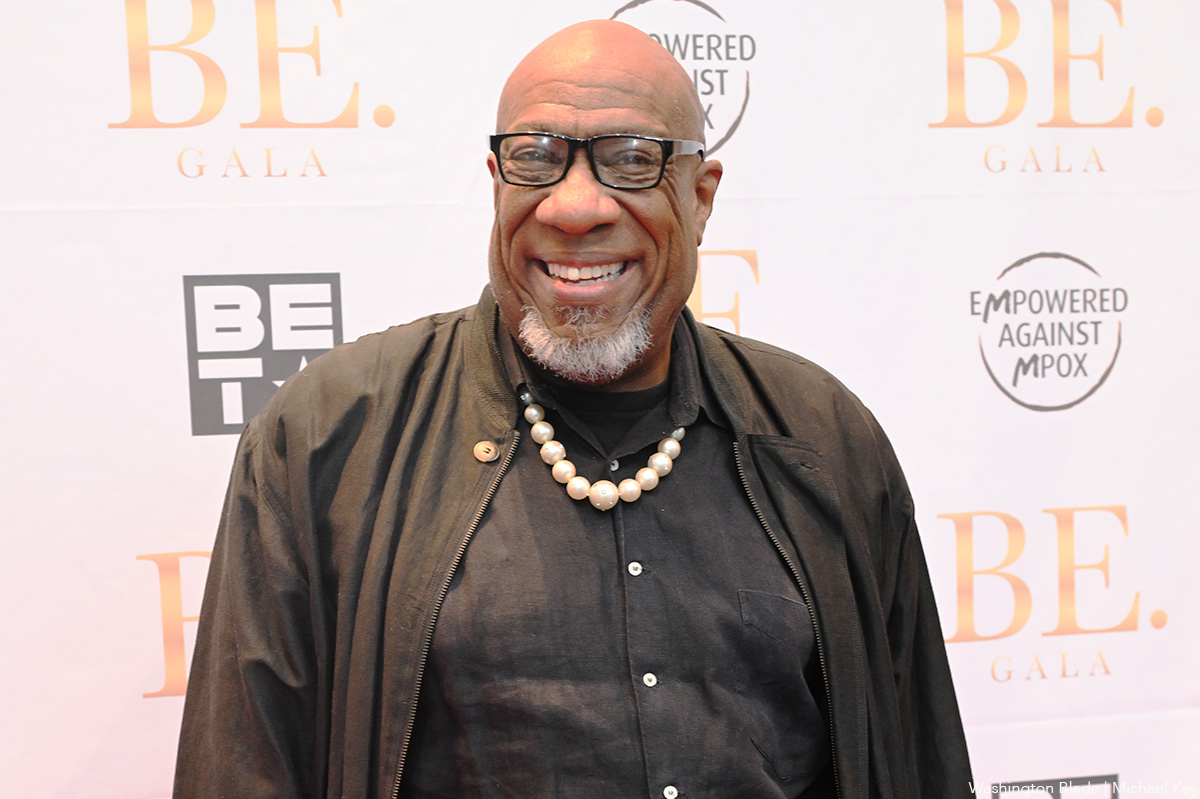
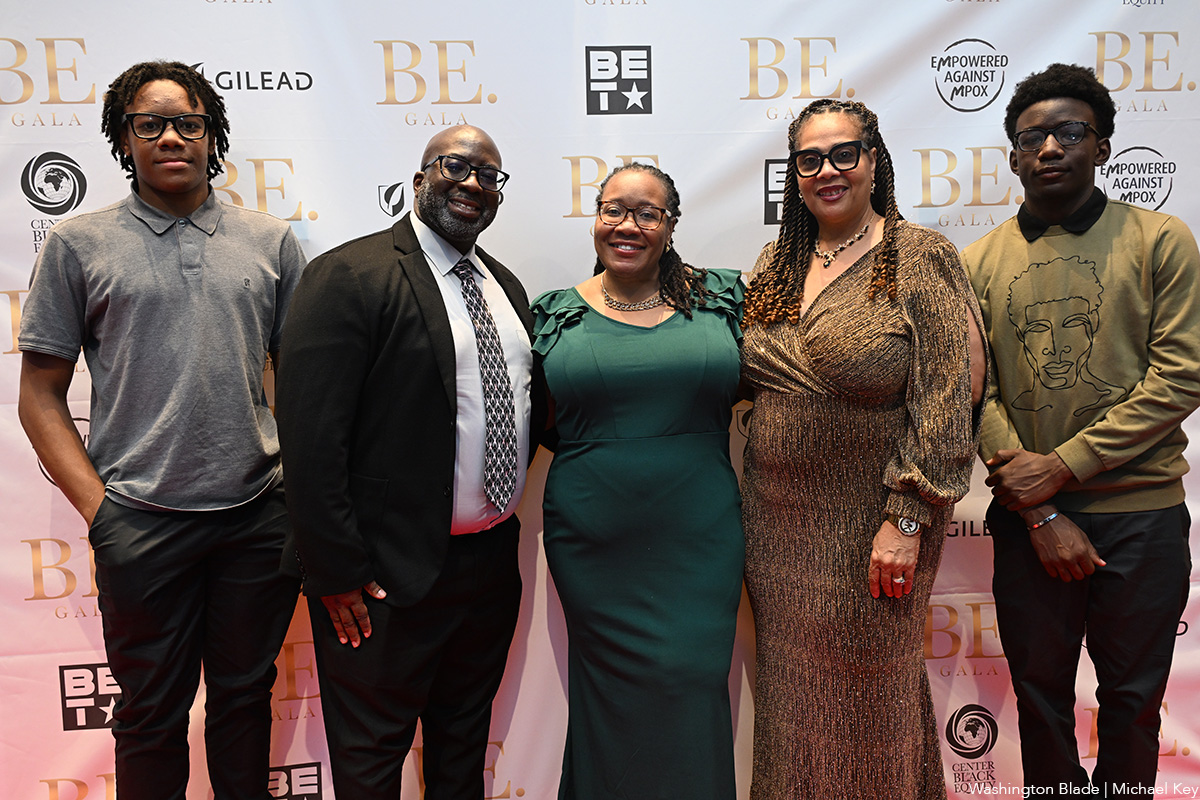
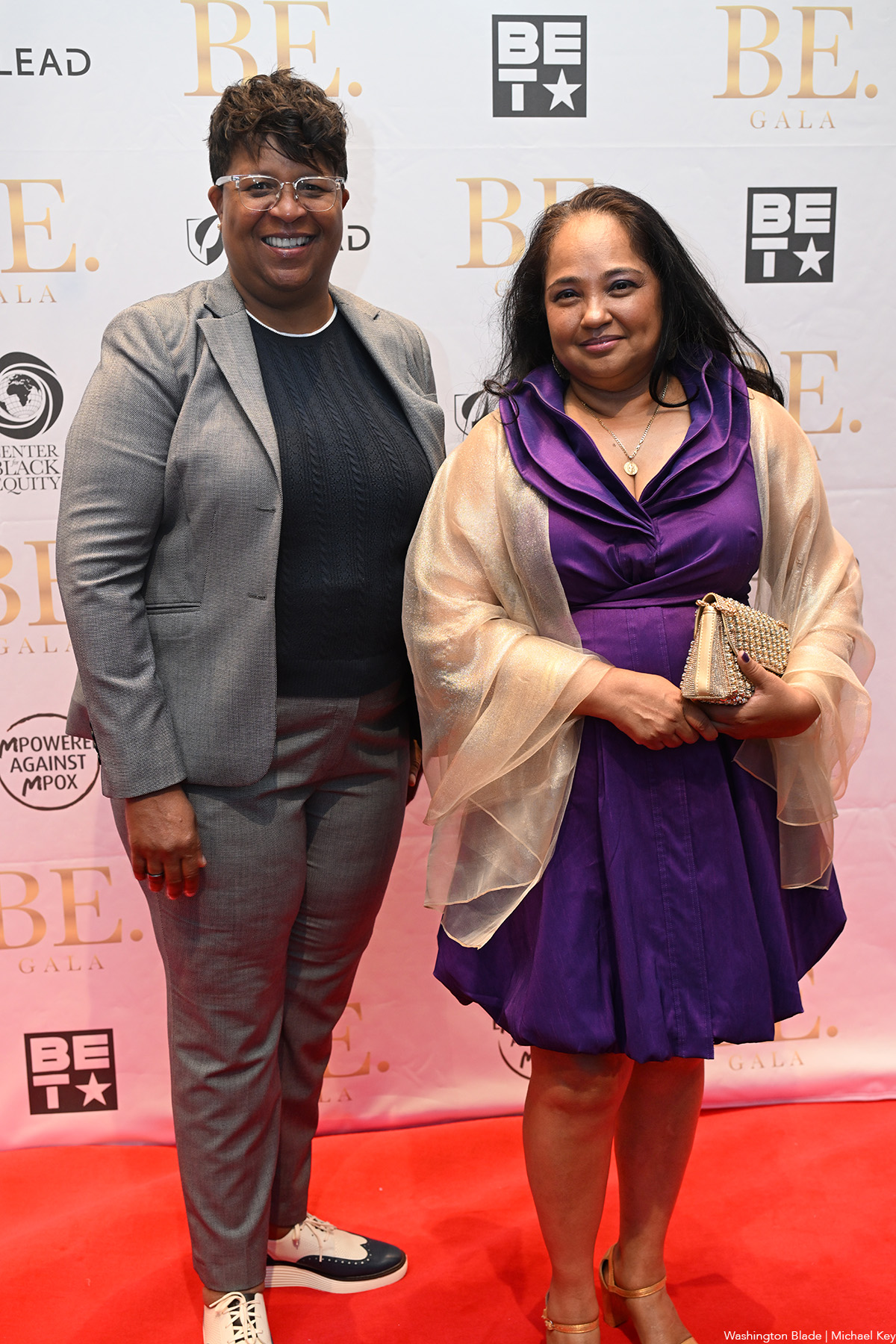
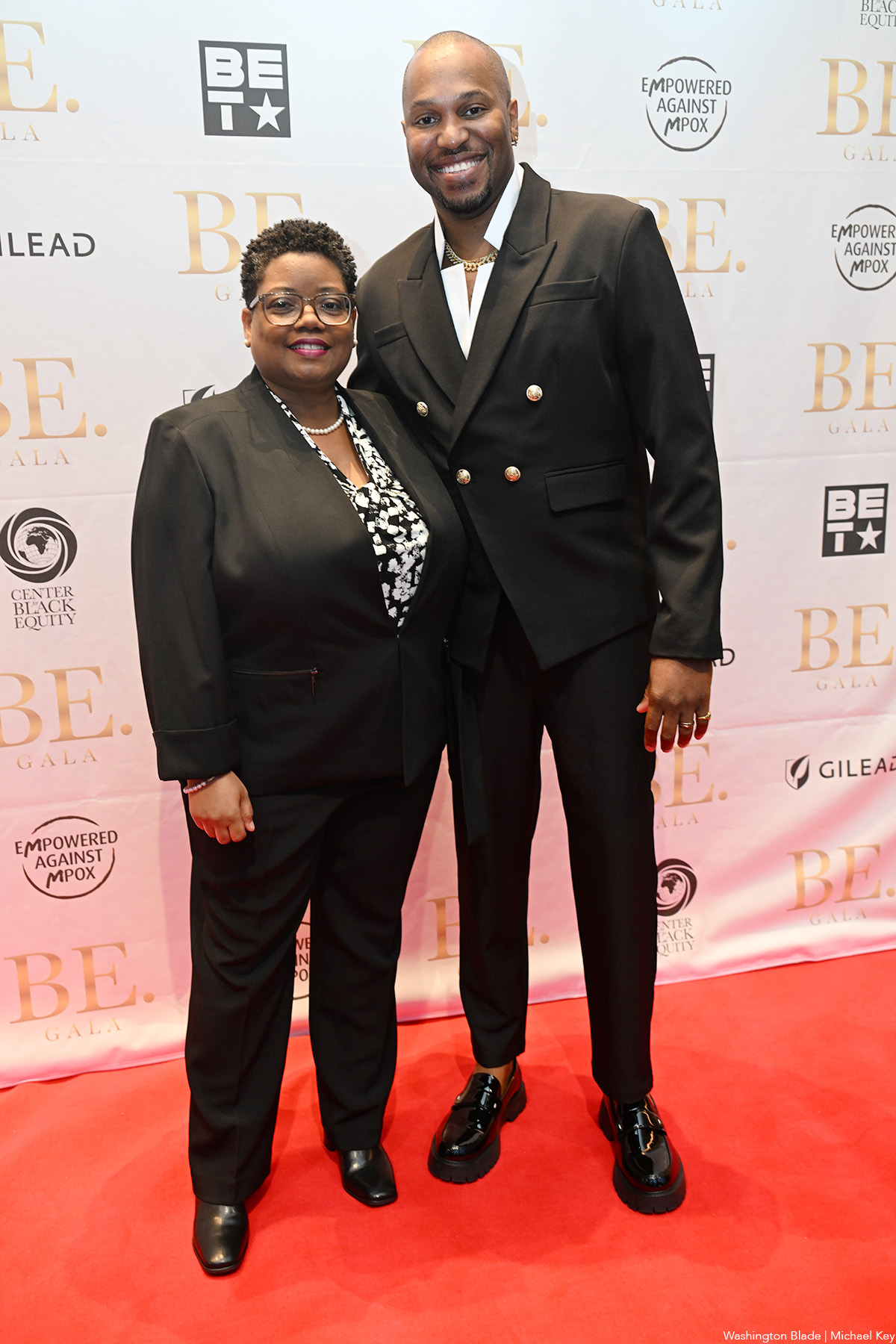
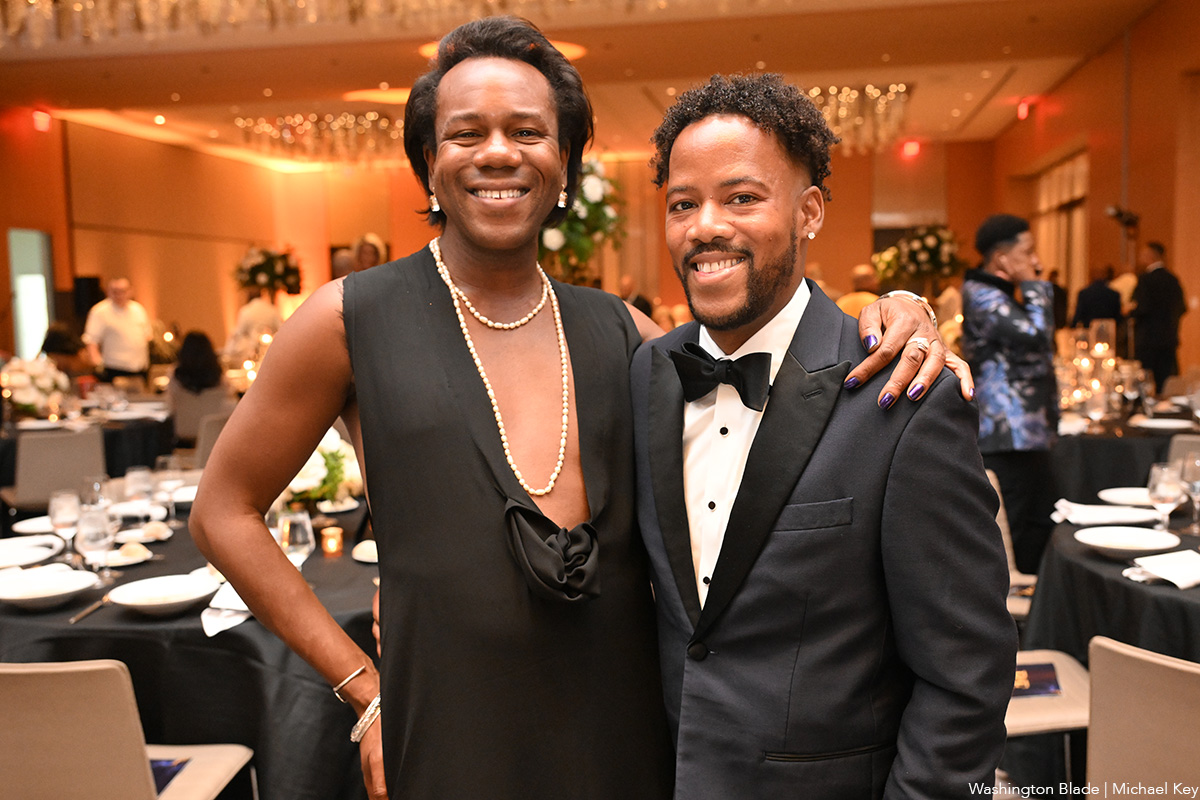
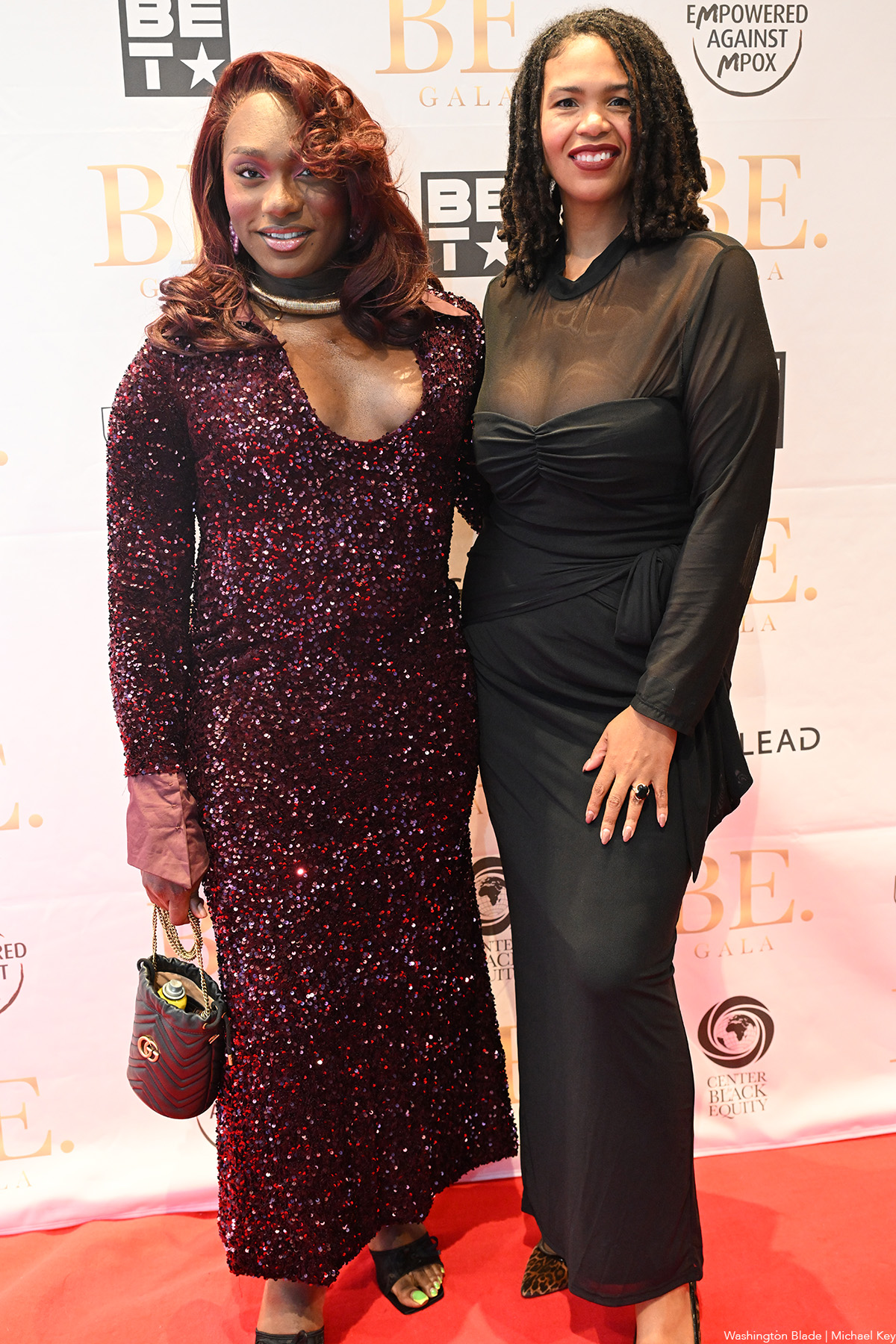
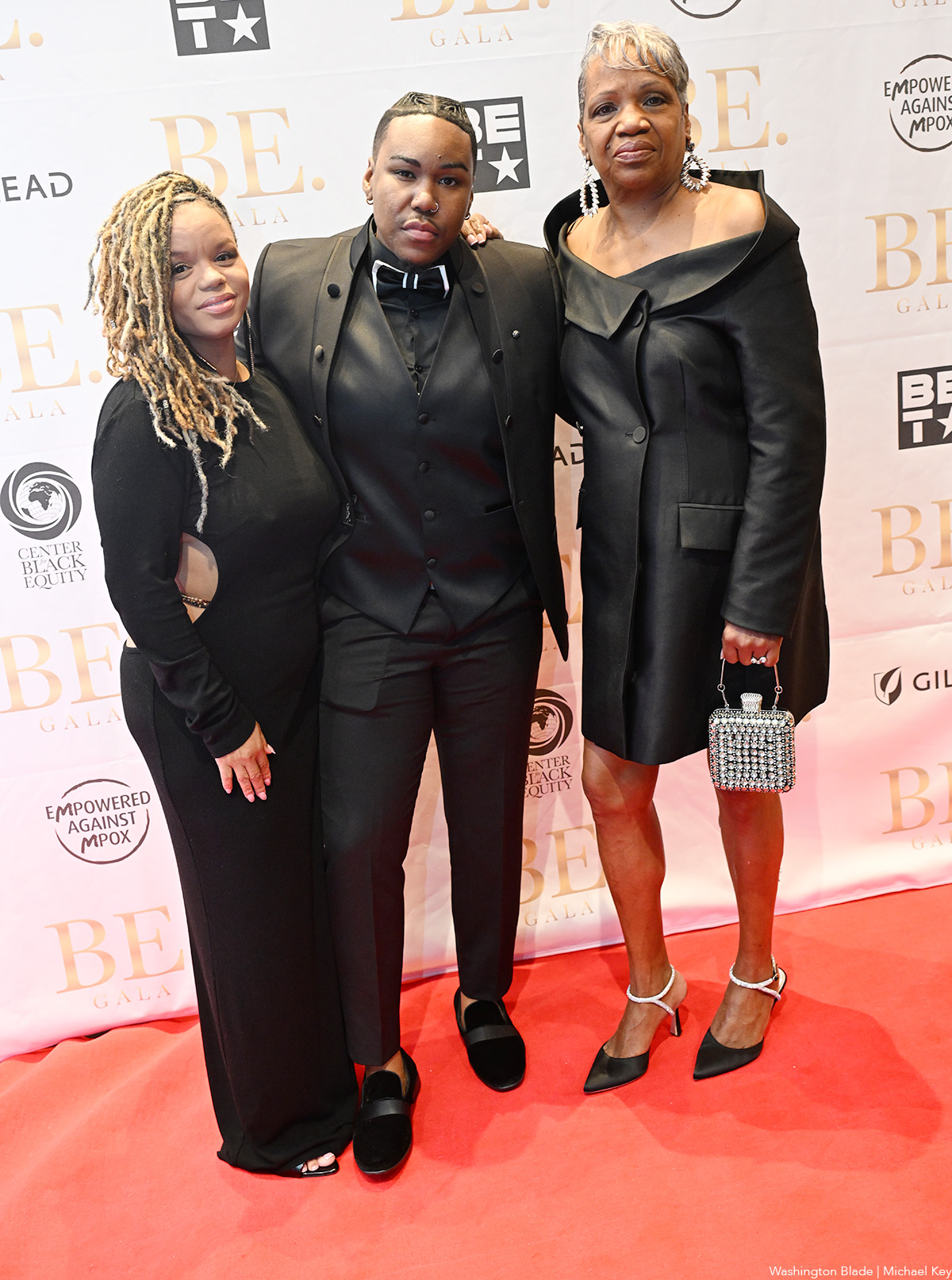
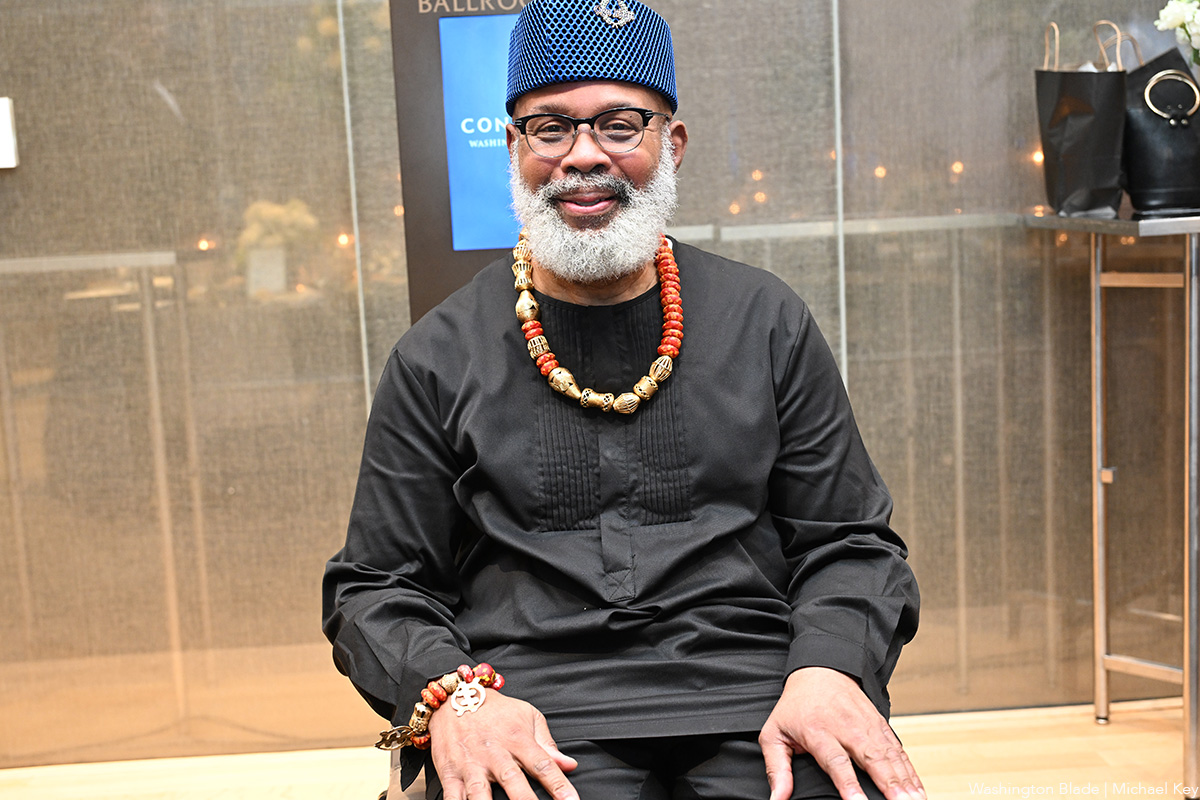
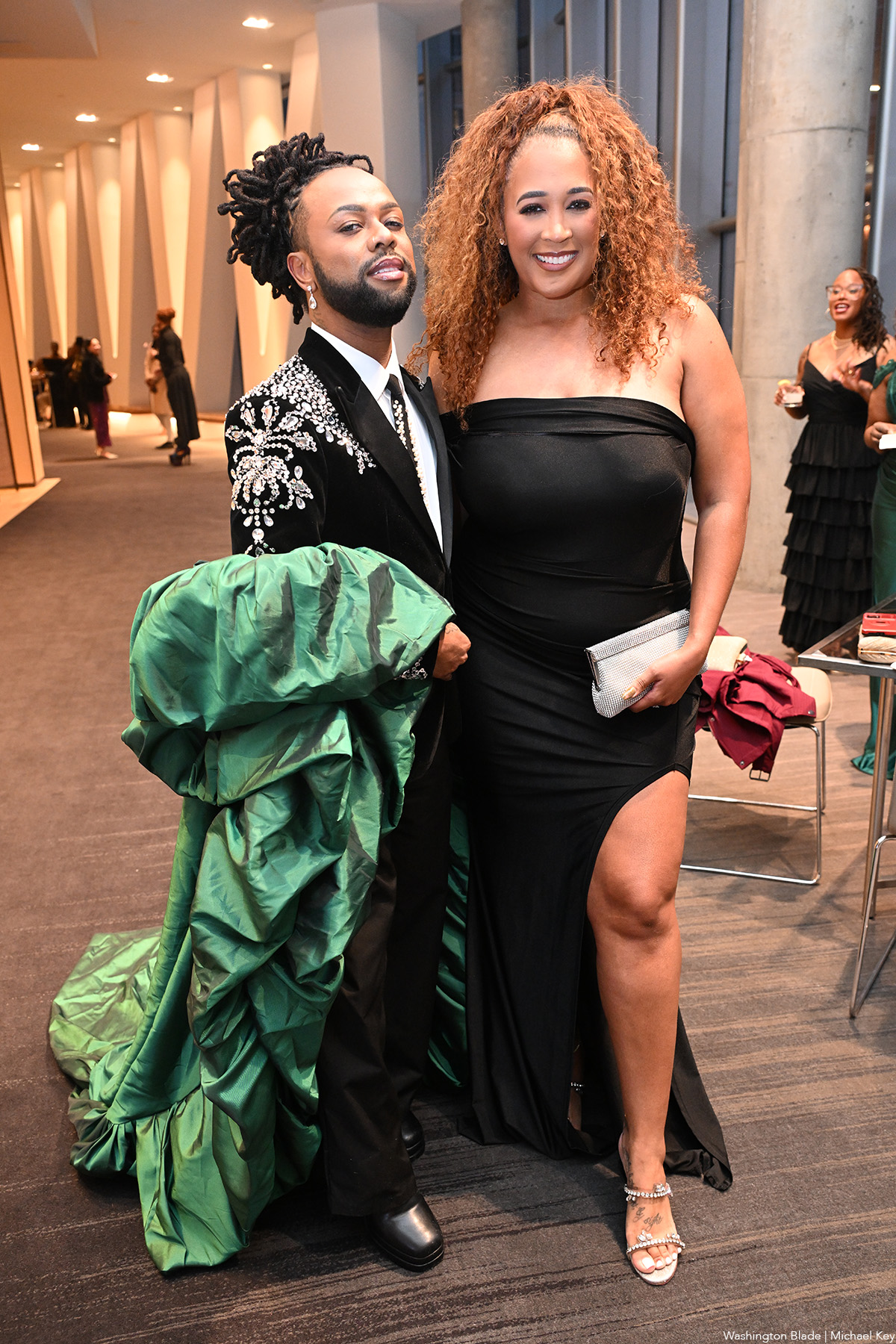
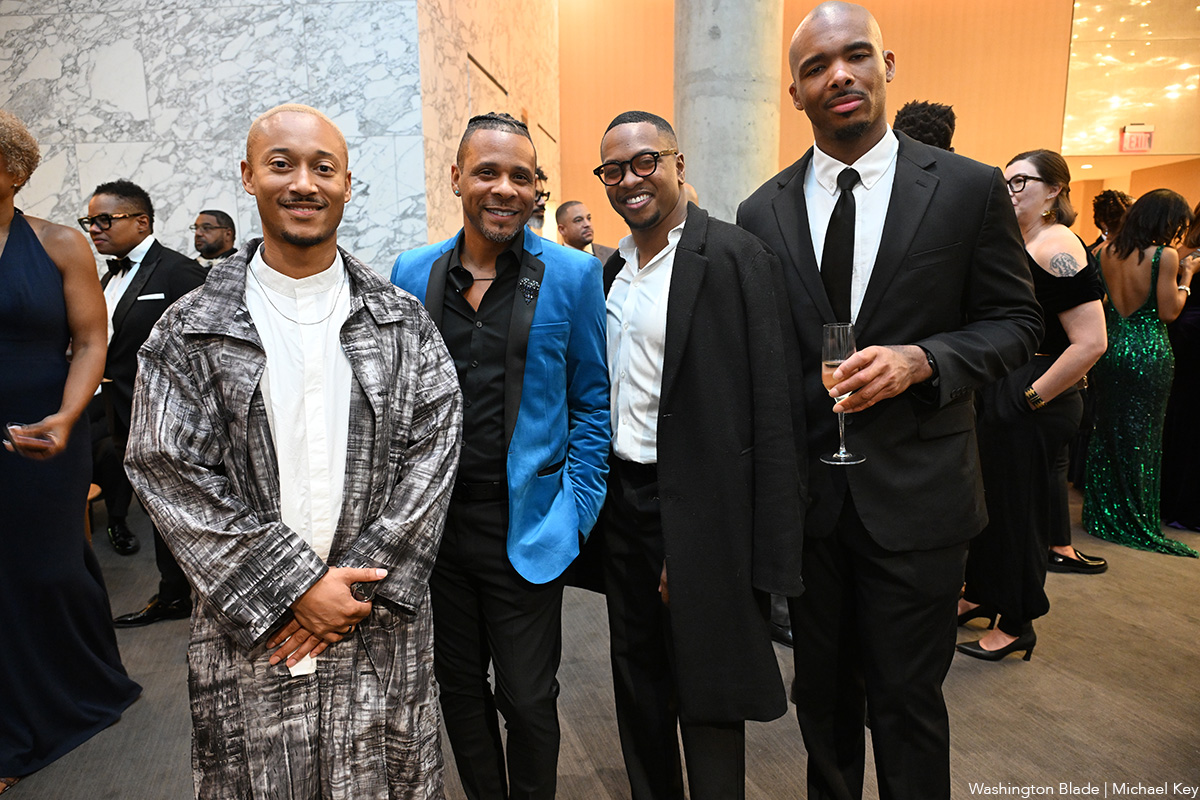
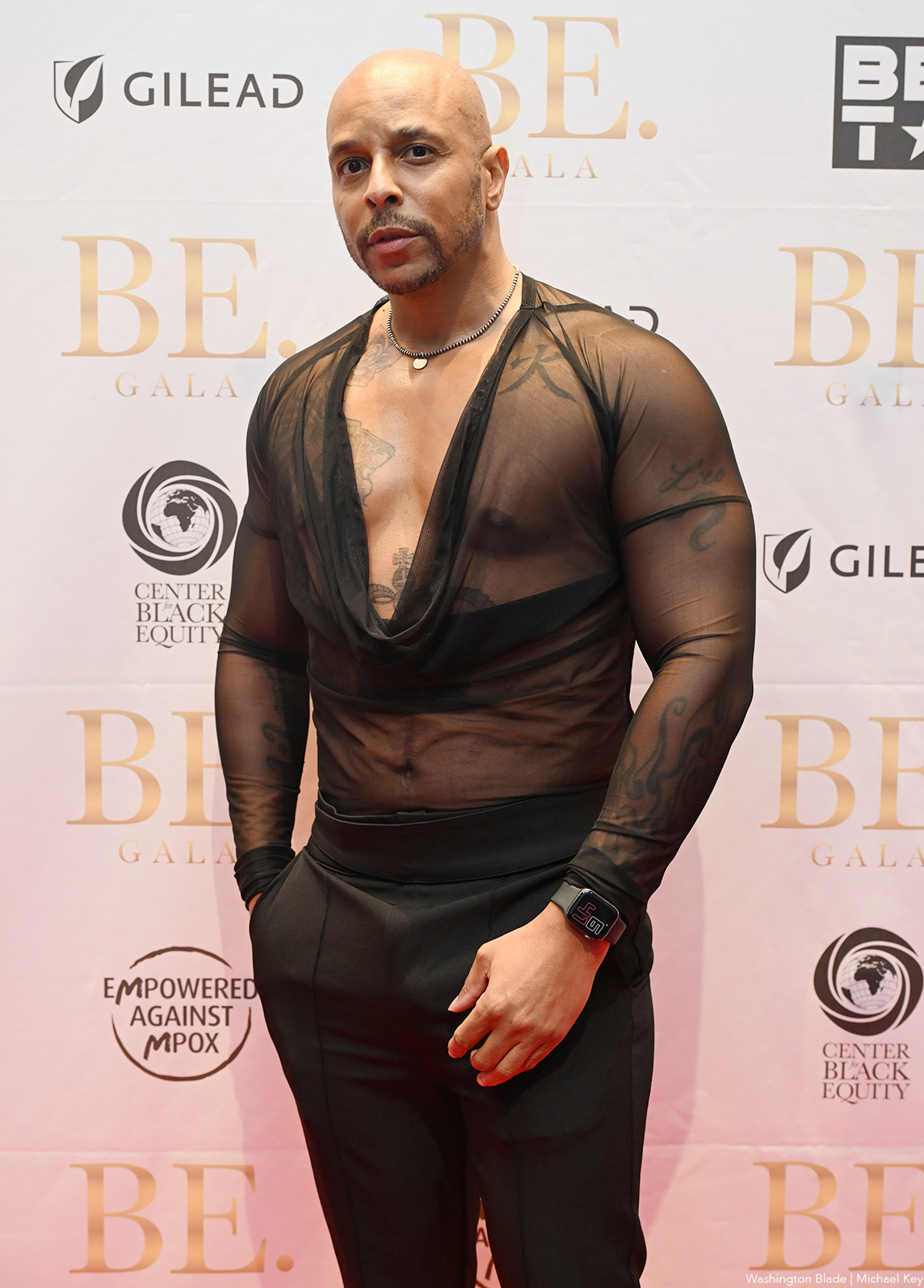
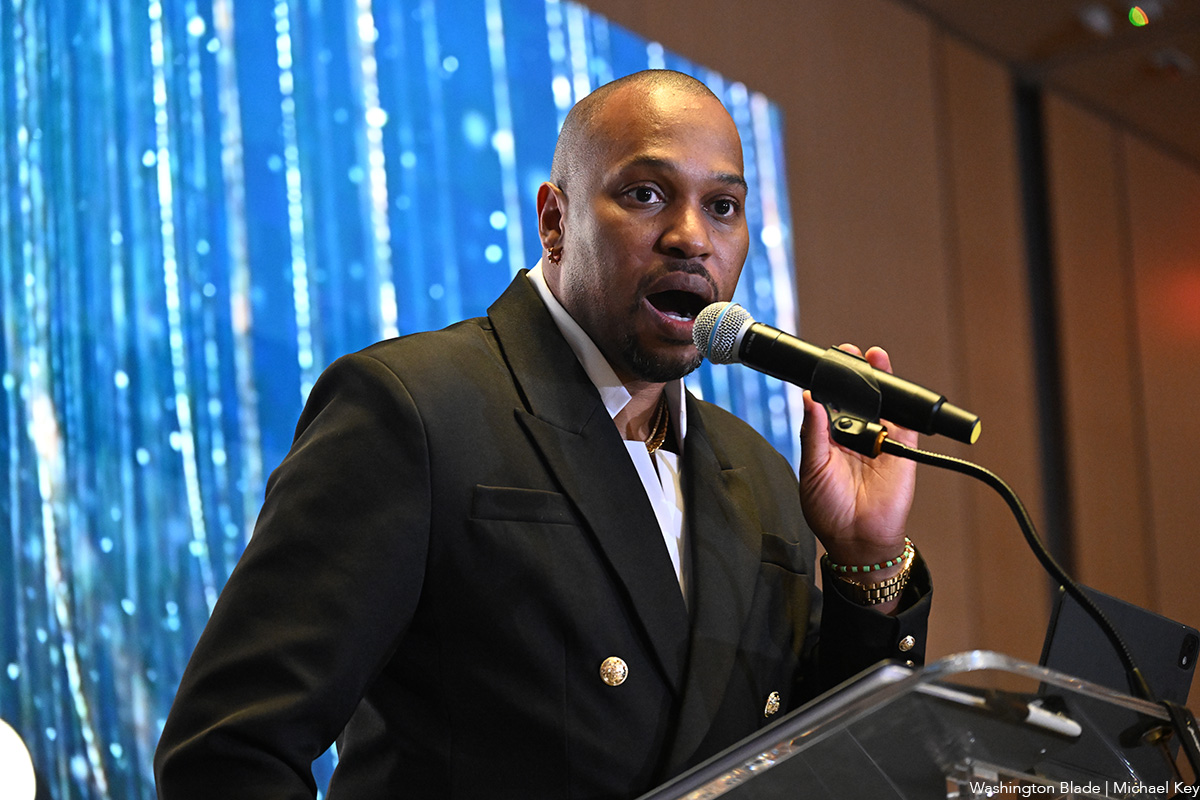
Center for Black Equity honors leaders, activists at BE. Gala
Miyake-Mugler, Oakes co-host annual awards ceremony

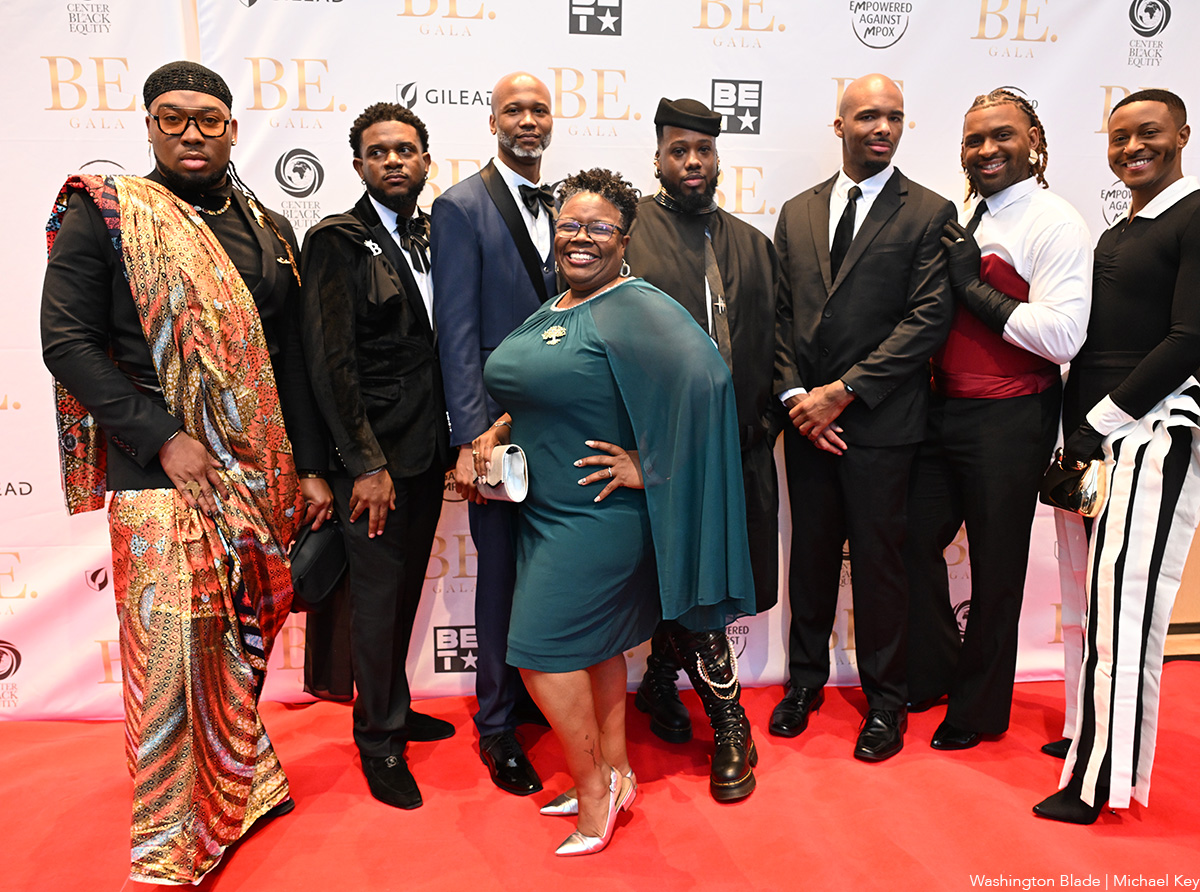
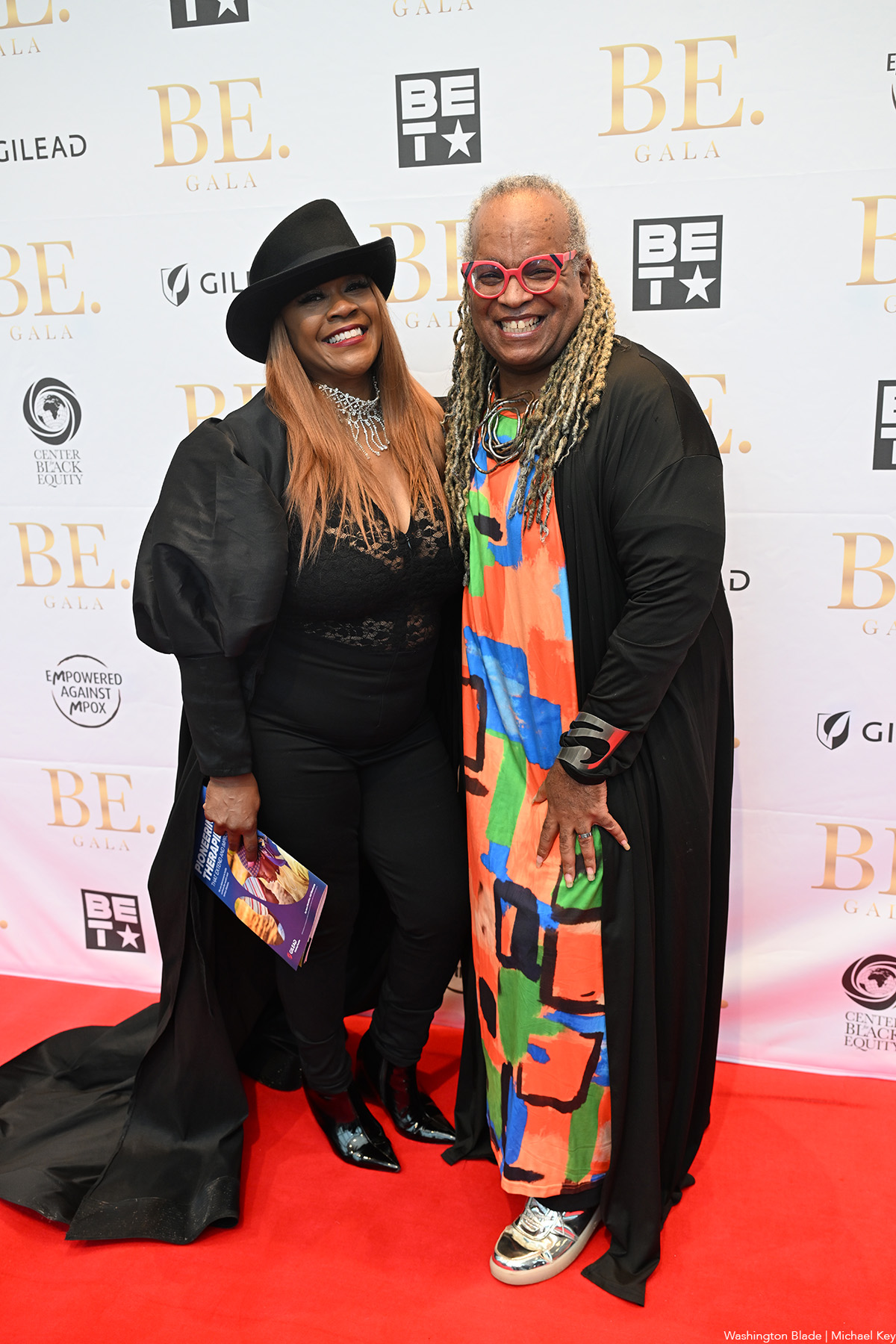
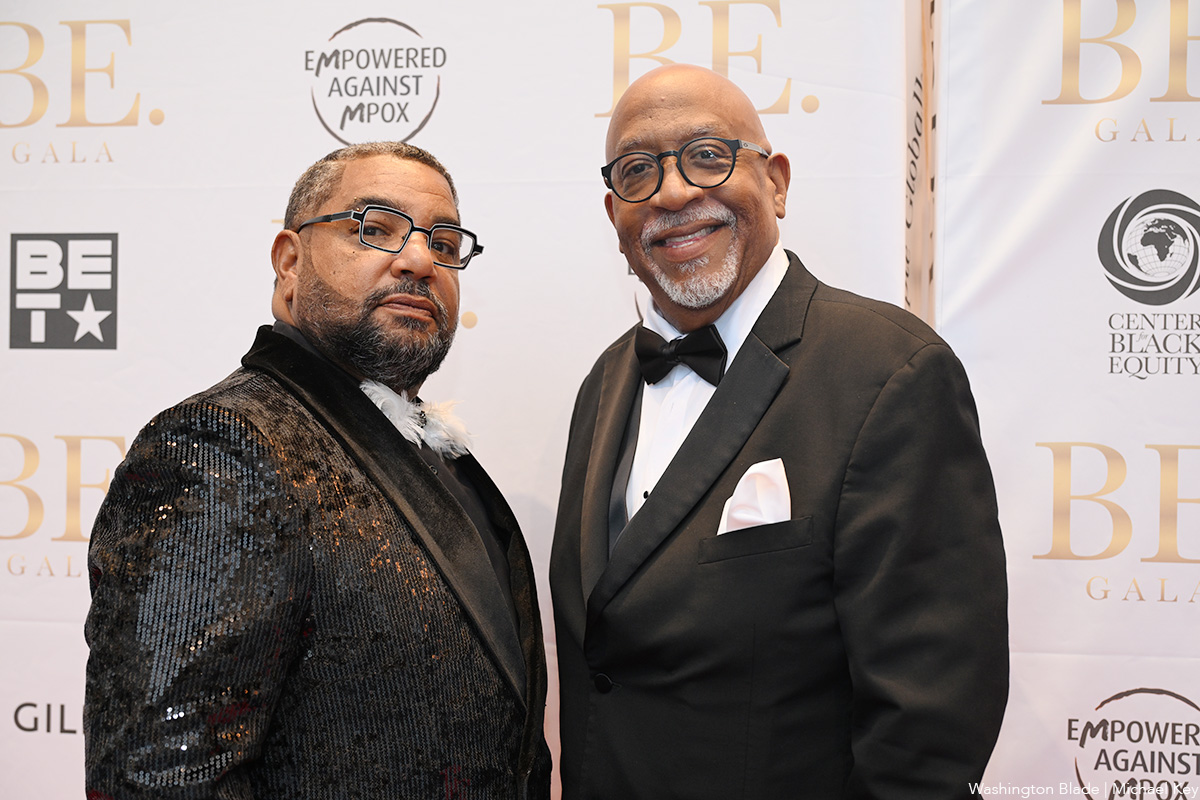
The Center for Black Equity held its annual BE. Gala at Conrad Washington, D.C. on Saturday, Oct. 5. Lolita Leopard Miyake-Mugler and Anthony Oakes co-hosted the awards ceremony.
Honorees included journalist and producer Justin Stewart; nonprofit leader Nikki Alexander; HIV advocate Marlene McNeese; the nonprofit organization FreeLux Project; actress Monroe Alise; public health advocate Tori Cooper; Manassas Park Vice Mayor Darryl G. Moore; Rev. Dr. Carmarion D. Anderson; Bishop Steven Sawyer; government relations professional Courtney Snowden; Senior Deputy Director of HAHSTA at D.C. Health, Clover Barnes; and Texas state Rep. Venton C. Jones.
The event was sponsored by Gilead.
(Washington Blade photos by Michael Key)












Books
In ‘The Lost Brontë,’ a complicated lie can lead to danger
New book features sweetly romantic girl-meets-girl twist
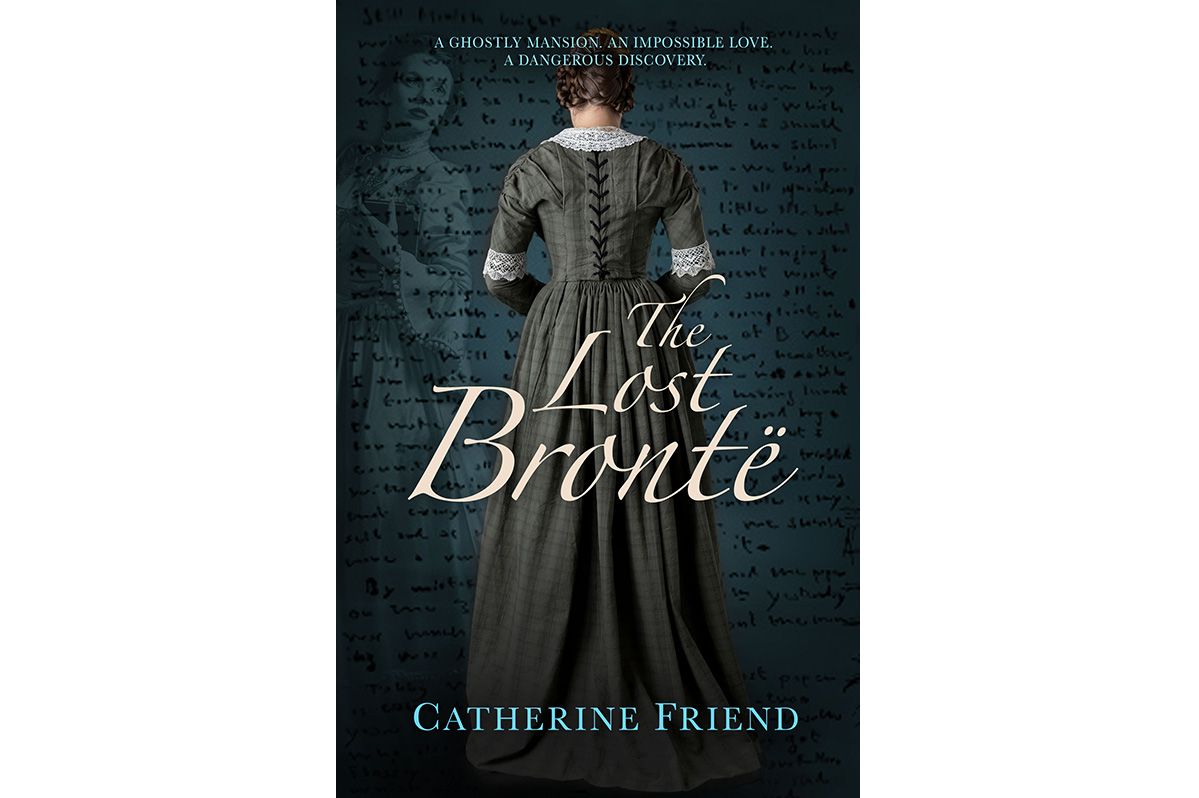
‘The Lost Brontë’
By Catherine Friend
c.2026, Bywater Books
$22.95/335 pages
Mom always said to tell the truth.
One lie leads to another and another and you have to remember them all until pretty soon, you’re caught. Fibs are hard, mistruths are messy, even little white social lies can destroy trust. Worst of all, as in the new novel, “The Lost Brontë” by Catherine Friend, a complicated lie can lead to danger.

Though Lilianne Loxley was very young when she lost her parents, she understood that her uncle didn’t really want her. As time passed, though, Lily made herself useful to Uncle, writing and signing letters for him and she became a good companion, helping him with his collection of Brontë memorabilia. Uncle was a keen enthusiast.
She had no idea that his obsession was out of control and he was deeply in arrears. The day Lily learned of his debt was the day she learned that he’d agreed to send her to his debtor’s home to work off the money owed.
It was so sudden. One minute, Lily was at Loxley House, happy and loved by Uncle’s staff … and five hours later, she was at Crag Thorn Manor, home of Lord Bexton, who informed her that she’d be working on his ledgers – work that seemed routine, but Lily tackled it.
Uncle always did say she was headstrong.
But would headstrong be enough to survive, when she was restricted from most of the Manor, when she was forced to dine with Brexton and his slimy friend, or – the worst! – when Brexton told Lily that her next task was to forge a letter from Emily Brontë? And then an entire manuscript?
Lily struggled to do what was right. She had to get Uncle out of debt but this last order horrified her. Did she dare refuse Brexton’s orders and commit a crime? It was unthinkable!
The only brightness in the whole situation was Wren, the ladies’ maid assigned to Lily’s room. Wren was adorable with freckles and the sweetest smile. But with everything else happening at Crag Thorn Manner, could Lily act upon her feelings?
This time of year, you may come to crave dark, spooky stories, and “The Last Brontë” fits those needs perfectly with its Gothic deliciousness. Think: Daphne du Maurier-type, stormy-night squirms with a dangerously chaste, sweetly romantic girl-meets-girl twist for fun.
If it’s been awhile since you’ve read a Gothic novel, you’re in for a nice reminder of why you love them here. You can almost tick off the must-haves: a novel like this is nothing without a foreboding stone manor with damp walls; stone steps to a dank basement; a mysterious portrait; and a nearby bog, and author Catherine Friend gives readers every one of them. You’d be disappointed if there was no ghost, wouldn’t you? Ha. You can practically feel the cold blow through the attic, right? Yeah, it’s that kind of book.
If you’re a fan of the Brontës, you’ll like this novel. If you love Gothic mysteries or Victorian romances, ditto. “The Lost Brontë” is good, no lie.
The Blade may receive commissions from qualifying purchases made via this post.
Out & About
CAMP Rehoboth Block Party returns Oct. 18
Expect performances, vendors and more at annual celebration

CAMP Rehoboth will host its annual Block Party celebration on Sunday, Oct.18 at 11 a.m. on the second block of Baltimore Avenue in downtown Rehoboth Beach.
CAMP Rehoboth invites all community members to join in the festivities and to expect magnificent performances and dozens of vendors, including artists, craftspeople, non-profits, businesses, and more.
The event started in 2015 in celebration of CAMP Rehoboth’s 25th anniversary. This year, attendees can expect to shop sea glass art, pottery, jewelry, Pride merch, body care, clothing, and learn more about local non-profit causes and businesses.
Attendance is free. For more details, visit CAMP Rehoboth’s website.

Center for Black Equity honors leaders, activists at BE. Gala

In ‘The Lost Brontë,’ a complicated lie can lead to danger

CAMP Rehoboth Block Party returns Oct. 18

Essential queer horror classics for Halloween

Solidarity beyond the parade: the actual cost of Pride

10 years later, we still can’t shake Barry Jenkins’s ‘Moonlight’

‘Some Like It Hot’ a wild ride at renovated Bernard Family Theatre

D.C.’s LGBTQ homeless facilities face possible hit from Trump funding cuts

Trump uses anti-trans slur against Democratic Senate candidate

U.S. int’l trade negotiator, consultant James Bedore dies at 82
-

 Movies5 days ago
10 years later, we still can’t shake Barry Jenkins’s ‘Moonlight’
-
Theater5 days ago
‘Some Like It Hot’ a wild ride at renovated Bernard Family Theatre
-
District of Columbia5 days ago
D.C.’s LGBTQ homeless facilities face possible hit from Trump funding cuts
-
2026 Midterm Elections4 days ago
Trump uses anti-trans slur against Democratic Senate candidate