Local
Money race underway in Maryland
Up to $7 million needed for marriage fight; O’Malley to host beach fundraiser
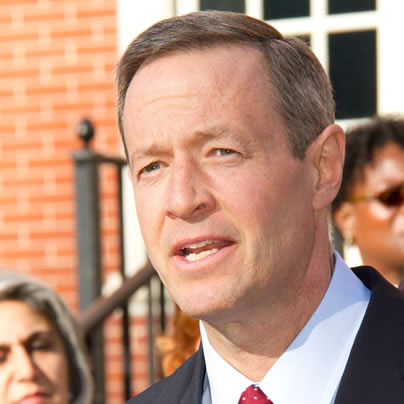
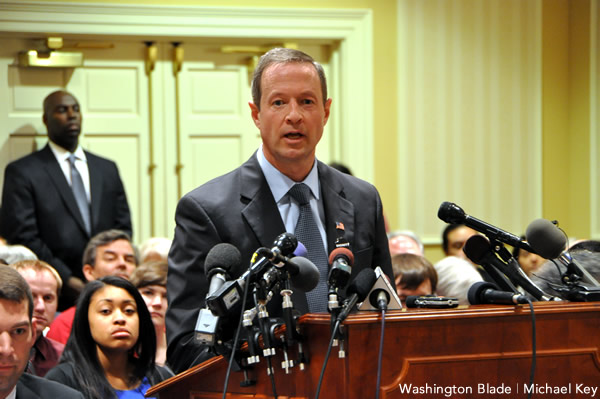
Maryland Gov. Martin O’Malley and House Speaker Michael E. Busch are scheduled to co-host a June 26 fundraiser in Ocean City for Marylanders for Marriage Equality. Tickets for the event start at $1,000. (Washington Blade photo by Michael Key)
Marylanders for Marriage Equality is confident it can run a “winning campaign” to defeat a voter referendum seeking to kill Maryland’s same-sex marriage law on a budget of between $5 million and $7 million, according to the organization’s campaign manager, Josh Levin.
“We feel good about that budget,” Levin told the Blade last week. “We feel like we’ll be able to do the things we need to do thanks to the effort of our coalition and our partners who are going to be talking to voters, who are going to be helping us in ways that I’m not sure are always the case in other campaigns.”
Levin’s comments came at a time when virtually all of the state’s political observers believe opponents of the marriage equality law will obtain far more than the number of petition signatures they need to place the referendum on the ballot in the Nov. 6 election.
The referendum language, which the Maryland State Board of Elections won’t draft until August, is expected to ask voters to approve or overturn a law passed earlier this year by the Maryland General Assembly legalizing same-sex marriage. The law also allows churches and religious organizations to refuse to perform such marriages.
Both sides have begun raising and spending money to wage their respective campaigns for and against the same-sex marriage law. But Maryland’s election law doesn’t require the campaigns to publicly disclose the amount of money they have raised or spent until Oct. 12, when the first of three campaign finance reports for a state referendum is due to be filed, according to Jared DeMarinis, a spokesperson for the election board.
He said the second campaign finance report must be filed on Oct. 26 and the third on Nov. 27, 21 days after the election.
DeMarinis said the election law requires organizations seeking to place the marriage equality law on the ballot in a referendum to file finance reports during the petition gathering process, which began earlier this year and continues through June 30. Those groups were required to disclose the receipt and expenditure of funds linked solely to the petition process during the past several months.
In what may come as a surprise to advocates of campaign finance disclosure laws, Marylanders for Marriage Equality isn’t required to disclose the amount of money it raises and spends and the names of its first round of donors until Oct. 12. The identity of its donors that contribute money between Oct. 26 and Election Day on Nov. 6 won’t have to be disclosed until 21 days after the election.
When asked last week by the Blade how much the campaign has raised so far, Levin said, “I don’t think I’m going to comment on that one.”
Some LGBT rights advocates in Maryland and elsewhere have expressed concern that Marylanders for Marriage Equality will need as much as $10 million to $12 million to wage an effective campaign to defeat the referendum and allow the same-sex marriage law to take effect.
These advocates, most of whom spoke to the Blade on condition that they not be identified, said Maryland’s marriage equality campaign will be competing for big donors and other contributors with the marriage equality campaigns in Maine, Minnesota and Washington State, where similar marriage referendums will be on the ballot in November.
The big donors, both gay and LGBT-supportive allies, are also being lobbied heavily to make large contributions to President Obama’s re-election campaign, placing further strain on the pool of funds needed by the pro-same-sex marriage campaigns.
“I don’t see Maryland having a very easy time pulling $10 million out to run this,” said Andy Szekeres, a professional fundraiser from Denver, who’s gay.
Szekeres is the former partner in a Denver-based fundraising company that raised more than $37 million for various political campaigns over the past several years.
“I think they’re grossly underestimating the resources that they’re going to need,” he said of Marylanders for Marriage Equality.
According to Szekeres, who was hired last year to help the statewide LGBT group Equality Maryland boost its fundraising efforts, the marriage equality side in Maryland must purchase TV ads in the expensive Washington, D.C. and Baltimore media markets.
He said he sees no evidence so far that the campaign has begun to buy and reserve TV ad time now, when the cost is lower than it will be in September and October, when the referendum campaign heats up and the Obama campaign and Maryland congressional candidates flood the airways with TV commercials.
Evan Wolfson, executive director of the national marriage equality advocacy group Freedom to Marry, said his group is “deeply embedded” in the marriage referendum campaigns in Maine, Minnesota, and Washington State and is helping those campaigns raise money. He told the Blade that the money needed to win marriage equality in those three states “will well exceed $25 million.”
He said Maryland’s marriage equality campaign will need “$10 million plus” to successfully fend off the referendum seeking to kill the state’s same-sex marriage law.
Wolfson has declined to comment on why Freedom to Marry has not joined the coalition of groups that that formed Marylanders for Marriage Equality. Campaign finance reports filed in Maine, Minnesota, and Washington show that Freedom to Marry has contributed thousands of dollars to the marriage equality campaigns in those states.
Levin and other officials with Marylanders for Marriage Equality dispute Szekeres’ and Wolfson’s assessment of the campaign’s fundraising needs, saying they believe they will have the resources to run an aggressive and effective grassroots campaign throughout the state.
“I’m not worried,” said Levin. “We’ve got a lot of folks around the country who are working on this issue and we’ve got four states where it’s on the ballot. And I think that supporters around the country are going to look at all four states. Hopefully they’ll support all four.”
Levin pointed to a poll last month commissioned by the campaign and conducted by the firm Public Policy Polling showing support for the same-sex marriage law leading among likely voters in Maryland by a margin of 57 percent to 37 percent. The same poll showed the marriage equality side leading among black voters in the state by a margin of 55 percent to 36 percent.
The poll findings, released on May 24, showed a dramatic increase in support of same-sex marriage by black voters following President Obama’s announcement that he and first lady Michelle Obama believe gay and lesbian couples should be allowed to legally marry.
Although the Public Policy Polling poll was commissioned by Marylanders for Marriage Equality, officials with the group note that a separate ABC News-Washington Post poll released around the same time found that 59 percent of blacks across the country expressed support for same-sex marriage.
“I think we’ve opened some eyes and changed some minds about Maryland here in the last couple of months,” Levin said. “Our poll numbers are probably the best in the country of the states where we are looking at this issue on the ballot right now.”
He added, “I know that I’m learning from my fellow campaign managers in the other states about what’s working there. We’re talking. We’re trying to work together. It’s not a rivalry. It’s a partnership. We all want to move this forward.”
Marylanders for Marriage Equality spokesperson Kevin Nix also points out that the group’s coalition partners are especially influential and knowledgeable on Maryland politics. They include the NAACP of Maryland, the ACLU of Maryland, Equality Maryland, the Human Rights Campaign, the National Gay and Lesbian Task Force, and the Service Employees International Union (SEIU) of Maryland, among other organizations.
LGBT advocates say the marriage equality side is likely to benefit from Maryland’s status as a solid Democratic state expected to vote strongly for Obama in the presidential election taking place at the same time as the marriage referendum. With polls showing that Democratic voters in general and Obama voters in particular tend to support same-sex marriage rights at higher levels than other voters, the presidential election will likely be a major boost to the campaign in favor of Maryland’s marriage equality law.
Polls conducted earlier this year also showed that as many as 30 percent of Maryland voters saying they plan to vote for Republican presidential candidate Mitt Romney also support same-sex marriage.
LGBT advocates in Maryland are also hopeful that Gov. Martin O’Malley, who enjoys widespread popularity throughout the state, will follow through with his promise to campaign vigorously in support of the same-sex marriage law and help raise money for the campaign. O’Malley has been credited with playing a key role in persuading the legislature to pass the law.
O’Malley’s chief fundraising consultant, Colleen Martin Lauer of the fundraising firm Martin-Lauer Associates, is working with the campaign, Lauer told the Blade. She declined to provide details on what her firm is doing, deferring inquires to the campaign.
O’Malley and Maryland House Speaker Michael E. Busch (D-Anne Arundel County) are scheduled to co-host a June 26 fundraiser in Ocean City for Marylanders for Marriage Equality. According to the Washington Post, tickets for the event start at $1,000.
Szekeres said he’s rooting for the success of the Maryland campaign as well as the pro-marriage equality campaigns in Maine, Minnesota and Washington. But he said other states have had similarly strong coalitions, with polling numbers showing the same-sex marriage side ahead. He notes that same-sex marriage has lost in each of the 32 states that have had ballot measures on the issue.
The 2008 approval of California’s Proposition 8, which overturned that state’s gay marriage law, and the 2009 defeat of a same-sex marriage law approved by the Maine legislature that year were especially heartbreaking, Szekeres and others familiar with those ballot measures said.
California voters approved Proposition 8 by a margin of 52 to 48 percent following polling numbers showing the marriage equality side was ahead. Polls showed that Maine’s same-sex marriage law would survive the referendum vote shortly before voters rejected the law by a margin of 53 to 47 percent.
Opponents of a Maine same-sex marriage law passed by the state legislature initiated the 2009 referendum, which killed the law before it took effect. This year’s referendum in Maine was initiated by same-sex marriage supporters, who want Maine to become the first state to put a same-sex marriage law in place through a popular election.
“We lose these things 52 to 48 percent across the country,” said Szekeres. “I’ve been at these things and our polling showed we were much higher in Maine [in 2009] than we were. People lie to pollsters. They don’t want to be bigots to the pollsters but they are when they go vote.”
He and others familiar with same-sex marriage ballot campaigns have said TV ads by opponents that allege that gay marriage is harmful to children and the traditional family continue to succeed in persuading a majority of voters to turn against marriage equality.
“Again, if they think they can run this on a shoestring budget because 57 percent of the people six months out from the election tell pollsters they support us, that’s not going to happen,” said Szekeres in discussing the Maryland referendum. “There will be a lot of negative advertising and negative advertising works. And we just don’t seem to have an effective response.”
Nix said Marylanders for Marriage Equality retained the D.C.-based national advertising firm Dixon-Davis Media Group to prepare the campaign’s TV ads on behalf of the same-sex marriage law.
The firm’s website describes itself as a “full-service strategic communications company and advertising agency serving Democratic candidates, campaigns and causes.”
Nix said the campaign has also retained the Hart Research polling company to conduct internal polls to help the campaign develop the best possible messages for persuading voters to support marriage equality.
Matthew Crenson, professor emeritus of political science at Johns Hopkins University in Baltimore, said he has observed a “shift in the electorate” that is likely to break the gay marriage losing streak on ballot measures.
“I think there’s a better than 50-50 chance that Maryland will become the first state to approve gay marriage in a referendum,” he said.
“One decisive event was when the NAACP endorsed [marriage equality] because African Americans in Maryland, especially those closely attached to churches, have traditionally been opposed to gay marriage and gay rights,” he said.
“But the NAACP defined this as a civil rights issue, which is similar to the kind of issues that African Americans have raised in the past,” he said. “And I think that introduced a kind of shift in the electorate that makes it more than likely that [same-sex marriage] will pass.”
Maryland political observer Michael J. Wilson, a Montgomery County resident and former executive director of the national group Americans for Democratic Action, said he too senses a shift in the direction of voters upholding the same-sex marriage law.
“I think there’s reason to be hopeful,” he said, adding that the ability of the marriage equality side to turn out their supporters at the polls will be a crucial factor in the outcome.
“In Maryland, if you carry Baltimore City, Baltimore County, Montgomery County, and Prince George’s County by a big enough margin, you win a statewide election,” Wilson said. “If you carry those big counties you can win the state, even if the other counties go 60 to 40 against you.”
Michael K. Lavers contributed to this report.


Rehoboth Beach
HISTORIC: Susan Stewart elected Rehoboth’s first out mayor
Thanks LGBTQ supporters and vows to protect city’s small town charm
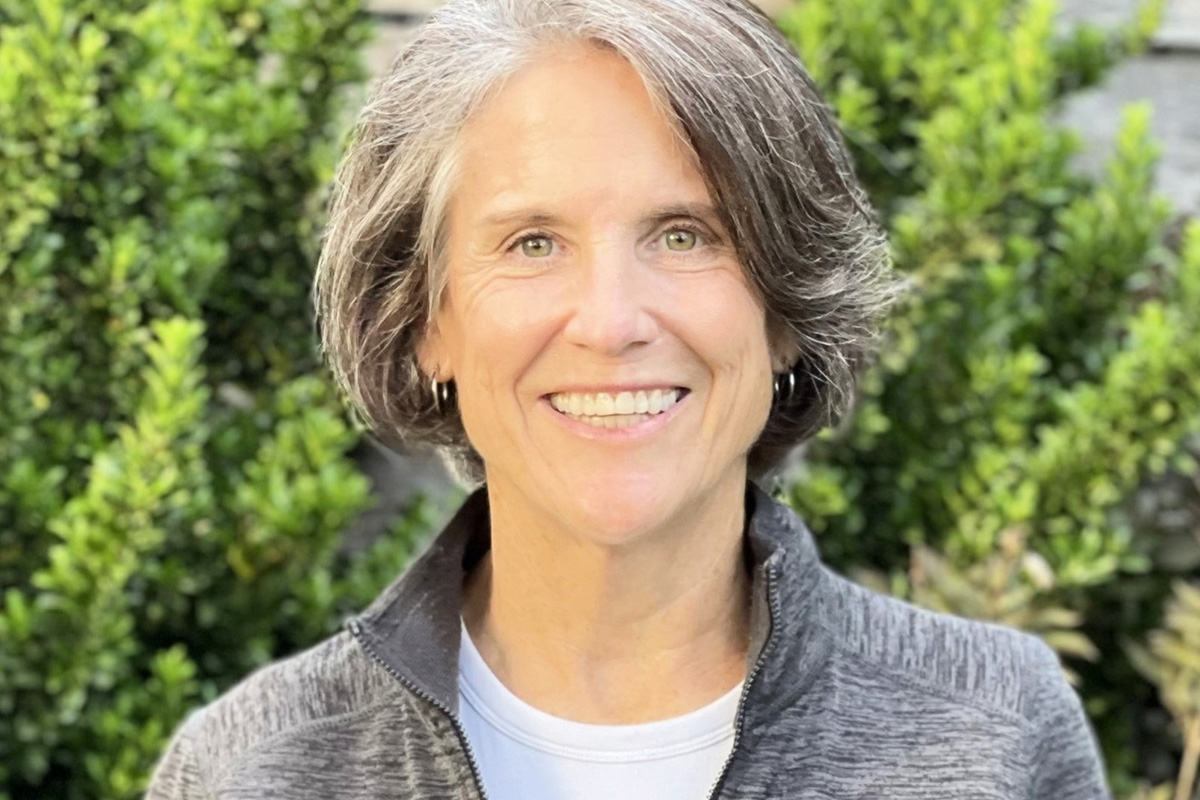
Residents of Rehoboth Beach elected City Commissioner Susan Stewart with 61% of the vote on Aug. 8, making her the city’s first openly gay mayor.
Stewart beat fellow commissioners Craig Their and Suzanne Goode in the race, as well as newcomer Jake Raak.
The final mayoral vote results were:
- Susan Stewart: 632
- Craig Their: 203
- Suzanne Goode: 177
- William “Jake” Raak: 23
“I’m very grateful because the LGBTQ+ community not only voted for me, but also supported me,” said Stewart.
Stewart said that she is particularly grateful for the support she received on social media from members of the LGBTQ+ community.
“I’ve had incredible support,” said Stewart.
Stewart said that her campaign showed her just how much residents of Rehoboth are engaged and care about the city.
“They really want to see what’s best for the community,” said Stewart.
Stewart spoke about the master planning initiative she has been working on as a commissioner, which she plans to continue as mayor.
“We’ve undertaken rewriting the commercial zoning code, and that’s foundational to the next step of the initiative,” said Stewart.
She said that she was proud of the results of charette week that was held last month where residents and business owners had the opportunity to speak with hired urban planners to give feedback for a zoning code update.
Stewart said that Rehoboth is at a tipping point as the city must find a way to balance the growth of the commercial district while improving the quality of life for residents.
“I don’t believe there needs to be tension between the business community and the residential experience,” said Stewart.
“I’m excited about a new master plan because we have a couple hotels coming, and we also have Clear Space Theatre looking for a new home, and we’re working with them,” said Stewart. “We want businesses to stay here.”
Stewart also said that she aims to embrace the concept of a ‘15-minute city,’ making the city much more accessible in terms of transportation in the downtown area for residents.
“The goal is to protect the small town charm and natural beauty of Rehoboth,” said Stewart. “I want to keep the momentum going.”
The Blade asked Stewart about any concerns she might have working with Commissioner Goode, whom she has criticized for sending inappropriate and offensive emails to city staff. Goode finished a distant third in the mayoral race and her husband fell short in his bid for a Commissioner’s seat. In that race, Jeffrey Goode received 239 votes; Patrick Gossett, who’s gay, received 813 votes and Mark Saunders 852. Saunders and Gossett will be sworn in next month.
“I’m really eager to move past this issue with Commissioner Goode,” said Stewart.
She said that she’s heard ‘loud and clear’ from the city that they want to move past this situation as best as they can while Goode remains in her seat as commissioner.
“There are no mechanisms for us to remove a sitting commissioner. Our laws don’t allow it,” said Stewart.
Stewart clarified that she has always focused on Goode’s behavior toward city staff.
“One thing I feel really passionate about is that the city employees have to know that they are heard. They are real people with real jobs, real professional reputations, and they’ve been harmed,” said Stewart.
The Blade also asked if Stewart had made a final decision on whom she plans to nominate to fill her Commissioner seat.
“I’m considering who to appoint and I have not made any final decisions,” said Stewart.
She noted that, as mayor, she only has the power to nominate a candidate and that the board of commissioners will have the final vote on whom to appoint to the board.
Stewart shared that she has received interest from a number of people and finds that to be a good sign.
“I think that’s a great sign because people want to serve. I’m eager to have someone in that seat who’s smart and has the best interests of the city,” said Stewart.
Stewart will be sworn in during the Board of Commissioners meeting on Sept. 18.
District of Columbia
D.C.’s Mary’s House For Older Adults names new executive director
Charlene Leach to succeed Imani Woody as leader of LGBTQ-supportive seniors home
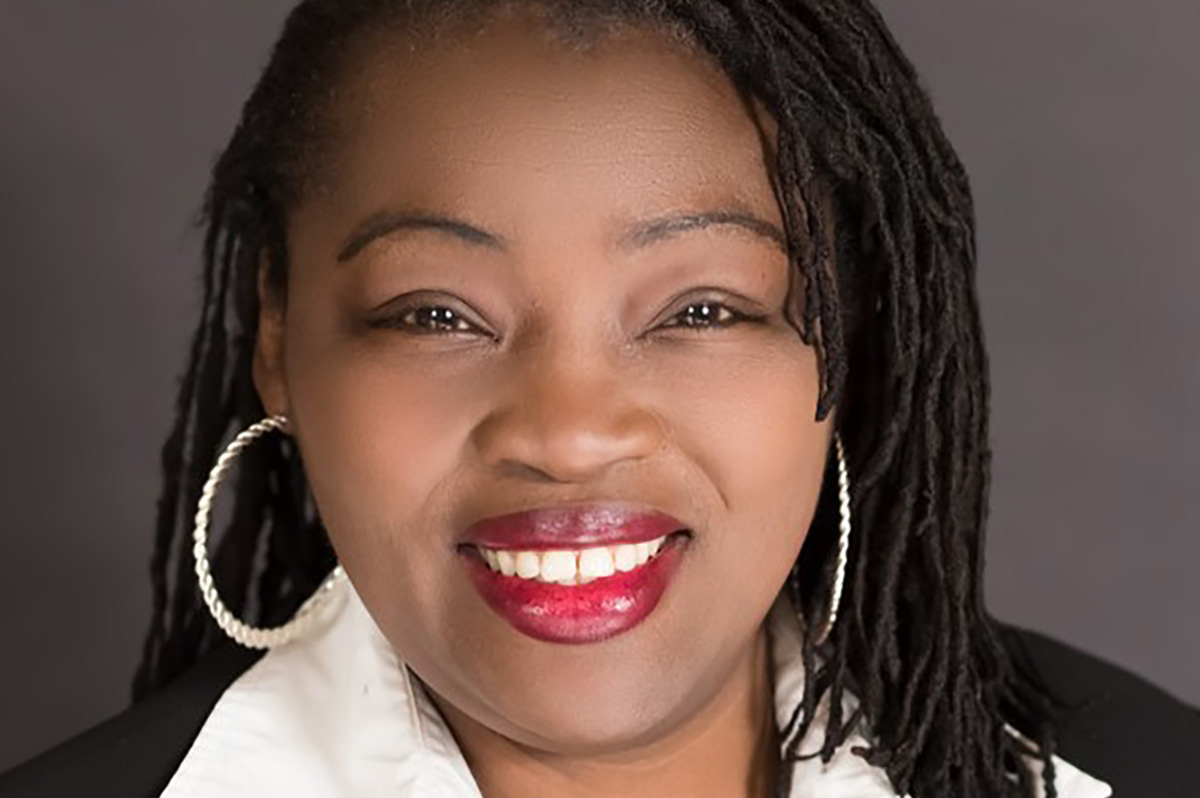
The board of directors of Mary’s House for Older Adults, the D.C.-based home dedicated to providing affordable housing for LGBTQ seniors, has announced it has named longtime nonprofit organization leader A. Charlene Leach as its new executive director.
Leach, who is now serving in the executive director’s position, is succeeding Dr. Imani Woody, the Mary’s House founding president and CEO, who announced her retirement from her official leadership role at Mary’s House on July 7.
Woody, who holds a PhD in Human Services, is credited with playing the lead role over many years in arranging both city and private funding needed to construct and operate the Mary’s House three-story building located at 401 Anacostia Road, S.E., in the city’s Fort DuPont neighborhood.
“With over three decades of nonprofit experience and 15 years serving as an executive director, Charlene brings a wealth of knowledge in organizational leadership, program development, and community engagement,” the Mary’s House board says in a statement.
“Her proven track record of building impactful programs and leading mission-driven organizations makes her uniquely suited to guide Mary’s House into its next phase of growth,” the statement continues. “Charlene is deeply aligned with the mission of Mary’s House and is committed to advancing its work to provide safe, inclusive housing and supportive services for LGBTQ+ older adults,” it says. “Under her leadership, the organization will continue to expand its impact while remaining grounded in the values that define our community.”
Leach’s LinkedIn page shows she has most recently served since 2022 as executive director of the African American AIDS Task Force in Minneapolis. Prior to that, it shows she served as executive director of the Fredericksburg Area Health and Support Services organization in Fredericksburg, Va., and before that as director of development for the D.C.-Baltimore area Women’s Collective.
Her LinkedIn page says she has been involved with Mary’s House as a volunteer and grant writer since 2016.
The newly built and enlarged Mary’s House, which opened in March 2025, with a grand opening ceremony held in May 2025 attended by D.C. Mayor Muriel Bowser, includes 15 single-occupancy residential apartments and more than 5,000 square feet of shared communal living space.
An earlier statement released by the Mary’s House board announcing Woody’s retirement said Woody would continue to be involved with the organization as a member of the board. The earlier statement and board’s more recent statement on July 29 announcing Leach’s appointment as executive director did not say whether the board plans to name someone else as president and CEO, the title that Woody held before her retirement. But the latest statement says Leach will be running Mary’s House’s day-to-day operations as Woody did.
Virginia
Doug Ollivant to face Eugene Vindman in Va. 7th Congressional District
Republican defeated challengers in Tuesday’s primary

Republican Doug Ollivant will face off against incumbent U.S. Rep. Eugene Vindman (D-Va.) in Virginia’s 7th Congressional District.
Ollivant defeated his Republican opponents in Tuesday’s primary. Vindman ran unopposed.
Vindman in 2024 ran to succeed then-Congresswoman Abigail Spanberger in the U.S. House of Representatives after she ran for governor. Spanberger succeeded Republican Gov. Glenn Youngkin in 2025.
U.S. Sen. Mark Warner (D-Va.) on Tuesday easily won his primary. All other Democratic incumbent members of Congress from Northern Virginia also won their respective primaries.

2 former NBA players launch cheap anti-trans stunt to exploit WNBA rules

Same-sex couples challenges India income tax law

HISTORIC: Susan Stewart elected Rehoboth’s first out mayor

Todd Blanche’s record on LGBTQ issues comes under scrutiny as he takes over DOJ

Don’t miss summer productions at Clear Space in Rehoboth Beach

Calendar: August 7-13

Insured on paper, excluded in practice

Greg Araki still wants your sex

Mr. Henry’s to host 60th anniversary party