Arts & Entertainment
D.C. arts briefs: July 27
Best of Gay D.C. voting up now, ‘Lay of the Land’ and ‘Thomas is Titanic’ at the Fringe
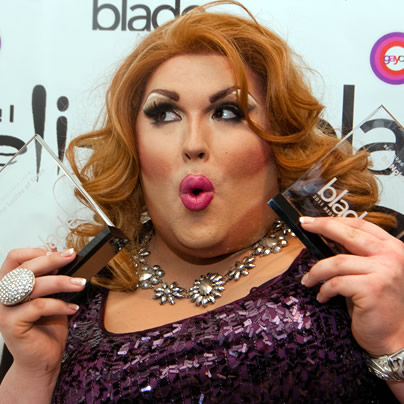
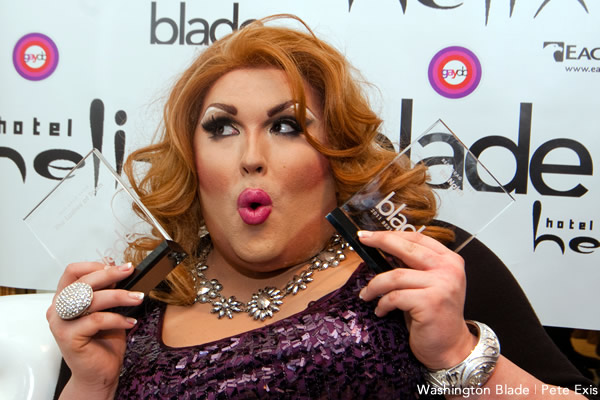
Ba’Naka with her trophies at last year’s Best of Gay D.C. awards. (Blade photo by Pete Exis)
Nominate your faves for Best of Gay D.C.
The opportunity to nominate local businesses, restaurants or people in the Blade’s 11th annual Best of Gay D.C. awards ends Wednesday.
The Blade has added a new step this year to the Best of Gay D.C. Awards by allowing readers to nominate their favorites before official voting starts Aug. 10. Readers can nominate businesses, venues and people in categories such as best new restaurant, best wine bar, best dance club, hottest stripper, best place of worship, best yoga studio, best realtor, best drag queen, best amateur athlete and many more.
The purpose of the awards is to bring reader’s attentions to establishments that they may not have known about prior to the contest.
To nominate a business or a person, or to see where to vote starting Aug. 10, go to bestofgaydc.com.
Running in Rehoboth
CAMP Rehoboth and Seashore Striders are planning the third annual “Sundance 5K: Run, Walk or Sashay!” event for Aug. 26 at 7:30 a.m. The race starts in front of the CAMP Rehoboth Community Center on Baltimore Avenue.
The 5K serves as the kick-off to “Sundance Week,” an annual benefit for Rehoboth’s gay community center. There’s also a one-mile “Fun Walk” and participants are encouraged to come in costume.
Prizes will be awarded to top finishers. Pre-registration runs through Aug. 14 and costs $25 (T-shirt guaranteed); register online by Aug. 24 for $30 or in person on race weekend also for $30 (T-shirts while supplies last). Visit seashorestriders.com to register. The Blade is an official media sponsor.
One man depicts the epic sinking of Titanic
Thomas Choinacky performs “Thomas is Titanic” with the Capital Fringe Festival tonight at 10:30 p.m. and on Sunday at 2:45 p.m. at Mount Vernon United Methodist Church (7th St. Mt. Vernon Square).
Choinacky is a gay performer whose obsession with Kate Winslet led him to play all the parts of the movie, including the iceberg.
General admission is $17. For more information, visit capitalfringe.org.
Laughs and controversy in the Capitol
Award-winning and controversial actor Tim Miller performs his piece “Lay of the Land” as part of the Association for Theater in Higher Education Conference on Aug. 3 at 10 p.m. The conference will take at the Hyatt Regency Washington on Capitol Hill (400 New Jersey Ave., NW).
Miller’s pieces have always explored his identity as a gay man and the civil rights of those in the LGBT community. Several of his pieces have caused controversies. Miller was one of the NEA 4, which were four artists who had their National Endowment of the Arts vetoed based on the content of their work.
“Lay of the Land” is no different, as it takes place during a “No on Prop. 8” protest in downtown L.A. In an interview with gay author William Mann, Miller said, “’Lay of the Land’ is a ‘lay’ in all kinds of ways: a sex-assignation, a queer citizenship map, and of course a narrative ballad with a recurrent refrain.”
Attendees don’t have to be registered for the conference in order to attend the performance. Individual registration costs range from $215-$435, but tickets for Miller’s performance are available for $10 at the door of the Hyatt ballroom just prior to the performance. For more information, visit athe.org or timmillerperformer.com.




Photos
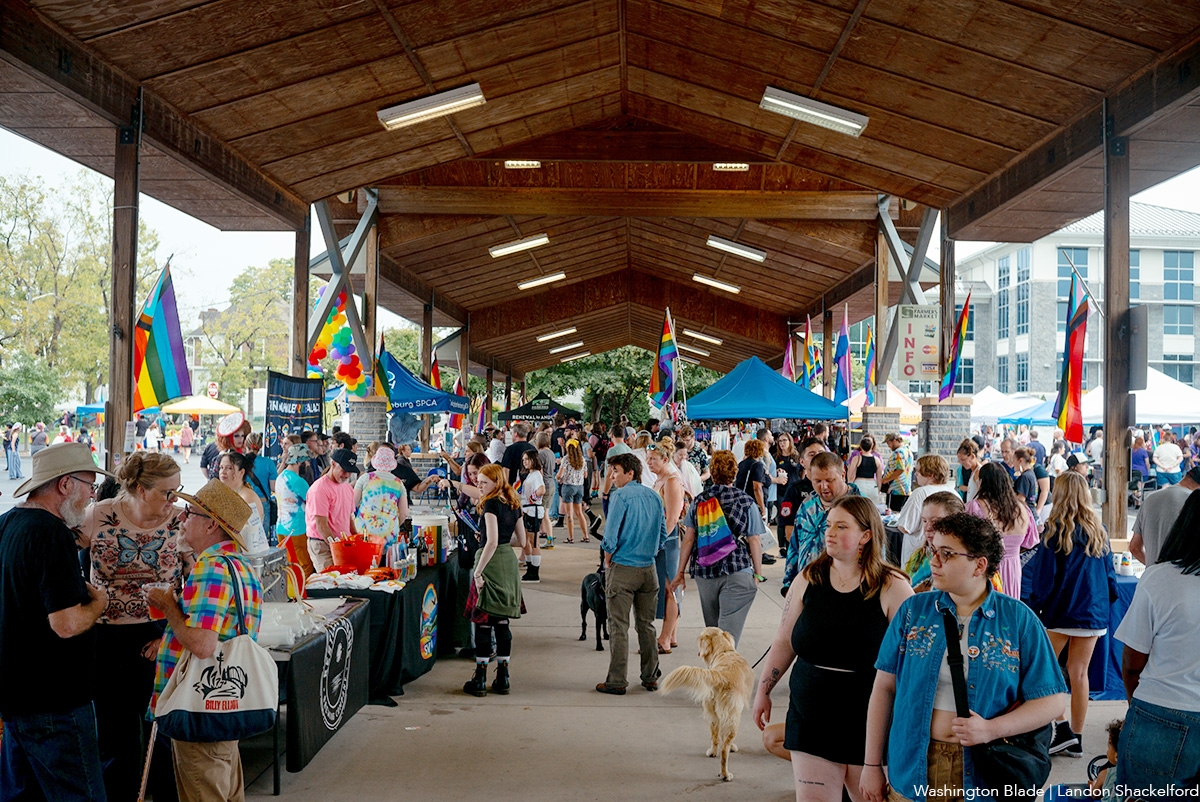
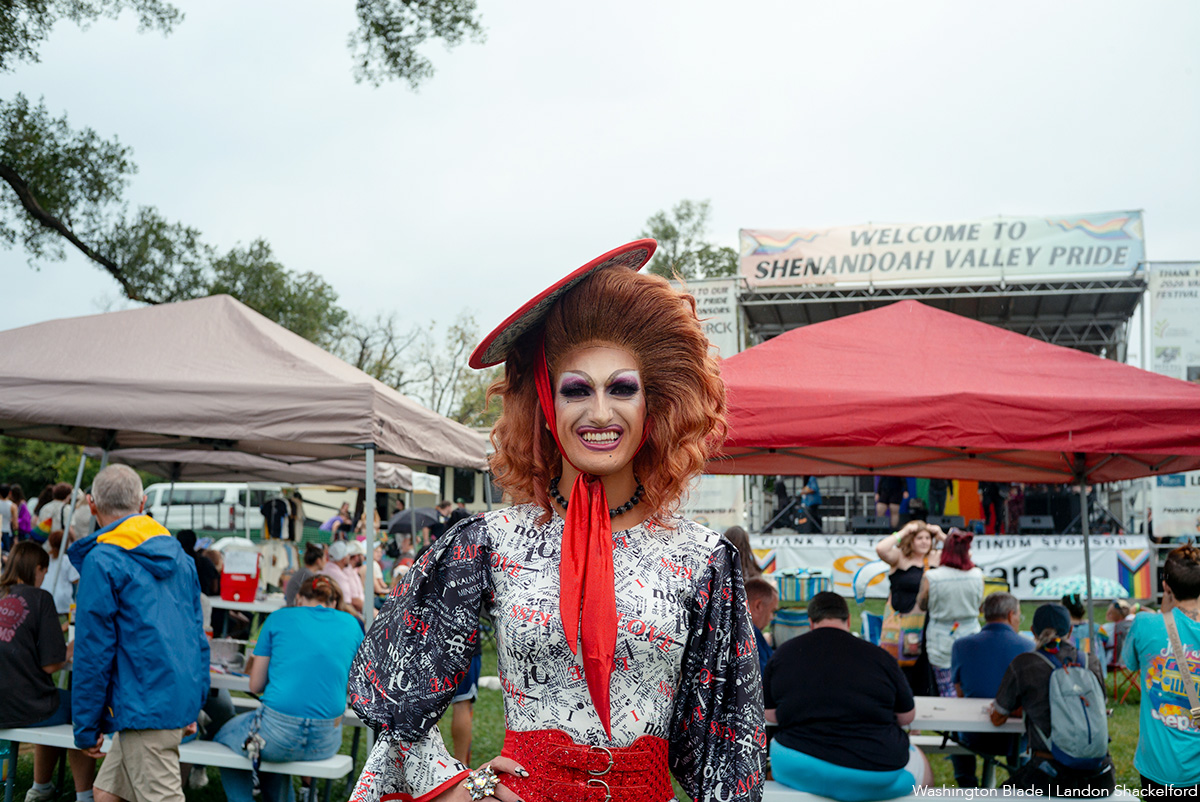
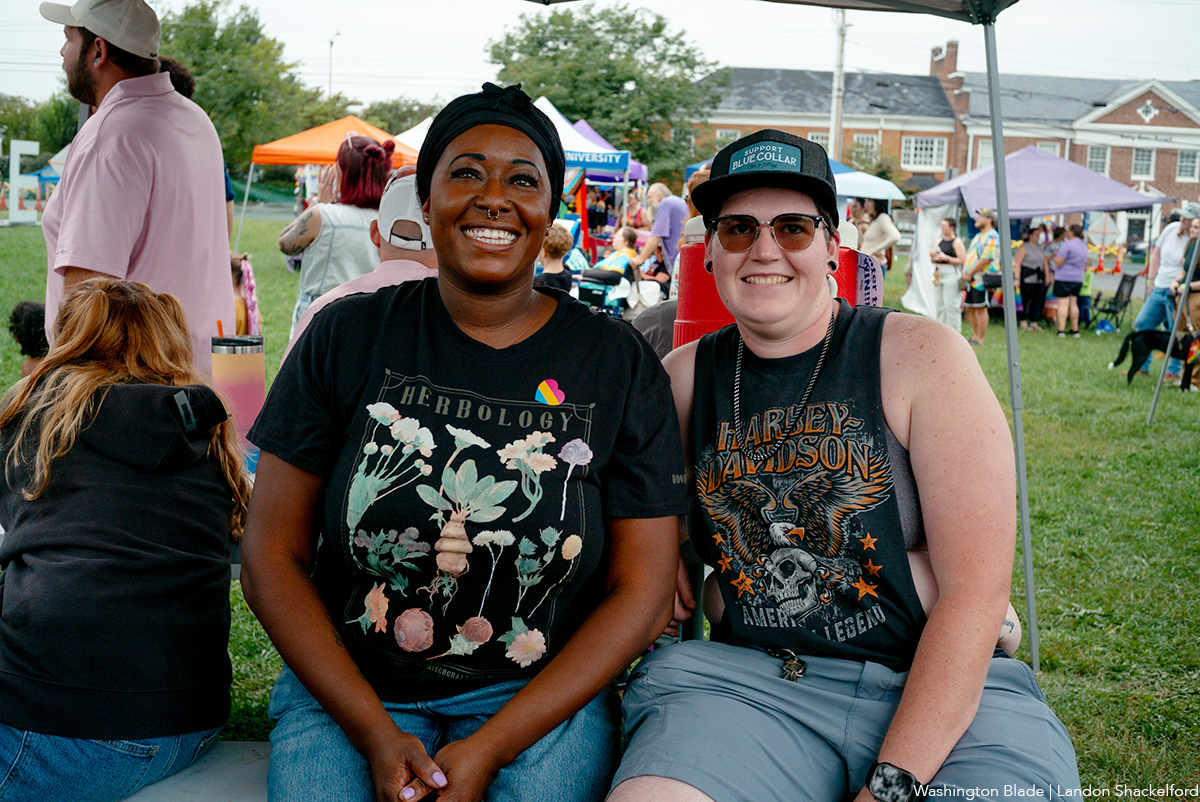
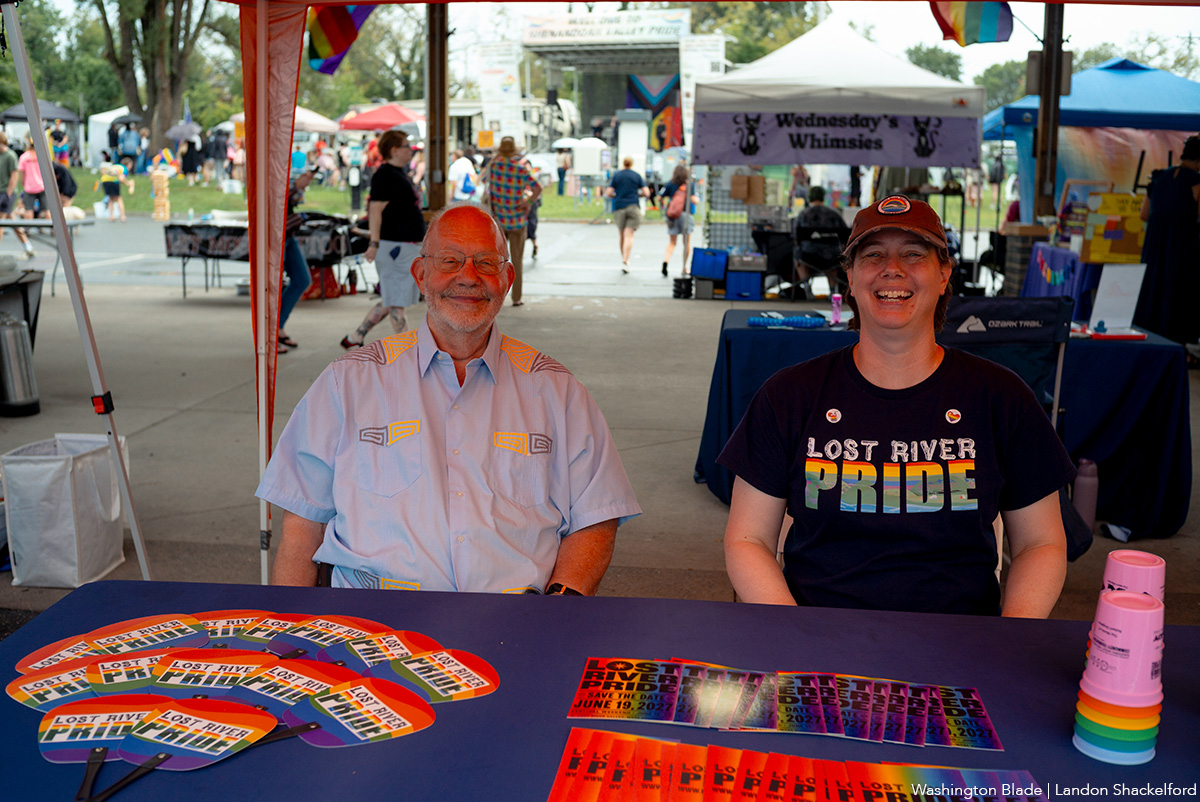
PHOTOS: Shenandoah Valley Pride
LGBTQ celebration held at Turner Pavilion in Harrisonburg, Va.
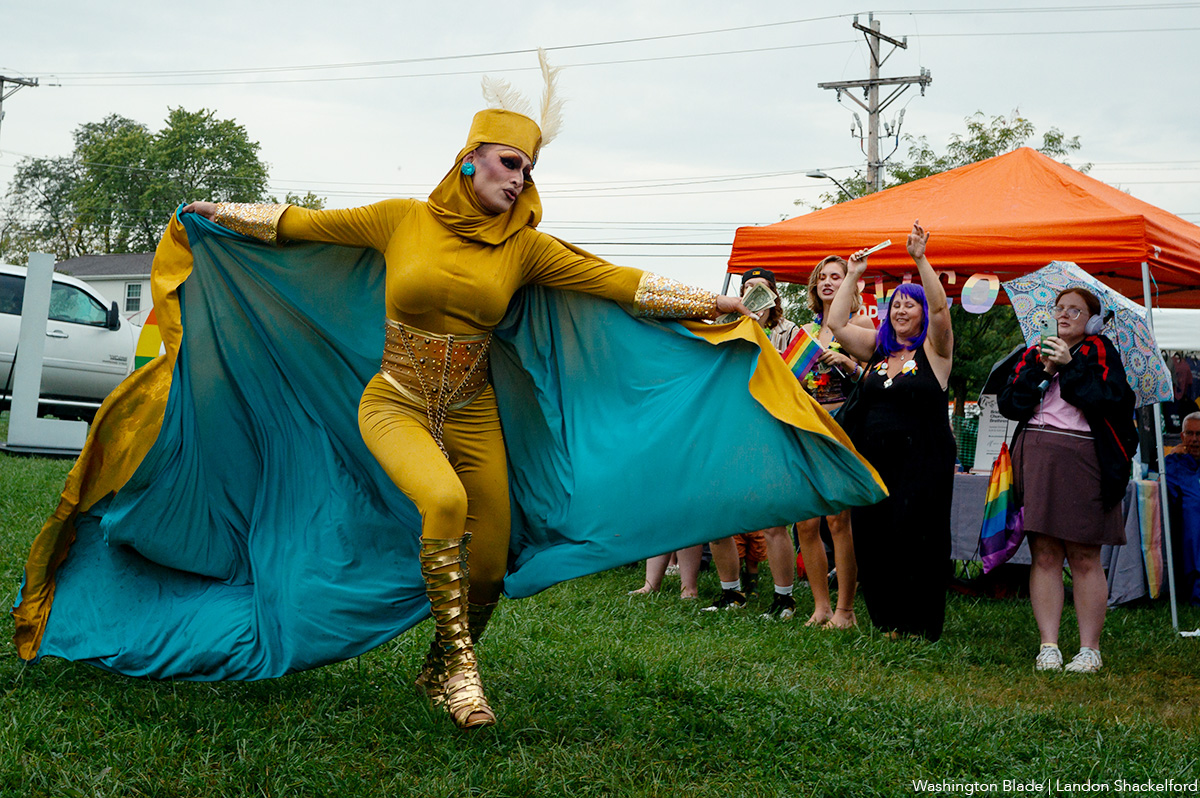
The 2026 Shenandoah Valley Pride Festival was held at Turner Pavilion in Harrisonburg, Va. on Sunday, Sept. 20.
(Washington Blade photos by Landon Shackelford)
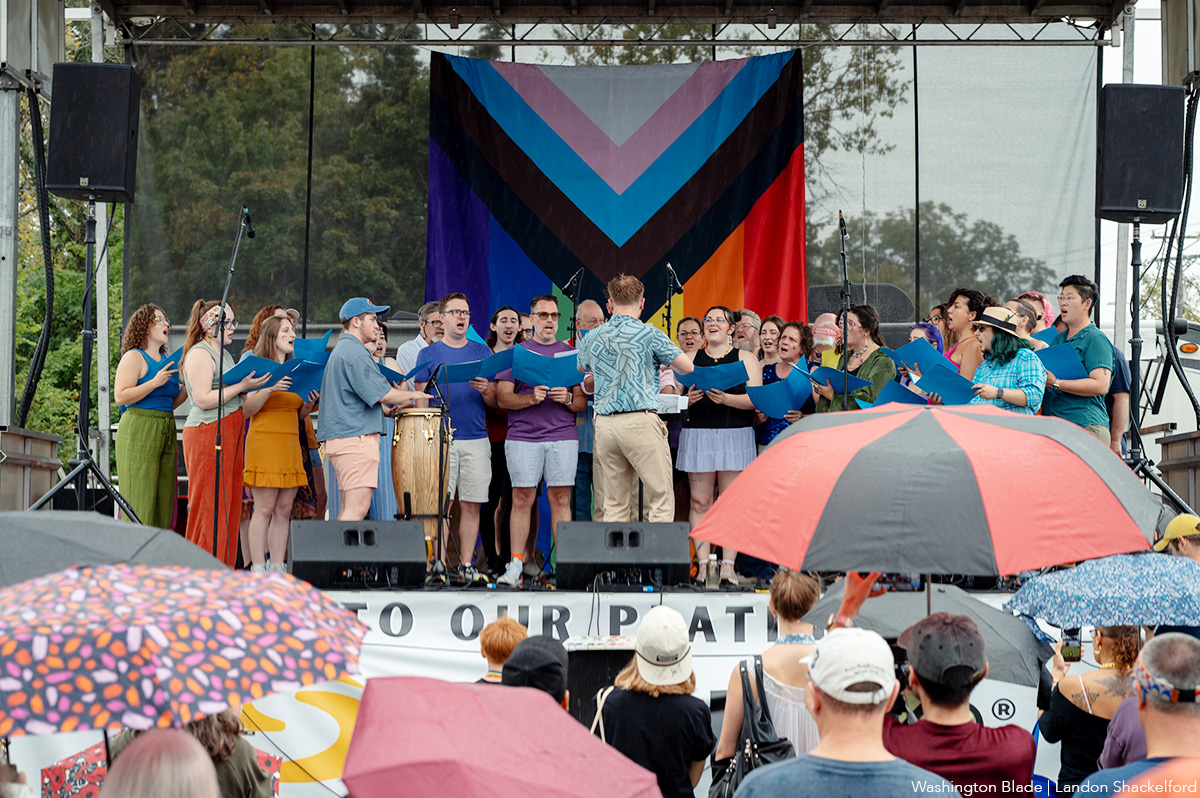
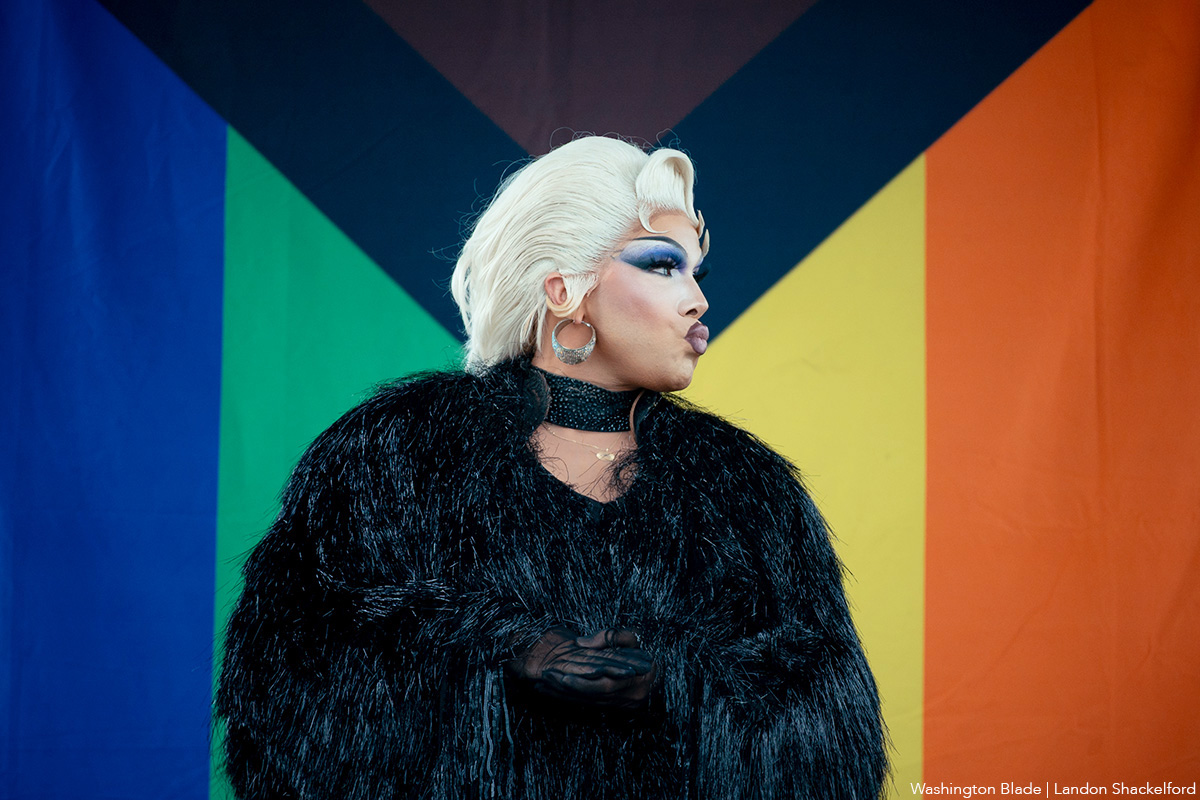
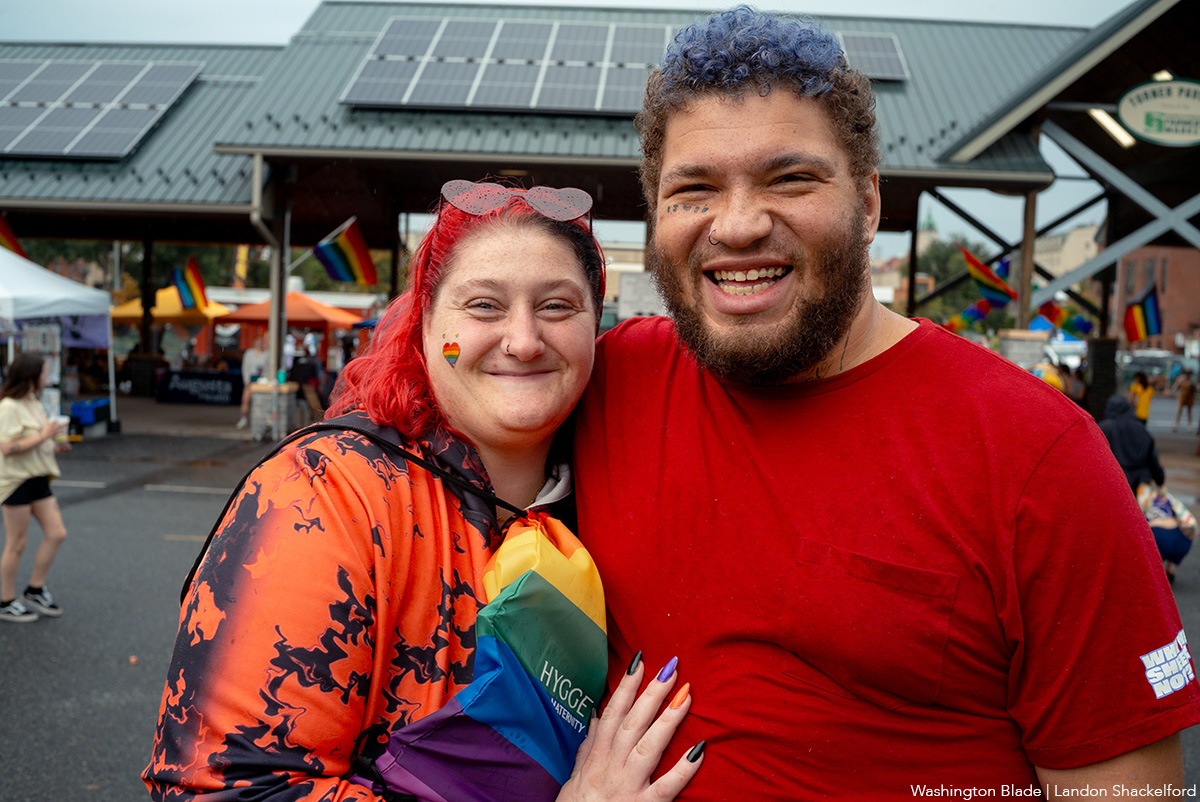
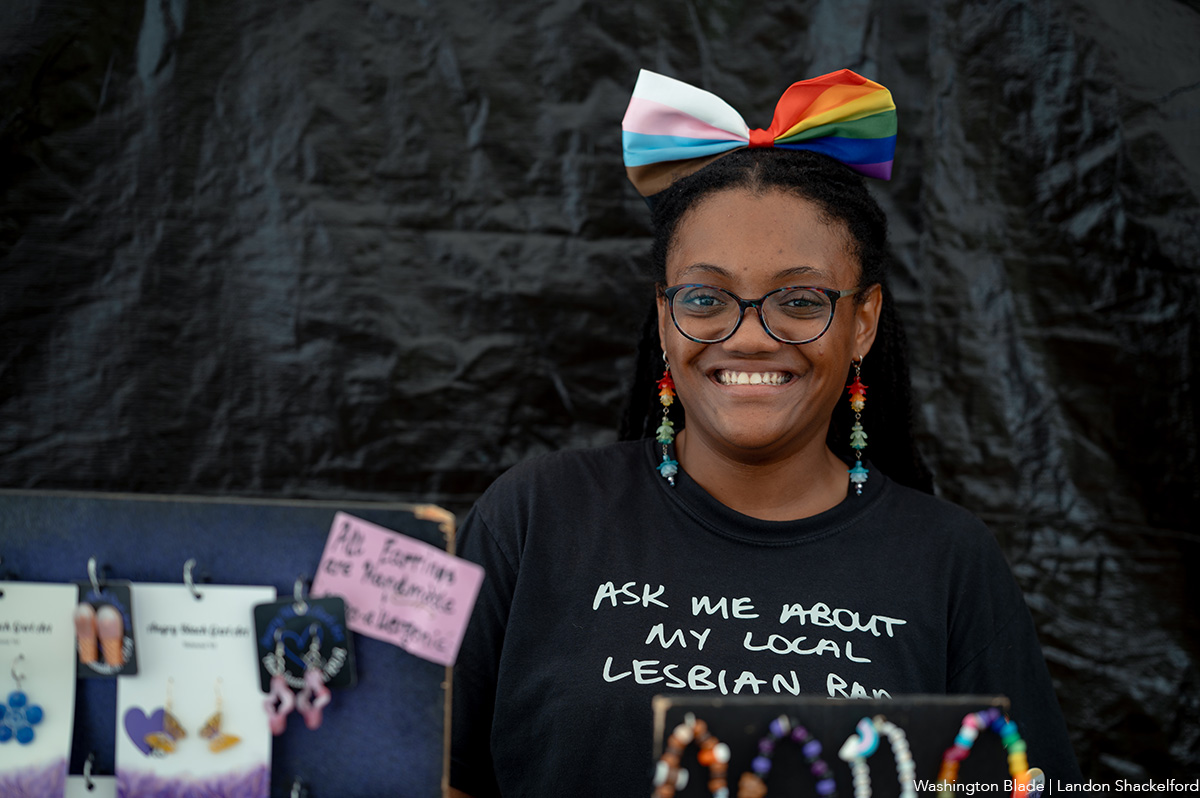
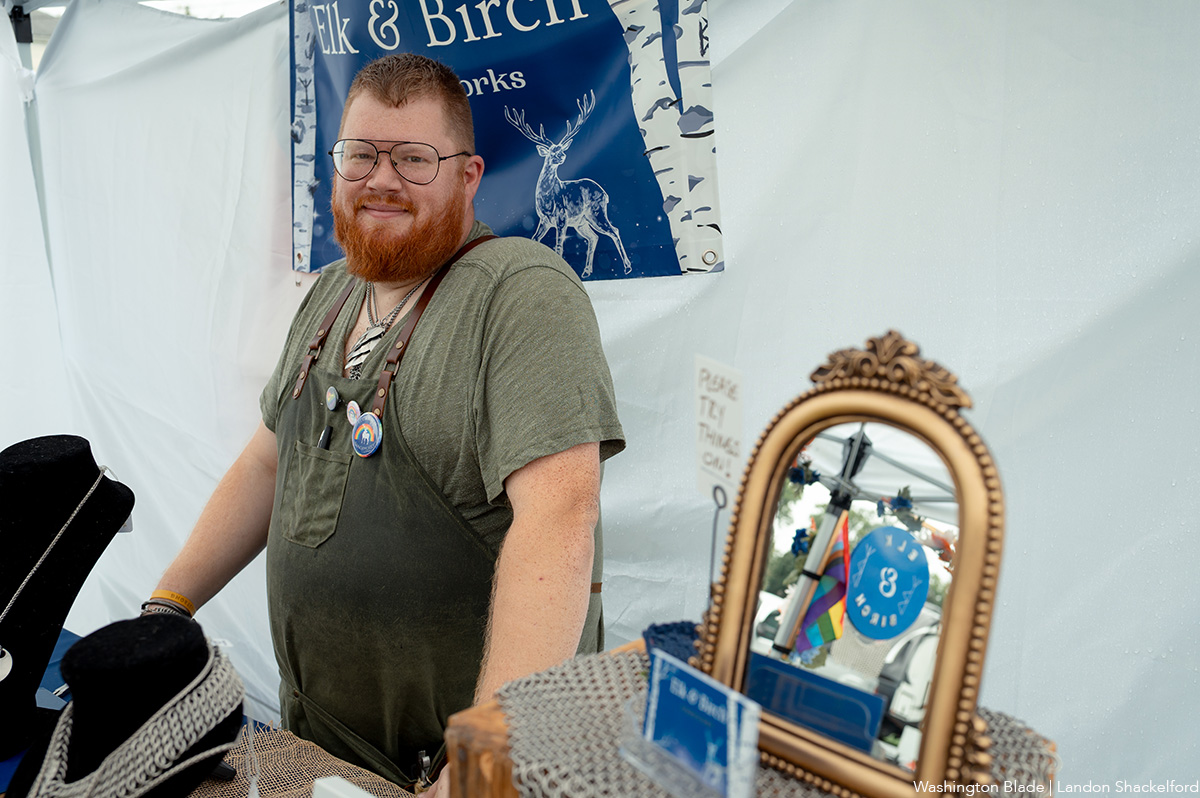
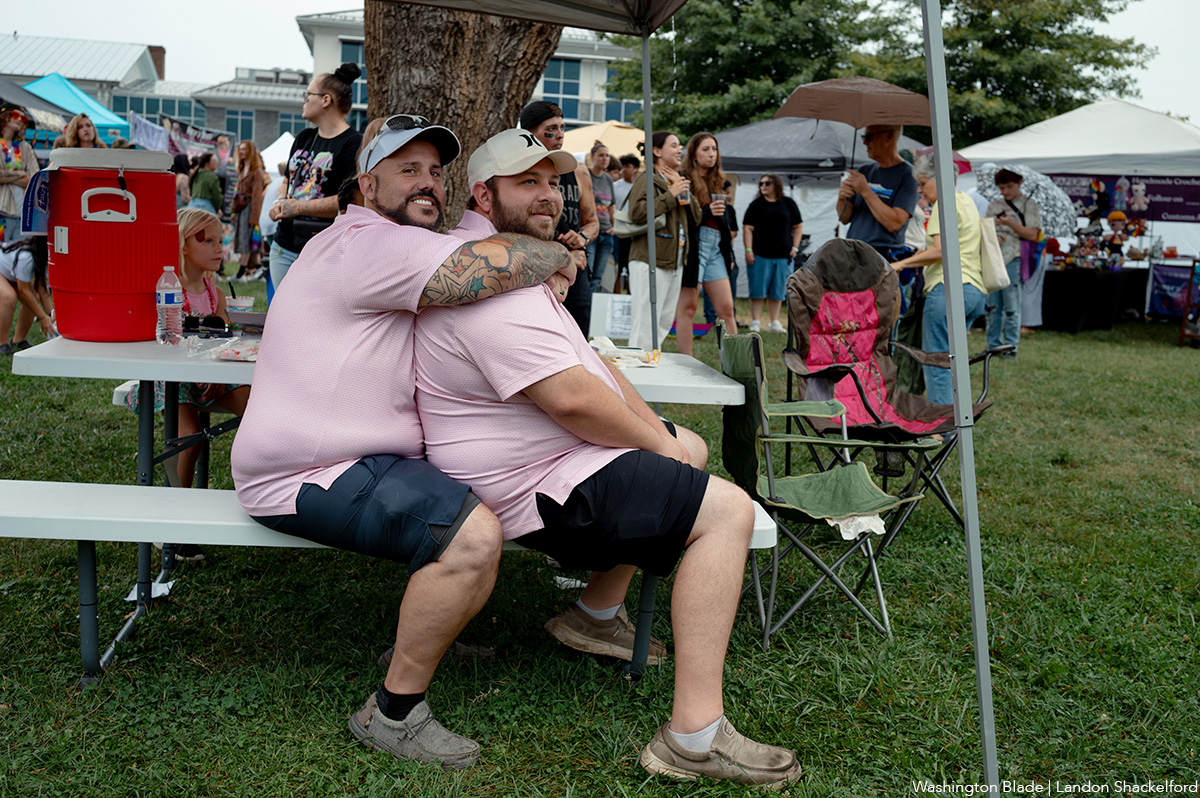
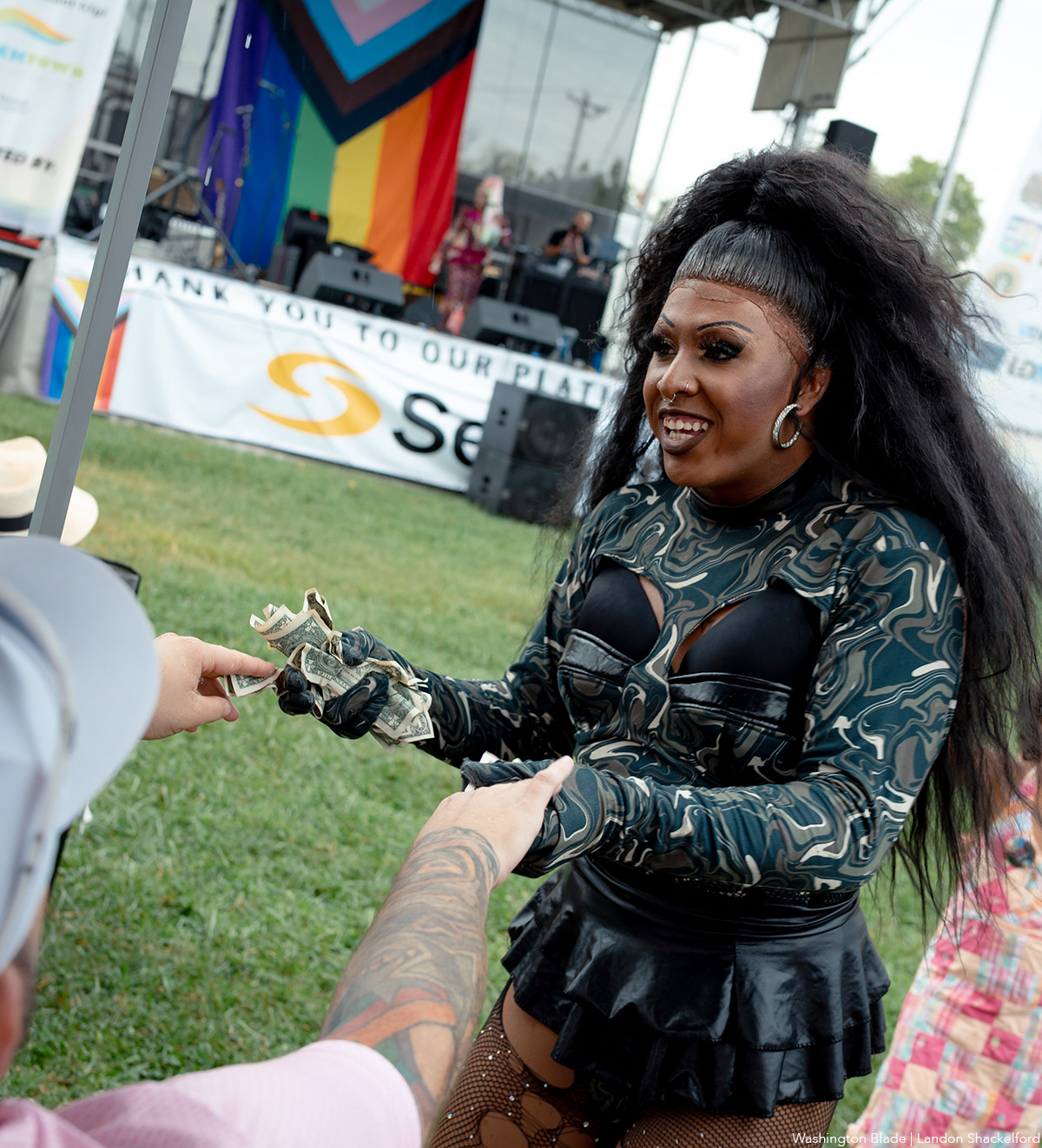
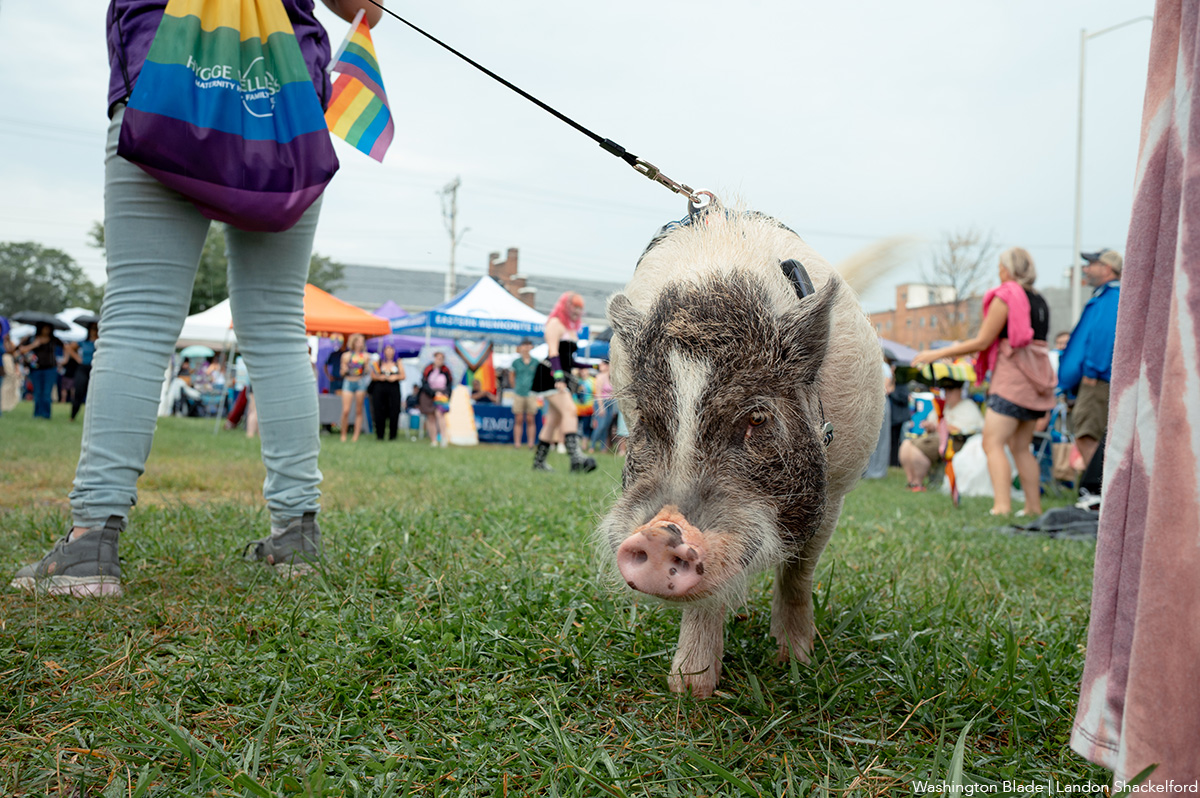
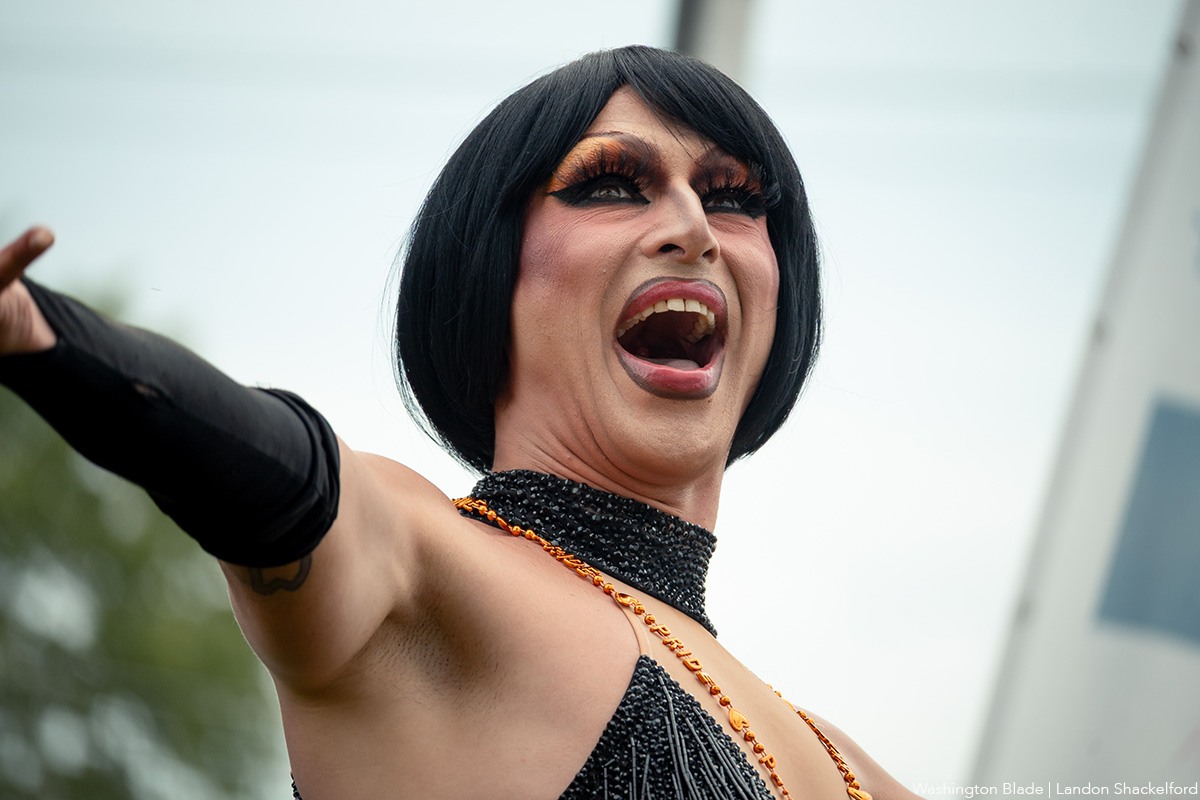
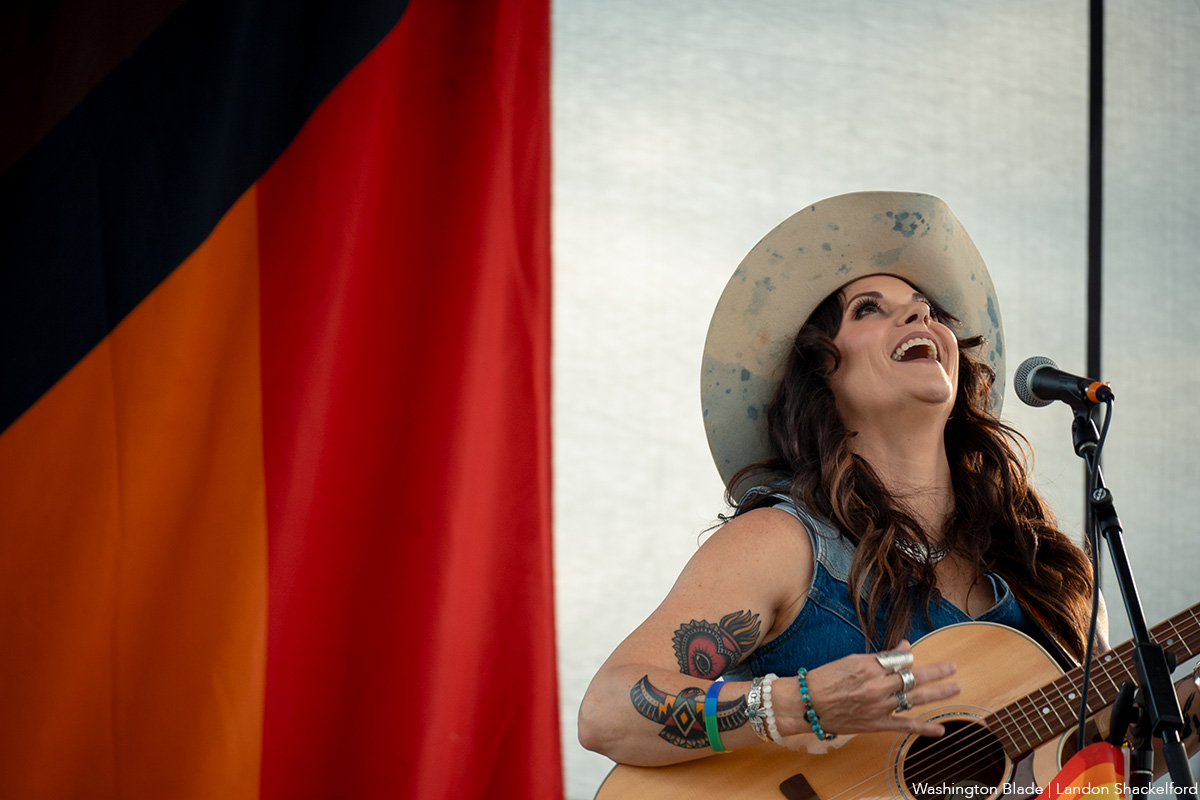
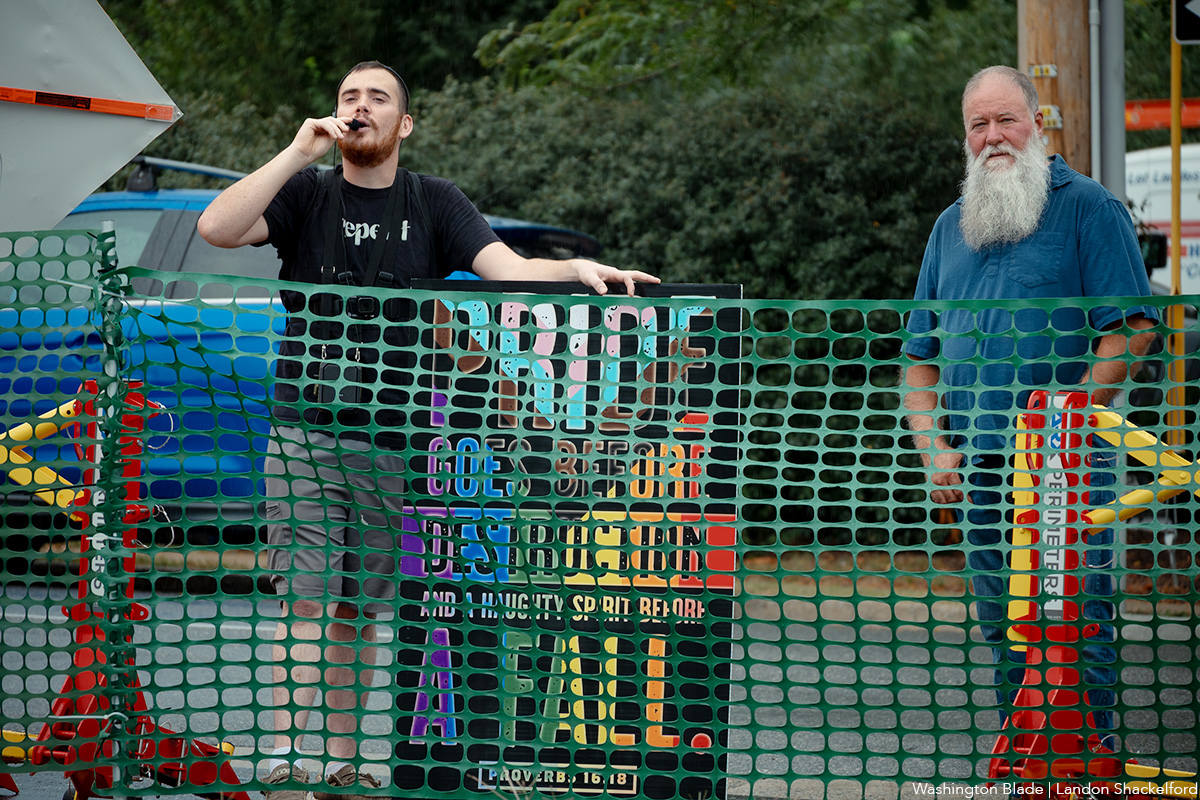
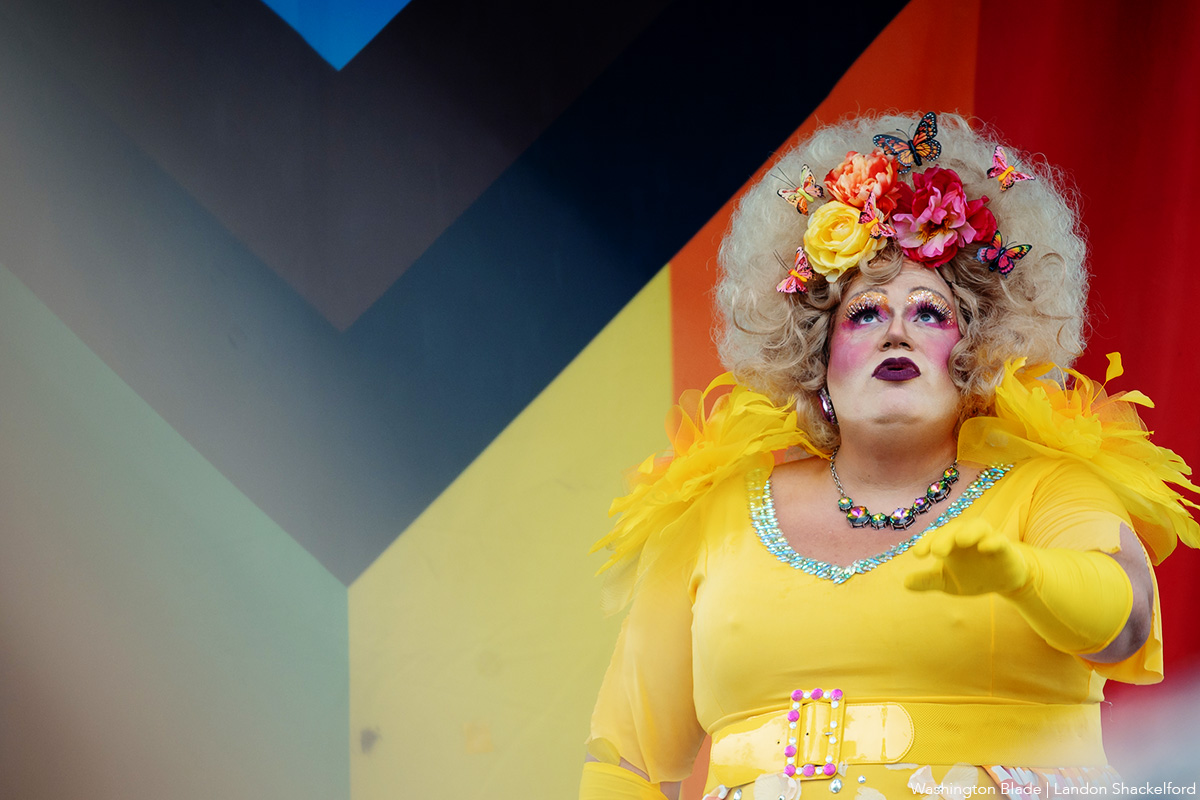
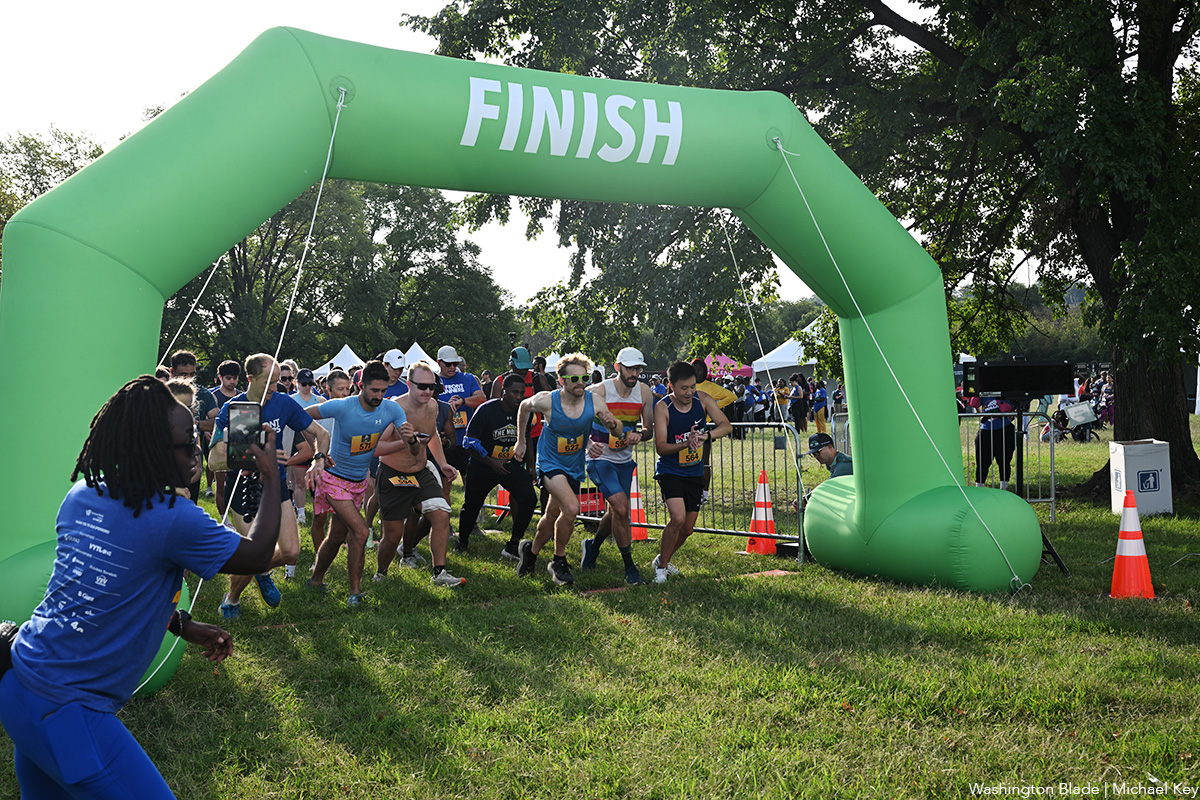
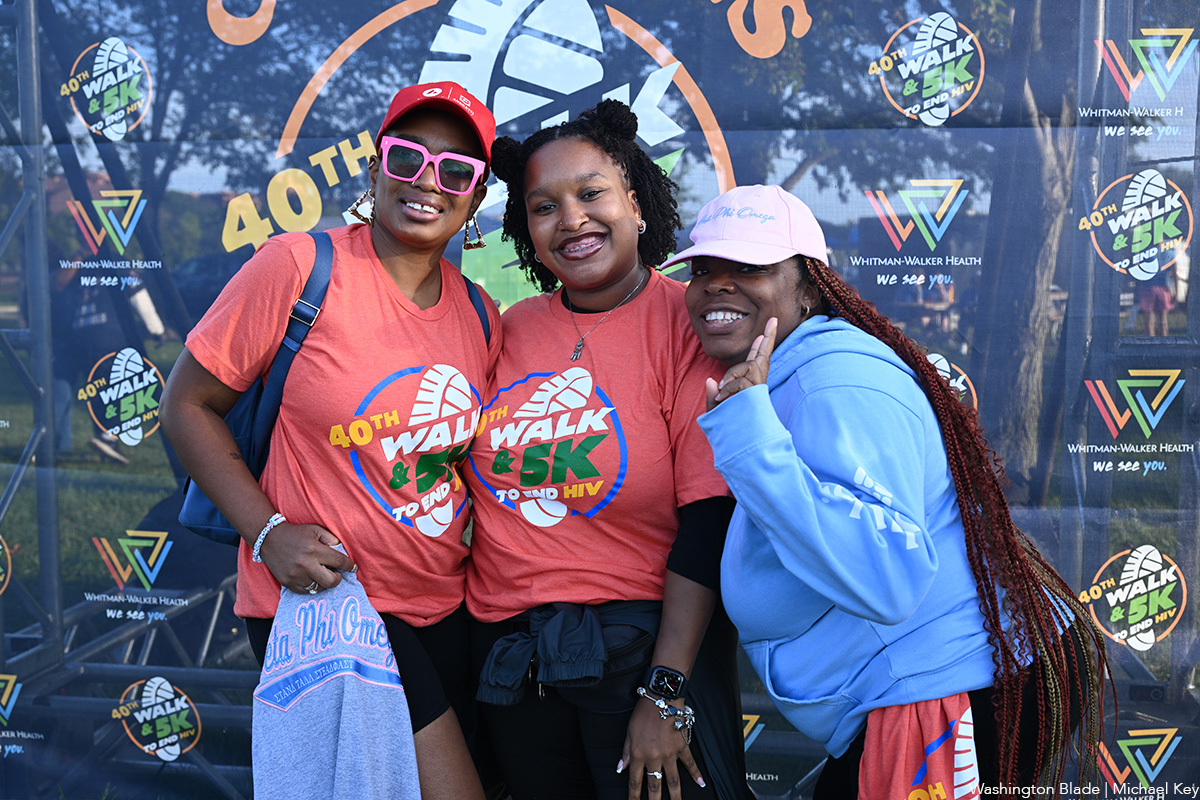
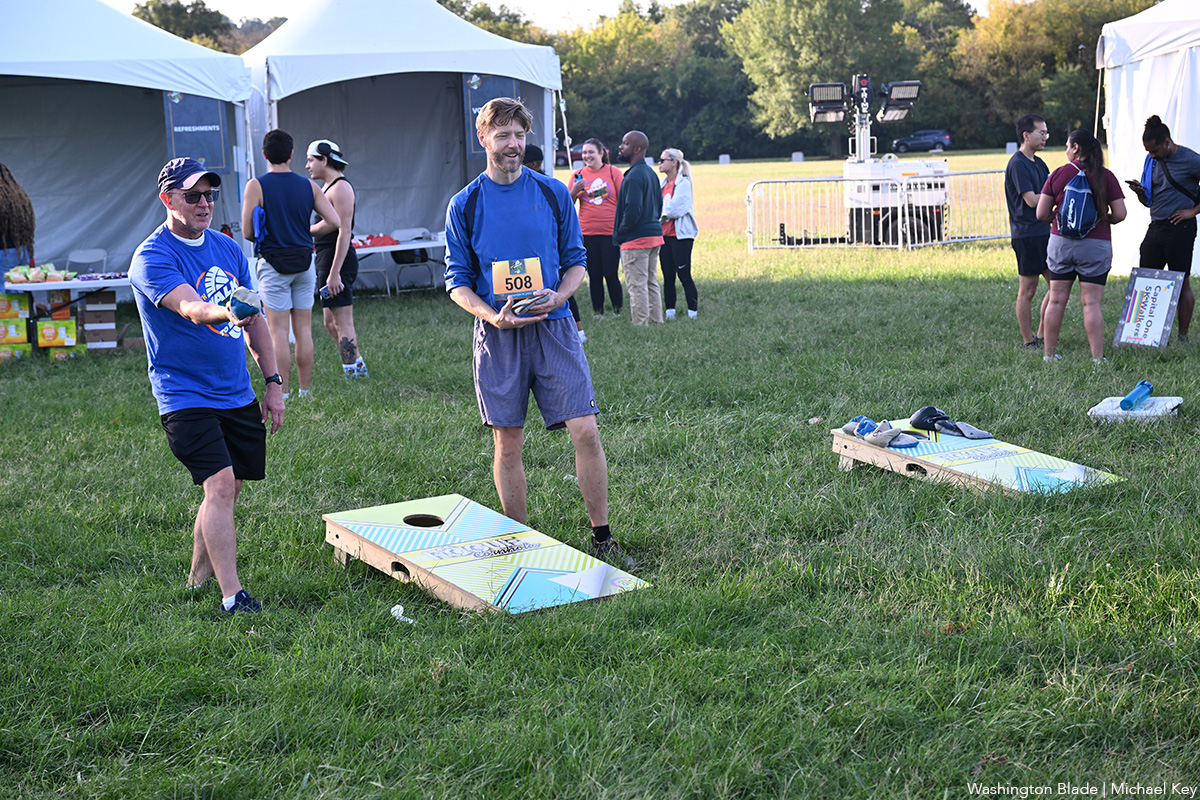
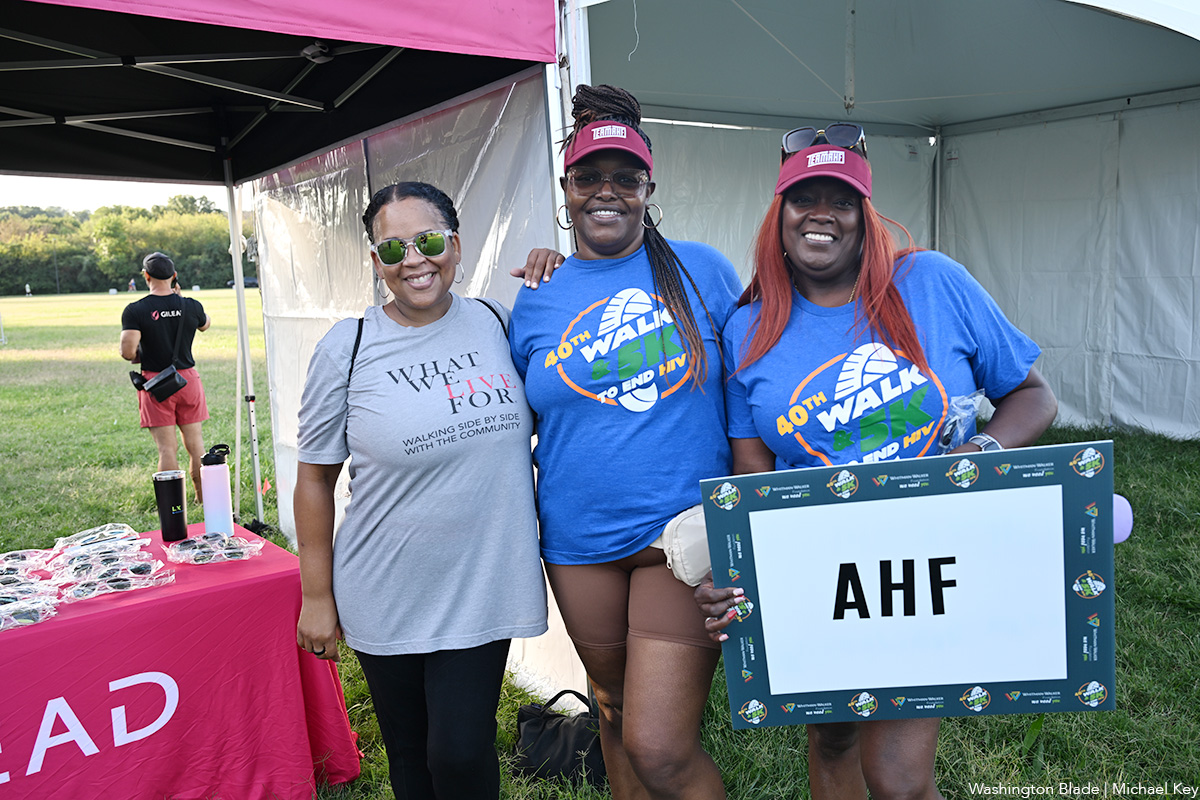
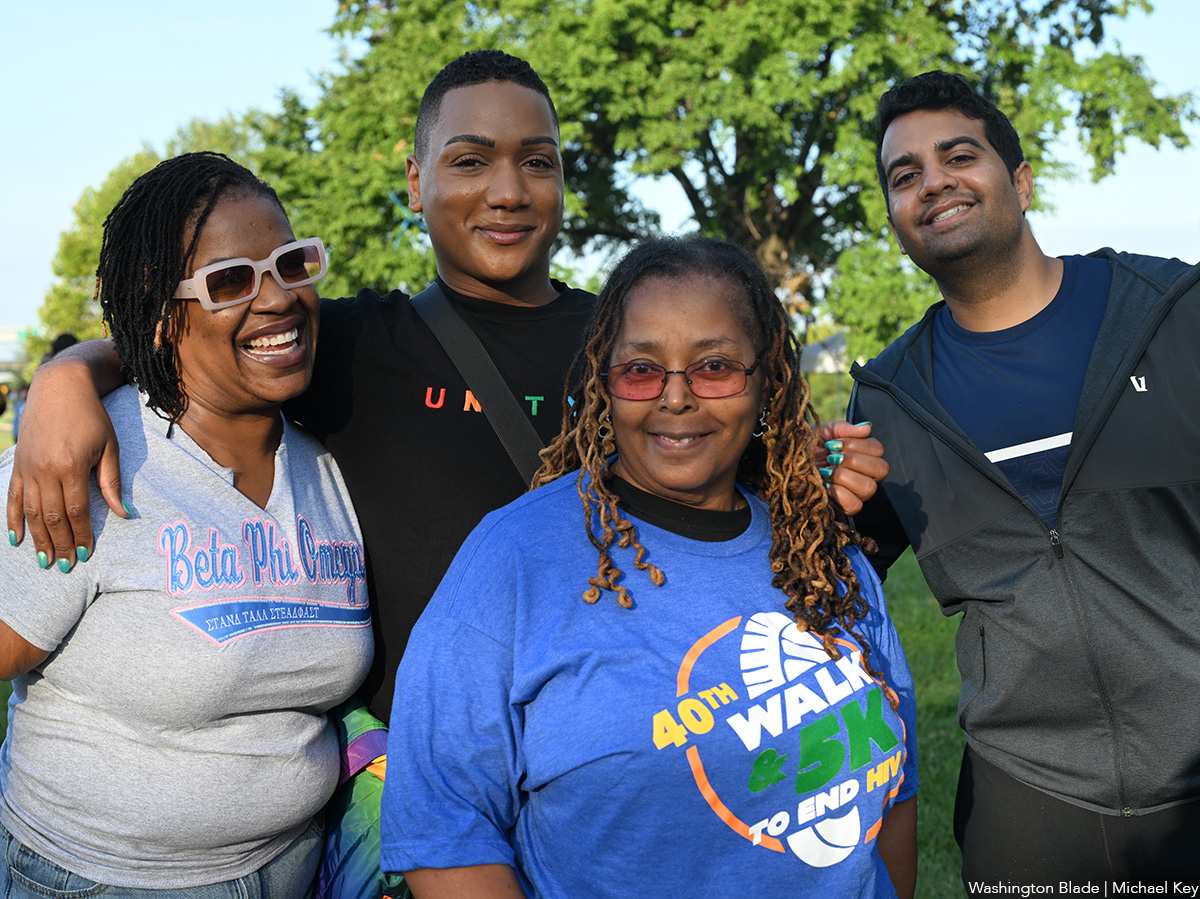
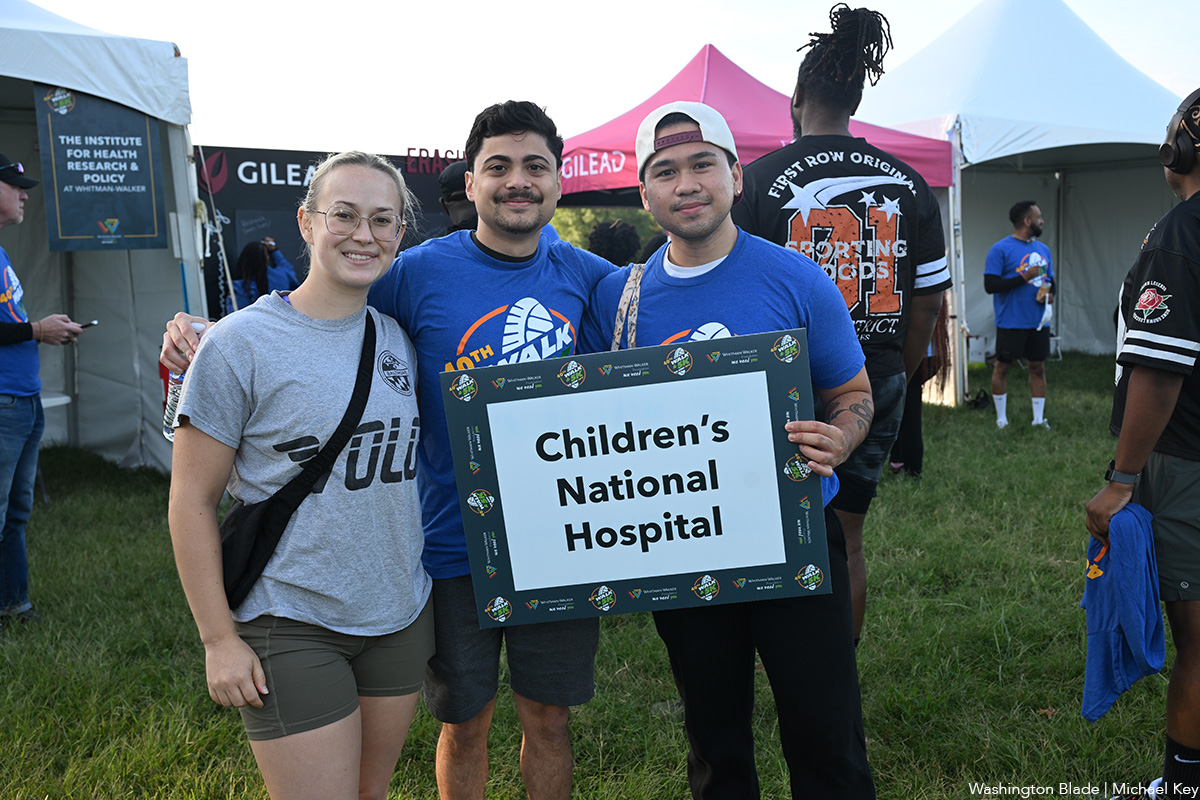
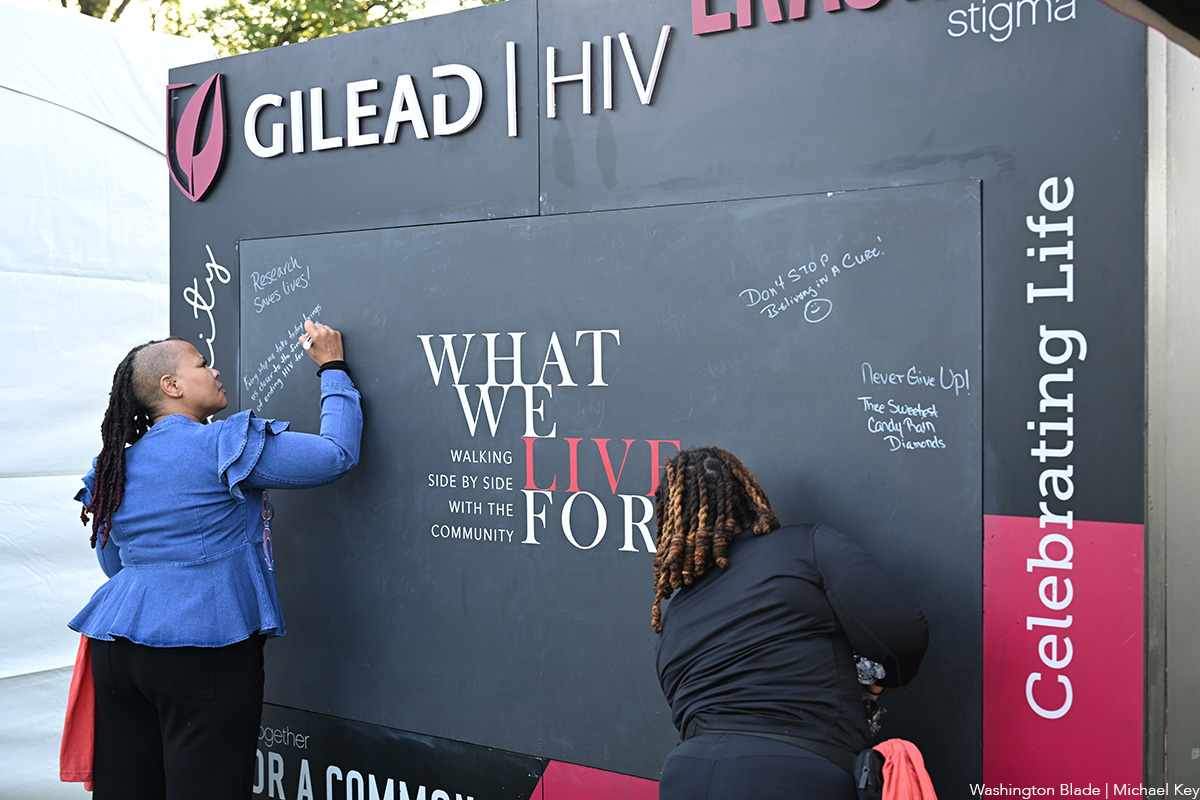
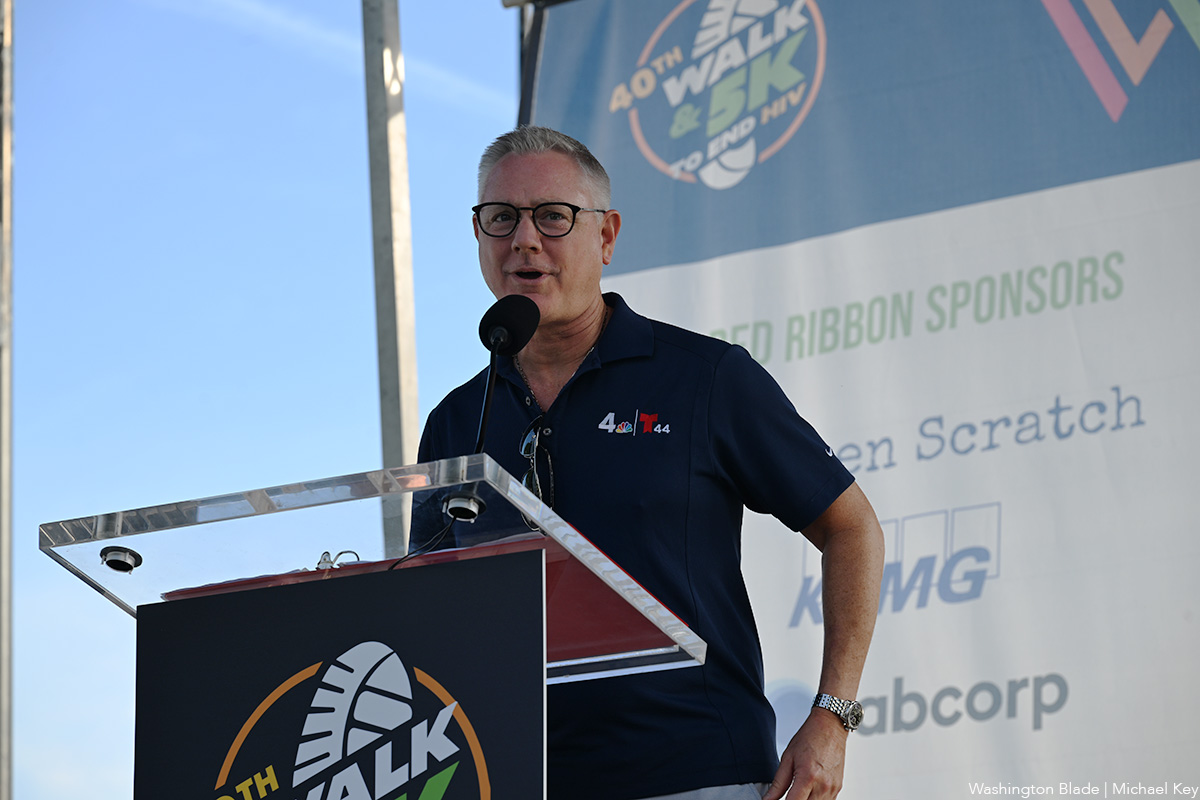
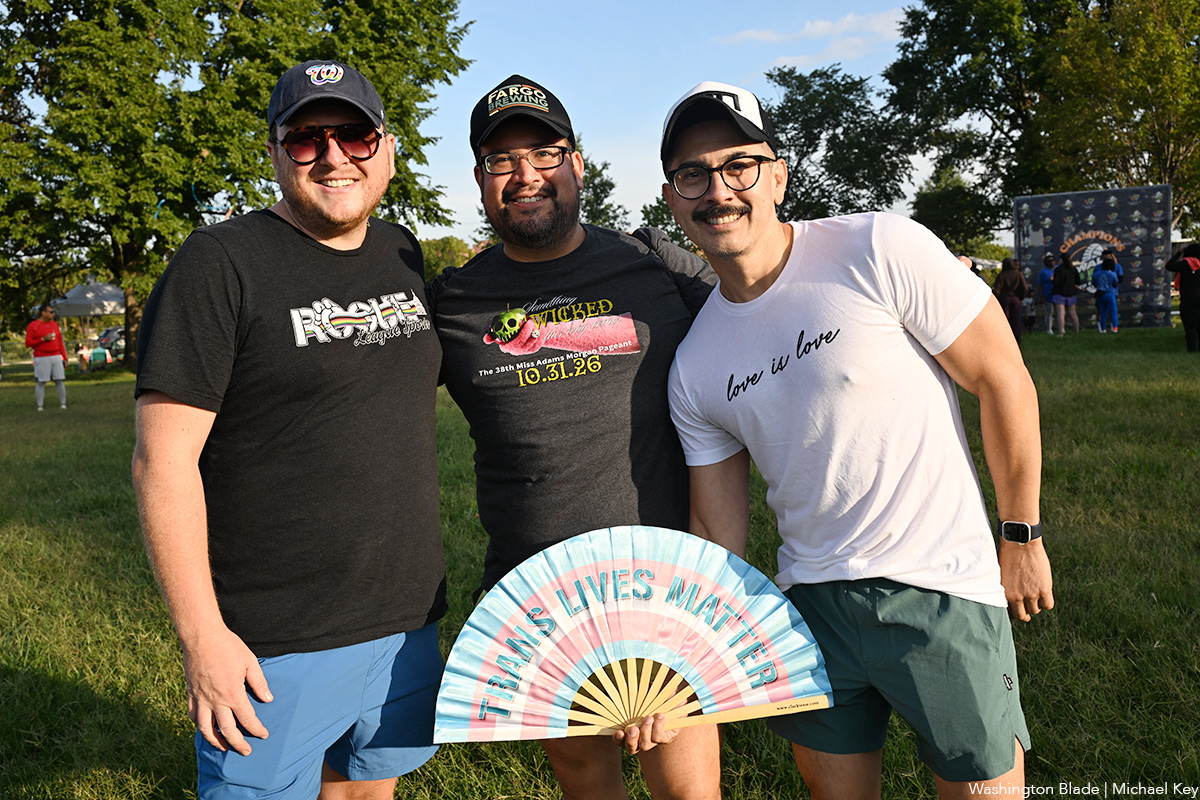
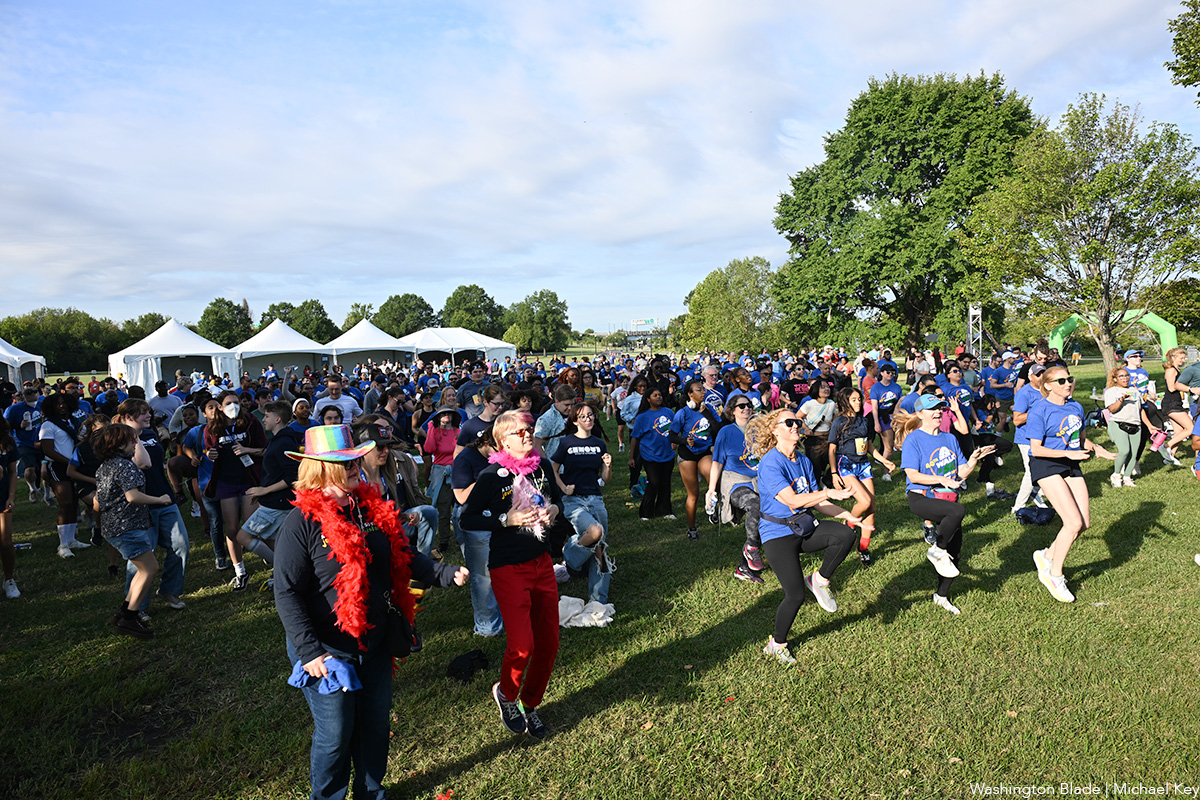
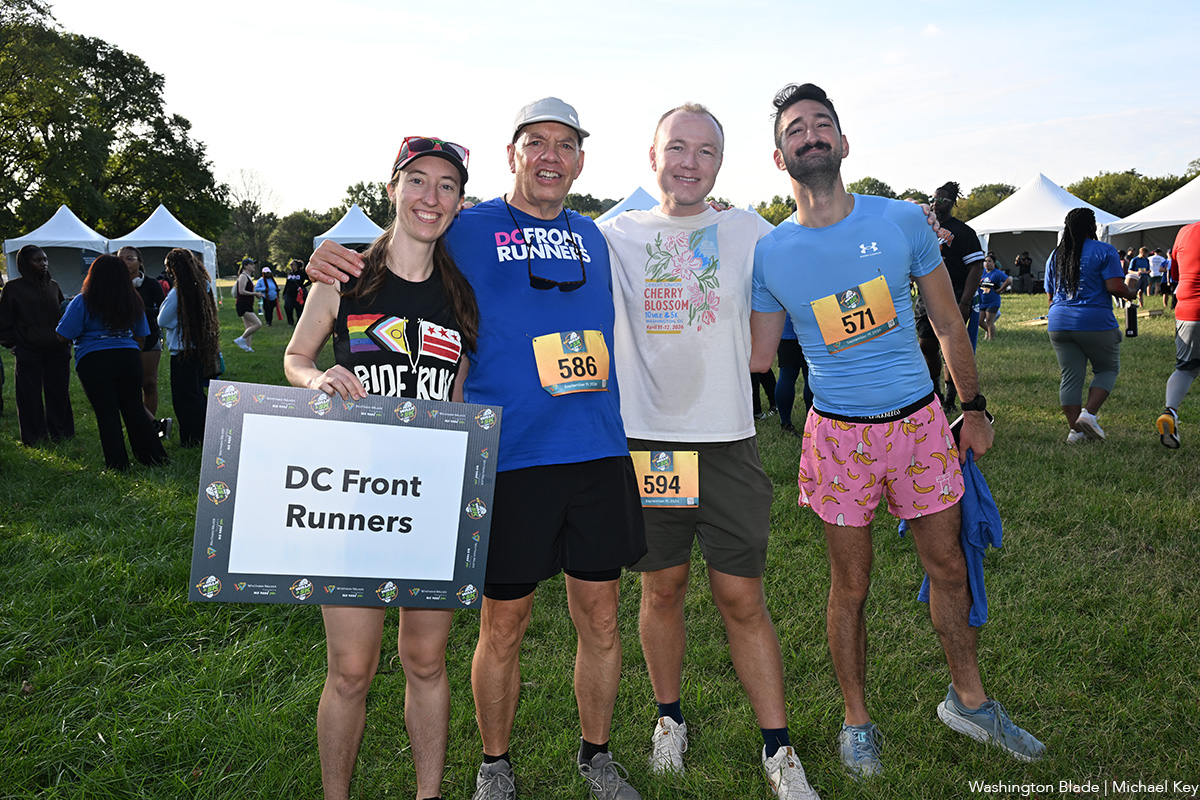
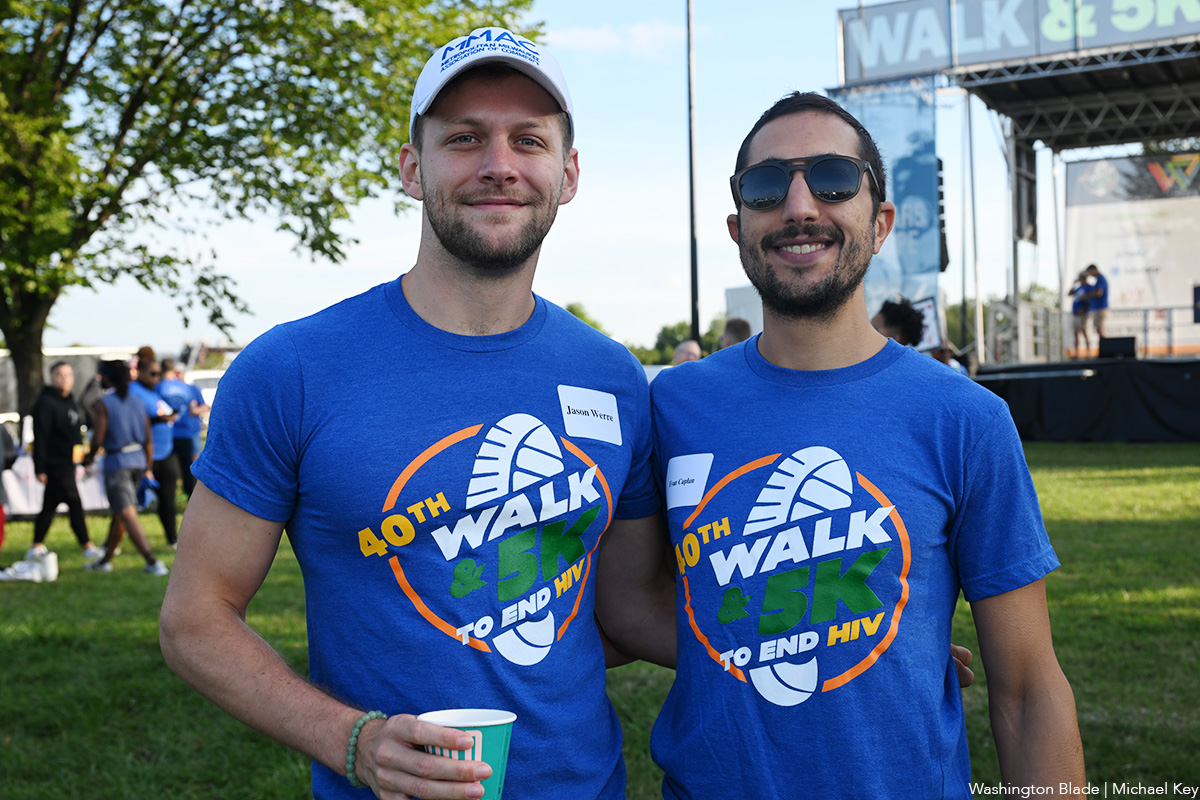
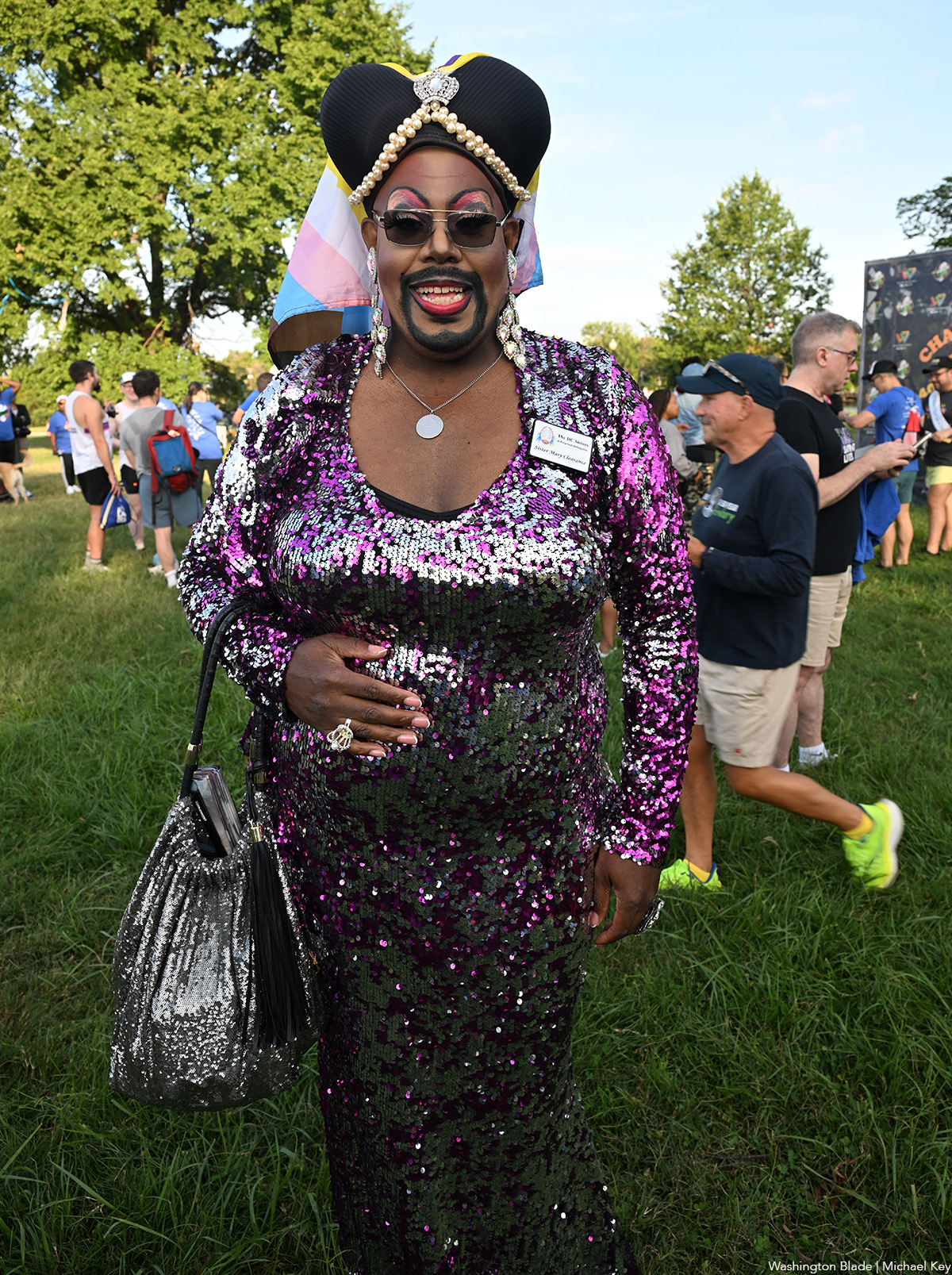
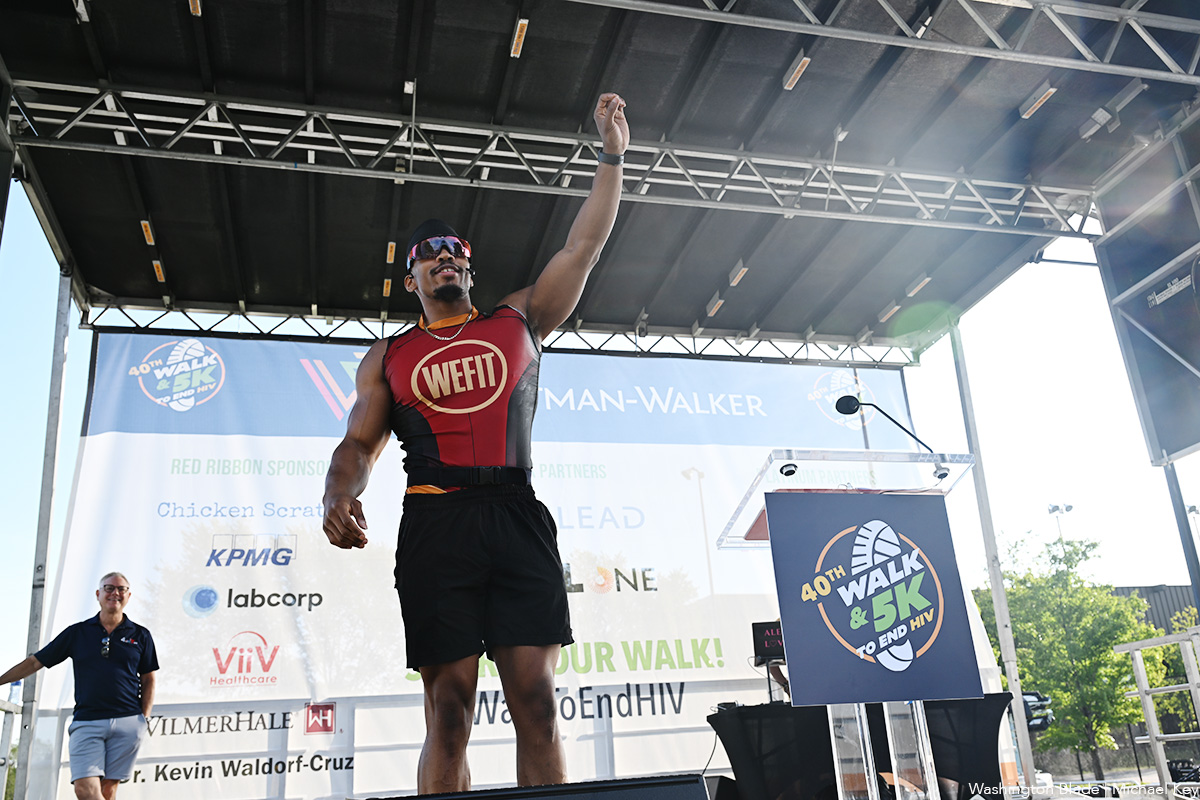
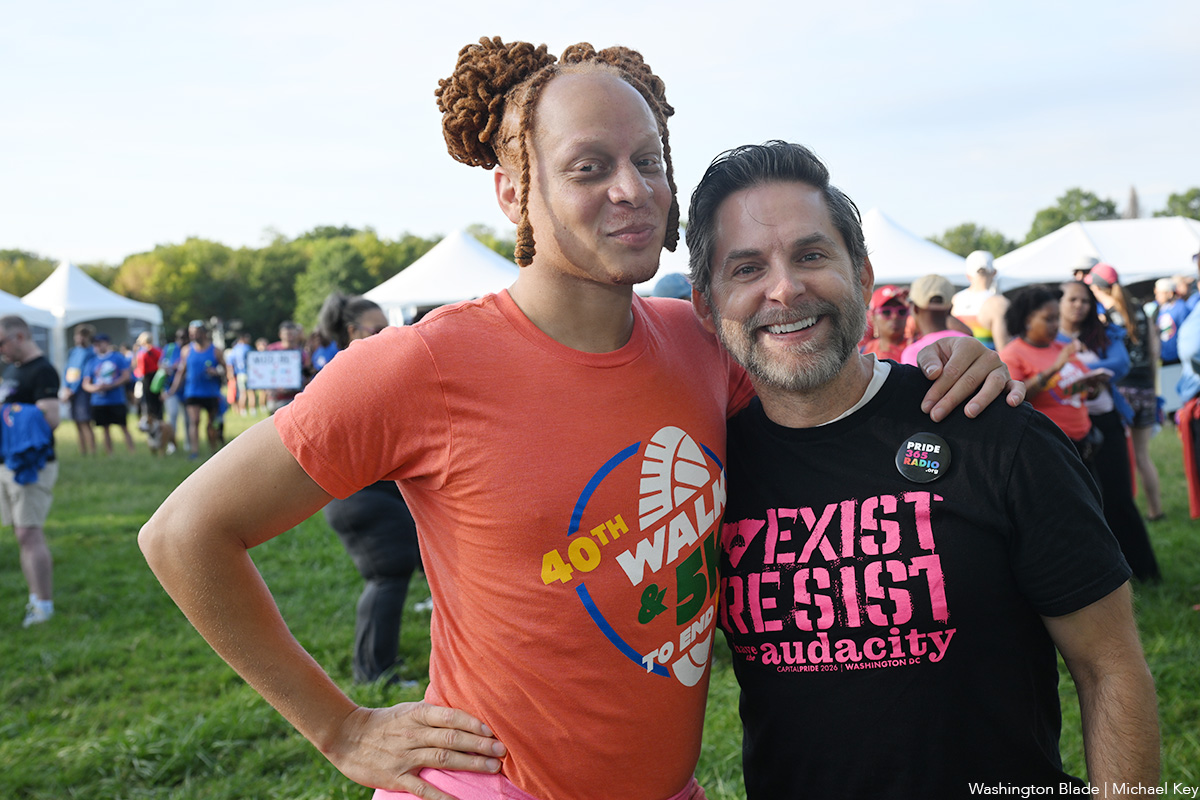
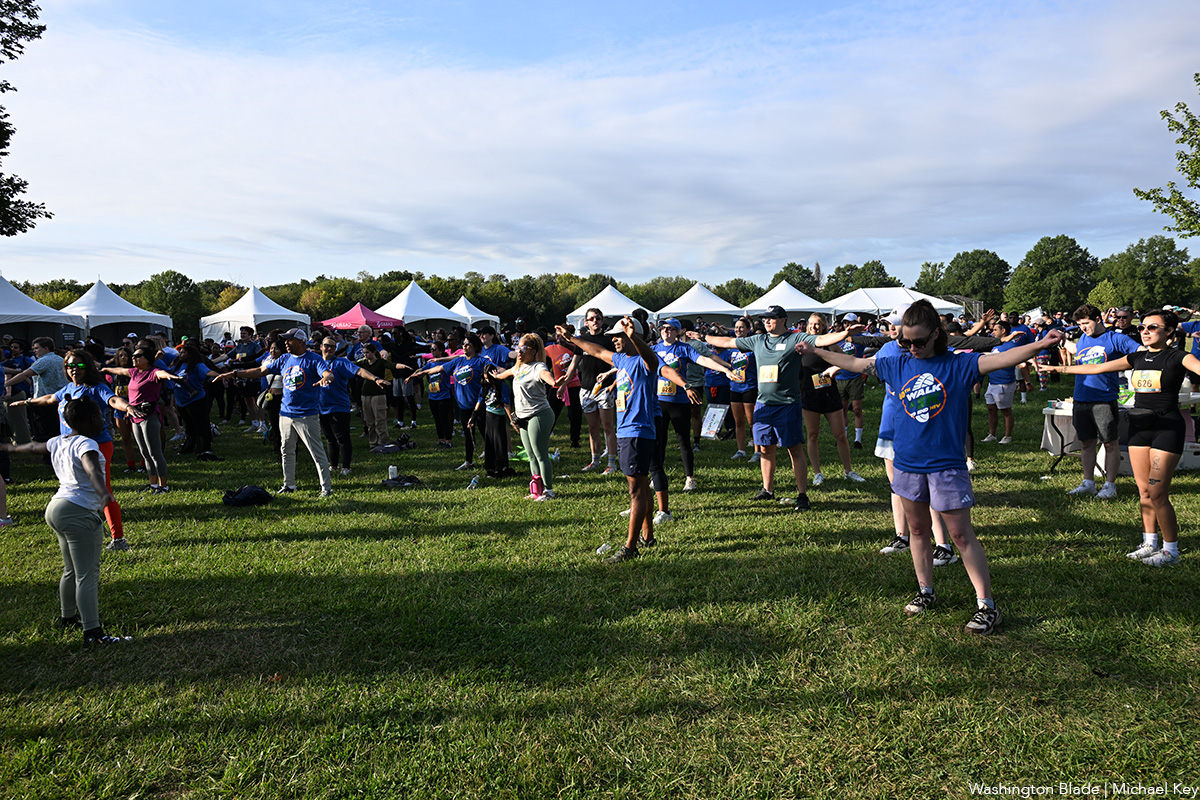
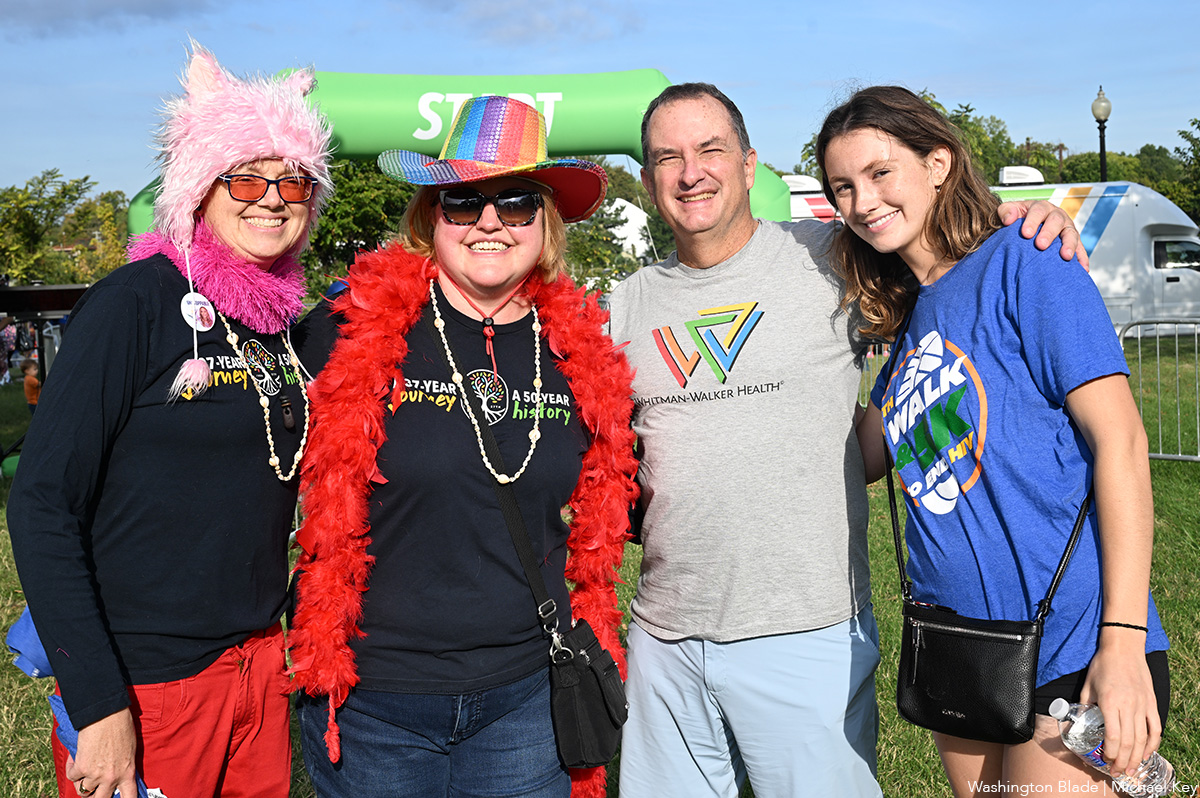
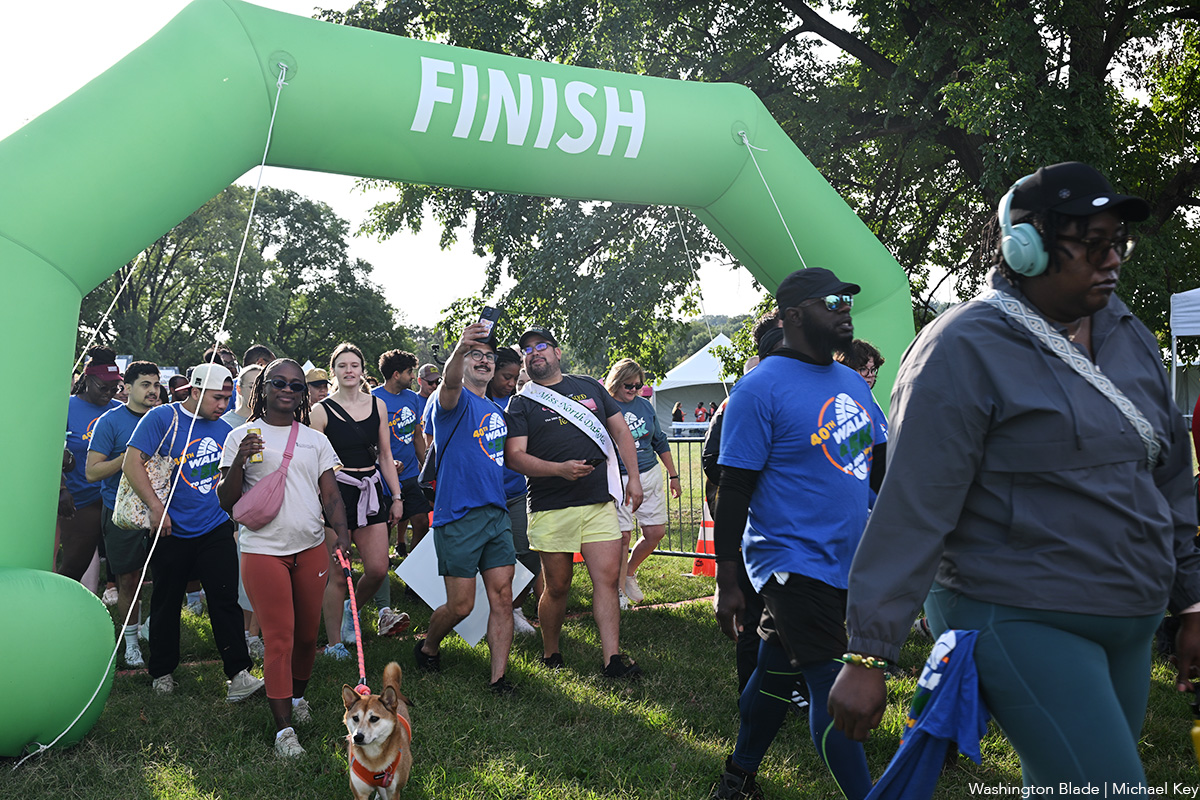
Whitman-Walker Health held the 40th annual Walk and 5K to End HIV at Anacostia Park on Saturday, Sept. 19.
(Washington Blade photos by Michael Key)


Photos
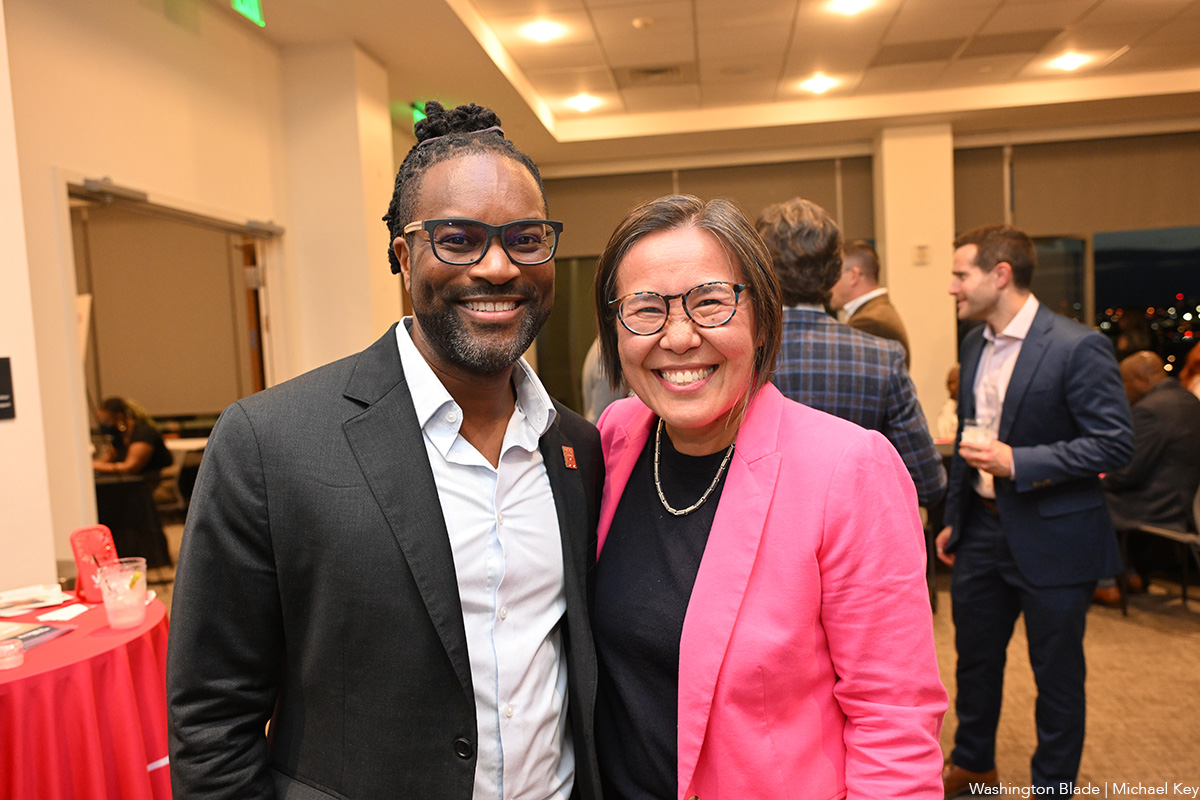
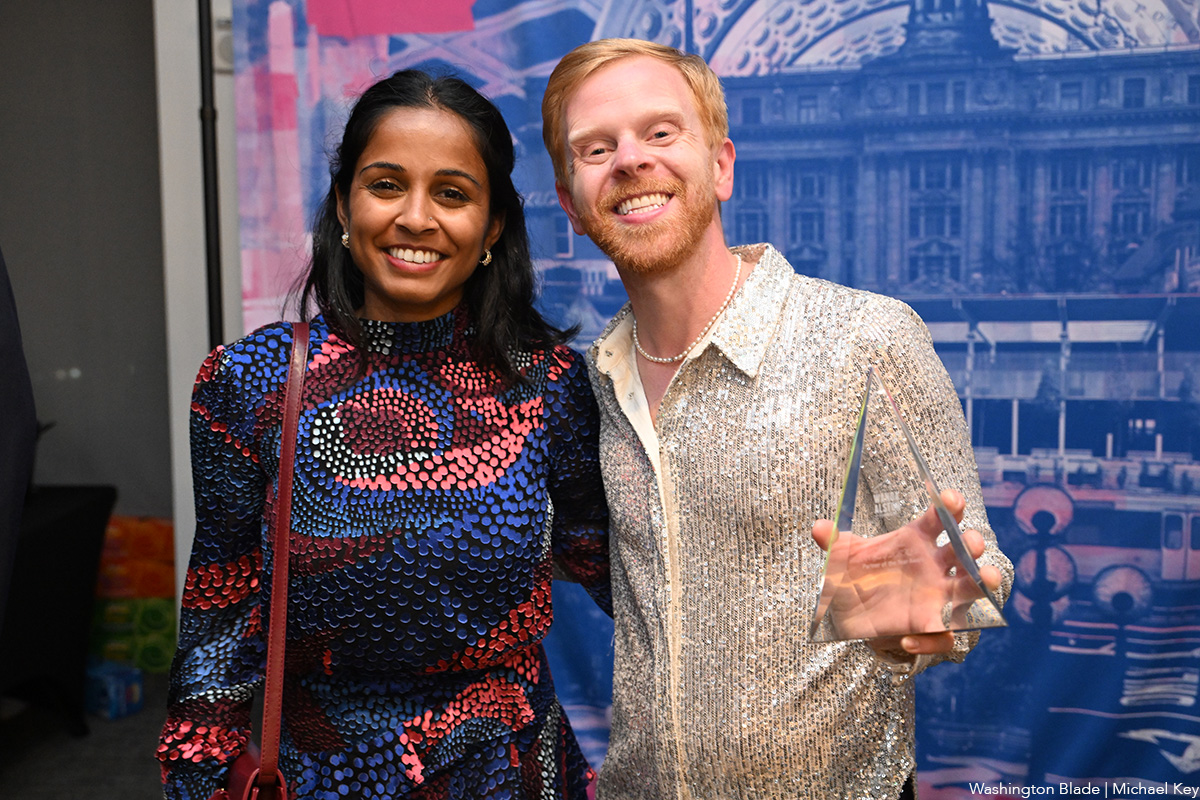
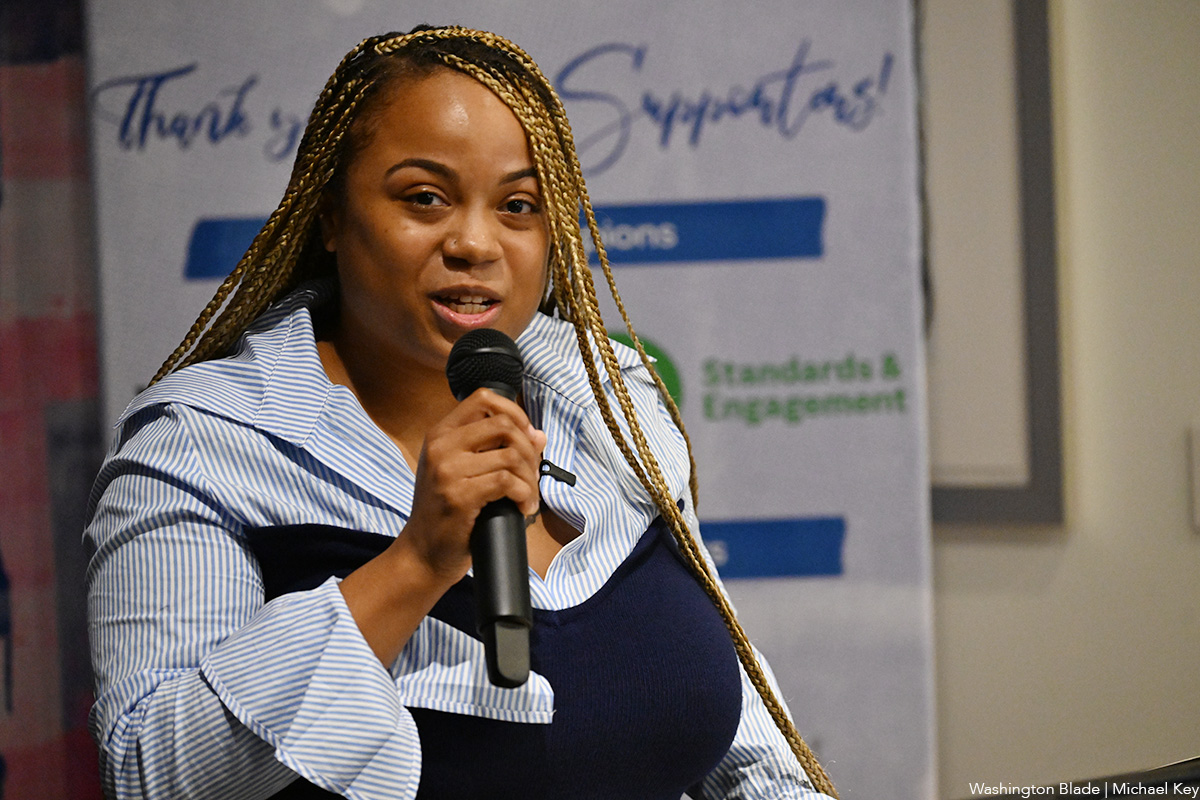
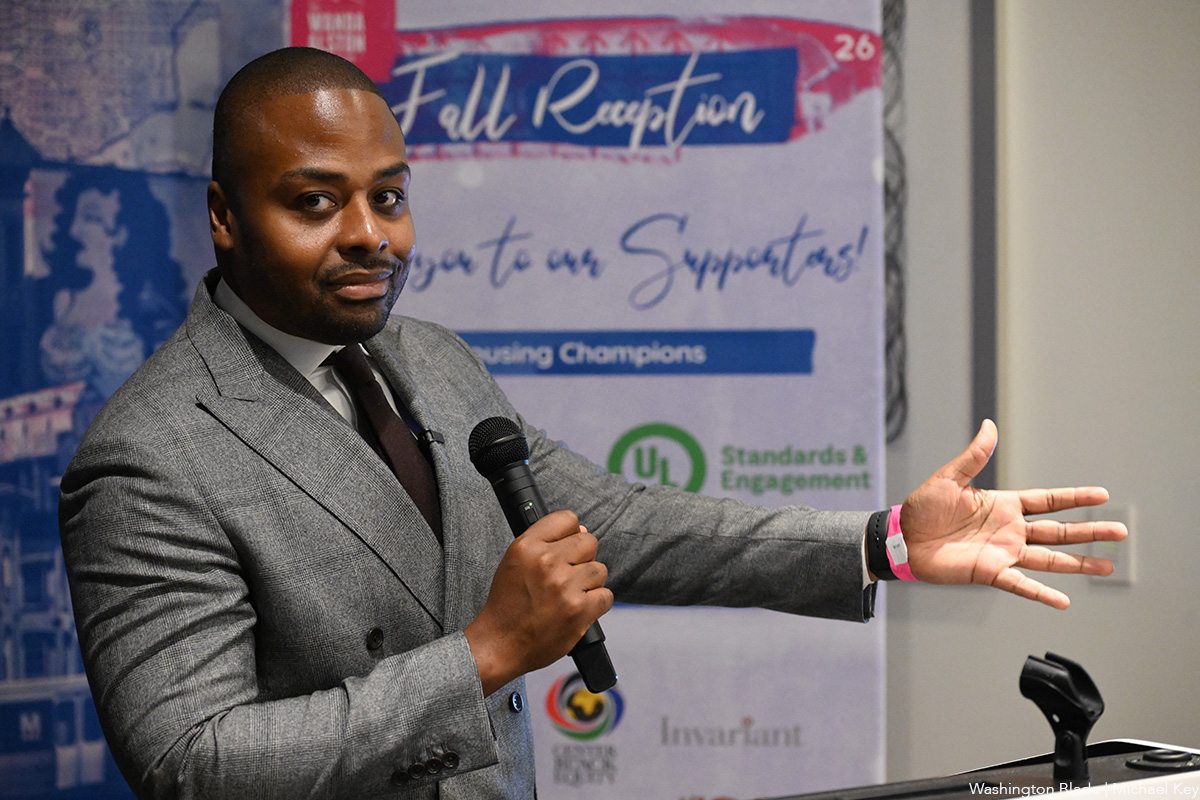
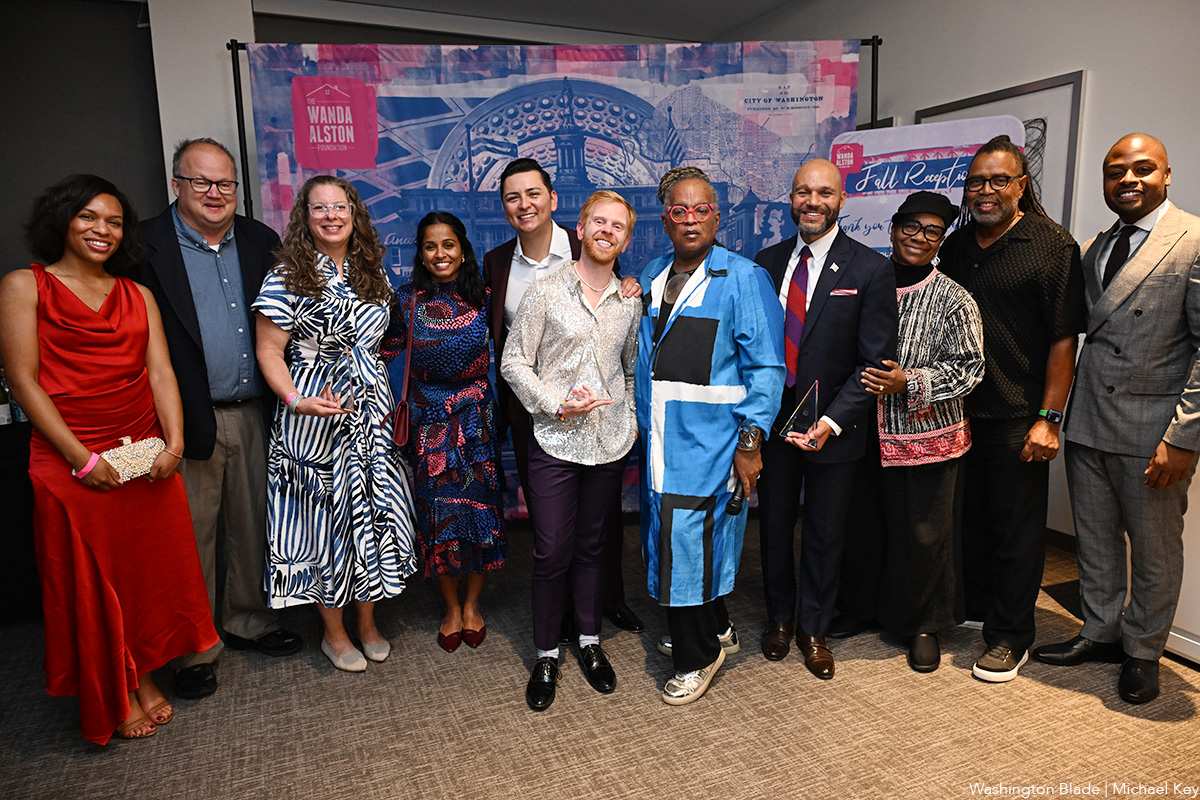
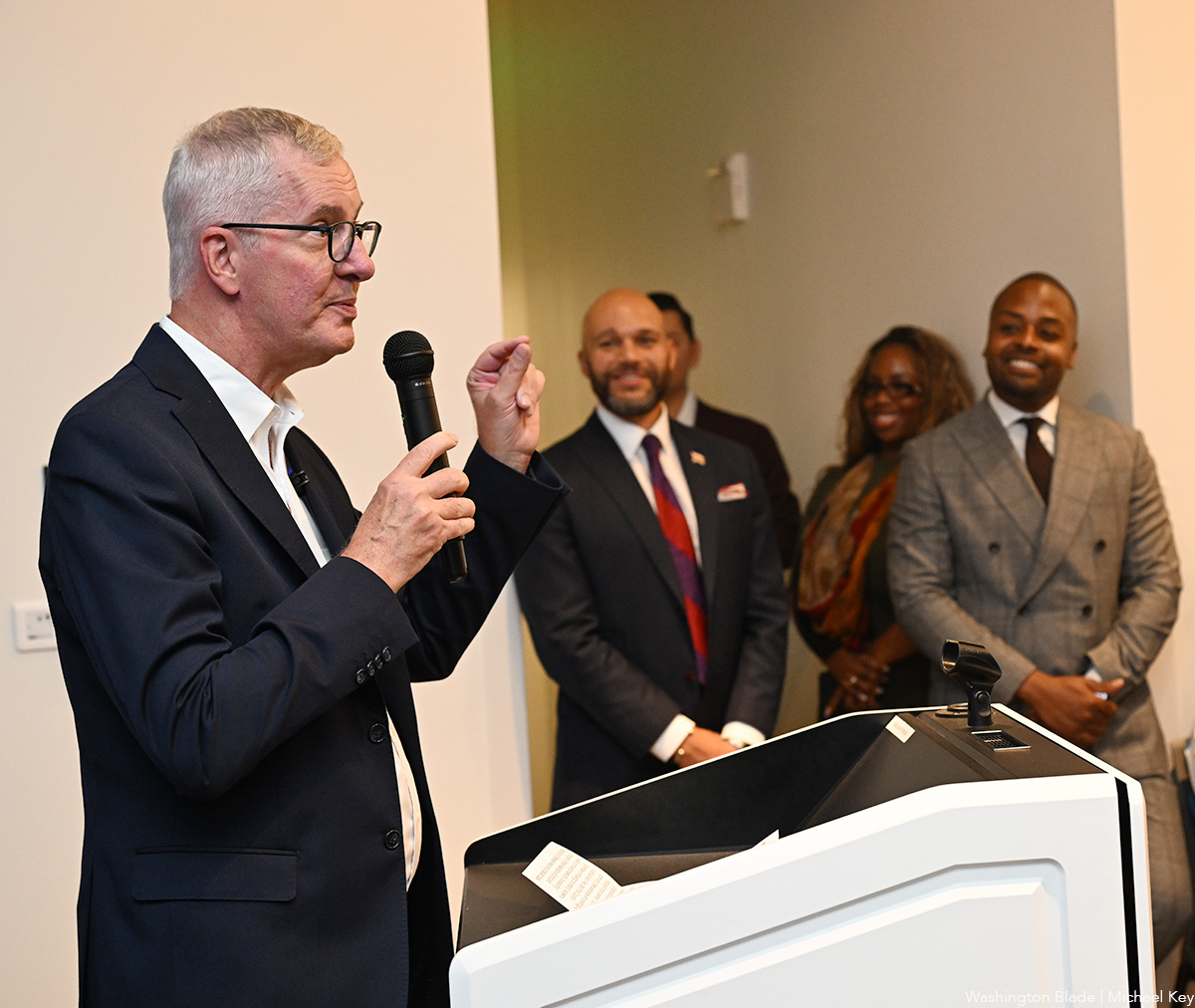
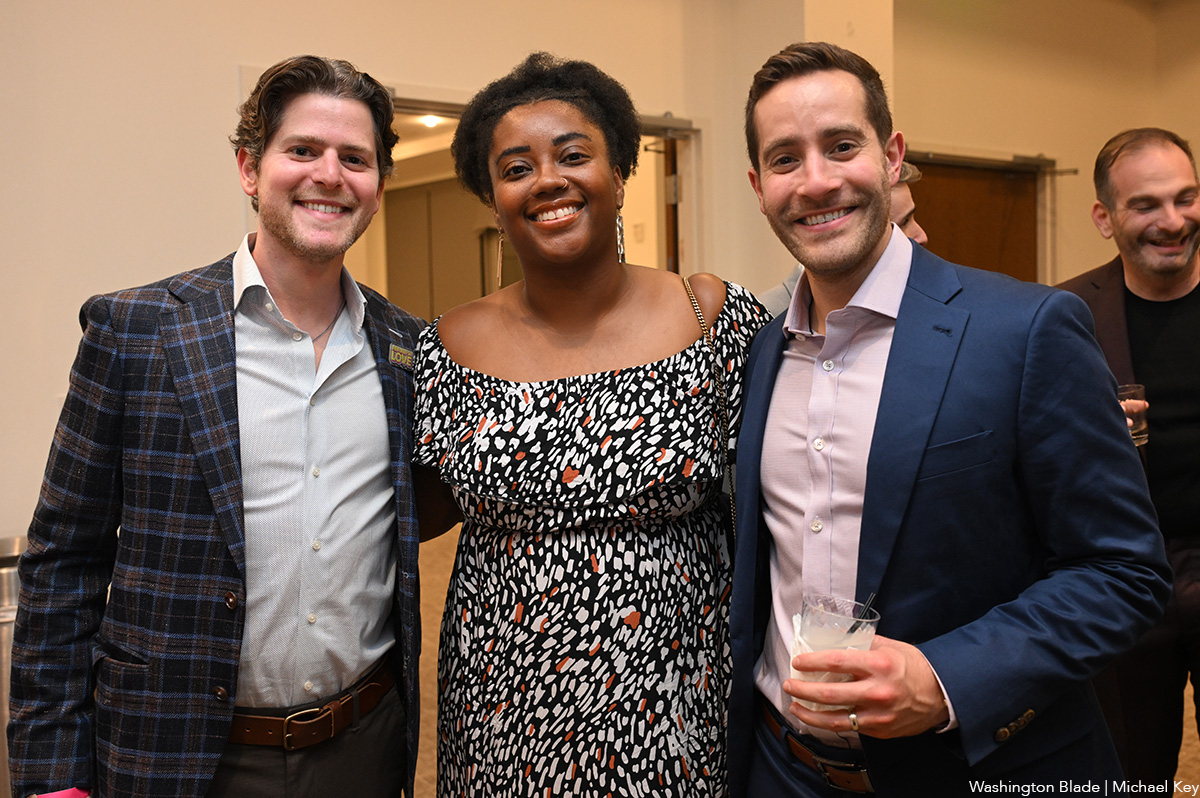
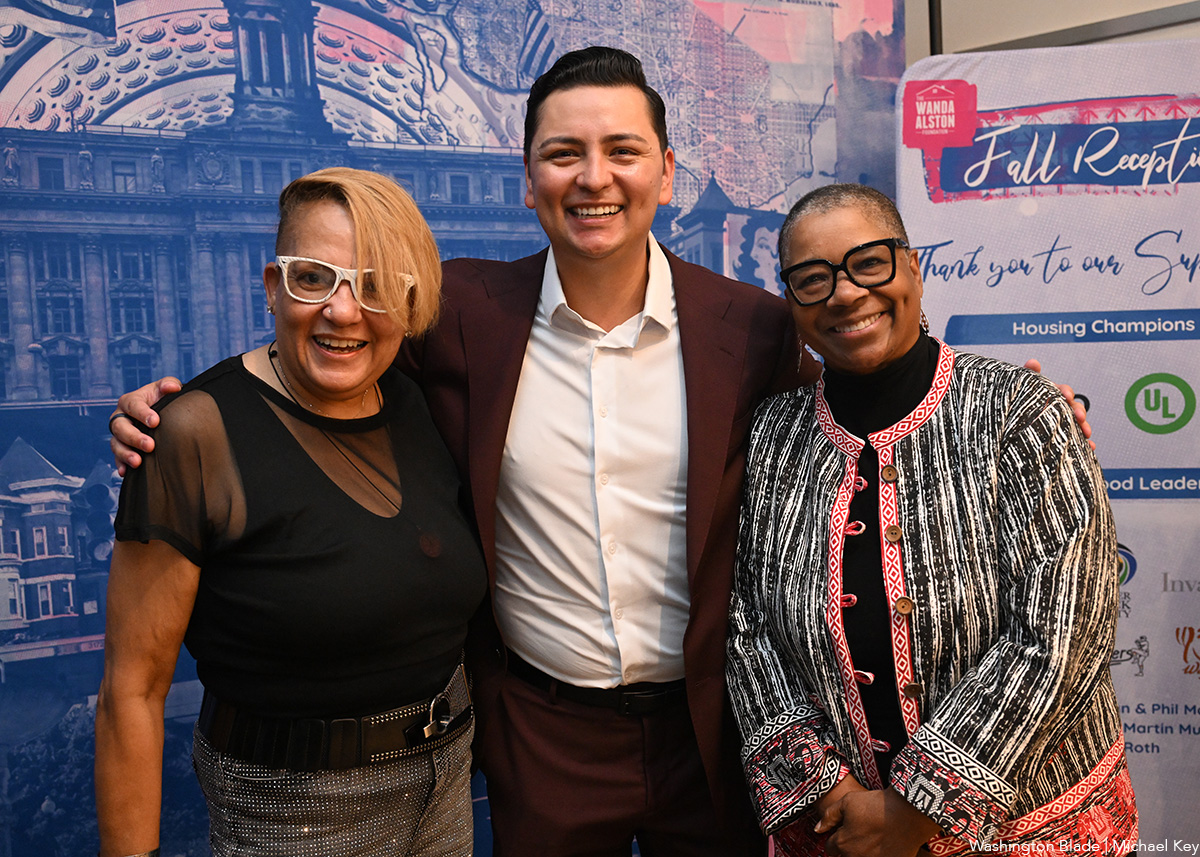
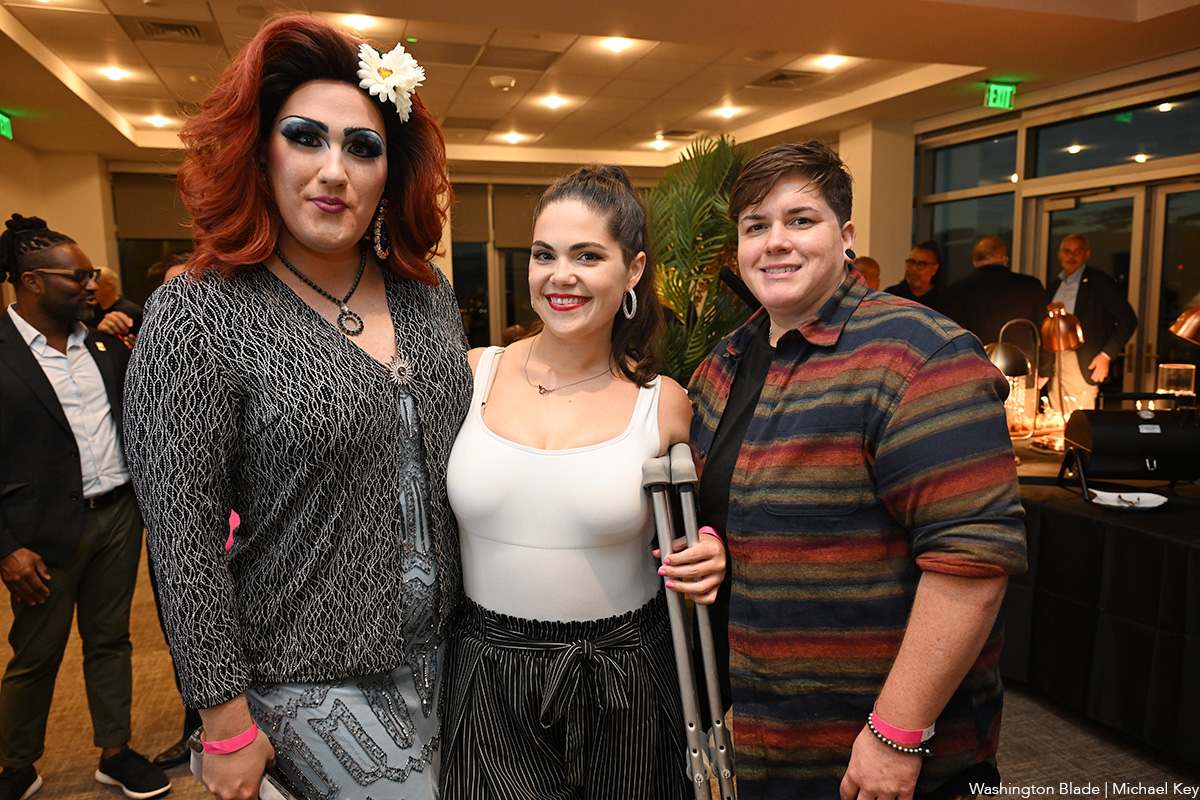
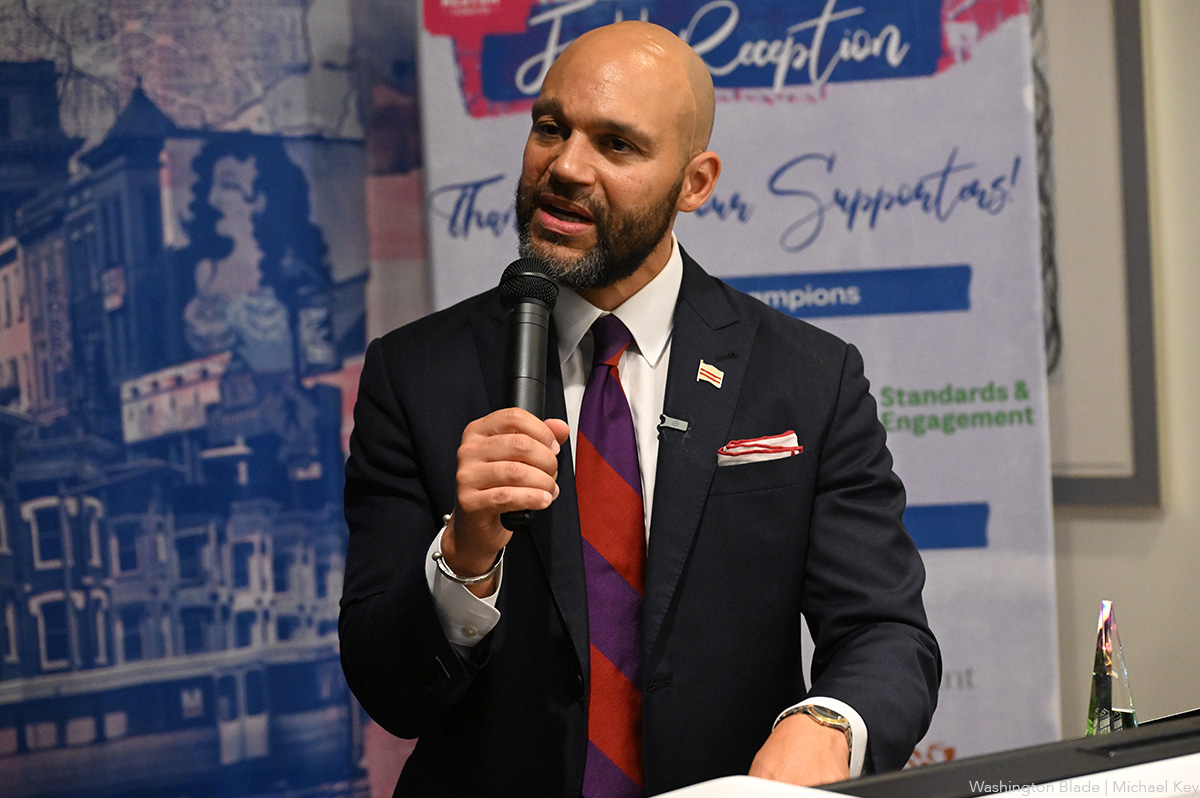
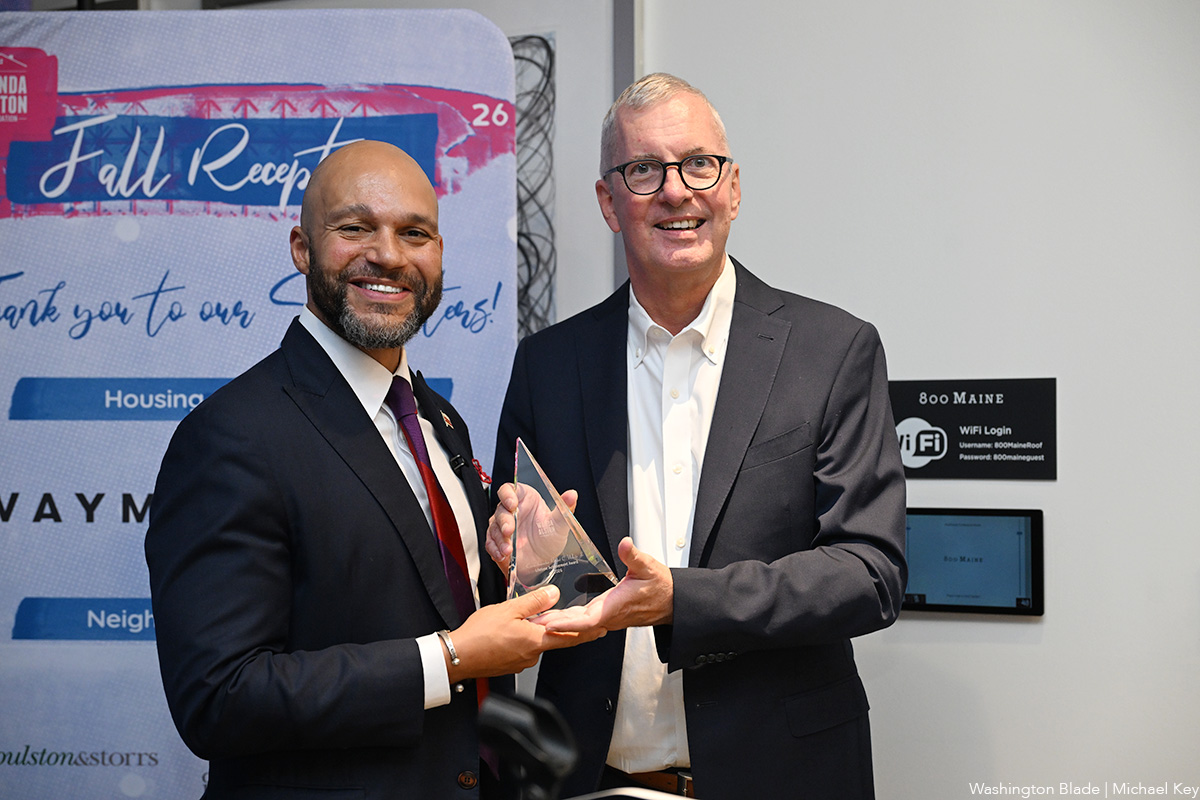
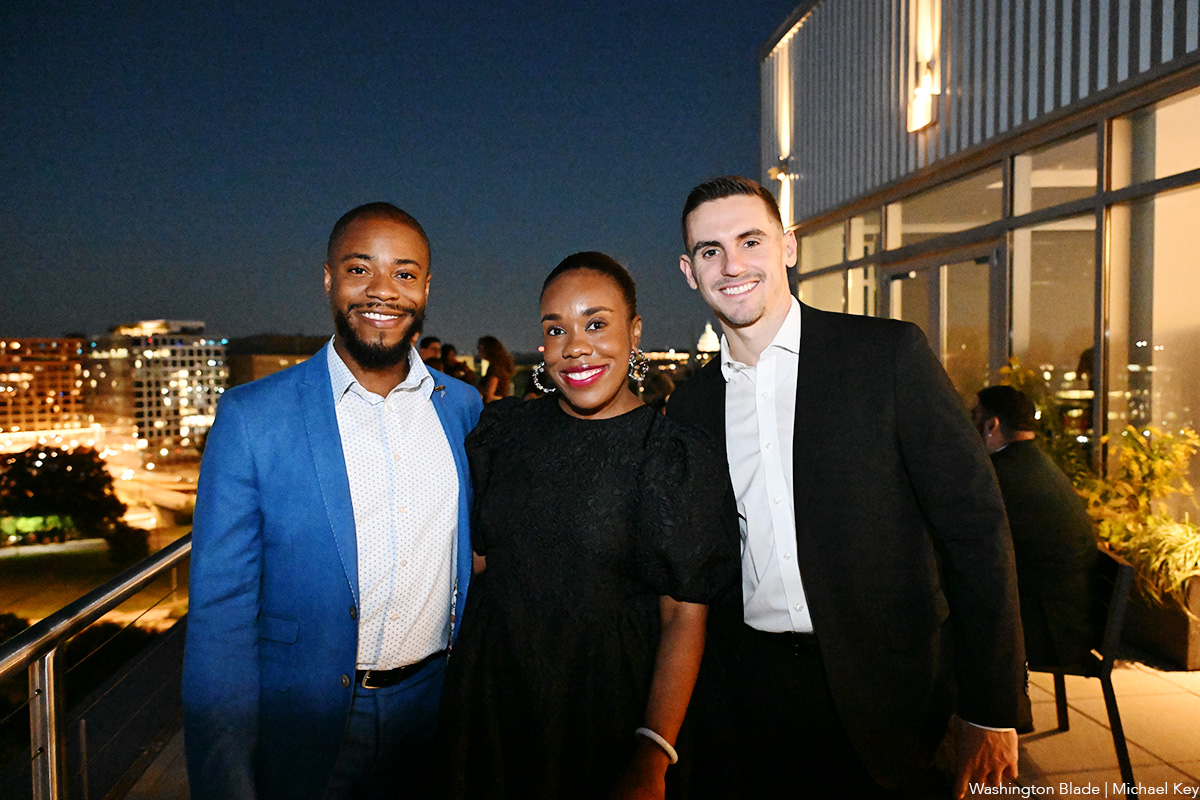
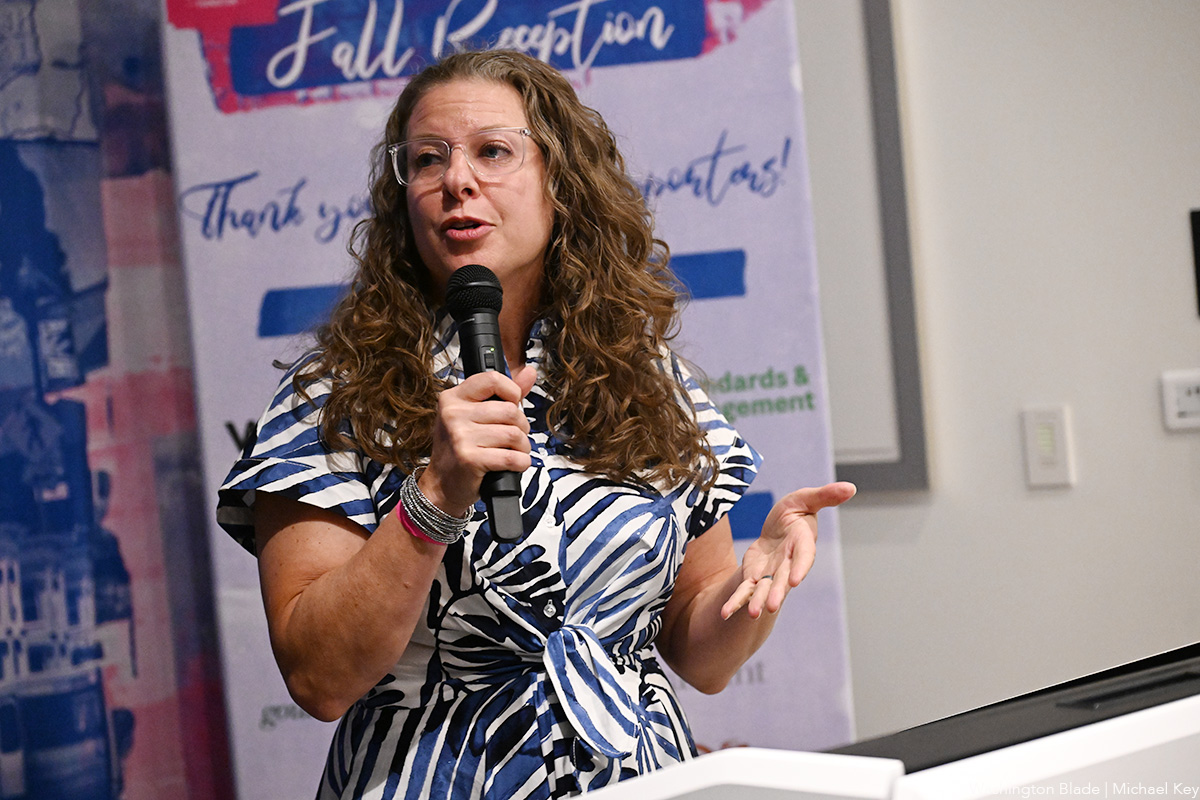
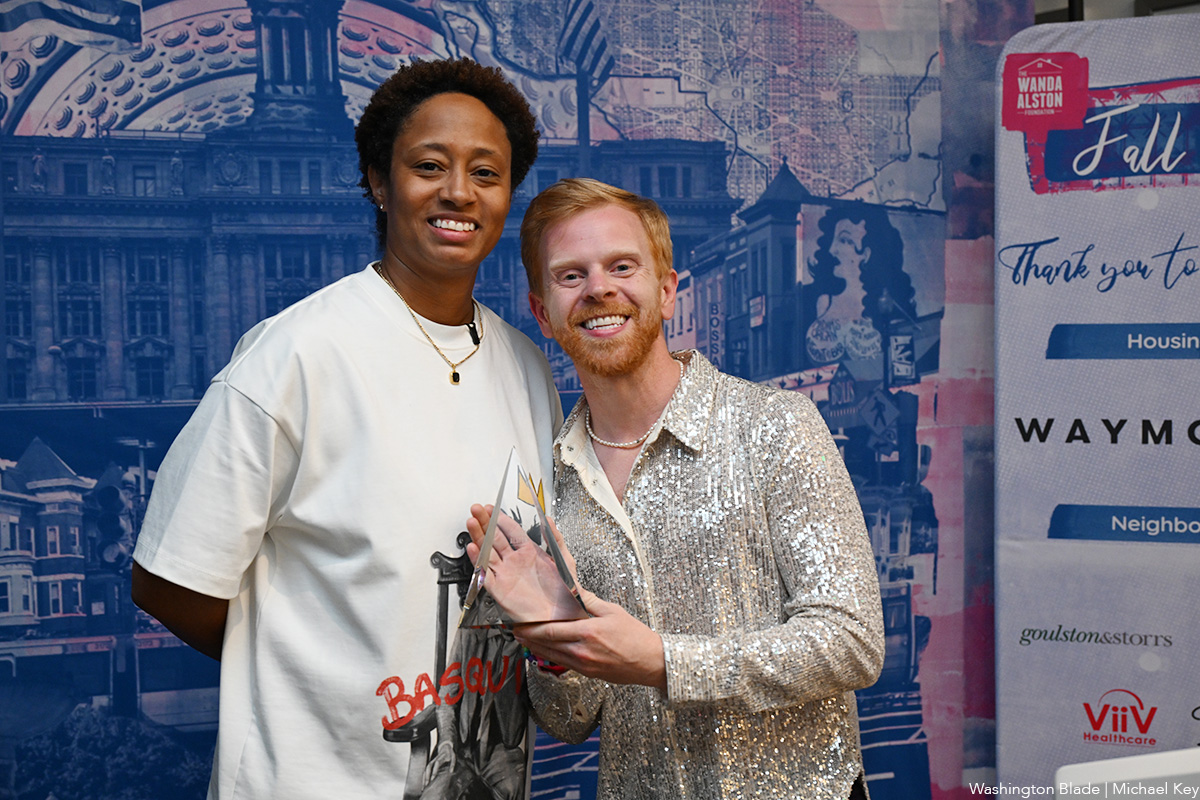
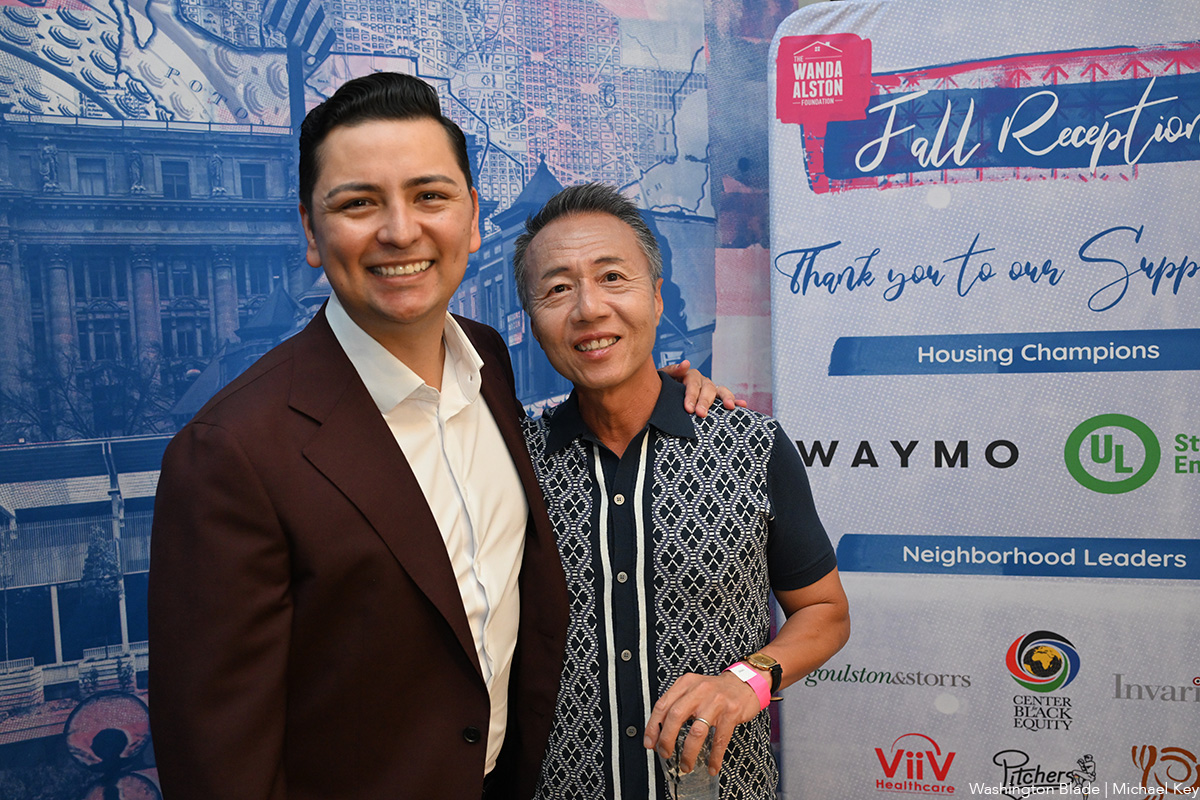
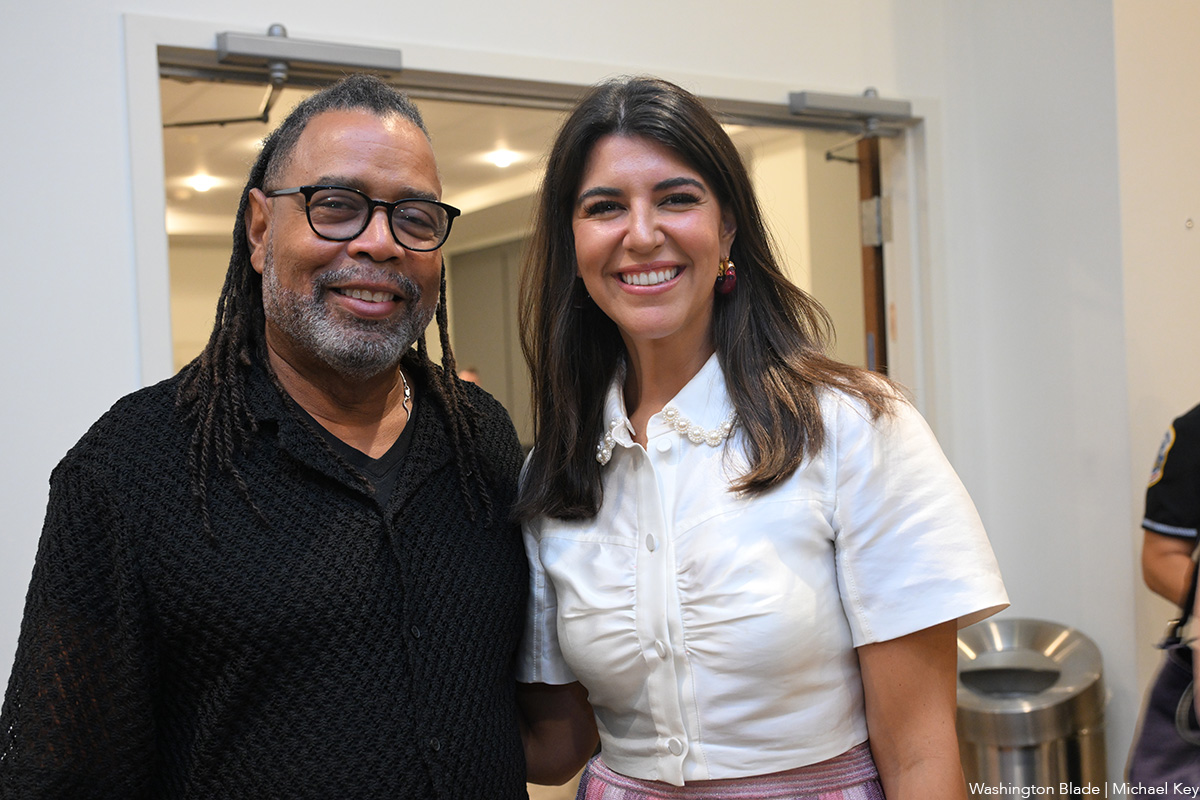
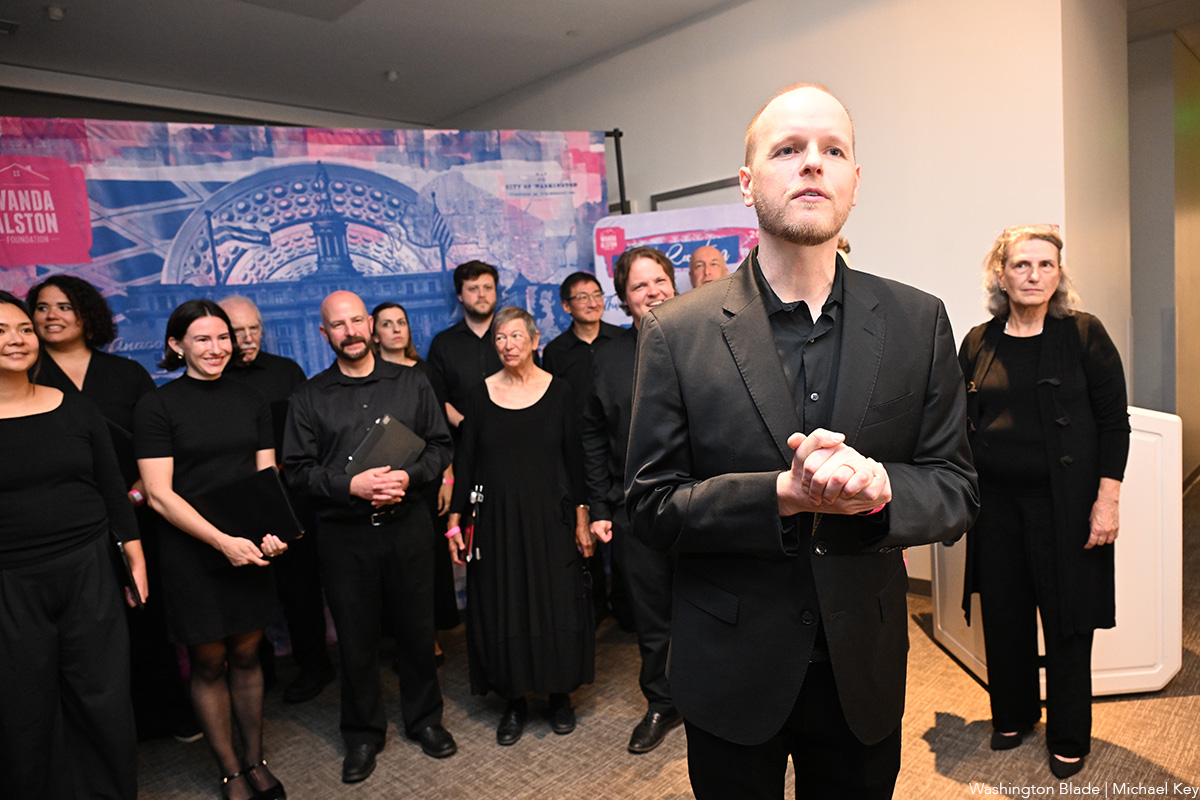
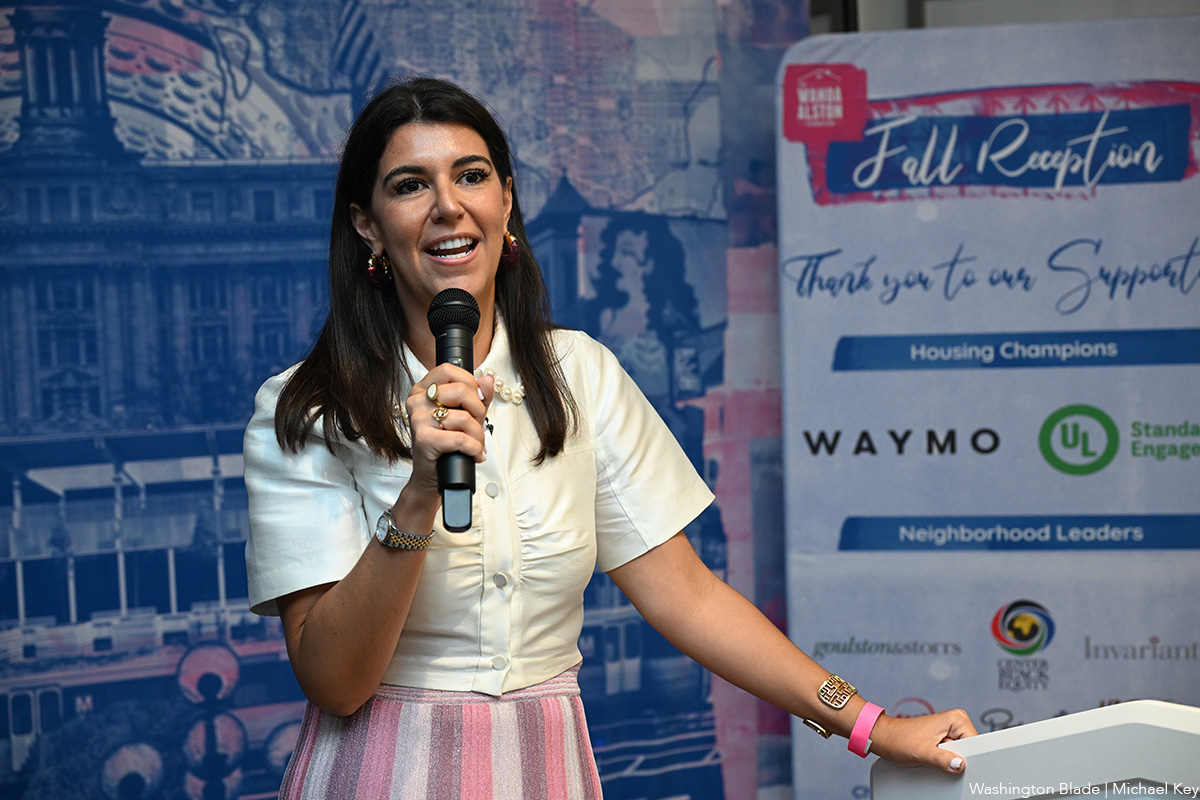
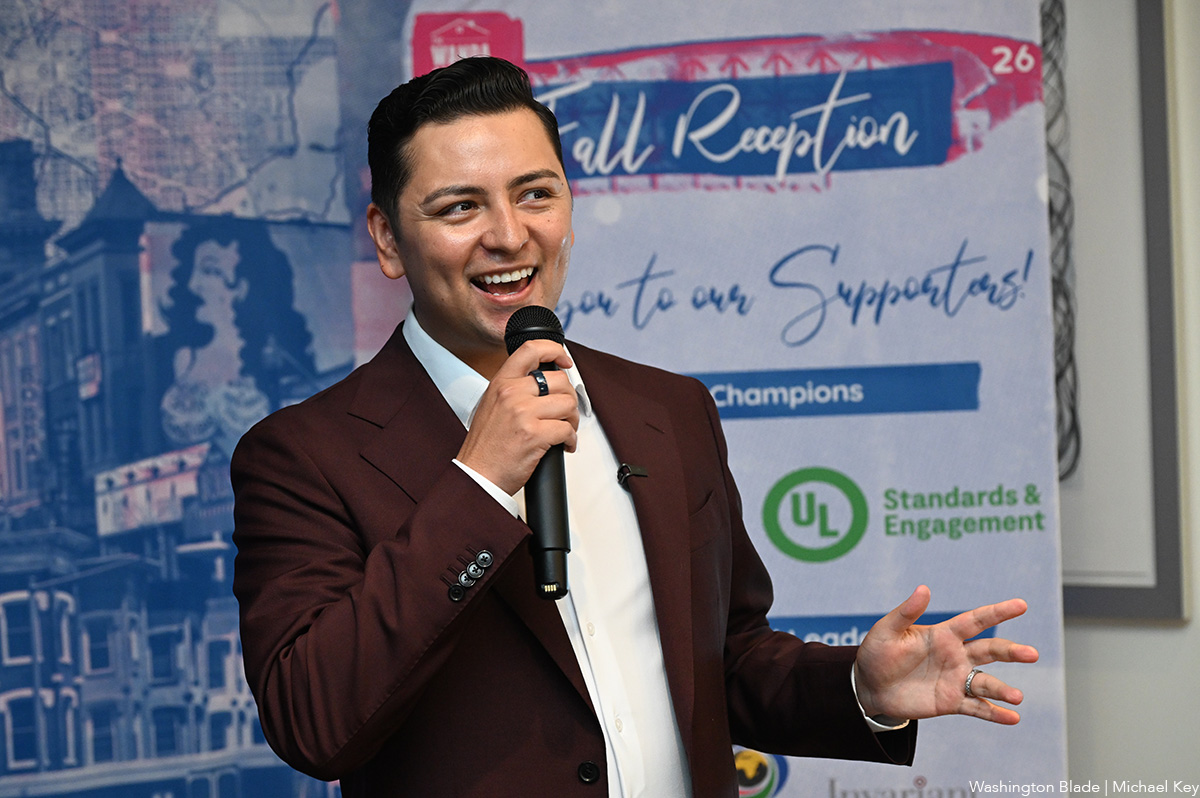
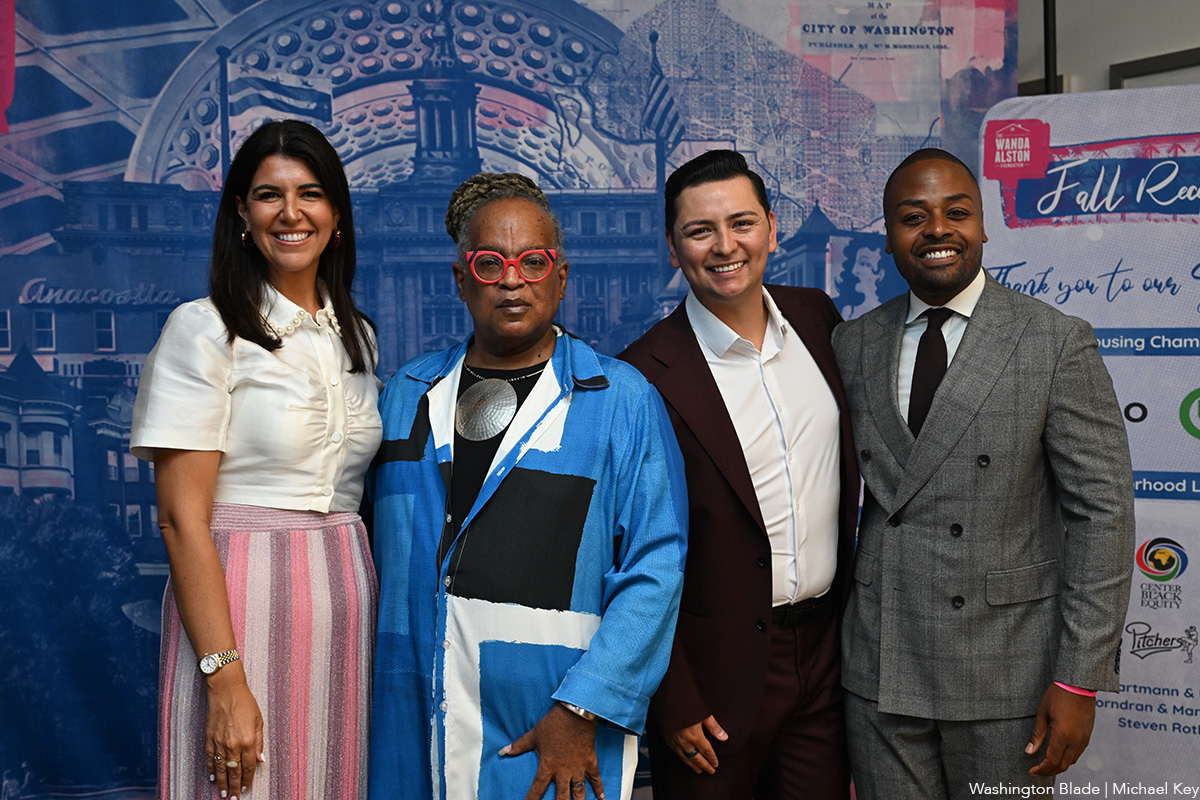
PHOTOS: Wanda Alston Foundation Fall Reception
LGBTQ youth services organization honors Robert White, Japer Bowles, Washington Capitals
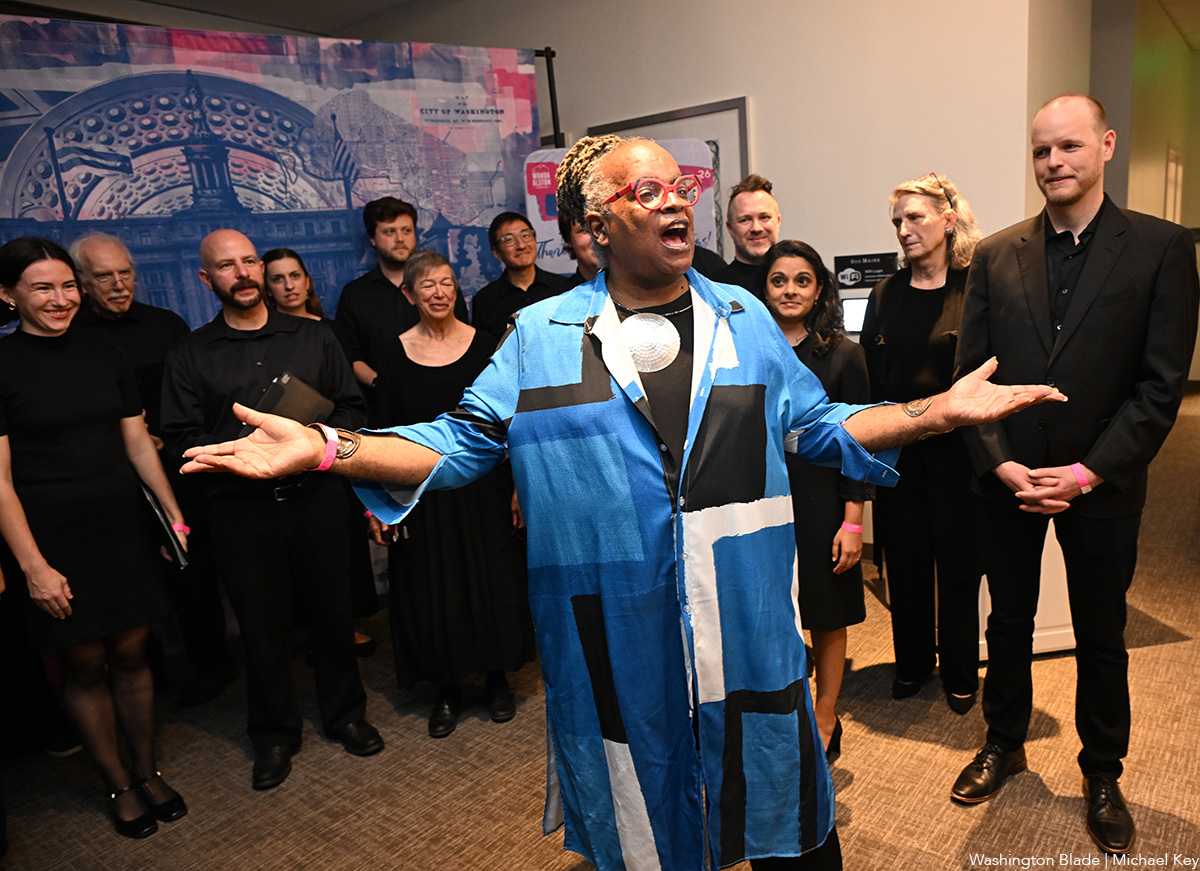
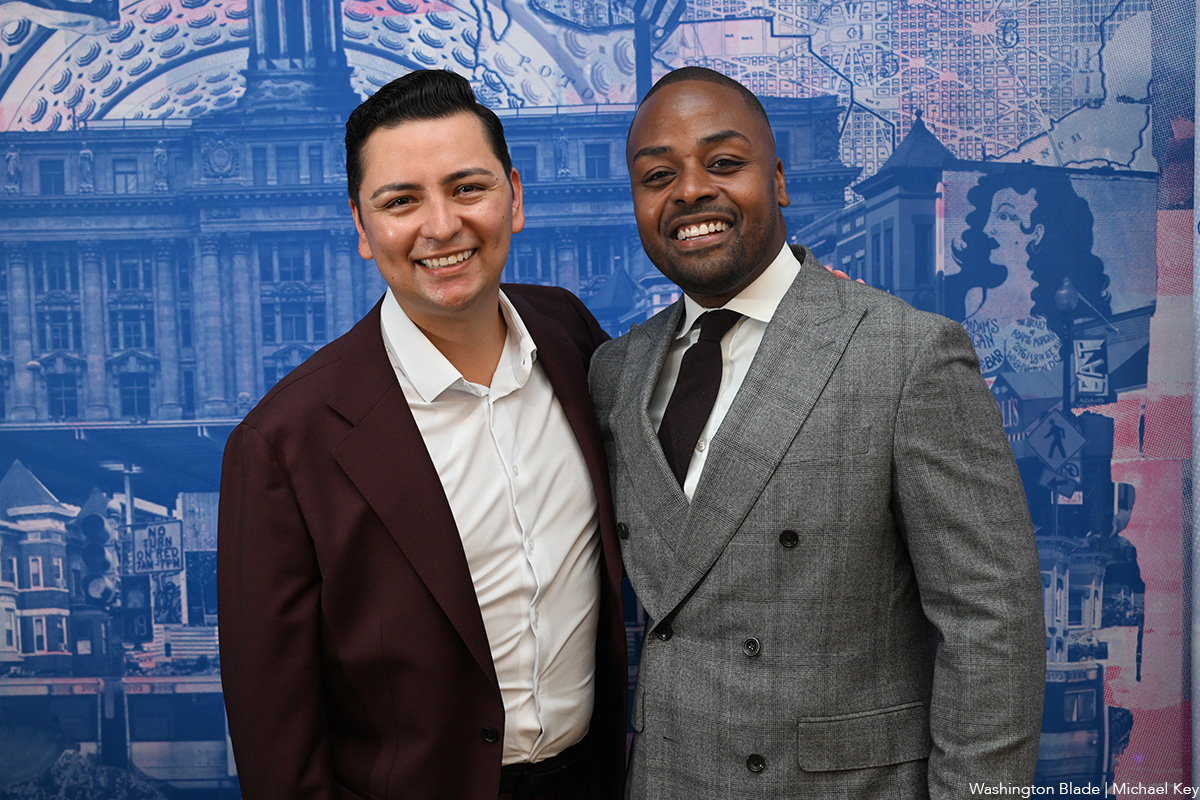
The Wanda Alston Foundation held its Fall Reception at the Penthouse Rooftop at The Wharf on Friday, Sept. 18. Honorees included D.C. Councilmember Robert White, Director of the Mayor’s Office of LGBTQ+ Affairs Japer Bowles, and the Washington Capitals. Rayceen Pendarvis served as the emcee and entertainment was provided by the Thomas Circle Singers.
(Washington Blade photos by Michael Key)

United States Conference on HIV/AIDS grapples with federal budget cuts

For lesbian victims of domestic violence, competent care is scare

UN human rights chief sounds alarm over ‘comprehensive onslaught’ against LGBTQ rights

White House press pool pushes back after Trump bars three outlets

PHOTOS: Shenandoah Valley Pride

Queer mega stars coming to D.C. this fall

Republican challenger misgenders McBride during forum, forced to leave

Activists protest outside Turkish Embassy in D.C.

Over 2,000 turn out for Hands Around the Kennedy Center protest

A roundup of fall events not to be missed
-

 Music & Concerts5 days ago
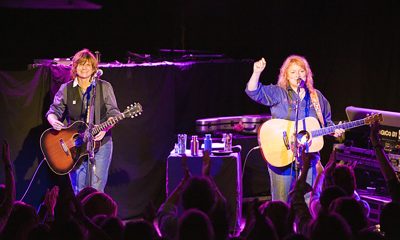
Queer mega stars coming to D.C. this fall
-
Delaware5 days ago
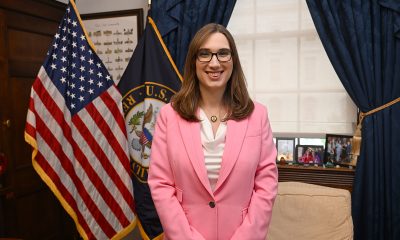
Republican challenger misgenders McBride during forum, forced to leave
-
Turkey4 days ago
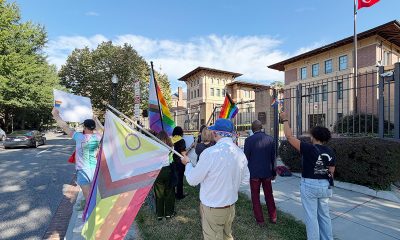
Activists protest outside Turkish Embassy in D.C.
-
District of Columbia4 days ago
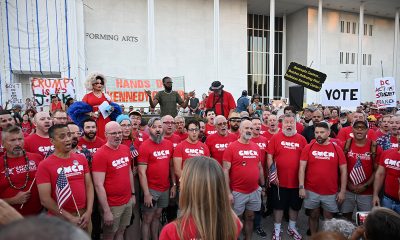
Over 2,000 turn out for Hands Around the Kennedy Center protest