Arts & Entertainment
Taste of New York
D.C. gay restaurateurs bring Manhattan-style drag shows to their cafe
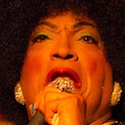
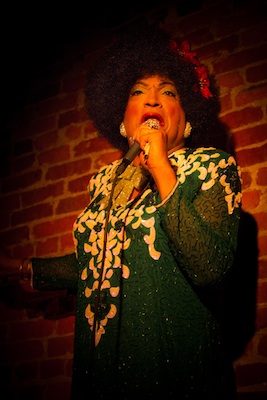
Flotilla DeBarge at ‘Speakeasy’ at L’Enfant Café & Bar. (Photo courtesy L’Enfant)
‘Speakeasy’ at L’Enfant Café & Bar
Beginning Jan. 14
2000 18th Street, NW
lenfantcafe.com
For L’Enfant Café & Bar co-owners Christopher Lynch and Jim Ball, boredom is the mother of invention.
After working all weekend, says Ball, he and Lynch sometimes like to go out on Sunday nights. Increasingly they became uninterested in what was offered so they decided to do something themselves. Together they’ve come up with “Speakeasy” at L’Enfant, a bimonthly supper club and cabaret featuring well-known, downtown New York drag artists.
The likable duo — who long ago switched from being boyfriends to business partners/friends — is recreating a vibe they once knew in Manhattan, where they lived prior to opening L’Enfant in Adams Morgan in 2003. They’re modeling “Speakeasy” on Bar d’O, the storied West Village lounge where legendary performance artist and drag diva Joey Arias headlined a cabaret of talented drag performers throughout most of the ‘90s and early 2000s.
MORE IN THE BLADE: M.A.L. WEEKEND COMING TO WASHINGTON
Initially Lynch and Ball aspired to find a “Joey Arias type” for “Speakeasy.” But then reconsidered and thought why not go for the real thing? In September, the canny partners contacted Arias via Facebook and pitched their plan. To their delight, Arias agreed.
So far, there’ve been two “Speakeasy” test pilots at L’Enfant: In late November, Arias and fellow Bar d’O alumnae Flotilla DeBarge and Sade Pendarvis performed two Sunday night shows of soulful song and hilarious banter for sold-out houses. Outrageous, smart, spontaneous and a tad messy, the evening was a success by all counts.
Then in mid-December, DeBarge (whose vitae includes Broadway and film work) returned with a solo holiday show. “Speakeasy’s” regular bimonthly Sunday night schedule kicks off Jan. 14 with both a 7 p.m. dinner show, and a 10:30 cocktail late show. Reservations are required (go to lenfantcafe.com). In addition to Arias and DeBarge, Lady Bunny of “Wigstock” fame is slated for upcoming appearances.
MORE IN THE BLADE: JAN. 6 CALENDAR
Arias’ signature look is black lingerie and Betty Page bangs. He’s widely known for channeling Billie Holiday. His credits include a six-year stint as the Mistress of Seduction in “Cirque du Soleil’s Zumanity” in Las Vegas, and this April he brings his well-received New York show “Arias with a Twist” to D.C.’s Woolly Mammoth Theatre. Rarely does Arias do small “Speakeasy” sort of gigs anymore. But what keeps him interested in coming back, “is the idea of trying new material and experimenting with something new: Looks, jokes, new tunes and to see what works. It’s important to remember where you started and keep your chops up.”
Arias adds, “I’m also interested in [including] D.C. talent. But [they] have to sing live and be witty … not nasty! It’s not a drag show. ‘Speakeasy’ is a real cabaret with first class service and entertainment. No one does this anymore.”
Flotilla DeBarge is equally smitten with “Speakeasy”: “I take a little getting used to. I’m big and brash — a mix of early Bette Midler, Tyler Perry’s Medea and some Louise Jefferson. So far D.C. audiences seem to be embracing me, my humor, my whole persona. I’m very grateful to them and [L’Enfant owners] for giving me free reign with what I do.”
“Speakeasy” isn’t the first time Lynch and Ball have filled idle hours with fun at their intimate venue. When faced with dull Saturday afternoons a year ago, they perked things up with “La Boum” (which in French means “teenage house party”). Once a week, they close the blinds and serve a boozy brunch with loud music and entertainment. As very hands-on hosts, Ball successfully plays the comic to Lynch’s straight man. They appear to enjoy themselves immensely and work hard to ensure that their customers do the same.
ADD THIS EVENT TO YOUR FOURSQUARE TO-DO LIST!
As restaurateurs, Lynch and Ball agree that a lot of what they do is theatrical. They liken opening their café’s doors to raising the curtain. When customers arrive, the owners and staff are on. For them, launching a cabaret at L’Enfant is a natural extension of serving food and drink.
“’La Boum’ is fully booked through April. People love it. Judging from early response, it looks like it will be the same with ‘Speakeasy’,” says Lynch. “We think it’s going to be explosive.”





Photos
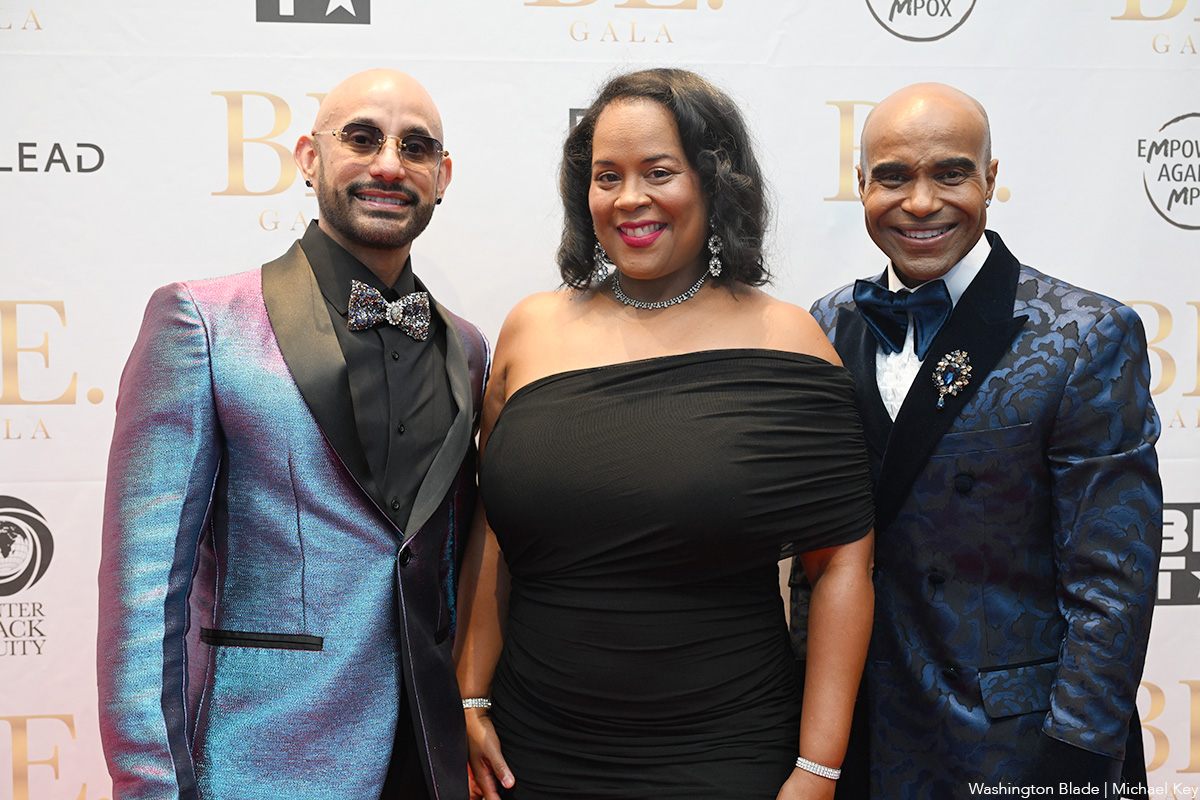
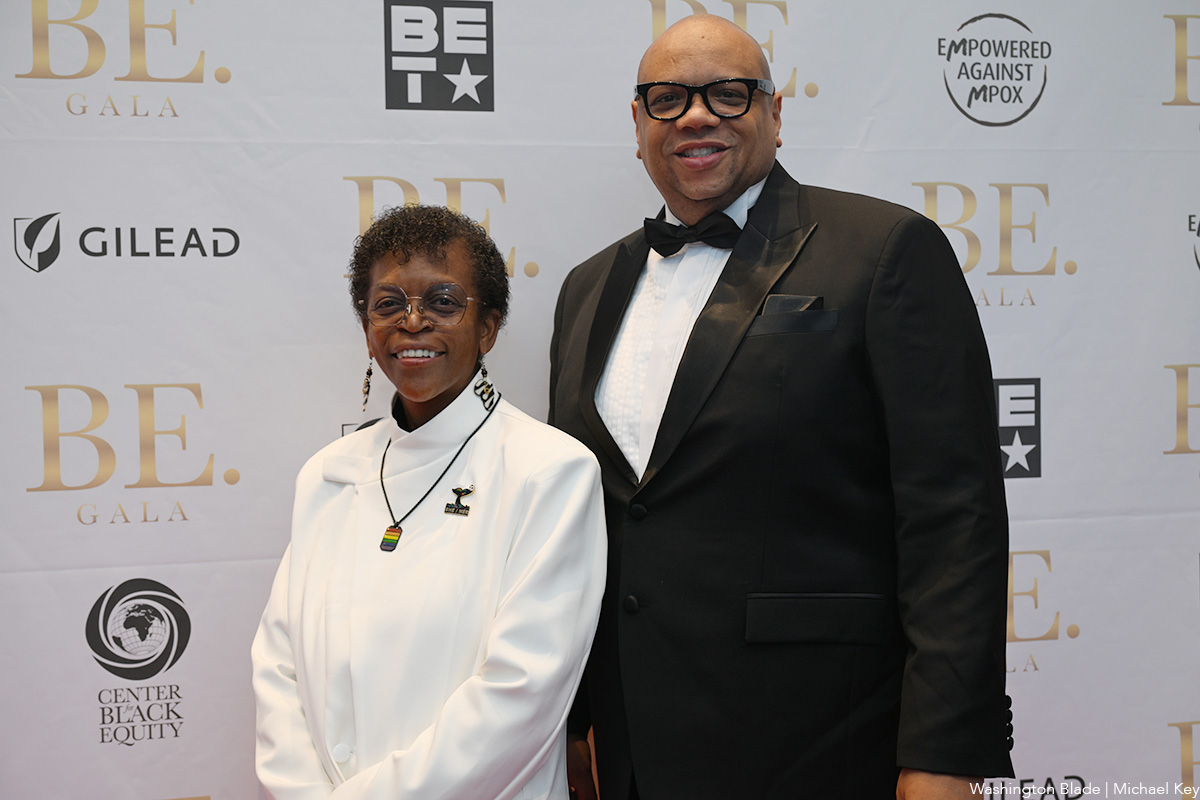
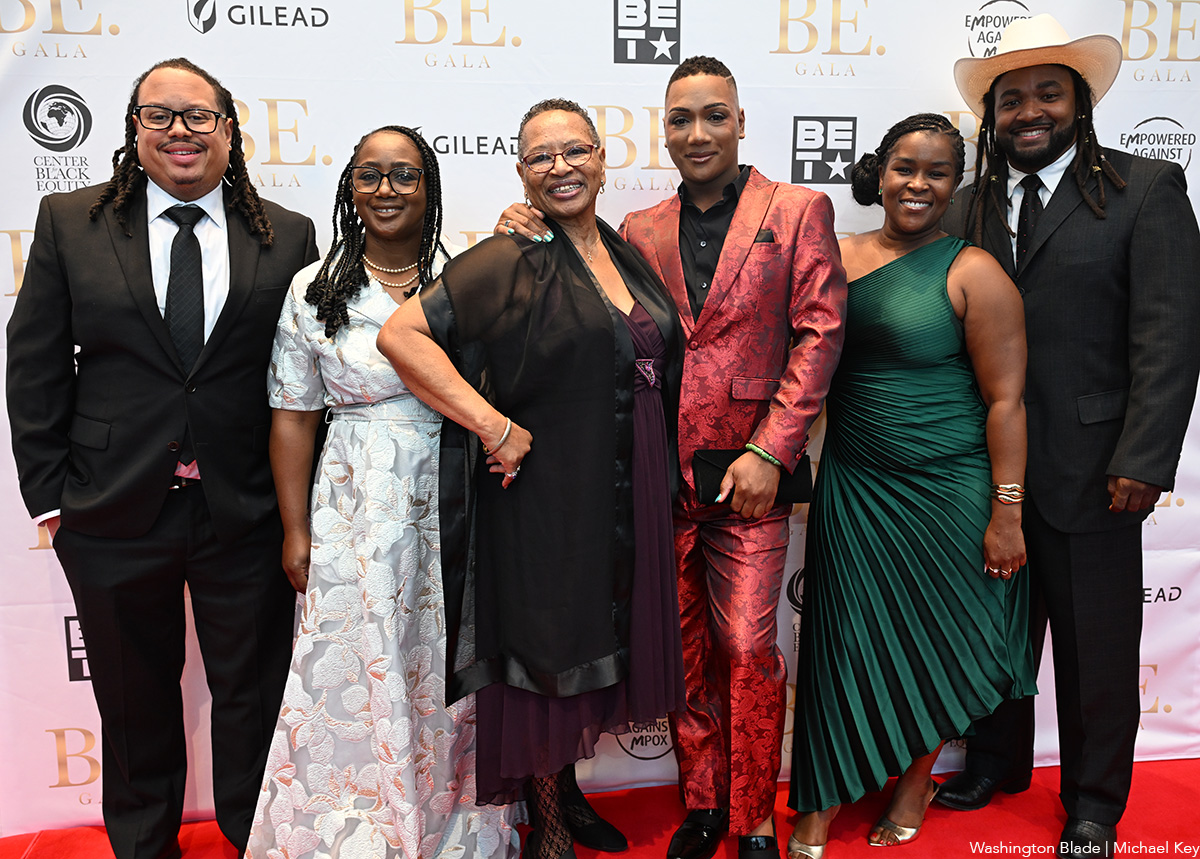
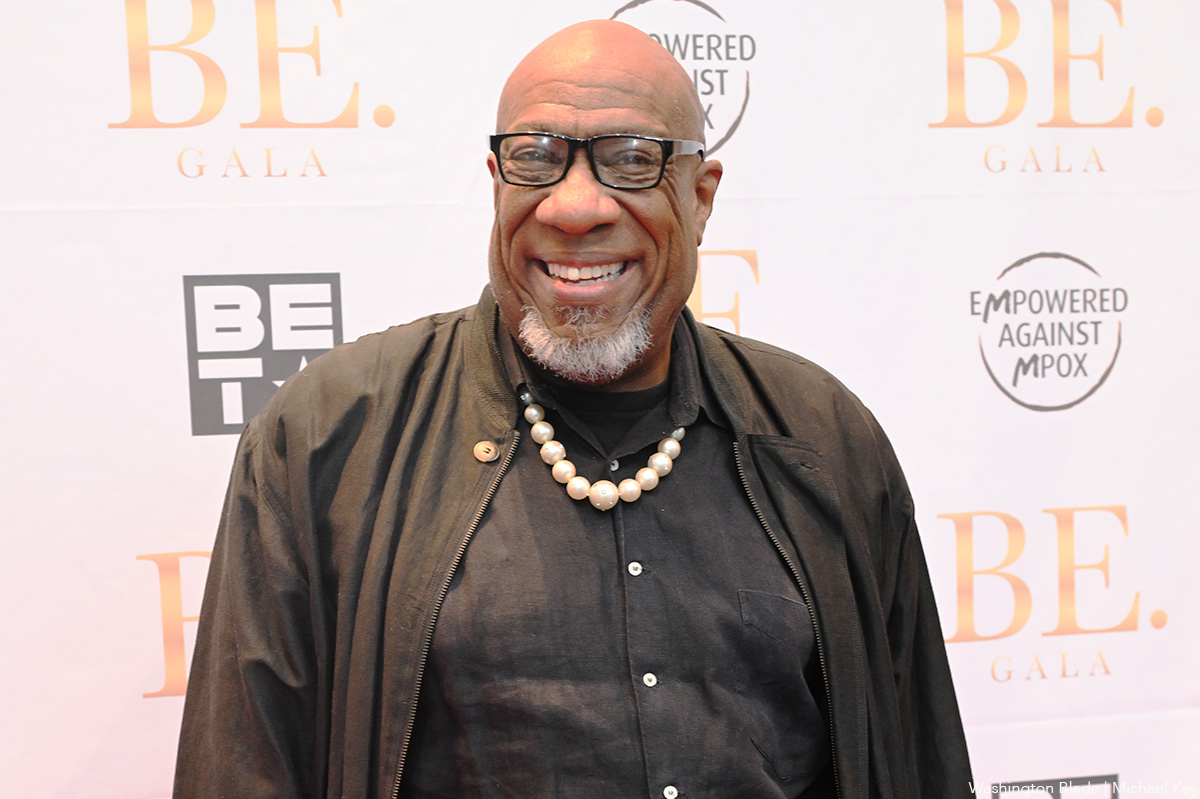
Center for Black Equity honors leaders, activists at BE. Gala
Miyake-Mugler, Oakes co-host annual awards ceremony

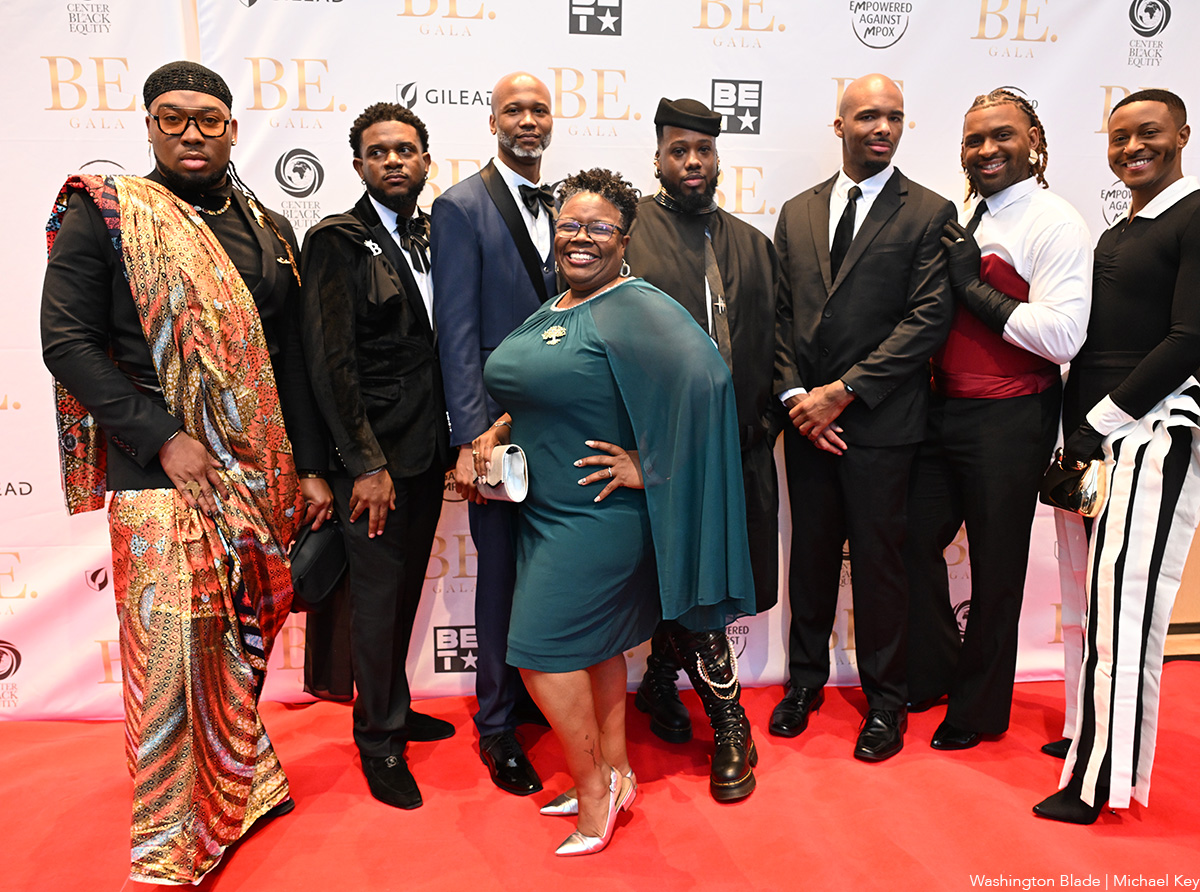
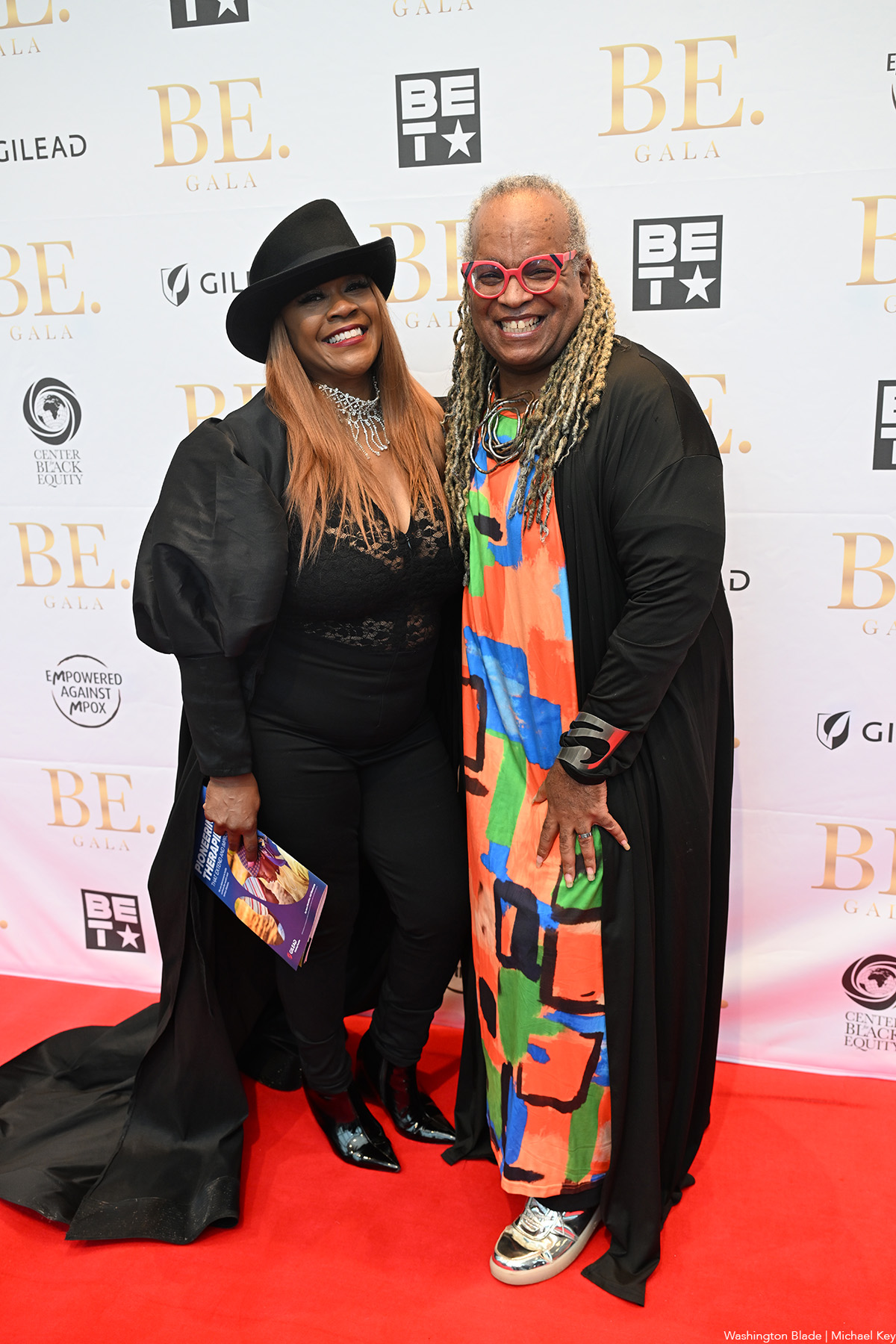
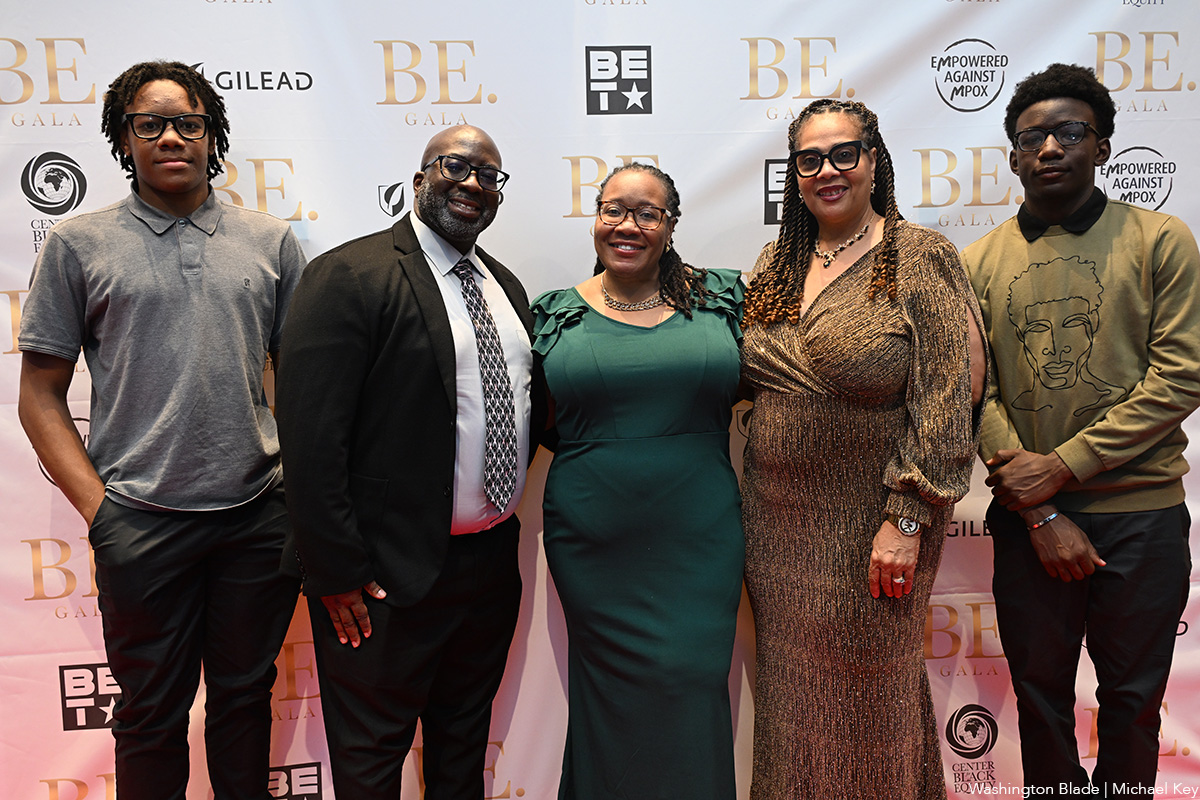
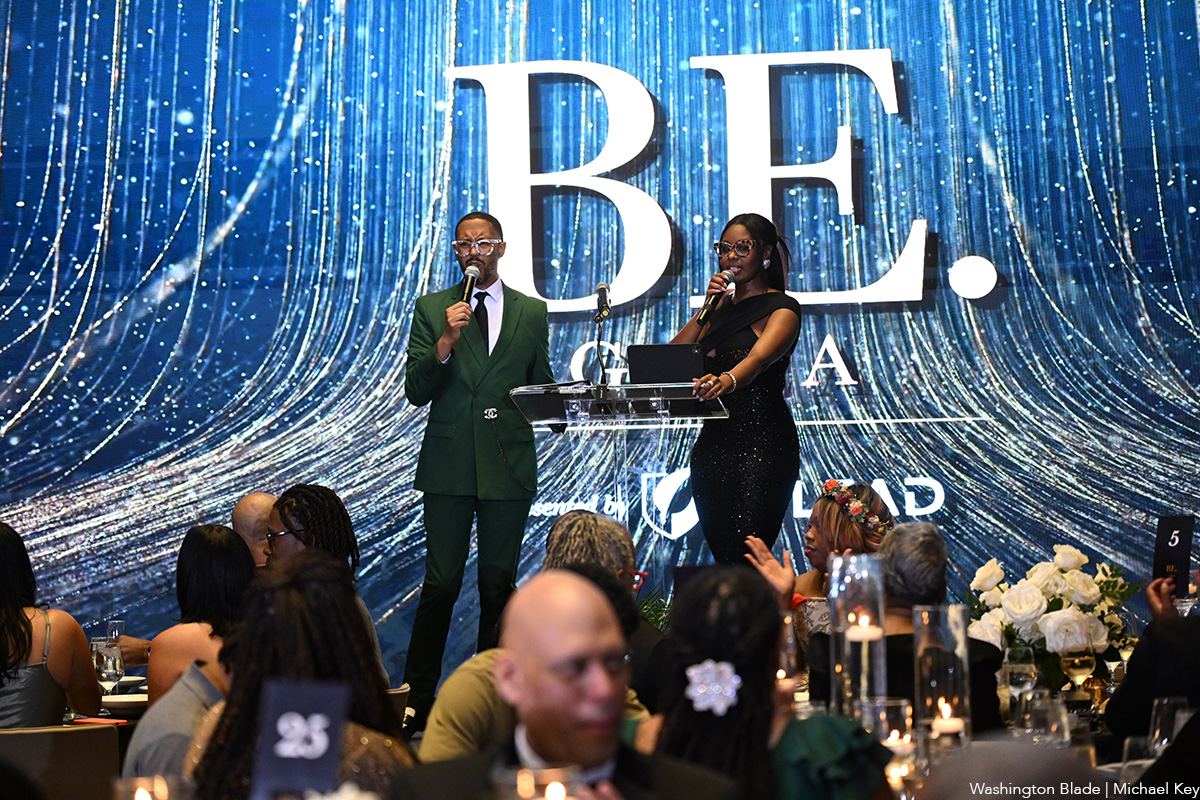
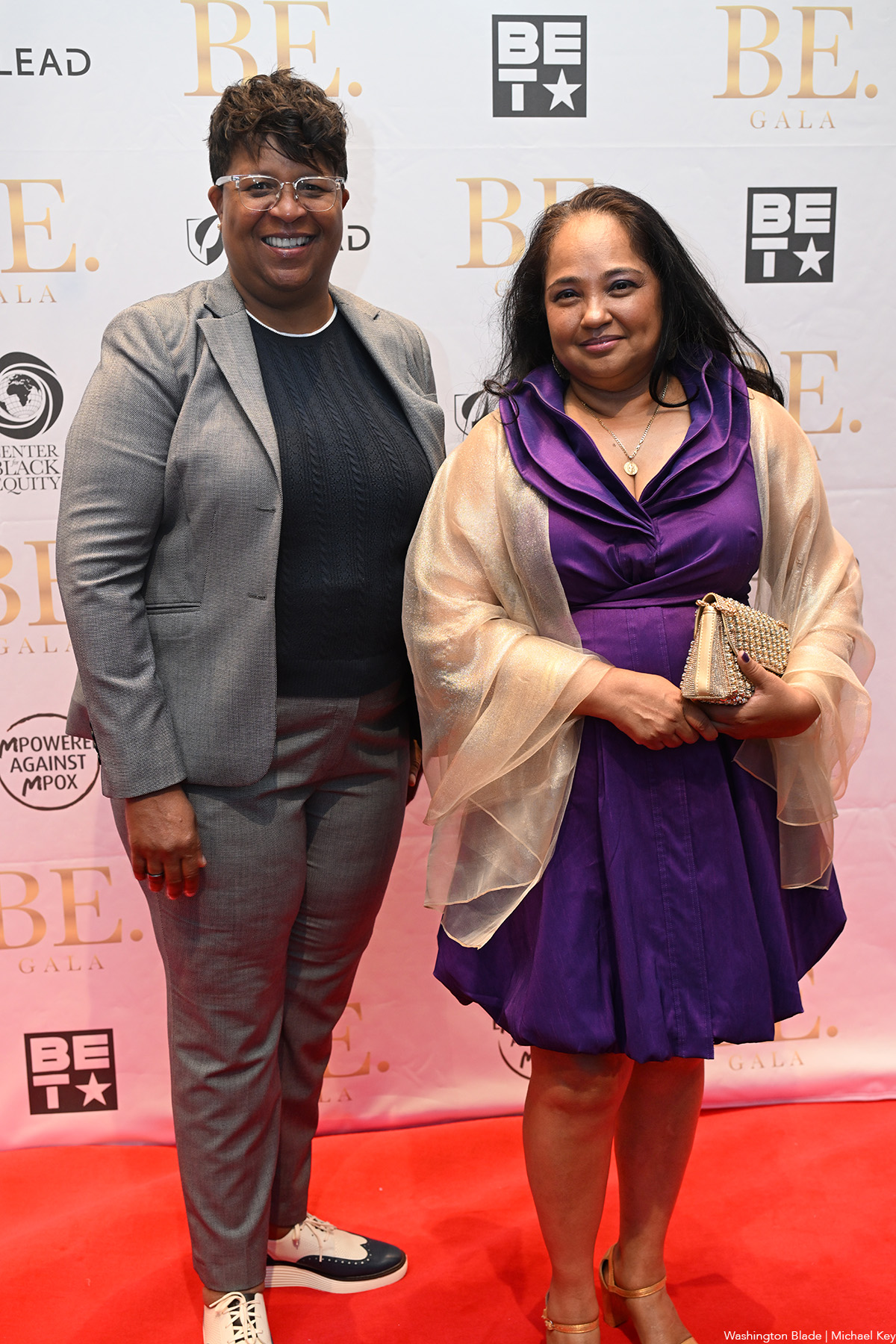
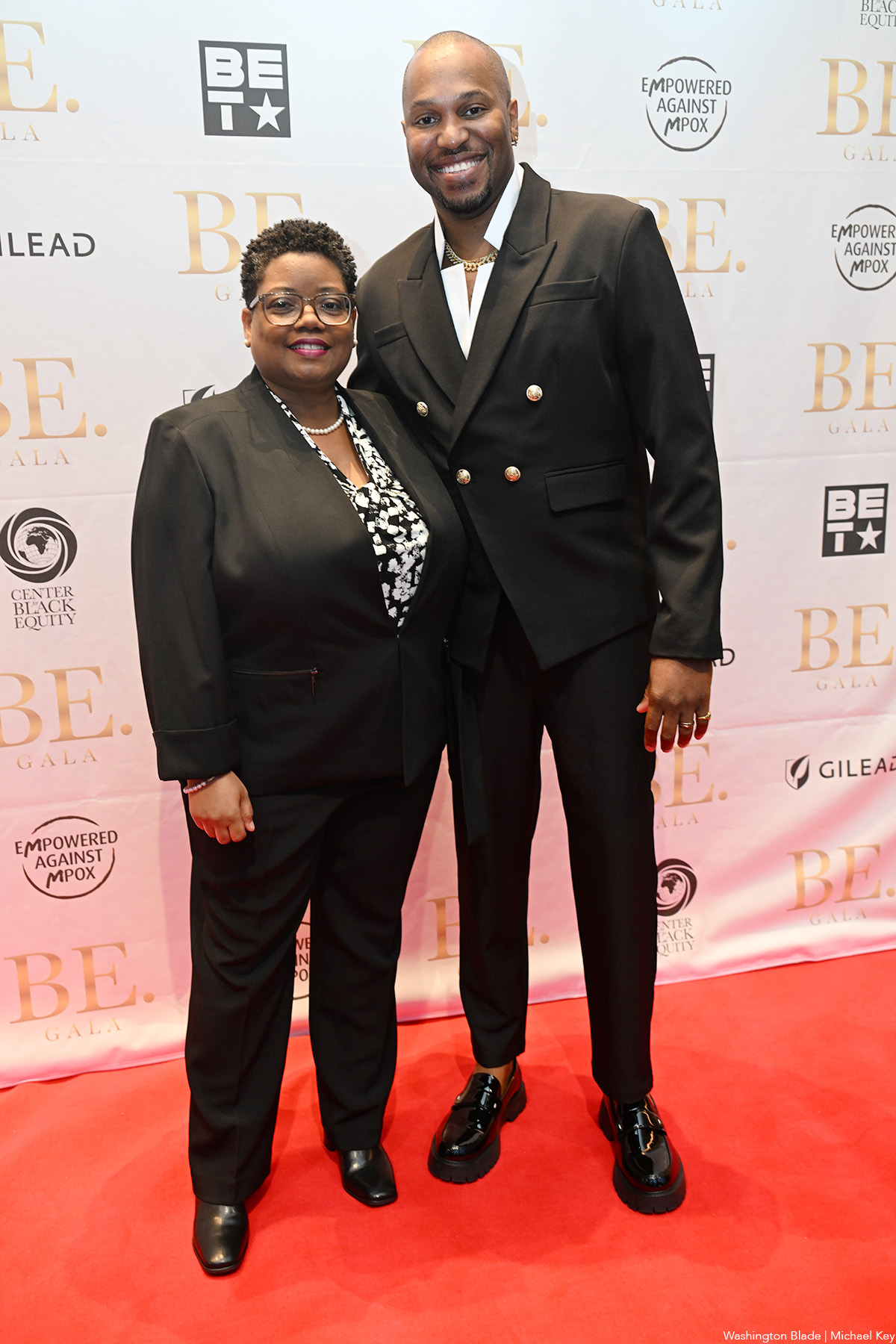
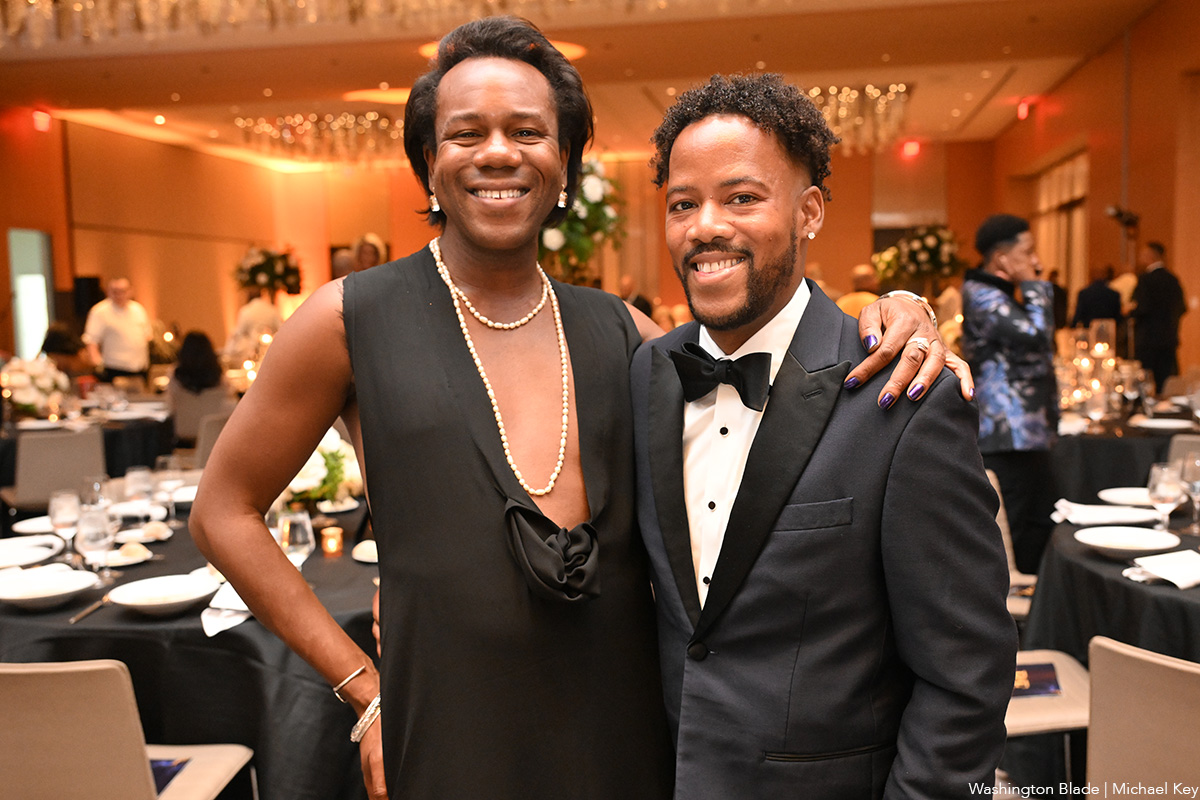
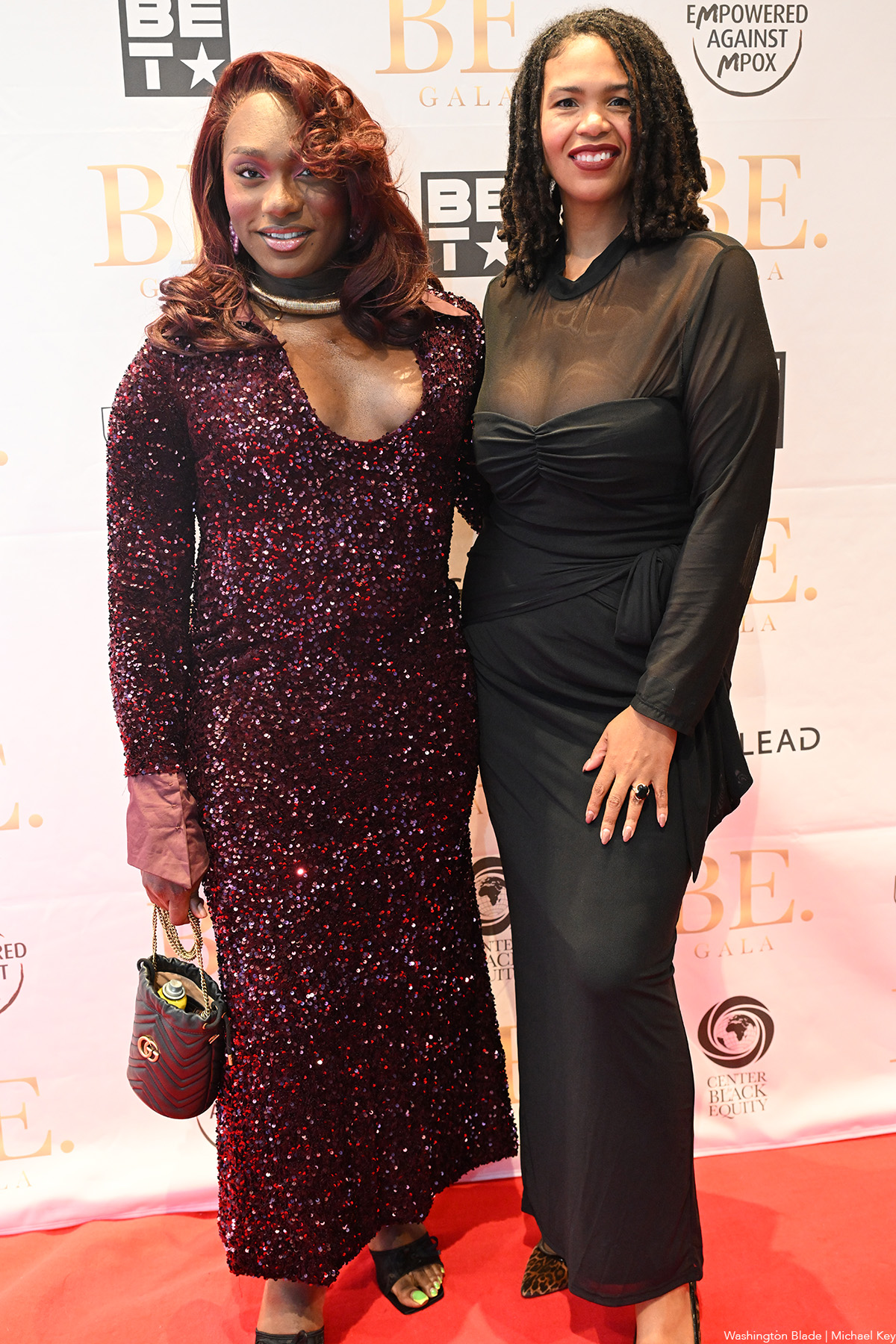
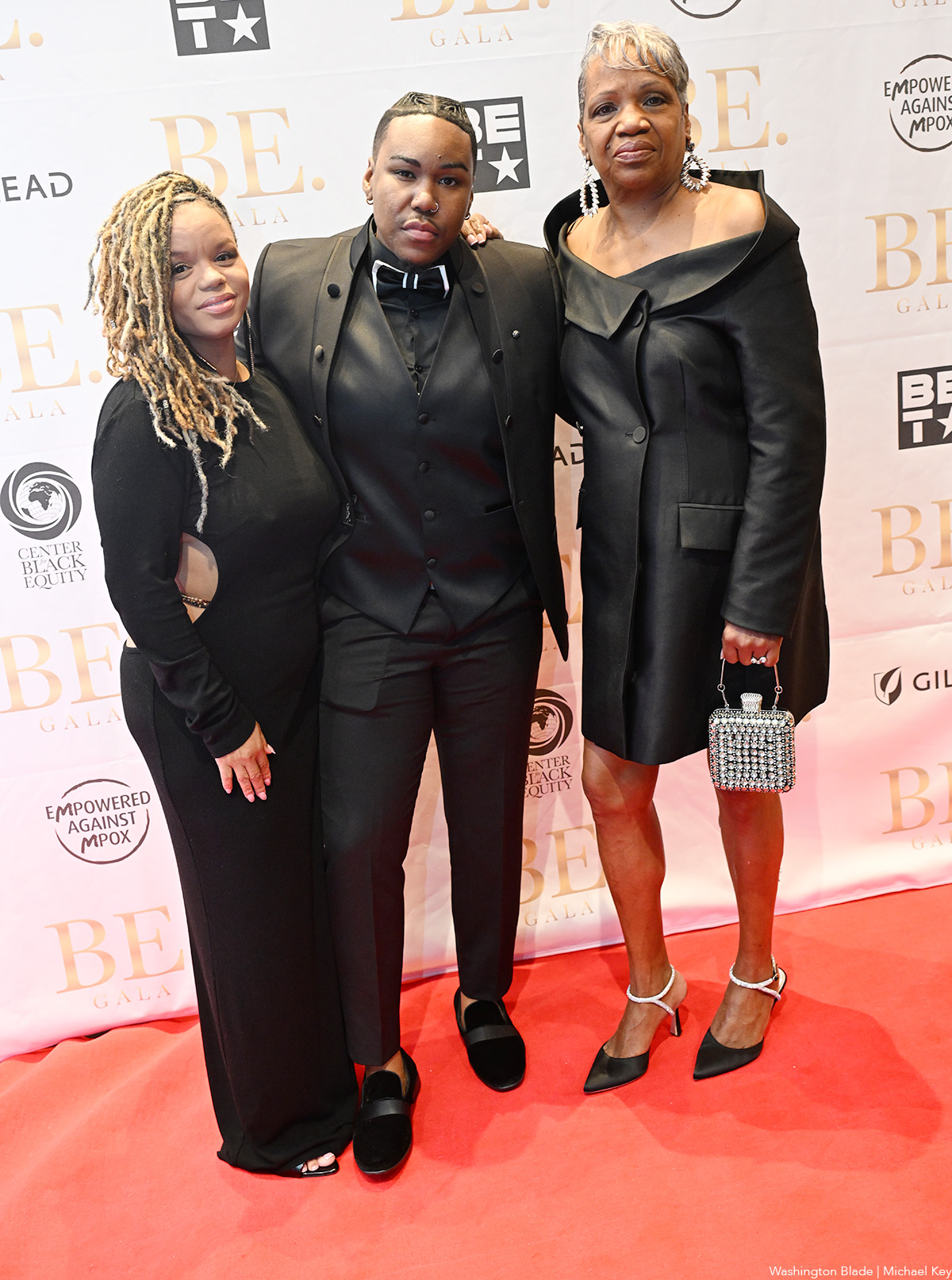
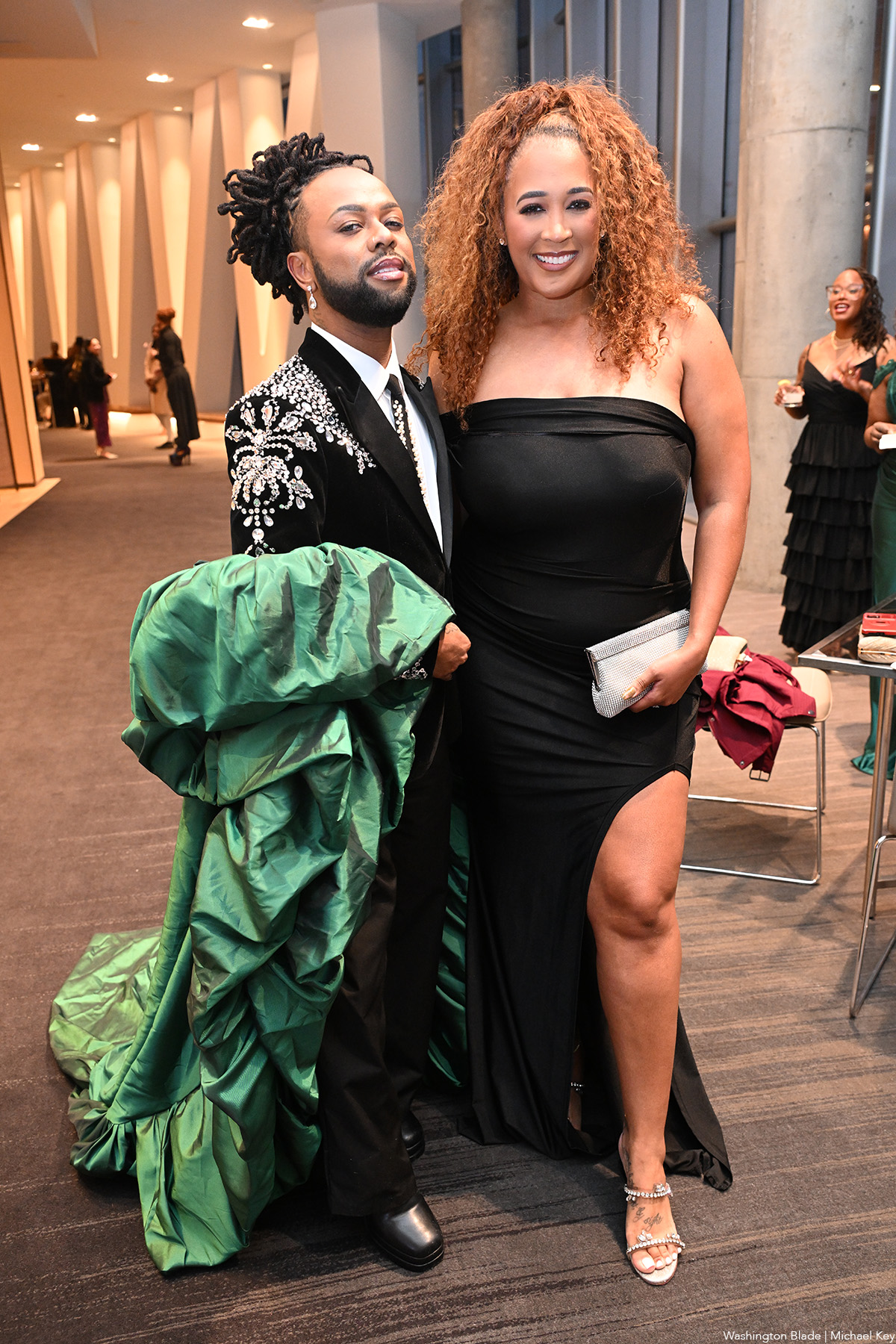
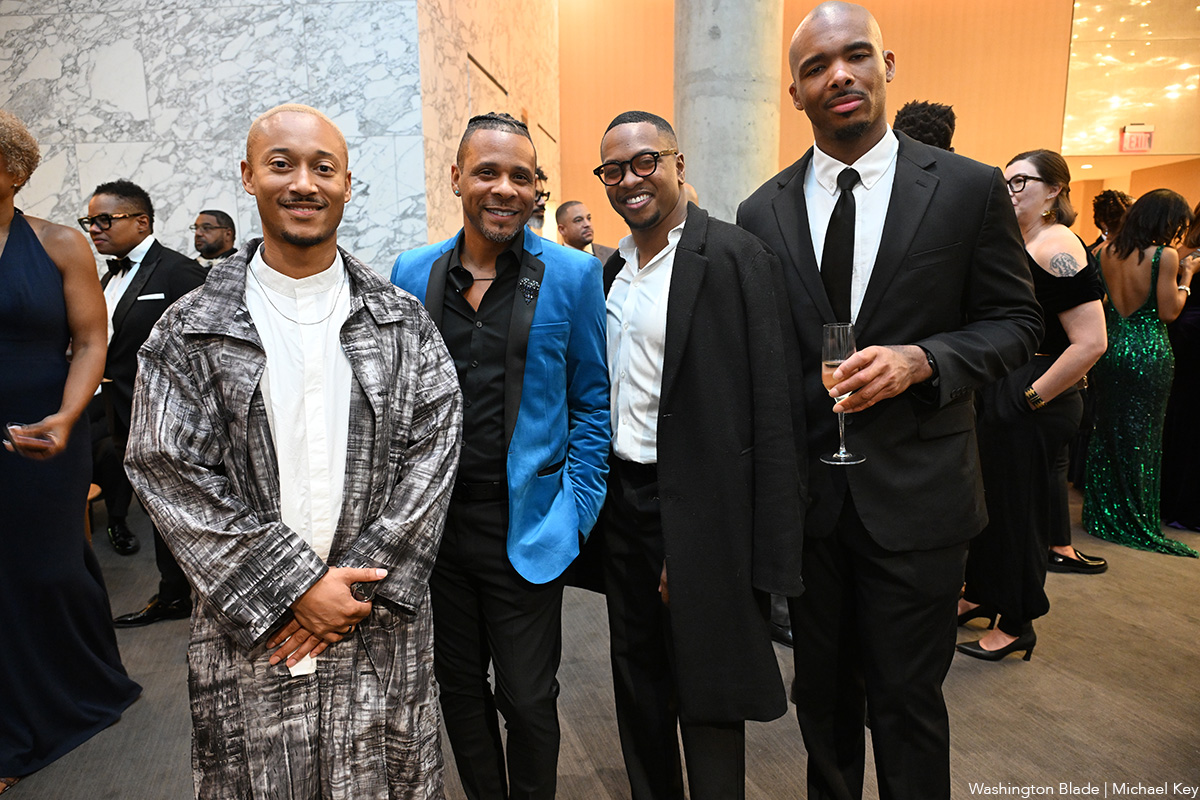
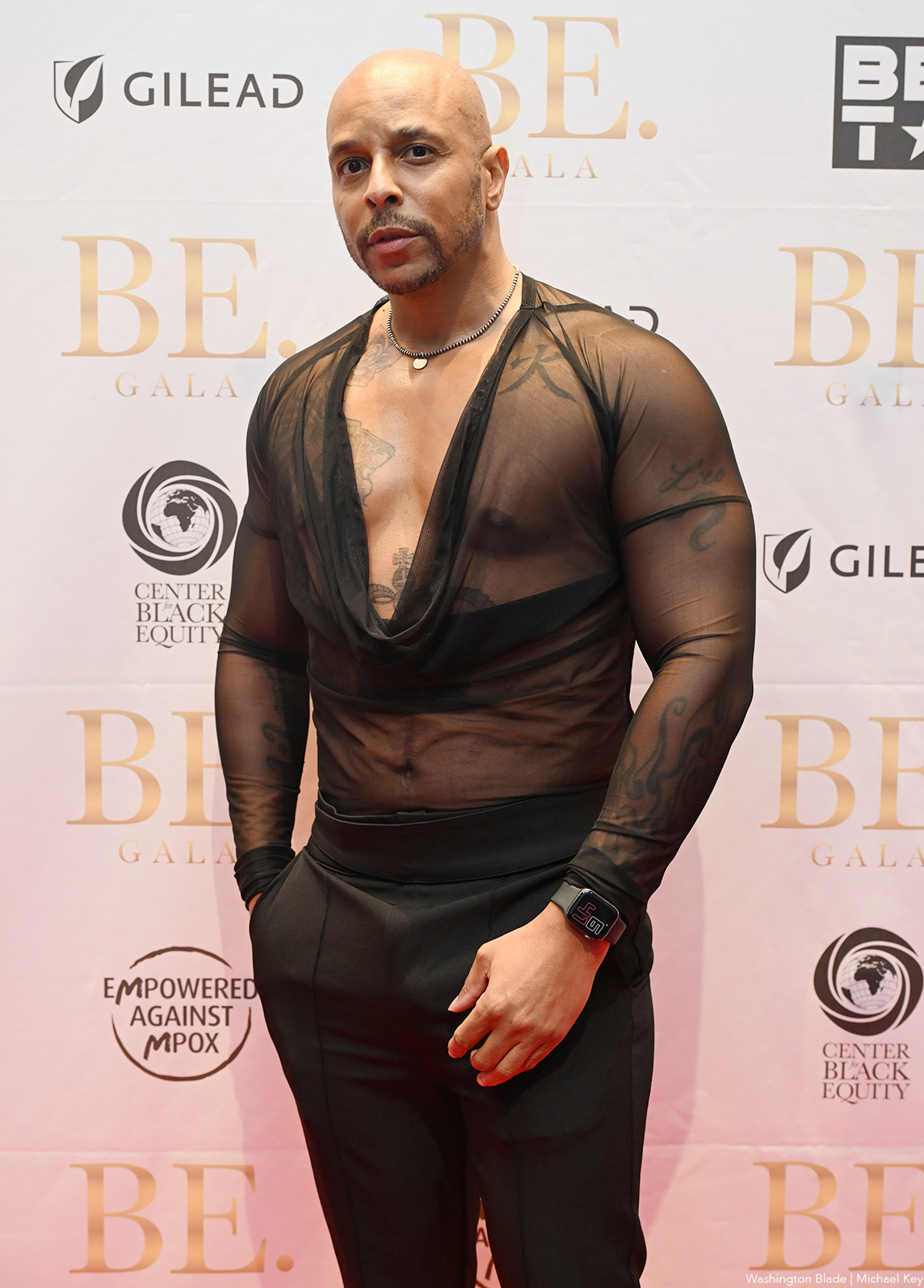
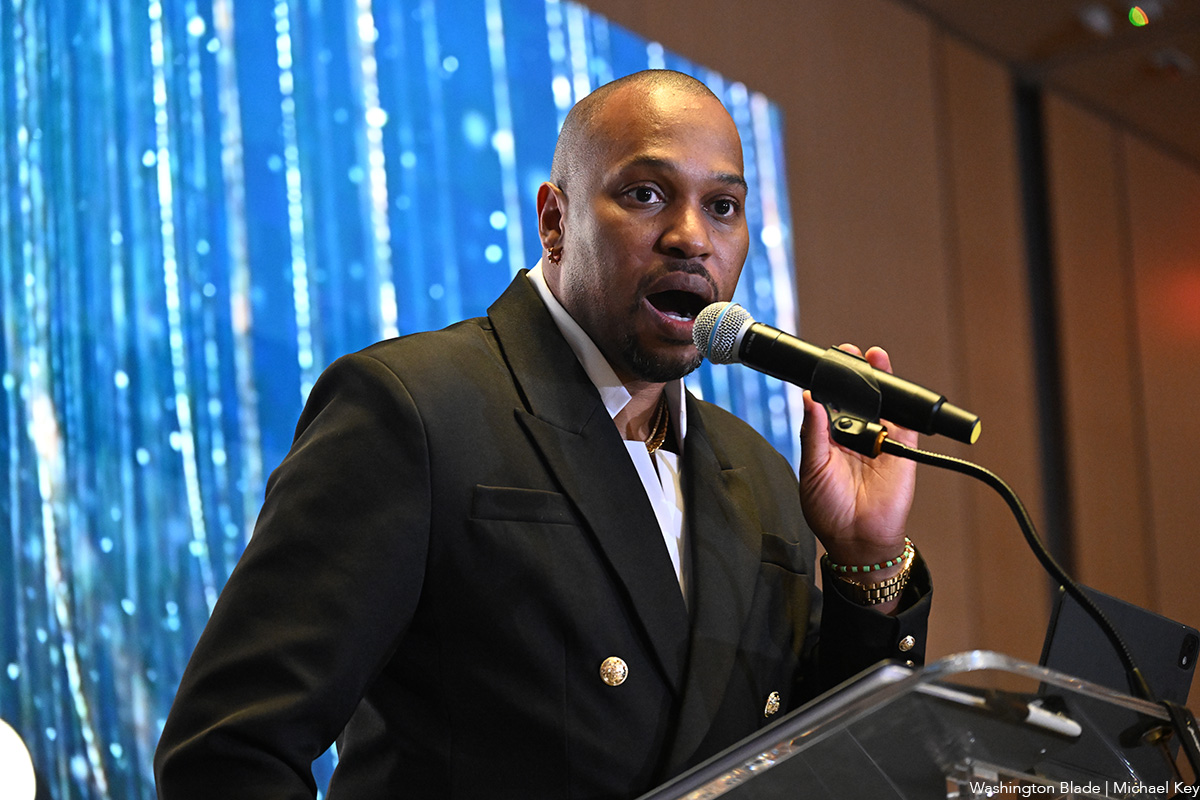
The Center for Black Equity held its annual BE. Gala at Conrad Washington, D.C. on Saturday, Oct. 5. Lolita Leopard Miyake-Mugler and Anthony Oakes co-hosted the awards ceremony.
Honorees included journalist and producer Justin Stewart; nonprofit leader Nikki Alexander; HIV advocate Marlene McNeese; the nonprofit organization FreeLux Project; actress Monroe Alise; public health advocate Tori Cooper; Manassas Park Vice Mayor Darryl G. Moore; Rev. Dr. Carmarion D. Anderson; Bishop Steven Sawyer; government relations professional Courtney Snowden; Senior Deputy Director of HAHSTA at D.C. Health, Clover Barnes; and Texas state Rep. Venton C. Jones.
The event was sponsored by Gilead.
(Washington Blade photos by Michael Key)













Books
In ‘The Lost Brontë,’ a complicated lie can lead to danger
New book features sweetly romantic girl-meets-girl twist

‘The Lost Brontë’
By Catherine Friend
c.2026, Bywater Books
$22.95/335 pages
Mom always said to tell the truth.
One lie leads to another and another and you have to remember them all until pretty soon, you’re caught. Fibs are hard, mistruths are messy, even little white social lies can destroy trust. Worst of all, as in the new novel, “The Lost Brontë” by Catherine Friend, a complicated lie can lead to danger.

Though Lilianne Loxley was very young when she lost her parents, she understood that her uncle didn’t really want her. As time passed, though, Lily made herself useful to Uncle, writing and signing letters for him and she became a good companion, helping him with his collection of Brontë memorabilia. Uncle was a keen enthusiast.
She had no idea that his obsession was out of control and he was deeply in arrears. The day Lily learned of his debt was the day she learned that he’d agreed to send her to his debtor’s home to work off the money owed.
It was so sudden. One minute, Lily was at Loxley House, happy and loved by Uncle’s staff … and five hours later, she was at Crag Thorn Manor, home of Lord Bexton, who informed her that she’d be working on his ledgers – work that seemed routine, but Lily tackled it.
Uncle always did say she was headstrong.
But would headstrong be enough to survive, when she was restricted from most of the Manor, when she was forced to dine with Brexton and his slimy friend, or – the worst! – when Brexton told Lily that her next task was to forge a letter from Emily Brontë? And then an entire manuscript?
Lily struggled to do what was right. She had to get Uncle out of debt but this last order horrified her. Did she dare refuse Brexton’s orders and commit a crime? It was unthinkable!
The only brightness in the whole situation was Wren, the ladies’ maid assigned to Lily’s room. Wren was adorable with freckles and the sweetest smile. But with everything else happening at Crag Thorn Manner, could Lily act upon her feelings?
This time of year, you may come to crave dark, spooky stories, and “The Last Brontë” fits those needs perfectly with its Gothic deliciousness. Think: Daphne du Maurier-type, stormy-night squirms with a dangerously chaste, sweetly romantic girl-meets-girl twist for fun.
If it’s been awhile since you’ve read a Gothic novel, you’re in for a nice reminder of why you love them here. You can almost tick off the must-haves: a novel like this is nothing without a foreboding stone manor with damp walls; stone steps to a dank basement; a mysterious portrait; and a nearby bog, and author Catherine Friend gives readers every one of them. You’d be disappointed if there was no ghost, wouldn’t you? Ha. You can practically feel the cold blow through the attic, right? Yeah, it’s that kind of book.
If you’re a fan of the Brontës, you’ll like this novel. If you love Gothic mysteries or Victorian romances, ditto. “The Lost Brontë” is good, no lie.
The Blade may receive commissions from qualifying purchases made via this post.
Out & About
CAMP Rehoboth Block Party returns Oct. 18
Expect performances, vendors and more at annual celebration

CAMP Rehoboth will host its annual Block Party celebration on Sunday, Oct.18 at 11 a.m. on the second block of Baltimore Avenue in downtown Rehoboth Beach.
CAMP Rehoboth invites all community members to join in the festivities and to expect magnificent performances and dozens of vendors, including artists, craftspeople, non-profits, businesses, and more.
The event started in 2015 in celebration of CAMP Rehoboth’s 25th anniversary. This year, attendees can expect to shop sea glass art, pottery, jewelry, Pride merch, body care, clothing, and learn more about local non-profit causes and businesses.
Attendance is free. For more details, visit CAMP Rehoboth’s website.

Center for Black Equity honors leaders, activists at BE. Gala

In ‘The Lost Brontë,’ a complicated lie can lead to danger

CAMP Rehoboth Block Party returns Oct. 18

Essential queer horror classics for Halloween

Solidarity beyond the parade: the actual cost of Pride

10 years later, we still can’t shake Barry Jenkins’s ‘Moonlight’

‘Some Like It Hot’ a wild ride at renovated Bernard Family Theatre

D.C.’s LGBTQ homeless facilities face possible hit from Trump funding cuts

Trump uses anti-trans slur against Democratic Senate candidate

Calif. GOP gubernatorial candidate ad ‘disgusting attempt to exploit lesbian intimacy’
-

 Movies4 days ago
10 years later, we still can’t shake Barry Jenkins’s ‘Moonlight’
-
Theater4 days ago
‘Some Like It Hot’ a wild ride at renovated Bernard Family Theatre
-
District of Columbia4 days ago
D.C.’s LGBTQ homeless facilities face possible hit from Trump funding cuts
-
2026 Midterm Elections4 days ago
Trump uses anti-trans slur against Democratic Senate candidate