Arts & Entertainment
Logo broadens programming
MTV-owned brand keeps Ru shows but gets less LGBT specific
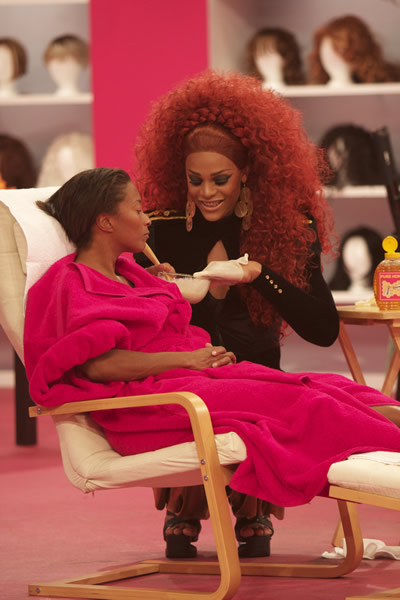
Drag ‘professor’ Tyra Sanchez gives a facial on Logo’s ‘Drag U’ in episode 209 with guest star Raven-Symone. (Photo by Aaron Young, courtesy Logo)
Logo, the gay and lesbian-themed cable channel launched by MTV in 2005, has announced a new programming slate that is already causing some controversy.
A February press release said “Logo is evolving its programming focus with new series and development deals that reflect gays and lesbians’ increasing integration into mainstream culture today and their desire for shows that appeal to their multiple interests. In the six years since Logo launched, there has been a seismic shift in culture and the network’s new programming slate reflects that.”
Logo has worked with the Starcom Mediavest Group to study the programming interests of the LGBT community. “The gay community continues to evolve in size, influence and identity,” said Esther Franklin, head of SMG Americas Experience Strategy. She notes that their research allows them “to understand the needs of this critical community as they emerge and to paint a clearer, more specific picture of what’s meaningful and relevant in their lives.”
Based on that research, Logo executives have concluded that while most gays and lesbians do not hide their sexuality (52 percent), most also do not prefer living and socializing in exclusively gay and lesbian communities. “Culturally, we’re past the tipping point. For gays and lesbians, it’s part of who they are, but they don’t lead with it, because many are leading fully integrated, mainstream lives,” said Lisa Sherman, executive vice president of Logo. “Our goal at Logo has always been to honestly reflect our viewers’ lives. We’re now reinforcing our commitment to them with programming that truly mirrors how many of them are living and want to be entertained today.”
The evolution of Logo programming starts with a tweaking of one of the network’s flagship shows, “RuPaul’s Drag U” which will be back for an even “draggier” third season. The show currently features RuPaul and her drag queen assistants giving “diva makeovers” to “fashion-challenged” women. Just like the popular “RuPaul’s Drag Race,” these makeovers include sequins, wigs and coaching for the lip-synch performance of a lifetime (“Lip Synch for your life!”). The new season will also include practical tips on hair, makeup and wardrobe so that the “draguates” can apply their new-found style and confidence to their everyday lives.
The evolution continues with the other shows on Logo’s development slate. “Eden Wood’s World” (already in production) will feature even more sequins and tiaras than “RuPaul’s Drag U.” At the age of 6, Eden, who was featured on TLC’s “Toddlers and Tiaras,” has already retired from the junior competition pageant circuit after winning more than 300 crowns. Now she will travel the country with her mother, her manager and her publicist to help other girls achieve their dreams of stardom while she pursues her own dream of becoming an actress/singer/model/
Another show already in production is “The Baby Wait.” Developed by the ream behind such hit shows as “Teen Mom” and “Pregnant at Sixteen,” the series will chronicle the process of open adoption and the real “modern family” that’s formed. The show will follow not only the adoptive parents, but also the biological mother after her child is adopted, and will include straight couples, gay and lesbian couples and single parents.
Other shows on Logo’s development slate include:
“Scandalicious,” a countdown show with flair.
“Wiseguys,” a screwball comedy about Michel Verdi and her crazy Italian family: her long-suffering husband Jay, her Mafioso father (newly released from prison), her mother and new step-father, her gay brother and her zany, boy-crazy cousin.
“Design My Dog,” where teams of dog owners and fashion designers compete for prizes for the finest in doggie couture.
“Love Lockdown,” which features an unorthodox therapist who leads a variety of couples through an intensive 24-hour therapy session.
And, “Outrageous,” a fresh look at the most intriguing and shocking stories in pop culture (like gay Republicans and Kim Kardashian’s expensive wedding and brief marriage).
Not surprisingly, LGBT critics are already looking askance at the shift in Logo’s programming. For starters, the network is belatedly following the broader trend in favor of reality shows and against scripted shows. More seriously, however, none of the new shows has an LGBT lead or are even strictly LGBT themed.
Writing in The Bilerico Project, television critic Victor Kerney expresses his confusion about the programming shift. He writes, “I can’t understand why the execs would take this route. If they wanted to reach a broader audience, they could start with a few scripted shows that showcase different aspects of our community, reality shows that go beyond gossip and sex and a serious news show … It feels like Logo is selling us out. Everything they stood for is being replaced to fit a more mainstream format. Yes, we want more diverse views of our community, but instead of giving us any positive images of LGBT people, we get ‘Design My Dog’?”
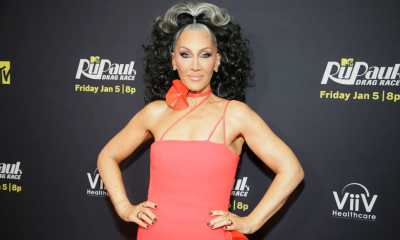

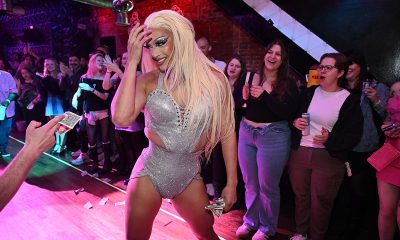



Fairfax City Pride was held at the Sherwood Center (3740 Blenheim Blvd., Fairfax, Va.) on Saturday, June 6.
(Washington Blade photos by Michael Key)


a&e features
D.C. prepares to party as Pride celebrations kick off Saturday
Bars, clubs have busy lineups; Pride on the Pier returns

Capital Pride’s date change isn’t slowing down the festivities. Back in December, the Capital Pride Alliance shifted the calendar for Pride celebrations in the nation’s capital from the second weekend of June to two weeks later to the weekend of June 20-21 to not conflict with President Trump’s birthday and 250th anniversary of America celebrations, with the aim that “our community can gather safely and without unnecessary barriers… We are protecting our space and preserving Pride as a powerful act of visibility, solidarity, and resistance.”
On the heels of WorldPride last year, the city shows no sign of slowing down. Instead, restaurants, bars, clubs, and neighborhoods are taking the opportunity to be even more visible. The Blade has put together a (non-comprehensive) list of parties, activations, and activities across town:
Pride on the Pier returns on Saturday, June 13 to the Wharf on the Southwest waterfront. The event, sponsored and hosted by the Washington Blade, is free and runs from 4-9 p.m. There will be vendors, DJs, and drag performances all day. VIP tickets are $25 and come with air conditioned party room, private bathrooms, and free cocktail. More details at prideonthepierdc.com.
Capital Pride Official Opening Party: RIOT! is the official opening dance party of Capital Pride, taking place Friday June 19, 9 PM-3AM. The 2026 edition headlining performer is Myki Meeks, a finalist of “RuPaul’s Drag Race” season 18; Bob The Drag Queen will perform a special set. DMV-area DJs and performers include: Bambi, Baphomette, Bumper, Cake Pop!, Connor, DJ Ed Bailey, DJ Diyanna Monet, Evry Pleasure, Jakknife Complex, Mari Con Carne, Pussy Noir, WessTheDJ. Trade owner Ed Bailey is producing the event.
Kinetic Presents brings the heat across the entirety of Pride weekend as well. It again is partnering with Capital Pride Alliance to produce four events over four days this Pride, including the Official Main Event on Saturday (the Friday official event is at Echostage). Kinetic’s parties are splayed across various D.C. venues, with special performances, massive productions, shirtless dancers, play zones, dance-forward audio and visuals, and international DJ talent. Thursday, June 18 at 10 PM at District Eagle is Lust, with music by Dan Slater and TOMI. Friday, June 19 at 10 PM is UNCUT XXL Heavy Load, at A.i. Warehouse in Union Market District, with music by Alex Acosta, Felipe Lira & Mitch Ferrino; the party is a “high-octane night of muscular house and tribal rhythms.” Saturday, June 20 at 10 PM brings that official main event, Kinetic Toy Land, at Echostage, with music by GSP & Matt Suave. Alaska Thunderfuck headlines. Sunday evening June 21 at 10 PM closes with discoVERS at SAX. A portion of tickets supports the DC LGBTQ+ community through Capital Pride Alliance.
9:30 Club always comes in clutch for the LGBTQ community. Already in June, it produced Kitty Kat Ball on June 7, and Kiesza performed on June 8. On June 20 at 10 PM, the famed Mixtape party hits the stage, care of gay DJs Shea van Horn and Matt Bailer, who have spun together for coming up on two decades. Mixtape has been held at several venues across the city over those years, and now settled on 9:30 Club for Pride. On June 25 at 7 PM, Big Freedia – the bounce artist from New Orleans – hits the 9:30 Club scene for the eighth time, as part of the Big Freedom Tour.
Crush: New this year from the 14th Street bar is the Pride Pop-Up, sitting pretty in the parking lot at 1820 14th St., N.W., at the corner of Swann Street by the start of the Pride Parade route. Hours are Friday from 2-10 PM and Saturday from 12-10 PM. Friday evening features Grizzly Bear Happy Hour, a DJ will set up shop on Saturday, and for those needing another layer, there’s a Crush merch store. Co-owner Mark Rutstein “has always wanted to throw a party in that parking lot, so he did,” said co-owner Stephen Rutgers. Note that Crush (the bar) will have a cover on Friday and Saturday.
Kiki: Over at Kiki, there’s a full slate of Pride-themed programming all week. Tuesday, June 16 at 9 PM brings karaoke; Wednesday, June 17 at 7:30 PM is trivia; Thursday June 18 at 9PM is “Night of 1000 Tatianna’s Drag Show”, and Friday June 19 at 9 PM brings the Juneteenth Serve Drag Show. Saturday, June 20 at 10 PM, post-parade, is a Pride Dance Party with DJ Lemz. Sunday daytime at 5 PM is the Father Figures Daddy Issues Special Drag Show; and after the festival at 8 PM, DJ Tezrah hits the tapes.
Jane Jane: Right along the parade route, gay-owned Jane Jane has transformed its space into a “No Kings, Yas Queens” activation in a direct response to the America 250th commemorations happening downtown, from the colorful window installation, to merch (including a custom bandana and tank) to disco wig installations. Events include industry night on Mondays, donations to LGBTQ charities, and to-go cocktails during the Pride Parade.
Shaw’s Tavern: Gay-owned Shaw’s Tavern on Florida Avenue celebrates Pride week with a full lineup of themed events, entertainment, and specials, including Pride trivia on Monday, June 15 at 7:30 PM, bingo on Tuesday, June 16 at 8 PM, a cabaret on Thursday, June 18 at 9 PM, Juneteenth Drag Brunch on Friday, June 19 at 12:30 PM, and both a pre-parade brunch (10 AM-4 PM) and post-parade party (5-9 PM) on Saturday, June 20. Sunday, June 21 at 7 PM brings Mama’s Sunday Supper & Drag Pride Show in the evening for anyone who is still awake.
Trade: This classic has a weekend of events, starting on Thursday, with Tiburon Pride Edition, a Latin Dance party in the Shark Tank. On Friday, the bar opens early (at 2 PM), with all-day happy hour and the Jx&Evry Show. On Saturday, the bar opens at noon, offering a prime parade viewing spot from its windows. There will be the CLASH drag show hosted by Tatianna and Crimsyn, and Sweet Spot party that night. On Sunday, the bar opens for normal hours at 2 PM, with DJs Adam K, Alex Love, and WESSTHEDJ.
Pitchers: The multi-level bar in Adams Morgan is hosting a Pride-themed show on Thursday, June 18 at 10 PM, with drawstring bag giveaways – the only kind of bag that will be allowed into the bar during Pride weekend. The show features drag queen Kyle Sonique Love.
Barrel House Cafe and Bar: Also by the parade route on 14th Street, Barrel House Cafe takes advantage of its large patio to have a slate of events during Pride week, including Schism, a drag and burlesque show on June 18 at 10 PM, as well as an all-day Pride party coinciding on parade day.
Bunker: Bunker again plays host to a series of afters. Friday night (Saturday 3:30 AM) is Unhinged, and Saturday night (Sunday 3:30AM) is Unholy. The regular Saturday night party (10 PM) brings in Venetian and Tiara Missou. All parties have cover charges.
District Eagle: Beyond the Kinetic party on Friday, June 19 brings Gear Night at 10 PM; Saturday, June 20 at 10 PM is LOBO presents PRISM, and Sunday, June 21 is Sundaze wit Papi at 6 PM.
African Art Museum: On Thursday, June 18 at 5 PM, this Smithsonian museum is hosting a free event with artists and curators celebrating its exhibit, “Here: Pride and Belonging in African Art,” “based on years of close collaboration and dialogue with African visual art practitioners who claim belonging in the LGBTQ+ community, however they define those terms,” according to the museum.
KNEAD Hospitality & Design: The gay-owned KNEAD restaurant group (including spots like Gatsby, Mi Vida, Succotash The Grill) is featuring the GLITTERATI cocktail, made with Tito’s, St-Germain Elderflower, Butterfly Flower, ginger, and yes, glitter. A portion of proceeds from every Glitterati cocktail sold will benefit The Trevor Project. The cocktail will be sold throughout June.
The Fountain Inn is partnering with Rhodium spirits (Rhode Island’s first LGBTQ+ owned distillery) all month, making cocktails like gimlets and espresso martinis featuring Rhodium’s liquors. Proceeds benefit SMYAL, an organization dedicated to empowering LGBTQ+ youth.
Hard Rock Cafe: Hard Rock DC is taking part in the chain’s annual “LOVE OUT LOUD” campaign, with Pride merch, specials on June 20, and a donation to The Trevor Project.
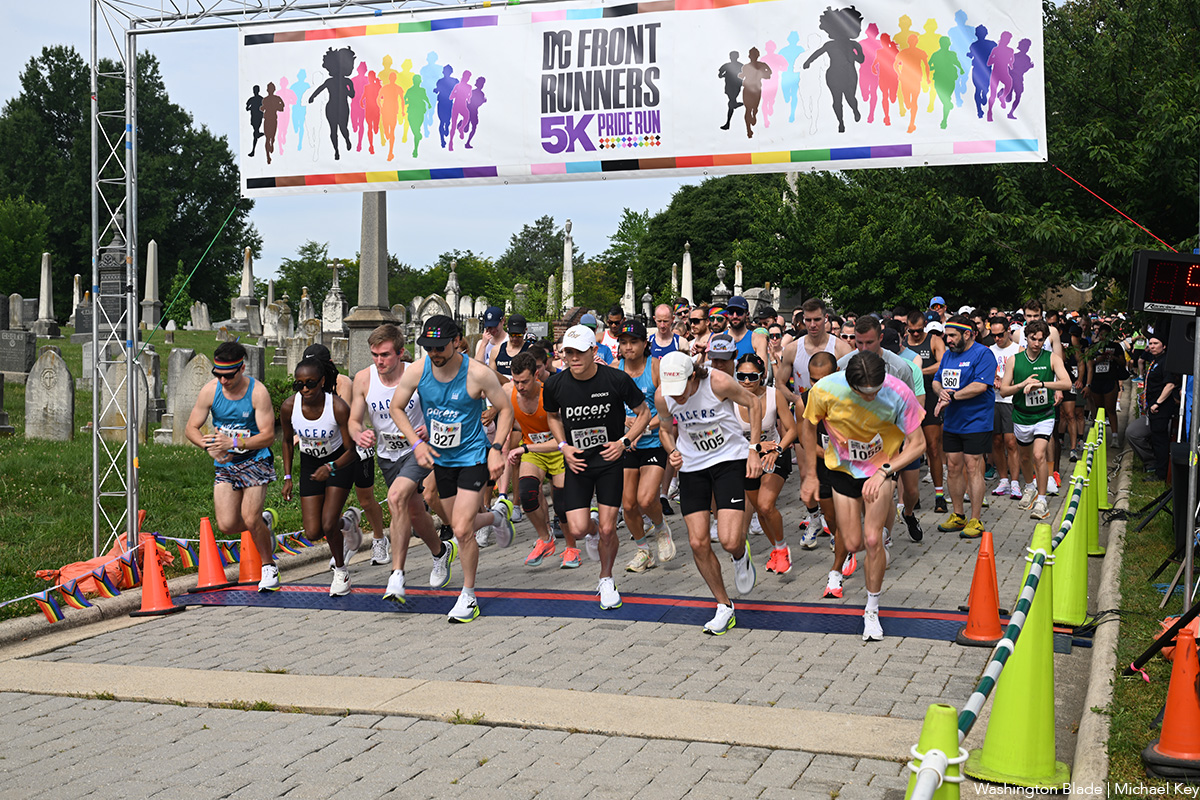
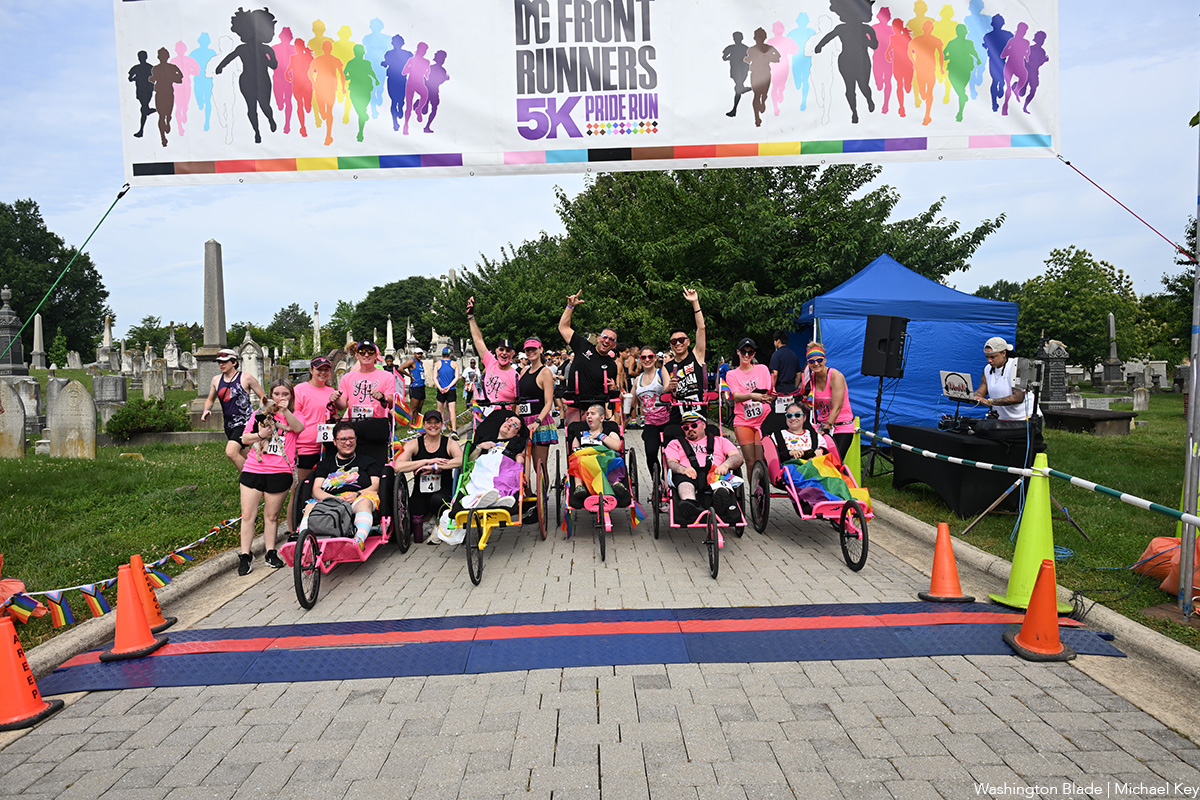
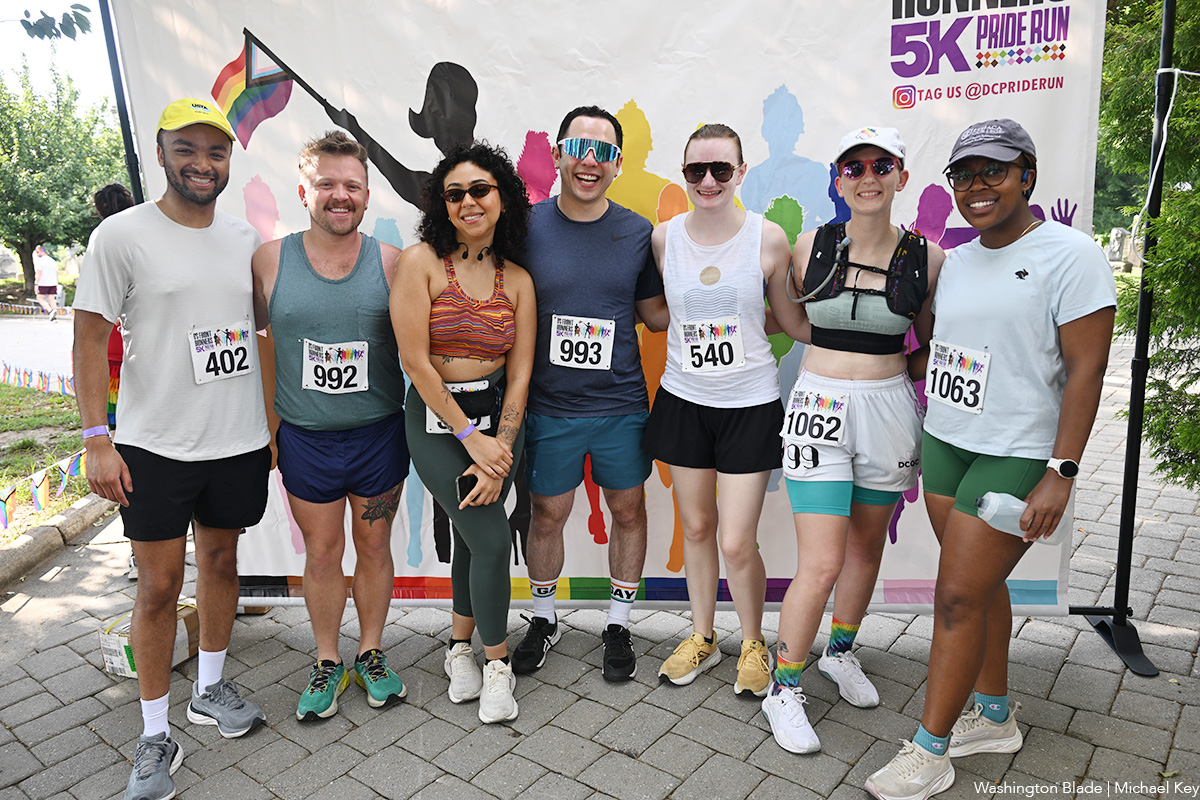
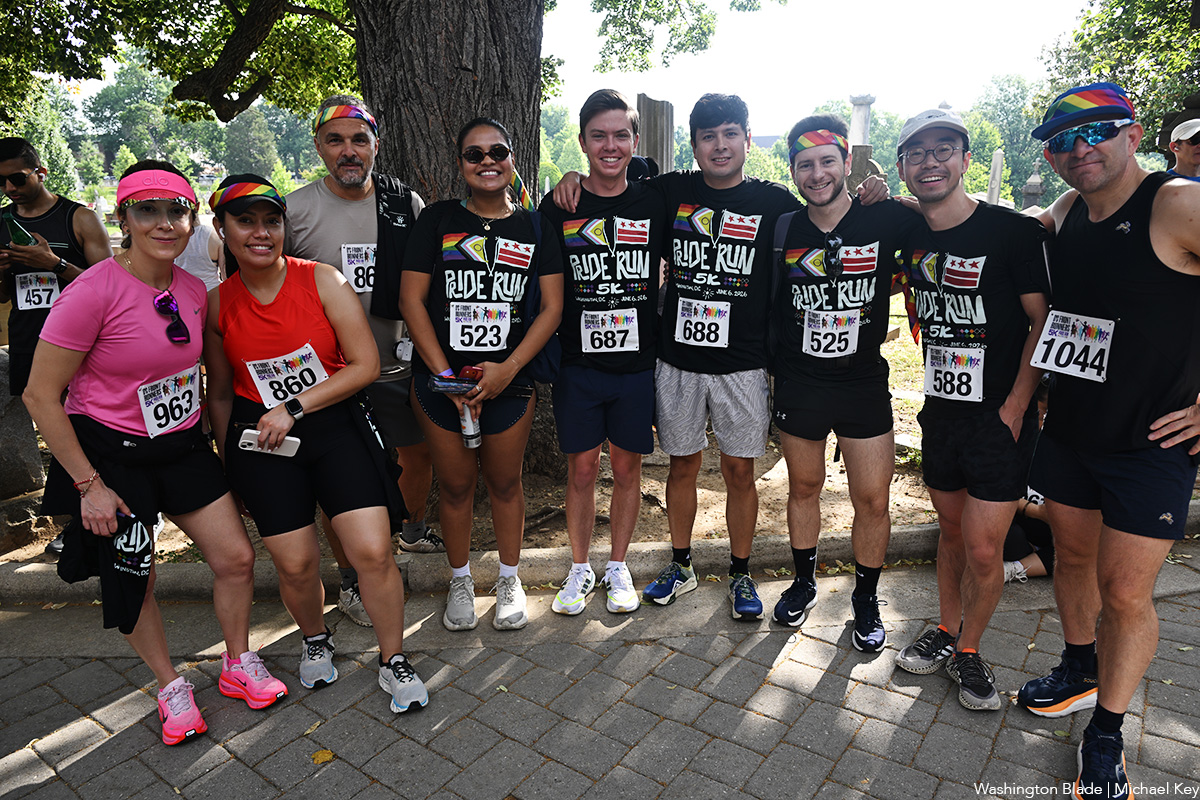
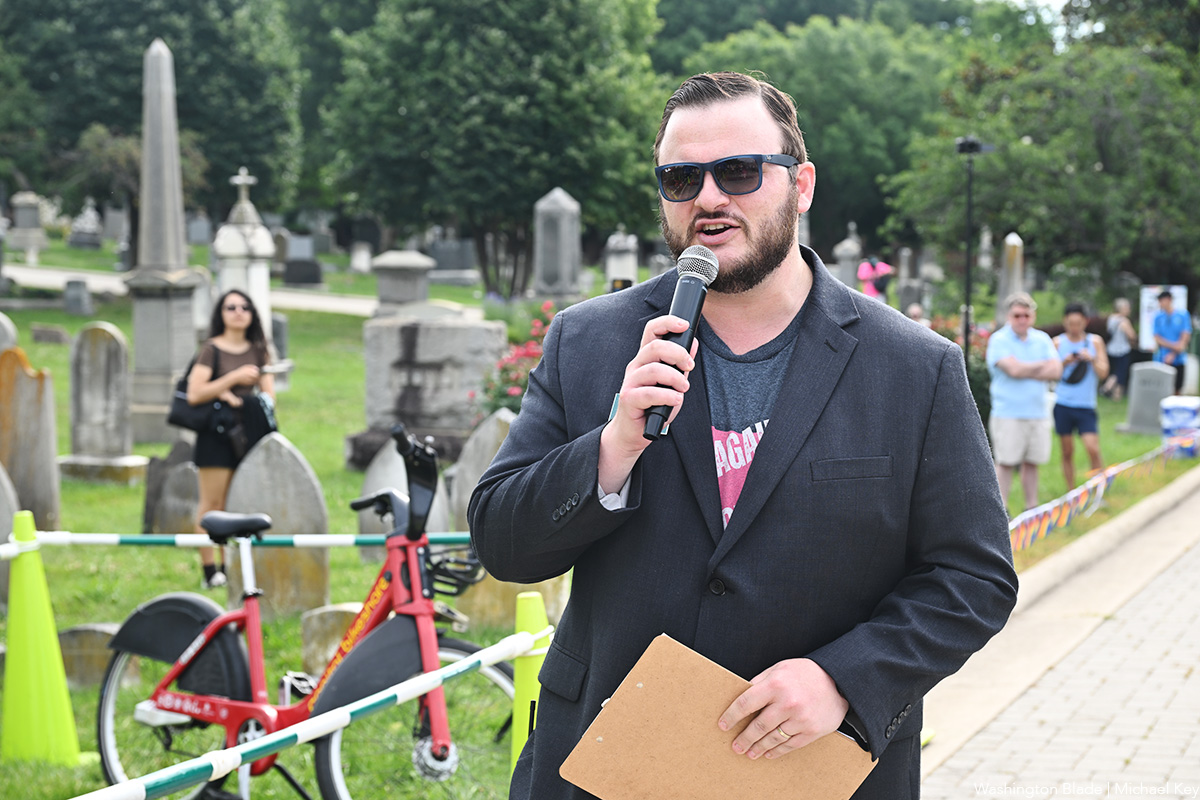
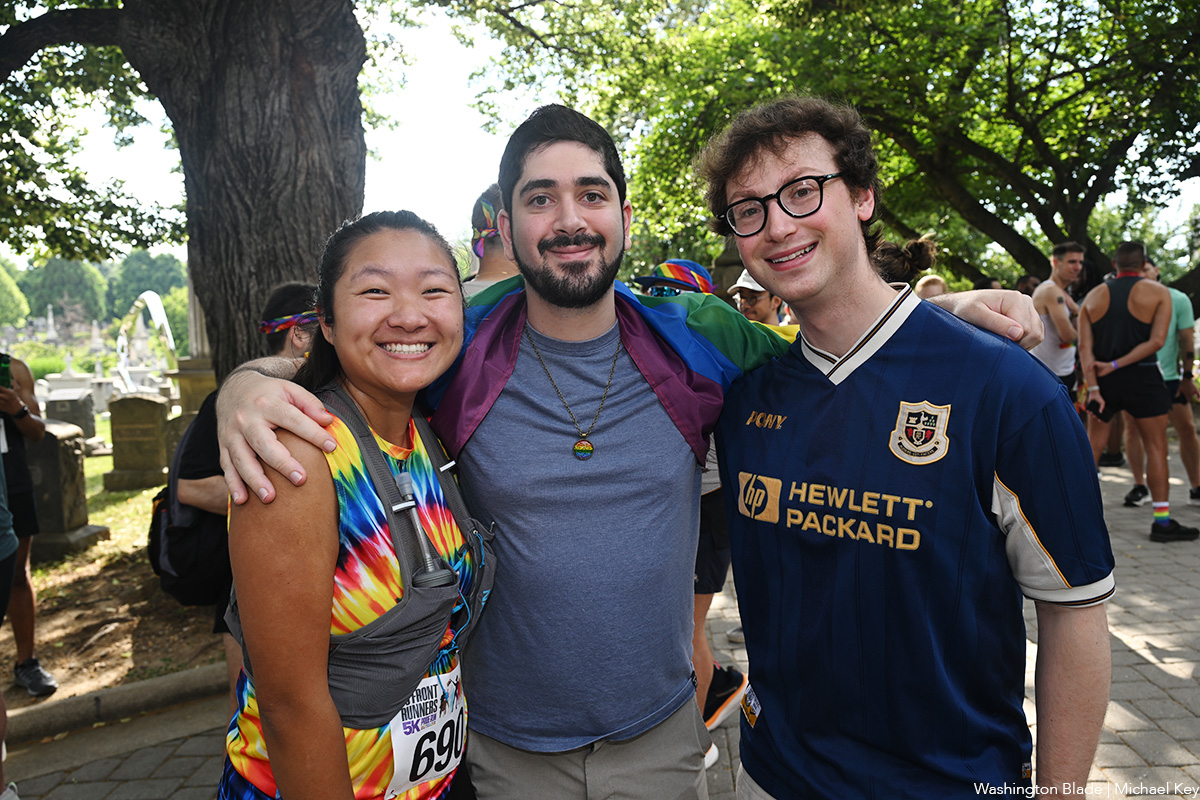
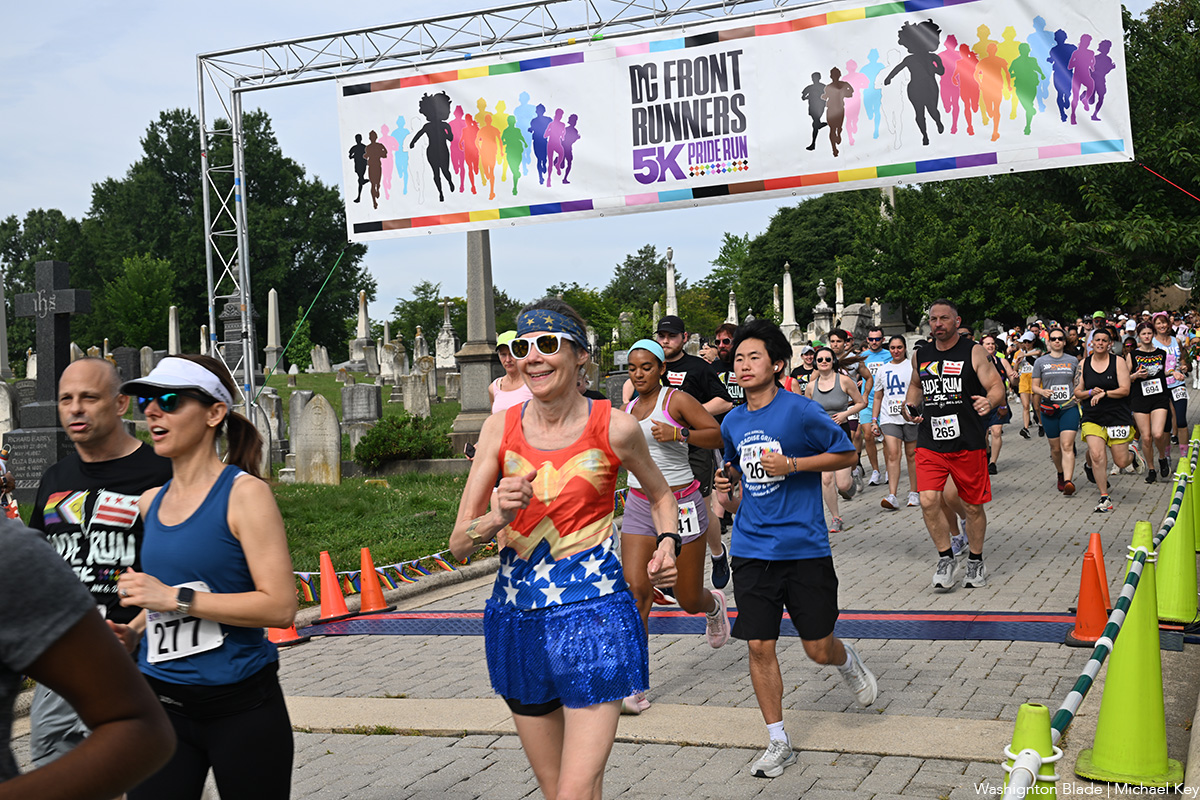
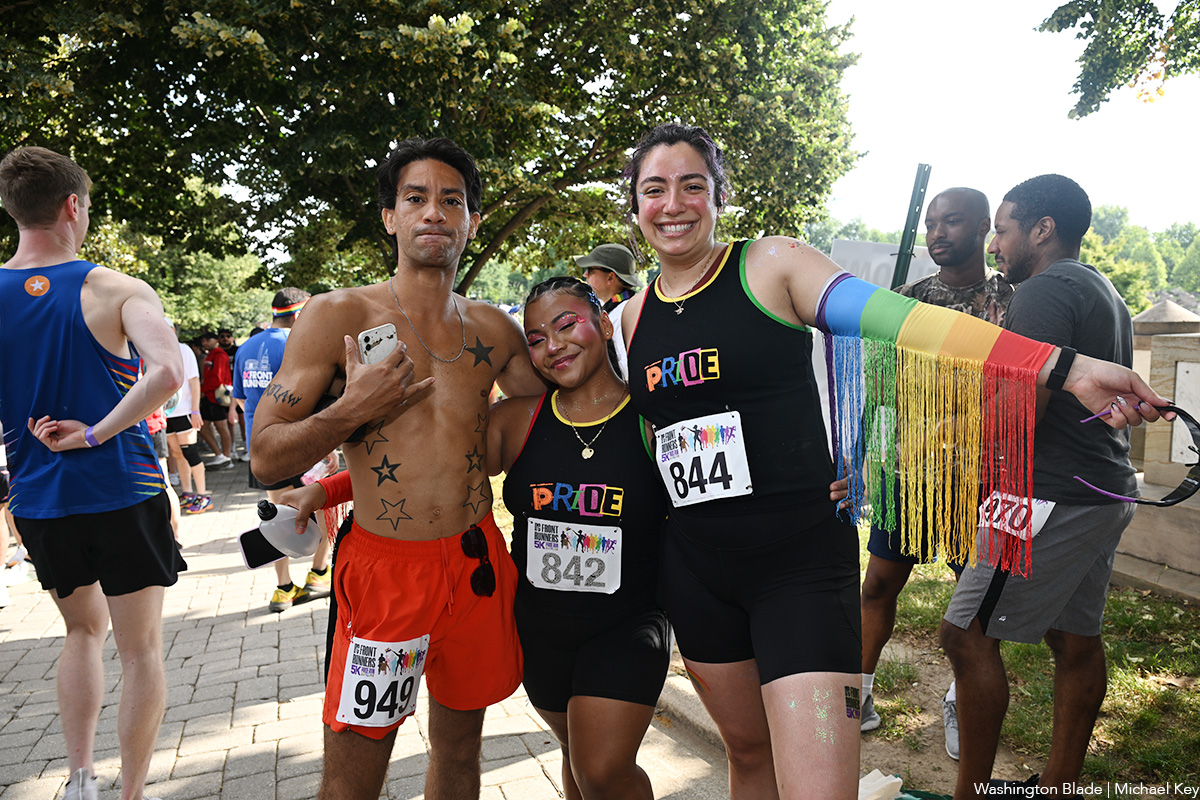
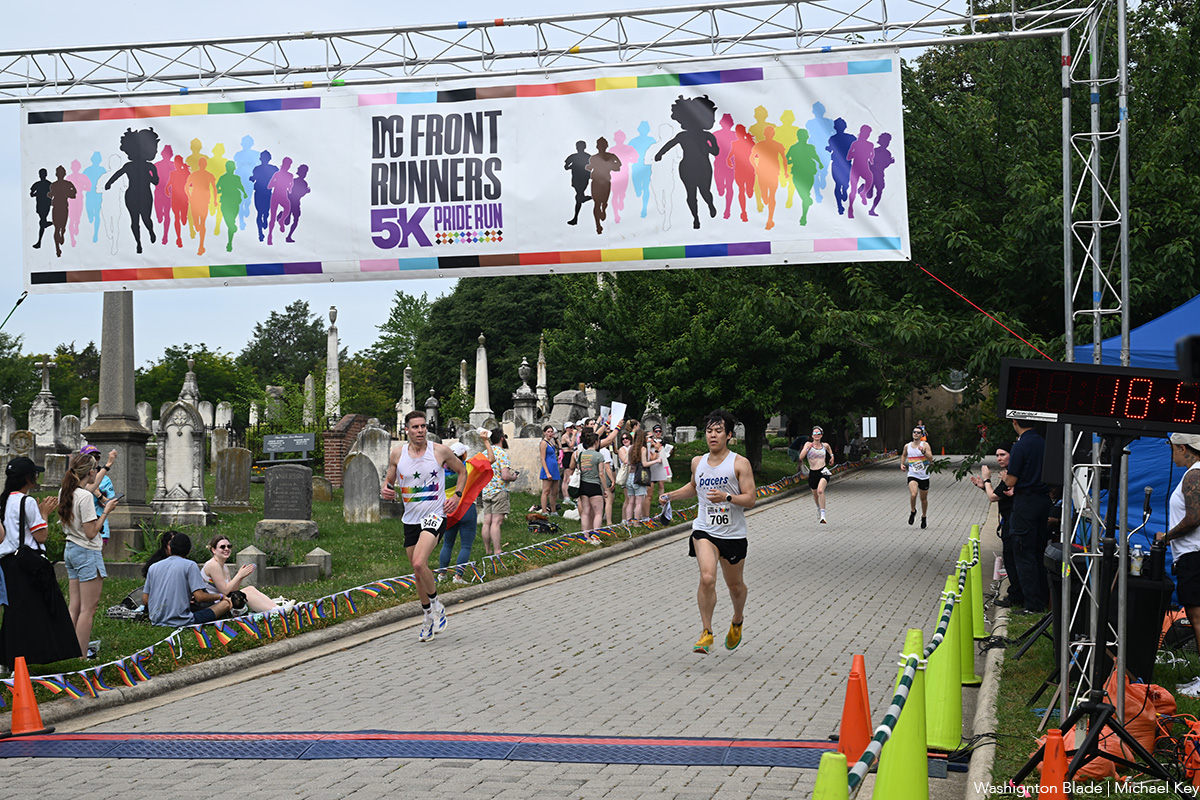
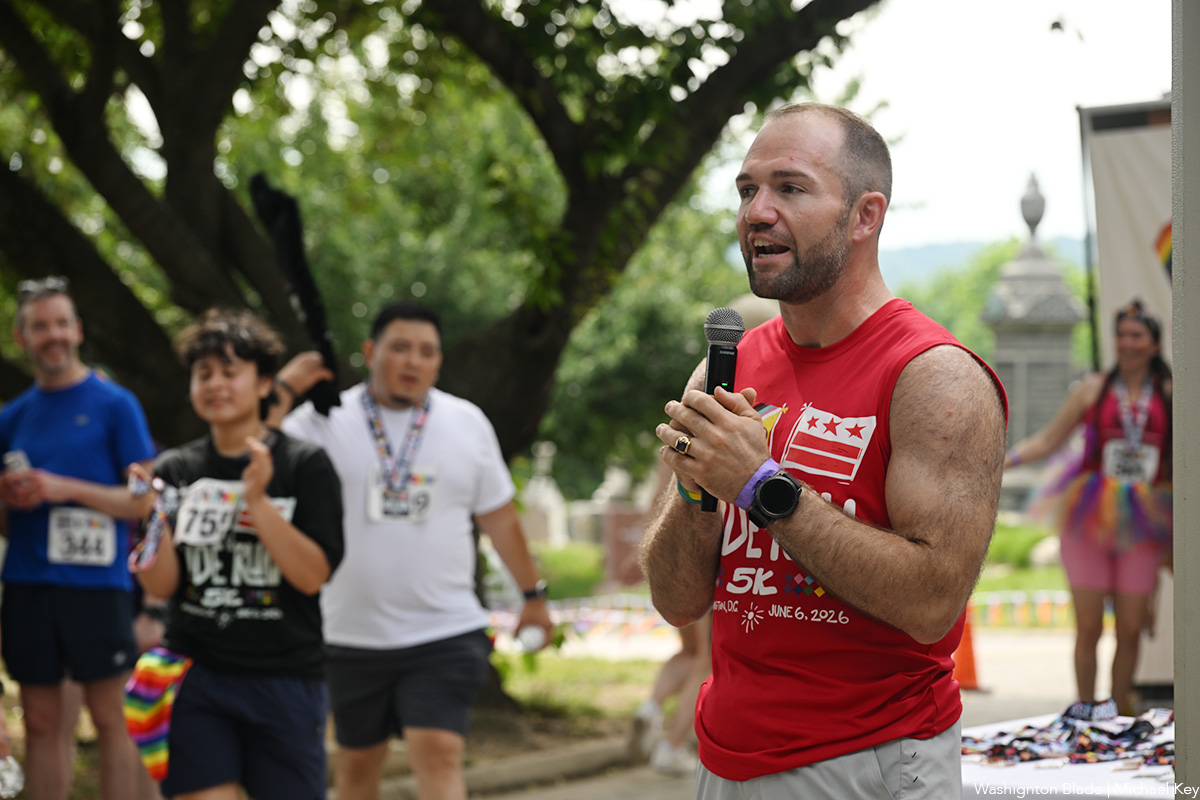
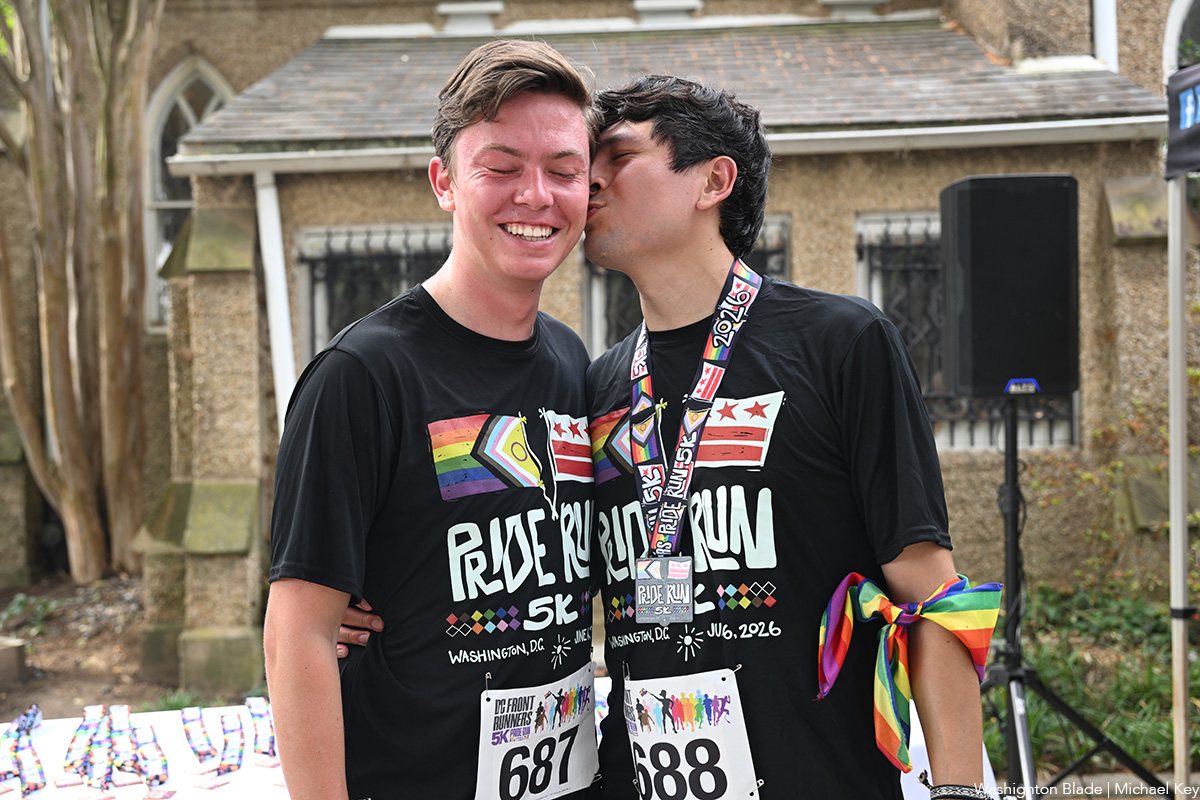
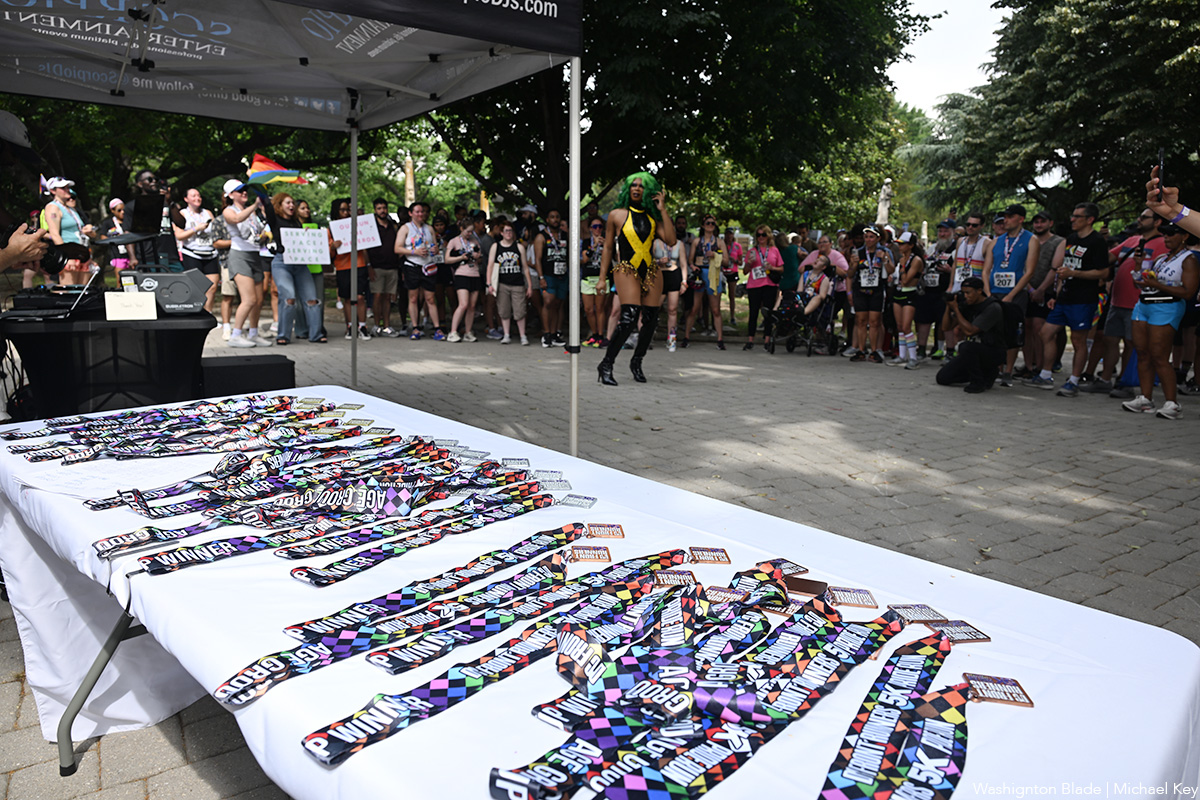
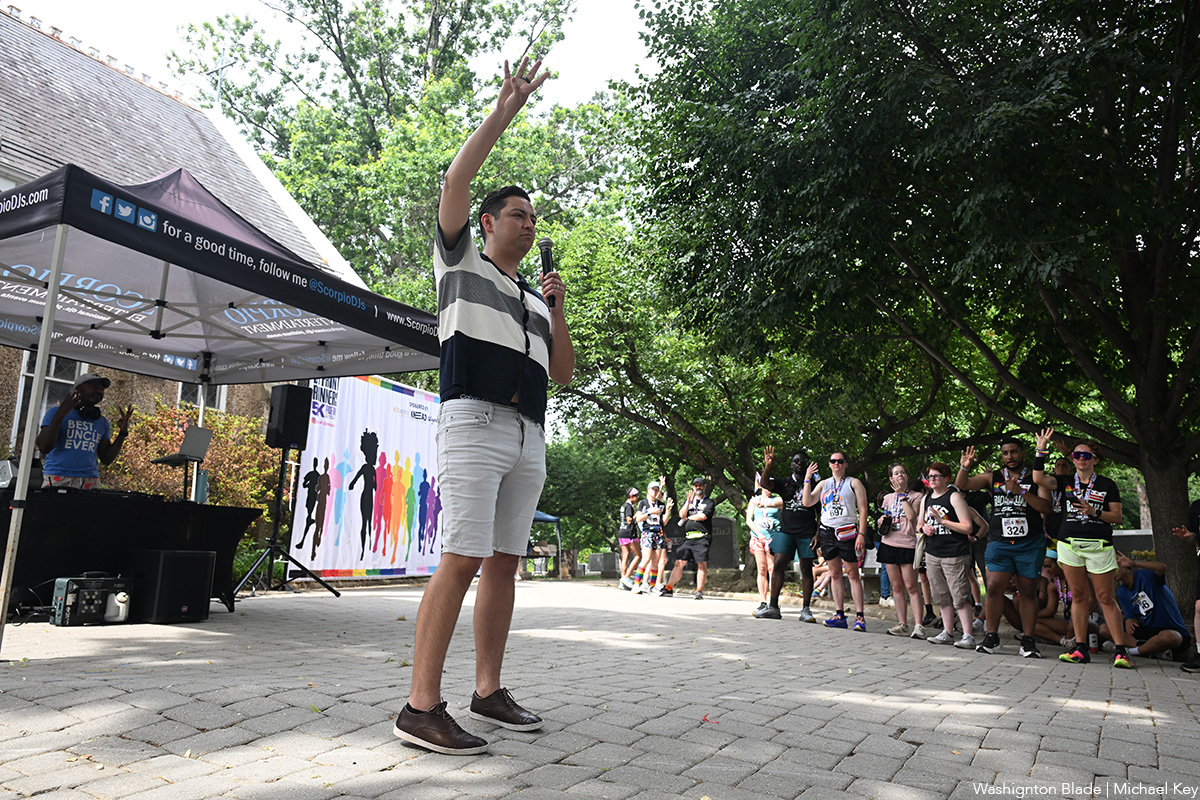
The D.C. Front Runners held the 14th annual 5K Pride Run at Congressional Cemetery on Saturday, June 6.
(Washington Blade photos by Michael Key)








View on Threads

PHOTOS: Fairfax City Pride

EXCLUSIVE: Pelosi reflects on four decades of LGBTQ advocacy

D.C. prepares to party as Pride celebrations kick off Saturday

David Archuleta, Monroe Alise named D.C. Pride parade marshals