Arts & Entertainment
A heroic effort
SLDN co-founder declined Army money to come out, help others serve openly
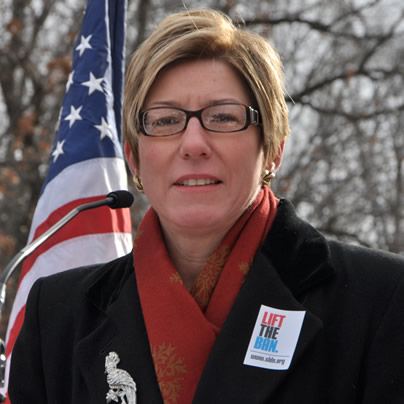
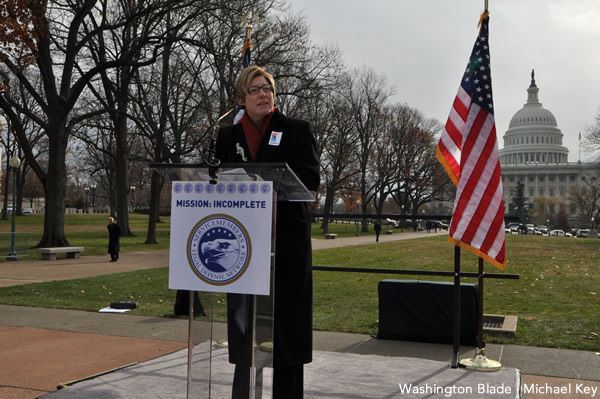
Michelle Benecke (Blade photo by Michael Key)
Most students are eager to take any scholarship money they can get their hands on, but for Michelle Benecke, this was not her greatest concern.
The former Army officer and co-founder of Servicemembers Legal Defense Network (SLDN), the leading group behind the repeal of “Don’t Ask, Don’t Tell,” forfeited an Army-funded fellowship to law school because it would have required her to stay in the closet. It may have required her to turn on fellow gay service members.
“I would have to lie about who I was,” Benecke says. “I could not fathom coming back and having to prosecute other gay people [as an Army lawyer].”
Benecke is one of five local LGBT activists being honored as a Capital Pride Hero this year. The other four are Andrew Barnett, executive director of the Sexual Minority Youth Assistance League; Eboné Bell, founder of B.O.I. Marketing and Promotions; Kevin Platte, founder of the D.C. Cowboys Dance Company; and Justin B. Terry-Smith, blogger of “Justin’s HIV Journal.”
“It’s wonderful to have one’s contributions recognized by one’s own community, and I feel especially honored to be in the company of the other honorees,” Benecke says.
The recipients of the 37th annual Capital Pride Heroes award will be honored at the Capital Pride Heroes Gala and Silent Auction. The event is Wednesday, from 6:30-9:30 p.m. at LivingSocial (918 F St. NW). Tickets are $50 and are limited to 200 guests. The Gala will include an open bar, hors d’oeuvres and live entertainment. Business or cocktail attire is required. Tickets can be purchased online through capitalpride.org.
Long before she was recognized as a Pride Hero, Benecke began her career as a commissioned officer in the U.S. Army. She excelled, but was highly critical of the military’s policies toward gays.
“When I served, witch hunts were the way that the military implemented its gay ban,” she says. “While I was serving, I vowed to myself that I would form an organization that would get rid of the gay ban.”
Benecke was recognized by the military for her excellent leadership, and was selected for the prestigious fellowship to law school that she then forfeited. She enrolled in Harvard Law School in 1989, and began her fight against the military’s gay ban before graduating. She published law journal articles about the issue and testified in various panels on behalf of gay service members.
The day after President Clinton announced “Don’t Ask, Don’t Tell,” Benecke co-founded SLDN with Dixon Osburn.
“We felt that if something wasn’t done, the plight of military members would be pushed under the rug,” Benecke says. SLDN was pivotal in the effort to repeal the policy. The organization provided legal assistance to thousands of military members, fostered a national movement against it, secured numerous military reforms and has been Capitol Hill’s go-to source for information about the issue.
SLDN continues to provide legal services to gay service members and veterans as America transitions to a post-“Don’t Ask” military and advocates against the exclusion of transgender people in the military.Although she is no longer SLDN’s CEO, Benecke continues to advise activists and military officials on how to shift to a policy of inclusivity in the military. She currently is a civil servant for the federal government, but is unable to reveal her position.
“I do see and have always seen the military as the linchpin to our freedom,” Benecke says. “In our country, the history has been that when exclusions hold in the military, it also sums up the other civil freedoms.”
“These award winners have demonstrated an extensive breadth and depth of experience and commitment to the LGBT community and beyond,” says Bernie Delia, board president of Capital Pride. “Michelle Benecke, in particular, is being honored this year for her work as a co-founder of the Servicemembers Legal Defense Network in light of all that she has done in this area and in particular because of the successful repeal of DADT.”


a&e features
Television loses a legend, longtime ‘Will & Grace’ director James Burrows
Iconic hitmaker leaves behind a legacy of telling LGBTQ stories
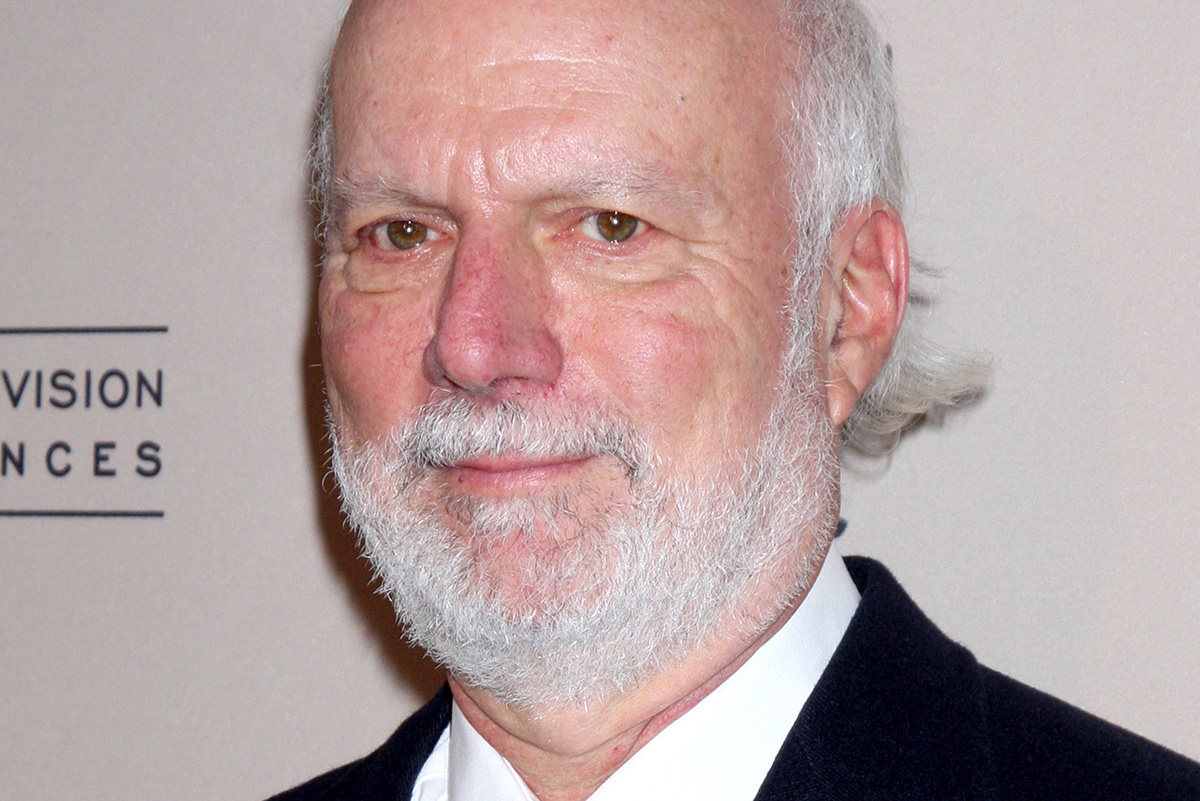
You don’t have to be a pretentious film major to name 10 movie directors. But naming television directors is not that simple. They’re the unsung heroes of your favorite shows, and the late James Burrows was the television director. He passed on June 19, but his DNA runs through television history.
He directed over 1200 episodes of television and over 50 pilots. He co-created “Cheers” and directed many episodes of long-running series like “Friends,” “Taxi,” “Frasier,” “The Big Bang Theory,” and “Two and a Half Men.” You also may remember him from playing a heightened version of himself on the Lisa Kudrow comedy “The Comeback.”
He has left an indelible mark on the LGBTQ community. As recently as last year, he directed the series run of “Mid-Century Modern” starring Nathan Lane, Matt Bomer, and Linda Lavin. He was also a longtime director of “Will & Grace” and directed every episode of the series revival. He even directed the unaired “Absolutely Fabulous” pilot with Kathryn Hahn, Kristen Johnston, and Zosia Mamet.
Not to mention he’s worked with queer icons throughout history, including Betty White and Stockard Channing on their single-season series, and Jennifer Coolidge in “2 Broke Girls.”
He started his career on shows like “The Mary Tyler Moore Show,” “Rhoda,” “Laverne & Shirley,” and the first four seasons of “Taxi.”
He continued to work steadily and directed successful pilots that went to series for “Roc,” “3rd Rock From the Sun,” “Dharma & Greg,” and “Wings.” He directed multiple episodes of “Friends,” “Caroline in the City,” and “Frasier.”
This magic continued into the 2000s with him directing the pilots for “Two and a Half Men,” “The Big Bang Theory,” and multiple episodes of “Mike & Molly,” and the entire return series of “Will & Grace.”
What was the secret to his success? He’d enact the “fun clause” in his contract. In his words, “Life is too short to deal with obnoxious leads,” he shared. “So as long as the writing is good and the cast is fun, I’m going to enjoy the experience.”
He had the magic touch, having multiple pilots turned into long-running series. He was nominated for an Emmy 24 times in 26 years and worked consistently until a year before his death.
The secret was the way he brought the cast together. He describes, “it was my job to mold them into an ensemble, and they did round into a group of people who loved each other.”
This earned him 11 Emmy Awards and five Directors Guild of America Awards, including being awarded the inaugural DGA’s Lifetime Achievement Award for Television Direction.
In a 2003 interview by the Television Academy, he was asked how he wants to be remembered, and he said, “That every night forever you can tune in somewhere, and there’ll be a show I did.”
He’s survived by his wife, Debbie, four daughters, seven grandchildren, and the countless people whose careers he launched and the countless viewers he inspired with his television legacy.
Photos
PHOTOS: Capital Pride Festival and Concert
Annual LGBTQ celebration held on Pennsylvania Ave.

The 2026 Capital Pride Festival was held on Pennsylvania Ave. on Sunday, June 21.
(Washington Blade photos by Michael Key and Landon Shackelford)





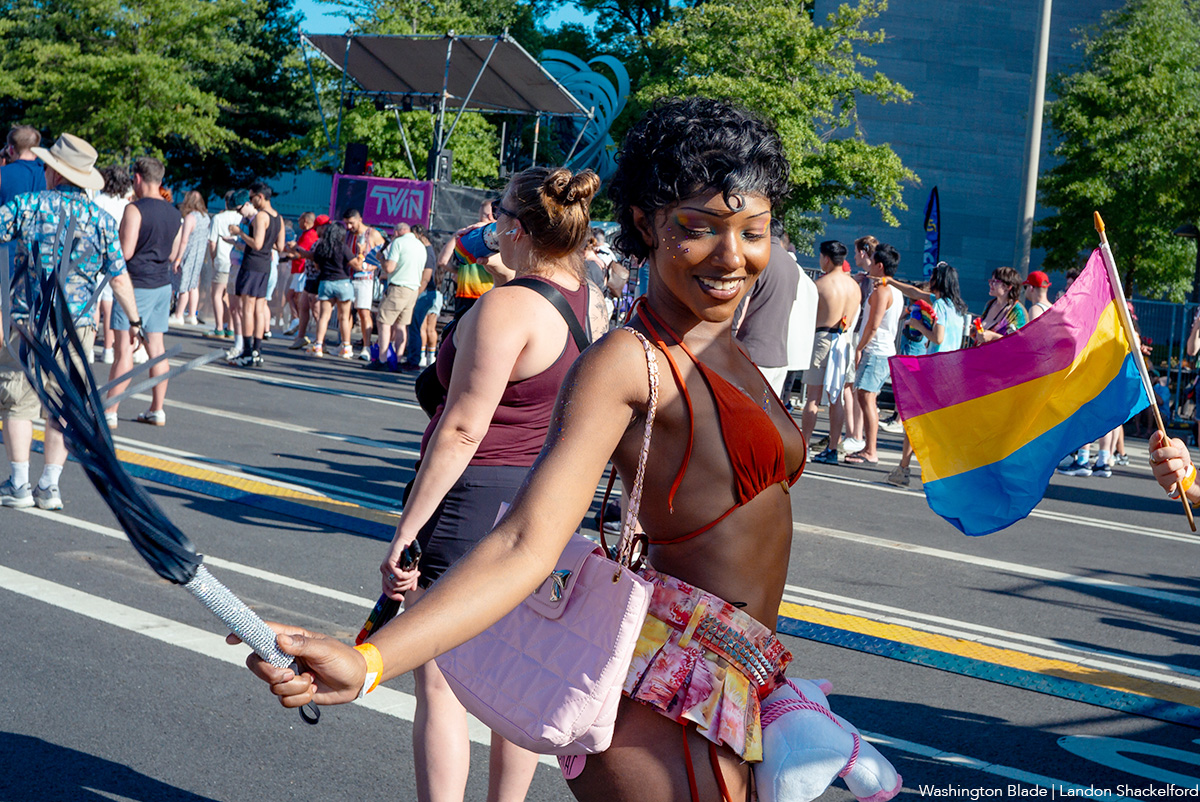


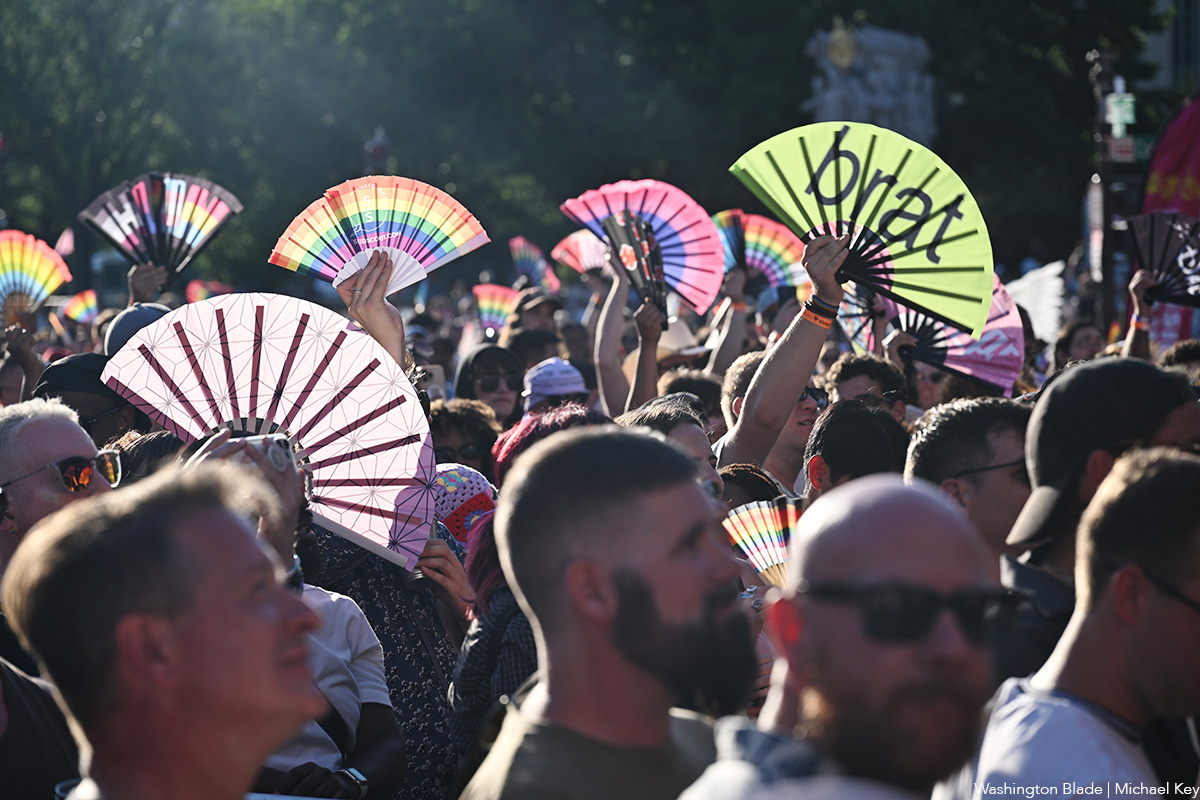
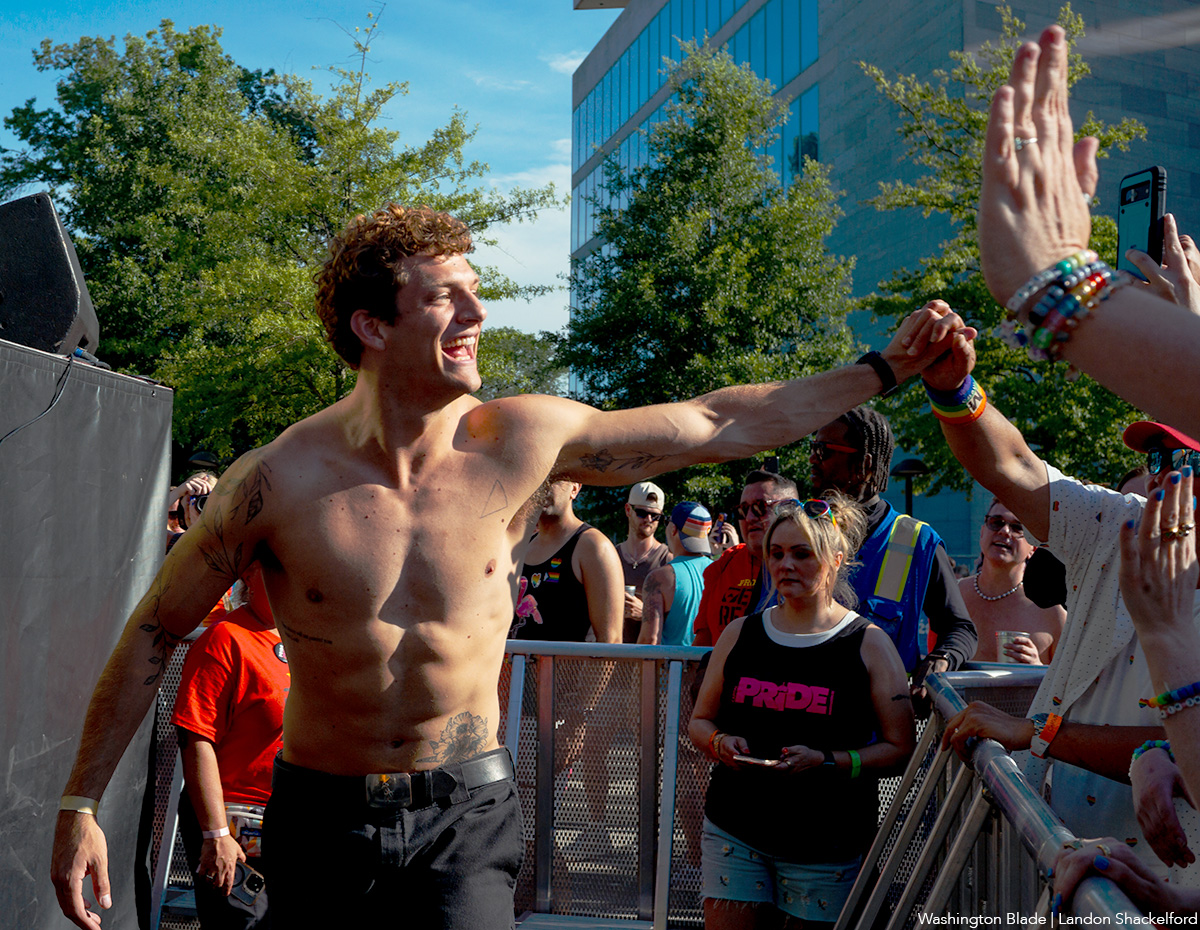


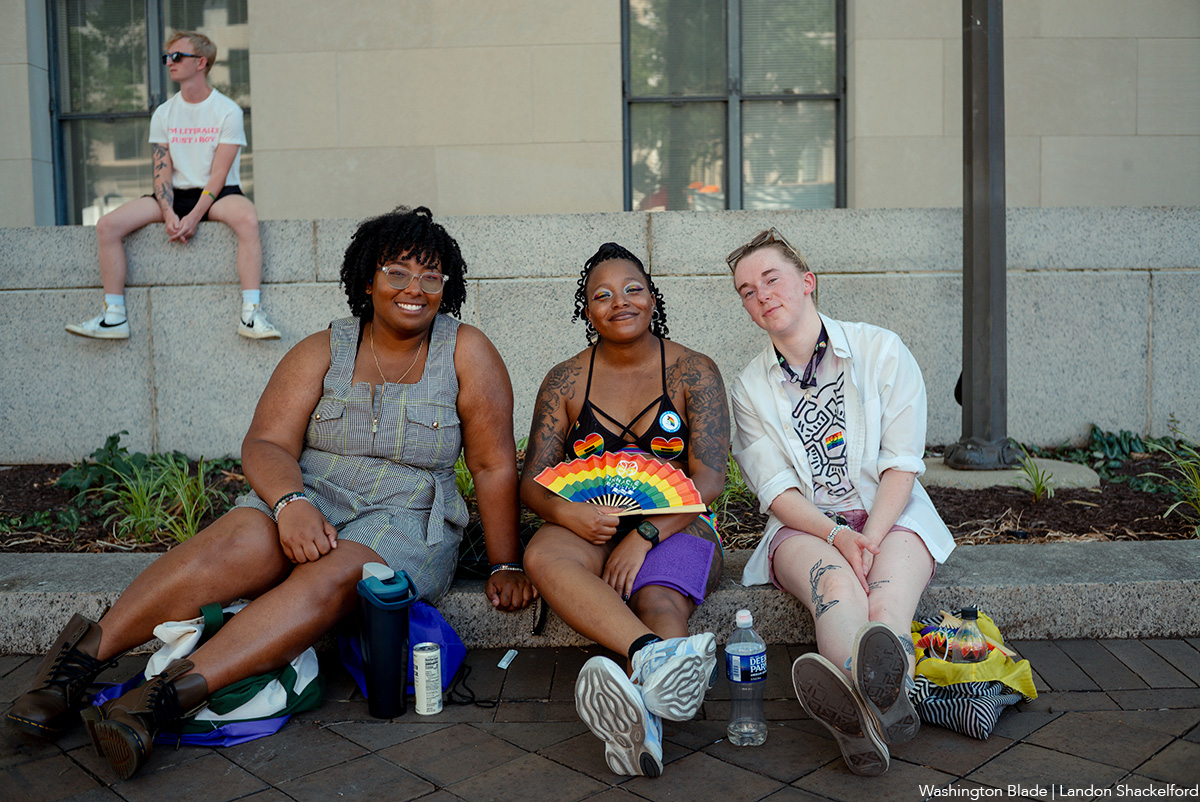


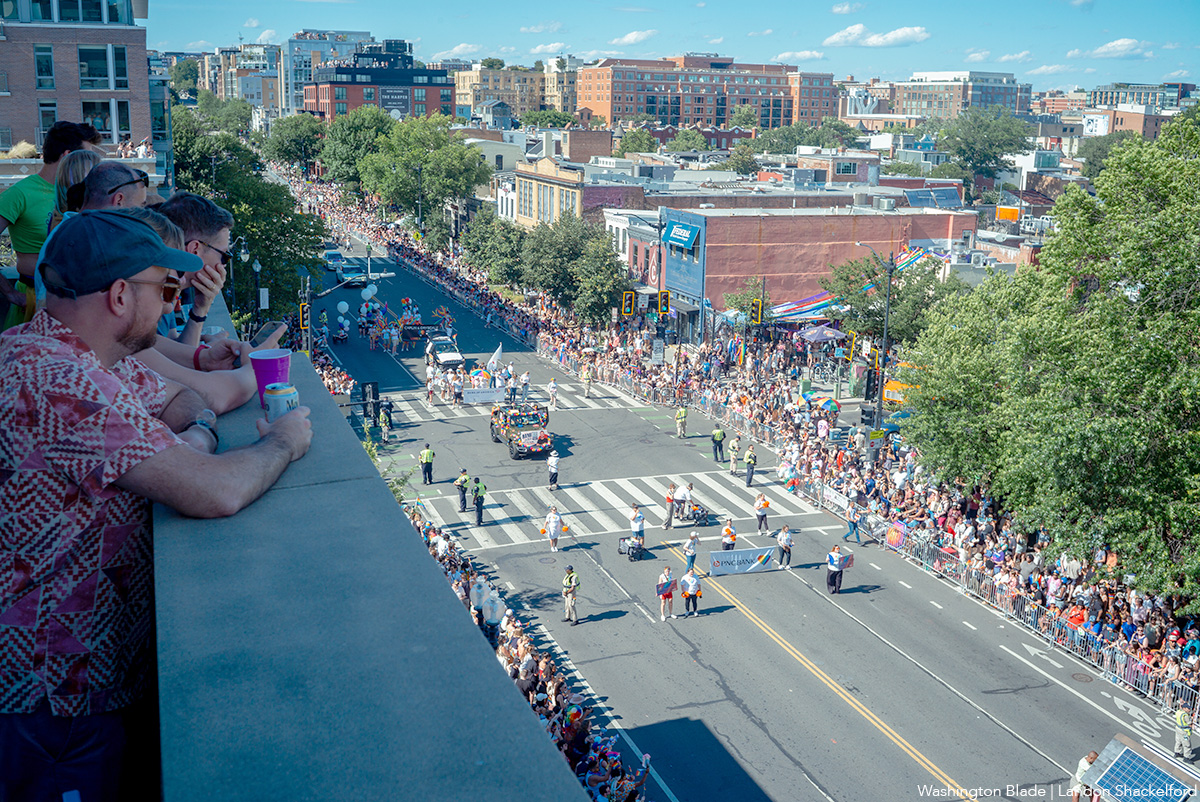
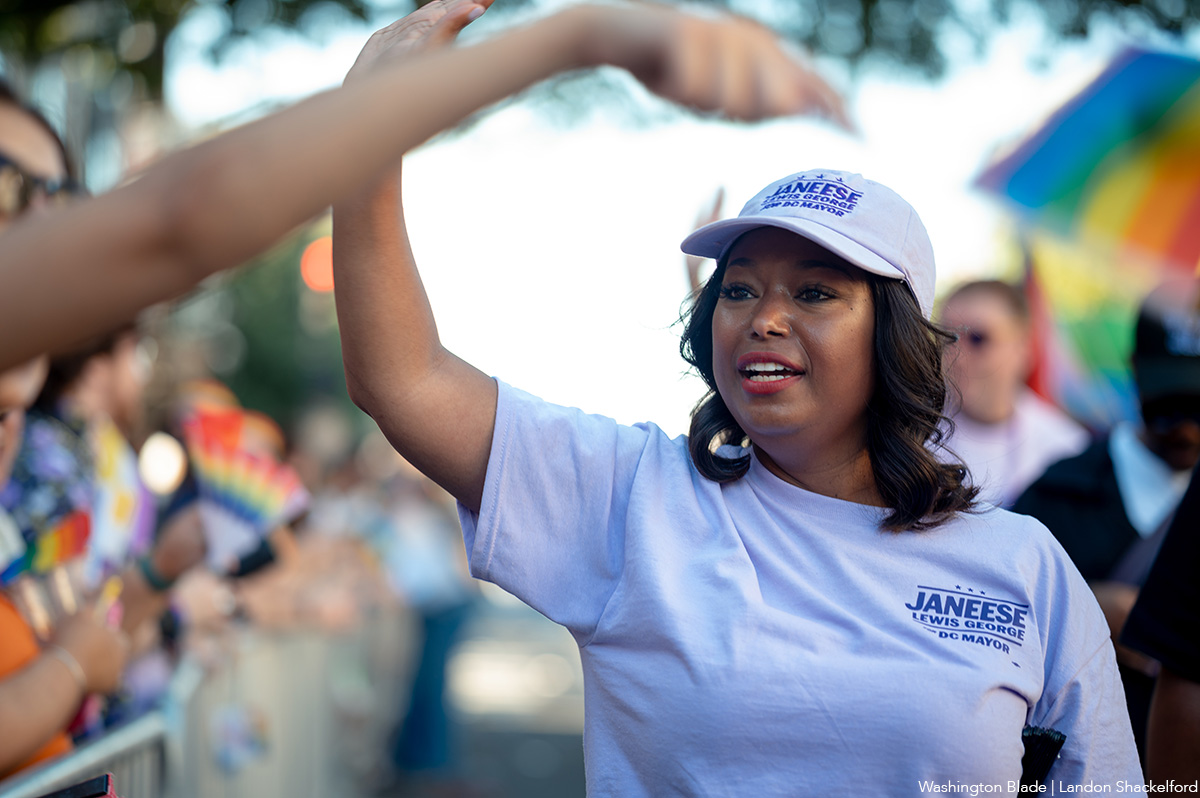
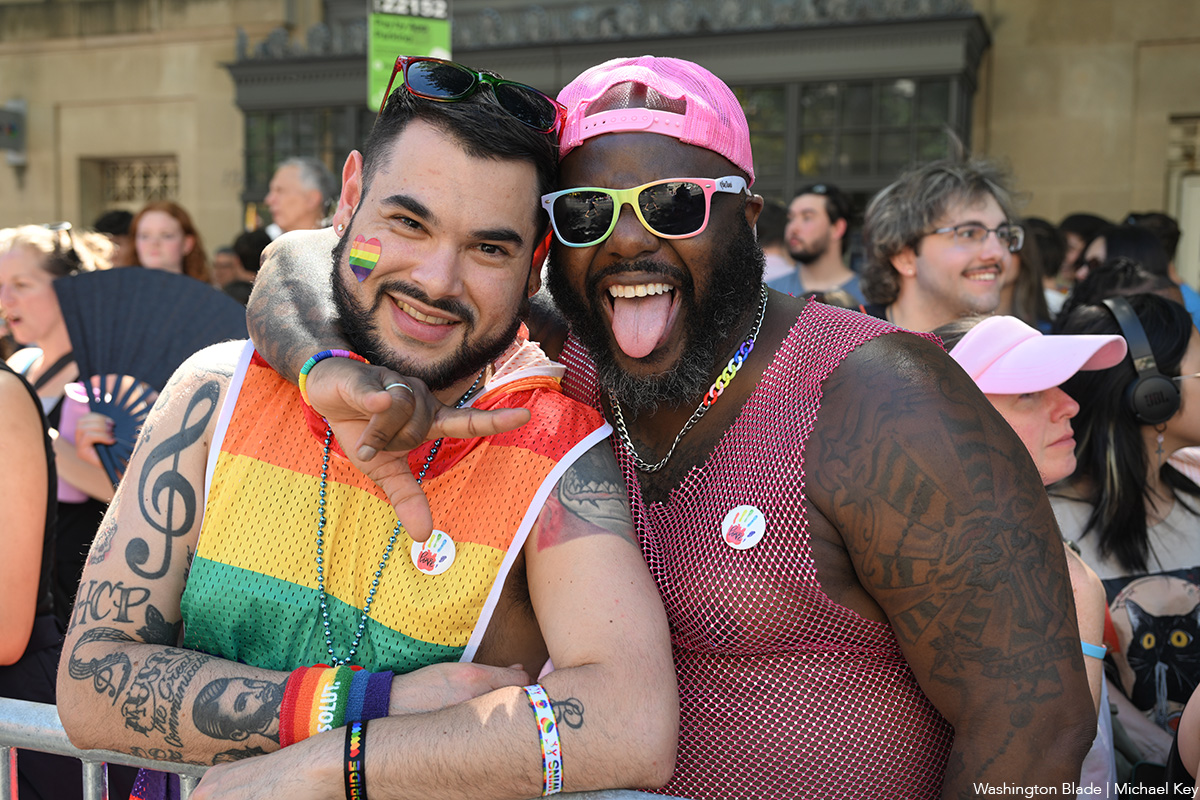
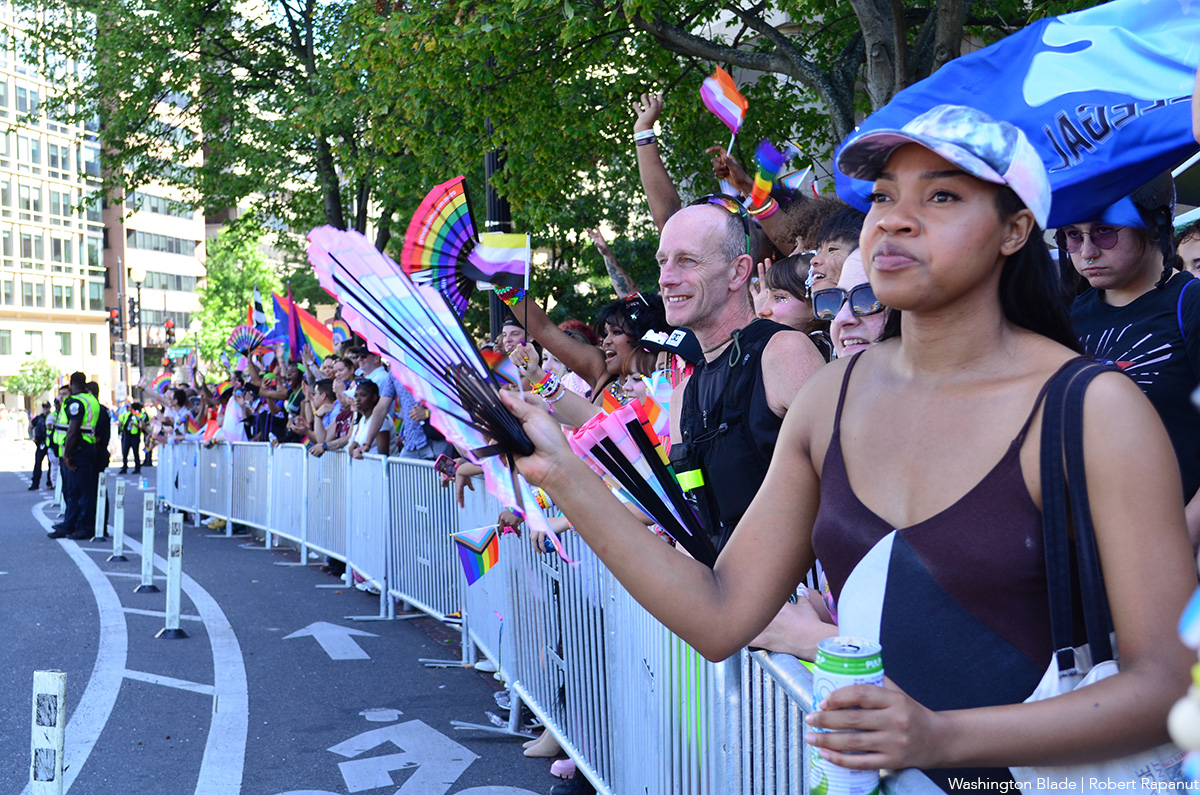
The 2026 Capital Pride Parade was held in Washington, D.C. on Saturday, June 20.
(Washington Blade photos by Michael Key, Robert Rapanut and Landon Shackelford)












Vote to enshrine same-sex marriage in state constitution fails in Delaware

Judge blocks DOJ from obtaining transgender patients’ medical records

Trump holds housing bill hostage to anti-trans SAVE Act

Religion, spirituality, and humanity: finding meaning in a complex world

Queer candidates, allies win Md. primary races

PHOTOS: Baltimore Pride Festival

‘Feeling Afraid’ explores life of a neurotic stand-up comic

PHOTOS: 2026 Capital Pride Parade

Union leader files assault complaint against gay Md. delegate after fight at early-voting site