World
Mexican Supreme Court rules against same-sex marriage ban
Three gay Oaxacan couples challenged denial of marriage licenses, ruling opens possibility of same-sex marriage throughout the country.
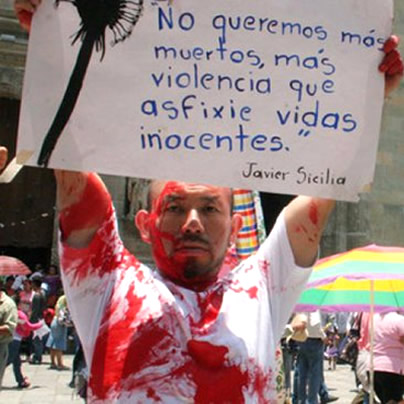
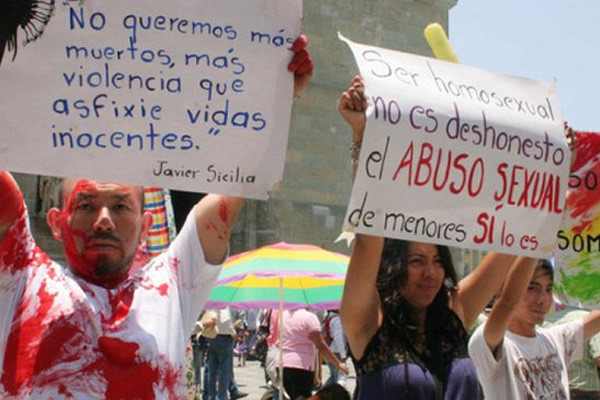
Lawyer Alex Ali Mendez Diaz represented three same-sex couples from the Mexican state of Oaxaca whom local authorities denied marriage licenses. (Photo courtesy of Alex Ali Mendez Diaz)
The Mexican Supreme Court on Wednesday unanimously struck down a law in the southern state of Oaxaca that defined marriage as between a man and a woman.
Three couples — Lizeth Citlalli Martínez Hernandez and María Monserrat Ordóñez Narváez, Jesús Reyes Álvarez and Guillermo Emmanuel Martínez Pimental and Karina Mendieta Pérez and Gabriela Castellanos Mota — tried to apply for marriage licenses in Oaxaca, but local authorities denied their applications.
Lawyer Alex Alí Méndez Díaz filed lawsuits on behalf of two of the couples in Aug. 2011 and a third in January who sought legal recourse, known as an “amparo” in the Mexican judicial system, that would ensure local authorities would protect their constitutional rights. Geraldina González de la Vega, a lawyer who advised Méndez, noted to the Washington Blade this “remedy can be used against laws or acts of authority” in Mexico.
A Oaxacan court in April ruled in favor of Martínez and Ordóñez, but against Reyes and Martínez and Mendieta and Castellanos. An appellate judge in August cited the Mexican constitution that bans anti-gay discrimination in his ruling that ordered Oaxacan authorities to allow same-sex marriages.
The state’s governor and Congress petitioned the Mexican Supreme Court to review the case — Méndez also asked the tribunal to determine the criteria under which the Oaxacan marriage law should be understood.
“The court did not declare the unconstitutionality of the law, but the effect of its application is that the justices said that one would have to understand marriage is a contract celebrated between two people without any reference to the sex of those who enter into it,” Méndez told the Washington Blade during an interview from Mexico City hours after the justices issued their decision.
Same-sex couples have been able to legally marry in the Mexican capital since 2010, and the Mexican Supreme Court has ruled other states must recognize same-sex marriages legally performed in Mexico City. Same-sex couples have also married in Quintana Roo, which includes the resort city of Cancún on the Yucután Peninsula.
The state of Coahuila offers property and inheritance rights and other limited legal protections to same-sex couples.
The latest Mexican Supreme Court decision only applies to Oaxaca, but advocates maintain these cases will open the doors to same-sex marriages across the country.
González noted the court needs to issue five rulings before the “amparo” will “have general effects” throughout the country.
“We already have three,” she said.
“These cases set a precedent that can be invoked in any other state in Mexico,” Méndez added. “While it is not obligatory for those who must resolve these new cases, there is a high possibility that the result will be the same as what we have obtained in Oaxaca.”
Enrique Torre Molina, an LGBT activist and blogger in Mexico City, agreed.
“It’s not going to be long before same-sex marriage is a reality in the whole country,” he told the Blade on Wednesday. “It’s a matter of same-sex couples who have been thinking about getting married and haven’t done it either because they’re not in Mexico City and traveling is not an option or because they were going to get no for an answer. It’s just a matter of time of trying it out as these couples in Oaxaca [did] and sort of contribute to this history.”
The Mexican Supreme Court issued its ruling hours after a Colombian Senate committee approved a measure that would legalize same-sex marriage. Senators in the South American country are expected to debate the bill on Tuesday.
Same-sex couples have been able to legally marry in Argentina since 2010. Neighboring Uruguay allow civil unions for gays and lesbians, but the country’s lawmakers are expected to debate a same-sex marriage measure on Tuesday.
The Inter-American Court of Human Rights in February ruled in favor of lesbian Chilean Judge Karen Atala who lost custody of her three daughters to her ex-husband in 2005 because of her sexual orientation. Three gay Chilean couples who had been denied marriage licenses filed a lawsuit with the tribunal in September after the country’s Supreme Court ruled against them.
The Mexican Supreme Court cited the Atala case in its decision.
“Our country has already been sanctioned on many occasions by the IACHR,” Méndez said. “Our country, being part of this Inter-American system, will have to follow this trend in regard to protecting the human rights of the LGBT community.”
J. Lester Feder, a former Politico reporter who has covered the same-sex marriage throughout Latin America for four months for his blog AfterMarriage.org, noted to the Blade from Oaxaca that courts throughout the region often look to those in other countries in reaching their own decisions. He said the Atala case is one of the legal precedents the Oaxacan couples used in their successful lawsuits.
Justice José Ramón Cossío told CNN en Español he expects the same-sex marriage could become a reality throughout the country within a few months.
“The three cases are effective with respect to the state of Oaxaca,” he said. “By the position that we have on the Supreme Court as the country’s highest tribunal, it is foreseeable that if other people from other federal entities challenged a code that had a similar condition, the court would reiterate its criteria and within the next few months will guarantee the juris prudence that will become mandatory.”
Feder agreed.
“It means that it’s very likely universal marriage rights are going to be available in Mexico well before the United States,” he said. “International human rights law in the Americas is [increasingly interpreting] marriage rights as human rights, but the United States legal system doesn’t internalize international norms. We’re not participating in that trend.”



Venezuela
AHF client in Venezuela welcomes Maduro’s ouster
‘This is truly something we’ve been waiting for’ for decades
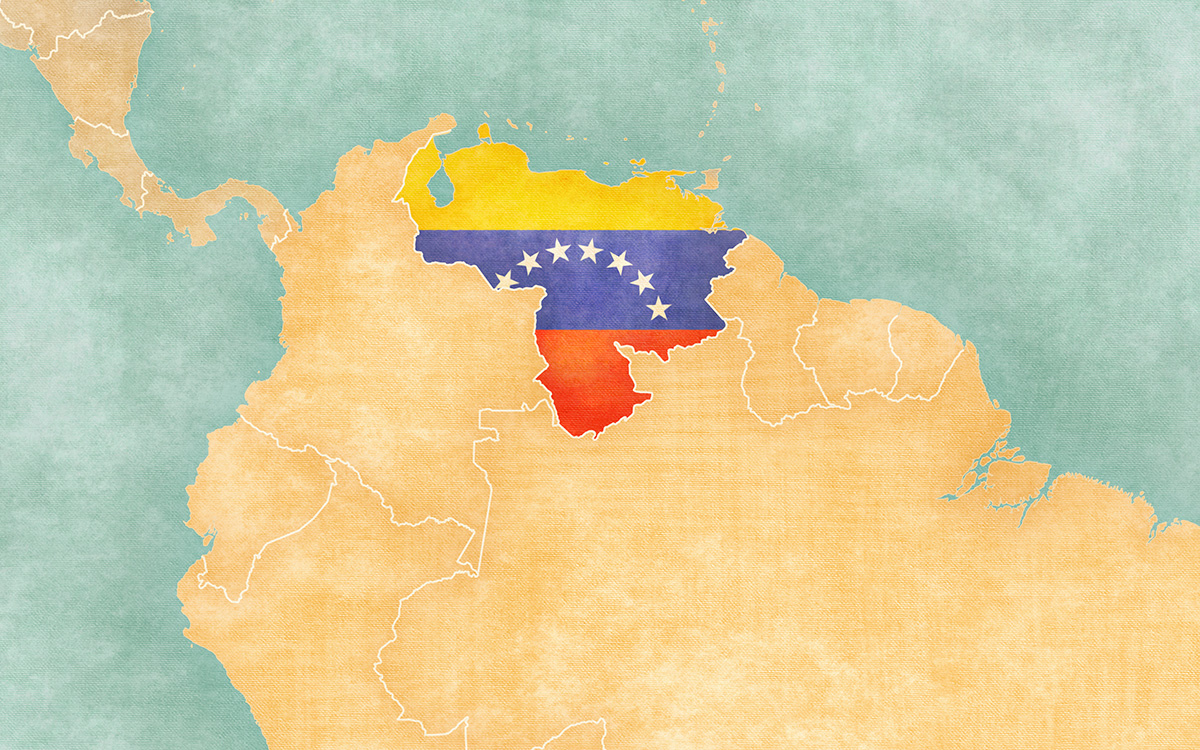
An AIDS Healthcare Foundation client who lives in Venezuela told the Washington Blade he welcomes the ouster of his country’s former president.
The client, who asked the Blade to remain anonymous, on Thursday said he felt “joy” when he heard the news that American forces seized Nicolás Maduro and his wife, Cilia Flores, at their home in Caracas, the Venezuelan capital, during an overnight operation on Jan. 3.
“This is truly something we’ve been waiting for for 26 or 27 years,” the AHF client told the Blade.
Hugo Chávez became Venezuela’s president in 1999. Maduro succeeded him in 2013 after he died.
“I’ve always been in opposition,” said the AHF client, who stressed he was speaking to the Blade in his personal capacity and not as an AHF representative. “I’ve never agreed with the government. When I heard the news, well, you can imagine.”
He added he has “high hopes that this country will truly change, which is what it needed.”
“This means getting rid of this regime, so that American and foreign companies can invest here and Venezuela can become what it used to be, the Venezuela of the past,” he said.
The AHF client lives near the Colombia-Venezuela border. He is among the hundreds of Venezuelans who receive care at AHF’s clinic in Cúcuta, a Colombian city near the Táchira River that marks the border between the two countries.
The Simón Bolívar Bridge on the Colombia-Venezuela border on May 14, 2019. (Washington Blade video by Michael K. Lavers)
The AHF client praised U.S. President Donald Trump and reiterated his support for the Jan. 3 operation.
“It was the only way that they could go,” he said.
The Venezuelan National Assembly on Jan. 4 swore in Delcy Rodríguez, who was Maduro’s vice president, as the country’s acting president. The AHF client with whom the Blade spoke said he is “very optimistic” about Venezuela’s future, even though the regime remains in power.
“With Maduro leaving, the regime has a certain air about it,” he said. “I think this will be a huge improvement for everyone.”
“We’re watching,” he added. “The actions that the United States government is going to implement regarding Venezuela give us hope that things will change.”
Colombia
Colombians protest against Trump after he threatened country’s president
Tens of thousands protested the US president in Bogotá
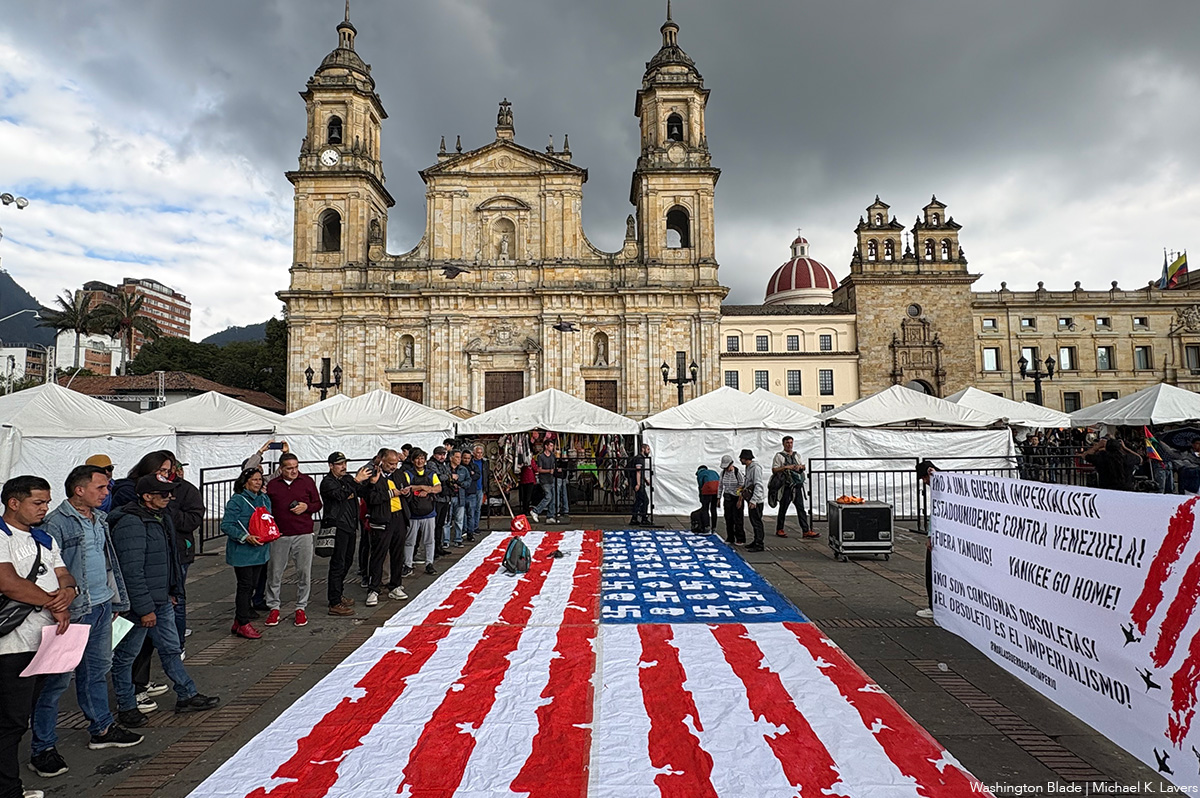
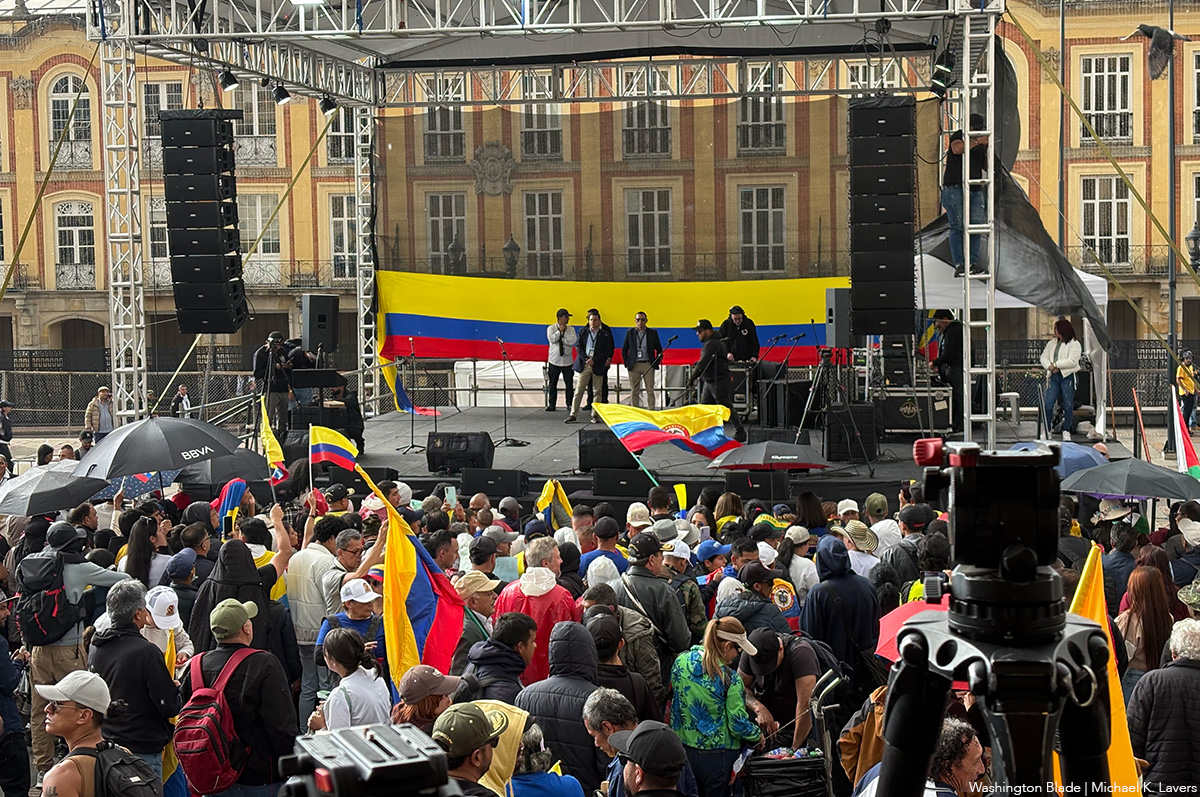
BOGOTÁ, Colombia — Tens of thousands of people on Wednesday gathered in the Colombian capital to protest against President Donald Trump after he threatened Colombian President Gustavo Petro.
The protesters who gathered in Plaza Bolívar in Bogotá held signs that read, among other things, “Yankees go home” and “Petro is not alone.” Petro is among those who spoke.
The Bogotá protest took place four days after American forces seized now former Venezuelan President Nicolás Maduro and his wife, Cilia Flores, at their home in Caracas, the Venezuelan capital, during an overnight operation.
The Venezuelan National Assembly on Sunday swore in Delcy Rodríguez, who was Maduro’s vice president, as the country’s acting president. Maduro and Flores on Monday pleaded not guilty to federal drug charges in New York.
Trump on Sunday suggested the U.S. will target Petro, a former Bogotá mayor and senator who was once a member of the M-19 guerrilla movement that disbanded in the 1990s. Claudia López, a former senator who would become the country’s first female and first lesbian president if she wins Colombia’s presidential election that will take place later this year, is among those who criticized Trump’s comments.
The Bogotá protest is among hundreds against Trump that took place across Colombia on Wednesday.
Petro on Wednesday night said he and Trump spoke on the phone. Trump in a Truth Social post confirmed he and his Colombian counterpart had spoken.
“It was a great honor to speak with the president of Colombia, Gustavo Petro, who called to explain the situation of drugs and other disagreements that we have had,” wrote Trump. “I appreciated his call and tone, and look forward to meeting him in the near future. Arrangements are being made between Secretary of State Marco Rubio and the foreign minister of Colombia. The meeting will take place in the White House in Washington, D.C.”
Colombia
Gay Venezuelan man who fled to Colombia uncertain about homeland’s future
Heberth Aguirre left Maracaibo in 2018

BOGOTÁ, Colombia — A gay Venezuelan man who has lived in Colombia since 2018 says he feels uncertain about his homeland’s future after the U.S. seized now former Venezuelan President Nicolás Maduro.
“On one hand I can feel happy, but on the other hand I feel very concerned,” Heberth Aguirre told the Washington Blade on Tuesday during an interview at a shopping mall in Bogotá, the Colombian capital.
Aguirre, 35, is from Maracaibo, Venezuela’s second-largest city that is the heart of the country’s oil industry.
He developed cultural and art initiatives for the Zulia State government.
“Little by little, I suddenly became involved in politics because, in a way, you had to be involved,” recalled Aguirre. “It was necessary to be involved because the regime often said so.”
“I basically felt like I was working for the citizens, but with this deeply ingrained rule we had to be on their side, on the side of the Maduro and (former President Hugo) Chávez regime,” he added.
Maduro in 2013 became Venezuela’s president after Chávez died.
“There are things I don’t support about the regime,” Aguirre told the Blade. “There are other things that were nice in theory, but it turned out that they didn’t work when we put them into practice.”
Aguirre noted the Maduro government implemented “a lot of laws.” He also said he and other LGBTQ Venezuelans didn’t “have any kind of guarantee for our lives in general.”
“That also exposed you in a way,” said Aguirre. “You felt somewhat protected by working with them (the government), but it wasn’t entirely true.”
Aguirre, 35, studied graphic design at the University of Zulia in Maracaibo. He said he eventually withdrew after soldiers, members of Venezuela’s Bolivarian National Guard, and police officers opened fire on students.
“That happened many times, to the point where I said I couldn’t keep risking my life,” Aguirre told the Blade. “It hurt me to see what was happening, and it hurt me to have lost my place at the university.”
Venezuela’s economic crisis and increased insecurity prompted Aguirre to leave the country in 2018. He entered Colombia at the Simón Bolívar Bridge near the city of Cúcuta in the country’s Norte de Santander Province.
“If you thought differently, they (the Venezuelan government) would come after you or make you disappear, and nobody would do anything about it,” said Aguirre in response to the Blade’s question about why he left Venezuela.
The Simón Bolívar Bridge on the Colombia-Venezuela border on May 14, 2019. (Washington Blade video by Michael K. Lavers)
Aguirre spoke with the Blade three days after American forces seized Maduro and his wife, Cilia Flores, at their home in Caracas, the Venezuelan capital, during an overnight operation.
The Venezuelan National Assembly on Sunday swore in Delcy Rodríguez, who was Maduro’s vice president, as the country’s acting president. Maduro and Flores on Monday pleaded not guilty to federal drug charges in New York.
President Donald Trump on Tuesday in a Truth Social post said Venezuela’s interim authorities “will be turning over between 30 and 50 million barrels of high quality, sanctioned oil, to the United States of America.”
“This oil will be sold at its market price, and that money will be controlled by me, as president of the United States of America, to ensure it is used to benefit the people of Venezuela and the United States,” wrote Trump.
Trump on Sunday suggested the U.S. will target Colombian President Gustavo Petro, a former Bogotá mayor and senator who was once a member of the M-19 guerrilla movement that disbanded in the 1990s.
Petro has urged Colombians to take to the streets on Wednesday and “defend national sovereignty.” Claudia López, a former senator who would become the country’s first female and first lesbian president if she wins Colombia’s presidential election that will take place later this year, is among those who criticized Trump’s comments.
“Let’s be clear: Trump doesn’t care about the humanitarian aspect,” said Aguirre when the Blade asked him about Trump. “We can’t portray him as Venezuela’s savior.”
Meanwhile, Aguirre said his relatives in Maracaibo remain afraid of what will happen in the wake of Maduro’s ouster.
“My family is honestly keeping quiet,” he said. “They don’t post anything online. They don’t go out to participate in marches or celebrations.”
“Imagine them being at the epicenter, in the eye of the hurricane,” added Aguirre. “They are right in the middle of all the problems, so it’s perfectly understandable that they don’t want to say anything.”
‘I never in my life thought I would have to emigrate’
Aguirre has built a new life in Bogotá.
He founded Mesa Distrital LGBTIQ+ de Jóvenes y Estudiantes, a group that works with migrants from Venezuela and other countries and internally placed Colombians, during the COVID-19 pandemic. Aguirre told the Blade he launched the group “with the need to contribute to the general population, not just in Colombia.”
Aguirre met his husband, an American from California, at a Bogotá church in December 2020 during a Christmas event that SDA Kinship Colombia, an LGBTQ group, organized. A Utah judge virtually officiated their wedding on July 12, 2024.
“I love Colombia, I love Bogotá,” said Aguirre. “I love everything I’ve experienced because I feel it has helped me grow.”
He once again stressed he does not know what a post-Maduro Venezuela will look like.
“As a Venezuelan, I experienced the wonders of that country,” said Aguirre. “I never in my life thought I would have to emigrate.”
The Colombian government’s Permiso por Protección Temporal program allows Aguirre and other Venezuelans who have sought refuge in Colombia to live in the country for up to 10 years. Aguirre reiterated his love for Colombia, but he told the Blade that he would like to return to Venezuela and help rebuild the country.
“I wish this would be over in five years, that we could return to our country, that we could go back and even return with more skills acquired abroad,” Aguirre told the Blade. “Many of us received training. Many of us studied a lot. We connected with organizations that formed networks, which enriched us as individuals and as professionals.”
“Returning would be wonderful,” he added. “What we’ve built abroad will almost certainly serve to enrich the country.”

Feminist fiction fans will love ‘Bog Queen’

A Shakespearean tragedy comes to life in exquisite ‘Hamnet’

Hundreds protest ICE killing of Renee Nicole Good in D.C.

Calendar: January 9-15

Support the Blade as mainstream media bend the knee for Trump

What to watch for in 2026: midterms, Supreme Court, and more

Blade travels to Colombia after U.S. forces seize Maduro in Venezuela

Tim Walz drops out of Minn. governor’s race

A reminder that Jan. 6 was ‘textbook terrorism’