World
Putin signs ‘anti-gay propaganda’ bill into law
Measure comes amid increased anti-gay violence, discrimination in Russia
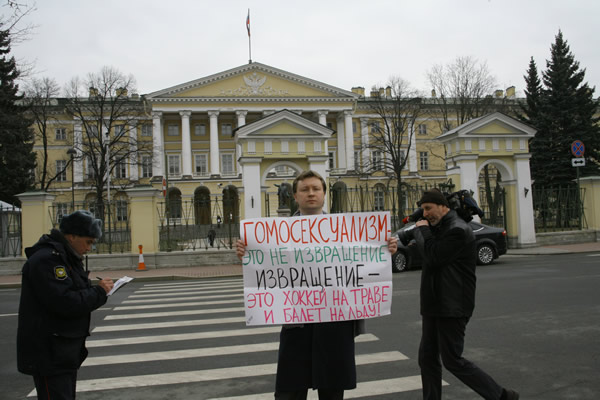
Nikolai Alekseev in 2012 holds a sign in St. Petersburg that reads “homosexuality is not a perversion. Perersion is grass hockey and ice ballet.” He was fined 5,000 rubles ($154) for violating the city’s ban on gay propaganda to minors. (Photo courtesy of GayRussia.ru)
The Associated Press reported Putin signed the measure — under which individuals will face fines of between 4,000 and 5,000 rubles ($124-$155) and government officials would face fines of between 40,000 and 50,000 rubles ($1,241-$1,551) — less than a week after Russia’s upper house of Parliament approved it.
Organizations will also face a fine of up to 1 million rubles ($31,000) or suspension of their activities for up to 90 days. Foreigners will also face up to 15 days in jail and deportation.
The Russian Duma on June 11 passed the bill in an unanimous vote.
“I was sure it would be passed,” Nikolai Alekseev of Gay Russia, an LGBT advocacy group, told the Washington Blade during an interview from Moscow after the Duma vote. “It will now be signed by the president, who is very much using this fight against homosexuals in his campaign to attract voters.”
Putin signed the bill into law against the backdrop of growing concern over anti-LGBT discrimination and violence in Russia.
Two men in Volgograd and on the Kamchatka Peninsula in Russia’s Far East in recent weeks have been killed during what local authorities have described as anti-gay attacks.
Police in St. Petersburg on Saturday arrested 40 LGBT advocates and a handful of the estimated 200 nationalists who challenged them during a gay rights rally. Authorities on May 24 arrested Alekseev and 29 other gay activists who tried to stage a Pride celebration outside Moscow City Hall.
The State Department, the European Union and retired tennis champion Martina Navratilova are among those who have criticized Russian lawmakers and Putin over their opposition to LGBT rights in the country.
Alekseev and a growing number of other LGBT rights advocates have also called for a boycott of the 2014 Winter Olympics in Sochi and the 2018 World Cup that will also take place in Russia.
“[They are] a very good opportunity to raise particular concerns,” Alekseev told the Blade earlier this month. “One of the ways for many countries would be to boycott these international sporting events because they take place in a country which doesn’t respect basic human rights.”




Uganda
Ugandan activist named Charles F. Kettering Foundation fellow
Clare Byarugaba founded PFLAG-Uganda
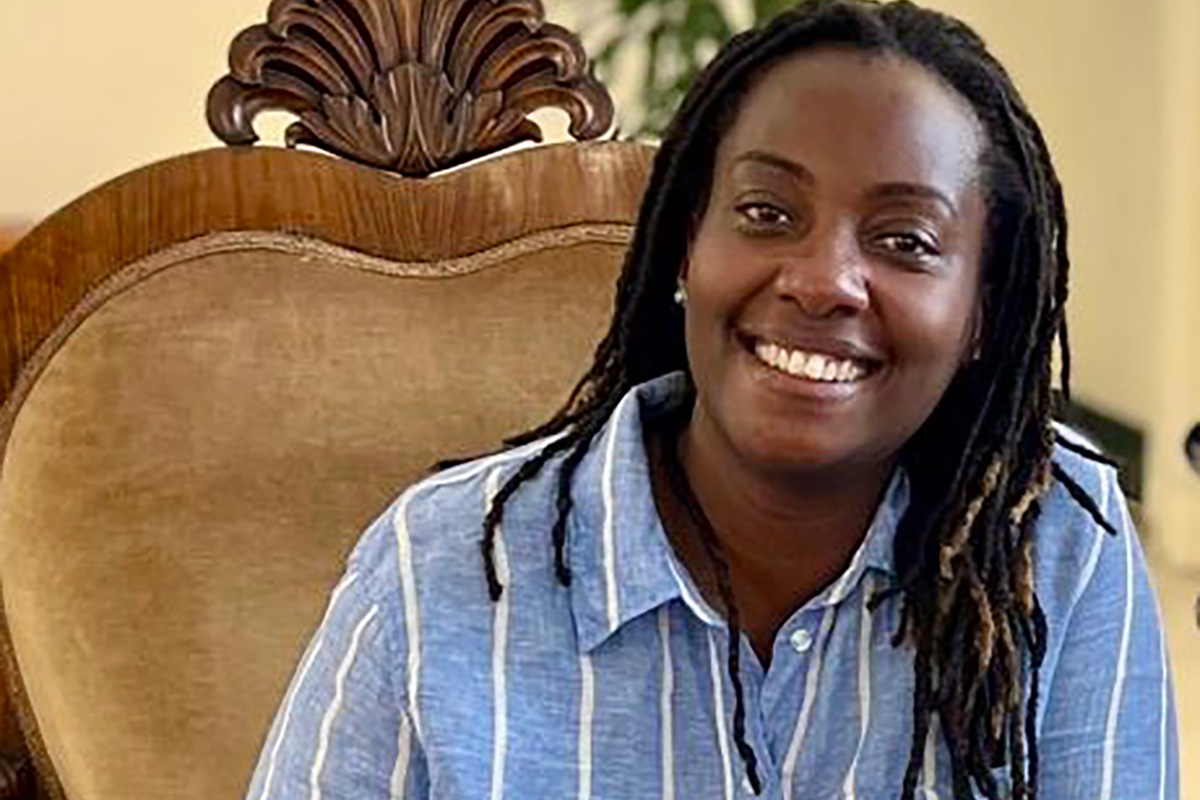
The Charles F. Kettering Foundation has named a prominent Ugandan LGBTQ activist as one of its 2026 fellows.
Clare Byarugaba, founder of PFLAG-Uganda, is one of the foundation’s five 2026 Global Fellows.
Byarugaba, among other things, has been a vocal critic of Uganda’s Anti-Homosexuality Act. Byarugaba in 2024 met with Pope Francis — who criticized criminalization laws during his papacy — at the Vatican.
The foundation on its website says it “is dedicated to bringing research and people together to make the promise of democracy real for everyone, everywhere.”
“Clare is the kind of hero who rushes toward the emergency to help,” said PFLAG CEO Brian K. Bond in a Feb. 27 statement to the Washington Blade. “She founded PFLAG-Uganda as the country pushed to criminalize homosexuality and those who support LGBTQ+ people. Yet, she never hesitated in her courage, telling us that families wanted to organize to keep their LGBTQ+ loved ones safe, and PFLAG was the way to do it. Clare Byarugaba not only deserves this honor, but she will use her compassion and experience to teach the world about LGBTQ+ advocacy as a Kettering Global Fellow.”
India
Activists push for better counting of transgender Indians in 2026 Census
2011 count noted 488,000 trans people in country
India is preparing to conduct a nationwide Census in April, the first since 2011.
Interim projections based on the previous Census placed India ahead of China as the world’s most populous country. A Technical Group on Population Projections projection in July 2020, chaired by the Registrar General of India, estimated the country’s population in 2023 was 1.388 billion. Transgender Indians are now raising concerns about the data collectors and their sensitization.
Activists have raised concerns about whether data collectors are adequately sensitive to the community ahead of the Census. Government training material emphasizes household engagement, data privacy and sensitivity while asking personal questions, but publicly available flyers do not outline specific guidance or training related to recording trans identity during enumeration.
Concerns around the counting of trans people in India are not new.
The 2011 Census recorded around 488,000 trans people, a figure activists and researchers have described as a likely undercount due to stigma, misclassification, and a reluctance to self-identify. Subsequent surveys and field reports have pointed to inconsistencies in how gender identity is recorded and the absence of uniform sensitivity among Census data collectors. Rights groups and policy researchers have also warned that gaps in official data affect access to welfare schemes, legal recognition, and targeted public policy, making accurate counting central to future Census exercises.
A decade after the 2011 Census formally recorded trans people as a distinct category, multiple studies have continued to document entrenched socio-economic disparities. Research has pointed to lower literacy rates, limited workforce participation and barriers to healthcare access within the community.
A National Human Rights Commission-supported study cited in subsequent reporting found a significant proportion of trans respondents reported employment discrimination, underscoring the gap between formal recognition and lived economic inclusion.
Educational exclusion has remained a persistent concern within the trans community. Studies have documented higher dropout rates, lower literacy levels and barriers to continuing education, often linked to stigma, discrimination and limited institutional support. Policy researchers note that despite formal recognition in official data after 2011, targeted interventions addressing school retention and access for trans people have remained uneven.
Access to housing schemes has reflected similar gaps.
The Washington Blade in December reported only a small number of trans people have benefited from India’s flagship low-income housing program, despite its nationwide rollout and eligibility provisions. The findings underscored continuing barriers to inclusion in welfare delivery systems.
The Social Justice and Empowerment Ministry and the Office of the Registrar General and Census Commissioner did not respond to the Blade’s multiple requests for comment regarding sensitization measures for Census data collectors and the recording of trans identity in the upcoming Census.
Karnataka state in southern India last September conducted its first statewide baseline survey of gender minorities. The Department of Women and Child Development, in collaboration with the Karnataka State Women’s Development Corporation, launched the initiative to document the lives of trans people across 31 administrative districts.
When the results were released, the survey identified 10,365 trans people. The country’s 2011 Census, by comparison, recorded 20,266 trans people in Karnataka, nearly double the 2025 figure. The discrepancy raised questions about how the state’s recorded trans population appeared to decline over 14 years.
The discrepancy in Karnataka’s survey has intensified scrutiny over how gender minorities are counted. Reports questioned the methodology used in the 2025 exercise, which was conducted over 45 days beginning in mid-September. Instead of door-to-door enumeration, trans people were required to report to designated registration sites — primarily district-level public hospitals and sub-district government health facilities. The approach presented barriers for potential participants, particularly those in rural areas, those without reliable transportation, those wary of institutional settings due to prior discrimination, or those who did not know about the count, raising the possibility of exclusion.
Bihar state in eastern India in January 2023 conducted a caste-based survey that included trans respondents.
The final report identified 825 trans people in the state, compared with 40,827 recorded in the 2011 Census. Activists disputed the figure, calling it inaccurate and pointing to community estimates that suggested higher numbers, including in Patna, the state capital, raising concerns about significant undercounting.
The 2011 Census marked the first attempt to enumerate trans people at the national level, but researchers and activists have described the exercise as limited in scope.
It recorded 487,803 people under the “other” category, a classification used for respondents who did not identify as male or female. Analysts have argued that the figure likely underestimated the community’s size.
The Census questionnaire provided three sex categories — “male,” “female,” and “other” — a framework that critics said did not fully capture the diversity of gender identity and may have affected how some respondents chose to identify.
During the 2011 Census, enumeration practices varied across regions.
In states such as Tamil Nadu, local reporting indicated estimates were at times derived from existing administrative records, including state-issued trans identity cards, rather than solely through door-to-door identification. Such approaches risked excluding individuals who did not possess identity documentation or were not registered with welfare boards, raising concerns about gaps in coverage.
Official data from the Social Justice and Empowerment Ministry shows only a few hundred trans people as of early 2025 have been issued identity cards through the national portal, despite nearly 2,000 applications being submitted. Many are still pending or have been rejected.
Critics of the 2011 Census said many Census data collectors were not adequately trained or sensitized to engage with gender identity beyond traditional binary classifications. Similar, detailed guidelines specific to trans sensitization have not been publicly made available for the 2026 Census, according to an examination of training materials and official circulars.
Akkai Padmashali, a trans rights activist, told the Blade that Census data collectors in earlier exercises were often not sensitized and lacked awareness of intersex people and gender-diverse communities. She said trans people and other gender and sexual minorities continue to face social exclusion and require careful handling during door-to-door data collection. Padmashali called for targeted training of data counting officers and said the government should treat the issue as a priority, adding the trans population is likely to be higher than what was recorded in 2011 and efforts to make officials more sensitive to the community are necessary.
“We will definitely join our hands with this move the government of India has taken,” said Padmashali. “I think there should be proper guidance from the main in-charge people who are conducting this enumeration, and if no such proper information is given to these Census data collectors, it is difficult to gather any sort of information concerned.”
“This whole issue of self-identification — I think India, in its current situation, is not in such a way that it openly accepts people’s identities,” she added. “It will be challenging, it will be difficult, it will be a struggle to offer people the opportunity to express their identities as concerned. But to make sure those who are part of the sexual minority community are counted, I think we also take responsibility for educating people to be part of the enumeration.”
Padmashali said many people are not accustomed to using mobile devices and only a limited number are familiar with them. She said technology should not mislead or misguide the collection of information. Padmashali added she and other trans people plan to engage with Census data collectors and officials who organize the Census.
“Government should have local meetings,” said Padmashali. “Government should hold regional consultations on why the national enumeration is important, because we also know that from 2011 to 2026 is almost 15 years, and now we are here.”
“The government should hold local meetings, especially in their constituencies,” she added. “If the government meets with non-government organizations and civil society groups, this could become a more inclusive exercise across the country. India has a population of more than 1.4 billion, and I think this is the appropriate time to bring accurate statistics to help draft policies in the context of the larger community concerned.”
Books
New book profiles LGBTQ Ukrainians, documents war experiences
Tuesday marks four years since Russia attacked Ukraine

Journalist J. Lester Feder’s new book profiles LGBTQ Ukrainians and their experiences during Russia’s war against their country.
Feder for “The Queer Face of War: Portraits and Stories from Ukraine” interviewed and photographed LGBTQ Ukrainians in Kyiv, the country’s capital, and in other cities. They include Olena Hloba, the co-founder of Tergo, a support group for parents and friends of LGBTQ Ukrainians, who fled her home in the Kyiv suburb of Bucha shortly after Russia launched its war on Feb. 24, 2022.
Russian soldiers killed civilians as they withdrew from Bucha. Videos and photographs that emerged from the Kyiv suburb showed dead bodies with their hands tied behind their back and other signs of torture.
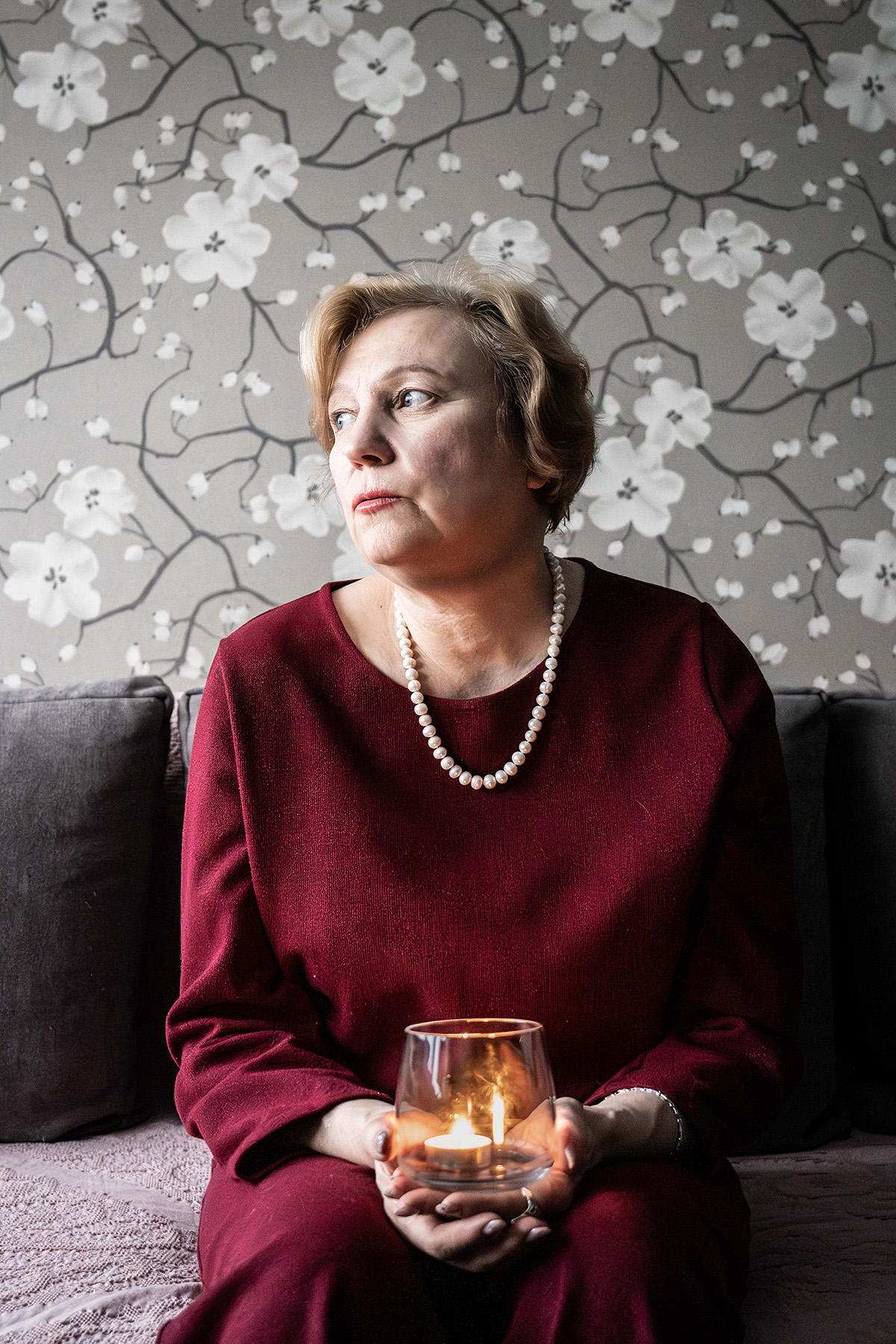
Olena Shevchenko, chair of Insight, a Ukrainian LGBTQ rights group, wrote the book’s forward.
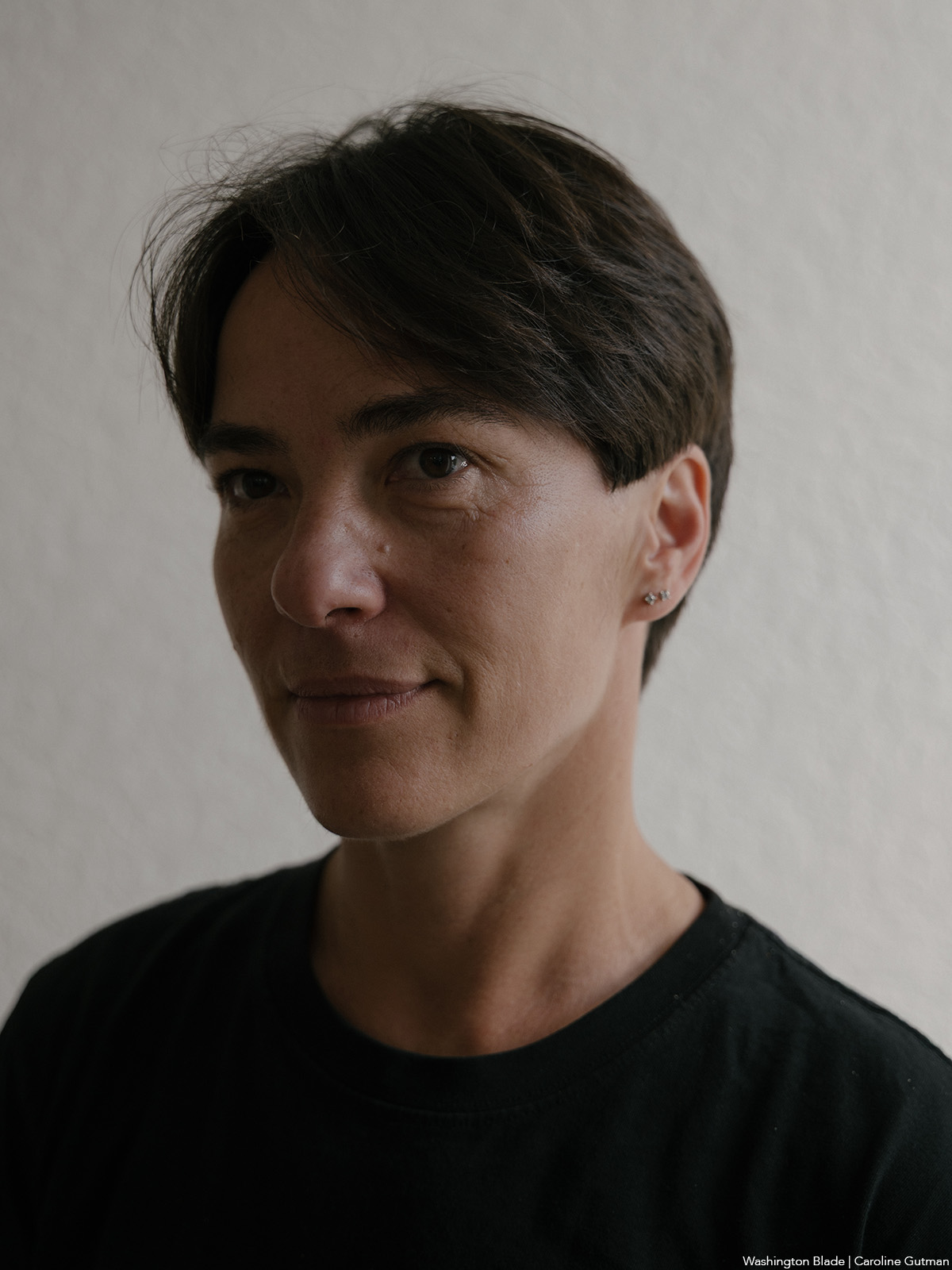
The book also profiles Viktor Pylypenko, a gay man who the Ukrainian military assigned to the 72nd Mechanized Black Cossack Brigade after the war began. Feder writes Pylypenko’s unit “was deployed to some of the fiercest and most important battles of the war.”
“The brigade was pivotal to beating Russian forces back from Kyiv in their initial attempt to take the capital, helping them liberate territory near Kharkiv and defending the front lines in Donbas,” wrote Feder.
Pylypenko spent two years fighting “on Ukraine’s most dangerous battlefields, serving primarily as a medic.”
“At times he felt he was living in a horror movie, watching tank shells tear his fellow soldiers apart before his eyes,” wrote Feder. “He held many men as they took their final breaths. Of the roughly one hundred who entered the unit with him, only six remained when he was discharged in 2024. He didn’t leave by choice: he went home to take care of his father, who had suffered a stroke.”
Feder notes one of Pylypenko’s former commanders attacked him online when he came out. Pylypenko said another commander defended him.
Feder also profiled Diana and Oleksii Polukhin, two residents of Kherson, a port city in southern Ukraine that is near the mouth of the Dnieper River.
Ukrainian forces regained control of Kherson in November 2022, nine months after Russia occupied it.
Diana, a cigarette vender, and Polukhin told Feder that Russian forces demanded they disclose the names of other LGBTQ Ukrainians in Kherson. Russian forces also tortured Diana and Polukhin while in their custody.
Polukhim is the first LGBTQ victim of Russian persecution to report their case to Ukrainian prosecutors.
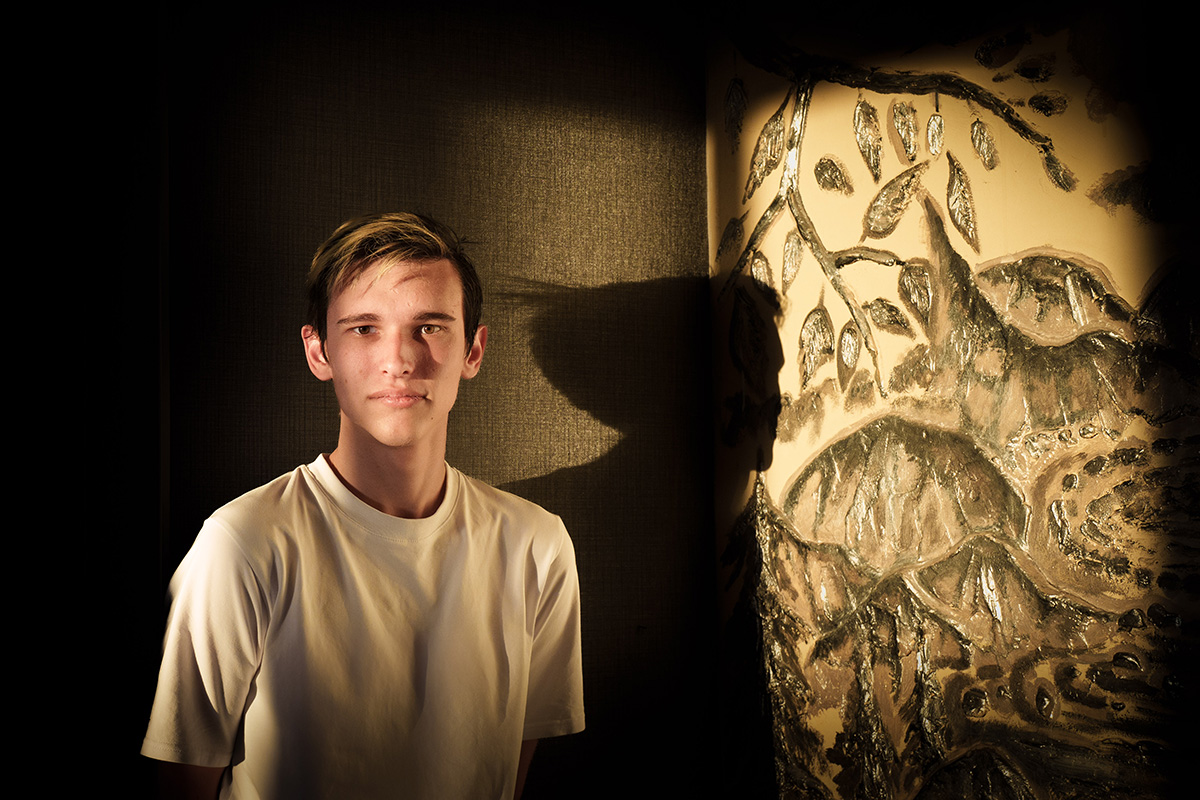
Feder, who is of Ukrainian descent, first visited Ukraine in 2013 when he wrote for BuzzFeed.
He was Outright International’s Senior Fellow for Emergency Research from 2021-2023. Feder last traveled to Ukraine in December 2024.
Feder spoke about his book at Politics and Prose at the Wharf in Southwest D.C. on Feb. 6. The Washington Blade spoke with Feder on Feb. 20.
Feder told the Blade he began to work on the book when he was at Outright International and working with humanitarian groups on how to better serve LGBTQ Ukrainians. Feder said military service requirements, a lack of access to hormone therapy and documents that accurately reflect a person’s gender identity and LGBTQ-friendly shelters are among the myriad challenges that LGBTQ Ukrainians have faced since the war began.
“All of these were components of a queer experience of war that was not well documented, and we had never seen in one place, especially with photos,” he told the Blade. “I felt really called to do that, not only because of what was happening in Ukraine, but also as a way to bring to the surface issues that we’d had seen in Iraq and Syria and Afghanistan.”
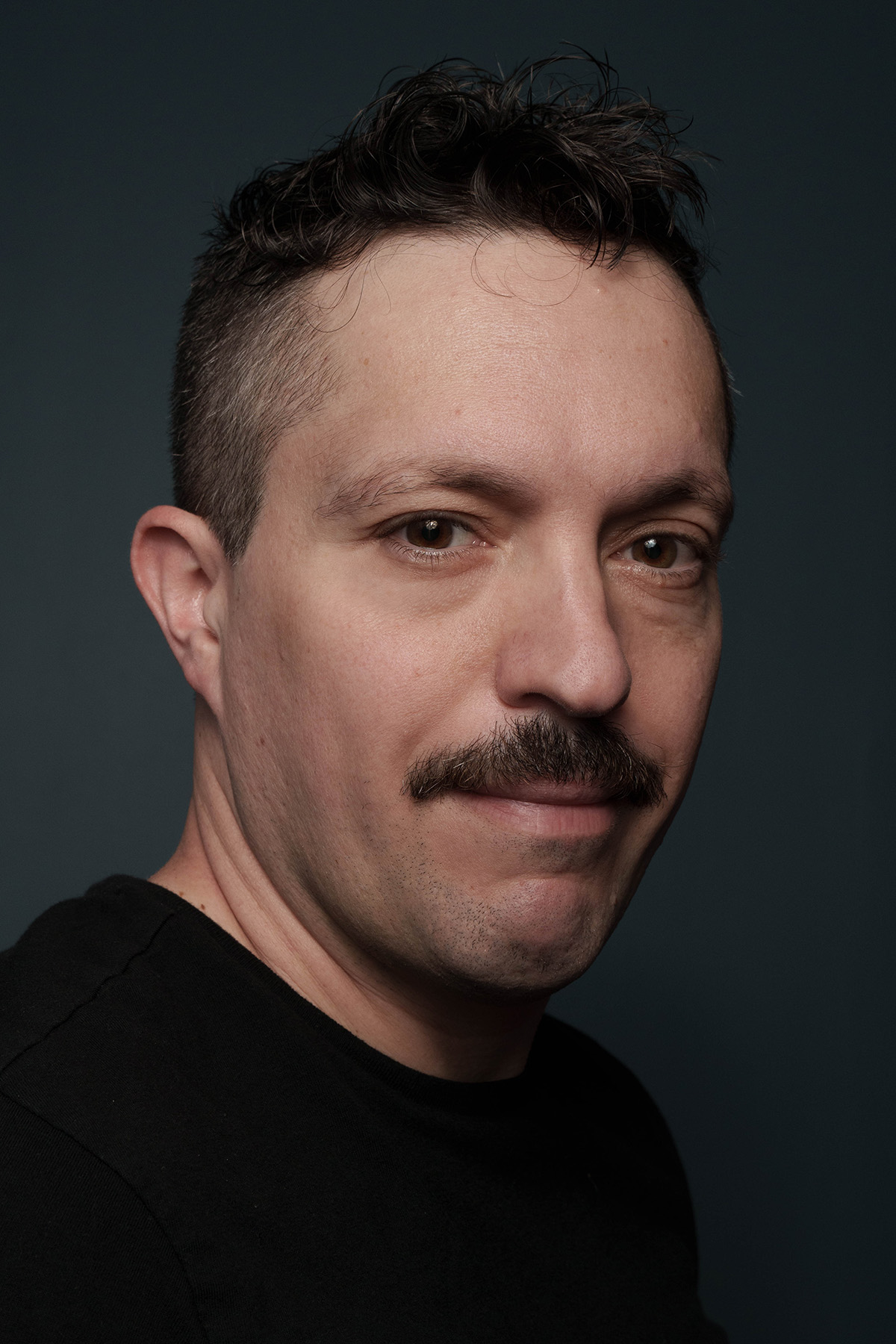
Feder also spoke with the Blade about the war’s geopolitical implications.
Russian President Vladimir Putin in 2013 signed a law that bans the “promotion of homosexuality” to minors.
The 2014 Winter Olympics took place in Sochi, a Russian resort city on the Black Sea. Russia annexed Crimea from Ukraine a few weeks after the games ended.
Russia’s anti-LGBTQ crackdown has continued over the last decade.
The Russian Supreme Court in 2023 ruled the “international LGBT movement” is an extremist organization and banned it. The Russian Justice Ministry last month designated ILGA World, a global LGBTQ and intersex rights group, as an “undesirable” organization.
Ukraine, meanwhile, has sought to align itself with Europe.
Ukrainian President Volodymyr Zelenskyy after a 2021 meeting with then-President Joe Biden at the White House said his country would continue to fight discrimination based on sexual orientation and gender identity. (Zelenskyy’s relationship with the U.S. has grown more tense since the Trump-Vance administration took office.) Zelenskyy in 2022 publicly backed civil partnerships for same-sex couples.
Then-Ukrainian Ambassador to the U.S. Oksana Markarova in 2023 applauded Kyiv Pride and other LGBTQ and intersex rights groups in her country when she spoke at a photo exhibit at Ukraine House in D.C. that highlighted LGBTQ and intersex soldiers. Then-Kyiv Pride Executive Director Lenny Emson, who Feder profiles in his book, was among those who attended the event.
“Thank you for everything you do in Kyiv, and thank you for everything that you do in order to fight the discrimination that still is somewhere in Ukraine,” said Markarova. “Not everything is perfect yet, but you know, I think we are moving in the right direction. And we together will not only fight the external enemy, but also will see equality.”
Feder in response to the Blade’s question about why he decided to write his book said he “didn’t feel” the “significance of Russia’s war against Ukraine” for LGBTQ people around the world “was fully understood.”
“This was an opportunity to tell that big story,” he said.
“The crackdown on LGBT rights inside Russia was essentially a laboratory for a strategy of attacking democratic values by attacking queer rights and it was one as Ukraine was getting closet to Europe back in 2013, 2014,” he added. “It was a strategy they were using as part of their foreign policy, and it was one they were using not only in Ukraine over the past decade, but around the world.”
Feder said Republicans are using “that same strategy to attack queer people, to attack democracy itself.”
“I felt like it was important that Americans understand that history,” he said.

Capital Pride must be transparent about sexual misconduct investigation

Ugandan activist named Charles F. Kettering Foundation fellow

13 HIV/AIDS activists arrested on Capitol Hill

PHOTOS: Sydney Gay and Lesbian Mardi Gras Parade

An undeclared war of distraction by the felon

Arlington LGBTQ bar Freddie’s celebrates 25th anniversary

Supreme Court deals blow to trans student privacy protections

D.C. Black Pride theme, performers announced at ‘Speakeasy’

Why innovation matters for Black health

Peter Thiel’s expanding power — and his overlap with Jeffrey Epstein
-

 Virginia4 days ago
Arlington LGBTQ bar Freddie’s celebrates 25th anniversary
-
National3 days ago
Supreme Court deals blow to trans student privacy protections
-
District of Columbia3 days ago
D.C. Black Pride theme, performers announced at ‘Speakeasy’
-
Opinions3 days ago
Why innovation matters for Black health