Arts & Entertainment
Cher and Cher alike
‘Believe’ legend isn’t only one with that name coming to town


Cher Lloyd (Photo courtesy Rams Head Live)
The D.C. spring concert season is every bit as gay and musically eclectic as one might expect.
Coming right up on Sunday evening is Washington Concert Opera which will perform a full-length concert version of the rare Verdi gem “Il Corsaro” with tenor Michael Fabiano and soprano Nicole Cabell. They will perform at 6 p.m. at the Lisner Auditorium (730 21st St. N.W.) at George Washington University. Go to concertopera.org for ticket information.
Pop legends Sting and Paul Simon will perform a benefit concert for the Duke Ellington School of the Arts’ 40th anniversary on March 12 at 8 p.m. at the Strathmore (5301 Tuckerman Lane, North Bethesda, Md). Tickets start at $250 and go up to $750.
Lesbian folk duo Indigo Girls come to the Birchmere (3701 Mount Vernon Ave., Alexandria, Va.) April 22. The folk/rock duo went from playing together in high school to becoming Grammy winners in 1990 with their hit single “Closer to Fine.” The sold-out show opens with Shirlette Ammons, a lesbian hip-hop artist from North Carolina. Visit birchmere.org for more information.
It’s unofficially lesbian rocker night April 19 at Jammin Java. disappear fear, featuring lesbian front-woman SONIA, plays the venue (227 Maple Ave., Vienna, Va.) at 7 p.m. The band, which formed in Baltimore, has toured the world and been an advocate for LGBT rights. Tickets are $18 in advance and $20 day of show. Antigone Rising, an all-lesbian alt-country band, opens with a 6 p.m. set. The band has performed alongside Joan Jett, the Rolling Stones and Aerosmith. Tickets are $15 in advance and $18 day of show. Doors open at 6 p.m. For more details, visit jamminjava.com.
Art-rock band My Darling Fury plays the Tree House Lounge (1006 Florida Ave., N.E.) on March 20th at 9 p.m. Danny Reyes, who is gay, is the lead singer of the Richmond, Va.,-based band. For details, visit treehouselounge.com.
“American Idol” season six runner-up Crystal Bowersox comes to Wolf Trap (1645 Trap Rd., Vienna, Va.) March 26. The singer, known for her soulful voice, has been cast as Pasty Cline in the upcoming Broadway production “Always … Patsy Cline.” This show is sold out. For more information, visit wolftrap.org.
Folk singer Cheryl Wheeler gives a performance at the Birchmere (3701 Mount Vernon Ave., Alexandria, Va.) March 29 at 7:30 p.m. Tickets are $35. For more information and to purchase tickets, visit birchmere.com.
D.C. Different Drummers’s Capitol Pride Symphonic Band presents its spring concert “Dances!” at Columbia Heights Education Campus Auditorium March 29 at 7:30 p.m. This is the last performance for the ensemble’s conductor Joey Bello before his retirement. Tickets are $10. For more information and to purchase tickets, visit dcdd.org.
British pop songstress Cher Lloyd comes to Rams Head Live (20 Market Pl., Baltimore) April 3 at 8 p.m. Lloyd gained attention as one of Simon Cowell’s favorite contestants on “X Factor U.K.” Since the show Lloyd has found success in the U.S. with her hit single “Want U Back.” Lloyd also performed at Capital Pride last summer. Tickets are $22 in advance and $25 day of show. For more details, visit ramsheadlive.com.
Gay Men’s Chorus of Washington has several performances this spring. First they put on a performance of “Von Trapped,” a parody of “The Sound of Music,” at Lisner Auditorium (730 21st St., N.W.) March 14-16. Tickets are $29-54. Next, Potomac Fever and Rock Creek Singers perform “Forte” at New York Avenue Presbyterian Church (1313 New York Ave., N.W.) April 11 at 8 p.m. and at The Mead Center for American Theater (1101 6th St., S.W.) on April 19 at 5 p.m. Tickets are $39-44. Then, “A Gay Man’s Guide to Broadway, a performance of Broadway hits including “Book of Mormon” and “Kinky Boots,” comes to the Kennedy Center (2700 F St., N.W.) May 18 at 4 p.m. Tickets range from $25-$78. Full details at gmcw.org.
Cher comes back to the District for her “Dressed to Kill” tour at the Verizon Center April 4 at 8 p.m. Pop/rocker Pat Benatar and Benatar’s husband guitarist Neil Giraldo join Cher. Tickets range from $40.05-$180.50.

Rufus Wainwright (Photo courtesy Lincoln Theatre)
Singer/songwriter Rufus Wainwright, who is gay, performs at the Lincoln Theatre (1110 Vermont Ave., N.W.) Apr. 16 at 7 p.m. Tickets are $45. For more details and to purchase tickets, visit thelincolndc.com.
The sold-out Sweet Life Festival brings some popular acts in the indie music scene to Merriweather Post Pavilion (10475 Little Patuxent Pkwy., Columbia, Md.) on May 10. Artists performing include Lana Del Rey, Foster the People, 2 Chainz and many more. For a complete list of performances and more information, visit sweetlifefestival.com.
Pop star Katy Perry brings her “The Prismatic World Tour” to the Verizon Center June 24 at 7 p.m. Perry’s latest album “Prism” featured hit singles including “Roar” and “Dark Horse.” Her previous album “Teenage Dream” received multiple platinum and gold certifications. Tickets range from $41.10-$153.50. For more details and to purchase tickets, visit verizoncenter.monumentalnetwork.com.
Motown legend Diana Ross comes to Modell Performing Arts Center at the Lyric (140 W Mt. Royal Ave., Baltimore) June 28 at 8 p.m. Tickets range from $70.60-$190.40.


Books
New book reveals what we can learn from animal sex
‘Poking the Squid’ on homosexuality, gender swapping, and more
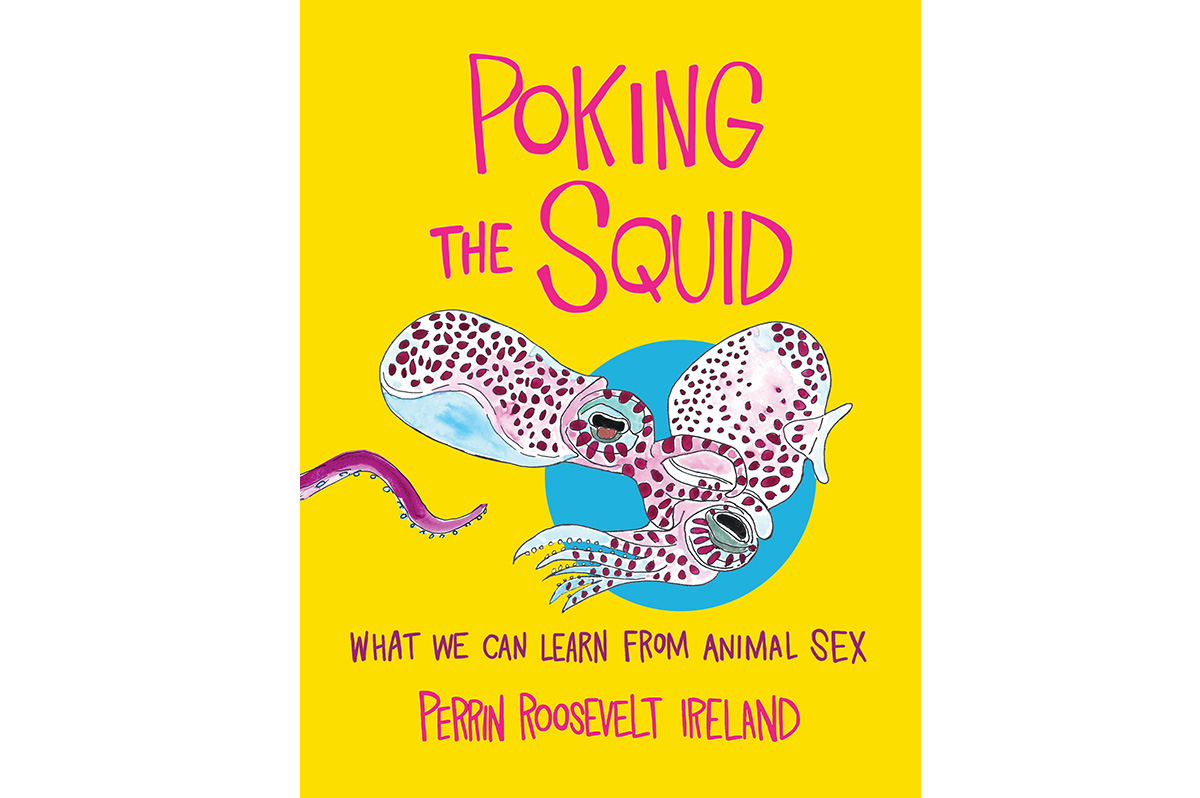
‘Poking the Squid: What We Can Learn from Animal Sex’
By Perrin Roosevelt Ireland
c.2026, W.W. Norton
$29.99 241 pages
Birds do it.
According to Cole Porter, bees do, too, but it’s not exactly what he imagined. Wild and tame, avians, insects, and mammals all have sex – although not always as you’ve been told or for reasons you might think. Even educated fleas do it and, as in the new book, “Poking the Squid” by Perrin Roosevelt Ireland, humans can learn from them all.

If you read through scientific papers on animal reproduction, you might notice something unusual: for scientists, the word “sex” means a lot of different things.
Says Ireland, “It’s used to describe behaviors, biology, life histories, and more.”
That might be because animals are not simply binary.
Take, for instance, hyenas. It’s easy for the casual observer to mistake a male hyena for a female and vice versa because of stereotypes of anatomy. Mating, for hyenas, requires subordination for the male and a nifty trick on the part of the female’s body to get things done.
Our feathered friends are no birdbrains, either: black-browed albatrosses were once thought to be monogamous but global warming seems to have changed their nesting habits sometimes. Male flamingos have sex with one another, as a territorial thing; other birds and animals form same-sex pairs for other reasons.
The Chinese mantis eats her mate after fertilization. Female snakes, alpacas, guinea pigs, and monkeys are anatomically able to enjoy sex. Genitalia between species varies quite a bit; in fact, the vaginas of ducks “are highly complex.” Lionesses will mate up to 100 times when in heat. Female damselflies will change into a “third sex” to avoid overly aggressive mating males. Bearded dragons can change their sex, if needed, as can yellow clown goby fish. And seahorse pregnancy and birth sparked a book banning in Tennessee.
So, asks Ireland, if animals, including us, vary so much in biology and life, “… why are we using the word sex like it means something, anything, consistent?!”
Pick up “Poking the Squid,” page through it a few seconds, and you’ll see that the information here is largely told through cartoon-like drawings mixed with captions. It seems to be something on the lighter side, but don’t let that artwork fool you.
Author Perrin Roosevelt Ireland offers readers solid information that cozies up to the scholarly, with hard science, philosophy, feminism, and quotations from researchers to support it, thus furthering the narrative and hitting the points squarely. If you see the art and expect something lighthearted, comic, and small-talk-worthy, you could be disappointed.
On the other hand, if you want solid, wryly serious facts, you’re in for a treat.
There’s lots of learning to be gleaned here, and some slight nudge-wink whimsy to emphasize the absurdity of wrong-headed thinking. This can make readers feel like they’re in-the-know on the jokes, and the playfulness balances the seriousness of the information well.
So, serious, scholarly, or slightly silly, none of these are negative but you’re going to know what you want from a book like this. For the right reader, someone in the mood, “Poking the Squid” is wild.
The Blade may receive commissions from qualifying purchases made via this post.

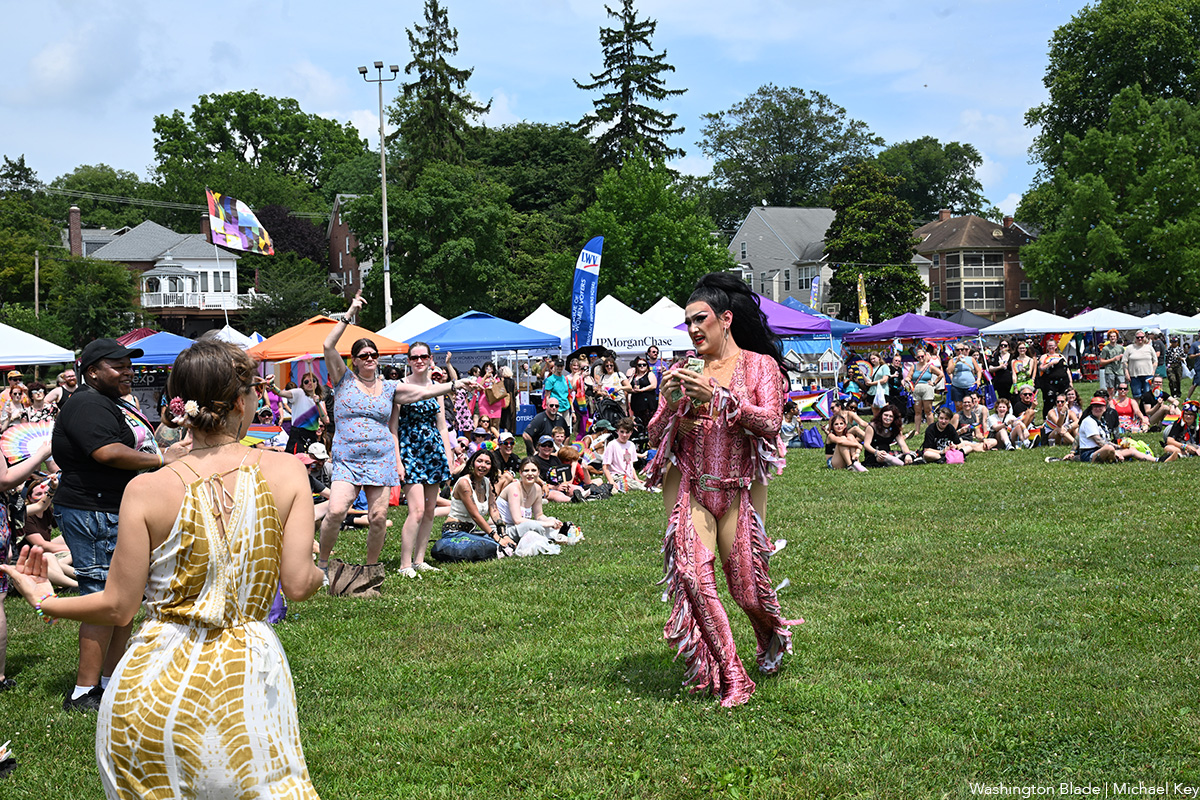
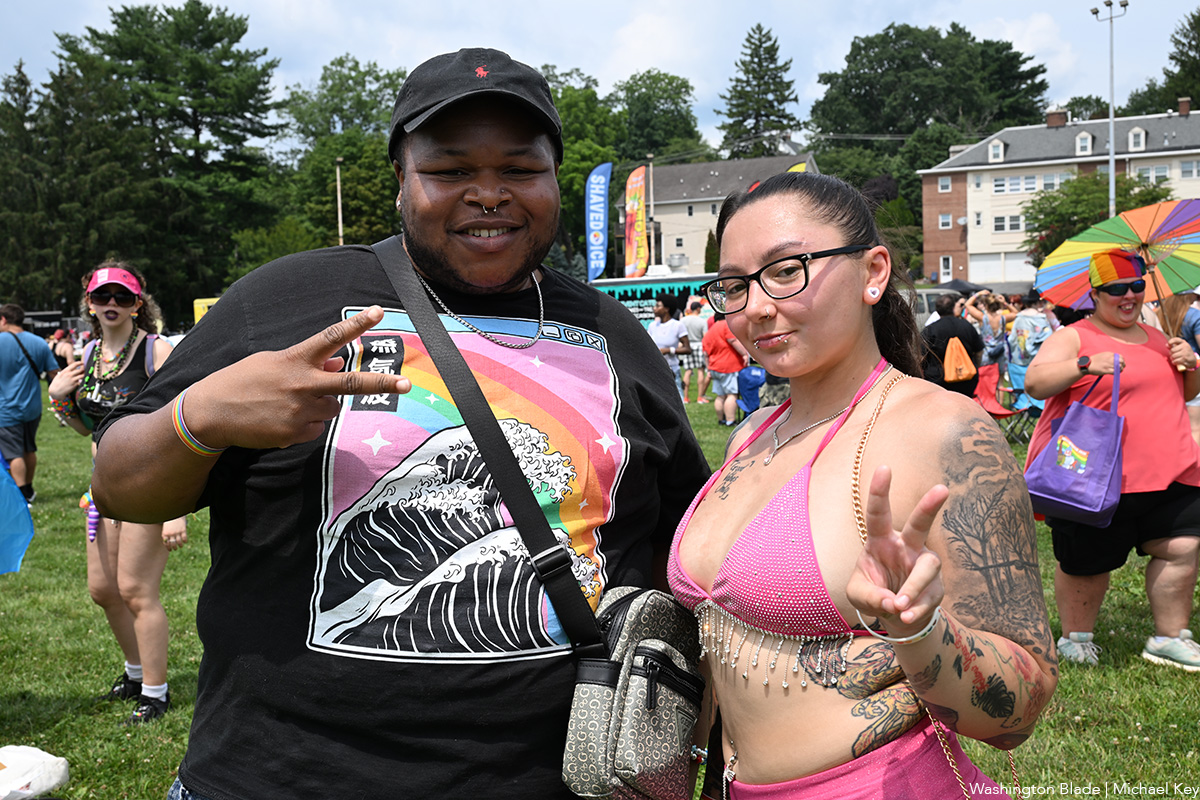
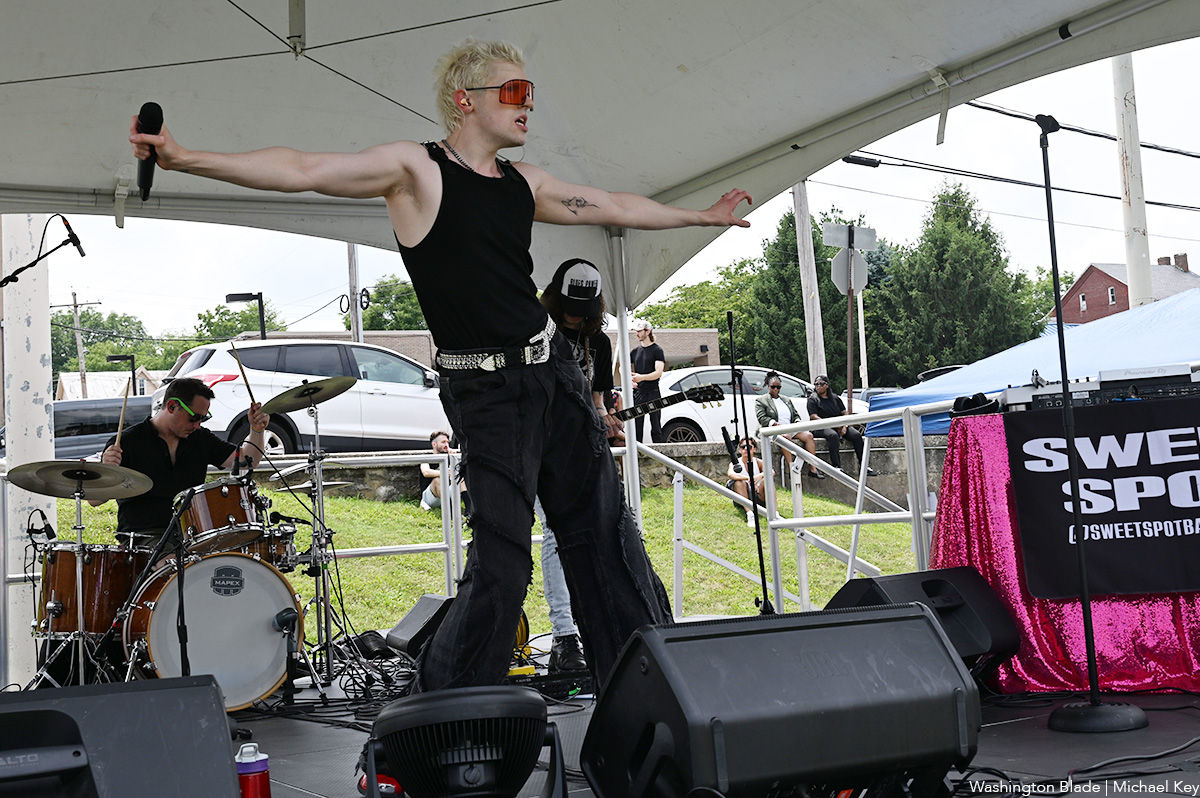
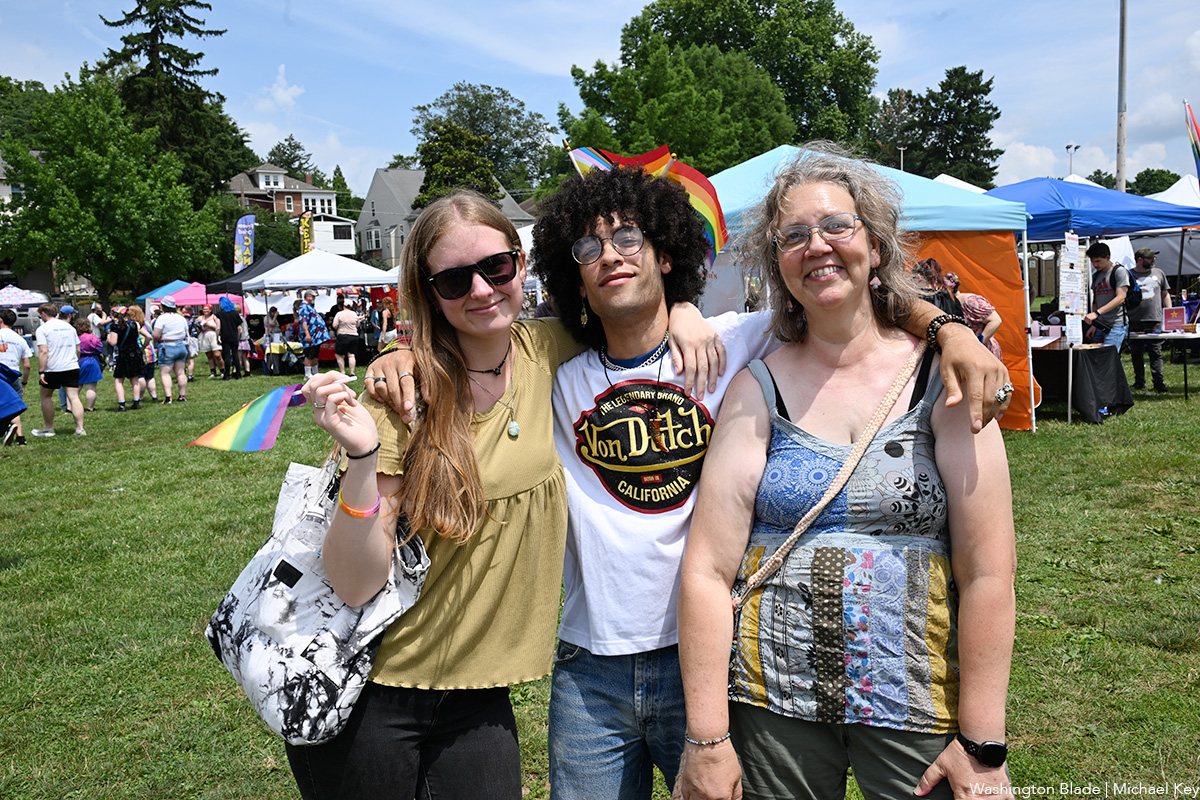
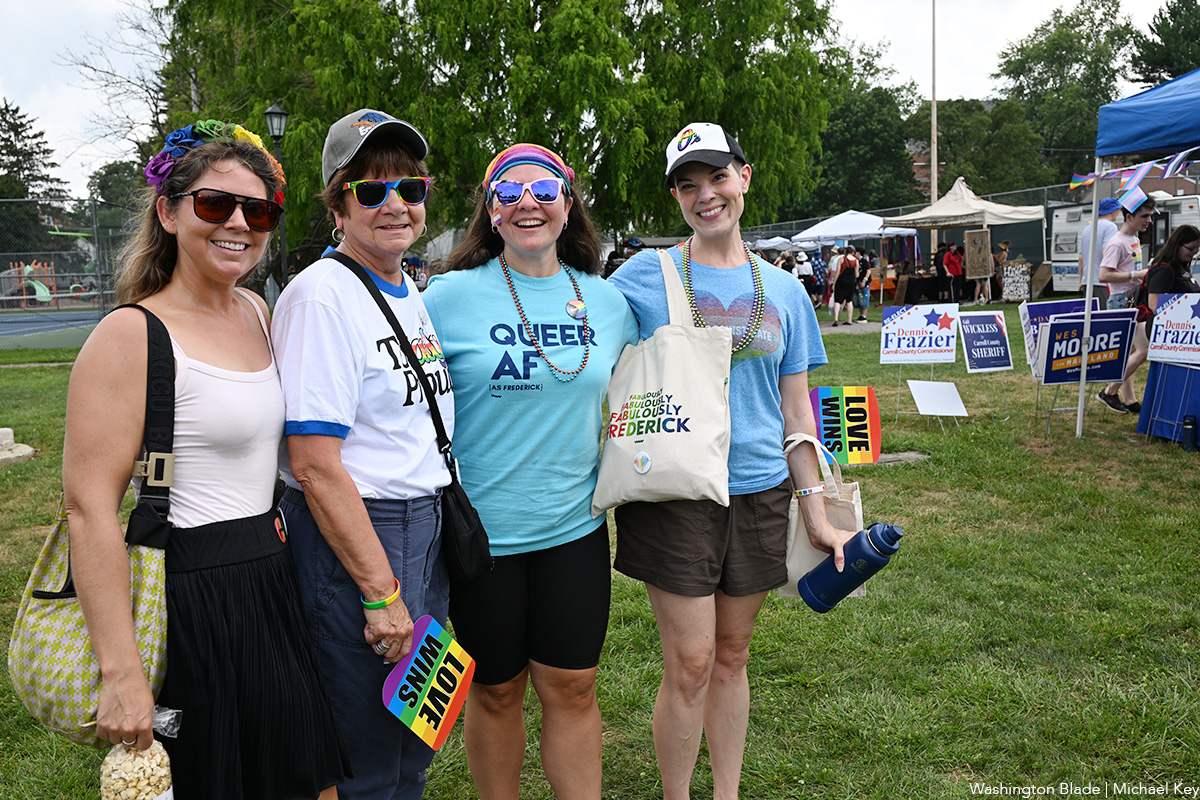
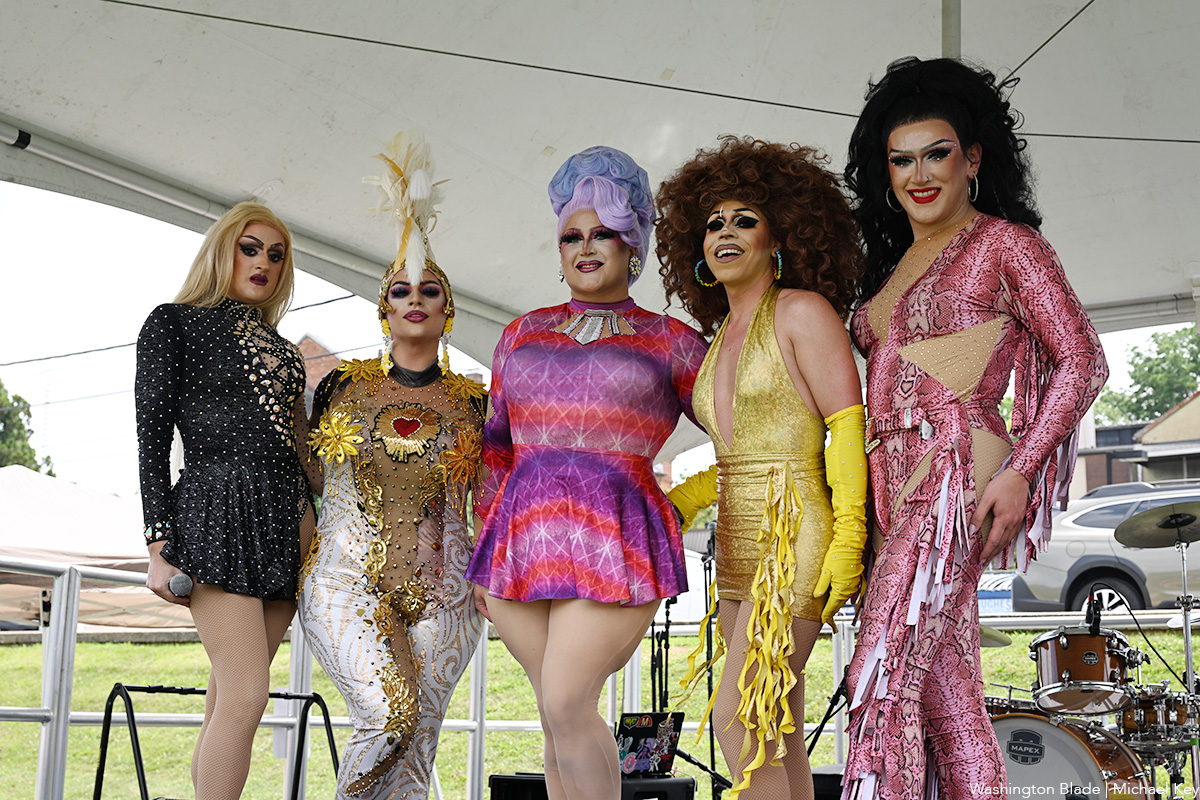
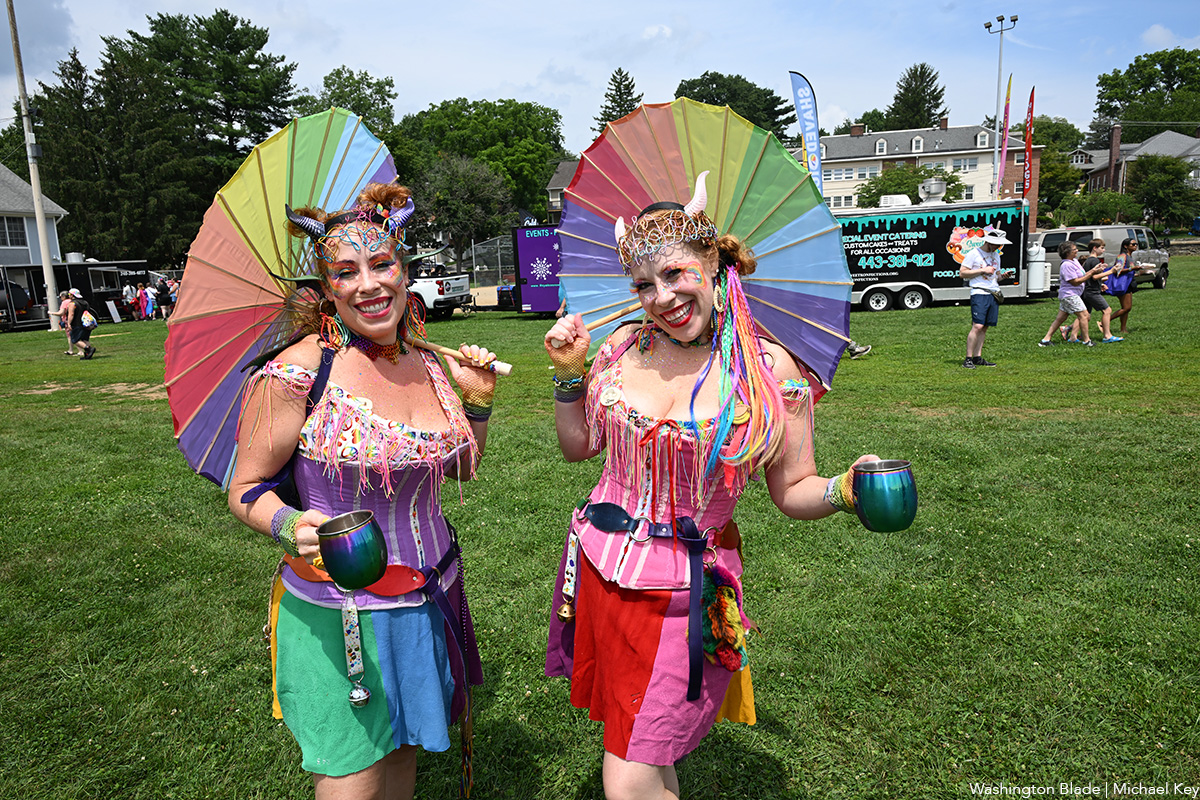
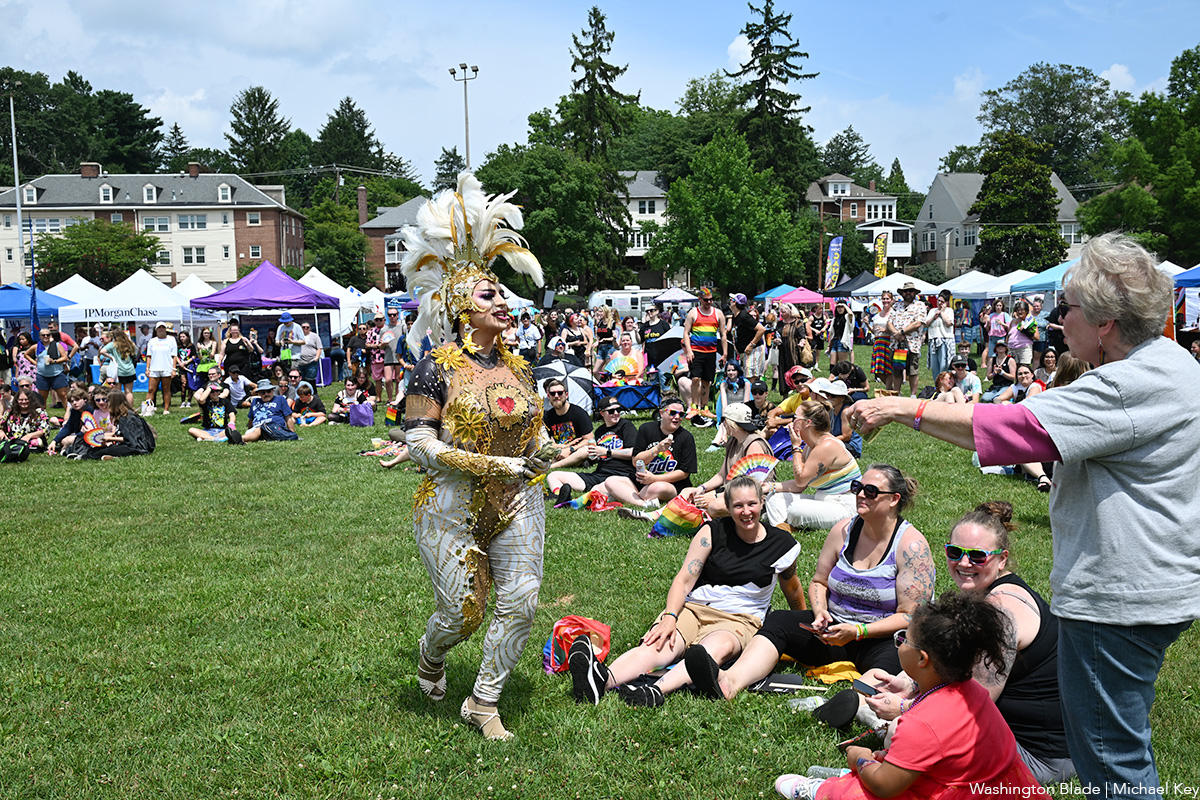
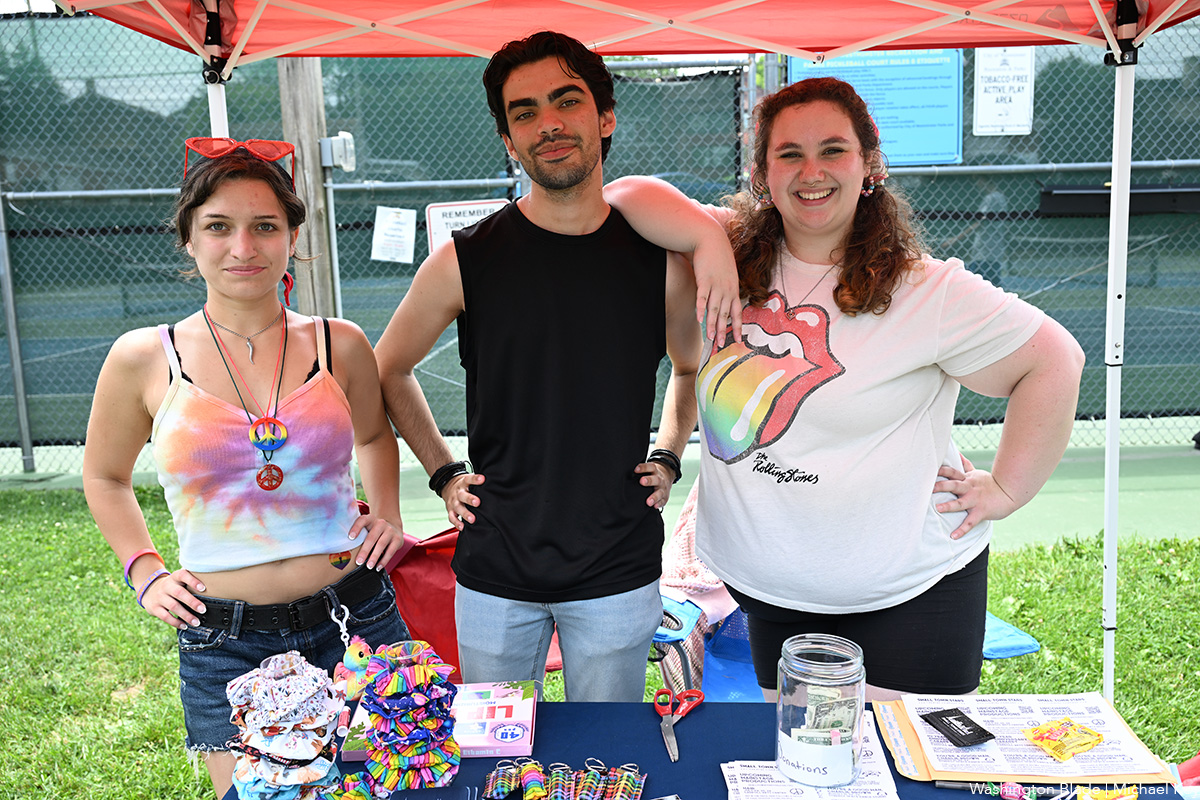
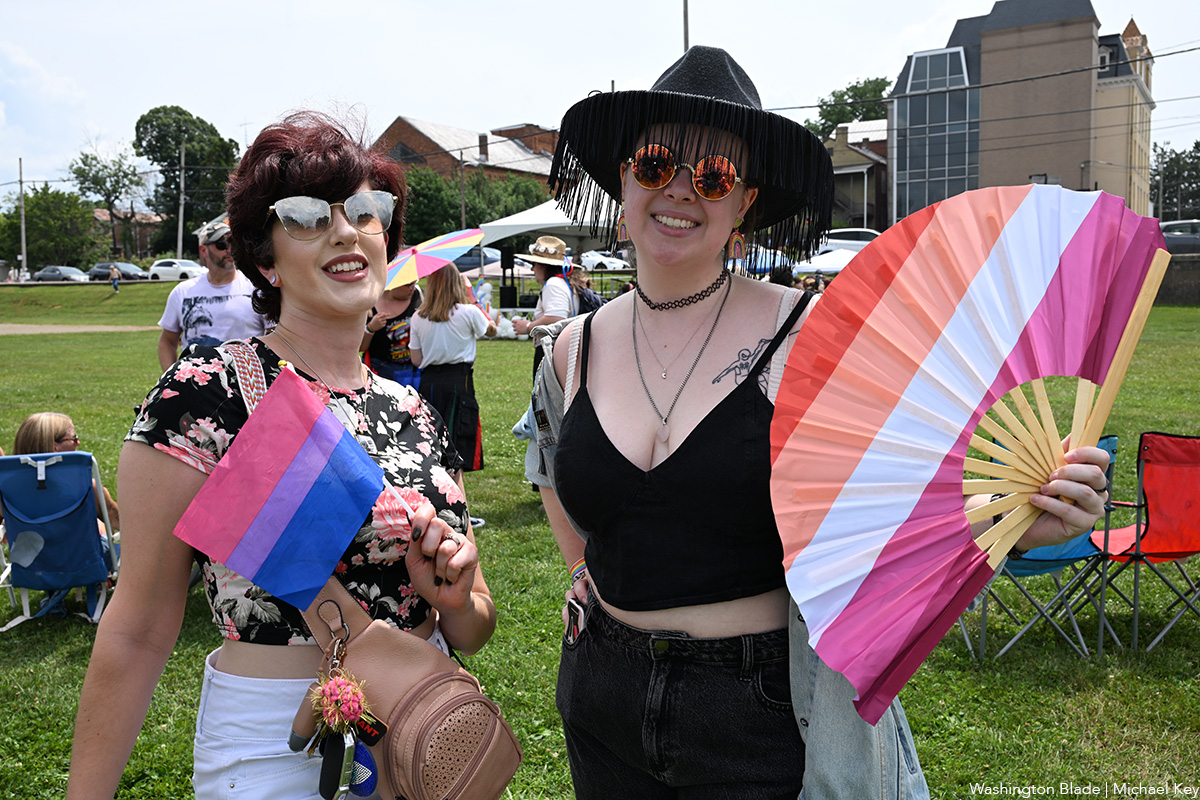
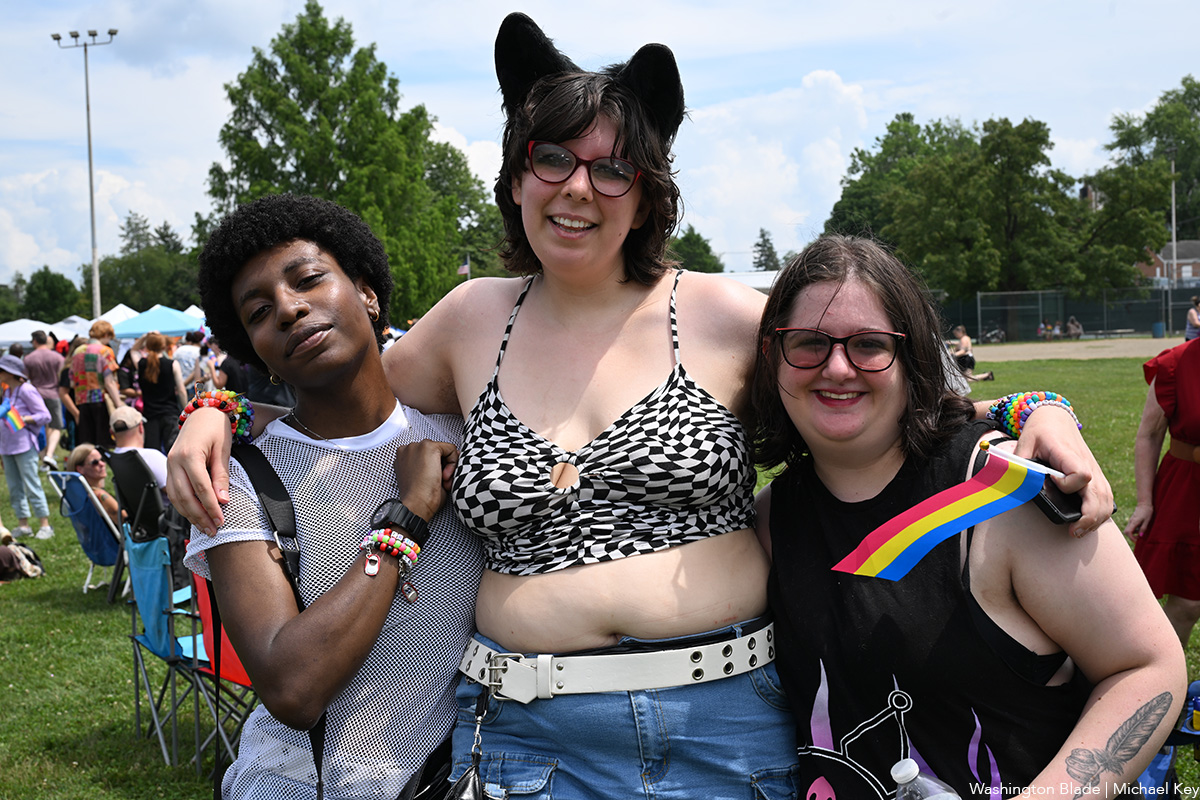
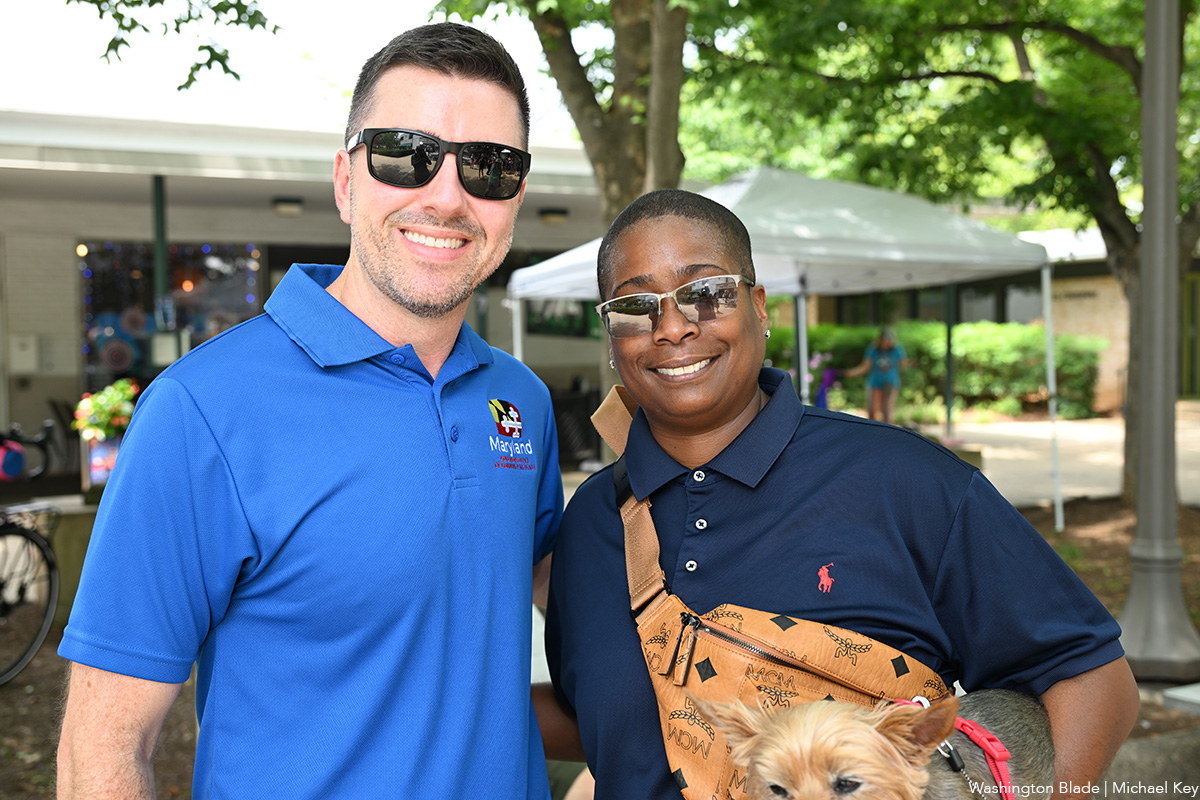
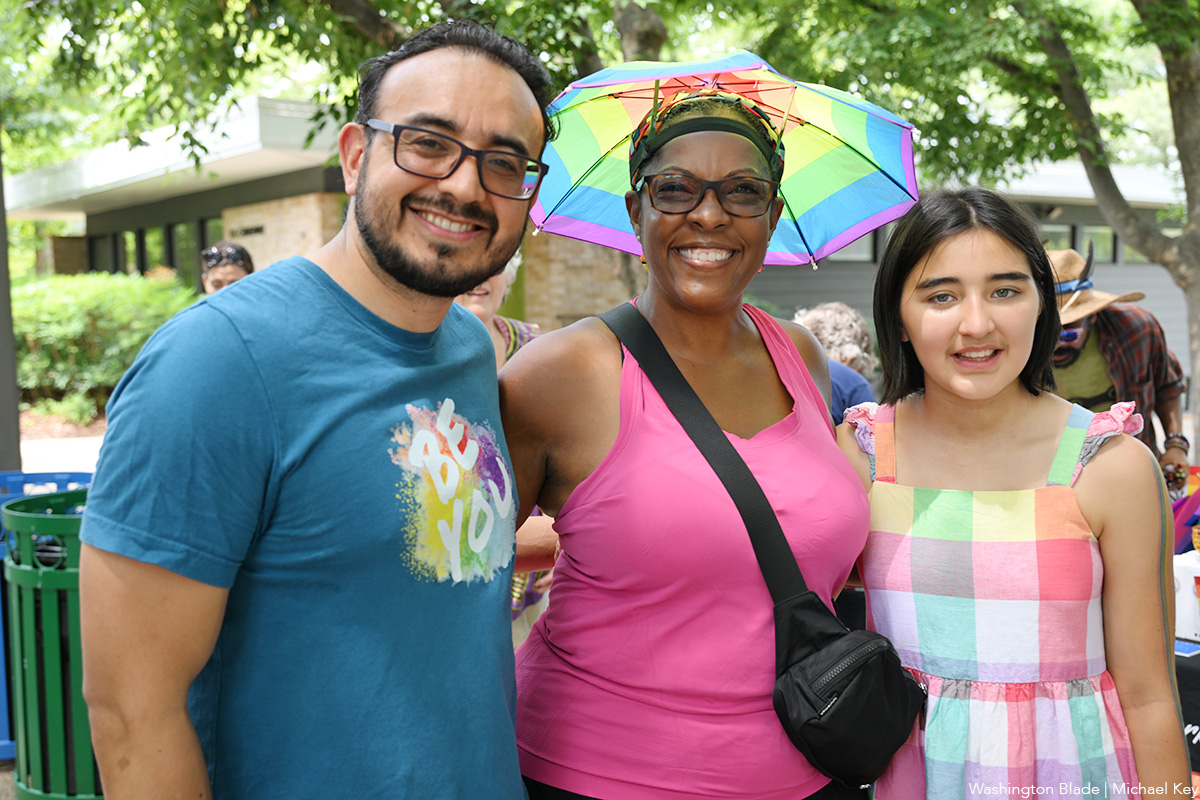
The eighth annual Westminster Pride Festival was held at Westminster City Park in Westminster, Md. on Saturday, July 11.
(Washington Blade photos by Michael Key)
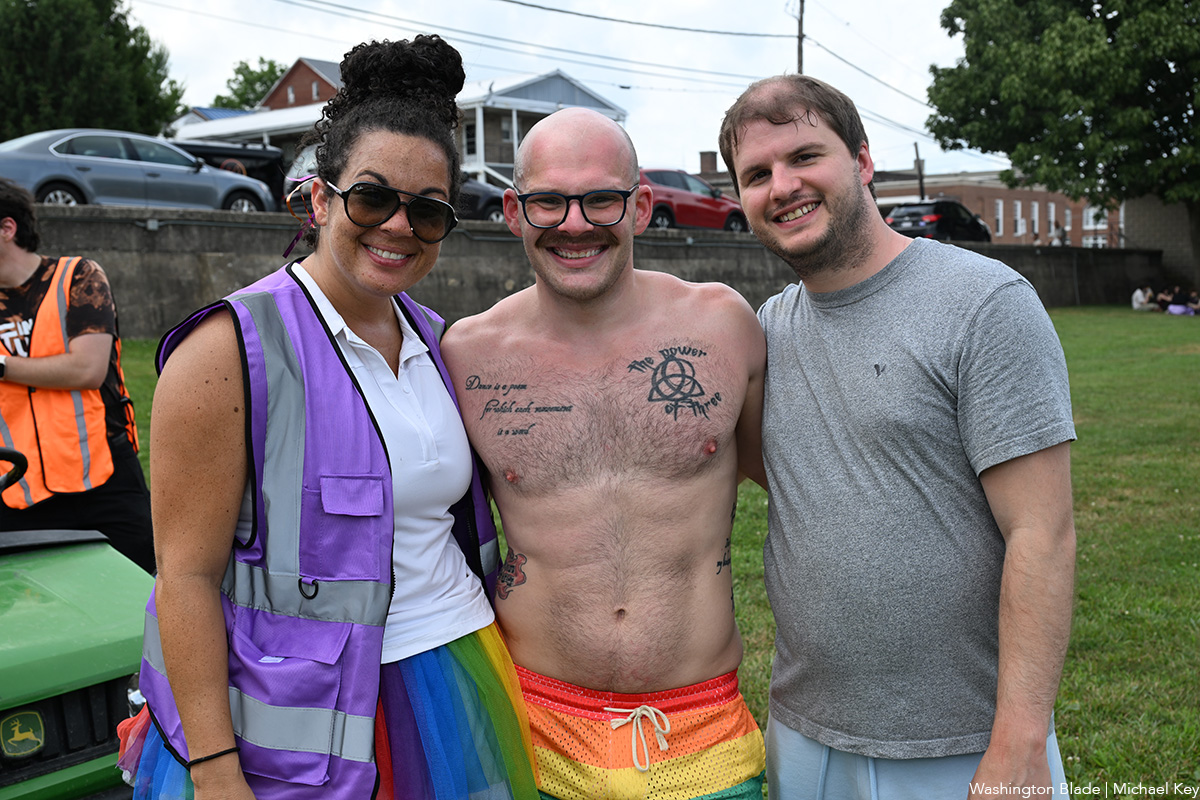



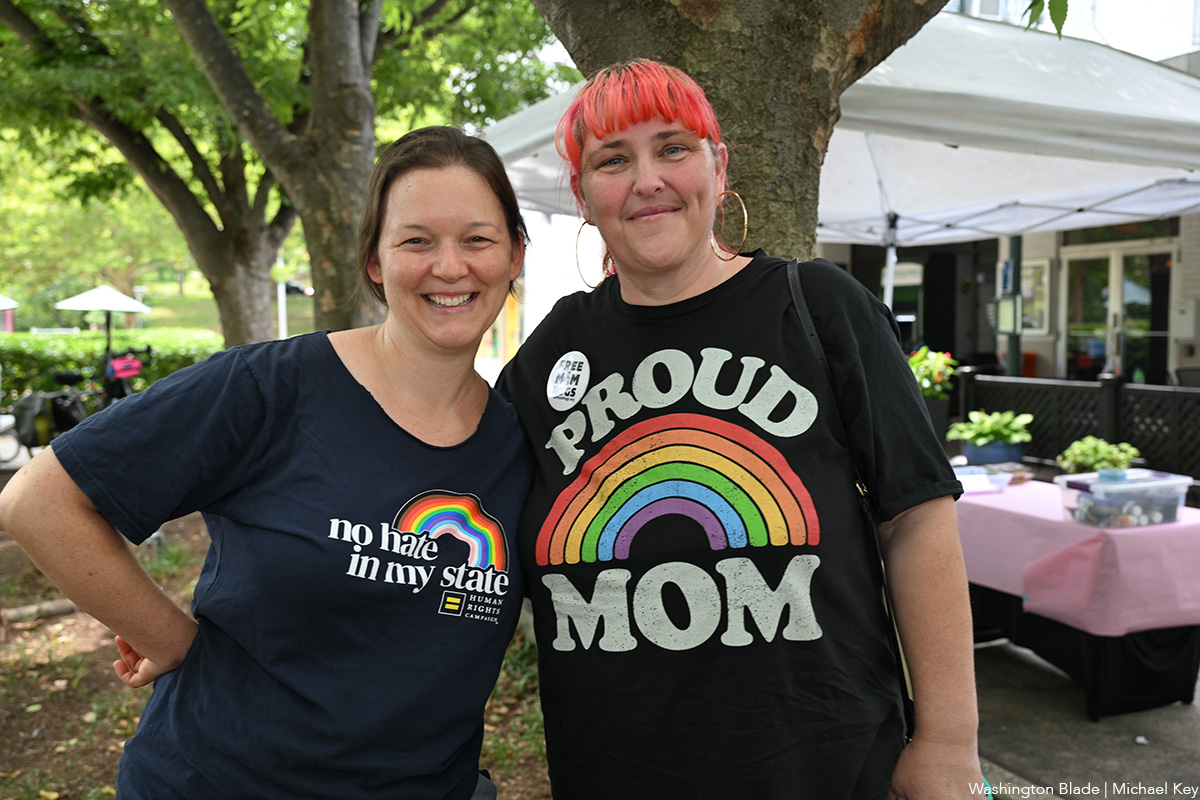
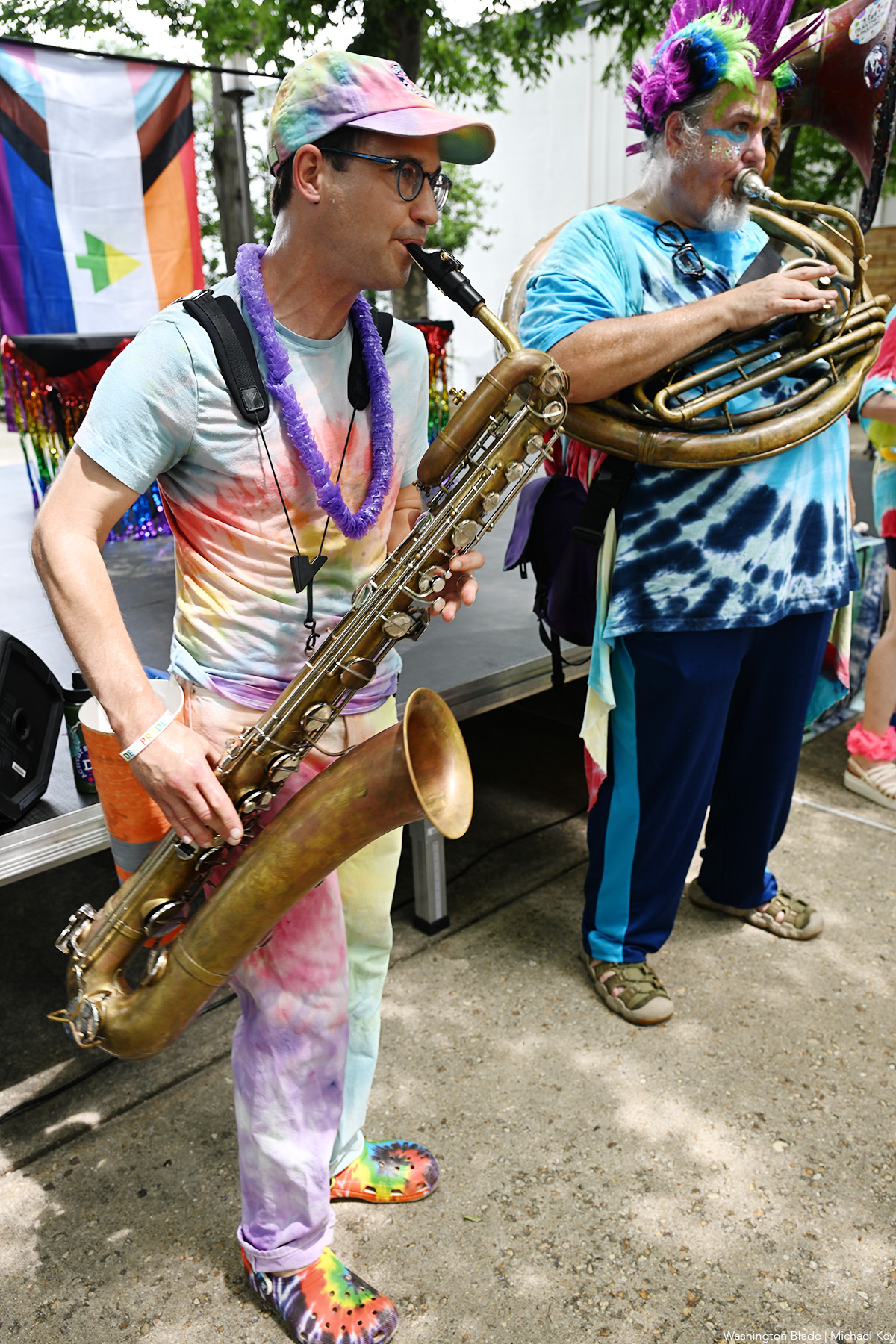
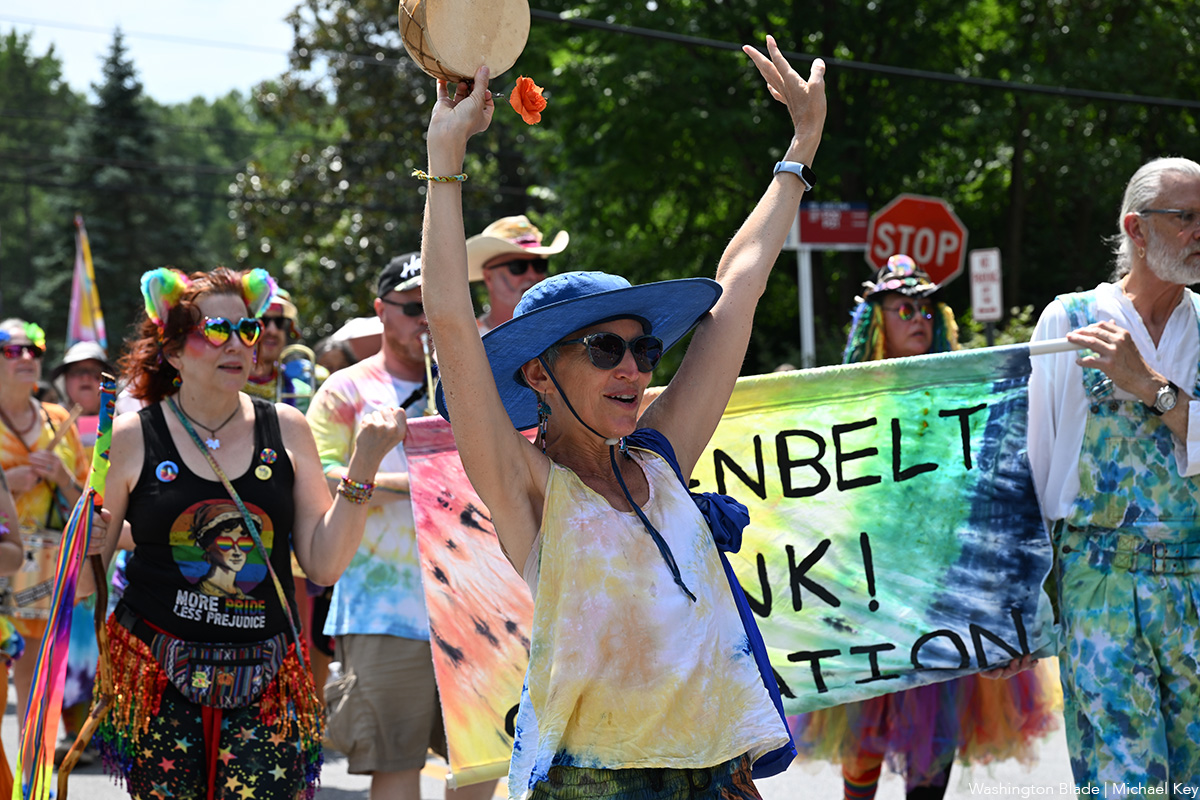
The fifth annual Emerald City Pride was held in Greenbelt, Md. on Saturday, July 11.
(Washignton Blade photos by Michael Key)





View on Threads

New book reveals what we can learn from animal sex

Who might replace Lindsey Graham? The contenders and their LGBTQ records

PHOTOS: Westminster Pride

Un terremoto también se vive desde el exilio

PHOTOS: Emerald City Pride

Mr. Henry’s celebrates 60 years of proud inclusivity

It’s good to see some justices standing up to Trump

Queer media dominates 2026 Emmy nominations

Egyptian authorities refuse to allow gay cruise to dock in country