Local
Comings & Goings
Leeds to open new bar; Penchina to chair Victory board


The ‘Comings & Goings’ column chronicles important life changes of Blade readers.
Comings & Goings recognizes the achievements of members of the LGBT community and highlights job openings in organizations working to advance LGBT rights. Please continue to share information about yourself and let friends know they can contact us at [email protected].
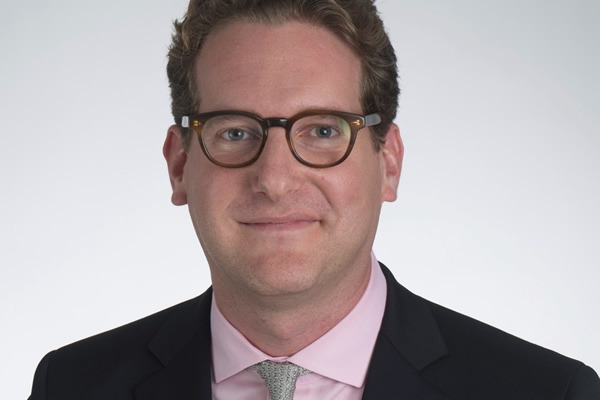
Daniel Penchina
Congratulations to Daniel Penchina, recently elected as co-chair of the Victory Campaign Board. VCB is a national group of community leaders dedicated to electing more openly LGBT candidates to public office by promoting the work of the Victory Fund in their communities. Elected by their peers to serve two-year terms, VCB members recruit qualified openly LGBT candidates to run for office and review and endorse Victory Fund’s candidates to ensure that LGBT voices are represented in government. From large cities to small towns, red states to blue, VCB members are helping to raise awareness of Victory Fund’s work and its mission.
Daniel is an active member of the LGBT community and a principal at the Raben Group. He previously served as president of “Q” Street, the organization of LGBT lobbyists, and worked on the Hill for a number of members of Congress, including Jan Schakowsky, Christopher Murphy and Jerrold Nadler.
We are also celebrating with Jamie Leeds, chef extraordinaire and owner of Hank’s Oyster Bar. Her new bar, The Twisted Horn, will open in two weeks in the Petworth neighborhood of D.C. at 819 Upshur St., N.W. It will be managed by Megan Coyle of Hank’s. It is a craft cocktail bar with a menu highlighting seasonally driven cocktails made with local ingredients, house infusions and innovative combinations, including such unique drinks such as Scarlet Billows, Blackwell Rum, Camparno Anitca and more. The menu will include classic cocktails and craft beers such as Day of the Dead Hefeweizen or Atlas Rowdy Rye and wines available by the glass or bottle.
Guests are invited to partake of a Jamie Leeds-designed snack menu consisting of bar favorites such as assorted pickles from their neighbors Gordy’s Pickle Jar, as well as a selection of cheese and charcuterie, among other items. The candlelit interior design and décor is edgy and industrial, while maintaining a neighborhood feel. The bar has 30 stools, with an additional 10 seats at high-top tables. There are also plans to house an outdoor patio with approximately 40 seats. Information at twistedhorndc.com. Congrats also go to Hank’s Dupont manager, Jeff Strine, who has been promoted to director of HR and training for Jaime’s growing business.
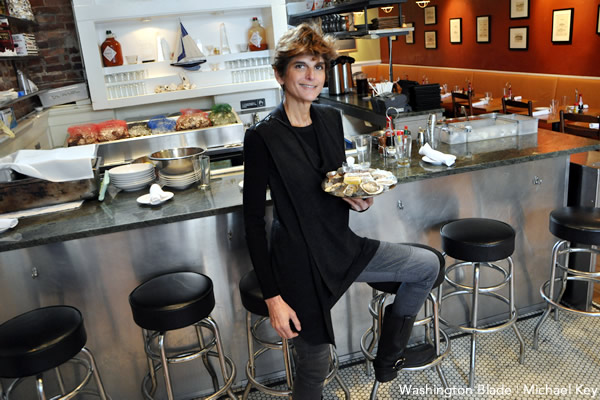
Jamie Leeds (Washington Blade photo by Michael Key)
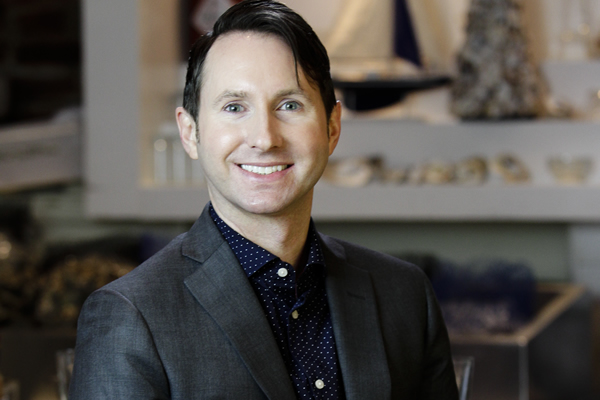
Jeff Strine
Two good jobs are available at PFLAG National. PFLAG is the nation’s largest family and ally organization supporting the LGBT community. PFLAG has more than 400 chapters and 200,000 members.
Director of Development Amy Sauerwalt, a PFLAG parent with a teenager who is transgender, is looking to add managers of major gifts and corporate development to her team.
The Major Gifts Manager will have primary responsibility for planning, coordinating and implementing the major donor and planned giving programs to meet the organization’s major gifts fundraising goals and planned giving program objectives. They will also be responsible for coordination of other staff and board members to cultivate additional solicitation. The Corporate Development Manager will be responsible for soliciting, researching, cultivating and strengthening PFLAG’s corporate relationships resulting in gifts and grants to support PFLAG’s organizational and programmatic needs. To learn more, contact PFLAG at 202-467-8180.


The Comings & Goings column is about sharing the professional successes of our community. We want to recognize those landing new jobs, new clients for their business, joining boards of organizations and other achievements. Please share your successes with us at [email protected].
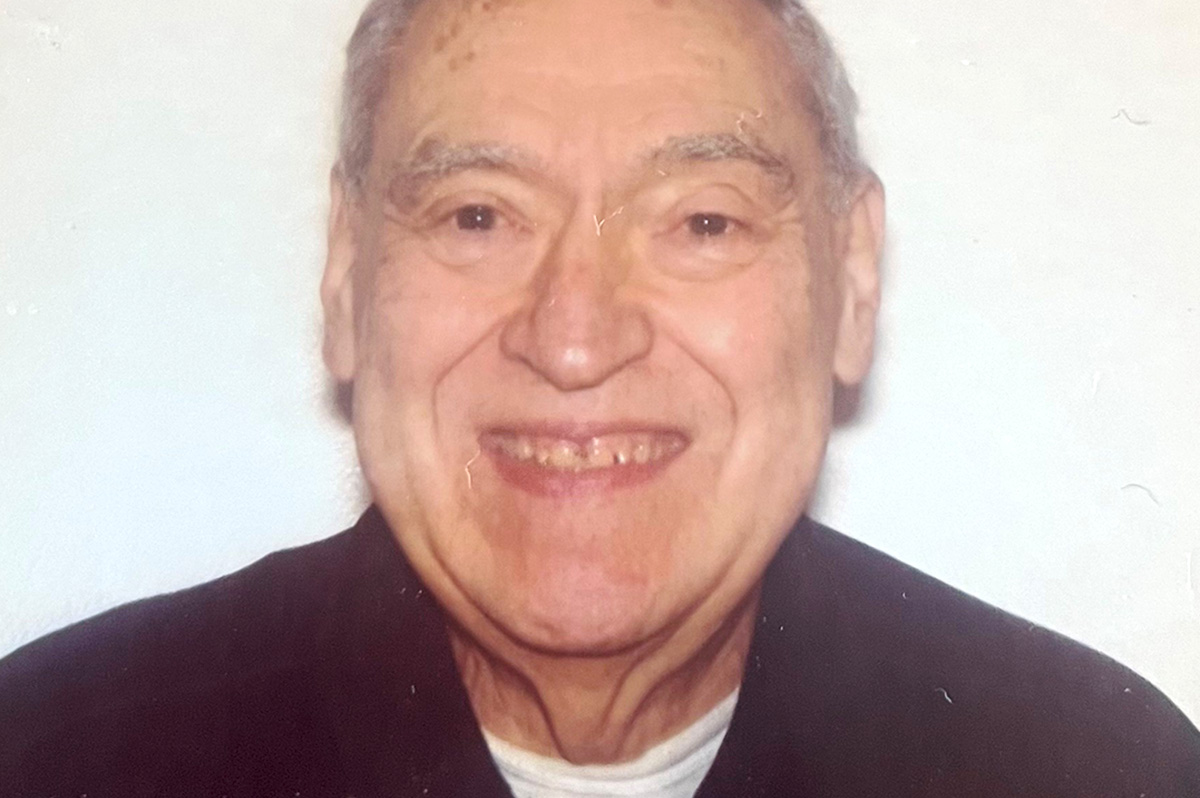
Congratulations to Peter Schott on being honored by Delaware Gov. Matt Meyer on National Honor our LGBTQ Elders Day.
Schott is a prominent LGBTQ advocate and seasoned political strategist who has spent decades advancing civil rights at the national and state levels. Following a distinguished 25-year career as a staff assistant in the U.S. House of Representatives, Schott leveraged his extensive legislative expertise to help organize the National Stonewall Democrats, serving as an influential member of its national board.
After moving to Delaware in 2002, he became a foundational figure in the state’s LGBTQ political landscape, co-founding the Delaware Stonewall PAC, (now Stonewall Delaware) to champion the election of pro-equality candidates. His strategic lobbying and community organizing were instrumental in the successful passage of Delaware’s landmark non-discrimination, civil union, and marriage equality laws. A former member of the State Human Relations Commission, he remains a vital voice for the LGBTQ community in the Mid-Atlantic, continuing to document and drive social progress through his activism and writing. Schott currently serves as vice chair of the Delaware Democratic Pride Caucus, and a board member of Speak Out Against Hate (SOAH). He was a delegate to two Democratic National Conventions.
He earned a bachelor’s degree in Political Science, New York University; and a master’s of Public Administration degree from American University.
District of Columbia
Doc on Blade reporter Chibbaro scores Emmy nomination
‘Lou’s Legacy’ chronicles 50-year career

“Lou’s Legacy: A Reporter’s Life at the Washington Blade” has been nominated for a Capital Emmy in the “Documentary – Historical” category by the National Capital Chesapeake Bay Chapter of the National Academy of Television Arts & Sciences.
“Our members include all of the video content producers who serve our local audiences in Washington, DC, Maryland and Virginia—from the Atlantic to the Appalachians, from Bristol to Baltimore,” said Capitol Emmys President Adam Longo in a press release.
Broadcast last June by WETA PBS in Washington, D.C. and MPT in Maryland, the documentary was directed and produced by Emmy-nominated filmmaker Patrick Sammon in association with the Mattachine Society of Washington, D.C. Additional nominees who worked on the film include producer Julianne Donofrio and editor Amir Jaffer.
“Lou’s Legacy” tells the story of two D.C. icons — legendary Washington Blade reporter Lou Chibbaro Jr. and beloved drag performer Donnell Robinson, known to generations of Washington audiences as “Ella Fitzgerald.” Through Chibbaro’s nearly five-decade career at the Blade and Ella’s return to the stage after a three-year hiatus following COVID, the 29-minute documentary explores the history of Washington’s LGBTQ community and today’s rising backlash against LGBTQ rights, including laws targeting drag performers.
“We’re honored that Lou’s Legacy has been recognized alongside such an impressive group of historical documentaries,” said Sammon. “This nomination is especially meaningful because the film preserves and celebrates the stories of people who helped shape queer history in Washington, DC — often without recognition from mainstream institutions. We’re deeply grateful to the Mattachine Society, Lou Chibbaro Jr., Donnell Robinson, WETA PBS, and everyone who helped bring this project to life.”
“Lou’s Legacy” premiered on WETA PBS in June 2025 during Pride month. The documentary also broadcast on Maryland Public Television and is streaming nationally on PBS.org. WETA will rebroadcast “Lou’s Legacy” several times during Pride month, including June 15 th at 9 p.m. Winners of the Capital Emmy Awards will be announced at the Capital Emmy Gala on June 20 at the Bethesda Marriott Hotel.
Rehoboth Beach
Don’t let Rehoboth rain deter you, there’s lots to do for Memorial Day
Local businesses ready to host thousands this weekend

Although the weather is not expected to produce a picturesque Memorial Day Weekend at the Nation’s Summer Capital, plenty of exciting LGBTQ-friendly events, gatherings, and celebrations remain planned in Rehoboth Beach, Del., come rain or shine.
Thursday (5/21)
Begin this Memorial Day Weekend early on Thursday at The Pines Coastal Tavern, an LGBTQ+ friendly bar and grill that offers a happy hour from 4-6 p.m and a comfort food weekly special on Thursdays.
Next, you have a few options to spend your night enjoying live music, drag performances, and karaoke across Rehoboth.
The Purple Parrot Grill, Rehoboth’s only biergarten, will host its weekly Thursday Karaoke night starting at 9 p.m. With no cover fee, the Purple Parrot offers a queer-friendly space to have a drink or two and sing your heart out with friends.
Aqua, an LGBTQ bar in Rehoboth, is featuring six different DJs from Thursday to Monday. This Thursday will feature DJ KG, who will be spinning from 8 p.m. to midnight. Additionally, Thursdays are Burger Nights with $12 burgers and $3 domestic beers.
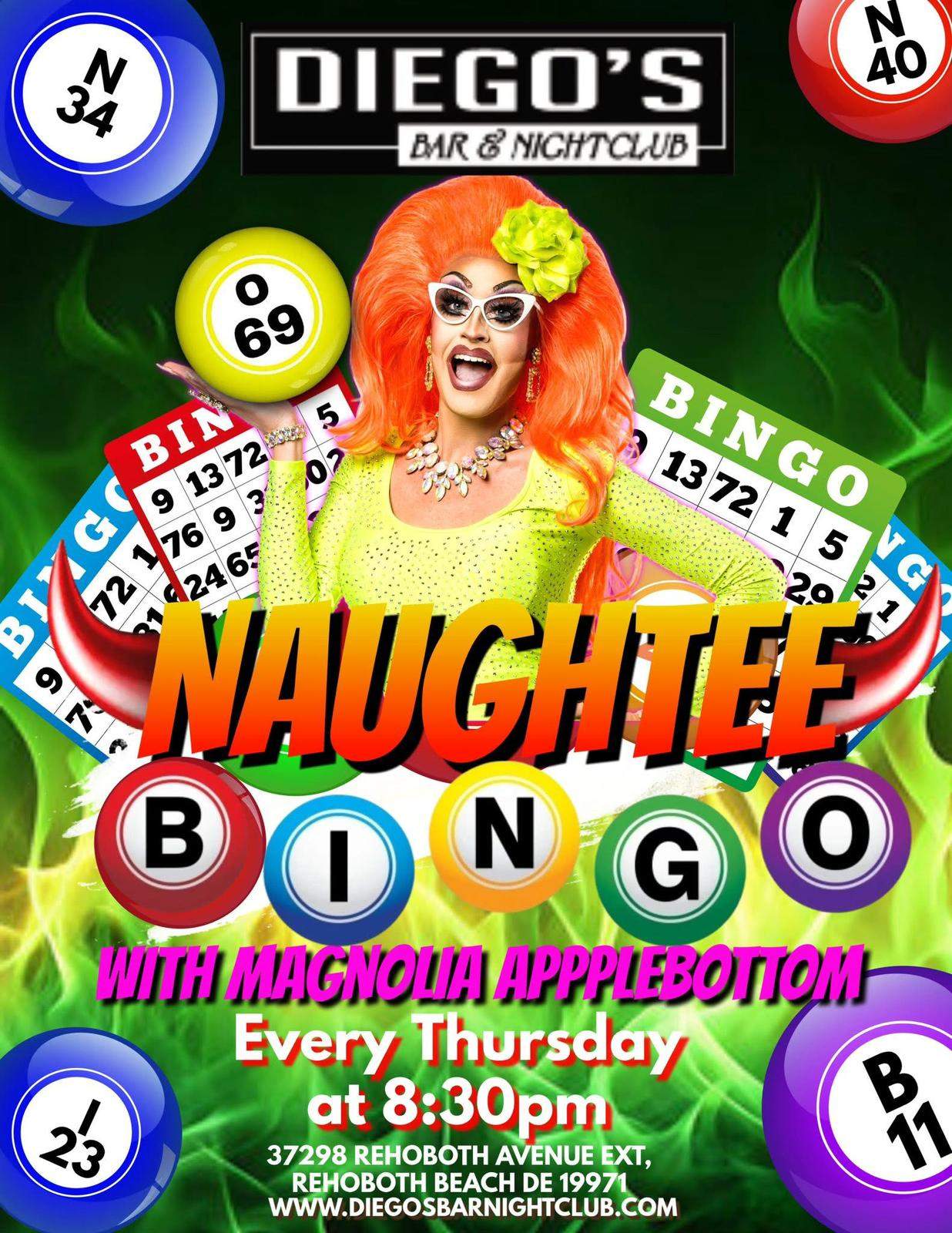
Naughtee Bingo will be hosted by Magnolia Applebottom at Diego’s Bar & Nightclub starting at 8:30 pm on Thursday.
Friday (5/22)
Get your Friday night started with a live piano show with Grant Uhle from 7-10 p.m. at The Pines.
Freddie’s Beach Bar, another LGBTQ-friendly bar in Rehoboth, will feature “Freddie’s Follie’s Drag Show” at 9 p.m. with DJ Nan keeping the party going at 11 p.m.
Aqua’s “Beats Party Night” with DJ Matt Bailer will also be going on from 9 p.m.-1 a.m.
Saturday (5/23)
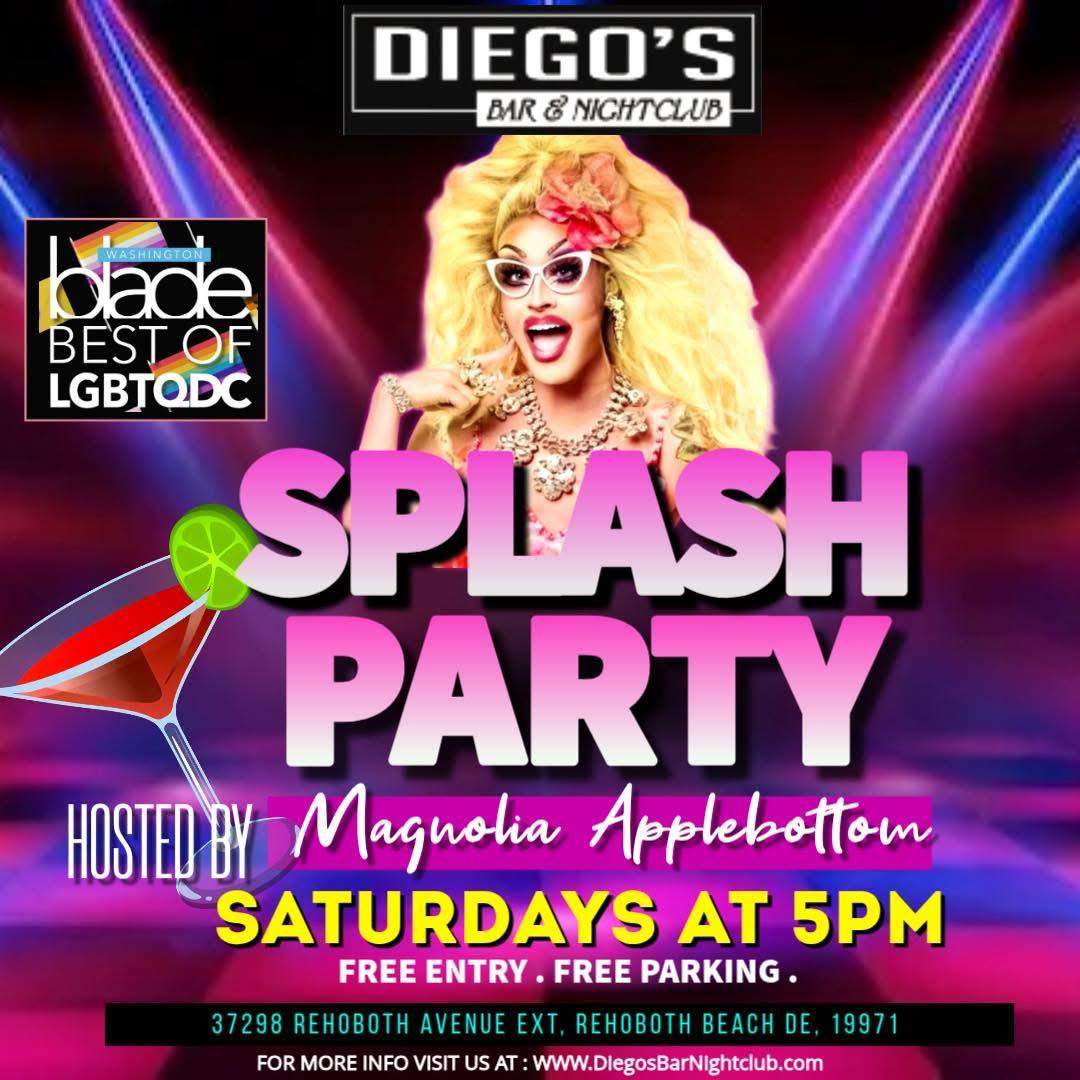
The party is starting early at Diego’s on Saturday with a Splash Party hosted by Magnolia Applebottom at 5 p.m.
The Pines is also offering a live Piano show & sing-a-long with Etienne Pilon from 6-8 p.m. and DJ Fixed Rate spinning from 8-11 p.m.
DJ Chord will play from 9 p.m.-1 a.m. at Aqua on Saturday night.
Sunday (5/24)
On Sunday, Aqua is hosting an “Aquaman” swimsuit modeling contest at 3 p.m. with the “king” chosen by the crowd. The event is sponsored by JimmyTrendy and prizes include a JimmyTrendy swimsuit set and an Aqua Grill gift card. JimmyTrendy will also offer a pop-up shop to purchase swimwear.
DJ Biff will play beats at the “Aquaman” contest until 6 p.m. and DJ Malachi Gomez will spin from 9 p.m.-1 a.m.
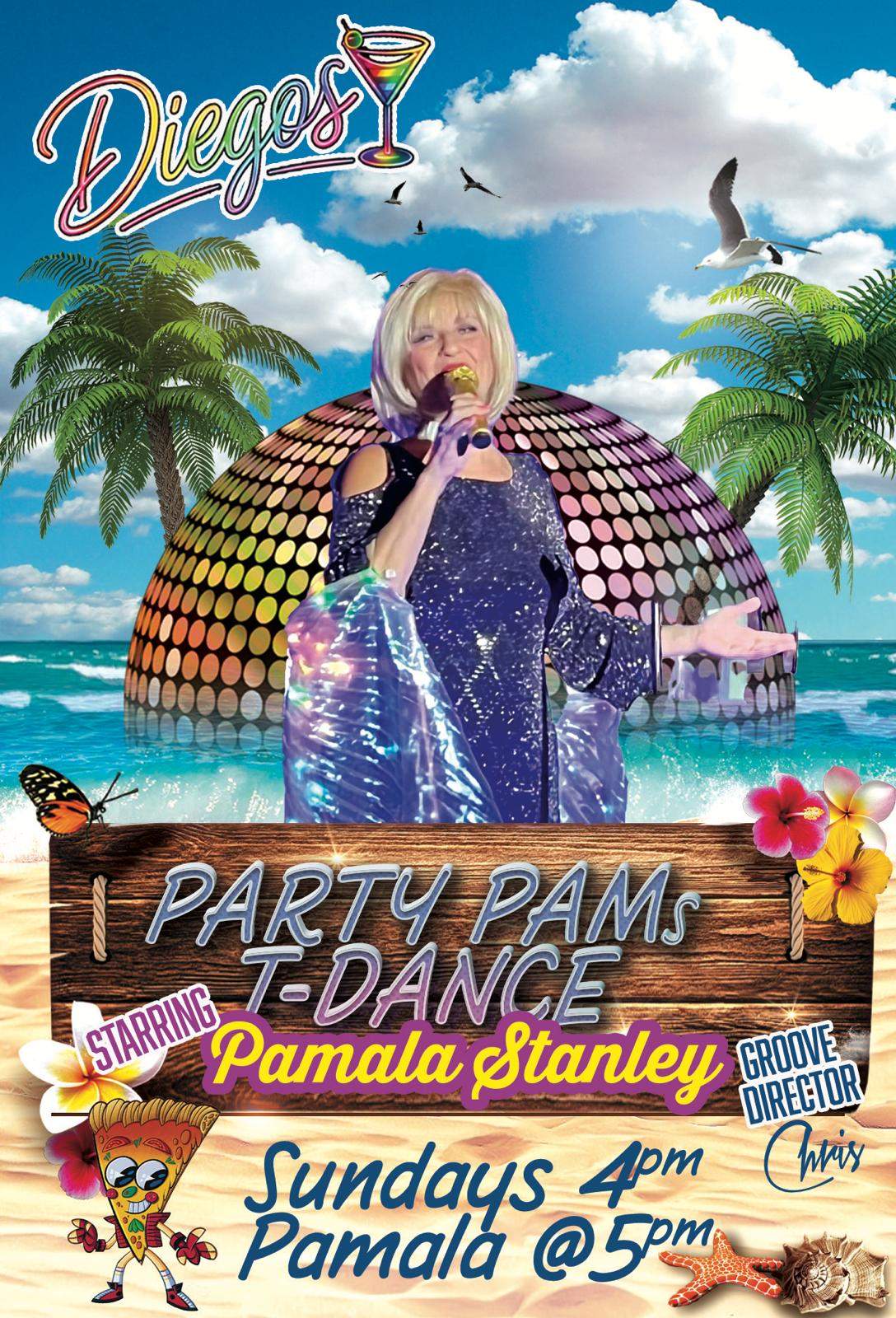
Diego’s is putting on its weekly Party Pams T-Dance starring singer Pamala Stanley at 5 p.m. It’s Pamala’s 21st season in Rehoboth Beach and her show is a must-see event.
At Freddie’s Beach Bar, DJ Shady Lady will play from 5-6 p.m. with a Memorial Day Sunday Drag Show taking place from 9-11 p.m. and karaoke directly after.
Monday (5/25)
Come together on Memorial Day to remember and honor the fallen women service members, first responders, and canine war heroes with the Laying of the Wreath. This ceremony will take place at 8:45 a.m. at the Veterans Memorial at the end of Rehoboth Avenue at the Band Stand Area. This event is put together by the Gay Women of Rehoboth.
Sussex Pride invites you to a Memorial Day Cookout Honoring LGBTQ+ Veterans and Servicemembers from 11 a.m.-3 p.m. at Gordons Pond Pavilion in Cape Henlopen.
End your MDW with Monday night singing your heart out with late night karaoke at Freddie’s Beach Bar at 8 p.m. and Piano Pam at Diego’s at 5 p.m. with Pamala Stanley playing everything from Broadway hits to current dance music.

PHOTOS: Black Pride Opening Reception

PHOTOS: Black Pride Pageant and Unity Ball

PHOTOS: Helen Hayes Awards

A magical Mercedes

When impunity meets history

Vt. lawmaker equates transgender identity with bestiality

BREAKING NEWS: Barney Frank dies at 86

U.S. attorney nominee confirmed despite anti-LGBTQ history, no trial experience

Gay Men’s Chorus celebrates 45 years at annual gala

Intersex lives, constitutional freedom, and the dangerous future of Ghana’s Human Sexual Rights and Family Values Bill
-

 Vermont4 days ago
Vt. lawmaker equates transgender identity with bestiality
-
National5 days ago
BREAKING NEWS: Barney Frank dies at 86
-
Wyoming4 days ago
U.S. attorney nominee confirmed despite anti-LGBTQ history, no trial experience
-
a&e features5 days ago
Gay Men’s Chorus celebrates 45 years at annual gala