Arts & Entertainment
‘Boy Erased’ star Lucas Hedges gets candid about his sexual fluidity
The actor says sexuality exists on a ‘spectrum’
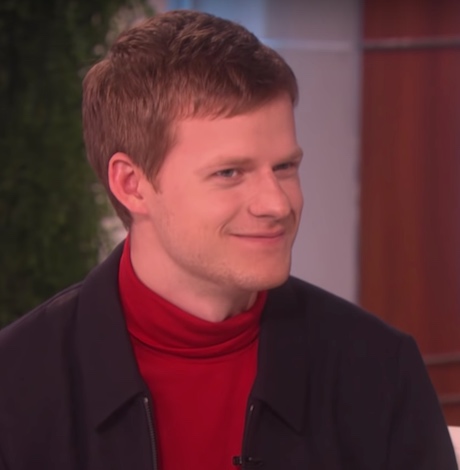
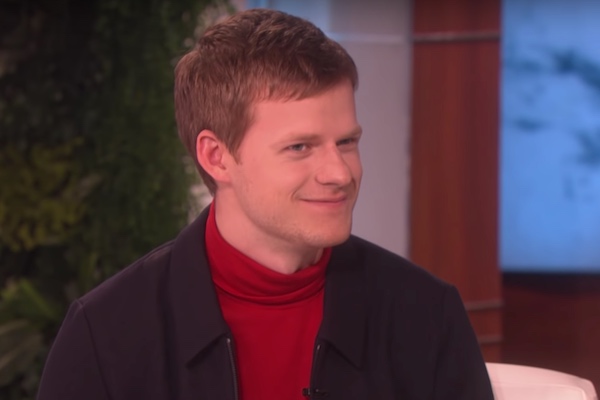
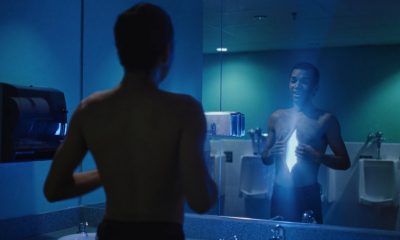
Lucas Hedges on ‘Ellen’ (Screenshot via YouTube)
Lucas Hedges opened up about his sexual fluidity while appearing on “The Ellen DeGeneres Show” with Nicole Kidman in promotion of their new film “Boy Erased.”
In September, the 21-year-old actor told Vulture that from childhood he always saw his sexuality on a spectrum.
“I owe it to this part to speak as honestly as possible,” Hedges said.“In the early stages of my life, some of the people I was most infatuated with were my closest male friends. That was the case through high school, and I think I was always aware that while for the most part I was attracted to women, I existed on a spectrum.”
On “The Ellen DeGeneres Show,” Hedges elaborated on how his teacher taught him that sexuality “isn’t black and white.”
“I went to a progressive, liberal arts school for my whole life. In sixth grade, I had a health teacher, and he presented the idea of sexuality existing on a spectrum. It’s not really that you exist 100 percent one thing and 100 percent the other,” Hedges said.“From that moment on, I always identified myself as existing within that spectrum. I see it as something that’s more fluid. It’s just not as black and white.”
After his explanation, DeGeneres joked: “I’m confused whenever I’m around Ryan Reynolds and Justin Timberlake. I’m confused. Like, what’s wrong with me?”
“Boy Erased” opens in theaters on Nov. 2.
Watch below.




a&e features
Gay Men’s Chorus celebrates 45 years at annual gala
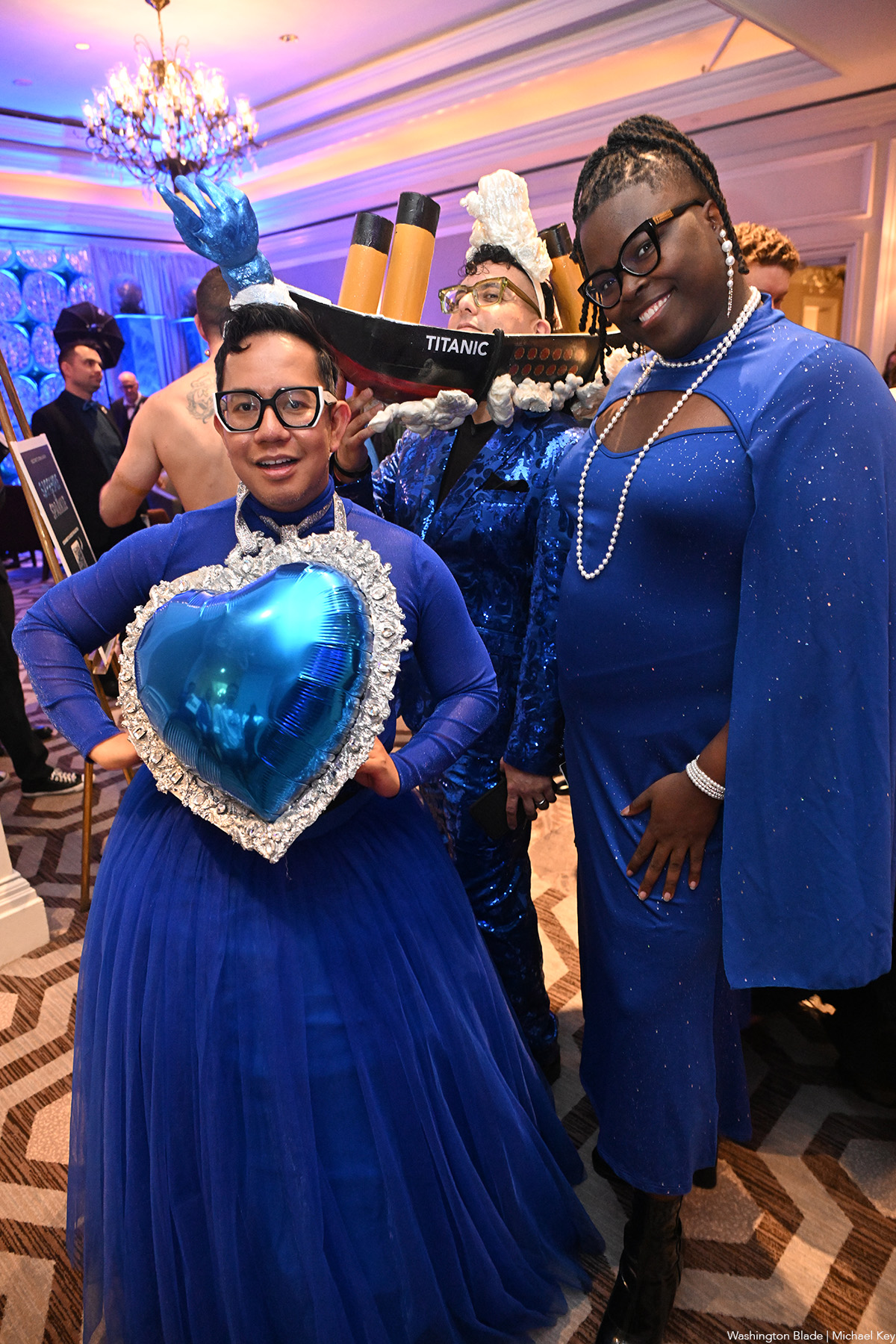
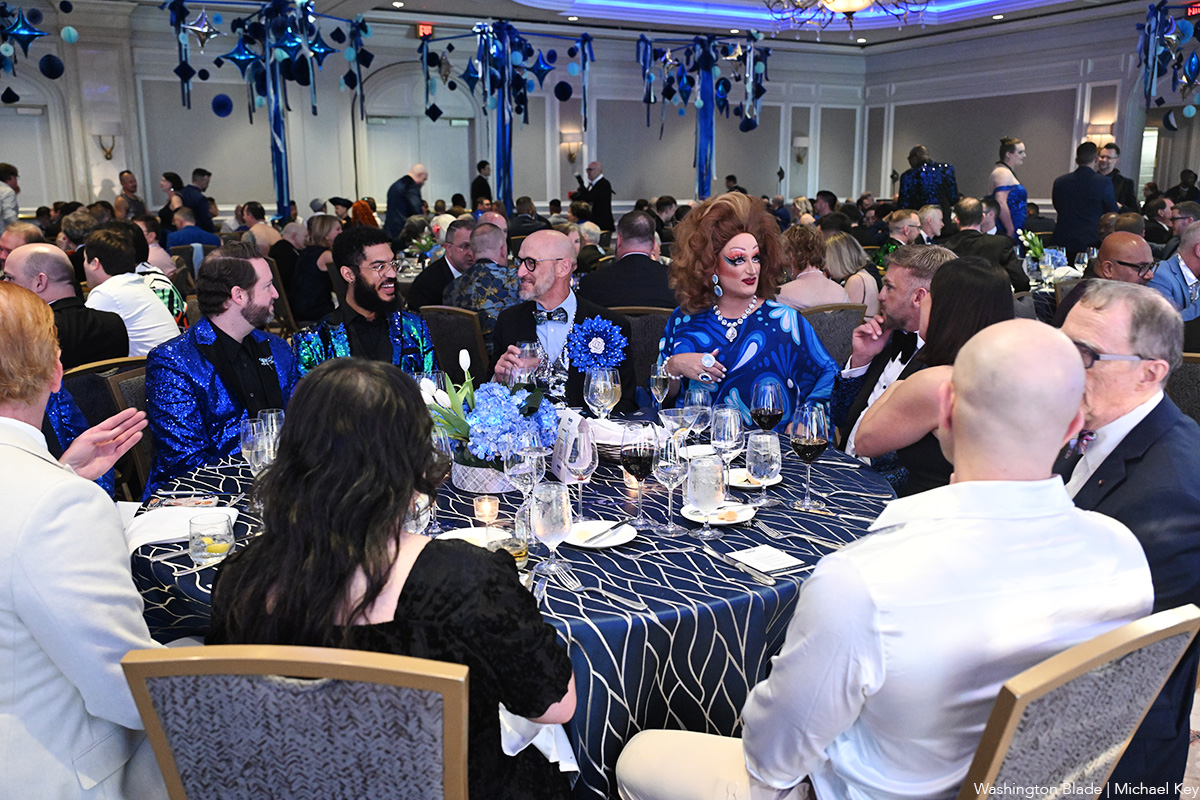
‘Sapphire & Sparkle’ Spring Affair held at the Ritz Carlton
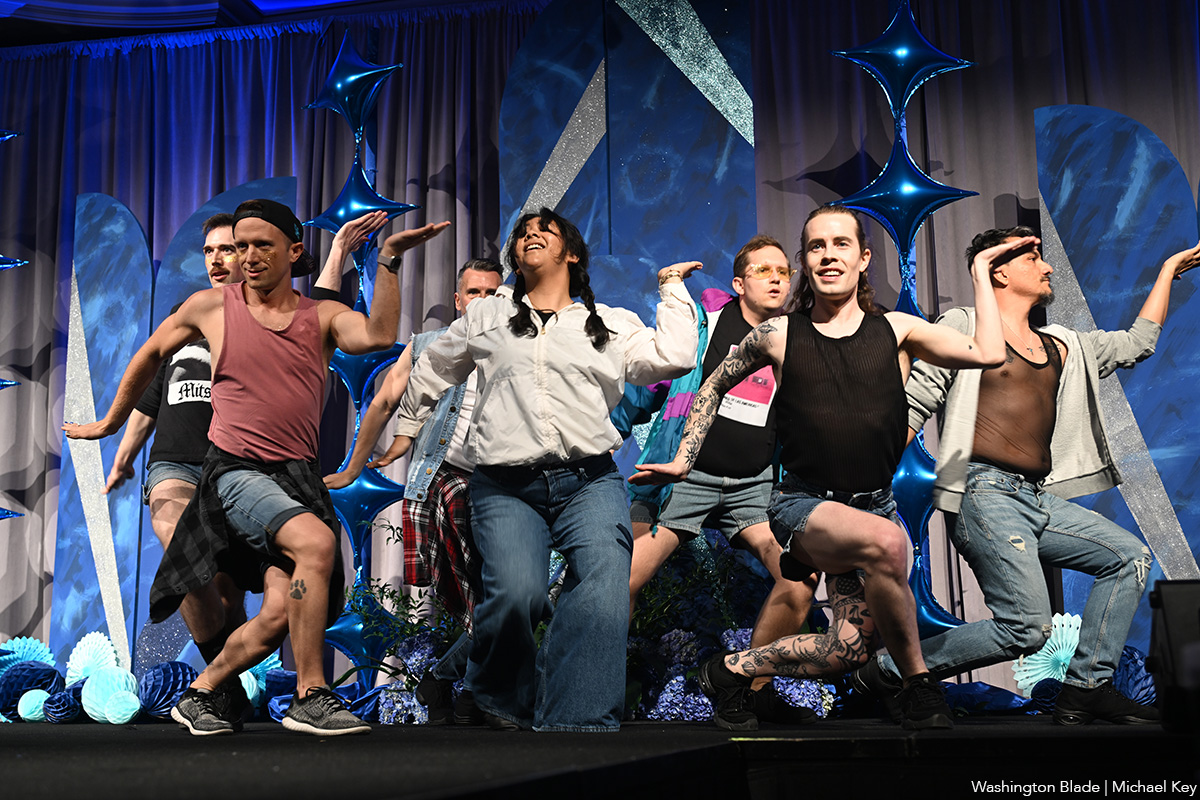
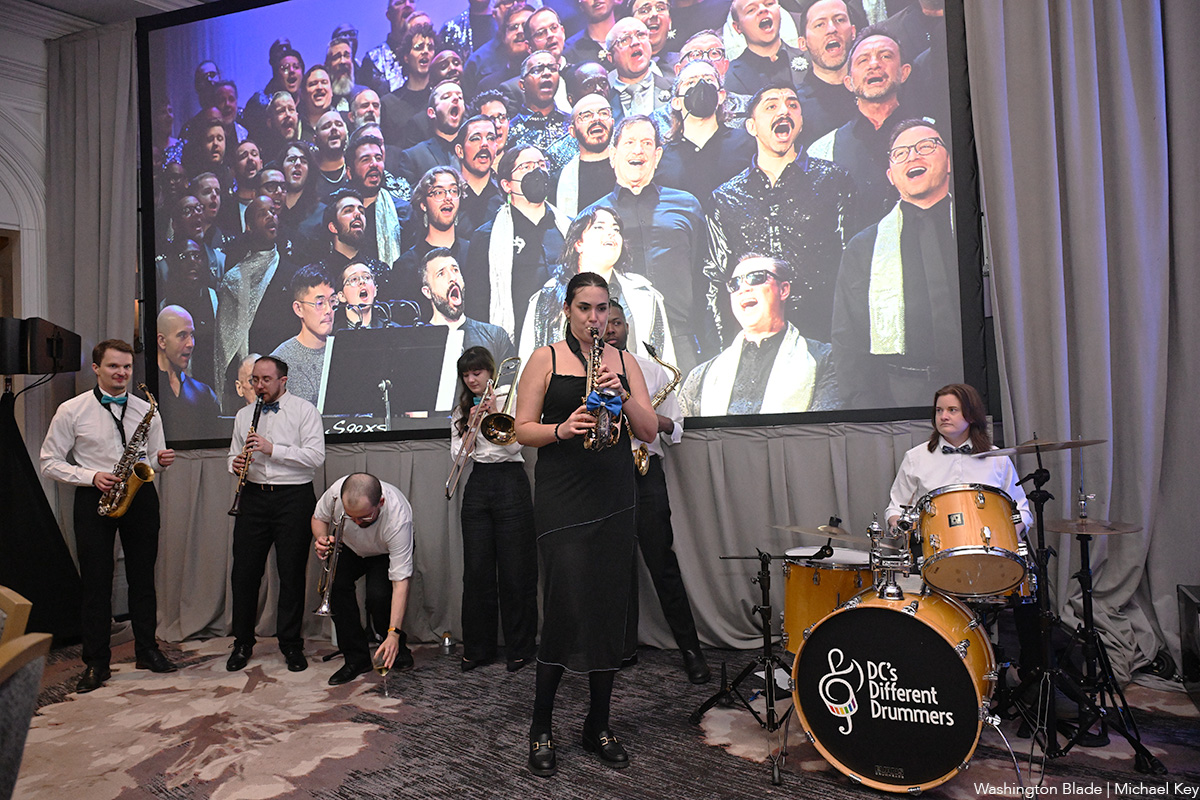
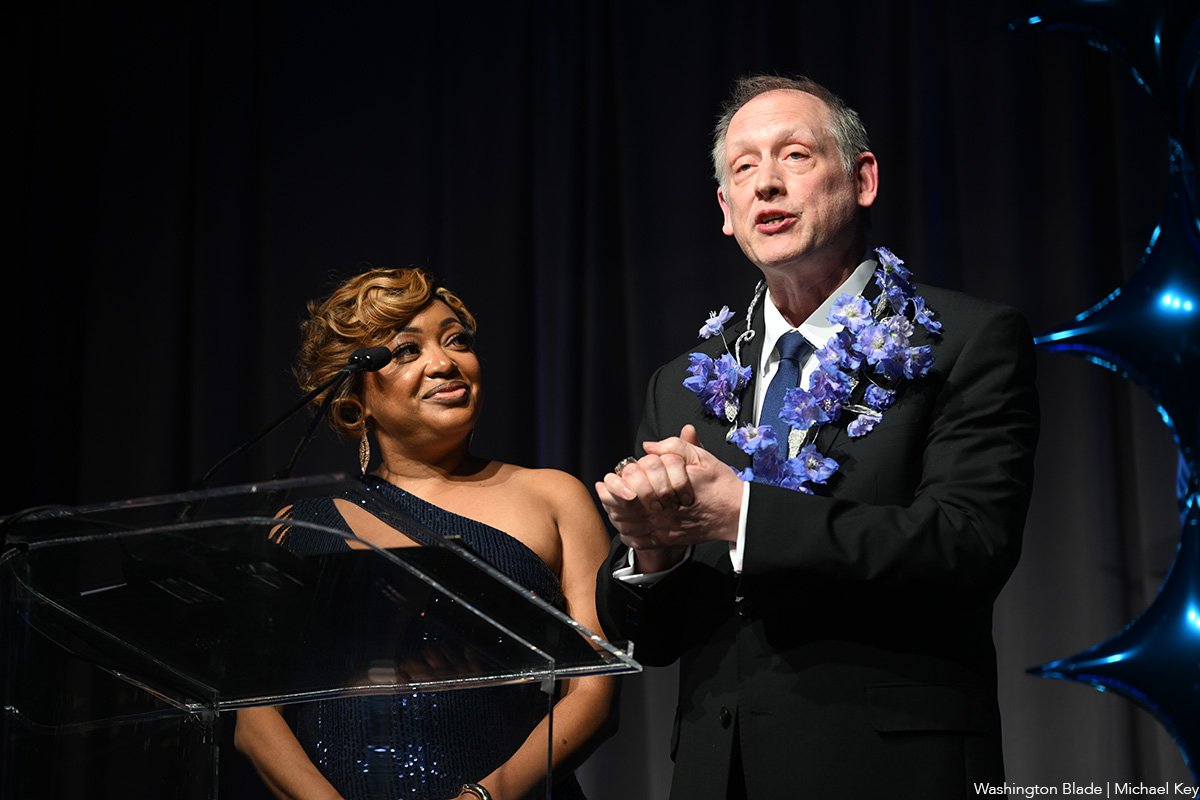
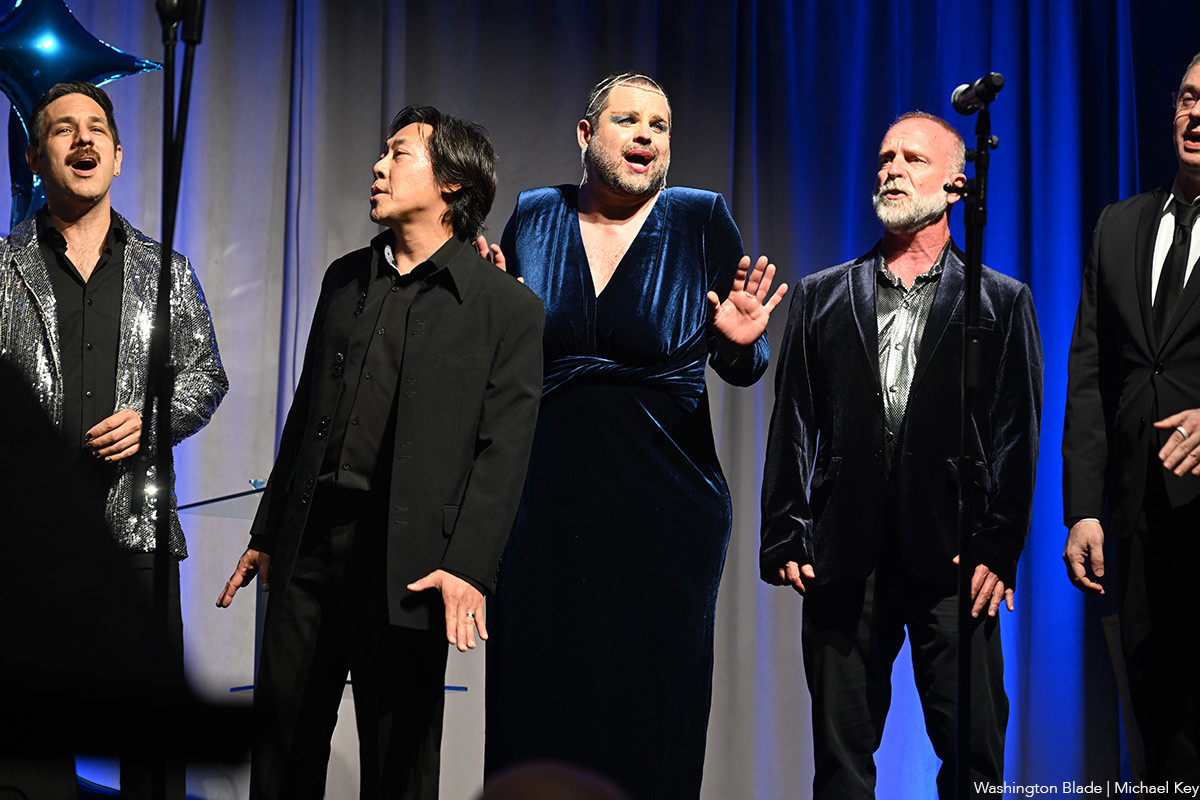
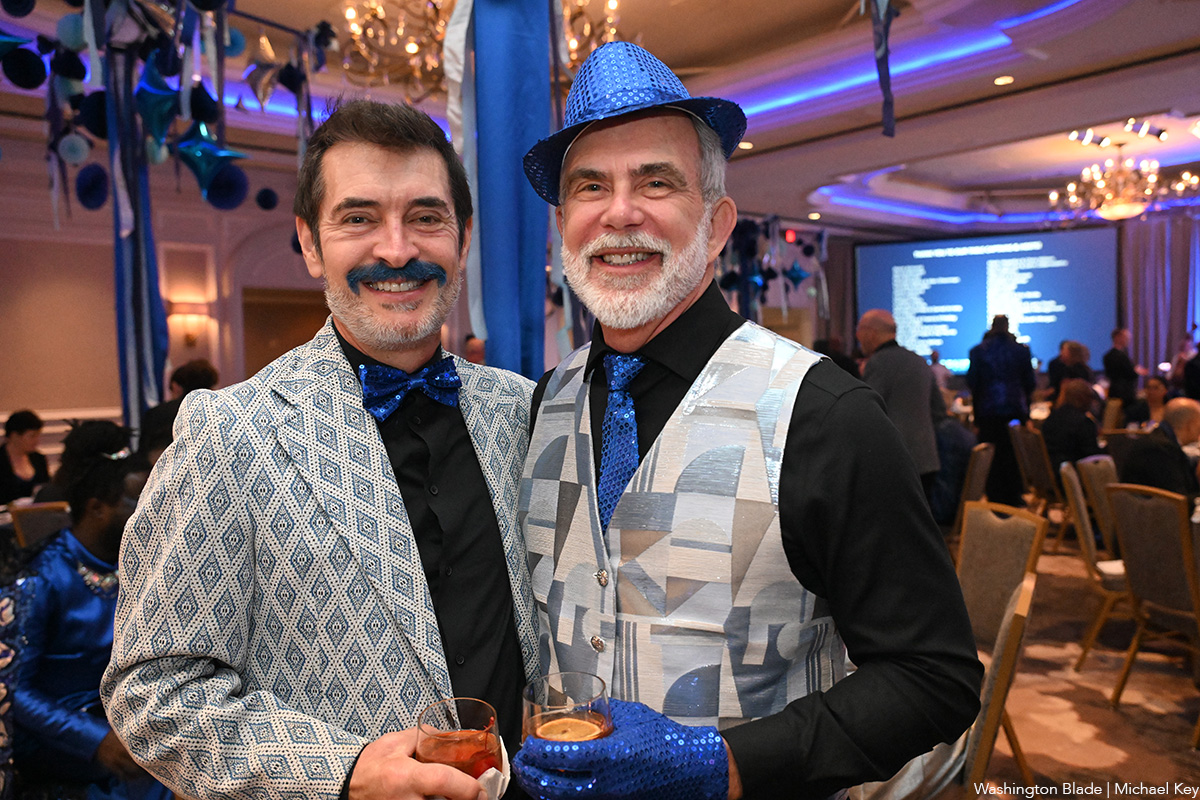
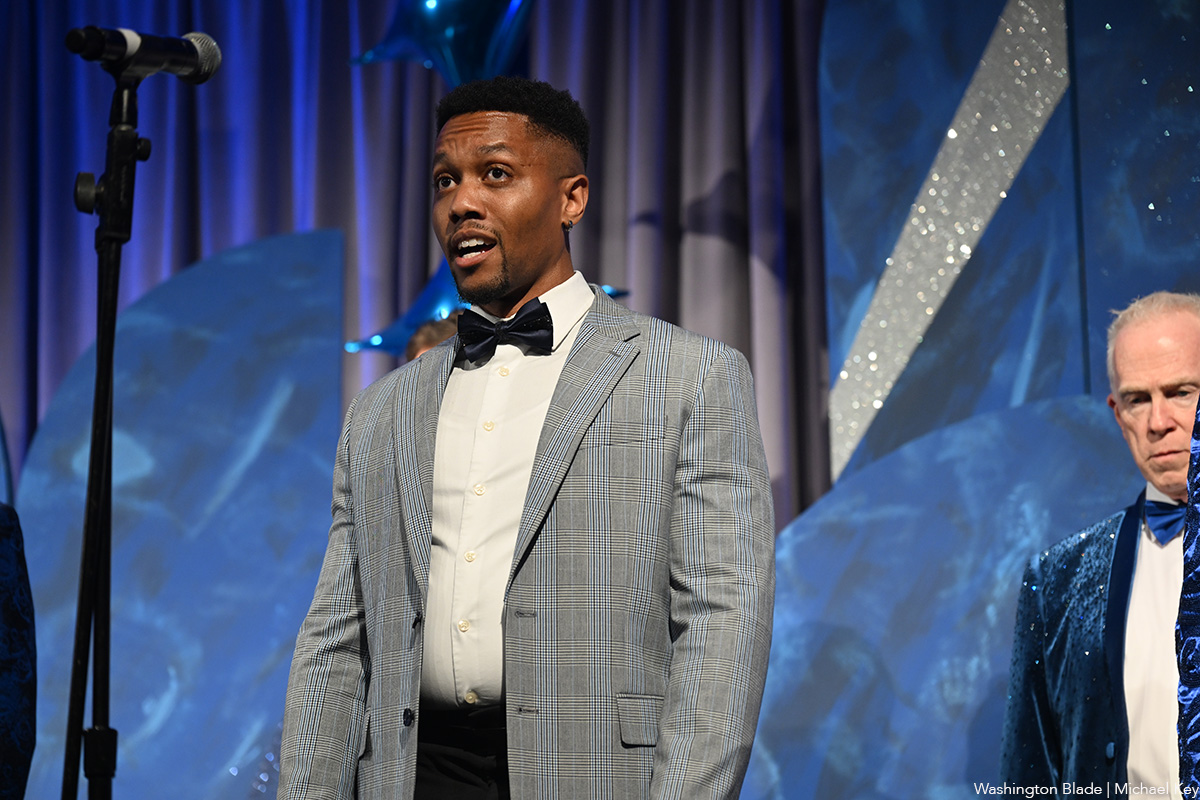
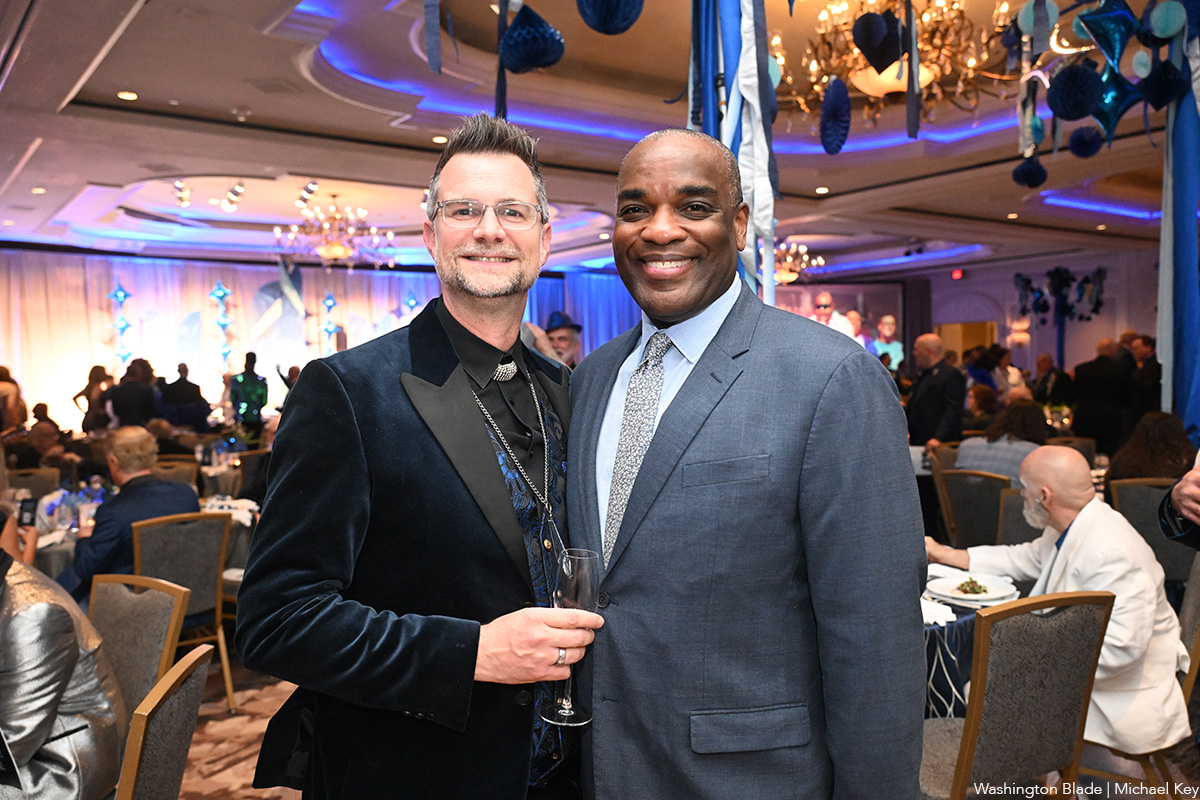
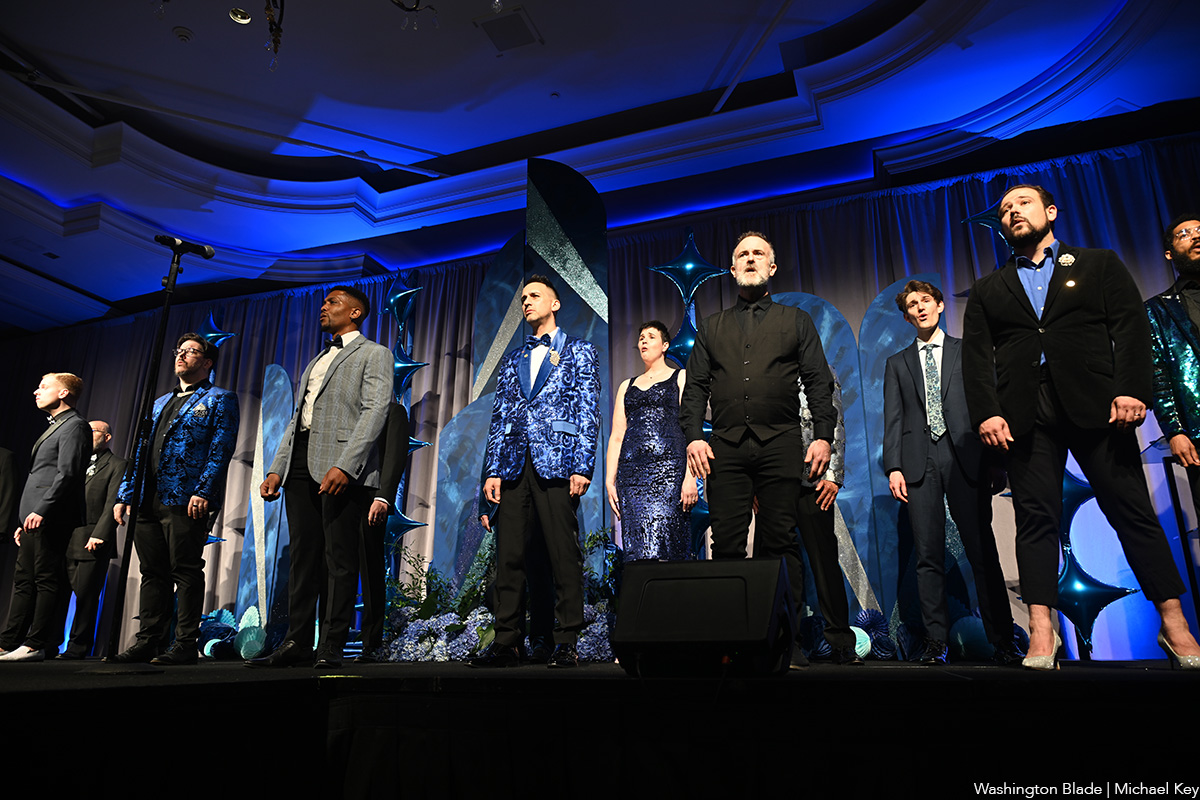
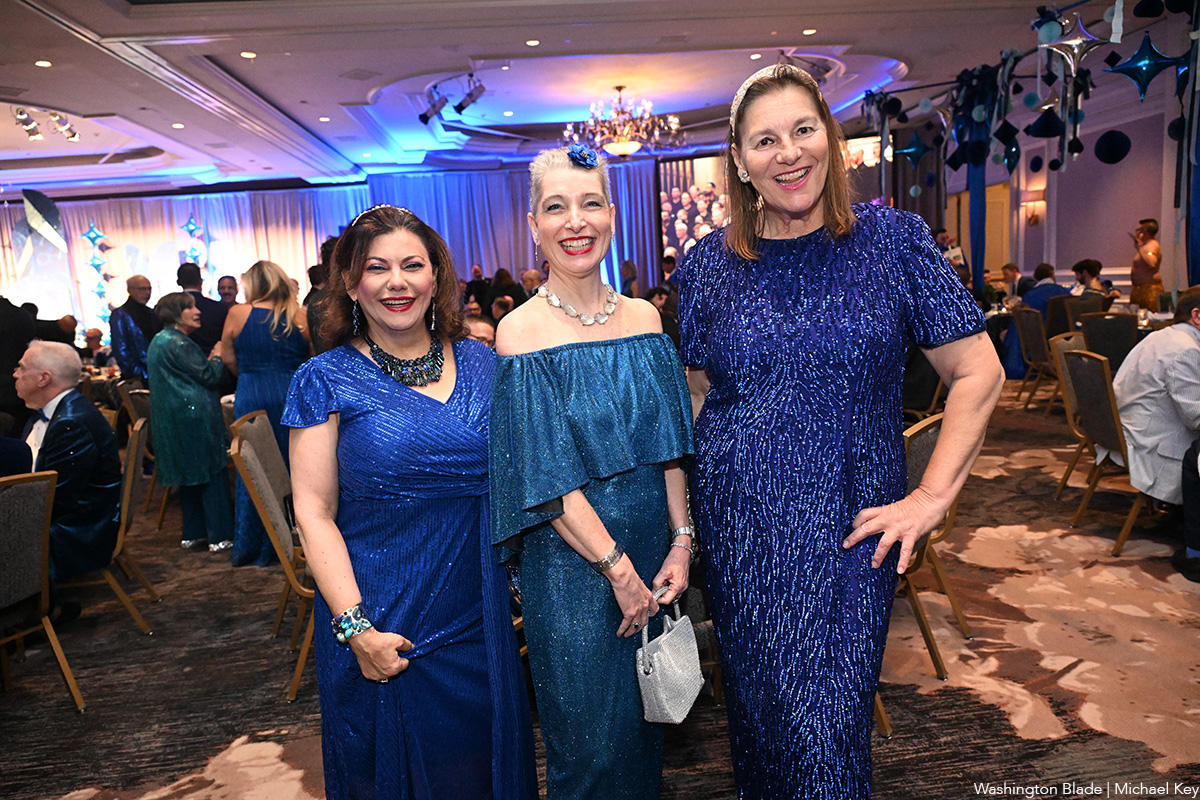
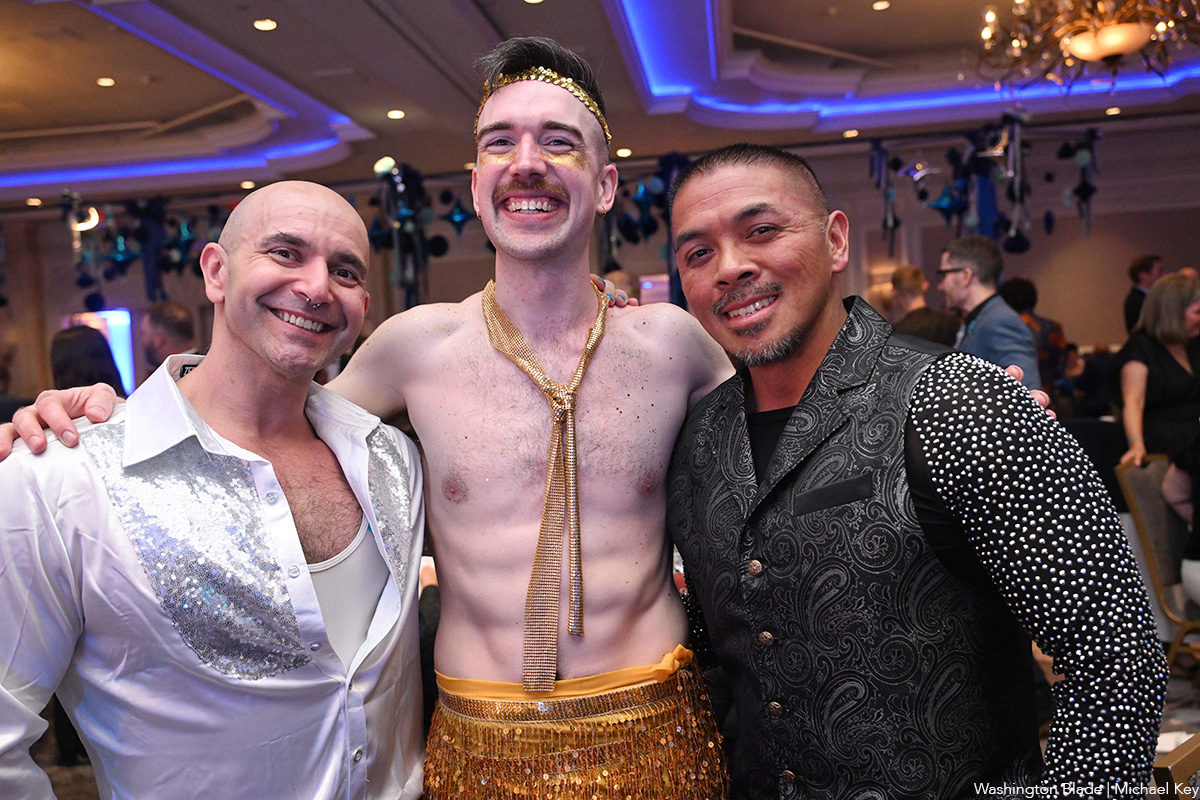
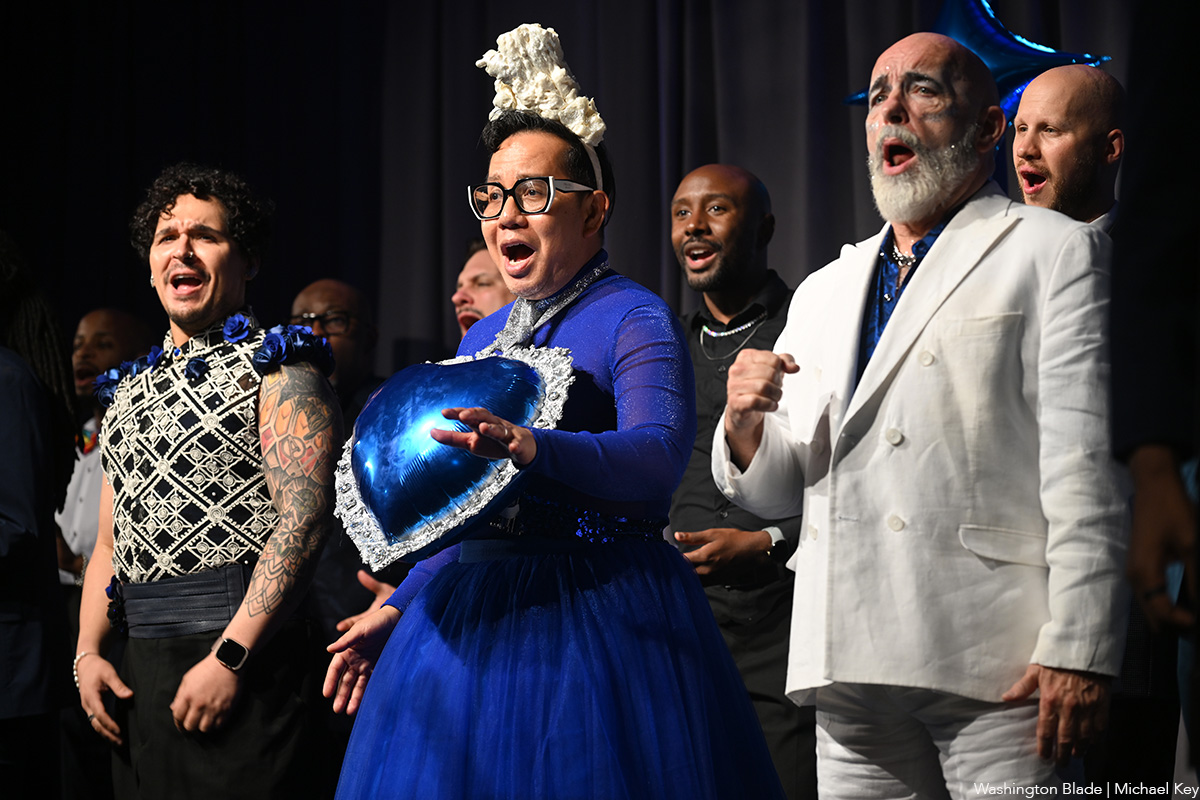
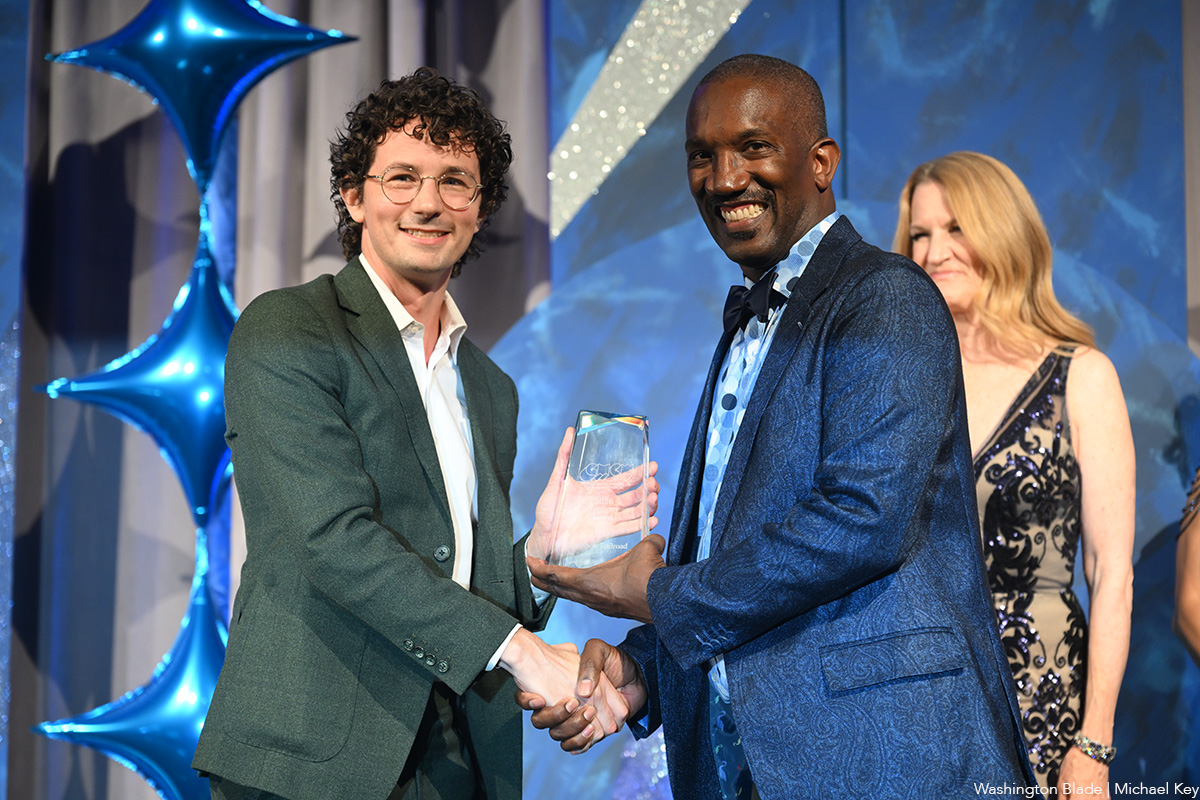
The Gay Men’s Chorus of Washington held the annual Spring Affair gala at the Ritz Carlton Washington, D.C. on Saturday. The theme for this year’s fete was “Sapphire & Sparkle.” The chorus celebrated 45 years in D.C. with musical performances, food, entertainment, and an awards ceremony.
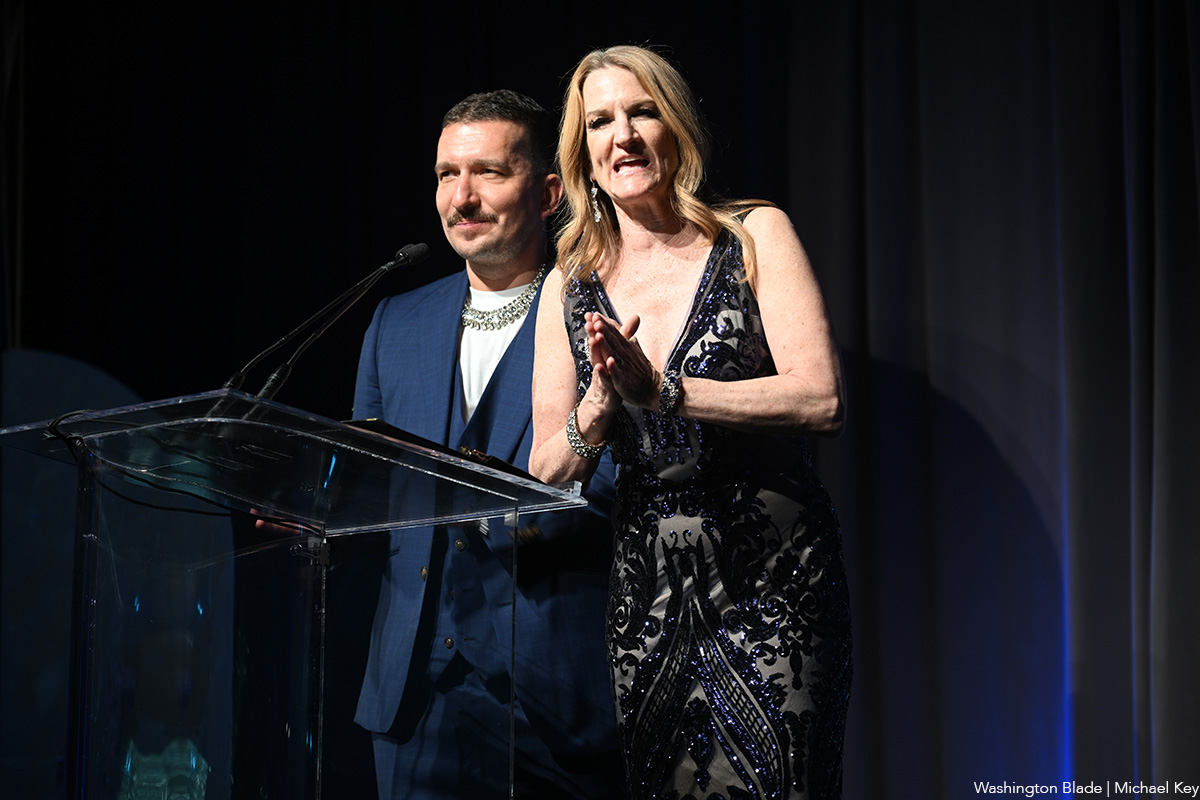
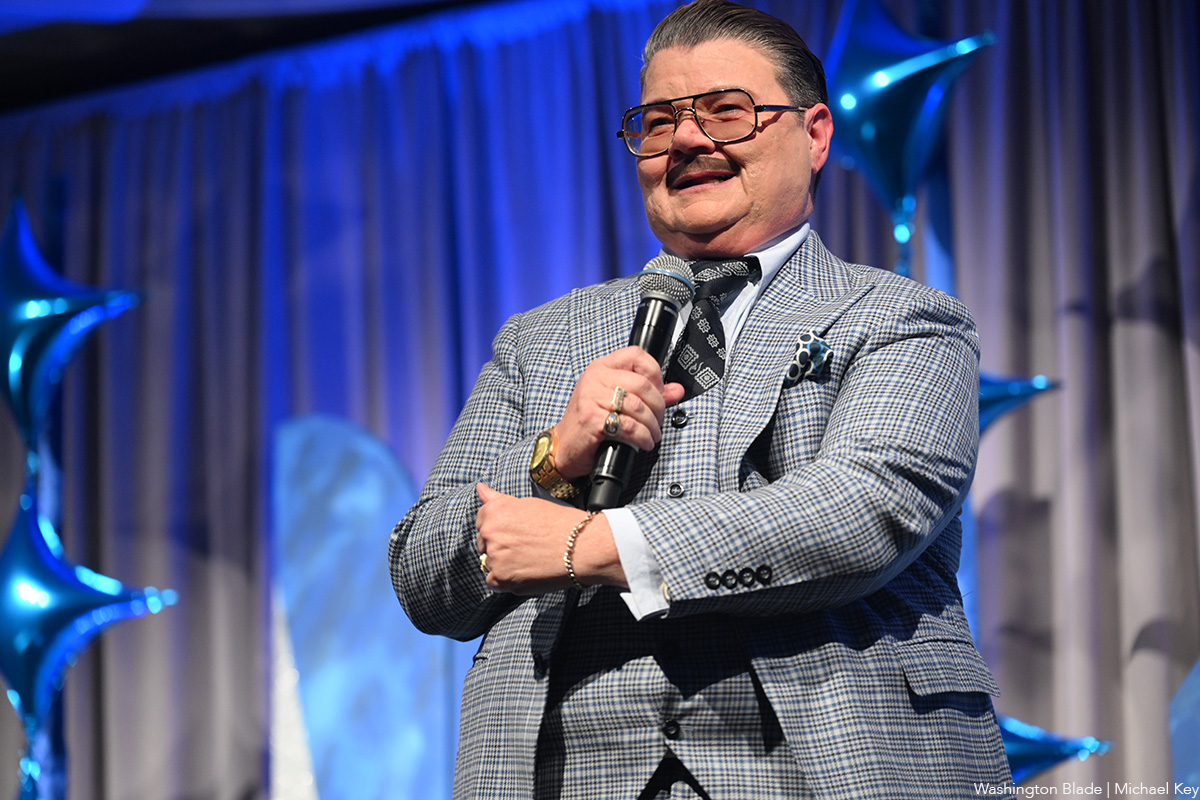
Gay Men’s Chorus of Washington Executive Director Justin Fyala and Artistic Director Thea Kano gave welcoming speeches. Opening remarks were delivered by Spring Affair co-chairs Tracy Barlow and Tomeika Bowden. Uproariously funny comedian Murray Hill performed a stand-up set and served as the emcee.
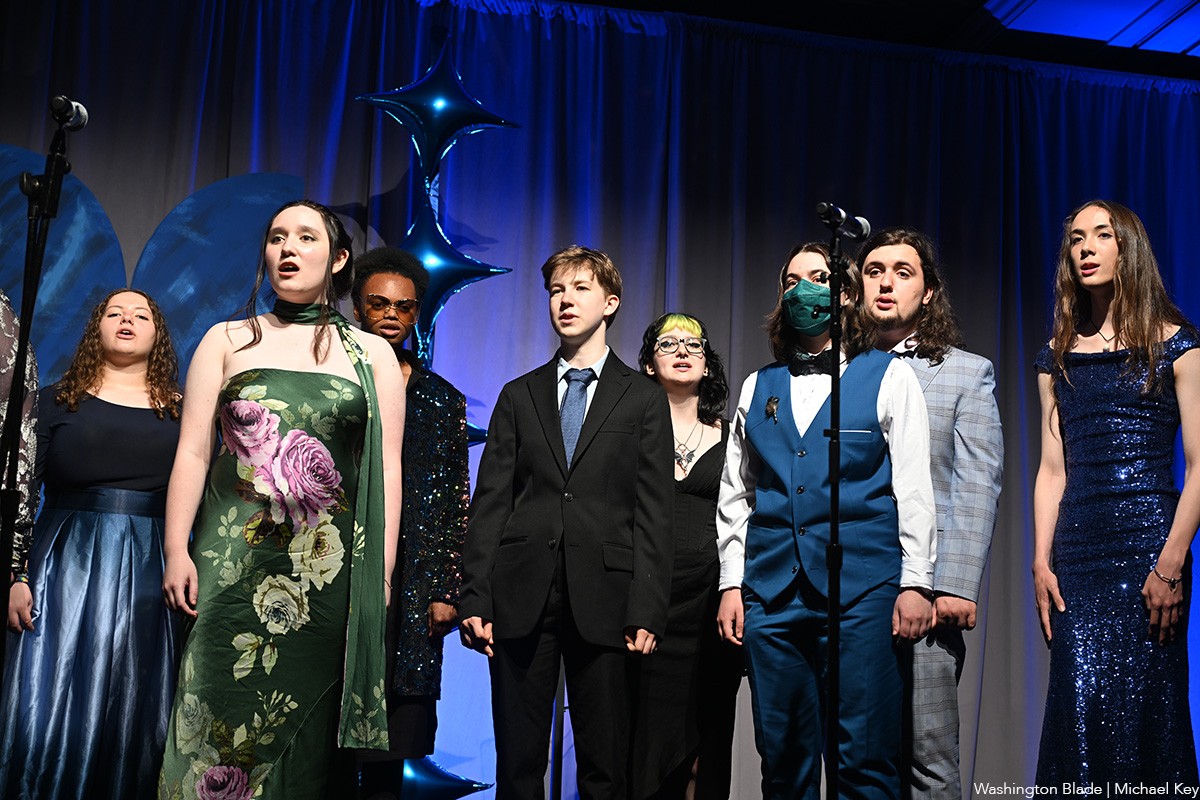
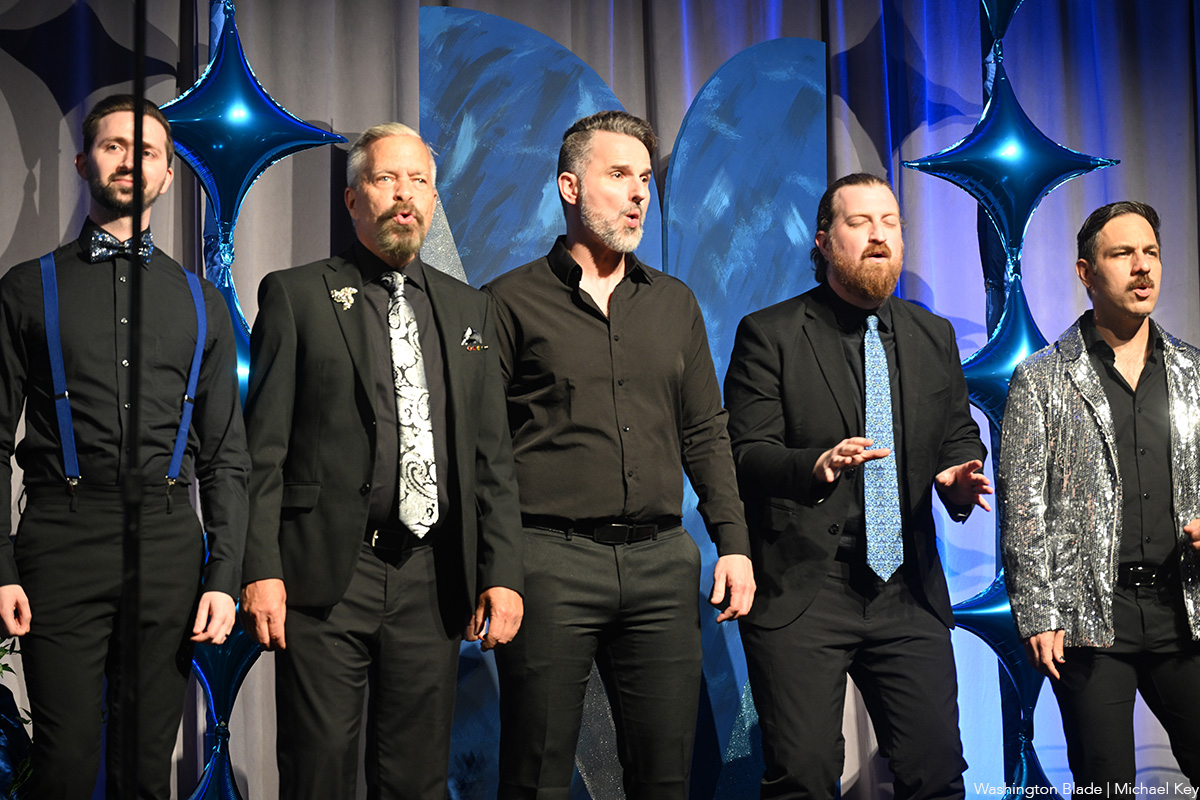
There were performances by Gay Men’s Chorus of Washington groups Potomac Fever, 17th Street Dance, the Rock Creek Singers, Seasons of Love, and the GenOUT Youth Chorus.
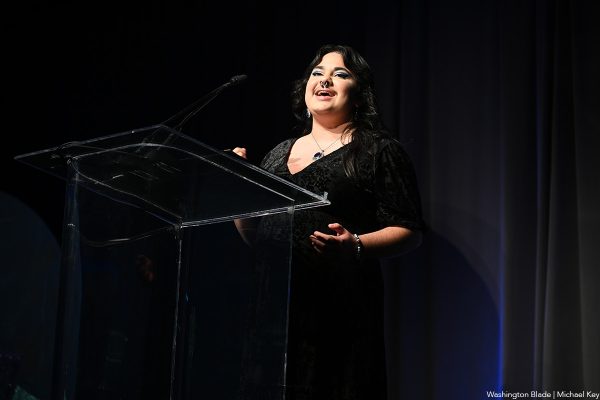
Anjali Murthy, a member of the chorus and a graduate of the GenOUT Youth Chorus, addressed the attendees of the gala.
“The LGBTQ+ community isn’t bound by blood ties: we are brought together by shared experience,” Murthy said. “Being Gen Z, I grew up with Ellen [DeGeneres] telling me through the TV screen that it gets better: that one day, it’ll all be okay. The sentiment isn’t wrong, but it’s passive. What I’ve learned from GMCW is that our future is something we practice together. It exists because people like you continue to show up for it, to believe in the possibilities of what we’re still becoming”
The event concluded with the presentation of the annual Harmony Awards. This year’s awardees included local drag artist and activist Tara Hoot, the human rights organization Rainbow Railroad as well as Rocky Mountain Arts Association Executive Director, Dr. Chipper Dean.
(Washington Blade photos and videos by Michael Key)
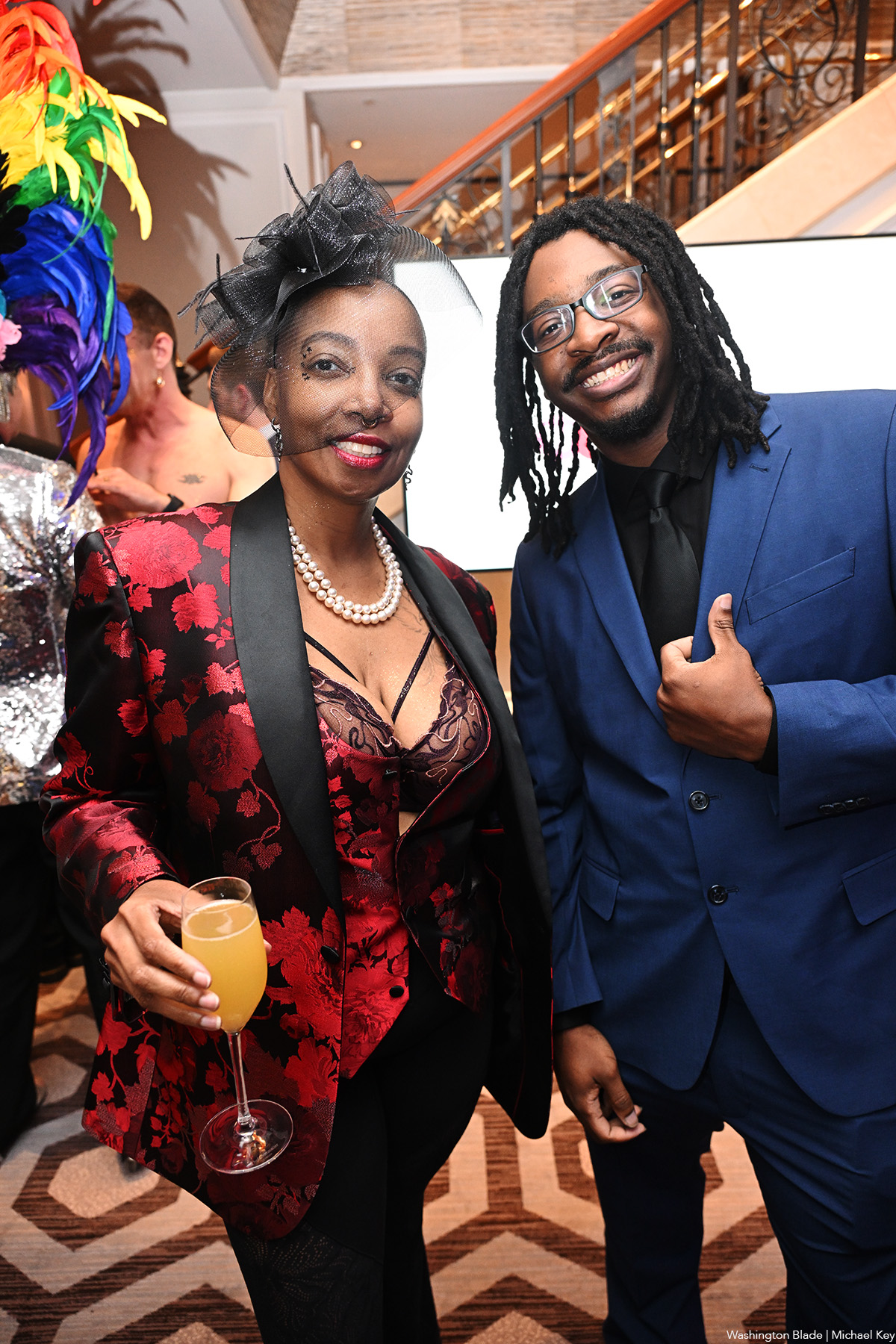











Equality Prince William Pride was held at the Harris Pavilion in Manassas, Va. on Saturday, May 16.
(Washington Blade photos by Landon Shackelford)


Photos
PHOTOS: Blade Summer Kickoff Party
Ashley Biden accepts award for Beau Biden at annual Rehoboth fundraiser

The 19th annual Blade Foundation Summer Kickoff Party was held on Friday, May 15 at Diego’s in Rehoboth Beach, Del. An award presentation was held for former Delaware Attorney General Beau Biden. Ashley Biden accepted the award on her brother’s behalf and gave remarks. Other speakers included Delaware state Rep. Claire Snyder-Hall, CAMP Rehoboth Executive Director Dr. Robin Brennan and Washington Blade Editor Kevin Naff. The event was a fundraiser for the Steve Elkins Memorial Fellowship in Journalism.
(Washington Blade photos by Daniel Truitt)


Iran war causes condom shortage in India

U.S. attorney nominee confirmed despite anti-LGBTQ history, no trial experience

Vt. lawmaker equates transgender identity with bestiality

Gay Men’s Chorus celebrates 45 years at annual gala

BREAKING NEWS: Barney Frank dies at 86

Disillusioned about democracy? Think of it as a community garden

Honey, have we been priced out of gay paradise?

IDAHOBiT a reminder we all must stand up against transphobia

PHOTOS: Blade Summer Kickoff Party