Cannabis Culture
Cannabis Culture
Super majority of Americans support legalizing marijuana
Super majority of Americans support legalizing marijuana
A super-majority of Americans, including majorities of Democrats, Republicans, and independents support making marijuana use legal in the United States, according to nationwide polling data compiled by Gallup, first reported by Forbes.
Sixty-six percent of respondents endorse legalization, a total that is consistent with other recent polls and that is nearly 30 percent higher than 2012 totals — when Colorado and Washington became the first two states to legalize adult marijuana use. A separate nationwide poll released by the Public Religion Research Institute similarly reported that two in three Americans support legalizing and regulating adults’ marijuana use.
Commenting on the poll results, NORML Political Director Justin Strekal said: “There is no buyer’s remorse on the part of the American people. In recent years, American’s support for legalization has only grown stronger. At the end of the day, every age demographic below 65, representing the overwhelming majority of the taxpaying public, would rather their dollars be spent to regulate cannabis, not incarcerate its consumers.”
Taxing retail cannabis influences buying behaviors: study
CORVALLIS, Ore. — The imposition of taxes on adult-use retail sales of cannabis products is associated with temporary changes in purchasers’ behaviors, according to data published in the journal International Tax and Public Finance.
Investigators affiliated with Oregon State University and George Mason University assessed cannabis purchasing trends in Oregon immediately prior to and following the imposition of new retail taxes.
Researchers reported that the imposition of retail taxes was associated with a stockpiling of cannabis products just prior to policy’s enactment (e.g., customers purchased larger-than-usual quantities of untaxed medical cannabis products), as well as with an increase in cross-border substitution afterward. “[I]n response to the tax-induced price increase in Oregon, it appears that proximity to the Washington recreational market caused some consumers in Oregon and in Washington to substitute Washington marijuana for Oregon marijuana,” authors concluded.
A 2018 study published in the journal Addiction concluded that most consumers are willing to pay higher prices overall for cannabis products available in the legal marketplace, but that excessive taxation on these products – specifically those that drive marijuana’s total price above $14 per gram – induces many buyers to return to the illicit market.
N.M. guv task force issues adult-use pot recommendations
SANTA FE, N.M. — A 23-member task force has issued explicit policy recommendations to Democratic Gov. Michelle Lujan Grisham regarding the legalization and regulation of cannabis.
The report proposes a regulatory framework governing the retail production, sale, and taxation of cannabis. Recommendations by the task-force include: Prohibiting local municipalities from completely restricting cannabis sales; Automatically expunging criminal records; Limiting overall taxes on retail cannabis sales to no more than 20 percent; Allocating tax revenues to various programs and state agencies, including the state’s medical cannabis program; and Allowing those with past convictions to participate in the licensed cannabis industry.
The report’s authors estimate that adult-use legalization will create an estimated 11,000 new jobs and yield some $620 million in sales within five years.
The task force’s chairman stated: “Together, we believe the framework we are submitting is right for New Mexico. It is clear that we have both the necessary apprehension that goes with the venture, as well as the talent to make this happen the right way.”
In a tweet, the governor said, “I look forward to working with the Legislature to get a bill to my desk next year.”
State House lawmakers passed adult-use legalization legislation this past spring, but the bill stalled in the Senate. Lawmakers ultimately enacted separate legislation decriminalizing low-level marijuana possession offenses.
Medical cannabis laws associated with reduced opioid reliance
MIAMI — The enactment of medical cannabis access legislation is associated with lower rates of self-reported opioid use, according to data published in the International Journal of Drug Policy.
A team of researchers affiliated with Florida International University in Miami assessed the relationship between medical cannabis legalization and self-reported opioid use and misuse.
Authors reported, “[S]urvey respondents living in states with medical cannabis legislation are much less apt to report using opioid analgesics than [are] people living in states without such laws,” even after controlling for potential confounding variables. They also determined that medicalization did not promote any increase in opioid misuse.
Investigators concluded: “[T]he present study found that in MML (medical marijuana legalization) states some displacement is occurring away from opioids toward medicinal cannabis. … [M]edicinal cannabis may be one avenue to combat the consequences of the opioid epidemic without amplifying, beyond perhaps recreational cannabis, further illicit drug use. The association between cannabis and opioid use, however, demands further empirical scrutiny to establish causal order amidst less restrictive environments toward cannabis.”
The findings are similar to correlations identified in several prior observational studies but are inconsistent with the conclusions of a paper published earlier this year which failed to identify a long-term association between medical cannabis access and opioid-related mortality.
Cannabis Culture news in the Blade is provided in partnership with NORML. For more information, visit norml.org.





Cannabis Culture
LGBTQ people, weed, and mental health: what you need to know
Community uses marijuana at much higher rates than general population
Uncloseted Media published this story on May 7.
By SPENCER MACNAUGHTON | In 2025, the global cannabis market size was valued at nearly $103 billion. By 2034, that number is expected to explode by roughly 1,400 percent to more than $1.43 trillion.
In short, as an increasing number of countries legalize marijuana use, everyone is starting to consume a lot more weed. And LGBTQ people tend to use cannabis at much higher rates than the general population. One study found that 55 percent of lesbian and 45 percent of gay young adults use marijuana, compared to about 33 percent and 37 percent, respectively, of their straight counterparts.
As LGBTQ people face a mental health crisis, the mainstream stereotypes that depict weed as an antidote for anxiety, panic and depression aren’t painting the full picture. And that could be exacerbating the mental health struggles so many queer people, and especially youth, face.
Here’s what the research demonstrates about marijuana and its effects on mental health:
- Multiple studies suggest a link between marijuana use and an increased risk of mental health disorders, including schizophrenia, depression and anxiety in individuals who are genetically predisposed.
- One study found that daily marijuana use, especially among younger people, makes some individuals seven times more likely to develop psychosis.
The increase in higher-potency strains of marijuana could pose unknown risks. In 1995, the average content of Tetrahydrocannabinol (THC) in confiscated marijuana was less than 4 percent. In 2022, it was more than 16 percent. Researchers don’t know the full extent of the impact that these higher concentrations can have on mental health and especially on younger people whose brains are still developing.
- A systematic review of studies published between 2013 and 2025 found damning results for the mental health of young cannabis users:
They were 51 percent more likely to experience depression, 58 percent more likely to experience anxiety, between 50 and 65 percent more likely to experience suicidal ideation and 80 to 87 percent more likely to have attempted suicide.
- While the above stats paint a grim picture, there is also some research that suggests benefits of cannabis use:
- A 2025 systematic review found that “medicinal” weed showed some efficacy in relieving withdrawal symptoms of opioid use disorder. THC use has been associated with improvement of post-traumatic stress disorder symptoms, bipolar symptoms and sleep quality.
- Other studies found that THC administered in a controlled setting was associated with a decrease of symptoms and adverse effects for a range of mental health disorders, including schizophrenia, psychotic symptoms, and anorexia nervosa.
Beyond what we pulled from academia, there is an astounding lack of information about the interplay between weed and mental health. As we dive deeper into Mental Health Awareness Month, I hope advocacy organizations, influencers and news outlets ramp up their coverage of this important topic that affects the countless LGBTQ weed smokers, many of whom are already struggling.

Democratic Gov. Michelle Lujan Grisham earlier this month signed two separate measures into law amending the state’s marijuana policies. The first measure (House Bill 2) legalizes and regulates marijuana possession, production, and sales for adults. The second measure (Senate Bill 2) facilitates the automatic review and expungement of the records of those convicted of low-level marijuana offenses.
Lawmakers approved both bills during a special legislative session demanded by Gov. Lujan Grisham, who had been a vocal proponent of the reforms.
NORML State Policies Manager Carly Wolf said: “This is a day to celebrate! New Mexico will greatly benefit from this new revenue stream and the creation of thousands of jobs. Most notably though, legalization will spare thousands of otherwise law-abiding residents from arrest and a criminal record, and the state’s new expungement law will help provide relief to many who are suffering from the stigma and other collateral consequences associated with a prior marijuana conviction.”
The adult-use measure (House Bill 2) permits those ages 21 and older to legally purchase up to two ounces of marijuana and/or up to 16 grams of cannabis extract from licensed retailers. It also permits adults to home-cultivate up to six mature plants for their own personal use. Retail sales would begin by April 2022.
The expungement measure (Senate Bill 2) stipulates that those with past convictions for offenses made legal under this act are eligible for automatic expungement of their records. Those currently incarcerated for such offenses are eligible for a dismissal of their sentence. It’s estimated that over 150,000 New Mexico residents are eligible for automatic expungement under this measure, according to the Department of Public Safety.
Cannabis Culture news in the Blade is provided in partnership with NORML. Visit norml.org for more information.
Cannabis Culture
Delaware cannabis activists take on corporate marijuana
Criticism from medical marijuana operators claimed that HB150 offers too many cultivation and retail licenses
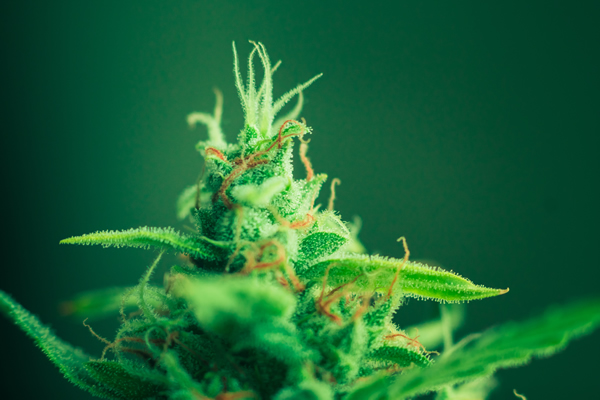
As the country moves forward with sweeping changes in cannabis policy reform, locals in Delaware are tangling with corporate, multi-state medical marijuana permit holders to pass a bill for full legalization.
Adult-use activists and registered medical patients were stunned to hear opposing testimony from Delaware’s medical marijuana operators. Patients already deal with limited access and costly products. Now, many see the established industry voicing opposition as simply obstructing the progress of adult-use legislation. In response, some patients are now staging a boycott of the regulated dispensaries.
During the first committee hearing for HB150, Delaware’s adult-use bill, four of the state’s six currently licensed, multi-million dollar medical cannabis facilities offered negative testimony.
Zoë Patchell, executive director of Delaware CAN responded: “This market belongs to the long-time consumers, patients, and activists. We create the demand, we’ve been the ones driving the reform efforts, and we pay the prices at dispensaries. Cannabis is more than a market – cannabis is a community. These companies cannot reasonably fathom that we are going to purchase cannabis from any entity that has proven to put profits over patients. And now they seem willing to put consumers’ lives and freedom at risk just to hold out for an unfair advantage in the industry.”
These included publicly traded Columbia Care, “Fresh Delaware” aka CCRI, CannTech Research Inc., and the owner of EZY Venture aka “The Farm.”
They all went on record condemning HB150, and pushing a false narrative about oversupply. The core demand from the permit cartel was some protection for their private business interests with guaranteed adult-use licenses.
Criticism from the medical marijuana operators claimed that HB150 offers too many new cultivation and retail licenses, underlined by deep yet unfounded fears that the new competition would put their companies out of business.
Patchell noted, “We are not going to sit back while multi-state corporate entities, that already monopolize East Coast medical markets, work to undermine our social equity and micro-license provisions.”
Cannabis Culture news in the Blade is provided in partnership with NORML. Visit norml.org for more information.

Center Arts Gallery celebration, auction to take place on Oct. 17

Comings & Goings

‘Hidden in Plain Sight:’ The story of Odessa Madre

‘Governments that attack LGBTQ+ rights learn from each other’

Horror genre has evolved into space to explore queer identity

ICC unseals arrest warrants for Taliban officials accused of persecuting LGBTQ people, women

Physician: addiction doesn’t always look the way you think it does

Calendar: October 9-15

Solidarity beyond the parade: the actual cost of Pride

Essential queer horror classics for Halloween
-

 Afghanistan5 days ago
ICC unseals arrest warrants for Taliban officials accused of persecuting LGBTQ people, women
-
District of Columbia5 days ago
Physician: addiction doesn’t always look the way you think it does
-
Calendar5 days ago
Calendar: October 9-15
-
Opinions4 days ago
Solidarity beyond the parade: the actual cost of Pride