Arts & Entertainment
Janelle Monáe to receive HRC Equality Award

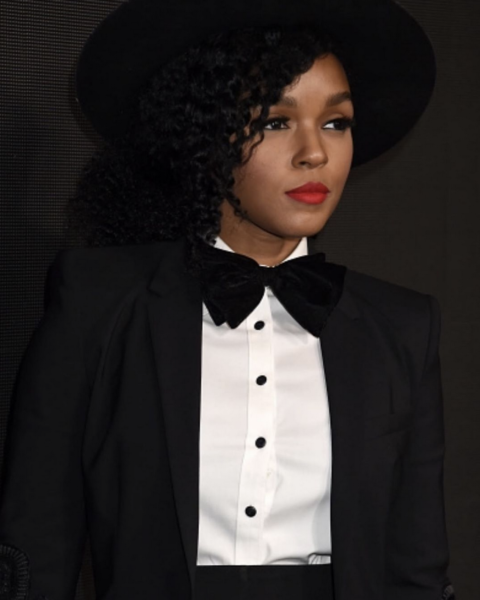
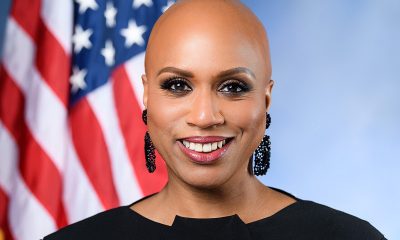
Janelle Monáe will be honored with the HRC’s Equality Award, the civil rights organization announced on Thursday.
The Human Rights Campaign, which is the nation’s largest lesbian, gay, bisexual, transgender and queer (LGBTQ) civil rights organization, will honor the award-winning singer, songwriter, producer, performer, and activist at the 2020 HRC Los Angeles Dinner on Saturday, March 28 at the InterContinental Los Angeles Downtown.
In a statement, HRC President Alphonso David said, “A highly celebrated and influential artist, Janelle Monáe is an icon who has used her global platform to share a message of celebrating authenticity and embracing all of who we are. Through her activism on initiatives that work to inspire civic engagement and advance gender justice, Janelle has been a guiding force for positive change. We are incredibly excited to honor Janelle Monáe with the HRC Equality Award at the 2020 Los Angeles Dinner.”
Monáe has been a leading voice in the public conversation about the importance of LGBTQ visibility and representation. Her “I want young girls, young boys, nonbinary, gay, straight, queer people who are having a hard time dealing with their sexuality. The singer dealing with feeling ostracized or bullied for just being their unique selves, to know that I see you,” Monáe told.
An 8-time Grammy-nominated singer, songwriter, producer, performer, activist, and fashion icon, Monáe is not only of the most celebrated musical artists of our time, but a leading voice in the public conversation about LGBTQ visibility and acceptance. She dedicated her double-Grammy-nominated 2018 album “Dirty Computer” to young LGBTQ people struggling to live their authentic selves, telling Rolling Stone in an interview at the time, “I want young girls, young boys, nonbinary, gay, straight, queer people who are having a hard time dealing with their sexuality, dealing with feeling ostracized or bullied for just being their unique selves, to know that I see you.” As an actor, she recently appeared in the acclaimed “Harriet,” for which she has been nominated for an NAACP Image Award, and will soon be headlining the upcoming thriller “Antebellum,” as well as starring as Dorothy Pitman Hughes in the upcoming Gloria Steinem biopic “The Glorias: A Life on the Road.” She will also star in the second season of the critically acclaimed Amazon Prime series, “Homecoming.”
She is a co-chair for When We All Vote, an organization dedicated to changing the culture around voting in order to close the age and race gap and increase participation in every election. In addition, she leads Fem the Future, an initiative which empowers female media creatives and filmmakers.
The 2020 Human Rights Campaign Los Angeles Dinner is the first since HRC opened its Los Angeles office. The event brings together HRC’s most active members and supporters in the greater Los Angeles area to raise crucial funds in the fight for LGBTQ equality.
For tickets and further information visit the HRC website.




Celebrity News
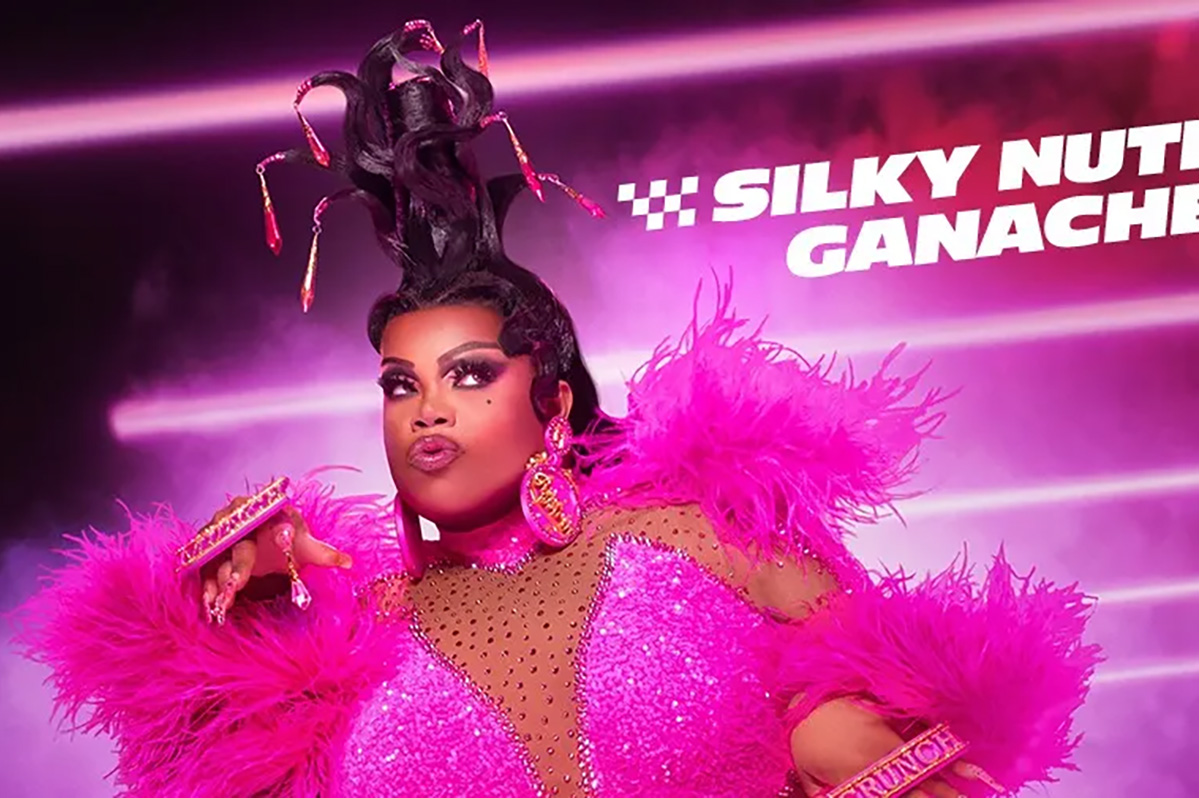
Silky Nutmeg Ganache talks sex and dating, gender, politics, weight loss journey
‘RuPaul’s Drag Race All Stars’ semifinalist grew up in Bible Belt
Uncloseted Media published this interview on July 7.
By SPENCER MACNAUGHTON, ISABEL STOKES, and BELLA SAYEGH | After appearing on the 11th season of “RuPaul’s Drag Race,” the first season of “Canada’s Drag Race: Canada vs. the World,” the sixth season of “RuPaul’s All Stars” and now the 11th season of “All Stars,” Silky Nutmeg Ganache, known by many as the Reverend, is undoubtedly a legend.
Born and raised in Moss Point, Miss., Ganache bears all in this episode of “UNCLOSETED with Spencer Macnaughton.” She speaks about her relationship with gender, her 100-pound weight loss, what it’s like living as a queer person of color in a red state and why she’s calling on allies to stand up for the trans community.

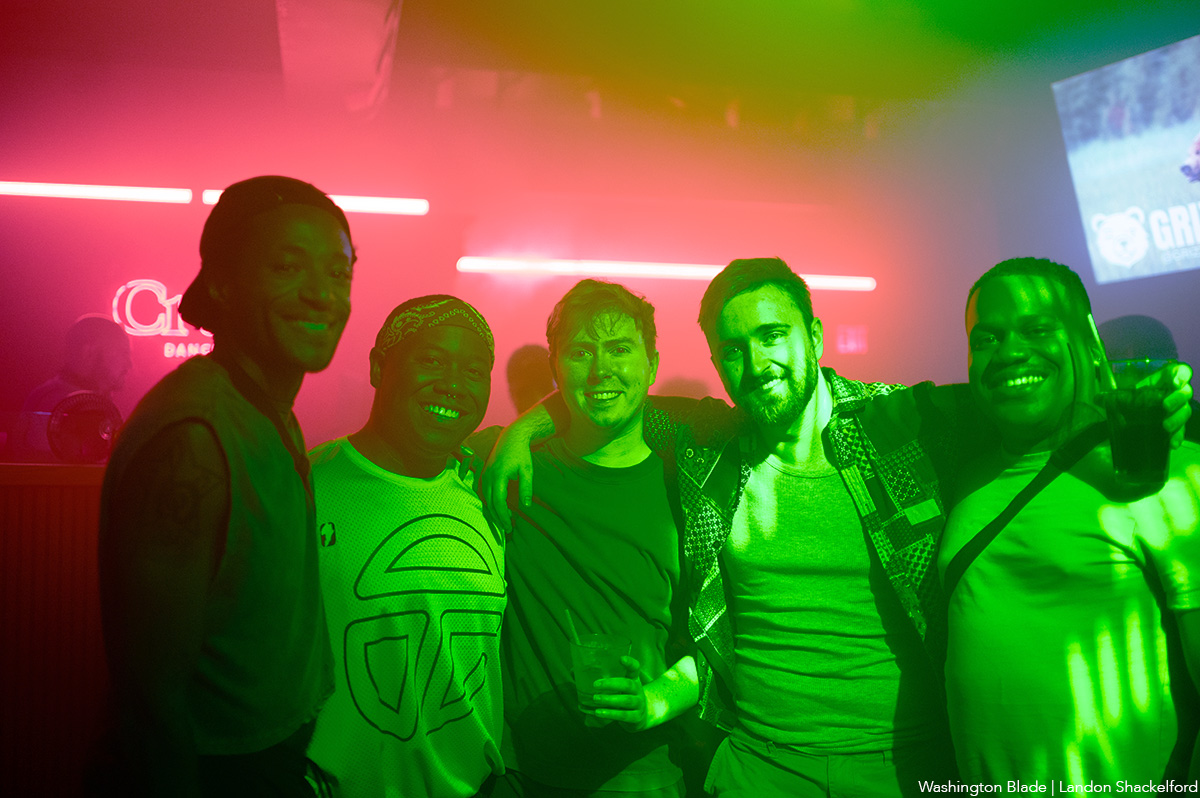
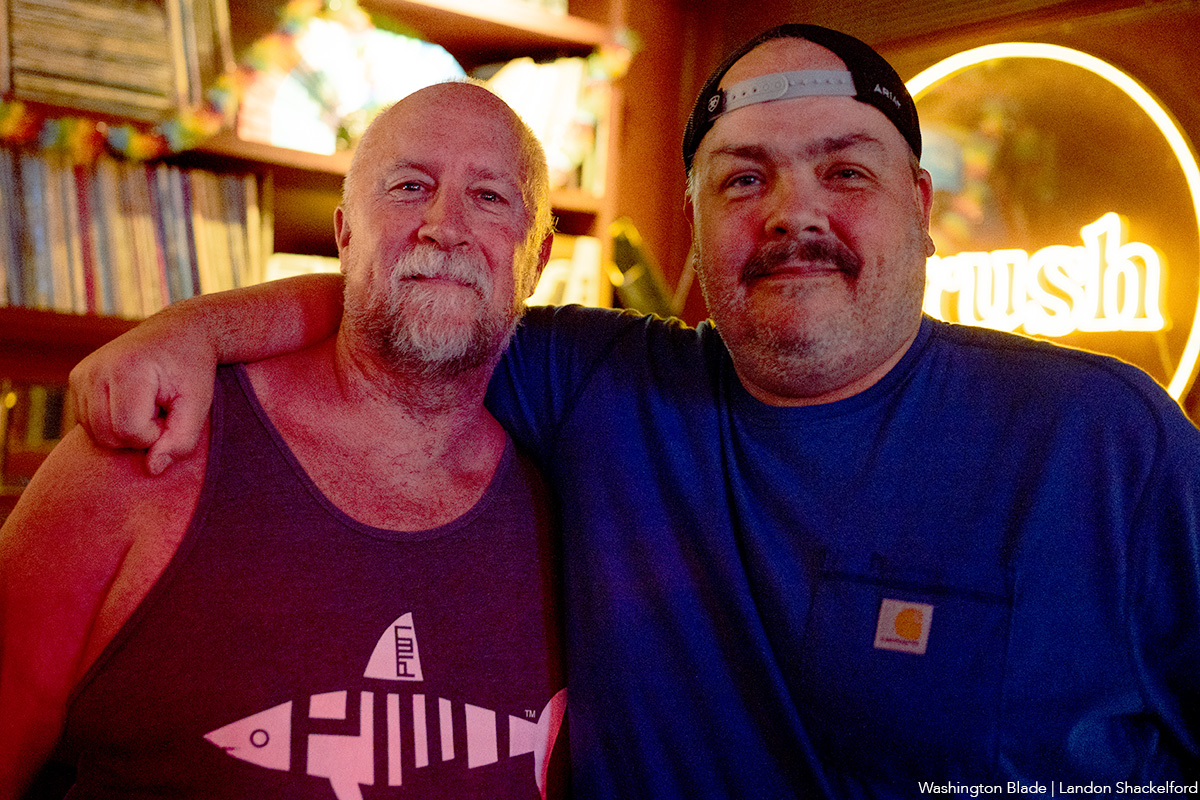
Patrons enjoyed a night out at the popular LGBTQ venue Crush Dance Bar on Friday, July 3.
(Washington Blade photos by Landon Shackelford)





Theater
‘My Favorite Sociopath’ debuts at Shepherdstown’s CATF
Gay playwright Aurin Squire’s take on D.C. journalism in the ‘90s
‘My Favorite Sociopath’
Contemporary American Theater Festival
July 10-Aug. 2
Shepherdstown, W.Va.
Catf.org
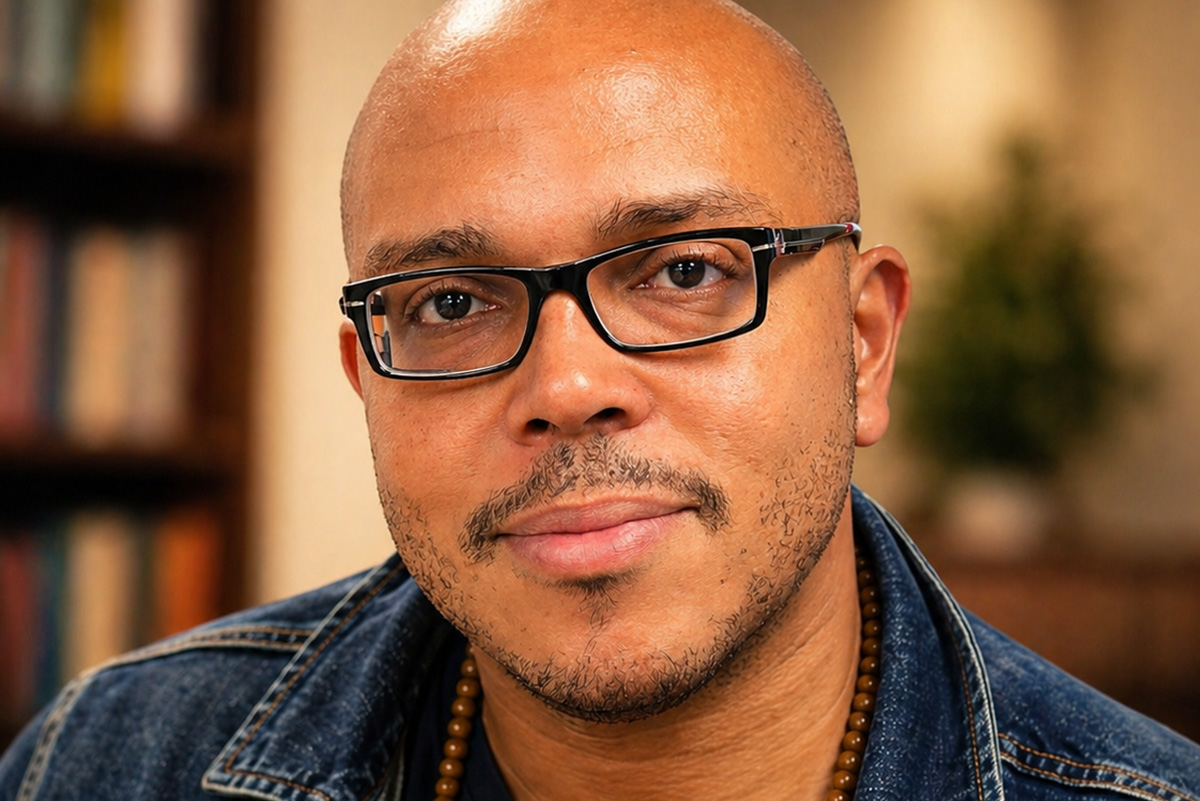
Discernment. It’s a thing some people have, explains playwright Aurin Squire, especially when you’re gay or Black in America (Squire is both).
“You instinctively know when the mob is teaming up for the best interests of the powers that be. You can feel it in the air.”
In his sharp new satire “My Favorite Sociopath,” Squire writes about life experiences but set in a different time and place: It’s the 1990s, early days of the 24-hour news cycle, and three ambitious journalism students are pursuing success in D.C.
And now, Squire’s play, along with other new works, are making their world premieres at the annual Contemporary American Theater Festival (CATF) at Shepherd University in historic, queer-friendly Shepherdstown, W.Va. (just a 90-minute drive from D.C.).
“All of my plays are queer in some way,” says Squire, 46. “This one touches on harmless and dangerous lies. The characters are on the spectrum sexually, and it’s interesting how all that falls out.”
And he’s given it a lot of thought.
“Already as a kid, it seemed to me that the rage against rap music and sex was coming from closeted people resisting their own urges and temptations. For me, it was interesting to see a witch hunt led by witches. Queer people can always call out a lie.”
Since September, Squire has also been working with a TV show about the tech industry set in Silicon Valley. He says, “It seems the general flow of the tech industry is that humanity and civilization is finished and it’s just about accumulating as many goods as possible before everything collapses. In fact, those who are profiting actually agree. But for those who disagree, they believe the solution is to build bigger gates, but activists believe we can stop this”
Yet, he’s learned from folks associated with the show. “Many say the quickest way to divorce yourself from any responsibility or regulations — smash and grab. Otherwise, you have to stop and think and regulate your desires for greed and power”
Squire possesses a penchant for pithy titles. He laughs, explaining the first thing he wrote as a student at Juilliard was “Obama-ology,” the comedy with contemporary message. While a lot of people liked the name, it didn’t necessarily vibe with the author. He concedes that he chooses names based on “easy to remember” and titles that won’t be easy to lose as a file.
Another is “Defacing Michael Jackson,” a coming-of-age dramedy set in rural Florida in 1984, specifically Squire’s native town Opa-locka, Miami, a fantastical place famed for its fanciful Moorish revival architecture.
Living in the shadow of exotic structures, he wasn’t particularly fazed. Squire says “It wasn’t until returning to visit after my freshman year at Northwestern University in Chicago that I realized how weird it was: When you grow up in a place, you take surroundings for granted no matter how over the top.”
Now based in New York (where for two happy years, 2017-2019, he shared digs with drag king Murry Hill), Squire returns frequently to Miami to be with family, but this summer has been filled with both work and travel.
Currently, he’s in Shepherdstown with CATF shaping up “My Favorite Sociopath.” Later this summer he will travel to South Africa for research, followed by a silent writing retreat in Santa Fe, N.M.
Much of Squire’s work reflects the Latino, African, Caribbean, African-American, and Jewish cultures he grew up around in South Florida.
When asked if today’s winds of anti-multiculturalism worry him, he replies, “No, because that’s going to pass. Most people don’t like, people are seeing the negative results of it, and the young people coming up despise it. White male gamers were tricked momentarily through the algorithms into voting against their own interests and they’re now seeing how it’s not working out for them.
“Conservatives always try to stop progress and eventually they always lose. It’s just a question of where we’ll be in the middle of the end of civilization before that happens. I’d like to hope we can turn the ship around before then.”
In addition to “My Favorite Sociopath,” CATF summer season features three other world premieres (Lisa D’Amour’s comedy “The Smoker,” “Refugee Rhapsody” by Yussef El Guindi, “Best Line Wins: A Play Inspired by the Improvised Lives of Elaine May & Mike Nichols” by Beth Kander) and “¡VOS!” by Christina Pumariega.
CATF runs from July 10-Aug. 2 in three venues on the Shepherd University campus: Frank Center, Marinoff Theater, and Studio 112.

As Washington shifts right, Democratic Socialists gain ground

Susan Stewart could make history as Rehoboth’s first openly gay mayor

Silky Nutmeg Ganache talks sex and dating, gender, politics, weight loss journey

Madonna roundup: Reviews, sales, and love for ‘Danceteria’

Three overlooked court rulings limited White House anti-trans policies

‘Transcendent’ a tough but important read

Under-the-radar Delaware beach towns smart buyers are targeting

‘My Favorite Sociopath’ debuts at Shepherdstown’s CATF

In Trump’s divided America, Michael Weinstein’s AHF responds