a&e features
Pop culture countdown: Iconic and ignominious
A ‘Schock’-ing year for queer pop culture, from holiday rom-coms to COVID disruptions
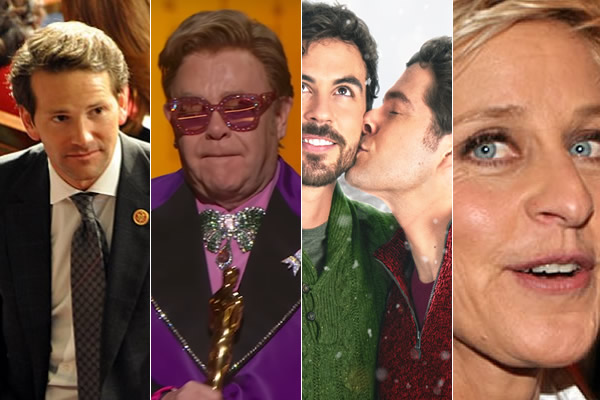
Hollywood was not immune to the COVID-19 pandemic, which caused studios to postpone major releases and to rethink how it does business. Here are the Blade’s top 10 stories in arts and entertainment for 2020.
10: Father knows best
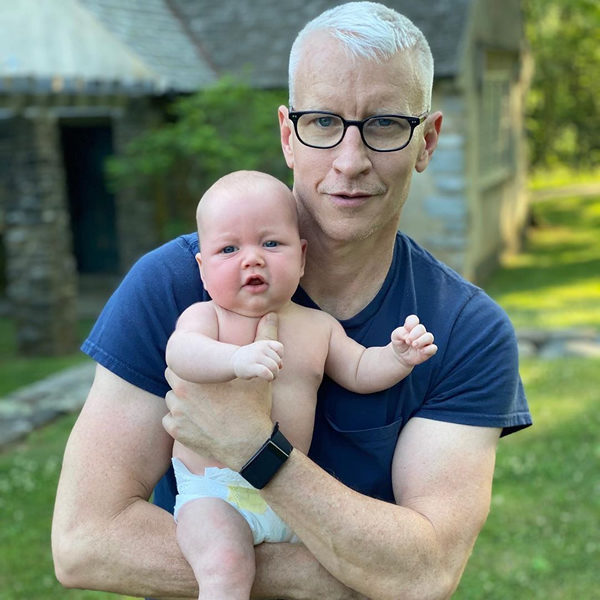
Out CNN anchor Anderson Cooper announced on the air April 30 that his son Wyatt Morgan was born on April 27.
“I am beyond happy,” he told People Magazine.
Cooper, 53, host of CNN’s “Anderson Cooper 360,” named the baby, born via a surrogate, after his father, Wyatt, who died when Cooper was 10 days old. Cooper’s mother was the late Gloria Vanderbilt, who died last year at 95.
Cooper, who finally came out in 2012 after years of speculation, plans to co-raise the baby with his ex, Benjamin Maisani, according to various sources. They broke up in 2018.
9: Pride goes global
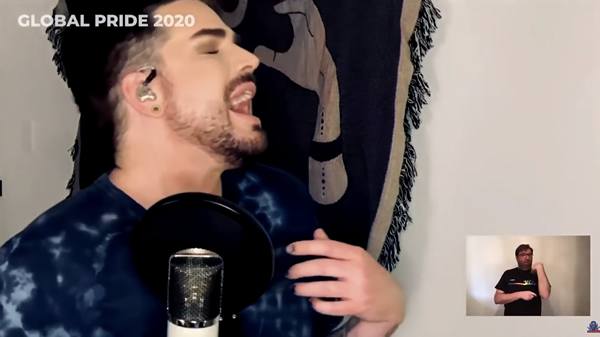
Stymied by COVID-19 restrictions on their usual events, Pride organizers around the world united for Global Pride, an online event on June 27 organized by InterPride and the European Pride Organizers Association.
Performers included Olivia Newton-John, Deborah Cox, Kristine W, Thelma Houston, Steve Grand, the Chicks and more. Manvendra Singh Gohil, a gay Indian prince, was among the speakers.
The theme was “exist, persist, resist” and about 57 million watched the 24-hour virtual event. Todrick Hall hosted. Adam Lambert performed “Mad World.”
8: Hardly Schock-ing
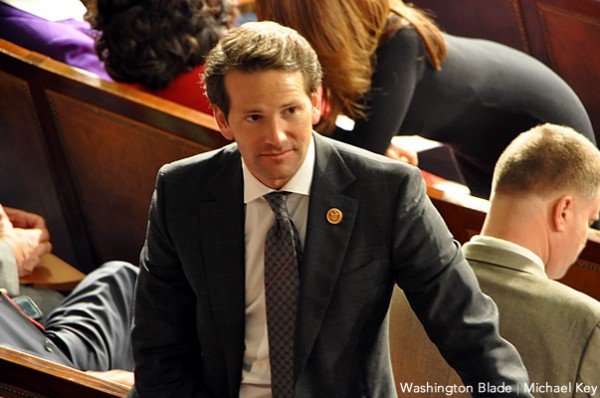
After years of speculation, former U.S. Rep. Aaron Schock (R-Ill.), came out as gay and was not exactly welcomed into the LGBTQ world.
Schock, 39, was elected to Congress at age 27 in 2008 and was once seen as a rising star in the GOP. He resigned in 2015 amid criticism for lavish spending including a redecorating effort of his Capitol Hill office. He was indicted by a federal grand jury in 2016 on 24 counts including wire fraud and theft of government funds but federal prosecutors reached an agreement in 2019 and charges were dropped. Schock vowed to pay back taxes and reimburse his campaign.
Schock, a gym rat almost as famous for his thirsty shirtless pics as his political career, came out in a March 5 blog on his website aschock.net that began simply “I am gay.” He maintains his innocence, said he regrets not coming out sooner but said he assumed his constituents knowing would “not go over well.”
“I also, in retrospect, realize that I was just looking for more excuses to buy time and avoid being the person I’ve always been,” he wrote.
He did not apologize for his anti-gay voting record which included votes against same-sex marriage and the repeal of “Don’t Ask, Don’t Tell.” He had a zero rating from HRC. He did say he’d support LGBT rights “in every way I could” if he were still in Congress.
Reaction was largely negative. Gays as varied as “Queer Eye’s” Jonathan Van Ness to Michelangelo Signorile called him out for hypocrisy.
7: Ho-hum Oscars
The 92nd Academy Awards were one of the last major events to unfold as usual before COVID restrictions kicked into high gear. Held Feb. 9 in Hollywood, it wasn’t a particularly strong year for LGBT themes. “Parasite” took the top prize and “Joker,” Joaquin Phoenix’s tour de force, had the most nominations. “1917,” “Ford v. Ferrari” and “Once Upon a Time in Hollywood” also won multiple awards.
Of the 20 acting nominees, none were LGBT although two played LGBT characters. “Pain and Glory,” from out director Pedro Almodovar, snagged two nominations.
“If 2019’s record year of inclusion for LGBTQ and LGBTQ-themed nominees was a small step forward … then nominations for Oscar 2020 are a giant lap back,” wrote Blade critic John Paul King.
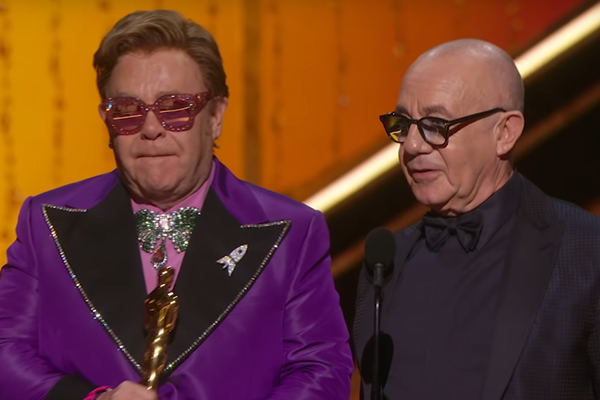
It was slightly gayer at the ceremony itself. Janelle Monae and Billy Porter performed in the opening. Elton John won Best Original Song with longtime collaborator Bernie Taupin for “(I‘m Gonna) Love Me Again,” from his biopic “Rocketman.”
6: Rom-com representation
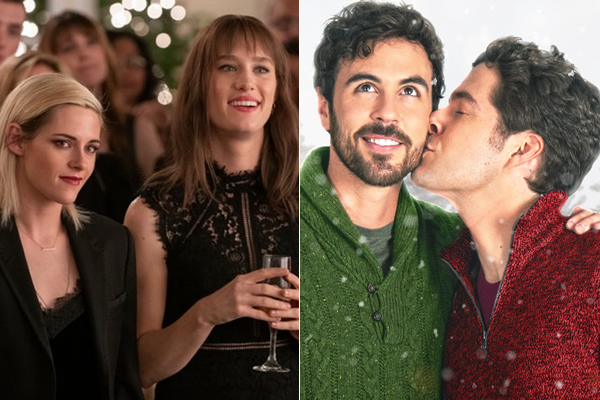
We may have been largely a bust at the Oscars, but in other branches of filmdom, there were major surprises. The New York Times rounded up six holiday-themed gay rom-coms with out with LGBT characters.
Kristen Stewart and Mackenzie Davis starred in the Clea DuVall-helmed (DuVall is gay) lesbian coming-out comedy “Happiest Season,” which premiered on Hulu on Thanksgiving Day.
Brandon and Jake race to adopt a baby by Christmas in “The Christmas House” on the Hallmark channel. Real-life husbands Ben Lewis and Blake Lee star in “The Christmas Setup” on Lifetime, “Dashing in December” is a drama from Paramount about two men who fall in love on a ranch while Netflix has “A New York Christmas Wedding” with a bi woman in the lead and “I Hate New Year’s,” an on-demand lesbian romance set in Nashville.
Complete with same-sex kisses (!), the Times calls the deluge “a sea change for Christmas cinema, a conventionally heterosexual universe with more stories about puppies than gay people.”
5: Elliot’s new day
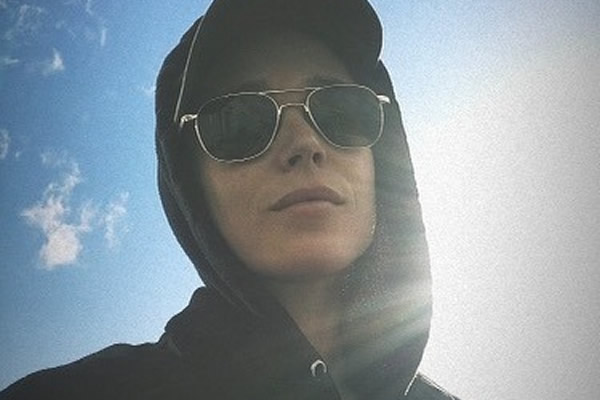
Elliot Page, a Canadian actor and producer known for roles in TV shows “Pit Pony,” “Trailer Park Boys,” “ReGenesis” as well as the 2005 film “Hard Candy,” came out as transgender last month.
He’d come out as a gay woman in February 2014. Page was nominated for an Oscar in 2008 for his role in “Juno” and is also the star of Netflix’s “The Umbrella Academy.”
“Hi friends, I want to share with you that I am trans, my pronouns are he/they and my name is Elliot. I feel lucky to be writing this. To be here. To have arrived at this place in my life. I feel overwhelming gratitude for the incredible people who have supported me along this journey,” he wrote.
4: Queer streaming galore
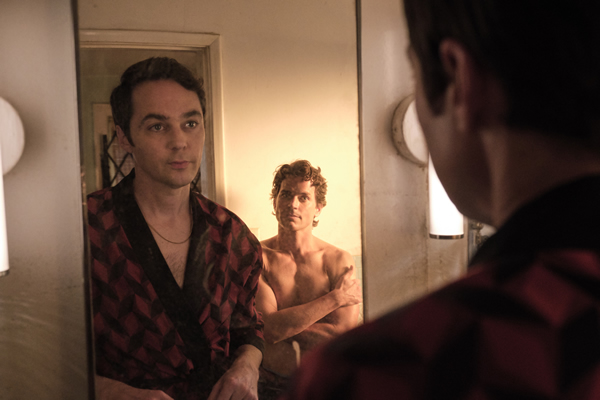
Movie theaters were closed but that only pushed the streaming rage further into the forefront of the entertainment ecosystem. And if there was any gay angle to it, there’s a good chance Ryan Murphy was involved.
The full cast of the 2018 Broadway debut of Mart Crowley (who died in March at age 84) classic “The Boys in the Band” reunited for a film version that debuted on Netflix in late September. The Blade called it a strong adaptation that “preserved in full” the “strength and dignity” of the source material. Murphy produced.
The seven-episode miniseries “Hollywood” debuted in March on Netflix with Patti LuPone helming this saga about a group of aspiring actors in filmmakers in post-WWII Tinseltown. Several gay characters and themes abounded including nods to Scotty Bowers and Rock Hudson among others. It drew mixed reviews but 12 Emmy nominations. Janet Mock directed two episodes. Murphy directed just one but was creator, executive producer, and writer.
And in December came “The Prom,” a Murphy-directed musical comedy based on the 2018 Broadway musical with Meryl Streep, James Corden and Nicole Kidman about Broadway actors who head to Indiana to fight a ruling that a high school prom is being cancelled because one female student wanted to take a girl as her date. Chaos ensues.
The Blade called it a “frothy mix that exists on the thin line between camp and hokum.”
And one you may have missed (again, with Murphy involvement) is “A Secret Love,” a documentary about Terry Donahue and her partner Pat Henschel who finally go public and get married after keeping their relationship a secret from their families for six decades.
3: Epic catfight

And then, of course, we had “Tiger King,” one of the increasingly rare shows that became a true cultural phenom.
The outrageous, seven-episode Netflix docuseries tells of zookeeper Joe Exotic (who sports a peroxide mullet) and his feud with Carole Baskin who accuses him of abusing and exploiting wild animals. Watched by 34.3 million people over its first 10 days of release, it’s been called “one of” Netflix’s most successful releases ever.
Adding to the color is Exotic’s unofficial same-sex throuplehood with Travis Maldonado and John Finlay and his relationship with future husband Dillon Passage.
He’s currently serving a 22-year prison sentence for, among other things, planning to have Baskin killed.
2: Cancel Ellen!
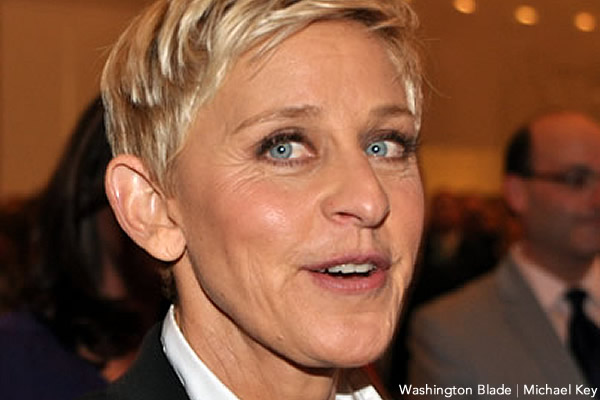
“The Ellen DeGeneres Show” was the subject of an internal third-party investigation by Warner Media after reports that the long-running hit daytime talk show was a toxic workplace behind the scenes.
In the spring, Variety reported on alleged mistreatment of long-time crew members and in July BuzzFeed published a report alleging racism and intimidation.
After delaying her 18th-season opener, DeGeneres, 62, addressed the situation in her opening monologue on Sept. 21. “I learned that things happened here that never should have happened,” she said. “I take that very seriously and I want to say I am sorry to the people who were affected.”
She acknowledged being in a “position of privilege and power.” People magazine, citing an unnamed source, said her perfectionist tendencies “ can be difficult. … She is looking at herself to make changes.”
She vowed to “start a new chapter” with the show’s 270 employees, People reports.
Following the internal investigation, in August DeGeneres apologized to her employees via video conference and confirmed that three top producers were leaving the show. The crew applauded.
DeGeneres said in December she would be back after the holidays after testing positive for COVID-19.
1: COVID disrupts
There wasn’t a single facet of the entertainment industry spared the disruptions related to COVID-19 pandemic restrictions from drag queens to touring musicians to theater producers and performers to the entire movie and TV industry, which soon ran out of “in the can” content to air or stream.
Although the competition part of “RuPaul’s Drag Race” season 12 was already taped and airing, the reunion and finale were taped — and cleverly edited — via Zoom.
Queer artists as diverse as Billy Gilman, Melissa Etheridge and the Indigo Girls offered living room concerts. Some were free, others moved to a subscription model.
With movie theaters closed for much of the year, release dates were bumped. Box office revenue reached lows not seen in 20 years and Cineworld, the world’s second-largest chain, closed in October. Many films that had planned theatrical releases were streamed instead and the bodies that govern the Golden Globes and the Oscars have made eligibility allowances. Perhaps the most prominent film to be postponed was “Wonder Woman 1984,” which will stream Dec. 25 on HBO Max, the same day it hits theaters in a move that has outraged some in the industry.
Some production units formed set bubbles in which cast and crew, subject to daily temperature checks and frequent COVID tests, quarantine from the outside world during shooting.
Resuming was a necessity and not just so people have stuff to watch coming through the pipeline. Colleen Bell, executive director of the California Film Commission, told NBC News the industry supports 700,000 jobs in California alone that accounts for $16 billion in wages.



a&e features
Award-winning D.C. chef reaching new culinary heights
Anthony Jones of Marcus DC competing on ‘Top Chef’
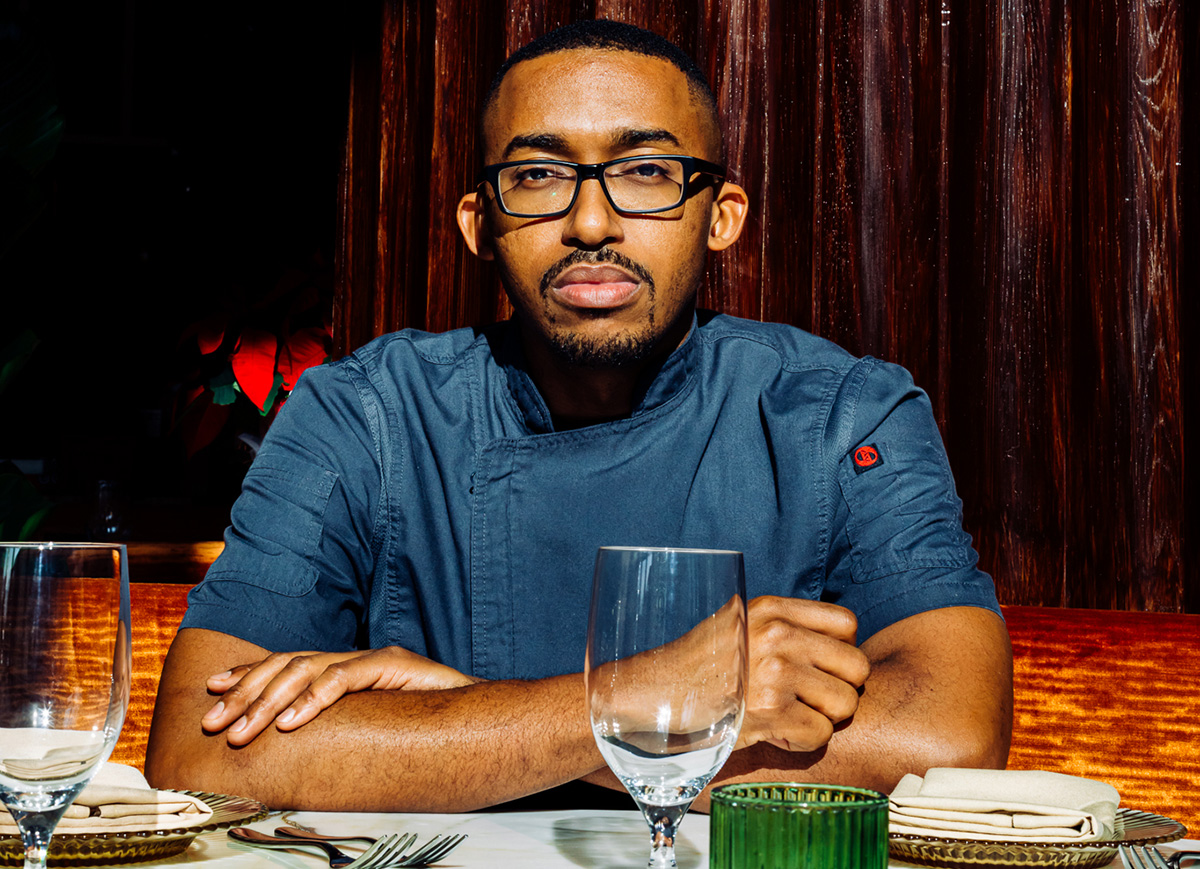
In Anthony Jones’s kitchen, all sorts of flags fly, including his own. Executive chef at award-winning restaurant Marcus DC, Jones has reached culinary heights (James Beard Award semifinalist for Emerging Chef, anyone?), yet he’s just getting started.
Briefly stepping away from his award-winning station, Jones took a moment under a different set of lights. Recently, he temporarily gave up his post at the restaurant for a starring small-screen slot on the latest season of “Top Chef,” which debuted in March. (The show airs weekly on Bravo and Peacock).
Before his strategic slice-and-dice competition, however, Jones, who identifies as gay, draws from his deep DMV roots. In the years before “Top Chef” and the top chef spot at Marcus, he was born and raised in Sunderland, Md., in southern Maryland, near the Chesapeake.
Early memories were steeped in afternoons on boats with his dad bonding over fishing, and wandering the garden of his great-grandparents spread with fresh vegetables and a few hogs. “It was Southern, old-school ethics and upbringing,” he said. “Family and food went hand in hand.” Weekends meant grabbing bushels of crabs, dad and grandma would cook and crack them. Family members would host fish fries for extra cash. In this seafood-heavy youth, Jones managed time to sneak in episodes of the “OG” Japanese “Iron Chef” show, which helped inspire him to pursue a career in the kitchen.
Jones moved to D.C. after graduating from college, ending up at lauded Restaurant Eve, and met famed chef Marcus Samuelson, who brought him to Miami to be part of the opening team for Red Rooster Overtown. After three years, Jones moved back to D.C., where he ran Dirty Habit, reinventing and reimagining the menu, integrating West African flavors and ingredients.
Samuelson, however, wouldn’t let a talent like Jones stay away for too long. Pulling Jones back into his orbit, Samuelson elevated Jones to help him open his namesake restaurant Marcus DC, which has been named a top-five restaurant by the Washington Post. Since then, Jones has been nominated as a semifinalist for the RAMMYs Rising Culinary Star in 2026 and won the Eater DC’s Rising Chef award in 2025.
Samuelson’s Marcus is a tour de force interpreting the Black Diaspora on the plate, from the American South to West Africa, along with his signature “Swedopian” touches. Yet it’s Jones who has deeply informed the plate, elevating his own story to date. Marcus DC is primarily a seafood restaurant, which serves Jones well.
“Where I’m from is seafood heavy, and as I’ve progressed in my career, I’ve moved away from meat.” Veggies and fish are hero dishes. His own dish, Mel’s Crab Rice, was not only lauded by the Washington Post, but is framed by his youth carrying home the crustaceans from Mel’s crab truck. It’s a bowl of Carolina rice, layered with pickled okra, uni béarnaise, and crab. Jones also points to a dish on the opening menu, rockfish and brassica, paying respect to a landmark D.C. institution, Ben’s Chili Bowl. Jones reverse engineered a favorite bowl of chili that’s seafood instead of meat forward, leveraging octopus and rockfish along with different riffs of cauliflower: showing his intellectual, creative, and cultural sides.
While “Top Chef” is showing Jones’s spotlight side, he also lets his identity show at work. “In the kitchen, I make sure we’re inclusive. We don’t tolerate discrimination. Everyone that’s here should feel confident to express themselves. There are so many different flags in the kitchen.”
Jones says that he didn’t fully express his gay identity until fairly recently. He felt reluctant coming out to certain family members, “you’re scared to tell them about being different,” he says, and while that anxiety ate at him, “I’m lucky and fortunate to have unconditional love and that weight off my shoulders.”
Today, “I’m me all the time, Monday to Sunday. I’m honest with people, and my staff is honest with me.”
“Being a chef is hard,” he says, “and being a chef of color is even more difficult.”
Yet his LGBTQ identity is a juggling act, he says. “I need to keep that balance, because once someone finds out something about you, their opinion can change, whether you want it or not.”
Being on a whole season of TV cooking competition, however, might mean millions more might have an opinion of him (Jones has appeared on TV already, on an episode of “Chopped”). To prepare, he says, “I’ve just kept a level head. It’s just an honor to be on top chef with amazing people happy to be there.”
Plus, this season is set in the Carolinas, and Jones attended Johnson & Wales University in Charlotte, N.C. “It’s a full story of my life, now a monumental moment for me.”
Jones also recently was nominated for a James Beard Foundation Award. “JBF has been a north star, a dream for so long. I always had this goal on my wall.”
Being at the top spot at Marcus DC, making waves through his accolades, and cooking on Bravo means that Jones is highly visible. “I think that if someone has a similar background to me, and can see our story, trajectory, and success, they can have more ability to be themselves. This is my goal.”
Back at Marcus, Jones has plenty up his chef’s white’s sleeves. A new spring menu is in the works. He’ll be launching a new tasting menu “dining experience,” he says, and has plans to work on more events and collaborations with chefs and friends to bring in new talent and share the culinary wealth.
a&e features
Introducing the Torchbearers Awards honoring queer, trans women and nonbinary people
Meet the Legends and Illuminators lighting new paths
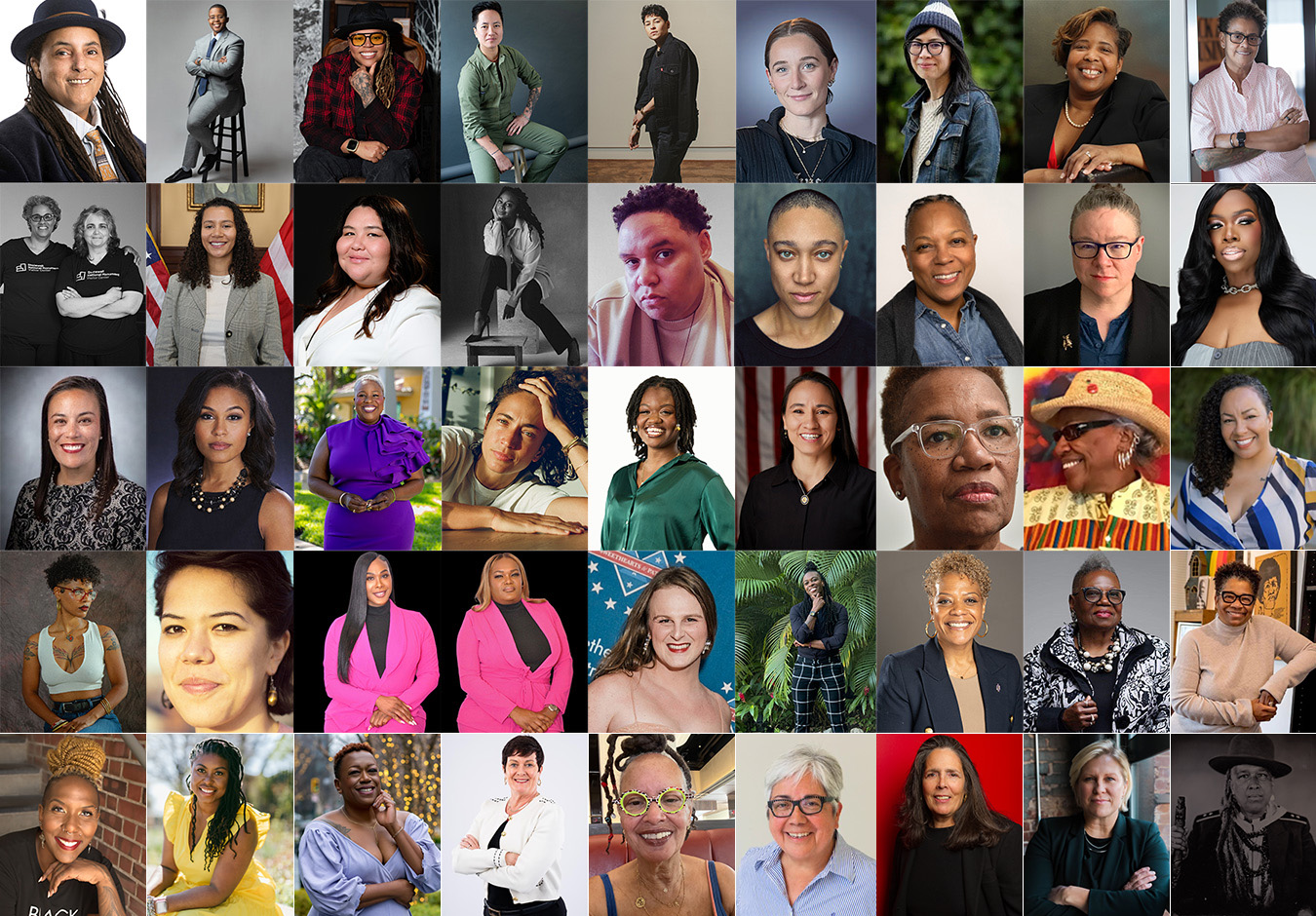
The Torchbearers Awards are more than recognition—they are a continuation of legacy. They honor the quiet architects of progress in our community: those who organize, advocate, build, and protect, often without fanfare but always with purpose. Rooted in a belief in intentional recognition, this honor names those who carry our movements forward—those who make room for others, who remind us that change is both generational and generative. In a time marked by uncertainty and challenge, these leaders push forward with courage, clarity, and an unwavering commitment to expanding opportunity and equity.
This year’s honorees reflect the full breadth of our community, spanning generations, backgrounds, identities, and industries. From Legends, with decades of leadership and having created pathways for others, to Illuminators, who are lighting new paths with creativity and innovation, each Torchbearer represents the power of intergenerational leadership and the strength found in our diversity. They are organizers, advocates, artists, policy leaders, healers, and changemakers whose lived experiences shape a shared vision for equity and liberation.
This award is our love letter to queer and trans women and nonbinary people who carry the flame when it would be easier to let it dim. To those who consistently show up, who use their voice and visibility and stand firm, often without recognition, so that others may live more freely and fully. The Torchbearers Awards celebrates not just what has been done, but the enduring spirit, responsibility, and collective care that ensure the work continues, and that the flame is always passed forward.
Co-Creators of the Torchbearers Awards: Shannon Alston, June Crenshaw, Heidi Ellis
Torchbearers Awards Advisory Board: Aditi Hardikar, Lesley Bryant, Jasmine Wilson-Bryant, Stephen Rutgers
ILLUMINATOR AWARDEES
- Representative Sharice Davids (she/her), (D, KS-03)
— U.S. House of Representatives - Greisa Martinez Rosas (she/her/ella)
— Executive Director, United We Dream - Paola Ramos (she/her)
— Journalist & Correspondent - Meagan A. Fitzgerald (she/her)
— Journalist & Correspondent - Jessica L. Lewis (she/her)
— Founder / Producer, Play Play DC - Savannah Wade (she/her)
— Founder, OAR Agency - Suhad Babaa (she/her)
— Filmmaker/ Former Executive Director of Just Vision - Ashlee Davis (she/her)
— Global Head of Inclusive Outcomes, Ancestry - Jazmine Hughes (she/her)
— Journalist and Former Editor at New York Times Magazine - Queen Adesuyi (they/she)
— Policy Advisor & Organizer, ReFrame Health & Justice - Michele Rayner, Esq. (she/her)
— Civil Rights Attorney, State Representative (Florida House of Representatives) - Gaby Vincent (she/her)
— Sports/Cultural Commentator and Community Leader - Jenny Nguyen (she/her)
— Founder & Owner, The Sports Bra - Denice Frohman (she/her)
— Independent Artist, Poet / Performer - Vida Rangel (she/her)
— Founder, Our Trans Capital - Roxanne Anderson (they/them)
— Executive Director, Our Space - Ann Marie Gothard (she/her)
— Co-Founder & President, Pride Live (Stonewall National Monument Visitor Center) - Diana Rodriquez (she/her)
— Co-Founder & CEO, Pride Live (Stonewall National Monument Visitor Center) - Wendi Cooper (she/her)
— Founder / Executive Director, Transcending Women - Toya Matthews (she/her)
— City of San Antonio, Texas - Mayor Gina Ortiz Jones (she/her)
— Sports/Cultural Commentator and Community Leader - Charity Blackwell (she/her)
— Poet, LGBTQ Advocate & Community Leader - Wilhelmina Indermaur (she/her)
— Director of Communications, Tyler Clementi Foundation - Em Chadwick (she/her)
— CMO, For Them & Autostraddle - Kylo Freeman (they/he)
— CEO, For Them & Autostraddle
LEGEND AWARDEES
- Sheila Alexander-Reid (she/her)
— Executive Director, PHL Diversity, Philadelphia Convention & Visitors Bureau - Cassandra Cantave Burton (she/her)
— Interim Director of Thought Leadership & Senior Research Advisor, AARP - leigh h. mosley (she/her)
— Photographer / Educator, PhotoFlo Photography - Jenn M. Jackson, PhD (they/them)
— Assistant Professor of Political Science; Author & Columnist, Syracuse University - Jordyn White (she/her)
— COO, Washington Prodigy / VP of Leadership Development & Research, HRC Foundation - AJ Hikes (they/them)
— Deputy Executive Director, ACLU - RaeShanda Lias (she/her)
— Digital Creator, RL Lockhart - Donna Payne-Hardy (she/her)
— Educator, EEO Specialist, Founder of NBJC, Former Leader at the Human Rights Campaign - Courtney R. Snowden (she/her)
— Principal, Blueprint Strategy Group - Gaye Adegbalola (she/her)
— Musician & Activist, Musician / Inductee of the Blues Hall of Fame - Cheryl A. Head (she/her)
— Independent Author, Novelist (Crime Fiction) - Letitia Gomez (she/her)
— The American LGBTQ+ Museum, Board Chair - Lynne Brown (she/her)
— Publisher, Washington Blade - Shay Franco-Clausen (She/Her/Ella/Queen)
— Political Strategist and Organizer - Melissa L. Bradley (she/her)
— Founder & Managing Partner, New Majority Ventures - Meghann Burke (she/her)
— Executive Director, NWSL Players Association - Victoria Kirby York, MPA (she/they)
— Director of Public Policy & Programs, National Black Justice Collective - Joli Angel Robinson (she/her)
— CEO, Center on Halsted - Jeannine Frisby LaRue (she/her)
— CEO, Moxie Strategies - Alice Wu (she/her)
— Film Director (Saving Face, The Half of It) / Screenwriter - Storme Webber (she/her)
— Interdisciplinary Artist / Educator, University of Washington - Kim Stone
— CEO of the Washington Spirit, Washington Spirit - Mickalene Thomas
— American Visual Artist, Mickalene Thomas Studio - Erika Lorshbough (any/they/she)
— Executive Director, interACT - J. Gia Loving (she/ella)
— Co-Executive Director, GSA Network
a&e features
D.C. springs back to life with new, returning events
Cherry blossoms, Rehoboth season kickoff, and more on tap
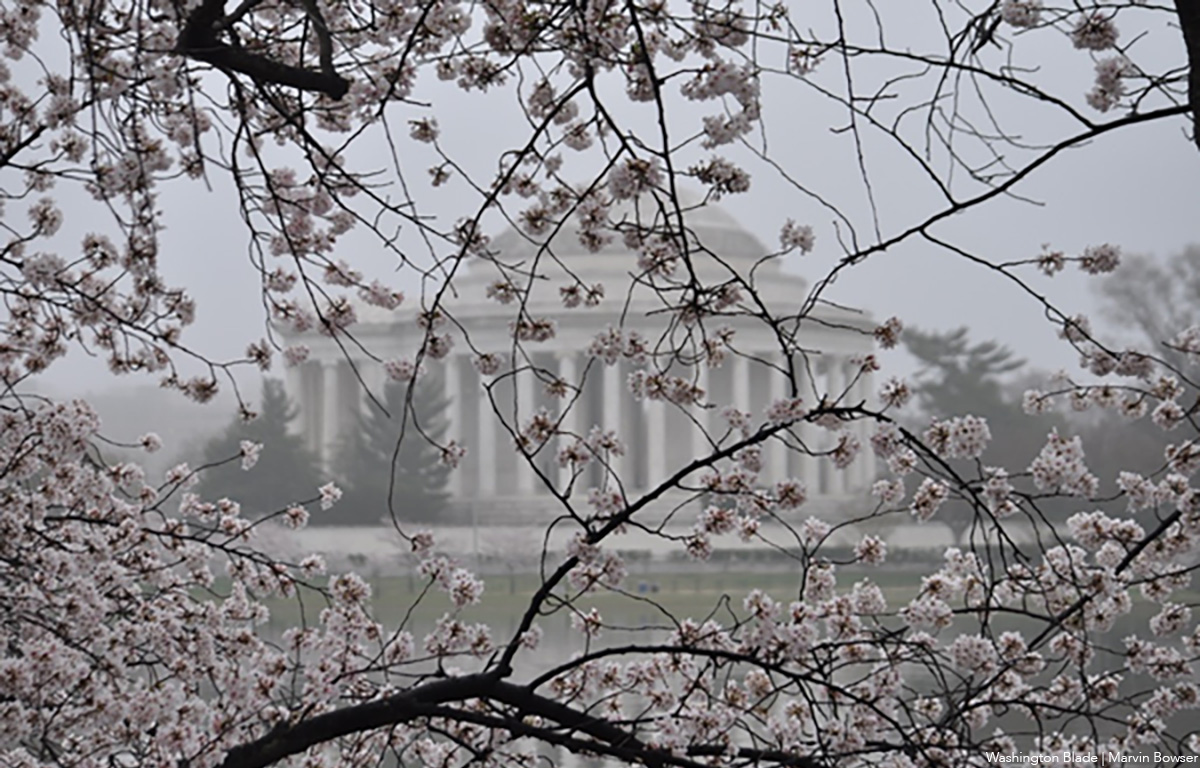
Longer and warmer days are back meaning: It’s time to get out of the house and enjoy Washington D.C.’s many events. Below are a few to check out this spring.
The National Museum of Women in the Arts will host “Making their Mark: Works from the Shah Garg Collection” until Sunday, July 26. This exhibition illustrates women artists’ vital role in abstraction, considers historical contributions, formal and material breakthroughs and intergenerational relationships among women artists over the last eight decades. For more details, visit. NMWA’s website.
Art in the Attic will host a pop-up on Saturday, March 14 at 6 p.m. at 1012 Madison St., Alexandria, Va. There will be a variety of vendors selling products across different modes of art. For more details, visit Eventbrite.
Play Play will host “Indoor Recess – The art of play” on Sunday, March 15 at 2 p.m. This event will embody classic recess energy, including opportunities to build and experience community and connections through games, movement, art stations, and creative freedom. Tickets are $12.51 and can be purchased on Eventbrite.
Spark Social will host “Gay Bar Crawl on U Street” on Friday, March 20 at 7:30 p.m. This will be a fun night out in gay D.C. with other gay people, whether you’re visiting D.C., new to the area, or just looking to expand your social circle. Many crawlers have formed lasting friendships and even romantic relationships after just one night out. Tickets are $35.88 and are available on Eventbrite.
Creative Suitland Arts Center will host “EFFERVESCENT: House of Swann” on Saturday, May 30 at 7 p.m. This will be a gay, good time where we will celebrate love, joy, wellness, and visibility for the LGBTQIA+ community. Tickets start at $17.85 and can be purchased on Eventbrite.
SWAG Works DC will host “Unapologetically Her” on Saturday, March 14 at 2 p.m. at 701 E St., S.E. This event is a powerful celebration of womanhood, resilience, creativity, and self-expression in honor of Women’s History Month. This all-women exhibition highlights the diverse voices, stories, and artistic perspectives of women who create boldly, live authentically, and stand confidently in their truth. This event is free and more details are available on Eventbrite.
9:30 Club will host “Gimme Gimme Disco: A Dance Party Inspired by ABBA” on Saturday, March 14 at 6 p.m. There will also be a “Donna Summer Power Hour – The Queen of Disco” segment during this event. It’ll be one hour of music with no skips. Tickets are available on 9:30 Club’s website.
Harder Better Faster Stronger will host “Heated Rivalry Rave” on Friday, March 20 at 9 p.m. at Howard Theatre. This event is open to all ages. Tickets are available on the theater’s website.
CAMP Rehoboth hosts its 25th annual Women’s+ FEST, April 9-12 in Rehoboth Beach, Del. Entertainers include headliner Mina Hartong, a comedian, storyteller, and founder of Lez Out Loud; and singer Yoli Mayor. There are dances, dinners, pickleball, and much more. Details and tickets at camprehoboth.org.
Also in Rehoboth Beach, the Washington Blade’s 19th annual Summer Kickoff Party is set for Friday, May 15 featuring Ashley Biden, who will accept an award on behalf of her brother Beau. State Rep. Claire Snyder-Hall will also speak. More speakers and the venue to be announced soon.
The annual D.C. Cherry Blossom Festival kicks off March 21 at DAR Constitution Hall and culminates with Petalpalooza on April 4, the day-long, outdoor street party with music and art, stretching across Navy Yard, and ending with fireworks over the Anacostia River.

Mayor Bowser signs bill requiring insurers to cover PrEP

JD Vance to travel to Hungary next week

Pam Bondi ousted as attorney general

VIDEO: Gay journalist detained for booing Trumps at ‘Chicago’ opening night

Idaho Gov. signs harshest anti-trans bathroom bill in the country

‘Out for McDuffie’ event held at D.C. gay bar

‘Jonah’ an undeniably compelling but unusual memory play

The Oscar-losing performance that’s too good to miss

Thousands attend ‘No Kings’ protests in D.C.