European Union
Spain joins global LGBTQ, intersex rights initiative
The Global Equality Fund is a US-led campaign

Spain has become the latest country to join a U.S. initiative that seeks to promote LGBTQ and intersex rights around the world.
“The United States and Spain recognize that all human beings should be treated with respect and dignity and should be able to live without fear no matter who they are or whom they love. Promoting and protecting the human rights of lesbian, gay, bisexual, transgender, queer and intersex (LGBTQI+) persons is an important part of our shared foreign policy objectives,” reads a statement from the U.S. and Spanish governments the State Department issued on Wednesday.
“Consistent with its commitment to these values, Spain formally announced it would join the Global Equality Fund as a donor partner,” it adds.
The statement notes Secretary of State Antony Blinken and Spanish Foreign Minister José Manuel Albares on Wednesday “participated in a signing ceremony to mark this commitment.”
Argentina, Australia, Chile, Croatia, Denmark, Finland, France, Germany, Iceland, Italy, Montenegro, the Netherlands, Norway, Sweden and Uruguay contribute to the fund alongside the Arcus Foundation, the John D. Evans Foundation, the M•A•C AIDS Fund, Deloitte, the Royal Bank of Canada, Hilton Worldwide, Bloomberg and Out Leadership.
“Through the Global Equality Fund, like-minded governments, foundations, and corporations provide support to civil society organizations working to promote inclusion and respect for all persons, regardless of sexual orientation, gender identity or expression or sex characteristics,” notes the statement from the U.S. and Spain. “The United States and Spain will continue to work to ensure that all people — including LGBTQI+ persons — can live in dignity, freedom, and equality.”





European Union
Poland’s top court rejects recognition of same-sex marriages from other EU countries
Ruling sets up potential clash with bloc

Poland’s top court this week rejected the recognition of same-sex marriages legally performed in other EU countries.
The EU Court of Justice in Luxembourg last November ruled in favor of a same-sex couple who challenged Poland’s refusal to recognize their German marriage. Poland’s Supreme Administrative Court in March reaffirmed the decision.
The couple, who lives in Poland, brought their case to Polish courts in 2019. The Supreme Administrative Court referred it to the EU Court of Justice.
The Polish government in May announced it will recognize same-sex marriages legally performed in other EU countries. Polish President Karol Nawrocki on July 17 vetoed bills that would have extended rights to same-sex couples.
The Constitutional Tribunal ruling, which it issued on July 28, was unanimous and final. It also sets up a potential clash between it and the EU Court of Justice.
European Union
European Commission says all EU countries should ban conversion therapy
Recommendation ‘an important step forward for LGBTI rights across Europe’
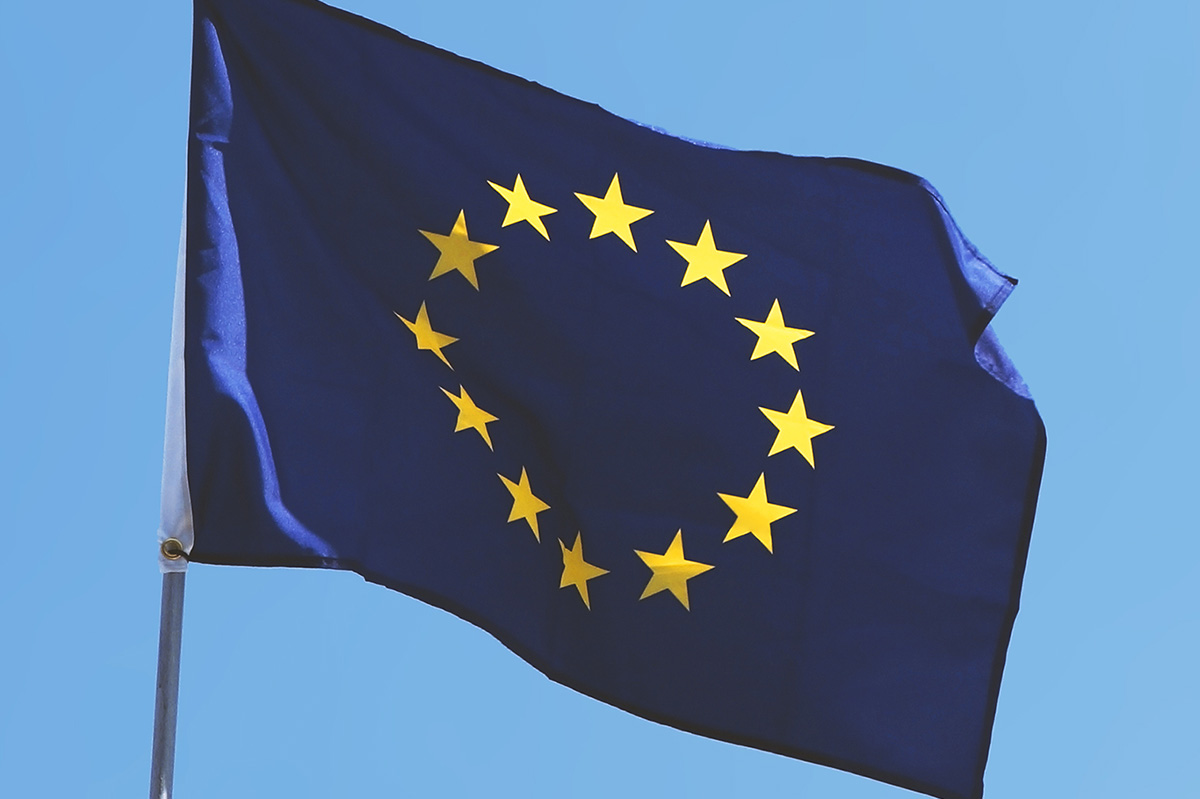
The European Commission on Wednesday said all European Union countries should ban so-called conversion therapy.
The recommendation comes weeks after the European Parliament voted in favor of prohibiting the widely discredited practice across the EU. More than 1.2 million people signed a campaign in support of the ban that ACT (Against Conversion Therapy) LGBT launched in 2024 through the EU’s European Citizens Initiative framework.
“We warmly welcome today’s commitment from the European Commission to a recommendation on ending conversion practices, an important step forward for LGBTI rights across Europe,” said ILGA Europe in a statement.
Seven EU countries — Belgium, Cyprus, France, Malta, Norway, Portugal, and Spain — have banned conversion therapy outright.
Greece in 2022 banned the practice for minors. German lawmakers in 2020 passed a law that prohibits conversion therapy for minors and for adults who have not consented to undergoing the widely discredited practice.
ILGA Europe said the European Commission’s recommendation “highlights how much work remains to be done.”
“Ending conversion practices cannot stop at symbolic commitments or fragmented national approaches,” stressed the advocacy group. “We need coordinated EU action, proper training for professionals, and survivor-centered support systems that recognize the serious harm these practices cause.”
“More than one million people supported the European Citizens’ Initiative calling for change,” added ILGA Europe. “The message is clear: conversion practices are not therapy or belief, they are a form of violence that Europe can and should end.”
European Union
European Parliament backs EU-wide conversion therapy ban
More than 1.2 million people backed campaign
The European Parliament on Wednesday voted in favor of banning so-called conversion therapy across the European Union.
ACT (Against Conversion Therapy) LGBT in 2024 launched a campaign in support of the ban through the EU’s European Citizens Initiative framework. More than 1.2 million people ultimately signed it.
The proposed ban had the support of 405 MEPs. The European Commission is expected to formally respond to it by May 18.
Seven EU countries — Belgium, Cyprus, France, Malta, Norway, Portugal, and Spain — have banned conversion therapy outright.
Greece in 2022 banned the practice for minors. German lawmakers in 2020 passed a law that prohibits conversion therapy for minors and for adults who have not consented to undergoing the widely discredited practice.

Center Arts Gallery celebrates 10 years with reception, auction

U.S. int’l trade negotiator, consultant James Bedore dies at 82

Campaign urges Virginia High School League to reverse stance on trans athletes

Calif. GOP gubernatorial candidate ad ‘disgusting attempt to exploit lesbian intimacy’

Trump uses anti-trans slur against Democratic Senate candidate

Eliot Glazer’s new book an engaging collection of essays

Equality Chamber hosts Pride in Business Expo and Profits & Pours

Learn more about Virginia’s queer history

‘Merrily’ is for Sondheim super fans, the uninitiated, and anyone in between

Lula, Flávio Bolsonaro to face off in second round of Brazilian presidential election
-

 Books4 days ago
Eliot Glazer’s new book an engaging collection of essays
-
Out & About4 days ago
Equality Chamber hosts Pride in Business Expo and Profits & Pours
-
Out & About4 days ago
Learn more about Virginia’s queer history
-
Theater4 days ago
‘Merrily’ is for Sondheim super fans, the uninitiated, and anyone in between