Arts & Entertainment
Oscars so safe
Fraser wins for playing gay in ‘Whale,’ but night belonged to ‘Everything’
It must be said that the 95th Annual Academy Awards were doomed to be a letdown before they ever started. After all, last year’s ceremony included a physical assault on a presenter by an A-lister – who then proceeded to win the Best Actor award! Even by rewarding an indie underdog for becoming a populist hit by giving it a record-setting sweep of the major categories, how could this year’s Oscar broadcast hope to top that?
Snarky digs aside, the Academy had already squandered a lot of its good will by announcing a slate of nominees that seemed a step backward in its recent efforts toward diversity. While 2022’s honors included overdue recognition for Asian American talent, the notable shortage of people of color or LGBTQ individuals among the nominees had already led many observers to write off this year’s Oscars as just another backsliding return to the all-too-familiar status quo; and when the broadcast itself finally happened, the Jimmy Kimmel-led ceremony played it so safe that the proceedings seemed dull even in comparison to other Oscar shows – and as anyone who’s ever watched one will certainly attest, that’s saying a lot. It’s almost as if, after a few years of pushing the boundaries, controversy, and conservative backlash over a perceived capitulation to “woke” sensibilities had pressured the Academy into a return to business as usual.
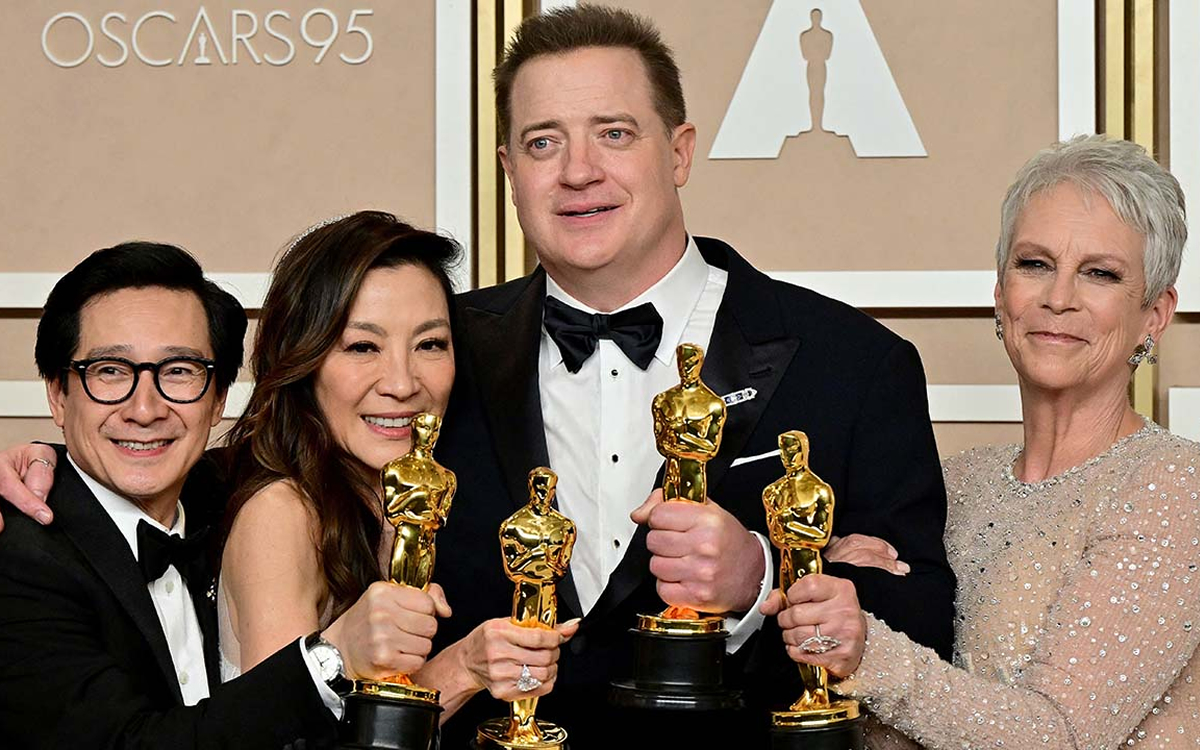
In fairness, that assessment feels a little unreasonable, considering that “Everything Everywhere All at Once” – a movie in which the survival of multiple universes hinges in no small part on a mother’s acknowledgment and acceptance of her child’s queer sexuality – had enough critical and popular momentum going into the ceremony to make its claiming of the top prize all but inevitable. The popular surprise indie sci-fi hit claimed that prize and more – including Best Actress for cinema icon Michelle Yeoh and supporting honors for co-stars Ke Huy Quan and Jamie Lee Curtis, as well as wins in the Direction and Original Screenplay categories for filmmakers Daniel Scheinert and Daniel Kwan – to take home an impressive seven of the 11 awards for which it was nominated; child-actress-turned-celebrated-filmmaker Sarah Polley, while shut out of the Best Director category for “Women Talking” in favor of an all-male roster of nominees, took the prize for Best Adapted Screenplay nevertheless; Best Actor winner Brendan Fraser, while himself not gay, earned his victory for a deeply humanizing portrayal of a gay man and is a very public survivor of alleged same-gender sexual harassment in the workplace – a reminder that #MeToo is not just a “women’s issue” but a cause encompassing even those in positions most seemingly insulated from such abuses.
All these winning films – as well as numerous others among their fellow winners and nominees –are queer-inclusive, if not directly queer-focused. Though other queer nominees – like Belgian director Lukas Dhont’s “Close” for Best International Feature and Laura Poitras’ Nan Goldin profile “All the Beauty and the Bloodshed” for Best Documentary Feature – failed to take their respective categories, the overall queer presence represented in this year’s nominated films is too widespread and deeply integrated to be ignored.
Still, in today’s very divided cultural atmosphere, such equivocating overtures toward a more equitable Oscar playing field can undeniably feel like hollow, insincere tokens, convenient to bestow on their non-LGBTQ recipients thanks to the more universal appeal of the movies that earned them a place at the table; and while the wins for Yeoh and nostalgic Gen X fan favorite Quan represented historic firsts for Asian American inclusion, nominations for Viola Davis in “The Woman King” and “Till” star Danielle Deadwyler as Best Actress, or for Jeremy Pope and Gabrielle Union of “The Inspection” as Best Actor and Supporting Actress, respectively, would have gone a lot further toward proving the Academy’s commitment to true diversity than its loading of the stage with an ostentatiously multi-ethnic roster of presenters – an overcompensation tactic that becomes increasingly obvious every time they deploy it.
As for the ceremony itself, there were some highlights, such as Lady Gaga, with a face freshly scrubbed of her red carpet makeup, passionately delivering a performance of nominated song “Hold My Hand” from “Top Gun: Maverick,” or fellow pop diva Rihanna’s rendition of “Lift Me Up” from “Wakanda Forever” – not to mention the wildly entertaining production number staged to the eventual Best Song winner, “Naatu Naatu” from the Indian blockbuster “RRR.” So, too, were there memorable moments from among the presentations, like the infectious wave of authentic joy that met Quan’s and Curtis’ early wins or Fraser’s genuinely choked-up, self-effacing acceptance speech, as well as a few polite-but-pointed barbs and zingers aimed at various low-hanging political targets – and, of course, at Will Smith – along the way. Even so, the atmosphere of the evening was decidedly contained, marked by a frankly uncharacteristic effort from Hollywood’s elite to remain on their best behavior and avoid ruffling too many feathers – and while that may have made for an evening relatively free of controversy, it also resulted in an Academy Awards show arguably far less entertaining than some of the notoriously embarrassing debacles they’ve produced in past years.
With all that in mind, it’s easy to see Sunday night’s Oscar ceremony as just another validation for people who loathe the Oscars. Yet while the Academy might seem to be some monolithic organization handing out decrees, its awards are bestowed by a voting body made up of individual film professionals, each with their own opinions about who the winners should be, and many of whom likely feel no obligation toward following whatever cultural or political agendas the organization itself may be hoping to advance. That means that whatever good intentions it proclaims itself to have, the Academy will always be little more than a barometer – and, perhaps, a convenient scapegoat – for an industry that perpetually drags its feet. After all, can we really blame the Academy for failing to recognize queer-centric and queer-friendly content – or content centered on any demographic that isn’t white, male, and heterosexual – when there is still so little of it to choose from among the award-worthy movies the mainstream continues to offer us?
There’s no right answer to that question, perhaps, only food for thought as we continue to press Hollywood to do better; that’s the only way we’ll ever see wider inclusion on the big screen. In the meantime, it’s important to remember that deciding the “best” of anything is always an entirely subjective exercise, which means that the Oscars are ultimately less about gauging quality than they are about measuring cultural attitudes toward the content – and the way that content is presented – that the movie industry produces. That makes awards like the Oscars an invaluable tool, perhaps, but does that mean it’s worth putting up with all the shallow, facile, tribalistic conversation that inevitably happens around them?
In a year like this one, when the Academy honors films that uplift and celebrate outsiders, underdogs, and ordinary people, that emphasize kindness and compassion, that allow for resolution and redemption without destructive conflict or violence, then it feels like the answer is yes.
The complete list of winners is below:
Best Picture: “Everything Everywhere All at Once”
Best Actress in a Leading Role: Michelle Yeoh, “Everything Everywhere All at Once”
Best Actor in a Leading Role: Brendan Fraser, “The Whale”
Best Director: Daniel Kwan and Daniel Scheinert,“Everything Everywhere All at Once”
Actress in a Supporting Role: Jamie Lee Curtis, “Everything Everywhere All at Once”
Actor in a Supporting Role: Ke Huy Quan, “Everything Everywhere All at Once”
Best Animated Feature Film: “Guillermo del Toro’s Pinocchio”
Best Original Song: M.M. Keeravani and Chandrabose,“Naatu Naatu,” “RRR”
Best Original Screenplay: Daniel Kwan and Daniel Scheinert,“Everything Everywhere All at Once”
Best Adapted Screenplay: Sarah Polley, “Women Talking”
Best International Feature Film: “All Quiet on the Western Front”
Best Documentary Feature Film: “Navalny”
Best Cinematography: James Friend, “All Quiet on the Western Front”
Best Visual Effects: “Avatar: The Way of Water”
Best Costume Design: Ruth E. Carter, “Black Panther: Wakanda Forever”
Best Makeup and Hairstyling: Adrian Morot, Judy Chin, and Annemarie Bradley, “The Whale”
Best Production Design: Christian M. Goldbeck and Ernestine Hipper,“All Quiet on the Western Front”
Best Film Editing: Paul Rogers, “Everything Everywhere All at Once”
Best Original Score: Volker Bertelmann,“All Quiet on the Western Front”
Best Live Action Short: “An Irish Goodbye”
Best Animated Short: “The Boy, the Mole, the Fox and the Horse”
Best Documentary Short: “The Elephant Whisperers”
Best Sound: “Top Gun: Maverick”



Photos
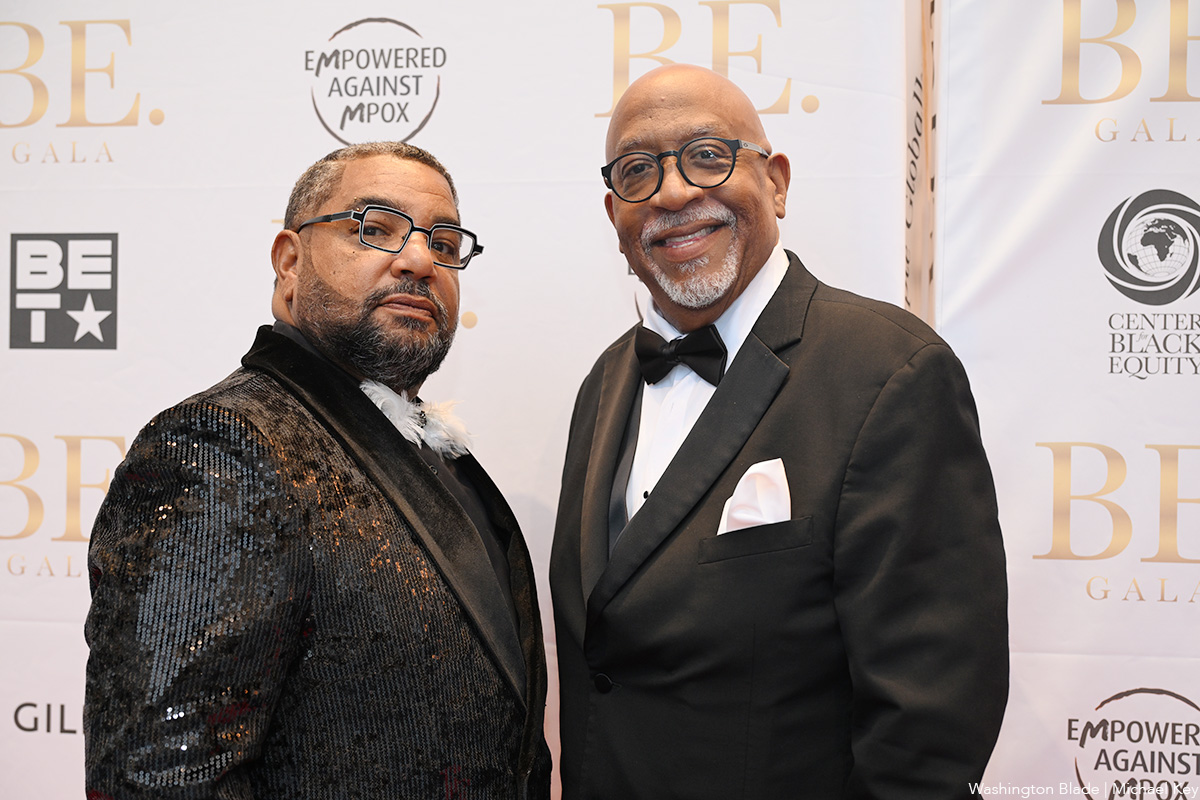
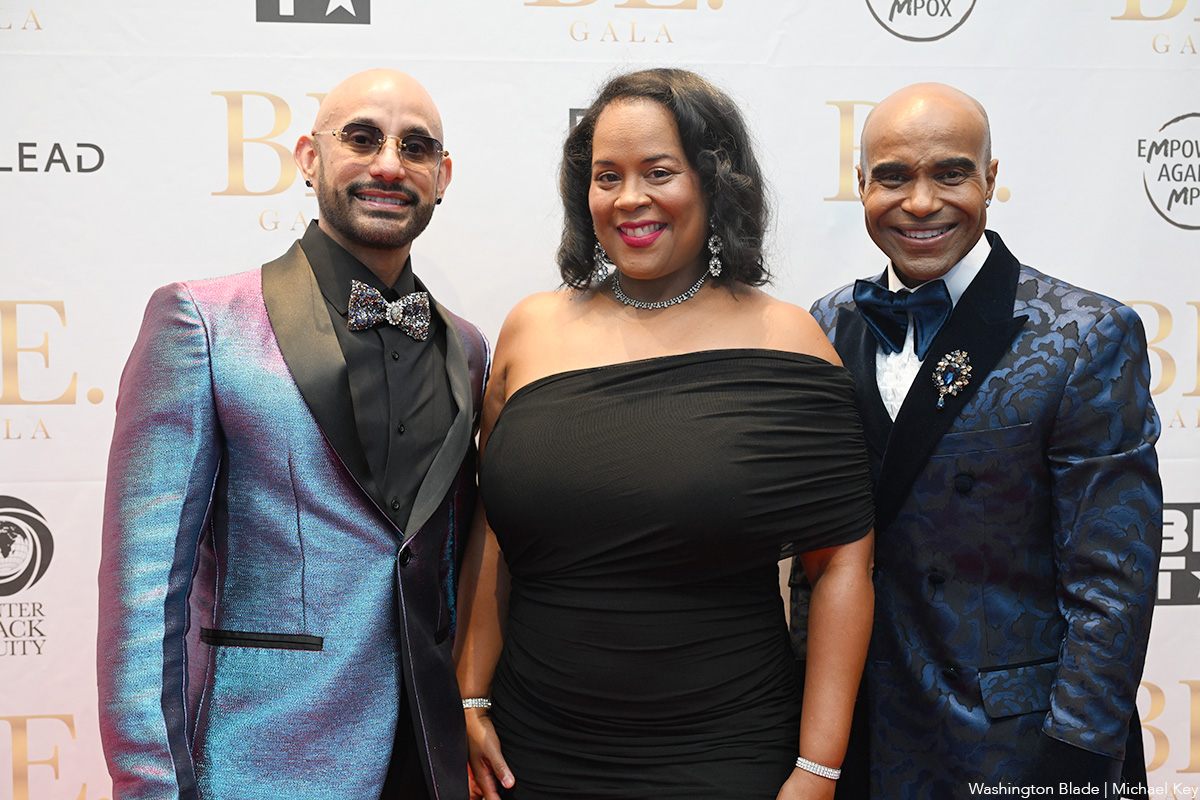
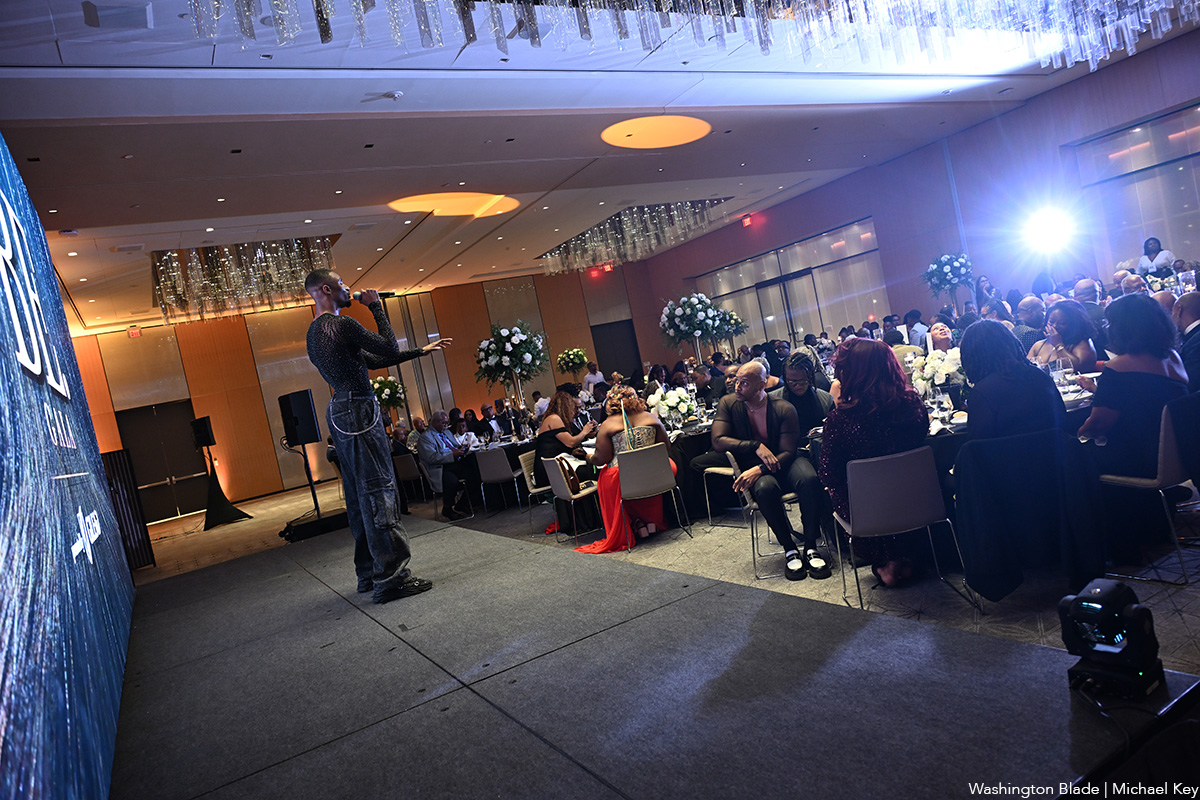
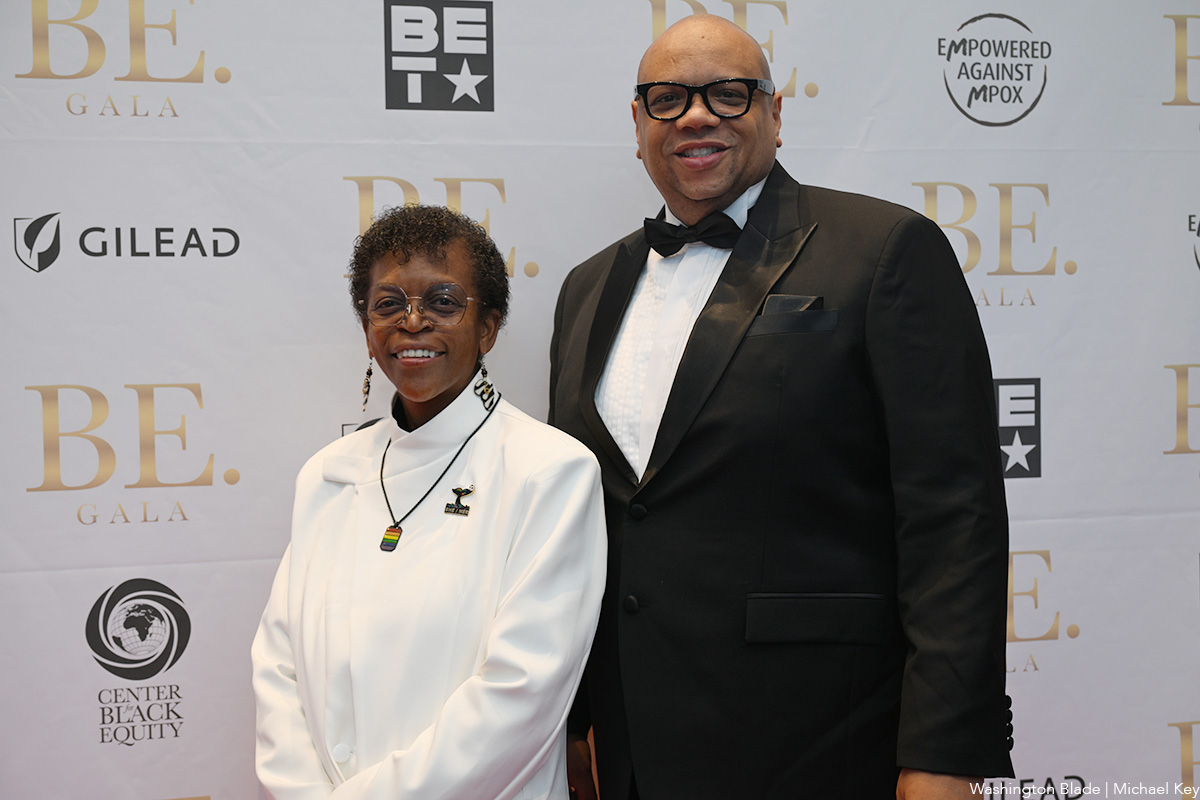
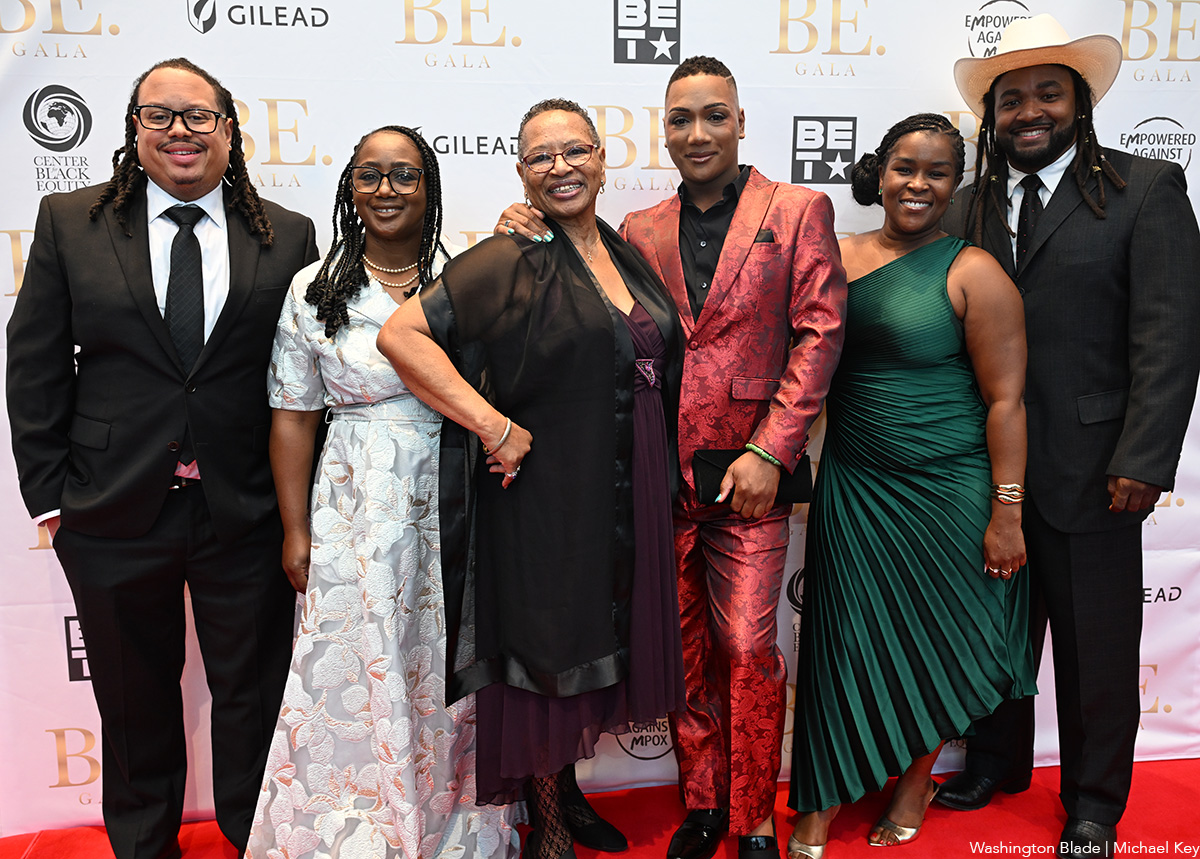
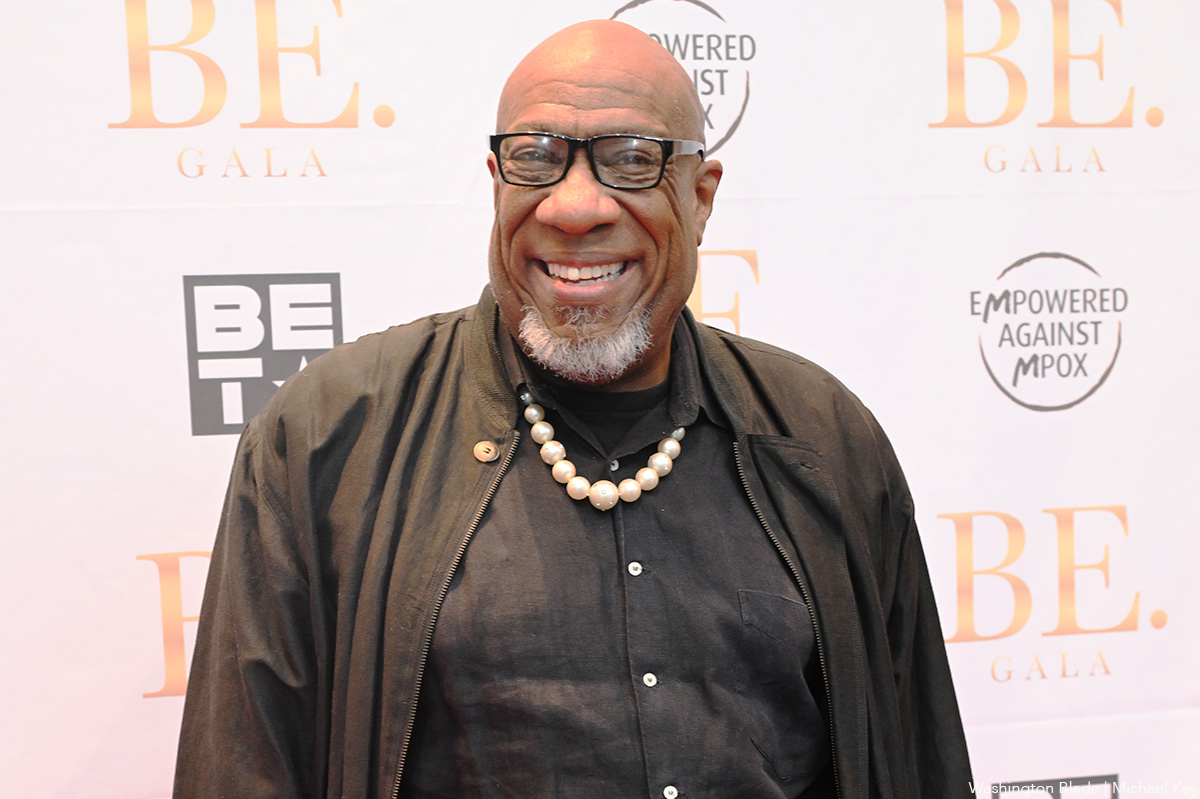
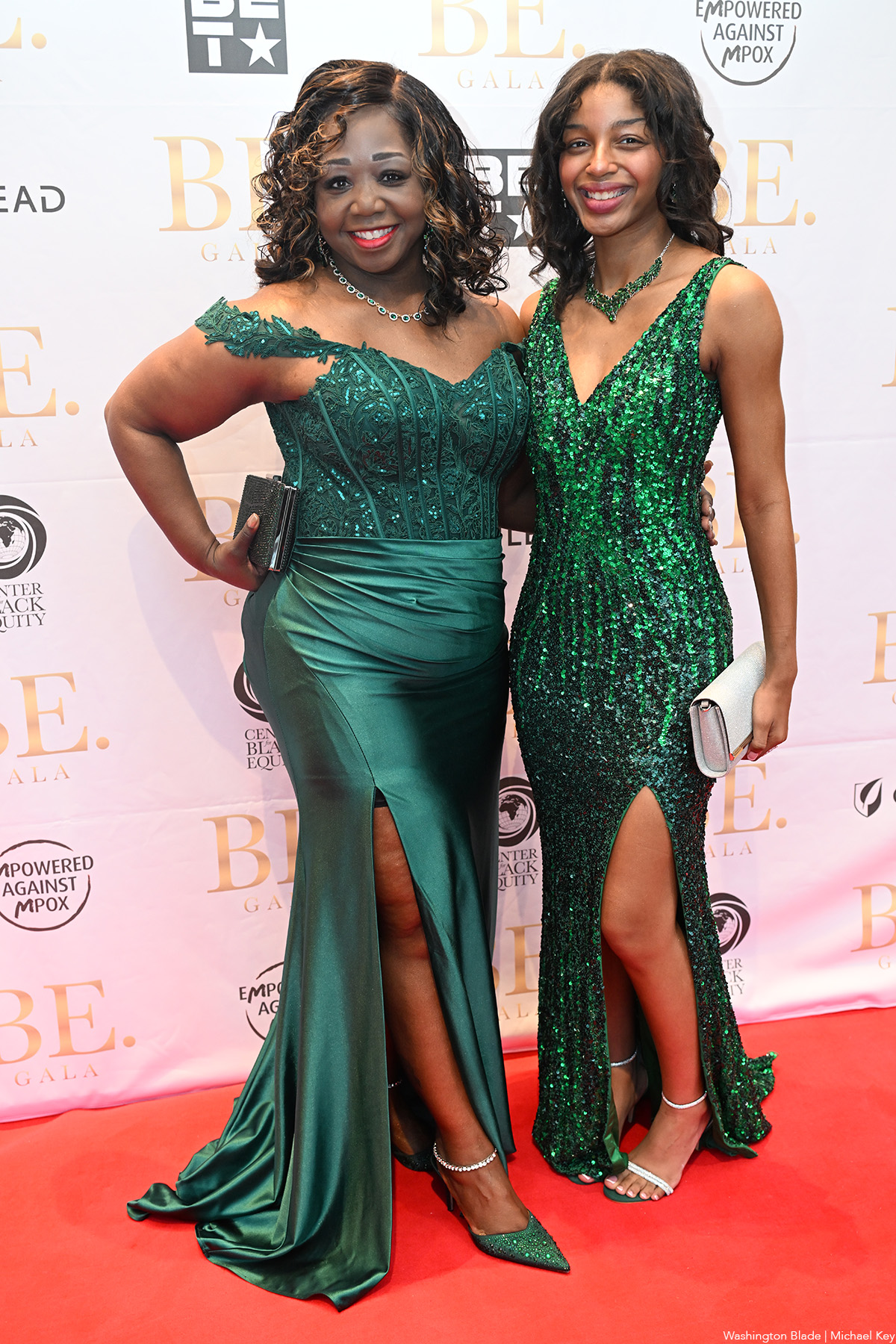
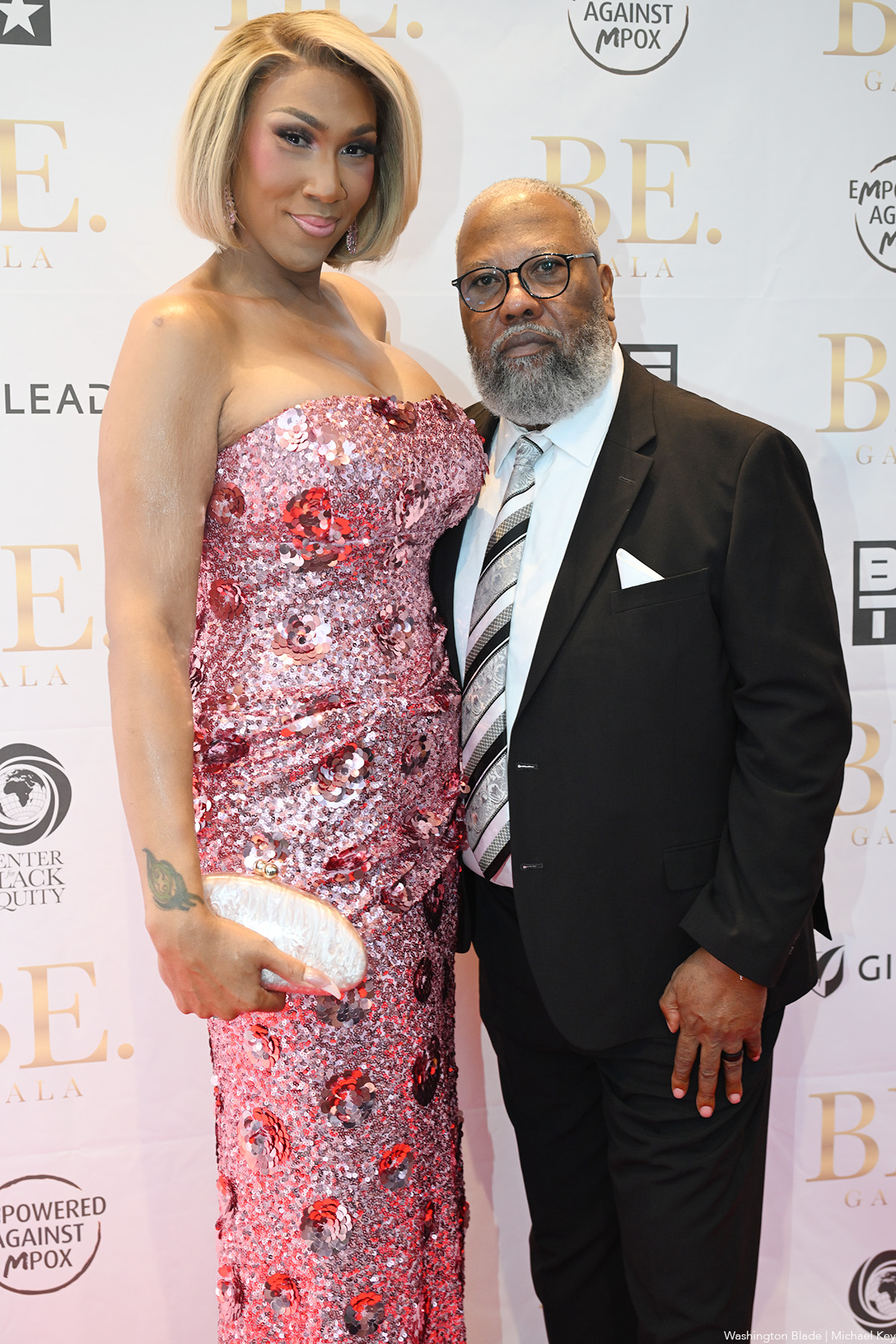
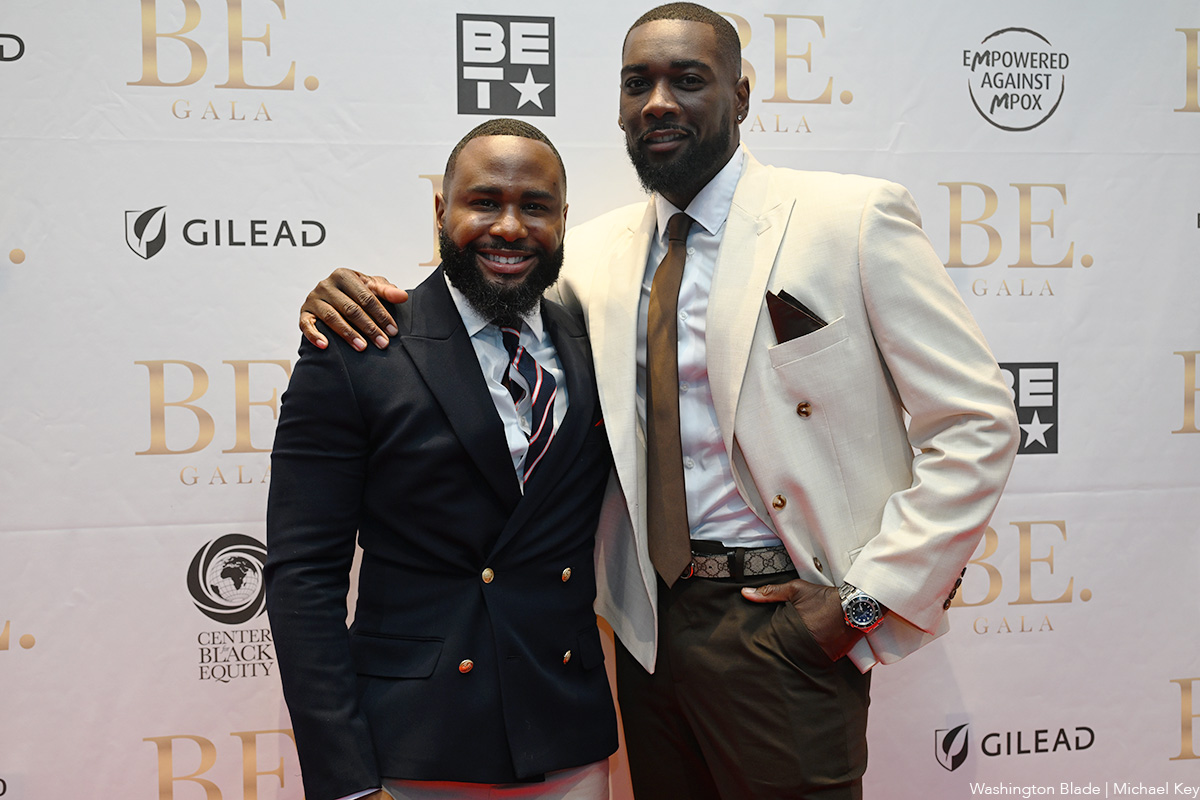
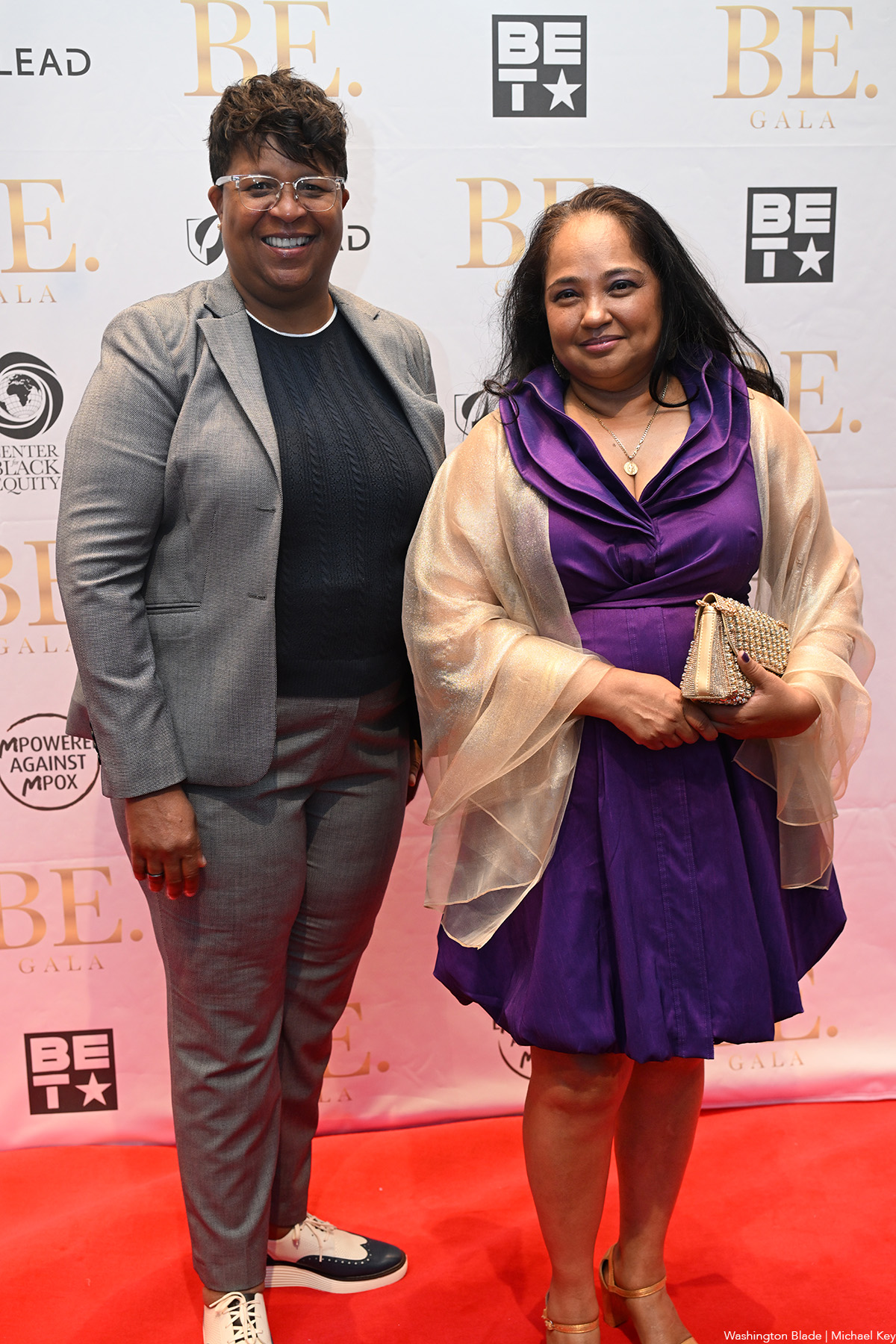
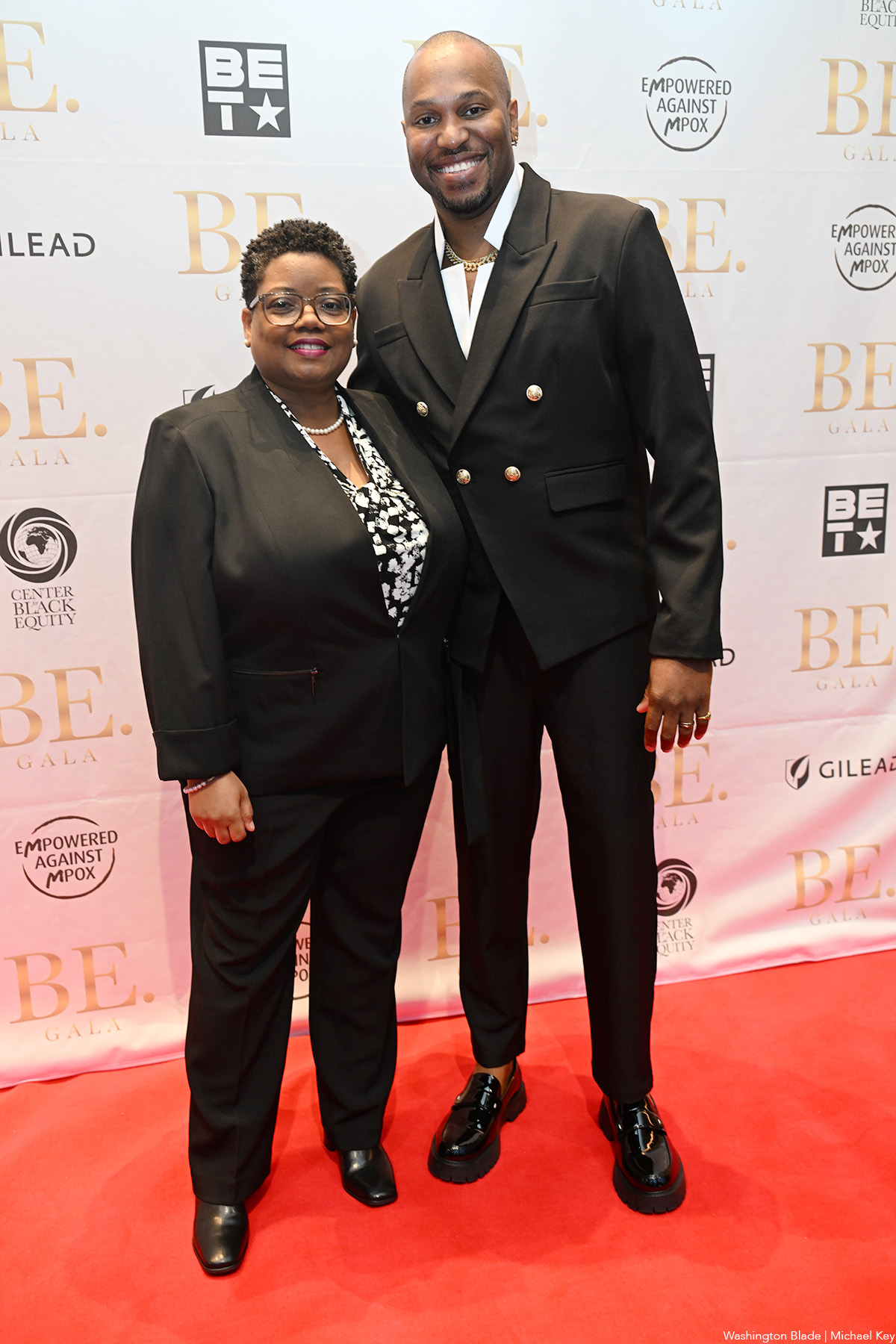
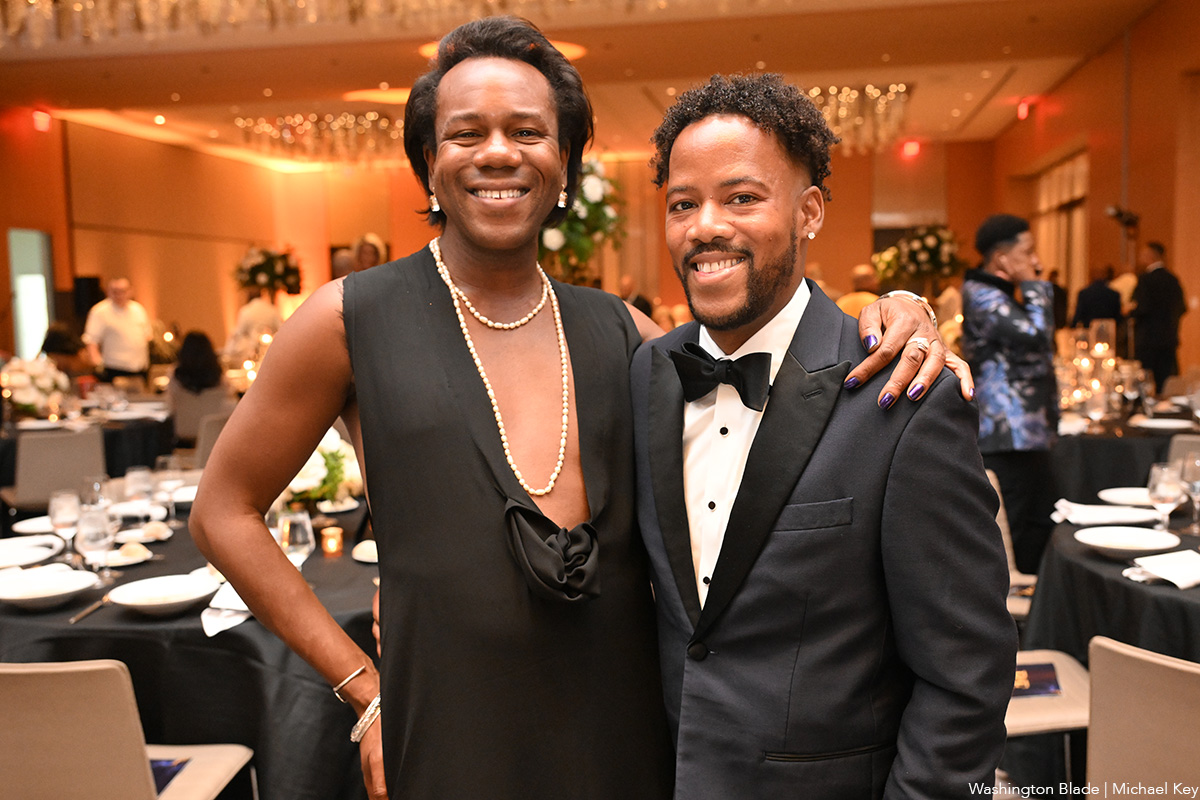
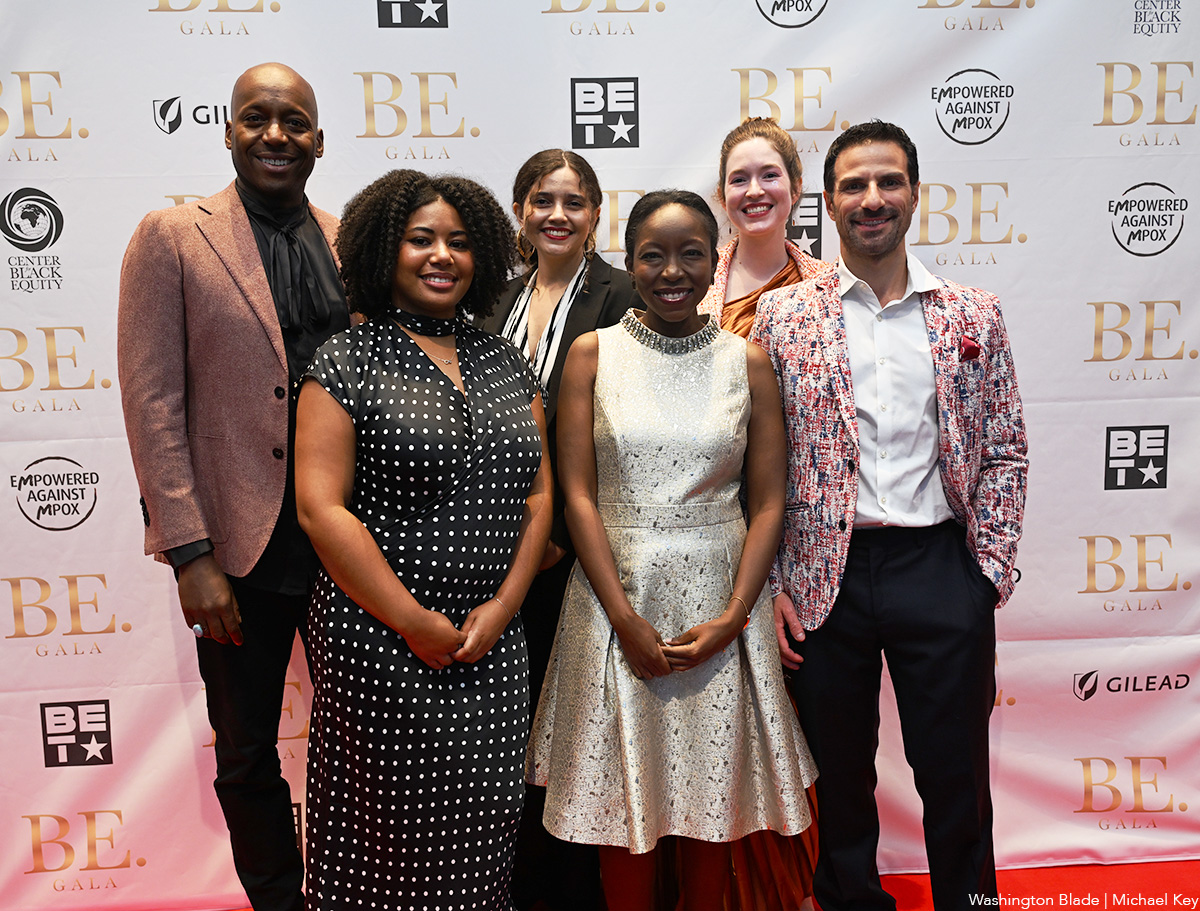
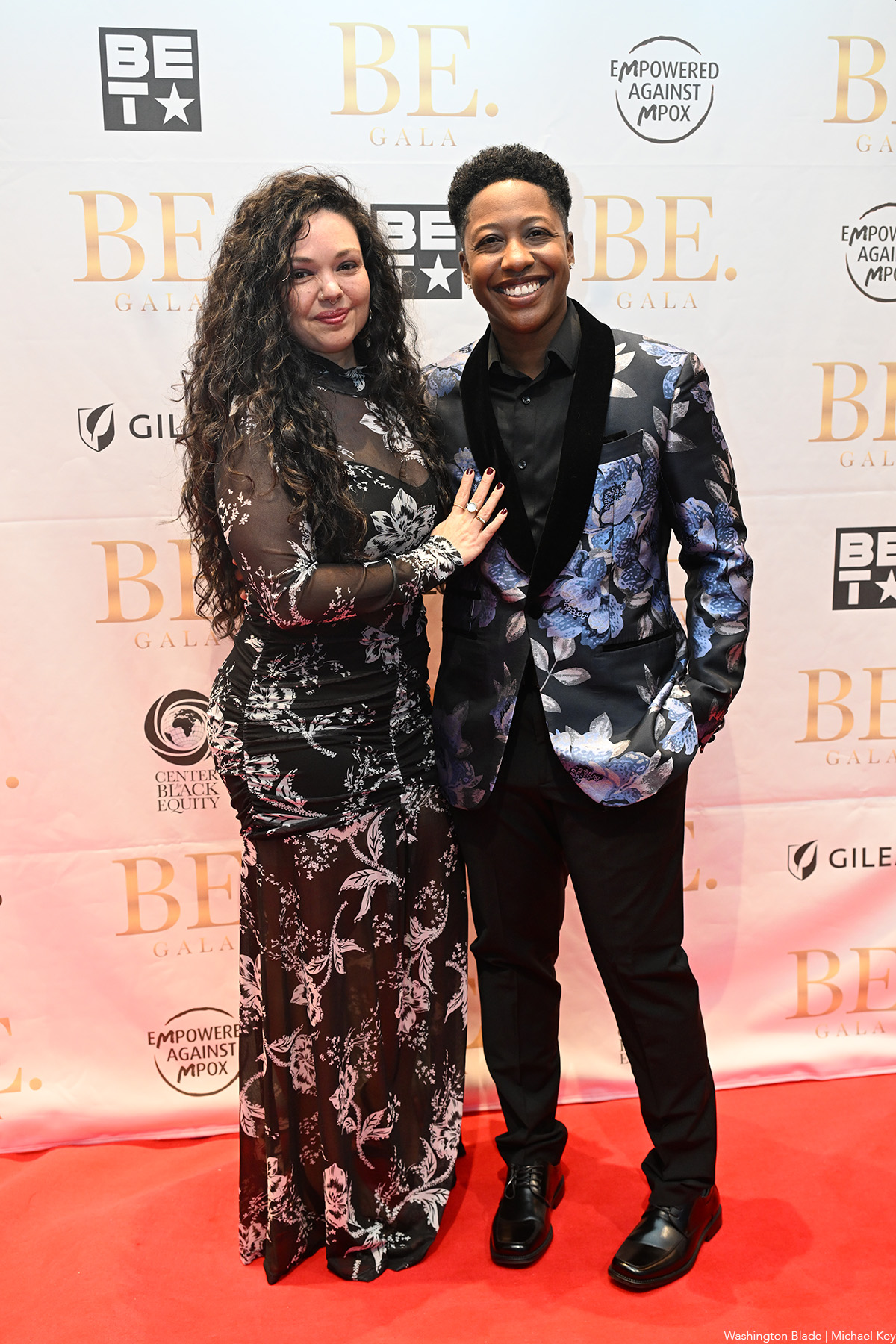
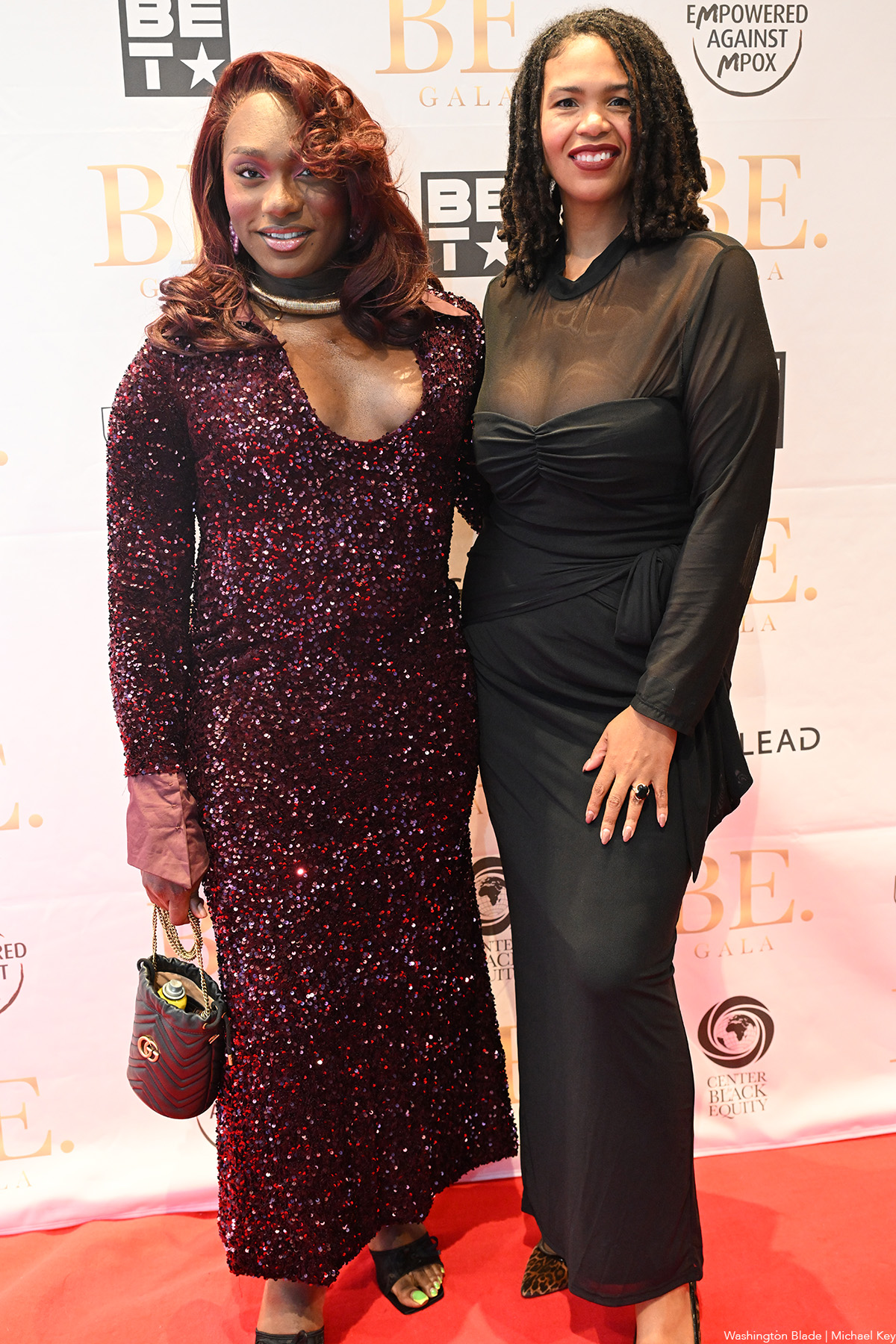
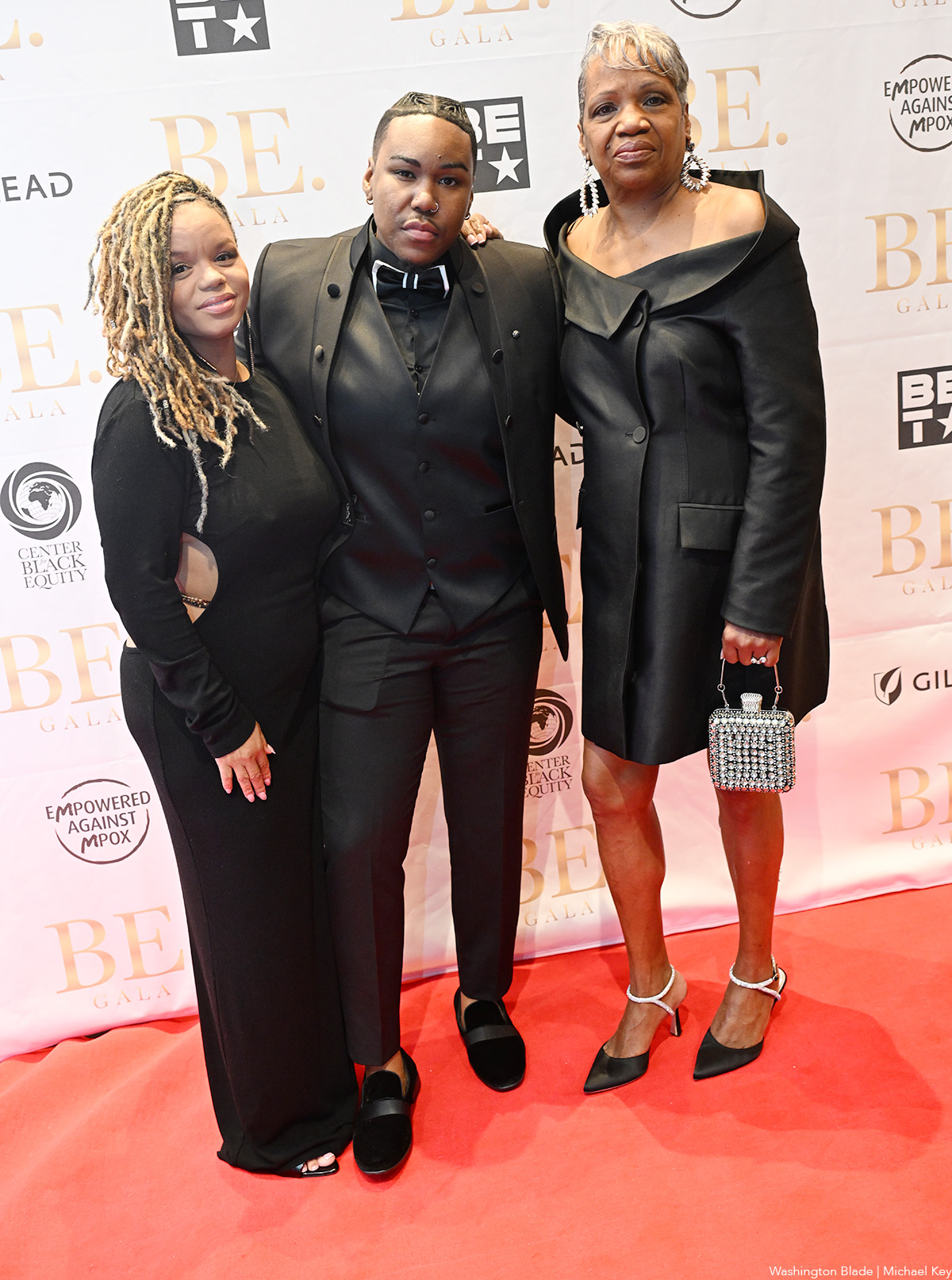
Center for Black Equity honors leaders, activists at BE. Gala
Miyake-Mugler, Oakes co-host annual awards ceremony
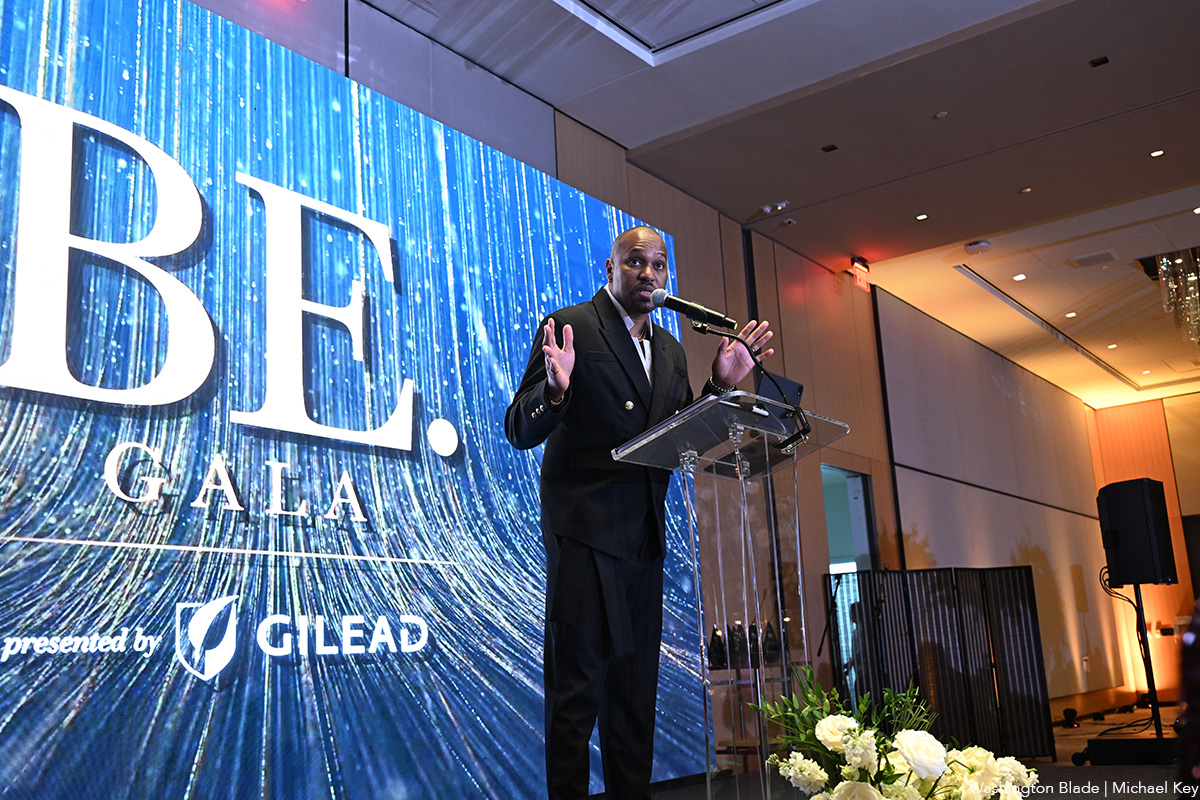
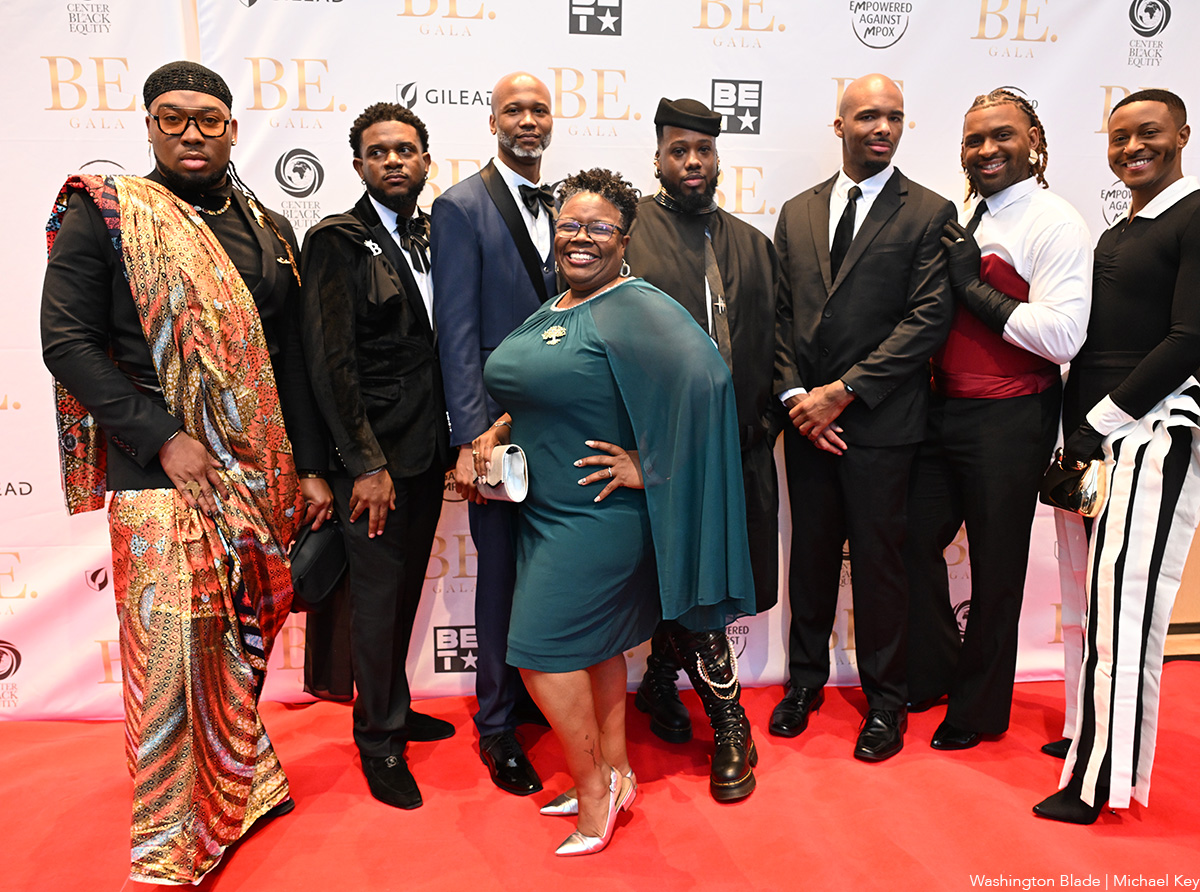
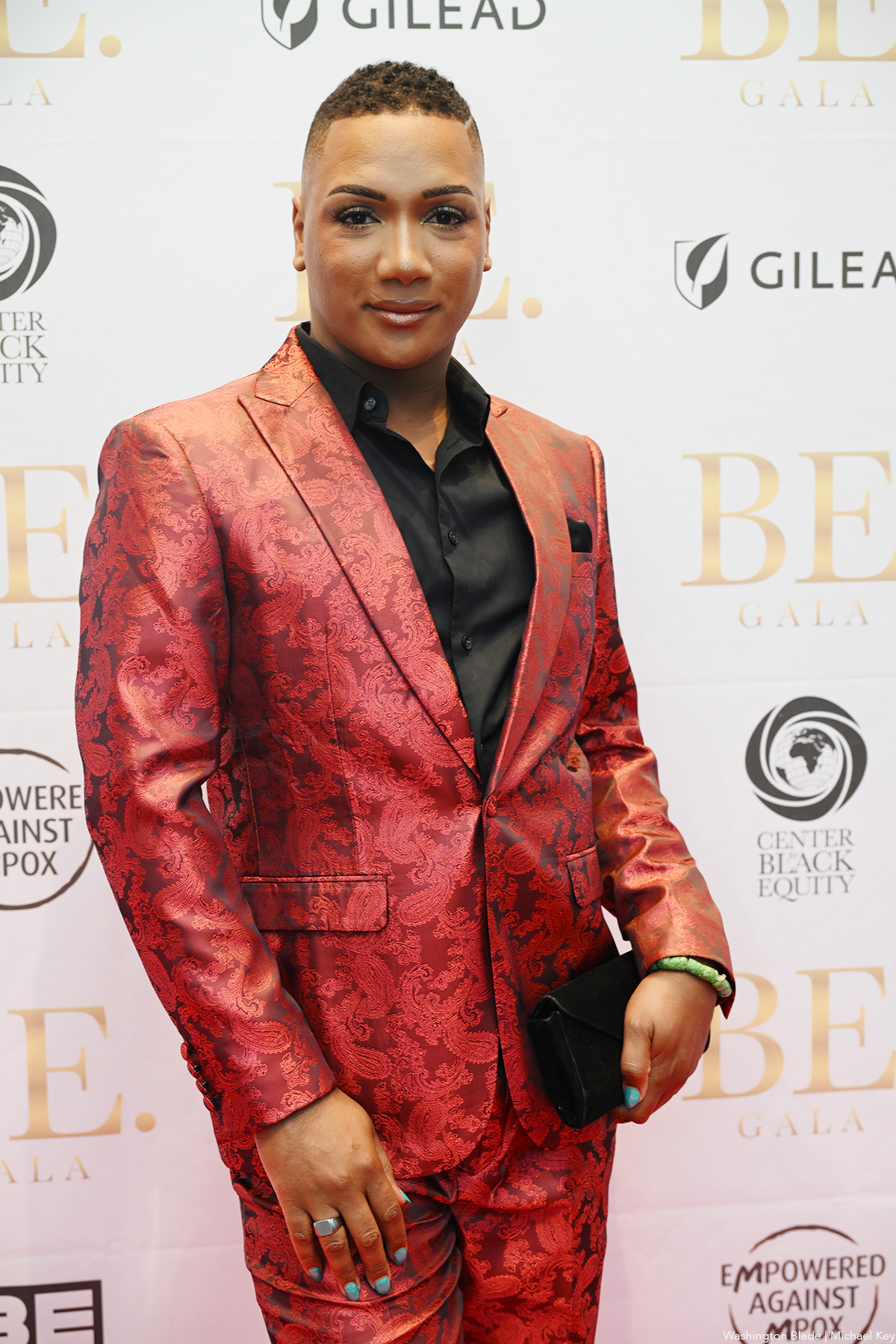
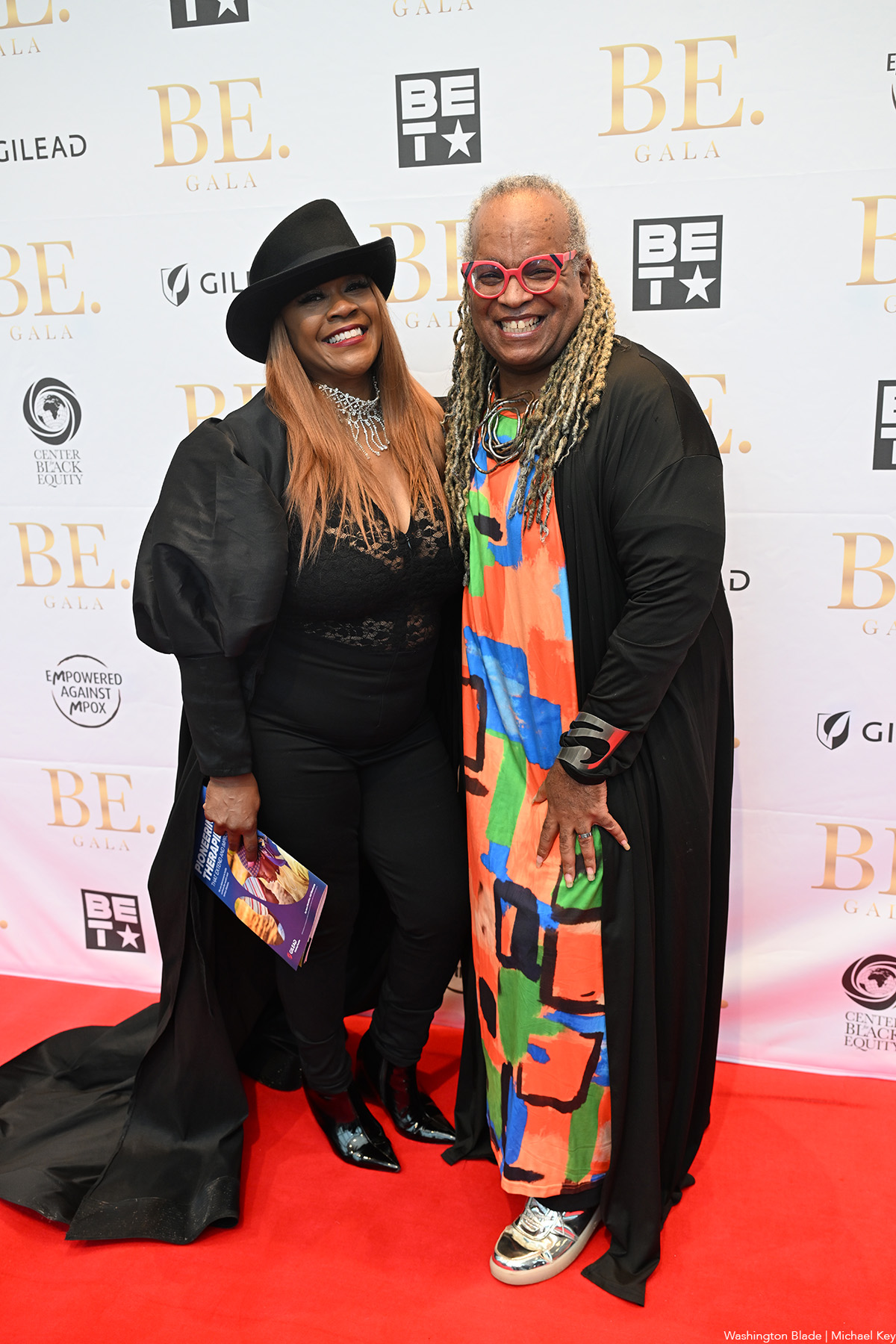
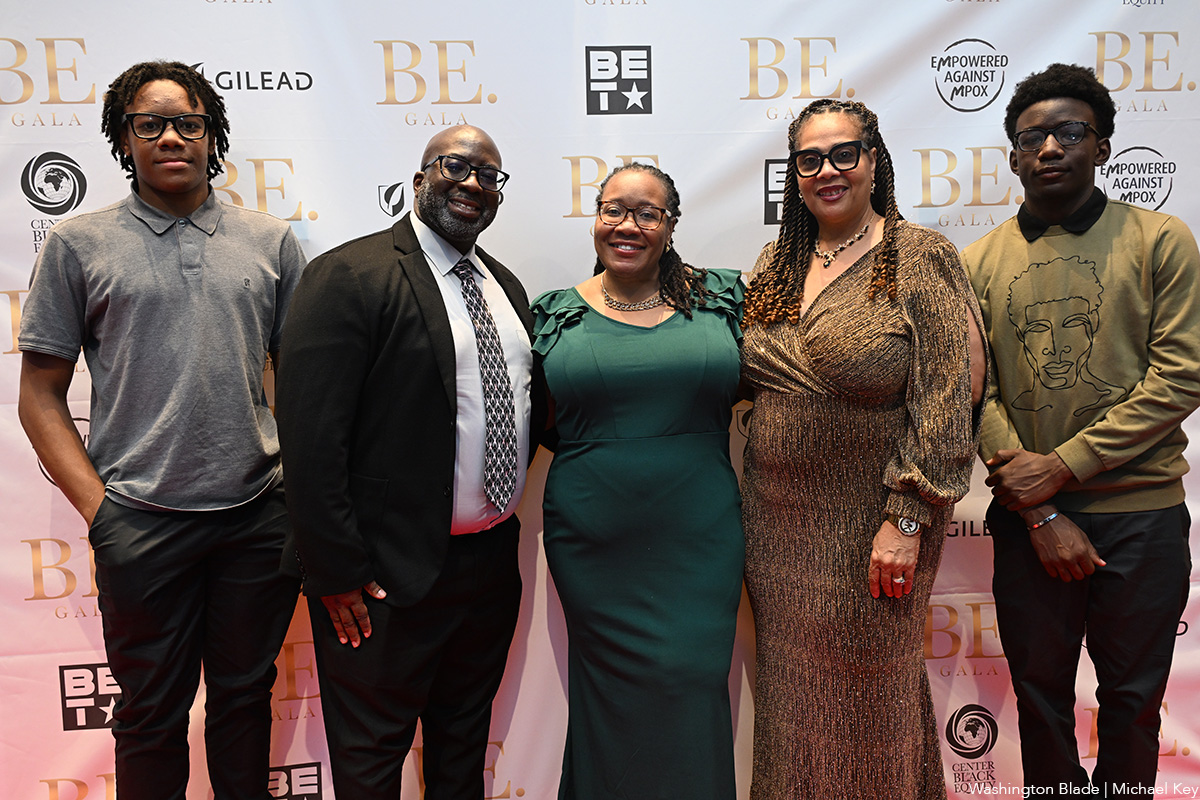
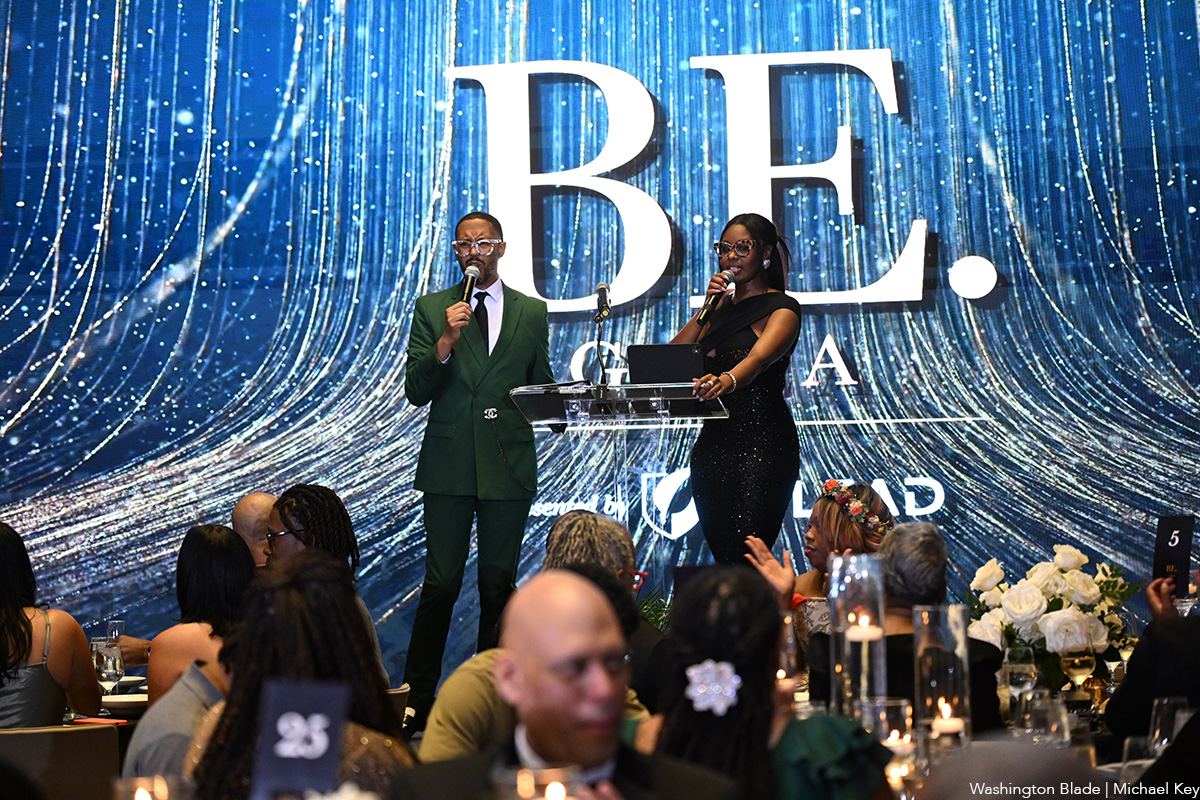
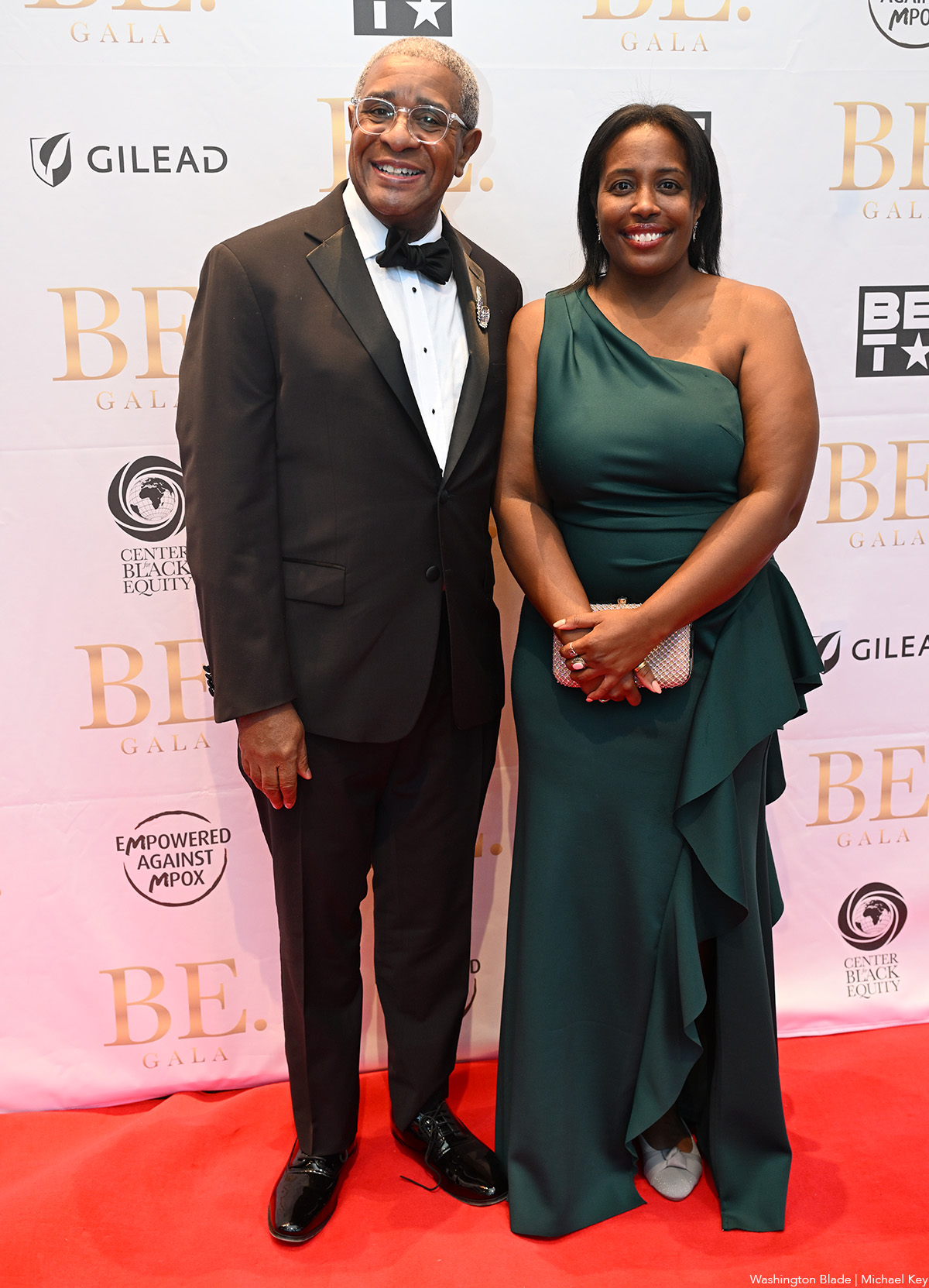
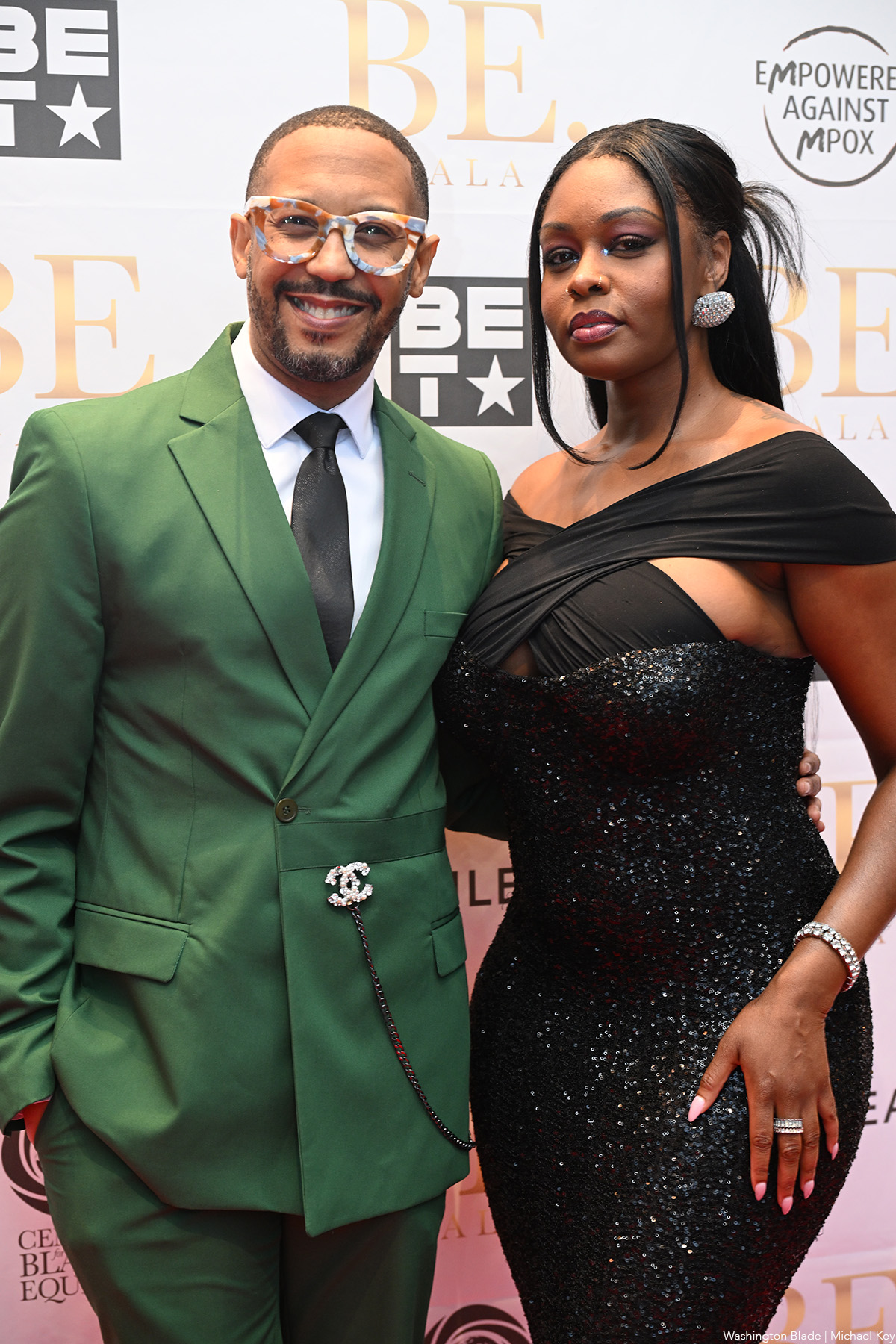
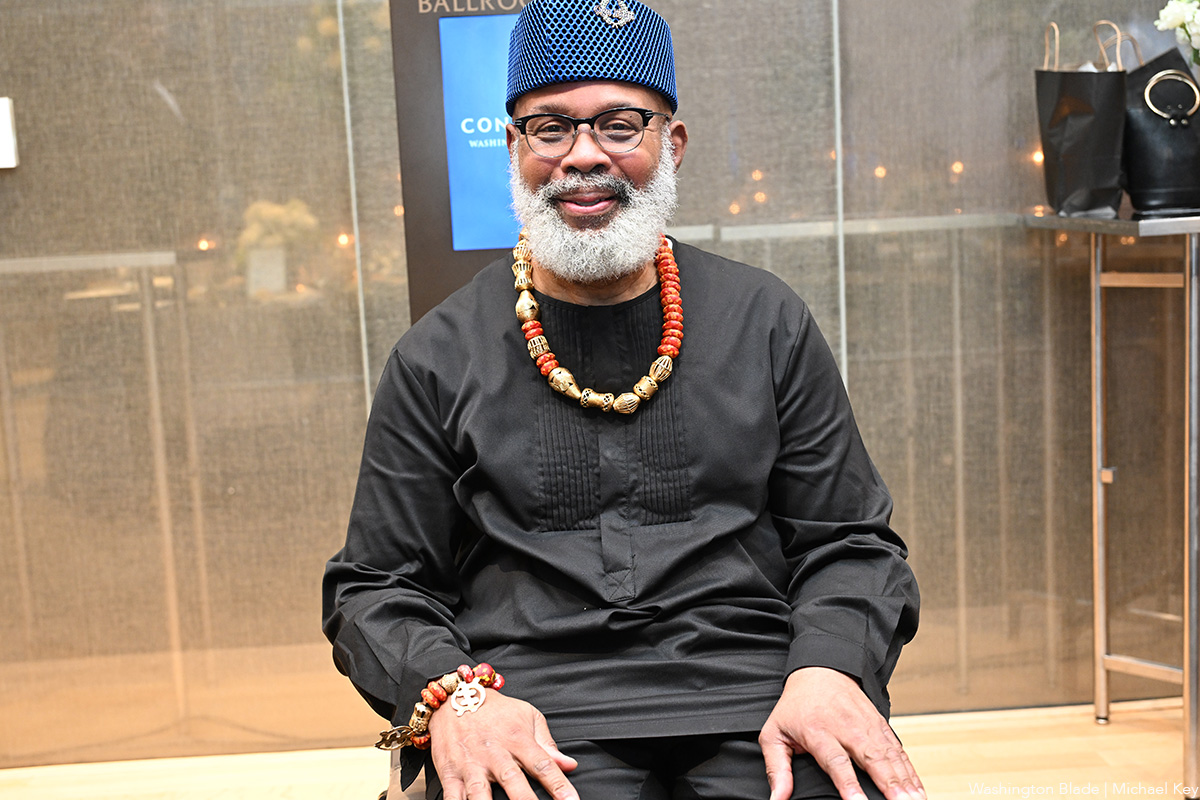
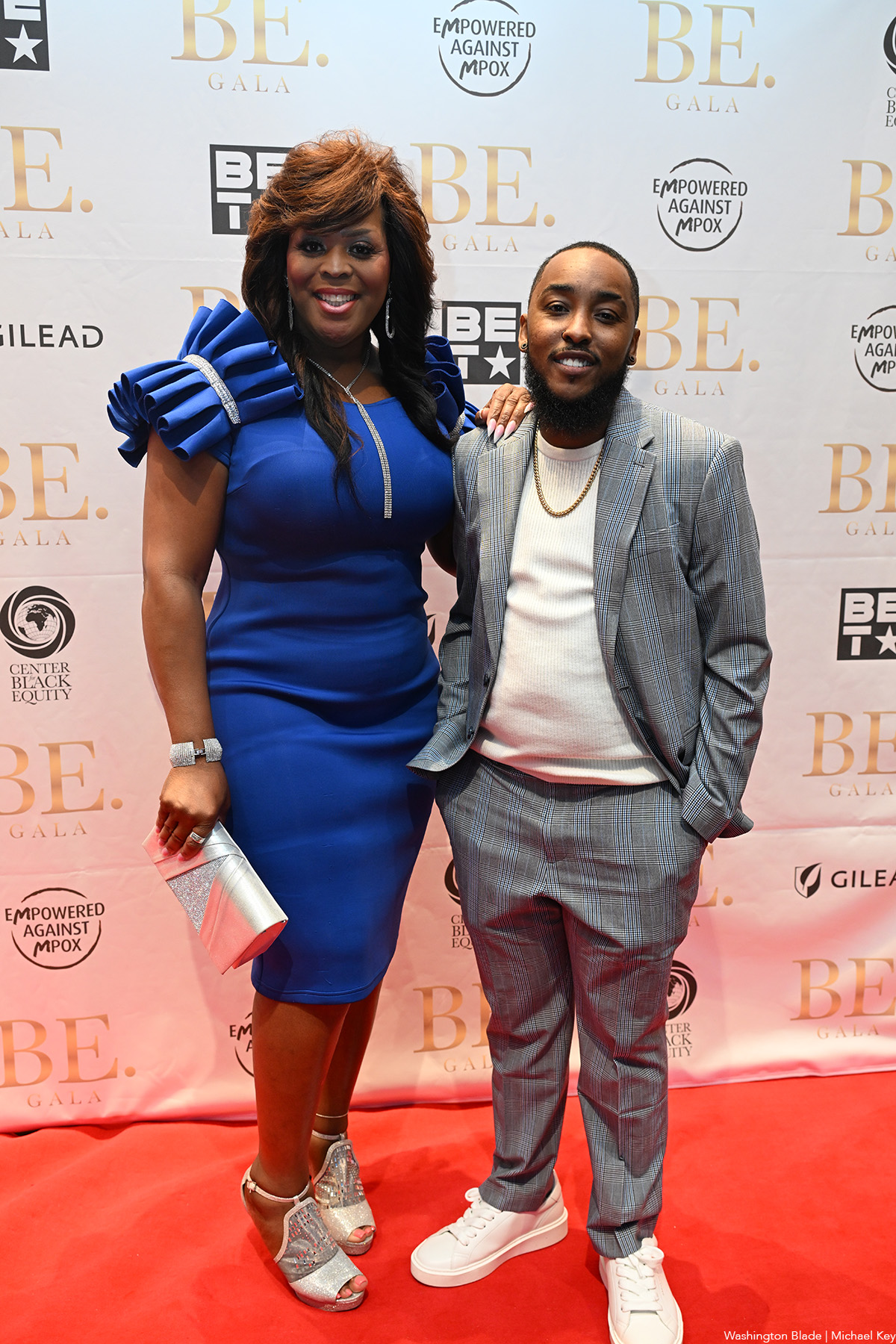
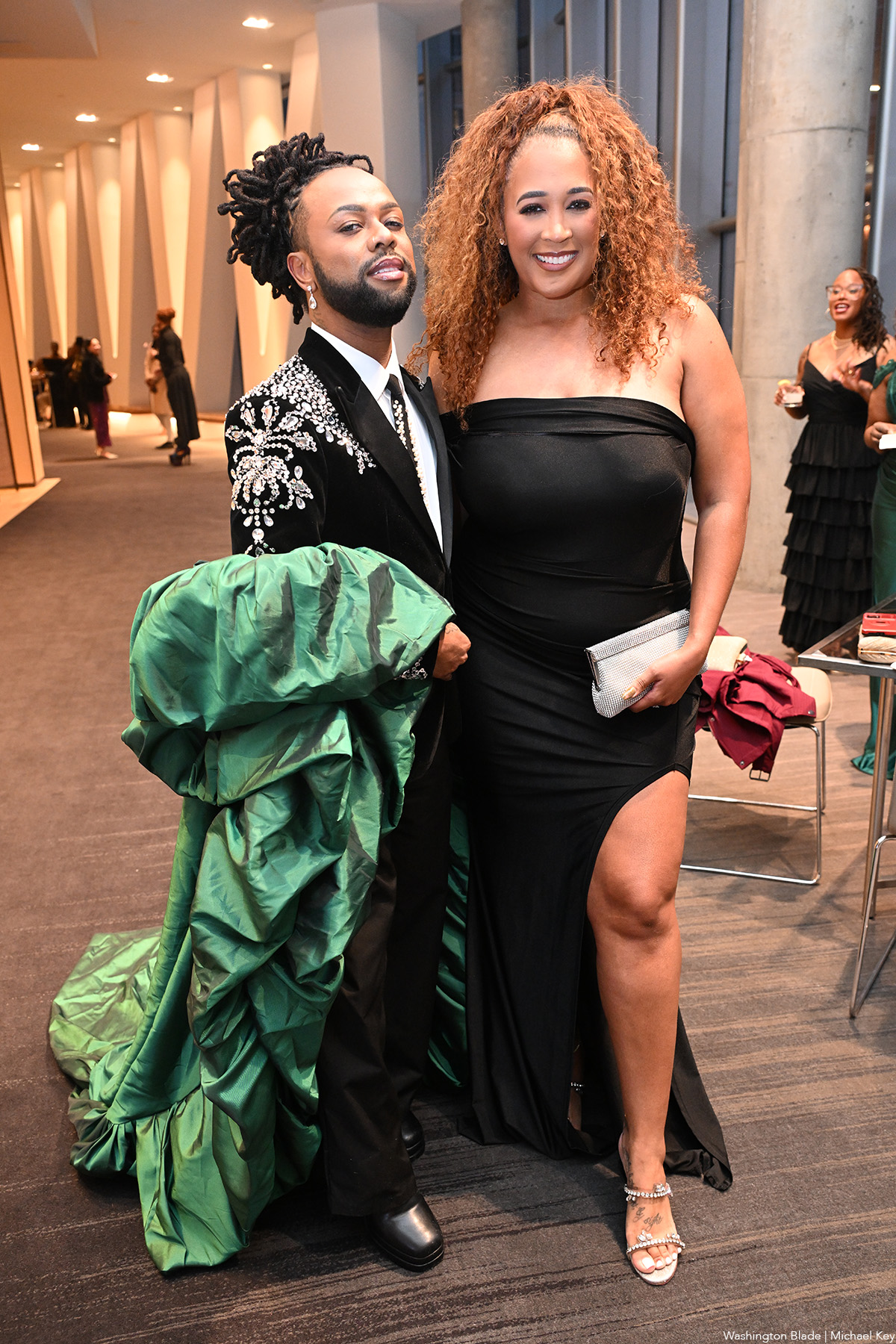
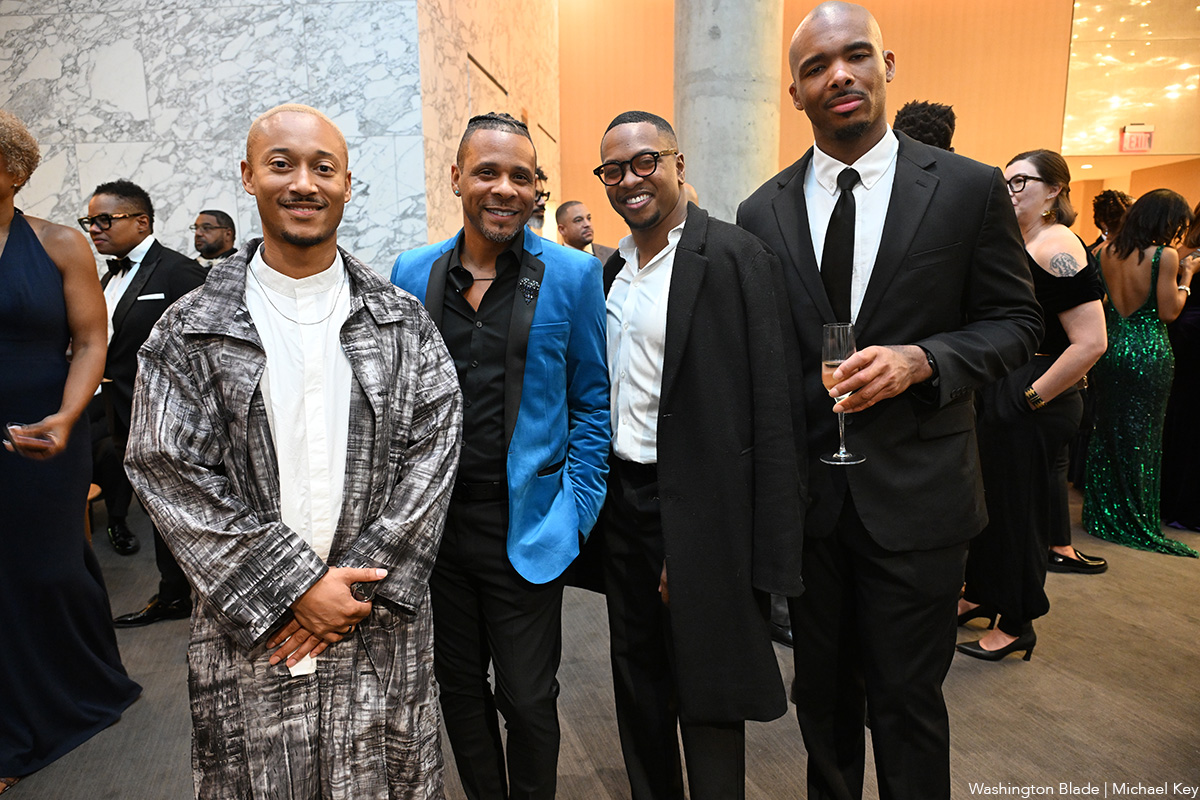
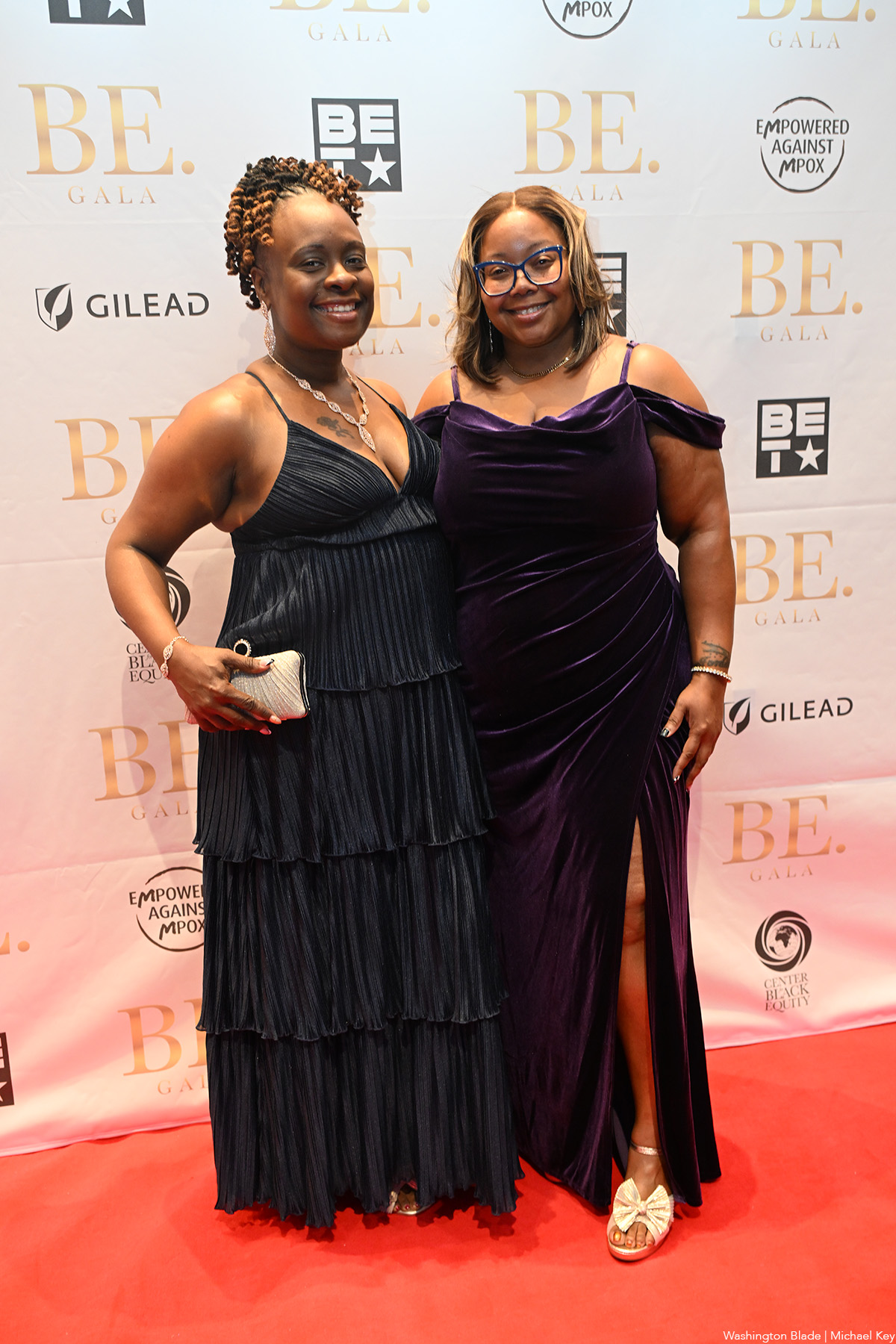
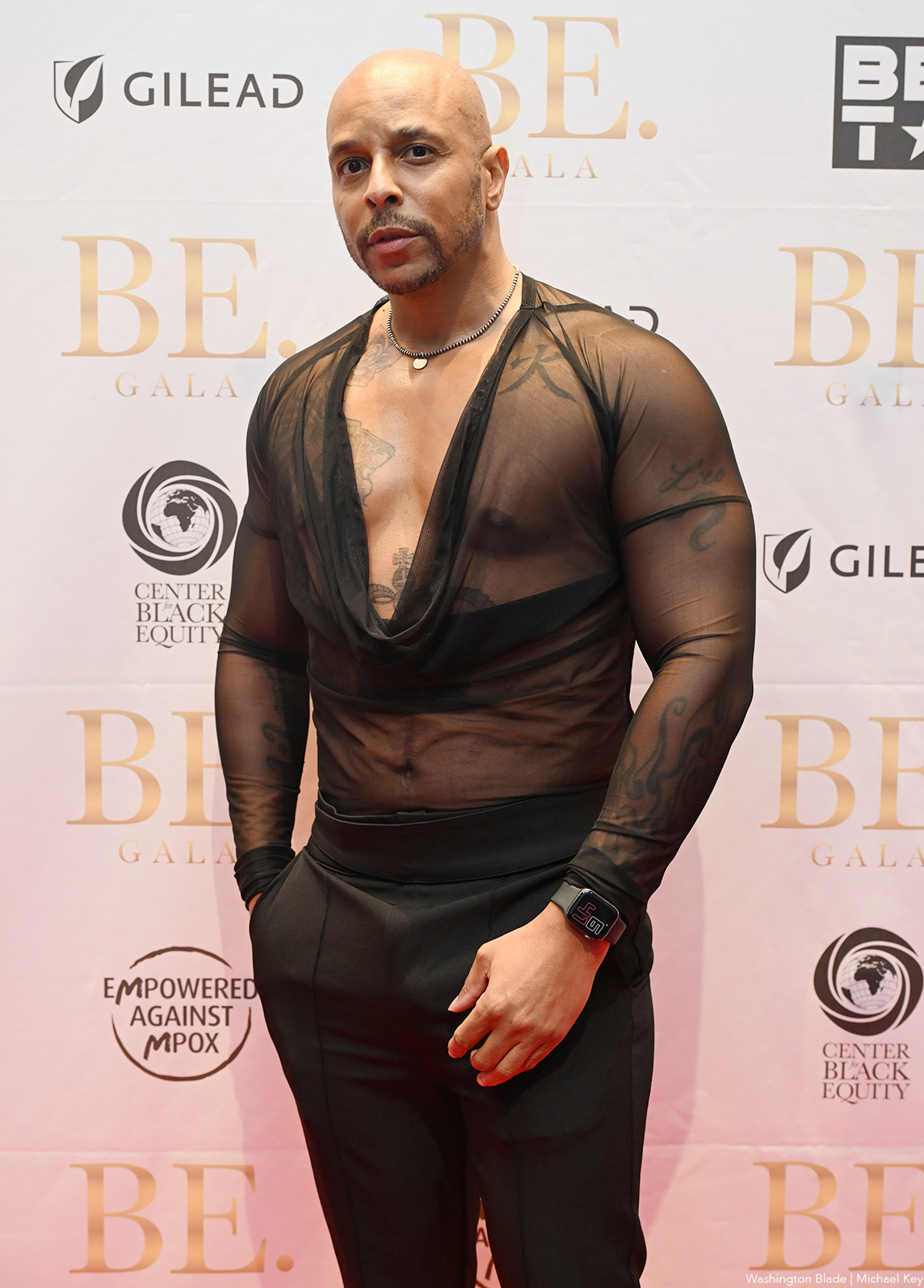
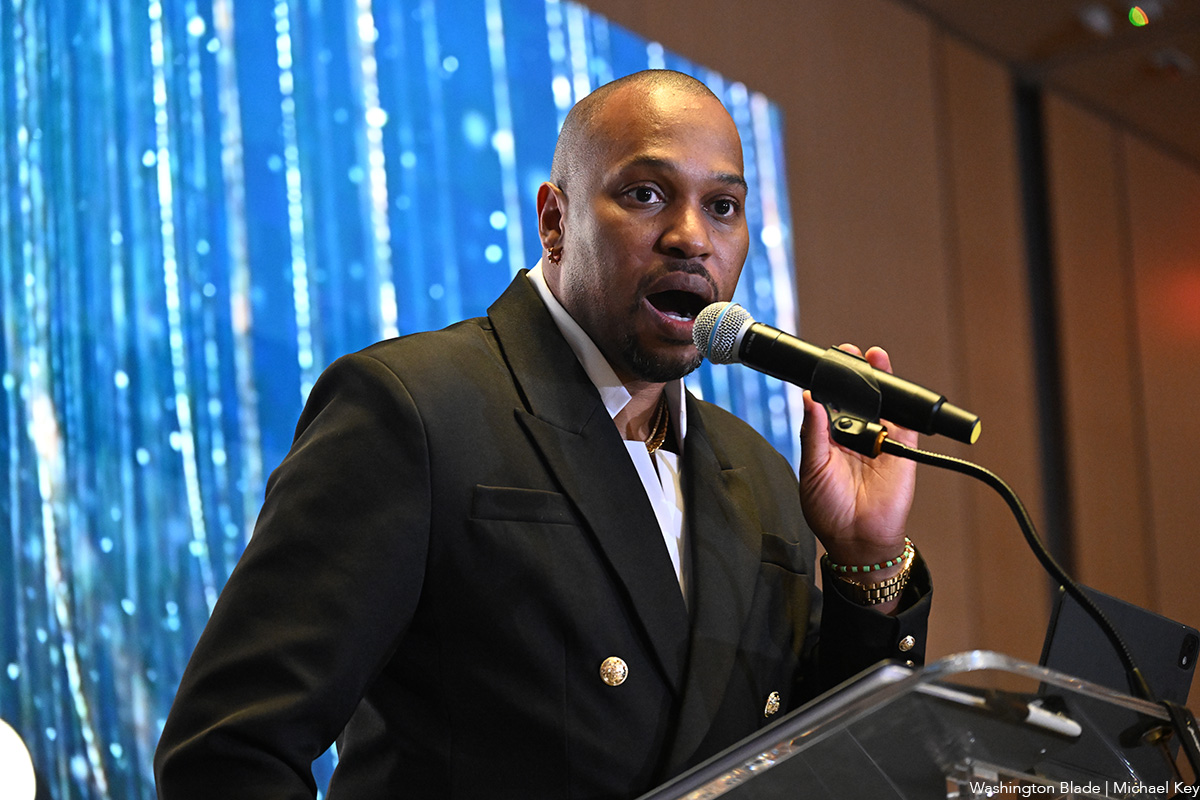
The Center for Black Equity held its annual BE. Gala at Conrad Washington, D.C. on Saturday, Oct. 5. Lolita Leopard Miyake-Mugler and Anthony Oakes co-hosted the awards ceremony.
Honorees included journalist and producer Justin Stewart; nonprofit leader Nikki Alexander; HIV advocate Marlene McNeese; the nonprofit organization FreeLux Project; actress Monroe Alise; public health advocate Tori Cooper; Manassas Park Vice Mayor Darryl G. Moore; Rev. Dr. Carmarion D. Anderson; Bishop Steven Sawyer; government relations professional Courtney Snowden; Senior Deputy Director of HAHSTA at D.C. Health, Clover Barnes; and Texas state Rep. Venton C. Jones.
The event was sponsored by Gilead.
(Washington Blade photos by Michael Key)
Books
In ‘The Lost Brontë,’ a complicated lie can lead to danger
New book features sweetly romantic girl-meets-girl twist
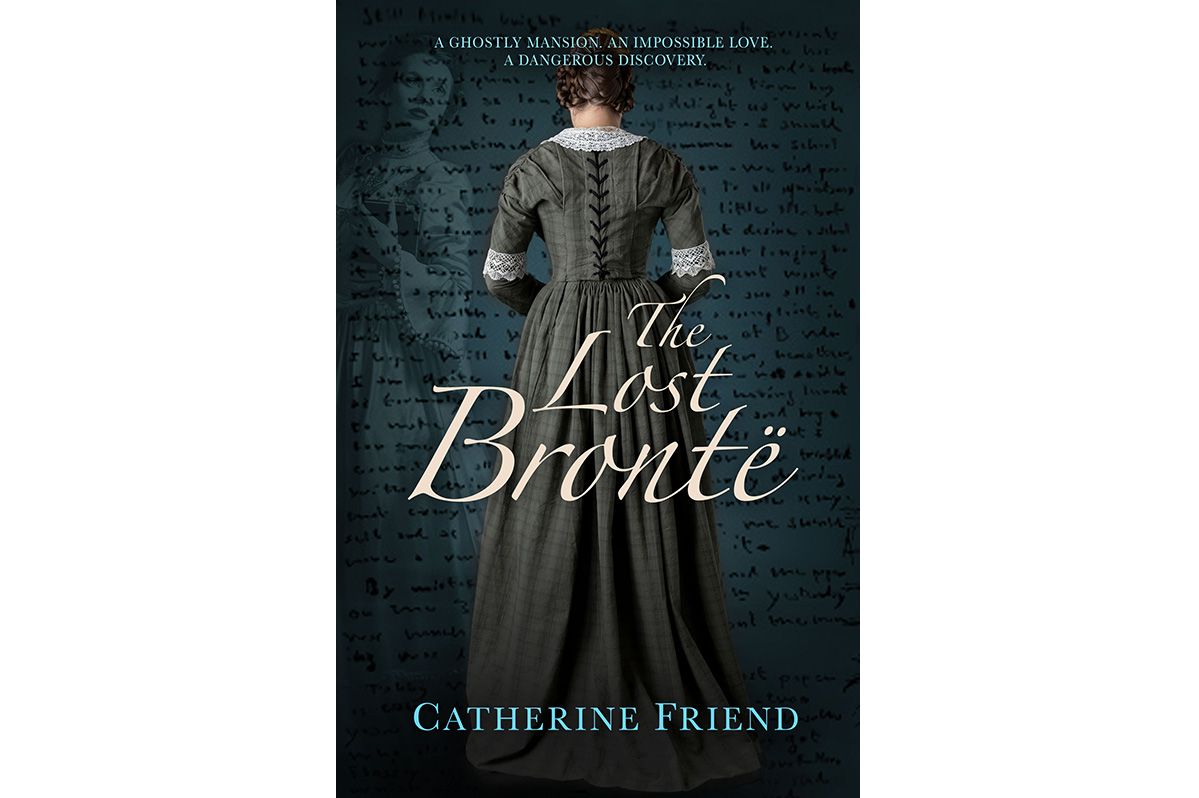
‘The Lost Brontë’
By Catherine Friend
c.2026, Bywater Books
$22.95/335 pages
Mom always said to tell the truth.
One lie leads to another and another and you have to remember them all until pretty soon, you’re caught. Fibs are hard, mistruths are messy, even little white social lies can destroy trust. Worst of all, as in the new novel, “The Lost Brontë” by Catherine Friend, a complicated lie can lead to danger.

Though Lilianne Loxley was very young when she lost her parents, she understood that her uncle didn’t really want her. As time passed, though, Lily made herself useful to Uncle, writing and signing letters for him and she became a good companion, helping him with his collection of Brontë memorabilia. Uncle was a keen enthusiast.
She had no idea that his obsession was out of control and he was deeply in arrears. The day Lily learned of his debt was the day she learned that he’d agreed to send her to his debtor’s home to work off the money owed.
It was so sudden. One minute, Lily was at Loxley House, happy and loved by Uncle’s staff … and five hours later, she was at Crag Thorn Manor, home of Lord Bexton, who informed her that she’d be working on his ledgers – work that seemed routine, but Lily tackled it.
Uncle always did say she was headstrong.
But would headstrong be enough to survive, when she was restricted from most of the Manor, when she was forced to dine with Brexton and his slimy friend, or – the worst! – when Brexton told Lily that her next task was to forge a letter from Emily Brontë? And then an entire manuscript?
Lily struggled to do what was right. She had to get Uncle out of debt but this last order horrified her. Did she dare refuse Brexton’s orders and commit a crime? It was unthinkable!
The only brightness in the whole situation was Wren, the ladies’ maid assigned to Lily’s room. Wren was adorable with freckles and the sweetest smile. But with everything else happening at Crag Thorn Manner, could Lily act upon her feelings?
This time of year, you may come to crave dark, spooky stories, and “The Last Brontë” fits those needs perfectly with its Gothic deliciousness. Think: Daphne du Maurier-type, stormy-night squirms with a dangerously chaste, sweetly romantic girl-meets-girl twist for fun.
If it’s been awhile since you’ve read a Gothic novel, you’re in for a nice reminder of why you love them here. You can almost tick off the must-haves: a novel like this is nothing without a foreboding stone manor with damp walls; stone steps to a dank basement; a mysterious portrait; and a nearby bog, and author Catherine Friend gives readers every one of them. You’d be disappointed if there was no ghost, wouldn’t you? Ha. You can practically feel the cold blow through the attic, right? Yeah, it’s that kind of book.
If you’re a fan of the Brontës, you’ll like this novel. If you love Gothic mysteries or Victorian romances, ditto. “The Lost Brontë” is good, no lie.
The Blade may receive commissions from qualifying purchases made via this post.
Out & About
CAMP Rehoboth Block Party returns Oct. 18
Expect performances, vendors and more at annual celebration

CAMP Rehoboth will host its annual Block Party celebration on Sunday, Oct.18 at 11 a.m. on the second block of Baltimore Avenue in downtown Rehoboth Beach.
CAMP Rehoboth invites all community members to join in the festivities and to expect magnificent performances and dozens of vendors, including artists, craftspeople, non-profits, businesses, and more.
The event started in 2015 in celebration of CAMP Rehoboth’s 25th anniversary. This year, attendees can expect to shop sea glass art, pottery, jewelry, Pride merch, body care, clothing, and learn more about local non-profit causes and businesses.
Attendance is free. For more details, visit CAMP Rehoboth’s website.

Center for Black Equity honors leaders, activists at BE. Gala

In ‘The Lost Brontë,’ a complicated lie can lead to danger

CAMP Rehoboth Block Party returns Oct. 18

Essential queer horror classics for Halloween

Solidarity beyond the parade: the actual cost of Pride

10 years later, we still can’t shake Barry Jenkins’s ‘Moonlight’

‘Some Like It Hot’ a wild ride at renovated Bernard Family Theatre

D.C.’s LGBTQ homeless facilities face possible hit from Trump funding cuts

Trump uses anti-trans slur against Democratic Senate candidate

Calif. GOP gubernatorial candidate ad ‘disgusting attempt to exploit lesbian intimacy’
-

 Movies5 days ago
10 years later, we still can’t shake Barry Jenkins’s ‘Moonlight’
-
Theater5 days ago
‘Some Like It Hot’ a wild ride at renovated Bernard Family Theatre
-
District of Columbia4 days ago
D.C.’s LGBTQ homeless facilities face possible hit from Trump funding cuts
-
2026 Midterm Elections4 days ago
Trump uses anti-trans slur against Democratic Senate candidate