Arts & Entertainment
Queery: Abdur-Rahim Briggs
The Al Sura founder/director answers 20 gay questions
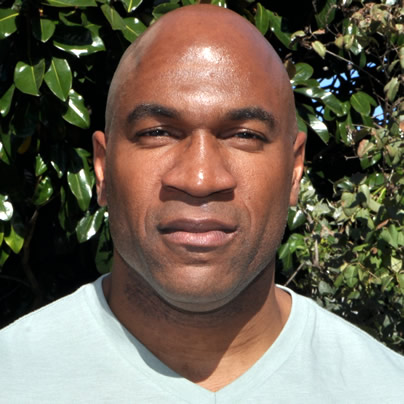
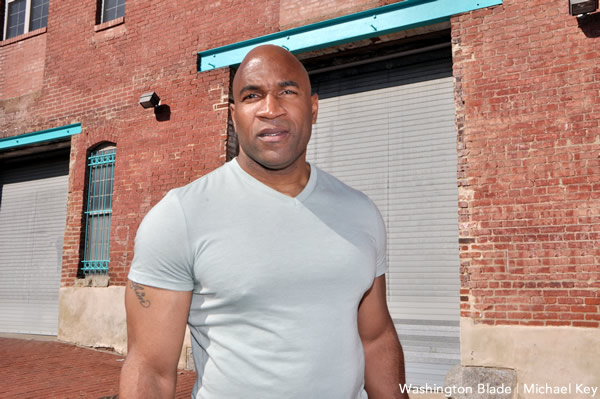
Abdur-Rahim Briggs, founder and president of Al Sura, Inc. (Washington Blade photo by Michael Key)
Abdur-Rahim Briggs is the founder and president of Al Sura, Inc. (alsura.org), a social marketing and fundraising non-profit that provides mini grants and leadership training to individuals and organizations providing health care and HIV/AIDS support to people of color.
On Saturday, the organization has its Homecoming Fall Fundraiser Reception for Howard University alumni and any former D.C. resident. It runs from 7 to 11 p.m. For location and other details, RSVP to [email protected]. A $10 door donation is requested that will go to the organization to help it in its mission of erasing health disparities among people of color in the District. Organizers also hope to sign up people for volunteer opportunities with youth mentoring, voter registration and the Whitman-Walker AIDS Walk events (the AIDS Walk is Oct. 27).
Briggs, a 44-year-old Los Angeles native, came to Washington in 1994 and continued his community involvement work. He credits the late Roy Roberts, former executive director of the Watts/Willowbrook Boys & Girls Club, with inspiring his work.
He has won several awards for his work, including being honored at a recent Alston House benefit and reception last month.
Briggs lives in Congress Heights in Southeast Washington. He’s single and enjoys weight training, reading, meditating and socializing. He also likes movies, watching HGTV and listening to smooth jazz. (Blade photos by Michael Key)
How long have you been out and who was the hardest person to tell?
Well actually, I am “out to myself.” I tend to keep my personal life personal. However, I am out to my parents. The hardest person to tell was a straight guy I once had a crush on. We’re still friends today.
Who’s your LGBT hero?
The late Wanda L. Alston.
What’s Washington’s best nightspot, past or present?
Presently, it would be a bi-monthly party called Dark Fantasy hosted by The Kings Entertainment Group held every first and third Saturdays at the Warehouse Lofts. Hot brothers all over the place!
Describe your dream wedding.
That’s a tough one! My dream wedding would be a ceremony overlooking the Mediterranean Sea. I’m a big fan of scenic weddings.
What non-LGBT issue are you most passionate about?
The empowerment and providing positive mentorship for today’s urban youth. Many young people do not have positive role models to look to. That concerns me a great deal.
What historical outcome would you change?
The assassination of Malcolm X. He was killed at the age of 44, although he and Dr. Martin Luther King, Jr. had philosophical differences, they both were profound visionaries and leveraged their religious faiths to move and inspire the African-American community during the Civil Rights Movement. It just would have been interesting to see what more Malcolm X could have accomplished if he had more time. He’s truly my hero.
What’s been the most memorable pop culture moment of your lifetime?
Michael Jackson’s “Thriller.” He will forever be the greatest musical artist ever to walk the planet. I love you Michael!
On what do you insist?
Erasing health care disparities and increasing HIV awareness among minority communities, which is exactly why I founded Al Sura Inc.
What was your last Facebook post or Tweet?
My last Facebook post was Wednesday, Sept. 19, 2012. I was promoting an upcoming event. I have to admit it, I am a Facebook junkie.
If your life were a book, what would the title be?
“You Don’t Need a Title to Be a Leader”
If science discovered a way to change sexual orientation, what would you do?
You got me on that one! I would not change a thing about me. I love and accept who I am. I would not change a thing.
What do you believe in beyond the physical world?
I believe Allah has prepared a wonderful after-life for those who spread great deeds on this earth. Our time is limited.
What’s your advice for LGBT movement leaders?
Follow and trust what Allah has called you to do. If you are called to serve, do it and forget the haters. Follow your journey and leave a legacy behind so that when you are gone, your legacy will live on like my LGBT hero Wanda L. Alston.
What would you walk across hot coals for?
I would walk across hot coals for truth, honesty and integrity.
What LGBT stereotype annoys you most?
An LGBT stereotype that annoys me the most is that we are morally and spiritually bankrupt when in fact we actually pray to Allah (God) more than heterosexuals do. Another pet peeve I dislike is when people equate our sexuality with promiscuity.
What’s your favorite LGBT movie?
“Mommie Dearest”
What’s the most overrated social custom?
Being politically correct.
What trophy or prize do you most covet?
An Oscar!
What do you wish you’d known at 18?
I wish I’d known that it is OK to be and love myself.
Why Washington?
It’s the perfect place to become politically active and engaged through heightened community service and aggressive activism. This is the work that I and seven other board members currently do with Al Sura Inc. In fact our organization has a mini-grant program that assists D.C.-based LGBT and black-focused community non-profits in achieving their missions. Look for our other events next year — “Al Sura in Black” on Feb. 23 and the White Attire Affair on July 20.

Photos
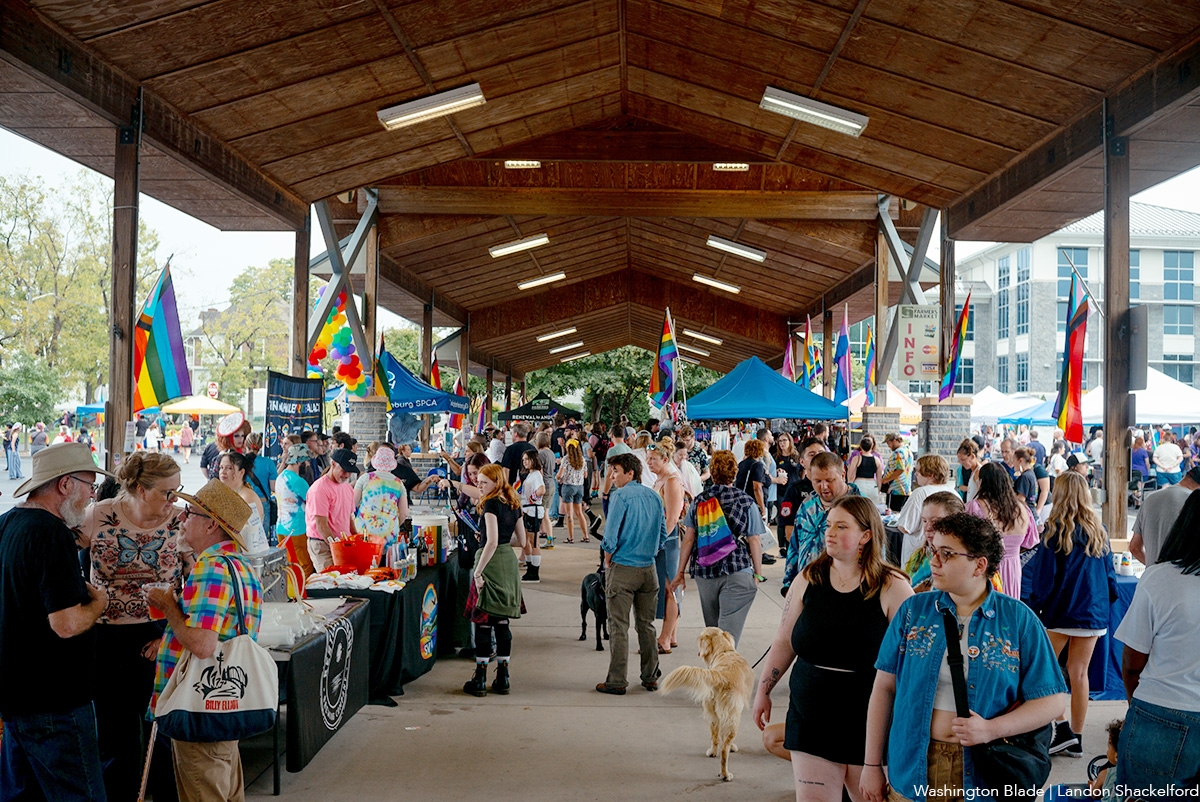
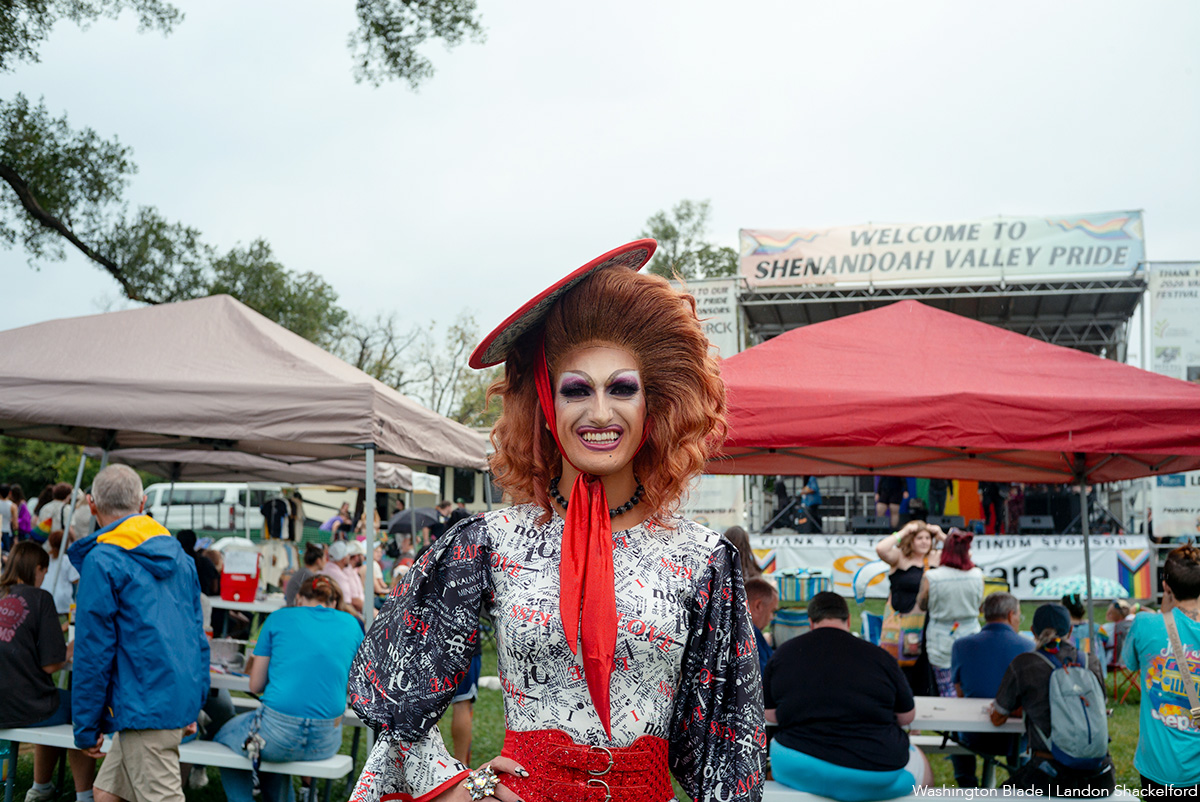
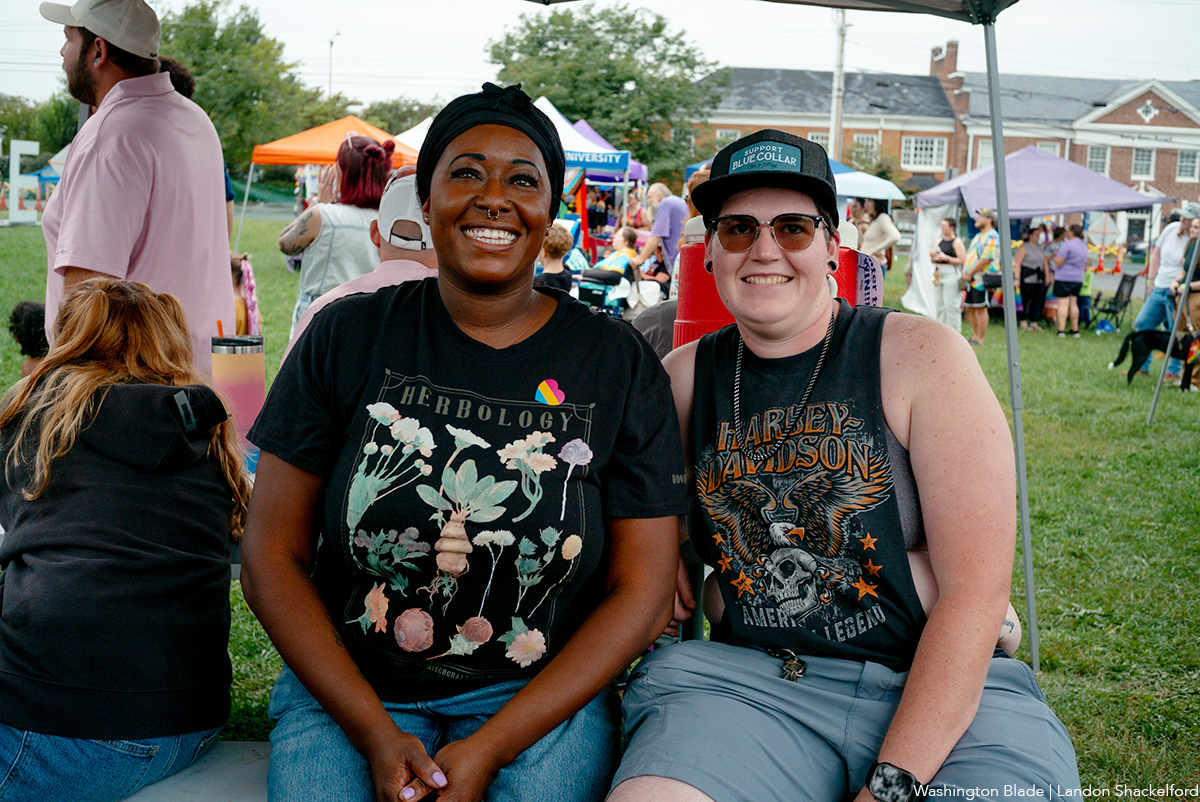
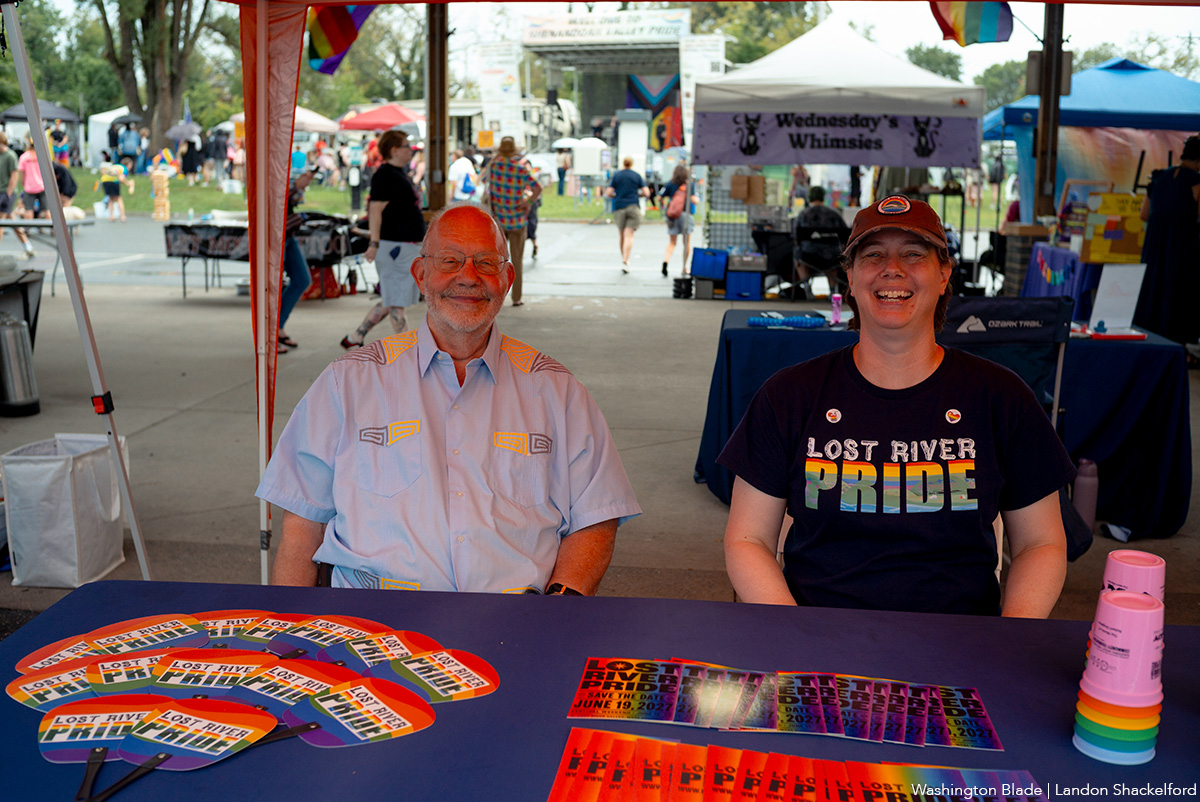
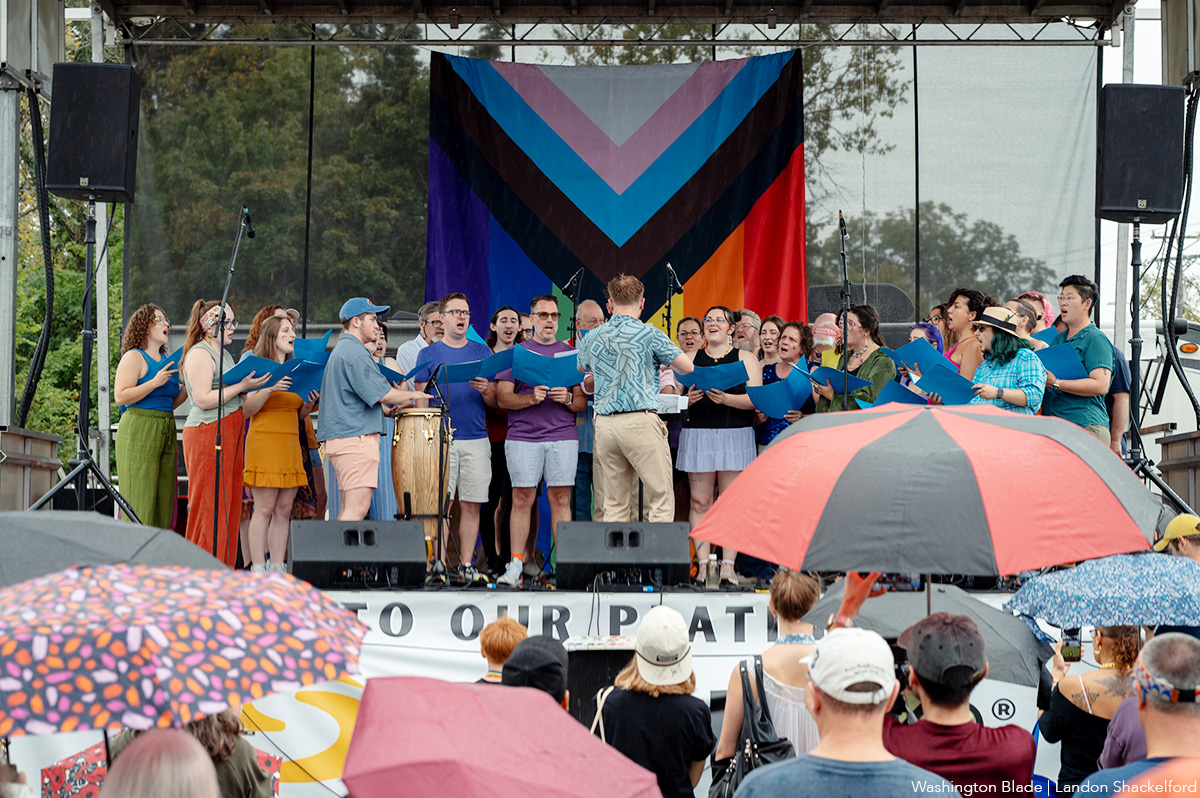
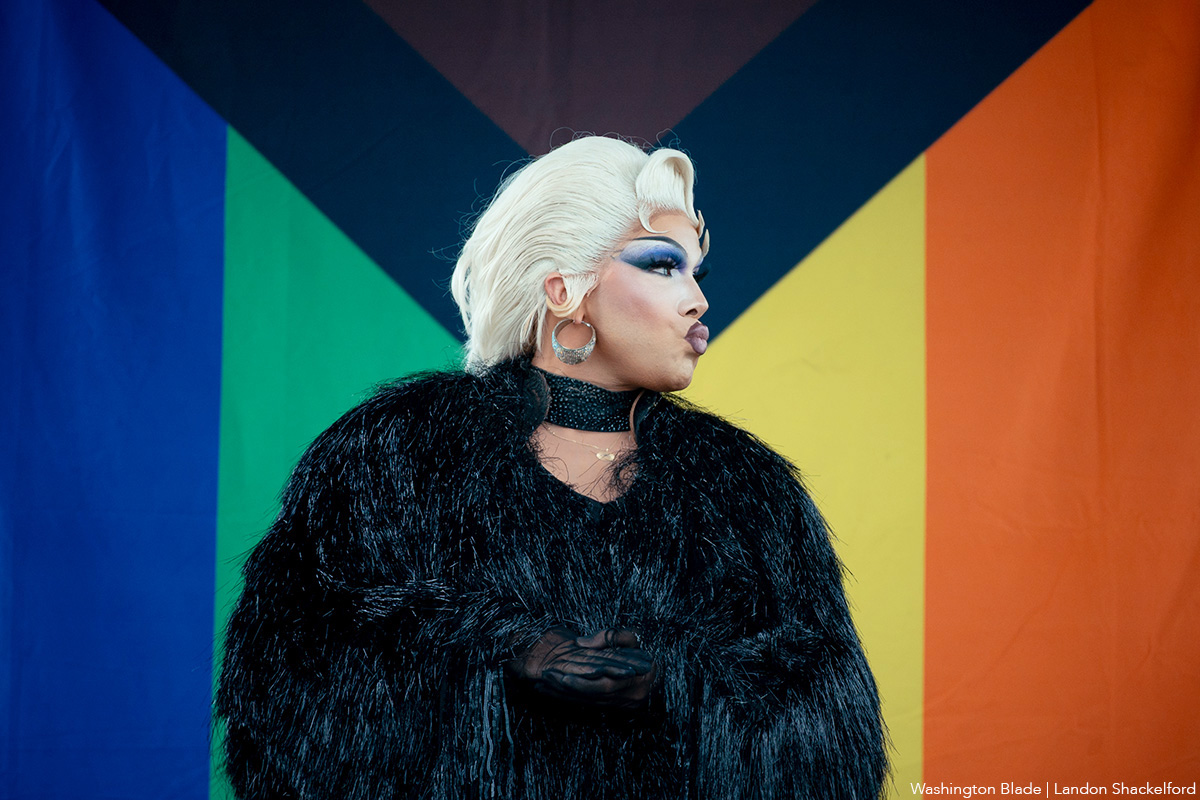
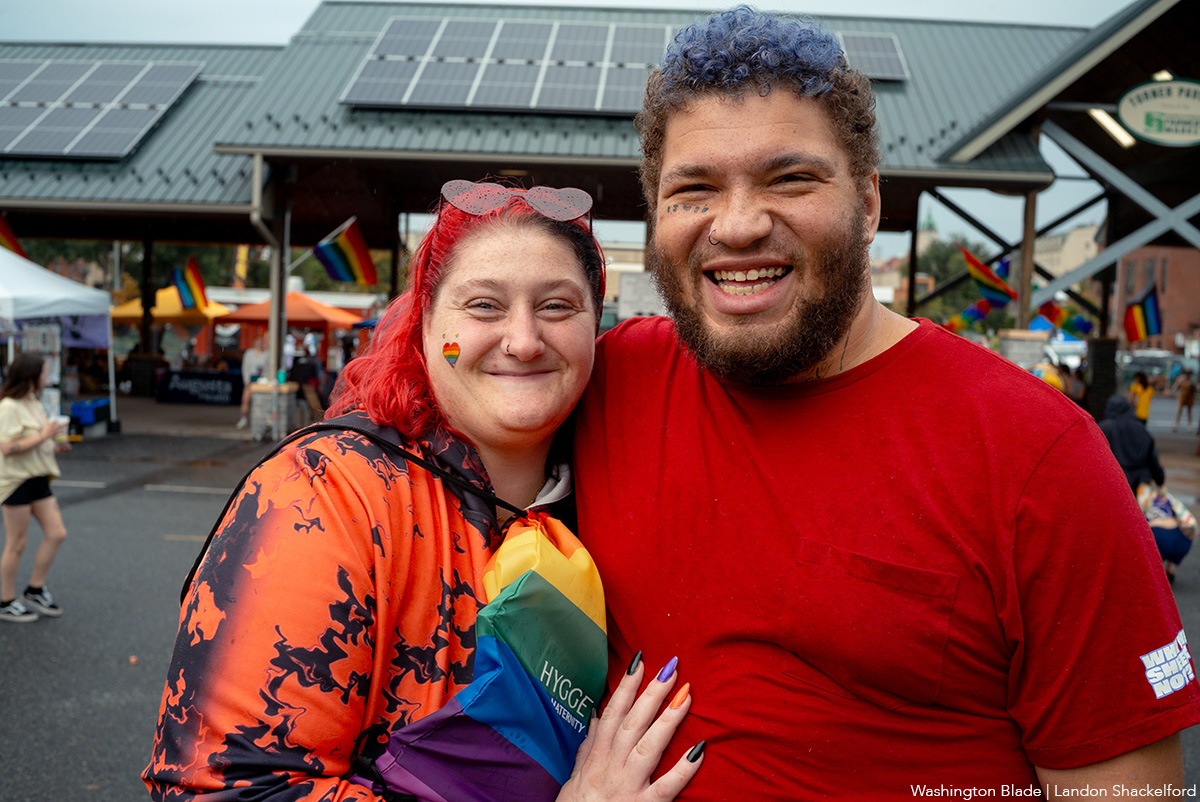
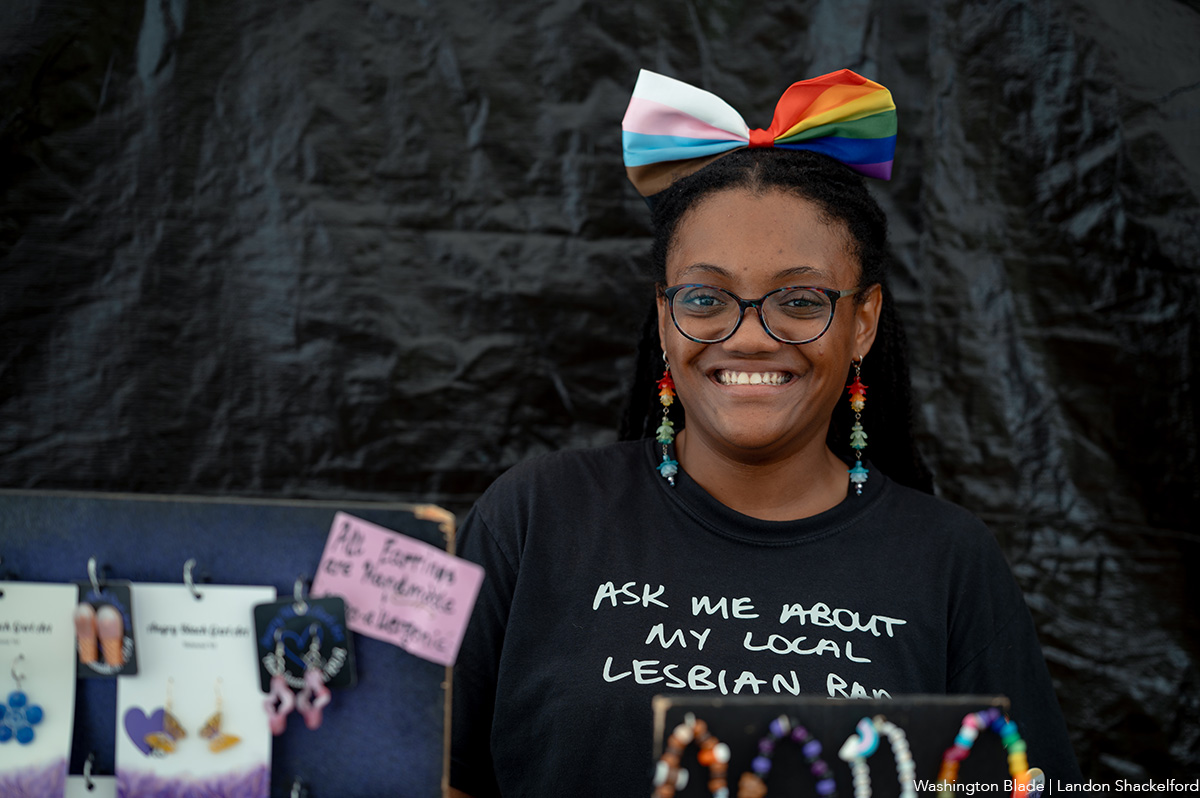
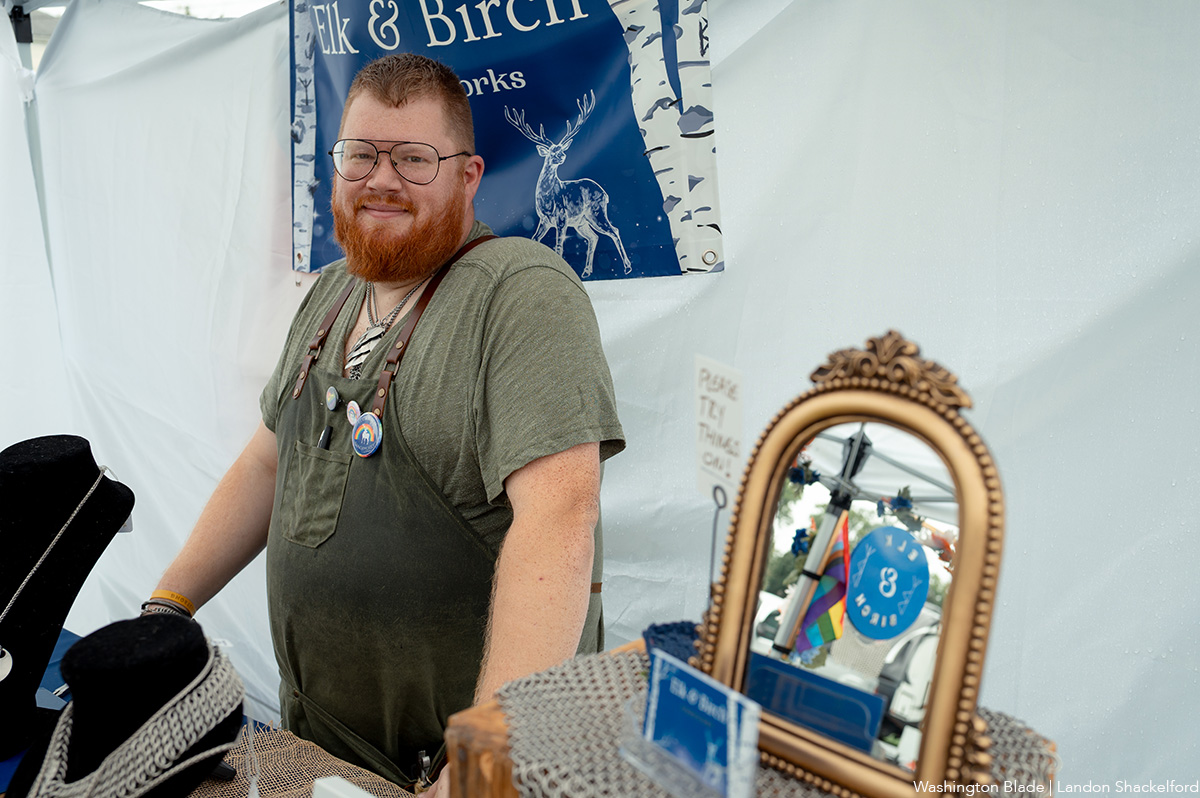
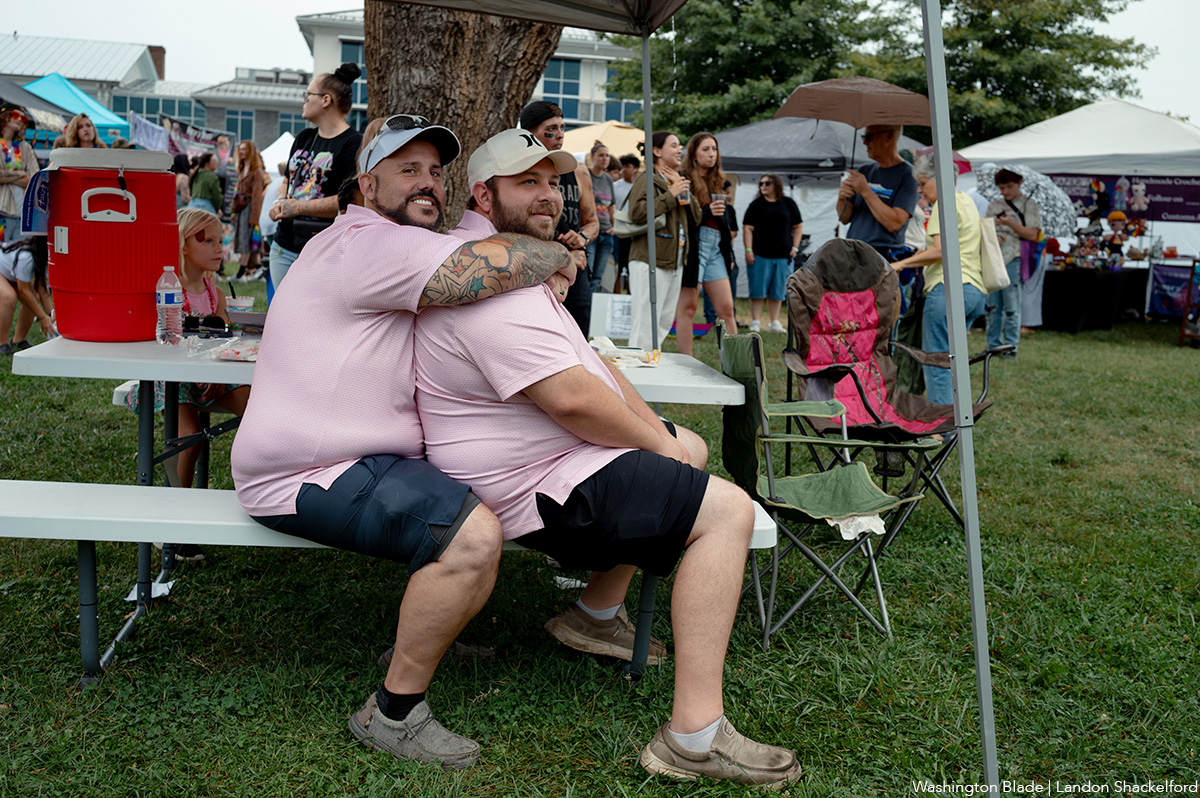
PHOTOS: Shenandoah Valley Pride
LGBTQ celebration held at Turner Pavilion in Harrisonburg, Va.
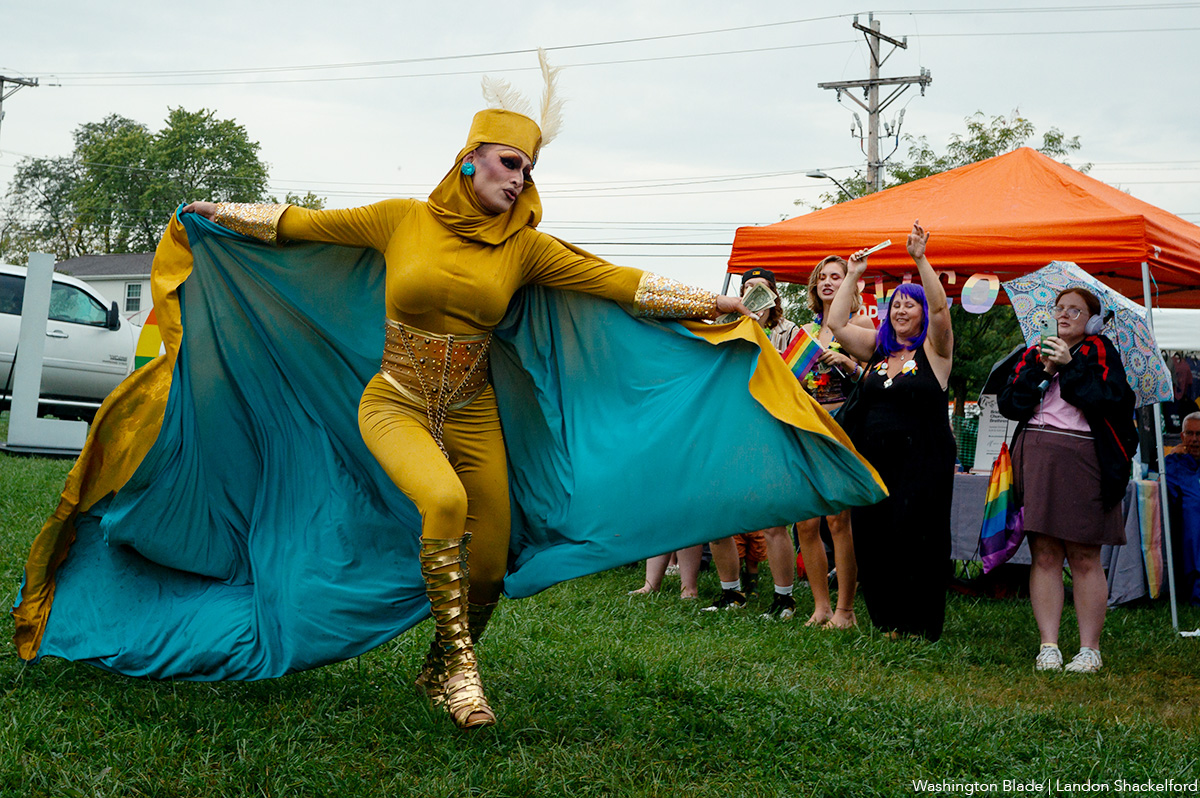
The 2026 Shenandoah Valley Pride Festival was held at Turner Pavilion in Harrisonburg, Va. on Sunday, Sept. 20.
(Washington Blade photos by Landon Shackelford)
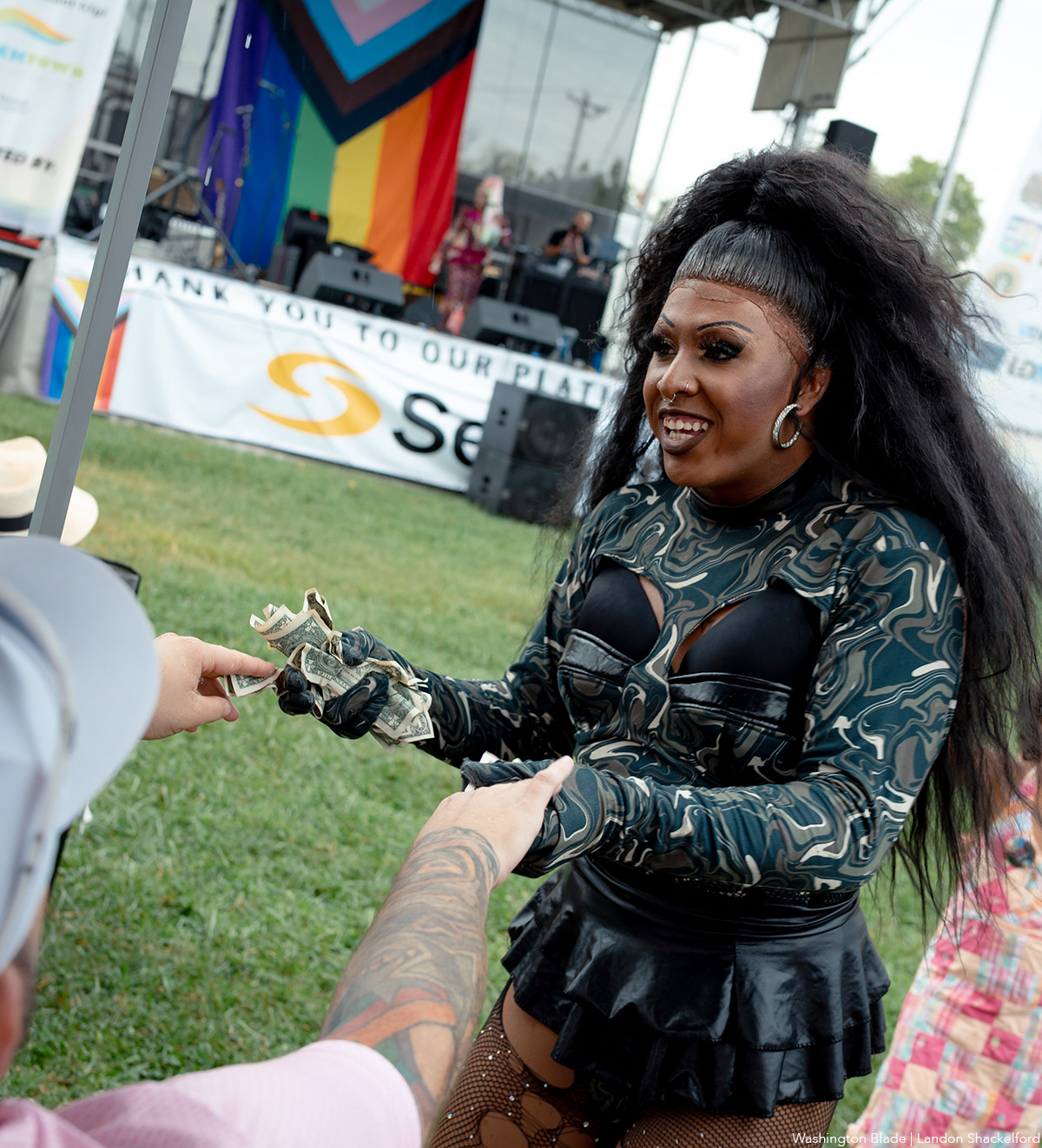
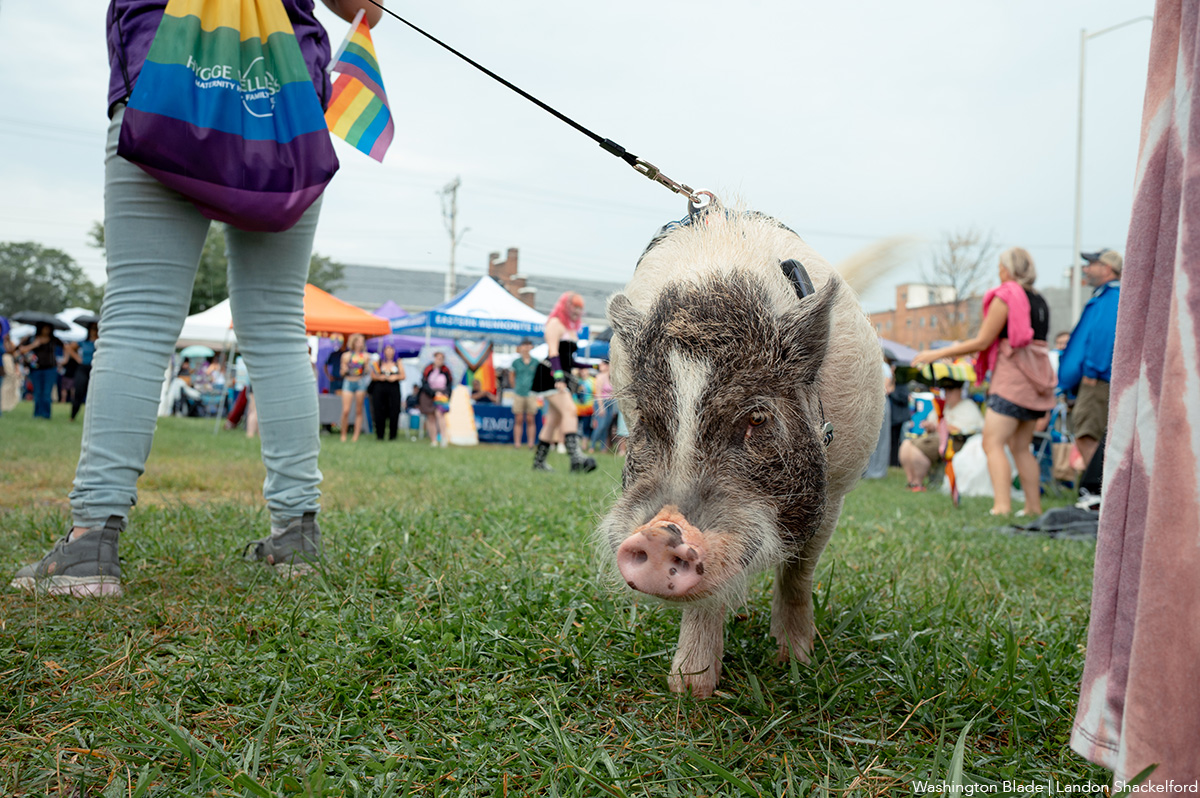
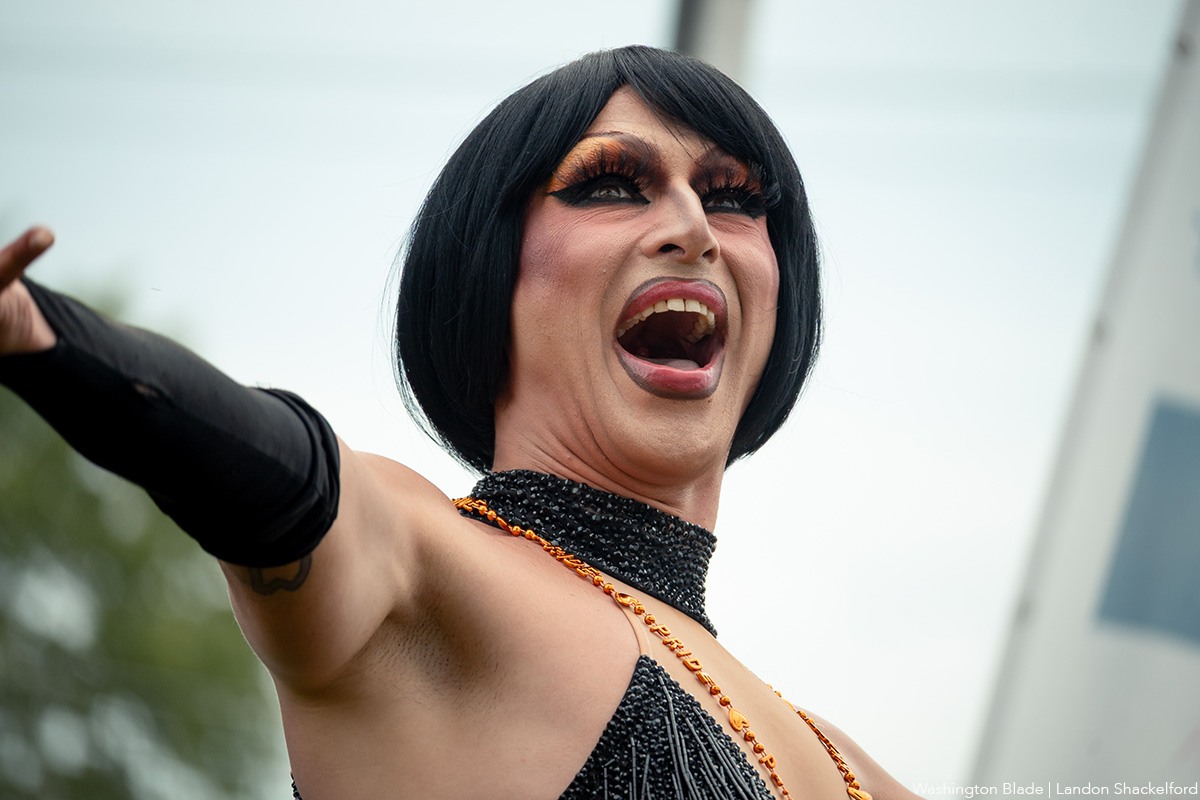
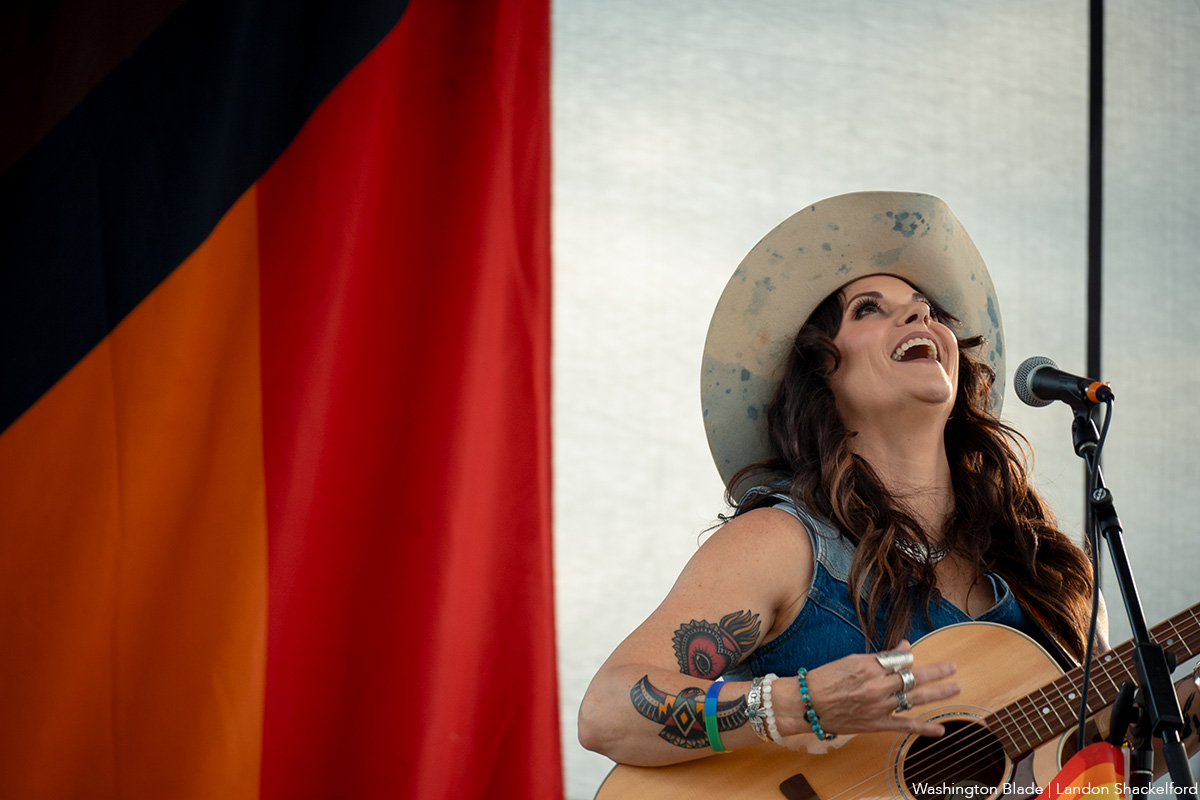
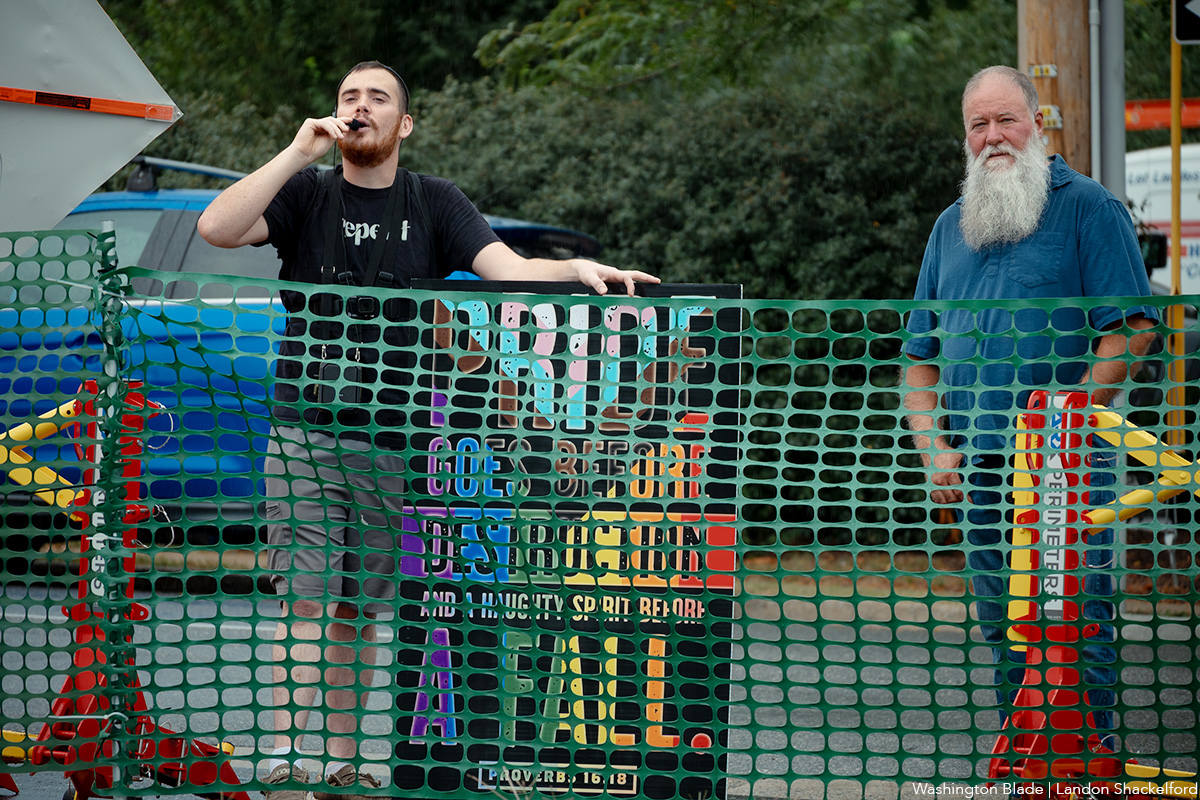
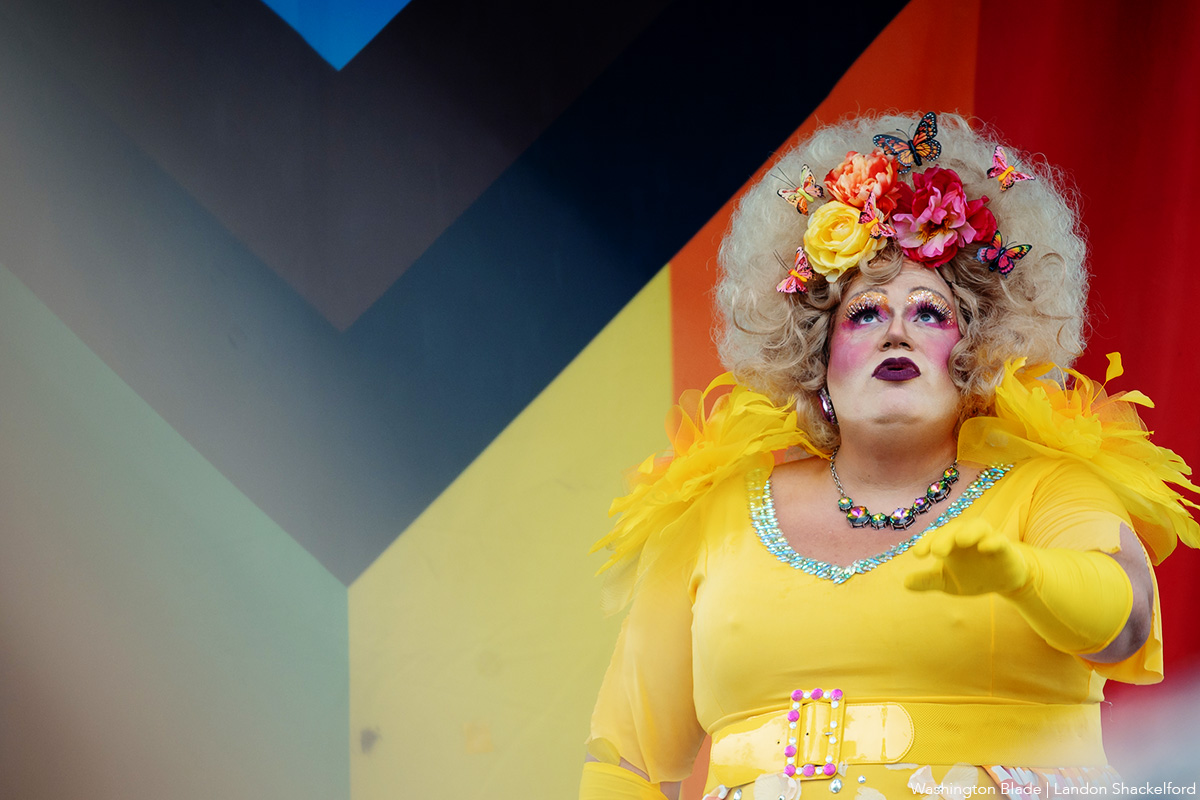
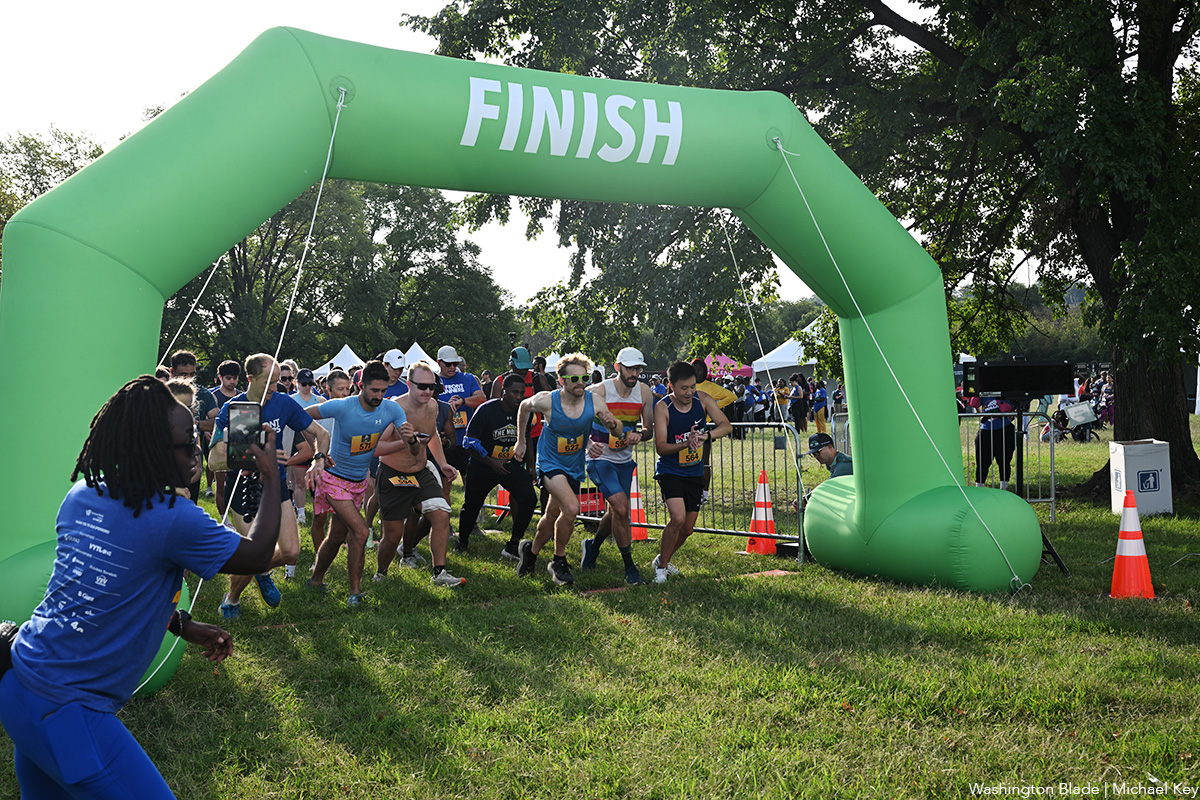
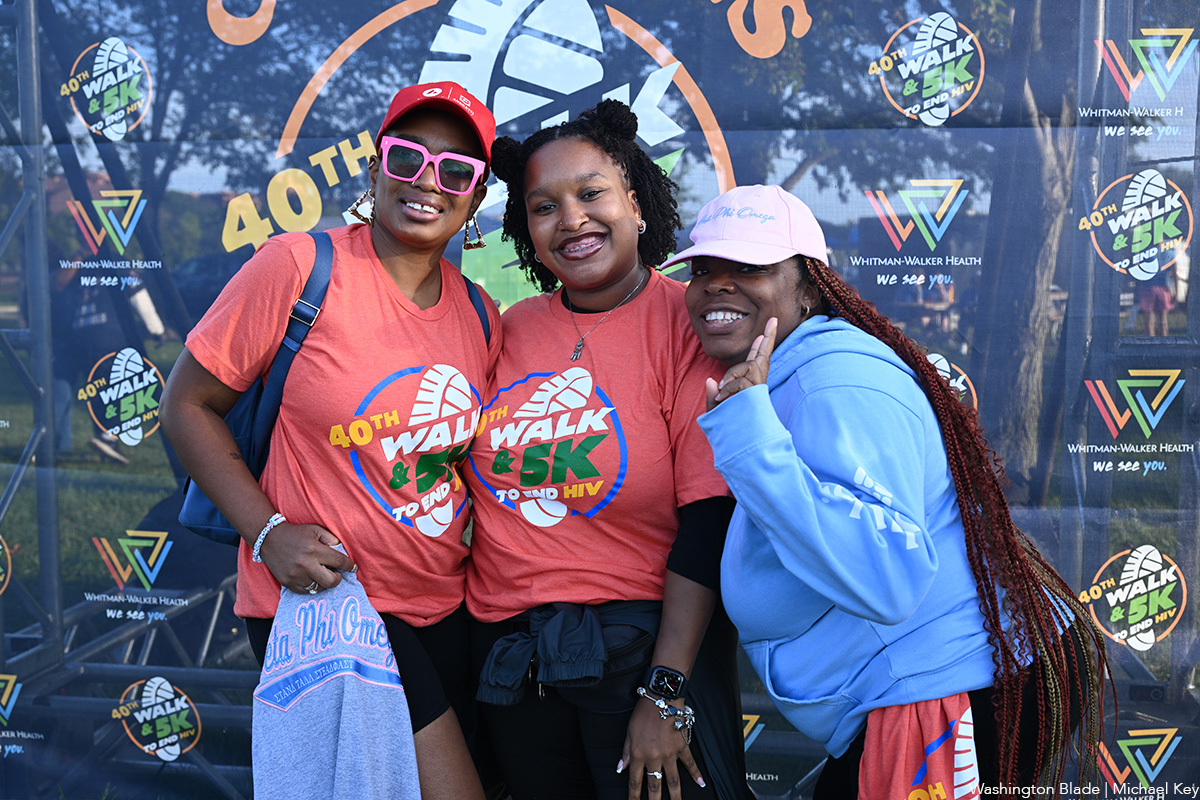
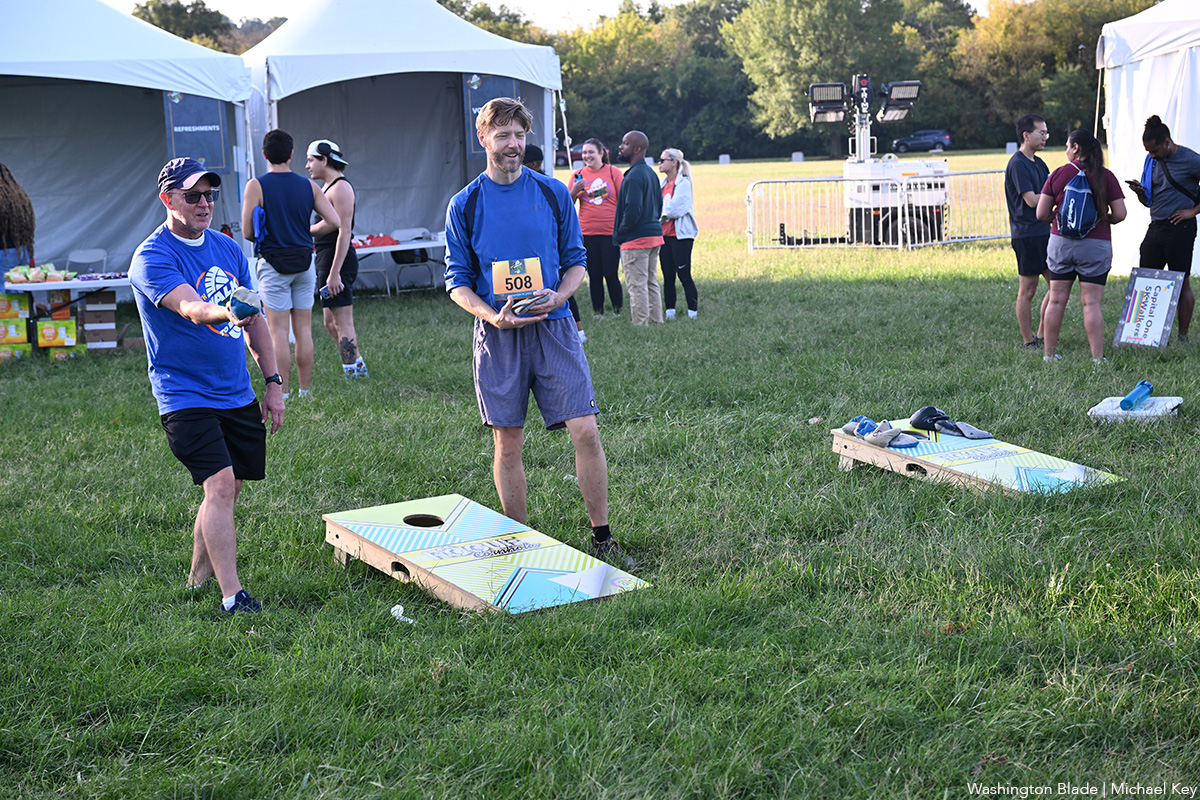
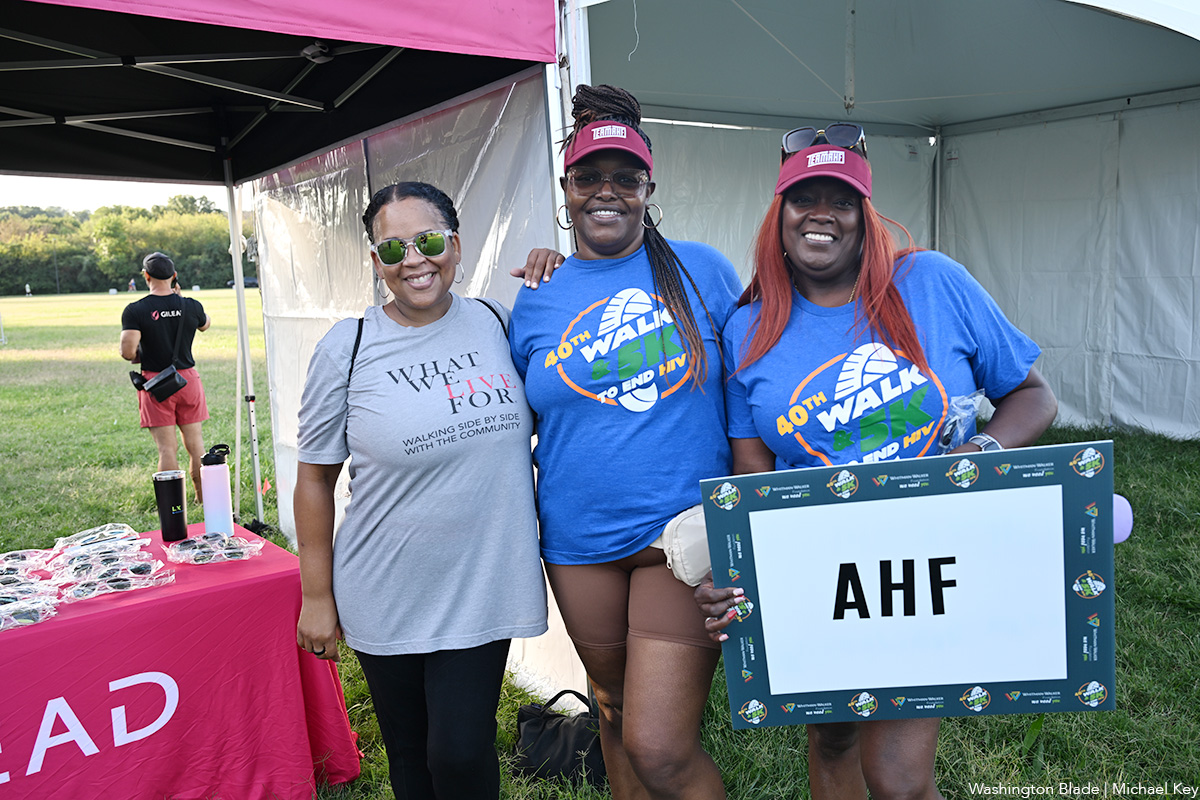
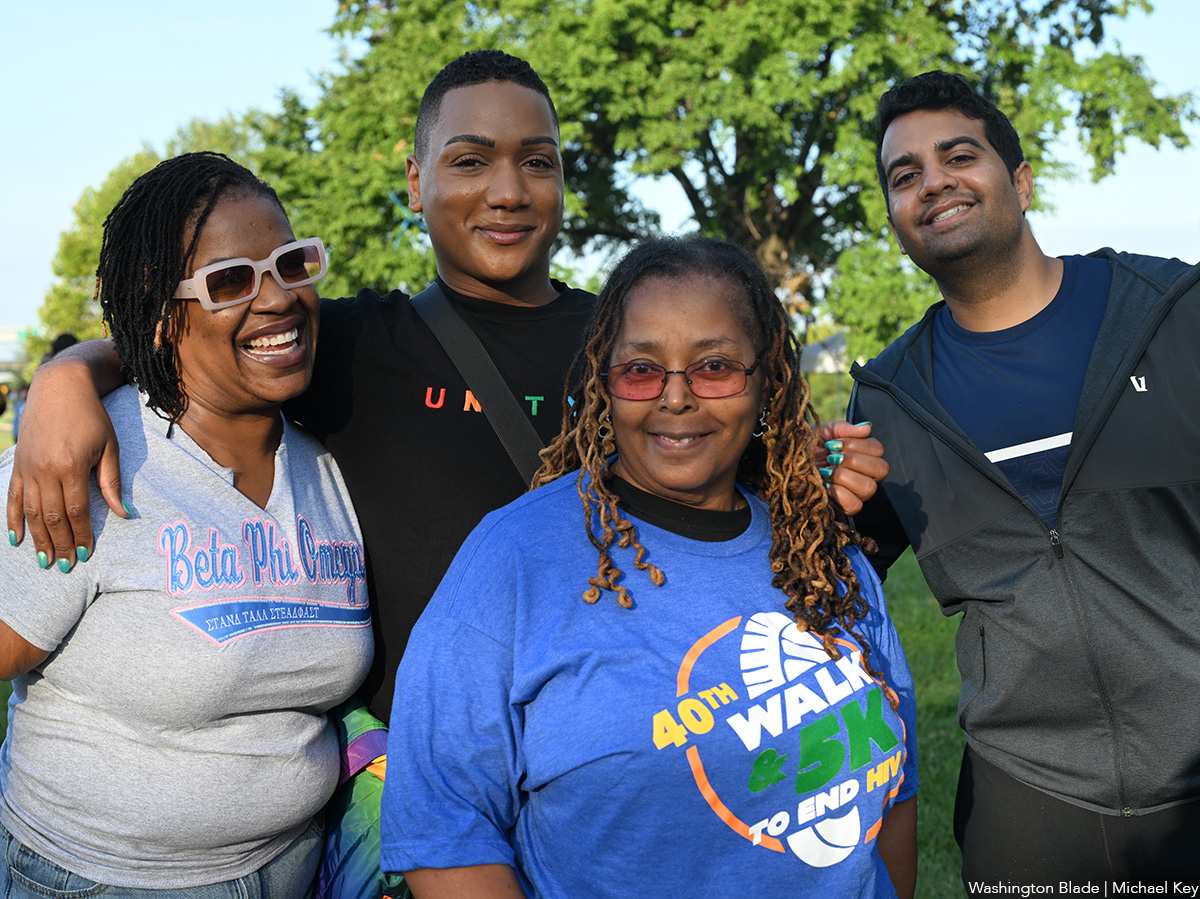
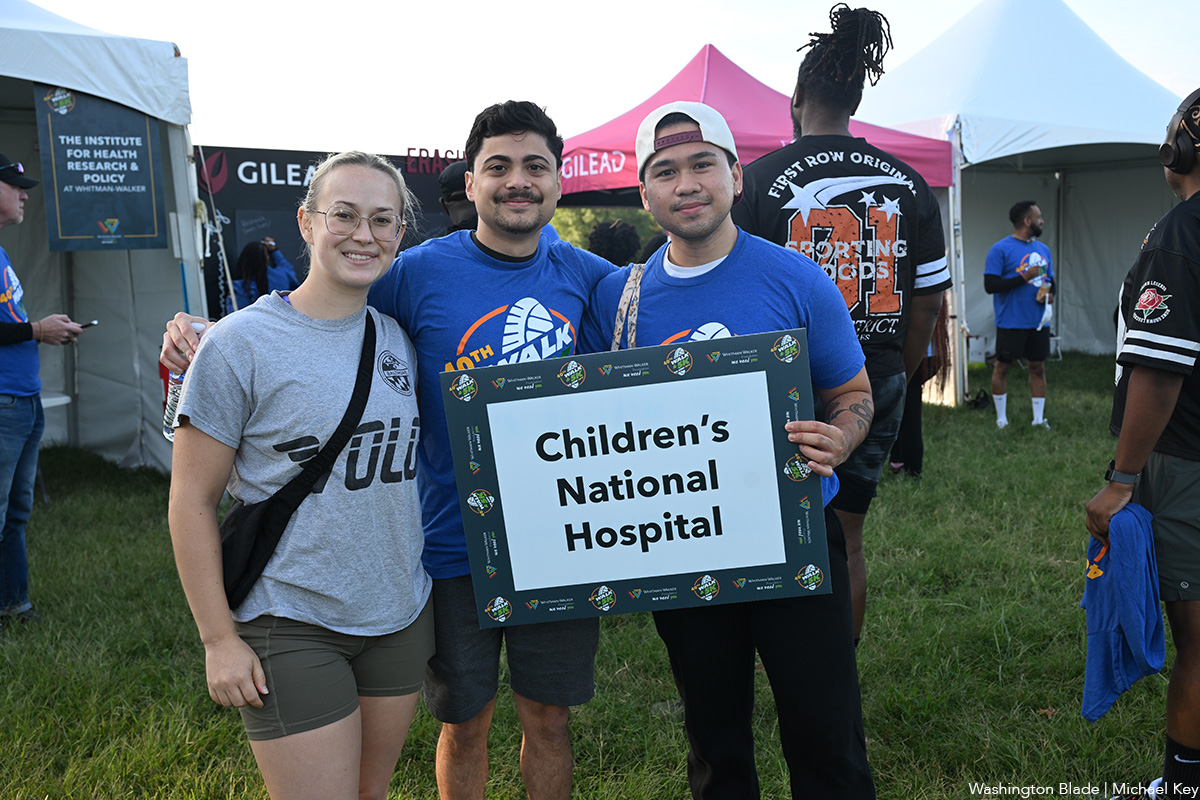
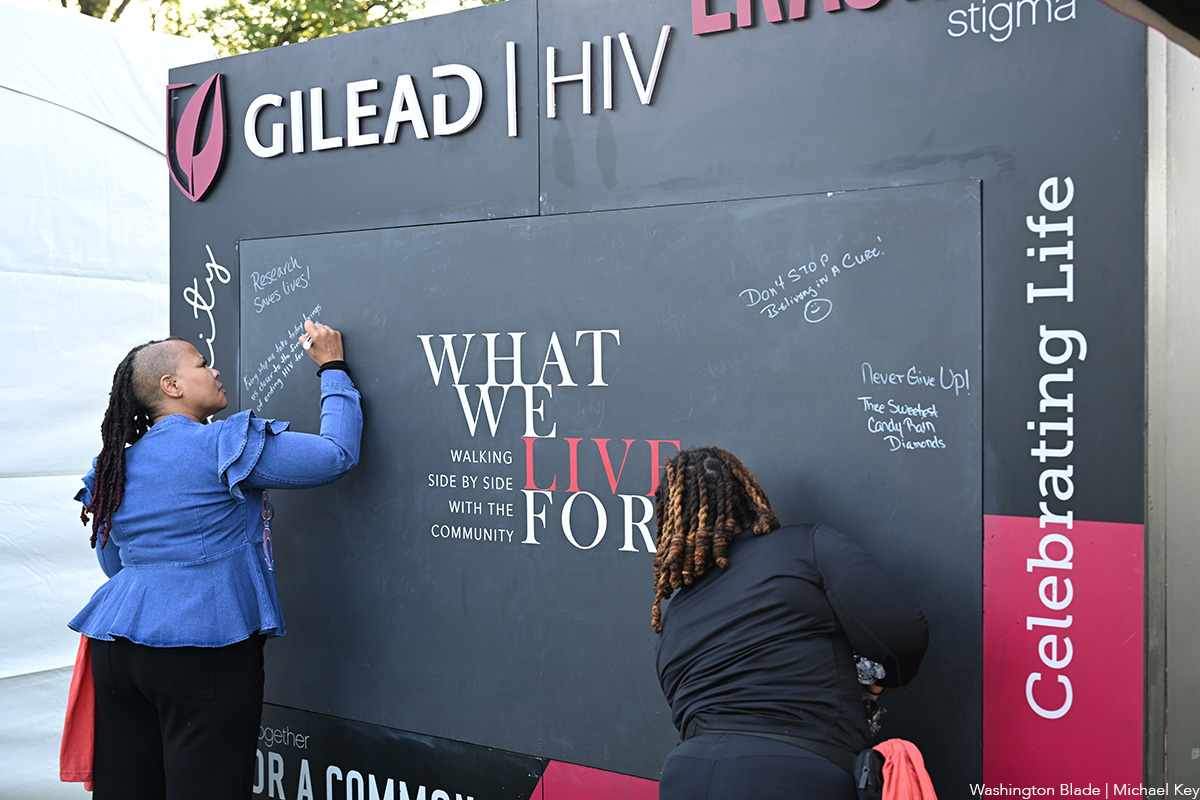
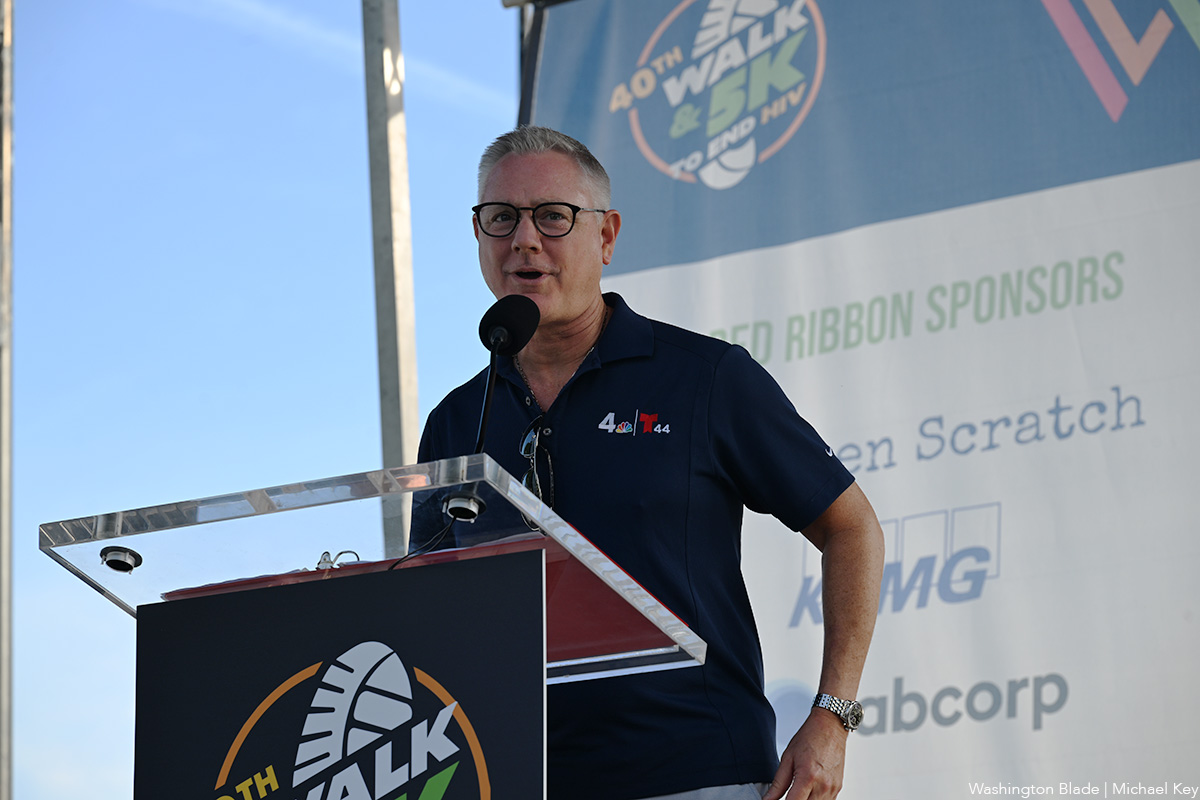
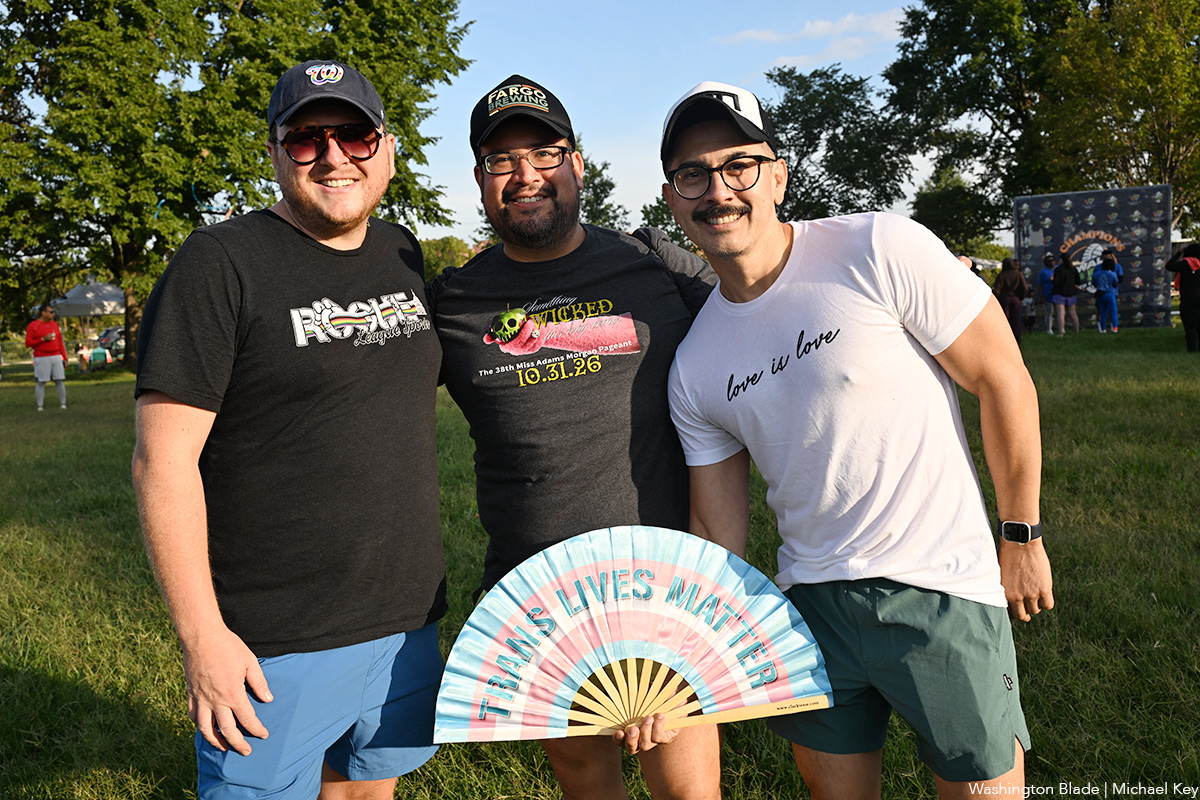
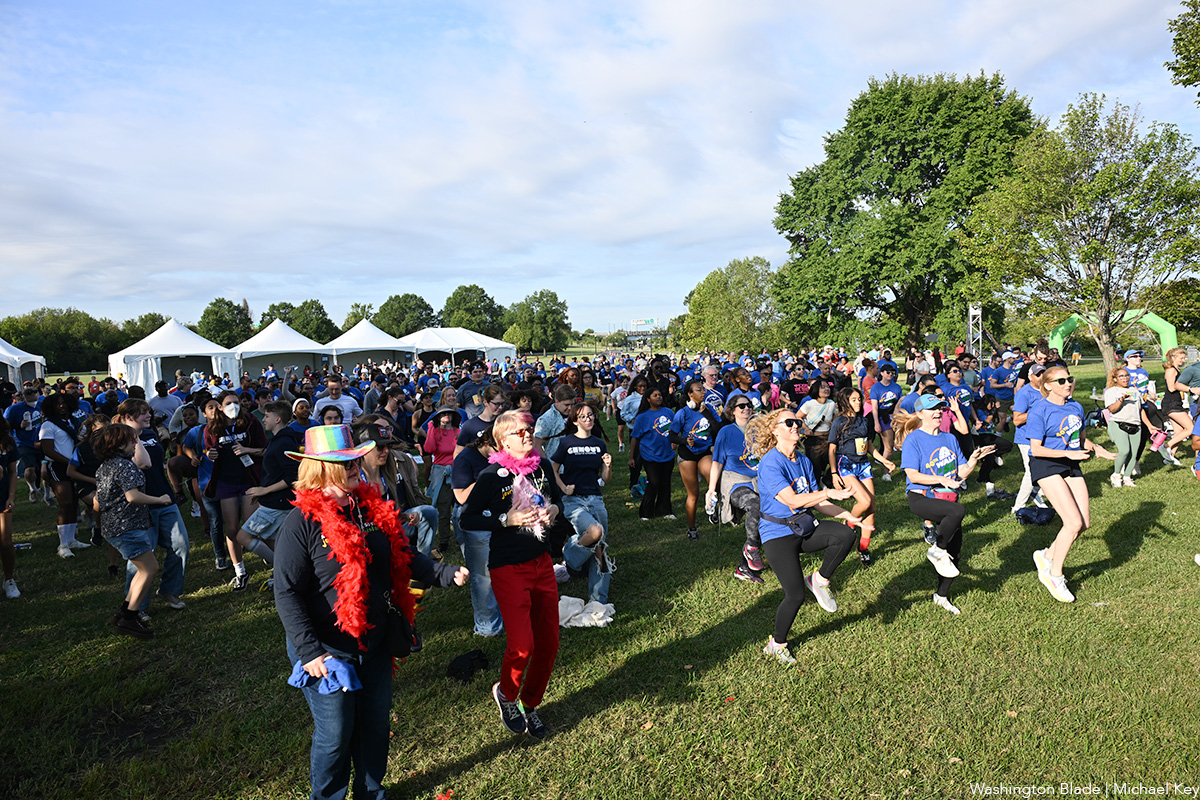
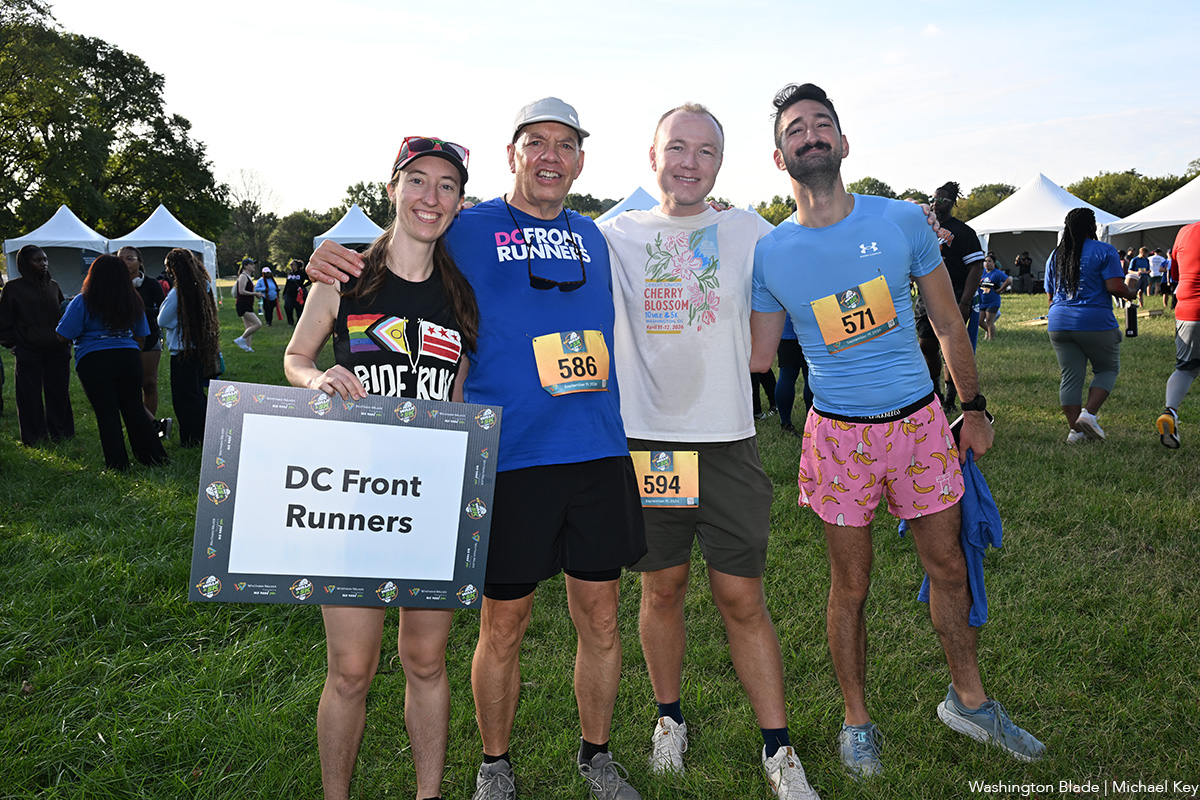
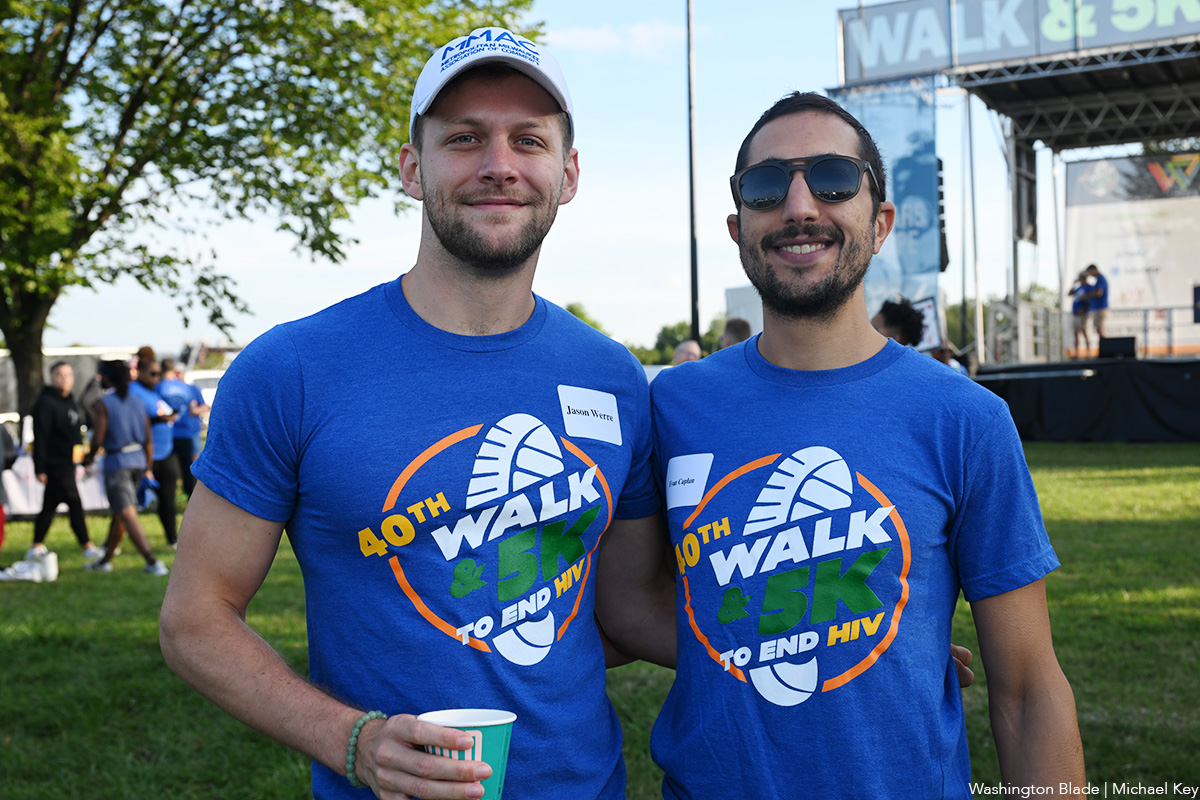
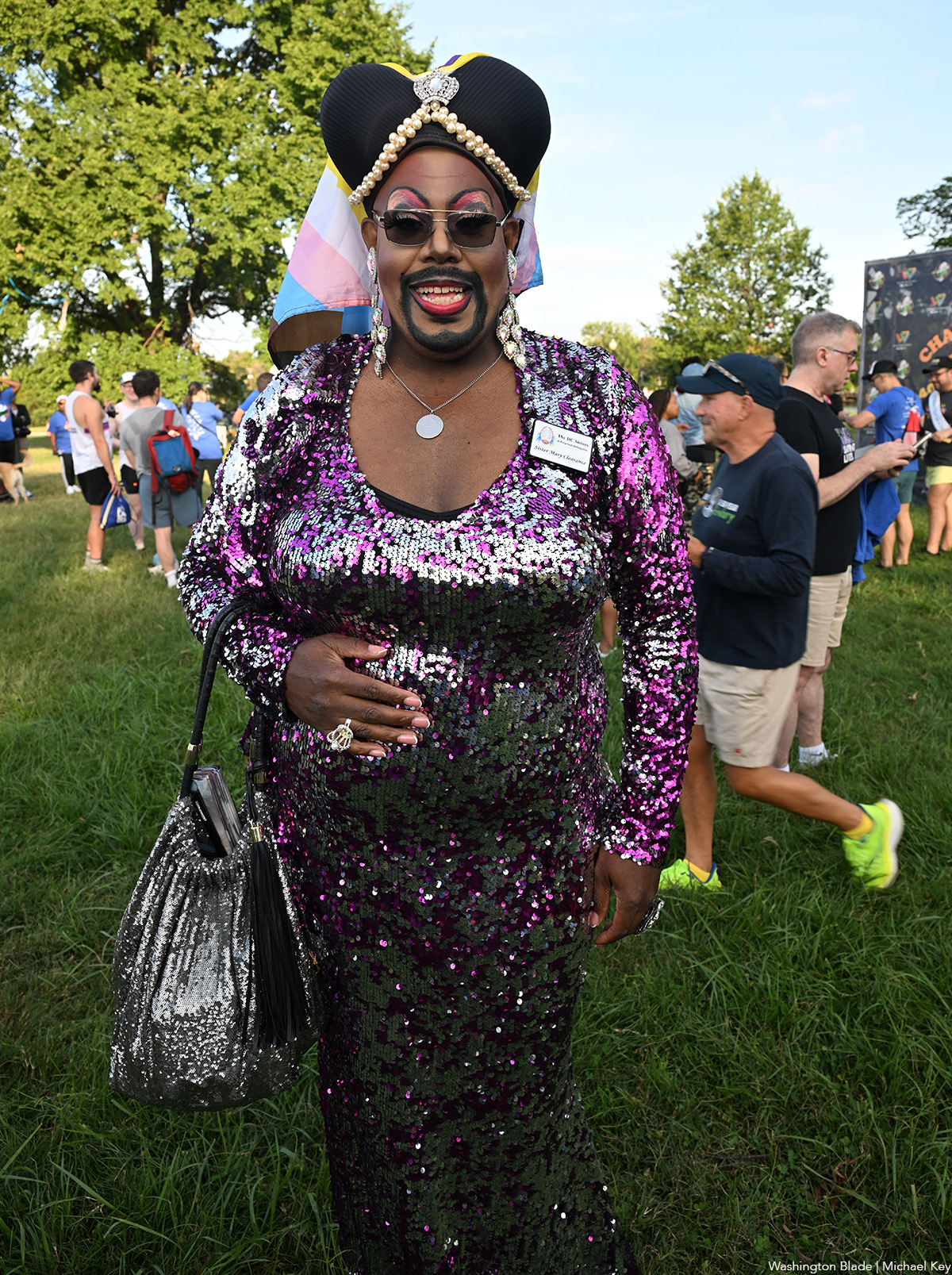
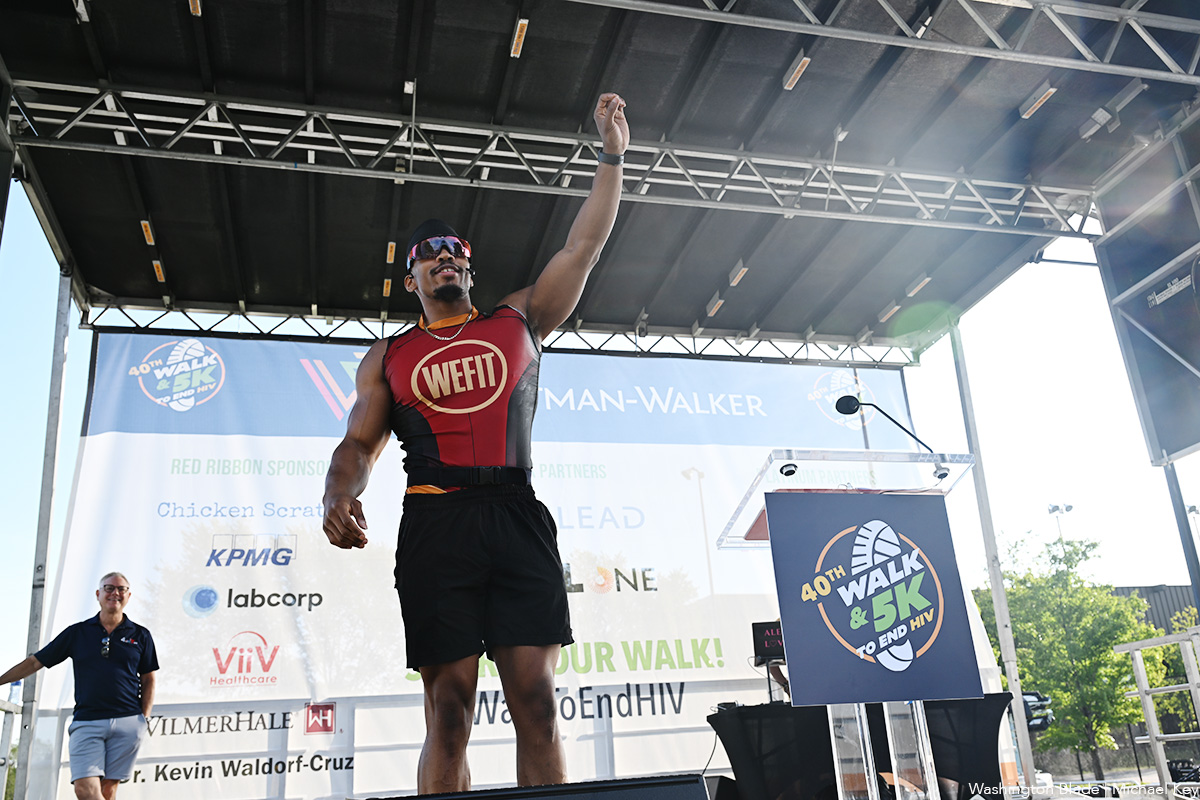
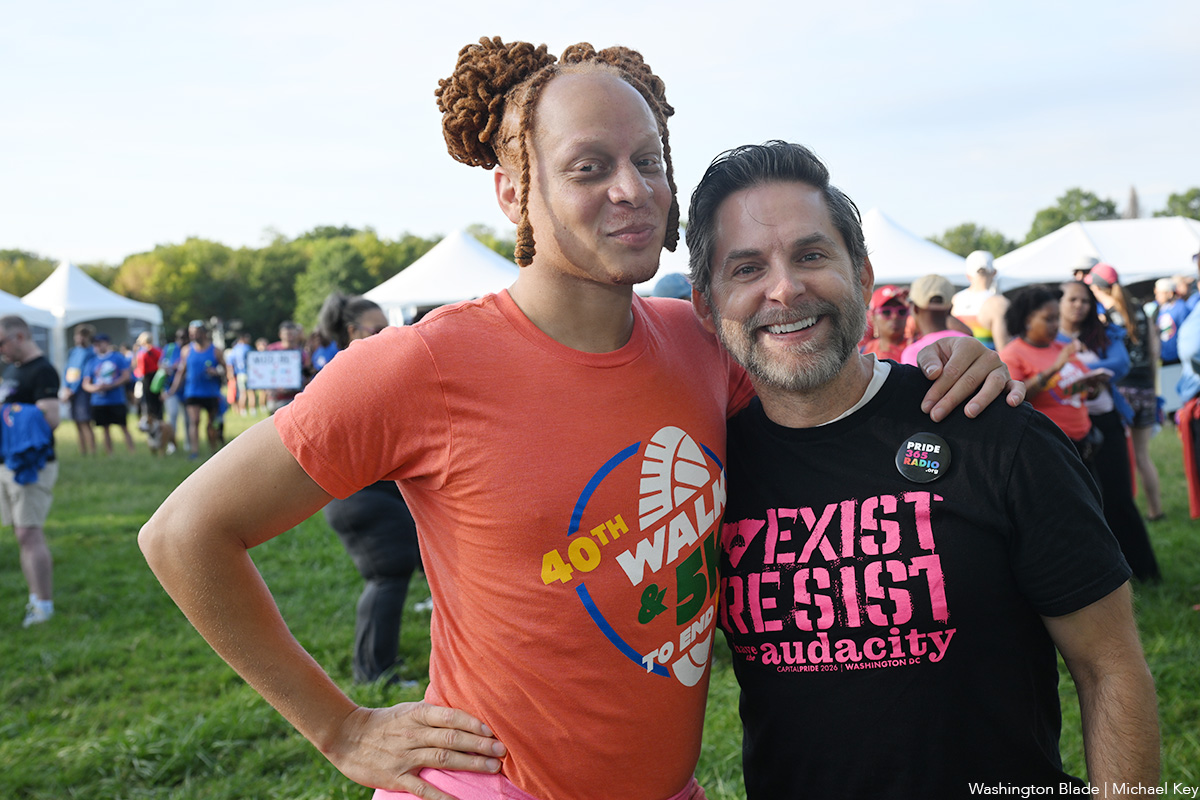
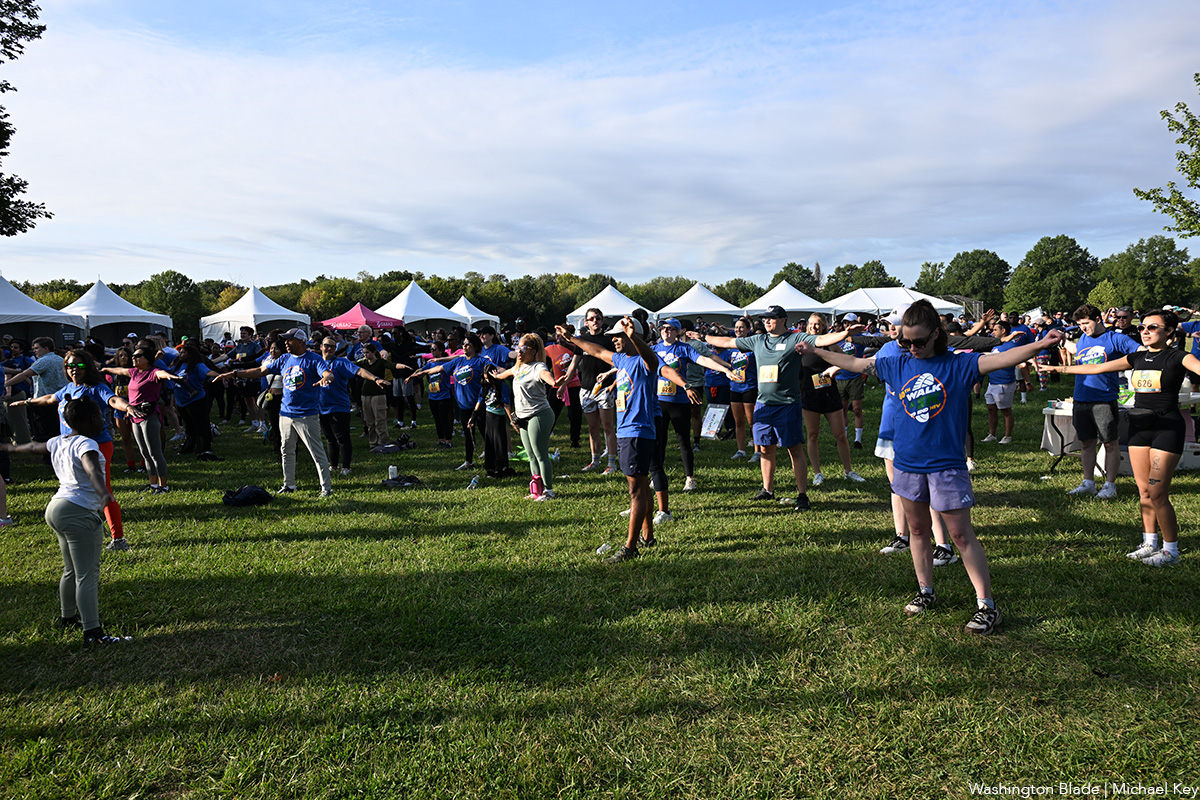
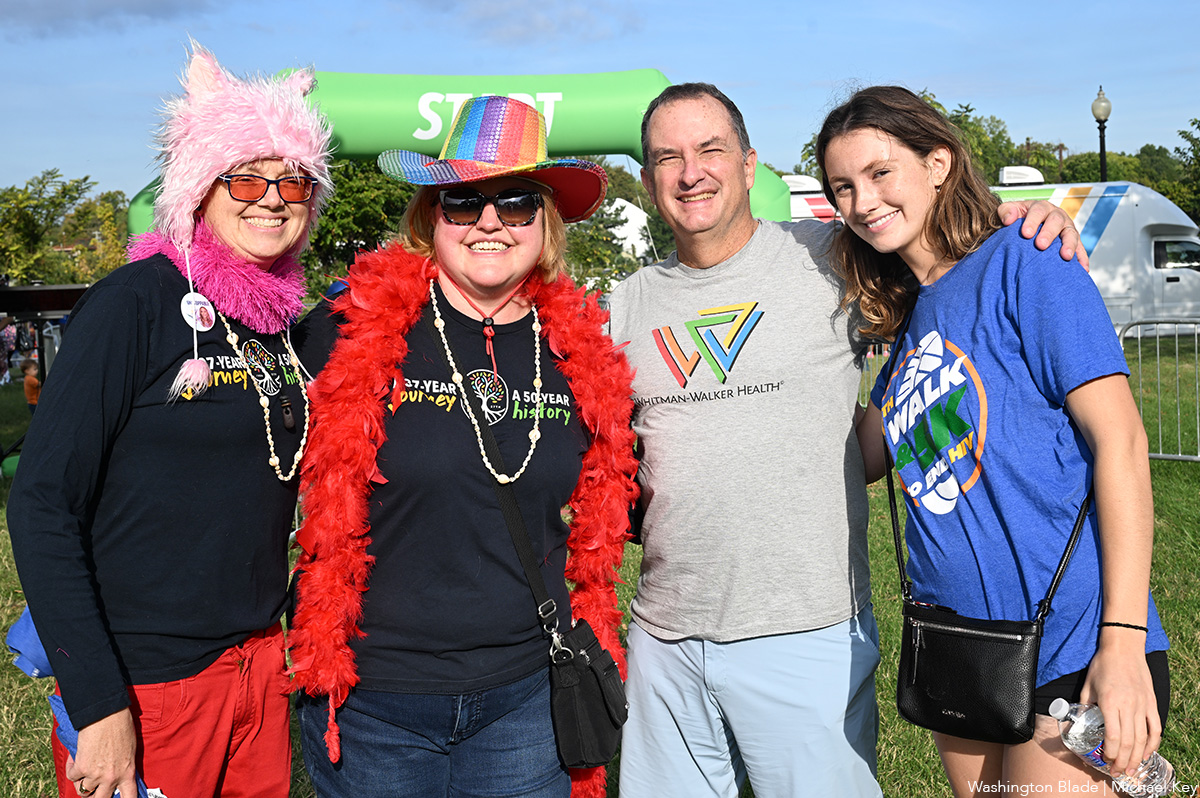
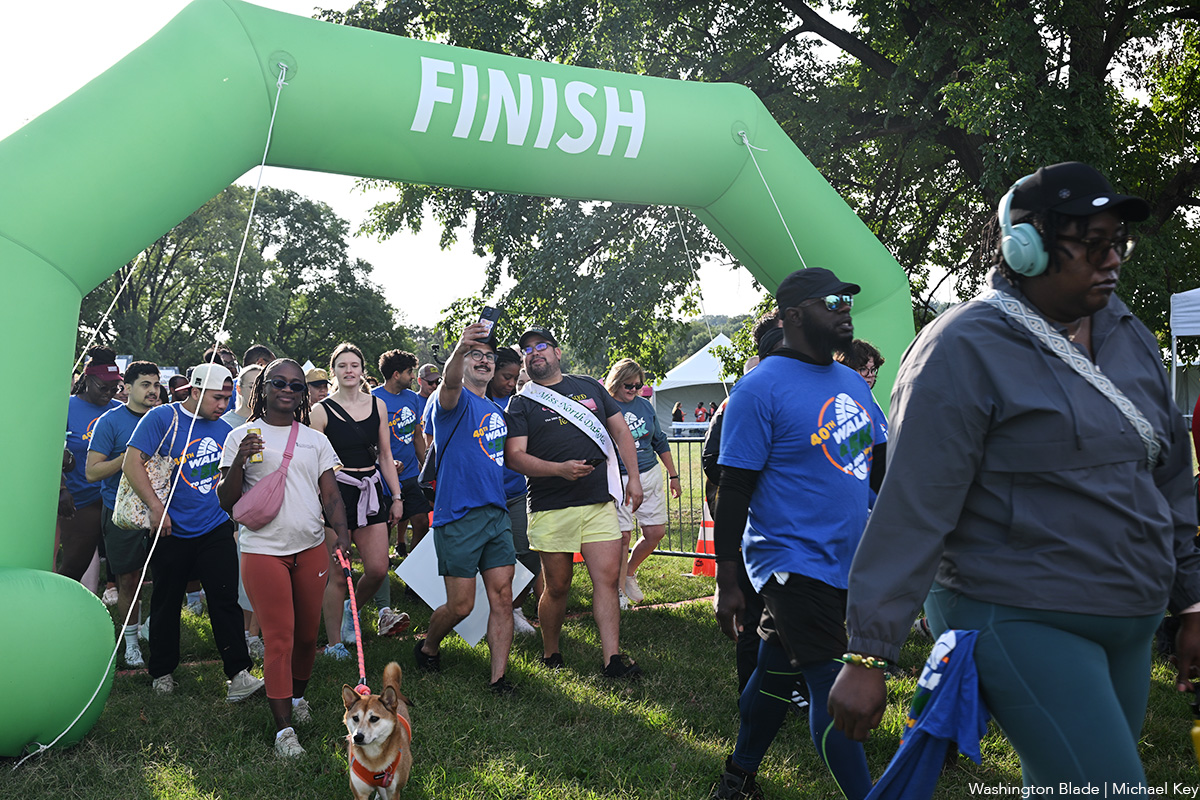
Whitman-Walker Health held the 40th annual Walk and 5K to End HIV at Anacostia Park on Saturday, Sept. 19.
(Washington Blade photos by Michael Key)


Photos
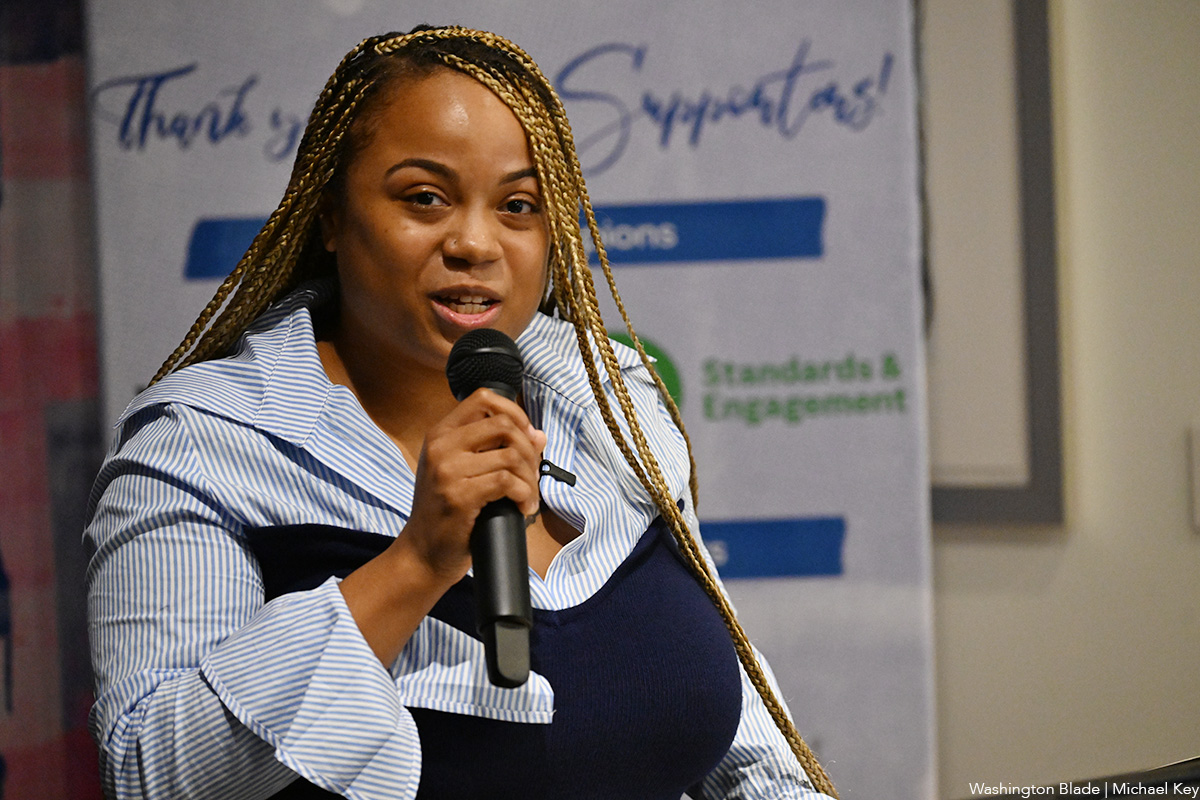
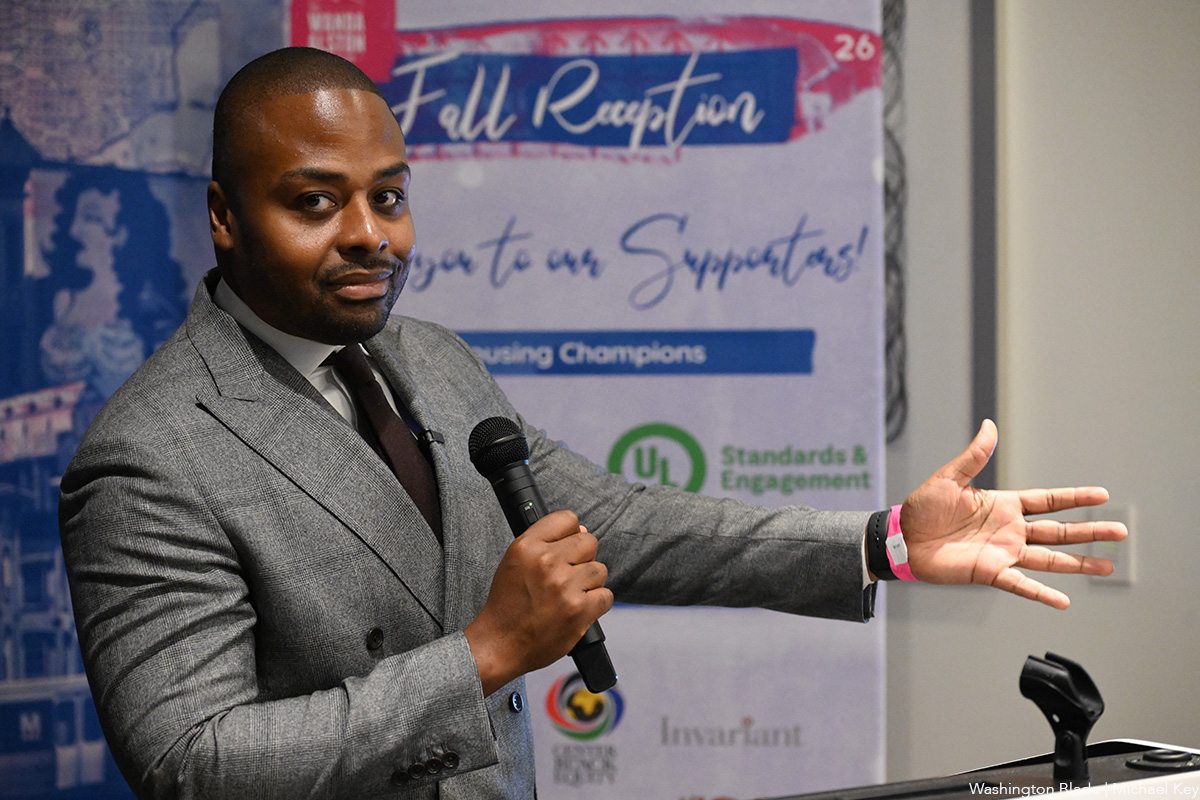
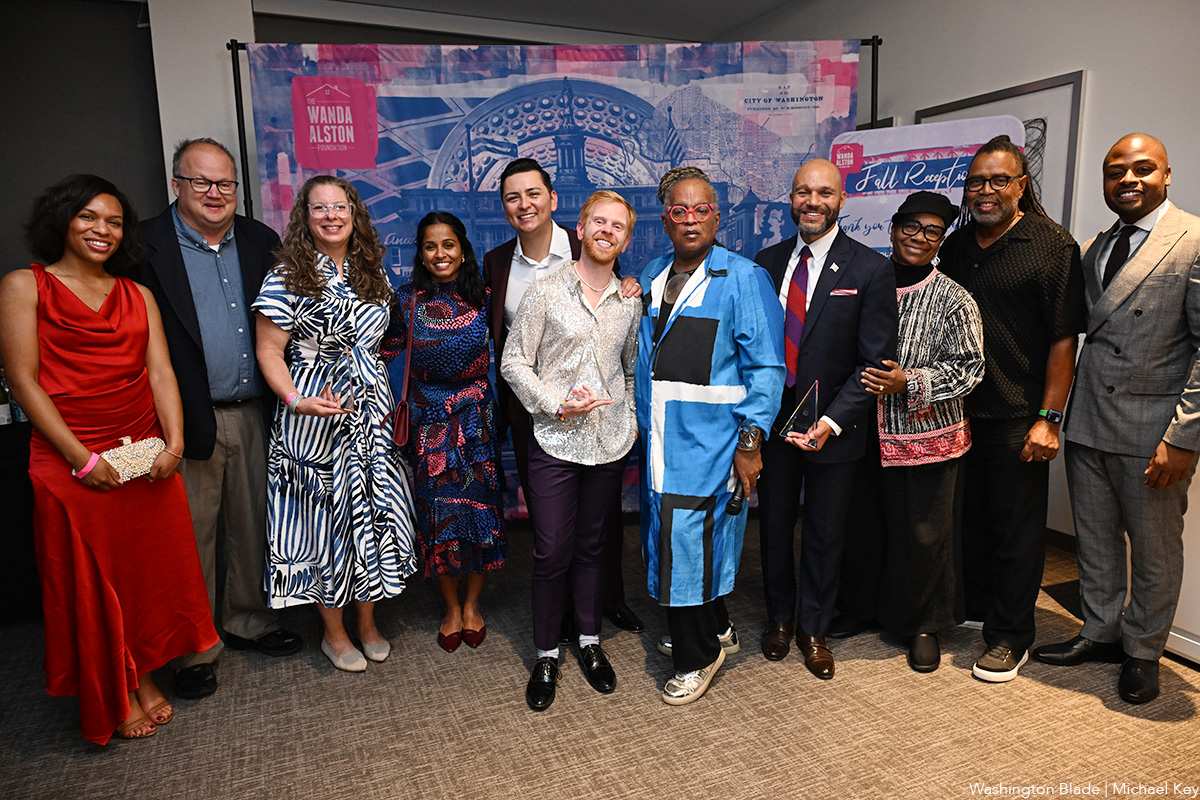
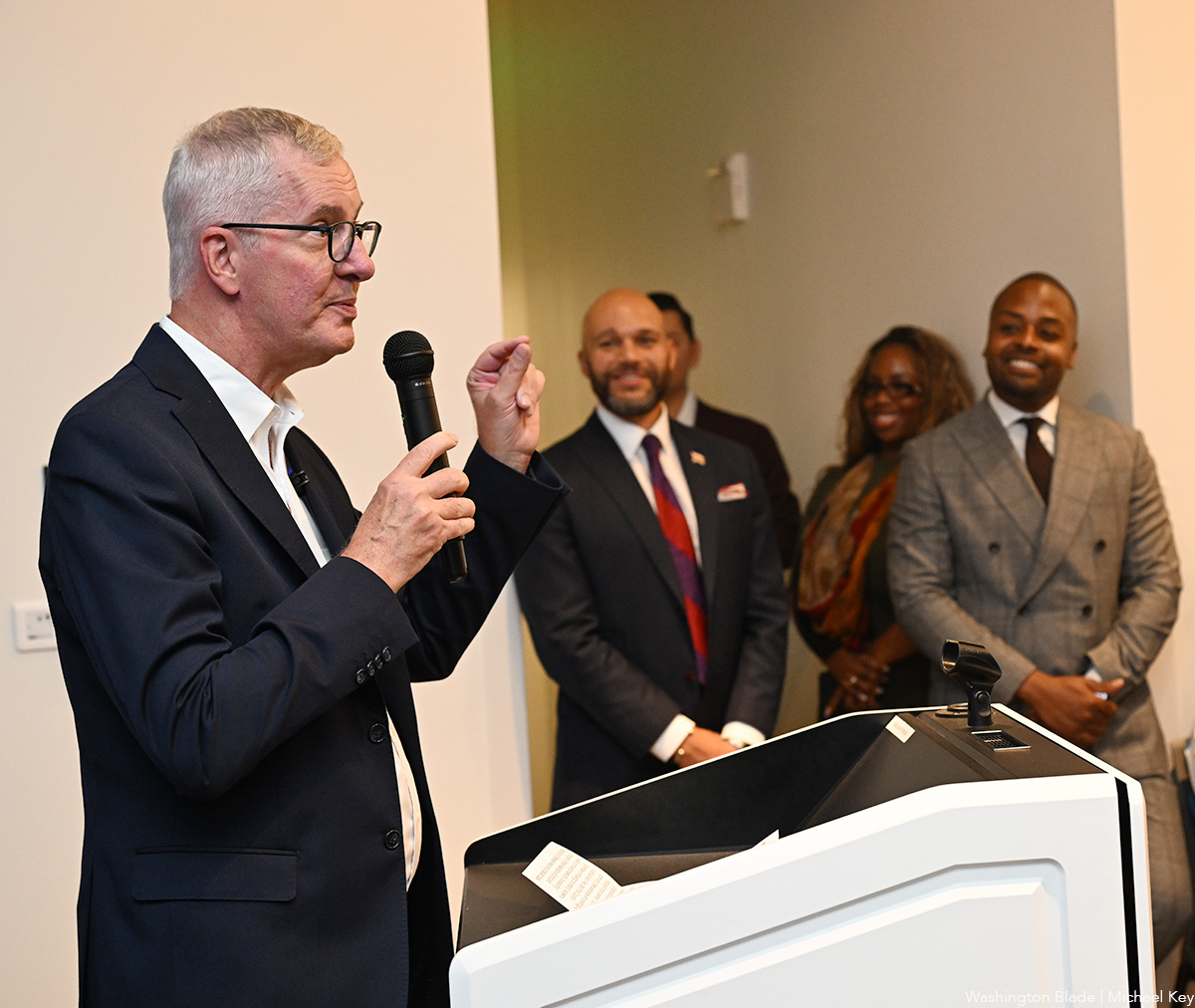
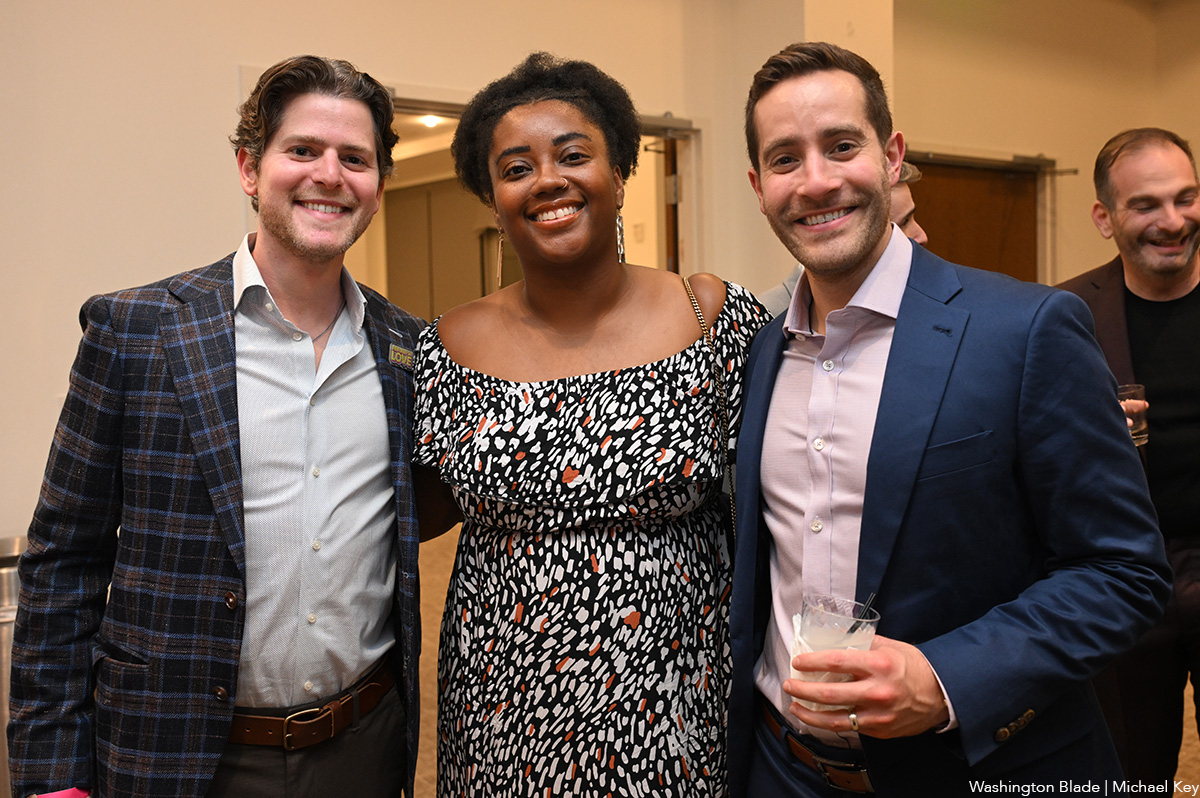
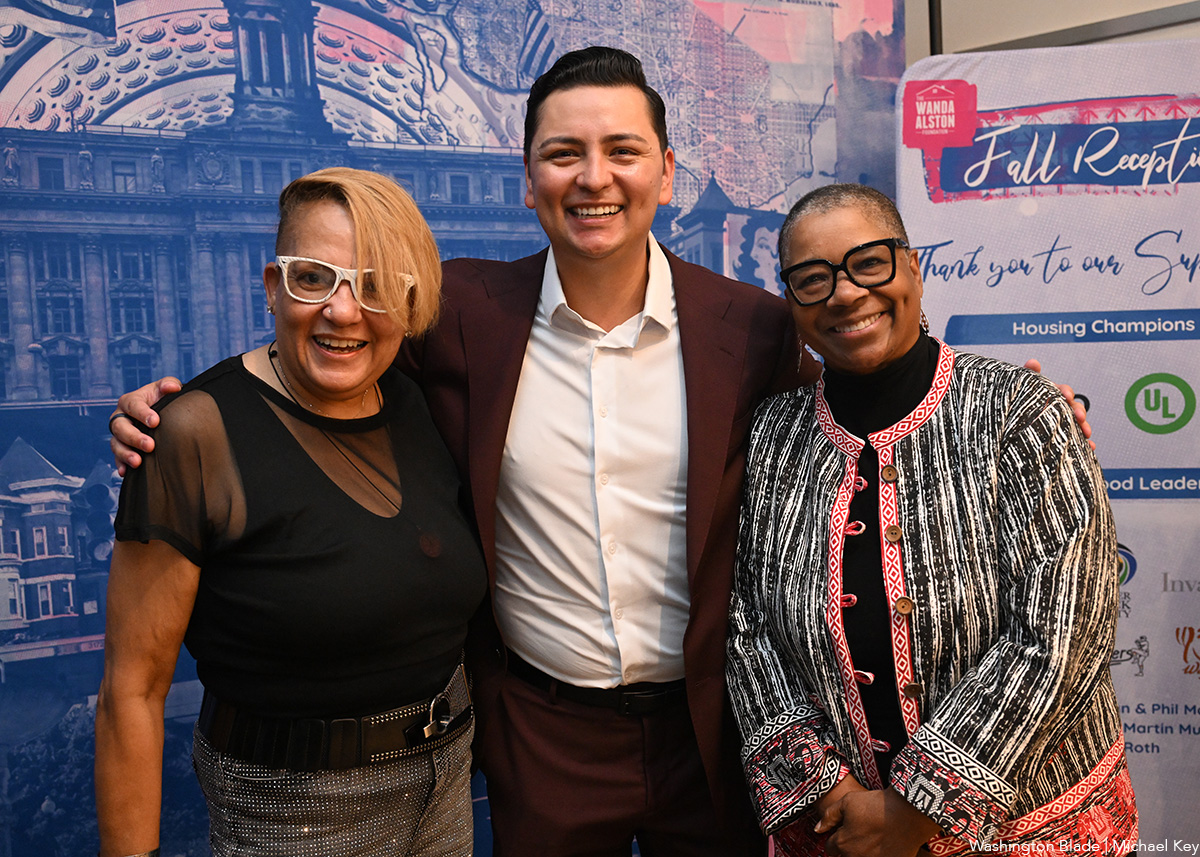
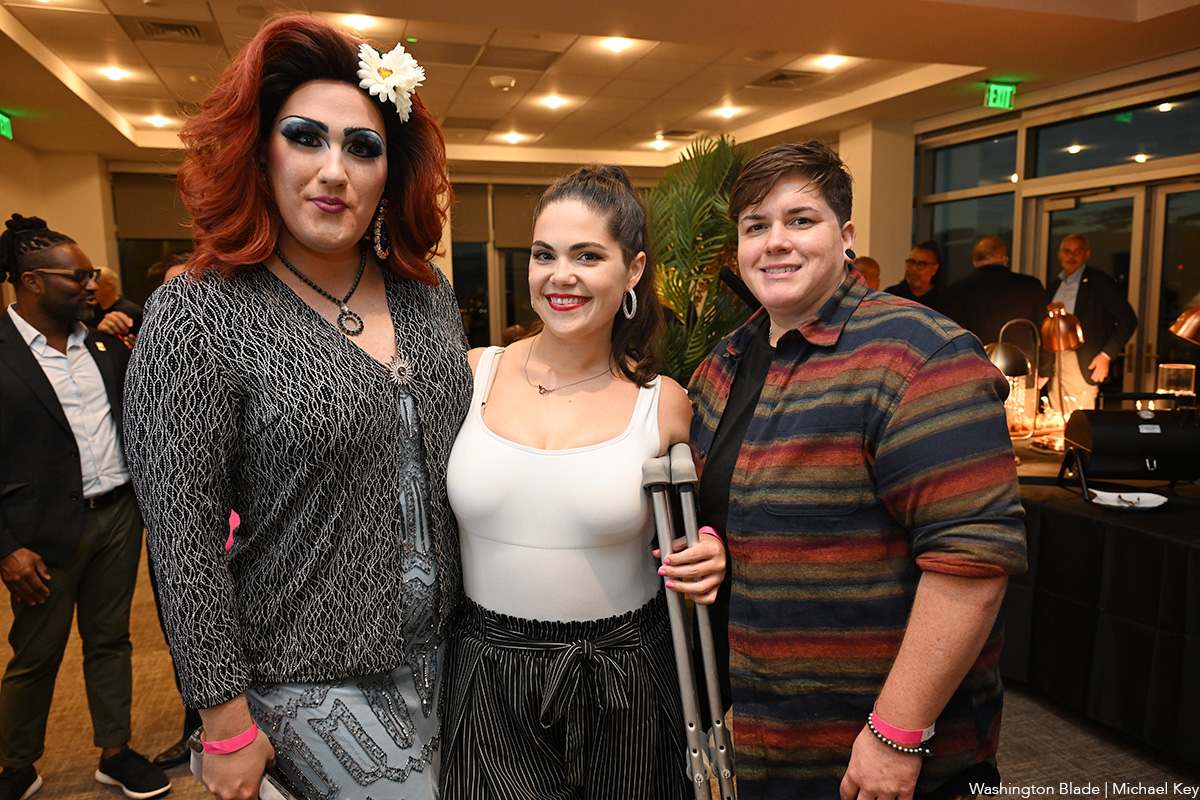
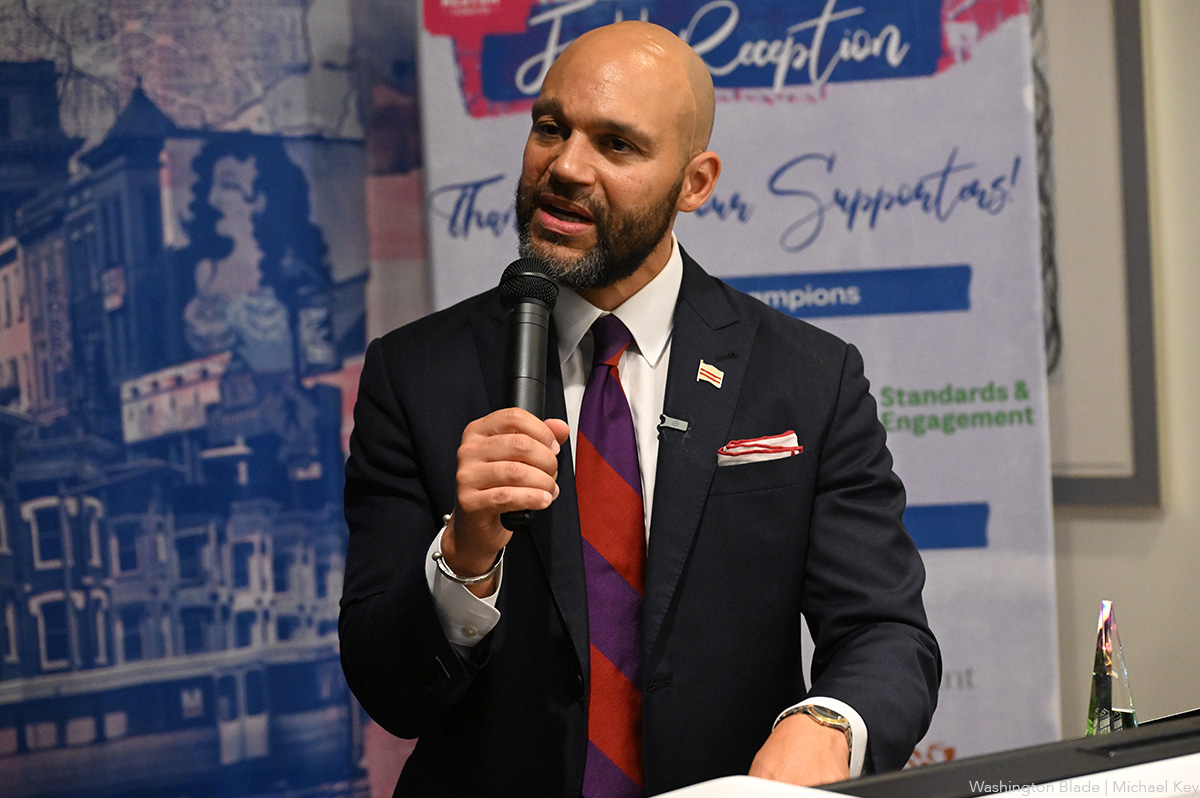
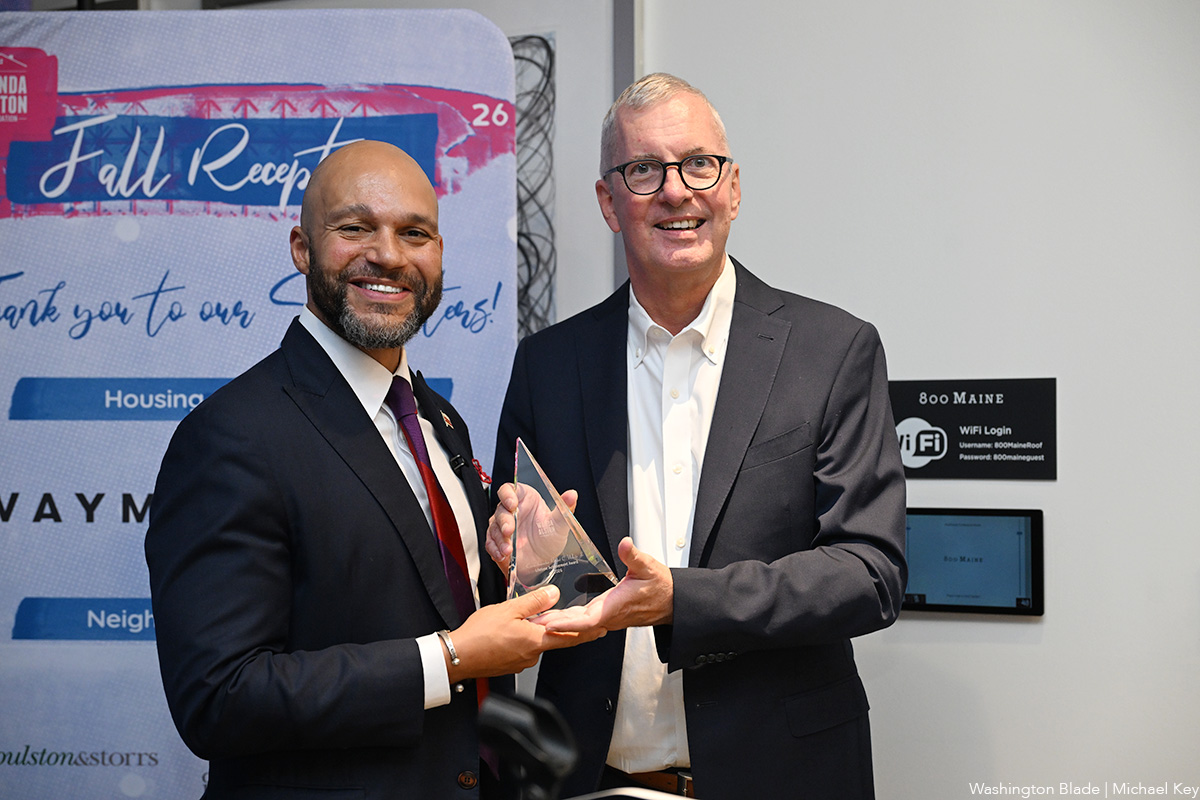
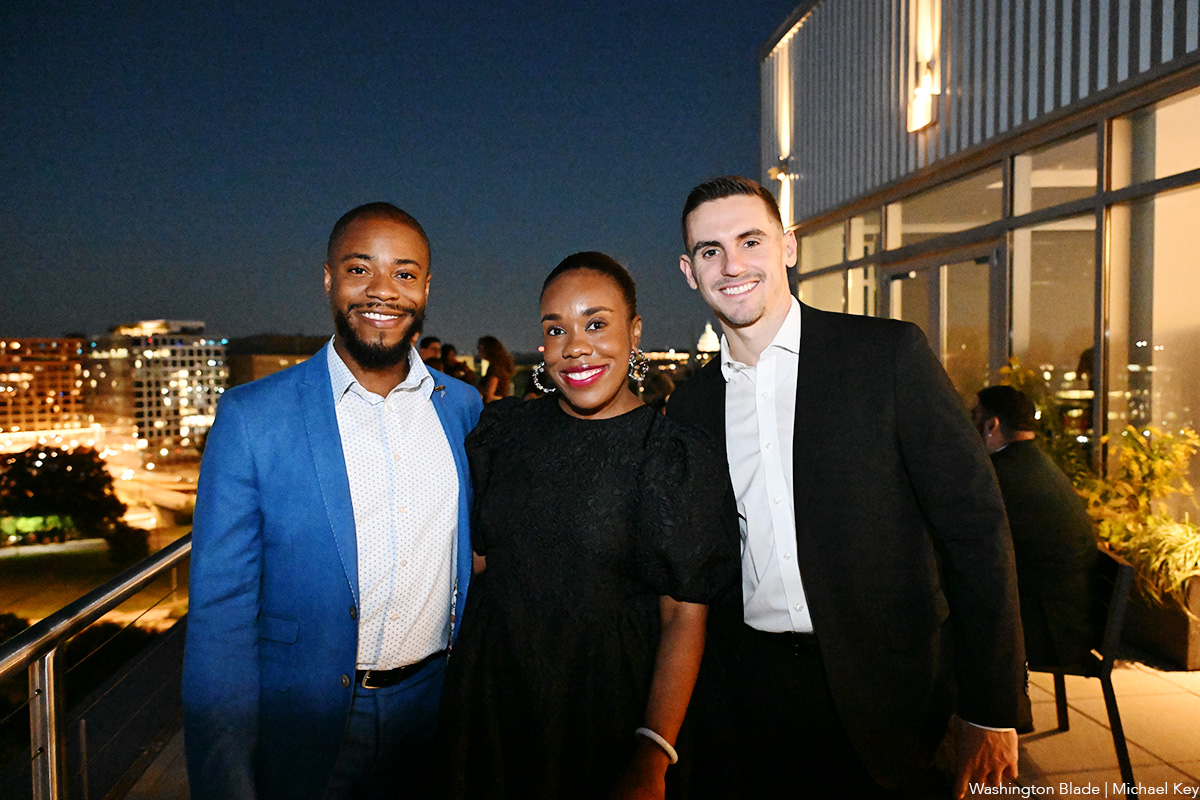
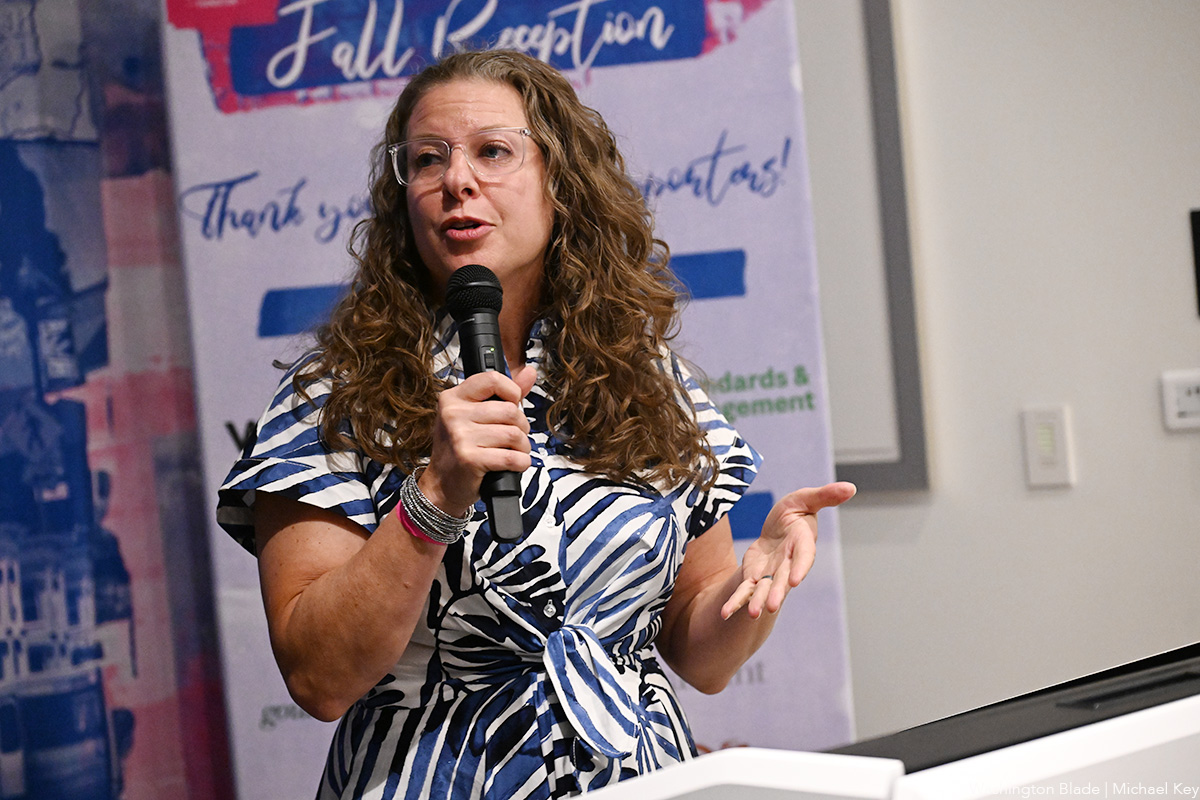
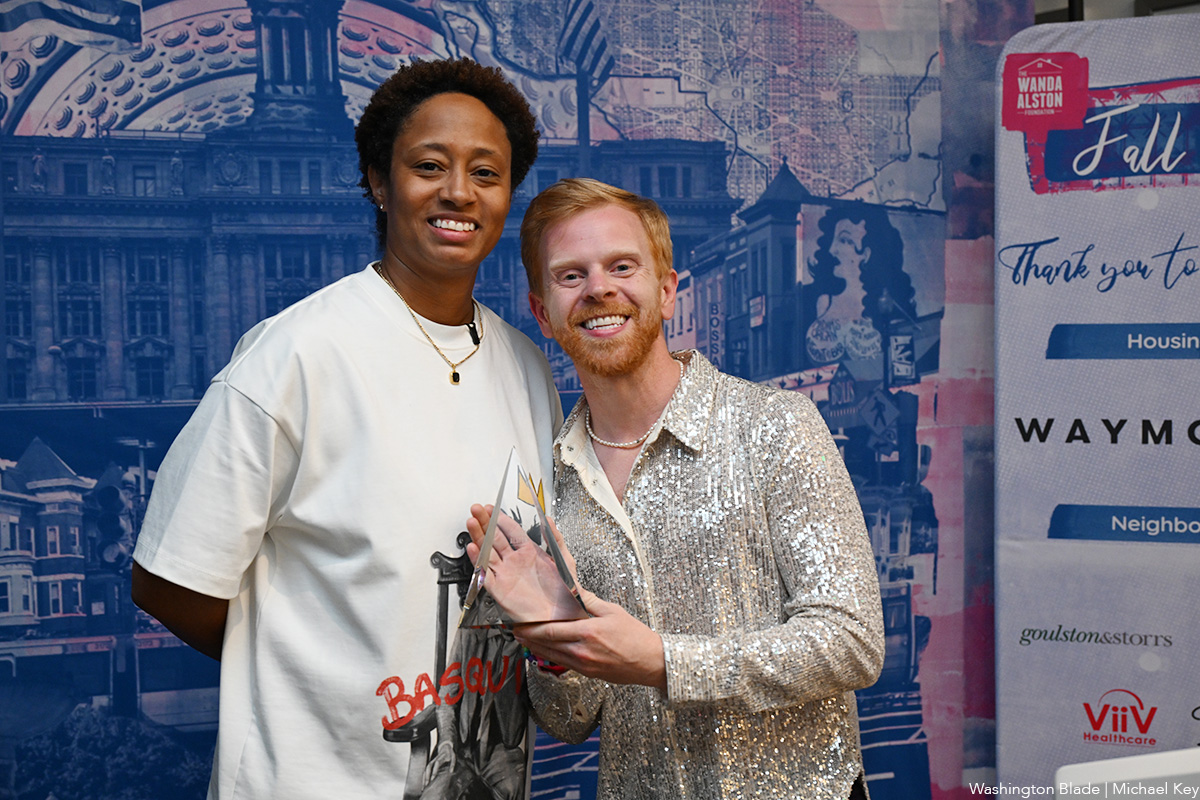
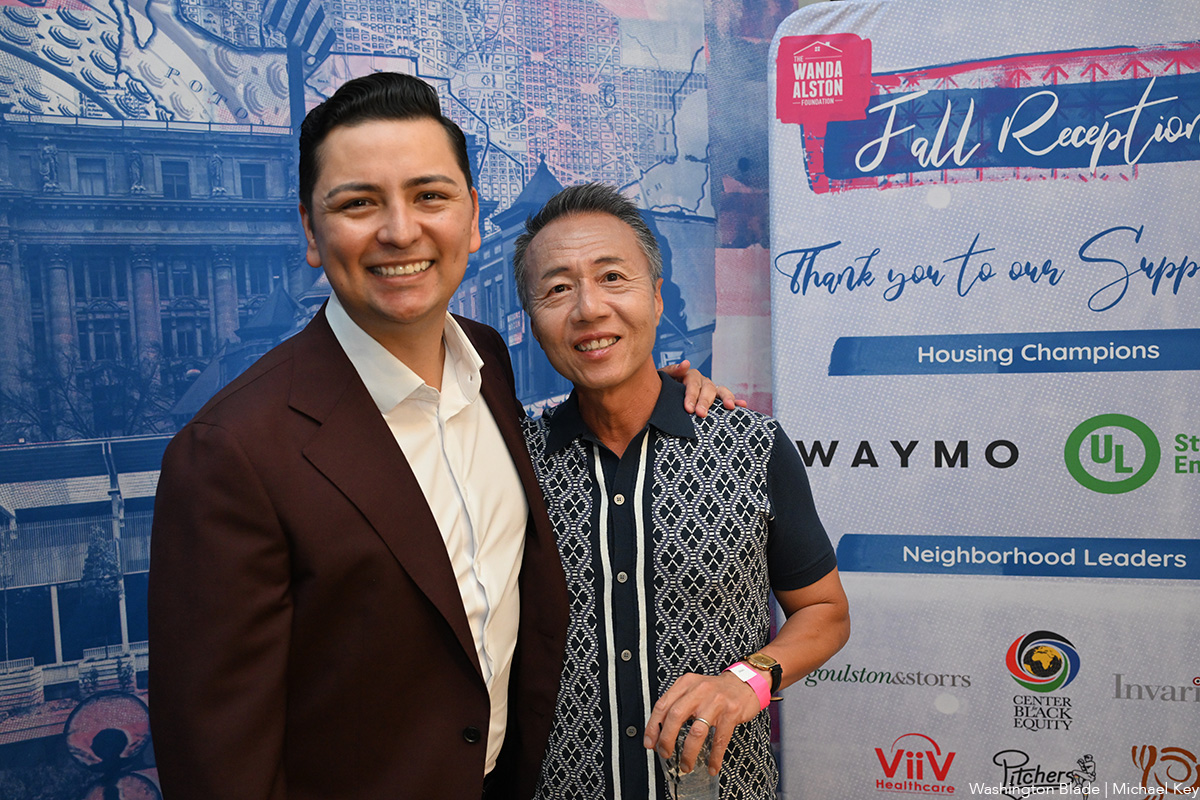
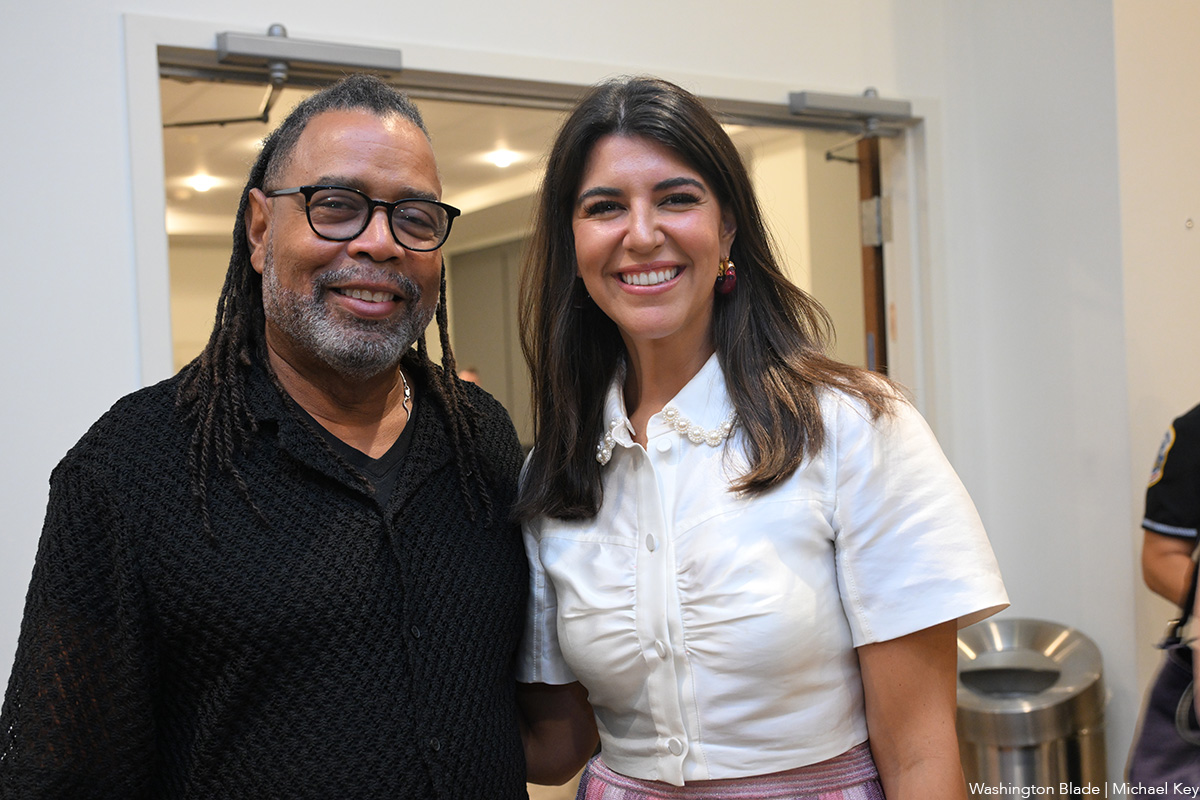
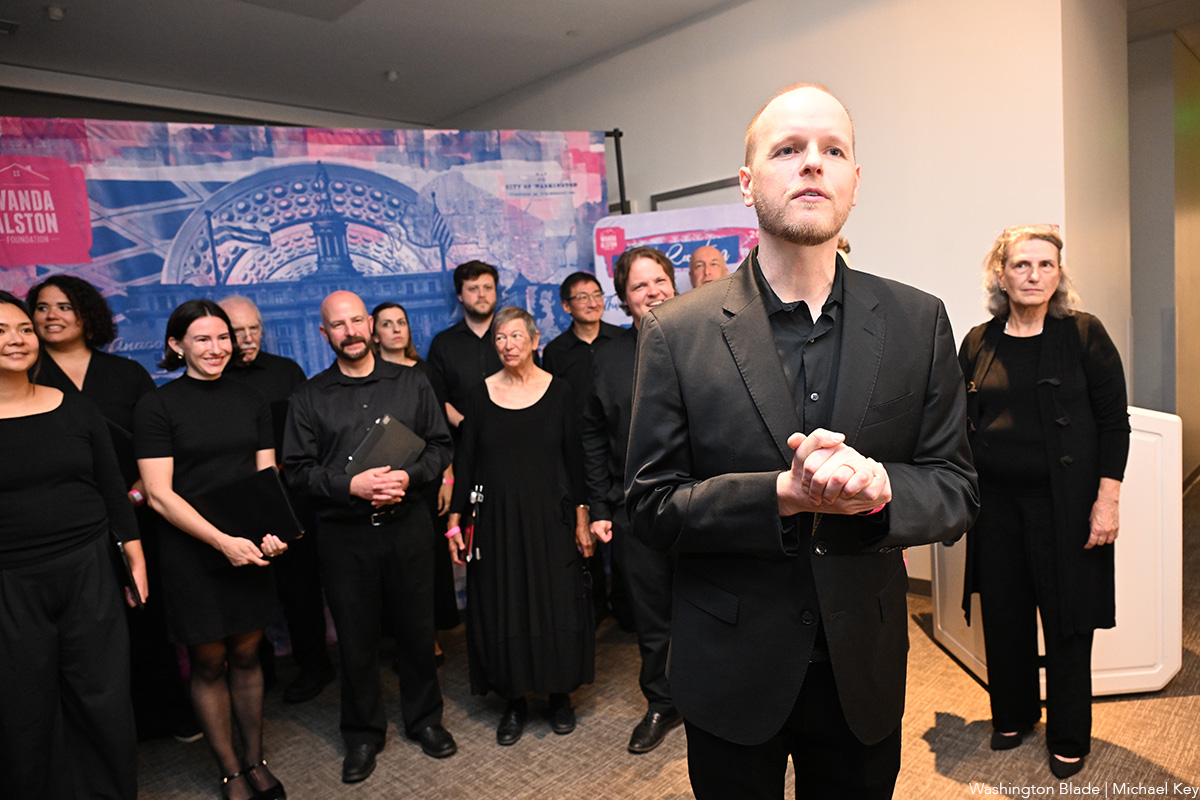
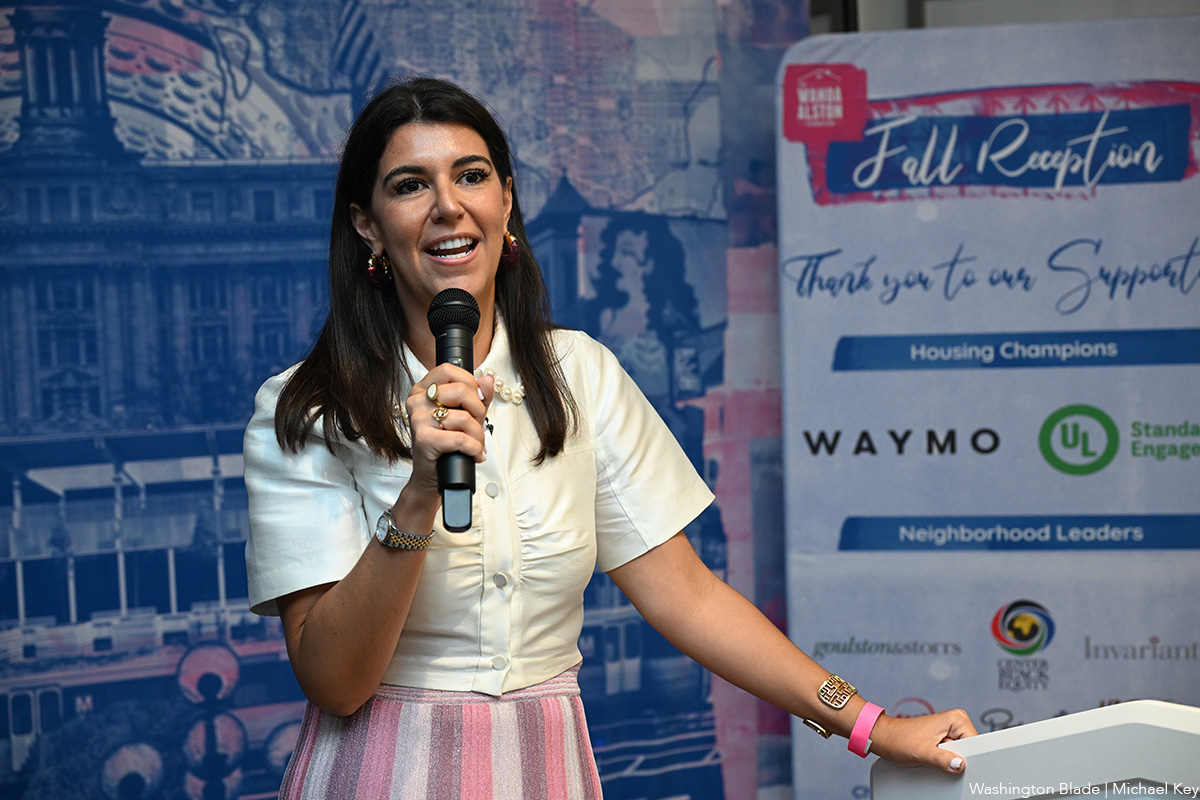
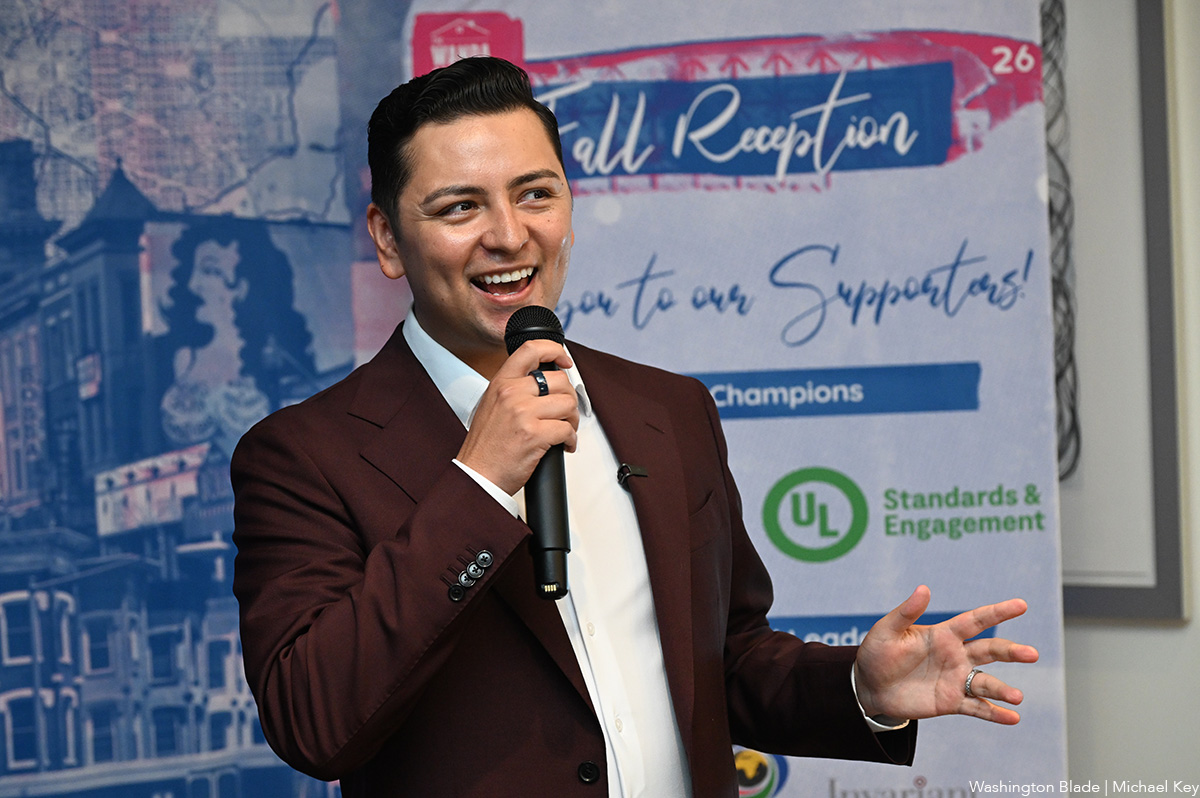
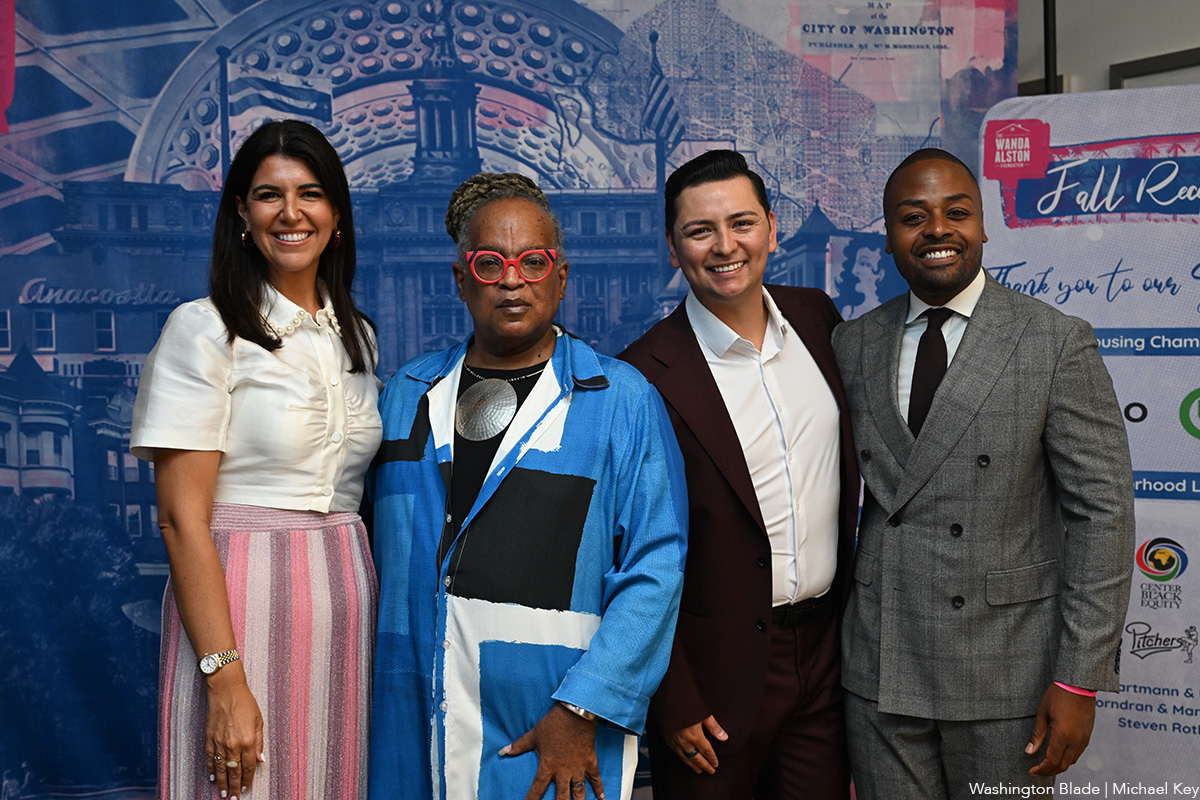
PHOTOS: Wanda Alston Foundation Fall Reception
LGBTQ youth services organization honors Robert White, Japer Bowles, Washington Capitals
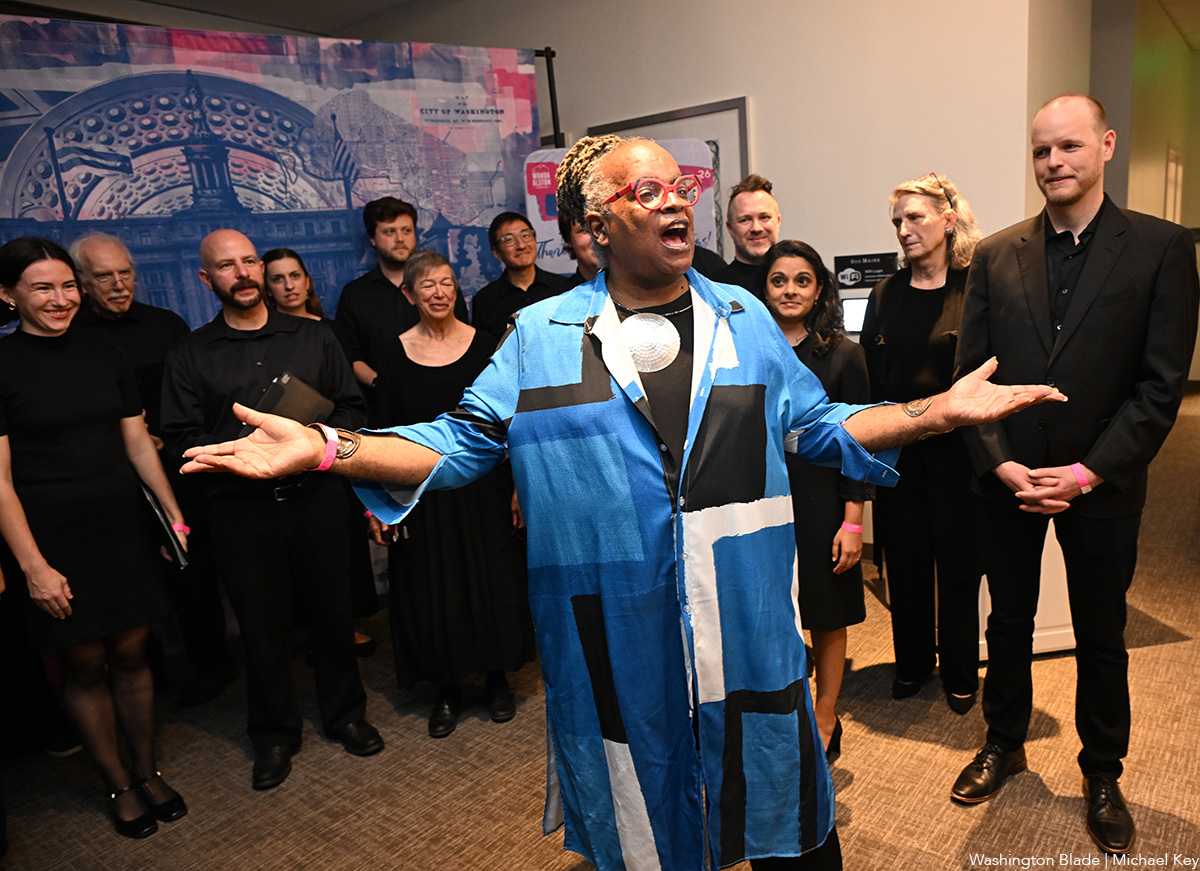
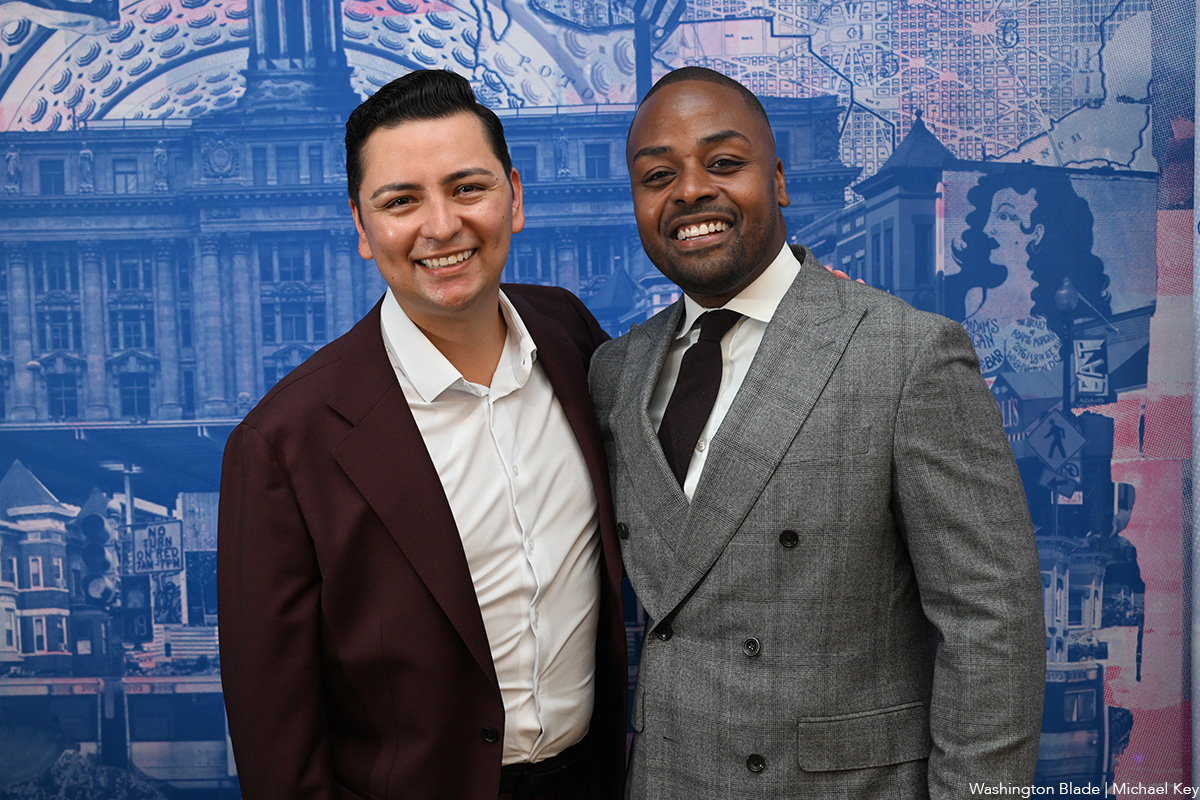
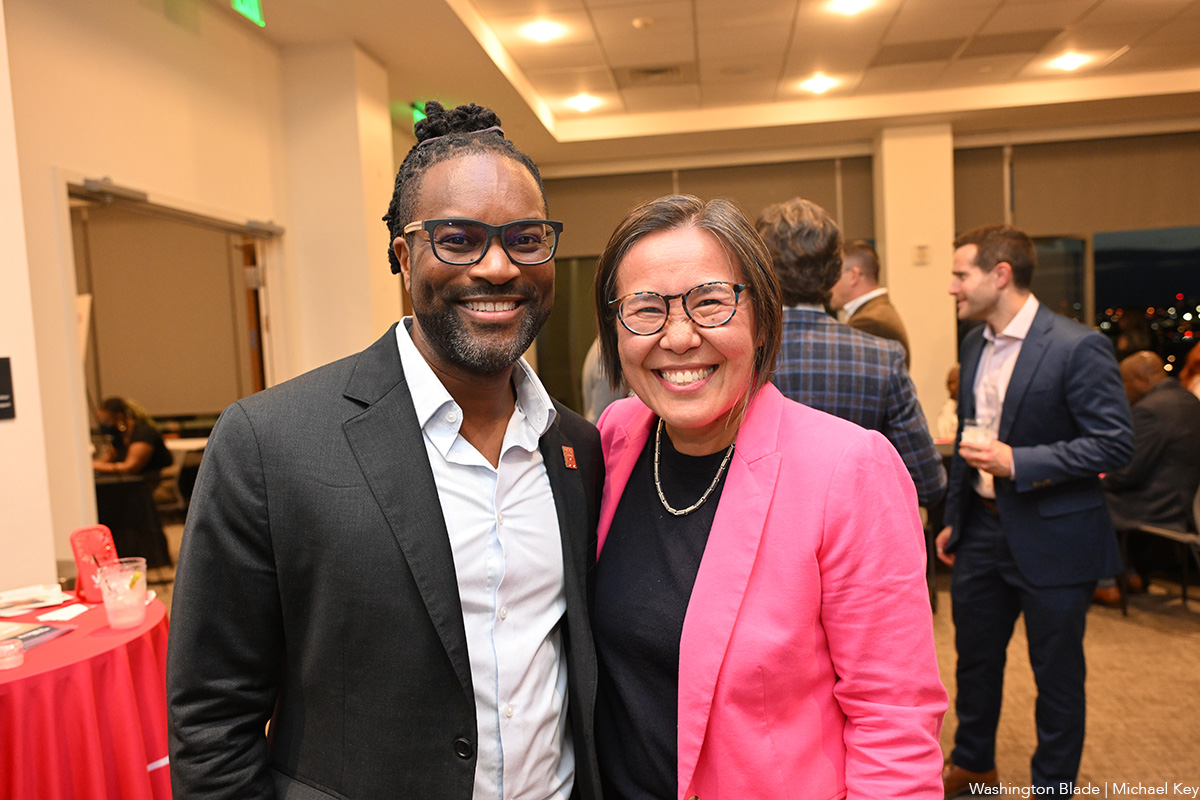
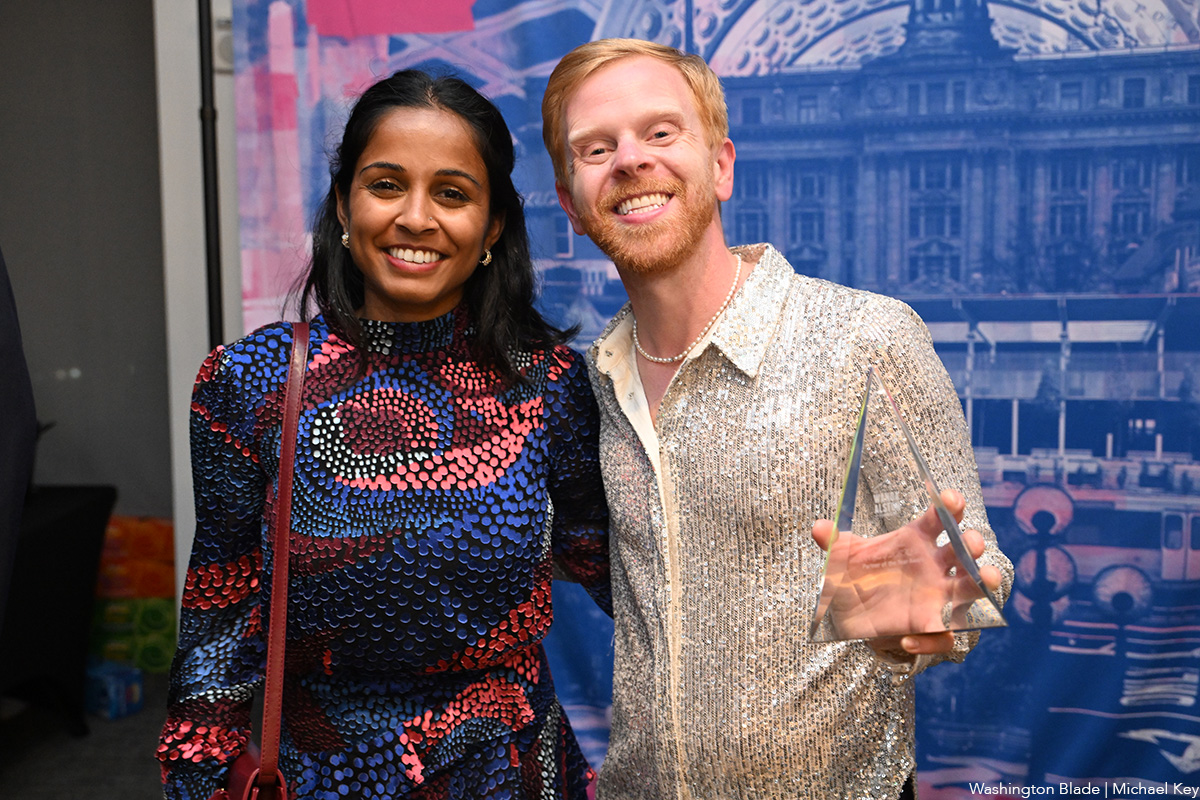
The Wanda Alston Foundation held its Fall Reception at the Penthouse Rooftop at The Wharf on Friday, Sept. 18. Honorees included D.C. Councilmember Robert White, Director of the Mayor’s Office of LGBTQ+ Affairs Japer Bowles, and the Washington Capitals. Rayceen Pendarvis served as the emcee and entertainment was provided by the Thomas Circle Singers.
(Washington Blade photos by Michael Key)

United States Conference on HIV/AIDS grapples with federal budget cuts

For lesbian victims of domestic violence, competent care is scare

UN human rights chief sounds alarm over ‘comprehensive onslaught’ against LGBTQ rights

White House press pool pushes back after Trump bars three outlets

PHOTOS: Shenandoah Valley Pride

Republican challenger misgenders McBride during forum, forced to leave

Queer mega stars coming to D.C. this fall

Activists protest outside Turkish Embassy in D.C.

Over 2,000 turn out for Hands Around the Kennedy Center protest

A roundup of fall events not to be missed
-

 Delaware4 days ago
Republican challenger misgenders McBride during forum, forced to leave
-
Music & Concerts5 days ago
Queer mega stars coming to D.C. this fall
-
Turkey4 days ago
Activists protest outside Turkish Embassy in D.C.
-
District of Columbia3 days ago
Over 2,000 turn out for Hands Around the Kennedy Center protest