World
USAID-supported gay training to take place in Colombia
Bogotá gathering is LGBT Global Development Partnership’s first

El Capitolio Nacional in Bogotá, Colombia (Photo by Rikimedia via Wikimedia Commons)
The first training as part of a USAID-backed public-private partnership designed to promote LGBT rights around the world will take place in the Colombian capital from May 30-June 2.
Advocates from across Colombia are expected to attend the Bogotá training that is designed to teach participants how to become involved in the country’s political process. The Gay and Lesbian Victory Institute and the Astraea Lesbian Foundation for Justice will conduct the four-day seminar with Colombia Diversa, a nationwide LGBT advocacy group, as part of the LGBT Global Development Partnership that will contribute $11 million over the next four years to activist groups in neighboring Ecuador and other developing countries.
Colombia Diversa Executive Director Marcela Sánchez on Thursday will also moderate a panel on the role out public officials play in the advancement of LGBT rights in Colombia and the United States. Bogotá City Council member Angélica Lozano; Tatiana Piñeros, a transgender woman whom Bogotá Mayor Gustavo Petro appointed last year to run the Colombian capital’s social welfare agency; Gay and Lesbian Victory Institute President Chuck Wolfe and Francisco Herrero, director of the Democratic National Institute, a group that encourages underrepresented groups to become involved in the South American country’s political process, are scheduled to take part.
“I hope there will be an opportunity to have a conversation about opportunities for LGBT people to be involved in their government,” Wolfe told the Washington Blade before he traveled to Bogotá.

Victory Institute President Chuck Wolfe is among those who will travel to Colombia. (Washington Blade photo by Michael Key)
The training will take place less than a week after Vice President Biden met with Colombian President Juan Manuel Santos in Bogotá during a six-day trip that also brought him to Trinidad and Tobago and Brazil.
Biden’s office did not return the Blade’s request for comment on whether the vice president discussed LGBT-specific issues with Santos. A senior administration official who briefed reporters before the trip said the Obama administration’s objective “is to work with our partners across the hemisphere to promote a hemisphere that’s middle class, secure and democratic.”
“They each have a government that share our democratic values, that are focused on delivering for their citizens and on working as partners to advance common interests across the region and around the world,” the official said.
Marriage debate provides training backdrop
The Colombian Senate in April struck down a bill that would have extended marriage rights to same-sex couples.
The same chamber in 2007 defeated a measure that would have allowed gays and lesbians to enter into civil unions; but the country’s Constitutional Court in three separate rulings later that year and in 2008 extended property, social security and other rights to same-sex couples. The tribunal in 2009 ruled gays and lesbians who live together must receive the same rights that unmarried heterosexual couples receive under Colombian law.
The Constitutional Court in 2011 ruled the country’s Congress must pass legislation within two years that extends the same benefits heterosexuals receive through marriage to same-sex couples. They can legally register their relationships on June 20 if lawmakers fail to act on this judicial mandate.
Lawmakers in the South American country in 2011 also passed a new anti-discrimination law that includes sexual orientation.
Colombia was also among the countries that helped secure passage of the United Nations’ first-ever resolution in support of LGBT rights earlier in the same year.
Anti-LGBT violence remains pervasive
Colombia Diversa estimates 58 of the reported 280 LGBT Colombians who were murdered between 2010-2011 were killed because of their sexual orientation or gender identity and expression. A report from the Latin American and Caribbean Network of Transgender Women (REDLACTRANS) notes 61 trans women in Colombia have been reported killed between 2005-2011.
Federico Ruíz Mora of the Santamaría Fundación, a group based in Cali that advocates on behalf of trans women, told the Blade last month while he and other Colombian LGBT rights activists and officials visited the United States that local police often exacerbate the problem.
USAID in 2009 began to work with the Colombian National Police on how to more effectively engage the country’s LGBT advocacy organizations. Law enforcement personnel from Colombia, Sweden and the United Kingdom took part in a 2010 seminar the agency and the Swedish Embassy co-sponsored on how police can better interact with LGBT Colombians.
Colombia Diversa and the Santamaría Fundación has also received USAID grants and other support to expand their efforts to document anti-LGBT violence and work with authorities to better prosecute the perpetrators.
Dan Baer, deputy assistant secretary of the Bureau of Democracy, Human Rights and Labor at the U.S. State Department, acknowledged to the Blade during an interview on Tuesday that trans Colombians in particular face “very serious violence.” He added the Colombian government’s protection of freedom of association that allows LGBT advocacy groups and other non-governmental organizations to operate freely allows it to adequately respond to the problem.
“That makes a huge difference because you have the facts out in the open,” Baer said. “The challenge is just implementing policies that deliver full protections.”
While applauding the Colombian government’s efforts to address anti-LGBT violence, he conceded “there are more steps that they could take.”
“That’s a conversation that’s happening principally between domestic NGOs and the government,” Baer said. “There are very committed people I’ve met with in the Colombian government for whom this is a priority issue.”
Santos’ spokesperson Pedro Ignacio Camacho Ramírez told the Blade in an e-mail on Tuesday his country remains committed to protecting the rights of LGBT people.
“Colombia is a nation founded upon the inherent dignity of every human being,” he said. “In this sense, we understand that it is a priority for the country to move forward with the construction of politics and spaces that contribute to the development of the right to equality without discrimination in support of groups like the LGBTI community with special constitutional protection.”
Editor’s note: Blade reporter Michael K. Lavers will speak to training participants in Bogotá on Saturday.




Ecuador
Caso Karlina: Una sentencia histórica contra las terapias de «conversión»
Karlina Quiroz, una mujer trans de Chone, fue internada contra su voluntad
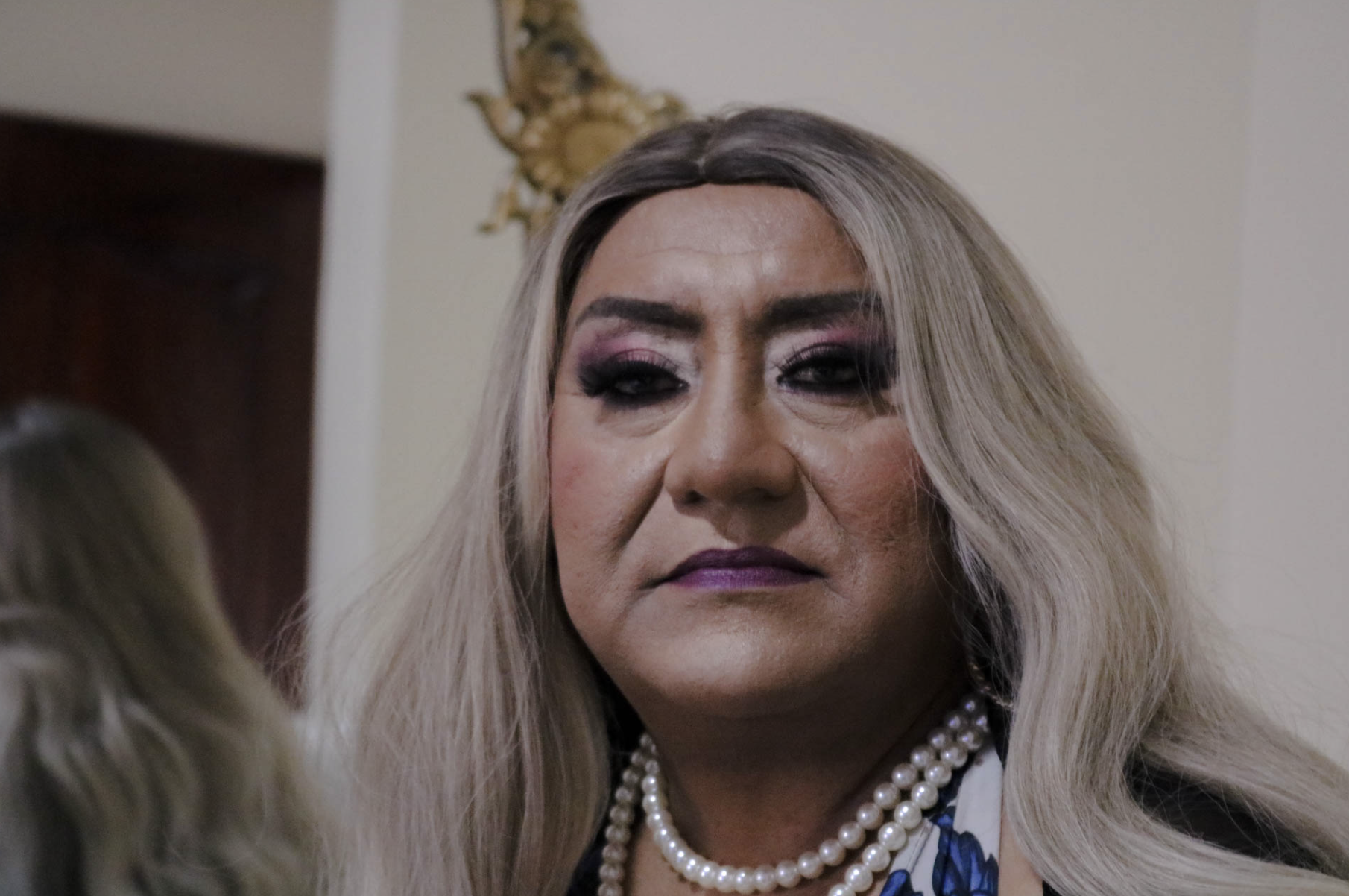
La última vez que Karlina Quiroz, una mujer trans de 57 años, salió sola a la calle en Chone, terminó encerrada contra su voluntad en un centro de rehabilitación donde intentaron “corregir” su identidad de género mediante humillaciones, amenazas y agresiones.
Han pasado cinco años desde ese episodio, ocurrido en 2021; y el 11 de septiembre de 2026 Karlina por fin obtuvo justicia.
La Fiscalía informó, el 14 de septiembre, que el Tribunal de Garantías Penales de Chone sentenció a seis personas por actos de odio contra Karlina, al ser víctima de violencia basada en su identidad de género.
Entre los seis sentenciados están sus dos hermanos, que —según la denuncia de Karlina— ordenaron su encierro a este centro.
El caso de Karlina refleja el odio y la violencia hacia personas trans en Ecuador y vuelve a poner bajo la lupa la existencia de centros conocidos como clínicas de “deshomosexualización” o espacios de “terapias de conversión”.
De acuerdo con la denuncia presentada por Karlina, en julio de 2021 fue interceptada por varios hombres y trasladada contra su voluntad a un centro para el tratamiento de adicciones ubicado en Chone, Manabí, en la vía a Pedernales. Allí permaneció retenida y sometida a tratos degradantes, violencia psicológica y agresiones físicas.
Según su testimonio, durante el encierro recibió insultos relacionados con su identidad de género y amenazas orientadas a “modificarla”.
Karlina denunció, además, que esta no habría sido la primera vez. Según su relato, en 2019 permaneció aproximadamente tres meses internada de manera forzada en otro centro de rehabilitación, también ubicado en la vía a Pedernales, en Chone. Durante ese período habría sido sometida a dinámicas similares de aislamiento, control y presiones dirigidas a modificar su identidad y expresión de género.
Según información de la Fiscalía, en septiembre de 2021, como parte de las diligencias investigativas, se allanó el centro clandestino en Chone. Allí se recabaron indicios relacionados con el internamiento forzoso de Karlina durante tres meses.
Con esos y otros elementos de convicción obtenidos durante la investigación, la Fiscalía inició un proceso penal contra las seis personas, quienes fueron luego llamadas a juicio.
El proceso, explicó Karlina, incluyó los dos casos: el de 2019 y 2021. “El crimen se investigó desde que comenzó la primera gota de sangre”, señaló Karlina, en alusión a la violencia física que sufrió en su primer encierro.
De los seis sentenciados, tres fueron condenados como autores directos a cuatro años de pena privativa de libertad. Se trata de los dos hermanos de Karlina y un sobrino, por ordenar su encierro al centro de adicciones.
Los otros tres recibieron una pena de dos años, como cómplices.
De acuerdo con Karlina, uno de ellos es el director del primer centro al que fue ingresada contra su voluntad en 2019 por tres meses, y los otros dos son quienes la interceptaron la segunda ocasión, en julio de 2021, para llevarla al centro. Ella los señala como “capturadores” de las personas que son recluidas en los centros.
“Cuando recibí la noticia (el viernes 11 de septiembre durante la audiencia de juzgamiento) no podía creerlo. Las piernas me temblaron y las lágrimas se me salieron. Estoy tranquila y satisfecha”, señaló Karlina en una llamada telefónica.
Para Pedro Gutiérrez, abogado especialista en derechos humanos, la sentencia es importante no solo por reconocer un delito de odio, sino también por las características de los hechos: el ingreso (por orden de sus hermanos) a un centro de “deshomosexualización” en el que se cometen actos de tortura y violencia física.
Durante la audiencia, constó el testimonio de Karlina. La Fiscalía también presentó el informe de reconocimiento del lugar de los hechos, la inspección ocular técnica, el levantamiento de evidencias y los testimonios de personas que confirmaron que los actos de violencia por perjuicio hacia su identidad de género fueron ejecutados de manera reiterada por los ahora sentenciados.
El caso volvió a poner la atención sobre las llamadas terapias de conversión en Ecuador, prácticas ampliamente cuestionadas por organismos internacionales de derechos humanos y señaladas como formas de tortura o violencia psicológica. Aunque el Estado ecuatoriano ha realizado operativos y clausuras de algunos centros en los últimos años, organizaciones sociales sostienen que estos espacios continúan funcionando de manera clandestina o bajo otras denominaciones.
La legislación ecuatoriana penaliza los actos de tortura con la intención de modificar la orientación sexual o identidad de género, pero no existe una sanción contra los centros que ofrecen las denominadas terapias de conversión.
En 2020, la Asamblea aprobó el Código Orgánico de Salud y una de sus disposiciones fue prohibir expresamente este tipo de terapias, pero fue vetado totalmente por el expresidente Lenín Moreno en medio de una campaña de sectores antiderechos.
La sentencia también dispuso, como reparación integral a favor de Karlina, tratamiento psicológico e indemnizaciones por daños materiales e inmateriales.
Gutiérrez considera que la reparación para Karlina es limitada, pues -por ejemplo- no hay llamados de atención al Ministerio de Salud o disculpas públicas a la víctima.
“Mi nombre es Ariel Karlina Zambrano, soy una mujer trans de Chone, Manabí. Desde niña supe que quería ser mujer, quería ser bonita, libre. Pero mi familia nunca lo aceptó. Mis hermanos y mi padre, profundamente machistas, me maltrataban constantemente”, contó Karlina en un testimonio en 2025 que recogió el Comité Permanente por la Defensa de los Derechos Humanos (CDH).
Para activistas y defensores de derechos humanos, el caso de Karlina evidencia además un patrón de violencia que suele permanecer oculto dentro de círculos familiares, religiosos y comunitarios. En muchos casos, explican, los internamientos forzados son promovidos bajo la idea de “corregir” orientaciones sexuales o identidades de género consideradas inaceptables.
Karlina intentó vivir en Chone, creyendo que con la denuncia y las medidas cautelares estaba a salvo, pero su hermano le pagaba a personas para que la acosaran, según su relato. Por ello, tuvo que esconderse por meses.
Las personas trans en Ecuador enfrentan altos niveles de discriminación, violencia y exclusión social, especialmente fuera de las grandes ciudades. Según la Encuesta Nacional sobre las Condiciones de Vida de la Población LGBTI+ del INEC, el 53,5 por ciento de las personas LGBTQ mayores de 18 años en el país ha sufrido algún tipo de discriminación o violencia a lo largo de su vida, siendo el entorno familiar uno de los principales espacios de agresión.
En materia de violencia letal, organizaciones como Asociación Silueta X y el Observatorio Runa Sipiy documentaron 30 asesinatos de personas LGBTQ y transfemicidios en Ecuador durante 2025. De esos casos, alrededor del 70 por ciento corresponden a mujeres trans, lo que las posiciona como el grupo más expuesto a crímenes de odio y violencia extrema.
Diversas organizaciones de derechos humanos han advertido además sobre la persistencia de centros de “deshomosexualización” o internamientos forzosos, prácticas denunciadas desde hace más de una década en Ecuador pese a prohibiciones estatales y operativos de control insuficientes.
El caso de Karlina pone a prueba algo más grande que una sentencia individual: si Ecuador está dispuesto o no a reconocer que estas prácticas siguen existiendo y que la violencia contra personas LGBTQ continúa ocurriendo, muchas veces con la complicidad o el silencio de sus propios entornos familiares.
“Con mi caso, debe quedar un precedente. Debemos luchar contra el odio que podemos encontrarlo dentro de nuestras propias familias. Por nuestra libertad y derechos, debemos luchar”, indicó Karlina.
Netherlands
Dutch prime minister visits Stonewall Inn
Rob Jetten is the Netherlands’ first openly gay prime minister
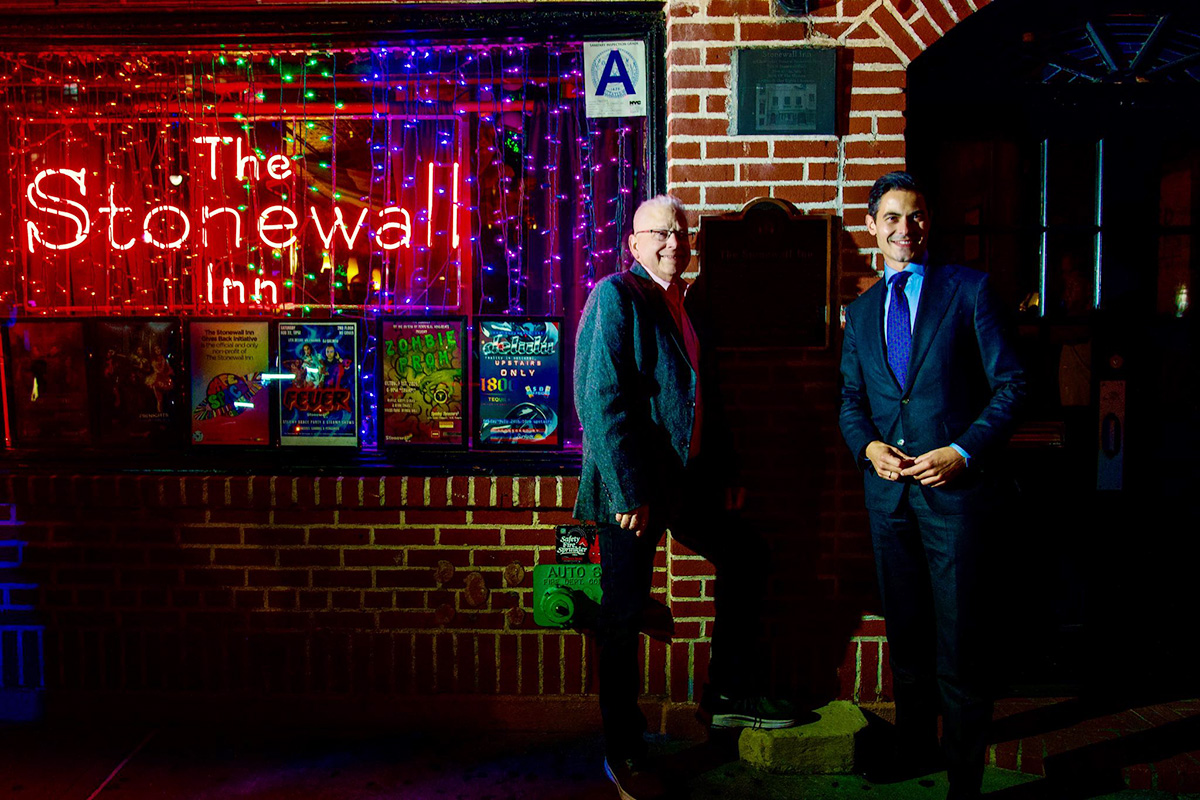
Dutch Prime Minister Rob Jetten on Monday visited the Stonewall Inn in New York.
“The Stonewall Inn is not just a gay bar in New York, but the place where in 1969 riots took place as a reaction to years of discrimination and police violence,” wrote Jetten on X. “This is seen as the starting point of the global LGBTIQ+ emancipation and activism. Nowadays, the bar is a national monument, dedicated to the LGBTIQ+ rights movement.”
“For me, it is impressive and moving to be here tonight. And also fitting, because the defense of human rights is an important part of our foreign policy,” he added. “The Netherlands stands alongside the Stonewall Inn community when it comes to everyone’s right to live openly, safely, and with pride, no matter who you are or who you love.”
De Stonewall Inn is niet zomaar een gay bar in New York, maar de plaats waar in 1969 rellen plaatsvonden als reactie op jarenlange discriminatie en geweld van de politie. Dit wordt gezien als startpunt van de wereldwijde lhbtiq+-emancipatie en activisme. Tegenwoordig is de bar… pic.twitter.com/hJmFYjF91Z
— Rob Jetten (@MinPres) September 23, 2026
Jetten in February became the Netherlands’s first openly gay prime minister.
He opened last month’s World Pride Human Rights Conference in Amsterdam. Jetten also participated in a panel with former Irish Prime Minister Leo Varadkar, former San Marino Captain Regent Paolo Rondelli, and other current and former heads of government who are gay or lesbian.
Jetten is scheduled to speak to the U.N. General Assembly on Thursday.
Fiji
Spike in HIV cases prompts Fiji to declare national emergency
Country recorded 2,016 new diagnoses in 2025
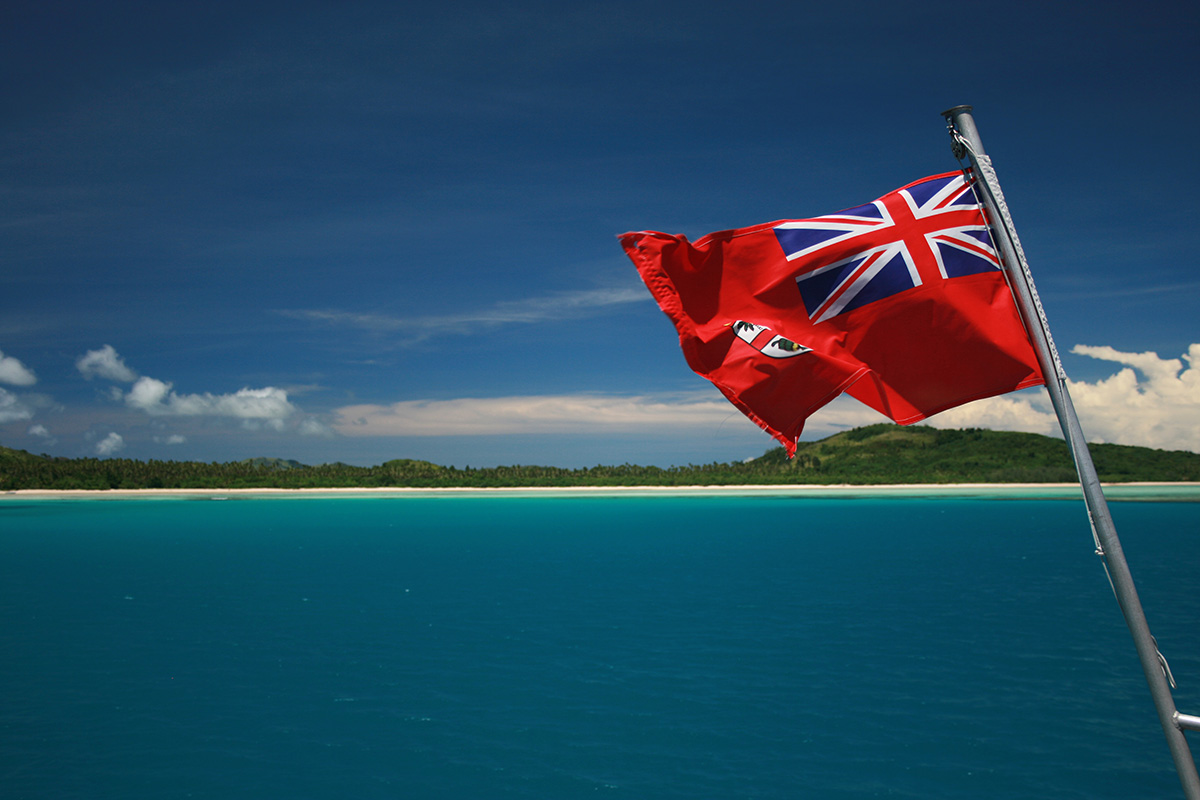
Fiji, a small Pacific island nation, on Sept. 15 declared a national emergency as it confronted one of the sharpest increases in new HIV infections globally.
The surge had been building for years, prompting the government to begin intensifying its response two years before the emergency declaration.
In 2024, the government adopted a four-year HIV Surge Strategy, covering 2024 through 2027, and later put in place a national plan to respond to the outbreak. UNAIDS and the World Health Organization have supported that effort.
The scale of the crisis is stark.
An estimated 9,100 people were living with HIV in Fiji in 2025, according to UNAIDS — a 12-fold increase from 2010. HIV has no cure, but effective treatment can suppress the virus, allowing people living with HIV to live long, healthy lives, and preventing sexual transmission when the virus remains undetectable.
In announcing the emergency, Health and Medical Services Minister Ratu Atonio Lalabalavu said the country recorded 2,016 new HIV diagnoses in 2025, the highest annual total on record. He called the figures a sign of the “seriousness of the epidemic and the urgent, coordinated response our country now needs.”
The crisis is also affecting children.
Save the Children Fiji said this week that a two-month-old baby is currently the youngest patient in the country living with both HIV and tuberculosis. The organization said 59 babies acquired HIV through mother-to-child transmission in 2025, while 67 new HIV cases were recorded among children under 15.
Five years ago, about one in every 167 people in Fiji was estimated to be living with HIV, according to government figures cited by the Associated Press. Since then, Fiji has also emerged as an important transit point in the regional drug trade, with international criminal networks moving narcotics from Latin America and Asia toward markets including Australia and New Zealand. Some of those drugs are also reaching Fiji’s domestic market, where injecting drug use has become an increasingly important route of HIV transmission.
Sexual transmission has continued to fuel the outbreak, with health officials pointing to inconsistent condom use and gaps in HIV testing. Stigma and misinformation have made the problem harder to confront, according to UNAIDS Pacific adviser Renata Ram, who has warned that limited knowledge about HIV can discourage people from seeking testing and care.
In a statement to the Washington Blade, Eamonn Murphy, UNAIDS’ regional director for Asia and the Pacific and Eastern Europe and Central Asia, cautioned against viewing Fiji’s epidemic through the lens of a single behavior or community. Among cases where the mode of transmission is known, he said, more than half are linked to sexual transmission and more than 42 percent to injecting drug use.
“The rise in infections among women and infants also shows that HIV has reached more widely across society,” Murphy said. “What stands out is how quickly the epidemic changed compared with the pace of the response. Access to PrEP and harm reduction remained limited, Fiji did not yet have a needle and syringe programme, and stigma and policy barriers continued to keep some people away from services.”
Murphy noted only 39 percent of people with HIV in Fiji knew their status in 2025, and only 22 percent of them were receiving treatment. He also pointed out a wider system-level problem.
“COVID-19 and the years that followed disrupted services, shifted attention and resources, and left community-led outreach operating below the scale that was increasingly needed,” said Murphy. “The epidemic moved faster than the response.”
Murphy said the immediate challenge is to bring HIV prevention and treatment closer together and make both easier to access at scale. He said PrEP, condoms, testing and harm reduction — including Fiji’s planned needle and syringe program — need to reach people earlier. At the same time, people diagnosed with HIV need a clear path into same-day treatment, care and support that helps them remain in treatment.
The tool at the center of the harm-reduction debate is hardly new.
Needle and syringe programs provide people who inject drugs with sterile equipment, helping them avoid sharing needles and reducing the risk of HIV and other blood-borne infections. Decades of evidence have found that NSPs reduce HIV transmission without increasing drug use, and WHO describes them as a proven and cost-effective public health intervention. Such programs operate in more than 90 countries worldwide. Yet Fiji, even as injecting drug use has become an increasingly important route of HIV transmission, is only now moving toward introducing one.
“Trust is just as important as access,” Murphy told the Blade. “People most affected by HIV are more likely to use services when they are confidential, respectful and connected to organisations they already know. Community groups and peer workers are increasingly part of Fiji’s response, including the rollout of free PrEP, and that closer link with the health system can make a real difference.”
“As UNAIDS has stated, the national crisis declaration is ‘a call for action, not fear,’” he added. “Fiji has the tools to change the trajectory; the priority now is to turn political commitment into rapid, coordinated action that reaches people at scale. The UN Joint Team is working to support the national response.”
Joeli Colati, executive director of Fiji Network Plus, a nongovernmental support and advocacy network established by and for people living with HIV, told the Blade that HIV affects people in ways that extend far beyond their health. Some people are afraid to get tested because they fear being judged or worry that others will discover their HIV status. Others fear the consequences for their families, jobs and relationships, as well as stigma and gossip. For LGBTQ people and other vulnerable populations, Colati said, those fears can be even harder to navigate because some already face discrimination. When people do not feel safe, he said, they may avoid testing, treatment and other HIV services.
Fiji does not have a reliable national count of its broader LGBTQ population.
UNAIDS estimates that about 16,000 men who have sex with men and transgender people live in the country, though that figure should not be treated as an estimate of the entire LGBTQ community.
“We are also seeing a lot of HIV misinformation, especially on social media. This includes people sharing wrong information about how HIV is spread, how it is treated, and what it means to live with HIV,” said Colati. “Another serious concern is the increase in herbal healers claiming they can cure HIV. There is currently no cure for HIV. These claims can be dangerous if they make people stop or delay their HIV treatment. Herbal medicine should never be promoted as a replacement for antiretroviral therapy (ART).”
Colati said HIV peer counselors and NGO outreach workers are helping people at the community level, from supporting those newly diagnosed and helping them stay in care to reaching people who may not visit clinics, providing accurate information and connecting them with testing and treatment. He said people are often more comfortable seeking help from someone who understands what they are going through.
“As someone living with HIV myself for 19 years, I know that a person who is newly diagnosed needs more than medicine. They also need support, correct information and hope. With treatment, people living with HIV can live long and healthy lives,” Colati said. “We also need people to understand undetectable equals untransmittable, or U=U: when a person living with HIV takes treatment and maintains an undetectable viral load, they do not sexually transmit HIV. That is both a prevention message and a powerful message against stigma. Fiji Network Plus, the national network for people living with HIV, reinforced this message in our response to Fiji’s national HIV crisis.”
Asaeli Sinusetaki, acting chief executive of Rainbow Pride Foundation, an LGBTQ advocacy group based in Suva, the Fijian capital, in a statement to the Blade said the organization welcomed the government’s declaration because it showed officials now recognized the seriousness of the situation.
“It is unfortunate that it took this long to respond, because the warning signs were always there,” Sinusetaki added.
“For LGBTQ+ people, experiences can differ depending on how comfortable they are accessing services,” Sinusetaki said. “At the same time, LGBTQ+ communities in Fiji have been one of the driving forces behind prevention efforts. Yes, accessing services independently can be a challenge because of fear, particularly stigma and discrimination. But because many LGBTQ people are also part of the Peer Outreach Worker network, they have established trust within their communities and networks to help people access information and services.”
Sinusetaki said access to HIV testing remains a major challenge, with testing unavailable at many local health centers, forcing some people to travel to sexual and reproductive health clinics or hospitals. He said that can be a significant barrier in a country where people often do not seek medical care unless they are already sick, making it unlikely that someone would make a separate trip simply to get an HIV test.
“The emergency has also highlighted that HIV cannot be treated as a stand-alone issue,” said Sinusetaki. “LGBTQ people need access to a broader package of sexual and reproductive health services, STI screening and treatment, mental health and psychosocial support, prevention information, condoms and lubricants, PrEP and PEP and, where relevant, harm-reduction services.”
“For people who receive a positive diagnosis, the challenge does not end with testing,” Sinusetaki added. “We need to ensure that they are linked rapidly to treatment, supported to remain in care and treated with dignity throughout that journey.
The Blade reached out to Lalabalavu multiple times for comment, but did not receive a response.

Caso Karlina: Una sentencia histórica contra las terapias de «conversión»

Washington Blade responds to concerns over White House pool duties

Young people should know history of the fight for human rights

Dutch prime minister visits Stonewall Inn

Clavicular charged in alleged rape of teenage influencer

Over 2,000 turn out for Hands Around the Kennedy Center protest

PHOTOS: Wanda Alston Foundation Fall Reception

PHOTOS: Walk and 5K to End HIV

What LGBTQ veterans are building after ‘Don’t Ask, Don’t Tell’