Arts & Entertainment
Whole lotta gay
Queer representation now so omnipresent on TV it’s nearly de rigueur
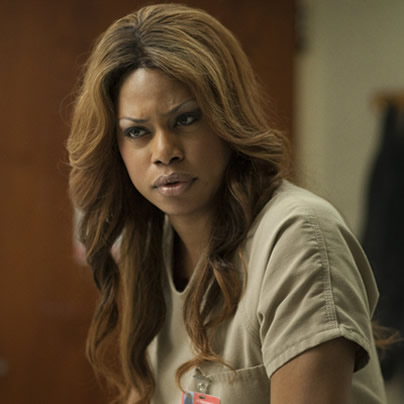

Laverne Cox in ‘Orange is the New Black.’ (Photo by Paul Shiraldi; courtesy Netflix)
Season two of “Orange Is the New Black” will become available on Netflix on June 6. The show, set in a women’s prison, is rife with lesbian relationships and includes trans actress Laverne Cox in a significant supporting role.
The CW airs a new series, “Star-Crossed,” on Mondays at 8 p.m. The show stars Matt Lanter as an alien and Aimee Teegarden as a human whose love is forbidden. The show carries heavy themes of racial integration, the Civil Rights movement and the gay rights movement.
“Once Upon a Time” returns to ABC on March 9 at 8 p.m. The second half of the season will focus heavily on the Wicked Witch of the West from “The Wizard of Oz.”
“Revenge” returns to ABC on March 9 at 10 p.m. Madeline Stowe, Emily VanCamp and Gabriel Mann star in this drama, a contemporary re-imagining of “The Count of Monte Cristo,” told from a female perspective.
OWN will premiere a new Lindsay Lohan documentary series called “Lindsay” on March 9 at 10 p.m. Over eight episodes, the show will focus on the actress’s attempts to rebuild her life and career following legal and public relations troubles.
As part of the lineup of Robert Rodriguez’s new network El Rey, “From Dusk Till Dawn: The Series” premieres on March 10 at 9 p.m. The show will expand on the mythology of the cult-favorite “From Dusk till Dawn” series.
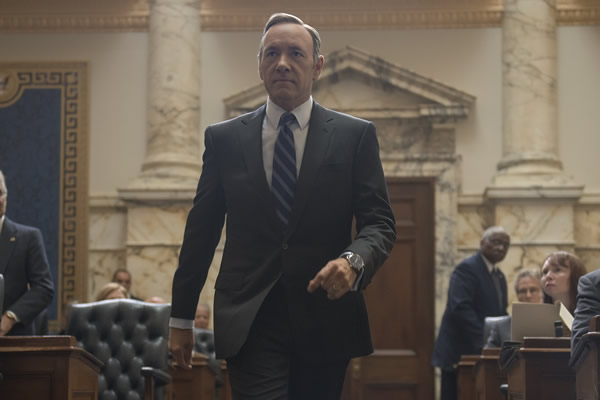
Kevin Spacey in ‘House of Cards.’ (Photo by Nathaniel Bell; courtesy Netflix)
Both seasons of the Netflix original series “House of Cards” are available for streaming online. Season two builds on some of the implied gay themes of season one, both explicitly and implicitly.
Season 18 of “Dancing With the Stars” premieres on March 17 at 9 p.m. on ABC. Contestants had not been announced by the time of publishing, but they will likely include NeNe Leakes and Candace Cameron Bure of “Full House” fame.
LGBT ally and activist Aisha Tyler returns to host another season of “Whose Line Is It Anyway?” on March 21 at 8 p.m. on The CW.
The final season of “Drop Dead Diva” premieres on March 23 at 9 p.m. on Lifetime. Bi comedian and LGBT activist Margaret Cho stars in the show.
James Van Der Beek stars in “Friends With Better Lives,” a comedy premiering on March 31 at 9 p.m. on CBS.
Mindy Kaling’s sitcom “The Mindy Project” returns to Fox on April 1 at 9 p.m. Adam Pally, who recently starred in “Happy Endings” as the openly gay Max Blum, has been promoted to a series regular on “The Mindy Project.”
Comedian Amy Schumer returns with season two of “Inside Amy Schumer” on April 1 at 10:30 p.m. on Comedy Central. The sketch comedy series tackles a number of topics, including sexuality.
The American Country Music Awards will air on April 6 at 8 p.m. on CBS. Some nominees for top awards this year include Taylor Swift, Kacey Musgraves, Sheryl Crow and Carrie Underwood.
Season four of “Game of Thrones” premieres on April 6 at 9 p.m. on HBO.
Season three of “Veep” returns to HBO on April 6 at 10 p.m. The show’s star, Julia Louis-Dreyfus, won Emmys for her performances in the first two seasons of the show as Vice President Selina Meyer.
“Mad Men” premieres the first part of its final season on April 13 at 10 p.m. on AMC. Throughout its run, the show has addressed sex and sexuality as they were perceived in the ‘60s, when the show takes place.
“Orphan Black,” a Canadian science fiction series, premieres its second season on April 19 at 9 p.m. on BBC America. The show stars Tatiana Maslany playing multiple characters and Jordan Gavaris as her gay foster brother.
MTV premieres “Faking It” on April 22 at 10:30 p.m. The show revolves around two high school girls who are mistakenly outed as lesbians and keep up the charade as their popularity rises. Another character is the openly gay Shane, described as the most popular boy in the school.
HBO’s film “The Normal Heart” airs May 25 at 9 p.m. The adaptation of the play by Larry Kramer focuses on the rise of HIV/AIDS in New York City in the early ‘80s. The film stars Matt Bomer, Jim Parsons, Jonathan Groff, Julia Roberts and others.
The 68th annual Tony Awards airs June 8 on CBS at 8 p.m. The ceremony recognizing achievement in Broadway productions will be hosted by Hugh Jackman for the fourth time.

Jason Bateman and Liza Minnelli in ‘Arrested Development.’ (Photo by Mike Yarish; courtesy Netflix)
Season four of “Arrested Development” is also available on Netflix. The series stars Jason Bateman, Portia de Rossi and Jessica Walter. Series creator Mitchell Hurwitz is planning an “Arrested Development” movie as well as a fifth season.
“RuPaul’s Drag Race” season six just premiered last week and continues on Monday nights at 9 p.m. on Logo. The show has also been renewed for a seventh season as well.






Photos
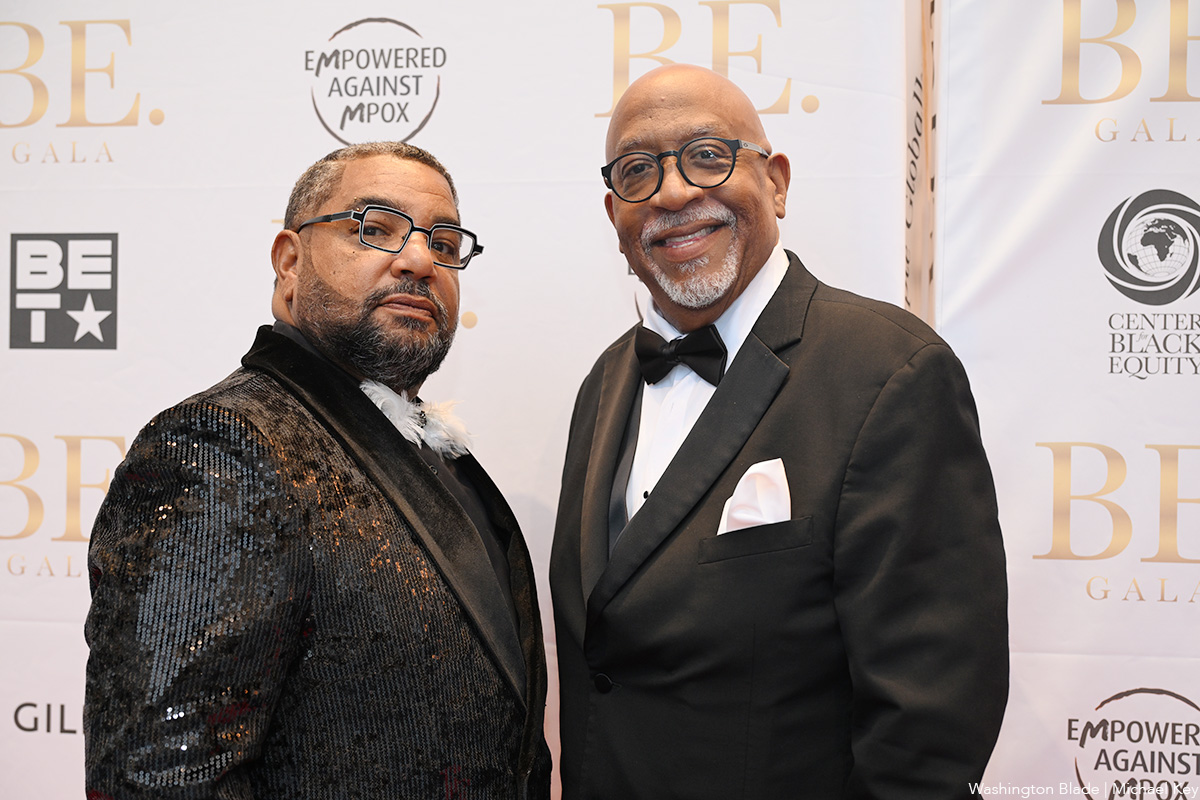
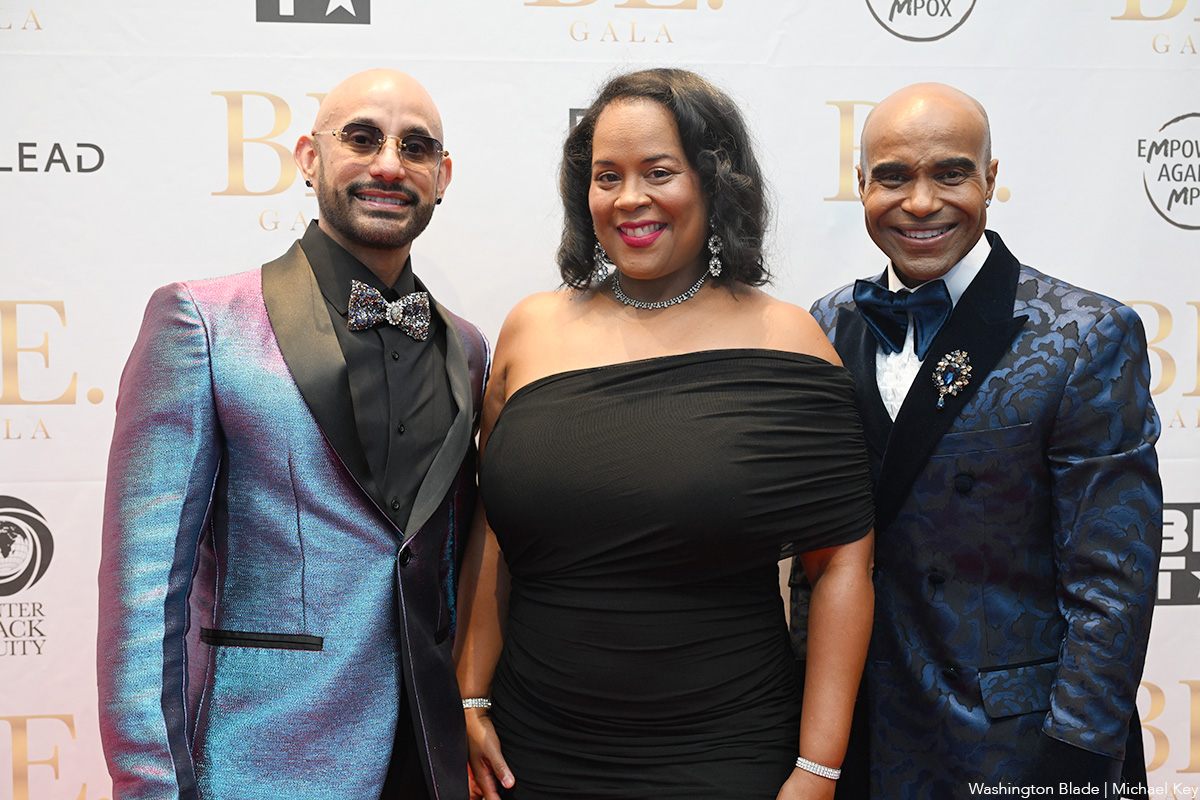
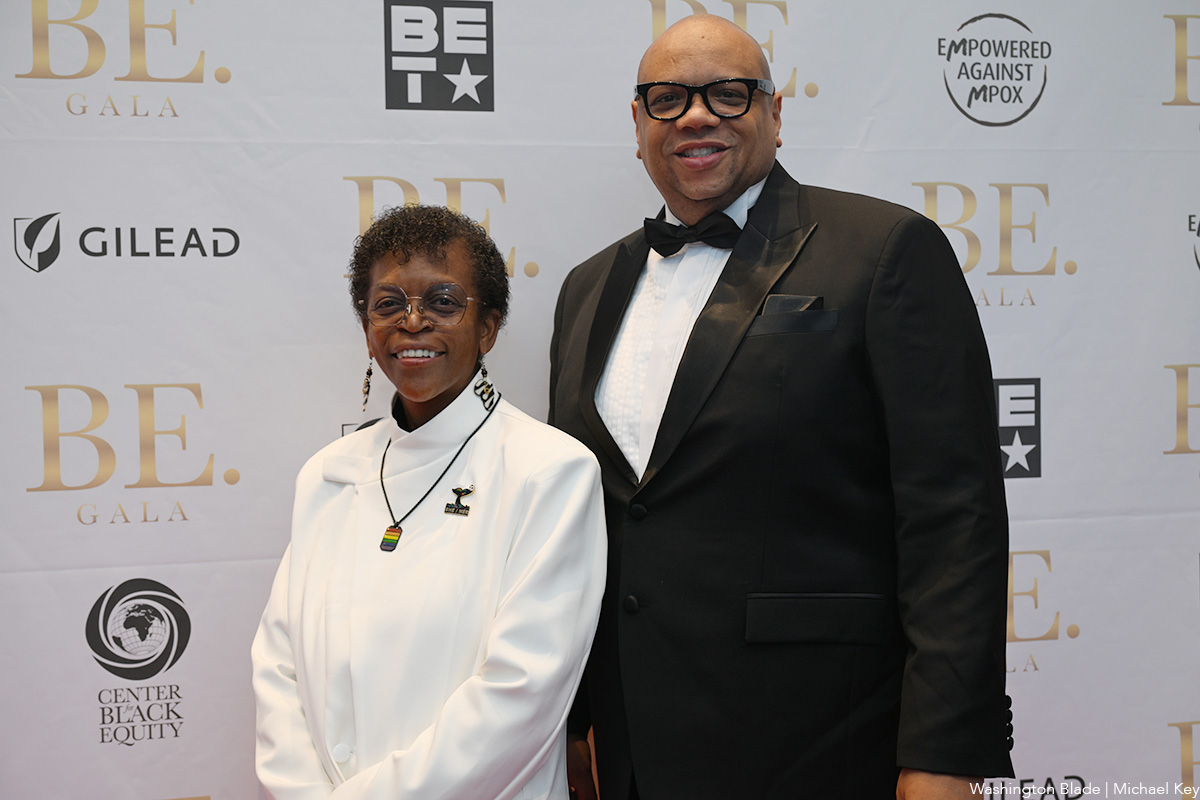
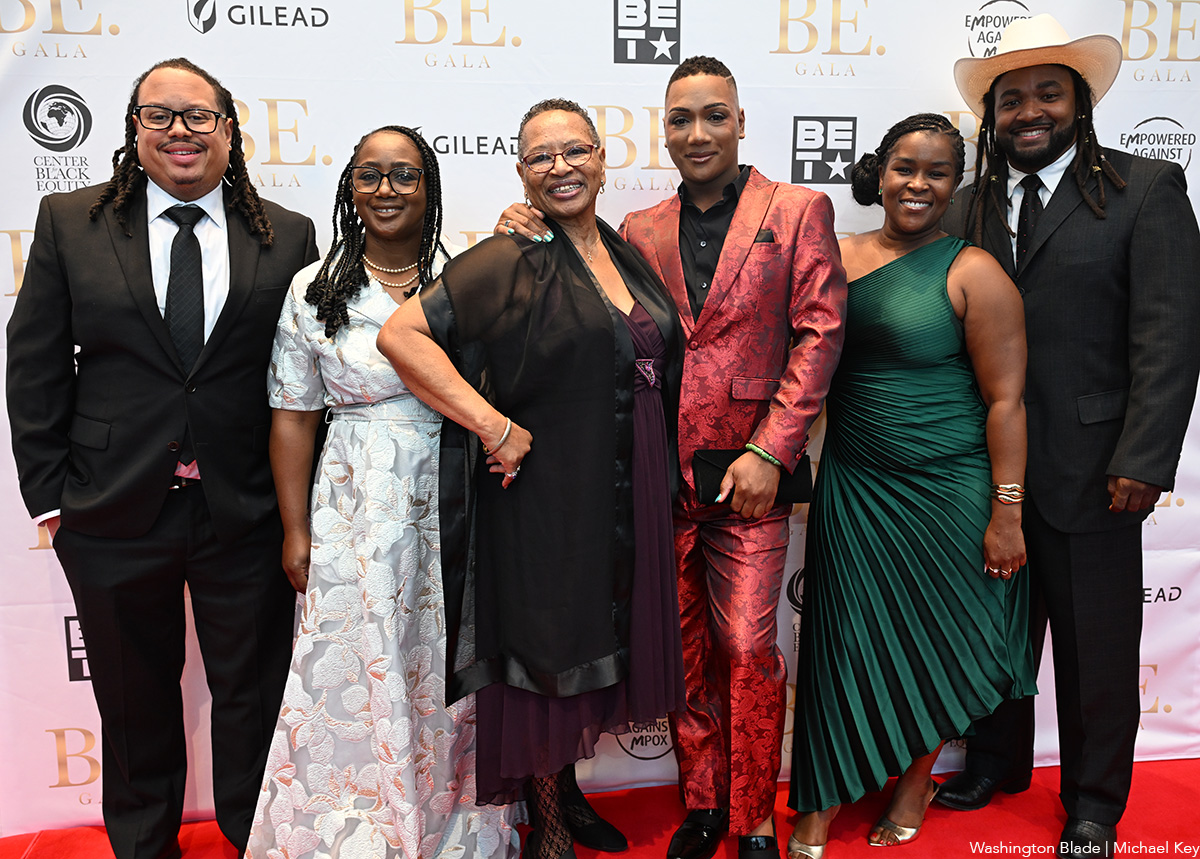
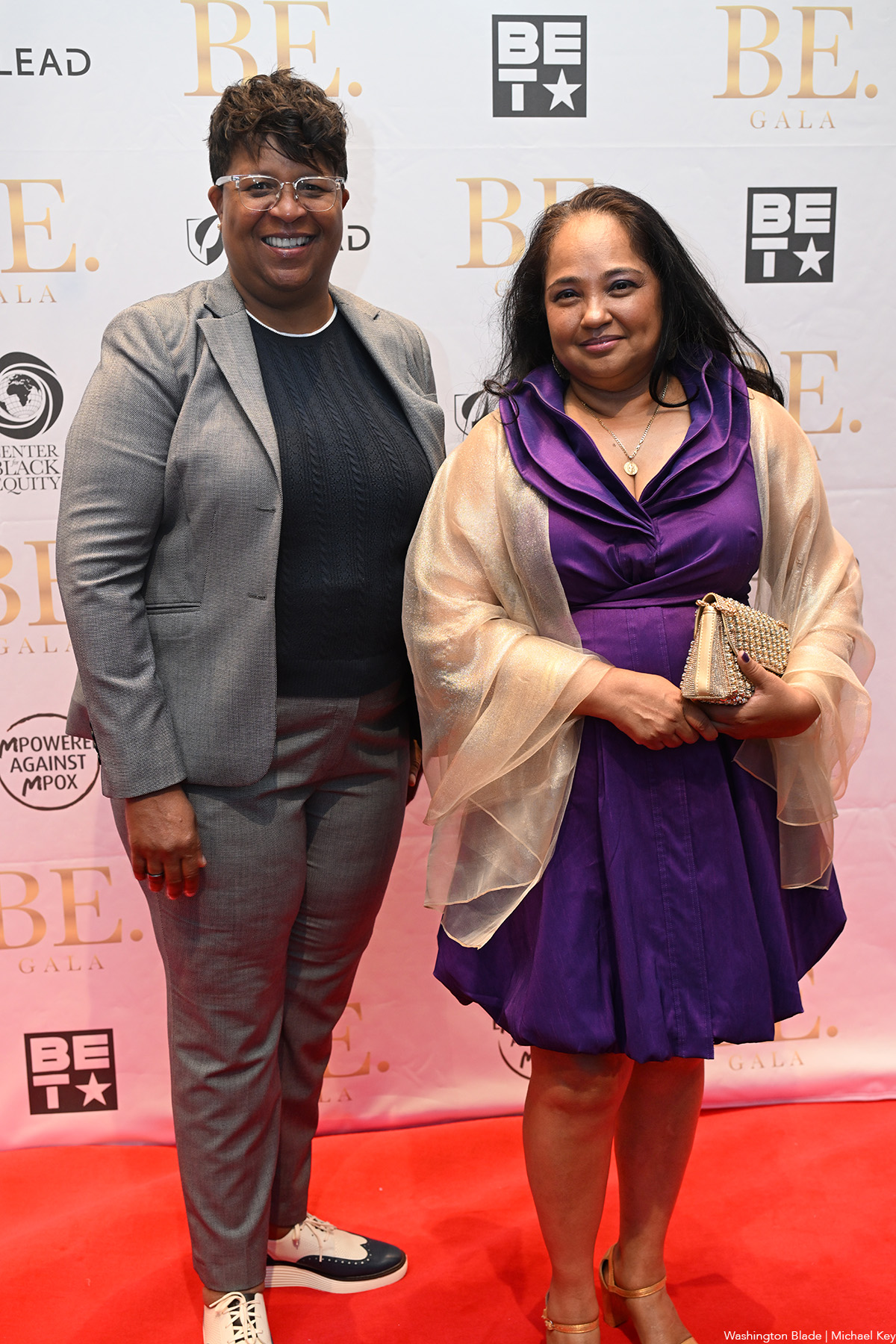
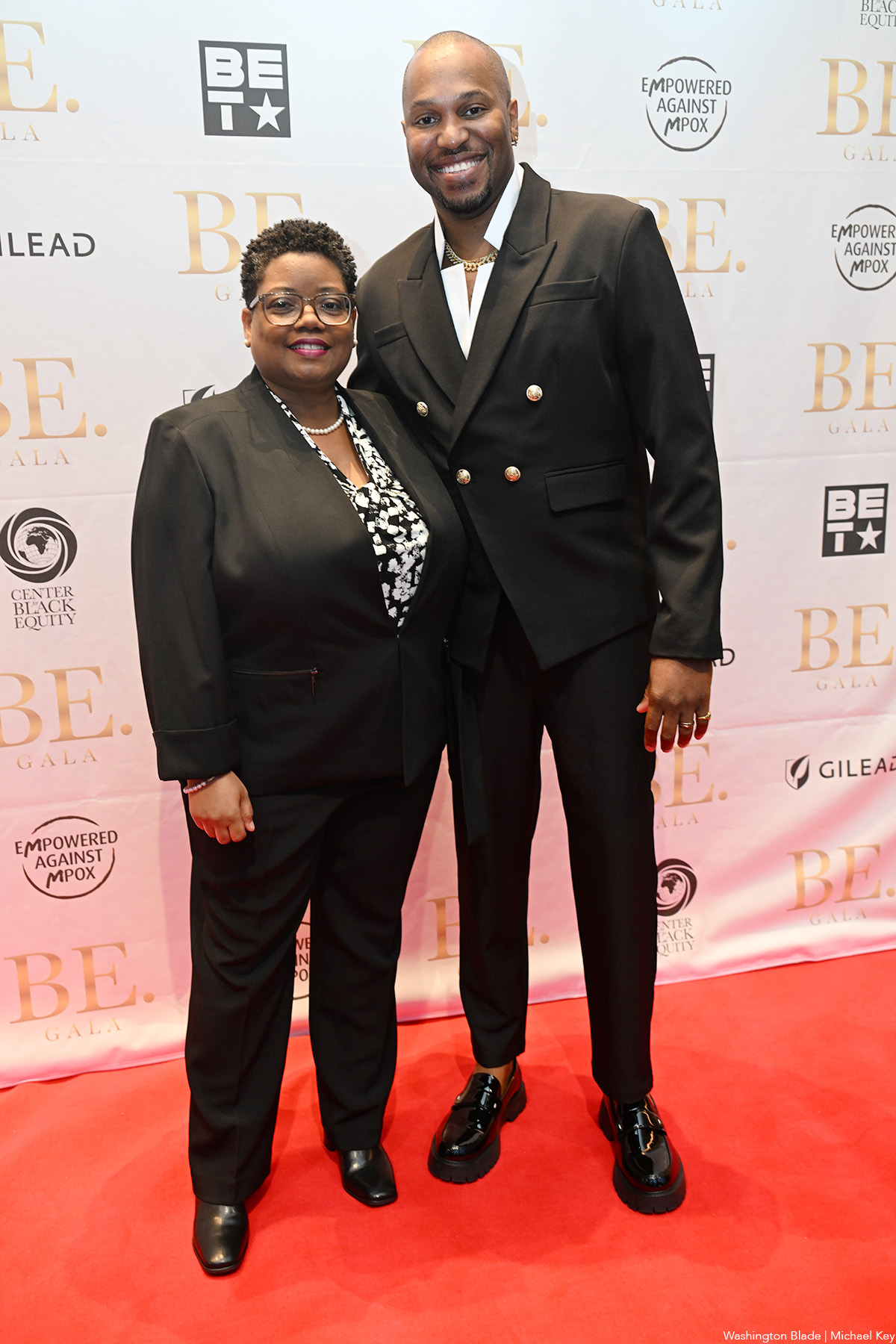
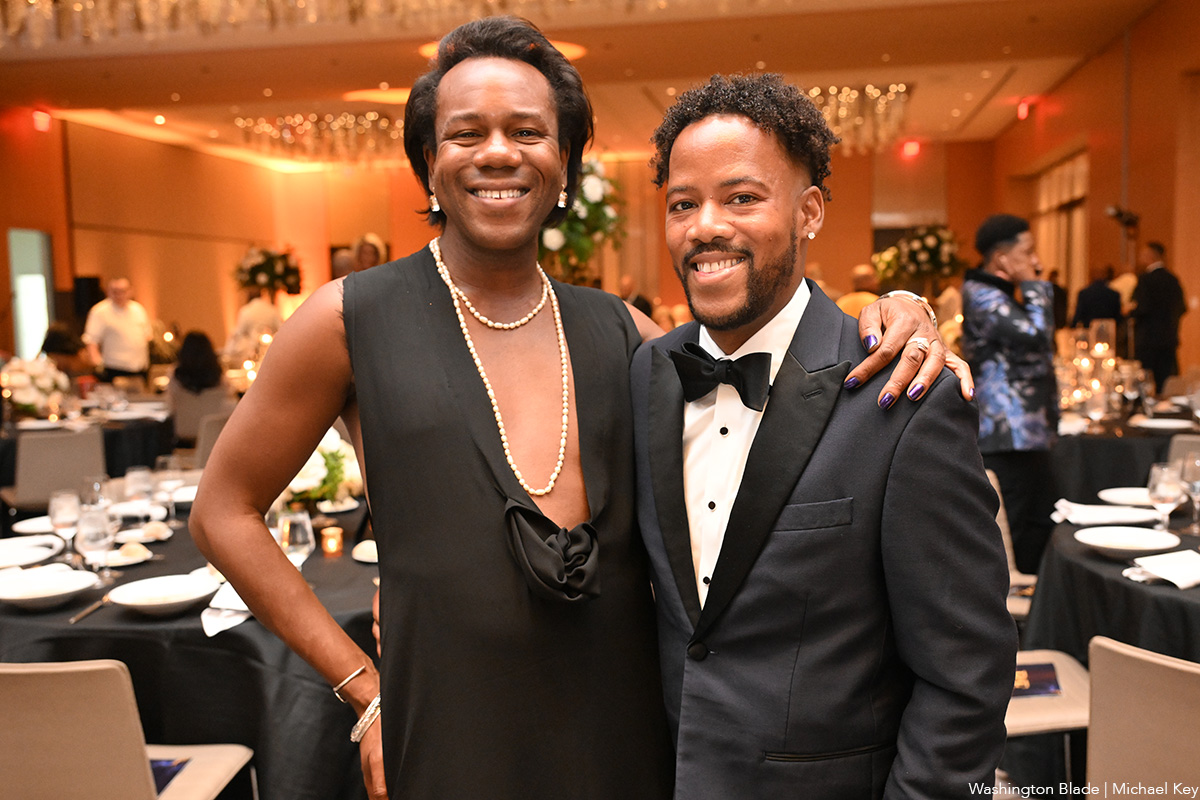
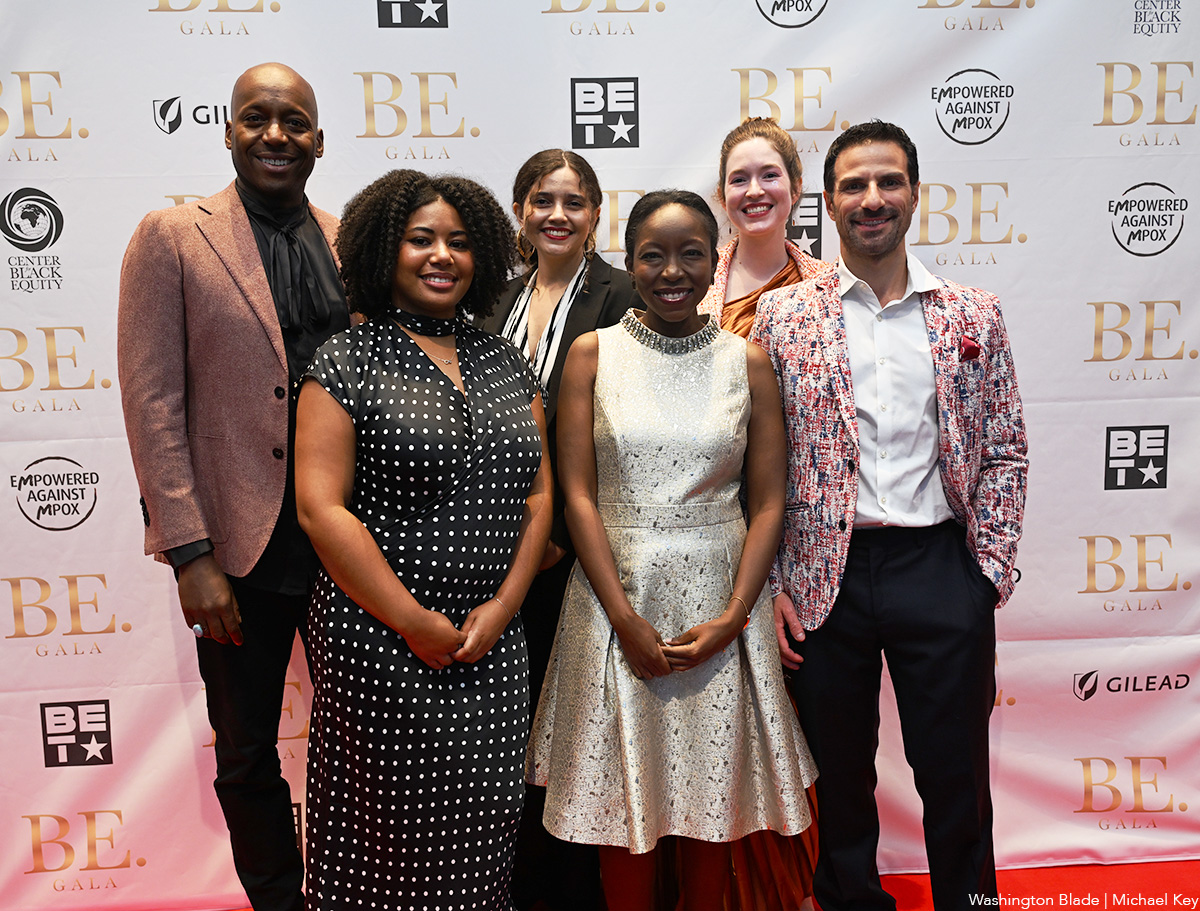
Center for Black Equity honors leaders, activists at BE. Gala
Miyake-Mugler, Oakes co-host annual awards ceremony

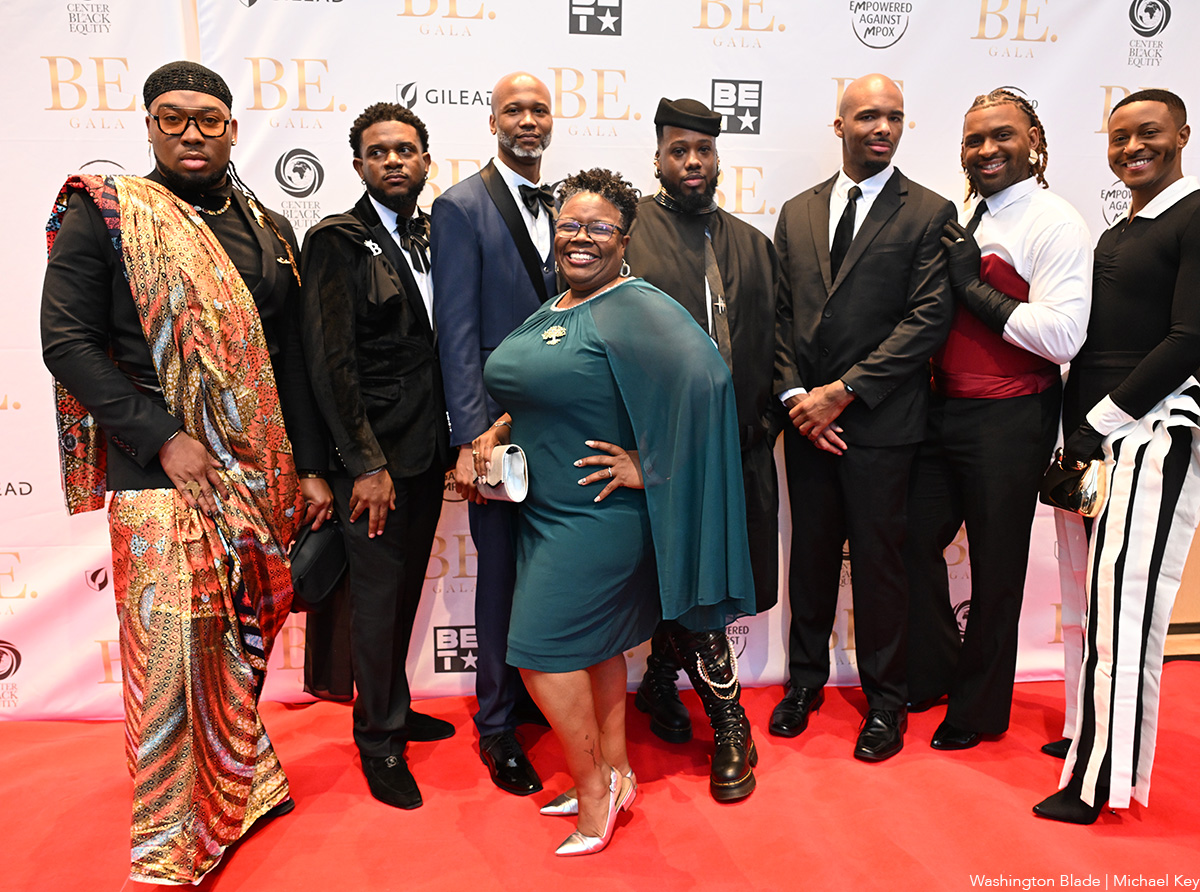
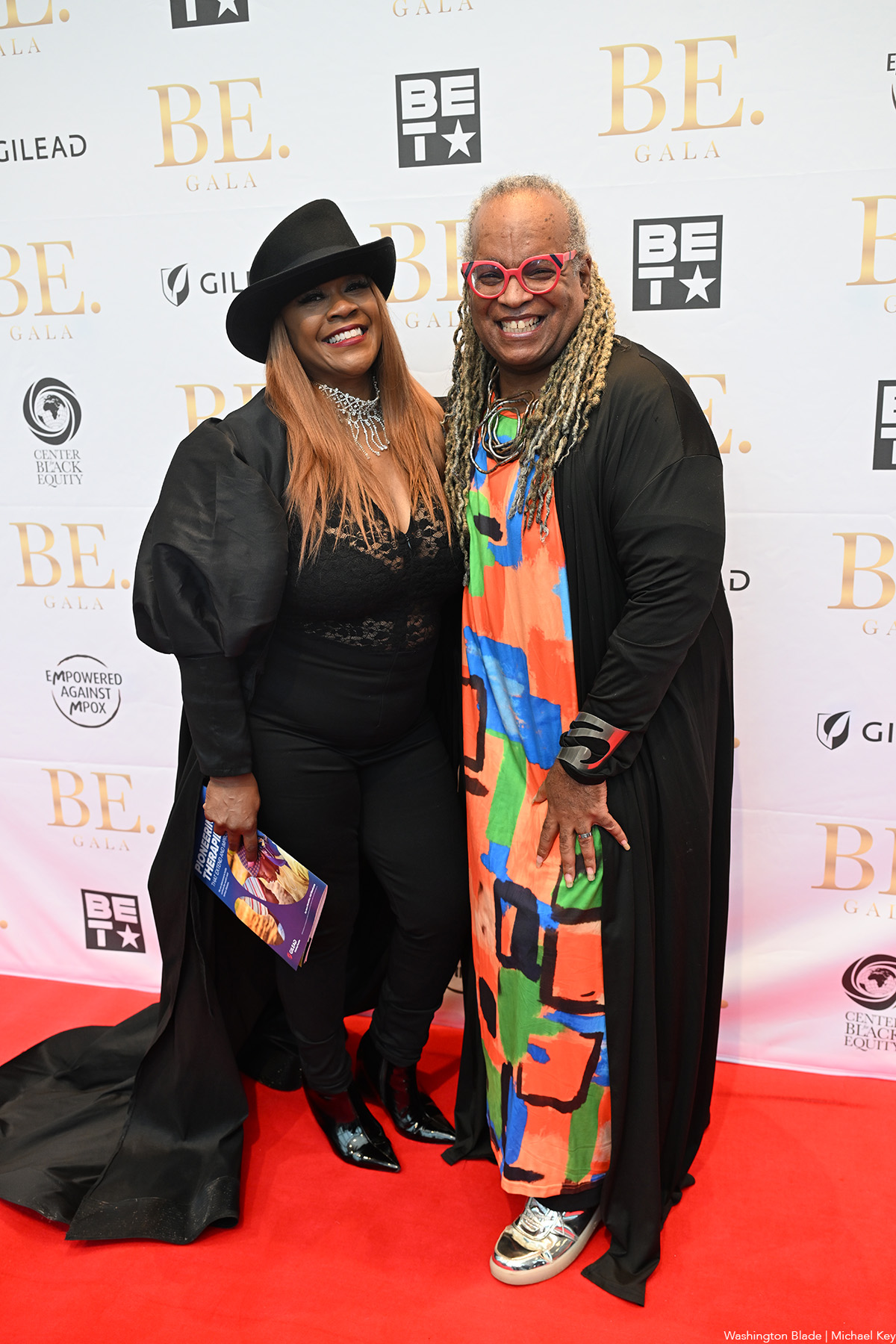
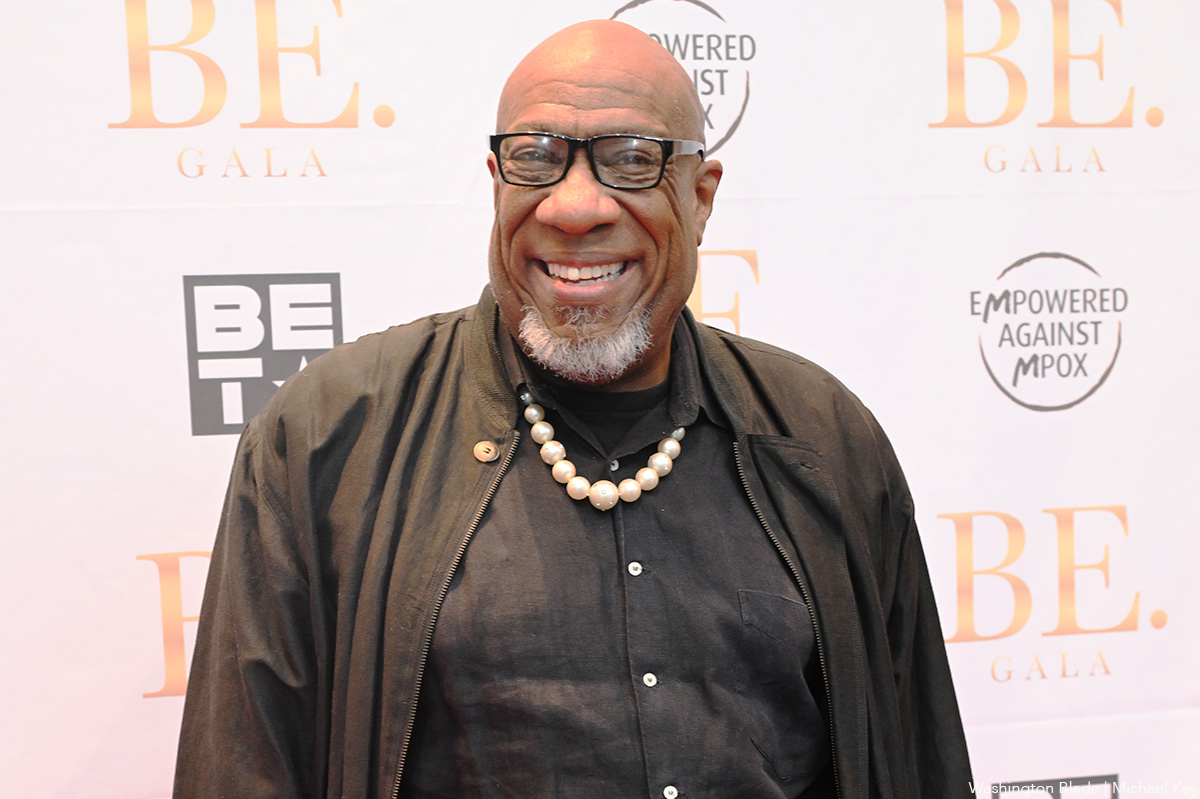
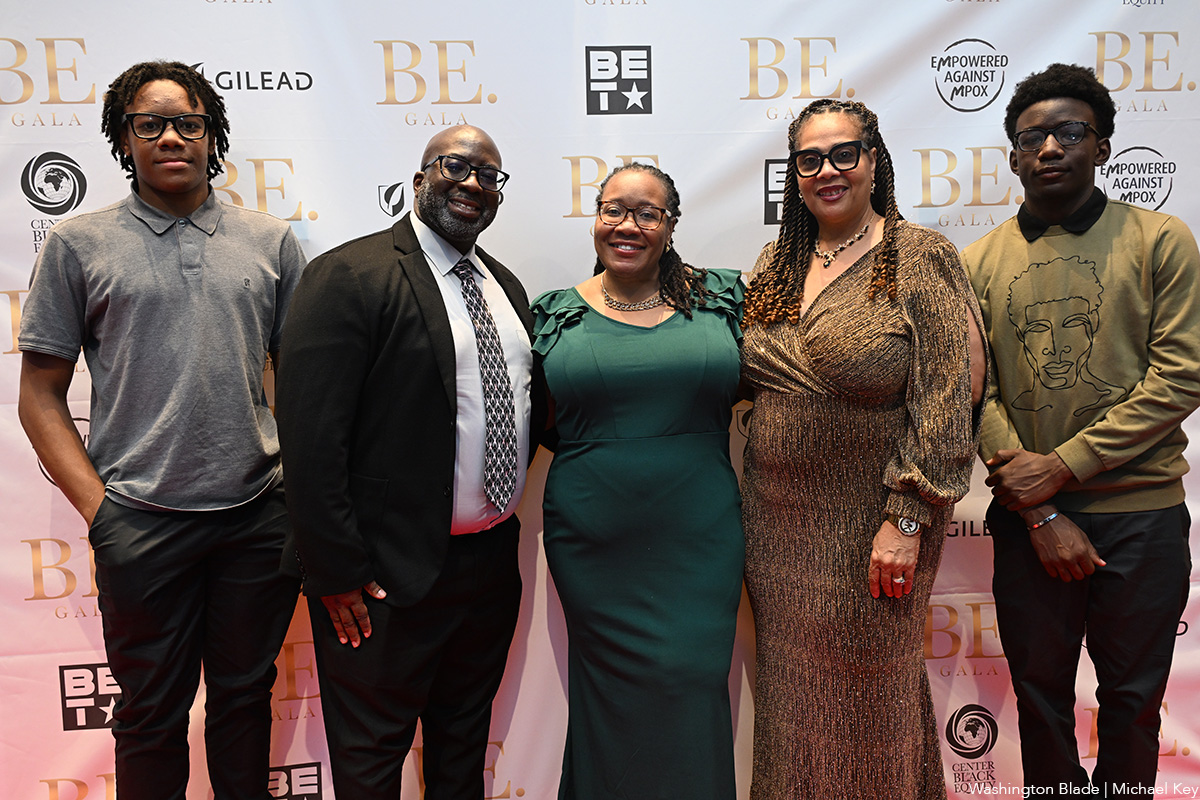
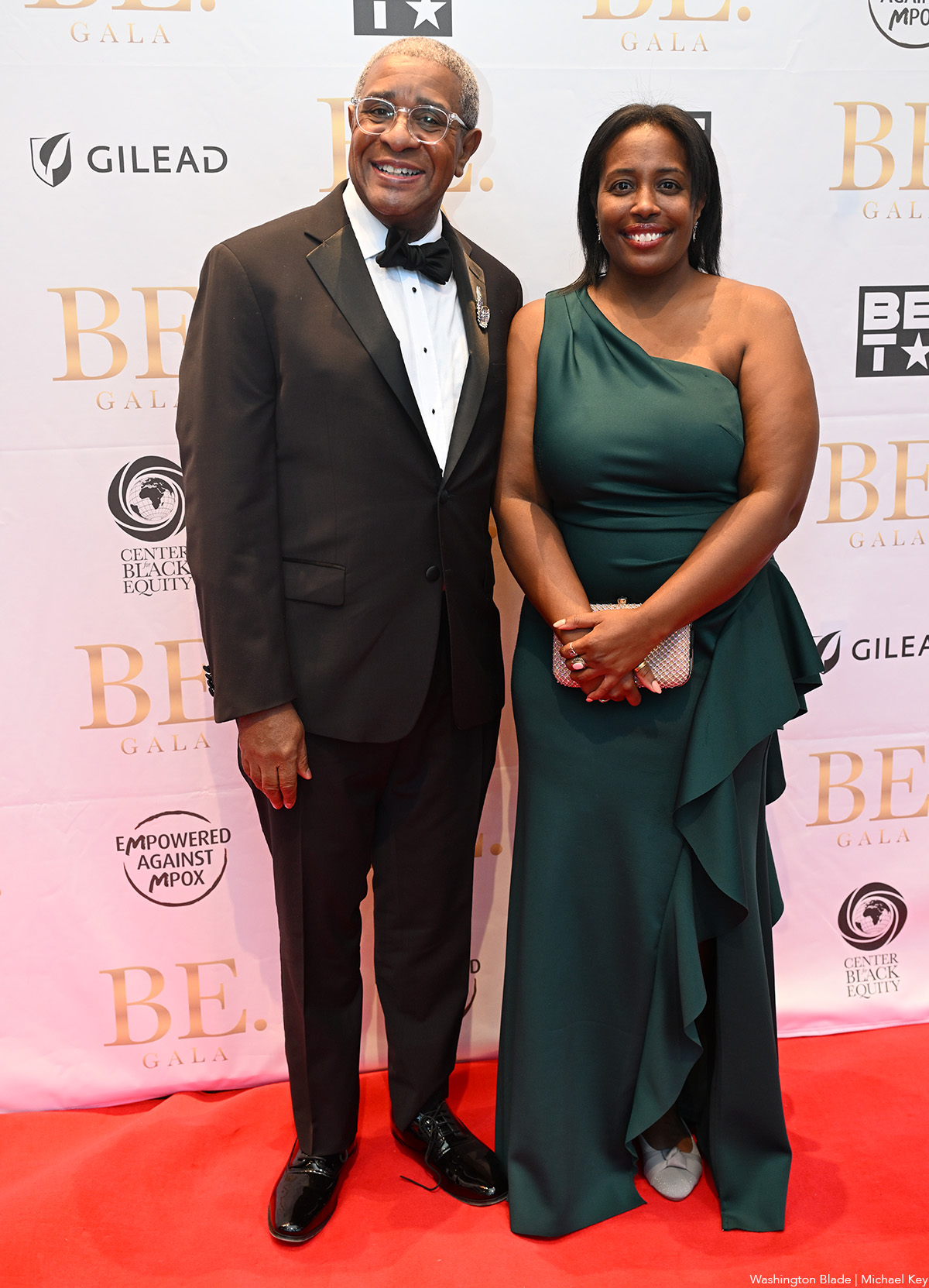
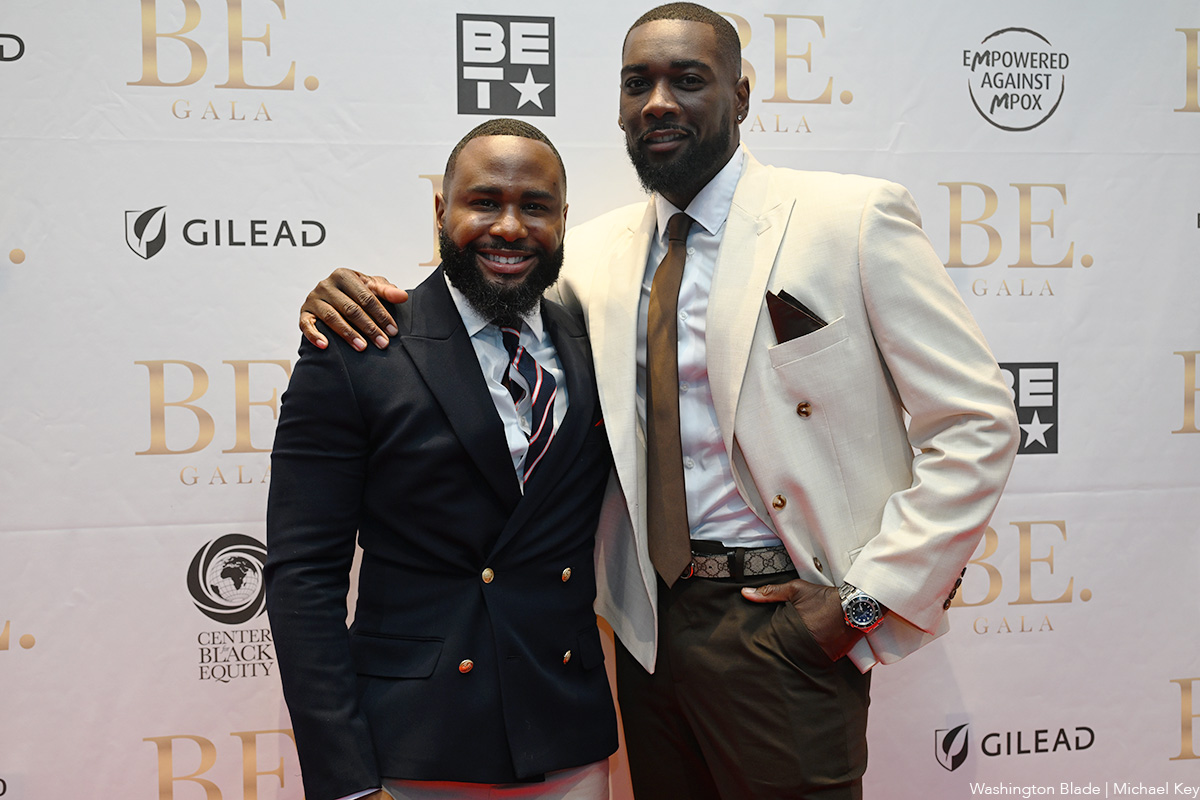
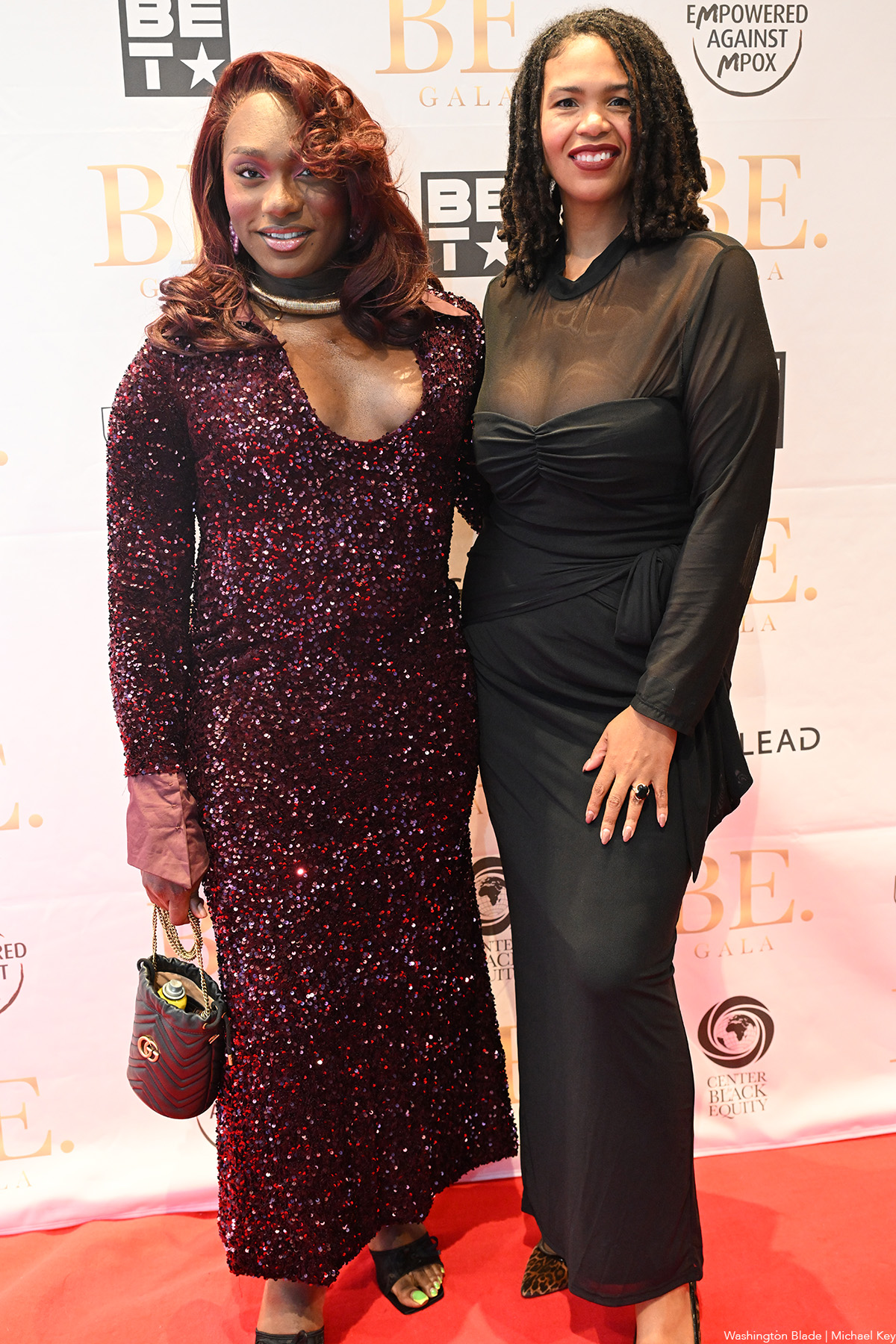
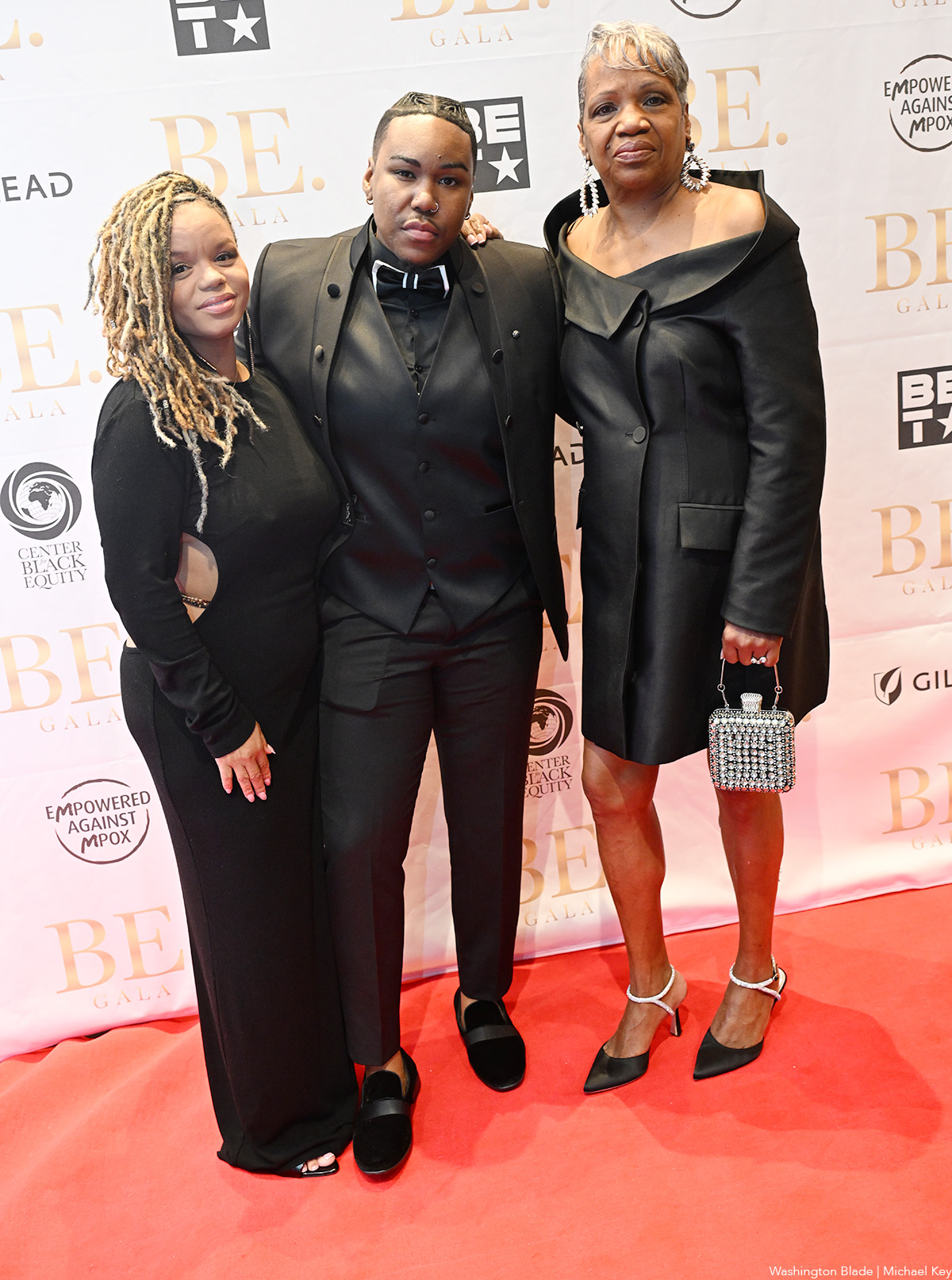
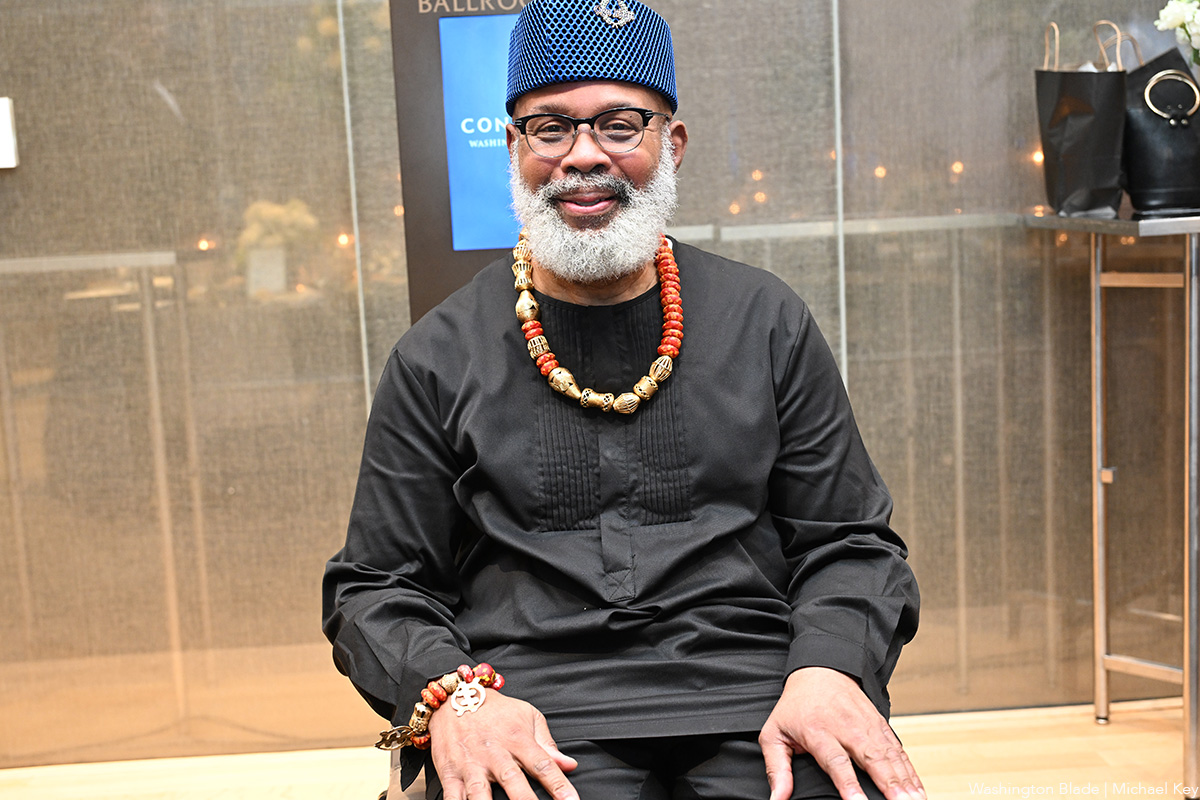
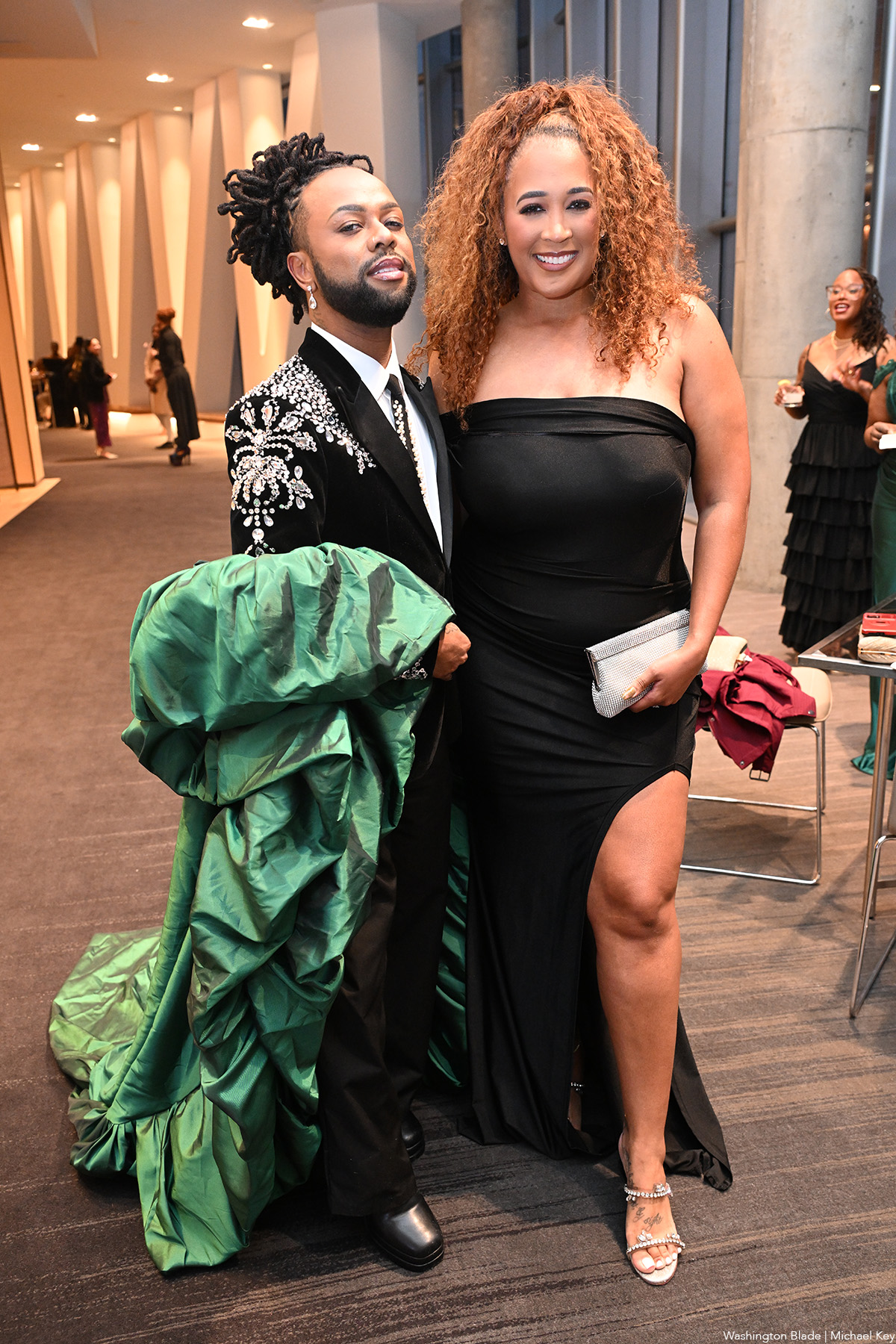
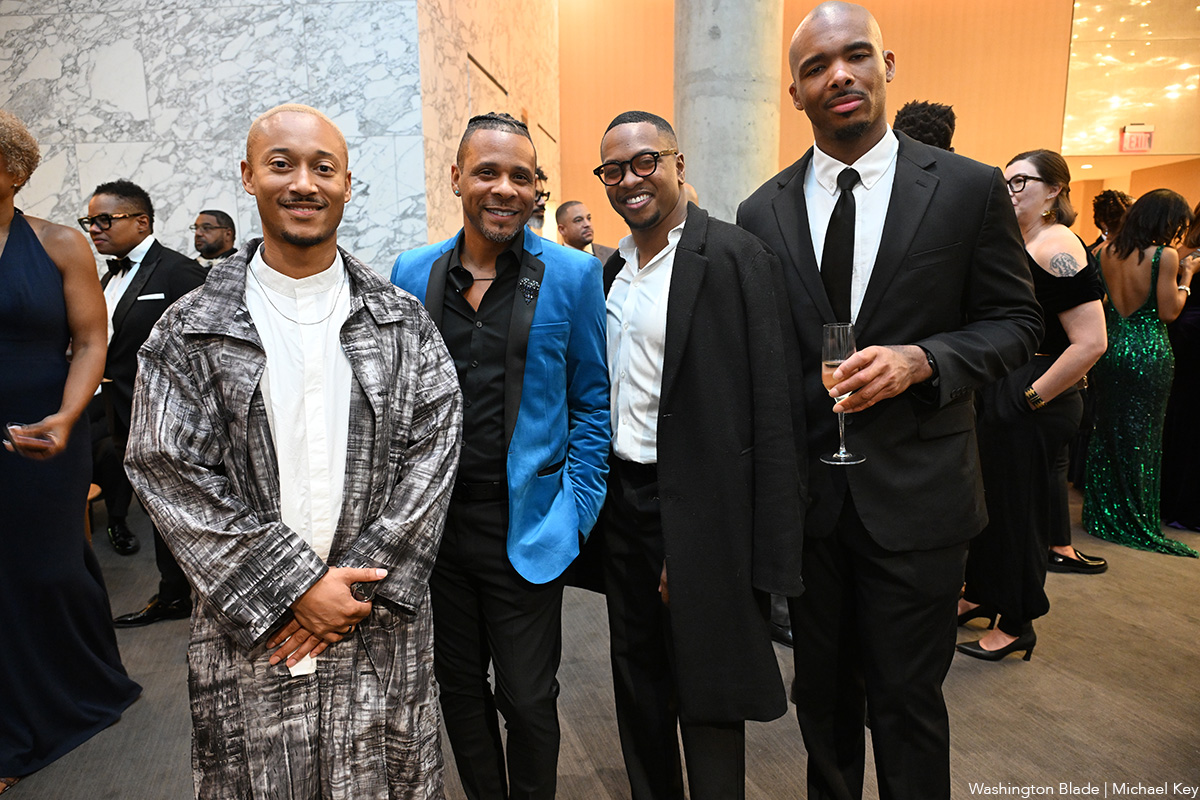
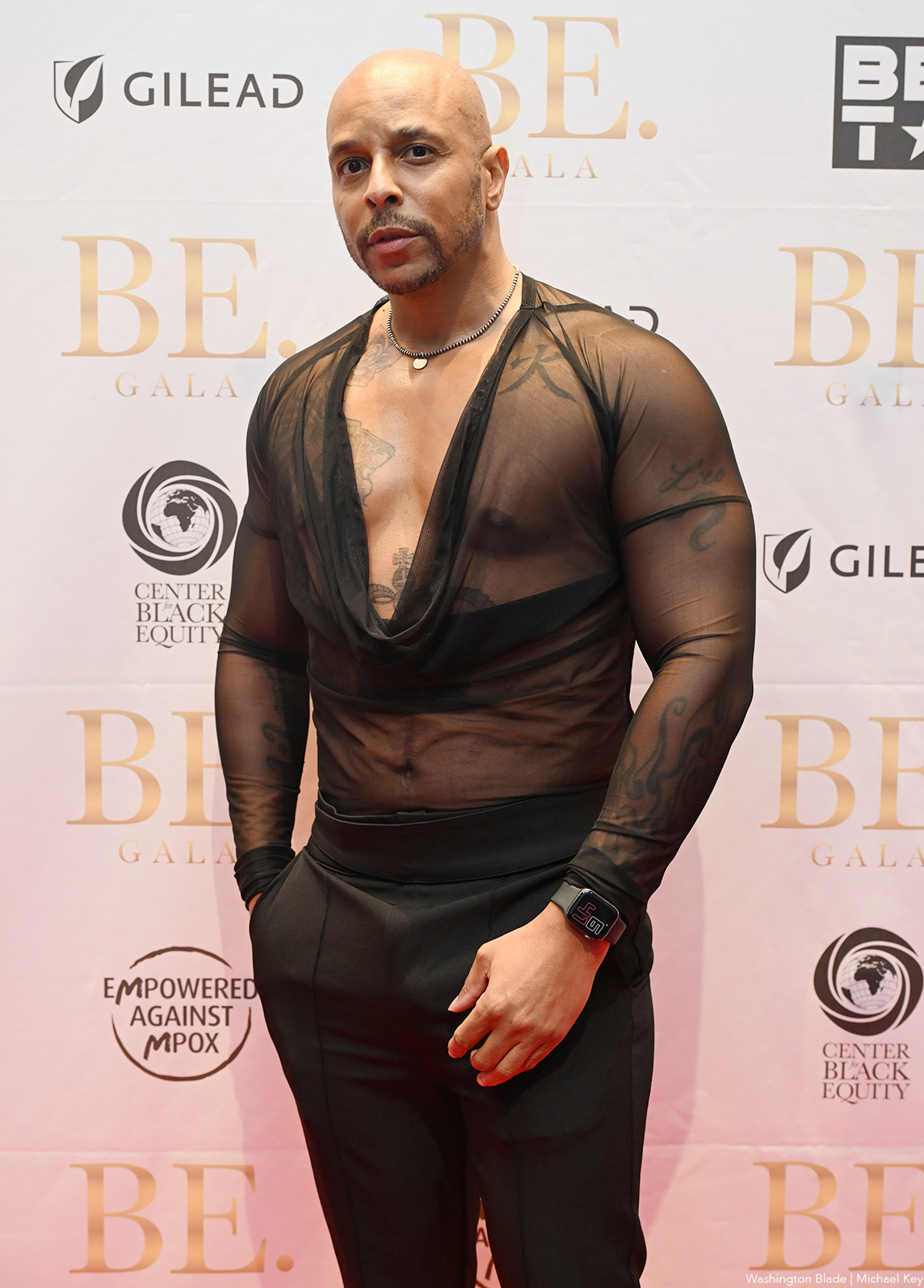
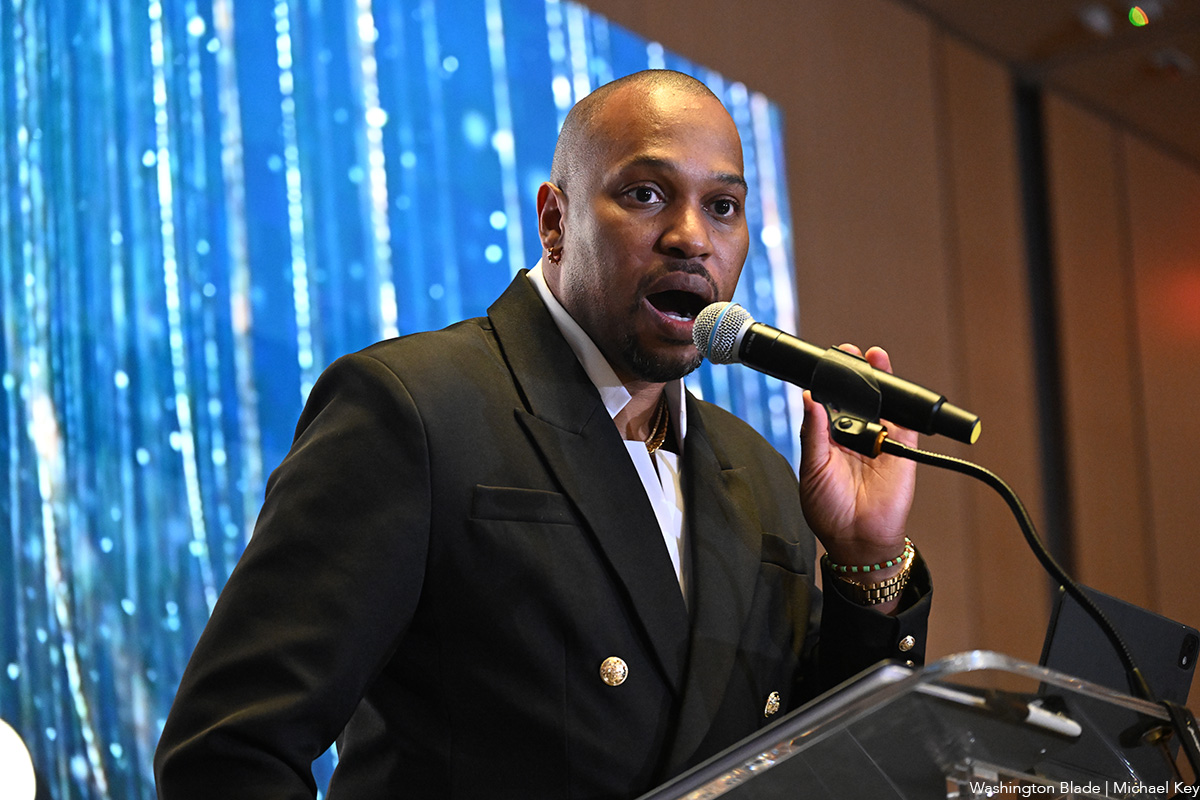
The Center for Black Equity held its annual BE. Gala at Conrad Washington, D.C. on Saturday, Oct. 5. Lolita Leopard Miyake-Mugler and Anthony Oakes co-hosted the awards ceremony.
Honorees included journalist and producer Justin Stewart; nonprofit leader Nikki Alexander; HIV advocate Marlene McNeese; the nonprofit organization FreeLux Project; actress Monroe Alise; public health advocate Tori Cooper; Manassas Park Vice Mayor Darryl G. Moore; Rev. Dr. Carmarion D. Anderson; Bishop Steven Sawyer; government relations professional Courtney Snowden; Senior Deputy Director of HAHSTA at D.C. Health, Clover Barnes; and Texas state Rep. Venton C. Jones.
The event was sponsored by Gilead.
(Washington Blade photos by Michael Key)









Books
In ‘The Lost Brontë,’ a complicated lie can lead to danger
New book features sweetly romantic girl-meets-girl twist

‘The Lost Brontë’
By Catherine Friend
c.2026, Bywater Books
$22.95/335 pages
Mom always said to tell the truth.
One lie leads to another and another and you have to remember them all until pretty soon, you’re caught. Fibs are hard, mistruths are messy, even little white social lies can destroy trust. Worst of all, as in the new novel, “The Lost Brontë” by Catherine Friend, a complicated lie can lead to danger.

Though Lilianne Loxley was very young when she lost her parents, she understood that her uncle didn’t really want her. As time passed, though, Lily made herself useful to Uncle, writing and signing letters for him and she became a good companion, helping him with his collection of Brontë memorabilia. Uncle was a keen enthusiast.
She had no idea that his obsession was out of control and he was deeply in arrears. The day Lily learned of his debt was the day she learned that he’d agreed to send her to his debtor’s home to work off the money owed.
It was so sudden. One minute, Lily was at Loxley House, happy and loved by Uncle’s staff … and five hours later, she was at Crag Thorn Manor, home of Lord Bexton, who informed her that she’d be working on his ledgers – work that seemed routine, but Lily tackled it.
Uncle always did say she was headstrong.
But would headstrong be enough to survive, when she was restricted from most of the Manor, when she was forced to dine with Brexton and his slimy friend, or – the worst! – when Brexton told Lily that her next task was to forge a letter from Emily Brontë? And then an entire manuscript?
Lily struggled to do what was right. She had to get Uncle out of debt but this last order horrified her. Did she dare refuse Brexton’s orders and commit a crime? It was unthinkable!
The only brightness in the whole situation was Wren, the ladies’ maid assigned to Lily’s room. Wren was adorable with freckles and the sweetest smile. But with everything else happening at Crag Thorn Manner, could Lily act upon her feelings?
This time of year, you may come to crave dark, spooky stories, and “The Last Brontë” fits those needs perfectly with its Gothic deliciousness. Think: Daphne du Maurier-type, stormy-night squirms with a dangerously chaste, sweetly romantic girl-meets-girl twist for fun.
If it’s been awhile since you’ve read a Gothic novel, you’re in for a nice reminder of why you love them here. You can almost tick off the must-haves: a novel like this is nothing without a foreboding stone manor with damp walls; stone steps to a dank basement; a mysterious portrait; and a nearby bog, and author Catherine Friend gives readers every one of them. You’d be disappointed if there was no ghost, wouldn’t you? Ha. You can practically feel the cold blow through the attic, right? Yeah, it’s that kind of book.
If you’re a fan of the Brontës, you’ll like this novel. If you love Gothic mysteries or Victorian romances, ditto. “The Lost Brontë” is good, no lie.
The Blade may receive commissions from qualifying purchases made via this post.
Out & About
CAMP Rehoboth Block Party returns Oct. 18
Expect performances, vendors and more at annual celebration

CAMP Rehoboth will host its annual Block Party celebration on Sunday, Oct.18 at 11 a.m. on the second block of Baltimore Avenue in downtown Rehoboth Beach.
CAMP Rehoboth invites all community members to join in the festivities and to expect magnificent performances and dozens of vendors, including artists, craftspeople, non-profits, businesses, and more.
The event started in 2015 in celebration of CAMP Rehoboth’s 25th anniversary. This year, attendees can expect to shop sea glass art, pottery, jewelry, Pride merch, body care, clothing, and learn more about local non-profit causes and businesses.
Attendance is free. For more details, visit CAMP Rehoboth’s website.

Annie Andrews denounces trans athletes after Trump targets her

On Republican Long Island, gay Democrat Chris Gallant bets on public service over politics

Report: LGBTQ exclusion costs Japanese economy billions a year

Center for Black Equity honors leaders, activists at BE. Gala

In ‘The Lost Brontë,’ a complicated lie can lead to danger

U.S. int’l trade negotiator, consultant James Bedore dies at 82

Campaign urges Virginia High School League to reverse stance on trans athletes

Calif. GOP gubernatorial candidate ad ‘disgusting attempt to exploit lesbian intimacy’

Center Arts Gallery celebrates 10 years with reception, auction

Trump, Netanyahu, and Putin are all war criminals
-

 Obituary5 days ago
U.S. int’l trade negotiator, consultant James Bedore dies at 82
-
Virginia5 days ago
Campaign urges Virginia High School League to reverse stance on trans athletes
-
California5 days ago
Calif. GOP gubernatorial candidate ad ‘disgusting attempt to exploit lesbian intimacy’
-
Commentary5 days ago
Center Arts Gallery celebrates 10 years with reception, auction