Arts & Entertainment
Madonna performs after power cut at Glasgow concert
Pop diva sings with no sound or lights
(Screenshot via YouTube)
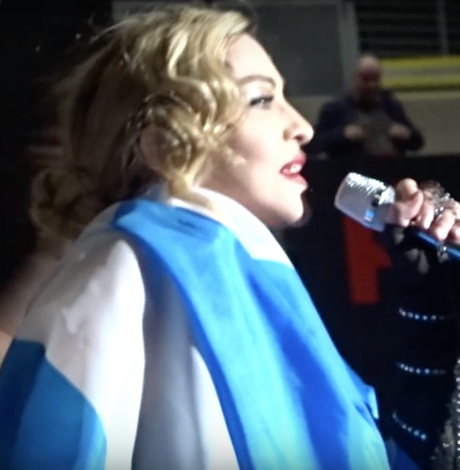
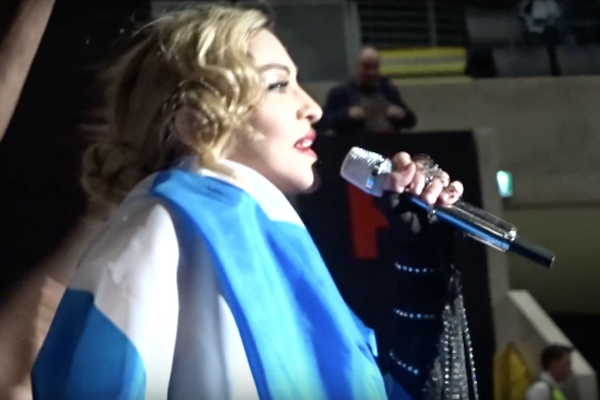
Madonna continued performing at the Glasgow stop for her Rebel Heart tour after the power was turned off Sunday.
After the sound and lights were turned off at the SSE Hydro arena, the pop diva continued with her encore performance of hit song “Holiday.” The crowd cheer and sang along with her as Madonna and her dancers gave the bare bones performance.
It was speculated that the SSE Hydro had turned off the power due to Madonna’s set breaking the arena’s curfew rules of 11 p.m. However, SSE Hydro released a statement saying that it was Madonna’s team who was at fault.
“Madonna finished her agreed set and then chose to come on for another song,” a spokeswoman for the venue says.”By that stage, all the power and control equipment had already been disconnected by her own production engineers. I would stress that this was not a venue decision.”
Madonna later posted a picture of herself performing at the show with the caption ““We don’t stop till it’s over Glasgow! Don’t try to silence the Queen.”
Glasgow was the last stop on the European leg of her Rebel Heart tour.



a&e features
Gay Men’s Chorus celebrates 45 years at annual gala
‘Sapphire & Sparkle’ Spring Affair held at the Ritz Carlton
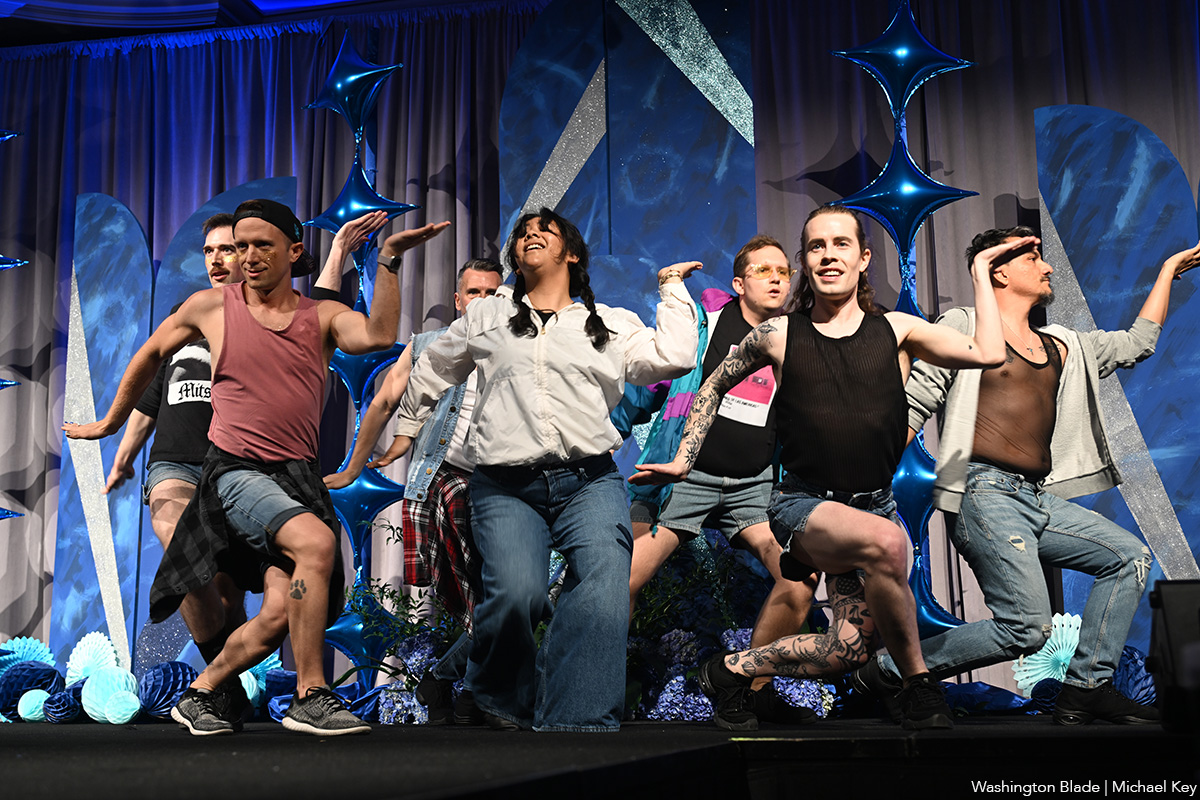
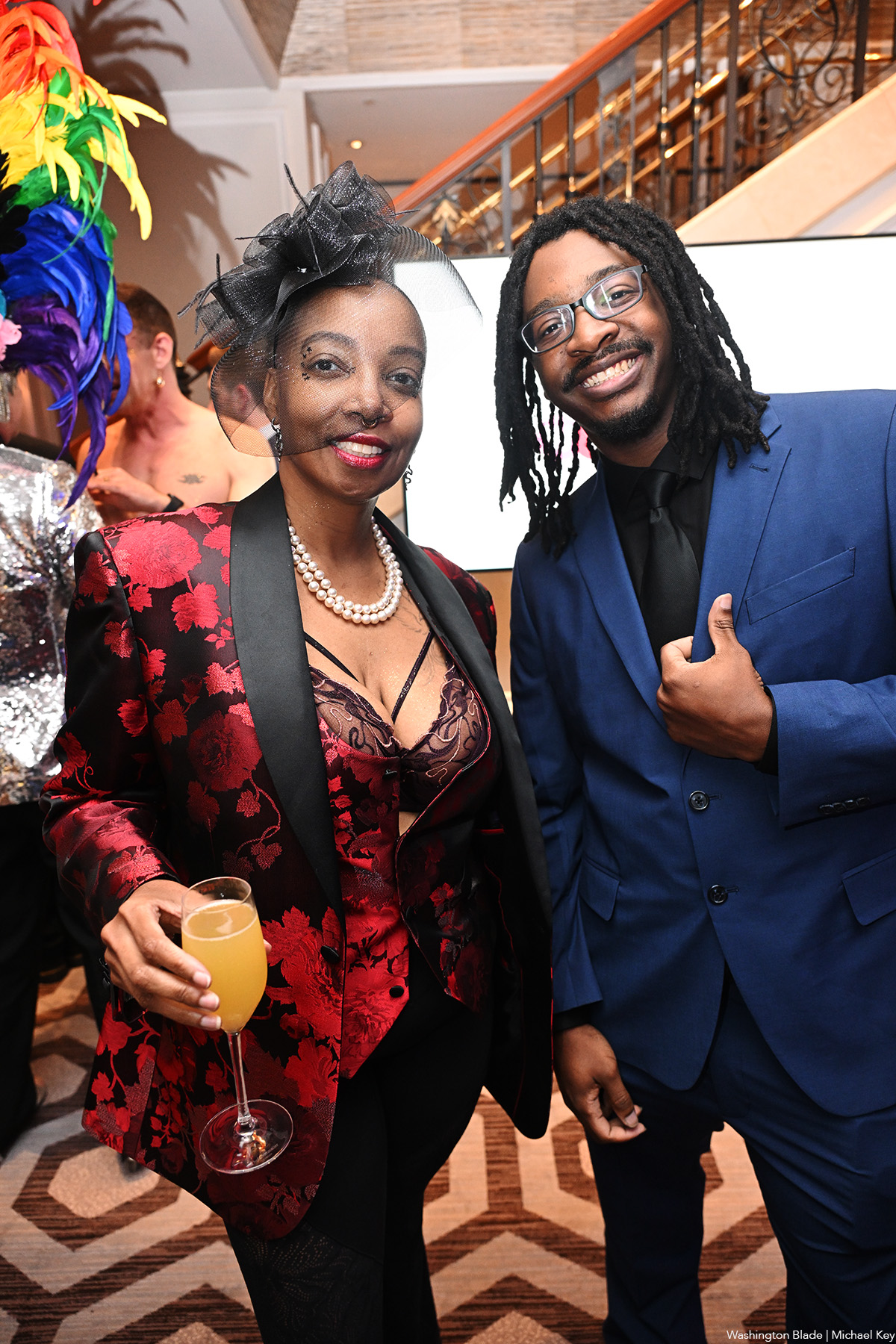
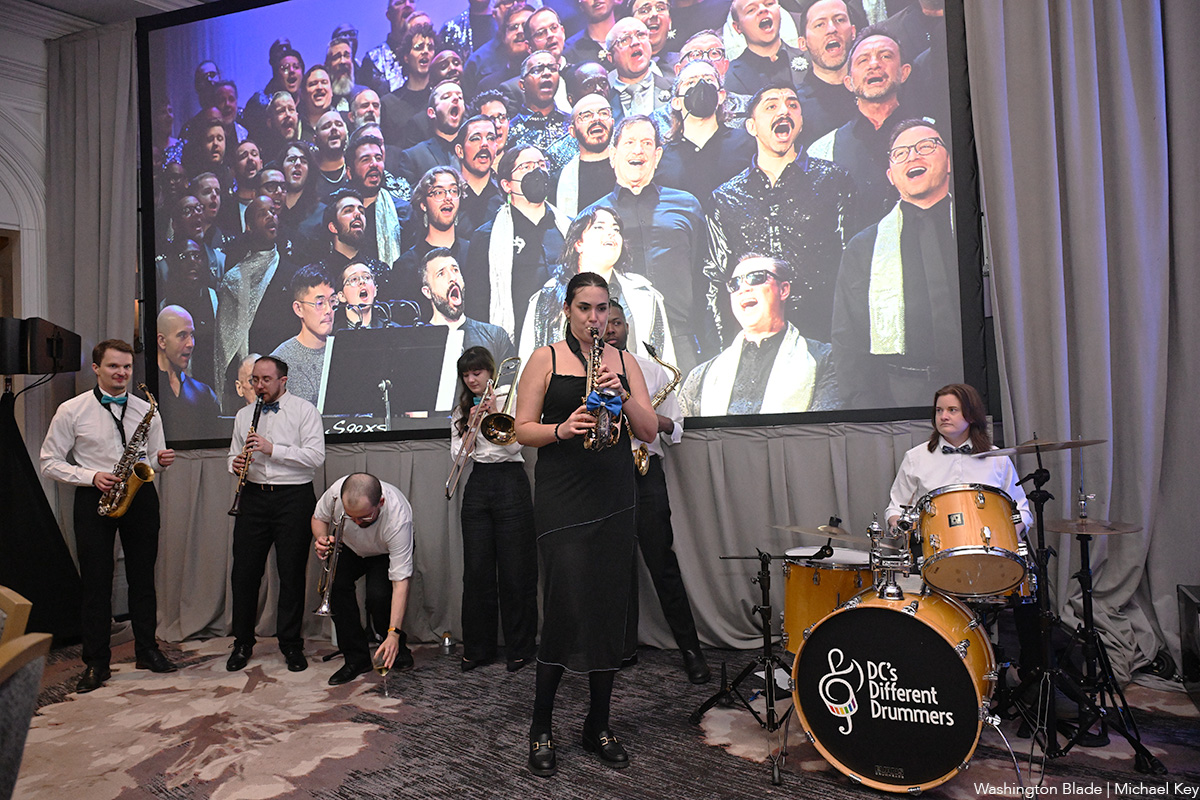
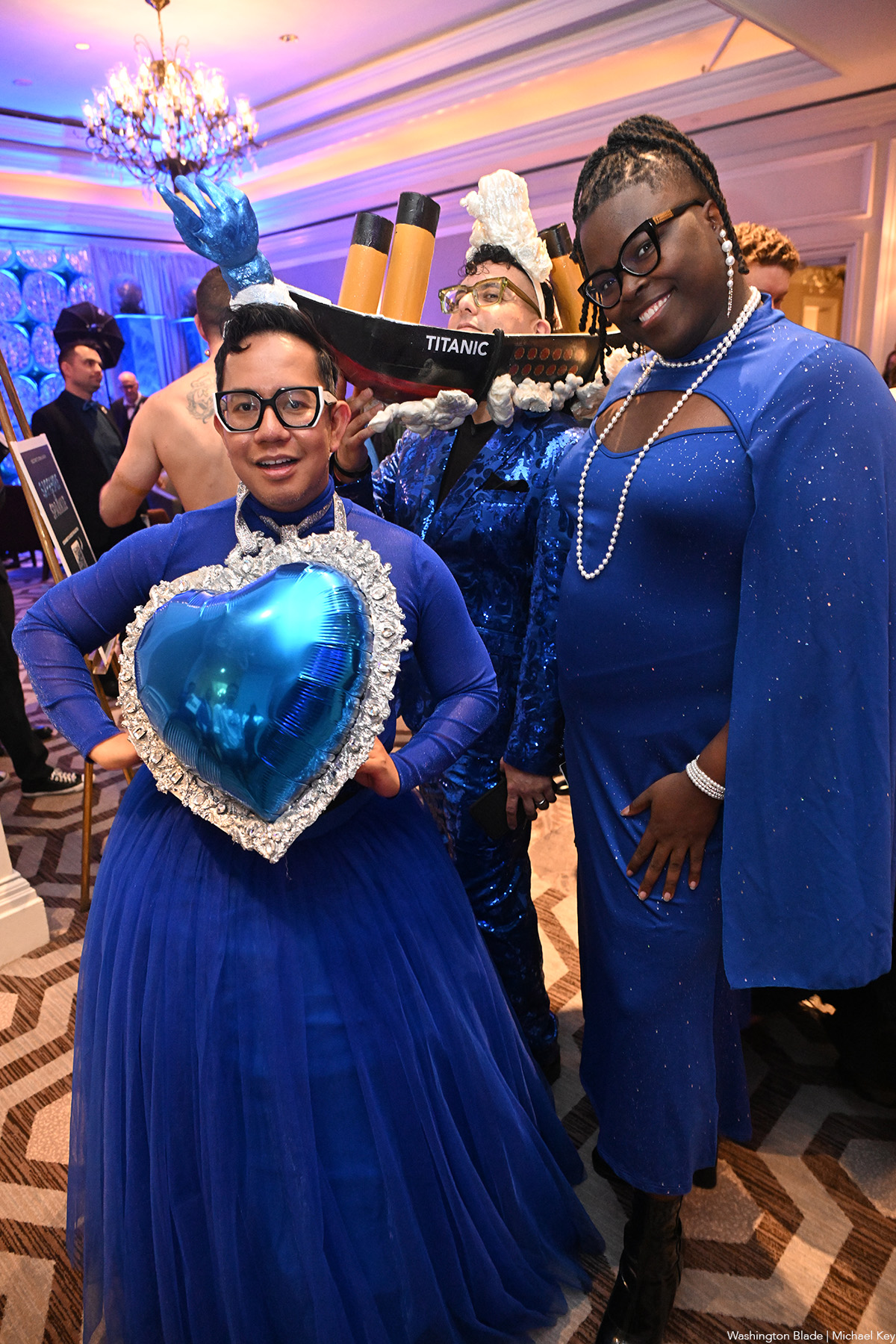
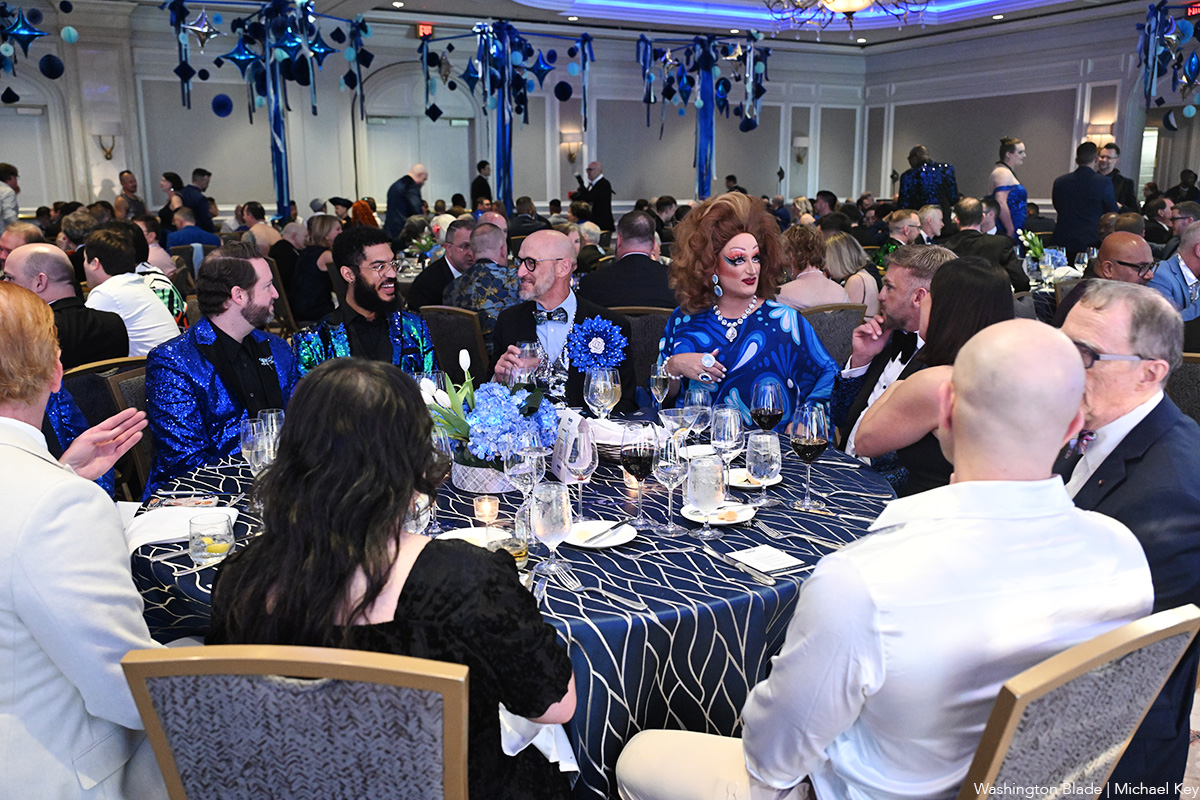
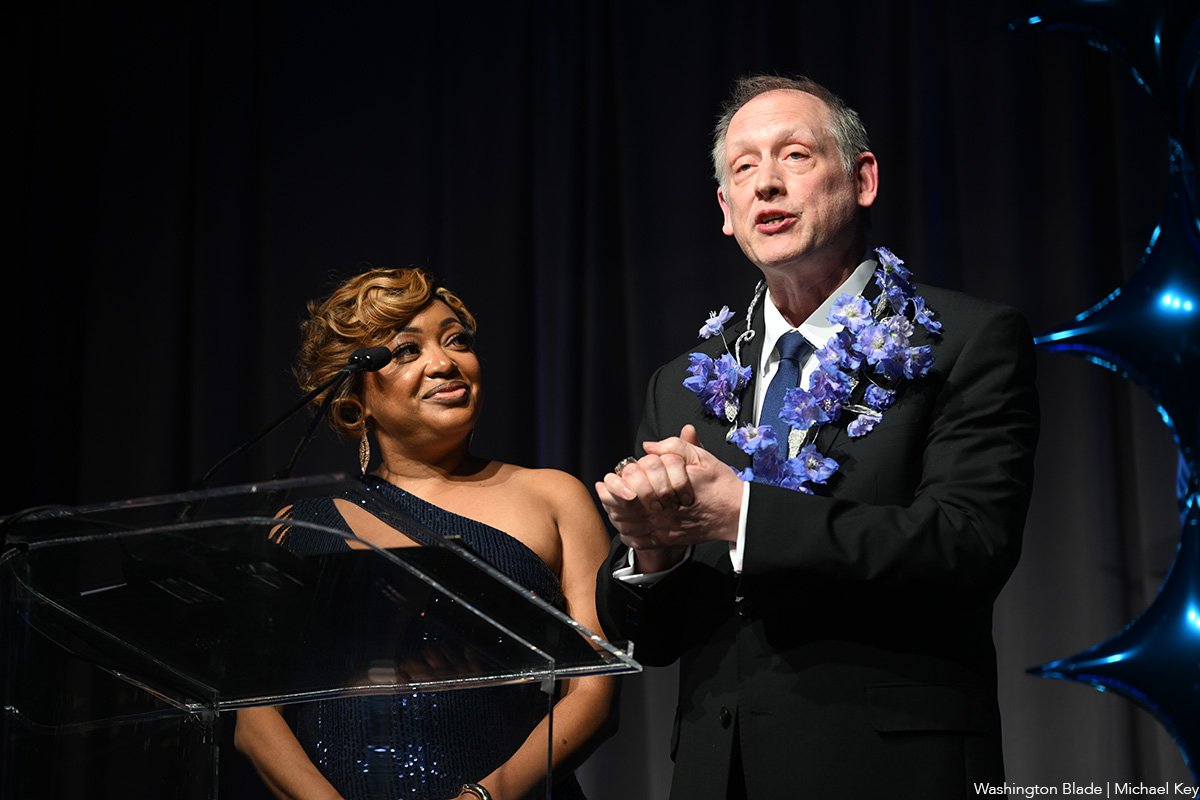
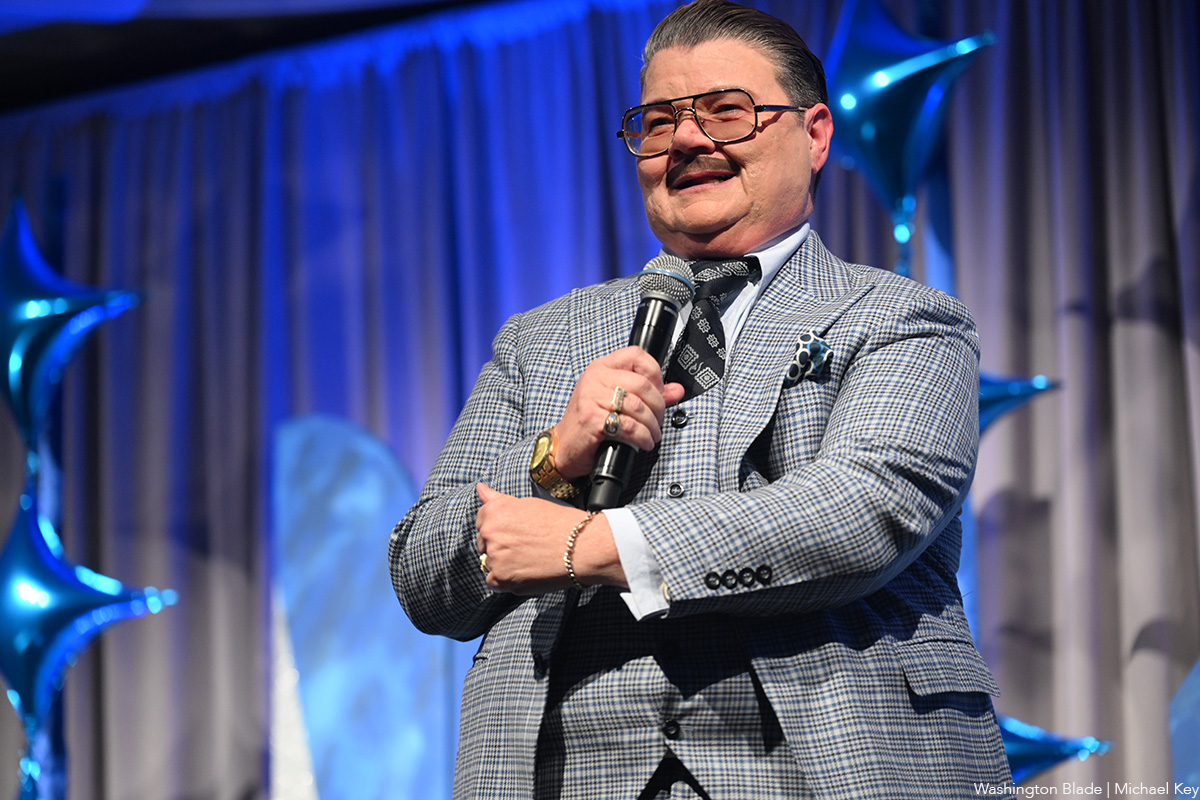
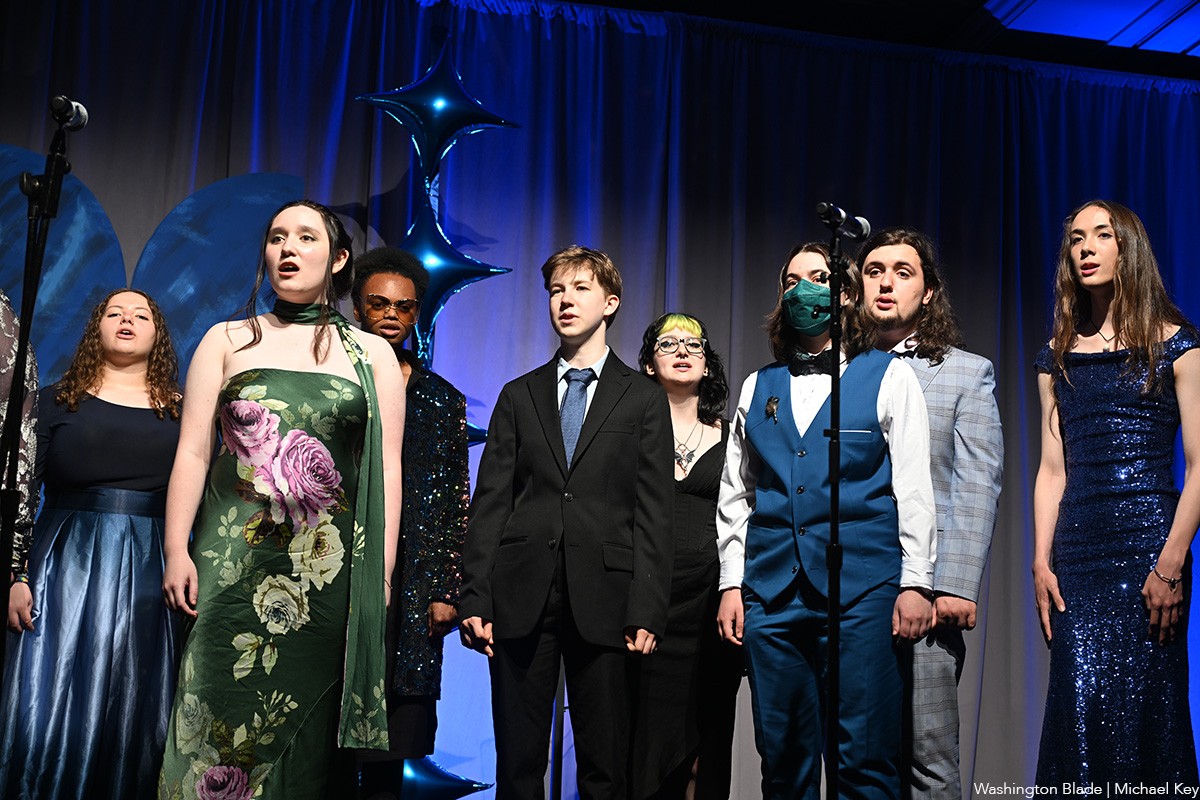
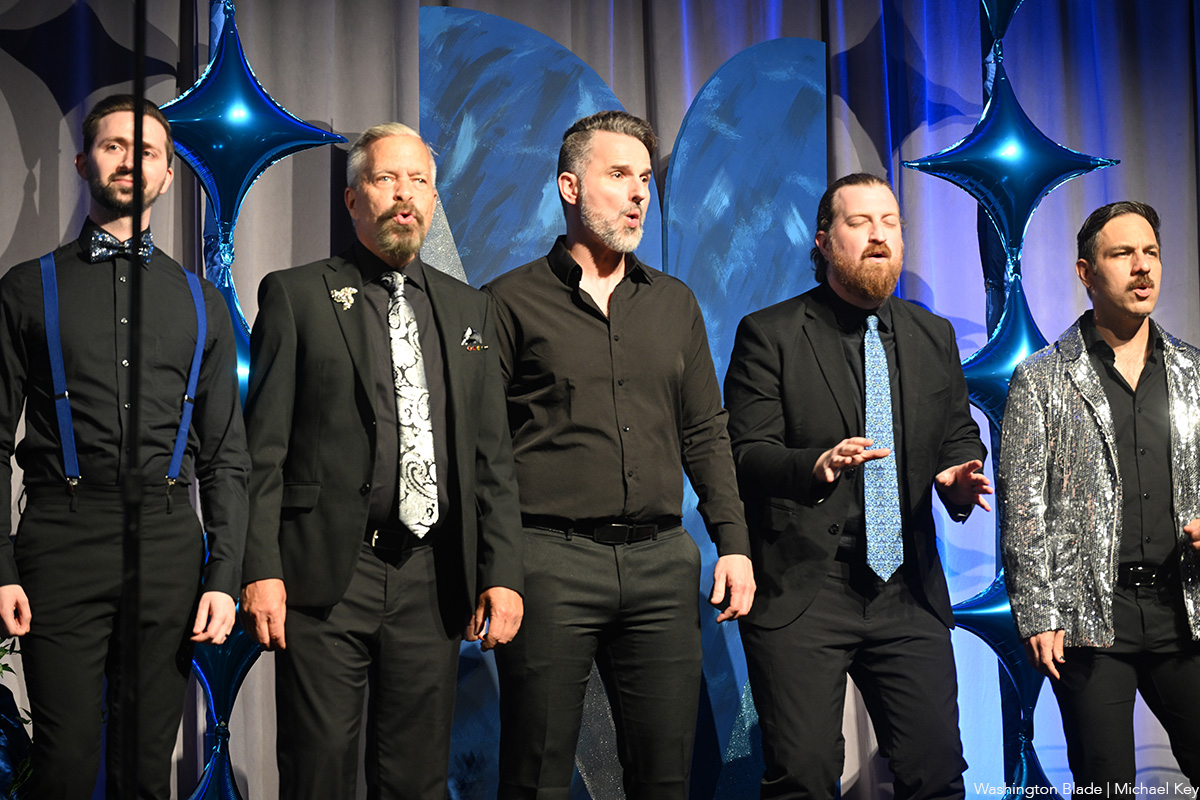
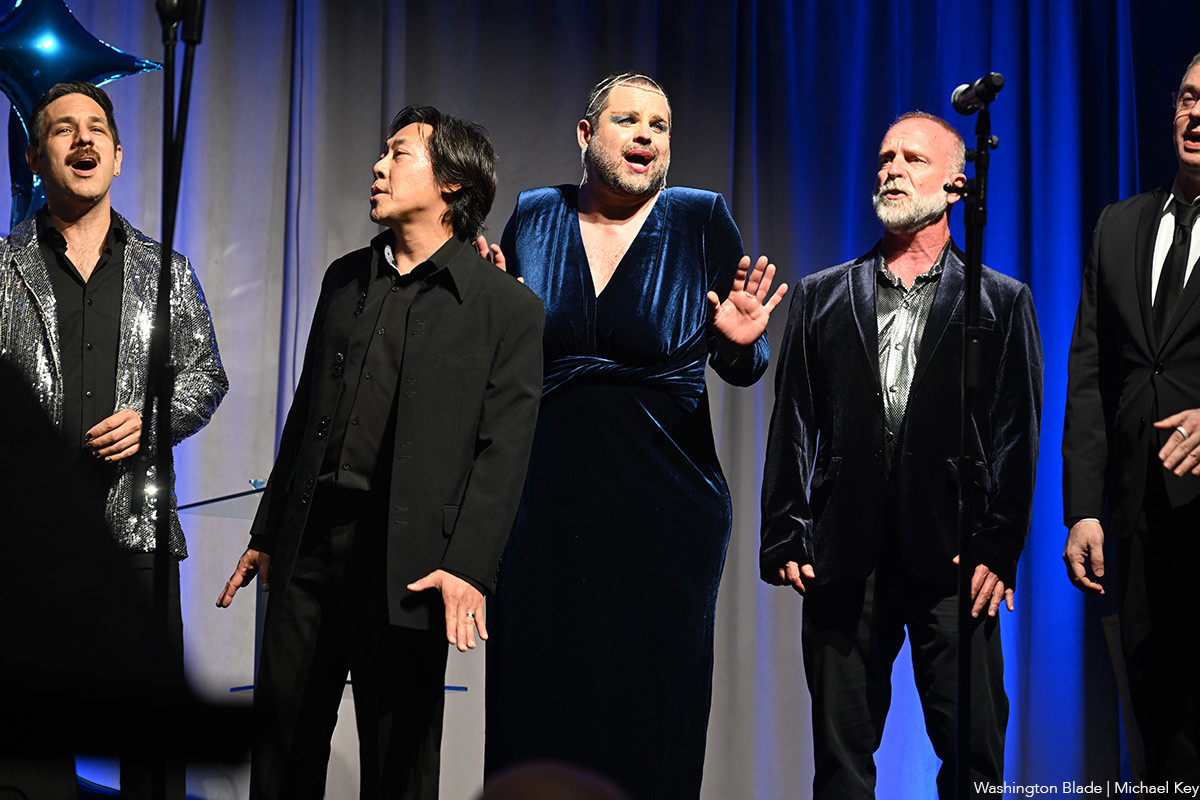
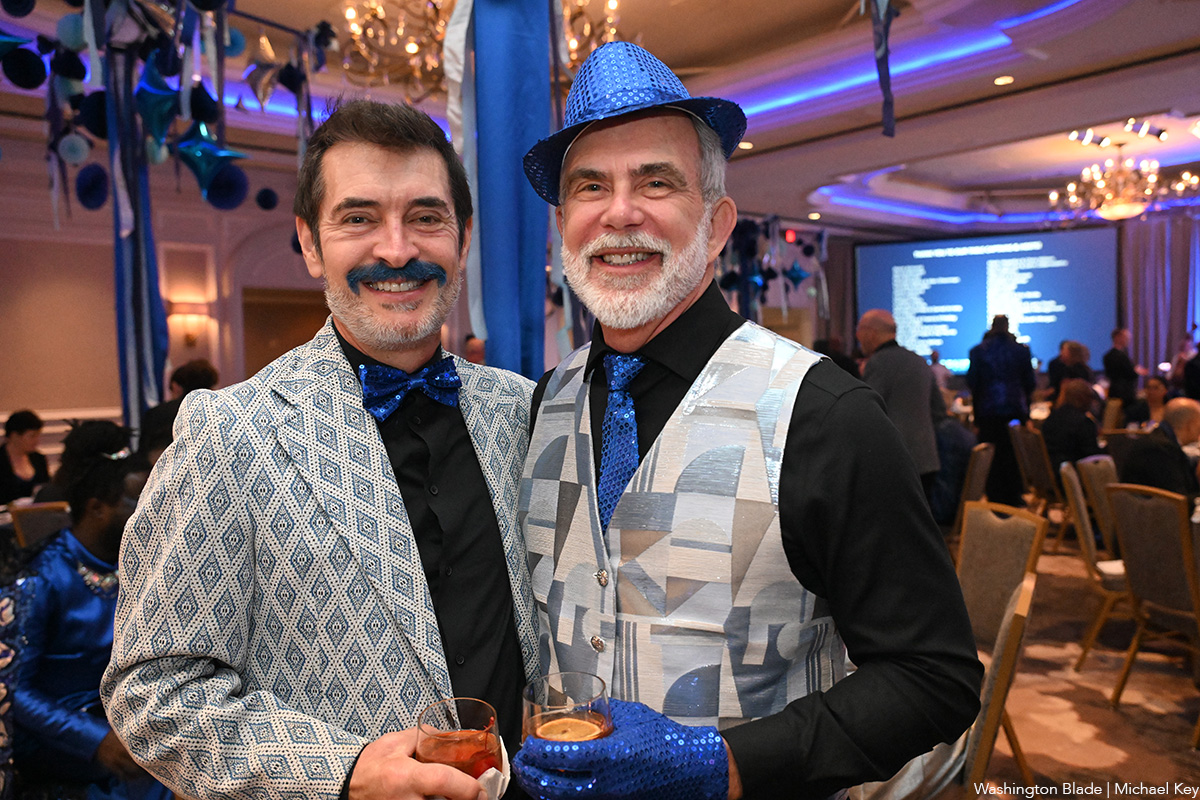
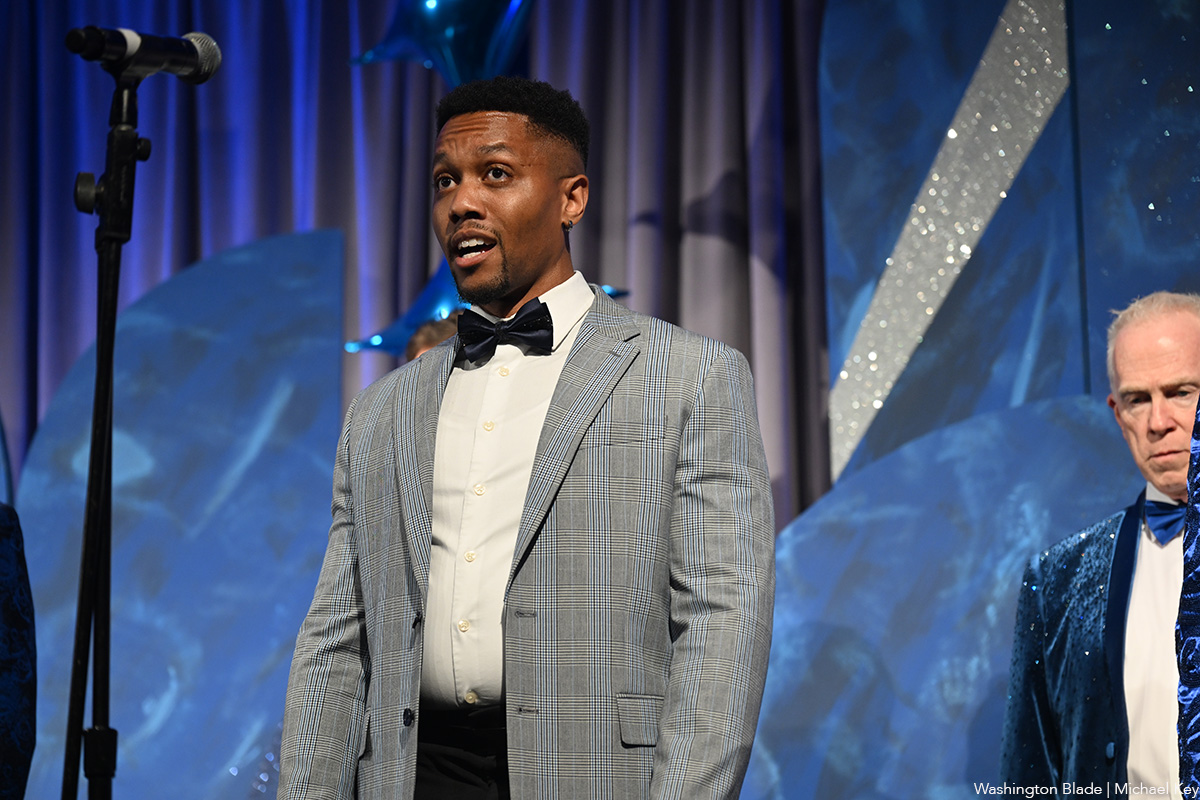
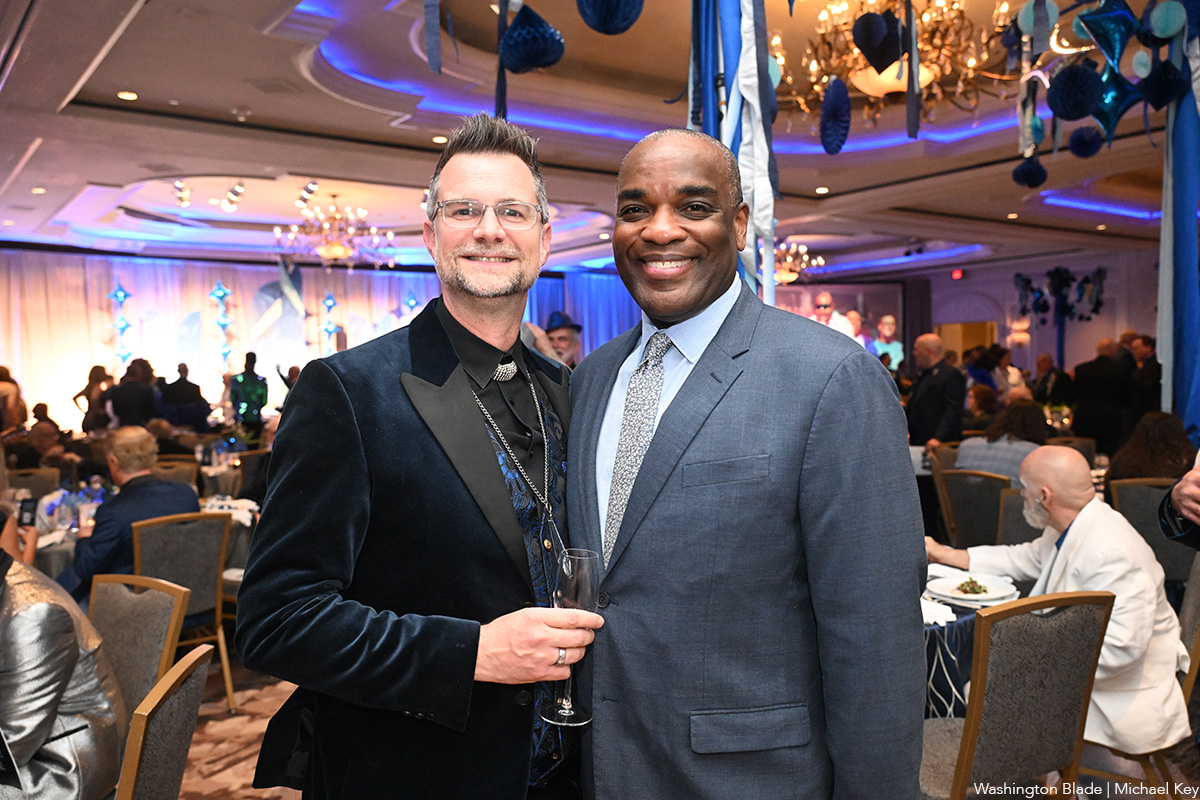
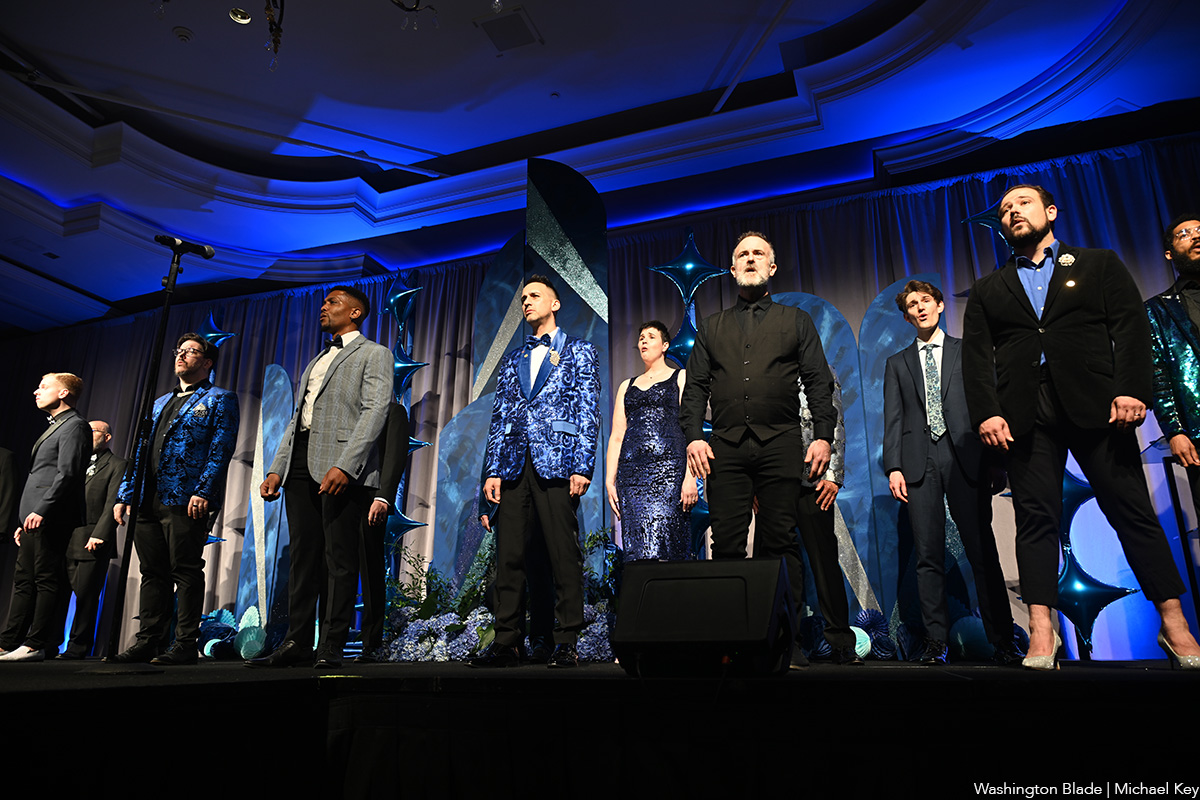
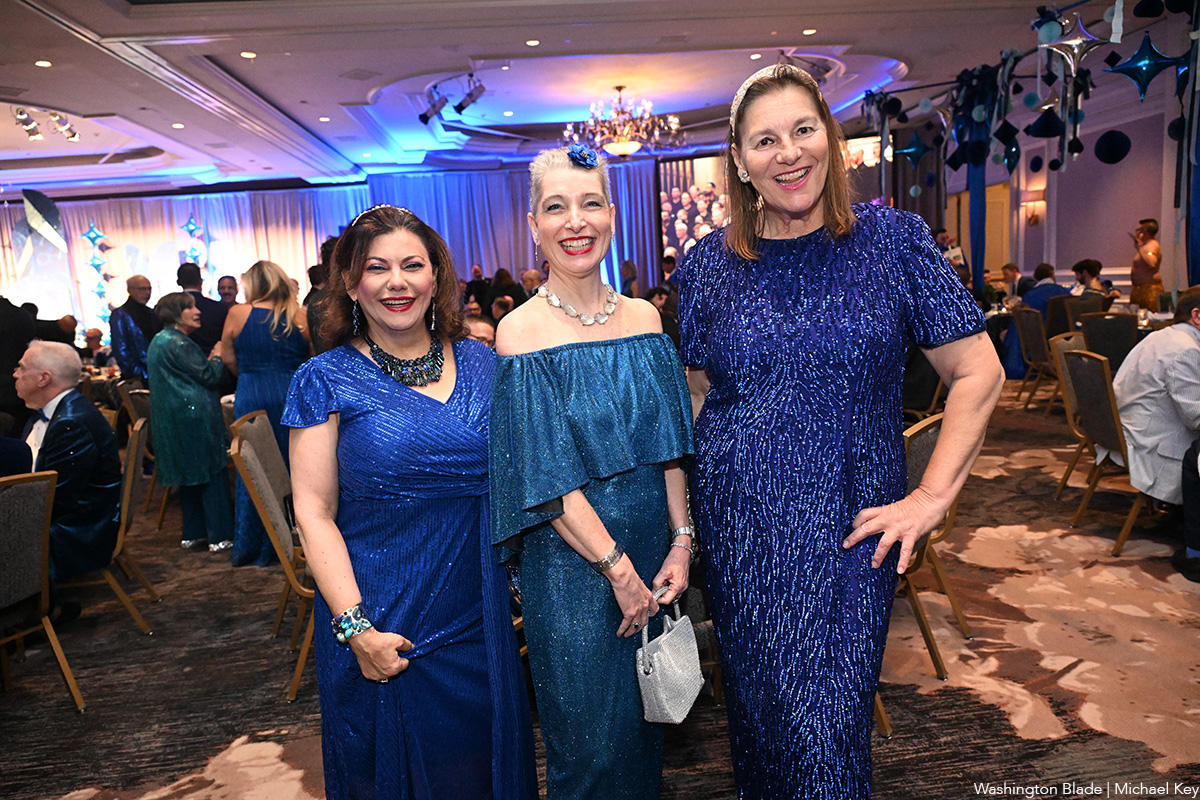
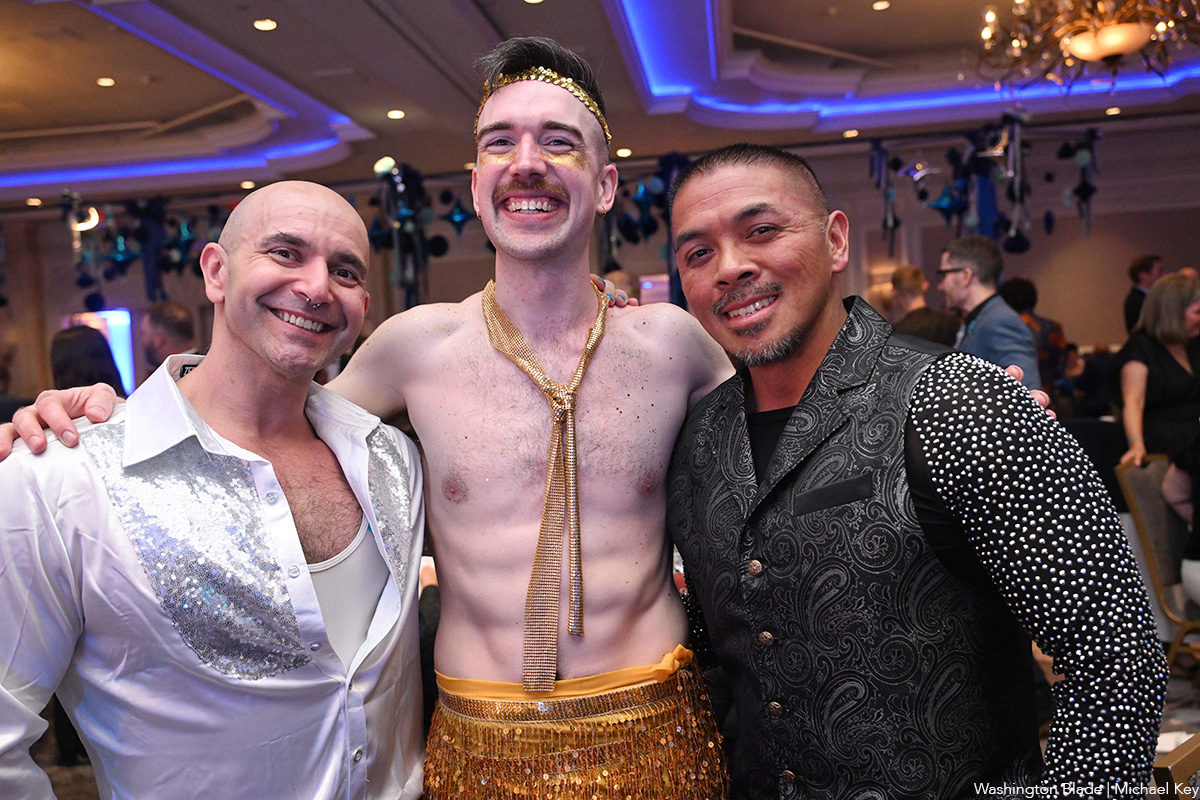
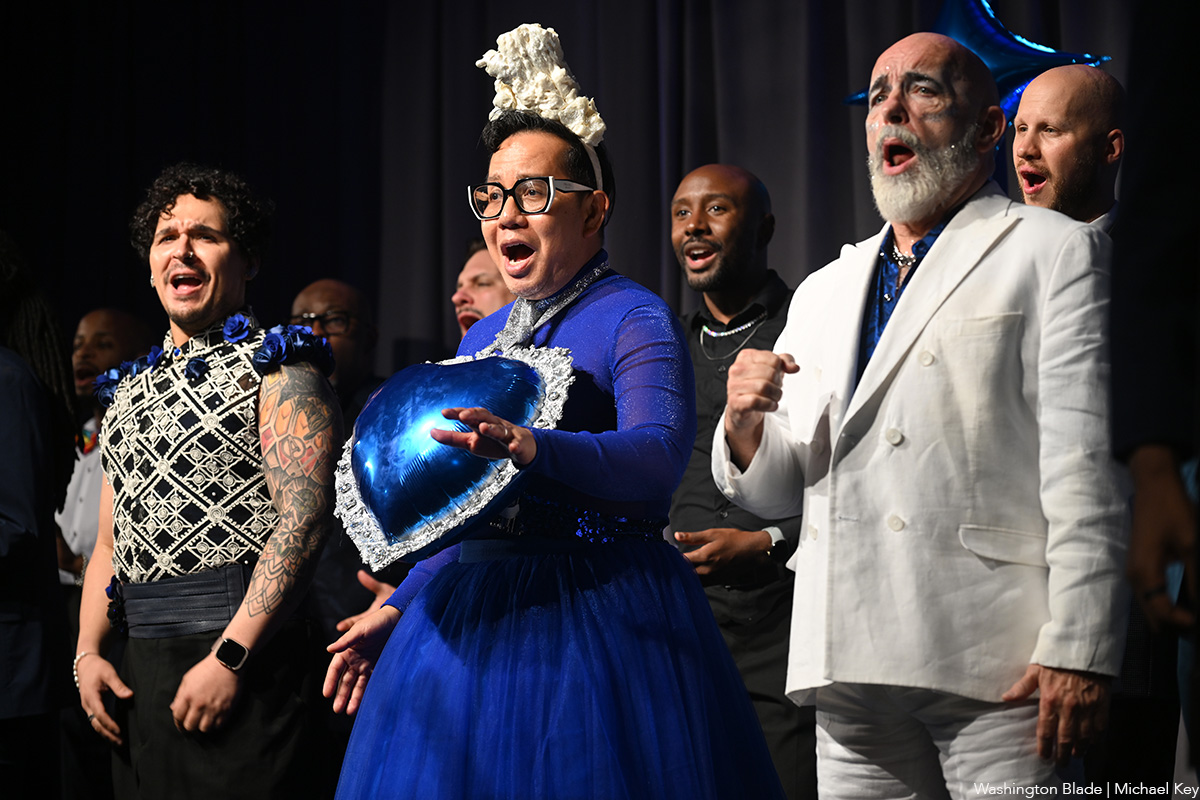
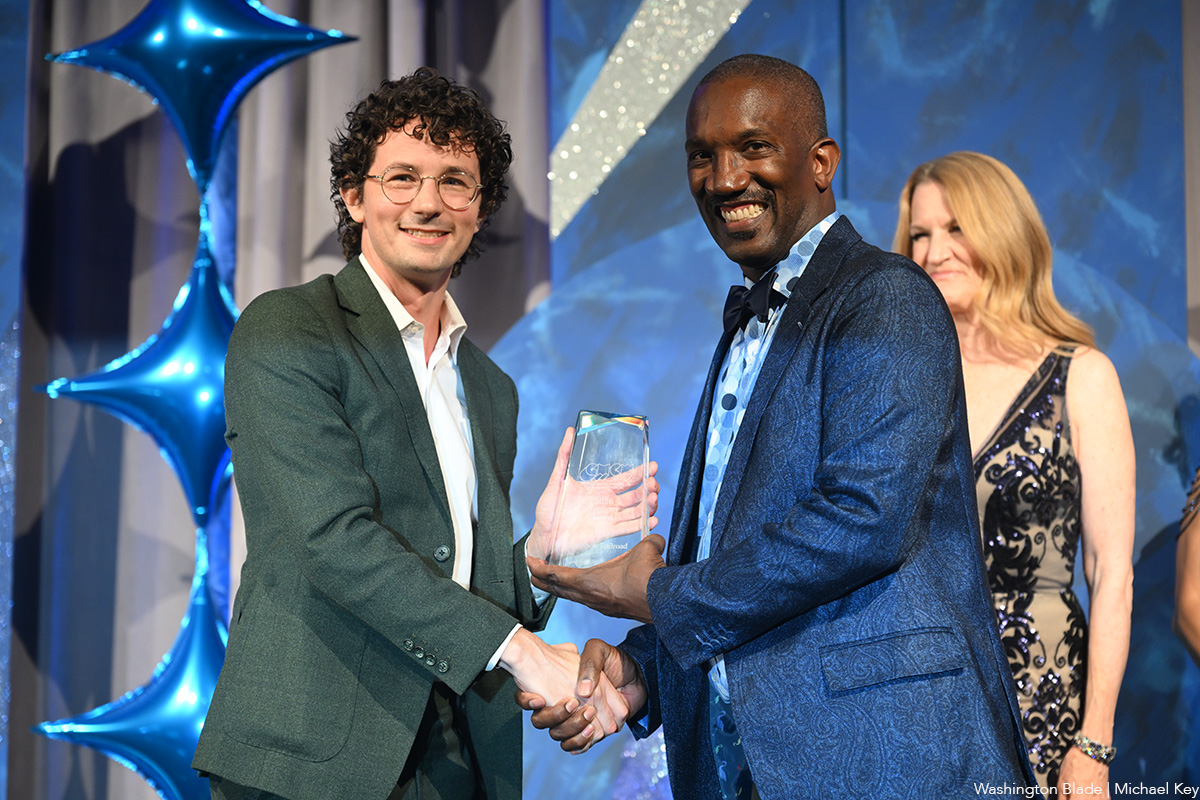
The Gay Men’s Chorus of Washington held the annual Spring Affair gala at the Ritz Carlton Washington, D.C. on Saturday. The theme for this year’s fete was “Sapphire & Sparkle.” The chorus celebrated 45 years in D.C. with musical performances, food, entertainment, and an awards ceremony.
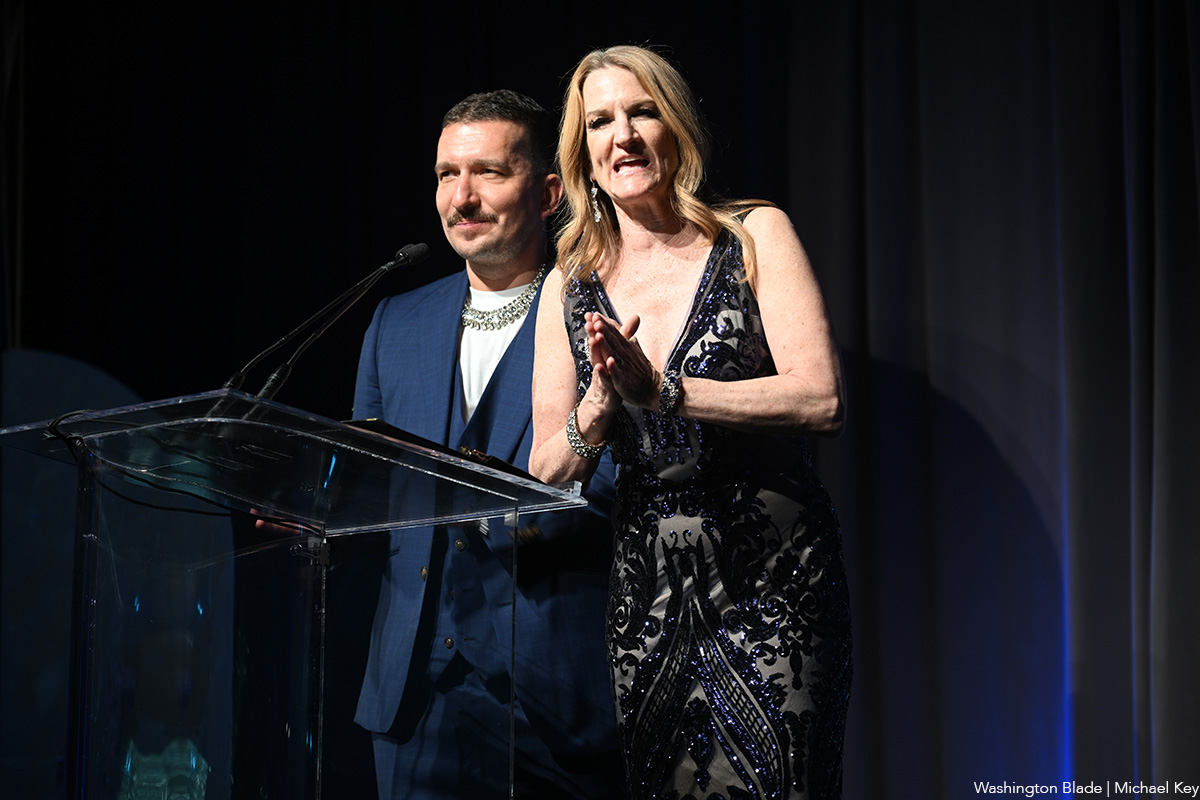
Gay Men’s Chorus of Washington Executive Director Justin Fyala and Artistic Director Thea Kano gave welcoming speeches. Opening remarks were delivered by Spring Affair co-chairs Tracy Barlow and Tomeika Bowden. Uproariously funny comedian Murray Hill performed a stand-up set and served as the emcee.
There were performances by Gay Men’s Chorus of Washington groups Potomac Fever, 17th Street Dance, the Rock Creek Singers, Seasons of Love, and the GenOUT Youth Chorus.
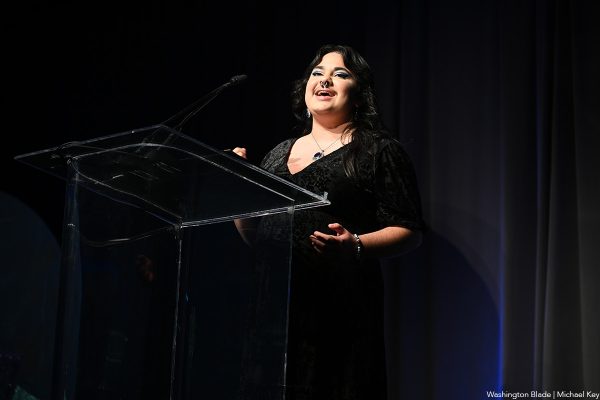
Anjali Murthy, a member of the chorus and a graduate of the GenOUT Youth Chorus, addressed the attendees of the gala.
“The LGBTQ+ community isn’t bound by blood ties: we are brought together by shared experience,” Murthy said. “Being Gen Z, I grew up with Ellen [DeGeneres] telling me through the TV screen that it gets better: that one day, it’ll all be okay. The sentiment isn’t wrong, but it’s passive. What I’ve learned from GMCW is that our future is something we practice together. It exists because people like you continue to show up for it, to believe in the possibilities of what we’re still becoming”
The event concluded with the presentation of the annual Harmony Awards. This year’s awardees included local drag artist and activist Tara Hoot, the human rights organization Rainbow Railroad as well as Rocky Mountain Arts Association Executive Director, Dr. Chipper Dean.
(Washington Blade photos and videos by Michael Key)











Equality Prince William Pride was held at the Harris Pavilion in Manassas, Va. on Saturday, May 16.
(Washington Blade photos by Landon Shackelford)


Photos
PHOTOS: Blade Summer Kickoff Party
Ashley Biden accepts award for Beau Biden at annual Rehoboth fundraiser

The 19th annual Blade Foundation Summer Kickoff Party was held on Friday, May 15 at Diego’s in Rehoboth Beach, Del. An award presentation was held for former Delaware Attorney General Beau Biden. Ashley Biden accepted the award on her brother’s behalf and gave remarks. Other speakers included Delaware state Rep. Claire Snyder-Hall, CAMP Rehoboth Executive Director Dr. Robin Brennan and Washington Blade Editor Kevin Naff. The event was a fundraiser for the Steve Elkins Memorial Fellowship in Journalism.
(Washington Blade photos by Daniel Truitt)


Iran war causes condom shortage in India

U.S. attorney nominee confirmed despite anti-LGBTQ history, no trial experience

Vt. lawmaker equates transgender identity with bestiality

Gay Men’s Chorus celebrates 45 years at annual gala

BREAKING NEWS: Barney Frank dies at 86

Disillusioned about democracy? Think of it as a community garden

Honey, have we been priced out of gay paradise?

IDAHOBiT a reminder we all must stand up against transphobia

PHOTOS: Blade Summer Kickoff Party