Arts & Entertainment
Janet Jackson stands up for women’s equality at Billboard Music Awards
The pop star became the first female black artist to receive the honor
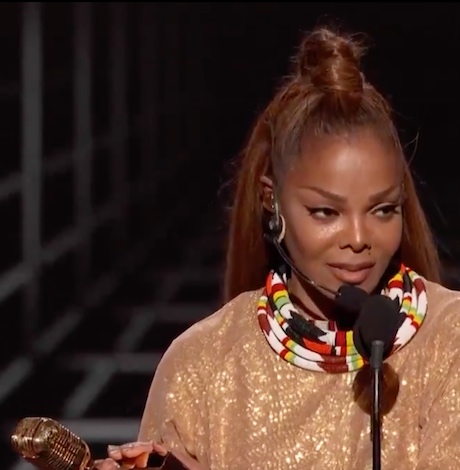
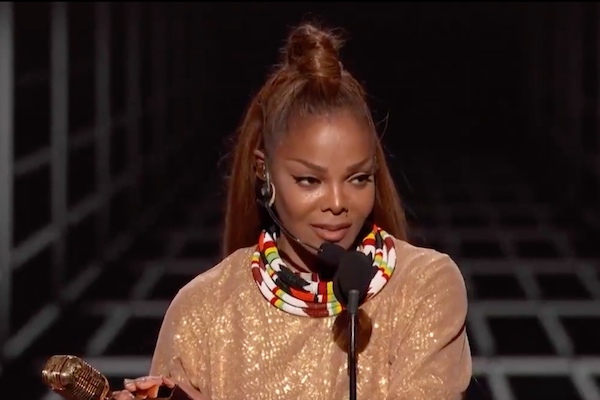
Janet Jackson accepting the Icon Award at the 2018 Billboard Music Awards (Screenshot via Twitter)
Janet Jackson accepted the Icon Award at the 2018 Billboard Music Awards on Sunday night making her the first black woman to receive the honor.
Bruno Mars introduced Jackson who performed a medley of “Nasty,” “If” and “Throb” for her first televised performance in nine years. Afterward, Mars presented Jackson with the Icon Award and the pop star took the stage to screams of “Janet” from the crowd. Her family members, including her mother Katherine and nephew Prince Michael, were also seated in the audience.
“I’m deeply humbled and grateful for this award. I believe that for all of our challenges, we live at a glorious moment in history,” Jackson began. “It’s a moment when at long last women have made it clear that we will no longer be controlled, manipulated, or abused.”
Jackson went on to say she hopes faith in God can ease the issues of the world.
“Our public discourse is loud and harsh. My prayer is that weary of such noise, we will turn back to the source of all calmness, that source is God. Everything we lack, God has in abundance: compassion, sensitivity, patience and boundless love. Again I want to thank all of you for this honor and I thank God for giving me the precious energy that lets me live my life as an artist who every day seeks to expand my capacity to love,” Jackson said.
After rocking the stage with her incredible performance, @JanetJackson accepts the 2018 #BBMAs Icon Award! #ICON_JANET pic.twitter.com/S7nDbrGJQI
— Billboard Music Awards (@BBMAs) May 21, 2018
Jackson is currently on her State of the World Tour which wraps in August.






The Washington Blade held the seventh annual Pride on the Pier at The Wharf DC on Saturday, June 13.
(Washington Blade photos by Landon Shackelford)









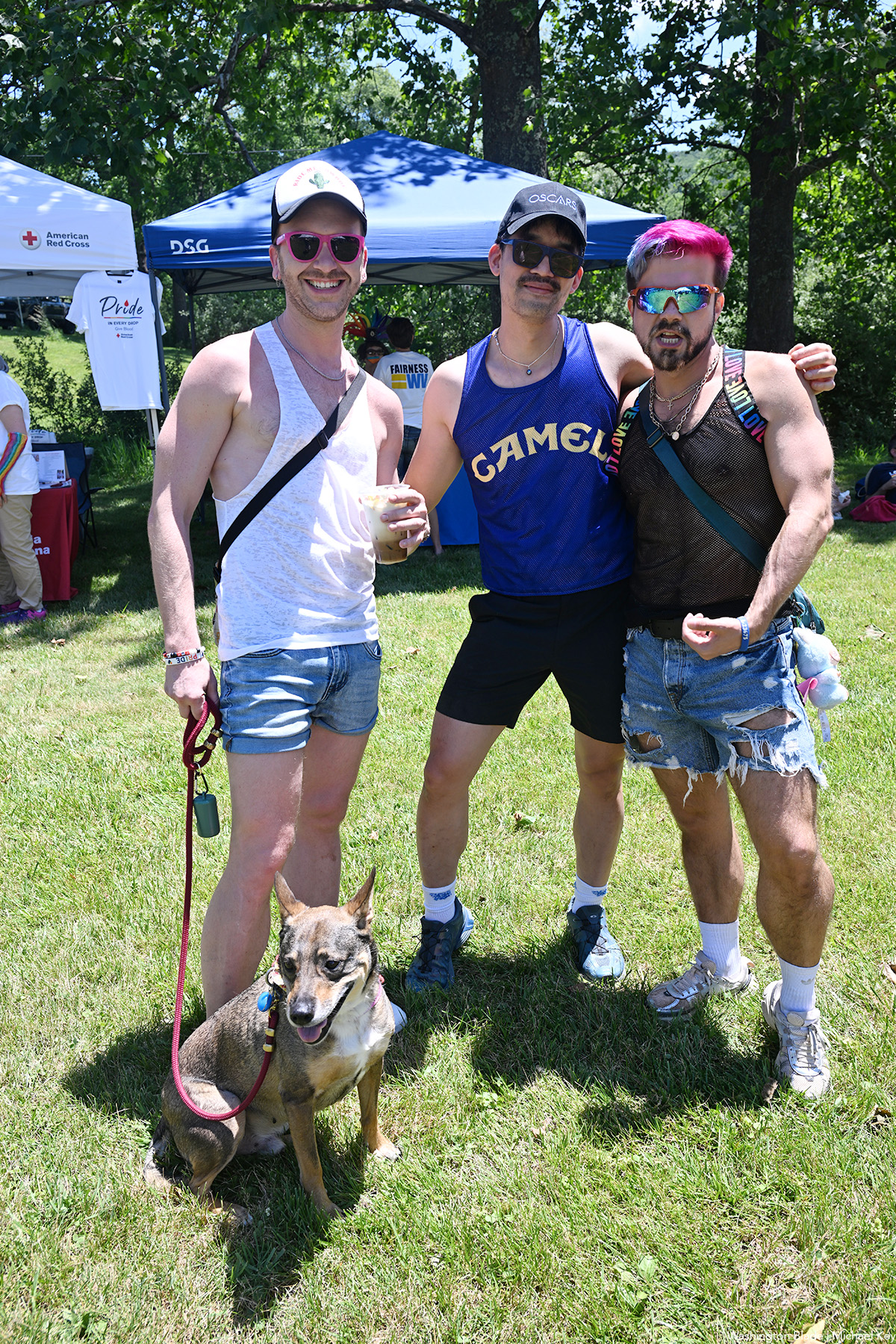
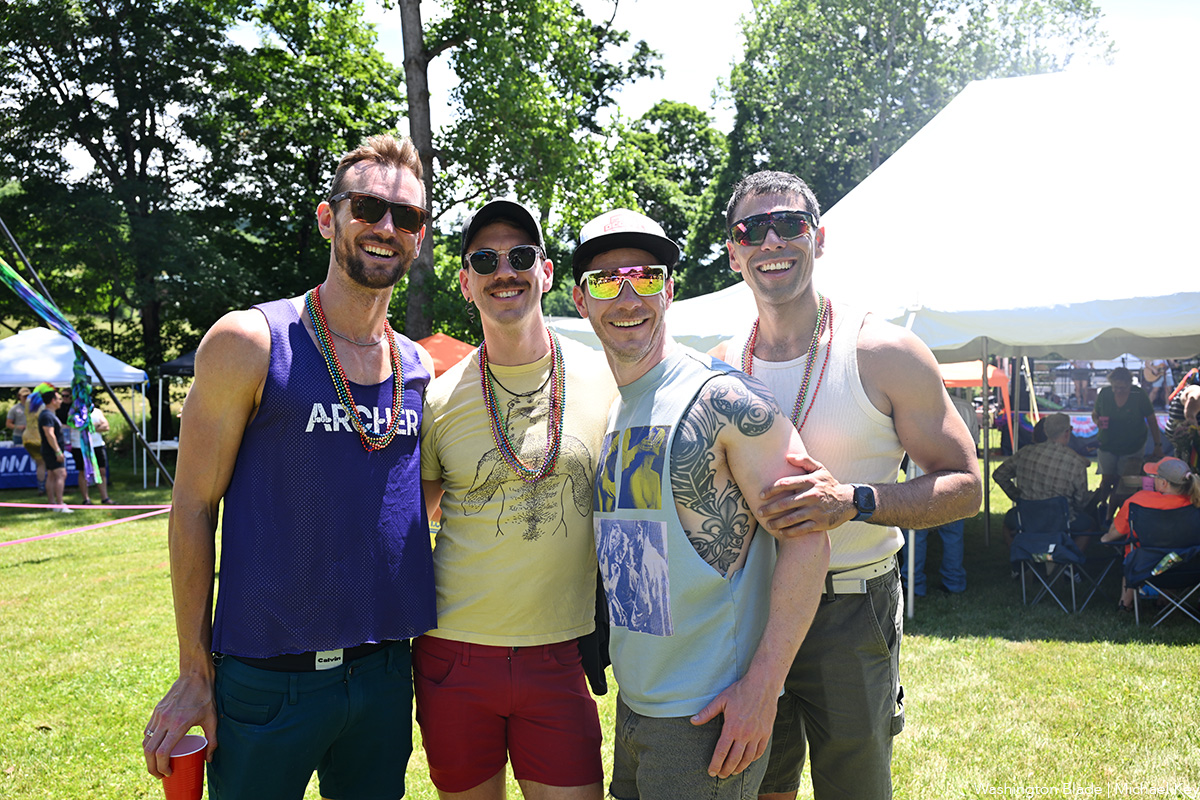
The 2026 Lost River Pride Festival was held on the scenic grounds of the Lost River Farmers Market in Lost City, W.Va. on Saturday, June 13. Headliner Tom Goss performed at the festival and gave a second performance at the nearby Guesthouse Lost River.
(Washington Blade photos by Michael Key)












View on Threads
Books
David Archuleta on Mormon faith, ‘Idol,’ more in new book
Unique memoir details religious upbringing, coming out
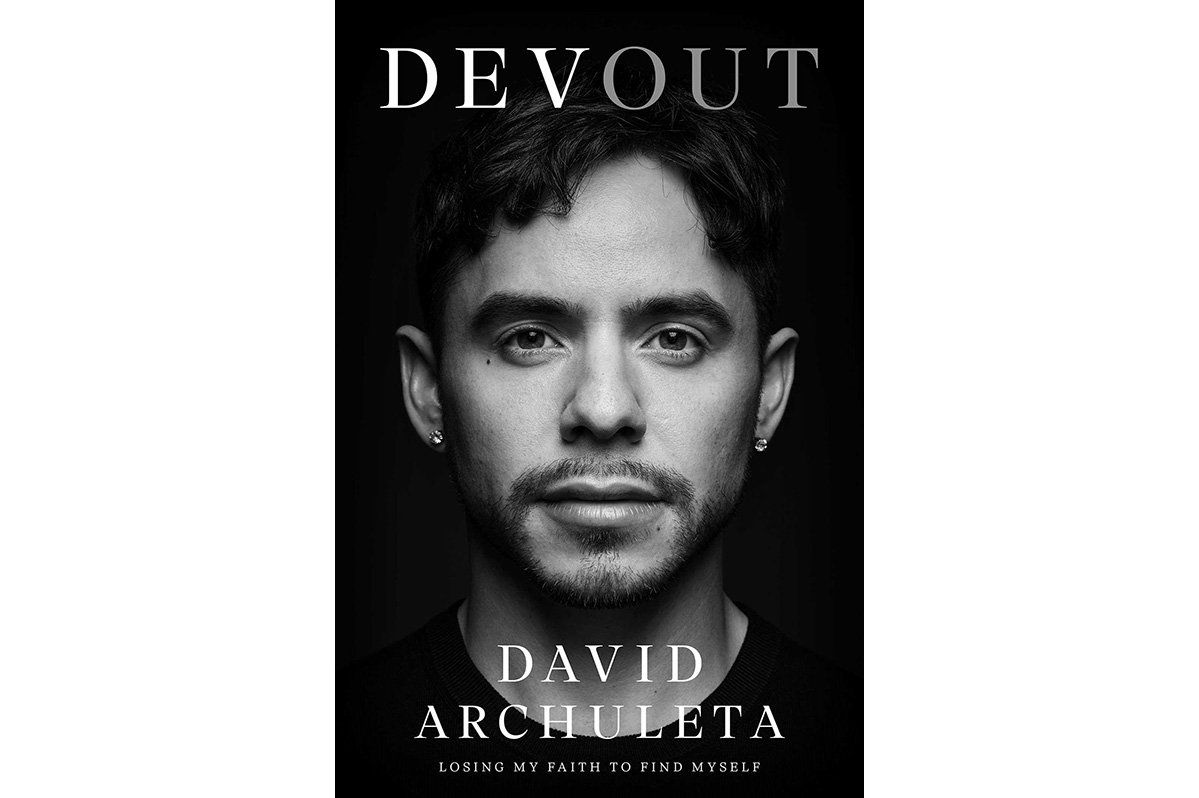
‘Devout: Losing My Faith to Find Myself’
By David Archuleta
c.2026, Gallery Books
$29/290 pages
So just make up your mind already.
The decision is very much in your control – or, at least that’s how it’s supposed to be. It’ll be your future, your path, and seizing it may not just be necessary, but mandatory. It’s your life, and no one can live it for you. As in the new memoir “Devout” by David Archuleta, that goes for career and for love, too.

Born to parents who both had musical careers before they wed, David Archuleta remembers an early childhood growing up in a Hispanic Mormon community in Florida, where kin was always nearby. He was six when his parents moved the immediate family to Utah; the first thing he remembers about that is the snow, and how it was so cold, it burned.
Because music was in his blood, Archuleta grew up singing and dancing, often with his mother whom he calls “my rock.” It was his father, however, who encouraged him to perform; first, with a gentle push, then a shove toward a career Archuleta didn’t really want.
But he did want to make his father happy, so he went along with the contests, embarrassing meet-and-greets with stars, and uncomfortable introductions. Slowly, though, performing became more fun, and Archuleta made friends.
Meanwhile, back home, everything was breaking apart. A “family friend” whom Archuleta refuses to name accused his father of abuse. He was exonerated, but it affected the family’s closeness and they stopped being affectionate.
That was a painful backdrop to Archuleta’s soaring career, his appearances on Star Search, friendships with other rising stars, his runner-up spot on “American Idol,” tours, and recording contracts. His father kept pushing him.
But there was one thing missing.
Since he was a boy, Archuleta had known that he was attracted to men, but his Mormon faith taught him that that was unacceptable. Kissing, his abuelita said, was wrong. He tried hard to date girls, in the most chaste way. Anything past that was against God – and anything at all with a man was unthinkable.
Though it absolutely favors his personal life and dwells on it a bit too much, “Devout” strikes an otherwise nice balance between that, author David Archuleta’s career, his sexuality, and his faith. The latter two are loaded with controversy.
You don’t need to be Mormon to fully understand the faith part; Archuleta offers non-Mormons a brief education, so readers can see the importance of the Church’s teachings in his life and why he felt the need to abandon it as his understanding of his bisexuality grew. It’s emotionally raw and honest, but also so respectful that it almost bears re-reading. Such candor and the heart-on-his-sleeve tone you’ll sense are features in the entire book, alongside Archuleta’s family’s struggles and his learning to strike out alone.
It’s harmonious in more ways than one, and fans will be happy.
So, too, will anyone who wants a unique memoir with a dose of faith, or someone who’s an “American Idol”watcher. Find “Devout” and be sure to share. You won’t mind.
The Blade may receive commissions from qualifying purchases made via this post.

There is no Pride in detention

PHOTOS: Pride on the Pier

PHOTOS: Lost River Pride

David Archuleta on Mormon faith, ‘Idol,’ more in new book

The advantages of owning your home

Blade editor inducted into D.C. Society of Professional Journalists Hall of Fame

Rehoboth’s Pride on the Bay set for June 27

Gay 1920s-era Hollywood star to be honored in Staunton, Va.

Blade reporters reflect on covering Pulse massacre 10 years ago

Vote Kenyan McDuffie for D.C. mayor
-

 News5 days ago
Blade editor inducted into D.C. Society of Professional Journalists Hall of Fame
-
Delaware5 days ago
Rehoboth’s Pride on the Bay set for June 27
-
Virginia4 days ago
Gay 1920s-era Hollywood star to be honored in Staunton, Va.
-
National4 days ago
Blade reporters reflect on covering Pulse massacre 10 years ago