World
Israel lifts restrictions for MSM blood donors
A Wider Bridge celebrated ‘landmark moment’
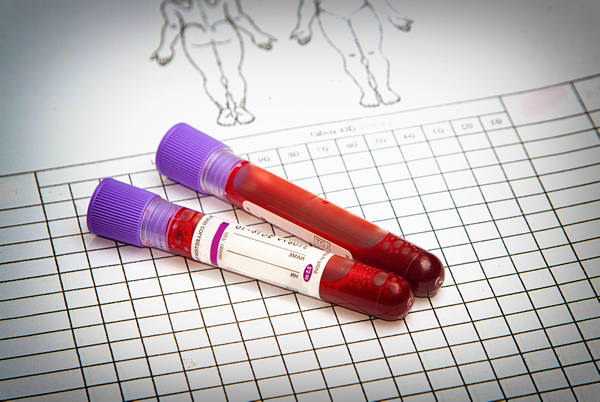
Israel on Thursday announced it will allow men who have sex with men to donate blood without restrictions.
The Associated Press reported Health Minister Nitzan Horowitz, who is openly gay, made the announcement.
“Today we removed the degrading and irrelevant questions in the blood donation questionnaire,” wrote Horowitz in his Facebook post. “Every blood donor who comes with the goal of saving a life will receive equal treatment, no matter what his gender or sexual orientation (is), whether he is LGBT or straight.”
A Wider Bridge — a U.S.-based organization that describes itself as “building a movement of LGBTQ people and allies with a strong interest in and commitment to supporting Israel and its LGBTQ communities” — welcomed the announcement.
“This is a landmark moment for the entire LGBTQ community in Israel and a step closer toward equality for everyone,” said A Wider Bridge on its Facebook page.
Israel is the latest country that has lifted restrictions for MSM who want to donate blood.
The U.S. Food and Drug Administration currently allows MSM to donate blood if they have not had sex with another man for three months. The FDA deferral period for MSM before April 2020 was a year.



District of Columbia
LGBTQ+ Victory Institute to honor Dutch prime minister at D.C. conference
Rob Jetten is his country’s first gay head of government

The LGBTQ+ Victory Institute will honor Dutch Prime Minister Rob Jetten at its annual D.C. conference next month.
Jetten in February became his country’s first openly gay prime minister.
He participated in this year’s WorldPride that took place in Amsterdam. Jetten and his fiancé, Nicolás Keenan, who is an Argentine field hockey player who competed in the 2024 Summer Olympics in Paris, last month announced they are having a child via surrogate.
The Victory Institute at the conference will also honor House Speaker Emerita Nancy Pelosi (D-Calif.), U.S. Rep. Sarah McBride (D-Del.), Argentine Congressman Esteban Paulón, former Cambridge (Mass.) Mayor E. Denise Simmons, and Metropolitan Water Reclamation District of Greater Chicago Commissioner Precious Brady-Davis.
“Every one of this year’s honorees has walked into a room where no one like them had been before — and then made sure the door stayed open for the next person,” said Victory Institute President Evan Low on Thursday in a press release. “From City Hall in Cambridge to the halls of Congress, from the Argentine Congress to the prime minister’s office in The Hague, they show what’s possible when LGBTQ+ people lead. At a moment when our community’s rights are under attack at home and abroad, their records are a road map for the hundreds of leaders who will gather in Washington this December.”
The conference will take place from Dec. 3-5 at the JW Marriott Hotel in Washington.
Spain
Barcelona to host WorldPride in 2030
The Catalonian and Spanish governments backed the city’s bid

Barcelona will host WorldPride in 2030.
InterPride, the organization that coordinates WorldPride events, made the announcement on Thursday after its annual meeting that took place in Phuket, Thailand. Bangkok, the Thai capital, had also bid to host WorldPride in 2030.
Pride Barcelona celebrated the decision.
“This is not only a victory for a city,” it said in a statement. “It is the beginning of a new chapter to keep defending human rights, strengthening our global movement, and building a WorldPride that leaves a lasting legacy.”
Dozens of LGBTQ groups in Barcelona and in Catalonia, the Spanish region in which the city is located, backed the WorldPride bid. The Catalonian government and Spain’s Tourism Institute, known as Turespaña, also supported it.
Madrid, the Spanish capital, hosted WorldPride in 2017.
WorldPride took place in D.C. in 2025.
Dutch Prime Minister Rob Jetten, who is his country’s first openly gay head of government, is among those who participated in this year’s WorldPride that took place in Amsterdam. WorldPride will take place in Cape Town, South Africa, in 2028.
Indonesia
US funding cuts leave LGBTQ Indonesians with HIV more vulnerable
Human Rights Watch report notes increased legal, societal pressures in country
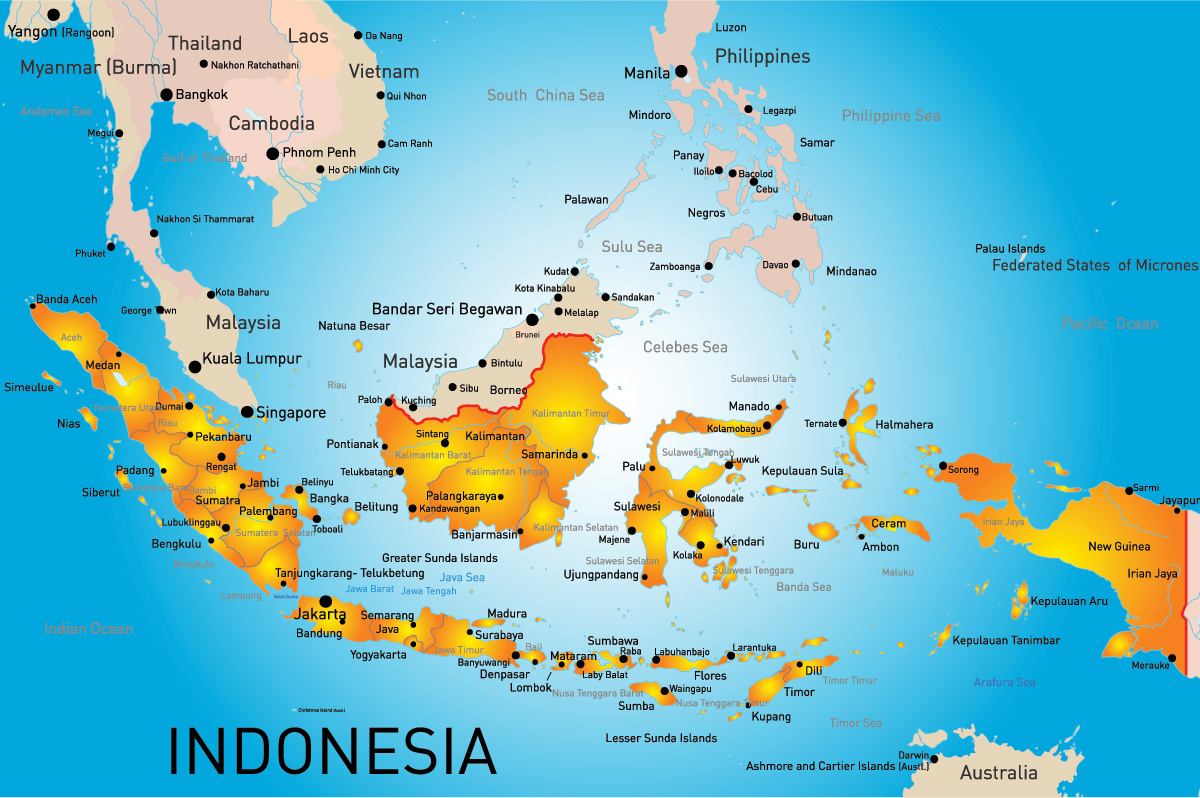
For many LGBTQ people in Indonesia, access to lifesaving HIV services depends on more than hospitals and clinics. It depends on community outreach workers who helped them get tested, obtain medication, and navigate a healthcare system often marked by stigma and discrimination.
When the U.S. cut foreign aid in 2025, many of those services disappeared, leaving vulnerable communities with fewer places to turn for care, according to a new Human Rights Watch investigation.
The 33-page investigation has documented how cuts to U.S. foreign aid disrupted HIV prevention and treatment services for LGBTQ communities in Indonesia.
The report, titled “We Want to Be Treated as Human: Impact of U.S. Foreign Aid Cuts on HIV/AIDS Prevention and Care in Indonesia,” traces the consequences of the Trump-Vance administration’s dismantling of the U.S. Agency for International Development, which ended funding for community-based programs serving people at greatest risk of HIV. Without those services, many face additional barriers to HIV testing, prevention, and lifesaving treatment. Human Rights Watch has urged Indonesia’s government and international donors to restore support for community-led HIV services.
Human Rights Watch based its findings on interviews with 35 people; including people living with HIV, outreach workers, activists, and academics. Researchers spoke to people in Jakarta, the country’s capital, and Depok and Serang during visits in November 2025 and June 2026, while also examining budget records and policy documents to understand how the funding cuts affected HIV services.
The U.S. and Indonesian governments were also given an opportunity to respond to the findings. Human Rights Watch said it had received no response from any of the three government departments it contacted.
The U.S. government’s foreign assistance records show that funding for HIV programs in Indonesia fell from $11.9 million in 2024 to $7.9 million in 2025. The reduction affected community-based prevention and care programs for LGBTQ people, including services previously supported by USAID.
The disparity is stark.
HIV affects about 0.4 percent of Indonesia’s general population, but the prevalence rises to 22 percent among men who have sex with men and 25 percent among transgender people, according to the report. Yet government spending has not reflected this divide.
In 2020, just 0.1 percent of Indonesia’s domestic HIV budget went towards programs for men who have sex with men, while none was allocated specifically for trans people. International donors funded 98 percent of HIV programs serving these communities, many of whom rely on community organizations and outreach workers to access healthcare because of stigma and discrimination in public health facilities.
The report describes how outreach workers served as a crucial link between LGBTQ people and HIV services. They distributed condoms and information about PrEP, helped people access confidential testing, accompanied them to clinics and supported adherence to antiretroviral treatment. Some also paid for clients’ transport and tests, advocated for them with clinic staff, and trained health workers to provide respectful care.
But after the funding cuts, outreach workers lost contact with some clients. The report says some people were collecting their medication late or missing doses, while local organisations no longer had the capacity to track new infections or identify interruptions in treatment.
“Just leaving the house as a trans person is scary,” said a trans outreach worker living with HIV, quoted in the Human Rights Watch report. “Without an outreach worker, the person will be alone and they won’t get care.”
The loss of those services came as LGBTQ people in Indonesia faced growing legal and social pressures.
The country’s new criminal code, which took effect on Jan. 2, 2026, makes sex outside marriage a criminal offense in certain circumstances, with cases subject to complaints by close family members. Human Rights Watch says the provisions effectively criminalize same-sex relations, adding another layer of risk for people already struggling to access healthcare.
The pressure extends beyond the new law.
Human Rights Watch says police have raided private gatherings and used condoms and suspected HIV medication as evidence in criminal cases. For people already wary of being identified or exposed, the consequences reach far beyond the threat of arrest. Carrying condoms, attending community outreach events, getting tested or seeking treatment can all become sources of fear.
For trans people, even a routine visit to a government office or health facility can bring the risk of humiliation. The report describes how those whose identity documents do not reflect their gender identity may be publicly addressed by a former name, exposing them to embarrassment and discrimination.
Outreach workers helped people navigate these barriers. They accompanied clients to clinics, intervened when they faced disrespectful treatment, helped them obtain identity documents and health insurance, and trained healthcare workers to treat them with dignity. With that support gone, many are left to negotiate a healthcare system that can be hostile to them on their own.
A gay activist living with HIV, quoted in the Human Rights Watch report, described the consequences in stark terms: “If you are LGBT and living with HIV, it’s the end of the story. You are doomed.”
The U.S. cuts were followed by reductions in HIV funding from other international donors, further shrinking the resources available to affected communities. The Human Rights Watch report notes that France, Japan, Germany, and other governments also withdrew funding for the HIV response.
The impact has been felt far beyond Indonesia.
In June, UNAIDS Executive Director Winnie Byanyima described the scale of the global disruption in stark terms.
“There’s no question that this is the most serious disruption in HIV response since the world came together to fight this disease,” she said.
Human Rights Watch says the Indonesian government must do more than simply fill the funding gap. It calls on the authorities to increase domestic funding for HIV prevention and treatment programs serving men who have sex with men and trans people, support community-led organizations, ensure a steady supply of antiretroviral medicines and train healthcare workers to provide care without discrimination.
The report also urges the government to repeal discriminatory laws, stop raids targeting LGBTQ people, and end the use of condoms and HIV medication as evidence of criminal activity. It calls for investigations into police abuses, accountability for those responsible and stronger protection for LGBTQ people facing vigilante violence.
The report also turns its attention to Washington, calling on the U.S. government to ensure that funding for PEPFAR, established in 2003, continues without interruption and is released on time. It urges the Trump-Vance administration to disclose the impact of programs it has terminated and withdraw its “Promoting Human Flourishing in Foreign Assistance Policy,” which restricts support for trans rights and related work.
Human Rights Watch also calls on international donors to increase their contributions to the Global Fund to Fight AIDS, Tuberculosis and Malaria, and to provide direct funding to LGBTQ-led community organisations working on HIV prevention and care in Indonesia.
Yudho Sudartio, an East Java representative of Jaringan Indonesia Positif, a national network and community-based organization of people living with HIV in Indonesia, told the Washington Blade the U.S. foreign aid cuts had not, so far, significantly affected access to antiretroviral therapy, HIV testing, or support services in the country.
“However, stakeholders and the government have already begun taking steps to ensure the sustainability to HIV programs through the mobilization of domestic resources,” said Sudartio. “One of the measures taken by the Indonesian government is the allocation of local funds and other domestic resources. Access to HIV treatment and testing continues to be supported through funding schemes provided by individual provinces and regencies.”

PHOTOS: Whitman-Walker Gala

The midterms are over. What does that mean for D.C.’s housing market?

‘You Can See Everything’ confronts an enigma by becoming one itself

‘Jellicle Ball’ projection designer’s next project is in D.C.

Comings & Goings

Anti-trans ballot measures pass in four states, setting up new legal battles

Gay congressman attends D.C. LGBTQ election celebration

PHOTOS: Capital Stonewall Democrats Victory Lap

BREAKING NEWS: One dead, four injured in shooting at VIDA Fitness in Logan Circle

LGBTQ advocates among hundreds named to Lewis George transition committees
-

 2026 Midterm Elections5 days ago
Anti-trans ballot measures pass in four states, setting up new legal battles
-
District of Columbia4 days ago
Gay congressman attends D.C. LGBTQ election celebration
-
Photos4 days ago
PHOTOS: Capital Stonewall Democrats Victory Lap
-
District of Columbia3 days ago
BREAKING NEWS: One dead, four injured in shooting at VIDA Fitness in Logan Circle