World
Pro-LGBTQ Chile president takes office
Gabriel Boric’s Cabinet has two out members

Editor’s note: International News Editor Michael K. Lavers is currently on assignment in Chile.
VALPARAÍSO, Chile —Chilean President Gabriel Boric was sworn in on Friday during a ceremony that took place in the country’s Congress.
Boric, a former congressman and student protest movement leader who supports LGBTQ rights, last December defeated José Antonio Kast, a far-right former congressman, in the second round of Chile’s presidential elections.
The 36-year-old native of Punta Arenas, a city in southern Chile’s Magallanes Region, is the youngest president in Chilean history. Boric succeeds former President Sebastián Piñera.
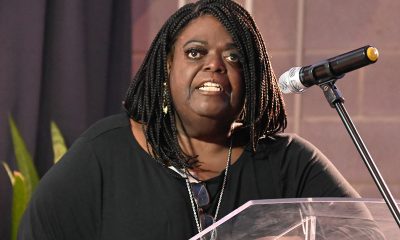
Education Minister Marco Antonio Ávila and Sports Minister Alexandra Benado are openly gay and lesbian respectively. Boric and his government took office a day after Chile’s marriage equality law took effect.
Emilia Schneider on Friday also became the first openly transgender woman sworn into the Chilean Congress.






Poland
Polish court rules country must recognize same-sex marriages from EU states
Poland ‘must comply with European Union law’
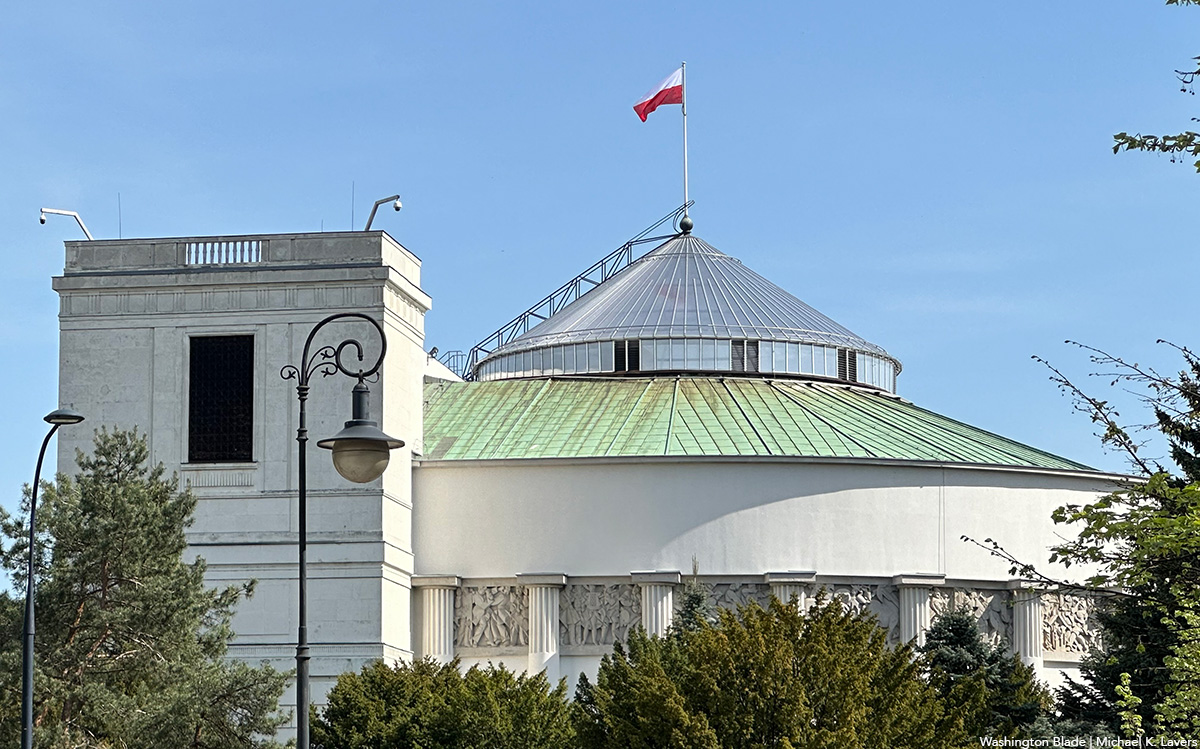
Poland’s Supreme Administrative Court on March 20 ruled the country must recognize same-sex marriages legally performed in other European Union states.
The EU Court of Justice in Luxembourg last November ruled in favor of a same-sex couple who challenged Poland’s refusal to recognize their German marriage.
The couple, who lives in Poland, brought their case to Polish courts in 2019. The Supreme Administrative Court referred it to the EU Court of Justice.
“Today’s ruling by the Supreme Administrative Court clearly demonstrates that Poland, as a member state of the European Union, must comply with European Union law,” said Przemek Walas, advocacy manager for the Campaign Against Homophobia, a Polish LGBTQ advocacy group, in a statement. “The Supreme Administrative Court rightly upheld the interpretation of the Court in Luxembourg and indicated that the only way to implement this ruling is to allow the transcription of a foreign marriage certificate.”
“This ruling is a significant step towards marital equality, but certainly not sufficient,” added Walas.
Ireland, Portugal, Spain, France, Luxembourg, Belgium, the Netherlands, Germany, Denmark, Austria, Slovenia, Malta, Greece, Sweden, Finland, and Estonia are the EU countries that have extended full marriage rights to same-sex couples. Poland — along with Romania, Bulgaria, and Slovakia — are the four EU countries with no legal recognition of same-sex couples.
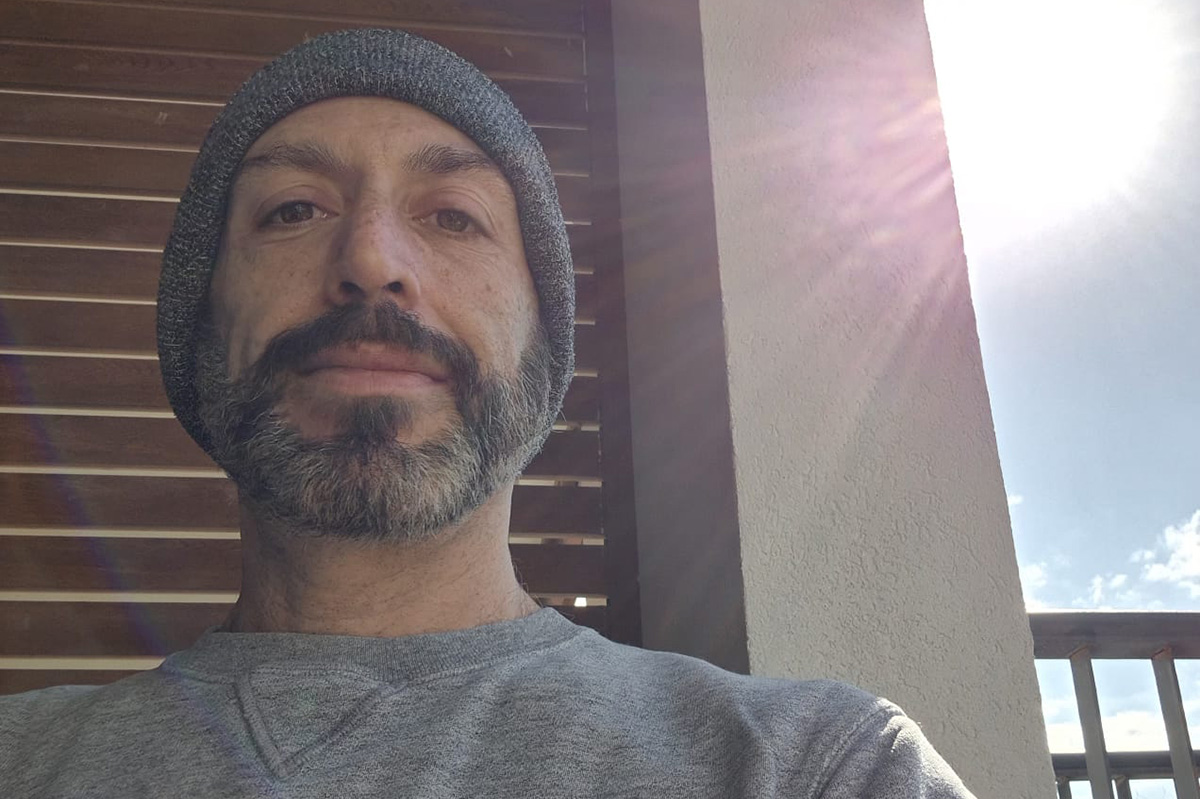
The Washington Blade on Wednesday spoke with Max Polonsky, a queer American who lives in Israel, about the Iran war and its impact on the country.
“It’s been tiring,” Polonsky told the Blade during a telephone interview from his home in Jaffa, an ancient port city with a large Arab population that is now part of Tel Aviv.
Polonsky grew up in Cherry Hill, N.J. He lived in D.C. for eight years before he moved to Israel in March 2022.
Israel and the U.S. on Feb. 28 launched airstrikes against Iran.
One of them killed Supreme Leader Ayatollah Ali Khamenei. Iran in response launched missiles and drones against Israel and other countries that include Kuwait, Bahrain, Qatar, the United Arab Emirates, Jordan, Saudi Arabia, Azerbaijan, and Cyprus.
An Iranian missile on March 1 killed nine people and injured 27 others in Beit Shemesh, an Israeli town that is roughly 20 miles west of Jerusalem. Shrapnel from an Iranian missile that struck a hair salon in Beit Awa, a Palestinian town in the West Bank, on Wednesday killed four women and injured more than a dozen others.
An Iranian drone that hit a command center in Kuwait on March 1 killed six U.S. soldiers: Sgt. Declan Coady, Sgt. 1st Class Nicole Amor, Capt. Cody Khork, Sgt. 1st Class Noah Tietjens, Chief Warrant Officer 3 Robert Marzan, and Maj. Jeffrey O’Brien. Another American servicemember, Sgt. Benjamin Pennington, died on March 8, a week after Iranian drones and missiles targeted the Prince Sultan Air Base in Saudi Arabia.
Iranian drones and missiles have damaged hotels, airports, oil refineries, and other civilian and energy infrastructure in the United Arab Emirates, Kuwait, Qatar, and elsewhere. Israel on Wednesday attacked Iran’s South Pars natural gas field in the Persian Gulf.
The Associated Press notes roughly 20 percent of the world’s crude oil passes through the Strait of Hormuz that connects the Persian Gulf and the Gulf of Oman. Gas prices in the U.S. and around the world continue to increase because the war has essentially closed the strategic waterway to ship traffic.
The war also left hundreds of thousands of people who were traveling in the Middle East stranded.
The Blade on March 6 spoke with Mario, who had stopped in his native Lebanon while traveling from the U.S. to India for work.
Mario was about to board a flight at Rafic Hariri International Airport in Beirut, the Lebanese capital, on Feb. 28 when the war began and authorities closed the country’s airspace. Mario is now back in the U.S.
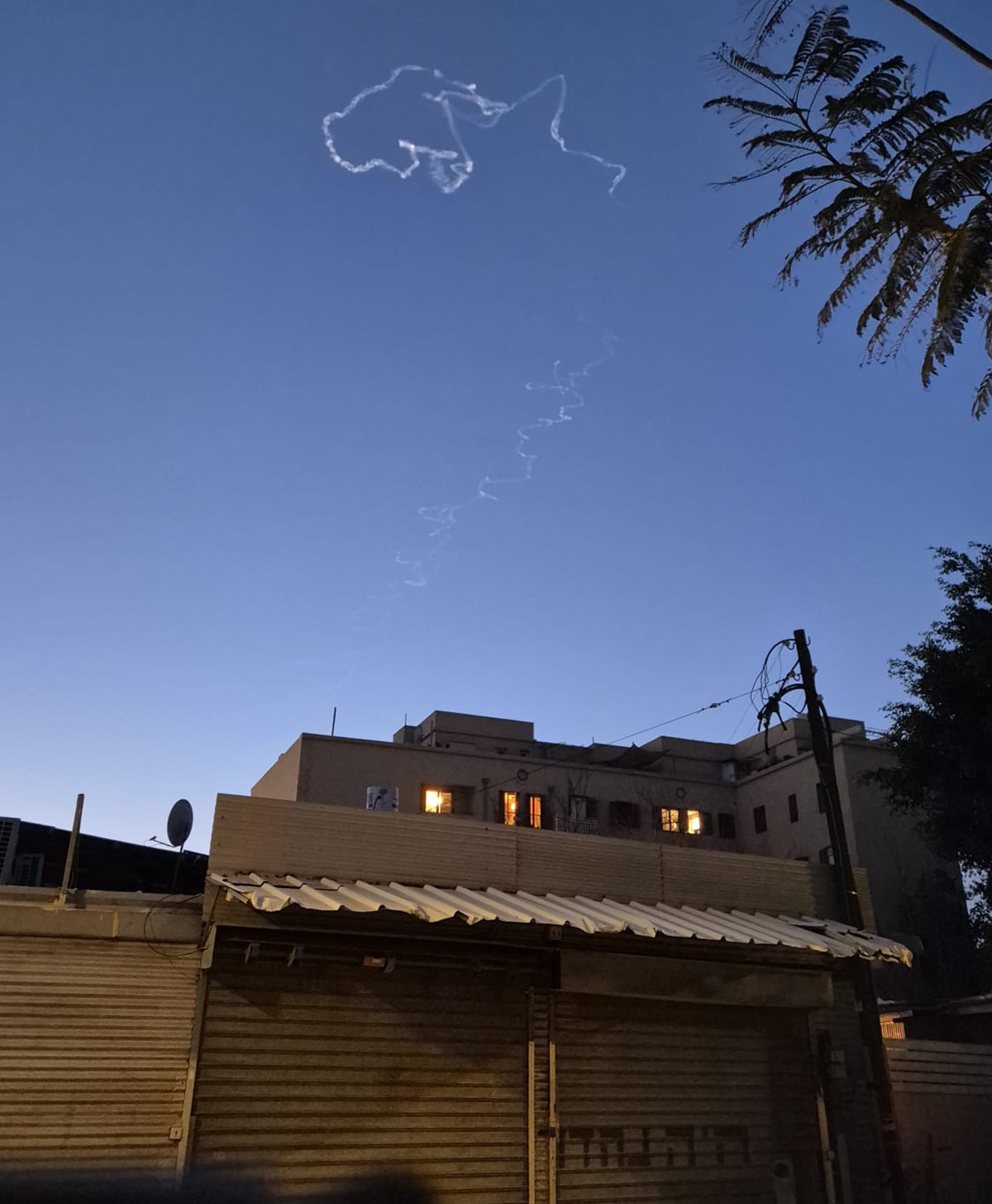
Polonsky told the Blade there were “alarms all day … sometimes multiple alarms an hour, sometimes every hour, every two hours” on Feb. 28.
Israel’s Home Front Command typically issues warnings about 10 minutes ahead of an anticipated Iranian missile attack. Sirens then sound 90 seconds before an expected strike.
People in Tel Aviv, Jerusalem, and in other cities in central Israel have 90 seconds to seek shelter if a rocket or missile is fired from Lebanon or the Gaza Strip. (Hezbollah, an Iran-backed Shia militant group in Lebanon that Israel and the U.S. have designated a terrorist organization, launched rockets at the Jewish State after Khamenei’s death. Israel, in turn, continues to carry out airstrikes against Hezbollah targets in Lebanon. Hamas militants on Oct. 7, 2023, killed upwards of 1,200 people when they launched a surprise attack against Israel from the Gaza Strip.) People who live close to Lebanon and Gaza have 15 seconds to seek shelter.
Polonsky has a safe room — known as a “mamad” — in his apartment. Polonsky also uses it as his home office and a second bedroom.
He told the Blade the alerts in recent days have become less frequent.
“We’ll get maybe a handful of alarms during the day, maybe some at night,” said Polonsky.
Israel on June 12, 2025, launched airstrikes against Iran that targeted the country’s nuclear and military facilities. The subsequent war, which lasted 12 days, prompted the cancellation of Tel Aviv’s annual Pride parade. An Iranian missile destroyed Mash Central, the city’s last gay bar.
Iran on Oct. 1, 2024, launched upwards of 200 ballistic missiles at Israel. This reporter arrived in Israel three days later to cover the first anniversary of Oct. 7 and the impact the subsequent war in the Gaza Strip had on LGBTQ Israelis and Palestinians.
‘Iranian regime was bad’
Polonsky admitted he doesn’t “know what to think” about the latest war against Iran.
“I don’t know what I think about the war,” he said. “Ultimately what happens is just not in my personal control: whatever Donald Trump, [Israeli Prime Minister Benjamin] Netanyahu, the ayatollah, whoever is running Iran are going to organize and launch attacks and reach any deals is not anything I personally have any control over, so I try to just kind of let that aspect of it go as I’m living my life.”
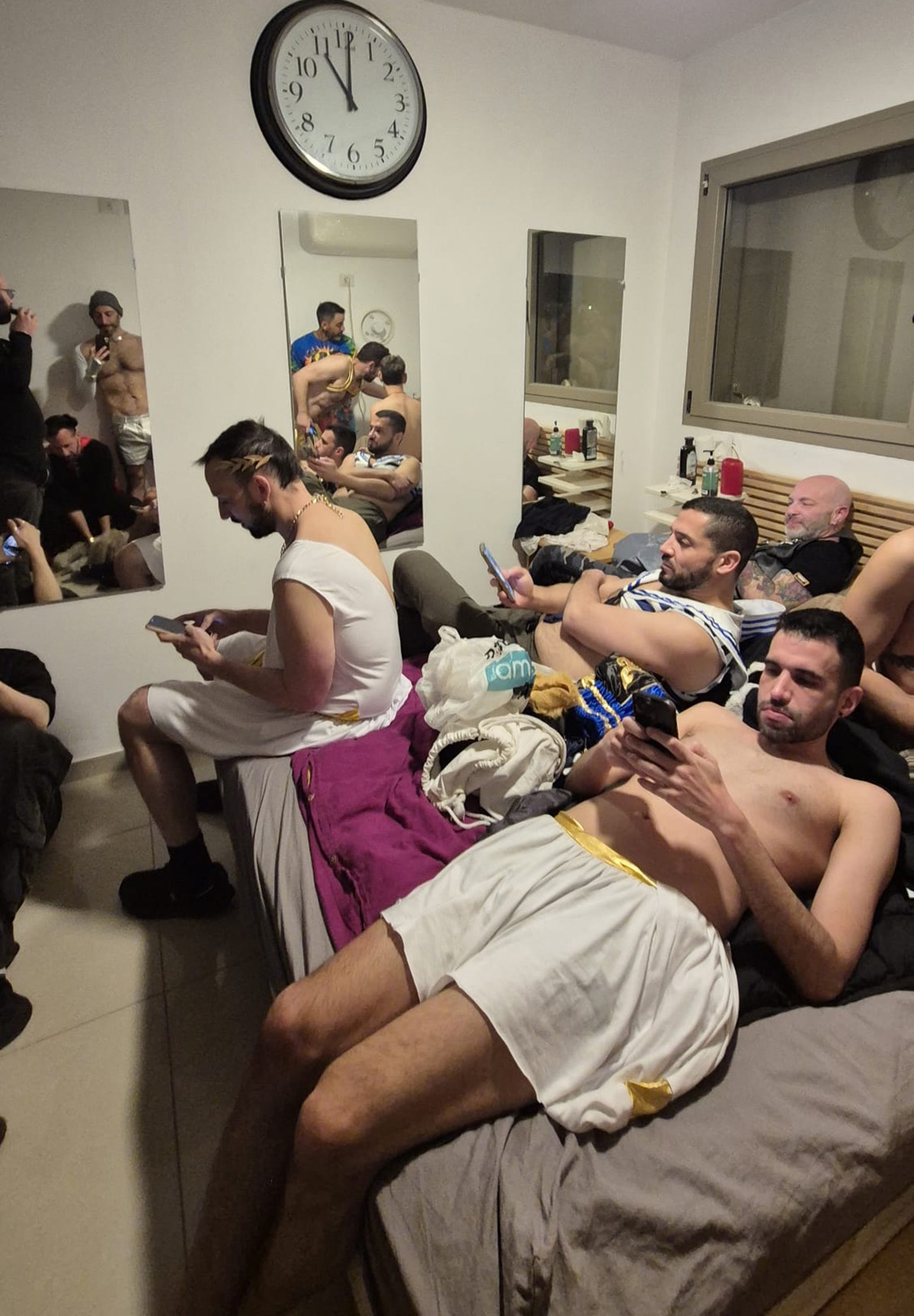
Polonsky told the Blade he understands “there are very serious questions about how” the war started, and Congress’s role in it.
“Those are serious and valid, important questions,” he said. “And at the same time, the Iranian regime was bad.”
Polonsky noted Iran has supported and funded Hezbollah, Hamas, Houthi rebels in Yemen, and other groups “who were attacking Israel.” Polonsky added the Iranian government has “terribly oppressed their people.”
Iran is among the handful of countries in which consensual same-sex sexual relations remain punishable by death.
Reports indicate Iranian authorities killed upwards of 30,000 people during anti-government protests that began late last year. Sources with whom the Blade spoke said LGBTQ Iranians are among those who participated in the demonstrations.
“I’m not sad to see them pressured,” said Polonsky, referring to the Iranian regime.
He also described Khamenei as “a bad guy.”
“Him not being there is better,” said Polonsky.
State Department
Report: US to withhold HIV aid to Zambia unless mineral access expanded
New York Times obtained Secretary of State Marco Rubio memo
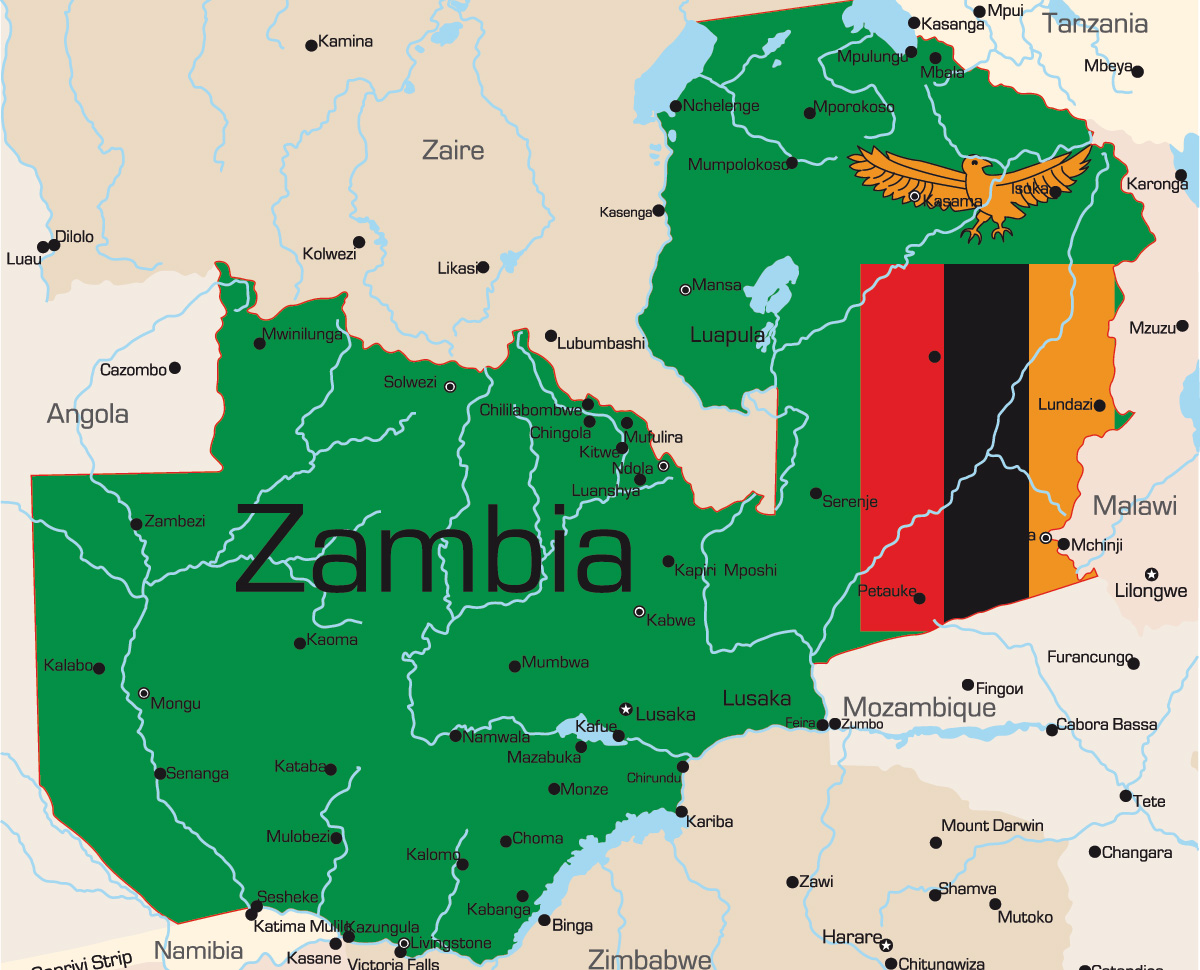
The State Department is reportedly considering withholding assistance for Zambians with HIV unless the country’s government allows the U.S. to access more of its minerals.
The New York Times on Monday reported Secretary of State Marco Rubio in a memo to State Department’s Bureau of African Affairs staffers wrote the U.S. “will only secure our priorities by demonstrating willingness to publicly take support away from Zambia on a massive scale.” The newspaper said it obtained a copy of the letter.
Zambia is a country in southern Africa that borders Tanzania, Malawi, Mozambique, Zimbabwe, Botswana, Namibia, Angola, and the Democratic Republic of Congo.
The Times notes upwards of 1.3 million Zambians receive daily HIV medications through PEPFAR. The newspaper reported Rubio in his memo said the Trump-Vance administration could “significantly cut assistance” as soon as May.
“Reports of (the) State Department withholding lifesaving HIV treatment in return for mining concessions in Zambia does not make us safer, stronger, or more prosperous,” said U.S. Sen. Jeanne Shaheen (D-N.H.), the ranking member of the Senate Foreign Relations Committee, on Tuesday. “Monetizing innocent people’s lives further undermines U.S. global leadership and is just plain wrong.”
The Washington Blade has reached out to the State Department for comment.
Zambia received breakthrough HIV prevention drug through PEPFAR
Rubio on Jan. 28, 2025, issued a waiver that allowed PEPFAR and other “life-saving humanitarian assistance” programs to continue to operate during a freeze on nearly all U.S. foreign aid spending. HIV/AIDS service providers around the world with whom the Blade has spoken say PEPFAR cuts and the loss of funding from the U.S. Agency for International Development, which officially closed on July 1, 2025, has severely impacted their work.
The State Department last September announced PEPFAR will distribute lenacapavir in countries with high prevalence rates. Zambia two months later received the first doses of the breakthrough HIV prevention drug.
Kenya and Uganda are among the African countries have signed health agreements with the U.S. since the Trump-Vance administration took office.
The Times notes the countries that signed these agreements pledged to increase health spending. The Blade last month reported LGBTQ rights groups have questioned whether these agreements will lead to further exclusion and government-sanctioned discrimination based on sexual orientation and gender identity.

Trans-led HIV clinic in Portsmouth struggles amid funding cuts

D.C. goes gaga for Gaga

Gay priest credited with boosting church support for LGBTQ Catholics

HRC to host National Rainbow Seder

Markwayne Mullin confirmed as next DHS secretary

‘How We Survived’ panel set for March 25

Calendar: March 21-26

Small is beautiful: subcompact SUVs

‘Inherit the Wind’ isn’t about science vs. religion, but the right to think