Africa
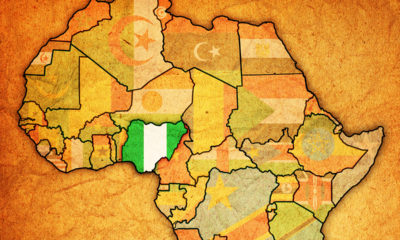
Three gay men sentenced to death in northern Nigeria
Sharia court in Bauchi state issued ruling on July 1
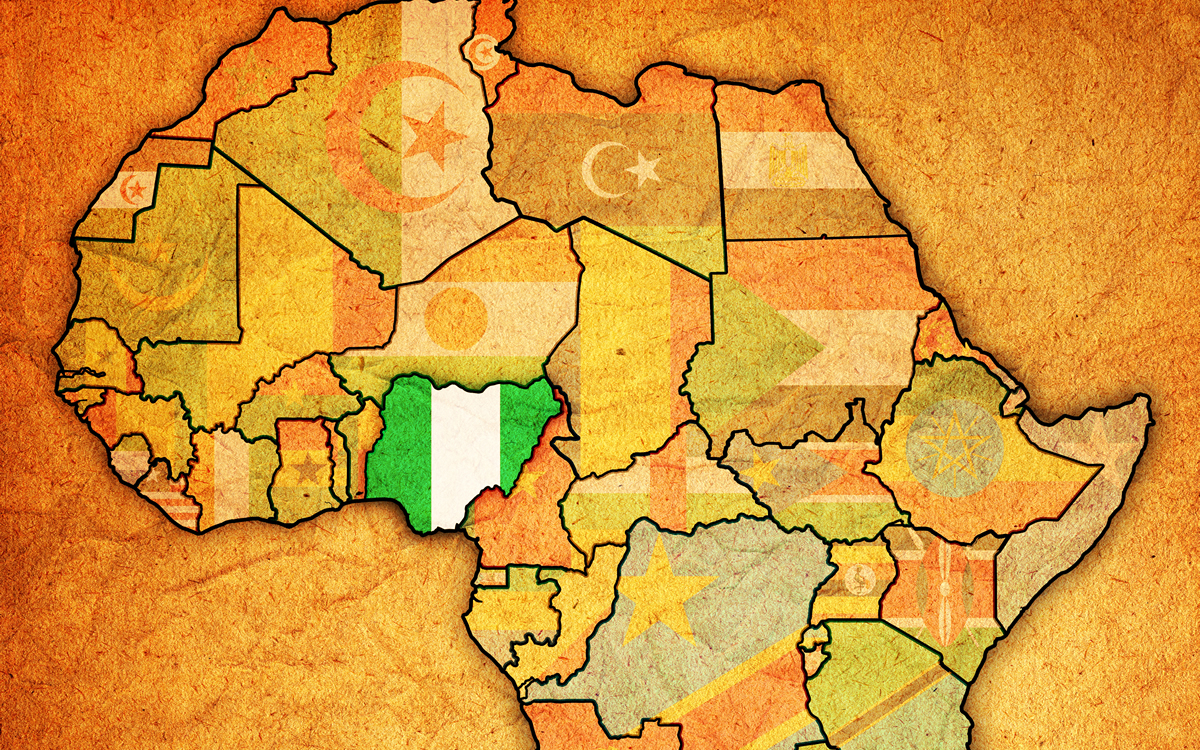
Advocacy groups in Nigeria have expressed alarm over the fate of three men who were sentenced to death because they are gay.
According to a Sharia, or Islamic law, court in Ningi in Bauchi state in northeastern Nigeria, the three men — Abdullahi Beti, 30, Kamilu Ya’u, 20, and Mal. Haruna, 70 — were arrested in the village of Gwada on June 14.
After hearing the statements by witnesses as well as admittance of guilt by the accused, Judge Munka’ilu Sabo-Ningi on July 1 sentenced them to death by stoning under Section 134 of the Bauchi State Penal Law of 2001 and a provision of Fiquhussunah Jizu’i, a book that is used to interpret Sharia law.
The three men have yet to be executed.
“First of all, the silver lining is that it’s not too late. Normally, the governor has to sign off on the execution before it happens and there is a one month period in which the convicts can appeal their death sentences,” noted the Queer Union for Economic and Social Transformation, a coalition of queer Nigerians.
The group, known by the acronym QUEST, noted the men could not afford a lawyer.
“Their trial continued without them being provided legal representation as the constitution requires and they were all made to plead guilty,” said QUEST. “We need to put pressure on national and religious leaders to weigh in on the unconstitutionality that went on in this process. These people will watch us all die if it means keeping their power. We cannot let their silence go unacknowledged.”
Jide Macaulay, an openly gay Nigerian pastor who was recently appointed chaplain of St. Peter’s House Chaplaincy at Manchester University in the U.K., on social media described the death sentences as barbaric and a violation of human rights.
“This is heartbreaking and the very reason that Pride is a protest. Killing gay people because of who they love is barbaric and an abuse of human rights,” said Macaulay. “We need a new voice of reason to protect the lives of lesbians, gays, bisexuals and transgender citizens in Nigeria. We must seek justice for the lives of these men. Queer Nigerians desperately need a change, a government that will deliver on their human rights, end police brutality and decriminalization of homosexuality. Any sane government will include those who deeply care about the welfare and justice for those most vulnerable. Queer Nigerians contribute to society and the economy. We cannot be ignored.”
Nigeria has penal and criminal codes that dictate crime and punishments for them in the country.
The penal code applies in the north, where there is a Muslim majority, and the criminal code in the southern part of the country, where there is a Christian majority.
Twelve states in northern Nigeria — Zamfara, Kano, Sokoto, Katsina, Bauchi, Borno, Jigawa, Kebbi, Yobe, Kaduna, Niger and Gombe — have implemented Sharia law that is applicable in marriage, divorce, inheritace, succession and other personal matters. Sharia courts impose sentences that can range from floggings and amputations to the death penalty.
The 12 Nigerian states that have implemented Sharia law are among the handful of jurisdictions around the world in which homosexuality remains punishable by death.
The last time a Nigerian Sharia court passed a death sentence was in 2016 when Abdulazeez Inyass was sentenced to death for blasphemy against Islam.
Daniel Itai is the Washington Blade’s Africa Correspondent.



Kenya
Kenyan High Court issues landmark transgender rights ruling
Government ordered to allow trans people to amend ID documents
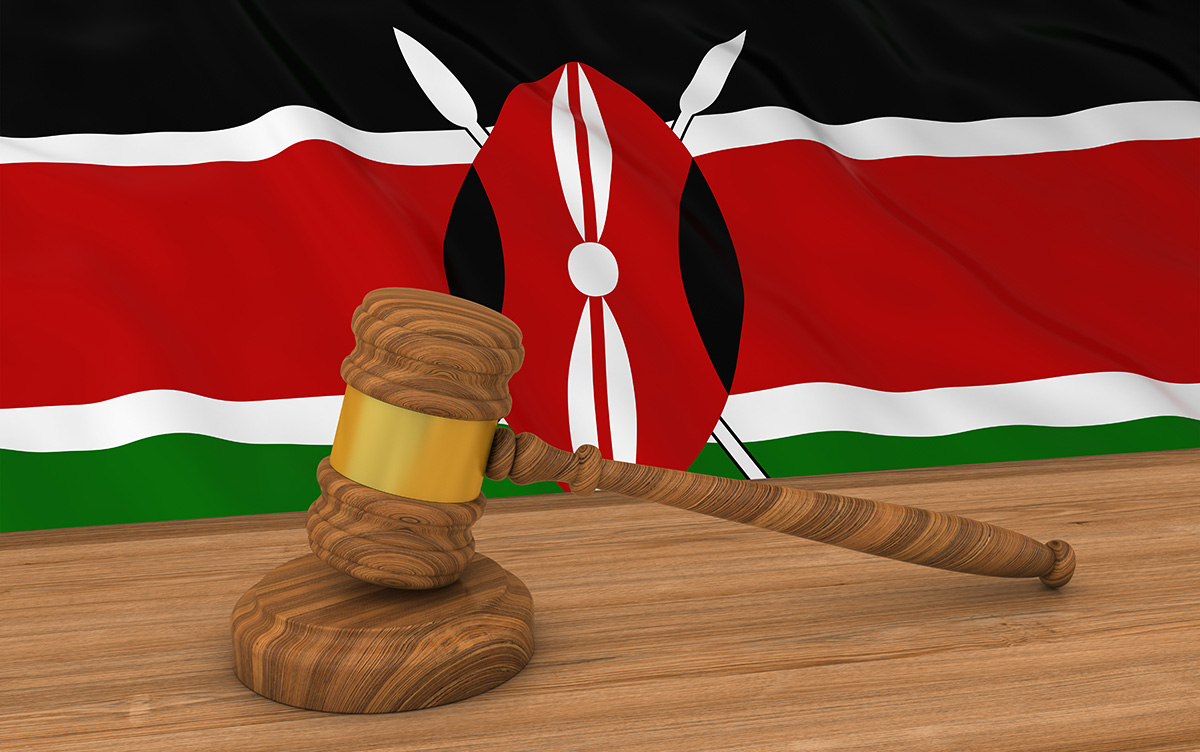
Kenya’s High Court has ruled the country’s government cannot refuse requests to amend gender markers on birth certificates and other ID documents.
Audrey Mbugua, a prominent transgender activist, and two other people in 2020 sued Attorney General Dorcas Oduor, the Registrar of Births and Deaths, the National Registration Bureau, and Immigration Services Director General Evelyn Cheluget after they did not receive amended birth certificates.
The Washington Blade previously reported the three plaintiffs argued documents that do not correspond with their gender identity “has denied them opportunities and rights.” Oduor, for her part, in response to the plaintiffs’ claims argued “a person’s gender is based on fact — not feelings — and the plaintiffs at birth were registered and named based on their gender status.”
High Court Justice Bahati Mwamuye ruled on May 20.
“The silence and delay cannot defeat rights,” ruled the court, according to the Daily Nation, a Kenyan newspaper. “Constitutional rights cannot be delayed over administrative convenience.”
The court in 2014 ordered the Kenya National Examinations Council to change Mbugua’s name on her academic diplomas and to remove the male gender marker from them.
Kenya’s intersex rights law took effect in 2022. The government in February 2025 announced intersex people can receive birth certificates with an “I” gender marker.
The Daily Nation notes Mwamuye ordered the Registrar of Deaths and Births and other government agencies to “begin receiving and considering applications for gender-marker changes within” 60 days.
“Access to legal identity documentation is not just a human rights issue; it is a foundational pillar of socio-economic inclusion,” said the Initiative for Equality and Non-Discrimination, a Kenyan advocacy group, in response to the ruling. Without accurate IDs or passports, individuals face severe barriers to employment, financial systems, global business travel, and participation in governance and democratic processes.”
“This ruling marks a critical step forward in reducing administrative discrimination and fostering an inclusive environment where every Kenyan citizen’s legal identity aligns with their dignity,” added INEND.
Outright International, a New York-based global LGBTQ and intersex advocacy group, in a statement described Mwamuye’s ruling as “a meaningful shift towards aligning Kenya’s legal framework with constitutional guarantees of equality, privacy, and human dignity. Outright International also applauded Mbugua and other activists who fought for this change.
“Today, we celebrate a milestone — one achieved through resilience, solidarity, and an unwavering belief in justice,” said the group. “Outright International stands with transgender and intersex Kenyans in honoring this victory and reaffirming our commitment to advancing rights, recognition, and equality for all.”
Ghana
Intersex lives, constitutional freedom, and the dangerous future of Ghana’s Human Sexual Rights and Family Values Bill
Lawmakers continue to consider draconian measure
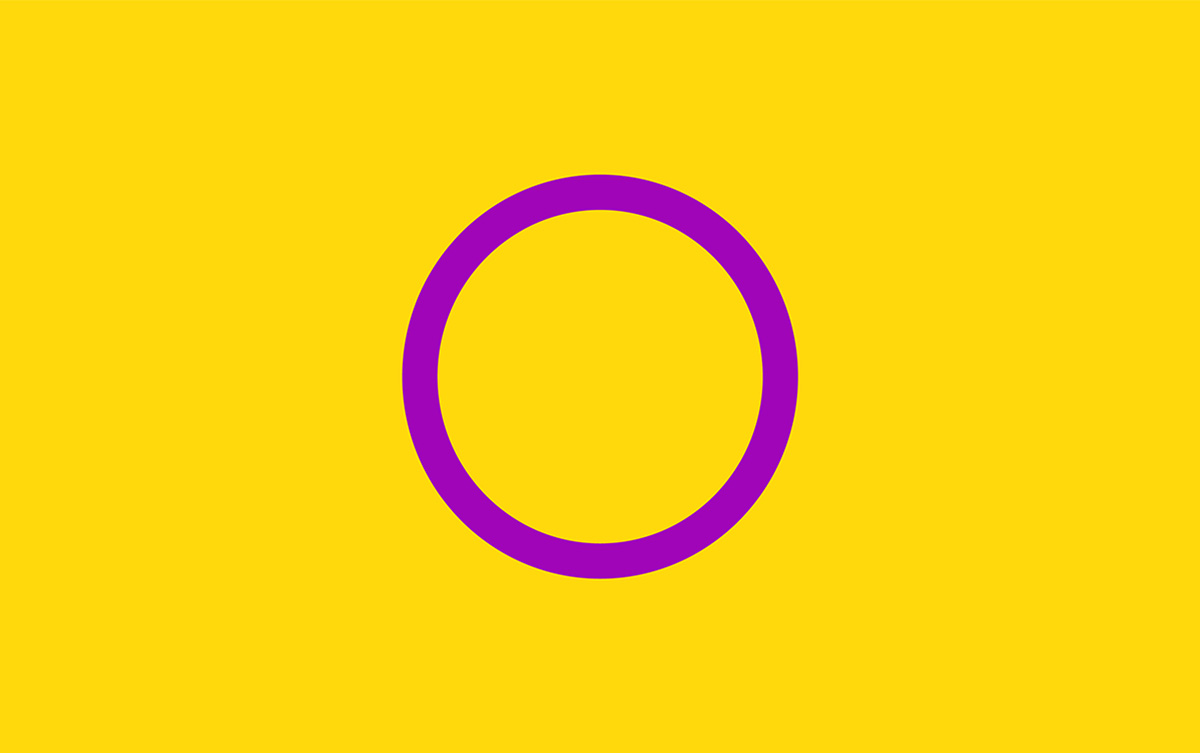
There is a dangerous silence surrounding intersex lives in Ghana — a silence shaped by fear, misinformation, cultural misunderstanding, and institutional neglect. Today, amid discussions around the possible passage of the Human Sexual Rights and Family Values Bill, 2025, that silence risks becoming law, reinforcing exclusion and deepening the marginalization of already invisible lives.
Much of the national debate surrounding the bill has focused on LGBTQ+ identities. Yet buried within it are implications for intersex persons that many Ghanaians do not fully understand because intersex realities remain largely invisible.
Intersex persons are born with natural variations in chromosomes, hormones, reproductive anatomy, and/or genital characteristics that do not fit typical definitions of male or female bodies. Intersex is not a sexual orientation or gender identity. It is a biological reality. Ghana’s Commission on Human Rights and Administrative Justice (CHRAJ) has clearly acknowledged this distinction.
Despite this distinction, the bill mistakenly collapses intersex realities into a legal framework linked to LGBTQ+ criminalization.
Although the bill contains only limited references to intersex persons, under certain medical exceptions, these references do not amount to recognition or protection. Instead, they frame intersex bodies as abnormalities requiring regulation, correction, and institutional management. This approach is inconsistent not only with Ghana’s constitutional guarantees of dignity, equality, privacy, and liberty, but also with emerging African and international human rights standards. The African Commission on Human and Peoples’ Rights Resolution on the Promotion and Protection of the Rights of Intersex Persons in Africa – ACHPR/Res.552 (LXXIV) 2023 affirms protections relating to bodily integrity, dignity, freedom from discrimination, and against harmful medical practices. Additionally, the United Nations has repeatedly condemned medically unnecessary and non-consensual interventions on intersex children. Rather than affirming the humanity and autonomy of intersex persons, the bill risks legitimizing systems of surveillance, coercion, violence, and institutional erasure.
This is not protection.
It is managed erasure.
A child born intersex in Ghana already enters a society shaped by secrecy and stigma. Families are often pressured to hide intersex children or seek “correction” to make their bodies conform to social expectations.
The bill risks intensifying this pressure.
Clause 17 creates space for “approved service providers” to support interventions relating to intersex persons, yet offers little protection around informed consent, bodily autonomy, confidentiality, or coercive treatment. Under the language of “correction” or “support,” harmful interventions may become normalized.
The intersex community has documented painful lived experiences of intersex Ghanaians that reveal the devastating consequences of stigma and invisibility.
One heartbreaking case involved intersex twins born in Ghana’s Eastern Region in 1993, who were repeatedly forced to move from village to village because of rejection and ridicule. After losing their father, their main source of protection and support, they became even more vulnerable and reportedly experienced severe emotional distress, including suicidal thoughts linked to years of stigma and exclusion. This is what invisibility looks like in practice.
Another painful example is the story of Ativor Holali, whose lived experience exposed the cruel realities intersex persons face in sports and public life. Ativor Holali endured invasive scrutiny, public humiliation, and social suspicion because her body did not conform to rigid expectations of femininity. Rather than being protected as a Ghanaian athlete deserving dignity and privacy, she became the subject of speculation, gossip, and institutional discomfort.
Her experience reflects a broader social crisis: when society insists that every body must fit a narrow binary definition, intersex people are forced to defend their humanity in spaces where dignity should already be guaranteed.
Intersex Persons Society Of Ghana (IPSOG)’s Ŋusẽdodo research further revealed that approximately 70 percent of intersex respondents reported depression, anxiety, trauma, or severe emotional distress linked to medical mistreatment, family rejection, bullying, and social exclusion.
The bill risks transforming these existing prejudices into institutional policy. Several provisions risk deepening surveillance, restricting advocacy, weakening confidentiality, and discouraging public education around intersex realities. Intersex-led organizations providing healthcare guidance, legal referrals, psychosocial support, and community services may face serious challenges.
This places IPSOG and other intersex-led organizations in Ghana at serious risk.
For many intersex Ghanaians, these spaces are not political luxuries.
They are survival mechanisms.
Governments derive legitimacy by protecting the natural rights of all persons, including dignity, liberty, bodily autonomy, and freedom from arbitrary interference. The bill raises concerns because it risks weakening these protections for intersex persons through surveillance, coercive interventions, and restrictions on advocacy.
Ghana’s Constitution declares that “the dignity of all persons shall be inviolable.” Articles 15, 17, 18, and 21 specifically protect dignity, equality, privacy, expression, and freedom of association. These protections should apply equally to intersex persons.
Intersex persons are not threats to Ghanaian culture.
Intersex children are not moral dangers.
Intersex bodies are not political weapons.
They are human beings deserving dignity, healthcare, safety, and constitutional protection.
The true measure of a democracy is how it protects those most vulnerable to exclusion. At this moment, Ghana faces a choice: deepen fear and silence, or uphold dignity, bodily autonomy, and constitutional freedom for intersex persons.
History will remember the choice we make.
Fafali Delight Akortsu is the founder and president of the Intersex Persons Society of Ghana (IPSOG).
Commentary
How do you vote a child out of their future?
Students reportedly expelled from Eswatini schools over alleged same-sex relationships
There is something deeply unsettling about a society that turns a child’s future into a public referendum. In Eswatini, there were reports that students were expelled from school over alleged same-sex relationships, and that parents were invited to vote on whether those children should remain, forcing us to confront a difficult question on when did education stop being a right and become a favor granted by collective approval? Because this is a non-neutral vote.
A vote reflects power, prejudice and personal beliefs, which are often linked to tradition, culture, politics and religion. It is shaped by fear, by stigma, by long-standing narratives about morality and belonging. To ask parents, many of whom may already hold hostile views about LGBTIQ+ people, to decide the fate of children is not consultation. It is deferring the responsibility and repercussion. It is placing the lives of young people in the hands of those most likely to deny them protection.
And where is the law in all of this?
The Kingdom of Eswatini is not operating in a vacuum. It has a constitution that guarantees the promotion and protection of fundamental rights, including equality before the law, equal protection of the laws, and the right to dignity. The constitution further goes on to protect the rights of the child, including that a child shall not be subjected to abuse, torture or other cruel, inhuman and degrading treatment or punishment.
The Children’s Protection and Welfare Act of 2012 extends the constitution and international human rights instruments, standards and protocols on the protection, welfare, care and maintenance of children in Eswatini. The Children’s Protection and Welfare Act of 2012 promotes nondiscrimination of any child in Eswatini and says that every child must have psychosocial and mental well-being and be protected from any form of harm. The acts of this very instance place the six students prone to harm and violence. The expulsion goes against one of the mandates of this act, which stipulates that access to education is fundamental to development, therefore, taking students out of school and denying them education contradicts the law.
Eswatini is a signatory to the United Nations Convention on the Rights of the Child and the African Charter on the Rights and Welfare of the Child. These are not just commitments made to make our governments look good and appeasing. They are obligations. The Convention on the Rights of the Child is clear regarding all actions concerning children. The best interests of the child MUST be a primary consideration and NOT secondary one. According to the CRC, as indicated in the Declaration of the Rights of the Child, “the child, by reason of his physical and mental immaturity, needs special safeguards and care, including appropriate legal protection, before as well as after birth.” It is not something to be weighed against public discomfort and popularity.
The African Charter on the Rights and Welfare of the Child reinforces this, grounding rights in non-discrimination (Article 3), privacy (Article 10) and protection from all forms of torture (Article 16). Access to education (Article 11) within these frameworks is not conditional but is a foundational right. It is not something that can be taken away because a child is perceived as falling outside social norms and threatening the moral fabric of society. It is a foundational right and determines one’s ability to participate in civic actions with dignity.
So again, where is the law when children are being expelled?
It is tempting to say the law is silent but that would be too generous. The law is not silent rather, it is being ignored and bypassed in favor of systems of decision-making that make those in power comfortable. When schools and their leadership defer to parental votes rather than legal standards, they are not acting neutrally. Expelling a child from school because of allegations is not a decision to be taken lightly. It disrupts education and limits future opportunities and for children already navigating identity and social pressure, this kind of exclusion can have profound psychological effects. It isolates them. It marks them for potential harm. Imagine being a child whose future is discussed in a room where people debate your worth. That is exposure. That is harm. There is a tendency to justify these actions in the language of culture, tradition, religion and protecting social cohesion. But culture is not static and the practice of Ubuntu values is not an excuse to violate rights. If anything, the principle of Ubuntu demands the opposite of what is happening here.
Ubuntu is not about conformity. It is about recognition and is the understanding that our humanity is bound up in one another. That we are diminished when others are excluded. That care, dignity, respect and compassion are not optional extras but central to how we exist together. Where, then, is Ubuntu in a school where some children are deemed unworthy of access to education?
Why are those entrusted with protecting children are failing to do so?
There is a very loud contradiction at play. On one hand, there is a claim to shared values and to the importance of community. On the other hand, there is a willingness to isolate and exclude those who do not fit within the narrow definition of what is acceptable. You cannot have both. A community that thrives on exclusion is neither cohesive nor safe.
It is worth asking why these decisions are being made in this way. Why not follow the established legal processes? Why not ensure that any disciplinary action within schools aligns with national and international obligations? Why introduce a vote at all? The answer is uncomfortable and lies in legitimacy and accountability. A vote creates the appearance of a collective agreement. But again, I reiterate, it distributes responsibility across many hands, making it hard to hold anyone accountable. It allows the school leadership to say “lesi sincumo sebantfu”(“This is what the community decided, not me”) rather than confronting their own role in human rights violations. If the law is clear and rights, responsibilities and obligations are established, then the question is not what the community feels. The question is why those entrusted with protecting children are failing to do so.
There is also a deeper issue here about whose rights are seen as negotiable. When we talk about children, we often speak of care, of understanding, of protection and safeguarding them because they are the future. But that language becomes selective when it intersects with sexuality, particularly when it involves LGBTIQ+ identities. Suddenly, care, understanding, protection, and safeguarding give way to punishment.
Easy decisions are not always just ones.
If the kingdom is serious about its commitments under its constitution, the Convention on the Rights of the Child and the African Charter on the Rights and Welfare of the Child, then those commitments must be visible in practice, not just in policy documents. Rather, they must guide decision-making in schools and in communities. That means recognizing that a child’s right to education cannot be overridden by a show of hands. It means ensuring that schools remain spaces of inclusion rather than sites of moral policing. It means holding leaders and institutions accountable when they fail to protect those in their care.
Bradley Fortuin is a consultant at the Southern Africa Litigation Center and a human rights activist.

China’s top court acknowledges anti-LGBTQ discrimination

Man accused of threatening to shoot D.C. bar employee after making anti-gay slurs

Bree Fram’s congressional campaign ends but her fight continues

Rev. Peter Leland DeGroote dies at 86