Maryland
Judge denies bail for gay former College Park mayor
Court documents include graphic description of images in child porn allegations
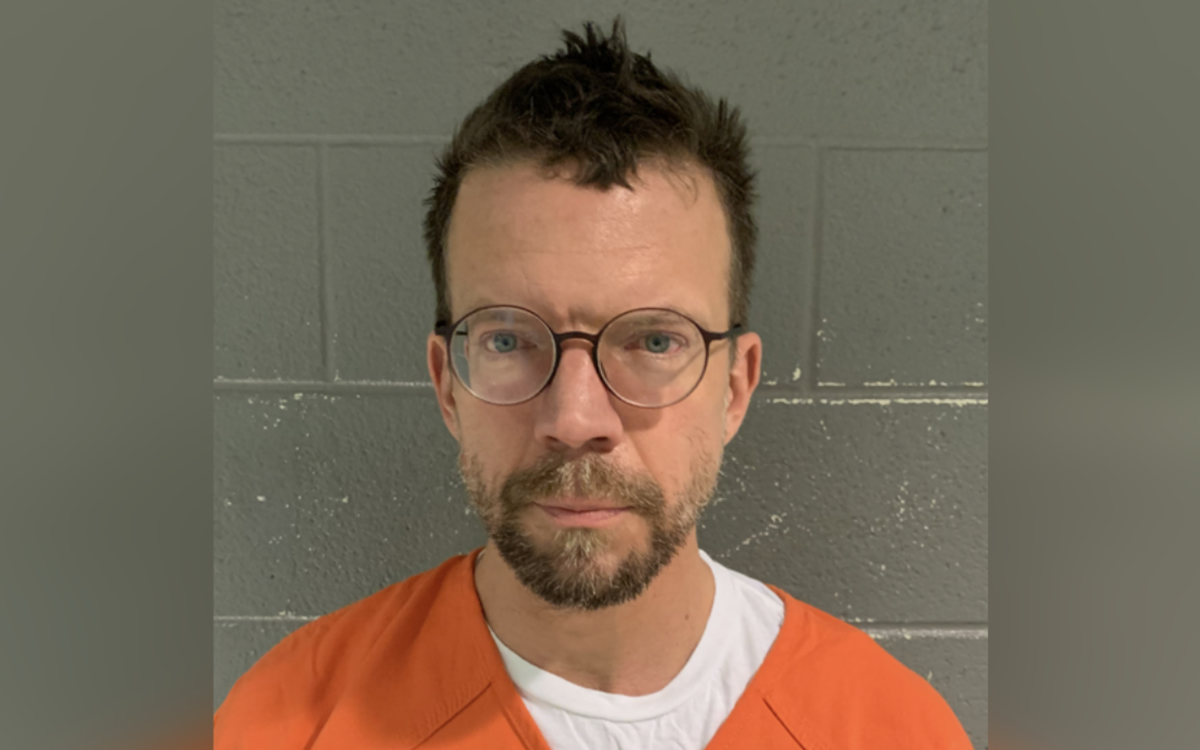
A Prince George’s County District Court Judge on Monday, March 6, ordered gay former College Park, Md., Mayor Patrick Wojahn held in jail without bond following his arrest last week on 56 counts of possession and distribution of child pornography.
“His husband and mother were both in the courtroom and were crying and hugging after the decision was made,” Channel 9 reporter Evan Koslof reported in an online post.
The denial of bond means Wojahn, 47, must remain in custody until at least March 31, when he is scheduled to appear for a preliminary hearing related to the charges against him, a clerk of the court told the Washington Blade.
In a development that shocked College Park officials and LGBTQ activists who knew and worked with Wojahn on LGBTQ rights issues for many years, Wojahn resigned as mayor on March 2, hours before his arrest and two days after Prince George’s County Police Department investigators executed a search warrant at his College Park house.
In a statement released on the day of his arrest, police said they confiscated during the search multiple cell phones, a storage device, a tablet and a computer, which contained evidence that Wojahn allegedly had downloaded at least 56 videos or still images of child pornography. The statement said police charged him with 40 counts of possession of “child exploitative material” and 16 counts of distribution of “child exploitative material.”
The statement said the investigation into the allegations remains open and active. Later on the day of his March 2 arrest, Prince George’s County Police Chief Malik Aziz said at a press conference that authorities anticipate filing additional charges, but he declined to say what those charges might be.
In his letter of resignation, which College Park officials publicly released, Wojahn said he fully cooperated with police at the time they searched his home and he planned to cooperate further.
“While this investigation does not involve any official city business of any kind, it is in the best interests of our community that I step aside and not serve as a distraction,” he stated in his resignation letter. “I am stepping away to deal with my own mental health,” he wrote. “I ask that you continue to keep me and my family in your prayers.”
In one of two detailed charging documents filed in court, Prince George’s County Police Det. J. Spicer, the lead investigator in the case, states that at the time police executed their search of the Wojahn residence police read to him his Miranda Rights to remain silent, which Wojahn waived and provided police with a statement.
In his statement, according to Spicer, he confirmed what investigators found in their earlier search of online records that Wojahn allegedly downloaded files containing child porn videos and child porn mages on the app known as KiK under the disguised username of “skippy_md.”
“He also indicated that when viewing these files, he ‘may have passed it on,’ indicating he has distributed files depicting child pornography to other persons,” Det. Spicer states in the charging document.
In the same charging document, Spicer provides a one or two sentence description of what each of the 56 video or still image files that Wojahn allegedly downloaded, possessed, or distributed. Most of the detective’s descriptions say the video or image show a “prepubescent male” engaging in sex with another “prepubescent male” or with an adult male. Other descriptions say the prepubescent male was engaging in masturbation.
In a separate statement of charges prepared by Spicer filed in the District Court of Maryland for Prince George’s County, which is in Upper Marlboro, Wojahn is charged with 16 individual felony counts of knowingly possessing with the intent to distribute an image or a video that “depicts a minor engaged as a subject of sexual conduct.”
Written next to each of the 16 charges, which bear a coded number for the specific video or image Wojahn allegedly distributed, is the potential penalty of 10 years in jail and/or a $25,000 fine.
The same document charges him with 40 individual misdemeanor counts of possession of videos or images “showing an individual under 16 years of age engaged in sexual conduct.” The document shows that each of those charges carries a possible maximum sentence of five years in prison and/or a $2,500 fine.
If convicted on all 16 counts of possession with intent to distribute, Wojahn could theoretically be sentenced to 160 years in jail and/or a fine of $400,000. However, legal observers have said prosecutors in cases like this often extend a plea bargain offer with a reduced number of charges in exchange for a guilty plea.
Wojahn’s attorney, David H. Moyse, has said it was too soon for him to comment on the case other than to reiterate that Wojahn “has been cooperating fully with law enforcement throughout this process and will continue to do so.”


Cameroon
Gay Cameroonian immigrant will be freed from ICE detention — for now
Ludovic Mbock’s homeland criminalizes homosexuality
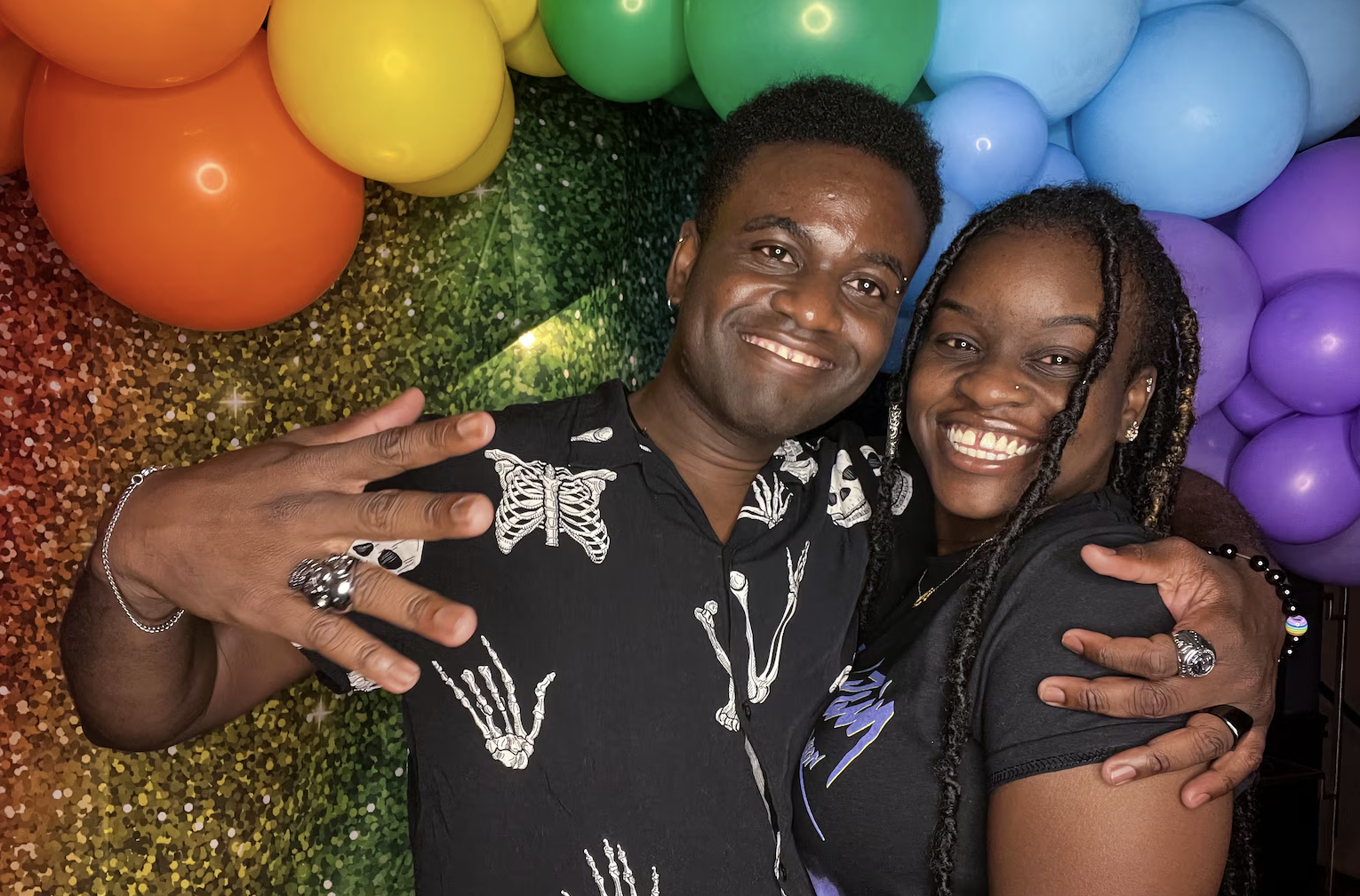
By ANTONIO PLANAS | An immigration judge on Friday issued a $4,000 bond for a Cameroonian immigrant and regional gaming champion held in federal immigration detention for the past three weeks.
The ruling will allow Ludovic Mbock, of Oxon Hill, to return to Maryland from a Georgia facility this weekend, his family and attorney said.
“Realistically, by tomorrow. Hopefully, by today,” said Mbock’s attorney, Edward Neufville. “We are one step closer to getting Ludovic justice.”
The rest of this article can be found on the Baltimore Banner’s website.
Maryland
Md. Legislative LGBTQ+ Caucus outlines 2026 priorities
Expanded PrEP access among objectives
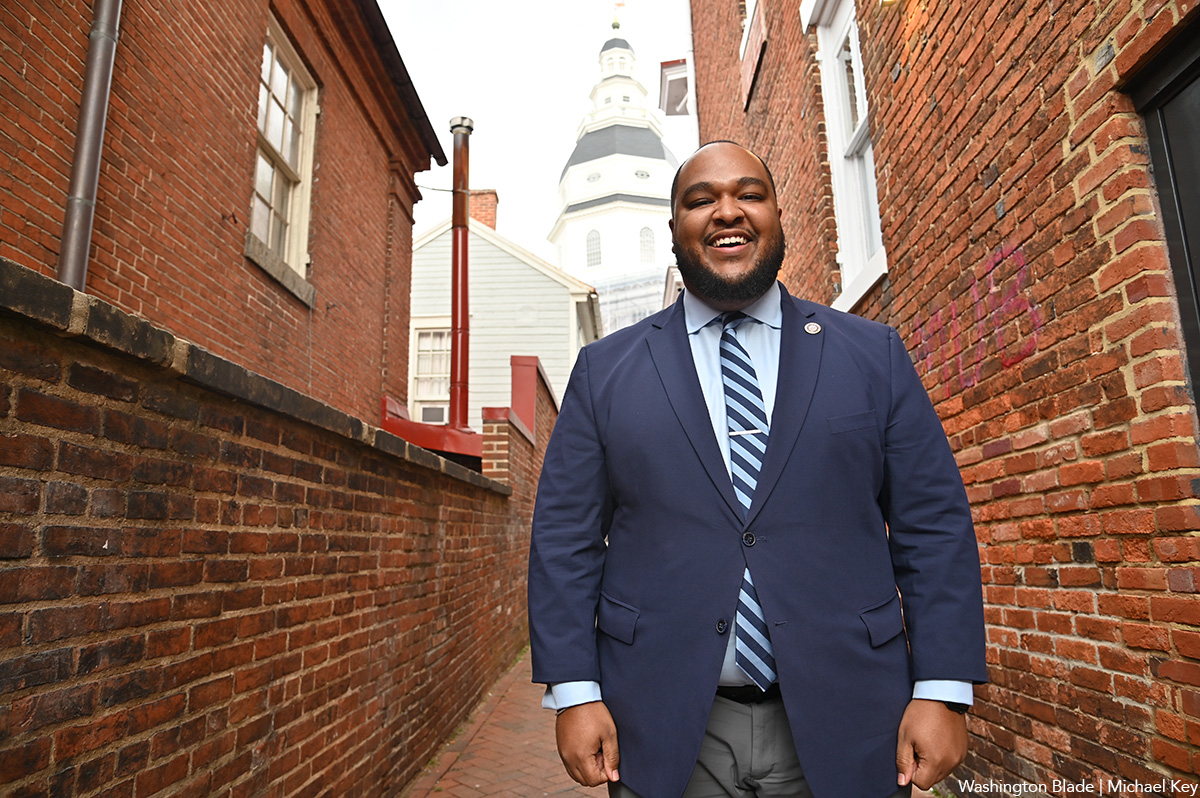
Maryland’s Legislative LGBTQ+ Caucus outlined legislative priorities for the remainder of the General Assembly’s 2026 term during a press conference on March 5.
State Del. Kris Fair (D-Fredrick County) led the press conference. State Del. Ashanti Martinez (D-Prince George’s County) and other caucus members also spoke.
Caucus members are sponsoring 12 bills and supporting four others.
Martinez is sponsoring House Bill 1114, which would expand PrEP access in Maryland.
“PrEP is 99 percent effective in preventing HIV transmission,” he explained, noting PrEP’s cost often turns away potential users.
The bill aims to extend insurance coverage and expand pharmacists’ ability to prescribe PrEP along with other HIV treatments and testing. Martinez is working with state Sen. Clarence Lam (D-Anne Arundel and Howard Counties) and FreeState Justice on the bill.
The House Health Committee had a hearing last week that included HB1114.
“Ending the HIV epidemic is about expanding access and providing these life-saving tools to all persons in Maryland,” Martinez said.
Several other pieces of legislation were highlighted during the press conferences. They included measures focused on youth and education, birth certificate markers, so-called conversion therapy, and hormone medications.
State Sen. Cheryl Kagan (D-Montgomery County) is cosponsoring Senate Bill 950, which would update and strengthen conversion therapy laws. State Del. Bonnie Cullison (D-Montgomery County) has introduced an identical bill that would extend the statute of limitations on individuals who facilitate conversion therapy.
Kagan explained the bill would allow conversion therapy victims to come to terms with their experience undergoing the widely discredited practice that “creates shame and it silences survivors.”
When questioned, Fair explained the press conference happened late into the legislative session because “we [the caucus] are constantly having to respond in real time to what’s happening in Washington” while drafting and considering pieces of legislation.
The Frederick County Democrat described this session’s bills as the “most ambitious list of priorities to date.” Fair also described the caucus’s goals.
“It’s decency, it’s dignity, and its humanity,” he said.
Maryland
Md. Commission on LGBTQIA+ Affairs released updated student recommendations
LGBTQ students report higher rates of bullying, suicide
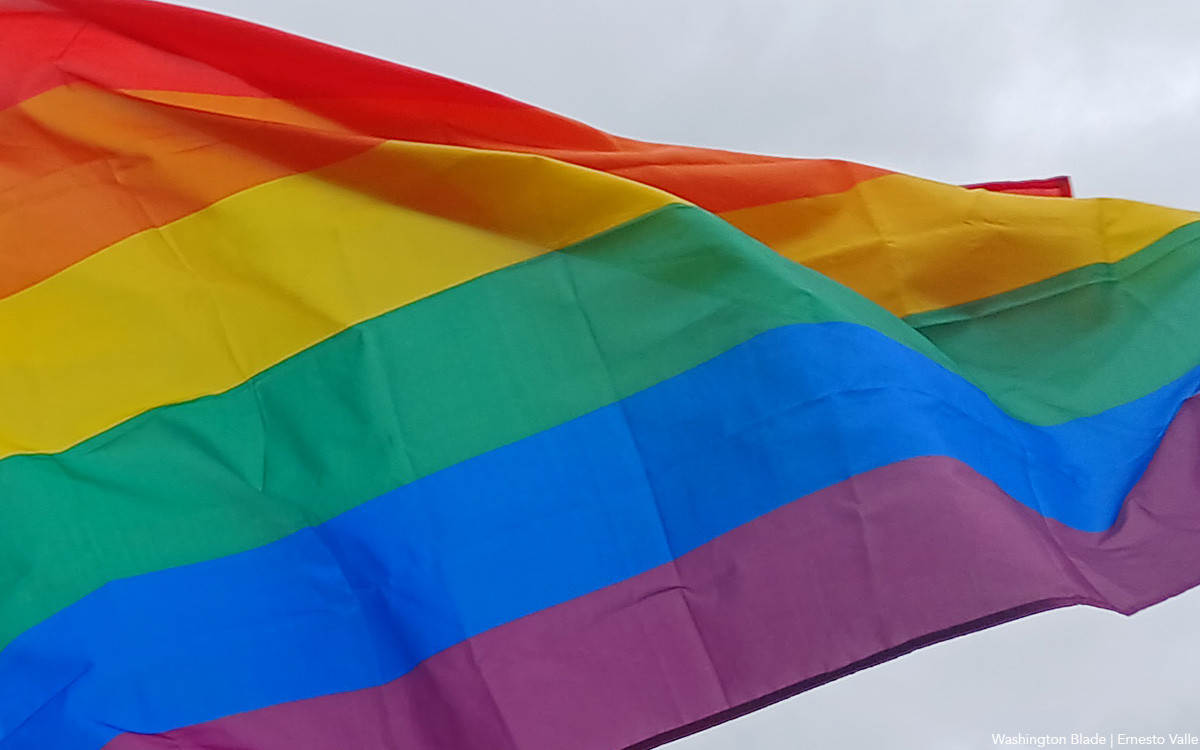
The Maryland Commission on LGBTQIA+ Affairs has released updated recommendations on how the state’s schools can support LGBTQ students.
The updated 16-page document outlines eight “actionable recommendations” for Maryland schools, supplemented with data and links to additional resources. The recommendations are:
- Developing and passing a uniform statewide and comprehensive policy aimed at protecting “transgender, nonbinary, and gender expansive students” against discrimination. The recommendation lists minimum requirements for the policy to address: name, pronoun usage, and restroom access.
- Requiring all educators to receive training about the specific needs of LGBTQ students, by trained facilitators. The training’s “core competencies” include instruction on terminology, data, and support for students.
- Implementing LGBTQ-inclusive curricula and preventing book bans. The report highlights a “comprehensive sexual education curriculum” as specifically important in the overall education curriculum. It also states the curriculum will “provide all students with life-saving information about how to protect themselves and others in sexual and romantic situations.”
- Establishing Gender Sexuality Alliances “at all schools and in all grade levels.” This recommendation includes measures on how to adequately establish effective GSAs, such as campaign advertising, and official state resources that outline how to establish and maintain a GSA.
- Providing resources to students’ family members and supporters. This recommendation proposes partnering with local education agencies to provide “culturally responsive, LGBTQIA+ affirming family engagement initiatives.”
- Collecting statewide data on LGBTQ youth. The data on Maryland’s LGBTQ youth population is sparse and non-exhaustive, and this recommendation seeks to collect information to inform policy and programming across the state for LGBTQ youth.
- Hiring a full-time team at the Maryland Department of Education that focuses on LGBTQ student achievement. These employees would have specific duties that include “advising on local and state, and federal policy” as well as developing the LGBTQ curriculum, and organizing the data and family resources.
- Promoting and ensuring awareness of the 2024 guidelines to support LGBTQ students.
The commission has 21 members, with elections every year, and open volunteer positions. It was created in 2021 and amended in 2023 to add more members.
The Governor’s Office of Communication says the commission’s goal is “to serve LGBTQIA+ Marylanders by galvanizing community voices, researching and addressing challenges, and advocating for policies to advance equity and inclusion.”
The commission is tasked with coming up with yearly recommendations. This year’s aim “to ensure that every child can learn in a safe, inclusive, and supportive environment.”
The Human Rights Campaign’s most recent report on LGBTQ youth revealed that 46.1 percent of LGBTQ youth felt unsafe in some school settings. Those numbers are higher for transgender students, with 54.9 percent of them saying they feel unsafe in school.
Maryland’s High School Youth Risk Behavior Survey reveals a disparity in mental health issues and concerns among students who identify as LGBTQ, compared to those who are heterosexual. LGBTQ students report higher rates of bullying, feelings of hopelessness, and suicidal thoughts. Nearly 36 percent of LGBTQ students report they have a suicide plan, and 26.7 percent of respondents say they have attempted to die by suicide.
The commission’s recommendations seek to combat the mental health crisis among the state’s LGBTQ students. They are also a call for local and state governments to work towards implementing them.

Markwayne Mullin confirmed as next DHS secretary

Gay man murdered in Va.

Trans Day of Visibility events planned

Virginia General Assembly’s 2026 legislative session ends

Polish court rules country must recognize same-sex marriages from EU states

Queer American in Israel discusses Iran war’s impact

‘How We Survived’ panel set for March 25

Calendar: March 21-26

Small is beautiful: subcompact SUVs