European Union
Surge in transphobic rhetoric across Europe sparks concern ahead of EU elections
ILGA-Europe released comprehensive report on Thursday
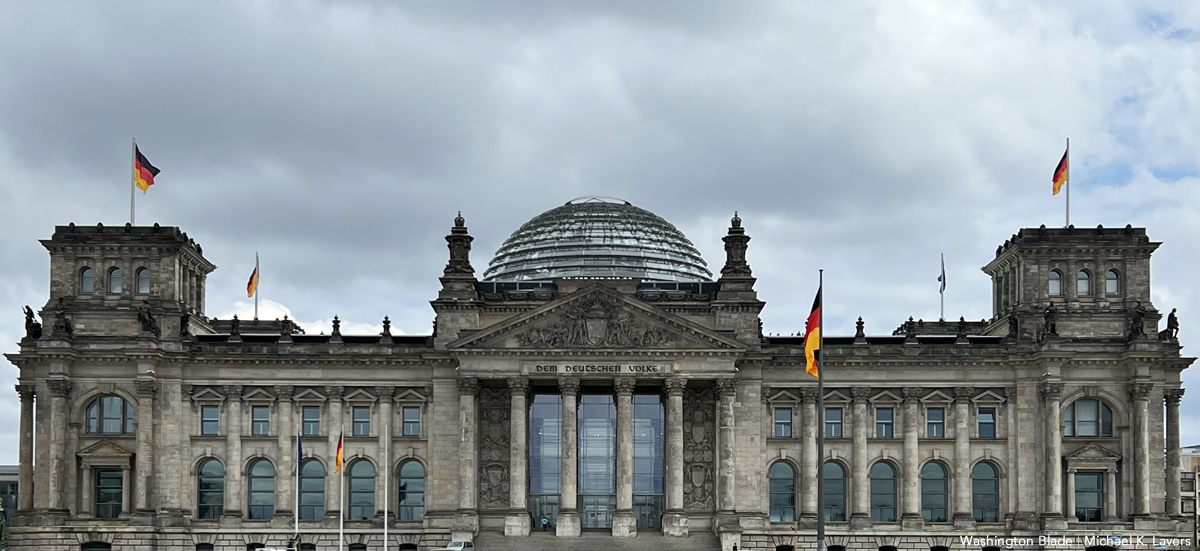
As the European Union prepares for the upcoming elections in June, an increase in anti-LGBTQ sentiments and transphobic rhetoric in particular from politicians across the continent has sparked concern.
A comprehensive report that ILGA-Europe released on Thursday reveals a stark rise in hate speech from politicians in 32 European countries, with 21 of them being EU member states.
The 13th Annual Review of the Human Rights Situation of LGBTQ People in Europe and Central Asia sheds light on a concerning trend of hate speech targeting the LGBTQ and intersex community. A significant portion of these statements has been directed at trans people in various EU member states that include Austria, Bulgaria, Croatia, Cyprus, Czechia, Denmark, Germany, Greece, Hungary, Iceland, Ireland, Italy, Latvia, Luxembourg, the Netherlands, Norway, Romania, Portugal, Slovakia, Spain and Sweden.
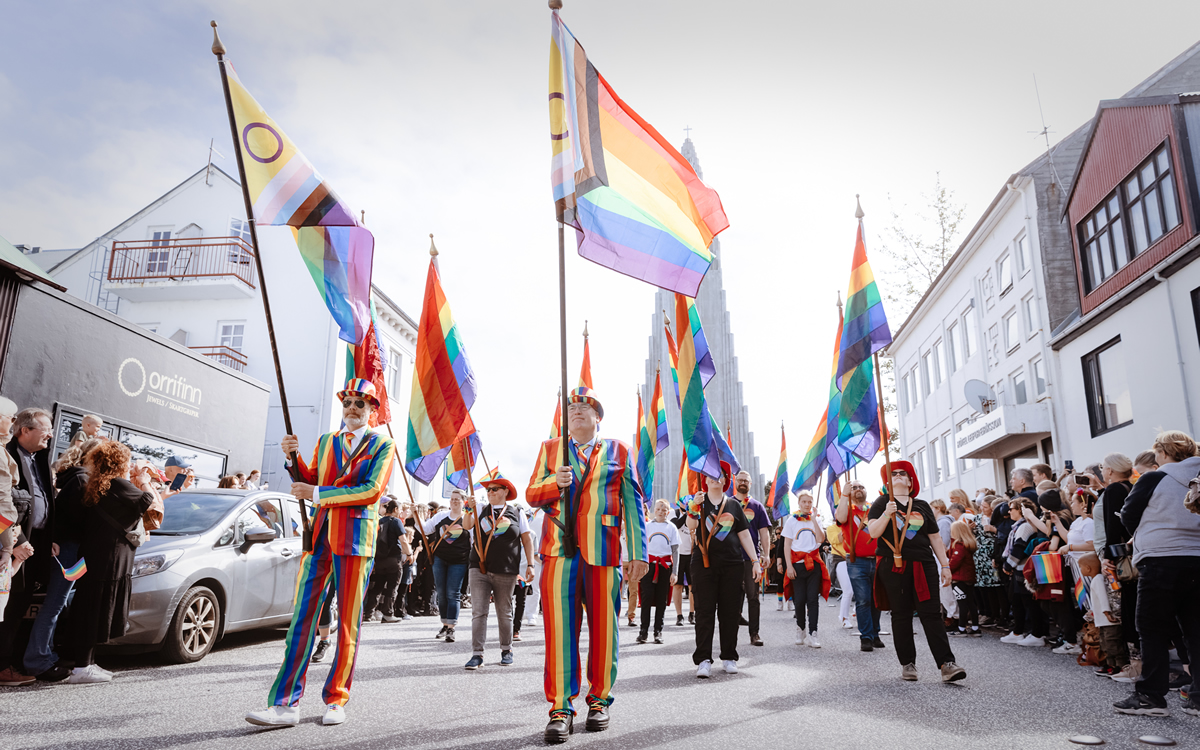
Politicians have increasingly utilized anti-trans rhetoric, often weaponizing children as part of scare tactics to generate opposition to trans minors’ access to healthcare and educational restrictions. This strategy extends to a broader trend where politicians argue that limiting information about LGBTQ individuals is necessary to protect minors.
The report underscores the detrimental impact of demonization by politicians and attempts to introduce restrictive legislation. These actions have contributed to a rise in suicide rates and mental health issues, particularly among young LGBTQ individuals. Moreover, the report notes an escalation in violent protests outside schools and libraries, creating unsafe environments for young people.
The fear-mongering tactics have further exacerbated attacks on LGBTQ people.
Out of the 54 countries covered in the review, only six reported no hate crimes in 2023. In the remaining 48 countries, verbal and physical violence, with a focus on trans people, were prevalent. Only one EU member state reported no hate crimes.
“The very core values and standards upon which the EU was founded are being called into question,” said ILGA-Europe Advocacy Director Katrin Hugendubel.
She emphasized that human rights, especially those of LGBTQ people, are facing a significant challenge from far-right forces. Hugendubel highlighted the divisive nature of exploiting LGBTQ rights to undermine democracy, human rights and the rule of law.
In response to these alarming trends, ILGA-Europe will launch the “Come Out 4 Europe” campaign next week. The campaign aims to provide candidates for the European Parliament with an opportunity to demonstrate their commitment to supporting and protecting the rights of LGBTQ people.
“LGBTQ rights are under attack, and children are being harmed in the process,” ILGA-Europe Executive Director Chaber stressed.
The “Come Out 4 Europe” campaign will call for clear political commitments on safeguarding human rights, democracy, and freedom from candidates in the upcoming European Parliament elections in June.





European Union
Poland’s top court rejects recognition of same-sex marriages from other EU countries
Ruling sets up potential clash with bloc

Poland’s top court this week rejected the recognition of same-sex marriages legally performed in other EU countries.
The EU Court of Justice in Luxembourg last November ruled in favor of a same-sex couple who challenged Poland’s refusal to recognize their German marriage. Poland’s Supreme Administrative Court in March reaffirmed the decision.
The couple, who lives in Poland, brought their case to Polish courts in 2019. The Supreme Administrative Court referred it to the EU Court of Justice.
The Polish government in May announced it will recognize same-sex marriages legally performed in other EU countries. Polish President Karol Nawrocki on July 17 vetoed bills that would have extended rights to same-sex couples.
The Constitutional Tribunal ruling, which it issued on July 28, was unanimous and final. It also sets up a potential clash between it and the EU Court of Justice.
European Union
European Commission says all EU countries should ban conversion therapy
Recommendation ‘an important step forward for LGBTI rights across Europe’
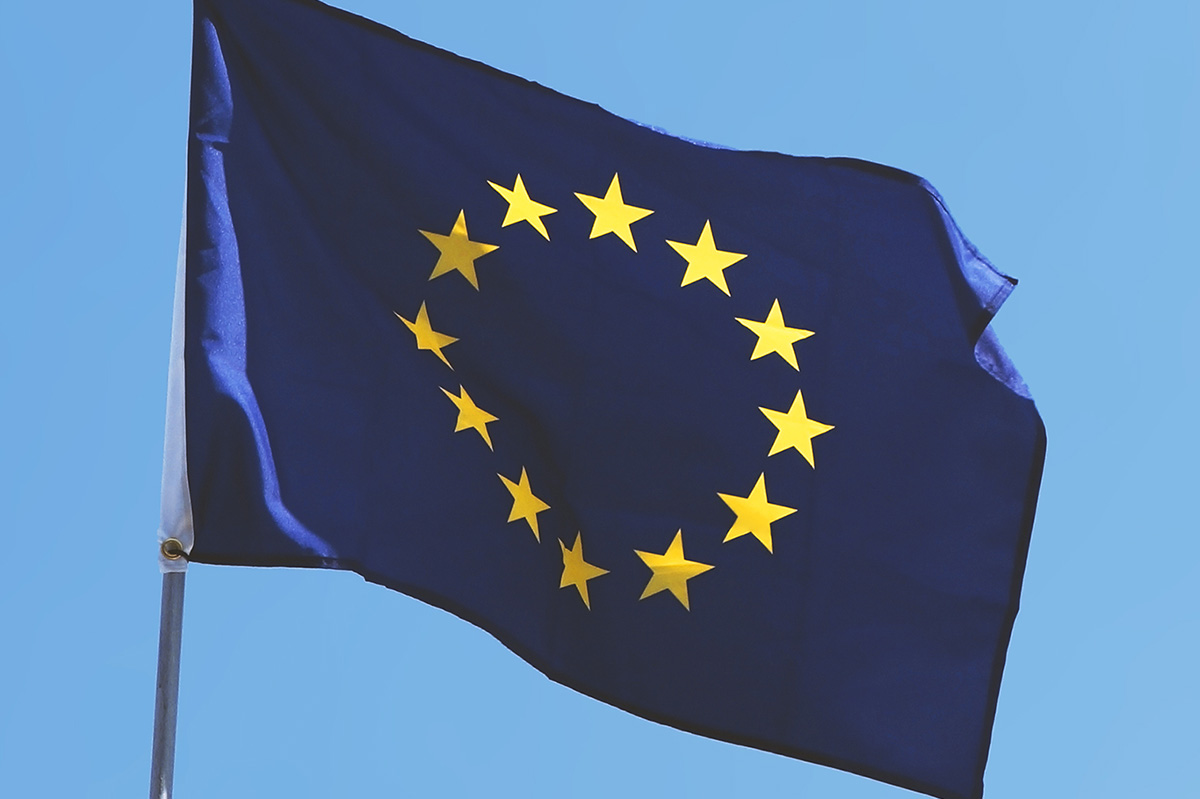
The European Commission on Wednesday said all European Union countries should ban so-called conversion therapy.
The recommendation comes weeks after the European Parliament voted in favor of prohibiting the widely discredited practice across the EU. More than 1.2 million people signed a campaign in support of the ban that ACT (Against Conversion Therapy) LGBT launched in 2024 through the EU’s European Citizens Initiative framework.
“We warmly welcome today’s commitment from the European Commission to a recommendation on ending conversion practices, an important step forward for LGBTI rights across Europe,” said ILGA Europe in a statement.
Seven EU countries — Belgium, Cyprus, France, Malta, Norway, Portugal, and Spain — have banned conversion therapy outright.
Greece in 2022 banned the practice for minors. German lawmakers in 2020 passed a law that prohibits conversion therapy for minors and for adults who have not consented to undergoing the widely discredited practice.
ILGA Europe said the European Commission’s recommendation “highlights how much work remains to be done.”
“Ending conversion practices cannot stop at symbolic commitments or fragmented national approaches,” stressed the advocacy group. “We need coordinated EU action, proper training for professionals, and survivor-centered support systems that recognize the serious harm these practices cause.”
“More than one million people supported the European Citizens’ Initiative calling for change,” added ILGA Europe. “The message is clear: conversion practices are not therapy or belief, they are a form of violence that Europe can and should end.”
European Union
European Parliament backs EU-wide conversion therapy ban
More than 1.2 million people backed campaign
The European Parliament on Wednesday voted in favor of banning so-called conversion therapy across the European Union.
ACT (Against Conversion Therapy) LGBT in 2024 launched a campaign in support of the ban through the EU’s European Citizens Initiative framework. More than 1.2 million people ultimately signed it.
The proposed ban had the support of 405 MEPs. The European Commission is expected to formally respond to it by May 18.
Seven EU countries — Belgium, Cyprus, France, Malta, Norway, Portugal, and Spain — have banned conversion therapy outright.
Greece in 2022 banned the practice for minors. German lawmakers in 2020 passed a law that prohibits conversion therapy for minors and for adults who have not consented to undergoing the widely discredited practice.

Essential queer horror classics for Halloween

Solidarity beyond the parade: the actual cost of Pride

Physician: addiction doesn’t always look the way you think it does

Calendar: October 9-15

ICC unseals arrest warrants for Taliban officials accused of persecuting LGBTQ people, women

Alianza para la Inclusión fortalece la defensa de derechos LGBTQ en Centroamérica

The facts about Victory Fund’s investigation and the path forward

In Ga., 2 trans candidates believe voters are ready for them

Bessent says Trump chose him for his qualifications, not his sexuality

10 years later, we still can’t shake Barry Jenkins’s ‘Moonlight’
-

 Central America4 days ago
Alianza para la Inclusión fortalece la defensa de derechos LGBTQ en Centroamérica
-
Opinions4 days ago
The facts about Victory Fund’s investigation and the path forward
-
Georgia4 days ago
In Ga., 2 trans candidates believe voters are ready for them
-
Federal Government4 days ago
Bessent says Trump chose him for his qualifications, not his sexuality