European Union
Irish Prime Minister Leo Varadkar announces resignation
Gay head of government first elected in 2017

Irish Prime Minister Leo Varadkar on Wednesday announced he will step down once his party selects his successor.
Varadkar, who is gay, also said he will immediately resign as Fine Gael’s leader.
“My reasons for stepping down are both personal and political,” said Varadkar in comments he made outside the government’s offices in Dublin, the Irish capital.
Varadkar, 45, became Ireland’s first gay prime minister in 2017.
He raised LGBTQ issues with Pope Francis when he visited Ireland in 2018.
Varadkar the following year attended a St. Patrick’s Day breakfast at then-Vice President Mike Pence’s official residence in D.C. with his husband, Dr. Matthew Barrett. Varadkar and Barrett last week attended a St. Patrick’s Day event that Vice President Kamala Harris and second gentleman Doug Emhoff hosted at the Naval Observatory.
Varadkar in 2020 stepped down after Fine Gael lost 15 Parliament seats in a general election, but remained in the Irish government. Varadkar once again became prime minister in 2022.
Varadkar announced his resignation four days after Irish voters rejected proposals that would have amended language in the country’s constitution that says a woman’s place is in the home and families are based on marriage. (Ireland in 2015 became the first country to extend marriage rights to same-sex couples through a referendum.)
The Irish government last year pledged to ban so-called conversion therapy. The country’s hate speech law has included gender identity since 2022.
“I’ve proudly made the country a more equal and more modern place when it comes to children, the LGBT community, equality for women and their bodily autonomy,” said Varadkar.



European Union
Poland’s top court rejects recognition of same-sex marriages from other EU countries
Ruling sets up potential clash with bloc

Poland’s top court this week rejected the recognition of same-sex marriages legally performed in other EU countries.
The EU Court of Justice in Luxembourg last November ruled in favor of a same-sex couple who challenged Poland’s refusal to recognize their German marriage. Poland’s Supreme Administrative Court in March reaffirmed the decision.
The couple, who lives in Poland, brought their case to Polish courts in 2019. The Supreme Administrative Court referred it to the EU Court of Justice.
The Polish government in May announced it will recognize same-sex marriages legally performed in other EU countries. Polish President Karol Nawrocki on July 17 vetoed bills that would have extended rights to same-sex couples.
The Constitutional Tribunal ruling, which it issued on July 28, was unanimous and final. It also sets up a potential clash between it and the EU Court of Justice.
European Union
European Commission says all EU countries should ban conversion therapy
Recommendation ‘an important step forward for LGBTI rights across Europe’
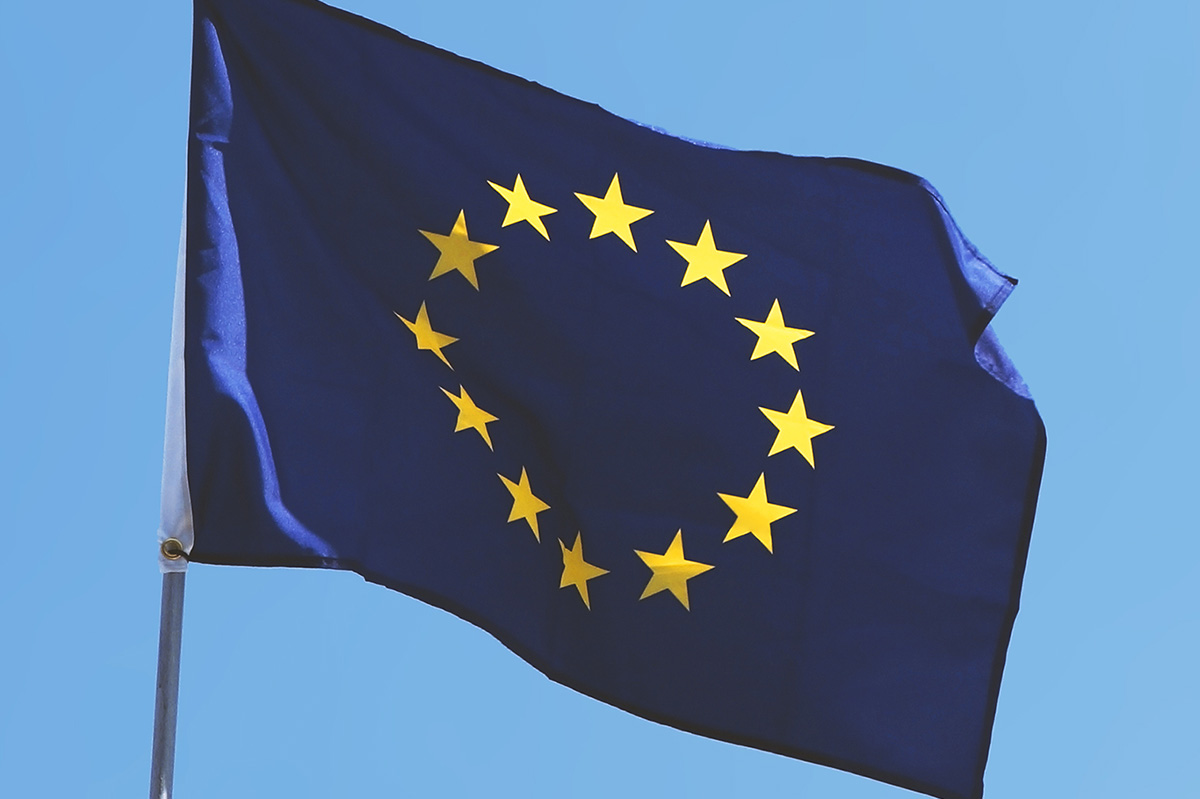
The European Commission on Wednesday said all European Union countries should ban so-called conversion therapy.
The recommendation comes weeks after the European Parliament voted in favor of prohibiting the widely discredited practice across the EU. More than 1.2 million people signed a campaign in support of the ban that ACT (Against Conversion Therapy) LGBT launched in 2024 through the EU’s European Citizens Initiative framework.
“We warmly welcome today’s commitment from the European Commission to a recommendation on ending conversion practices, an important step forward for LGBTI rights across Europe,” said ILGA Europe in a statement.
Seven EU countries — Belgium, Cyprus, France, Malta, Norway, Portugal, and Spain — have banned conversion therapy outright.
Greece in 2022 banned the practice for minors. German lawmakers in 2020 passed a law that prohibits conversion therapy for minors and for adults who have not consented to undergoing the widely discredited practice.
ILGA Europe said the European Commission’s recommendation “highlights how much work remains to be done.”
“Ending conversion practices cannot stop at symbolic commitments or fragmented national approaches,” stressed the advocacy group. “We need coordinated EU action, proper training for professionals, and survivor-centered support systems that recognize the serious harm these practices cause.”
“More than one million people supported the European Citizens’ Initiative calling for change,” added ILGA Europe. “The message is clear: conversion practices are not therapy or belief, they are a form of violence that Europe can and should end.”
European Union
European Parliament backs EU-wide conversion therapy ban
More than 1.2 million people backed campaign
The European Parliament on Wednesday voted in favor of banning so-called conversion therapy across the European Union.
ACT (Against Conversion Therapy) LGBT in 2024 launched a campaign in support of the ban through the EU’s European Citizens Initiative framework. More than 1.2 million people ultimately signed it.
The proposed ban had the support of 405 MEPs. The European Commission is expected to formally respond to it by May 18.
Seven EU countries — Belgium, Cyprus, France, Malta, Norway, Portugal, and Spain — have banned conversion therapy outright.
Greece in 2022 banned the practice for minors. German lawmakers in 2020 passed a law that prohibits conversion therapy for minors and for adults who have not consented to undergoing the widely discredited practice.

Queer mega stars coming to D.C. this fall

Jeremy Moss looks to bring LGBTQ advocacy from Lansing to Capitol Hill

Parties, dinners, concerts and more on tap for fall nightlife

All the queer things to watch this fall

Gun reform is an LGBTQ rights issue

Dolly Parton biography puts her hardships into context

PHOTOS: SMYAL Fall Brunch

Fashion icon Bob Mackie dead at 87

Dozens detained after Turkish authorities raid LGBTQ groups, businesses