Arts & Entertainment
Anti-conversion therapy activist was consultant on ‘Boy Erased’
Born Perfect Campaign co-founder Mathew Shurka shares survivor experience
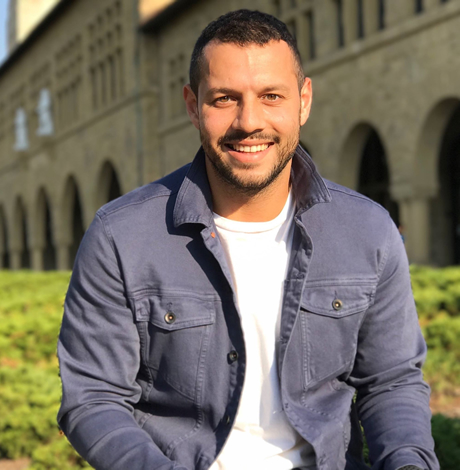
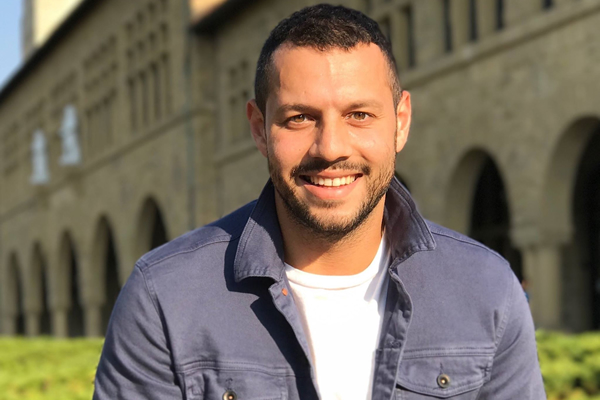
Mathew Shurka says conversion therapy is flourishing in places people would not expect. (Photo courtesy Shurka)
Mathew Shurka knows first-hand the horrors of “conversion” therapy. Despite what he says were good intentions on the part of his parents, five years of the practice he calls “particularly cruel and damaging” with a licensed therapist who claimed he could make gay people straight took a heavy toll.
Shurka now works as an anti-conversion therapy activist with the Born Perfect Campaign. He’s co-founder and strategist for the project that’s part of the National Center for Lesbian Rights. Based in New York, he’s one of four full-time staff members working on the project.
Shurka knew “Boy Erased” author Garrard Conley years before he wrote his memoir which has been adapted into the movie of the same name (see review here). Shurka and the Born Perfect team were involved throughout the making of the film as consultants to ensure accuracy and sensitivity.
“They really kept us in the conversation the whole time,” Shurka says. “Myself and two other representatives were on the set in, we gave feedback on the script through each round of edits, and then actually involved in the editing rooms. Every time they did a big round of edits, they wanted to make sure it would still make sense to a viewer who’s never even heard of conversion therapy. And then also down to the marketing and stories of survivors. They really kept us in the conversation the whole time.”
Shurka says seeing a major screen production devoted to the topic and being involved in its creation has been powerful.
“I contemplated suicide for two years,” the 30-year-old New York native says. “Conversion therapy was a trauma that I survived and it altered my life forever so to be part of this movie has been really surreal.”
Shurka’s work with the campaign involves keeping tabs on where conversion therapy-related legislation is in the works throughout the country. It’s still legal for minors in most of the U.S. Shurka visits states considering bans and works with regional LGBT groups to ensure passage. He’s not a lobbyist but says his personal story as a survivor gives him credibility with legislators. The campaign was launched in 2014.
Shurka says conversion therapy is alive and well in the U.S. and flourishing in places people might not expect.
“There’s actually a concentration of it in Los Angeles and New York which people can’t even imagine,” he says. “Think, ‘Oh yeah, it’s in Arkansas, that makes sense,’ but actually the biggest organizations are in big cities. … In Los Angeles, they’re in Orange County or in L.A. proper, they’re in urban areas and we’ve seen new ones open in Manhattan in the last two to three years. They’re disguised as therapists and they use different terminology. They sell it as a form of addiction and are very sneaky about it.”
Shurka says that although 2018 has been his organization’s most successful year, 2019 is “looking scarier than ever.”
He says “Boy Erased” provides unprecedented exposure for the issue.
“I think this has great potential to shift or transform hears and minds,” he says.
Find out more about the Born Perfect Campaign at nclrights.org/born-perfect.





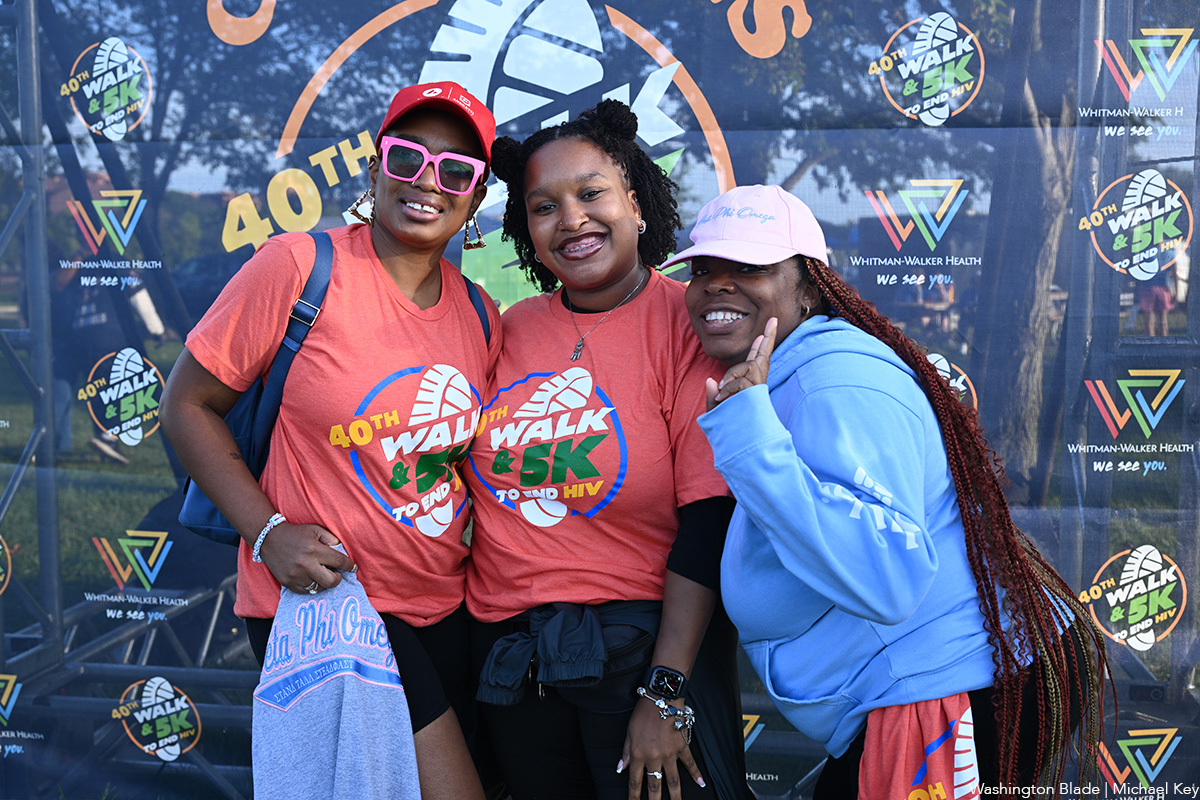
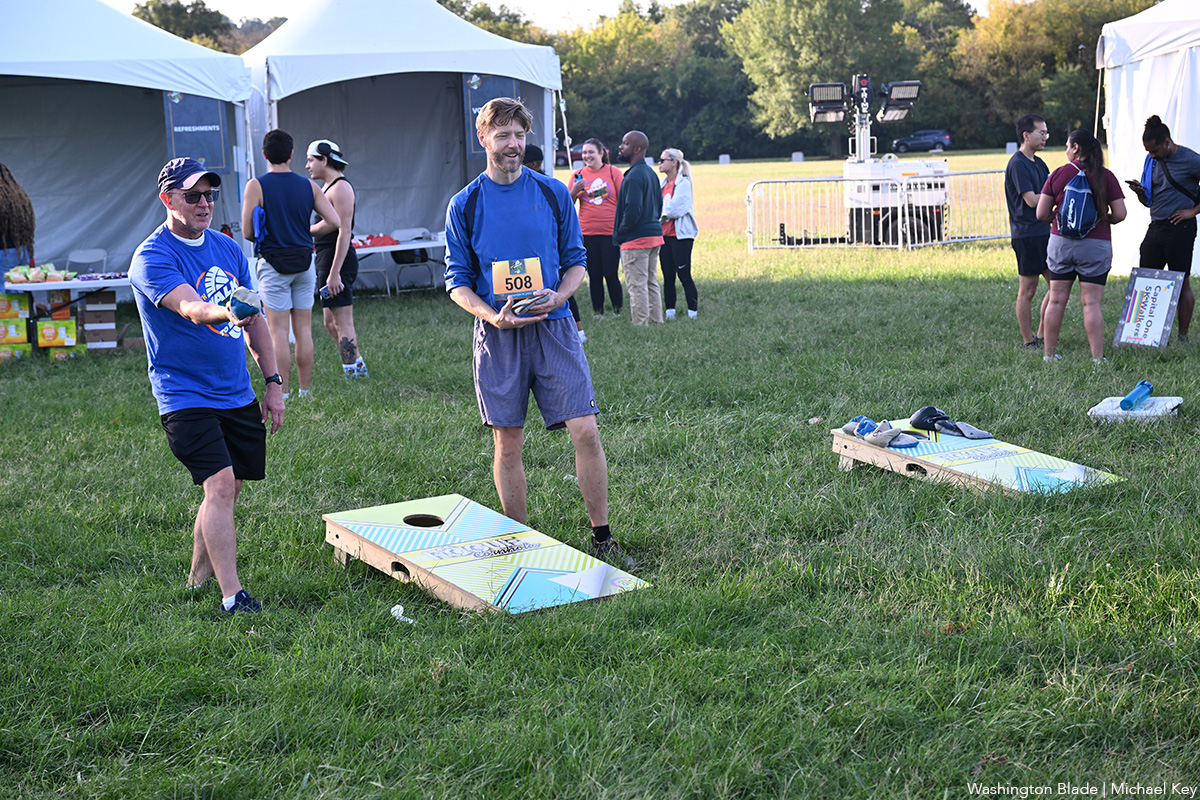
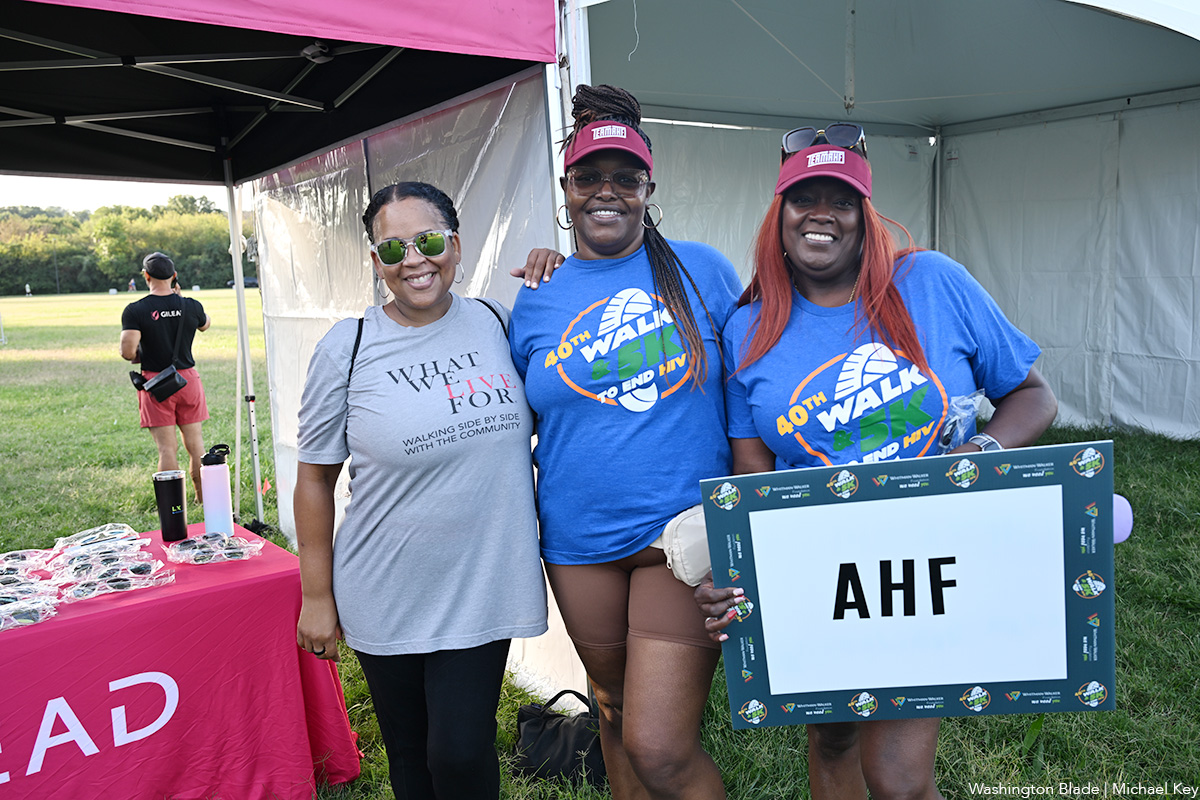
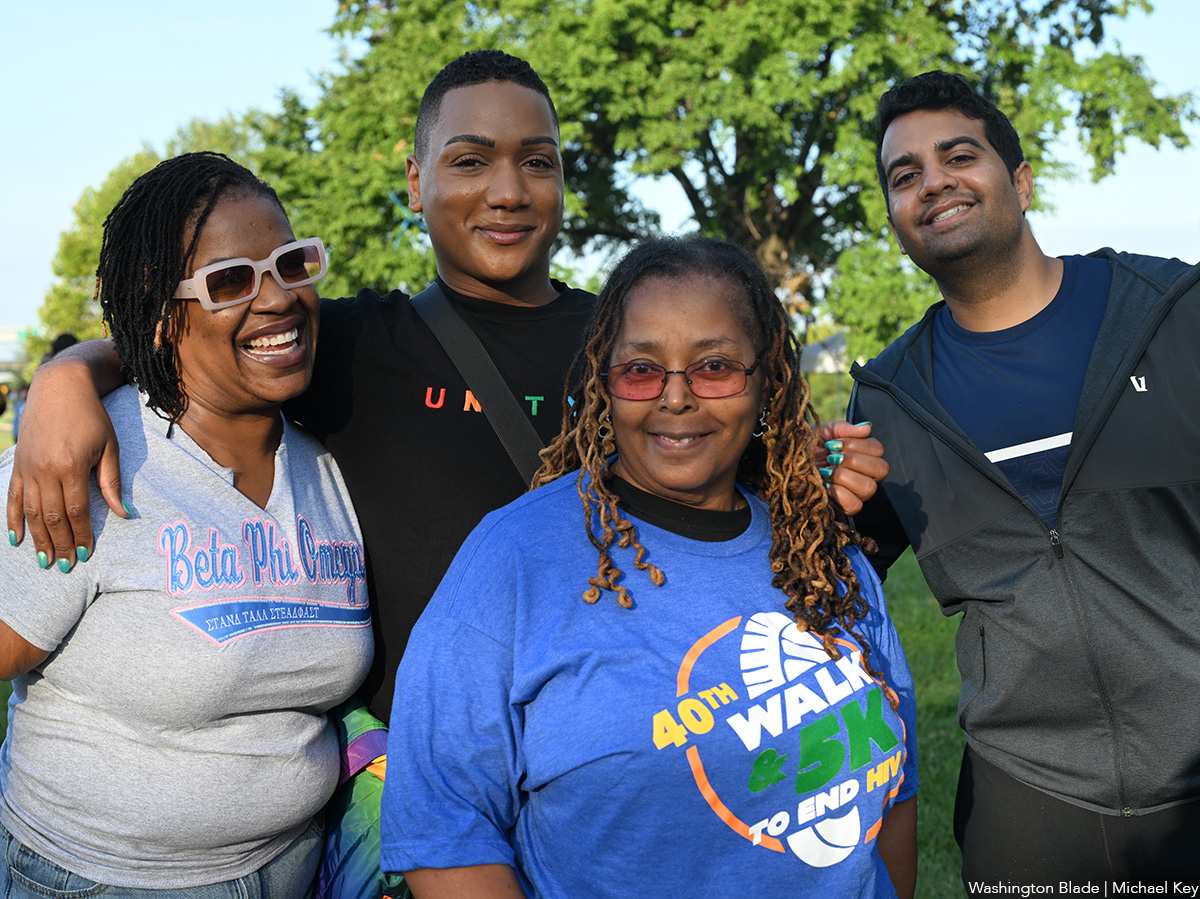
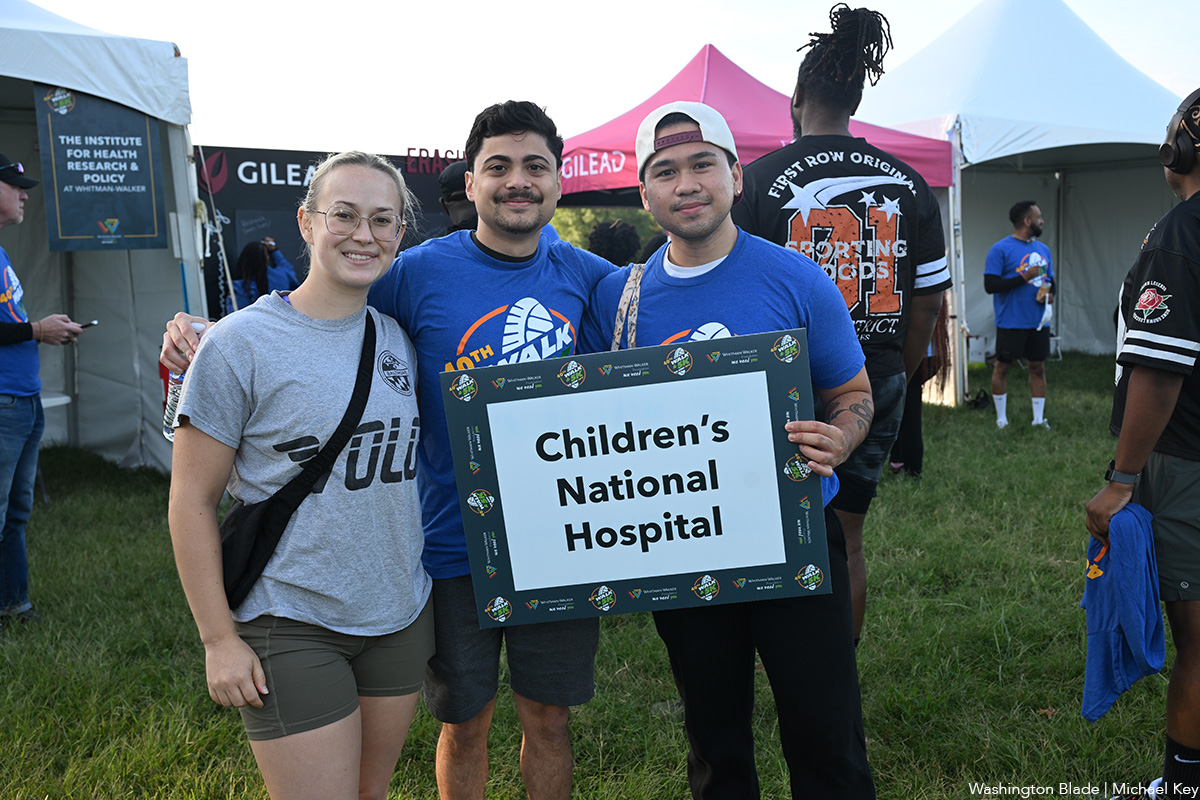
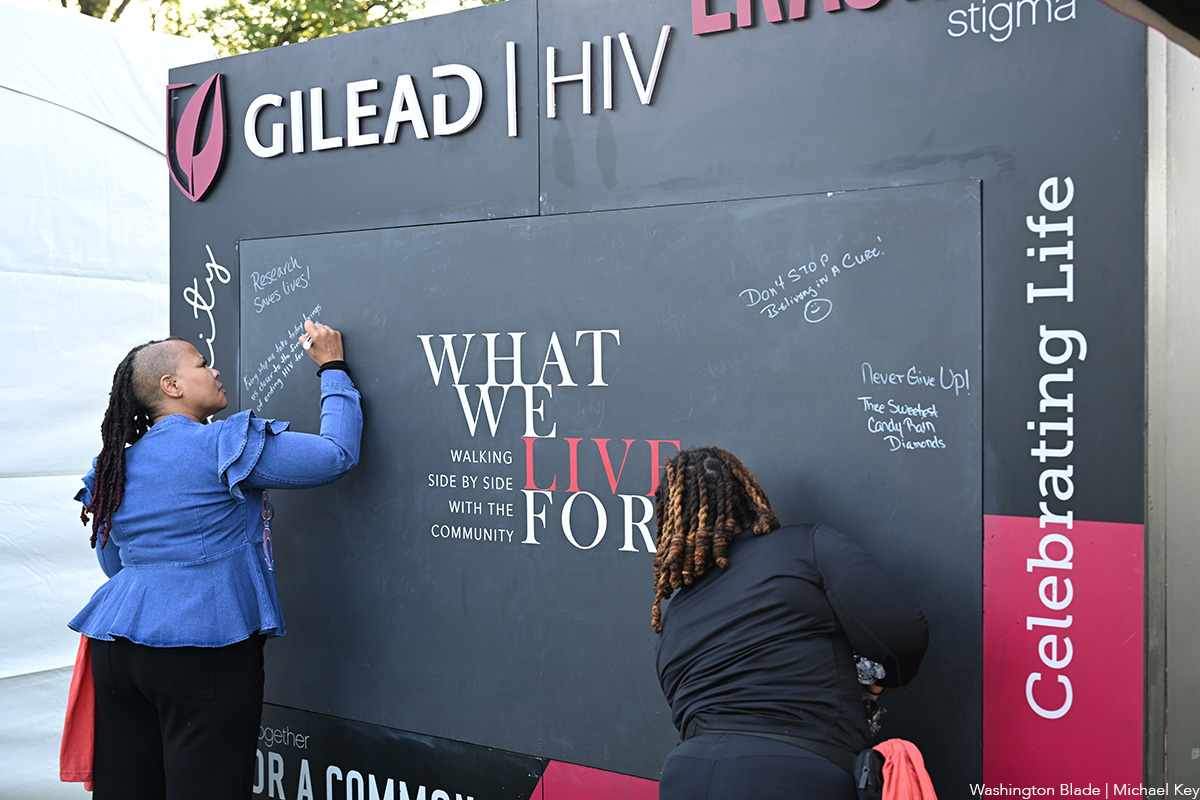
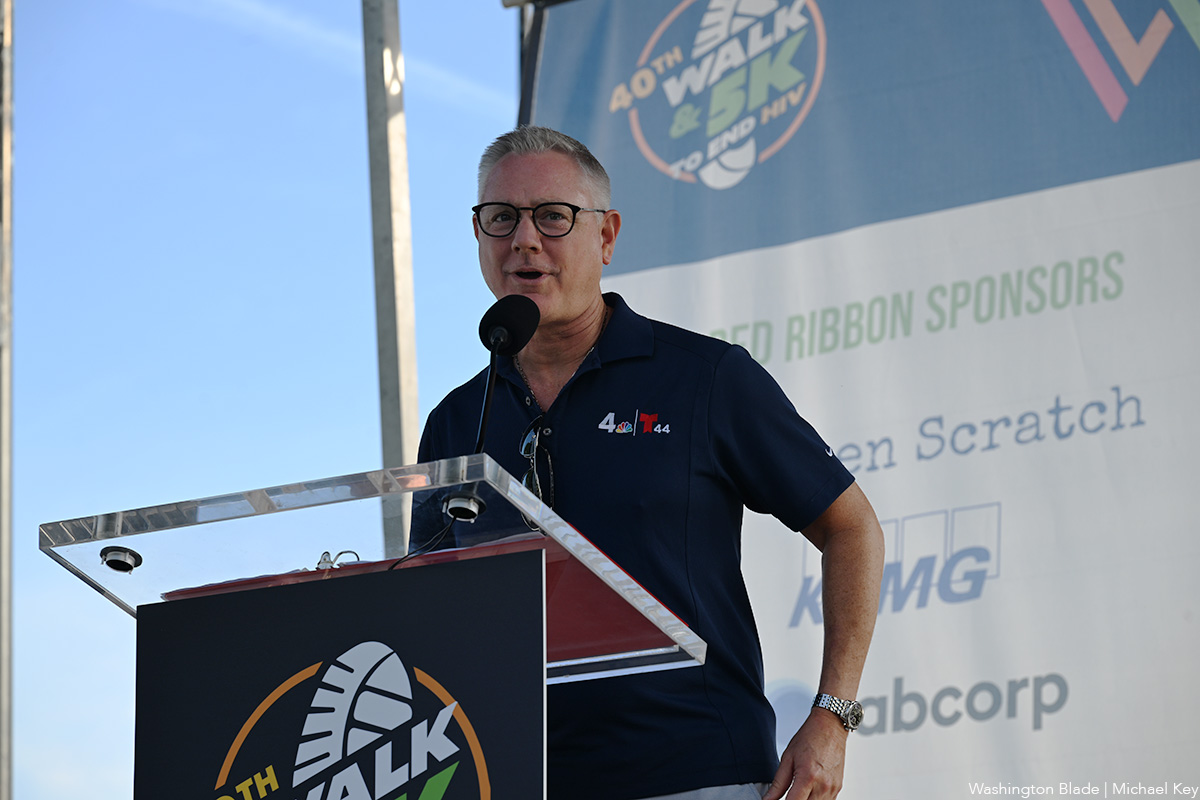
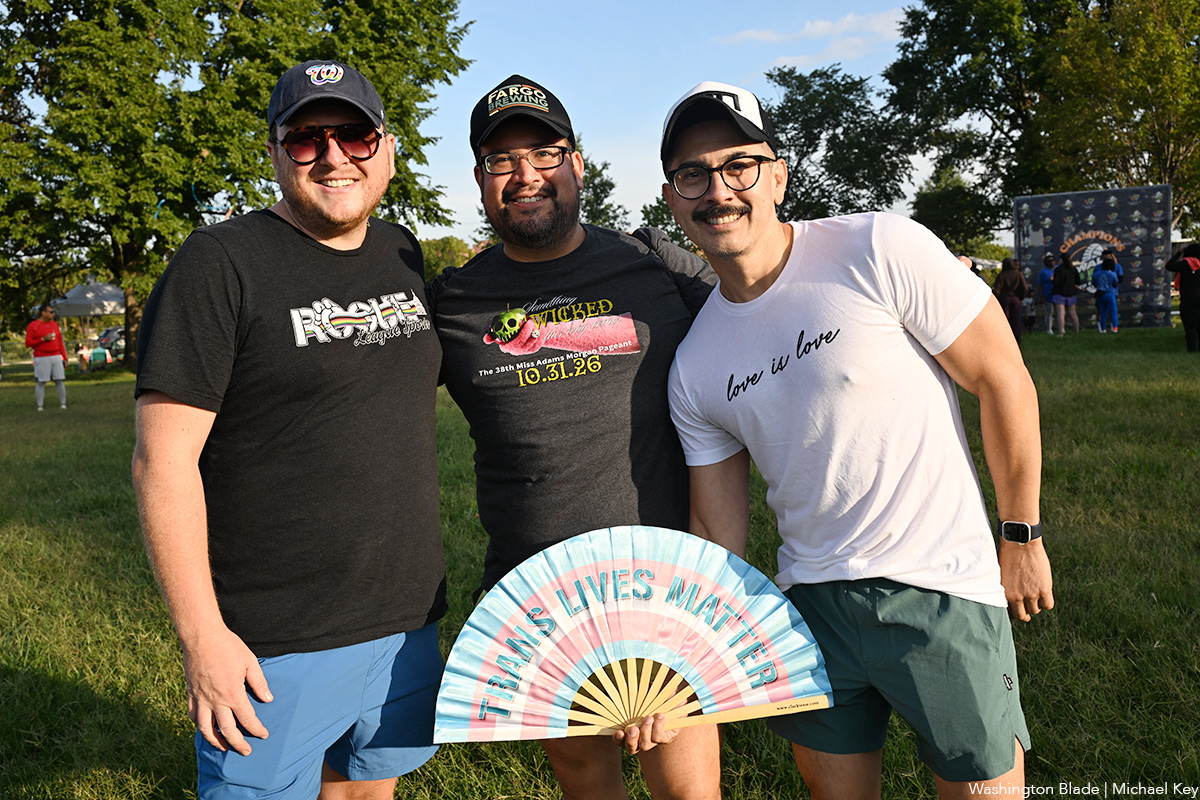
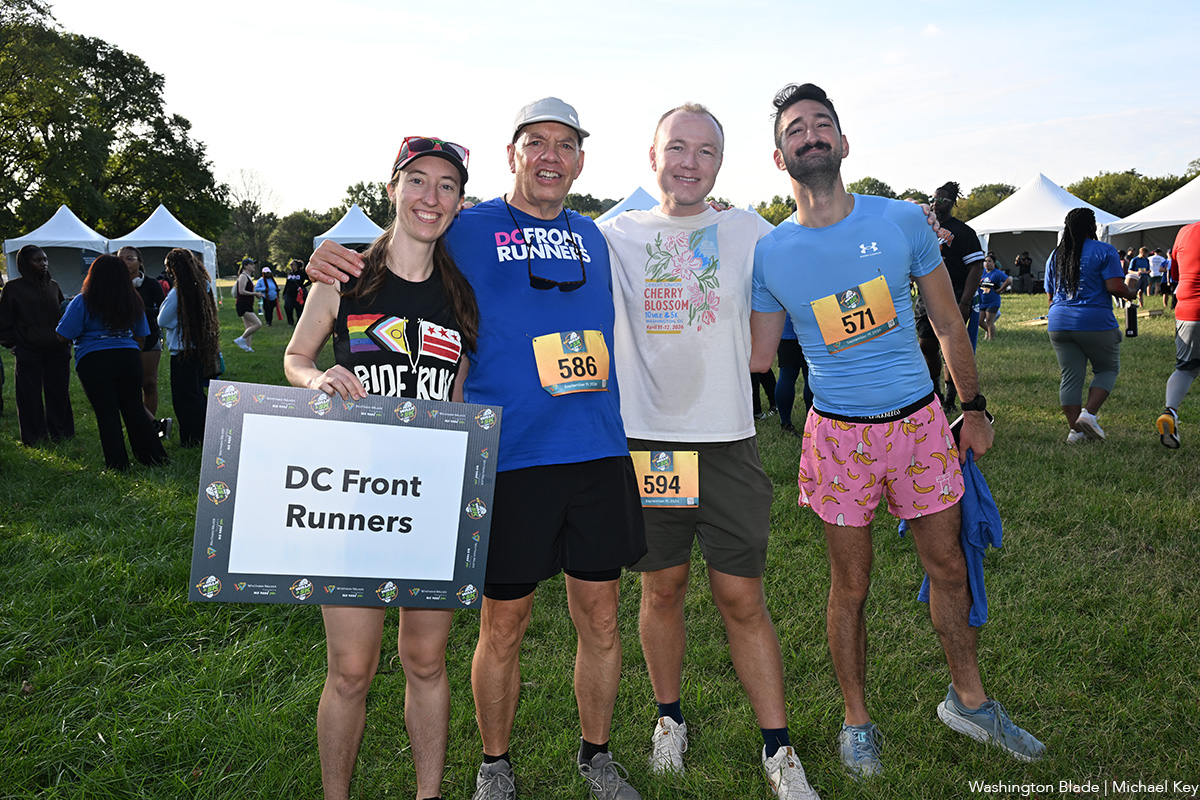
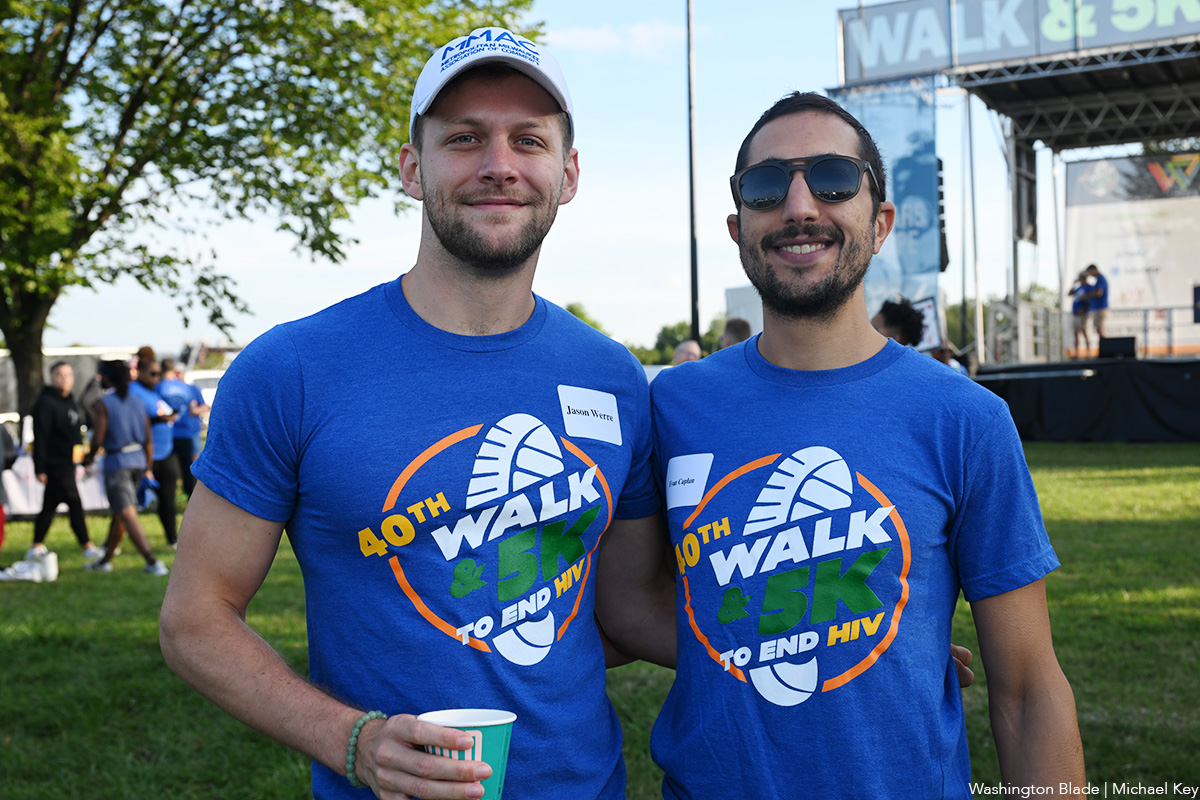
Whitman-Walker Health held the 40th annual Walk and 5K to End HIV at Anacostia Park on Saturday, Sept. 19.
(Washington Blade photos by Michael Key)



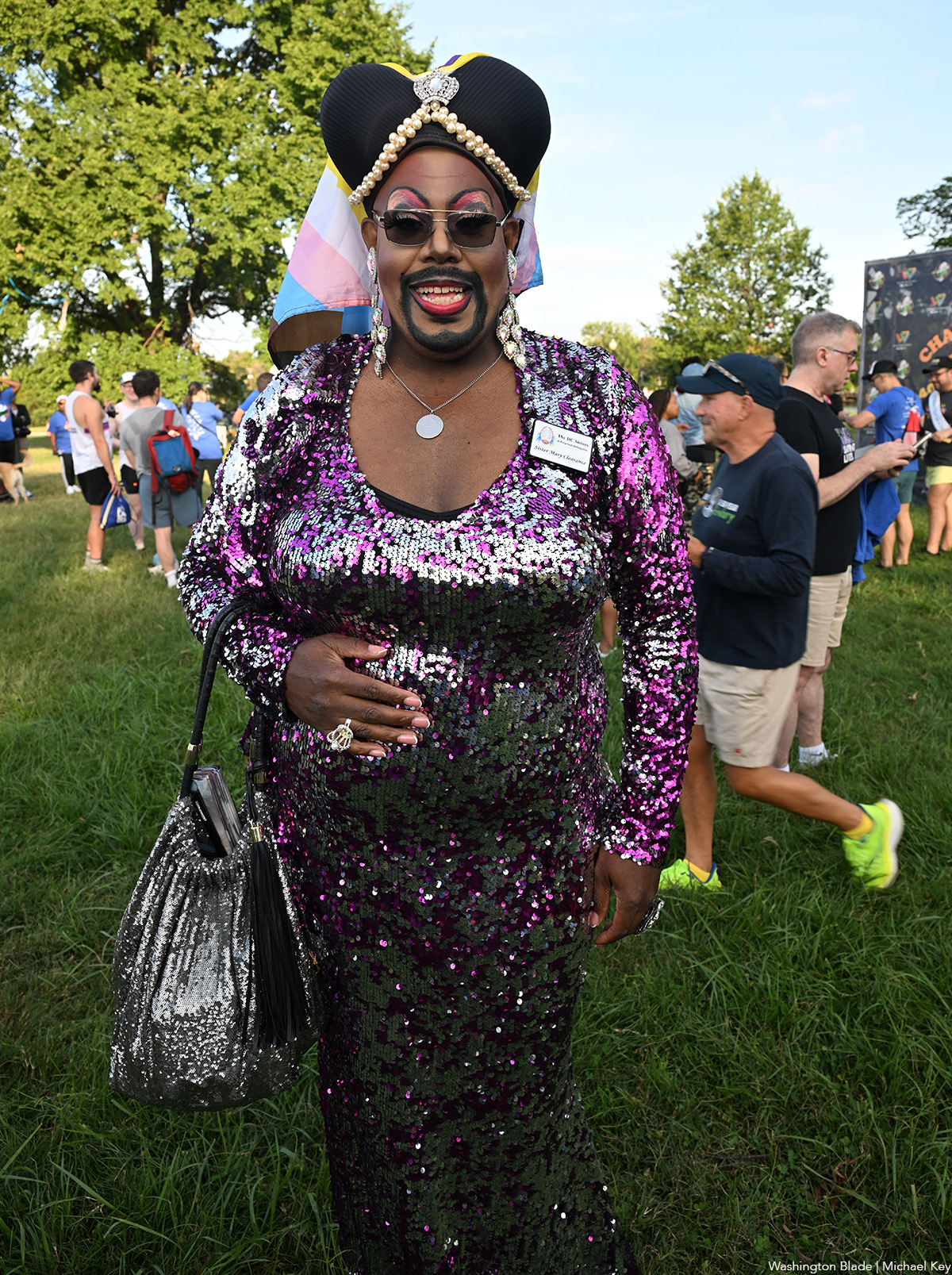
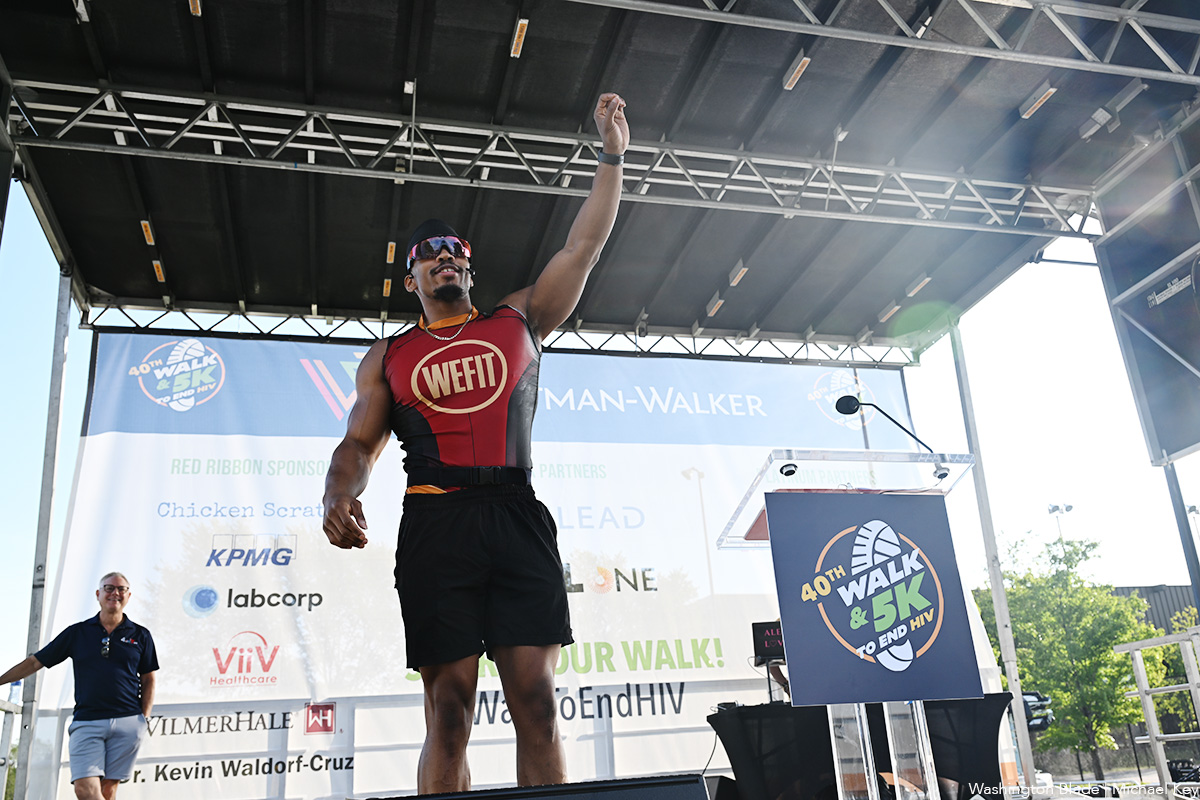
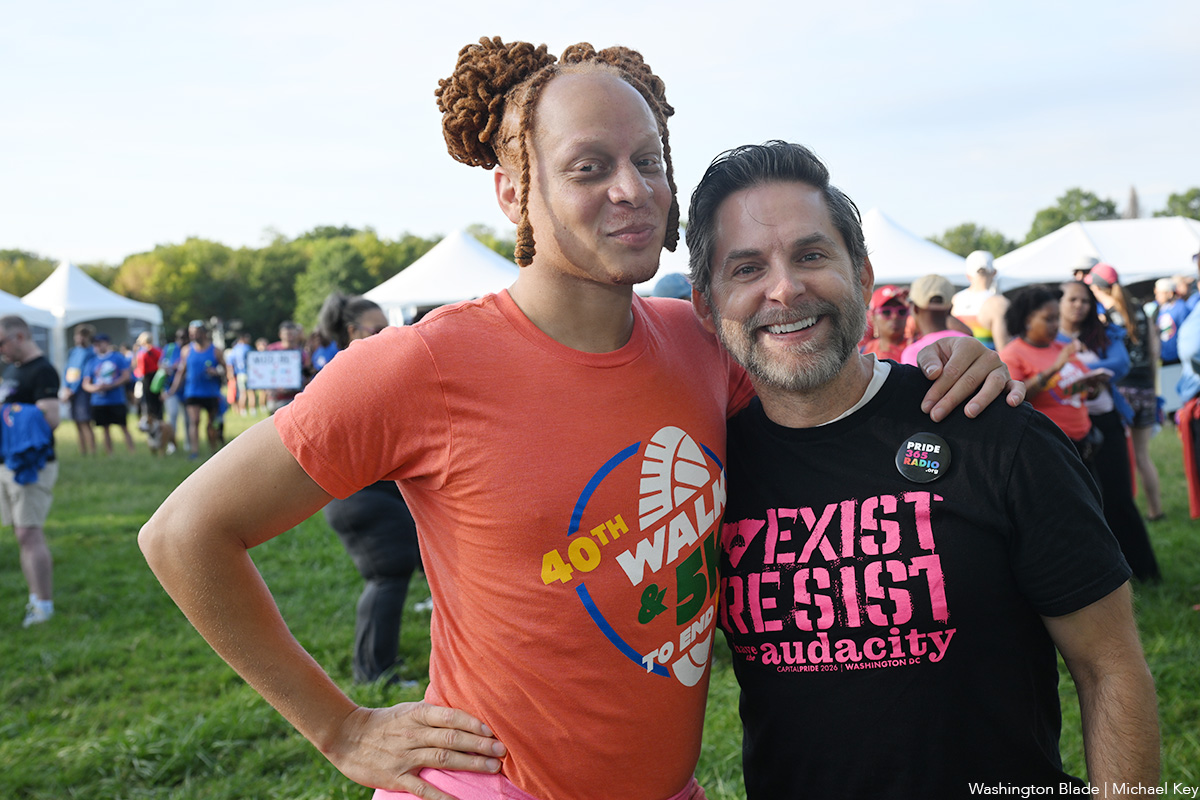
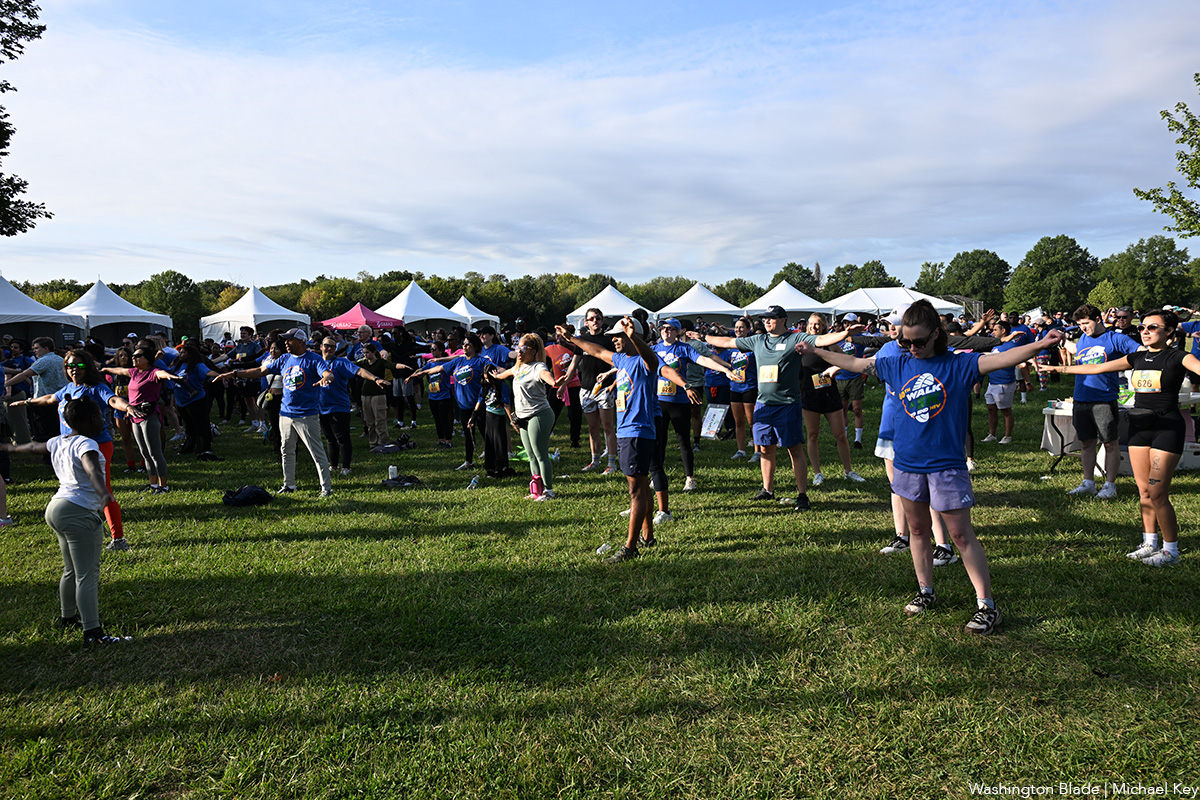
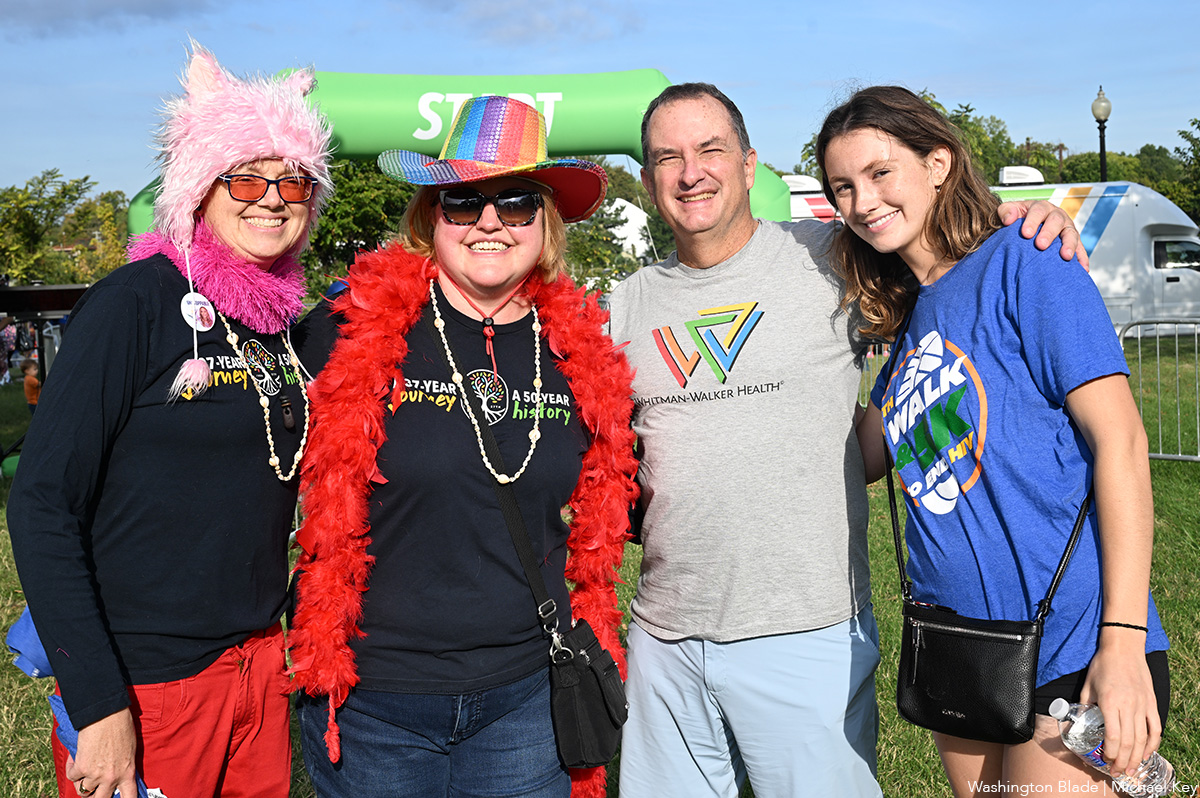
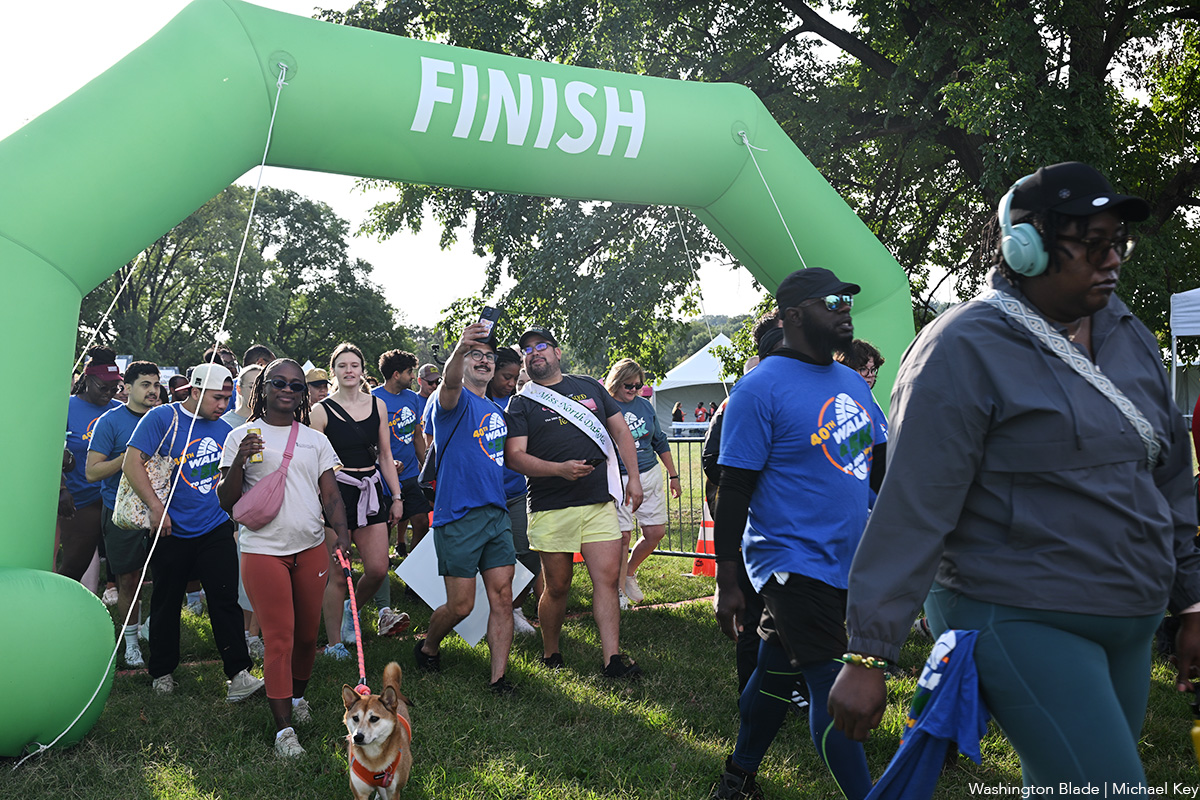
Photos
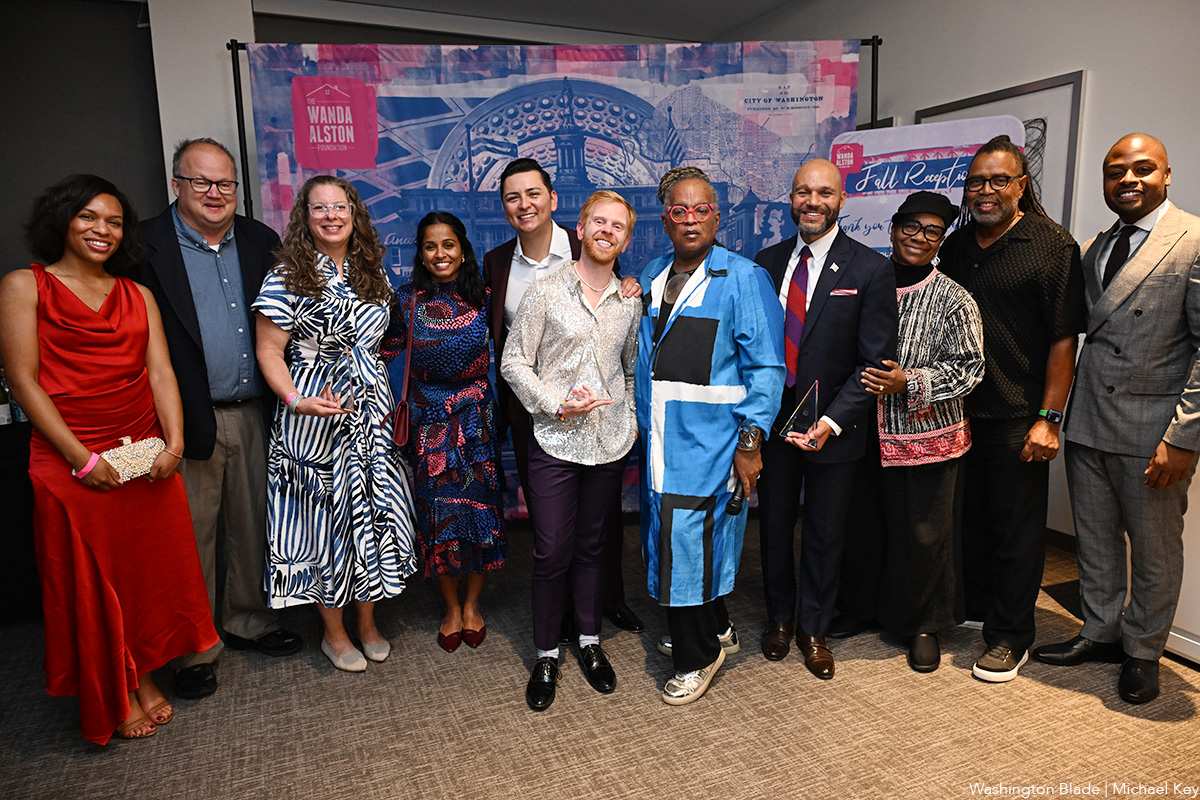
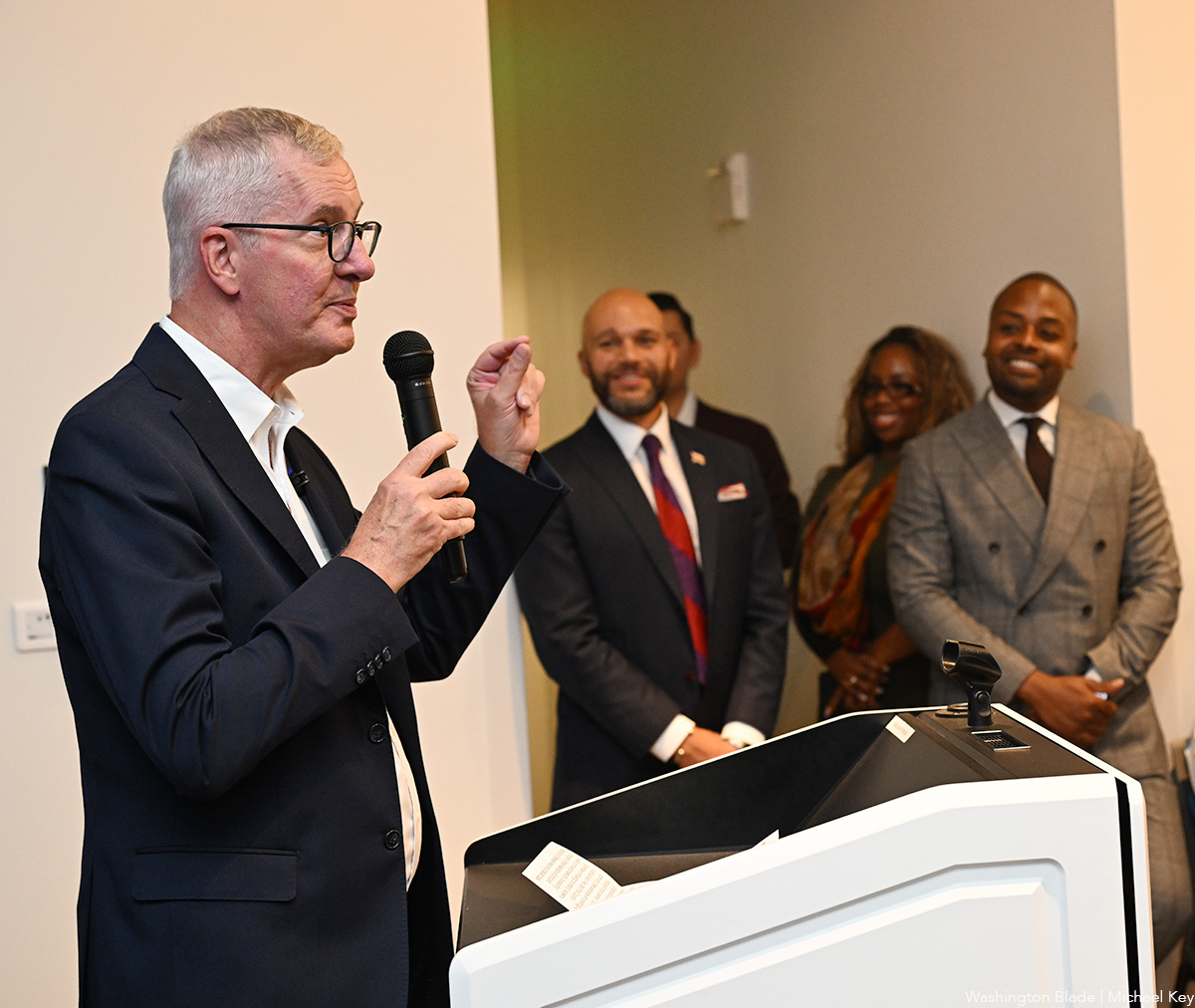
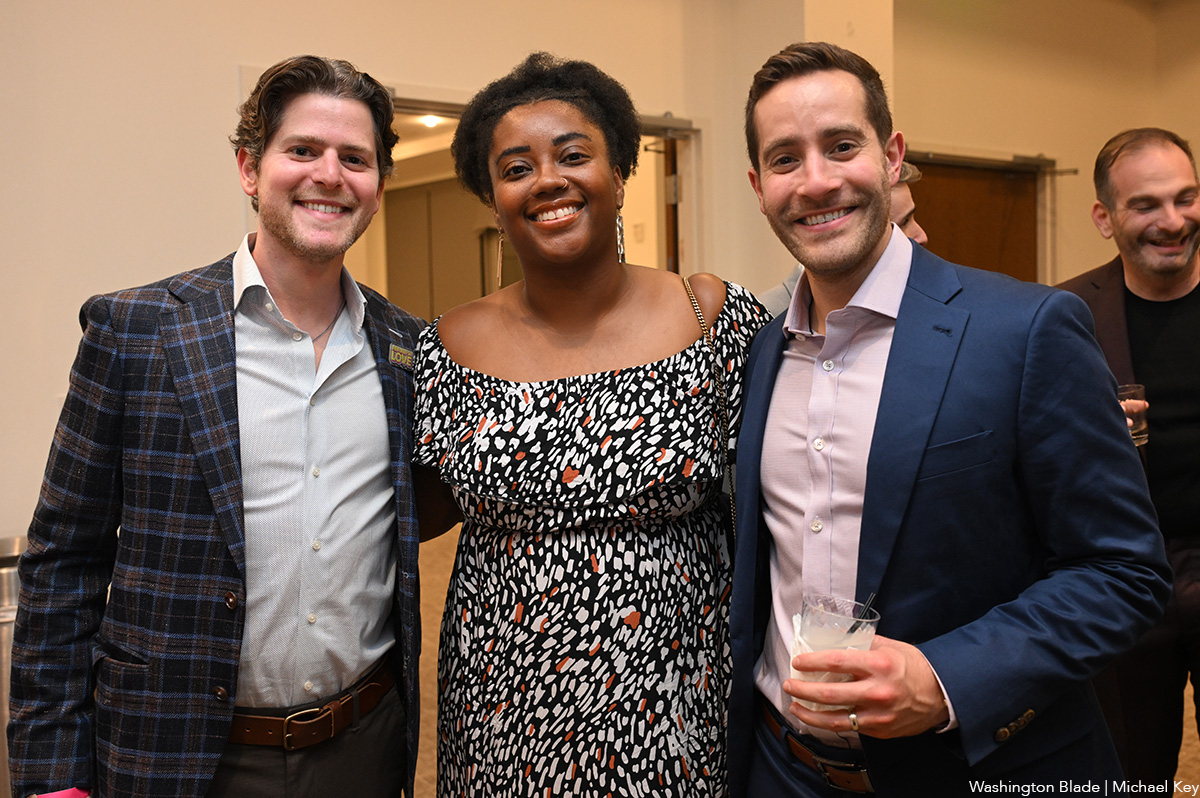
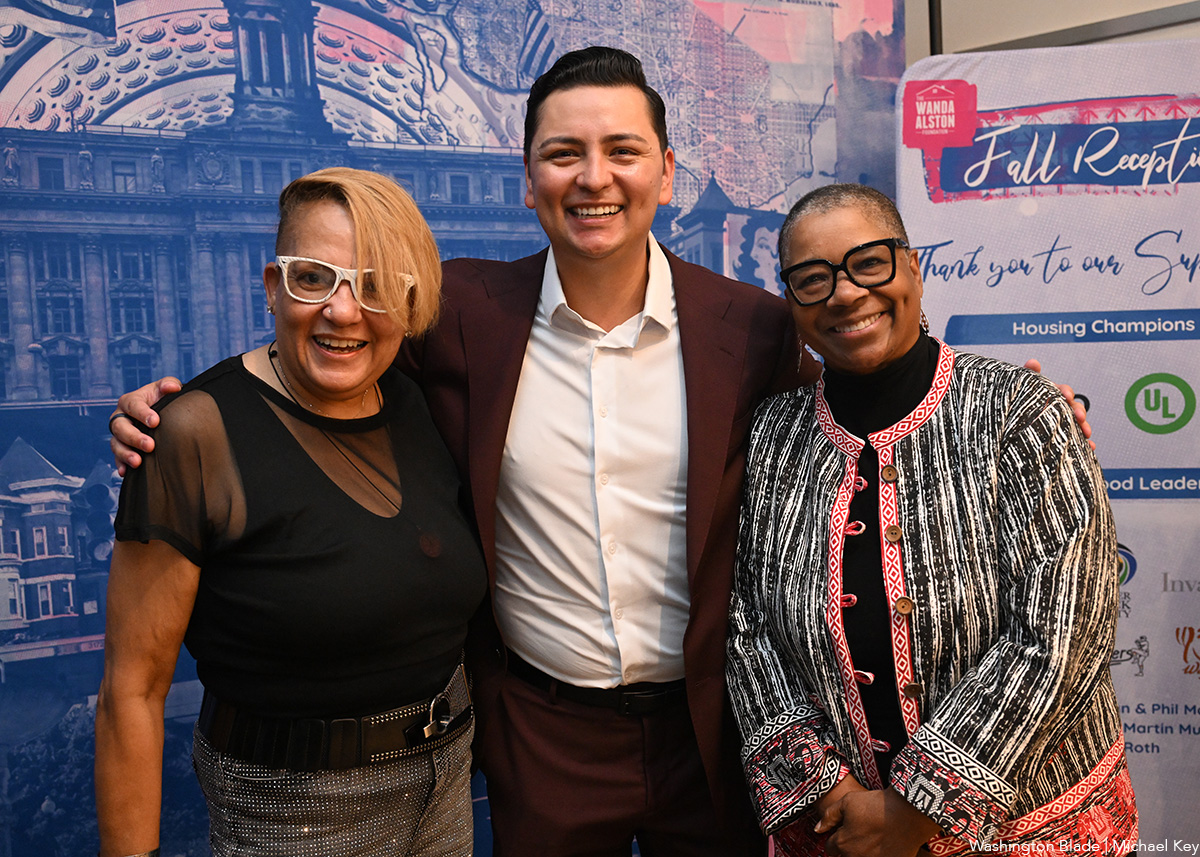
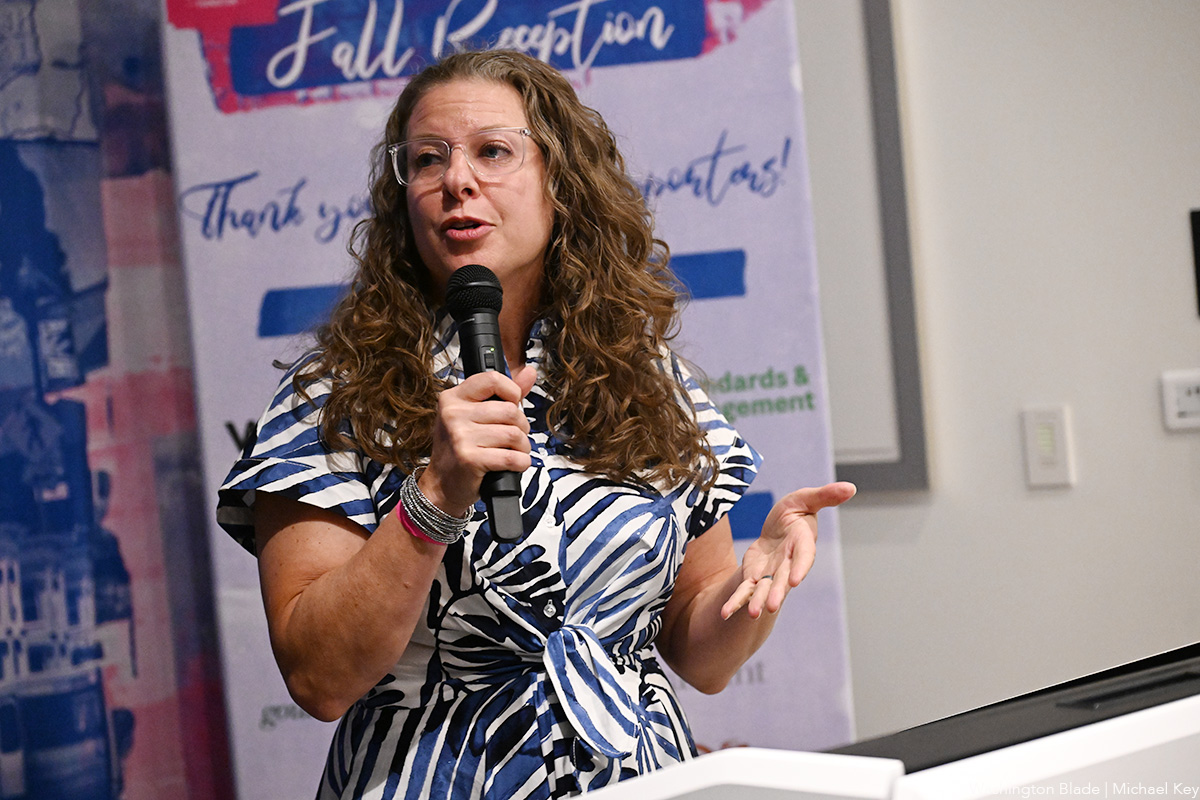
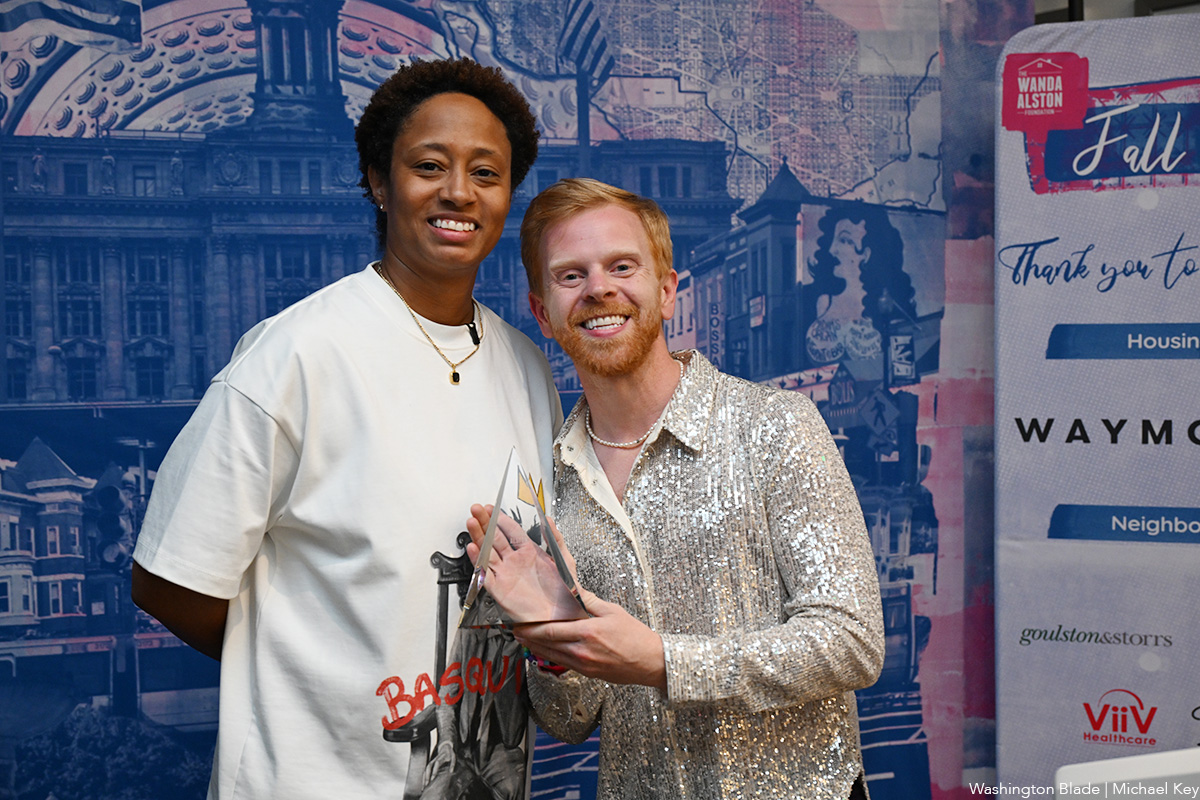
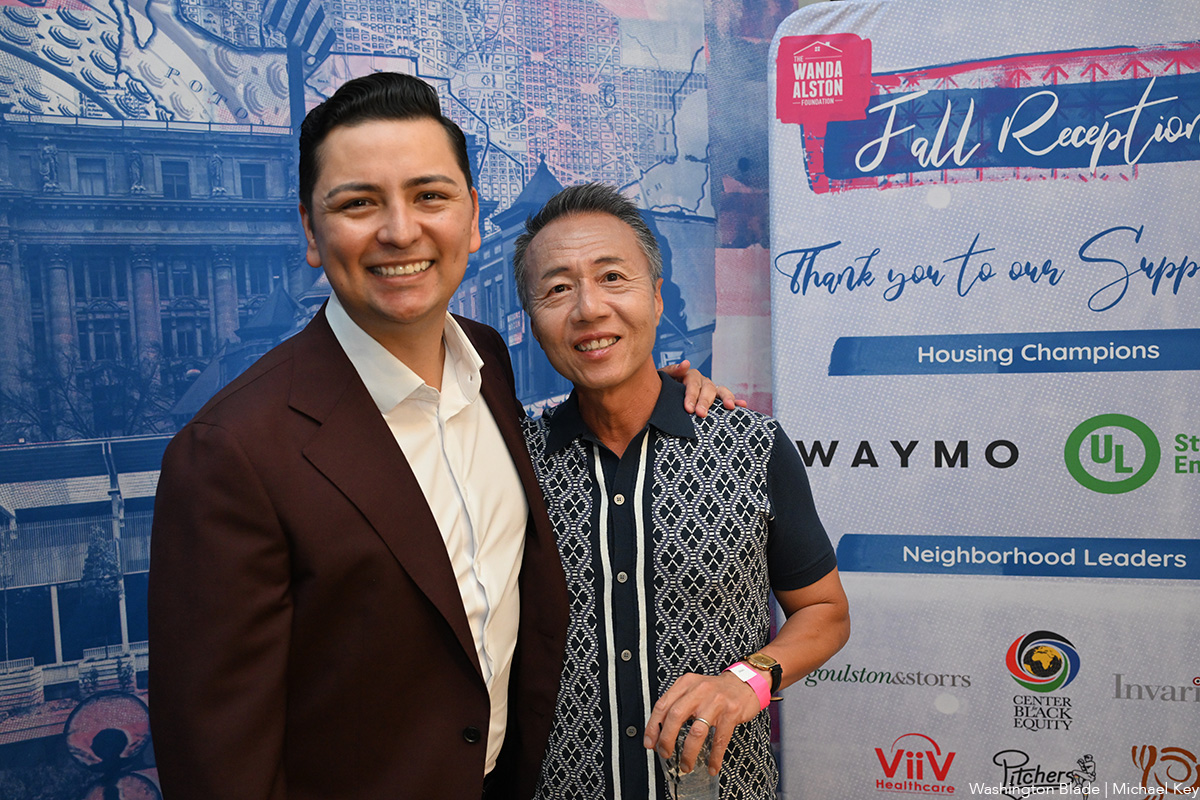
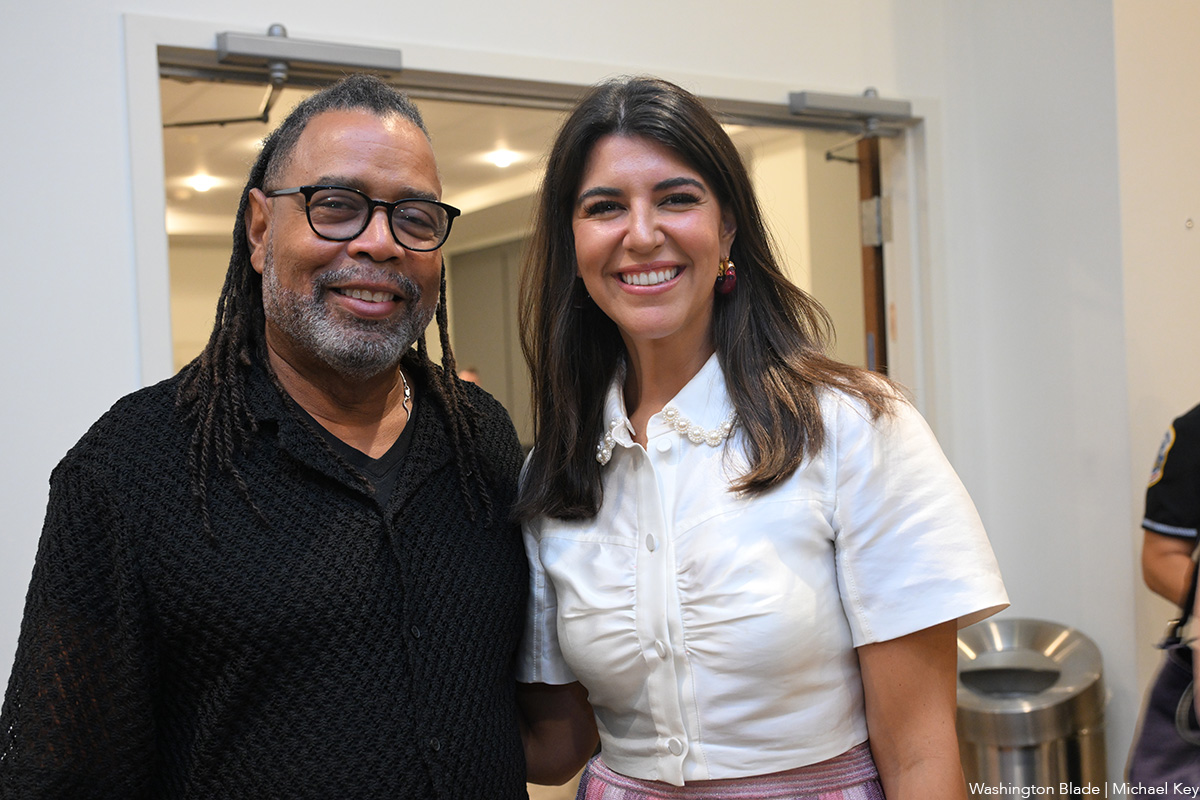
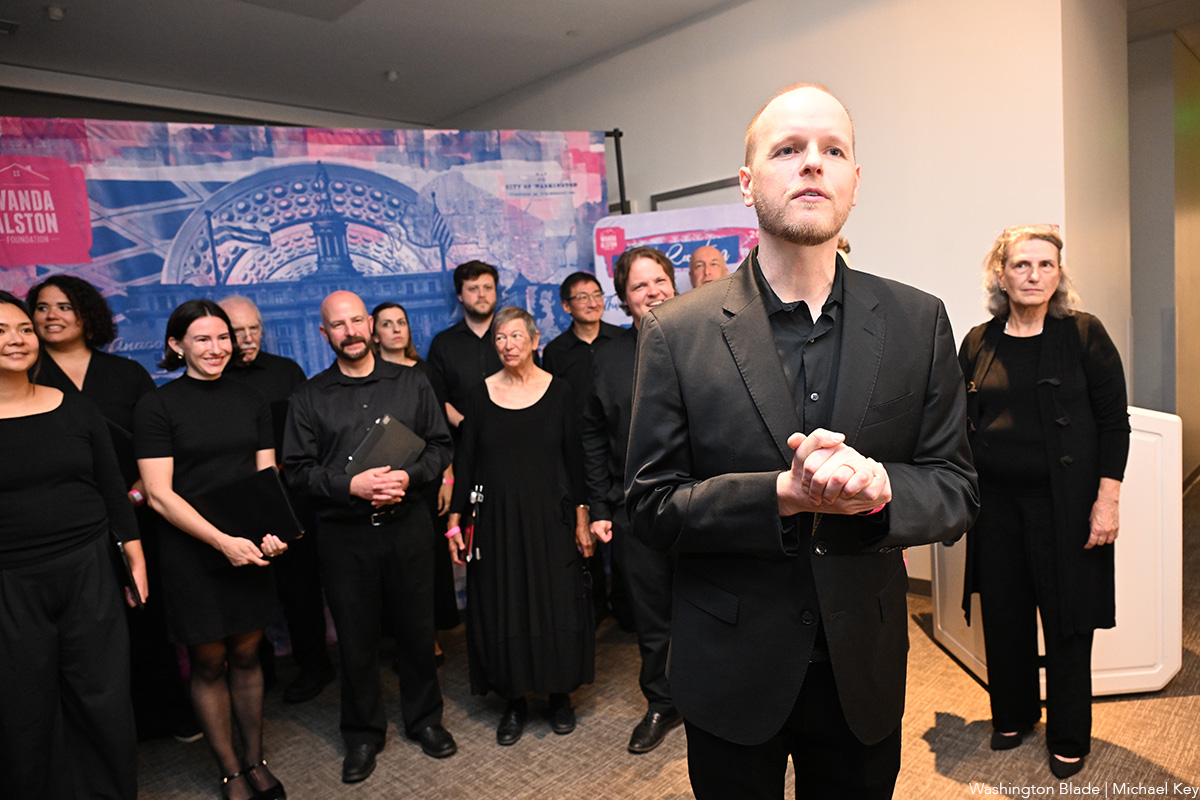
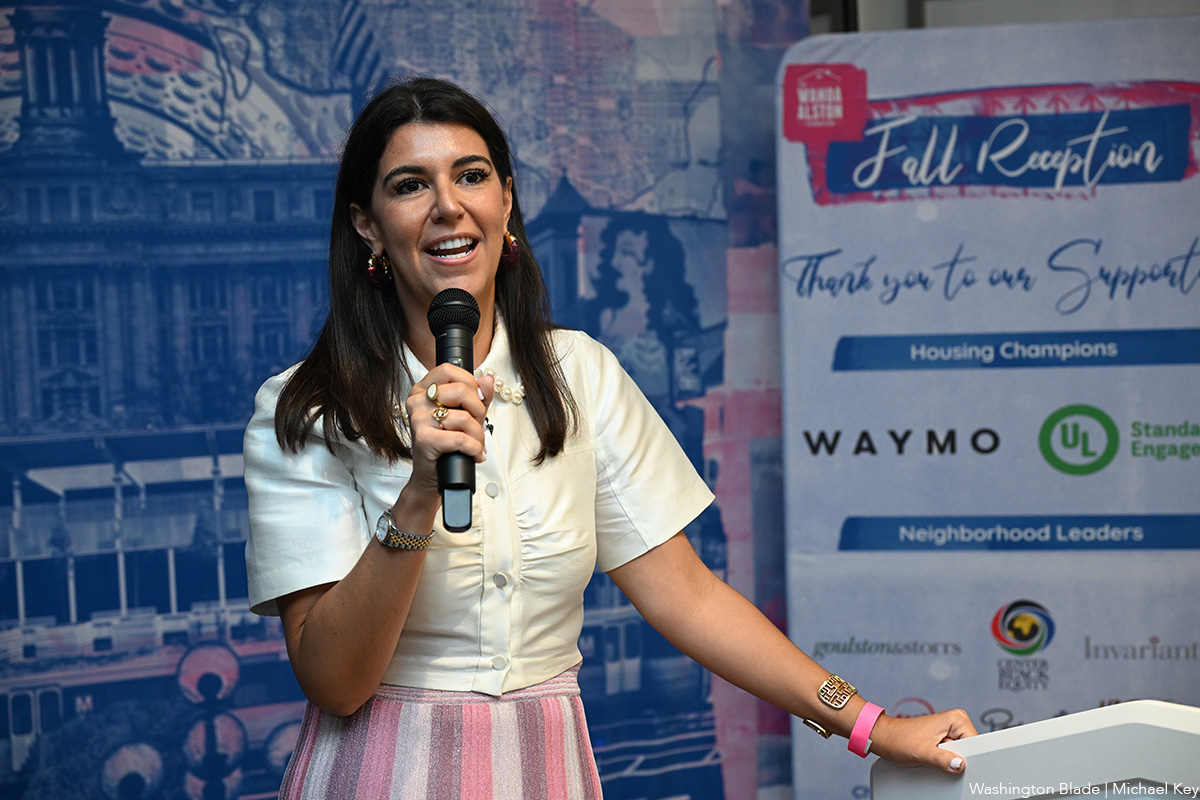
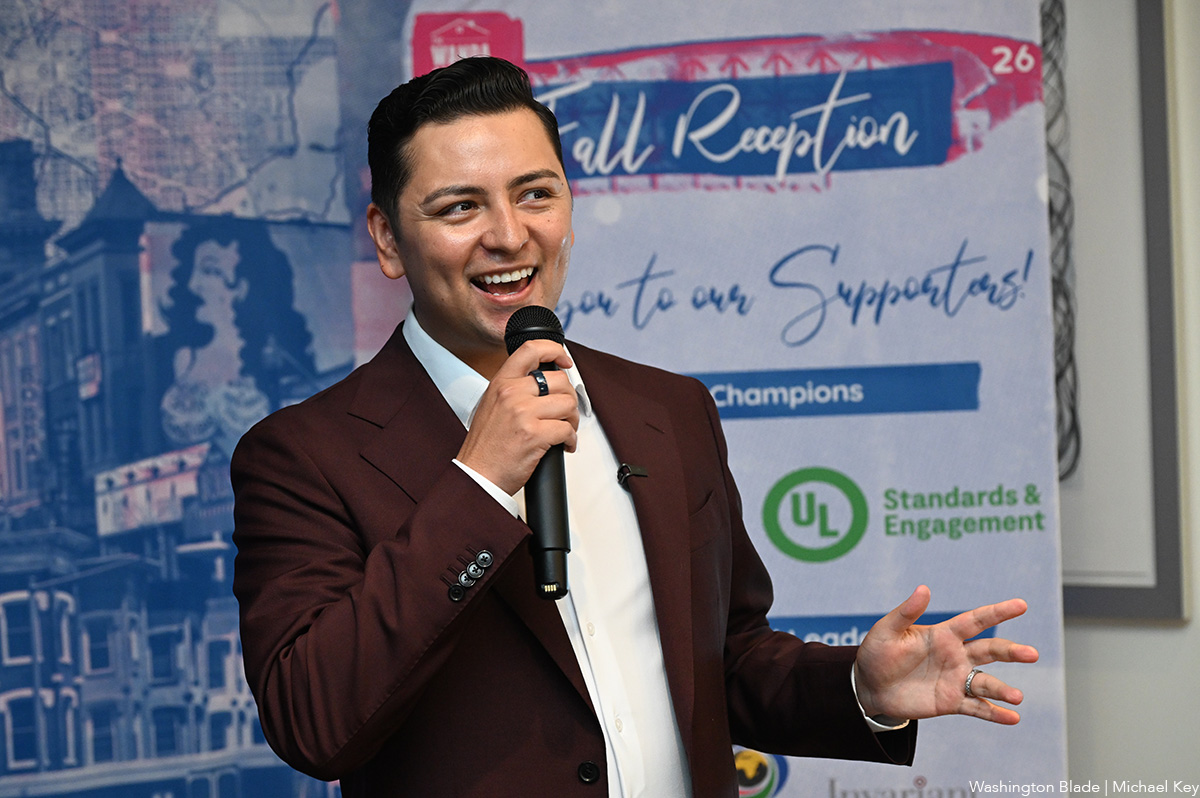
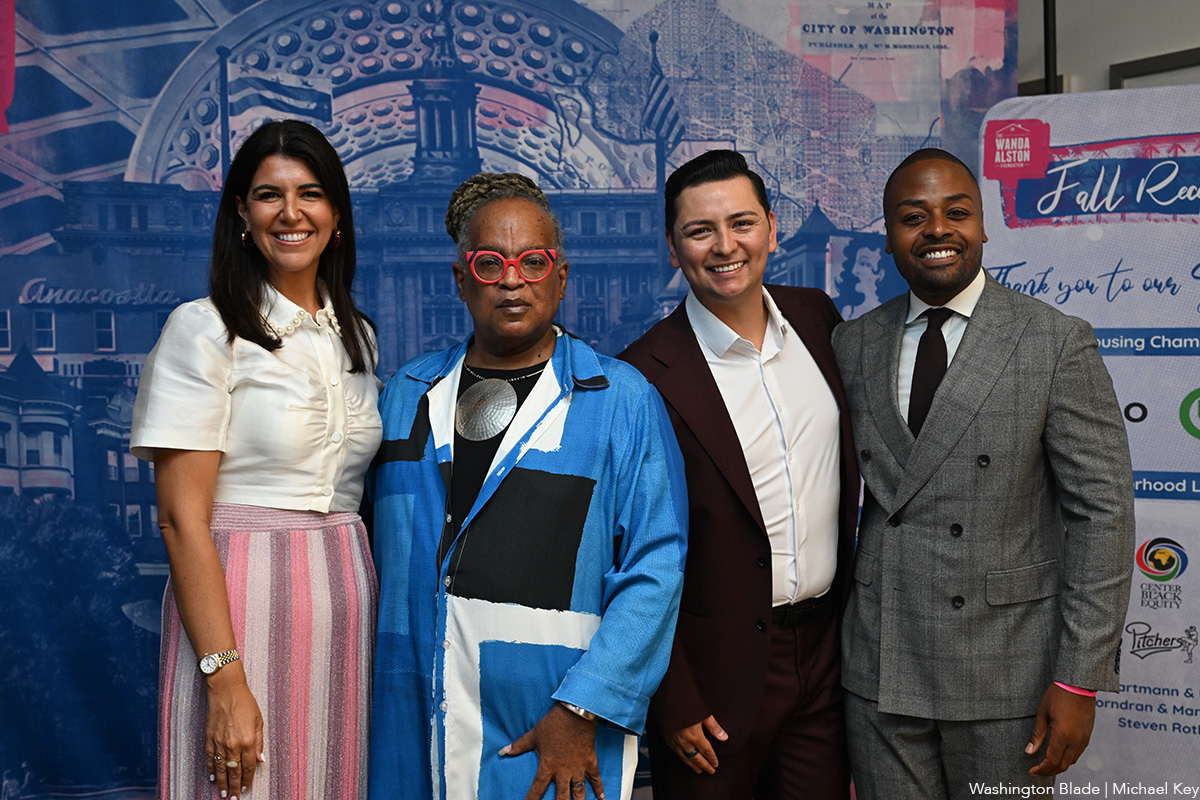
PHOTOS: Wanda Alston Foundation Fall Reception
LGBTQ youth services organization honors Robert White, Japer Bowles, Washington Capitals
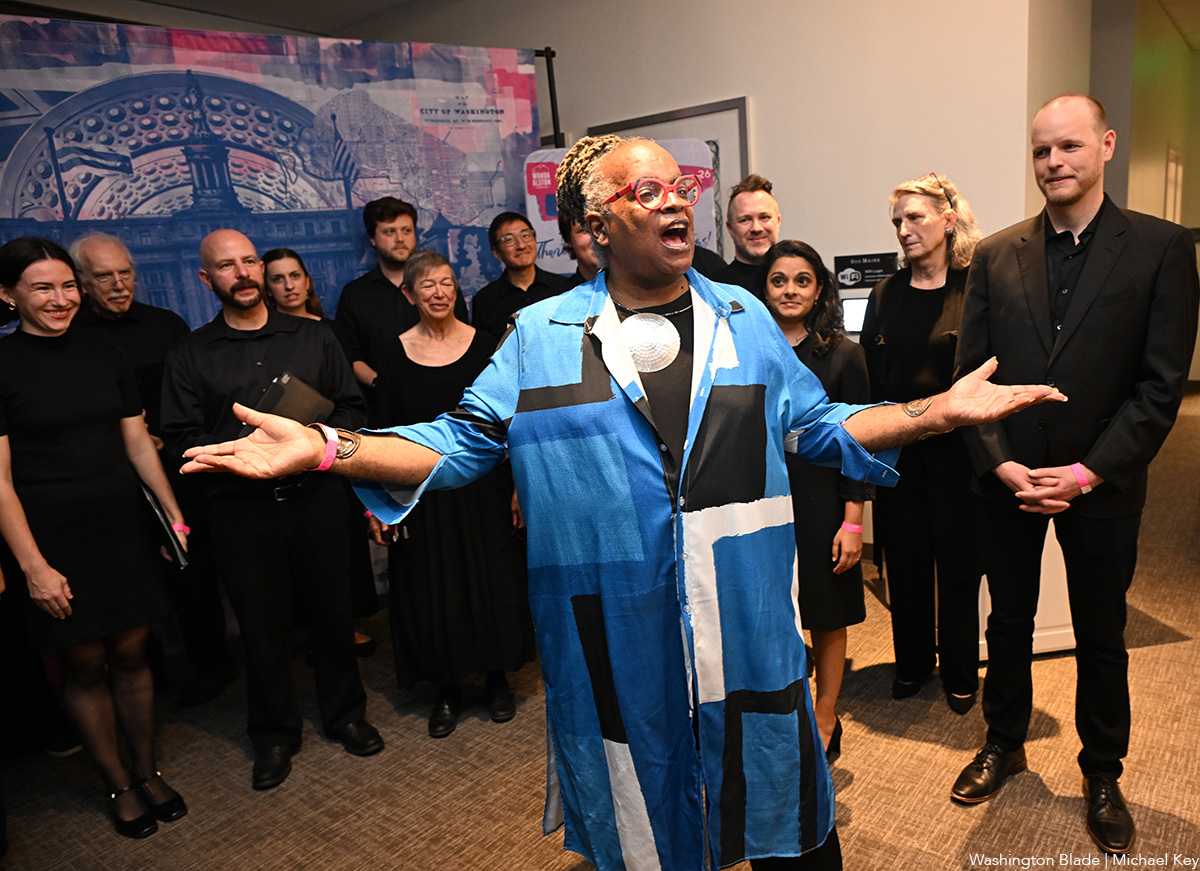
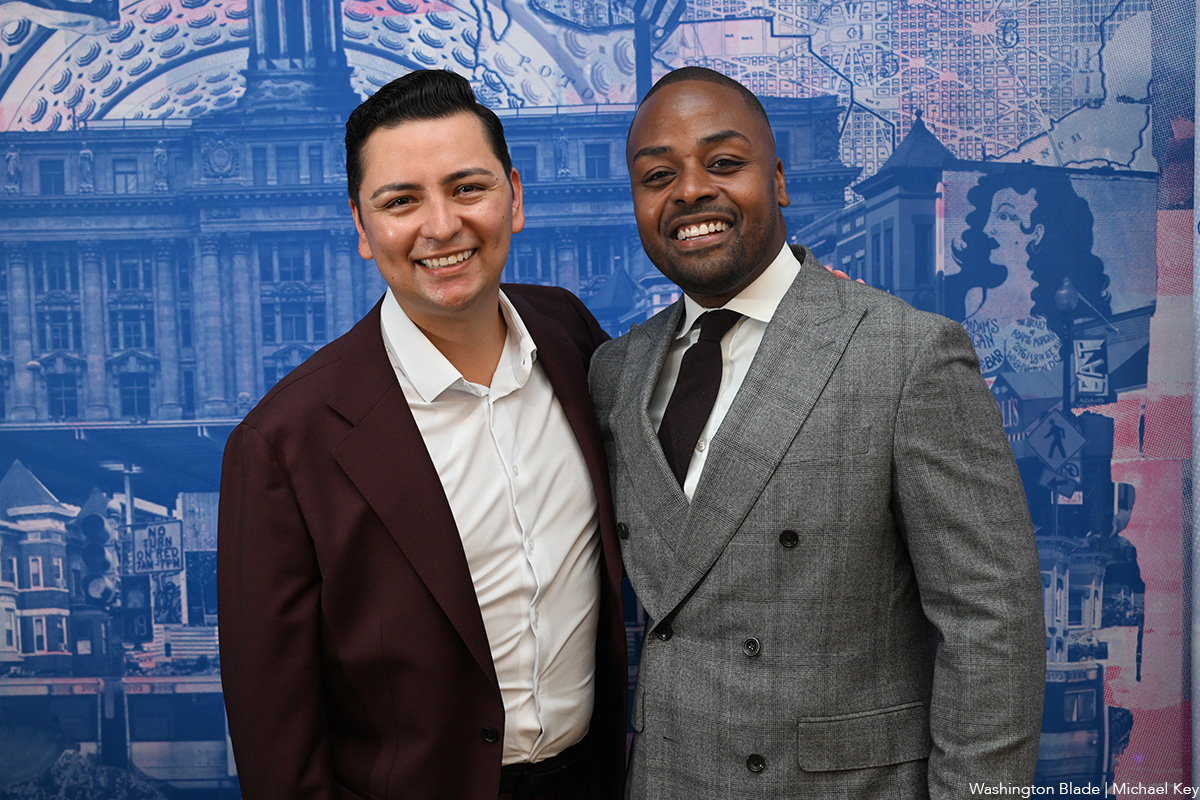
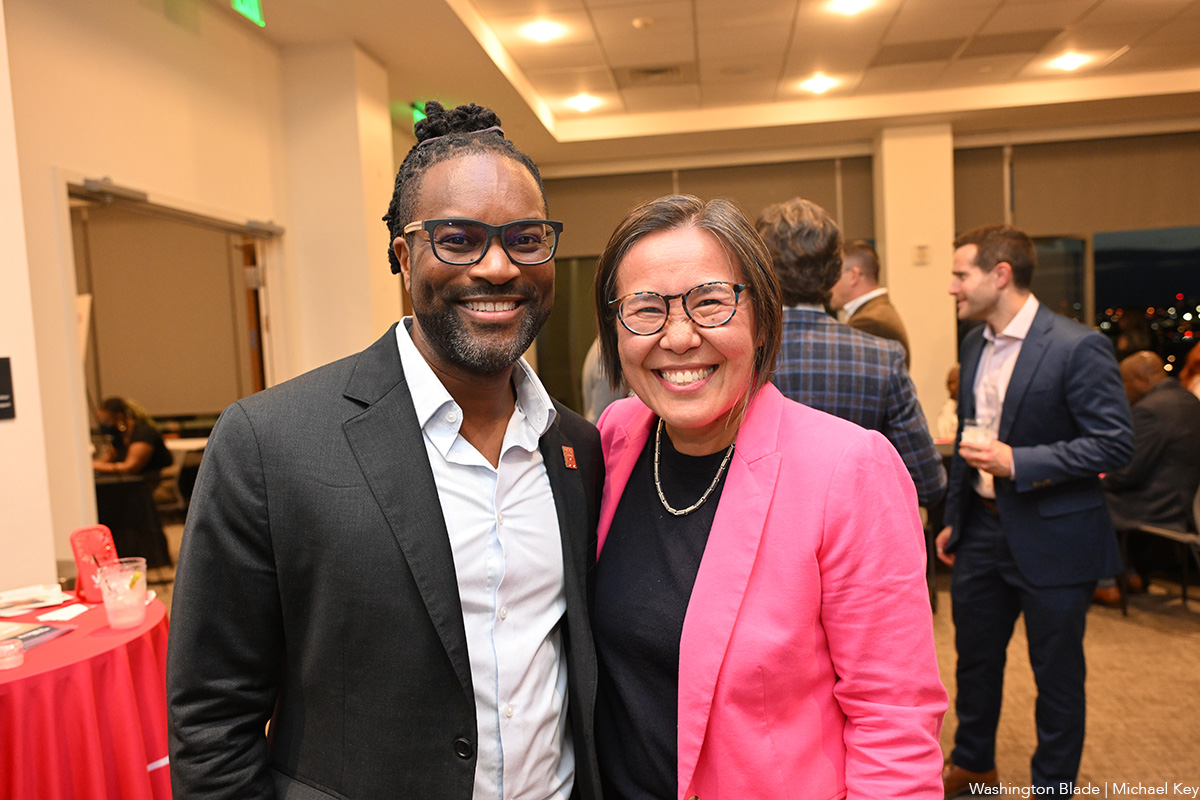
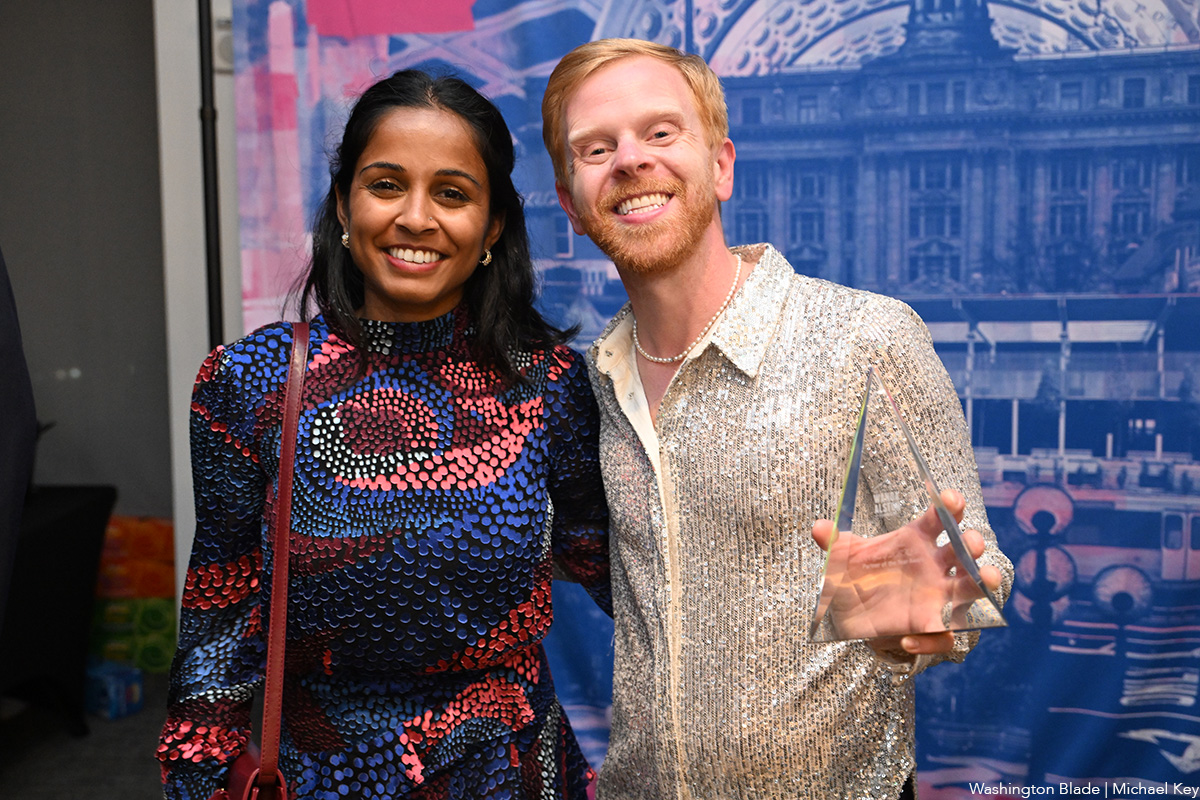
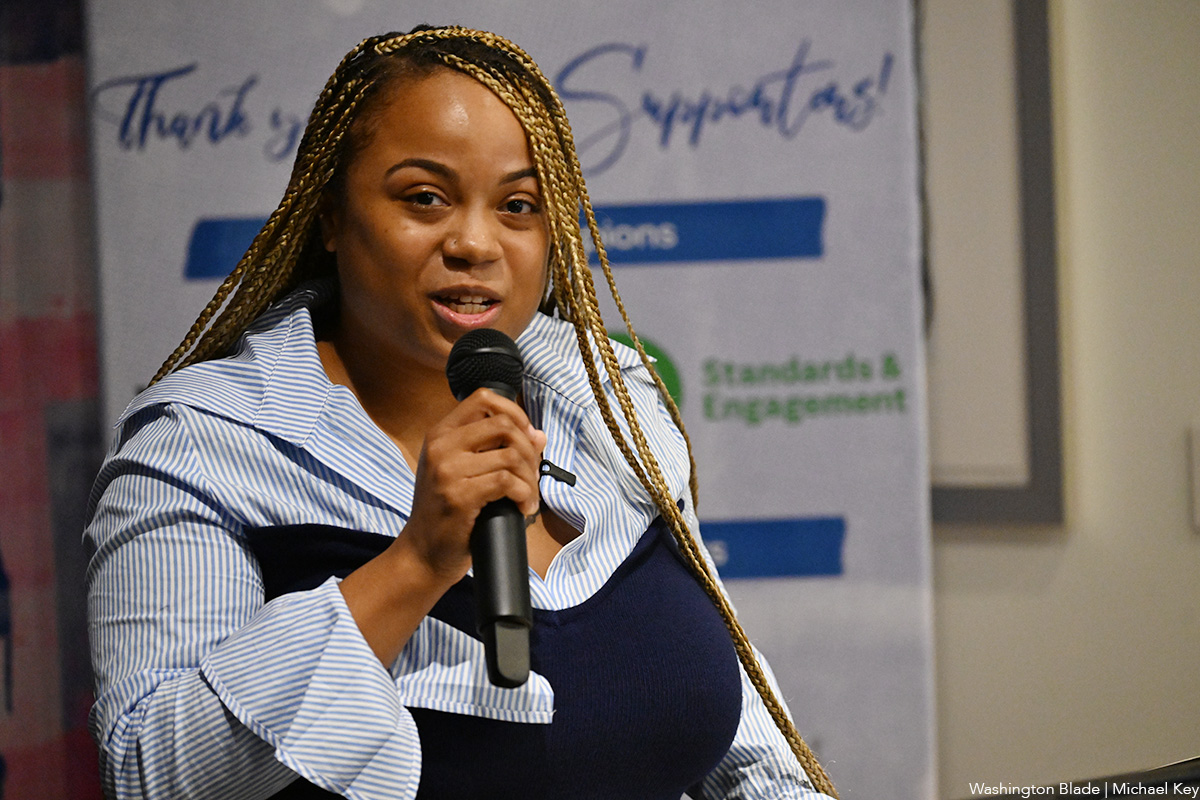
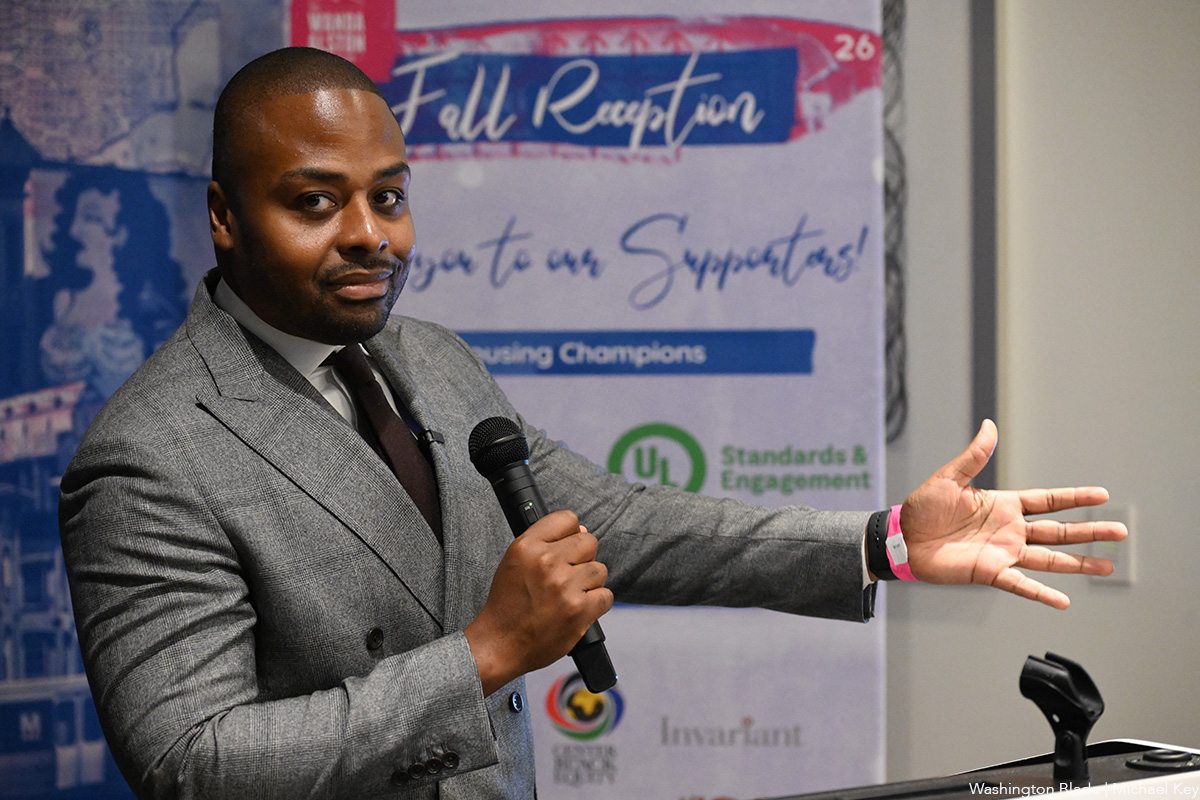
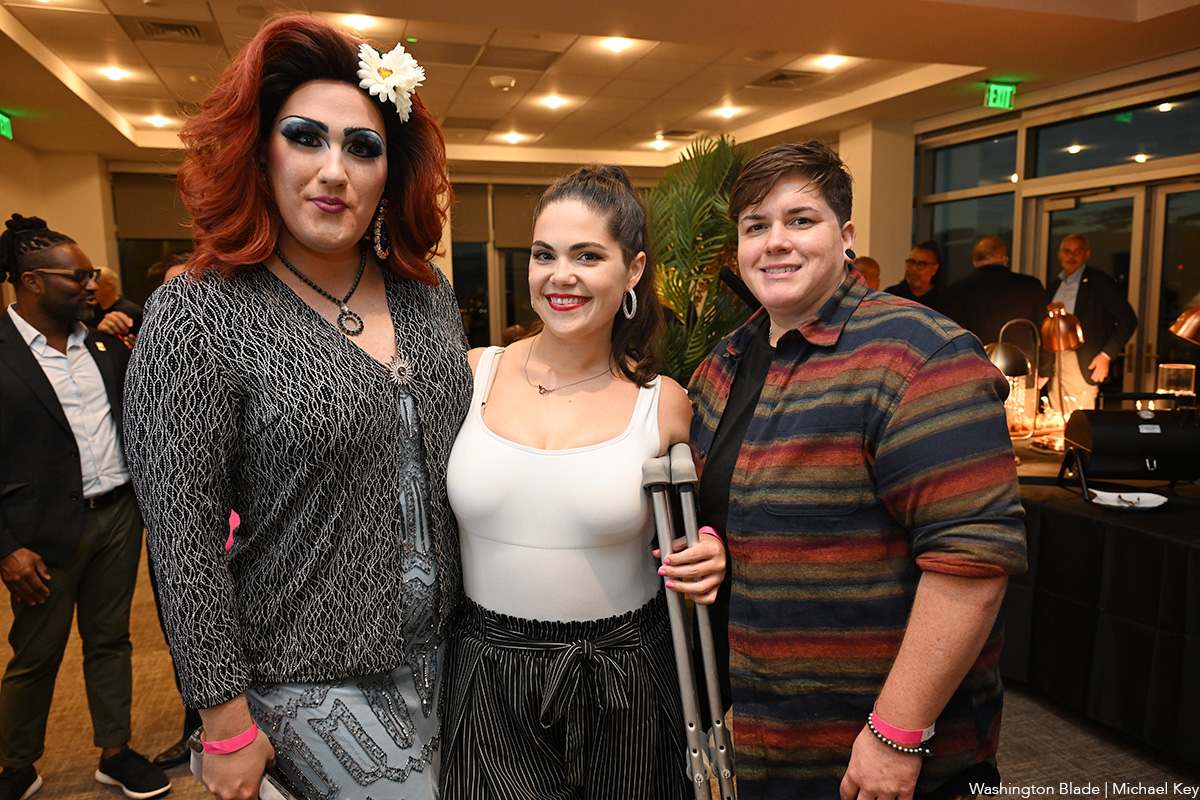
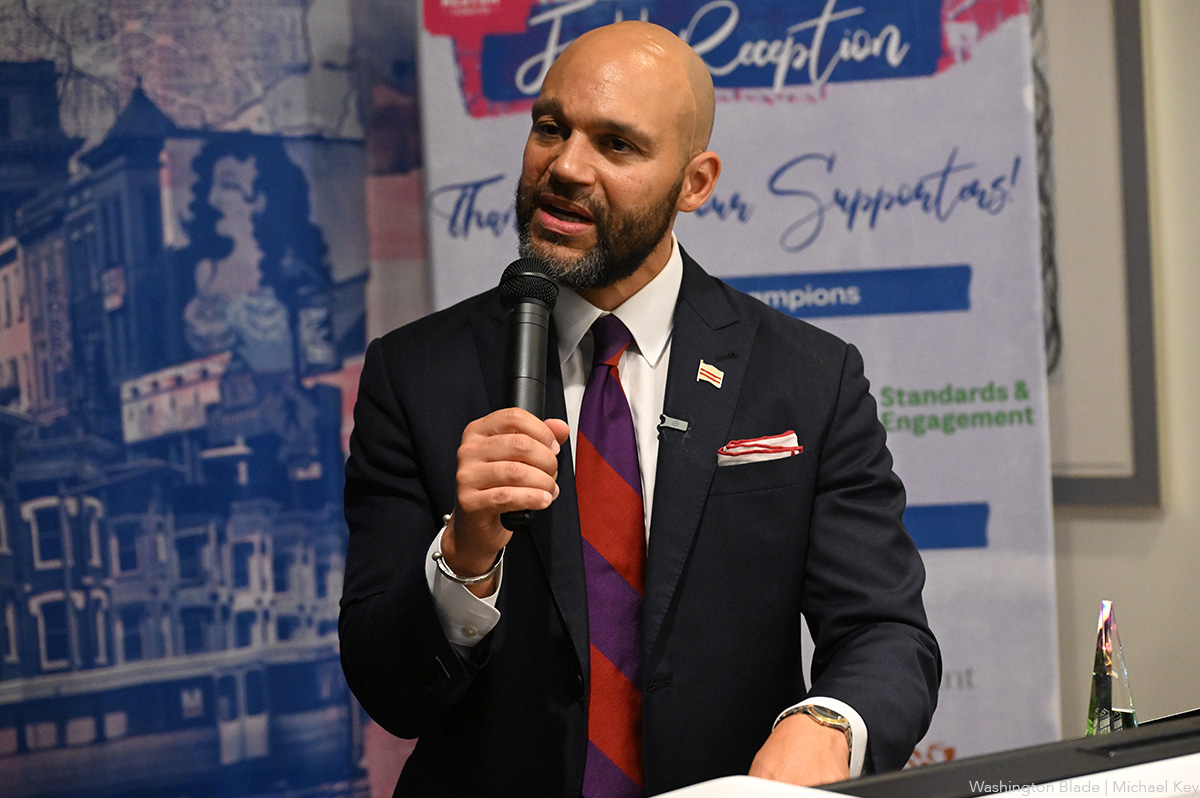
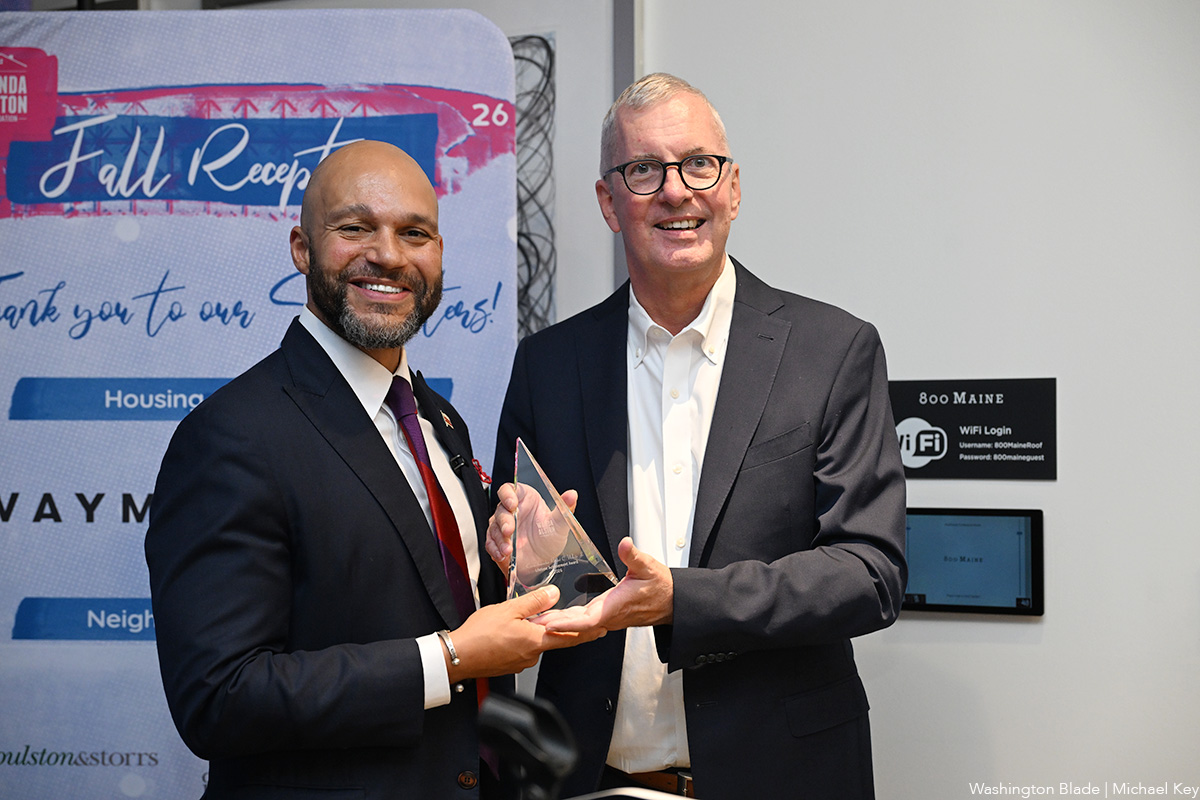
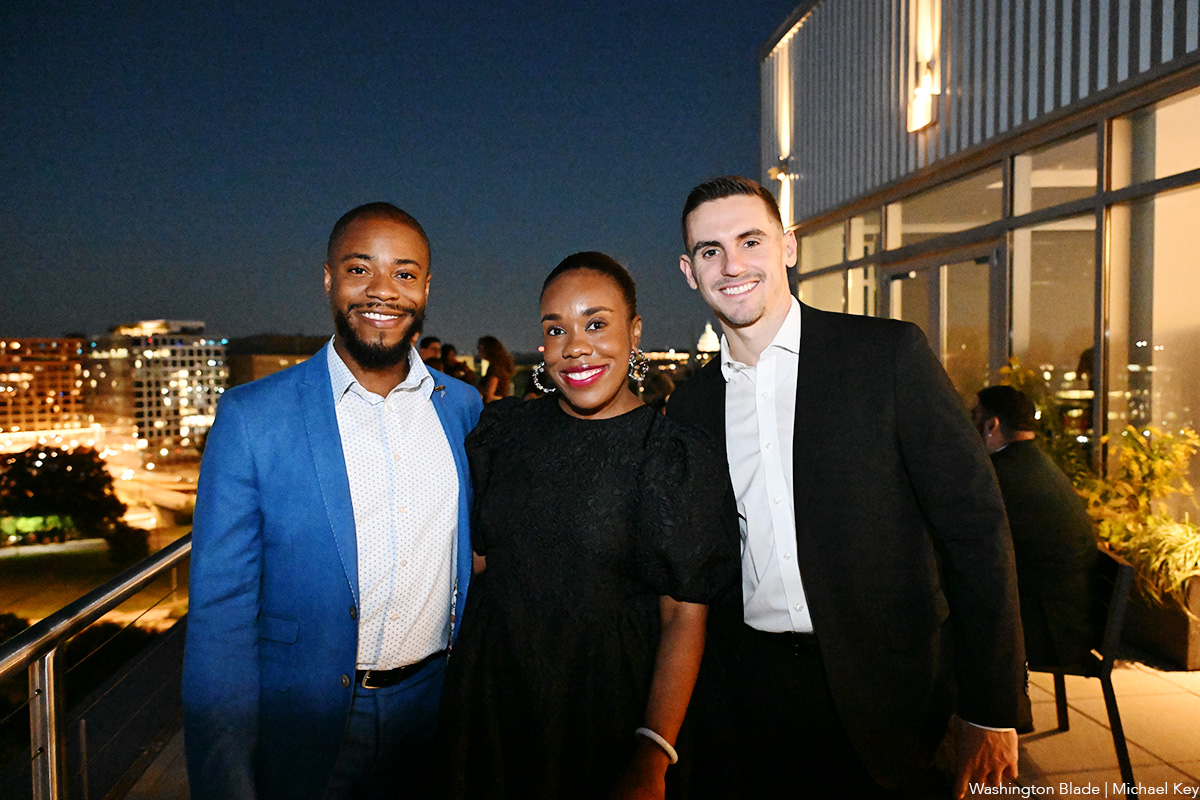
The Wanda Alston Foundation held its Fall Reception at the Penthouse Rooftop at The Wharf on Friday, Sept. 18. Honorees included D.C. Councilmember Robert White, Director of the Mayor’s Office of LGBTQ+ Affairs Japer Bowles, and the Washington Capitals. Rayceen Pendarvis served as the emcee and entertainment was provided by the Thomas Circle Singers.
(Washington Blade photos by Michael Key)
Books
Curl up with a good book this fall
New releases include mysteries, biographies, religion, and more
The fall books season offers lots of options so curl up and get ready to read.
FICTION
For the mystery fan who likes a sprinkle of thriller, look for “The Longest Death” by Kevin Jagernauth (Soho Crime, December). Richard Cobson hates his small town, he’s bored and desperate to get away. Stealing from his employer is the only thing that makes life bearable. That all changes when Marlon Montgomery comes to town and the two fall in love because if one guy can steal so easily, what can two do?
If you like graphic novels, try the “Tripping Over You” trilogy by Suzana Harcum and Owena White. Milo and Liam are finally able to be open about their relationship, no more hiding their love. They’re living together now, but can it last? “Tripping Over You Book 3” (First Second Books) is in stores in early November.
Also try “Diana: The Punk Singer Who Ripped Through Time” by Nate Powell (Abrams ComicArts, October). It’s about a young woman who’s trying desperately to escape her past, until a mysterious murder sidetracks her plans.
So you say you’re a romantic at heart? Then look for “Unspeakable Things: A Novel” by Elizabeth Hand (Little, Brown & Company, October). It’s a story set in the 1920s, when two young women arrive in the English Countryside to a dark and ancient manor. But, of course, nothing in a Gothic novel is easy, right? And you’ll love this tale.
NONFICTION
So this upcoming year is going to be one of exploration, right? Then look for “Free Love: Adventures in Marriage and Polyamory” by Michelle Tea (HarperOne, November). It’s a well-researched, personal, and interesting look at the lives of polyamorous couples and what it’s like to live what used to be called an “alternative” lifestyle.
If “fall” says “biography” to you, then look for “Showbiz! My Life as a Middle-Aged Man” by Murray Hill (Gallery Books, October). For decades, Hill has been making audiences laugh with his signature humor, but getting laughs hides his past all too well. He grew up in an abusive family and learning to hone his talents took some ingenuity. If you’re not a Hill fan yet, you will be, once you read this book.
For the reader who’s searching for a spiritual place, “Reading the Bible Through Queer Eyes: Good News for LGBTQ+ People from Genesis to Revelation” by podcasters Brian G. Murphy and Shannon T.L. Kearns (HarperOne, December) might help. Here, the authors look deeply at Scripture to find the queerness that’s there, proving to readers that the Word is not always what it seems.
Young readers may want to check out “Bitter Pill: Randy Shilts and the Dawn of the HIV/AIDS Epidemic” by Clement Xavier, illustrated by Heloise Cochois, foreword by Michael Lee (Abrams ComicArts, November). It’s a highly researched true story of activist Shilts, but also of Harvey Milk, and the earliest days of the AIDS crisis, when gay men needed a loud voice to advocate for them.
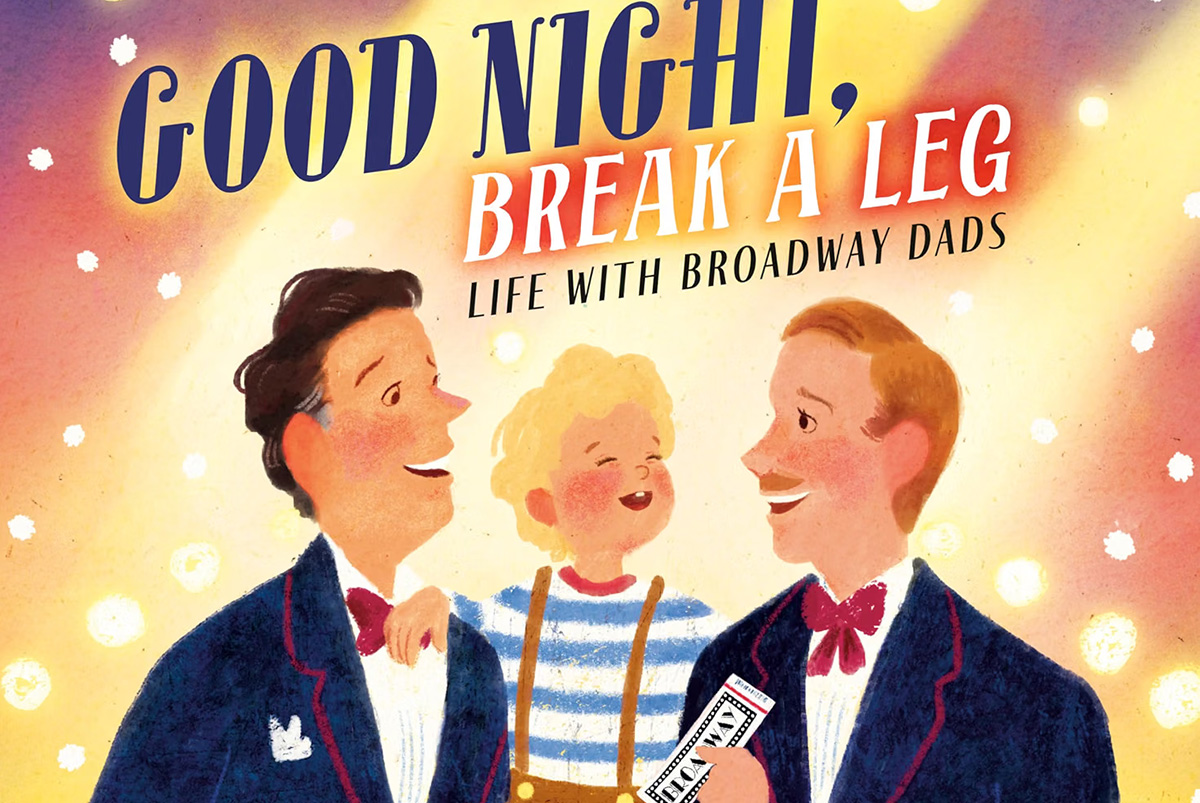
And finally, if you want a fun book for your kids or a child you love, look for “Good Night, Break a Leg: Life with Broadway Dads” by Bret Shuford, illustrated by Elena Hager (Penguin Workshop). What do parents do when they go to work? A little boy learns that his dads have very special jobs by day – and by night! It’s a cute book for kids, but a special tale for lovers of Broadway.
Be aware that publication dates change, titles change, books can be canceled, and your librarian or favorite bookseller can help you find what you need. Season’s readings!

PHOTOS: Walk and 5K to End HIV

PHOTOS: Wanda Alston Foundation Fall Reception

Moving presents a chance to ‘clean house’

EV ecstacy: BMW iX3, Rivian R2

Curl up with a good book this fall

Trump’s Cabinet: Dumb, dumber, dumbest, and evil

More than 150 people detained outside Istanbul courthouse

Gay man sues Delaware AG for not prosecuting partner in domestic violence case

D.C.’s fall theater season is already well underway

Gun reform is an LGBTQ rights issue
-

 Opinions5 days ago
Trump’s Cabinet: Dumb, dumber, dumbest, and evil
-
Turkey5 days ago
More than 150 people detained outside Istanbul courthouse
-
Delaware5 days ago
Gay man sues Delaware AG for not prosecuting partner in domestic violence case
-
Theater5 days ago
D.C.’s fall theater season is already well underway