World
Uruguay lawmakers approve same-sex marriage bill
The country’s Senate is expected to debate the measure next year


A rainbow flag hung outside the Uruguayan Congress ahead of Tuesday’s same-sex marriage vote. (Photo courtesy of Carolina Poggi/Colectivo Ovejas Negras)
Uruguayan lawmakers on Tuesday overwhelmingly approved a bill that would legalize same-sex marriage in the South American country.
The measure passed in the country’s House of Representatives by an 81-6 vote margin more than six hours after lawmakers began debating it.
Deputy Gerardo Amarilla cited what he described as “isolated terrorists that cry homophobia before any dissenting opinion” before claiming the same-sex marriage law would further undermine the family. The Associated Press reported Deputy Anibel Gloodtdofsky of the right-wing Colorado Party was among those who planned to vote in support of the measure.
“We are ending decades of institutionalized discrimination from the state,” Deputy Nicolás Núñez said as he spoke in support of the proposal.
The Uruguayan Senate is widely expected to pass the same-sex marriage bill once it reconvenes in March. President José Mujica has said he plans to sign the measure into law.
“Today, we are a step further of becoming a more democratic and just society,” Álvaro Queiruga of the LGBT advocacy group Colectivo Ovejas Negras said. Activists and other supporters of the measure celebrated its passage in a square in front of the Uruguayan Congress in Montevideo, the country’s capital, as he spoke to the Washington Blade from Toronto where he is currently visiting family. “The LGBT population will no longer be denied an essential right such as this one. We are very happy today, and this will empower us to continue our fight for a better Uruguay without second class citizens due to their sexual orientation or gender identity.”
Uruguay, which has allowed gays and lesbians to enter into civil unions since 2009, would become the second South American country after neighboring Argentina to allow same-sex marriage.
Gays and lesbians have been able to legally marry in Mexico City since 2010, while Ecuador allows civil unions for same-sex couples.
Same-sex couples in Colombia will automatically receive full marriage rights in June if the country’s lawmakers do not act upon a court ruling that orders them to legislate the matter. A Colombian Senate committee last week approved a measure that would legalize nuptials for gays and lesbians.
The Mexican Supreme Court on Dec. 5 unanimously struck down a law in the state of Oaxaca that banned nuptials for gays and lesbians after three same-sex couples tried to apply for marriage licenses. Local advocates and observers expect the decision will eventually lead to same-sex marriage across Mexico.
Even though Uruguay is poised to become the 12th country to legalize same-sex marriage, Queiruga reiterated his group will continue to advocate on behalf of LGBT Uruguayans.
He noted the country has been on the “vanguard” of progressive social legislation in Latin America and the world in regards to divorce, workers’ rights and other issues. A non-discrimination law that includes sexual orientation and gender identity and expression took effect in 2004.
“This is the last major law that was needed to be approved for the LGBT population,” Queiruga told the Blade, noting Uruguay already has same-sex adoption, anti-transgender discrimination and civil unions laws. “We are very happy. We’ll definitely empower to continue fighting for other rights we have happens throughout the world. The trans population is most vulnerable. In Uruguay it’s no exception. This year five trans people were murdered because of their identity, so we are going to continue fighting for our rights.”





Bulgaria
Top Bulgarian court rules government must legally recognize trans people
Decision caps off decade-long legal fight
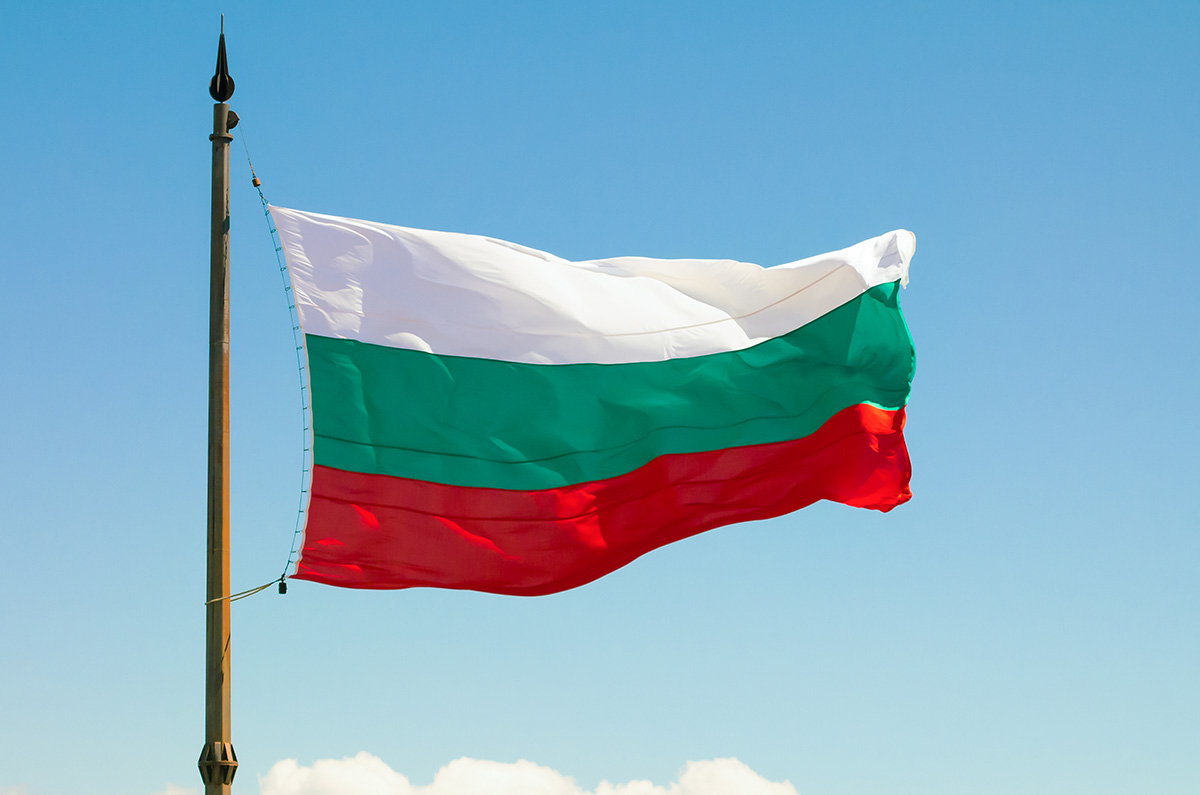
Bulgaria’s top court has ruled the country’s government must allow transgender people to legally change their name and gender on ID documents.
A trans woman from Bulgaria who moved to Italy, had tried to change her gender and name on her Bulgarian ID documents, but courts in the country denied her requests for nearly a decade.
The Bulgarian Supreme Court of Cassation in a 2023 ruling essentially banned trans people from legally changing their name and gender on ID documents.
The EU Court of Justice in Luxembourg, which is the European Union’s highest court, in March ruled in the “Shipova” case that member states must allow trans people to legally change their name and gender on ID documents. The lead plaintiff in the “Shipova” case is among the four litigants in the Bulgarian Supreme Court of Cassation case.
Two Bulgarian advocacy groups — Bilitis and Deystvie — along with TGEU – Trans Europe and Central Asia and ILGA-Europe in a joint statement they issued on Tuesday noted the Bulgarian Supreme Court of Cassation’s July 22 decision “aligns Bulgarian practice with the Court of Justice of the EU, enabling changes to gender markers, names, and personal identification numbers.”
“The judges also concluded that EU law requires Bulgaria to establish a legal procedure for legal gender recognition, which is necessary so that Bulgarian trans citizens can travel and reside freely inside the EU,” they added.
Bulgaria has been a member of the EU since 2007.
The country borders Romania, Serbia, North Macedonia, Greece, and Turkey.
“We are very glad to see that the judges of the Supreme Court clearly stated that it is actually a matter of rule of law for Bulgaria to respect the universal equality and the dignity of all human beings, including trans people for whom human rights-based legal gender recognition procedures are an indispensable element,” said Denitsa Lyubenova, co-chair of Deystvie who represented the four plaintiffs in the Bulgarian courts and the lead litigant in the “Shipova” case at the EU Court of Justice. “The government needs to act swiftly now to put in place an LGR procedure that is fully in line with European human rights case law, which means without any conditions requiring proof of medical, surgical or hormonal treatment.”
The groups also urged the Bulgarian government to codify the ruling into law.
“While lower courts are expected to follow this ruling directly, a court decision is not a substitute for law,” they said. “Bulgaria still needs a fast, transparent, and accessible legal gender recognition procedure written into legislation, not left to case-by-case court precedent. TGEU – Trans Europe and Central Asia, Bilitis, Deystvie, and ILGA-Europe call on the Bulgarian government to start that legislative process now, with meaningful involvement from civil society.”
France
Prominent French activist attacked outside Paris bar
Pierre Picavet hospitalized with internal bleeding, head injury

French prosecutors say a man shouted anti-gay slurs at a prominent activist before he attacked him in Paris on Saturday.
Media reports indicate Pierre Picavet, a police officer who is the president of FLAG!, a group within the French Justice and Interior Ministries that defends LGBTQ rights, was attacked as he left a bar in Paris’s Marais neighborhood.
The Marais since the 1980s has been center of the French capital’s LGBTQ community.
France 24 reported Picavet’s assailant struck him with a bottle. The attack left Picavet hospitalized with internal bleeding, a head wound, and other injuries.
“When I get better, when my wounds have healed, I will continue the fight,” Picavet told Radio France on Monday. “I am particularly shocked, but it tells me that there is still work to do.”
Paris Mayor Emmanuel Grégoire is among those who condemned the attack.
STOP Homophobia (STOP homophobie), a French group that fights against anti-LGBTQ violence, on its social media pages published a picture of Picavet in the hospital.
“As a long-standing partner of FLAG!, STOP Homophobia wishes to express its solidarity with Pierre Picavet, his loved ones, and the entire association,” said the group. “STOP Homophobia condemns this assault in the strongest possible terms and reiterates that anti-LGBT violence remains a reality — even in spaces where everyone should be able to move freely and live out their sexual orientation or gender identity without fear of attack.”
STOP Homophobia also praised a bystander who came to Picavet’s aid after the attack, and the first responders and law enforcement personnel who responded.
“STOP Homophobia extends its full support to Pierre, his family, his loved ones, and the entire FLAG! team, and wishes him a full recovery,” said the group.
Reports indicate the assailant, who was born in 2006, was scheduled to appear in a Paris court on Monday at 1:30 p.m. local time.
Poland
Poland begins to legally recognize same-sex marriages from other countries
‘This is an important milestone, but it should not be the final destination’
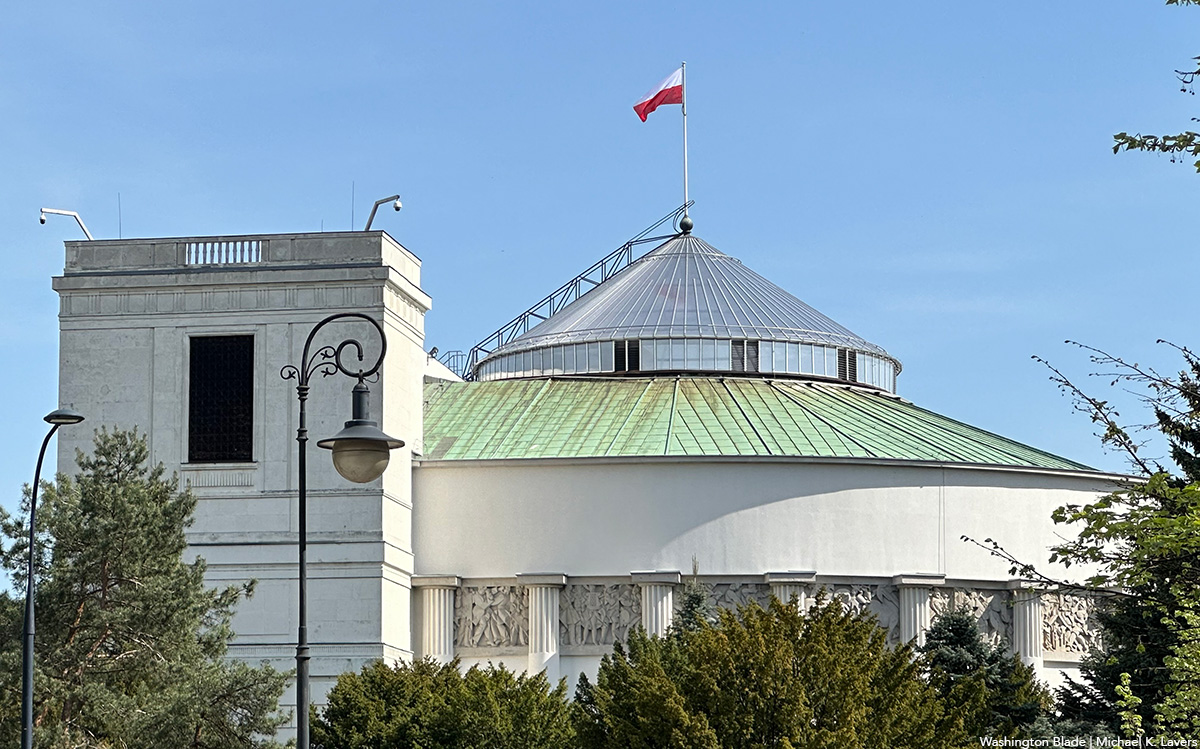
Poland has begun to recognize same-sex marriages legally performed outside the country.
TVP World, the country’s public broadcaster, reported civil registry offices began to “transcribe same-sex marriages legally” conducted outside of Poland on Aug. 22.
The EU Court of Justice in Luxembourg last November ruled in favor of a same-sex couple who challenged Poland’s refusal to recognize their German marriage. Poland’s Supreme Administrative Court in March reaffirmed the decision.
The couple, who lives in Poland, brought their case to Polish courts in 2019. The Supreme Administrative Court referred it to the EU Court of Justice.
The Polish government in May announced it will recognize same-sex marriages legally performed in other EU countries. Polish President Karol Nawrocki on July 17 vetoed bills that would have extended rights to same-sex couples.
Poland’s Constitutional Tribunal a few days later rejected the recognition of same-sex marriages legally performed in other EU countries. The Love Does Not Exclude Association, a Polish marriage equality advocacy group, in an Aug. 26 press release notes the ruling “does not prevent implementation of these new regulations” because the Constitutional Tribunal is “largely discredited” and the government considers it “to be improperly constituted.”
“This is an important milestone, but it should not be the final destination,” said Maja Heban of the Love Does Not Exclude Association. “No couple should have to cross a border to marry. Our goal is allowing loving, committed couples to marry in Poland in the first place. The law now increasingly recognizes these marriages once couples return to Poland in areas such as healthcare and social security, but significant gaps remain, mainly lack of recognition of same-sex parents which directly impacts security of their children.”
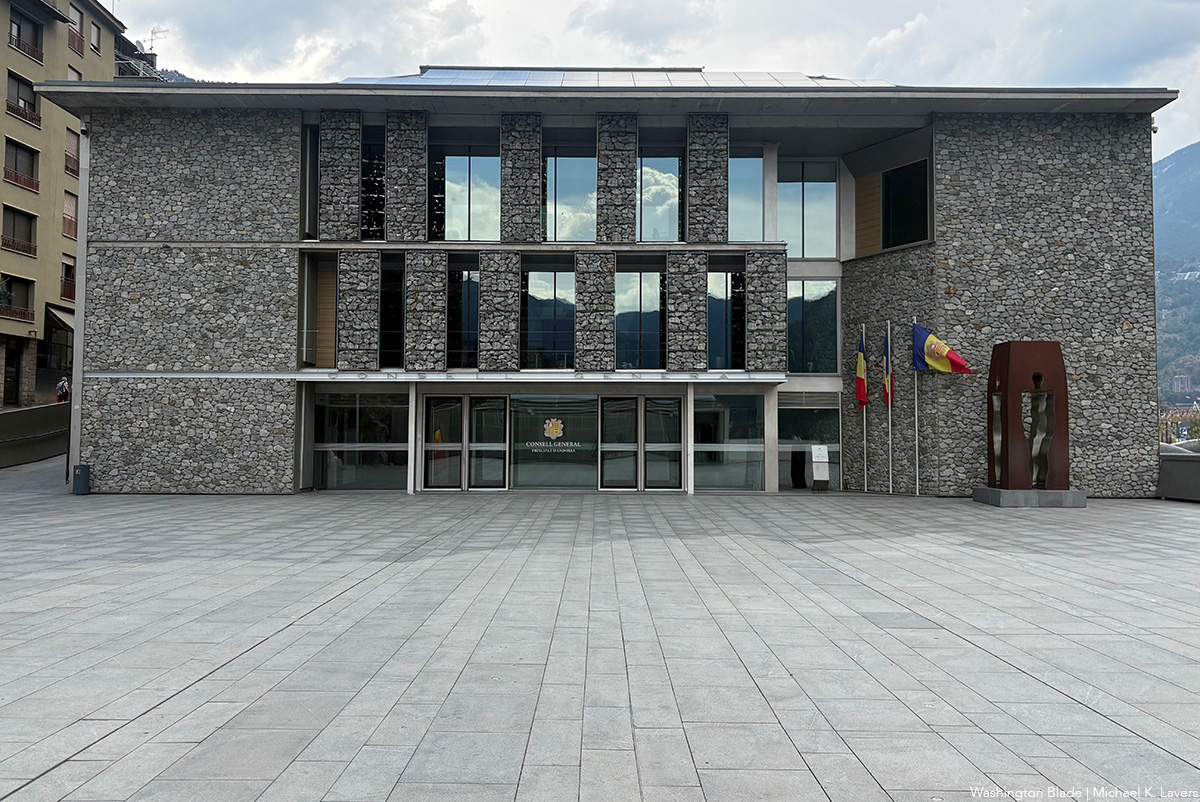
Germany, Belgium, France, Ireland, Spain, and Portugal are among the EU countries in which same-sex couples can legally marry. Andorra, whose prime minister, Xaviet Espot Zamora, is openly gay, and Switzerland are among the other European nations that have extended marriage rights to same-sex couples.
The Netherlands in 2001 became the first country in the world to extend marriage rights to same-sex couples. Activists who participated in this year’s World Pride that took place in Amsterdam earlier this summer marked this milestone.


Markey’s primary win deemed success for LGBTQ activists

Top Bulgarian court rules government must legally recognize trans people

Lou Chibbaro Jr. documentary wins award from NLGJA

Beloved D.C. ‘Old Catholic’ Bishop Charles Braun dies at 86

Blade welcomes fall intern

E-INFOSOL leaders encourage youth to pursue tech careers

New book examines Trump cuts to LGBTQ healthcare

Immersive ‘Nation-State’ imagines a society free of authoritarianism

Poland begins to legally recognize same-sex marriages from other countries

HRC president campaigns for Chris Pappas in NH
-

 Technology4 days ago
E-INFOSOL leaders encourage youth to pursue tech careers
-
Books4 days ago
New book examines Trump cuts to LGBTQ healthcare
-
Theater3 days ago
Immersive ‘Nation-State’ imagines a society free of authoritarianism
-
Poland3 days ago
Poland begins to legally recognize same-sex marriages from other countries