Cannabis Culture
Cannabis Culture
ABA calls for marijuana banking access

ABA calls for marijuana banking access
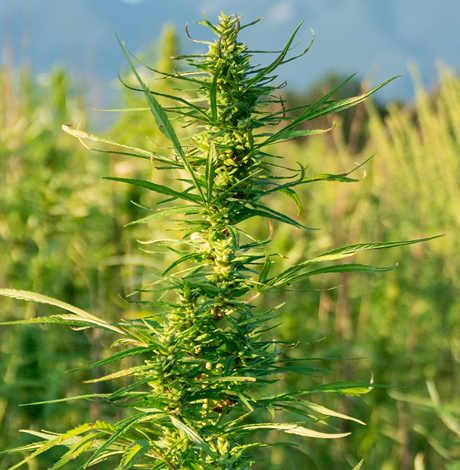
CHICAGO — The American Bar Association has adopted a resolution urging the passage of federal legislation facilitating banks and other financial institutions to legally interact with licensed cannabis businesses.
The resolution calls for the “enactment of [federal] laws to ensure that it shall not constitute a federal crime for banks and financial institutions to provide cannabis-related services.”
Under existing law, banks are discouraged from engaging with state-licensed marijuana businesses. In September, members of the U.S. House of Representatives voted 321 to 103 in favor of HR 1595: The SAFE Banking Act, amending federal law so that financial institutions may work directly with state-legal marijuana businesses without fear of federal repercussions. The bill now awaits action from the Senate Banking Committee. However, Committee Chair Mike Crapo (R-Ind.) has expressed opposition to the measure.
In 2019, the ABA adopted a separate resolution urging Congress “to enact legislation to remove marijuana from Schedule I of the Controlled Substances Act.” With over 400,000 members, the American Bar Association is among the largest voluntary organizations in the world.
More seniors turning to cannabis
NEW YORK — Cannabis use is increasing among those ages 65 and older, according to data published in the journal JAMA Internal Medicine.
Researchers affiliated with the New York School of Medicine assessed trends in self-reported cannabis use among seniors. They reported that 4.2 percent of seniors acknowledged engaging in past-year cannabis consumption in 2018, up from 2.4 percent in 2015 and 0.4 percent in 2006.
The study’s findings are consistent with those of prior papers similarly reporting an uptick in marijuana use among older Americans. According to a 2019 study published in the journal Gerontology & Geriatric Medicine, marijuana use among seniors is associated with self-reported improvements in pain management, day-to-day functioning, and in their overall health and quality of life.
Employers’ attitudes shifting on drug tests
SUNNYVALE, Calif. — A growing number of companies are either abandoning marijuana-specific drug testing programs or reducing the frequency with which they test, according to nationwide survey data compiled by the online recruitment website Simply Hired Incorporated.
Fifty-five percent of hiring managers polled in the survey said that their companies do not test current employees for off-the-job marijuana use. Among those hiring managers who work for companies that do engage in testing, 40 percent said that “they do it less often than in the past.” Larger-sized companies (1,000+ employees) were far more likely to utilize pre-employment testing for cannabis than were smaller-sized companies.
Nearly 70 percent of hiring managers said that their company would be “okay” with an employee using cannabis while away from work “as long as the company remains unaware of it.” Among employees surveyed, 75 percent said testing positive for marijuana should not be grounds for automatic termination.
Cannabis Culture news in the Blade is provided in partnership with NORML. Visit norml.org for more information.






Cannabis Culture
LGBTQ people, weed, and mental health: what you need to know
Community uses marijuana at much higher rates than general population

Uncloseted Media published this story on May 7.
By SPENCER MACNAUGHTON | In 2025, the global cannabis market size was valued at nearly $103 billion. By 2034, that number is expected to explode by roughly 1,400 percent to more than $1.43 trillion.
In short, as an increasing number of countries legalize marijuana use, everyone is starting to consume a lot more weed. And LGBTQ people tend to use cannabis at much higher rates than the general population. One study found that 55 percent of lesbian and 45 percent of gay young adults use marijuana, compared to about 33 percent and 37 percent, respectively, of their straight counterparts.
As LGBTQ people face a mental health crisis, the mainstream stereotypes that depict weed as an antidote for anxiety, panic and depression aren’t painting the full picture. And that could be exacerbating the mental health struggles so many queer people, and especially youth, face.
Here’s what the research demonstrates about marijuana and its effects on mental health:
- Multiple studies suggest a link between marijuana use and an increased risk of mental health disorders, including schizophrenia, depression and anxiety in individuals who are genetically predisposed.
- One study found that daily marijuana use, especially among younger people, makes some individuals seven times more likely to develop psychosis.
The increase in higher-potency strains of marijuana could pose unknown risks. In 1995, the average content of Tetrahydrocannabinol (THC) in confiscated marijuana was less than 4 percent. In 2022, it was more than 16 percent. Researchers don’t know the full extent of the impact that these higher concentrations can have on mental health and especially on younger people whose brains are still developing.
- A systematic review of studies published between 2013 and 2025 found damning results for the mental health of young cannabis users:
They were 51 percent more likely to experience depression, 58 percent more likely to experience anxiety, between 50 and 65 percent more likely to experience suicidal ideation and 80 to 87 percent more likely to have attempted suicide.
- While the above stats paint a grim picture, there is also some research that suggests benefits of cannabis use:
- A 2025 systematic review found that “medicinal” weed showed some efficacy in relieving withdrawal symptoms of opioid use disorder. THC use has been associated with improvement of post-traumatic stress disorder symptoms, bipolar symptoms and sleep quality.
- Other studies found that THC administered in a controlled setting was associated with a decrease of symptoms and adverse effects for a range of mental health disorders, including schizophrenia, psychotic symptoms, and anorexia nervosa.
Beyond what we pulled from academia, there is an astounding lack of information about the interplay between weed and mental health. As we dive deeper into Mental Health Awareness Month, I hope advocacy organizations, influencers and news outlets ramp up their coverage of this important topic that affects the countless LGBTQ weed smokers, many of whom are already struggling.
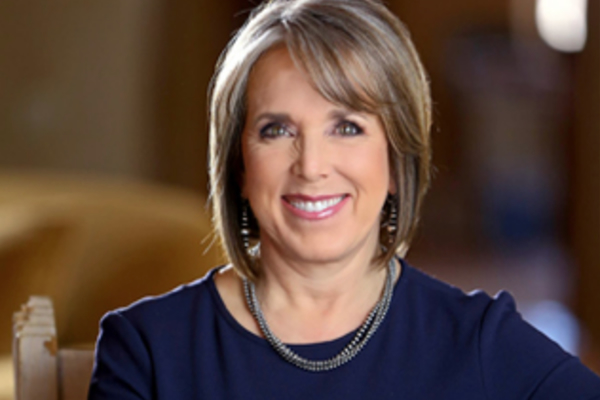
Democratic Gov. Michelle Lujan Grisham earlier this month signed two separate measures into law amending the state’s marijuana policies. The first measure (House Bill 2) legalizes and regulates marijuana possession, production, and sales for adults. The second measure (Senate Bill 2) facilitates the automatic review and expungement of the records of those convicted of low-level marijuana offenses.
Lawmakers approved both bills during a special legislative session demanded by Gov. Lujan Grisham, who had been a vocal proponent of the reforms.
NORML State Policies Manager Carly Wolf said: “This is a day to celebrate! New Mexico will greatly benefit from this new revenue stream and the creation of thousands of jobs. Most notably though, legalization will spare thousands of otherwise law-abiding residents from arrest and a criminal record, and the state’s new expungement law will help provide relief to many who are suffering from the stigma and other collateral consequences associated with a prior marijuana conviction.”
The adult-use measure (House Bill 2) permits those ages 21 and older to legally purchase up to two ounces of marijuana and/or up to 16 grams of cannabis extract from licensed retailers. It also permits adults to home-cultivate up to six mature plants for their own personal use. Retail sales would begin by April 2022.
The expungement measure (Senate Bill 2) stipulates that those with past convictions for offenses made legal under this act are eligible for automatic expungement of their records. Those currently incarcerated for such offenses are eligible for a dismissal of their sentence. It’s estimated that over 150,000 New Mexico residents are eligible for automatic expungement under this measure, according to the Department of Public Safety.
Cannabis Culture news in the Blade is provided in partnership with NORML. Visit norml.org for more information.
Cannabis Culture
Delaware cannabis activists take on corporate marijuana
Criticism from medical marijuana operators claimed that HB150 offers too many cultivation and retail licenses
As the country moves forward with sweeping changes in cannabis policy reform, locals in Delaware are tangling with corporate, multi-state medical marijuana permit holders to pass a bill for full legalization.
Adult-use activists and registered medical patients were stunned to hear opposing testimony from Delaware’s medical marijuana operators. Patients already deal with limited access and costly products. Now, many see the established industry voicing opposition as simply obstructing the progress of adult-use legislation. In response, some patients are now staging a boycott of the regulated dispensaries.
During the first committee hearing for HB150, Delaware’s adult-use bill, four of the state’s six currently licensed, multi-million dollar medical cannabis facilities offered negative testimony.
Zoë Patchell, executive director of Delaware CAN responded: “This market belongs to the long-time consumers, patients, and activists. We create the demand, we’ve been the ones driving the reform efforts, and we pay the prices at dispensaries. Cannabis is more than a market – cannabis is a community. These companies cannot reasonably fathom that we are going to purchase cannabis from any entity that has proven to put profits over patients. And now they seem willing to put consumers’ lives and freedom at risk just to hold out for an unfair advantage in the industry.”
These included publicly traded Columbia Care, “Fresh Delaware” aka CCRI, CannTech Research Inc., and the owner of EZY Venture aka “The Farm.”
They all went on record condemning HB150, and pushing a false narrative about oversupply. The core demand from the permit cartel was some protection for their private business interests with guaranteed adult-use licenses.
Criticism from the medical marijuana operators claimed that HB150 offers too many new cultivation and retail licenses, underlined by deep yet unfounded fears that the new competition would put their companies out of business.
Patchell noted, “We are not going to sit back while multi-state corporate entities, that already monopolize East Coast medical markets, work to undermine our social equity and micro-license provisions.”
Cannabis Culture news in the Blade is provided in partnership with NORML. Visit norml.org for more information.

PHOTOS: Wanda Alston Foundation Fall Reception

Moving presents a chance to ‘clean house’

EV ecstacy: BMW iX3, Rivian R2

Curl up with a good book this fall

What LGBTQ veterans are building after ‘Don’t Ask, Don’t Tell’

Trump’s Cabinet: Dumb, dumber, dumbest, and evil

More than 150 people detained outside Istanbul courthouse

Virginia Anti-Violence Project struggles to fill federal funding gaps

Gay man sues Delaware AG for not prosecuting partner in domestic violence case

D.C.’s fall theater season is already well underway
-

 Opinions4 days ago
Trump’s Cabinet: Dumb, dumber, dumbest, and evil
-
Turkey4 days ago
More than 150 people detained outside Istanbul courthouse
-
Virginia4 days ago
Virginia Anti-Violence Project struggles to fill federal funding gaps
-
Delaware4 days ago
Gay man sues Delaware AG for not prosecuting partner in domestic violence case