Maryland
Mayor of Salisbury, Md. cancels Pride flag display
Decision ends five years of support for LGBTQ community
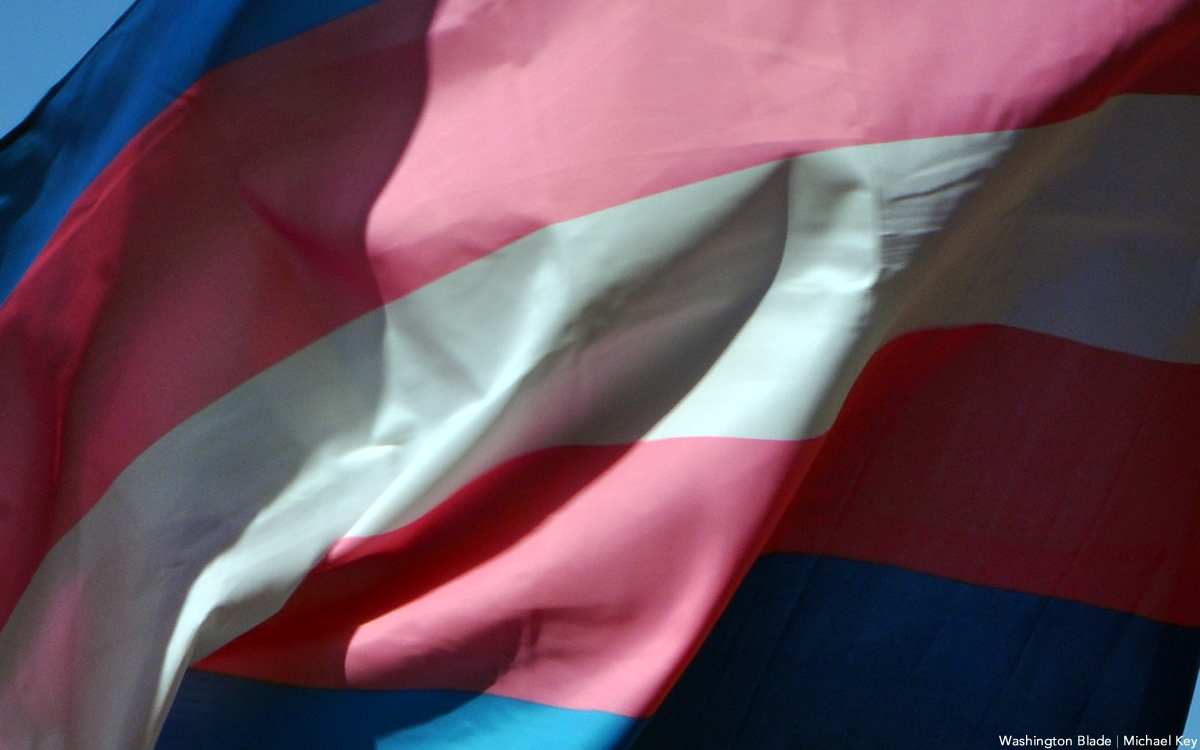
The City of Salisbury, Md., will not fly the Pride flag outside the city office building in downtown Salisbury. This will mark the first time in five years that a Pride flag will not fly at the city’s office for Pride month.
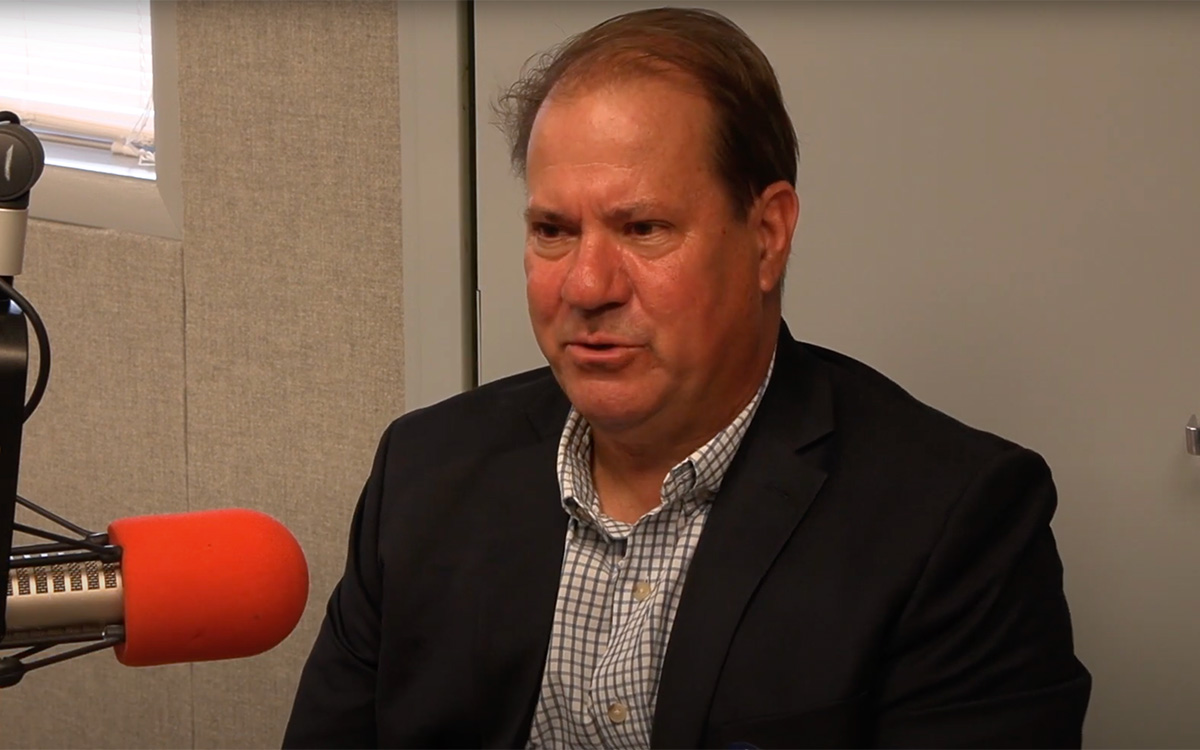
Randolph J. Taylor, the mayor of Salisbury, told the Blade that the choice not to raise the flag was based on being “fair” and “transparent.”
“The administration’s position on the PFLAG kick-off is very simple,” Taylor said to the Blade in an email. “That is, to be neutral. Neutrality is not to be interpreted as anything else but simply that — being neutral.“
Taylor explained that the decision to appear more neutral was not to single out one particular group. “This is an approach the City has and will take with any other event held in the City of Salisbury as we entertain more than 100 events a year from a variety of groups and causes.”
Taylor concluded his statement with good wishes for PFLAG, the LGBTQ human rights organization that previously collaborated with the mayor on the flag raising and recently relocated within Salisbury.
“I am glad PFLAG has a new location on Carroll St. for its kick-off,” Taylor said. “The City of Salisbury wishes the event good luck!”
Nicole Hollywood, legislative chair for PFLAG Salisbury, said the decision not to promote cultural events using “city assets,” which includes the city’s flagpoles and street lamps, could impact longstanding celebrations of cultural heritage in the city.
“We simply got an email saying that ‘we’re evaluating the use of city assets for cultural events,’ and ‘we don’t feel it’s appropriate moving forward to hang flags that represent special interest groups,’” Hollywood told the Blade regarding the denied request for flying the flag. “We were disheartened and made a statement saying that the planned event, which has occurred for a number of years always on the same day in the same location, is temporarily postponed until we could find an alternative.”
Hollywood continued, explaining that she, and other supporters of the LGBTQ community, have plans to bring the issue to the city council’s attention. She hopes to get a more standardized approach to the vetting of cultural events, like the Pride flag raising, in Salisbury.
“We do have a request that we’ll be making in front of the city council, which is simply that a structure be put in place that’s uniform and equitable, that’s used to vet applications for flag raisings and other civic and cultural events,” she explained. “It isn’t clear, at this time, who exactly holds authority over city assets.”
In addition to her concerns regarding the current “murky” methods of approval for cultural events, Hollywood also highlighted her fears for the future of the Pride crosswalk in Salisbury.
The crosswalk, which includes the classic rainbow Pride flag, the updated progressive Pride flag (that comprises the colors of the classic Pride flag, transgender pride flag, and stripes of black and brown to recognize people of color in the LGBTQ community), as well as a transgender flag, was the first to be installed in Maryland.
Hollywood fears that if the city re-evaluates the crosswalks, it could be the beginning of the end of outward support for the LGBTQ community on any public land.
“We think that it’s been a beacon of hope to people in the community having this rainbow, the trans, and progress Pride crosswalks,” Hollywood said. “We really want to protect and steward their existence because we know that if they’re painted over, or erased, that it won’t be as easy to get them back.”
Despite the shift in attitude from the city, some in the community have pledged to show their support in full force. The downtown business alliance in Salisbury, which works to foster growth for business in Salisbury, has encouraged its members to fly rainbow flags on private property in solidarity with PFLAG.
“We’re trying to get as many people as possible to feel that they have a voice,” Hollywood said. “To feel that they’re included and to find other ways that we could celebrate queer joy.”


Maryland
Anne Arundel schools updates gender identity regulation following Trump administration threats
District facing federal lawsuit, White House threats over guidelines

By JESSICA CALEFATI | Under pressure from the Trump-Vance administration, Anne Arundel County Public Schools Supt. Mark Bedell announced Wednesday the district had updated a regulation intended to protect transgender students’ right to be called by their chosen name.
The revised language makes clear that district rules on gender identity do not block parents’ rights under the Family Educational Rights and Privacy Act as the federal government alleged last month, and that a student’s gender identity will not be treated as confidential medical information.
“No policy, guideline, or practice may limit or otherwise interfere with parental rights under FERPA,” Bedell wrote in a Wednesday letter to the community. “This includes any information maintained in education records that relates to gender identity, transgender status, sexual orientation, preferred name, or preferred pronouns.”
The rest of this article can be read on the Baltimore Banner’s website.
Maryland
Advocates for trans students urge Md. to fight White House threats
Four school districts under federal investigation
By JESSICA CALEFATI | Allies of transgender children are urging state education officials to fight back against the Trump-Vance administration, which has threatened to punish a growing number of Maryland school districts over local policies that affirm students’ gender identities.
The advocates testified Tuesday morning before the Maryland State Board of Education — one day after the U.S. Education and Justice departments alleged that Anne Arundel County’s school system violated federal student privacy law by withholding a student’s gender identity from their parents. A spokesperson for the district said Monday legal counsel had not yet reviewed the claims and that the district had no further comment.
School districts in Prince George’s, Montgomery, and Frederick Counties were already under investigation for allegedly violating Title IX, the civil rights law that prohibits sex-based discrimination. The federal government last month threatened to revoke funding from the districts because they allow trans students to use restrooms and locker rooms that align with their identities.
The rest of this article can be read on the Baltimore Banner’s website.
Maryland
White House threatens Anne Arundel schools over gender identity policy
District faces possible legal action or loss of federal funding
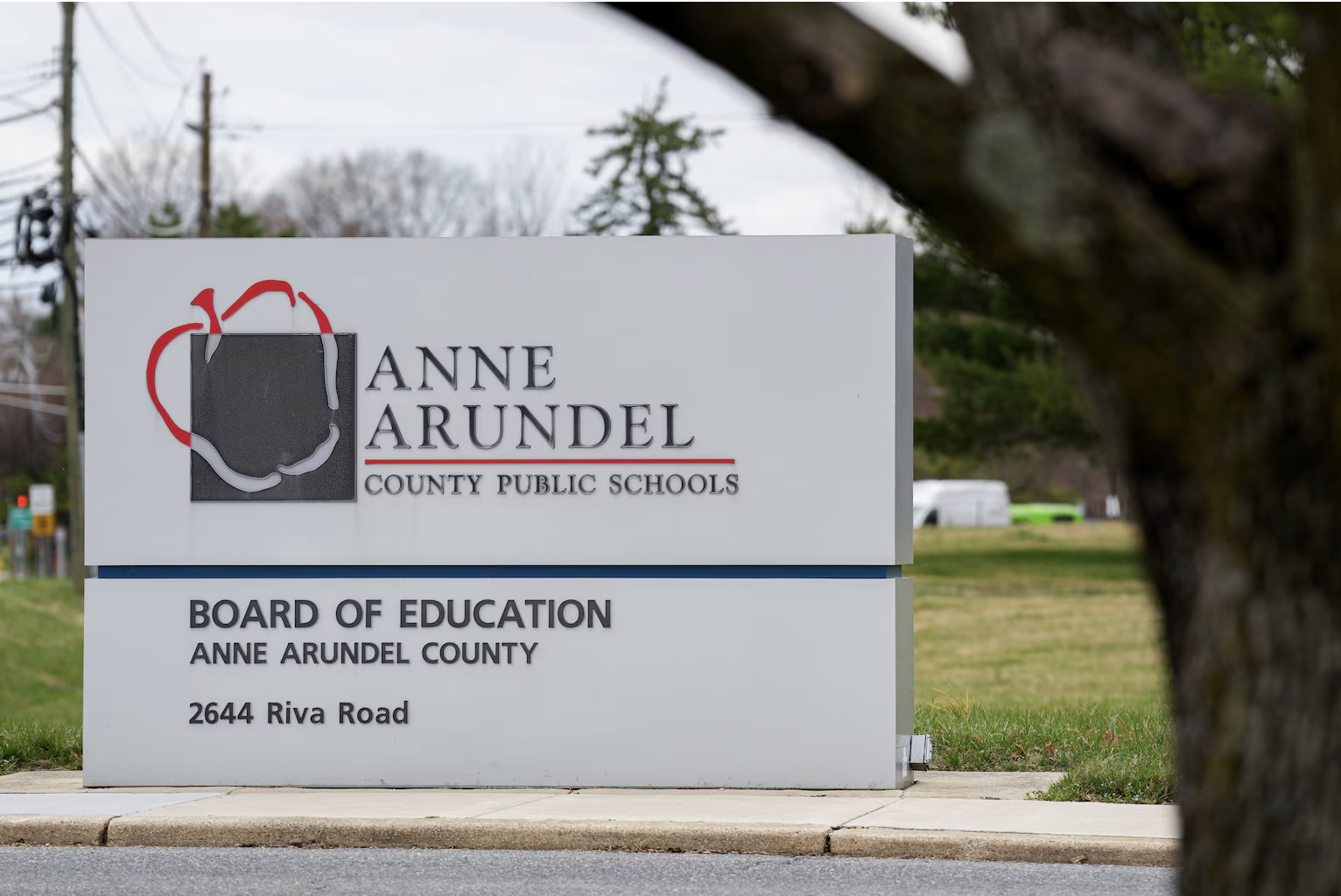
By JESSICA CALEFATI | The Trump-Vance administration on Monday threatened to punish Anne Arundel County’s school system with legal action or the loss of federal funding for allegedly withholding information about a student’s gender identity and transition from the child’s parents.
The U.S. Education and Justice Departments together determined that the suburban Maryland district treats students’ gender identities as confidential medical information that cannot be shared with parents, in violation of federal student privacy law, according to a news release. A federal lawsuit filed against the district earlier this month made similar claims.
“As a mother and a grandmother, it is unconscionable that any school district would hide the most sensitive information about children in their care from their own parents,” U.S. Secretary of Education Linda McMahon said in a statement. “This is not only an affront to basic moral principles, but also to parents’ rights under federal law.”
The rest of this article can be read on the Baltimore Banner’s website.

Not all trans people are the same

Queer team brings girl power to fully baked ‘The Wrong Girls’

Democrat Maureen ‘Mo’ Madden takes on longtime GOP stronghold in Delaware’s 38th

Comings & Goings

Impulse to host ‘PrEP Pool Party’ at Vida: Navy Yard

‘Maddie’s Secret’ defies campy expectations

PHOTOS: Nellie’s Drag Brunch

Remembering Barbara ‘Boo’ Price, a pioneering force in women’s music

Russian LGBTQ rights group to shut down